The 10-Minute Toy Test: A Simple Trick Parents Can Use Before Buying Any Toy
Introduction
You're standing in the toy aisle.
Your child has already spotted something they desperately want.
"Please, can I have this one?"
It lights up. It makes noises. The box promises hours of fun. Other children seem excited about it too, and for a moment you wonder if saying "yes" is the right decision.
Now imagine something else.
Fast forward two weeks.
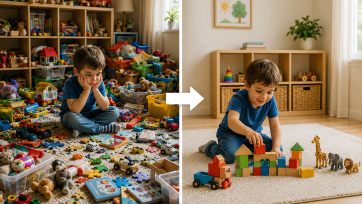
That same toy is buried beneath a pile of forgotten presents, missing a few pieces and gathering dust while your child is busy building a castle from cardboard boxes.
Sound familiar?
Most parents have experienced this cycle more than once. It isn't because children are impossible to satisfy, and it doesn't necessarily mean the toy was poor quality.
More often, it means the purchase was based on excitement rather than lasting play value.
Professional toy buyers and early years educators often evaluate toys differently from the average shopper. They don't ask whether a toy looks exciting on the shelf. They ask a far more useful question:
"Will this still be interesting after the novelty has disappeared?"
You don't need years of experience to answer that question.
A simple method—what we can call the 10-Minute Toy Test—can help you make better buying decisions, reduce wasted money and build a toy collection your child genuinely enjoys.
Why First Impressions Can Be Misleading
Toy packaging is designed to sell.
Bright colours, moving parts, licensed characters and exciting demonstrations all encourage quick decisions. That's understandable—manufacturers only have a few seconds to capture your attention.
Children respond even faster.
They see flashing lights, hear music or recognise a favourite character, and suddenly the toy feels irresistible.
The problem is that the shelf experience lasts only a few moments.
Real life begins after the box is opened.
That's where many purchases disappoint.
What Is the 10-Minute Toy Test?
The idea is surprisingly simple.
Before buying any toy, imagine your child has already played with it for ten minutes.
Now ask yourself:
What happens next?
If the answer is "They'll probably press the same buttons again," the toy may have limited long-term value.
If the answer is "They could build something different, invent a story or create a new game," you've probably found a much stronger choice.
The test shifts your attention away from excitement and towards replay value.
It's one of the easiest ways to avoid impulse purchases.
Toys That Pass the Test
You don't need a shopping list full of expensive products.
In fact, many of the toys that score highest in the 10-Minute Toy Test are surprisingly simple.
Think about activities that change every time a child uses them.
A handful of wooden blocks might become:
-
A bridge today.
-
A castle tomorrow.
-
A zoo at the weekend.
-
A space station next week.
The toy hasn't changed.
The child's imagination has.
That's exactly what keeps it interesting.
The same principle applies to art materials, magnetic construction pieces, pretend play sets, train tracks and loose parts that children can combine in different ways.
Toys That Usually Fail the Test
This doesn't mean these toys are "bad". Some children genuinely enjoy them.
However, certain types of toys rely almost entirely on surprise.
Once the surprise disappears, so does much of the play.
Examples often include:
-
Toys with only one button to press.
-
Items that perform the same action every time.
-
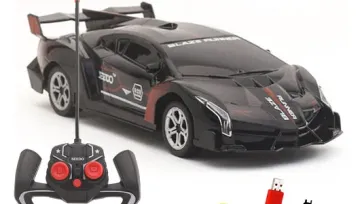
Highly scripted electronic gadgets.
-
Toys based entirely on a short-lived trend.
-
Products with very limited interaction.
Children become observers rather than creators, and that usually shortens the lifespan of play.
The Difference Between Entertainment and Engagement
There's an important distinction that many parents overlook.
Entertainment happens to a child.
Engagement happens because of a child.
A talking toy may entertain.
A box of construction pieces demands decisions, creativity and problem-solving.
Both have a place, but only one continues growing alongside the child.
That's why educators often favour toys that leave part of the experience unfinished.
Children naturally fill the gaps with their own ideas.
That process is where the real magic of play begins.
Try the Test in a Real Shop
The next time you're buying a toy, don't rush.
Pick up two different products.
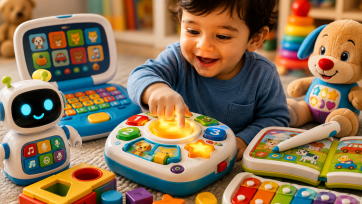
The first might be an electronic toy with lights, sounds and several buttons. The second could be something much simpler, like a set of wooden blocks or magnetic tiles.
Now picture your child playing with each toy for half an hour.
With the electronic toy, the play may look almost identical from beginning to end. The child presses a button, watches the response and repeats the process.
With the building toy, the experience keeps changing. A tower becomes a bridge. The bridge becomes a garage. The garage becomes part of an imaginary town.
One toy delivers entertainment.
The other creates opportunities.
That's the difference the 10-Minute Toy Test is designed to reveal.
The Birthday Toy vs the Tuesday Toy
Here's another way to think about toy shopping.
Some toys are Birthday Toys.
They create a big reaction when the wrapping paper comes off. Everyone gathers around, the excitement is genuine and the moment is memorable.
But by the following weekend, they've already lost much of their appeal.
Then there are Tuesday Toys.
Nobody cheers when they're opened.
They don't flash.
They don't sing.
They simply sit on the shelf waiting for the next adventure.
Months later, they're still being used.
If you're trying to build a toy collection that offers real value, aim for more Tuesday Toys than Birthday Toys.
Children often create their happiest memories with the toys that never seemed especially exciting in the shop.
A Better Shopping Habit
Before adding a toy to your basket, pause for thirty seconds.
Ask yourself:
-
Could my child invent more than one game with this?
-
Will they control the play, or will the toy do everything for them?
-
Is this different from what they already own?
-
Will it still feel interesting after the excitement of opening the box has faded?
-
If the batteries stopped working tomorrow, would they still want to play with it?
That final question is surprisingly powerful.
Many parents immediately realise which toys have genuine play value and which rely almost entirely on electronic features.
The Most Valuable Toys Rarely Compete for Attention
The toy industry is full of products designed to shout.
Flashing lights.
Loud sounds.
Bright packaging.
Constant movement.
Yet the toys children quietly return to year after year usually do the opposite.
They wait.
They don't tell children what to build, what story to imagine or which character to become.
Instead, they provide the tools, and children provide everything else.
That's why these toys often survive long after the latest trends have disappeared.
Don't Confuse Price with Play Value
One of the biggest myths in toy shopping is that spending more automatically means buying better.
It doesn't.
A £20 toy that inspires hundreds of hours of imaginative play is a far better investment than a £100 gadget that's forgotten before the school holidays begin.
Value isn't measured by price.
It's measured by how often a child chooses to return to the toy without being reminded.
Parents who focus on play value rather than price often discover they buy fewer toys while getting much more from each purchase.
Frequently Asked Questions
Does the 10-Minute Toy Test work for every age?
Yes. The idea can be adapted for babies, toddlers and older children. The key question remains the same: will the toy continue encouraging meaningful play after the initial excitement has faded?
Are electronic toys always a poor choice?
Not at all. Many electronic toys are enjoyable and educational. The test simply encourages parents to consider whether the toy offers lasting engagement rather than short-term entertainment.
What types of toys usually pass the test?
Open-ended toys, construction sets, art supplies, pretend play equipment, puzzles and creative materials often provide excellent long-term play because children can use them in many different ways.
Should I stop buying trendy toys?
Not necessarily. If your child genuinely loves a particular trend, there's nothing wrong with buying an occasional novelty toy. The goal is balance, not perfection.
Can this approach save money?
In many cases, yes. By choosing toys with greater replay value, families often reduce impulse purchases and make better long-term buying decisions.
Final Thoughts
Every parent has bought a toy that looked perfect in the shop but ended up forgotten a few days later. It's a common experience, and it doesn't mean you've made a bad decision. Children change quickly, and not every toy becomes a favourite.
The 10-Minute Toy Test isn't a scientific formula, nor is it meant to remove the fun from shopping. Instead, it encourages a simple shift in thinking.
Rather than asking, "Will my child be excited today?", ask, "Will they still want to play with this next month?"
That one question can completely change the way you shop.
Over time, you'll probably notice something interesting.
Your child won't necessarily own more toys.
They'll simply own better ones.
And those are usually the toys that become part of the stories they'll remember long after childhood has passed.