Travel Toys for Toddlers and Young Children: The Ultimate Parent's Guide to Stress-Free Journeys
Ask any parent about travelling with a toddler, and you'll probably hear the same answer: the journey is often harder than the destination.
Whether you're driving for two hours to visit grandparents, waiting at an airport for a delayed flight or taking a long train journey during the school holidays, young children can quickly become restless. Sitting still isn't something that comes naturally to them. Before long, boredom turns into frustration, and what should have been an exciting family trip can become exhausting for everyone.
The good news is that the right travel toys can completely change the experience.
Travel toys are designed to keep children entertained, curious and engaged while taking up very little space. More importantly, the best ones do much more than simply pass the time. They encourage creativity, improve concentration and support learning without relying on tablets or smartphones.
Parents often assume they need to pack dozens of toys "just in case". In reality, a handful of carefully chosen travel toys usually works far better than an overstuffed backpack filled with items children barely touch.
In this guide, you'll discover how to choose travel toys that children genuinely enjoy, which features matter most, how to avoid common buying mistakes and why simple toys often outperform expensive electronic gadgets.
Why Travel Feels Different for Young Children
Adults usually see travelling as part of the adventure.
Children see it differently.
They're expected to stay seated for long periods, follow unfamiliar routines and cope with busy, noisy environments. Even the most patient child can become overwhelmed after an hour or two.
That is why travel toys should do more than distract. They should help children feel comfortable, confident and occupied while allowing parents to relax a little too.
What Makes a Good Travel Toy?
Not every toy belongs in a travel bag.
A large construction set with hundreds of tiny pieces might be brilliant at home but quickly becomes a nightmare in a car or airport lounge.
The best travel toys usually share a few important qualities:
-
Lightweight and easy to carry.
-
Compact enough to fit inside a backpack.
-
Durable enough to survive frequent travel.
-
Quiet enough for public spaces.
-
Easy to clean.
-
Capable of holding a child's attention for longer than a few minutes.
If a toy can be dropped once without breaking and packed away in seconds, it's already ahead of many alternatives.
Benefits of Travel Toys
A thoughtfully packed travel toy isn't just about keeping children busy. It can make the entire journey more enjoyable for the whole family.
Less Stress for Parents
Every parent knows that boredom often leads to complaints, arguments and frustration.
Interesting toys help prevent many of these situations before they begin.
Longer Attention Spans
Children who become absorbed in a puzzle, activity book or creative toy are less likely to ask every five minutes, "Are we there yet?"
Encourages Independent Play
One of the biggest advantages of travel toys is that children learn to entertain themselves.
Parents don't need to become the full-time entertainer throughout the journey.
Supports Learning
Many travel toys naturally encourage counting, storytelling, matching, drawing or problem-solving.
Children continue learning while believing they are simply having fun.
Reduces Screen Time
Digital devices have their place, particularly during very long journeys, but they don't need to become the only source of entertainment.
Travel toys offer a healthier balance between technology and hands-on play.
The Best Travel Toys for Toddlers
Toddlers need simple activities that are easy to understand and difficult to lose.
Some excellent options include:
-
Chunky board books
-
Reusable sticker books
-
Water-reveal colouring books
-
Large magnetic drawing boards
-
Soft fabric activity books
-
Finger puppets
-
Shape matching games
-
Stacking cups
-
Sensory toys
-
Soft dolls
The aim is to provide toys that can be used independently without creating unnecessary mess.
Travel Toys for Preschool Children
Preschool children enjoy activities that challenge their imagination while remaining portable.
Great choices include:
-
Magnetic puzzles
-
Small construction toys
-
Storytelling cards
-
Activity books
-
Compact board games
-
Lacing activities
-
Reusable colouring pads
-
Toy animals
-
Simple card games
-
Travel-friendly craft kits
Many parents discover that one engaging activity can provide far more entertainment than several less interesting toys.
Travel Toys for School-Age Children
Older children usually appreciate toys that require thinking, creativity or strategy.
Some excellent examples are:
-
Logic puzzles
-
Crossword books
-
Sketchbooks
-
Card games
-
Travel chess or draughts
-
Compact building sets
-
Brain teaser puzzles
-
Creative writing journals
-
Foldable board games
-
Educational quiz cards
Children in this age group often enjoy being involved in choosing which toys to pack before travelling.
How Many Travel Toys Should You Pack?
One of the biggest mistakes parents make is filling an entire bag with toys.
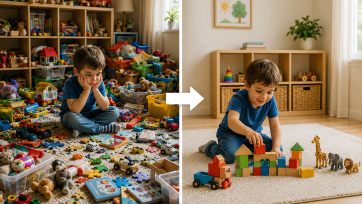
It sounds like a sensible idea, but too many choices often have the opposite effect. Children quickly move from one toy to another without becoming fully engaged with any of them.
A better approach is to pack a small collection of carefully selected activities.
For most journeys, this is usually enough:
-
One creative activity, such as a colouring or drawing pad.
-
One problem-solving toy, such as a puzzle.
-
One imaginative toy, such as a few animal figures or finger puppets.
-
One comfort item, especially for younger children.
-
One "surprise" toy that isn't revealed until later in the journey.
Introducing a new activity every hour or so keeps the experience fresh without overwhelming your child.
Creating the Perfect Travel Activity Bag
Instead of throwing toys into a backpack at the last minute, prepare a dedicated travel kit that stays ready for family trips.
A well-organised travel bag might include:
-
A reusable water colouring book
-
Washable crayons
-
A small notebook
-
Magnetic puzzles
-
Reusable sticker scenes
-
A compact card game
-
Healthy snacks
-
Wet wipes
-
Spare zip-lock bags for storage
-
A lightweight blanket or comfort toy
Keeping everything in one place saves time and prevents frantic searching during the journey.
Screen Time vs Travel Toys
Many parents wonder whether they should simply hand over a tablet during long trips.
There's no universal right or wrong answer.
Screens can be useful during lengthy flights or unexpected delays, but relying on them from the start often means children lose interest in other activities.
A balanced approach usually works best.
Begin the journey with books, puzzles, drawing activities or imaginative toys. If the trip is particularly long, digital entertainment can be introduced later as one part of a varied travel routine rather than the entire experience.
Buying Guide
Travel toys don't need to be expensive, but they do need to be practical.
Before buying, ask yourself a few simple questions.
Will it fit easily into a backpack?
Large toys may be enjoyable at home but become inconvenient during travel.
Can it survive being dropped?
Travelling can be rough on toys. Choose products made from durable materials that won't break after one fall.
Does it create unnecessary mess?
Avoid toys with dozens of tiny pieces, loose sand, glitter or liquids that are difficult to manage while travelling.
Can it be used in more than one way?
Open-ended toys generally provide much better value because children invent new ways to play with them.
Will my child still enjoy it after the journey?
The best travel toys become part of everyday play once you're back home, making them a worthwhile investment.
Safety Tips
Travelling introduces different safety considerations than playing at home.
Keep these recommendations in mind:
-
Choose toys that match your child's age.
-
Avoid toys with very small parts for toddlers.
-
Check toys regularly for damage before travelling.
-
Pack toys in secure containers or zip pouches.
-
Keep favourite comfort toys within easy reach.
-
Clean toys after trips, especially those used on public transport.
-
Avoid heavy toys that could become hazardous during sudden stops in a vehicle.
-
Supervise younger children when using craft materials or activity books with accessories.
A little preparation helps ensure both safety and convenience throughout the journey.
Common Buying Mistakes
Parents often buy travel toys based on appearance rather than practicality.
Here are some mistakes worth avoiding.
Packing Too Many Toys
More toys rarely mean more entertainment. A smaller selection usually keeps children focused for longer.
Choosing Toys with Lots of Loose Pieces
Missing pieces are common during travel, particularly in airports, restaurants or motorway service stations.
Buying Toys That Make Loud Noises
Electronic sounds may seem entertaining at home but can quickly become frustrating in shared public spaces.
Ignoring Your Child's Interests
A travel toy only works if your child genuinely enjoys it. Choosing activities based on their hobbies usually leads to much longer play sessions.
Leaving Packing Until the Last Minute
Preparing a travel kit the night before often results in forgotten essentials and unsuitable toys.
Frequently Asked Questions
What are the best travel toys for toddlers?
Simple, lightweight toys such as reusable sticker books, water colouring books, magnetic drawing boards, soft dolls and fabric activity books are excellent choices because they are easy to carry and encourage independent play.
Should children use tablets during travel?
Tablets can be useful on longer journeys, but combining them with books, puzzles and creative travel toys usually creates a healthier balance and helps reduce overall screen time.
How many travel toys should I take?
A small collection of four to six carefully chosen activities is often enough for most day trips and holidays. Rotating them throughout the journey helps maintain interest.
Are travel toys suitable for aeroplanes?
Yes. Compact, quiet toys are ideal for flights because they entertain children without disturbing other passengers.
What should I avoid packing?
Avoid toys with tiny loose pieces, messy craft materials, loud electronic sounds or bulky items that are difficult to carry.
Final Thoughts
Travelling with young children will always involve a little unpredictability, but the right preparation can make a remarkable difference. Instead of relying on dozens of toys or unlimited screen time, focus on a carefully chosen selection of activities that encourage creativity, independent play and problem-solving.
The best travel toys are not necessarily the newest or most expensive. They are the ones that keep children engaged, fit easily into your luggage and continue providing value long after the journey has ended.
By choosing practical, durable and age-appropriate travel toys, parents can reduce stress, keep children happily occupied and turn long journeys into enjoyable family adventures rather than exhausting experiences.