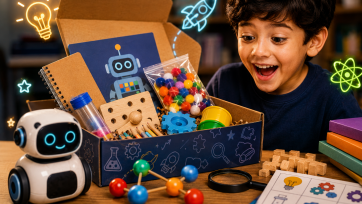
Best STEM Toys for Kids in 2026

Best STEM Toys for Kids in 2026

Science and technology are shaping the future, and today's children are growing up in a world where creativity, critical thinking, and problem-solving are more important than ever. One of the best ways to introduce these skills at an early age is through STEM toys. Designed to make learning fun, STEM toys encourage children to experiment, build, invent, and explore while playing.

Unlike traditional toys that may only entertain for a short time, STEM toys challenge children to think, ask questions, and discover solutions on their own. Whether it's building a robot, creating simple machines, conducting science experiments, or learning basic coding, these toys transform playtime into an exciting educational adventure.

If you're searching for the best STEM toys for kids in 2026, this guide will help you understand their benefits, different types, and how to choose the right one for your child's age and interests.

What Are STEM Toys?

STEM stands for Science, Technology, Engineering, and Mathematics. STEM toys are designed to teach these subjects through interactive, hands-on activities rather than traditional classroom learning.

Instead of memorizing facts, children learn by experimenting, building, testing, and solving problems. This approach makes learning more engaging and helps children develop confidence in their abilities.

Many STEM toys are suitable for both independent play and family activities, making learning even more enjoyable.

Why STEM Toys Are Important

The world is becoming increasingly driven by technology and innovation. Children who develop analytical thinking and creativity at an early age often find it easier to adapt to future educational and career opportunities.

STEM toys encourage children to become active learners. Instead of simply following instructions, they investigate how things work, make mistakes, improve their designs, and celebrate their achievements.

These experiences help build curiosity that extends beyond playtime into everyday life.

Benefits of STEM Toys

STEM toys offer much more than educational value.

They help children develop:

  • Critical thinking
  • Problem-solving skills
  • Creativity
  • Logical reasoning
  • Hand-eye coordination
  • Fine motor skills
  • Patience
  • Teamwork
  • Confidence
  • Communication skills

These abilities support success in school while preparing children for future challenges.

Building Sets Encourage Engineering Skills

Construction toys are among the most popular STEM toys because they allow children to design and build their own creations.

Children can experiment with balance, structure, and stability while constructing:

  • Towers
  • Bridges
  • Vehicles
  • Castles
  • Robots
  • Cities

Building projects encourage trial and error, teaching children that mistakes are an important part of learning.

Coding Toys Make Programming Easy

Coding may sound complicated, but many STEM toys introduce programming using simple games and colorful building blocks.

Instead of typing computer code, younger children learn through visual instructions that teach sequencing and logical thinking.

Coding toys help children develop:

  • Planning skills
  • Logical reasoning
  • Pattern recognition
  • Creative problem-solving

These early experiences create a strong foundation for future technology learning.

Robotics Kits Inspire Innovation

Robotics combines science, engineering, and technology into one exciting activity.

Children enjoy assembling robots, programming movements, and watching their creations come to life.

Many beginner robotics kits include easy-to-follow instructions, making them suitable even for children with no previous experience.

Robotics also encourages persistence because children often improve their designs through repeated experimentation.

Science Experiment Kits Spark Curiosity

Children naturally love asking questions about the world around them.

Science experiment kits help answer those questions through safe, hands-on activities.

Popular experiments include:

  • Volcano models
  • Crystal growing
  • Water experiments
  • Magnet investigations
  • Electricity projects
  • Weather demonstrations

These activities make scientific concepts easier to understand while encouraging curiosity.

Mathematics Becomes More Enjoyable

Many children struggle with mathematics when learning feels repetitive.

STEM toys introduce mathematical thinking through games and practical activities.

Children practice:

  • Counting
  • Measuring
  • Sorting
  • Patterns
  • Shapes
  • Geometry
  • Basic calculations

Learning becomes much more enjoyable when mathematics is connected to real-world activities.

STEM Toys Improve Problem-Solving

Every STEM activity presents a challenge.

A bridge may collapse.

A robot may not move correctly.

A puzzle may seem impossible.

Children learn to observe the problem, test different solutions, and improve their ideas until they succeed.

These experiences build resilience and confidence while teaching that failure is often the first step toward success.

Best STEM Toys for Preschoolers

Young children enjoy simple STEM activities that encourage exploration.

Popular choices include:

  • Magnetic building tiles
  • Wooden construction sets
  • Shape sorters
  • Beginner science kits
  • Counting games
  • Marble runs

These toys introduce basic STEM concepts without overwhelming children.

Best STEM Toys for School-Age Kids

As children grow older, they enjoy more challenging activities.

Excellent STEM toys include:

  • Robotics kits
  • Coding games
  • Engineering construction sets
  • Circuit-building kits
  • Advanced science laboratories
  • Mechanical building projects

These toys encourage independent learning while keeping children engaged for longer periods.

STEM Toys and Creativity

Many people assume STEM only focuses on science and mathematics.

In reality, creativity plays an essential role.

Children constantly design, invent, improve, and imagine new possibilities while working on STEM projects.

There is rarely only one correct answer, encouraging flexible thinking and innovation.

STEM Toys vs Traditional Educational Toys

Both categories provide valuable learning opportunities.

Traditional educational toys often focus on reading, counting, colors, and language development.

STEM toys expand learning by encouraging experimentation, engineering, scientific thinking, and technology skills.

Many parents choose a combination of both to create a balanced learning environment.

Choosing the Right STEM Toy

Before buying a STEM toy, consider:

  • Your child's age
  • Current interests
  • Skill level
  • Safety features
  • Ease of use
  • Opportunities for long-term learning

The best STEM toy should challenge children without causing frustration.

Safety Tips for Parents

As with all toys, safety is important.

Choose STEM toys that:

  • Match your child's age.
  • Use non-toxic materials.
  • Include clear instructions.
  • Have durable construction.
  • Meet recognized safety standards.

Adult supervision may be helpful during science experiments or activities involving small parts.

Common Mistakes When Buying STEM Toys

Parents sometimes buy STEM toys that are either too simple or far too advanced.

Avoid:

  • Buying based only on popularity.
  • Ignoring age recommendations.
  • Choosing poor-quality materials.
  • Expecting immediate results.
  • Purchasing toys your child has no interest in.

Selecting toys that match your child's curiosity usually leads to the best experience.

Why STEM Toys Make Excellent Gifts

STEM toys are thoughtful gifts because they combine learning with entertainment.

Whether for birthdays, holidays, or special occasions, they encourage children to build, invent, explore, and solve problems while having fun.

Parents also appreciate gifts that continue providing educational value long after the excitement of opening the box has passed.

Frequently Asked Questions

What are STEM toys?

STEM toys are educational toys that teach Science, Technology, Engineering, and Mathematics through hands-on activities and interactive learning.

At what age can children start using STEM toys?

Many STEM toys are designed for children as young as three years old, with more advanced options available for older kids and teenagers.

Do STEM toys help children perform better in school?

Yes. STEM toys encourage critical thinking, creativity, concentration, and problem-solving skills that support classroom learning.

Are STEM toys only for children interested in science?

No. STEM toys are designed for all children and help develop valuable life skills regardless of future career interests.

Final Thoughts

STEM toys are more than just educational products—they are tools that inspire curiosity, creativity, and confidence. By encouraging children to experiment, build, invent, and solve real-world challenges, these toys make learning enjoyable while preparing young minds for the future.

Whether you choose a robotics kit, coding game, science experiment set, engineering construction kit, or magnetic building blocks, the right STEM toy can turn every play session into an exciting opportunity for discovery. Investing in quality STEM toys today helps children develop skills that will benefit them for years to come.
Advertisement
Pretend Play Toys
Pretend Play Toys
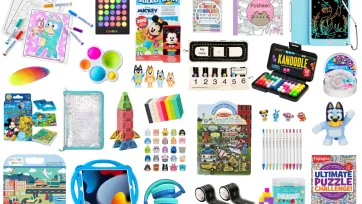
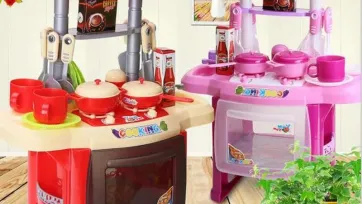
 Pretend Play Toys: Why Role Play Is Essential for Child Development Children have an incredible ability to transform ordinary objects into extraordinary adventures. A cardboard box becomes a spaceship, a blanket turns into a magical castle, and a toy spoon is suddenly the perfect tool for serving an imaginary feast. This natural ability to create stories and explore different roles is known as pretend play, and it is one of the most valuable forms of childhood learning. Pretend play toys encourage children to use their imagination while acting out real-life situations, fictional adventures and everyday experiences. Rather than following fixed rules or predetermined outcomes, children create their own stories, solve problems, communicate with others and express their emotions through play. Role play is far more than simple entertainment. It supports cognitive, social, emotional and language development while helping children understand the world around them. Whether they are pretending to be a doctor, chef, firefighter, teacher or astronaut, children are constantly learning through observation and imagination. For parents, choosing the right pretend play toys can provide years of meaningful play while helping children build confidence, creativity and important life skills. In this guide, you'll discover why pretend play matters, the developmental benefits it offers and how to choose the best role play toys for children of different ages. What Are Pretend Play Toys? Pretend play toys are toys that encourage children to imitate real-life situations or invent imaginative stories. Instead of completing a single task, these toys allow children to create different characters, environments and adventures each time they play. Examples include: Play kitchens Toy food Doctor kits Tool sets Dollhouses Toy cash registers Dress-up costumes Puppets Toy telephones Farm sets Toy vehicles Doll accessories Camping sets Tea sets Because there is no single correct way to play, children are free to explore ideas, solve problems and create their own imaginative worlds. Why Pretend Play Is Important Children learn about life by observing the people around them. Pretend play gives them an opportunity to practise what they see in a safe and enjoyable environment. For example, a child pretending to run a café learns about conversation, taking turns, counting money and serving customers. A child playing with a doctor's kit may become more comfortable with future medical appointments while learning empathy and care for others. Role play also allows children to process new experiences and express emotions that they may not yet have the words to describe. Benefits of Pretend Play Toys Pretend play supports many different areas of development at the same time. Encourages Creativity Every pretend play session is unique. Children invent stories, create characters and imagine situations that develop creative thinking. A simple toy kitchen might become a busy restaurant one day and a bakery the next. Develops Communication Skills Pretend play naturally encourages conversation. Children practise asking questions, giving instructions, negotiating roles and telling stories while expanding their vocabulary. Playing with parents, siblings or friends further strengthens language development. Builds Social Skills Role play teaches children how to cooperate, share responsibilities, solve disagreements and understand different points of view. These experiences help prepare children for friendships, teamwork and classroom interactions. Supports Emotional Development Children often use pretend play to express feelings and work through experiences. Acting out situations allows them to explore emotions such as happiness, fear, excitement and disappointment in a safe environment. Improves Problem-Solving Skills Pretend scenarios frequently involve challenges. Children decide what happens next, solve imaginary problems and adapt their stories when situations change. This strengthens flexible thinking and decision-making skills. Encourages Independent Play Many pretend play toys allow children to remain engaged for long periods without adult direction. Independent role play builds confidence and encourages children to use their own ideas. Best Pretend Play Toys for Toddlers Toddlers enjoy copying familiar everyday activities. Suitable pretend play toys include: Toy telephones Toy food Soft dolls Push prams Play kitchens Cleaning toy sets Toy animals Simple tool benches Tea sets These toys encourage language development and early social interaction while supporting imaginative thinking. Pretend Play Toys for Preschool Children As children grow, their stories become more detailed and imaginative. Popular choices include: Doctor kits Vet play sets Grocery shop toys Dollhouses Firefighter sets Police role play kits Puppet theatres Dress-up costumes Construction worker toys Toy cash registers These toys encourage teamwork, storytelling and creative thinking while helping children explore different roles within their community. Pretend Play Toys for School-Age Children As children grow older, their imagination becomes more sophisticated. Instead of acting out simple everyday routines, they begin creating detailed stories with complex characters, adventures and challenges. Pretend play remains just as valuable during these years, helping children develop creativity, leadership and communication skills. Some excellent pretend play toys for school-age children include: Adventure play sets Camping and exploration kits Science laboratory role play sets Detective and mystery kits Theatre and puppet sets Space exploration toys Dollhouses with detailed accessories Toy farms and animal rescue centres Building site play sets Restaurant and café role play sets These toys encourage children to work together, create longer stories and develop confidence while expressing their ideas. How Pretend Play Supports Learning Many parents view pretend play as simply a way to keep children entertained, but it offers significant educational value. Through role play, children naturally practise skills they will use throughout life. For example: Language Development Children expand their vocabulary by creating conversations, asking questions and explaining situations during play. Mathematical Skills Running a pretend shop or café introduces counting, sorting, measuring and recognising numbers. Problem-Solving Unexpected situations encourage children to think creatively and find solutions independently. Social Understanding Role play helps children understand different professions, family relationships and community responsibilities. Emotional Intelligence Children learn empathy by imagining how other people might think or feel in different situations. How to Choose the Best Pretend Play Toys When choosing pretend play toys, focus on versatility rather than complicated features. The best toys allow children to direct the play rather than simply following instructions. Look for toys that: Match your child's interests. Encourage imagination. Can be used in different ways. Are suitable for independent and group play. Are made from durable, child-safe materials. Include accessories that inspire storytelling. Can grow with your child over several years. Simple toys often provide more creative opportunities than highly electronic alternatives. Buying Guide Selecting pretend play toys becomes easier when you consider a few important factors before making a purchase. Age Suitability Choose toys designed for your child's developmental stage. Younger children benefit from larger, simpler accessories, while older children often enjoy more detailed play sets. Open-Ended Play Value The best pretend play toys can be used in many different scenarios rather than supporting only one fixed story. Quality and Durability Role play toys are frequently used, moved and shared. Well-made products generally provide better long-term value. Storage Requirements Some pretend play collections include numerous accessories. Ensure you have suitable storage to keep pieces organised. Educational Benefits Choose toys that encourage communication, creativity, cooperation and problem-solving rather than passive entertainment. Safety Tips Pretend play toys should always be used safely, particularly when younger children are involved. Follow these recommendations: Always check the recommended age range. Keep small accessories away from babies and toddlers. Inspect toys regularly for broken parts. Remove damaged toys immediately. Clean toys frequently, especially shared items. Store accessories in labelled containers. Avoid costumes with long cords or loose parts for younger children. Supervise play involving toy tools or cooking accessories. A safe play environment allows children to enjoy imaginative adventures with confidence. Common Buying Mistakes Parents sometimes purchase pretend play toys that fail to provide lasting value. Avoid these common mistakes. Buying Toys Based Only on Popular Characters Children often lose interest once a favourite television programme or film becomes less exciting. Choosing Highly Electronic Toys Toys that perform most of the actions themselves often leave less room for children's imagination. Ignoring Your Child's Interests Some children enjoy pretending to cook, while others prefer caring for animals or building imaginary worlds. Buying Too Many Accessories Large collections can become difficult to organise and may overwhelm younger children. Focusing on Quantity Instead of Quality A small collection of versatile pretend play toys usually provides far richer play experiences than numerous single-purpose toys. Frequently Asked Questions What are pretend play toys? Pretend play toys encourage children to act out real-life situations or imaginary adventures using their own creativity and imagination. At what age does pretend play begin? Simple pretend play often begins between 18 months and 2 years of age and becomes increasingly detailed throughout childhood. Why is role play important for child development? Role play supports creativity, communication, emotional development, problem-solving and social skills while encouraging independent thinking. Are pretend play toys educational? Yes. They help children practise language, maths, social interaction, storytelling and decision-making through enjoyable play experiences. How many pretend play toys does a child need? A small selection of versatile toys that inspire different stories is usually more valuable than owning many similar play sets. Final Thoughts Pretend play is one of the most powerful ways children learn about themselves and the world around them. Through imaginative role play, they develop communication skills, creativity, empathy and confidence while exploring everyday situations in a safe and enjoyable environment. The best pretend play toys are those that encourage children to take the lead, invent stories and solve problems using their imagination. Whether your child enjoys cooking, caring for animals, building imaginary towns or becoming a superhero for the day, role play provides endless opportunities for learning through play. By choosing durable, versatile and age-appropriate toys, parents can encourage meaningful play that supports development for many years while creating lasting childhood memories.  
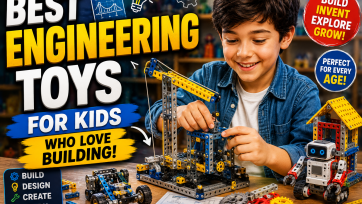
Best Engineering Toys for Kids Who Love Building
Some children do not simply play with toys. They take them apart, rebuild them, connect pieces in unusual ways, and ask endless questions about how things work. For these children, engineering toys can be far more engaging than ordinary entertainment products. The best engineering toys for kids encourage them to design, test, fail, adjust, and try again. That process develops more than construction skills. It can strengthen patience, spatial reasoning, creativity, coordination, and confidence. A good engineering toy does not give a child only one correct result. It provides enough freedom to create bridges, vehicles, machines, towers, robots, or completely imaginary structures. This guide covers the most useful types of engineering toys, which age groups they suit, and what parents should check before buying. Why Engineering Toys Matter Engineering begins with a problem. How can this tower stand higher? Why does this bridge collapse? Which wheel size makes the car move faster? How can one motor power several moving parts? Children may not use formal engineering language, but they are already exploring design, structure, force, movement, balance, and cause and effect. When a model fails, the child has an opportunity to examine the problem and improve the design. This makes engineering toys valuable because failure becomes part of the learning process rather than the end of the activity. 1. Classic Building Blocks Building blocks remain one of the best engineering toys for children of almost every age. Toddlers can stack large blocks and explore balance. Preschoolers can create houses, roads, and simple bridges. Older children can build complex structures with smaller interlocking pieces. Blocks introduce important ideas such as: Weight distribution Height and stability Symmetry Shapes Measurement Structural support The greatest advantage of building blocks is that there is no fixed final result. Children can use the same set differently every day. For younger children, select large pieces that cannot become choking hazards. 2. Magnetic Construction Tiles Magnetic tiles are popular because they allow children to build quickly without complicated connectors. The pieces can be arranged into flat patterns or connected to form three-dimensional structures. Children can create towers, houses, pyramids, vehicles, tunnels, and geometric shapes. Magnetic tiles are particularly useful for teaching: Geometry Spatial thinking Symmetry Structural design Color patterns Parents should inspect magnetic toys regularly. Cracked pieces or loose magnets should be removed immediately. Quality matters more with magnetic toys than with many other building products. 3. Gear-Building Sets Gear sets help children understand how movement can transfer from one part of a machine to another. When one gear turns, it may cause several connected gears to move. Children can experiment with gear sizes, direction, speed, and placement. These sets are especially suitable for children who enjoy moving mechanisms rather than static structures. A good beginner gear set should include: Large gears Strong connectors A stable base Easy-to-follow examples Enough pieces for original designs Some gear kits also include handles, chains, wheels, or motorized parts. 4. Construction Vehicles and Assembly Kits Many children are fascinated by cranes, bulldozers, trucks, and excavators. Assembly kits allow them to build these machines rather than simply push them across the floor. Depending on the child’s age, the set may use: Plastic screws Nuts and bolts Snap-together pieces Child-safe tools Mechanical connectors These toys can improve hand-eye coordination and teach children how individual parts form a complete machine. Look for kits that can be disassembled and rebuilt more than once. 5. Marble Runs A marble run is both an engineering toy and a science experiment. Children connect tracks, slopes, curves, tunnels, funnels, and ramps to guide a marble from the top to the bottom. A successful run requires planning. If the track is too flat, the marble may stop. If a connection is weak, the structure may collapse. If the curve is too sharp, the marble may leave the track. Marble runs introduce: Gravity Momentum Speed Angles Cause and effect Sequential design For younger children, choose sets with large balls designed specifically for their age group. Small marbles are not suitable for children who may place objects in their mouths. 6. Bridge-Building Kits Bridge kits are ideal for children interested in architecture and structural engineering. Some sets provide beams, connectors, cables, or wooden pieces. Others include challenge cards that ask the child to build a bridge capable of supporting a specific amount of weight. Children can compare different bridge designs, including: Beam bridges Arch bridges Suspension bridges Truss bridges This type of activity teaches that a strong structure depends on design, not only the amount of material used. 7. Fort-Building Sets Fort-building kits use rods, connectors, panels, or fabric covers to create child-sized structures. Children may build forts, tents, tunnels, rockets, castles, and playhouses. These toys require whole-body movement and cooperation, making them useful for siblings or group play. Before purchasing, check the size of the completed structure. Some kits require more floor space than expected. The connectors should fit securely but remain manageable for children. 8. Mechanical Model Kits Mechanical model kits allow older children to build machines with moving parts. Popular projects include: Cars Cranes Clocks Robotic arms Windmills Pulleys Gearboxes Some kits use wood, while others use plastic or metal components. Wooden mechanical kits can look impressive, but thin pieces may break if pushed too hard. Read reviews carefully and check whether replacement parts are available. 9. Motorized Building Sets Motorized construction sets introduce children to machines powered by batteries or rechargeable motors. A child may build a vehicle, fan, conveyor belt, crane, or rotating model. These sets teach how power moves through a mechanical system. Parents should check whether the motor and battery box are included. Some products display motorized models on the packaging but sell the electrical components separately. Also compare battery life and replacement costs. 10. Robotics Construction Kits Robotics kits combine engineering with coding. Children first build the physical robot and then program it to move, light up, detect objects, or respond to commands. Beginner robotics kits often use block-based coding, while advanced versions may support Python or other programming languages. Before buying, check: Recommended age Assembly difficulty Device requirements Software compatibility Number of available projects Subscription costs Replacement parts A robotics kit is a better investment when children can build several models instead of only one robot. 11. Wooden Construction Sets Wooden engineering toys can be durable, attractive, and satisfying to handle. They may include planks, dowels, wheels, nuts, bolts, or interlocking components. Wooden sets work well for children who prefer building without screens or electronics. Check for smooth edges, non-toxic finishes, and strong connections. Poorly finished wooden pieces may splinter or become difficult to assemble. 12. Architecture Model Kits Children interested in buildings may enjoy kits based on houses, skyscrapers, landmarks, or city planning. Architecture kits encourage attention to proportion, symmetry, design, and space. Some models follow detailed instructions, while others provide modular pieces for original buildings. Older children may also enjoy drawing a floor plan before beginning construction. 13. Hydraulic Engineering Kits Hydraulic kits use water or air pressure to create movement. Children may build a robotic arm, lifting platform, excavator, or mechanical claw. These toys can demonstrate how pressure moves through tubes and controls different parts of a machine. Hydraulic kits are generally better for older children because assembly may involve small connectors, tubing, and careful measurements. Parents should prepare the work area because water may leak during setup or testing. 14. Solar-Powered Building Kits Solar engineering toys combine construction with renewable-energy learning. Children may build solar cars, robots, boats, or moving animals. These kits demonstrate how light energy can power a motor. Performance may depend on strong direct sunlight. Some children become disappointed when the model does not work well indoors, so parents should explain the lighting requirements before use. A model with both solar and battery options may be more practical. 15. Cardboard Construction Systems Cardboard building kits can be surprisingly effective engineering toys. Some include reusable connectors, cutting tools, templates, or wheels that allow children to transform ordinary cardboard into vehicles, houses, creatures, and machines. These systems are affordable and encourage recycling and large-scale creativity. Children are not limited by the number of pieces in a box because additional cardboard can often be added. Proper supervision is necessary when cutting tools are included. Choosing by Age Ages 2 to 4 Choose large blocks, nesting pieces, simple tool sets, and large magnetic tiles. At this stage, toys should have few steps and large, durable components. Ages 5 to 7 Children may enjoy marble runs, gear sets, fort-building kits, bridge challenges, and simple assembly vehicles. Look for visual instructions and projects that can be completed in a reasonable amount of time. Ages 8 to 10 Motorized models, architecture kits, robotics, mechanical systems, and detailed construction sets become more appropriate. Children at this age may be ready to work independently but can still benefit from adult guidance. Ages 11 and Older Older children can explore advanced robotics, hydraulics, electronics, metal construction sets, and complex mechanical models. Avoid assuming that age alone determines ability. Previous building experience matters just as much. What Parents Should Check Before Buying A large box does not always mean better value. Before purchasing, consider the following. Number of Possible Builds A kit that creates ten different models usually offers more long-term value than a set designed for one permanent structure. Quality of Instructions Poor instructions can ruin an otherwise good toy. Look for large diagrams, clear steps, online tutorials, or instructional videos. Replacement Parts Small connectors and mechanical pieces can be lost easily. Check whether replacement parts are available. Storage Some building kits include hundreds of pieces. A storage box or divided organizer can prevent pieces from disappearing. Difficulty The toy should provide a challenge without requiring an adult to complete the entire project. Total Cost Check for motors, batteries, applications, subscriptions, tools, and expansion packs that may be sold separately. Are Engineering Toys Worth the Cost? Engineering toys can provide excellent value when they are reusable and adaptable. A well-designed building set may remain useful for years because the child can create increasingly complex projects. Premium prices are easier to justify when the toy includes: Durable components Multiple projects Strong instructional material Expandable pieces Replacement support Different difficulty levels Expensive branding alone does not guarantee better learning. A simple set of blocks may offer more creative freedom than an advanced kit that only allows one predetermined model. The Best Toy Is the One That Gets Rebuilt Engineering toys should not be judged only by the final structure. The real learning takes place while the child is choosing pieces, solving problems, changing the design, and recovering from mistakes. A bridge that collapses can be more educational than one that works immediately. For younger children, begin with blocks, tiles, gears, and simple mechanical sets. As their skills improve, introduce motorized models, robotics, architecture, hydraulics, and electronics. The best engineering toy is one that makes a child look at the finished model and immediately ask: “What else can I build with this?”
Remote Control Toys: A Complete Guide for Parents
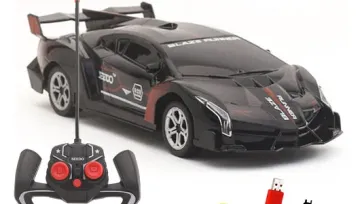
Introduction Remote control toys have been entertaining children for generations, but today's RC toys are more exciting, realistic, and educational than ever before. From high-speed racing cars and monster trucks to helicopters, drones, boats, and robots, these toys offer much more than simple fun. Parents often think RC toys are only meant for entertainment. In reality, they help children develop valuable life skills, including hand-eye coordination, problem-solving, patience, and concentration. As technology continues to improve, modern remote control toys have become safer, easier to use, and more durable, making them an excellent choice for children of different ages. If you're planning to buy your child's first RC toy or simply want to understand why these toys remain so popular, this guide covers everything you need to know. What Are Remote Control Toys? Remote control toys, commonly called RC toys, are electronic toys operated using a wireless controller. The controller sends signals that allow the toy to move forward, backward, left, right, or perform other functions. Modern RC toys use reliable wireless technology that offers better control and longer operating distances than older models. Popular examples include: Remote control racing cars Monster trucks Construction vehicles Helicopters Airplanes Drones Boats Robotic toys Animal-inspired RC toys Each category provides a unique playing experience while encouraging active participation instead of passive screen time. Why Remote Control Toys Are More Popular Than Ever Children naturally enjoy toys that respond instantly to their commands. Driving a racing car through an obstacle course or steering a boat across a pool creates excitement that ordinary toys cannot match. Parents also appreciate RC toys because they encourage movement, creativity, and interaction. Instead of watching videos for hours, children actively participate in games that challenge their thinking and improve their motor skills. Many families also enjoy playing together, turning RC toys into a fun weekend activity that everyone can participate in. Different Types of Remote Control Toys The RC toy market has expanded significantly, offering options for every age group and interest. RC Racing Cars These are among the most popular RC toys. Sports cars, drift cars, off-road trucks, and monster vehicles provide exciting racing experiences both indoors and outdoors. RC Monster Trucks Designed with large tires and strong suspension systems, these trucks perform well on grass, dirt, gravel, and rough terrain. RC Construction Vehicles Excavators, bulldozers, dump trucks, and cranes allow children to enjoy imaginative construction-themed play while learning how real machines work. RC Boats Perfect for swimming pools, lakes, and ponds, RC boats provide a unique outdoor experience. RC Helicopters and Airplanes Flying toys introduce children to basic flight control while improving coordination and concentration. RC Drones Older children and teenagers often enjoy beginner drones equipped with simple controls and camera features. RC Robots Interactive robots can move, dance, respond to commands, and sometimes even perform educational activities. Educational Benefits of Remote Control Toys Many parents are surprised to learn that RC toys can contribute to healthy child development. Instead of pressing random buttons, children constantly observe, predict, and react while controlling the toy. This process develops several important abilities. These include: Better hand-eye coordination Improved fine motor skills Increased concentration Enhanced reaction speed Logical thinking Spatial awareness Patience during practice Better decision-making Children also become more confident as they learn to control increasingly challenging movements. How RC Toys Improve Hand-Eye Coordination Hand-eye coordination develops when the eyes track movement while the hands respond accurately. Imagine a child driving a remote control sports car around chairs in the living room. Every turn requires quick observation and immediate action. Over time, these repeated movements strengthen coordination naturally. This skill benefits children in many everyday activities, including sports, writing, drawing, cycling, and even computer use later in life. Encouraging Creativity Through Imaginative Play Remote control toys are not limited to racing. Children often create their own adventures by building tracks, obstacle courses, bridges, garages, and rescue missions. One day, the RC car becomes a police vehicle. The next day, it transforms into a race champion. Later, it might deliver supplies during an imaginary rescue operation. These creative scenarios help develop storytelling, imagination, and independent thinking. Choosing the Right Remote Control Toy Not every RC toy is suitable for every child. Before purchasing, consider several important factors. Age Recommendation Always follow the manufacturer's recommended age. Simple controls are ideal for younger children, while advanced features are better suited for older kids. Ease of Control Beginners benefit from straightforward controllers with responsive steering and limited speed. Durability Children inevitably bump into furniture, walls, and obstacles. Look for toys made from strong, impact-resistant materials. Battery Life Rechargeable batteries usually provide better long-term value and reduce the ongoing cost of replacing disposable batteries. Spare Parts Some brands offer replacement batteries, tires, and accessories, making maintenance easier. Rechargeable vs Battery-Powered RC Toys Many modern RC toys now include rechargeable batteries. Rechargeable models offer several advantages. Lower long-term cost Environmentally friendly Convenient USB charging Better overall performance Consistent power output Battery-powered toys can still be useful for occasional play, but frequent users generally benefit more from rechargeable models. Indoor and Outdoor Play One advantage of remote control toys is their versatility. Indoor RC cars perform well on smooth floors, while larger off-road vehicles are better suited for gardens, parks, driveways, and playgrounds. Parents should always ensure the playing area is safe and free from traffic or dangerous obstacles. Safety Tips for Parents Safety should always come first. Keep these simple recommendations in mind: Choose age-appropriate toys. Supervise younger children. Charge batteries according to instructions. Avoid playing near roads. Keep small removable parts away from toddlers. Store batteries safely. Avoid water unless the toy is specifically designed for it. Inspect the toy regularly for damage. Responsible use helps ensure years of safe enjoyment. Caring for Your Remote Control Toy Proper maintenance keeps RC toys working efficiently. After each play session: Wipe away dust and dirt. Recharge batteries before storing. Avoid extreme heat. Store the controller safely. Check wheels and moving parts regularly. Tighten loose screws if necessary. Simple maintenance greatly extends the toy's lifespan. Why Remote Control Toys Make Excellent Gifts Few gifts create as much excitement as an RC toy. Whether it's a birthday, holiday, reward, or special celebration, remote control toys offer entertainment that lasts far longer than many traditional toys. They encourage active play, reduce excessive screen time, and often become favorite family activities. A stylish rechargeable racing car, for example, combines realistic design, easy controls, and exciting performance, making it a memorable gift for many children. Common Mistakes Buyers Should Avoid Many shoppers make avoidable mistakes when choosing RC toys. Common errors include: Buying toys that are too advanced. Ignoring battery quality. Choosing poor build quality. Forgetting replacement part availability. Buying without checking age recommendations. Selecting indoor toys for rough outdoor use. Researching before buying usually leads to a much better experience. Frequently Asked Questions Are remote control toys suitable for young children? Yes, many beginner RC toys are specifically designed for younger children with simple controls and slower speeds. Are rechargeable RC toys better? For regular use, rechargeable models are usually more economical, environmentally friendly, and convenient. Can RC toys help children's development? Yes. They improve coordination, concentration, reaction time, problem-solving, and creative thinking while providing active entertainment. Should children use RC toys indoors or outdoors? Both are possible. Small RC cars work well indoors, while larger off-road models perform better outside. Final Thoughts Remote control toys continue to be one of the most enjoyable and educational categories in the toy industry. They combine excitement with valuable learning opportunities, encouraging children to think, react, explore, and create. Whether you choose a sleek racing car, a rugged monster truck, a flying helicopter, or an interactive robot, the right RC toy can provide countless hours of fun while helping children develop important life skills. For parents looking to balance entertainment with meaningful play, remote control toys remain one of the smartest investments for children of all ages.
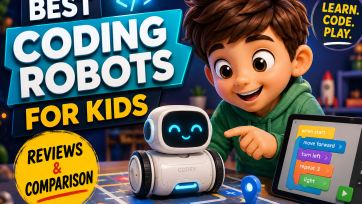
Best Coding Robots for Kids: Reviews and Comparison
Coding robots have become some of the most popular educational toys for children. They combine technology, problem-solving, engineering, and creativity in a way that feels more like play than study. The best coding robots for kids can introduce important concepts such as sequencing, commands, loops, patterns, debugging, logic, and basic programming. Some coding robots work without screens, while others connect to a tablet, smartphone, or computer. However, coding robots vary significantly in price, difficulty, features, and age suitability. A robot designed for a preschooler may use colorful buttons and direction cards, while a robot for an older child may support advanced coding languages, sensors, artificial intelligence, or custom building projects. This guide compares the main types of coding robots and explains how parents can choose the best option for their child. What Is a Coding Robot? A coding robot is an educational toy that responds to programmed instructions. A child may tell the robot to: Move forward Turn left or right Follow a path Detect an obstacle Produce sounds Change lights Pick up objects Complete a challenge Beginner coding robots often use buttons, cards, tiles, or physical blocks. Advanced models may use visual block-based coding or text-based programming. The main purpose is not simply to make the robot move. The child must think about the correct order of commands, test the program, identify errors, and improve the instructions. This process introduces computational thinking in an age-appropriate way. Best Screen-Free Coding Robots for Young Children Screen-free coding robots are ideal for parents who want to introduce programming concepts without increasing tablet or smartphone use. These robots usually use large buttons, coding cards, or physical command tiles. Why Screen-Free Robots Are Useful Screen-free robots can help younger children understand: Directions Sequencing Cause and effect Problem-solving Spatial awareness Pattern recognition A child may press commands such as forward, forward, left, and go. The robot then follows the sequence. If the robot reaches the wrong location, the child must identify which command caused the problem. This is an early form of debugging. Best Age Range Most screen-free coding robots are suitable for children between three and seven years old. Parents should still check the specific manufacturer’s age recommendation. Advantages No smartphone or tablet required Easy for beginners Encourages hands-on learning Usually simple to set up Suitable for classrooms and home use Disadvantages Limited advanced programming Children may outgrow basic models Some robots require additional activity sets Best Coding Robots for Ages 5 to 7 Children between five and seven years old are often ready for coding robots that combine physical controls with simple visual programming. The best models for this age group usually offer guided challenges and multiple difficulty levels. Features to Look For Parents should look for: Large, simple controls Clear instructions Durable construction Rechargeable battery Screen-free or optional app use Beginner coding challenges Obstacle courses or activity maps A robot that offers both button-based programming and optional app-based activities may provide better long-term value. Suitable Activities Children can program the robot to: Travel through a maze Reach a specific destination Avoid obstacles Deliver an object Follow a colored path Draw simple shapes These activities make coding more understandable because children can immediately see the result of each command. Best Coding Robots for Ages 8 to 10 Children aged eight to ten may be ready for coding robots with sensors, mobile applications, building components, and more advanced challenges. Many robots in this category use block-based coding. Instead of typing difficult programming commands, children drag and connect visual blocks on a screen. Important Features A good coding robot for this age group may include: Distance sensors Light sensors Sound detection Programmable lights Motors Obstacle avoidance Drawing attachments Custom movement controls Some models also allow children to build different robot shapes or attach construction blocks. Educational Benefits These robots can help children understand: Conditional logic Loops Events Variables Sensor input Motor control Engineering design For example, a child may program the robot to turn whenever a sensor detects an obstacle. This introduces the idea that a program can respond to changing conditions. Best Coding Robots for Ages 11 and Older Older children may benefit from advanced robotics kits that support more complex programming and engineering projects. These kits often require assembly and may include several motors, sensors, wires, and programmable components. Advanced Coding Options Some advanced coding robots support: Scratch-style coding Python JavaScript Arduino programming App development Artificial intelligence projects Parents should not assume that every older child is ready for advanced coding. The best choice depends on the child’s previous experience and interest. A complete beginner may still benefit from a visual coding platform before moving to text-based programming. Coding Robot Comparison The following comparison can help parents choose the right category. Screen-Free Coding Robots Best for: Preschoolers and beginnersTypical age: 3 to 7 yearsControls: Buttons, cards, or tilesDevice required: Usually noMain benefit: Simple introduction to sequencingPossible limitation: Limited long-term difficulty App-Based Coding Robots Best for: Early elementary and middle-grade childrenTypical age: 6 to 12 yearsControls: Tablet or smartphone applicationDevice required: YesMain benefit: More activities and programming optionsPossible limitation: Increased screen time and device compatibility issues Buildable Robotics Kits Best for: Children who enjoy construction and engineeringTypical age: 8 years and olderControls: App, computer, or programmable controllerDevice required: Often yesMain benefit: Combines coding and mechanical designPossible limitation: More expensive and complicated Advanced Programmable Robots Best for: Experienced children and teenagersTypical age: 11 years and olderControls: Computer programmingDevice required: Usually yesMain benefit: Supports advanced coding languagesPossible limitation: Steeper learning curve How to Choose the Best Coding Robot for Kids Before purchasing a coding robot, parents should compare more than appearance and price. 1. Check the Recommended Age A coding robot that is too advanced may frustrate a young child. A very simple robot may quickly become boring for an experienced learner. The recommended age should be treated as a starting point. Parents should also consider the child’s reading ability, patience, technical experience, and interest. 2. Decide Whether Screen-Free Coding Is Important Some parents prefer screen-free coding toys, especially for preschoolers. Screen-free robots encourage physical interaction and reduce reliance on mobile devices. However, app-based robots may offer more advanced lessons, updates, and customization. The right choice depends on the child’s age and the family’s screen-time rules. 3. Check Device Compatibility Before buying an app-controlled coding robot, confirm that the application works with the devices available at home. Parents should check: Android compatibility iPhone and iPad compatibility Windows or Mac support Bluetooth requirements Operating system version Internet requirements A robot may become difficult to use if the app is no longer supported or does not work with an older device. 4. Look for Multiple Difficulty Levels The best coding robots grow with the child. A robot may begin with simple directional commands and later introduce loops, conditions, variables, sensors, and advanced programming. Multiple difficulty levels can make a more expensive robot better value over time. 5. Compare Battery Options Some coding robots use disposable batteries, while others include rechargeable batteries. Parents should consider: Battery life Charging time Replacement battery cost Charging cable type Whether batteries are included A robot with poor battery life can interrupt learning and increase long-term costs. 6. Check for Subscription Fees Some coding toys require paid subscriptions to access additional lessons, games, or advanced features. Before purchasing, check whether the advertised activities are included or require a monthly or annual payment. Parents should calculate the total cost of ownership rather than looking only at the initial purchase price. 7. Consider Durability Coding robots are often pushed, dropped, turned, and used on different surfaces. A durable robot should have: Strong wheels Secure battery covers Reliable buttons Protected sensors Good-quality plastic Easily available replacement parts Customer reviews can help identify common durability problems. 8. Check the Learning Support A good coding robot should include clear instructions, tutorials, activity cards, or guided projects. Some children may lose interest if they do not know what to build or program. Structured challenges can help beginners develop confidence before creating their own projects. Are Coding Robots Worth the Money? Coding robots can be worth the cost when they match the child’s age and provide enough activities to remain useful over time. A coding robot may be a good investment if it: Teaches real programming concepts Offers multiple difficulty levels Encourages creative projects Works reliably with available devices Includes strong educational support Does not require expensive subscriptions Can be used by more than one child However, parents should avoid buying a coding robot only because it looks impressive. Some products offer very limited activities and become ordinary remote-control toys after the initial excitement disappears. The educational value depends on whether the child is actually making decisions, creating instructions, solving problems, and correcting mistakes. Coding Robots vs Regular Remote-Control Toys A remote-control toy responds directly when the child presses a button. A coding robot follows a planned sequence of commands. This difference is important. With a remote-control car, the child may press forward and immediately watch it move. With a coding robot, the child may need to plan the entire route before the robot begins. Coding robots therefore involve more prediction, sequencing, and problem-solving. That does not mean remote-control toys have no value. They can support coordination and spatial awareness. However, a true coding robot should allow the child to create and test a program. Safety Tips for Coding Robots Parents should supervise younger children and inspect the robot regularly. Important safety considerations include: Secure battery compartments No exposed wires No loose small parts No damaged rechargeable batteries Age-appropriate magnets Safe charging practices Reliable privacy settings in connected apps Parents should also review the privacy policy of any app that collects information, requires an account, or connects to the internet. Avoid sharing unnecessary personal information when creating a child’s account. Final Verdict The best coding robot for kids depends on age, experience, budget, and learning goals. For preschoolers and young beginners, screen-free robots with buttons, cards, or command tiles are usually the best choice. Children between six and ten may benefit from app-controlled robots with visual block coding, sensors, and guided activities. Older children and teenagers may enjoy buildable robotics kits that support Python, electronics, and advanced engineering projects. Parents should compare device compatibility, battery life, subscription costs, durability, and available learning activities before purchasing. A good coding robot should not simply entertain a child. It should encourage the child to plan, experiment, identify mistakes, and improve a solution. When chosen carefully, coding robots can make computer science more accessible and turn complex programming ideas into enjoyable, hands-on play.
Travel Toys for Toddlers and Young Children
 Travel Toys for Toddlers and Young Children: The Ultimate Parent's Guide to Stress-Free Journeys Ask any parent about travelling with a toddler, and you'll probably hear the same answer: the journey is often harder than the destination. Whether you're driving for two hours to visit grandparents, waiting at an airport for a delayed flight or taking a long train journey during the school holidays, young children can quickly become restless. Sitting still isn't something that comes naturally to them. Before long, boredom turns into frustration, and what should have been an exciting family trip can become exhausting for everyone. The good news is that the right travel toys can completely change the experience. Travel toys are designed to keep children entertained, curious and engaged while taking up very little space. More importantly, the best ones do much more than simply pass the time. They encourage creativity, improve concentration and support learning without relying on tablets or smartphones. Parents often assume they need to pack dozens of toys "just in case". In reality, a handful of carefully chosen travel toys usually works far better than an overstuffed backpack filled with items children barely touch. In this guide, you'll discover how to choose travel toys that children genuinely enjoy, which features matter most, how to avoid common buying mistakes and why simple toys often outperform expensive electronic gadgets. Why Travel Feels Different for Young Children Adults usually see travelling as part of the adventure. Children see it differently. They're expected to stay seated for long periods, follow unfamiliar routines and cope with busy, noisy environments. Even the most patient child can become overwhelmed after an hour or two. That is why travel toys should do more than distract. They should help children feel comfortable, confident and occupied while allowing parents to relax a little too. What Makes a Good Travel Toy? Not every toy belongs in a travel bag. A large construction set with hundreds of tiny pieces might be brilliant at home but quickly becomes a nightmare in a car or airport lounge. The best travel toys usually share a few important qualities: Lightweight and easy to carry. Compact enough to fit inside a backpack. Durable enough to survive frequent travel. Quiet enough for public spaces. Easy to clean. Capable of holding a child's attention for longer than a few minutes. If a toy can be dropped once without breaking and packed away in seconds, it's already ahead of many alternatives. Benefits of Travel Toys A thoughtfully packed travel toy isn't just about keeping children busy. It can make the entire journey more enjoyable for the whole family. Less Stress for Parents Every parent knows that boredom often leads to complaints, arguments and frustration. Interesting toys help prevent many of these situations before they begin. Longer Attention Spans Children who become absorbed in a puzzle, activity book or creative toy are less likely to ask every five minutes, "Are we there yet?" Encourages Independent Play One of the biggest advantages of travel toys is that children learn to entertain themselves. Parents don't need to become the full-time entertainer throughout the journey. Supports Learning Many travel toys naturally encourage counting, storytelling, matching, drawing or problem-solving. Children continue learning while believing they are simply having fun. Reduces Screen Time Digital devices have their place, particularly during very long journeys, but they don't need to become the only source of entertainment. Travel toys offer a healthier balance between technology and hands-on play. The Best Travel Toys for Toddlers Toddlers need simple activities that are easy to understand and difficult to lose. Some excellent options include: Chunky board books Reusable sticker books Water-reveal colouring books Large magnetic drawing boards Soft fabric activity books Finger puppets Shape matching games Stacking cups Sensory toys Soft dolls The aim is to provide toys that can be used independently without creating unnecessary mess. Travel Toys for Preschool Children Preschool children enjoy activities that challenge their imagination while remaining portable. Great choices include: Magnetic puzzles Small construction toys Storytelling cards Activity books Compact board games Lacing activities Reusable colouring pads Toy animals Simple card games Travel-friendly craft kits Many parents discover that one engaging activity can provide far more entertainment than several less interesting toys. Travel Toys for School-Age Children Older children usually appreciate toys that require thinking, creativity or strategy. Some excellent examples are: Logic puzzles Crossword books Sketchbooks Card games Travel chess or draughts Compact building sets Brain teaser puzzles Creative writing journals Foldable board games Educational quiz cards Children in this age group often enjoy being involved in choosing which toys to pack before travelling. How Many Travel Toys Should You Pack? One of the biggest mistakes parents make is filling an entire bag with toys. It sounds like a sensible idea, but too many choices often have the opposite effect. Children quickly move from one toy to another without becoming fully engaged with any of them. A better approach is to pack a small collection of carefully selected activities. For most journeys, this is usually enough: One creative activity, such as a colouring or drawing pad. One problem-solving toy, such as a puzzle. One imaginative toy, such as a few animal figures or finger puppets. One comfort item, especially for younger children. One "surprise" toy that isn't revealed until later in the journey. Introducing a new activity every hour or so keeps the experience fresh without overwhelming your child. Creating the Perfect Travel Activity Bag Instead of throwing toys into a backpack at the last minute, prepare a dedicated travel kit that stays ready for family trips. A well-organised travel bag might include: A reusable water colouring book Washable crayons A small notebook Magnetic puzzles Reusable sticker scenes A compact card game Healthy snacks Wet wipes Spare zip-lock bags for storage A lightweight blanket or comfort toy Keeping everything in one place saves time and prevents frantic searching during the journey. Screen Time vs Travel Toys Many parents wonder whether they should simply hand over a tablet during long trips. There's no universal right or wrong answer. Screens can be useful during lengthy flights or unexpected delays, but relying on them from the start often means children lose interest in other activities. A balanced approach usually works best. Begin the journey with books, puzzles, drawing activities or imaginative toys. If the trip is particularly long, digital entertainment can be introduced later as one part of a varied travel routine rather than the entire experience. Buying Guide Travel toys don't need to be expensive, but they do need to be practical. Before buying, ask yourself a few simple questions. Will it fit easily into a backpack? Large toys may be enjoyable at home but become inconvenient during travel. Can it survive being dropped? Travelling can be rough on toys. Choose products made from durable materials that won't break after one fall. Does it create unnecessary mess? Avoid toys with dozens of tiny pieces, loose sand, glitter or liquids that are difficult to manage while travelling. Can it be used in more than one way? Open-ended toys generally provide much better value because children invent new ways to play with them. Will my child still enjoy it after the journey? The best travel toys become part of everyday play once you're back home, making them a worthwhile investment. Safety Tips Travelling introduces different safety considerations than playing at home. Keep these recommendations in mind: Choose toys that match your child's age. Avoid toys with very small parts for toddlers. Check toys regularly for damage before travelling. Pack toys in secure containers or zip pouches. Keep favourite comfort toys within easy reach. Clean toys after trips, especially those used on public transport. Avoid heavy toys that could become hazardous during sudden stops in a vehicle. Supervise younger children when using craft materials or activity books with accessories. A little preparation helps ensure both safety and convenience throughout the journey. Common Buying Mistakes Parents often buy travel toys based on appearance rather than practicality. Here are some mistakes worth avoiding. Packing Too Many Toys More toys rarely mean more entertainment. A smaller selection usually keeps children focused for longer. Choosing Toys with Lots of Loose Pieces Missing pieces are common during travel, particularly in airports, restaurants or motorway service stations. Buying Toys That Make Loud Noises Electronic sounds may seem entertaining at home but can quickly become frustrating in shared public spaces. Ignoring Your Child's Interests A travel toy only works if your child genuinely enjoys it. Choosing activities based on their hobbies usually leads to much longer play sessions. Leaving Packing Until the Last Minute Preparing a travel kit the night before often results in forgotten essentials and unsuitable toys. Frequently Asked Questions What are the best travel toys for toddlers? Simple, lightweight toys such as reusable sticker books, water colouring books, magnetic drawing boards, soft dolls and fabric activity books are excellent choices because they are easy to carry and encourage independent play. Should children use tablets during travel? Tablets can be useful on longer journeys, but combining them with books, puzzles and creative travel toys usually creates a healthier balance and helps reduce overall screen time. How many travel toys should I take? A small collection of four to six carefully chosen activities is often enough for most day trips and holidays. Rotating them throughout the journey helps maintain interest. Are travel toys suitable for aeroplanes? Yes. Compact, quiet toys are ideal for flights because they entertain children without disturbing other passengers. What should I avoid packing? Avoid toys with tiny loose pieces, messy craft materials, loud electronic sounds or bulky items that are difficult to carry. Final Thoughts Travelling with young children will always involve a little unpredictability, but the right preparation can make a remarkable difference. Instead of relying on dozens of toys or unlimited screen time, focus on a carefully chosen selection of activities that encourage creativity, independent play and problem-solving. The best travel toys are not necessarily the newest or most expensive. They are the ones that keep children engaged, fit easily into your luggage and continue providing value long after the journey has ended. By choosing practical, durable and age-appropriate travel toys, parents can reduce stress, keep children happily occupied and turn long journeys into enjoyable family adventures rather than exhausting experiences.
Best Building Blocks for Kids in 2026
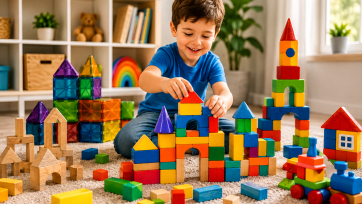
Best Building Blocks for Kids in 2026 Building blocks have remained one of the most loved toys for children for decades, and for good reason. Unlike toys that only offer one way to play, building blocks encourage endless creativity. One day, your child may build a castle. The next day, it might become a rocket, a zoo, a bridge, or an entire city. Every play session is different, making building blocks one of the most valuable long-term investments parents can make. Today's building block sets are available in many styles, including classic wooden blocks, magnetic tiles, large construction bricks, STEM engineering kits, and advanced building systems for older children. No matter your child's age, building blocks help develop essential skills while making learning fun. This guide explores the best building blocks for kids in 2026, their educational benefits, and how to choose the perfect set for every stage of childhood. Why Building Blocks Are Essential for Child Development Children naturally enjoy creating things with their hands. Building blocks encourage experimentation, problem-solving, and imagination while allowing children to learn through trial and error. Unlike toys with fixed outcomes, building blocks allow children to invent something completely new every time they play. This open-ended style of play keeps children engaged for years instead of weeks. Benefits of Building Blocks Building blocks support many areas of childhood development. Some of the biggest benefits include: Improve creativity Strengthen problem-solving skills Develop hand-eye coordination Build fine motor skills Encourage patience Improve concentration Support logical thinking Promote teamwork Increase confidence Children also learn that mistakes are part of the creative process as they rebuild and improve their designs. Best Building Blocks for Babies Babies need large, lightweight blocks that are easy to hold and safe to explore. Popular options include: Soft foam blocks Fabric blocks Large wooden blocks Silicone stacking blocks These toys encourage sensory exploration while developing grip strength and coordination. Best Building Blocks for Toddlers Toddlers enjoy simple stacking and balancing activities. Excellent choices include: Jumbo plastic building bricks Wooden stacking blocks Magnetic blocks with large pieces Colorful construction cubes These toys help toddlers improve balance, color recognition, and hand control while encouraging imaginative play. Best Building Blocks for Preschoolers As children grow, they begin creating more detailed structures. Popular building toys include: Magnetic tile sets Wooden construction blocks Beginner engineering kits Marble run systems Construction brick sets Preschoolers enjoy building houses, bridges, towers, roads, and vehicles while learning basic engineering concepts. STEM Building Sets Many modern building toys are designed to introduce STEM learning. These sets encourage children to explore: Engineering Mathematics Physics Structural balance Simple mechanics Instead of simply following instructions, children experiment with different designs and discover why some structures are stronger than others. Wooden Building Blocks Wooden blocks remain one of the most popular educational toys. Parents appreciate them because they are: Durable Eco-friendly Safe Long-lasting Easy to maintain Their simple appearance encourages children to use their imagination instead of relying on electronic features. Magnetic Building Tiles Magnetic construction toys have become increasingly popular in recent years. Children can easily connect colorful magnetic pieces to build: Castles Animals Space stations Vehicles Towers Ball runs Magnetic building toys also improve spatial awareness and engineering skills. Building Blocks Encourage Imaginative Play One of the greatest advantages of building blocks is their flexibility. A simple collection of blocks can become: A school A hospital A race track A pirate ship A farm A city Children create stories while building, improving communication, creativity, and social development. Building Together as a Family Building blocks aren't just for children. Parents, grandparents, and siblings can join the fun by working together on larger projects. Family building activities encourage: Teamwork Communication Patience Creative thinking These shared experiences often become some of childhood's happiest memories. Choosing the Right Building Blocks Before buying a set, consider: Your child's age Safety certifications Material quality Number of pieces Storage options Long-term play value Choose sets that allow children to build freely instead of limiting them to one design. Safety Tips Building blocks are generally very safe, but parents should still follow a few precautions. Always: Follow the recommended age. Avoid small pieces for toddlers. Inspect damaged blocks regularly. Store pieces properly after play. Buy from trusted brands. Quality construction helps ensure years of safe play. Common Mistakes Parents Make Many parents unintentionally choose building sets that children quickly outgrow. Avoid: Buying overly complicated sets. Choosing poor-quality materials. Ignoring age recommendations. Buying blocks that only build one model. Focusing only on price instead of value. Open-ended building systems usually provide the longest-lasting entertainment. Why Building Blocks Make Great Gifts Building blocks are among the best gifts for birthdays, holidays, and special occasions because they combine learning, creativity, and fun. Unlike many trendy toys, building blocks continue to challenge children as they grow, offering new ways to play every year. Parents also appreciate gifts that encourage screen-free learning. Frequently Asked Questions What are the best building blocks for kids? Wooden blocks, magnetic tiles, jumbo construction bricks, STEM engineering kits, and classic building sets are among the best options. At what age can children start playing with building blocks? Many large building blocks are suitable from around 12 months, while more advanced construction sets are designed for older children. Do building blocks help child development? Yes. They improve creativity, coordination, problem-solving, concentration, engineering skills, and fine motor development. Are wooden building blocks better than plastic ones? Both have advantages. Wooden blocks encourage open-ended play and durability, while plastic building systems often offer more detailed construction possibilities. Final Thoughts The best building blocks for kids in 2026 are more than simple toys—they're tools that inspire creativity, confidence, and lifelong learning. Whether your child enjoys stacking colorful towers, designing bridges, constructing vehicles, or inventing imaginary cities, building blocks encourage endless exploration through play. From wooden blocks for toddlers to advanced STEM construction kits for older children, choosing high-quality building toys gives kids the freedom to imagine, create, and solve problems every single day. It's a timeless investment that grows alongside your child's imagination.
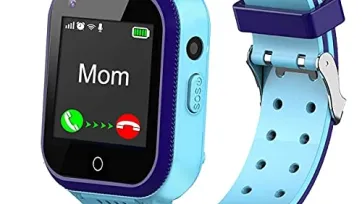
Best Kids Smartwatches (2026): 12 Safe, Fun and Parent-Approved Smartwatches
Best Kids Smartwatches (2026): 12 Safe, Fun and Parent-Approved Smartwatches Introduction A kids' smartwatch is no longer just a fun gadget. For many families, it has become the perfect middle ground between giving a child complete independence and handing them a smartphone too early. Modern kids' smartwatches can help parents stay connected through GPS location tracking, voice calls, messaging and emergency SOS features. At the same time, they allow children to enjoy a little more freedom while avoiding many of the distractions that come with a full smartphone. The challenge is choosing the right one. Some smartwatches focus on safety. Others prioritise fitness. Some are designed for younger children taking their first steps towards independence, while others suit older children who need better communication tools. In this guide, we've compared the best kids' smartwatches available in 2026 based on safety, battery life, durability, parental controls and overall value. How We Selected These Smartwatches Every smartwatch in this guide was chosen using the factors parents care about most: GPS accuracy Calling and messaging Battery life Ease of use Water resistance Durability Parental controls Value for money Overall reliability Quick Comparison Smartwatch Best For Rating TickTalk 5 Best Overall ⭐⭐⭐⭐⭐ Garmin Bounce 2 Active Kids ⭐⭐⭐⭐⭐ Apple Watch SE (Family Setup) Best Premium ⭐⭐⭐⭐⭐ Fitbit Ace LTE Fitness ⭐⭐⭐⭐☆ COSMO JrTrack 5 Best Value ⭐⭐⭐⭐☆ 1. TickTalk 5 – Best Overall TickTalk 5 remains one of the most complete children's smartwatches available. Instead of giving children unrestricted internet access, it focuses on communication and safety through video calling, voice calls, GPS tracking, messaging and emergency SOS features. Pros Accurate GPS tracking Video and voice calling Excellent parental controls School Mode Durable design Cons Requires a cellular plan Slightly larger than some competitors Best For: Parents wanting maximum safety features without giving their child a smartphone. 2. Garmin Bounce 2 – Best for Active Kids Garmin combines its fitness expertise with child-friendly communication features. The Bounce 2 encourages movement through activity tracking while allowing parents to monitor location and communicate when needed. Pros Excellent battery life Strong GPS performance Fitness challenges Comfortable design Reliable Garmin app Cons Limited entertainment features Subscription required for connected services Best For: Sporty children who spend lots of time outdoors. 3. Apple Watch SE (Family Setup) – Best Premium Smartwatch Families already using Apple products will appreciate the Apple Watch SE. With Family Setup, children can call approved contacts, share their location and access emergency features without needing their own iPhone. Pros Outstanding display Excellent performance Emergency SOS Long software support Huge app ecosystem Cons Higher price Best suited to Apple users Best For: Older children in Apple households. 4. Fitbit Ace LTE – Best for Fitness and Learning Healthy Habits Rather than focusing on games alone, the Fitbit Ace LTE rewards children for being active. It combines movement challenges, communication features and location tools in a child-friendly package. Pros Excellent activity tracking Comfortable to wear Family communication Fun movement challenges Reliable companion app Cons Subscription unlocks some features Limited third-party apps Best For: Families encouraging healthier daily habits. 5. COSMO JrTrack 5 – Best Value for Money COSMO JrTrack 5 delivers many premium safety features without the premium price. Parents particularly like its GPS tracking, calling, messaging and parent-approved apps. Pros Excellent value Accurate location tracking School Mode Easy parental controls Durable build Cons Battery life could be longer Camera quality is basic Best For: Families looking for an affordable all-round smartwatch. 6. Gabb Watch 3e – Best First Smartwatch The Gabb Watch 3e is built for one purpose: keeping children connected without exposing them to social media, web browsing or app stores. Parents can approve contacts, monitor location and communicate through calls and text messages while children enjoy a distraction-free device. It is frequently recommended as one of the best first smartwatches for younger children. Pros Excellent parental controls Reliable GPS tracking SOS emergency button Long battery life Simple interface Cons No third-party apps Cellular plan required Best For: Children receiving their first connected device. 7. Xplora X6 Play – Best for School-Age Kids Xplora has become one of Europe's most popular kids' smartwatch brands thanks to its balance of communication, GPS safety features and activity tracking. The X6 Play encourages movement by rewarding children for being active while still giving parents location updates and calling features. Pros Accurate GPS School Mode Comfortable design Activity rewards Good call quality Cons Subscription required Average battery life Best For: Ages 6–12. 8. Verizon Gizmo Watch 3 Adventure – Best Budget GPS Watch Families looking for dependable safety features without paying premium prices often choose Verizon's Gizmo Watch. It includes GPS tracking, voice calling, messaging and geofencing while keeping the interface easy enough for younger children. Pros Affordable Easy to use Good GPS accuracy Durable construction Water resistant Cons Best for Verizon customers Limited apps Best For: Budget-conscious families. 9. Bark Watch – Best for Digital Safety Bark is well known for its parental monitoring tools, and its smartwatch extends that focus to children's wearables. Parents receive location updates while communication stays limited to approved contacts, helping children stay connected without unnecessary distractions. Pros Excellent family safety tools Live GPS Easy parent app Strong contact controls Voice messaging Cons Monthly subscription Fewer entertainment features Best For: Families prioritising online safety. 10. myFirst Fone R2 – Best for Younger Children Designed specifically for younger users, the myFirst Fone R2 combines GPS, calling, messaging and a simple interface in a lightweight smartwatch. Its colourful design makes it especially appealing to younger children. Pros Lightweight Easy interface GPS tracking Comfortable strap Good battery Cons Smaller app selection Camera quality is basic Best For: Ages 5–9. Buying Guide: What to Look for in a Kids Smartwatch Before buying, ask yourself these questions: Does it offer reliable GPS tracking? Can your child make calls only to approved contacts? Is School Mode available? How long does the battery last? Is the watch water resistant? Does it require a monthly subscription? Is the companion app easy for parents to use? A smartwatch should make life easier for both parents and children—not more complicated. Best Smartwatch by Age Ages 4–6 Choose a simple smartwatch with GPS, calling and large icons. Ages 7–9 School Mode, messaging and fitness tracking become more useful. Ages 10–12 Older children often benefit from more advanced communication tools, stronger battery life and improved activity tracking. Frequently Asked Questions Do kids really need a smartwatch? Not every child does, but many families find that a smartwatch offers a practical way to stay connected without introducing a smartphone too early. Which smartwatch has the best parental controls? TickTalk 5, Gabb Watch 3e, COSMO JrTrack 5 and Bark Watch are all recognised for their comprehensive parental control features. Can children make phone calls from a smartwatch? Yes. Many modern kids' smartwatches support voice calls, but most limit communication to parent-approved contacts for added safety. Do kids' smartwatches require a SIM card? Many GPS-enabled smartwatches require either a SIM card or an eSIM with an active cellular plan to support calling, messaging and live location tracking. Are kids' smartwatches waterproof? Many models offer water resistance for rain, handwashing and splashes. Always check the manufacturer's water-resistance rating before swimming. Final Thoughts The best kids' smartwatch isn't the one with the longest feature list. It's the one that gives parents confidence while giving children the freedom to explore safely. Whether your priority is GPS tracking, fitness, calling or a simple first wearable, today's best smartwatches offer far more than just telling the time. Choose a model that matches your child's age, your family's communication needs and your budget. When used responsibly, a kids' smartwatch can become a practical stepping stone between childhood and a first smartphone.  
Educational Toy Subscription Boxes: Which One Is Worth the Cost?
Educational toy subscription boxes promise something most parents want: age-appropriate activities delivered regularly without spending hours searching for new ideas. Every month—or every few months—a box arrives with science experiments, craft projects, books, building materials, puzzles, or learning games. The child gets something new to explore, while the parent avoids another trip through crowded toy aisles. It sounds convenient. But are educational subscription boxes actually worth the cost? The answer depends on what is inside the box, how often the child uses it, whether the materials can be reused, and how much the subscription costs after shipping, taxes, and automatic renewals. A $25 monthly box may appear affordable. Over a year, however, it becomes a $300 purchase. If the child finishes each activity in twenty minutes and never touches it again, the value may be poor. If the box provides several projects, reusable tools, and weeks of engagement, it may be a smart investment. This guide explains how educational toy subscriptions work, which types suit different children, and how parents can decide whether a subscription is worth paying for. How Educational Toy Subscription Boxes Work Most learning subscription services follow a similar model. Parents choose: The child’s age A subject or theme Monthly or quarterly delivery Subscription duration Number of children Optional add-ons The company then sends a box containing activities selected for that age group. Some subscriptions focus on a single subject, such as science or coding. Others combine crafts, books, geography, puzzles, and pretend play. Payment may be charged monthly, every three months, every six months, or annually. Longer plans often reduce the price per box, but they also require a larger upfront payment. What Usually Comes Inside? The contents depend on the subscription category, but a typical educational box may include: Activity instructions Craft supplies Science materials Building pieces Worksheets Storybooks Stickers Collectible cards Puzzles Parent guides Online videos Access to an application Some boxes provide nearly everything required. Others ask parents to supply common household items such as scissors, water, tape, baking soda, cooking oil, batteries, or coloring tools. Always read the “what is included” section before subscribing. A box advertised as containing five projects may become inconvenient if each activity requires several extra purchases. The Five Main Types of Learning Subscription Boxes Not every subscription serves the same purpose. Choosing the right category matters more than selecting the most heavily advertised brand. 1. STEM and Science Boxes STEM subscription boxes usually contain experiments, engineering challenges, electronics, robotics, or building activities. They are best suited for children who enjoy discovering how things work. A typical box may ask the child to: Build a small machine Create a chemical reaction Construct a bridge Design a moving vehicle Test magnets Explore electricity Grow crystals Study weather These subscriptions can provide strong educational value when the instructions explain the science behind each activity. Avoid boxes that rely only on dramatic reactions without teaching the child what happened. Best for Children who like experiments, building, technology, and problem-solving. Possible weakness Some projects are completed once and cannot be reused. 2. Arts and Crafts Boxes Craft subscriptions provide materials for painting, sewing, sculpting, decorating, drawing, or making themed objects. These boxes can be useful for parents who do not want to purchase large packets of supplies separately. A well-designed craft box may support: Fine motor skills Creativity Following instructions Color recognition Planning Self-expression However, some craft boxes leave very little room for creativity. The child is expected to copy one example exactly. Open-ended materials generally provide more value than projects in which every child produces the same object. Best for Children who enjoy making, decorating, and working with their hands. Possible weakness Finished crafts may quickly create clutter around the home. 3. Book Subscription Boxes Book boxes send one or more titles selected according to the child’s age or reading level. Some also include bookmarks, activity sheets, toys, or themed accessories. These subscriptions can encourage regular reading, especially when the child enjoys receiving a package addressed to them. Before subscribing, check whether parents can: Select reading levels Avoid duplicate books Choose fiction or nonfiction Update interests Preview upcoming titles Exchange unsuitable books A book subscription may offer poor value if the family already uses a public library regularly or purchases discounted books. Best for Children who enjoy stories or need encouragement to read consistently. Possible weakness The selected books may not match the child’s interests. 4. Geography and Culture Boxes Geography boxes introduce children to countries, languages, landmarks, food, animals, maps, and cultural traditions. A box may focus on one destination each month. It might include: A country guide A map Recipes Flags Stories Craft projects Language words Collectible items These subscriptions can make geography more engaging, but parents should check that the material is accurate and respectful. Culture should not be reduced to stereotypes, costumes, or a few foods. Best for Children interested in travel, maps, languages, and world cultures. Possible weakness Some boxes include more souvenirs than meaningful educational material. 5. Montessori and Preschool Boxes Preschool subscription boxes usually focus on early literacy, numbers, shapes, colors, sensory activities, and fine motor development. They may include sorting tasks, flash cards, puzzles, matching games, or simple craft projects. Parents should not assume that every box using the word “Montessori” follows authentic Montessori principles. A genuine Montessori-style activity should usually be hands-on, purposeful, simple, and appropriate for the child’s stage of development. Best for Toddlers and preschoolers who need structured learning activities at home. Possible weakness Many activities can be recreated more cheaply with household materials. How Much Do Subscription Boxes Really Cost? The advertised monthly price is only part of the total cost. Parents should calculate: Box price + shipping + tax + add-ons + international charges + renewal cost For example: Monthly box price: $30 Shipping: $6 Tax: $2 Total monthly cost: $38 Total annual cost: $456 A yearly prepayment may reduce the cost to $26 per box, but the parent may need to pay more than $300 at once. Also check whether the company renews the plan automatically. Some services offer an introductory discount for the first box and then charge the full rate for every later delivery. Cost Per Activity Matters More Than Cost Per Box A better way to compare subscriptions is to calculate the cost per meaningful activity. Imagine two boxes. Box A Costs $24 Contains two short crafts Total use time: one hour Cost per activity: $12 Box B Costs $35 Contains five experiments Includes reusable equipment Total use time: six hours Cost per activity: $7 Although Box B is more expensive, it may provide better overall value. Parents should also consider whether the materials can be used again. A circuit board, microscope, building set, or quality art tool may remain useful after the original activity is complete. Are Subscription Boxes Cheaper Than Buying Toys Separately? Sometimes—but not always. Subscription companies may purchase supplies in bulk and package them conveniently. This can save parents time and reduce the need to buy full-size materials. However, parents are also paying for: Packaging Product selection Printed instructions Branding Delivery Convenience Marketing Families willing to plan activities themselves can often create similar projects at a lower cost. The subscription is most valuable when convenience, variety, and structured guidance are important to the parent. When a Subscription Box Is Worth It An educational subscription may be a good purchase when: The child regularly completes hands-on activities The projects match the child’s interests The parent wants structured learning at home Most materials are included The activities require little setup The box offers multiple projects Some tools can be reused The instructions explain the learning concept The child looks forward to each delivery The cost fits comfortably within the family budget It may also be useful for homeschooling families, rainy-day activities, school holidays, or grandparents who want to send regular educational gifts. When It Is Probably a Waste of Money A subscription may not be worthwhile when: Previous activity kits remain unopened The child loses interest quickly The projects are too easy The box creates unnecessary clutter Most supplies must be purchased separately Shipping is unusually expensive The family already owns similar materials The activities are available free online Cancellation is difficult The subscription renews automatically without clear notice Children sometimes enjoy the excitement of opening the package more than the activities inside it. Parents should judge the subscription based on actual use, not the child’s reaction when the box first arrives. Monthly vs Quarterly Delivery Monthly delivery is exciting, but it may be too frequent for busy families. If one box arrives before the previous projects are completed, the activities can begin to pile up. Quarterly subscriptions may offer better value for families with limited time. They provide: Fewer deliveries Less clutter More time to complete each box Lower annual spending Less pressure to keep up Monthly plans may suit children who complete projects quickly and regularly ask for new activities. One Child or Multiple Children? Some subscription boxes can be shared, while others contain only enough material for one child. Parents with siblings should check: Whether extra material packs are available Whether projects can be completed together Whether each child needs separate tools Whether age levels can be mixed Whether sibling add-ons cost less than a second subscription A box that costs $35 for one child may become expensive if every project requires an additional $15 sibling pack. Sharing works best when the activity naturally supports cooperation. Questions to Ask Before Subscribing Do not purchase a yearly plan until these questions have been answered. What Is the Cancellation Policy? Find out whether cancellation takes effect immediately or only after the current prepaid term ends. Does the Subscription Renew Automatically? Automatic renewal should be clearly disclosed. Record the renewal date when purchasing a long-term plan. Can the Child’s Age Level Be Changed? A good service should allow parents to move the child to a more advanced level. Can Boxes Be Paused? Pause options are helpful during holidays, travel, school examinations, or busy periods. Are Returns or Replacements Available? Check what happens if materials arrive damaged, incomplete, or missing. Are Digital Features Included? Some boxes advertise online lessons but require an additional payment for full access. Is Shipping Included? Free shipping may only apply within one country or above a certain subscription length. Try One Box Before Buying a Year The safest approach is to begin with a single box or short subscription. Observe: How quickly the child opens it Whether instructions are understandable How much adult help is needed How long the activities last Whether the child asks to use it again Whether the materials feel worth the price Do not choose an annual plan only because the per-box price is lower. Saving $5 per box is not a saving if eight boxes remain unused. How to Get More Value From Each Box Parents can extend the life of a subscription by avoiding the urge to complete everything in one day. Try these strategies: Complete one activity each weekend Save reusable tools in a labeled container Ask the child to modify the project Connect the activity with a book or video Repeat experiments with changed conditions Photograph results Keep a science or project journal Let siblings work together Use leftover materials for free play A bridge-building activity, for example, should not end when the sample bridge is finished. Ask the child to build a longer bridge, a stronger bridge, or one using fewer materials. That turns a single project into several engineering challenges. Subscription Box Alternatives Families do not need a paid subscription to create regular educational activities. Lower-cost alternatives include: Public library books Printable worksheets Household science experiments Reusable building sets Secondhand educational toys Local museum kits School activity packs Art supplies purchased in bulk Parent-created monthly themes Toy libraries Parents can also create a homemade subscription box. Place several small activities in a container at the beginning of each month and let the child choose one each weekend. This provides the excitement of discovery without recurring shipping fees. Best Choice by Family Type Best for Busy Parents Choose a box that includes nearly all materials and requires minimal preparation. Best for Homeschooling Look for structured lessons, clear learning goals, printable extensions, and activities connected to a curriculum. Best for Creative Children Choose an open-ended art or maker box rather than a kit with one fixed result. Best for Future Scientists Select experiment boxes that explain scientific principles and include reusable equipment. Best for Siblings Choose collaborative projects with generous quantities of materials. Best for a Gift A three-month plan is usually safer than a full-year commitment. The Verdict Educational toy subscription boxes can be worth the cost, but convenience is often the main product being sold. The box itself may contain inexpensive materials. What parents are paying for is the planning, selection, instructions, packaging, and regular delivery. That can be valuable for families who need fresh, structured activities and will use them consistently. For most first-time buyers, the smartest option is not a twelve-month subscription. Start with one box or a three-month plan. Calculate the real cost, including delivery, and observe how much meaningful use the child gets from each package. The best educational subscription is not the one with the most attractive box. It is the one that gets opened, completed, discussed, reused—and remembered.