Best Kids Smartwatches (2026): 12 Safe, Fun and Parent-Approved Smartwatches

Best Kids Smartwatches (2026): 12 Safe, Fun and Parent-Approved Smartwatches

Introduction

A kids' smartwatch is no longer just a fun gadget.

For many families, it has become the perfect middle ground between giving a child complete independence and handing them a smartphone too early.

Modern kids' smartwatches can help parents stay connected through GPS location tracking, voice calls, messaging and emergency SOS features. At the same time, they allow children to enjoy a little more freedom while avoiding many of the distractions that come with a full smartphone.

The challenge is choosing the right one.

Some smartwatches focus on safety.

Others prioritise fitness.

Some are designed for younger children taking their first steps towards independence, while others suit older children who need better communication tools.

In this guide, we've compared the best kids' smartwatches available in 2026 based on safety, battery life, durability, parental controls and overall value.

How We Selected These Smartwatches

Every smartwatch in this guide was chosen using the factors parents care about most:

  • GPS accuracy

  • Calling and messaging

  • Battery life

  • Ease of use

  • Water resistance

  • Durability

  • Parental controls

  • Value for money

  • Overall reliability

Quick Comparison

Smartwatch Best For Rating
TickTalk 5 Best Overall ⭐⭐⭐⭐⭐
Garmin Bounce 2 Active Kids ⭐⭐⭐⭐⭐
Apple Watch SE (Family Setup) Best Premium ⭐⭐⭐⭐⭐
Fitbit Ace LTE Fitness ⭐⭐⭐⭐☆
COSMO JrTrack 5 Best Value ⭐⭐⭐⭐☆

1. TickTalk 5 – Best Overall

TickTalk 5 remains one of the most complete children's smartwatches available.

Instead of giving children unrestricted internet access, it focuses on communication and safety through video calling, voice calls, GPS tracking, messaging and emergency SOS features.

Pros

  • Accurate GPS tracking

  • Video and voice calling

  • Excellent parental controls

  • School Mode

  • Durable design

Cons

  • Requires a cellular plan

  • Slightly larger than some competitors

Best For: Parents wanting maximum safety features without giving their child a smartphone.


2. Garmin Bounce 2 – Best for Active Kids

Garmin combines its fitness expertise with child-friendly communication features.

The Bounce 2 encourages movement through activity tracking while allowing parents to monitor location and communicate when needed.

Pros

  • Excellent battery life

  • Strong GPS performance

  • Fitness challenges

  • Comfortable design

  • Reliable Garmin app

Cons

  • Limited entertainment features

  • Subscription required for connected services

Best For: Sporty children who spend lots of time outdoors.


3. Apple Watch SE (Family Setup) – Best Premium Smartwatch

Families already using Apple products will appreciate the Apple Watch SE.

With Family Setup, children can call approved contacts, share their location and access emergency features without needing their own iPhone.

Pros

  • Outstanding display

  • Excellent performance

  • Emergency SOS

  • Long software support

  • Huge app ecosystem

Cons

  • Higher price

  • Best suited to Apple users

Best For: Older children in Apple households.


4. Fitbit Ace LTE – Best for Fitness and Learning Healthy Habits

Rather than focusing on games alone, the Fitbit Ace LTE rewards children for being active.

It combines movement challenges, communication features and location tools in a child-friendly package.

Pros

  • Excellent activity tracking

  • Comfortable to wear

  • Family communication

  • Fun movement challenges

  • Reliable companion app

Cons

  • Subscription unlocks some features

  • Limited third-party apps

Best For: Families encouraging healthier daily habits.


5. COSMO JrTrack 5 – Best Value for Money

COSMO JrTrack 5 delivers many premium safety features without the premium price.

Parents particularly like its GPS tracking, calling, messaging and parent-approved apps.

Pros

  • Excellent value

  • Accurate location tracking

  • School Mode

  • Easy parental controls

  • Durable build

Cons

  • Battery life could be longer

  • Camera quality is basic

Best For: Families looking for an affordable all-round smartwatch.

6. Gabb Watch 3e – Best First Smartwatch

The Gabb Watch 3e is built for one purpose: keeping children connected without exposing them to social media, web browsing or app stores.

Parents can approve contacts, monitor location and communicate through calls and text messages while children enjoy a distraction-free device. It is frequently recommended as one of the best first smartwatches for younger children.

Pros

  • Excellent parental controls

  • Reliable GPS tracking

  • SOS emergency button

  • Long battery life

  • Simple interface

Cons

  • No third-party apps

  • Cellular plan required

Best For: Children receiving their first connected device.


7. Xplora X6 Play – Best for School-Age Kids

Xplora has become one of Europe's most popular kids' smartwatch brands thanks to its balance of communication, GPS safety features and activity tracking.

The X6 Play encourages movement by rewarding children for being active while still giving parents location updates and calling features.

Pros

  • Accurate GPS

  • School Mode

  • Comfortable design

  • Activity rewards

  • Good call quality

Cons

  • Subscription required

  • Average battery life

Best For: Ages 6–12.


8. Verizon Gizmo Watch 3 Adventure – Best Budget GPS Watch

Families looking for dependable safety features without paying premium prices often choose Verizon's Gizmo Watch.

It includes GPS tracking, voice calling, messaging and geofencing while keeping the interface easy enough for younger children.

Pros

  • Affordable

  • Easy to use

  • Good GPS accuracy

  • Durable construction

  • Water resistant

Cons

  • Best for Verizon customers

  • Limited apps

Best For: Budget-conscious families.


9. Bark Watch – Best for Digital Safety

Bark is well known for its parental monitoring tools, and its smartwatch extends that focus to children's wearables.

Parents receive location updates while communication stays limited to approved contacts, helping children stay connected without unnecessary distractions.

Pros

  • Excellent family safety tools

  • Live GPS

  • Easy parent app

  • Strong contact controls

  • Voice messaging

Cons

  • Monthly subscription

  • Fewer entertainment features

Best For: Families prioritising online safety.


10. myFirst Fone R2 – Best for Younger Children

Designed specifically for younger users, the myFirst Fone R2 combines GPS, calling, messaging and a simple interface in a lightweight smartwatch.

Its colourful design makes it especially appealing to younger children.

Pros

  • Lightweight

  • Easy interface

  • GPS tracking

  • Comfortable strap

  • Good battery

Cons

  • Smaller app selection

  • Camera quality is basic

Best For: Ages 5–9.


Buying Guide: What to Look for in a Kids Smartwatch

Before buying, ask yourself these questions:

  • Does it offer reliable GPS tracking?

  • Can your child make calls only to approved contacts?

  • Is School Mode available?

  • How long does the battery last?

  • Is the watch water resistant?

  • Does it require a monthly subscription?

  • Is the companion app easy for parents to use?

A smartwatch should make life easier for both parents and children—not more complicated.


Best Smartwatch by Age

Ages 4–6

Choose a simple smartwatch with GPS, calling and large icons.

Ages 7–9

School Mode, messaging and fitness tracking become more useful.

Ages 10–12

Older children often benefit from more advanced communication tools, stronger battery life and improved activity tracking.


Frequently Asked Questions

Do kids really need a smartwatch?

Not every child does, but many families find that a smartwatch offers a practical way to stay connected without introducing a smartphone too early.

Which smartwatch has the best parental controls?

TickTalk 5, Gabb Watch 3e, COSMO JrTrack 5 and Bark Watch are all recognised for their comprehensive parental control features.

Can children make phone calls from a smartwatch?

Yes. Many modern kids' smartwatches support voice calls, but most limit communication to parent-approved contacts for added safety.

Do kids' smartwatches require a SIM card?

Many GPS-enabled smartwatches require either a SIM card or an eSIM with an active cellular plan to support calling, messaging and live location tracking.

Are kids' smartwatches waterproof?

Many models offer water resistance for rain, handwashing and splashes. Always check the manufacturer's water-resistance rating before swimming.


Final Thoughts

The best kids' smartwatch isn't the one with the longest feature list.

It's the one that gives parents confidence while giving children the freedom to explore safely.

Whether your priority is GPS tracking, fitness, calling or a simple first wearable, today's best smartwatches offer far more than just telling the time.

Choose a model that matches your child's age, your family's communication needs and your budget.

When used responsibly, a kids' smartwatch can become a practical stepping stone between childhood and a first smartphone.


Advertisement
Quiet Toys for Independent Play at Home
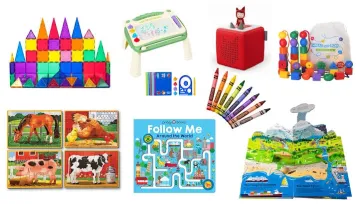
 Quiet Toys for Independent Play at Home: A Complete Parent's Guide Every parent experiences moments when a calm and peaceful activity is exactly what the family needs. Whether you're working from home, caring for a younger sibling, preparing dinner or simply encouraging your child to enjoy some independent play, quiet toys can make a remarkable difference. Unlike noisy electronic gadgets or fast-paced games, quiet toys encourage children to focus, think creatively and entertain themselves without constant stimulation. These toys often support concentration, imagination and problem-solving while creating a more relaxing home environment. Quiet play doesn't mean boring play. In fact, many children become deeply engaged when given the opportunity to build, create, draw, solve puzzles or invent imaginative stories at their own pace. These moments of independent play help children develop confidence, patience and decision-making skills that benefit them well beyond childhood. Choosing the right quiet toys also helps parents create a healthier balance between active play, screen time and restful activities. Whether your child enjoys reading, crafting, construction or pretend play, there are countless options that provide meaningful entertainment without filling the house with noise. This guide explains the benefits of quiet toys, how they support child development, the best options for different age groups and what parents should consider before making a purchase. What Are Quiet Toys? Quiet toys are toys that encourage calm, focused play without producing loud sounds, flashing lights or constant electronic effects. Instead of relying on noise for entertainment, these toys encourage children to use their imagination, creativity and problem-solving skills. Examples include: Building blocks Wooden puzzles Magnetic construction toys Colouring books Drawing boards Craft kits Modelling clay Dollhouses Toy animals Storytelling cards Threading activities Shape sorters Books Mosaic art sets Stacking toys These toys can be enjoyed independently or with family members while maintaining a peaceful play environment. Why Quiet Play Is Important Modern children are surrounded by constant stimulation from televisions, tablets, smartphones and electronic toys. While these forms of entertainment have their place, children also benefit from opportunities to slow down and engage in thoughtful play. Quiet play helps children: Develop longer attention spans. Improve concentration. Learn patience. Build creativity. Strengthen independent thinking. Reduce feelings of overstimulation. Develop problem-solving skills. Enjoy calm, focused activities. Many parents also notice that children become more relaxed after spending time with quiet toys. Benefits of Quiet Toys Quiet toys support several important areas of child development. Encourage Independent Play Children learn to make their own decisions when they are free to explore toys without constant adult guidance. Independent play builds confidence and encourages children to trust their own ideas. Improve Concentration Completing a puzzle, building a structure or creating artwork requires sustained attention. These activities gradually strengthen focus and persistence. Support Creativity Quiet toys often have no fixed outcome, allowing children to invent stories, create designs and explore different ideas. This encourages flexible thinking and imagination. Develop Fine Motor Skills Many quiet activities involve small hand movements such as drawing, threading, stacking or modelling. These movements strengthen the muscles needed for writing, dressing and everyday tasks. Reduce Screen Time Providing interesting alternatives to electronic devices helps children spend more time engaged in hands-on learning and imaginative play. Create a Calmer Home Environment Because these toys generate very little noise, they are ideal during quiet afternoons, family reading time or when younger siblings are sleeping. Best Quiet Toys for Babies Babies naturally explore through touch and movement. Suitable quiet toys include: Soft fabric books Sensory balls Stacking rings Soft building blocks Activity cubes Textured toys Large grasping toys Fabric play mats These toys encourage exploration without overwhelming babies with excessive lights or sounds. Quiet Toys for Toddlers Toddlers enjoy activities that challenge their curiosity while remaining simple enough for independent play. Popular choices include: Shape sorters Wooden puzzles Building blocks Toy animals Stacking cups Drawing boards Large threading toys Pretend food Soft dolls Play kitchens These toys encourage creativity, coordination and language development while maintaining a peaceful play environment. Quiet Toys for Preschool Children Preschool children enjoy more detailed activities that allow them to create, build and imagine. Excellent options include: Craft kits Magnetic building sets Dollhouses Marble runs Mosaic art boards Construction toys Storytelling cards Puppet sets Modelling clay Picture books These toys help children remain engaged for longer periods while encouraging creative and independent thinking. Quiet Toys for School-Age Children As children grow older, they often enjoy activities that challenge their creativity, concentration and problem-solving abilities. Quiet toys for this age group should provide opportunities for independent exploration while remaining engaging enough to hold their attention for extended periods. Some excellent choices include: Strategy board games Advanced jigsaw puzzles Model-building kits Origami sets Jewellery-making kits Science activity kits Advanced construction toys Sketchbooks and drawing supplies Calligraphy and lettering sets Creative writing games These activities encourage children to think independently, develop patience and improve their attention to detail. How Quiet Toys Support Child Development Quiet play contributes to healthy development in many ways beyond simply reducing noise. Encourages Self-Confidence When children complete activities independently, they gain confidence in their own abilities. Solving a puzzle or finishing an art project gives them a sense of achievement that motivates them to tackle new challenges. Improves Decision-Making Quiet toys often have no single correct answer. Children decide how to build, create or organise their play, helping them develop independent thinking and better decision-making skills. Strengthens Emotional Regulation Calm play activities provide opportunities for children to relax after busy school days or energetic outdoor play. Many parents find that quiet play helps children settle before bedtime or after exciting events. Encourages Family Interaction Many quiet toys can also be enjoyed together. Reading books, completing puzzles or creating craft projects as a family encourages conversation and strengthens relationships without relying on electronic entertainment. How to Choose the Best Quiet Toys Selecting the right quiet toys depends on your child's personality, interests and stage of development. Consider the following factors before making a purchase: Choose toys appropriate for your child's age. Look for toys that encourage creativity rather than passive play. Select durable products that can withstand frequent use. Consider toys that can be used in different ways. Think about available storage space. Choose toys that support independent as well as shared play. Include a variety of activities to keep play interesting. A balanced collection of quiet toys provides opportunities for learning, creativity and relaxation throughout the year. Buying Guide Choosing high-quality quiet toys is easier when you focus on long-term play value instead of short-lived trends. Prioritise Open-Ended Play Construction toys, art materials and storytelling games often provide more lasting entertainment because children can use them differently every time they play. Consider Educational Value Many quiet toys naturally develop literacy, numeracy, creativity or problem-solving skills while children are simply enjoying themselves. Check Build Quality Well-made toys usually last longer, making them better value for money over time. Think About Storage Compact toys with organised storage solutions are particularly useful for smaller homes and playrooms. Choose Toys That Grow with Your Child Some toys remain enjoyable for many years by offering increasingly complex ways to play as children mature. Safety Tips Even quiet toys should be used safely. Keep these recommendations in mind: Follow the manufacturer's age recommendations. Inspect toys regularly for wear or damage. Remove broken or damaged items immediately. Keep small pieces away from babies and toddlers. Clean toys regularly using child-safe cleaning products. Store toys in labelled containers to prevent pieces from being lost. Supervise younger children during craft activities. Ensure art materials are non-toxic and suitable for children. A well-maintained collection of toys provides safer and more enjoyable play experiences. Common Buying Mistakes Avoid these common mistakes when purchasing quiet toys. Buying Toys That Are Too Complicated If children cannot understand how to use a toy, they may quickly lose interest. Choosing Only Electronic Alternatives Electronic toys often entertain children rather than encouraging them to think creatively. Ignoring Personal Interests Children are far more likely to enjoy quiet play when activities match their hobbies and preferences. Buying Too Many Similar Toys A varied collection supports different types of learning and prevents boredom. Focusing Only on Price The cheapest option is not always the best value. Durable, versatile toys often provide years of meaningful play. Frequently Asked Questions What are quiet toys? Quiet toys are toys that encourage calm, focused and creative play without producing loud sounds or relying on electronic entertainment. Are quiet toys good for independent play? Yes. Many quiet toys encourage children to explore, create and solve problems on their own, helping build confidence and independence. Can quiet toys reduce screen time? Absolutely. Interesting hands-on activities naturally encourage children to spend less time using digital devices. What are the best quiet toys for travel? Compact puzzles, colouring books, magnetic games, activity books and small construction toys are excellent choices for travelling. Do quiet toys support learning? Yes. Many quiet toys help develop creativity, literacy, fine motor skills, concentration, communication and problem-solving through enjoyable play. Final Thoughts Quiet toys prove that meaningful play doesn't have to be loud or fast-paced. By encouraging creativity, concentration and independent thinking, these toys provide children with valuable opportunities to learn while enjoying calm and engaging activities. Whether your child enjoys building, drawing, crafting, reading or solving puzzles, a carefully chosen collection of quiet toys can support healthy development while creating a more peaceful home environment. Investing in versatile, durable and age-appropriate toys helps children develop important life skills that extend far beyond playtime.
Best Play Tents for Kids in 2026
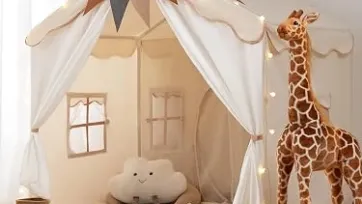
Best Play Tents for Kids in 2026: Creating Magical Spaces for Imaginative Play Every child dreams of having a special place they can call their own. A play tent transforms an ordinary corner of a bedroom or garden into a magical world where children can read, imagine, build, relax, and create unforgettable adventures. Whether it's a castle, space station, woodland hideaway, camping tent, or teepee, play tents encourage independent play while giving children a cosy space to explore their imagination. In 2026, play tents have become one of the most popular toys for families looking to encourage screen-free entertainment. Available in a wide variety of designs, sizes, and themes, they suit babies, toddlers, preschoolers, and older children alike. This guide explains everything parents need to know about choosing the best play tents for kids in 2026. Why Play Tents Are So Popular Children naturally enjoy having a private space where they can imagine, create, and play without distractions. A play tent quickly becomes: A secret clubhouse A fairy castle A pirate ship A jungle camp A reading corner A superhero headquarters A space station A cosy hideaway Because children invent their own stories, every day inside the tent becomes a completely new adventure. Benefits of Play Tents Play tents provide much more than entertainment. Some of their biggest benefits include: Encourage imaginative play Improve creativity Build confidence Support independent play Develop communication skills Encourage storytelling Create quiet reading spaces Promote social interaction Reduce screen time Children also enjoy having a calm space where they can relax after busy activities. Indoor Play Tents Indoor tents are perfect for bedrooms, playrooms, and living rooms. Popular indoor themes include: Princess castles Space rockets Teepees Fairy houses Safari tents Reading tents They provide children with a dedicated area for imaginative play throughout the year. Outdoor Play Tents Outdoor play tents encourage children to spend more time in the fresh air. They're ideal for: Gardens Parks Family picnics Camping trips Beach holidays Outdoor models are usually made from weather-resistant materials that can handle light wind and sunshine. Teepee Tents Teepee tents remain one of the most stylish choices for modern homes. Parents love them because they: Look attractive Save space Match nursery décor Create cosy reading corners Encourage imaginative play Many families decorate teepees with cushions, fairy lights, and blankets to create a relaxing retreat. Pop-Up Play Tents Pop-up tents are extremely convenient. Their advantages include: Quick assembly Lightweight design Easy storage Portable construction Simple folding mechanism They're especially useful for families with limited storage space. Play Tents Encourage Reading Many parents transform play tents into reading corners. Adding: Books Soft cushions Blankets Floor mats Plush toys creates a quiet environment where children enjoy reading independently. Role Play Inside Play Tents A play tent can become almost anything. Children enjoy pretending to run: Cafés Hospitals Shops Campsites Schools Fire stations Pretend play encourages creativity while helping children develop communication and problem-solving skills. Choosing the Right Play Tent Before buying, consider: Your child's age Available space Indoor or outdoor use Material quality Ease of assembly Portability Safety certification A durable tent with washable fabric usually provides the best long-term value. Safety Tips Always choose play tents that: Meet recognised safety standards Use flame-resistant materials Have breathable mesh windows Include sturdy poles Match the recommended age Regularly inspect the frame and fabric for signs of wear. Common Buying Mistakes Parents sometimes focus only on appearance. Avoid: Weak plastic poles Poor ventilation Difficult assembly Cheap fabric Tents that are too small Choosing a larger, better-quality tent usually provides many more years of enjoyable play. Decorating a Play Tent Children love personalising their own space. Popular additions include: Fairy lights Soft rugs Floor cushions Stuffed animals Bunting Decorative pillows Simple decorations make the tent feel even more special. Why Play Tents Make Excellent Gifts Play tents are ideal gifts because they combine imagination, comfort, and creativity. They're perfect for: Birthdays Christmas First bedrooms Playroom makeovers Family celebrations Unlike many toys that lose their appeal quickly, a play tent often becomes part of a child's everyday routine. Frequently Asked Questions What is the best play tent for children? The best play tent depends on your child's age and interests. Teepees, castle tents, rocket tents, and pop-up play tents are among the most popular choices. At what age can children use play tents? Many play tents are suitable from around two years old, although larger family play tents can be enjoyed by older children as well. Are play tents educational? Yes. They encourage creativity, storytelling, communication, role play, independent thinking, and social development. Can play tents be used outdoors? Many models are designed for both indoor and outdoor use, although parents should always follow the manufacturer's recommendations regarding weather conditions. Final Thoughts The best play tents for kids in 2026 offer much more than a place to play. They create magical spaces where children can read, imagine, relax, and build unforgettable adventures. Whether it's a cosy indoor teepee, a colourful castle, or an outdoor camping tent, these toys encourage creativity while giving children a space that feels uniquely their own. By choosing a high-quality play tent, parents provide far more than another toy—they create a world where imagination can grow every single day.
The Toy Box Challenge
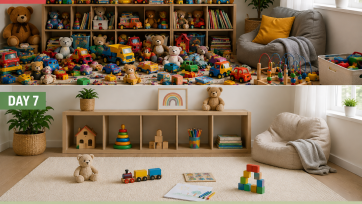
 The Toy Box Challenge: What Happens When a Child Plays With Just Five Toys for a Week? Introduction What would happen if you quietly removed almost every toy from your child's bedroom tonight? Not forever. Just for one week. It sounds like the sort of idea that would end in complaints, boredom and endless requests for the television. Most parents assume fewer toys must mean less fun. But families who have tried this simple experiment often describe something completely different. The first day can be a little strange. Children look around, searching for the usual pile of choices. By the second or third day, something unexpected begins to happen. Instead of asking, "What should I play with?", they start asking, "What can I make?" A train becomes part of a zoo. A teddy bear opens a bakery. Building blocks become a bridge, then a castle, then a hospital before lunch. Nothing new has entered the room. The only thing that's changed is the amount of choice. Psychologists sometimes refer to this as choice overload. Adults experience it when scrolling endlessly through films without deciding what to watch. Children can experience something similar when surrounded by too many toys competing for attention. This article isn't about convincing you to throw away half your child's belongings. It's about exploring a surprisingly simple experiment that has helped many families rediscover the joy of imaginative play. Why More Options Don't Always Create Better Play Imagine walking into an ice cream shop that sells five flavours. Choosing is easy. Now imagine another shop offering two hundred flavours. Suddenly the decision feels harder. Children experience a similar dilemma with toys. When every shelf is full and every basket overflows, deciding what to play with becomes an activity in itself. Instead of becoming absorbed in one game, they move rapidly from toy to toy, searching for the next burst of excitement. Sometimes, reducing choice is the quickest way to improve concentration. The Five-Toy Rule There isn't a perfect number, but five different types of toys often create a surprisingly balanced play environment. For example: A construction toy. A pretend-play toy. A creative activity. A puzzle or thinking game. A favourite comfort toy. Notice that the goal isn't to choose the five most expensive toys. It's to choose five toys that encourage completely different kinds of play. That variety matters far more than quantity. Day One: Curiosity Children often notice the difference immediately. Some ask where the missing toys have gone. Others simply begin exploring what's available. At this stage, many parents feel tempted to end the experiment. Don't. Children are adjusting. The absence of endless options encourages them to spend longer with each remaining toy. Day Three: Something Changes This is where the experiment becomes interesting. Parents frequently notice that stories become longer. Games become more detailed. Instead of abandoning a toy after ten minutes, children begin expanding the same activity throughout the day. A few blocks become an entire village. Soft toys receive names, jobs and personalities. Play starts looking less like entertainment and more like storytelling. It's difficult to force this kind of creativity. But it's surprisingly easy to make room for it. The Surprise Most Parents Mention Ask families who've tried reducing toys for a short period and one comment appears again and again. "The house actually became calmer." There were fewer arguments about tidying. Less frustration over finding missing pieces. Fewer interruptions caused by children constantly asking for something different. The change wasn't dramatic overnight. It was gradual. And because it happened naturally, many parents decided to keep the new routine long after the original experiment had ended. "What If My Child Says They're Bored?" This is usually the first concern parents raise. And it's a fair one. The word bored can sound like a warning sign, as though the experiment has failed before it has even begun. But boredom isn't always a problem to solve immediately. Think about how many of the best childhood games begin. A child stares out of the window. They pick up a blanket. A few chairs become a secret hideout. A cardboard box turns into a racing car. None of those ideas came from a toy. They came from a quiet moment when imagination finally had space to take over. If your child says they're bored during the first day or two, resist the urge to rush in with new entertainment. Give them time. More often than not, they'll create something far more interesting than anything you could have suggested. How to Try the Challenge Without Causing Drama The biggest mistake is announcing the experiment like a new household rule. Instead, make the change quietly. Pack away most of the toys while your child is asleep or out for the day. Leave a carefully chosen mix behind—enough to inspire different types of play, but not so many that the room still feels crowded. If your child asks where the other toys have gone, be honest but relaxed. "They're having a little rest. We'll bring different ones back soon." There's no need to frame it as a punishment or a lesson. Treat it as something normal. When the stored toys return a few weeks later, many children greet them with the same excitement they usually reserve for brand-new presents. What Teachers Notice in Simpler Classrooms Walk into many nurseries or early-years classrooms and you'll notice something that surprises first-time visitors. The shelves aren't overflowing. Teachers don't remove toys because they dislike fun. They do it because too many choices can make meaningful play harder. Instead, resources are often displayed neatly, with space around them. Children can see what's available. They can make a choice. And once they've chosen, they're more likely to stay focused. It's a reminder that children don't necessarily need more stimulation. They often need fewer distractions. A Seven-Day Experiment You Can Try at Home If you're curious, keep the challenge simple. Day 1: Choose five different toys and pack the rest away. Day 2: Watch without interrupting. Resist the urge to suggest games. Day 3: Take note of how long your child spends with each toy. Day 4: Join in for a while, but let your child lead the play. Day 5: Notice whether toys are being combined in new ways. Day 6: Observe whether tidying up feels easier. Day 7: Ask your child which toy they've enjoyed most and why. You may discover that their answer isn't the toy you expected. This Isn't About Owning Less Some parents hear ideas like this and assume they need to become minimalists. That's not the point. Children don't benefit because they own fewer things. They benefit because the environment allows them to focus. If your family enjoys collecting toys, that's perfectly fine. The real question isn't how many toys your child owns. It's how many they can genuinely enjoy at one time. There's a big difference. The Result May Surprise You At the end of the week, don't judge the experiment by how many toys were used. Judge it by different questions. Did your child invent longer stories? Did they seem less distracted? Was tidying up easier? Did they ask for new toys less often? Even small improvements suggest the challenge was worthwhile. And if nothing changes, that's useful information too. Every child is different, and every family finds its own rhythm. Frequently Asked Questions Is five toys the perfect number? No. Five is simply an easy starting point. Some children thrive with a few more, while others are happy with even fewer. The principle is to reduce choice, not follow a strict rule. Will my child miss the toys that are packed away? Possibly at first. However, many parents find that children quickly adapt, especially when they know the toys will return later through rotation. Can siblings share the same five toys? Yes, although it's helpful to include activities that encourage cooperative play as well as toys each child particularly enjoys. How long should the challenge last? One week is a good introduction, but many families continue rotating toys every few weeks once they see the benefits. Does this work for older children? Yes. While the types of toys change with age, older children can also benefit from a less cluttered play environment and fewer distractions. Final Thoughts The Toy Box Challenge isn't really about reducing toys. It's about increasing opportunities. Opportunities to imagine. To concentrate. To solve problems. To turn ordinary objects into extraordinary adventures. Children have an incredible ability to create worlds from very little. Sometimes, without realising it, adults make that harder by giving them too many choices at once. So before buying another toy, try something different. Open the toy box. Take a few toys out. Pack the rest away for a while. Then watch what happens. You may not discover that your child needs more toys. You may discover they simply needed a little more space to enjoy the ones they already had.
Best Kids Shoes in 2026
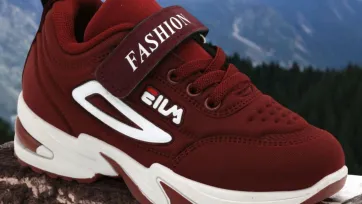
Kids Shoes: The Complete Parent's Guide to Choosing Comfortable, Supportive and Long-Lasting Shoes Introduction Children seem to outgrow their shoes almost as quickly as they outgrow their clothes. One month, a pair fits perfectly. A few months later, toes feel cramped, heels rub and suddenly it's time to shop again. For parents, buying children's shoes can feel surprisingly complicated. Should you choose a larger size so they last longer? Are lightweight trainers better than leather shoes? How can you tell if shoes fit properly when younger children can't always explain how they feel? The right shoes do much more than complete an outfit. They support growing feet, provide comfort throughout busy school days and help children run, jump and play with confidence. Choosing well now can prevent discomfort later. This guide explains everything parents need to know before buying kids' shoes, helping you make confident decisions whether you're shopping for school, everyday wear or outdoor adventures. Why Properly Fitted Shoes Matter A child's feet change rapidly during the growing years. Shoes that are too tight may become uncomfortable, while shoes that are far too large can affect stability and make walking awkward. A well-fitting pair should allow children to move naturally without slipping or squeezing. The ideal children's shoe should: Support natural foot movement. Feel comfortable from the first wear. Stay secure while walking and running. Provide enough room for growing toes. Be suitable for your child's daily activities. Comfort should always come before appearance. How to Tell If Shoes Fit Properly Many children simply say, "They're fine," even when they aren't. Instead of relying only on their answer, check for these signs. A properly fitting shoe should: Leave about a thumb's width of space in front of the longest toe. Hold the heel securely without slipping. Bend naturally where the foot bends. Feel snug without squeezing the sides of the foot. Fasten securely while still allowing comfortable movement. Children should always try shoes on while standing and walking rather than sitting down. Choosing the Right Type of Shoe Not every pair of shoes serves the same purpose. Different activities require different features. School Shoes School shoes should be durable, supportive and comfortable enough for a full day of walking, standing and playground activities. Everyday Trainers Lightweight trainers work well for casual wear, family outings and active play thanks to their flexibility and cushioning. Walking Shoes For countryside walks or holidays, choose shoes with deeper grip and stronger support to handle uneven ground. Sandals During warmer months, sandals with adjustable straps and supportive soles help keep children's feet cool while providing stability. Which Fastening Is Best? The fastening system often depends on your child's age and independence. Velcro Straps Easy for younger children to open and close independently. Elastic Laces Offer the appearance of traditional laces without requiring children to tie them. Traditional Laces Usually suit older children who are confident tying their own shoes and often provide a more adjustable fit. Choosing the Right Materials Quality materials help improve comfort and durability. Popular choices include: Leather for long-lasting school shoes. Breathable mesh for sports trainers. Flexible synthetic materials for lightweight everyday shoes. Rubber soles for grip and durability. The best material depends on where and how the shoes will be used. How Often Should Children's Shoes Be Replaced? Children's feet grow much faster than many parents realise. A pair of shoes that fitted perfectly a few months ago may already be too small. Although every child develops at a different pace, it's a good idea to check the fit regularly rather than waiting until your child complains. Replace shoes if you notice: Toes touching the front of the shoe. Red marks after wearing them. Worn-out soles with little grip. Torn stitching or damaged uppers. The heel slipping because the shoe has lost its shape. Well-fitting shoes are far more comfortable than simply waiting for obvious signs of wear. Signs Shoes Are Too Small Younger children often continue wearing shoes that no longer fit because they don't realise there's a problem. Watch for these warning signs: Complaints of sore feet. Blisters around the heel or toes. Refusing to wear favourite shoes. Walking differently than usual. Curled toes inside the shoe. Difficulty fastening the straps or laces. Regularly checking the inside length of the shoe helps avoid unnecessary discomfort. Keeping Children's Shoes in Good Condition A little care can help quality shoes last much longer. Simple maintenance includes: Cleaning off dirt after outdoor play. Allowing wet shoes to dry naturally. Avoiding direct heat from radiators. Tightening loose laces or replacing worn ones. Rotating between two pairs if possible to allow each pair to air out. Good maintenance keeps shoes looking better and helps preserve their support. Choosing Shoes for Different Activities Children rarely wear one pair of shoes for everything. Different activities place different demands on footwear. For school, durability and comfort are essential. For sports, lightweight trainers with good grip help support movement. For family walks, stronger soles and additional ankle support may be useful. For holidays, breathable sandals or lightweight trainers often provide the greatest comfort. Matching the shoe to the activity improves both comfort and performance. Common Mistakes Parents Make Many shoe-buying mistakes happen with the best intentions. Avoid these common errors: Buying shoes several sizes too large. Choosing fashion over comfort. Handing down heavily worn shoes that have moulded to another child's feet. Ignoring your child's changing shoe size. Buying shoes without letting the child walk in them first. Keeping worn-out shoes for too long. A properly fitted shoe supports healthy movement and everyday comfort. Frequently Asked Questions How much growing room should children's shoes have? Most experts recommend leaving around a thumb's width of space in front of the longest toe. This provides room for natural movement and growth without making the shoe unstable. Should children always wear supportive shoes? Supportive shoes are useful for school, walking and active play. At home, safe barefoot play on suitable surfaces can also encourage natural foot movement. Is it okay to buy larger shoes so they last longer? Buying shoes that are much too large can affect balance and comfort. It's better to choose the correct size and replace them when needed. Are leather shoes better than synthetic shoes? Both have advantages. Leather is durable and breathable, while modern synthetic materials are often lighter and easier to maintain. How can I tell if my child needs a bigger shoe size? Regularly check the fit, observe how your child walks and look for signs such as cramped toes, discomfort or visible wear patterns. Final Thoughts Children spend much of their day on their feet. They run across playgrounds, explore parks, climb, jump and discover the world one step at a time. The right shoes support every one of those adventures. When choosing children's footwear, focus on fit, comfort, flexibility and quality rather than simply following the latest trend. A well-made pair of shoes won't just protect growing feet—it will help children move with confidence wherever their next adventure takes them.  
Best Eco Friendly Toys for Kids
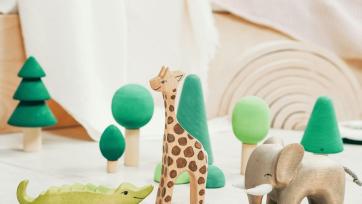
Eco-Friendly Toys: A Complete Guide to Safe, Sustainable, and Fun Play for Kids Parents today are becoming more conscious about the toys they bring into their homes. Beyond entertainment, many families now look for products that are safe for children, kind to the environment, and built to last. This growing interest has made eco-friendly toys one of the fastest-growing categories in the toy industry. Unlike many conventional plastic toys that may end up in landfills after a short period, eco-friendly toys are designed with sustainability in mind. They are often made from responsibly sourced wood, recycled plastics, organic cotton, bamboo, or other environmentally friendly materials. Many are manufactured using safer production methods and packaged with recyclable materials, making them a smarter choice for both children and the planet. If you're looking for toys that combine fun, learning, and environmental responsibility, this guide will help you understand everything about eco-friendly toys and how to choose the best options for your child. What Are Eco-Friendly Toys? Eco-friendly toys are toys created using sustainable materials and environmentally responsible manufacturing processes. Their purpose is to reduce waste, minimize pollution, and provide children with safer products made from high-quality materials. Many eco-friendly toys are designed to last for years instead of breaking after a few weeks of use. Their durability means fewer replacements, less waste, and better value for parents. Common materials include: FSC-certified wood Bamboo Organic cotton Natural rubber Recycled plastic Recycled cardboard Plant-based materials These materials are carefully selected to reduce environmental impact while maintaining safety and durability. Why More Parents Are Choosing Eco-Friendly Toys Parents today understand that children spend countless hours touching, holding, and sometimes even chewing their toys. Choosing toys made from safer materials provides extra peace of mind. Eco-friendly toys also encourage children to appreciate nature from an early age. When kids learn about recycling, sustainability, and responsible consumption through everyday play, they develop habits that can benefit them throughout life. Many families also prefer buying fewer, better-quality toys instead of constantly replacing cheaper products. Benefits of Eco-Friendly Toys Sustainable toys offer much more than environmental advantages. Some important benefits include: Safer materials for children Reduced plastic waste Excellent durability Timeless designs Educational value Lower environmental impact Better long-term value Encouragement of imaginative play Unlike flashy electronic toys that quickly lose attention, many eco-friendly toys inspire open-ended play, allowing children to create their own adventures. Wooden Toys Continue to Be a Favorite Wooden toys remain one of the most popular eco-friendly choices. Wood is naturally strong, attractive, and long-lasting. Wooden blocks, train sets, puzzles, stacking toys, kitchens, and pretend play sets have entertained generations of children. Quality wooden toys also age beautifully and are often passed down from one child to another. When buying wooden toys, look for products made from responsibly managed forests certified by organizations such as the Forest Stewardship Council (FSC). Organic Cotton Toys for Younger Children Soft toys made from organic cotton are another excellent eco-friendly option. Organic cotton is grown without harmful pesticides and harsh chemicals, making it a gentle choice for babies and young children. Popular options include: Plush animals Comfort blankets Soft dolls Fabric activity books These toys are often machine washable and designed for everyday use. Recycled Plastic Toys Give Waste a New Purpose Not every eco-friendly toy is made from wood. Many manufacturers now produce high-quality toys using recycled plastic collected from household waste or ocean-bound materials. These toys help reduce landfill waste while giving plastic a second life. Popular recycled plastic toys include: Construction vehicles Beach toys Toy kitchens Building blocks Outdoor play equipment Children enjoy the same level of fun while helping reduce environmental pollution. Eco-Friendly Educational Toys Learning and sustainability work perfectly together. Many educational eco-friendly toys help children develop: Problem-solving skills Creativity Fine motor skills Logical thinking Shape recognition Counting skills Language development Wooden puzzles, alphabet blocks, number games, and sorting activities remain excellent examples. Outdoor Nature Toys Encouraging children to play outdoors naturally supports environmental awareness. Popular eco-friendly outdoor toys include: Gardening kits Wooden birdhouses Nature exploration sets Magnifying glasses Bug observation kits Sand and water toys made from recycled materials These activities help children connect with nature while reducing screen time. Are Eco-Friendly Toys Durable? One common misconception is that eco-friendly toys wear out quickly. In reality, many sustainable toys are built to last longer than inexpensive plastic alternatives. High-quality wooden toys, bamboo products, and durable recycled plastic toys often withstand years of regular play. This durability makes them an excellent long-term investment. How Eco-Friendly Toys Encourage Creativity Many electronic toys entertain children by doing everything automatically. Eco-friendly toys often work differently. Instead of flashing lights and constant sounds, they encourage children to imagine, build, create, and invent their own stories. Simple wooden blocks can become castles today, bridges tomorrow, and space stations the following week. Open-ended play develops imagination far more effectively than fixed electronic entertainment. Choosing Eco-Friendly Toys by Age Different age groups benefit from different types of sustainable toys. For toddlers: Wooden stacking toys Shape sorters Soft organic cotton toys For preschoolers: Wooden puzzles Building blocks Pretend play kitchens Gardening kits For older children: STEM building sets Craft kits Nature exploration tools Recycled construction toys Selecting age-appropriate toys keeps children engaged while supporting healthy development. What to Look for Before Buying Not every product labeled "green" is genuinely eco-friendly. Before purchasing, consider: Sustainable materials Non-toxic paints Durable construction Recyclable packaging Safety certifications Smooth finishes Trusted manufacturers Reading product descriptions carefully helps you make informed decisions. Caring for Eco-Friendly Toys Proper care extends the life of sustainable toys. Some simple maintenance tips include: Clean wooden toys with a damp cloth. Avoid soaking wood in water. Store toys in a dry place. Wash fabric toys according to instructions. Inspect toys regularly for wear. Repair minor damage instead of replacing the toy. Good care reduces waste and saves money. Common Myths About Eco-Friendly Toys Several myths prevent some parents from trying sustainable toys. Myth: Eco-friendly toys are boring. Reality: Many offer imaginative, educational, and highly engaging play experiences. Myth: They are too expensive. Reality: While some cost more initially, their durability often makes them cheaper over time. Myth: Sustainable toys have fewer options. Reality: Today's market includes everything from puzzles and dolls to RC-inspired vehicles made with recycled materials and STEM kits. Why Eco-Friendly Toys Make Wonderful Gifts If you're looking for a meaningful birthday, holiday, or special occasion gift, eco-friendly toys are an excellent option. They show that you value both the child's happiness and the future of the planet. Parents often appreciate gifts that are practical, safe, durable, and educational. Frequently Asked Questions Are eco-friendly toys safe for children? Yes. Most quality eco-friendly toys are made from non-toxic materials and meet strict safety standards. Are wooden toys better than plastic toys? Both have advantages, but well-made wooden toys are often more durable, environmentally friendly, and encourage imaginative play. Do eco-friendly toys cost more? Some do, but their longer lifespan often makes them better value over time. Can eco-friendly toys still be fun? Absolutely. Children enjoy building, pretending, exploring, crafting, and learning with sustainable toys just as much as with conventional options. Final Thoughts Eco-friendly toys offer much more than a greener alternative to traditional playthings. They combine safety, durability, creativity, and educational value while helping reduce environmental impact. Whether you choose wooden building blocks, organic cotton plush toys, recycled plastic vehicles, or nature-inspired activity kits, sustainable toys encourage meaningful play that benefits both children and the world around them. Choosing eco-friendly toys isn't simply about buying a product—it's about supporting healthier play, smarter choices, and a more sustainable future for the next generation.
Travel Toys for Toddlers and Young Children
 Travel Toys for Toddlers and Young Children: The Ultimate Parent's Guide to Stress-Free Journeys Ask any parent about travelling with a toddler, and you'll probably hear the same answer: the journey is often harder than the destination. Whether you're driving for two hours to visit grandparents, waiting at an airport for a delayed flight or taking a long train journey during the school holidays, young children can quickly become restless. Sitting still isn't something that comes naturally to them. Before long, boredom turns into frustration, and what should have been an exciting family trip can become exhausting for everyone. The good news is that the right travel toys can completely change the experience. Travel toys are designed to keep children entertained, curious and engaged while taking up very little space. More importantly, the best ones do much more than simply pass the time. They encourage creativity, improve concentration and support learning without relying on tablets or smartphones. Parents often assume they need to pack dozens of toys "just in case". In reality, a handful of carefully chosen travel toys usually works far better than an overstuffed backpack filled with items children barely touch. In this guide, you'll discover how to choose travel toys that children genuinely enjoy, which features matter most, how to avoid common buying mistakes and why simple toys often outperform expensive electronic gadgets. Why Travel Feels Different for Young Children Adults usually see travelling as part of the adventure. Children see it differently. They're expected to stay seated for long periods, follow unfamiliar routines and cope with busy, noisy environments. Even the most patient child can become overwhelmed after an hour or two. That is why travel toys should do more than distract. They should help children feel comfortable, confident and occupied while allowing parents to relax a little too. What Makes a Good Travel Toy? Not every toy belongs in a travel bag. A large construction set with hundreds of tiny pieces might be brilliant at home but quickly becomes a nightmare in a car or airport lounge. The best travel toys usually share a few important qualities: Lightweight and easy to carry. Compact enough to fit inside a backpack. Durable enough to survive frequent travel. Quiet enough for public spaces. Easy to clean. Capable of holding a child's attention for longer than a few minutes. If a toy can be dropped once without breaking and packed away in seconds, it's already ahead of many alternatives. Benefits of Travel Toys A thoughtfully packed travel toy isn't just about keeping children busy. It can make the entire journey more enjoyable for the whole family. Less Stress for Parents Every parent knows that boredom often leads to complaints, arguments and frustration. Interesting toys help prevent many of these situations before they begin. Longer Attention Spans Children who become absorbed in a puzzle, activity book or creative toy are less likely to ask every five minutes, "Are we there yet?" Encourages Independent Play One of the biggest advantages of travel toys is that children learn to entertain themselves. Parents don't need to become the full-time entertainer throughout the journey. Supports Learning Many travel toys naturally encourage counting, storytelling, matching, drawing or problem-solving. Children continue learning while believing they are simply having fun. Reduces Screen Time Digital devices have their place, particularly during very long journeys, but they don't need to become the only source of entertainment. Travel toys offer a healthier balance between technology and hands-on play. The Best Travel Toys for Toddlers Toddlers need simple activities that are easy to understand and difficult to lose. Some excellent options include: Chunky board books Reusable sticker books Water-reveal colouring books Large magnetic drawing boards Soft fabric activity books Finger puppets Shape matching games Stacking cups Sensory toys Soft dolls The aim is to provide toys that can be used independently without creating unnecessary mess. Travel Toys for Preschool Children Preschool children enjoy activities that challenge their imagination while remaining portable. Great choices include: Magnetic puzzles Small construction toys Storytelling cards Activity books Compact board games Lacing activities Reusable colouring pads Toy animals Simple card games Travel-friendly craft kits Many parents discover that one engaging activity can provide far more entertainment than several less interesting toys. Travel Toys for School-Age Children Older children usually appreciate toys that require thinking, creativity or strategy. Some excellent examples are: Logic puzzles Crossword books Sketchbooks Card games Travel chess or draughts Compact building sets Brain teaser puzzles Creative writing journals Foldable board games Educational quiz cards Children in this age group often enjoy being involved in choosing which toys to pack before travelling. How Many Travel Toys Should You Pack? One of the biggest mistakes parents make is filling an entire bag with toys. It sounds like a sensible idea, but too many choices often have the opposite effect. Children quickly move from one toy to another without becoming fully engaged with any of them. A better approach is to pack a small collection of carefully selected activities. For most journeys, this is usually enough: One creative activity, such as a colouring or drawing pad. One problem-solving toy, such as a puzzle. One imaginative toy, such as a few animal figures or finger puppets. One comfort item, especially for younger children. One "surprise" toy that isn't revealed until later in the journey. Introducing a new activity every hour or so keeps the experience fresh without overwhelming your child. Creating the Perfect Travel Activity Bag Instead of throwing toys into a backpack at the last minute, prepare a dedicated travel kit that stays ready for family trips. A well-organised travel bag might include: A reusable water colouring book Washable crayons A small notebook Magnetic puzzles Reusable sticker scenes A compact card game Healthy snacks Wet wipes Spare zip-lock bags for storage A lightweight blanket or comfort toy Keeping everything in one place saves time and prevents frantic searching during the journey. Screen Time vs Travel Toys Many parents wonder whether they should simply hand over a tablet during long trips. There's no universal right or wrong answer. Screens can be useful during lengthy flights or unexpected delays, but relying on them from the start often means children lose interest in other activities. A balanced approach usually works best. Begin the journey with books, puzzles, drawing activities or imaginative toys. If the trip is particularly long, digital entertainment can be introduced later as one part of a varied travel routine rather than the entire experience. Buying Guide Travel toys don't need to be expensive, but they do need to be practical. Before buying, ask yourself a few simple questions. Will it fit easily into a backpack? Large toys may be enjoyable at home but become inconvenient during travel. Can it survive being dropped? Travelling can be rough on toys. Choose products made from durable materials that won't break after one fall. Does it create unnecessary mess? Avoid toys with dozens of tiny pieces, loose sand, glitter or liquids that are difficult to manage while travelling. Can it be used in more than one way? Open-ended toys generally provide much better value because children invent new ways to play with them. Will my child still enjoy it after the journey? The best travel toys become part of everyday play once you're back home, making them a worthwhile investment. Safety Tips Travelling introduces different safety considerations than playing at home. Keep these recommendations in mind: Choose toys that match your child's age. Avoid toys with very small parts for toddlers. Check toys regularly for damage before travelling. Pack toys in secure containers or zip pouches. Keep favourite comfort toys within easy reach. Clean toys after trips, especially those used on public transport. Avoid heavy toys that could become hazardous during sudden stops in a vehicle. Supervise younger children when using craft materials or activity books with accessories. A little preparation helps ensure both safety and convenience throughout the journey. Common Buying Mistakes Parents often buy travel toys based on appearance rather than practicality. Here are some mistakes worth avoiding. Packing Too Many Toys More toys rarely mean more entertainment. A smaller selection usually keeps children focused for longer. Choosing Toys with Lots of Loose Pieces Missing pieces are common during travel, particularly in airports, restaurants or motorway service stations. Buying Toys That Make Loud Noises Electronic sounds may seem entertaining at home but can quickly become frustrating in shared public spaces. Ignoring Your Child's Interests A travel toy only works if your child genuinely enjoys it. Choosing activities based on their hobbies usually leads to much longer play sessions. Leaving Packing Until the Last Minute Preparing a travel kit the night before often results in forgotten essentials and unsuitable toys. Frequently Asked Questions What are the best travel toys for toddlers? Simple, lightweight toys such as reusable sticker books, water colouring books, magnetic drawing boards, soft dolls and fabric activity books are excellent choices because they are easy to carry and encourage independent play. Should children use tablets during travel? Tablets can be useful on longer journeys, but combining them with books, puzzles and creative travel toys usually creates a healthier balance and helps reduce overall screen time. How many travel toys should I take? A small collection of four to six carefully chosen activities is often enough for most day trips and holidays. Rotating them throughout the journey helps maintain interest. Are travel toys suitable for aeroplanes? Yes. Compact, quiet toys are ideal for flights because they entertain children without disturbing other passengers. What should I avoid packing? Avoid toys with tiny loose pieces, messy craft materials, loud electronic sounds or bulky items that are difficult to carry. Final Thoughts Travelling with young children will always involve a little unpredictability, but the right preparation can make a remarkable difference. Instead of relying on dozens of toys or unlimited screen time, focus on a carefully chosen selection of activities that encourage creativity, independent play and problem-solving. The best travel toys are not necessarily the newest or most expensive. They are the ones that keep children engaged, fit easily into your luggage and continue providing value long after the journey has ended. By choosing practical, durable and age-appropriate travel toys, parents can reduce stress, keep children happily occupied and turn long journeys into enjoyable family adventures rather than exhausting experiences.
Best Math Learning Toys for Preschoolers and Elementary Students
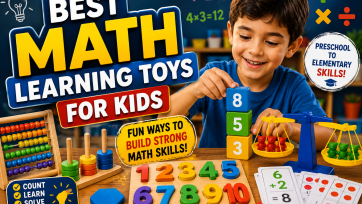
Math does not begin with worksheets. Long before children solve written equations, they compare sizes, count objects, recognize patterns, sort colors, estimate distances, divide snacks, and notice which tower is taller. That is why the best math learning toys do not feel like schoolwork. They turn numbers, shapes, measurement, and problem-solving into activities children genuinely want to repeat. A preschooler may learn counting by moving colorful bears into cups. An elementary student may understand multiplication more clearly through tiles, blocks, or a strategy game. The goal is not to make children memorize answers faster. It is to help them understand what numbers actually mean. This guide covers the best math toys for different ages, the skills they teach, and what parents should look for before spending money. What Makes a Toy Good for Learning Math? A useful math toy should allow children to see, touch, move, group, arrange, or compare objects. Young children often understand abstract ideas more easily when they can physically interact with them. For example, the number five becomes more meaningful when a child can hold five blocks, remove two, and see that three remain. Strong math toys usually support one or more of these skills: Counting Number recognition Sorting Addition and subtraction Patterns Shapes Measurement Fractions Multiplication Logical reasoning Money skills Spatial awareness The best products can be used in several ways rather than offering only one short activity. Best Math Toys for Preschoolers Preschool math should remain playful, visual, and hands-on. Children between three and five years old are usually developing early number sense, shape recognition, matching, sorting, and simple comparison skills. Counting Bears and Sorting Animals Small counting figures are among the most flexible math learning toys for preschoolers. Children can: Count them Sort them by color Group them by size Create patterns Compare quantities Practice simple addition A parent might place three red bears and two blue bears on the table and ask how many there are altogether. The same toy can later be used for subtraction, grouping, or early multiplication. For children under three, avoid small pieces that may become choking hazards. Number Puzzles Wooden number puzzles help children connect spoken number names with written symbols. A child may already know how to count to ten but still struggle to recognize the printed number seven. A number puzzle gives them repeated visual exposure. Good number puzzles often include pictures or objects that match the number shown. For example, the piece marked “4” may include four stars or four animals. This helps the child understand that the symbol represents a quantity. Bead Mazes and Counting Frames Bead mazes and abacus-style counting toys allow children to move pieces while counting. These toys can support: One-to-one counting Color recognition Simple addition Simple subtraction Comparing groups Parents should encourage children to move one bead for each number spoken. This prevents children from reciting numbers without understanding how counting connects to actual objects. Shape Sorters and Geometry Boards Shape toys introduce more than the names of circles and squares. Children begin to notice corners, sides, curves, size, rotation, and how pieces fit together. Geometry boards, tangram-style pieces, and pattern blocks can help children build pictures and explore spatial relationships. Ask questions such as: Which shape has three sides? Can two triangles make a square? Which piece fits this space? What happens if you turn it around? These conversations make the toy far more educational. Peg Boards and Pattern Cards Peg boards allow preschoolers to copy or create patterns. A child may arrange pieces in a sequence such as red, blue, red, blue. Later, they may work with more complex patterns such as red, red, yellow, red, red, yellow. Pattern recognition is an important early math skill because it helps children predict what comes next. Best Math Toys for Kindergarten and Early Elementary Students Once children begin formal schooling, math toys can help make classroom concepts easier to understand. The strongest options show children why an answer works rather than simply testing whether they remember it. Linking Cubes Linking cubes can be connected into groups, towers, or number lines. They are useful for teaching: Addition Subtraction Place value Patterns Measurement Multiplication groups For example, a child can build one tower of eight cubes and another tower of five cubes, then compare their height. Older children can create equal groups to understand multiplication. Ten Frames A ten frame is a simple rectangular grid containing ten spaces. Children place counters into the spaces to visualize numbers. A partially filled ten frame helps children see relationships quickly. If eight spaces are filled, they can also see that two more are needed to make ten. Ten frames are useful for: Number recognition Addition Subtraction Making ten Mental math Although the tool looks simple, it can build a strong foundation for more advanced calculations. Toy Cash Registers A toy cash register combines mathematics with pretend play. Children can practice: Recognizing coins Counting money Giving change Adding prices Comparing costs Understanding budgets A pretend shop can make math feel relevant to everyday life. Parents can label toys or household objects with simple prices and give the child a limited amount of play money. The child must decide what they can afford. Math Board Games Board games can make repeated math practice less tedious. Depending on the game, children may count spaces, add dice totals, recognize patterns, compare numbers, or make strategic decisions. The best math board games involve actual thinking rather than depending entirely on luck. Look for games that match the child’s ability. A difficult game may cause frustration, while a very easy one may lose its appeal quickly. Number Balance Toys A number balance uses weights or numbered pieces to demonstrate equality. For example, placing a weight on one side marked six may balance with two weights marked three on the other side. This helps children understand that different number combinations can have the same total. Number balances are especially useful for visual learners who struggle with written equations. Best Math Toys for Ages 7 to 9 Children in this age range often begin working with multiplication, division, fractions, measurement, and more complex problem-solving. Hands-on materials can prevent these concepts from feeling overly abstract. Fraction Tiles and Fraction Circles Fractions are easier to understand when children can compare physical pieces. A child can place two quarter pieces beside one half piece and see that they are equal in size. Fraction toys may help teach: Halves Thirds Quarters Equivalent fractions Comparing fractions Adding simple fractions Color-coded pieces are helpful, but parents should also encourage children to focus on the size and value of each part. Multiplication Boards Multiplication boards use pegs, tiles, cards, or sliding pieces to demonstrate number groups. Instead of only memorizing that four times three equals twelve, a child can create four groups containing three objects each. This builds understanding before memorization. A multiplication toy is most effective when it allows the child to discover patterns, such as why every answer in the five-times table ends in zero or five. Measuring Kits Child-friendly measuring tapes, rulers, scales, cups, and clocks can turn ordinary activities into math practice. Children can measure: Furniture Toys Ingredients Height Distance Weight Time Measurement toys become more meaningful when connected to real tasks. A child may measure cardboard before building a model or use cups while helping prepare a recipe. Logic Puzzle Games Logic games challenge children to arrange pieces, solve visual problems, or complete tasks under specific rules. These toys strengthen: Planning Deduction Sequencing Spatial reasoning Persistence Many logic games include challenge cards that gradually increase in difficulty. This makes them useful for independent play and long-term learning. Best Math Toys for Ages 9 and Older Older elementary students may prefer math toys that feel like puzzles, games, construction projects, or real-world challenges. At this stage, avoid products that appear too childish. Strategy Board Games Strategy games require children to plan ahead, manage resources, calculate risks, and compare possible outcomes. They may not be sold specifically as math toys, yet they can involve significant mathematical thinking. Games involving money, trading, territory, probability, or resource management are particularly useful. Geometry Construction Sets Geometry sets allow children to build polygons, three-dimensional shapes, bridges, domes, and other structures. These products can introduce: Angles Symmetry Area Perimeter Volume Structural geometry Children who dislike traditional math exercises may become more interested when geometry is connected to building. Mental Math Card Games Card games can improve calculation speed without making practice feel repetitive. Children may race to create a target number, compare fractions, identify factors, or combine cards using different operations. Parents should avoid placing too much emphasis on speed. Accuracy and understanding matter more than winning quickly. Math Escape-Room Games Math mystery and escape-room games ask children to solve a series of clues before reaching a final answer. These activities combine arithmetic with reading, reasoning, and teamwork. They are particularly useful for children who enjoy stories and challenges more than standard practice sheets. Choosing the Right Math Toy A toy can look educational and still provide very little learning value. Before buying, ask the following questions. Does It Match the Child’s Current Skill Level? A preschooler learning to count needs a different toy from a nine-year-old learning fractions. Choose a product that is slightly challenging but still manageable. Can It Be Used in More Than One Way? Open-ended math toys usually provide better long-term value. Counters, cubes, tiles, blocks, cards, and measuring tools can support several concepts as the child grows. Does It Explain the Concept Visually? The best math toys make an idea easier to see. A fraction toy should show how parts form a whole. A multiplication toy should demonstrate equal groups. A counting toy should connect numbers with quantities. Does the Child Find It Interesting? A technically excellent toy will not help if it remains unopened. Children who enjoy pretend play may prefer a cash register. Builders may like geometry sets. Competitive children may enjoy board games. Puzzle lovers may prefer logic challenges. Common Mistakes Parents Make One common mistake is buying a toy that focuses only on memorization. Flash cards and electronic quizzes can have value, but children also need to understand the reasoning behind the answer. Another mistake is correcting every error immediately. Give children time to think, test ideas, and notice their own mistakes. A wrong answer can lead to useful discussion. Parents should also avoid turning every game into a lesson. Sometimes the best learning happens naturally while the child is playing. Are Electronic Math Toys Worth Buying? Electronic math toys can provide sounds, feedback, timed challenges, and different difficulty levels. They may be useful for independent practice, but they should not replace physical play and conversation. Before buying, check whether the toy: Gives meaningful explanations Allows multiple skill levels Has adjustable volume Requires an app Contains advertisements Needs a subscription Stores personal information Works without constant internet access A simple set of counters or blocks may offer more educational flexibility than an expensive electronic device. Final Takeaway The best math learning toys help children see mathematics in the world around them. For preschoolers, start with counting figures, number puzzles, shape sorters, patterns, and bead toys. Early elementary students may benefit from linking cubes, ten frames, toy money, balance scales, and board games. Older children can explore fractions, multiplication, measurement, geometry, logic, and strategy through more advanced games and construction sets. Math becomes easier when children are allowed to touch it, move it, build it, and use it. A child who understands why numbers work is far better prepared than one who has only memorized the answer.
Best Balance Bikes for Kids in 2026
Best Balance Bikes for Kids in 2026: The Ultimate Parent's Buying Guide A balance bike is often a child's first real step towards independent cycling. Unlike traditional bicycles with stabilisers, balance bikes teach children how to balance naturally before they learn to pedal. This simple approach has transformed how children learn to ride, making the transition to a regular bicycle faster, easier, and far more enjoyable. In 2026, balance bikes remain one of the best-selling outdoor toys for toddlers and preschool children. Available in wooden, metal, lightweight aluminium, and adjustable models, they help children build confidence, coordination, and independence while encouraging active outdoor play. If you're looking for the best balance bike for your child, this complete guide will help you make the right choice. What Is a Balance Bike? A balance bike is a pedal-free bicycle designed to teach children how to balance using their own feet. Instead of pedalling, children: Walk forward Push with their feet Glide naturally Steer independently Learn balance through movement Once balance becomes second nature, learning to ride a standard bicycle is usually much easier. Why Parents Choose Balance Bikes Traditional bicycles with stabilisers teach children how to pedal but not how to balance. Balance bikes work differently. Children naturally develop balance while steering and controlling their speed, meaning they often skip stabilisers altogether when moving to a pedal bike. Many cycling experts now recommend balance bikes as the easiest way to learn. Benefits of Balance Bikes Balance bikes support healthy physical development. Some of the biggest benefits include: Improve balance Build confidence Strengthen leg muscles Develop coordination Improve steering control Encourage outdoor play Increase independence Support gross motor development Reduce screen time These skills also help children in other sports and physical activities. Balance Bikes for Toddlers Toddlers usually begin with lightweight models that are easy to control. Beginner balance bikes often feature: Adjustable seats Soft grips Lightweight frames Puncture-proof tyres Low step-through design These features help young riders feel safe while learning. Wooden Balance Bikes Wooden balance bikes remain popular because of their simple and attractive design. Parents like them because they are: Eco-friendly Lightweight Durable Quiet Stylish Their minimalist design also encourages children to focus on riding rather than electronic features. Metal Balance Bikes Metal balance bikes are built for durability and long-term use. Many include: Adjustable handlebars Air-filled tyres Hand brakes Height-adjustable seats Strong steel or aluminium frames These models are ideal for children who ride regularly outdoors. Inflatable vs Foam Tyres Balance bikes are available with different tyre types. Foam tyres offer: No punctures Low maintenance Lightweight design Inflatable tyres provide: Better grip Smoother rides Improved shock absorption Greater comfort on rough ground The best choice depends on where your child will ride most often. Learning Through Outdoor Play Balance bikes encourage children to spend more time outside. Popular riding locations include: Parks Gardens Cycle paths School playgrounds Quiet pavements Family walking trails Outdoor riding also encourages healthy exercise and family activities. How to Choose the Right Balance Bike Before buying, consider: Your child's age Inside leg measurement Weight of the bike Adjustable features Tyre type Frame material Safety certification A lightweight bike is usually much easier for young children to control. Safety Equipment Children should always wear suitable safety equipment when riding. Recommended items include: Helmet Knee pads Elbow pads Closed-toe shoes Parents should also supervise beginners until they become confident riders. Common Buying Mistakes Many parents buy balance bikes that are too large. Avoid: Heavy frames Seats that cannot be adjusted Poor-quality tyres Cheap bearings Bikes without safety certification A properly fitted balance bike makes learning much easier and more enjoyable. Maintaining a Balance Bike Good maintenance helps the bike last for years. Regularly: Check tyre condition Tighten loose bolts Clean the frame Adjust the seat height Inspect handlebars Lubricate moving parts if required A well-maintained bike provides a smoother and safer riding experience. Why Balance Bikes Make Excellent Gifts Balance bikes are one of the most practical gifts for young children. They're perfect for: Birthdays Christmas Second birthdays Outdoor activity gifts Family celebrations Unlike many toys that are quickly forgotten, a balance bike often becomes part of a child's daily routine. Frequently Asked Questions What is the best age for a balance bike? Most children can begin using a balance bike between 18 months and 2 years, depending on their height and confidence. Are balance bikes better than bikes with stabilisers? For many children, yes. Balance bikes teach natural balance first, making the transition to a pedal bicycle much smoother. Do balance bikes really help children learn to cycle? Absolutely. Children who master balancing often learn to ride a pedal bike without stabilisers much more quickly. Should I choose a wooden or metal balance bike? Both are excellent options. Wooden bikes are lightweight and environmentally friendly, while metal bikes usually offer greater durability and adjustable features. Final Thoughts The best balance bikes for kids in 2026 help children develop confidence, coordination, and independence while making the journey towards cycling enjoyable from the very beginning. By learning balance before pedalling, children gain an important skill that makes riding a traditional bicycle far less intimidating. Whether you choose a lightweight wooden model or a durable metal design, a high-quality balance bike provides years of outdoor fun while encouraging healthy physical development. It's one of the few toys that combines exercise, learning, and adventure into one unforgettable childhood experience.