Educational Toy Subscription Boxes: Which One Is Worth the Cost?

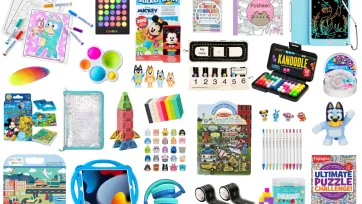
Educational toy subscription boxes promise something most parents want: age-appropriate activities delivered regularly without spending hours searching for new ideas.

Every month—or every few months—a box arrives with science experiments, craft projects, books, building materials, puzzles, or learning games. The child gets something new to explore, while the parent avoids another trip through crowded toy aisles.

It sounds convenient. But are educational subscription boxes actually worth the cost?

The answer depends on what is inside the box, how often the child uses it, whether the materials can be reused, and how much the subscription costs after shipping, taxes, and automatic renewals.

A $25 monthly box may appear affordable. Over a year, however, it becomes a $300 purchase. If the child finishes each activity in twenty minutes and never touches it again, the value may be poor. If the box provides several projects, reusable tools, and weeks of engagement, it may be a smart investment.

This guide explains how educational toy subscriptions work, which types suit different children, and how parents can decide whether a subscription is worth paying for.

How Educational Toy Subscription Boxes Work

Most learning subscription services follow a similar model.

Parents choose:

  • The child’s age

  • A subject or theme

  • Monthly or quarterly delivery

  • Subscription duration

  • Number of children

  • Optional add-ons

The company then sends a box containing activities selected for that age group.

Some subscriptions focus on a single subject, such as science or coding. Others combine crafts, books, geography, puzzles, and pretend play.

Payment may be charged monthly, every three months, every six months, or annually.

Longer plans often reduce the price per box, but they also require a larger upfront payment.

What Usually Comes Inside?

The contents depend on the subscription category, but a typical educational box may include:

  • Activity instructions

  • Craft supplies

  • Science materials

  • Building pieces

  • Worksheets

  • Storybooks

  • Stickers

  • Collectible cards

  • Puzzles

  • Parent guides

  • Online videos

  • Access to an application

Some boxes provide nearly everything required. Others ask parents to supply common household items such as scissors, water, tape, baking soda, cooking oil, batteries, or coloring tools.

Always read the “what is included” section before subscribing.

A box advertised as containing five projects may become inconvenient if each activity requires several extra purchases.

The Five Main Types of Learning Subscription Boxes

Not every subscription serves the same purpose. Choosing the right category matters more than selecting the most heavily advertised brand.

1. STEM and Science Boxes

STEM subscription boxes usually contain experiments, engineering challenges, electronics, robotics, or building activities.

They are best suited for children who enjoy discovering how things work.

A typical box may ask the child to:

  • Build a small machine

  • Create a chemical reaction

  • Construct a bridge

  • Design a moving vehicle

  • Test magnets

  • Explore electricity

  • Grow crystals

  • Study weather

These subscriptions can provide strong educational value when the instructions explain the science behind each activity.

Avoid boxes that rely only on dramatic reactions without teaching the child what happened.

Best for

Children who like experiments, building, technology, and problem-solving.

Possible weakness

Some projects are completed once and cannot be reused.

2. Arts and Crafts Boxes

Craft subscriptions provide materials for painting, sewing, sculpting, decorating, drawing, or making themed objects.

These boxes can be useful for parents who do not want to purchase large packets of supplies separately.

A well-designed craft box may support:

  • Fine motor skills

  • Creativity

  • Following instructions

  • Color recognition

  • Planning

  • Self-expression

However, some craft boxes leave very little room for creativity. The child is expected to copy one example exactly.

Open-ended materials generally provide more value than projects in which every child produces the same object.

Best for

Children who enjoy making, decorating, and working with their hands.

Possible weakness

Finished crafts may quickly create clutter around the home.

3. Book Subscription Boxes

Book boxes send one or more titles selected according to the child’s age or reading level.

Some also include bookmarks, activity sheets, toys, or themed accessories.

These subscriptions can encourage regular reading, especially when the child enjoys receiving a package addressed to them.

Before subscribing, check whether parents can:

  • Select reading levels

  • Avoid duplicate books

  • Choose fiction or nonfiction

  • Update interests

  • Preview upcoming titles

  • Exchange unsuitable books

A book subscription may offer poor value if the family already uses a public library regularly or purchases discounted books.

Best for

Children who enjoy stories or need encouragement to read consistently.

Possible weakness

The selected books may not match the child’s interests.

4. Geography and Culture Boxes

Geography boxes introduce children to countries, languages, landmarks, food, animals, maps, and cultural traditions.

A box may focus on one destination each month.

It might include:

  • A country guide

  • A map

  • Recipes

  • Flags

  • Stories

  • Craft projects

  • Language words

  • Collectible items

These subscriptions can make geography more engaging, but parents should check that the material is accurate and respectful.

Culture should not be reduced to stereotypes, costumes, or a few foods.

Best for

Children interested in travel, maps, languages, and world cultures.

Possible weakness

Some boxes include more souvenirs than meaningful educational material.

5. Montessori and Preschool Boxes

Preschool subscription boxes usually focus on early literacy, numbers, shapes, colors, sensory activities, and fine motor development.

They may include sorting tasks, flash cards, puzzles, matching games, or simple craft projects.

Parents should not assume that every box using the word “Montessori” follows authentic Montessori principles.

A genuine Montessori-style activity should usually be hands-on, purposeful, simple, and appropriate for the child’s stage of development.

Best for

Toddlers and preschoolers who need structured learning activities at home.

Possible weakness

Many activities can be recreated more cheaply with household materials.

How Much Do Subscription Boxes Really Cost?

The advertised monthly price is only part of the total cost.

Parents should calculate:

Box price + shipping + tax + add-ons + international charges + renewal cost

For example:

  • Monthly box price: $30

  • Shipping: $6

  • Tax: $2

  • Total monthly cost: $38

  • Total annual cost: $456

A yearly prepayment may reduce the cost to $26 per box, but the parent may need to pay more than $300 at once.

Also check whether the company renews the plan automatically.

Some services offer an introductory discount for the first box and then charge the full rate for every later delivery.

Cost Per Activity Matters More Than Cost Per Box

A better way to compare subscriptions is to calculate the cost per meaningful activity.

Imagine two boxes.

Box A

  • Costs $24

  • Contains two short crafts

  • Total use time: one hour

  • Cost per activity: $12

Box B

  • Costs $35

  • Contains five experiments

  • Includes reusable equipment

  • Total use time: six hours

  • Cost per activity: $7

Although Box B is more expensive, it may provide better overall value.

Parents should also consider whether the materials can be used again.

A circuit board, microscope, building set, or quality art tool may remain useful after the original activity is complete.

Are Subscription Boxes Cheaper Than Buying Toys Separately?

Sometimes—but not always.

Subscription companies may purchase supplies in bulk and package them conveniently. This can save parents time and reduce the need to buy full-size materials.

However, parents are also paying for:

  • Packaging

  • Product selection

  • Printed instructions

  • Branding

  • Delivery

  • Convenience

  • Marketing

Families willing to plan activities themselves can often create similar projects at a lower cost.

The subscription is most valuable when convenience, variety, and structured guidance are important to the parent.

When a Subscription Box Is Worth It

An educational subscription may be a good purchase when:

  • The child regularly completes hands-on activities

  • The projects match the child’s interests

  • The parent wants structured learning at home

  • Most materials are included

  • The activities require little setup

  • The box offers multiple projects

  • Some tools can be reused

  • The instructions explain the learning concept

  • The child looks forward to each delivery

  • The cost fits comfortably within the family budget

It may also be useful for homeschooling families, rainy-day activities, school holidays, or grandparents who want to send regular educational gifts.

When It Is Probably a Waste of Money

A subscription may not be worthwhile when:

  • Previous activity kits remain unopened

  • The child loses interest quickly

  • The projects are too easy

  • The box creates unnecessary clutter

  • Most supplies must be purchased separately

  • Shipping is unusually expensive

  • The family already owns similar materials

  • The activities are available free online

  • Cancellation is difficult

  • The subscription renews automatically without clear notice

Children sometimes enjoy the excitement of opening the package more than the activities inside it.

Parents should judge the subscription based on actual use, not the child’s reaction when the box first arrives.

Monthly vs Quarterly Delivery

Monthly delivery is exciting, but it may be too frequent for busy families.

If one box arrives before the previous projects are completed, the activities can begin to pile up.

Quarterly subscriptions may offer better value for families with limited time.

They provide:

  • Fewer deliveries

  • Less clutter

  • More time to complete each box

  • Lower annual spending

  • Less pressure to keep up

Monthly plans may suit children who complete projects quickly and regularly ask for new activities.

One Child or Multiple Children?

Some subscription boxes can be shared, while others contain only enough material for one child.

Parents with siblings should check:

  • Whether extra material packs are available

  • Whether projects can be completed together

  • Whether each child needs separate tools

  • Whether age levels can be mixed

  • Whether sibling add-ons cost less than a second subscription

A box that costs $35 for one child may become expensive if every project requires an additional $15 sibling pack.

Sharing works best when the activity naturally supports cooperation.

Questions to Ask Before Subscribing

Do not purchase a yearly plan until these questions have been answered.

What Is the Cancellation Policy?

Find out whether cancellation takes effect immediately or only after the current prepaid term ends.

Does the Subscription Renew Automatically?

Automatic renewal should be clearly disclosed.

Record the renewal date when purchasing a long-term plan.

Can the Child’s Age Level Be Changed?

A good service should allow parents to move the child to a more advanced level.

Can Boxes Be Paused?

Pause options are helpful during holidays, travel, school examinations, or busy periods.

Are Returns or Replacements Available?

Check what happens if materials arrive damaged, incomplete, or missing.

Are Digital Features Included?

Some boxes advertise online lessons but require an additional payment for full access.

Is Shipping Included?

Free shipping may only apply within one country or above a certain subscription length.

Try One Box Before Buying a Year

The safest approach is to begin with a single box or short subscription.

Observe:

  • How quickly the child opens it

  • Whether instructions are understandable

  • How much adult help is needed

  • How long the activities last

  • Whether the child asks to use it again

  • Whether the materials feel worth the price

Do not choose an annual plan only because the per-box price is lower.

Saving $5 per box is not a saving if eight boxes remain unused.

How to Get More Value From Each Box

Parents can extend the life of a subscription by avoiding the urge to complete everything in one day.

Try these strategies:

  • Complete one activity each weekend

  • Save reusable tools in a labeled container

  • Ask the child to modify the project

  • Connect the activity with a book or video

  • Repeat experiments with changed conditions

  • Photograph results

  • Keep a science or project journal

  • Let siblings work together

  • Use leftover materials for free play

A bridge-building activity, for example, should not end when the sample bridge is finished.

Ask the child to build a longer bridge, a stronger bridge, or one using fewer materials.

That turns a single project into several engineering challenges.

Subscription Box Alternatives

Families do not need a paid subscription to create regular educational activities.

Lower-cost alternatives include:

  • Public library books

  • Printable worksheets

  • Household science experiments

  • Reusable building sets

  • Secondhand educational toys

  • Local museum kits

  • School activity packs

  • Art supplies purchased in bulk

  • Parent-created monthly themes

  • Toy libraries

Parents can also create a homemade subscription box.

Place several small activities in a container at the beginning of each month and let the child choose one each weekend.

This provides the excitement of discovery without recurring shipping fees.

Best Choice by Family Type

Best for Busy Parents

Choose a box that includes nearly all materials and requires minimal preparation.

Best for Homeschooling

Look for structured lessons, clear learning goals, printable extensions, and activities connected to a curriculum.

Best for Creative Children

Choose an open-ended art or maker box rather than a kit with one fixed result.

Best for Future Scientists

Select experiment boxes that explain scientific principles and include reusable equipment.

Best for Siblings

Choose collaborative projects with generous quantities of materials.

Best for a Gift

A three-month plan is usually safer than a full-year commitment.

The Verdict

Educational toy subscription boxes can be worth the cost, but convenience is often the main product being sold.

The box itself may contain inexpensive materials. What parents are paying for is the planning, selection, instructions, packaging, and regular delivery.

That can be valuable for families who need fresh, structured activities and will use them consistently.

For most first-time buyers, the smartest option is not a twelve-month subscription. Start with one box or a three-month plan. Calculate the real cost, including delivery, and observe how much meaningful use the child gets from each package.

The best educational subscription is not the one with the most attractive box.

It is the one that gets opened, completed, discussed, reused—and remembered.

Advertisement
Why Do Some Children Ignore Their Toys
Why Do Some Children Ignore Their Toys? 9 Surprising Reasons Every Parent Should Know Introduction One afternoon, Sarah watched her four-year-old wander into the playroom. Shelves were neatly organised. Building blocks were stacked in colourful baskets. Toy cars waited in perfect rows. There were puzzles, dolls, books and enough toys to fill an entire corner of the house. Her son looked around for a few seconds. Then he walked into the kitchen, picked up a wooden spoon and a mixing bowl, and spent the next forty minutes pretending to cook dinner for his teddy bear. The toys stayed exactly where they were. If this sounds familiar, you're not alone. Many parents quietly wonder whether they've wasted money on toys their children barely touch. Others worry that a lack of interest means something is wrong. In most cases, the explanation is far simpler. Children don't reject toys because they dislike playing. They reject toys when those toys no longer match the way their imagination, curiosity or stage of development works. Understanding why this happens can help you make better toy choices, reduce unnecessary spending and create a play environment that genuinely encourages creativity. Let's explore the reasons behind one of the most common parenting questions. Reason #1: Too Much Choice Can Feel Overwhelming Imagine opening a streaming service with fifty thousand films. Finding one to watch suddenly feels like hard work. Children experience something similar when they're surrounded by dozens of toys. Instead of settling into one activity, they move quickly from shelf to shelf, never quite deciding where to begin. This isn't laziness. It's decision fatigue. Parents often notice that when the number of available toys is reduced, children actually spend longer playing. Reason #2: The Toy Solves Every Problem for Them Some toys leave almost nothing for children to imagine. Press a button. Watch the lights. Listen to the sounds. Repeat. After a while, the experience becomes predictable because the toy always behaves in exactly the same way. Now compare that with a pile of wooden blocks. Today they're a bridge. Tomorrow they're an airport. Next week they're part of a zoo. The toy changes because the child changes. That's what keeps it interesting. Reason #3: Your Child Has Simply Outgrown It Children grow remarkably quickly. The puzzle that fascinated them six months ago may now feel too easy. Likewise, a complex construction set intended for older children can feel frustrating rather than enjoyable. Good play sits in the middle. It should feel challenging enough to be interesting but achievable enough to build confidence. When toys no longer match a child's developmental stage, they're often left untouched. Reason #4: Everyday Objects Feel More Interesting Parents sometimes laugh when a child chooses a cardboard box over an expensive toy. Yet this behaviour makes perfect sense. A saucepan can become a drum. A blanket can become a superhero cape. A cardboard tube can become a telescope. Ordinary household objects have one huge advantage. They don't come with instructions. Children decide what they become, and that freedom often makes them more exciting than highly structured toys. Reason #5: Play Needs a Story Children rarely fall in love with objects. They fall in love with stories. A toy dinosaur isn't just a dinosaur. It becomes the guardian of a volcano. A teddy bear isn't just a teddy. It's the patient at a pretend hospital. When toys fail to inspire storytelling, they often fail to hold attention. The toys children return to again and again are usually the ones that fit naturally into the imaginary worlds they're constantly creating. Reason #6: They Need Someone to Start the Adventure Parents often hear the phrase, "Will you play with me?" It doesn't always mean a child needs constant company. Sometimes they simply need someone to help the story begin. A five-minute conversation can completely change what happens next. Instead of saying: "Go and play with your toys." Try asking: "Who's the captain of this spaceship?" "Why is this dinosaur hiding?" "Who lives in this castle?" Once the story starts, many children continue happily on their own. Adults don't need to lead the game. They simply help open the first chapter. Reason #7: The Play Environment Is Distracting Imagine trying to read a book while the television is on, a tablet keeps making sounds and people are constantly walking past. Concentrating becomes difficult. Children experience the same challenge. A play area packed with flashing lights, loud electronic toys and visual clutter can make it harder to settle into imaginative play. Interestingly, many nursery classrooms are designed with calm colours, organised shelves and clearly defined play spaces. The aim isn't to make the room look tidy. It's to help children focus. Sometimes changing the environment has a bigger impact than buying another toy. Reason #8: They're Craving Real-Life Experiences Children naturally imitate the world around them. If they've been watching a parent cook, they may suddenly become interested in making pretend meals. After a visit to the airport, every chair in the house becomes an aeroplane. Following a trip to the zoo, stuffed animals turn into safari adventures. This explains why a child might ignore a toy one day and become fascinated by it after a new experience. Play is often a reflection of life. The richer a child's experiences, the richer their imaginary games become. Reason #9: They Don't Need Another Toy This might be the hardest truth for adults to accept. Sometimes children simply have enough. Not because they don't enjoy toys. Because they already have everything they need to create wonderful games. Adding another toy doesn't always improve play. Occasionally it has the opposite effect by creating one more choice, one more distraction and one more item competing for attention. Many parents discover that introducing fewer new toys actually leads to longer, happier play sessions. What Parents Can Do Instead If your child rarely plays with their toys, resist the temptation to rush out and buy something new. Instead, experiment with small changes. Rotate a few toys every month instead of leaving everything available. Create open floor space where children can spread out and build. Join in for the first few minutes of a game before quietly stepping back. Introduce simple materials such as cardboard boxes, blankets, recycled tubes or craft supplies. Most importantly, observe rather than assume. Children often tell us exactly what kind of play they enjoy—we simply have to watch. Frequently Asked Questions Is it normal for children to ignore their toys? Yes. It's extremely common. Children often prefer activities that allow them to imagine, build or create rather than toys with only one fixed purpose. Should I buy new toys if my child seems bored? Not immediately. Try rotating existing toys, changing the play environment or introducing new ways to use toys already at home before spending more money. Why does my child play with household objects instead? Everyday objects have no fixed rules. They encourage creativity because children decide what each object represents. Can too many toys reduce concentration? For some children, yes. A very large number of choices can make it harder to focus on one activity for an extended period. How can I encourage independent play? Offer a manageable selection of toys, create a calm play space and help your child begin a story instead of directing the entire game. As their confidence grows, many children naturally continue playing on their own. Final Thoughts If your child walks past a shelf full of toys and heads straight for a cardboard box, a blanket or the kitchen cupboards, don't assume something has gone wrong. In many ways, the opposite is true. They're doing exactly what children have always done. They're searching for something they can transform. Something they can control. Something that becomes whatever their imagination needs it to be. The goal of a good toy isn't to keep a child busy. It's to give them the freedom to invent, explore and tell stories that belong entirely to them. When parents understand that difference, shopping becomes easier, play becomes richer and children often rediscover the joy of toys they already own.  
Best Dinosaur Toys for Kids in 2026
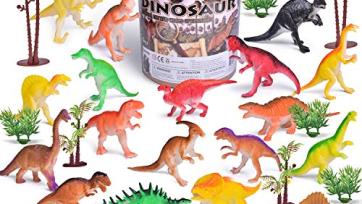
Best Dinosaur Toys for Kids in 2026 Dinosaurs have fascinated children for generations. From the mighty Tyrannosaurus rex to the gentle Brachiosaurus, these prehistoric creatures inspire curiosity, imagination, and adventure. Even in 2026, dinosaur toys remain among the best-selling toys for children because they combine exciting play with educational value. Modern dinosaur toys come in many forms, including realistic figures, remote control dinosaurs, building sets, interactive robots, puzzles, STEM kits, and fossil excavation games. They help children develop creativity, problem-solving skills, scientific curiosity, and fine motor abilities while encouraging screen-free play. Whether you're buying a birthday present or simply looking for a toy that offers both fun and learning, this guide explores the best dinosaur toys for kids in 2026. Why Children Love Dinosaur Toys Dinosaurs capture children's imagination like few other toys can. Their enormous size, unique appearances, and mysterious history encourage endless questions and creative storytelling. Children enjoy pretending that dinosaurs are: Exploring ancient jungles Protecting hidden treasure Escaping volcanoes Battling other dinosaurs Discovering new worlds Every adventure helps develop creativity while making playtime exciting. Benefits of Dinosaur Toys Dinosaur toys provide far more than entertainment. They help children: Improve imaginative thinking Build storytelling skills Develop fine motor skills Encourage independent play Learn about science Strengthen memory Improve concentration Reduce screen time Many dinosaur-themed toys also introduce children to basic biology and natural history in a fun, engaging way. Realistic Dinosaur Figures Realistic dinosaur models remain one of the most popular choices for children of all ages. These figures often feature: Accurate body shapes Detailed textures Natural colours Movable limbs Durable materials Children enjoy creating their own prehistoric worlds using multiple dinosaur species. Remote Control Dinosaur Toys Remote control dinosaurs combine technology with imaginative play. Many RC dinosaur toys include: Walking movements Roaring sounds Light-up eyes Tail movement Interactive controls These toys improve hand-eye coordination while making playtime more interactive. Dinosaur Building Sets Construction toys allow children to build their own prehistoric creatures. Popular building sets include: Dinosaur skeletons Jurassic landscapes Volcano scenes Dinosaur vehicles Research stations Building activities strengthen problem-solving skills while encouraging patience and creativity. Dinosaur Fossil Dig Kits Fossil excavation kits introduce children to the world of palaeontology. Children use small digging tools to uncover hidden dinosaur fossils before assembling their discoveries. These kits encourage: Scientific curiosity Observation skills Patience Hands-on learning Many also include educational booklets explaining different dinosaur species. Interactive Dinosaur Toys Interactive dinosaur toys respond to touch, movement, or voice commands. Features may include: Walking Roaring Dancing Sound effects Educational facts Interactive games These toys combine entertainment with early learning opportunities. Dinosaur Puzzles Dinosaur-themed puzzles are ideal for children who enjoy problem-solving. They help improve: Memory Concentration Shape recognition Logical thinking Fine motor skills Puzzles featuring colourful prehistoric scenes are especially popular with younger children. Dinosaur STEM Toys STEM dinosaur toys help children explore science through play. Examples include: Skeleton assembly kits Mechanical dinosaur models Fossil science kits Robotics dinosaurs Engineering building sets These activities encourage children to investigate how things work while developing critical thinking skills. Dinosaur Books and Learning Sets Combining toys with books creates even more educational value. Illustrated dinosaur encyclopaedias, matching games, flashcards, and interactive learning sets help children: Recognise different dinosaur species Learn scientific names Understand prehistoric habitats Discover extinction theories Learning becomes much more enjoyable when supported by hands-on toys. Choosing the Right Dinosaur Toy Before buying, consider: Your child's age Safety certifications Material quality Educational value Durability Ease of cleaning A toy that encourages repeated play usually provides the best long-term value. Safety Tips Choose dinosaur toys that: Match your child's age Have no sharp edges Use non-toxic materials Meet recognised safety standards Contain securely attached parts For younger children, avoid toys with very small pieces that could present a choking hazard. Common Buying Mistakes Parents sometimes purchase dinosaur toys based purely on appearance. Avoid: Poor-quality materials Toys that break easily Complicated controls for younger children Very small figures for toddlers Products from unknown manufacturers Investing in a well-made toy usually provides better value over time. Why Dinosaur Toys Make Excellent Gifts Dinosaur toys are suitable for birthdays, Christmas, school rewards, and special occasions. They appeal to a wide age range and combine fun with learning, making them a gift that children are likely to enjoy long after the wrapping paper has been thrown away. Many dinosaur collections also grow over time, allowing children to expand their prehistoric adventures. Frequently Asked Questions What are the best dinosaur toys for children? Realistic dinosaur figures, RC dinosaurs, fossil dig kits, building sets, puzzles, and STEM dinosaur toys are among the best options. Are dinosaur toys educational? Yes. Many dinosaur toys encourage scientific curiosity, creativity, problem-solving, and imaginative storytelling. What age are dinosaur toys suitable for? Simple dinosaur figures are suitable for toddlers, while building sets, fossil excavation kits, and STEM toys are better suited to older children. Are remote control dinosaur toys worth buying? Yes. RC dinosaur toys improve coordination while adding movement and interaction that many children find exciting. Final Thoughts The best dinosaur toys for kids in 2026 combine adventure, education, and imagination in a way that few other toys can match. Whether your child dreams of discovering fossils, building prehistoric worlds, controlling a roaring RC dinosaur, or learning about ancient creatures, there is a dinosaur toy to suit every age and interest. By choosing high-quality, age-appropriate dinosaur toys, parents can encourage curiosity, creativity, and screen-free play while helping children develop valuable skills through exciting prehistoric adventures.
Travel Toys for Toddlers and Young Children
 Travel Toys for Toddlers and Young Children: The Ultimate Parent's Guide to Stress-Free Journeys Ask any parent about travelling with a toddler, and you'll probably hear the same answer: the journey is often harder than the destination. Whether you're driving for two hours to visit grandparents, waiting at an airport for a delayed flight or taking a long train journey during the school holidays, young children can quickly become restless. Sitting still isn't something that comes naturally to them. Before long, boredom turns into frustration, and what should have been an exciting family trip can become exhausting for everyone. The good news is that the right travel toys can completely change the experience. Travel toys are designed to keep children entertained, curious and engaged while taking up very little space. More importantly, the best ones do much more than simply pass the time. They encourage creativity, improve concentration and support learning without relying on tablets or smartphones. Parents often assume they need to pack dozens of toys "just in case". In reality, a handful of carefully chosen travel toys usually works far better than an overstuffed backpack filled with items children barely touch. In this guide, you'll discover how to choose travel toys that children genuinely enjoy, which features matter most, how to avoid common buying mistakes and why simple toys often outperform expensive electronic gadgets. Why Travel Feels Different for Young Children Adults usually see travelling as part of the adventure. Children see it differently. They're expected to stay seated for long periods, follow unfamiliar routines and cope with busy, noisy environments. Even the most patient child can become overwhelmed after an hour or two. That is why travel toys should do more than distract. They should help children feel comfortable, confident and occupied while allowing parents to relax a little too. What Makes a Good Travel Toy? Not every toy belongs in a travel bag. A large construction set with hundreds of tiny pieces might be brilliant at home but quickly becomes a nightmare in a car or airport lounge. The best travel toys usually share a few important qualities: Lightweight and easy to carry. Compact enough to fit inside a backpack. Durable enough to survive frequent travel. Quiet enough for public spaces. Easy to clean. Capable of holding a child's attention for longer than a few minutes. If a toy can be dropped once without breaking and packed away in seconds, it's already ahead of many alternatives. Benefits of Travel Toys A thoughtfully packed travel toy isn't just about keeping children busy. It can make the entire journey more enjoyable for the whole family. Less Stress for Parents Every parent knows that boredom often leads to complaints, arguments and frustration. Interesting toys help prevent many of these situations before they begin. Longer Attention Spans Children who become absorbed in a puzzle, activity book or creative toy are less likely to ask every five minutes, "Are we there yet?" Encourages Independent Play One of the biggest advantages of travel toys is that children learn to entertain themselves. Parents don't need to become the full-time entertainer throughout the journey. Supports Learning Many travel toys naturally encourage counting, storytelling, matching, drawing or problem-solving. Children continue learning while believing they are simply having fun. Reduces Screen Time Digital devices have their place, particularly during very long journeys, but they don't need to become the only source of entertainment. Travel toys offer a healthier balance between technology and hands-on play. The Best Travel Toys for Toddlers Toddlers need simple activities that are easy to understand and difficult to lose. Some excellent options include: Chunky board books Reusable sticker books Water-reveal colouring books Large magnetic drawing boards Soft fabric activity books Finger puppets Shape matching games Stacking cups Sensory toys Soft dolls The aim is to provide toys that can be used independently without creating unnecessary mess. Travel Toys for Preschool Children Preschool children enjoy activities that challenge their imagination while remaining portable. Great choices include: Magnetic puzzles Small construction toys Storytelling cards Activity books Compact board games Lacing activities Reusable colouring pads Toy animals Simple card games Travel-friendly craft kits Many parents discover that one engaging activity can provide far more entertainment than several less interesting toys. Travel Toys for School-Age Children Older children usually appreciate toys that require thinking, creativity or strategy. Some excellent examples are: Logic puzzles Crossword books Sketchbooks Card games Travel chess or draughts Compact building sets Brain teaser puzzles Creative writing journals Foldable board games Educational quiz cards Children in this age group often enjoy being involved in choosing which toys to pack before travelling. How Many Travel Toys Should You Pack? One of the biggest mistakes parents make is filling an entire bag with toys. It sounds like a sensible idea, but too many choices often have the opposite effect. Children quickly move from one toy to another without becoming fully engaged with any of them. A better approach is to pack a small collection of carefully selected activities. For most journeys, this is usually enough: One creative activity, such as a colouring or drawing pad. One problem-solving toy, such as a puzzle. One imaginative toy, such as a few animal figures or finger puppets. One comfort item, especially for younger children. One "surprise" toy that isn't revealed until later in the journey. Introducing a new activity every hour or so keeps the experience fresh without overwhelming your child. Creating the Perfect Travel Activity Bag Instead of throwing toys into a backpack at the last minute, prepare a dedicated travel kit that stays ready for family trips. A well-organised travel bag might include: A reusable water colouring book Washable crayons A small notebook Magnetic puzzles Reusable sticker scenes A compact card game Healthy snacks Wet wipes Spare zip-lock bags for storage A lightweight blanket or comfort toy Keeping everything in one place saves time and prevents frantic searching during the journey. Screen Time vs Travel Toys Many parents wonder whether they should simply hand over a tablet during long trips. There's no universal right or wrong answer. Screens can be useful during lengthy flights or unexpected delays, but relying on them from the start often means children lose interest in other activities. A balanced approach usually works best. Begin the journey with books, puzzles, drawing activities or imaginative toys. If the trip is particularly long, digital entertainment can be introduced later as one part of a varied travel routine rather than the entire experience. Buying Guide Travel toys don't need to be expensive, but they do need to be practical. Before buying, ask yourself a few simple questions. Will it fit easily into a backpack? Large toys may be enjoyable at home but become inconvenient during travel. Can it survive being dropped? Travelling can be rough on toys. Choose products made from durable materials that won't break after one fall. Does it create unnecessary mess? Avoid toys with dozens of tiny pieces, loose sand, glitter or liquids that are difficult to manage while travelling. Can it be used in more than one way? Open-ended toys generally provide much better value because children invent new ways to play with them. Will my child still enjoy it after the journey? The best travel toys become part of everyday play once you're back home, making them a worthwhile investment. Safety Tips Travelling introduces different safety considerations than playing at home. Keep these recommendations in mind: Choose toys that match your child's age. Avoid toys with very small parts for toddlers. Check toys regularly for damage before travelling. Pack toys in secure containers or zip pouches. Keep favourite comfort toys within easy reach. Clean toys after trips, especially those used on public transport. Avoid heavy toys that could become hazardous during sudden stops in a vehicle. Supervise younger children when using craft materials or activity books with accessories. A little preparation helps ensure both safety and convenience throughout the journey. Common Buying Mistakes Parents often buy travel toys based on appearance rather than practicality. Here are some mistakes worth avoiding. Packing Too Many Toys More toys rarely mean more entertainment. A smaller selection usually keeps children focused for longer. Choosing Toys with Lots of Loose Pieces Missing pieces are common during travel, particularly in airports, restaurants or motorway service stations. Buying Toys That Make Loud Noises Electronic sounds may seem entertaining at home but can quickly become frustrating in shared public spaces. Ignoring Your Child's Interests A travel toy only works if your child genuinely enjoys it. Choosing activities based on their hobbies usually leads to much longer play sessions. Leaving Packing Until the Last Minute Preparing a travel kit the night before often results in forgotten essentials and unsuitable toys. Frequently Asked Questions What are the best travel toys for toddlers? Simple, lightweight toys such as reusable sticker books, water colouring books, magnetic drawing boards, soft dolls and fabric activity books are excellent choices because they are easy to carry and encourage independent play. Should children use tablets during travel? Tablets can be useful on longer journeys, but combining them with books, puzzles and creative travel toys usually creates a healthier balance and helps reduce overall screen time. How many travel toys should I take? A small collection of four to six carefully chosen activities is often enough for most day trips and holidays. Rotating them throughout the journey helps maintain interest. Are travel toys suitable for aeroplanes? Yes. Compact, quiet toys are ideal for flights because they entertain children without disturbing other passengers. What should I avoid packing? Avoid toys with tiny loose pieces, messy craft materials, loud electronic sounds or bulky items that are difficult to carry. Final Thoughts Travelling with young children will always involve a little unpredictability, but the right preparation can make a remarkable difference. Instead of relying on dozens of toys or unlimited screen time, focus on a carefully chosen selection of activities that encourage creativity, independent play and problem-solving. The best travel toys are not necessarily the newest or most expensive. They are the ones that keep children engaged, fit easily into your luggage and continue providing value long after the journey has ended. By choosing practical, durable and age-appropriate travel toys, parents can reduce stress, keep children happily occupied and turn long journeys into enjoyable family adventures rather than exhausting experiences.
The Toy Box Challenge
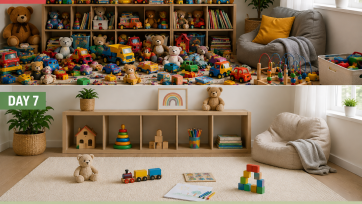
 The Toy Box Challenge: What Happens When a Child Plays With Just Five Toys for a Week? Introduction What would happen if you quietly removed almost every toy from your child's bedroom tonight? Not forever. Just for one week. It sounds like the sort of idea that would end in complaints, boredom and endless requests for the television. Most parents assume fewer toys must mean less fun. But families who have tried this simple experiment often describe something completely different. The first day can be a little strange. Children look around, searching for the usual pile of choices. By the second or third day, something unexpected begins to happen. Instead of asking, "What should I play with?", they start asking, "What can I make?" A train becomes part of a zoo. A teddy bear opens a bakery. Building blocks become a bridge, then a castle, then a hospital before lunch. Nothing new has entered the room. The only thing that's changed is the amount of choice. Psychologists sometimes refer to this as choice overload. Adults experience it when scrolling endlessly through films without deciding what to watch. Children can experience something similar when surrounded by too many toys competing for attention. This article isn't about convincing you to throw away half your child's belongings. It's about exploring a surprisingly simple experiment that has helped many families rediscover the joy of imaginative play. Why More Options Don't Always Create Better Play Imagine walking into an ice cream shop that sells five flavours. Choosing is easy. Now imagine another shop offering two hundred flavours. Suddenly the decision feels harder. Children experience a similar dilemma with toys. When every shelf is full and every basket overflows, deciding what to play with becomes an activity in itself. Instead of becoming absorbed in one game, they move rapidly from toy to toy, searching for the next burst of excitement. Sometimes, reducing choice is the quickest way to improve concentration. The Five-Toy Rule There isn't a perfect number, but five different types of toys often create a surprisingly balanced play environment. For example: A construction toy. A pretend-play toy. A creative activity. A puzzle or thinking game. A favourite comfort toy. Notice that the goal isn't to choose the five most expensive toys. It's to choose five toys that encourage completely different kinds of play. That variety matters far more than quantity. Day One: Curiosity Children often notice the difference immediately. Some ask where the missing toys have gone. Others simply begin exploring what's available. At this stage, many parents feel tempted to end the experiment. Don't. Children are adjusting. The absence of endless options encourages them to spend longer with each remaining toy. Day Three: Something Changes This is where the experiment becomes interesting. Parents frequently notice that stories become longer. Games become more detailed. Instead of abandoning a toy after ten minutes, children begin expanding the same activity throughout the day. A few blocks become an entire village. Soft toys receive names, jobs and personalities. Play starts looking less like entertainment and more like storytelling. It's difficult to force this kind of creativity. But it's surprisingly easy to make room for it. The Surprise Most Parents Mention Ask families who've tried reducing toys for a short period and one comment appears again and again. "The house actually became calmer." There were fewer arguments about tidying. Less frustration over finding missing pieces. Fewer interruptions caused by children constantly asking for something different. The change wasn't dramatic overnight. It was gradual. And because it happened naturally, many parents decided to keep the new routine long after the original experiment had ended. "What If My Child Says They're Bored?" This is usually the first concern parents raise. And it's a fair one. The word bored can sound like a warning sign, as though the experiment has failed before it has even begun. But boredom isn't always a problem to solve immediately. Think about how many of the best childhood games begin. A child stares out of the window. They pick up a blanket. A few chairs become a secret hideout. A cardboard box turns into a racing car. None of those ideas came from a toy. They came from a quiet moment when imagination finally had space to take over. If your child says they're bored during the first day or two, resist the urge to rush in with new entertainment. Give them time. More often than not, they'll create something far more interesting than anything you could have suggested. How to Try the Challenge Without Causing Drama The biggest mistake is announcing the experiment like a new household rule. Instead, make the change quietly. Pack away most of the toys while your child is asleep or out for the day. Leave a carefully chosen mix behind—enough to inspire different types of play, but not so many that the room still feels crowded. If your child asks where the other toys have gone, be honest but relaxed. "They're having a little rest. We'll bring different ones back soon." There's no need to frame it as a punishment or a lesson. Treat it as something normal. When the stored toys return a few weeks later, many children greet them with the same excitement they usually reserve for brand-new presents. What Teachers Notice in Simpler Classrooms Walk into many nurseries or early-years classrooms and you'll notice something that surprises first-time visitors. The shelves aren't overflowing. Teachers don't remove toys because they dislike fun. They do it because too many choices can make meaningful play harder. Instead, resources are often displayed neatly, with space around them. Children can see what's available. They can make a choice. And once they've chosen, they're more likely to stay focused. It's a reminder that children don't necessarily need more stimulation. They often need fewer distractions. A Seven-Day Experiment You Can Try at Home If you're curious, keep the challenge simple. Day 1: Choose five different toys and pack the rest away. Day 2: Watch without interrupting. Resist the urge to suggest games. Day 3: Take note of how long your child spends with each toy. Day 4: Join in for a while, but let your child lead the play. Day 5: Notice whether toys are being combined in new ways. Day 6: Observe whether tidying up feels easier. Day 7: Ask your child which toy they've enjoyed most and why. You may discover that their answer isn't the toy you expected. This Isn't About Owning Less Some parents hear ideas like this and assume they need to become minimalists. That's not the point. Children don't benefit because they own fewer things. They benefit because the environment allows them to focus. If your family enjoys collecting toys, that's perfectly fine. The real question isn't how many toys your child owns. It's how many they can genuinely enjoy at one time. There's a big difference. The Result May Surprise You At the end of the week, don't judge the experiment by how many toys were used. Judge it by different questions. Did your child invent longer stories? Did they seem less distracted? Was tidying up easier? Did they ask for new toys less often? Even small improvements suggest the challenge was worthwhile. And if nothing changes, that's useful information too. Every child is different, and every family finds its own rhythm. Frequently Asked Questions Is five toys the perfect number? No. Five is simply an easy starting point. Some children thrive with a few more, while others are happy with even fewer. The principle is to reduce choice, not follow a strict rule. Will my child miss the toys that are packed away? Possibly at first. However, many parents find that children quickly adapt, especially when they know the toys will return later through rotation. Can siblings share the same five toys? Yes, although it's helpful to include activities that encourage cooperative play as well as toys each child particularly enjoys. How long should the challenge last? One week is a good introduction, but many families continue rotating toys every few weeks once they see the benefits. Does this work for older children? Yes. While the types of toys change with age, older children can also benefit from a less cluttered play environment and fewer distractions. Final Thoughts The Toy Box Challenge isn't really about reducing toys. It's about increasing opportunities. Opportunities to imagine. To concentrate. To solve problems. To turn ordinary objects into extraordinary adventures. Children have an incredible ability to create worlds from very little. Sometimes, without realising it, adults make that harder by giving them too many choices at once. So before buying another toy, try something different. Open the toy box. Take a few toys out. Pack the rest away for a while. Then watch what happens. You may not discover that your child needs more toys. You may discover they simply needed a little more space to enjoy the ones they already had.
Kids Haircuts for Boys
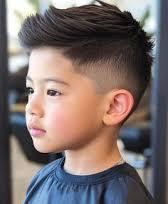
Kids Haircuts for Boys: 35 Stylish, Easy-to-Maintain Haircuts Parents Love in 2026 Introduction A haircut is much more than simply trimming a child's hair. The right hairstyle can boost confidence, make school mornings easier and suit a boy's personality, face shape and lifestyle. Whether your little one loves running around the playground, playing football or prefers a neat look for school, choosing the right haircut makes a noticeable difference. Parents often find themselves asking the same questions. Should we choose a fade or keep it longer? Will it be easy to maintain? Will it still look tidy after a busy day at school? Should curly hair be kept long or short? The good news is that modern boys' hairstyles offer something for everyone. From timeless classics to today's biggest trends, there are plenty of stylish cuts that are practical as well as fashionable. In this guide, you'll discover the best kids' haircuts for boys, how to choose the right style for your child, maintenance tips and common mistakes parents should avoid. Choosing the Right Haircut for Your Boy Every child is different, so there isn't one perfect haircut that suits everyone. Before choosing a hairstyle, consider: Your child's age Hair type Face shape Daily routine School dress code How much styling you're willing to do each morning A haircut should suit your child's lifestyle just as much as their appearance. Understanding Your Child's Hair Type Hair type has a huge impact on how a haircut looks. Straight Hair Straight hair suits almost every style, including side parts, textured crops and classic tapers. Curly Hair Rather than cutting curls too short, many barbers recommend leaving enough length for the natural curl pattern to show. Thick Hair Thicker hair often benefits from layering to remove weight while maintaining shape. Fine Hair Short textured cuts usually create the appearance of extra volume. Haircuts That Suit Different Face Shapes Although children's faces change as they grow, choosing a style that complements their features can create a balanced appearance. Round Faces Haircuts with extra height on top help create a longer appearance. Oval Faces Almost every haircut works well with an oval face shape. Square Faces Classic side parts, textured tops and fades complement strong facial features. Long Faces Avoid excessive height on top, as it can make the face appear longer. 35 Stylish Kids Haircuts for Boys 1. Classic Crew Cut Simple, timeless and incredibly easy to maintain. Perfect for active boys. 2. Textured Crop A modern favourite that adds movement while requiring very little styling. 3. Low Fade A subtle fade that keeps the haircut looking neat without appearing too dramatic. 4. Mid Fade Offers a modern look while remaining suitable for school. 5. High Fade Creates a bold contrast between the sides and the top. 6. French Crop Short fringe with textured layers that suit most hair types. 7. Ivy League Cut A slightly longer version of the crew cut with a polished finish. 8. Side Part A timeless hairstyle that never goes out of fashion. 9. Short Quiff Adds height and texture without requiring lots of maintenance. 10. Caesar Cut Recognisable by its short fringe and tidy appearance. 11. Buzz Cut Ideal for boys who enjoy sports and prefer a fuss-free haircut. 12. Textured Fringe Creates a relaxed, modern look that suits straight or wavy hair. 13. Taper Fade One of the most versatile hairstyles for boys of all ages. 14. Faux Hawk A fun style that looks trendy without being too extreme. 15. Comb Over A modern update to a classic hairstyle that's perfect for formal occasions. 16. Curly Top with Fade Keeps curls manageable while showing off their natural texture. 17. Messy Layers Ideal for boys with naturally thick hair. 18. Short Pompadour A stylish option for older children wanting a fashionable appearance. 19. Slick Back Works best with medium-length straight hair for special occasions. 20. Undercut A bold haircut featuring shorter sides with a longer top for versatile styling. 21. Brush Up Hairstyle The brush up keeps the hair slightly longer on top and styled upwards for a fresh, energetic look. It's a great option for boys with thick, straight hair. 22. Modern Spiky Cut Unlike the heavily gelled spikes of the past, today's version uses texture to create a softer, more natural appearance that's easy to style. 23. Long Textured Top with Short Sides This haircut gives boys plenty of styling options while keeping the sides tidy. It's ideal for children who enjoy fashionable hairstyles. 24. Layered Medium-Length Cut A relaxed haircut that works well for boys with naturally wavy or thick hair, adding movement without looking untidy. 25. Curly Fringe Leaving curls slightly longer at the front creates a playful, modern style while allowing natural texture to stand out. 26. Short Afro Fade Perfect for boys with afro-textured hair, this cut combines clean faded sides with a neatly shaped top for a stylish finish. 27. Temple Fade The fade starts around the temples rather than lower down the head, giving the haircut a clean and contemporary appearance. 28. Skin Fade with Textured Top Older boys often choose this stylish haircut because it combines a sharp fade with a natural-looking textured finish. 29. Mini Mohawk A subtle version of the traditional mohawk that's fun without being too dramatic for everyday wear. 30. Surfer Style Medium-length hair with natural movement creates a relaxed, beach-inspired look that's ideal for boys with wavy hair. 31. Curtains Hairstyle Inspired by modern fashion trends, curtains feature a centre or slightly off-centre parting with longer hair framing the face. 32. Shaggy Layers A low-maintenance style that embraces natural texture, making it an excellent choice for active children. 33. Bro Flow Perfect for boys growing their hair longer, the Bro Flow creates a natural, effortless appearance without looking messy. 34. Side Swept Fringe A soft fringe brushed to one side gives younger boys a smart yet playful look suitable for both school and special occasions. 35. Classic Scissor Cut Not every great haircut needs clippers. A well-executed scissor cut provides a timeless style with natural movement and works beautifully on most hair types. Haircut Maintenance Tips Even the best haircut needs regular care to keep it looking its best. A few simple habits can make a noticeable difference: Wash your child's hair with a gentle shampoo suitable for their age. Avoid using too much styling product, especially on younger children. Brush or comb hair each morning to prevent tangles. Visit the barber regularly to maintain the shape. Choose lightweight styling products if extra hold is needed. Healthy hair starts with good daily care rather than expensive products. How Often Should Boys Get a Haircut? The ideal schedule depends on the hairstyle. Buzz cuts and fades: Every 2–3 weeks. Crew cuts and tapers: Every 3–5 weeks. Medium-length hairstyles: Every 6–8 weeks. Long hairstyles: Every 8–12 weeks, mainly for trimming split ends and maintaining shape. Regular trims help hairstyles stay neat and easier to manage. Common Haircut Mistakes Parents Make Choosing the wrong haircut isn't usually about style—it's often about practicality. Some of the most common mistakes include: Picking a hairstyle that doesn't suit the child's hair type. Copying a celebrity haircut without considering maintenance. Choosing a style that's difficult to manage before school. Cutting naturally curly hair too short. Waiting too long between trims, causing the haircut to lose its shape. Ignoring the child's own preferences. A successful haircut should suit both the child and the family's daily routine. Frequently Asked Questions What is the easiest boys' haircut to maintain? The crew cut, buzz cut and classic taper are among the easiest styles to look after because they require very little styling. Which haircut is best for school? Simple styles such as the side part, crew cut, textured crop and taper fade are smart, practical and accepted by most schools. How can I make my son's hair easier to style? Choose a haircut that matches his natural hair texture. A barber can also add layers or texture to reduce bulk and improve manageability. Should boys use hair products? For everyday styling, most children don't need strong products. If styling is necessary, choose lightweight, child-friendly products and use them sparingly. What's the most popular boys' haircut right now? Textured crops, taper fades, low fades and natural curly styles remain among the most popular choices because they combine modern style with easy maintenance. Final Thoughts Choosing the right haircut isn't about following every new trend. It's about finding a style that suits your child's personality, hair type and lifestyle. A great haircut should make your child feel confident, stay manageable between barber visits and still look smart after a busy day of school, sport or outdoor play. Whether you prefer a timeless crew cut, a fashionable textured crop or natural curls with a fade, the best hairstyle is always the one that works for your child—not simply the one that's trending online. With regular trims and simple daily care, a quality haircut can help your child look and feel their best all year round.  
Best Puzzle Toys for Kids in 2026
Best Puzzle Toys for Kids in 2026: Fun Challenges That Build Brilliant Minds Puzzle toys have been a favourite among families for generations, and in 2026 they remain one of the smartest educational toys parents can buy. More than just a fun activity, puzzles help children think logically, recognise patterns, solve problems, and develop patience. Every completed puzzle gives children a sense of achievement while strengthening important cognitive skills that support learning both at home and at school. Today's puzzle toys are available in a wide variety of styles, including wooden puzzles, jigsaw puzzles, 3D puzzles, magnetic puzzles, brain teasers, number puzzles, and STEM challenge games. With options suitable for every age, puzzle toys continue to provide hours of screen-free entertainment while encouraging healthy brain development. If you're searching for a toy that combines learning, creativity, and lasting value, puzzle toys are an excellent choice. Why Puzzle Toys Are Important Children naturally enjoy solving challenges. Puzzle toys encourage them to think carefully, test different ideas, and learn from mistakes without feeling pressured. Unlike many electronic toys that provide instant answers, puzzles teach persistence. Children discover that success often comes through patience, observation, and practice. These experiences help build confidence while preparing children for more complex learning throughout their education. Benefits of Puzzle Toys Puzzle toys support many areas of child development. Some of the biggest benefits include: Improve problem-solving skills Strengthen memory Develop logical thinking Improve concentration Build patience Strengthen fine motor skills Improve hand-eye coordination Encourage independent learning Reduce screen time Children also learn to recognise patterns and relationships between shapes, colours, and objects. Wooden Puzzles for Toddlers Wooden puzzles remain one of the best first puzzles for young children. Popular designs include: Animal puzzles Alphabet puzzles Number puzzles Shape puzzles Vehicle puzzles Large wooden pieces are easy for little hands to hold while improving grip strength and coordination. Jigsaw Puzzles Classic jigsaw puzzles continue to be one of the most popular family activities. Available in hundreds of themes, children can choose puzzles featuring: Dinosaurs Animals Space Princesses Vehicles Nature Maps Cartoon characters Completing larger puzzles encourages teamwork when family members work together. 3D Puzzle Toys Three-dimensional puzzles offer an exciting challenge for older children. Popular models include: Famous landmarks Castles Vehicles Animals Spacecraft Buildings 3D puzzles improve spatial awareness while encouraging careful planning. Magnetic Puzzle Games Magnetic puzzles are ideal for travel because the pieces stay securely in place. Children can enjoy them: In the car On aeroplanes During holidays At restaurants While visiting relatives Portable magnetic puzzles make educational entertainment available almost anywhere. Brain Teasers for Older Children Brain teaser puzzles challenge children to think creatively. Examples include: Logic cubes Sliding puzzles IQ games Maze puzzles Sequential reasoning games These activities encourage children to develop different strategies instead of relying on trial and error alone. STEM Puzzle Toys Many modern puzzle toys combine traditional problem-solving with STEM education. Children explore: Engineering Geometry Mathematics Physics Structural design These activities prepare children for future learning while making science enjoyable. Puzzle Toys Improve Fine Motor Skills Young children strengthen their hand muscles every time they pick up, rotate, and position puzzle pieces. These movements help develop: Pencil control Writing readiness Hand strength Finger coordination Fine motor development supports many everyday activities beyond play. Puzzle Toys Encourage Family Time Puzzle solving is an activity the whole family can enjoy together. Working on puzzles encourages: Communication Teamwork Patience Shared problem-solving Family puzzle nights also create memorable experiences away from digital devices. Choosing the Right Puzzle Toy Before buying, consider: Your child's age Number of puzzle pieces Educational value Build quality Safety certifications Replay value A puzzle should provide a challenge without becoming frustrating. Safety Tips Choose puzzle toys that: Match the recommended age Use non-toxic materials Have smooth edges Meet recognised safety standards Avoid very small pieces for younger children Always supervise toddlers during puzzle play. Common Buying Mistakes Parents often buy puzzles that are either too easy or far too difficult. Avoid: Low-quality cardboard Tiny pieces for young children Poorly printed images Weak storage boxes Age-inappropriate difficulty levels Choosing the correct challenge level helps children stay motivated. Why Puzzle Toys Make Excellent Gifts Puzzle toys are among the most practical educational gifts available. They're perfect for: Birthdays Christmas School holidays Family game nights Rainy-day activities Unlike many toys that lose their appeal quickly, puzzles remain enjoyable because children can revisit them repeatedly or progress to more challenging designs. Frequently Asked Questions What are the best puzzle toys for children? Wooden puzzles, jigsaw puzzles, magnetic puzzles, brain teaser games, STEM puzzles, and 3D construction puzzles are among the best options. At what age can children start using puzzles? Simple wooden puzzles are suitable from around 12 to 18 months, while larger jigsaw puzzles and brain teasers are better suited to older children. Do puzzle toys help brain development? Yes. Puzzle toys improve memory, logical thinking, concentration, problem-solving, and spatial awareness while encouraging independent learning. Are wooden puzzles better than cardboard puzzles? Both are excellent choices. Wooden puzzles are generally more durable for younger children, while cardboard jigsaw puzzles often offer greater variety and complexity for older children. Final Thoughts The best puzzle toys for kids in 2026 offer much more than entertainment. They challenge young minds, improve concentration, strengthen problem-solving abilities, and encourage children to think creatively while enjoying screen-free play. From colourful wooden puzzles for toddlers to advanced STEM brain teasers and detailed 3D models for older children, puzzle toys continue to provide valuable learning opportunities at every stage of childhood. Choosing high-quality puzzle toys is an investment in your child's curiosity, confidence, and lifelong love of learning. Every completed puzzle is another step towards developing stronger thinking skills that will benefit children both in school and beyond.
Indoor Toys That Keep Children Entertained Without Screens
Indoor Toys That Keep Children Entertained Without Screens: A Complete Parent's Guide Rainy afternoons, school holidays and weekends at home often leave parents searching for ways to keep children happily occupied. While tablets, televisions and smartphones can provide quick entertainment, many families are looking for healthier alternatives that encourage creativity, movement and independent thinking. This is where the right indoor toys can make a real difference. Indoor toys offer children the opportunity to learn, explore and play without relying on digital screens. Whether it's building an imaginative world from construction pieces, solving a challenging puzzle or creating a masterpiece with art supplies, these toys encourage meaningful play while supporting healthy development. Screen-free play is more important than ever. Excessive screen time can reduce opportunities for physical activity, imaginative thinking and social interaction. By offering engaging indoor toys, parents can create a balanced environment where children remain entertained while developing valuable life skills. The best indoor toys are versatile, age-appropriate and enjoyable enough to hold a child's attention for extended periods. They encourage independent play, family interaction and creative problem-solving, making them a worthwhile investment for every household. In this guide, you'll discover the benefits of indoor toys, how they support child development, which toys suit different age groups and what to consider before making a purchase. Why Indoor Toys Are Important Indoor toys provide far more than entertainment. They allow children to continue learning and developing even when outdoor play is not possible. Good indoor toys encourage: Creative thinking Problem-solving Communication Fine motor development Independent play Family interaction Emotional confidence Concentration They also help children stay active and engaged during poor weather or when outdoor space is limited. Benefits of Screen-Free Indoor Play Replacing some screen time with traditional play offers several long-term benefits. Encourages Creativity Without digital instructions or fixed outcomes, children rely on their own imagination to create stories, solve problems and invent games. Improves Concentration Many indoor activities require patience and focus. Building models, completing puzzles and creating artwork all encourage children to remain engaged for longer periods. Supports Social Skills Board games, role play and cooperative activities encourage conversation, sharing and teamwork. Develops Motor Skills Many indoor toys strengthen both fine and gross motor skills through hands-on activities. Reduces Overstimulation Unlike many electronic devices, traditional toys often create a calmer play environment that allows children to think independently. Encourages Independent Play Children become more confident when they learn to entertain themselves without relying on digital devices. Best Indoor Toys for Babies Babies learn through movement, touch and exploration. Suitable indoor toys include: Soft activity gyms Sensory balls Stacking cups Soft building blocks Fabric books Shape sorters Musical toys Activity cubes These toys encourage reaching, grasping and early exploration while supporting sensory development. Indoor Toys for Toddlers Toddlers enjoy activities that combine movement with imagination. Excellent choices include: Building blocks Pretend play kitchens Ride-on toys suitable for indoor use Ball pits Chunky puzzles Push-and-pull toys Play tents Drawing boards Toy animals Stacking toys These toys help develop creativity, coordination and early problem-solving while keeping energetic toddlers entertained indoors. Indoor Toys for Preschool Children Preschool children enjoy more detailed activities that challenge both their imagination and thinking skills. Popular indoor toys include: Construction sets Craft kits Dollhouses Puppet theatres Magnetic building toys Marble runs Pretend shop play sets Toy tool benches Play kitchens Storytelling cards These toys encourage independent play, communication and creative thinking while supporting school readiness. Indoor Toys for School-Age Children As children grow older, they often look for toys that challenge their imagination, creativity and problem-solving abilities. The best indoor toys for this age group encourage independent thinking while also providing opportunities for family play. Some excellent options include: Strategy board games Advanced construction sets Arts and crafts kits Science experiment kits Model-building projects Card games Marble runs Building planks Puzzle games Creative writing and storytelling games These toys help children stay entertained for longer periods while developing valuable cognitive and social skills. How to Choose the Best Indoor Toys Not every indoor toy provides meaningful play. The most valuable options encourage children to think, create and explore rather than simply watching or pressing buttons. When choosing indoor toys, consider the following: Your child's age and interests. The available space in your home. The toy's educational value. Whether it encourages active participation. Durability and build quality. Opportunities for independent play. Whether siblings can enjoy it together. Selecting toys that can be used in multiple ways usually provides greater long-term value than toys designed for only one activity. Creating an Engaging Indoor Play Space The environment where children play can be just as important as the toys themselves. A well-organised play area encourages children to explore independently and keeps playtime enjoyable. Consider these simple ideas: Keep toys within easy reach. Rotate toys every few weeks to maintain interest. Use labelled storage boxes or baskets. Create separate areas for reading, building and creative activities. Ensure there is enough floor space for active play. Display only a limited selection of toys at one time to avoid overwhelming children. An organised space often leads to more focused and imaginative play. Buying Guide Before purchasing indoor toys, take a few moments to consider what will genuinely benefit your child. Choose Toys That Match Developmental Stages Children enjoy toys that challenge them without causing frustration. Always consider your child's current abilities. Prioritise Open-Ended Play Construction toys, craft materials and pretend play sets often provide much greater long-term value than toys with a single purpose. Consider Storage Requirements Large toys may not be practical for smaller homes. Foldable or stackable toys can help save space. Think About Durability Indoor toys are often used every day, so choosing well-made products can reduce replacement costs over time. Encourage Variety A balanced collection might include creative toys, building toys, puzzles, books and pretend play equipment to support different aspects of development. Safety Tips Even toys designed for indoor use should be chosen and maintained carefully. Follow these safety recommendations: Always check the recommended age range. Inspect toys regularly for damage. Remove broken pieces immediately. Keep small parts away from young children. Secure heavy furniture and storage units. Keep play areas free from trip hazards. Clean toys regularly using child-safe cleaning products. Supervise activities involving small accessories or craft materials. Safe play allows children to explore confidently while reducing unnecessary risks. Common Buying Mistakes Parents sometimes buy indoor toys that quickly lose their appeal. Avoid these common mistakes: Buying Too Many Toys at Once An overcrowded play area can reduce children's ability to focus and enjoy individual toys. Choosing Toys Based Only on Trends Popular toys may lose their appeal quickly, whereas timeless toys often provide years of enjoyment. Ignoring Available Space Large toys can make smaller homes feel cluttered and may limit safe play. Focusing Only on Entertainment The best indoor toys combine fun with opportunities for learning and development. Forgetting to Rotate Toys Keeping every toy available all the time can reduce excitement. Rotating toys regularly helps maintain children's interest. Frequently Asked Questions What are the best indoor toys for children? The best indoor toys encourage creativity, problem-solving and active participation. Construction toys, puzzles, pretend play sets, craft materials and board games are all excellent choices. Can indoor toys reduce screen time? Yes. Engaging toys that encourage imaginative and hands-on play can naturally reduce the amount of time children spend using electronic devices. Are indoor toys suitable for small homes? Absolutely. Many compact toys, such as puzzles, magnetic building sets, books and craft supplies, provide excellent play value without taking up much space. How often should indoor toys be rotated? Many families rotate toys every two to four weeks to keep play fresh and interesting. Should children play independently indoors? Independent play helps children develop confidence, creativity and problem-solving skills. Parents can supervise while allowing children to lead their own play. Final Thoughts Indoor toys provide children with valuable opportunities to learn, create and stay active without relying on digital entertainment. Whether the weather keeps everyone inside or you simply want to encourage more screen-free play, the right toys can transform ordinary days into exciting learning experiences. By choosing versatile, age-appropriate and durable toys, parents can support creativity, independence and healthy development while making everyday play more enjoyable. A carefully selected collection of indoor toys offers lasting value, encourages meaningful family time and helps children build skills they will use throughout life.
Toy Rotation for Kids: A Complete Guide to Smarter Play in 2026
Toy Rotation for Kids: A Complete Guide to Smarter Play in 2026 Walk into many family homes, and you'll often find toy boxes overflowing with cars, dolls, puzzles, building blocks, stuffed animals, and games. Ironically, despite having dozens of toys, children frequently complain that they have "nothing to play with." This isn't because they need more toys—it's because they're overwhelmed by too many choices. That's where toy rotation comes in. Instead of keeping every toy available all the time, parents organize toys into smaller groups and rotate them every few weeks. This simple strategy keeps playtime exciting, reduces clutter, encourages creativity, and even helps children appreciate the toys they already own. Toy rotation has become increasingly popular among parents, educators, and child development experts because it creates a calmer play environment while supporting learning and independent play. If you've never tried toy rotation before, this guide explains how it works, why it matters, and how you can easily start at home. What Is Toy Rotation? Toy rotation is the practice of making only a limited number of toys available to children at one time while storing the remaining toys out of sight. After a set period—usually one to four weeks—the available toys are swapped with a different selection. The toys themselves don't change; only their availability does. Because children haven't seen certain toys for a while, those toys often feel exciting and new when they return. This simple method helps children stay interested without constantly buying new toys. Why Toy Rotation Works Children naturally become more curious when they have fewer choices. A room filled with dozens of toys can actually reduce creativity because children quickly jump from one activity to another without becoming fully engaged. When fewer toys are available, children tend to: Play longer Focus better Use their imagination more Discover new ways to play Take better care of their toys Instead of feeling overwhelmed, they become more involved in meaningful play. Benefits of Toy Rotation Parents who use toy rotation often notice positive changes within just a few weeks. Some of the biggest benefits include: Less toy clutter Longer attention spans More creative play Better organization Reduced screen time Less demand for new toys Easier cleanup Increased appreciation for existing toys Toy rotation also helps parents identify which toys truly keep their children engaged. How Toy Rotation Supports Child Development Children learn best when they have time to explore toys in depth. Instead of quickly moving from one toy to another, they spend more time experimenting, building, pretending, and solving problems. This supports: Creativity Critical thinking Fine motor skills Hand-eye coordination Independent play Emotional regulation Decision-making A simpler play environment often leads to richer learning experiences. How Many Toys Should Stay Out? There is no perfect number, but many families find that keeping 10 to 20 toys or activities available at one time works well. The goal isn't to limit fun—it's to reduce unnecessary choices. Try including a variety of toy types, such as: Building blocks Puzzles Pretend play toys Books Art supplies Vehicles Outdoor toys Educational games This variety keeps children engaged while supporting different skills. How Often Should You Rotate Toys? Every family is different, but a rotation every two to four weeks works well for most children. You don't have to follow a strict schedule. Watch your child's interest instead. It may be time for a rotation if: Toys are ignored. Playtime becomes repetitive. Your child seems bored. The play area feels cluttered. Sometimes simply changing a few toys is enough to refresh interest. Which Toys Should Stay Available? Some toys deserve a permanent place in the playroom. These often include: Favorite comfort toys Books Art supplies Building blocks Ride-on toys Outdoor equipment Everything else can become part of the rotation system. Keeping beloved toys available helps children feel secure while still benefiting from variety. Organizing Toys for Rotation Good organization makes toy rotation easy. Many parents store toys in: Clear storage bins Plastic containers Labeled boxes Shelving units Closet organizers Grouping similar toys together also saves time. For example: Vehicles Building toys Science kits Pretend play Puzzles Arts and crafts When it's time to rotate, simply exchange one group for another. Toy Rotation by Age Different age groups benefit in different ways. Babies Rotate: Soft sensory toys Rattles Activity gyms Fabric books Toddlers Rotate: Shape sorters Wooden puzzles Stacking toys Pull toys Preschoolers Rotate: Building blocks Pretend play sets Craft supplies Educational games School-Age Children Rotate: STEM kits Board games Science experiments RC vehicles Construction sets Matching the rotation to your child's developmental stage keeps learning fresh and exciting. Include Educational Toys in Every Rotation A balanced toy rotation should include opportunities for learning as well as entertainment. Excellent educational choices include: Alphabet games Number puzzles STEM kits Geography activities Memory games Science projects Children often engage more deeply with educational toys when fewer distractions are available. Don't Forget Outdoor Toys Outdoor play should also be part of your rotation. You might rotate: Balls Scooters Bubble machines Gardening tools Flying discs Water play toys Changing outdoor activities regularly encourages children to stay active while trying new experiences. Common Toy Rotation Mistakes Toy rotation is simple, but a few mistakes can reduce its effectiveness. Avoid: Rotating toys too frequently Hiding favorite comfort toys Keeping broken toys Offering too many toys at once Buying new toys instead of rotating existing ones The goal is to make old toys feel exciting again, not constantly replace them. Does Toy Rotation Save Money? Absolutely. Many parents discover they don't need to buy new toys as often because children become excited about toys that have been stored away. Toy rotation also helps families identify which toys provide lasting value and which ones quickly lose their appeal. Over time, this leads to smarter purchasing decisions and less unnecessary spending. Tips for a Successful Toy Rotation System Keeping the process simple makes it easier to maintain. Some helpful ideas include: Rotate only a few toys at a time. Keep storage organized. Donate toys your child has outgrown. Involve your child in choosing the next rotation. Observe which toys encourage the longest play sessions. Remember, the goal isn't perfection. Even a basic rotation system can make a noticeable difference. Frequently Asked Questions What is toy rotation? Toy rotation is the practice of storing some toys while leaving only a smaller selection available. The stored toys are swapped in regularly to keep playtime fresh and engaging. At what age should toy rotation start? Parents can begin toy rotation during infancy, although it becomes especially effective for toddlers and preschoolers. How often should toys be rotated? Most families rotate toys every two to four weeks, but the timing can vary depending on the child's interest. Do I need to buy more toys for toy rotation? No. The purpose of toy rotation is to make better use of the toys you already own, not to increase the size of your toy collection. Final Thoughts Toy rotation is one of the simplest ways to create a more organized, engaging, and enjoyable play environment for children. By reducing clutter and offering a smaller selection of carefully chosen toys, parents encourage deeper focus, greater creativity, and more meaningful play. Whether your child enjoys puzzles, building blocks, pretend play, STEM kits, books, or remote control vehicles, rotating toys regularly helps each activity feel fresh and exciting again. Instead of constantly purchasing new toys, families can make the most of what they already have while supporting healthy development, reducing stress, and creating a calmer home.