Indoor Toys That Keep Children Entertained Without Screens: A Complete Parent's Guide
Rainy afternoons, school holidays and weekends at home often leave parents searching for ways to keep children happily occupied. While tablets, televisions and smartphones can provide quick entertainment, many families are looking for healthier alternatives that encourage creativity, movement and independent thinking. This is where the right indoor toys can make a real difference.
Indoor toys offer children the opportunity to learn, explore and play without relying on digital screens. Whether it's building an imaginative world from construction pieces, solving a challenging puzzle or creating a masterpiece with art supplies, these toys encourage meaningful play while supporting healthy development.
Screen-free play is more important than ever. Excessive screen time can reduce opportunities for physical activity, imaginative thinking and social interaction. By offering engaging indoor toys, parents can create a balanced environment where children remain entertained while developing valuable life skills.
The best indoor toys are versatile, age-appropriate and enjoyable enough to hold a child's attention for extended periods. They encourage independent play, family interaction and creative problem-solving, making them a worthwhile investment for every household.
In this guide, you'll discover the benefits of indoor toys, how they support child development, which toys suit different age groups and what to consider before making a purchase.
Why Indoor Toys Are Important
Indoor toys provide far more than entertainment. They allow children to continue learning and developing even when outdoor play is not possible.
Good indoor toys encourage:
-
Creative thinking
-
Problem-solving
-
Communication
-
Fine motor development
-
Independent play
-
Family interaction
-
Emotional confidence
-
Concentration
They also help children stay active and engaged during poor weather or when outdoor space is limited.
Benefits of Screen-Free Indoor Play
Replacing some screen time with traditional play offers several long-term benefits.
Encourages Creativity
Without digital instructions or fixed outcomes, children rely on their own imagination to create stories, solve problems and invent games.
Improves Concentration
Many indoor activities require patience and focus. Building models, completing puzzles and creating artwork all encourage children to remain engaged for longer periods.
Supports Social Skills
Board games, role play and cooperative activities encourage conversation, sharing and teamwork.
Develops Motor Skills
Many indoor toys strengthen both fine and gross motor skills through hands-on activities.
Reduces Overstimulation
Unlike many electronic devices, traditional toys often create a calmer play environment that allows children to think independently.
Encourages Independent Play
Children become more confident when they learn to entertain themselves without relying on digital devices.
Best Indoor Toys for Babies
Babies learn through movement, touch and exploration.
Suitable indoor toys include:
-
Soft activity gyms
-
Sensory balls
-
Stacking cups
-
Soft building blocks
-
Fabric books
-
Shape sorters
-
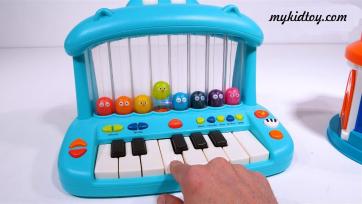
Musical toys
-
Activity cubes
These toys encourage reaching, grasping and early exploration while supporting sensory development.
Indoor Toys for Toddlers
Toddlers enjoy activities that combine movement with imagination.
Excellent choices include:
-
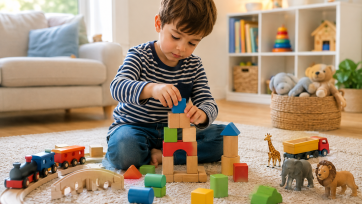
Building blocks
-
Pretend play kitchens
-
Ride-on toys suitable for indoor use
-
Ball pits
-
Chunky puzzles
-
Push-and-pull toys
-
Play tents
-
Drawing boards
-
Toy animals
-
Stacking toys
These toys help develop creativity, coordination and early problem-solving while keeping energetic toddlers entertained indoors.
Indoor Toys for Preschool Children
Preschool children enjoy more detailed activities that challenge both their imagination and thinking skills.
Popular indoor toys include:
-
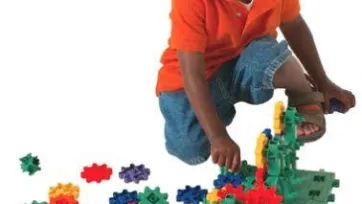
Construction sets
-
Craft kits
-
Dollhouses
-
Puppet theatres
-
Magnetic building toys
-
Marble runs
-
Pretend shop play sets
-
Toy tool benches
-
Play kitchens
-
Storytelling cards
These toys encourage independent play, communication and creative thinking while supporting school readiness.
Indoor Toys for School-Age Children
As children grow older, they often look for toys that challenge their imagination, creativity and problem-solving abilities. The best indoor toys for this age group encourage independent thinking while also providing opportunities for family play.
Some excellent options include:
-
Strategy board games
-
Advanced construction sets
-
Arts and crafts kits
-
Science experiment kits
-
Model-building projects
-
Card games
-
Marble runs
-
Building planks
-
Puzzle games
-
Creative writing and storytelling games
These toys help children stay entertained for longer periods while developing valuable cognitive and social skills.
How to Choose the Best Indoor Toys
Not every indoor toy provides meaningful play. The most valuable options encourage children to think, create and explore rather than simply watching or pressing buttons.
When choosing indoor toys, consider the following:
-
Your child's age and interests.
-
The available space in your home.
-
The toy's educational value.
-
Whether it encourages active participation.
-
Durability and build quality.
-
Opportunities for independent play.
-
Whether siblings can enjoy it together.
Selecting toys that can be used in multiple ways usually provides greater long-term value than toys designed for only one activity.
Creating an Engaging Indoor Play Space
The environment where children play can be just as important as the toys themselves.
A well-organised play area encourages children to explore independently and keeps playtime enjoyable.
Consider these simple ideas:
-
Keep toys within easy reach.
-
Rotate toys every few weeks to maintain interest.
-
Use labelled storage boxes or baskets.
-
Create separate areas for reading, building and creative activities.
-
Ensure there is enough floor space for active play.
-
Display only a limited selection of toys at one time to avoid overwhelming children.
An organised space often leads to more focused and imaginative play.
Buying Guide
Before purchasing indoor toys, take a few moments to consider what will genuinely benefit your child.
Choose Toys That Match Developmental Stages
Children enjoy toys that challenge them without causing frustration. Always consider your child's current abilities.
Prioritise Open-Ended Play
Construction toys, craft materials and pretend play sets often provide much greater long-term value than toys with a single purpose.
Consider Storage Requirements
Large toys may not be practical for smaller homes. Foldable or stackable toys can help save space.
Think About Durability
Indoor toys are often used every day, so choosing well-made products can reduce replacement costs over time.
Encourage Variety
A balanced collection might include creative toys, building toys, puzzles, books and pretend play equipment to support different aspects of development.
Safety Tips
Even toys designed for indoor use should be chosen and maintained carefully.
Follow these safety recommendations:
-
Always check the recommended age range.
-
Inspect toys regularly for damage.
-
Remove broken pieces immediately.
-
Keep small parts away from young children.
-
Secure heavy furniture and storage units.
-
Keep play areas free from trip hazards.
-
Clean toys regularly using child-safe cleaning products.
-
Supervise activities involving small accessories or craft materials.
Safe play allows children to explore confidently while reducing unnecessary risks.
Common Buying Mistakes
Parents sometimes buy indoor toys that quickly lose their appeal.
Avoid these common mistakes:
Buying Too Many Toys at Once
An overcrowded play area can reduce children's ability to focus and enjoy individual toys.
Choosing Toys Based Only on Trends
Popular toys may lose their appeal quickly, whereas timeless toys often provide years of enjoyment.
Ignoring Available Space
Large toys can make smaller homes feel cluttered and may limit safe play.
Focusing Only on Entertainment
The best indoor toys combine fun with opportunities for learning and development.
Forgetting to Rotate Toys
Keeping every toy available all the time can reduce excitement. Rotating toys regularly helps maintain children's interest.
Frequently Asked Questions
What are the best indoor toys for children?
The best indoor toys encourage creativity, problem-solving and active participation. Construction toys, puzzles, pretend play sets, craft materials and board games are all excellent choices.
Can indoor toys reduce screen time?
Yes. Engaging toys that encourage imaginative and hands-on play can naturally reduce the amount of time children spend using electronic devices.
Are indoor toys suitable for small homes?
Absolutely. Many compact toys, such as puzzles, magnetic building sets, books and craft supplies, provide excellent play value without taking up much space.
How often should indoor toys be rotated?
Many families rotate toys every two to four weeks to keep play fresh and interesting.
Should children play independently indoors?
Independent play helps children develop confidence, creativity and problem-solving skills. Parents can supervise while allowing children to lead their own play.
Final Thoughts
Indoor toys provide children with valuable opportunities to learn, create and stay active without relying on digital entertainment. Whether the weather keeps everyone inside or you simply want to encourage more screen-free play, the right toys can transform ordinary days into exciting learning experiences.
By choosing versatile, age-appropriate and durable toys, parents can support creativity, independence and healthy development while making everyday play more enjoyable. A carefully selected collection of indoor toys offers lasting value, encourages meaningful family time and helps children build skills they will use throughout life.