Best Musical Toys for Kids in 2026

Best Musical Toys for Kids in 2026: Inspiring Creativity Through Music

Music plays an important role in every child's development. From the first time a baby shakes a rattle to a preschooler playing their first tune on a toy keyboard, musical experiences help children develop confidence, creativity, coordination, and communication skills. Musical toys make learning enjoyable by encouraging children to explore sounds, rhythms, and melodies through hands-on play.

In 2026, musical toys are more creative than ever. Parents can choose from traditional instruments, interactive keyboards, drum sets, karaoke machines, dance mats, and educational music games designed for every age group. Whether your child dreams of becoming a singer, drummer, guitarist, or simply enjoys making noise, the right musical toy can encourage a lifelong love of music.

This guide explores the best musical toys for kids in 2026 and explains how they support healthy childhood development.

Why Musical Toys Are Important

Children naturally respond to music. Even babies begin recognising rhythms and reacting to melodies long before they can speak.

Musical toys help children:

  • Explore different sounds
  • Express emotions
  • Build confidence
  • Improve listening skills
  • Develop coordination
  • Strengthen memory
  • Enjoy creative play

Unlike passive entertainment, musical toys encourage children to actively participate in creating music.

Benefits of Musical Toys

Musical play supports many areas of child development.

Some of the biggest benefits include:

  • Improve hand-eye coordination
  • Develop rhythm and timing
  • Strengthen listening skills
  • Encourage creativity
  • Improve memory
  • Build confidence
  • Support language development
  • Enhance concentration
  • Reduce screen time

Children also learn patience as they practise new sounds and rhythms.

Musical Toys for Babies

Babies enjoy simple musical toys that are easy to hold and explore.

Popular choices include:

  • Soft rattles
  • Musical plush toys
  • Baby tambourines
  • Sound blocks
  • Gentle melody toys
  • Musical activity cubes

These toys introduce cause and effect while encouraging sensory development.

Toy Keyboards

Toy keyboards remain one of the most popular musical toys for children.

Many modern keyboards include:

  • Piano sounds
  • Animal sounds
  • Drum rhythms
  • Learning modes
  • Recording functions
  • Light-up keys

Children begin recognising notes while developing finger coordination and creativity.

Toy Drum Sets

Drum sets encourage children to explore rhythm through energetic play.

Benefits include:

  • Better coordination
  • Improved timing
  • Stronger arm movement
  • Rhythm recognition
  • Creative expression

Many children's drum kits also include cymbals and percussion accessories for a more realistic experience.

Xylophones and Glockenspiels

Colourful xylophones are ideal for introducing young children to musical notes.

Playing simple melodies helps children:

  • Recognise pitch
  • Develop rhythm
  • Improve hand coordination
  • Strengthen listening skills

These instruments are especially suitable for toddlers and preschool children.

Toy Guitars and Ukuleles

Many children enjoy pretending to perform like their favourite musicians.

Toy guitars and ukuleles encourage:

  • Imaginative play
  • Finger coordination
  • Rhythm practice
  • Musical confidence

Some beginner models use real strings, helping older children prepare for learning actual instruments.

Karaoke Machines

Karaoke toys have become increasingly popular for family entertainment.

Children enjoy:

  • Singing favourite songs
  • Performing for family
  • Recording their voices
  • Building stage confidence

Singing also supports language development and pronunciation.

Musical Dance Mats

Dance mats combine movement with music, encouraging children to stay active while developing rhythm.

These toys improve:

  • Balance
  • Coordination
  • Physical fitness
  • Timing
  • Listening skills

They are particularly popular for family game nights.

Educational Musical Toys

Many musical toys introduce early learning concepts alongside music.

Children can practise:

  • Numbers
  • Colours
  • Alphabet letters
  • Animal sounds
  • Memory games

Combining music with learning helps children remember new information more easily.

Choosing the Right Musical Toy

Before buying, consider:

  • Your child's age
  • Volume control
  • Durability
  • Educational value
  • Safety standards
  • Battery life (if required)

Look for toys that encourage creativity rather than simply playing pre-recorded music.

Safety Tips

Choose musical toys that:

  • Meet recognised safety standards
  • Use child-safe materials
  • Have adjustable volume
  • Match the recommended age
  • Contain securely enclosed batteries

Moderate sound levels help protect children's hearing during play.

Common Buying Mistakes

Parents often choose musical toys based only on appearance.

Avoid:

  • Extremely loud toys
  • Poor sound quality
  • Fragile construction
  • Complicated controls for younger children
  • Limited educational value

Simple, durable instruments often provide the best long-term experience.

Why Musical Toys Make Excellent Gifts

Musical toys are wonderful gifts because they combine creativity, movement, and learning.

They're perfect for:

  • Birthdays
  • Christmas
  • First birthdays
  • Family celebrations
  • Nursery gifts

Many children continue enjoying musical toys for years as their confidence and skills develop.

Frequently Asked Questions

What are the best musical toys for children?

Toy keyboards, drum sets, xylophones, karaoke machines, musical activity cubes, guitars, and dance mats are among the most popular choices.

At what age can children start using musical toys?

Many musical toys are suitable from infancy, while more advanced instruments are designed for toddlers and older children.

Do musical toys help child development?

Yes. They improve coordination, listening skills, creativity, confidence, language development, and memory while encouraging active play.

Should I choose electronic or traditional musical toys?

A combination works best. Traditional instruments encourage creativity, while electronic musical toys often provide additional learning features and interactive activities.

Final Thoughts

The best musical toys for kids in 2026 inspire creativity, confidence, and joyful learning through sound and movement. Whether your child enjoys playing a keyboard, beating a drum, singing into a microphone, or exploring melodies on a xylophone, musical toys provide valuable opportunities to develop important skills while having fun.

By choosing high-quality, age-appropriate musical toys, parents can encourage a lifelong appreciation of music while supporting healthy cognitive, emotional, and physical development. Every note played is another step towards greater creativity, confidence, and self-expression.
Advertisement
Best Toy Tool Sets for Kids in 2026
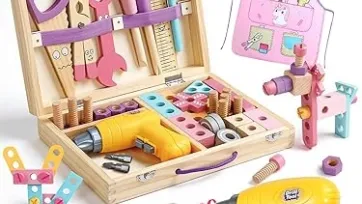
Best Toy Tool Sets for Kids in 2026: The Ultimate Guide to Creative Role Play Children love pretending to fix things. Whether they're repairing a toy car, building a treehouse, or helping Mum and Dad with imaginary home improvements, toy tool sets encourage creativity while teaching practical life skills through play. A simple plastic hammer and screwdriver can inspire hours of imaginative adventures, helping children develop confidence, coordination, and problem-solving abilities. In 2026, toy tool sets are more realistic than ever. Many include battery-powered toy drills, workbenches, safety helmets, tool belts, nuts and bolts, measuring tapes, and construction accessories designed to make children feel like real builders. These sets are suitable for toddlers, preschoolers, and older children who enjoy building and creating. If you're looking for a toy that combines fun with learning, this guide explains everything you need to know about the best toy tool sets for kids in 2026. Why Children Love Toy Tool Sets Children naturally enjoy copying adults. When they see parents repairing furniture, assembling shelves, or carrying out DIY projects, they want to join in. Toy tool sets allow children to safely pretend they are: Builders Carpenters Mechanics Engineers Electricians Home repair experts Every repair becomes an exciting adventure where imagination takes the lead. Benefits of Toy Tool Sets Tool sets support many areas of childhood development. Some of the biggest benefits include: Encourage imaginative play Improve fine motor skills Strengthen hand-eye coordination Build problem-solving skills Improve concentration Encourage independent play Develop creativity Build confidence Reduce screen time Children also learn persistence by solving simple building challenges. Toy Tool Sets for Toddlers Young children benefit from large, lightweight tools that are easy to hold. Beginner sets usually include: Hammer Screwdriver Spanner Wooden nails Toy screws Storage toolbox These simple tools improve grip strength while introducing basic construction concepts. Wooden Tool Sets Wooden tool toys remain one of the most popular choices for families. Parents appreciate them because they are: Durable Eco-friendly Safe Long-lasting Beautifully designed Their simple construction encourages children to focus on imaginative play rather than electronic features. Plastic Tool Sets Modern plastic tool sets often include realistic functions. Popular accessories include: Toy drills Measuring tapes Wrenches Pliers Tool belts Safety goggles Nuts and bolts Many battery-powered drills safely rotate to imitate real tools without creating danger. Toy Workbenches A workbench creates an exciting building station for young engineers. Many include: Storage shelves Vice clamps Pegboards Tool racks Assembly areas Children enjoy building, repairing, and organising their equipment just like real tradespeople. Construction Role Play Tool sets naturally encourage storytelling. Children pretend to: Build houses Repair bicycles Fix furniture Construct bridges Service vehicles Help neighbours Role play encourages communication while improving creativity and social skills. Educational Benefits Toy tools introduce children to practical problem-solving. They begin learning about: Shapes Matching Organisation Sequencing Cause and effect Engineering Many construction activities also strengthen mathematical thinking through measuring and counting. Toy Tool Sets Encourage Teamwork Children often enjoy construction projects with siblings or parents. Working together encourages: Sharing Cooperation Communication Leadership Creative thinking Building projects become even more enjoyable when everyone contributes ideas. Choosing the Right Tool Set Before buying, consider: Your child's age Material quality Number of accessories Safety certifications Storage options Durability Choose sets that encourage open-ended play instead of toys with only one function. Safety Tips Always choose tool sets that: Meet recognised safety standards Use non-toxic materials Have rounded edges Match the recommended age Avoid small detachable parts for younger children Regularly inspect tools for damage or loose pieces. Common Buying Mistakes Many parents buy tool sets based only on appearance. Avoid: Fragile plastic Sharp edges Poor-quality moving parts Tiny accessories for toddlers Weak storage cases High-quality sets often last for many years of active play. Why Toy Tool Sets Make Excellent Gifts Tool sets remain one of the most practical pretend play gifts available. They're perfect for: Birthdays Christmas Nursery gifts Playroom upgrades Family celebrations Children often return to construction play again and again because every project is different. Frequently Asked Questions What is the best toy tool set for children? The best tool sets include durable tools, a sturdy toolbox or workbench, and realistic accessories designed for your child's age. At what age can children use toy tool sets? Simple tool sets with large pieces are suitable from around two years old, while more advanced workbenches are designed for preschool and primary-aged children. Are toy tool sets educational? Yes. They encourage creativity, problem-solving, hand-eye coordination, fine motor development, communication, and imaginative role play. Should I choose wooden or plastic tool sets? Wooden tool sets are durable and environmentally friendly, while plastic sets often include interactive features such as rotating toy drills and realistic construction accessories. Final Thoughts The best toy tool sets for kids in 2026 encourage children to build, repair, and imagine through creative role play. Whether they're constructing a pretend house, fixing a racing car, or organising a busy workshop, these toys help develop practical skills while encouraging confidence and curiosity. By choosing a high-quality toy tool set with safe materials and durable construction, parents can provide children with endless opportunities for imaginative, educational, and screen-free play.
Wooden vs Plastic Toys: Which Is Better for Kids in 2026?
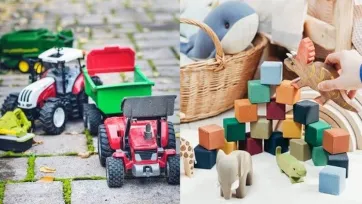
Wooden vs Plastic Toys: Which Is Better for Kids in 2026? Choosing toys for your child isn't just about picking the most colorful or popular option. Parents today are paying closer attention to safety, durability, educational value, and environmental impact before making a purchase. One of the most common questions is whether wooden toys or plastic toys are the better choice. The truth is that both types of toys have their strengths. Wooden toys are often praised for their durability, timeless design, and educational value, while plastic toys offer variety, bright colors, and interactive features. The best choice depends on your child's age, interests, and the type of play experience you're looking for. In this guide, we'll compare wooden and plastic toys in detail, helping you make an informed decision for your family. Why This Comparison Matters Children spend countless hours playing with toys during their early years. The toys they use influence their creativity, learning, physical development, and even the way they interact with the world around them. Understanding the differences between wooden and plastic toys helps parents invest in products that are safe, enjoyable, and built to support healthy development. What Are Wooden Toys? Wooden toys are made primarily from natural wood and are usually finished with child-safe paints or natural coatings. They are known for their sturdy construction and simple designs that encourage imaginative play. Common examples include: Wooden building blocks Shape sorters Puzzles Train sets Stacking toys Play kitchens Montessori learning toys Many wooden toys are designed to last for years and can often be passed down to younger siblings. What Are Plastic Toys? Plastic toys are manufactured using various types of child-safe plastics and are available in almost every toy category. Popular plastic toys include: Action figures Dollhouses RC cars Toy dinosaurs Construction vehicles Interactive learning toys Musical toys Outdoor play equipment Modern plastic toys often include lights, sounds, moving parts, and electronic features that create highly interactive play experiences. Durability: Which Toys Last Longer? High-quality wooden toys are generally known for their exceptional durability. They can withstand years of active play without losing their shape or functionality. Plastic toys vary greatly in quality. Premium plastic toys can be very durable, while lower-quality versions may crack, fade, or break more easily. If long-term value is your priority, well-made wooden toys often have the advantage. Safety Comparison Safety should always be the first consideration when buying toys. High-quality wooden toys are usually made with: Smooth surfaces Rounded edges Non-toxic finishes Strong construction Quality plastic toys should also meet recognized safety standards and use BPA-free, child-safe materials. Regardless of the material, always buy toys from trusted brands and check the recommended age before purchasing. Educational Value Both wooden and plastic toys can support learning. Wooden toys often encourage: Creativity Problem-solving Independent play Fine motor skills Concentration Plastic toys often introduce: Technology Interactive learning Music Language development Cause-and-effect learning The educational value depends more on how the toy is designed than on the material itself. Creativity and Imaginative Play Wooden toys usually have simple designs that leave room for imagination. A wooden block can become: A castle A bridge A spaceship A zoo A city Children decide how to use the toy, encouraging creative thinking. Many plastic toys are based on specific characters or functions, which can sometimes limit open-ended play but increase excitement for children who enjoy themed adventures. Eco-Friendly Choice Many parents choose wooden toys because they are often made from renewable materials and can last for many years. Sustainably sourced wooden toys: Produce less waste Have a longer lifespan Can often be recycled Reduce the need for frequent replacements Plastic toys have improved over the years, and some manufacturers now use recycled materials, but many lower-quality products still contribute to environmental waste if they break quickly. Maintenance and Cleaning Both types of toys are easy to maintain with proper care. Wooden toys: Wipe clean with a damp cloth. Avoid soaking in water. Store in a dry place. Plastic toys: Wash with mild soap and water. Dry thoroughly. Follow cleaning instructions for electronic toys. Regular cleaning helps keep toys safe and hygienic. Which Toys Are Better for Babies? For babies, many parents prefer wooden toys because they are simple, durable, and encourage sensory exploration. Popular options include: Wooden rattles Grasping rings Stacking toys Activity cubes Plastic toys can also be excellent choices, especially soft teething toys and interactive learning toys designed specifically for infants. Always choose age-appropriate products regardless of the material. Which Toys Are Better for Toddlers? Toddlers enjoy both wooden and plastic toys. Wooden toys work well for: Building Sorting Stacking Pretend play Plastic toys are popular for: Ride-on vehicles Toy kitchens Interactive learning Outdoor play Musical activities Many families choose a combination of both. Price Comparison Wooden toys often have a higher purchase price because of their materials and craftsmanship. However, their durability means they frequently last much longer than cheaper alternatives. Plastic toys are available across a wider price range, from affordable everyday toys to premium electronic products. When considering value, it's important to think about how long the toy will remain useful rather than focusing only on the initial price. Which Toys Do Children Prefer? Every child is different. Some children enjoy building towers with wooden blocks for hours. Others love interactive RC cars, robots, or talking educational toys. Instead of choosing only one material, many parents create a balanced toy collection that includes both wooden and plastic toys to offer a variety of play experiences. Common Buying Mistakes Parents sometimes focus on appearance instead of quality. Avoid: Buying toys made from poor-quality materials. Ignoring safety certifications. Choosing toys that don't match your child's age. Purchasing toys only because they are trendy. Overlooking durability. A well-made toy is almost always a better investment than a cheaper alternative that breaks quickly. How to Decide Which Toy Is Right Ask yourself a few simple questions before buying: Is the toy safe? Does it match my child's age? Will it encourage learning? Is it durable? Can my child use it in different ways? Does it support creativity? If the answer is yes, you've probably found a great toy—whether it's made from wood or plastic. Frequently Asked Questions Are wooden toys safer than plastic toys? Both can be safe when they meet recognized safety standards. The most important factor is choosing high-quality toys from trusted manufacturers. Do wooden toys last longer? In many cases, yes. Quality wooden toys are known for their durability and can often be passed down to younger siblings. Are plastic toys better for learning? Some plastic toys include interactive educational features, while wooden toys encourage hands-on creativity and independent thinking. Both can support learning in different ways. Should parents choose only wooden toys? Not necessarily. A balanced collection of wooden and plastic toys gives children a wider variety of learning experiences and play opportunities. Final Thoughts The debate between wooden vs plastic toys doesn't have a single winner because both offer unique advantages. Wooden toys stand out for their durability, timeless design, eco-friendly appeal, and ability to encourage imaginative play. Plastic toys provide variety, interactive features, bright colors, and exciting themes that many children love. Rather than choosing one over the other, many parents find that a combination of high-quality wooden and plastic toys creates the best play environment. By focusing on safety, durability, educational value, and your child's interests, you can build a toy collection that supports learning, creativity, and joyful childhood memories for years to come.
Best Toys for 2-Year-Old Kids in 2026
Best Toys for 2-Year-Old Kids in 2026 Choosing toys for a two-year-old is both exciting and important. At this age, children are full of energy, curiosity, and imagination. They love exploring their surroundings, asking questions, copying adults, and learning new skills every day. The right toys can support this rapid development while keeping playtime fun and engaging. Unlike babies, two-year-olds are becoming more independent. They enjoy building, sorting, pretending, running, climbing, and solving simple challenges. This means parents should look for toys that encourage active learning rather than passive entertainment. The best toys combine fun, creativity, and education while helping toddlers develop physically, socially, and emotionally. This guide explores the best toys for 2-year-old kids in 2026 and offers practical advice to help parents choose toys that provide lasting value. Why Age-Appropriate Toys Matter Two-year-olds are developing new abilities every day. They begin speaking in short sentences, recognizing shapes and colors, improving balance, and becoming more confident in their movements. Choosing age-appropriate toys helps children learn without frustration. Toys that are too advanced may discourage them, while toys that are too simple often lose their interest quickly. The best toys challenge toddlers just enough to keep them curious while allowing them to succeed through practice. Developmental Milestones at Two Years Old Understanding what children learn at this age makes it easier to select suitable toys. Most two-year-olds begin developing: Better balance and coordination Stronger fine motor skills Improved vocabulary Imaginative play Problem-solving abilities Social interaction Color and shape recognition Early counting skills Toys that encourage these milestones make playtime both enjoyable and educational. Building Blocks Encourage Creativity Building toys remain one of the best choices for two-year-olds. Large building blocks help children: Improve hand-eye coordination Learn balance and structure Develop creativity Strengthen problem-solving skills Children love stacking towers, building bridges, and creating simple houses. Even when structures fall, toddlers learn valuable lessons about persistence and experimentation. Pretend Play Sparks Imagination Two-year-olds love copying what they see adults do every day. Pretend play toys encourage children to become: Doctors Chefs Shopkeepers Farmers Builders Teachers Popular pretend play toys include: Toy kitchens Doctor kits Cleaning sets Toy food Tool benches Dollhouses These activities improve communication while helping children understand everyday routines. Shape Sorters and Puzzles Build Thinking Skills Simple puzzles and shape sorters encourage toddlers to observe, compare, and solve problems. They help children develop: Logical thinking Patience Fine motor skills Shape recognition Hand-eye coordination Choose puzzles with large, easy-to-hold pieces that match your child's skill level. Ride-On Toys Keep Toddlers Active Most two-year-olds enjoy moving as much as possible. Ride-on toys encourage physical activity while improving: Balance Coordination Leg strength Confidence Indoor and outdoor ride-on vehicles remain popular because they combine exercise with imaginative play. Musical Toys Encourage Learning Music naturally captures a toddler's attention. Simple musical instruments help children develop: Rhythm Listening skills Creativity Coordination Memory Popular musical toys include keyboards, drums, tambourines, and xylophones. Music also encourages dancing, movement, and family interaction. Educational Toys Make Learning Fun Educational toys introduce important early learning concepts through play. Excellent choices include: Alphabet blocks Counting toys Color matching games Number puzzles Memory cards Interactive learning books Children learn much more effectively when education feels like play instead of work. Wooden Toys Offer Lasting Value Wooden toys remain among the safest and most durable options for toddlers. Popular wooden toys include: Building blocks Pull-along animals Stacking rings Wooden puzzles Activity cubes Train sets Many parents appreciate their long lifespan and timeless design. Outdoor Toys Encourage Healthy Development Outdoor play is essential for growing toddlers. Great outdoor toys include: Balls Bubble machines Sand toys Water tables Mini slides Gardening tools Outdoor activities help children improve coordination while enjoying fresh air and exercise. Arts and Crafts Inspire Creativity Creative play allows toddlers to express themselves while improving fine motor skills. Age-appropriate art supplies include: Washable crayons Finger paints Large coloring books Stickers Modeling clay Simple craft kits Creative activities also help children build confidence by creating something unique. Interactive Learning Toys Interactive toys introduce letters, numbers, colors, and animal sounds through simple activities. When choosing electronic learning toys, look for products that encourage participation instead of passive listening. Moderate sound levels and easy controls make learning more enjoyable. Choosing Safe Toys for Two-Year-Olds Safety should always be your first priority. Choose toys that: Match your child's age Have rounded edges Use non-toxic materials Contain no small detachable parts Meet recognized safety standards Are easy to clean Reading product labels before purchasing helps ensure a safer play experience. Common Toy Buying Mistakes Many parents accidentally choose toys that toddlers quickly lose interest in. Avoid: Toys with overly complicated instructions Fragile products Small pieces Low-quality materials Toys designed for much older children Simple, durable toys often provide the greatest long-term value. Why Screen-Free Toys Are Ideal Although technology has become part of everyday life, two-year-olds benefit greatly from screen-free activities. Building blocks, puzzles, pretend play, books, outdoor games, and creative toys encourage active learning instead of passive entertainment. These activities also strengthen family interaction and communication. Great Gift Ideas for 2-Year-Old Kids If you're shopping for a birthday or holiday, some excellent gift ideas include: Wooden building blocks Ride-on toys Toy kitchens Shape sorters Musical instruments Outdoor play equipment Large puzzles Educational learning toys These gifts provide entertainment while supporting healthy development. Frequently Asked Questions What toys are best for a two-year-old? Building blocks, ride-on toys, puzzles, pretend play sets, musical instruments, educational games, and wooden toys are among the best choices. Are electronic toys suitable for two-year-olds? Yes, if they are designed for toddlers and encourage interaction rather than passive screen time. How many toys should a two-year-old have? A smaller collection of high-quality toys is often better than having too many. Rotating toys regularly keeps playtime fresh and exciting. Are Montessori toys good for two-year-olds? Absolutely. Montessori toys encourage independence, creativity, and hands-on learning, making them an excellent choice for toddlers. Final Thoughts The best toys for 2-year-old kids in 2026 are those that inspire curiosity, creativity, and active learning. At this age, children thrive when they can build, explore, imagine, move, and discover the world around them through play. Whether you choose wooden blocks, educational puzzles, pretend play sets, ride-on toys, musical instruments, or outdoor activities, the right toys help toddlers develop important physical, social, and cognitive skills. By focusing on safety, durability, and age-appropriate design, parents can create joyful play experiences that support healthy growth while making every day a new adventure.
Best Screen-Free Toys for Kids in 2026
Best Screen-Free Toys for Kids in 2026 In today's digital world, children are surrounded by screens. Smartphones, tablets, televisions, gaming consoles, and computers have become part of everyday life, making it increasingly difficult for parents to maintain a healthy balance between technology and traditional play. While technology offers many educational benefits, excessive screen time can reduce physical activity, limit creativity, and decrease opportunities for meaningful family interaction. This is where screen-free toys make a real difference. These toys encourage children to use their imagination, solve problems, build, create, explore, and interact with others without relying on digital devices. Whether it's a set of wooden blocks, a remote control car, a puzzle, or an outdoor adventure kit, screen-free toys help children develop valuable life skills while having genuine fun. If you're looking for healthier play options, this guide explains why screen-free toys are more important than ever in 2026 and how to choose the best ones for every age. What Are Screen-Free Toys? Screen-free toys are toys that do not require televisions, smartphones, tablets, computers, or other digital screens to operate. Instead, they encourage active participation through physical play, creativity, exploration, and imagination. Unlike digital entertainment, screen-free toys place children in control of the experience. They build, imagine, experiment, race, create stories, and solve challenges using their own ideas rather than following instructions on a screen. These toys are suitable for children of all ages and can provide hours of engaging, meaningful play. Why More Parents Are Choosing Screen-Free Toys Many parents are becoming increasingly aware of the importance of balancing screen time with hands-on activities. Screen-free toys help children disconnect from digital devices while encouraging movement, communication, and independent thinking. These toys also create opportunities for family interaction. Instead of sitting separately with different devices, parents and children can build together, race together, solve puzzles, or enjoy imaginative games that strengthen relationships. Screen-free play also encourages children to stay curious and discover new ways to entertain themselves without relying on constant digital stimulation. Benefits of Screen-Free Toys Screen-free toys support healthy childhood development in many ways. Some of the biggest benefits include: Encouraging creativity Improving concentration Developing hand-eye coordination Strengthening problem-solving skills Supporting language development Increasing physical activity Reducing screen dependency Encouraging social interaction Building confidence These benefits often continue long after playtime ends, helping children develop skills they will use throughout life. Building Toys Inspire Endless Creativity Building toys remain one of the best screen-free activities available. Children can design houses, castles, roads, bridges, towers, vehicles, or entire cities using simple building blocks or construction sets. Every new creation encourages imagination while improving planning, patience, and logical thinking. Popular building toys include: Wooden blocks Magnetic tiles Construction bricks Marble runs Engineering kits These toys grow with children, offering new challenges as their skills improve. Puzzles Help Children Think Critically Puzzles are an excellent alternative to digital entertainment because they require concentration, observation, and logical thinking. Children learn to recognize patterns, solve problems, and remain patient while completing increasingly challenging puzzles. Popular puzzle types include: Wooden puzzles Alphabet puzzles Number puzzles Animal puzzles World map puzzles Floor puzzles Puzzle time can also become a relaxing family activity. Pretend Play Encourages Imagination Pretend play remains one of the most valuable forms of screen-free entertainment. Children naturally enjoy pretending to be doctors, chefs, firefighters, astronauts, teachers, or shopkeepers. Excellent pretend play toys include: Kitchen playsets Doctor kits Tool benches Dollhouses Cash registers Puppet theaters These activities help children improve communication, storytelling, empathy, and creativity. Remote Control Toys Offer Active Fun Without Screens Many parents are surprised to learn that remote control toys are considered excellent screen-free entertainment. Driving a remote control racing car, monster truck, or construction vehicle requires concentration, coordination, and quick decision-making. Unlike video games, children remain physically active as they navigate obstacles, create racing tracks, and play outdoors with friends or family. Rechargeable RC toys also provide longer play sessions while reducing the need for disposable batteries. Arts and Crafts Spark Creativity Creative projects encourage children to express themselves while improving fine motor skills. Popular screen-free creative activities include: Drawing Painting Coloring Clay modeling Bead making DIY craft kits Paper folding These activities also teach patience and attention to detail while giving children a sense of accomplishment. Outdoor Toys Encourage Healthy Play Outdoor toys naturally reduce screen time by encouraging children to explore their surroundings. Excellent options include: Scooters Balls Flying discs Bubble machines Gardening kits Nature explorer sets Jump ropes Outdoor activities improve fitness, coordination, teamwork, and overall well-being while helping children enjoy fresh air and sunshine. Educational Screen-Free Toys Learning doesn't require a screen. Many educational toys provide hands-on experiences that support important developmental skills. Some excellent choices include: Alphabet blocks Counting toys STEM building kits Science experiment sets Geography puzzles Memory games Children often learn more effectively when they actively participate instead of simply watching a screen. Choosing Screen-Free Toys by Age Different age groups enjoy different types of activities. For babies: Soft sensory toys Wooden rattles Stacking rings For toddlers: Shape sorters Pull toys Wooden puzzles For preschoolers: Building blocks Pretend play sets Arts and crafts For older children: STEM kits Board games RC cars Science projects Outdoor sports equipment Choosing age-appropriate toys helps children stay interested while supporting healthy development. How Parents Can Encourage Screen-Free Play Creating screen-free habits doesn't mean removing technology completely. Instead, focus on offering exciting alternatives that naturally capture a child's interest. Some simple ideas include: Set aside daily screen-free playtime. Rotate toys to keep them exciting. Join your child during play. Create indoor obstacle courses. Encourage outdoor adventures. Organize family board game nights. When children see adults participating, they become even more excited about screen-free activities. Common Mistakes Parents Should Avoid Many parents unintentionally make screen-free play less appealing. Avoid: Offering too many toys at once Comparing traditional toys with digital entertainment Interrupting imaginative play too often Choosing toys that are too difficult Buying low-quality products that break quickly Simple, durable, open-ended toys usually provide the longest-lasting enjoyment. Why Screen-Free Toys Make Excellent Gifts Screen-free toys are thoughtful gifts because they encourage children to interact with the world around them instead of spending more time in front of digital devices. Whether it's a birthday, holiday, or special celebration, toys such as puzzles, building sets, outdoor games, RC vehicles, or creative craft kits provide lasting value while creating memorable family experiences. Frequently Asked Questions What are screen-free toys? Screen-free toys are toys that encourage active, hands-on play without using smartphones, tablets, televisions, or computers. Are screen-free toys better than electronic toys? Both have benefits, but screen-free toys encourage imagination, creativity, physical activity, and social interaction without increasing daily screen time. Do screen-free toys help child development? Yes. They improve creativity, concentration, communication, coordination, problem-solving, and emotional development through active play. Can remote control cars be considered screen-free toys? Yes. Although they use electronic controllers, RC cars do not require digital screens and encourage active physical play, making them an excellent screen-free activity. Final Thoughts Screen-free toys continue to be one of the best ways to encourage healthy childhood development in 2026. They inspire creativity, strengthen problem-solving skills, improve physical activity, and help children build meaningful connections with family and friends. Whether you choose building blocks, puzzles, pretend play sets, outdoor games, arts and crafts, or remote control toys, every screen-free activity offers children the opportunity to learn, imagine, and grow without relying on digital devices. By creating a healthy balance between technology and traditional play, parents can give their children experiences that are both enjoyable and truly enriching.
The Five-Minute Rule
The Five-Minute Rule: Why Children Abandon Some Toys Almost Immediately Introduction Watch a child receive a brand-new toy. For the first few minutes, the excitement is impossible to miss. The packaging is torn open. Buttons are pressed. Pieces are explored. Questions are asked. Everything suggests this new toy is about to become an instant favourite. Then something unexpected happens. Five minutes later, the toy is sitting quietly on the carpet while the child has wandered off to build a fort with sofa cushions or create a pretend café using kitchen utensils. What changed? Did the toy suddenly become boring? Did the child lose interest? Or was something else happening all along? Many parents assume short attention spans are the reason children quickly abandon certain toys. While attention certainly plays a role, the real explanation is often much more interesting. The first five minutes of play reveal something important about the design of a toy—and about the way children naturally learn. The First Five Minutes Are About Discovery Every new toy begins with exploration. Children examine its shape. They discover moving parts. They test buttons. They investigate sounds, textures and colours. During this stage, curiosity is at its highest. Everything is unfamiliar. Everything feels exciting. Toy designers work incredibly hard to make this first impression memorable. Bright colours, interesting textures and surprising features all compete for a child's attention. But first impressions are only the beginning. What Happens After Curiosity Fades? Eventually, every child reaches the same question. "Now what?" This is where many toys quietly reveal their biggest weakness. If every feature has already been discovered, there's little left for the child to contribute. The toy continues performing. The child simply watches. Open-ended toys follow a completely different path. Once the initial exploration ends, the real play begins. Instead of asking the toy for entertainment, children begin supplying their own ideas. A handful of wooden blocks suddenly becomes an airport. Magnetic tiles become a castle. Toy animals organise a safari. The excitement shifts from discovering the toy to creating something new with it. The Difference Between Surprise and Possibility Some toys rely almost entirely on surprise. Lights. Music. Movement. Secret compartments. Hidden buttons. Surprises are wonderful—but they only happen once. Possibility is different. Possibility never runs out. A cardboard box has almost no surprises. Yet children regularly spend hours with one because every new idea creates another possibility. That's why many of the simplest toys remain favourites long after complex gadgets have been forgotten. Children Don't Actually Get Bored That Quickly Parents often say, "My child gets bored after five minutes." More accurately, children become bored when a toy stops asking anything of them. If every action produces the same result, curiosity naturally fades. When toys encourage children to imagine, experiment and solve problems, attention often lasts much longer than adults expect. The child hasn't changed. The opportunity to create has. A Simple Test Every Parent Can Try The next time your child receives a new toy, don't judge it by the first reaction. Instead, quietly observe what happens after the excitement settles. Ask yourself: Are they inventing new ways to play? Are they combining the toy with other toys? Are they telling stories? Do they return to it later without being reminded? The answers often tell you far more about the toy than any advertisement ever could. Replay Value Is the Real Measure of a Great Toy Think about the toys that remain on the floor week after week. They're rarely the ones with the most impressive demonstrations in the shop. Instead, they're the toys that offer children a reason to come back. Replay value isn't about doing the same thing repeatedly. It's about discovering something new each time. A set of magnetic tiles can become a bridge one afternoon and a rocket the next. A box of wooden blocks might start as a tower before turning into a zoo, a city or a pirate island. The toy stays familiar. The play never does. That's why replay value is often a better indicator of quality than price, size or the number of features. How Parents Can Use the Five-Minute Rule Before Buying You don't need to be an expert in child development to choose better toys. Next time you're shopping, imagine your child has already spent five minutes with the toy. Then ask yourself: What could they do next? Can they create their own game? Will they combine it with other toys? Does it encourage imagination or simply demonstrate features? If it's difficult to answer those questions, the toy may depend too heavily on its initial excitement. The strongest toys usually leave plenty of room for the child to take control. Why Simplicity Often Wins Modern toys are remarkable. Many include sounds, movement, technology and interactive features that would have seemed impossible only a generation ago. Yet children still fall in love with surprisingly simple things. A handful of blocks. A toy farm. A train set. A basket of animal figures. Why? Because simple toys don't try to entertain children every second. Instead, they invite children to become the storyteller, the engineer, the explorer or the architect. The child becomes the most important feature of the toy. A Better Question Than "Is It Worth the Money?" Parents often ask whether a toy is worth its price. A more useful question is: "Will my child still choose this toy when nobody suggests it?" That's when you discover its true value. A toy that repeatedly attracts a child's attention without reminders has earned its place. It has become part of everyday play rather than just another purchase. What This Means for Future Toy Shopping The next time you're standing in a toy shop, don't be distracted by impressive packaging or flashy demonstrations. Picture your child at home a week later. Will they still be inventing new games? Will the toy inspire fresh ideas? Or will it simply repeat the same actions until curiosity fades? Parents who think beyond the first five minutes often make choices that provide far more lasting enjoyment. Frequently Asked Questions Why do children stop playing with new toys so quickly? Once the novelty wears off, toys with limited ways to play can become predictable. Toys that encourage imagination and creativity tend to keep children engaged for much longer. What does replay value mean? Replay value refers to how often a child voluntarily returns to a toy because it continues offering new possibilities for play. Are simple toys better than complicated ones? Not always, but simple, open-ended toys often provide greater flexibility, allowing children to invent different games as they grow. How can I tell if a toy has lasting appeal? Consider whether your child can use it in multiple ways, combine it with other toys and continue discovering new ideas over time. Should I avoid electronic toys completely? No. Many electronic toys have genuine educational benefits. The key is balancing them with toys that encourage creative, child-led play. Final Thoughts The first five minutes can be exciting. They can also be misleading. Almost every new toy captures a child's attention at first. Only a few continue capturing their imagination days, weeks and months later. That's the difference between a toy that entertains and a toy that becomes part of childhood. The next time you see your child quietly returning to the same set of blocks, the familiar train track or a favourite collection of animal figures, don't mistake it for routine. You're witnessing something much more valuable. You're watching a child choose creativity over novelty. And that's exactly the kind of play that leaves the longest-lasting memories.
11 Toy Buying Mistakes Almost Every Parent Makes (And How to Avoid Them)
 11 Toy Buying Mistakes Almost Every Parent Makes (And How to Avoid Them) Introduction Buying toys should be easy. Children play with them, enjoy them and hopefully learn something along the way. Yet every year, parents collectively spend millions on toys that end up forgotten in cupboards, broken within weeks or abandoned before the batteries even run out. The surprising part? Most of these disappointing purchases happen for exactly the same reasons. It's rarely because parents don't care. It's because modern toy shopping is full of distractions—advertising, trends, social media recommendations and pressure to buy whatever everyone else seems to be buying. After a while, it's easy to forget one simple fact: The best toy isn't the one that impresses adults. It's the one that keeps a child coming back voluntarily. If you've ever looked at an expensive toy collecting dust in the corner and wondered why your child lost interest so quickly, you're not alone. Let's look at the mistakes many families make—and, more importantly, how to avoid them. Mistake #1: Buying Toys That Entertain Instead of Engage There's an important difference between a toy that performs and a toy that invites play. A robot that dances at the press of a button may be exciting for five minutes. A box of magnetic tiles asks a child to think, experiment and build. The first delivers entertainment. The second creates involvement. Whenever possible, choose toys that require your child's imagination rather than replacing it. Mistake #2: Shopping for the Packaging Manufacturers invest enormous effort into packaging because they know it influences buying decisions. Large boxes, bright colours and licensed characters naturally attract attention. But once the packaging disappears, only the toy remains. Try judging the toy without imagining the box. Would it still seem exciting? Mistake #3: Assuming Expensive Means Better One family spends £25 on wooden blocks. Another spends £120 on a heavily advertised electronic gadget. Six months later, which toy is still used every weekend? The answer often surprises people. Price tells you what something costs. It doesn't tell you how much your child will value it. Mistake #4: Ignoring Your Child's Personality Some children love building. Others prefer pretending. Some enjoy creating art. Others want to move constantly. Buying toys that match your child's natural interests usually produces much better results than following the latest trend. Mistake #5: Buying Too Many Toys at Once Children rarely need ten new toys on the same day. Introducing one or two at a time allows each toy to receive proper attention. It also prevents the "open everything, play with nothing" effect many parents notice after birthdays and Christmas. Mistake #6: Forgetting That Simple Can Be Brilliant Cardboard boxes. Blankets. Wooden blocks. Play scarves. Art supplies. These items have entertained children for generations. Not because they're sophisticated. Because they're unfinished. Children complete them with imagination. Mistake #7: Believing Every Toy Needs an Educational Label Walk through any toy shop and you'll quickly notice a familiar word on countless boxes: Educational. It's become one of the most effective marketing terms in the toy industry. But here's something worth remembering. Children don't learn only when a toy claims to teach them something. They learn while building a blanket fort. They learn while pretending to run a café. They learn while inventing stories with toy animals. Some of the most valuable learning happens during completely unstructured play. Instead of asking whether a toy is educational, ask whether it encourages your child to think, create, solve problems or communicate. Those are often far better indicators of genuine learning. Mistake #8: Buying for Today's Excitement Instead of Tomorrow's Play Imagine two toys. One creates a huge reaction the moment it's opened. The other receives only a polite smile. Six months later, which one is still being used? Parents often focus on the excitement of Christmas morning or a birthday party, but children remember the toys they continue enjoying long after the celebration has ended. Try to shop with next month in mind, not just today. Mistake #9: Ignoring How the Toy Fits Into Your Home A fantastic toy can become frustrating if it doesn't suit your living space. Oversized playsets in a small flat. Hundreds of tiny accessories with nowhere to store them. Large ride-on toys that only fit in the hallway. Before buying, think beyond the shop. Where will the toy live? Will it be easy to tidy away? Will your child be able to reach it independently? Practical questions like these often determine whether a toy becomes part of everyday life or spends most of its time hidden in a cupboard. Mistake #10: Forgetting That Children Change Quickly Children's interests evolve much faster than adults expect. The dinosaurs they adored in spring may be replaced by rockets before autumn arrives. That doesn't mean parents should constantly buy new toys. Instead, choose toys that can adapt as interests change. Building pieces can become almost anything. Craft materials support countless hobbies. Pretend-play accessories transform with every new idea. Flexible toys usually stay relevant for much longer than toys tied to a single theme. Mistake #11: Buying Without Asking One Final Question Before every purchase, pause for a moment and ask yourself: "If this toy didn't exist, what would my child play with instead?" It's a surprisingly revealing question. If the answer is another toy that already lives in your house, perhaps you don't need to make the purchase. If the answer is, "Nothing they already own does this," you've probably found something that genuinely adds value to their collection. Sometimes the smartest purchase is the one you decide not to make. A Smarter Way to Shop for Toys Rather than filling your basket because something is on offer or trending online, create a simple habit. Every time you consider buying a toy, think about these five points: Does it encourage creativity? Is it suitable for my child's current stage of development? Will it still be interesting in six months? Does it offer something different from the toys we already own? Is it likely to be played with regularly rather than occasionally? You don't need five "yes" answers every time, but asking these questions encourages more thoughtful decisions and fewer impulse purchases. Frequently Asked Questions Why do children stop playing with new toys so quickly? In many cases, the novelty wears off. Toys that offer only one way to play often become predictable, whereas open-ended toys continue presenting new possibilities. Should I always buy educational toys? Not necessarily. Children learn through many different forms of play, including pretend games, creative activities and outdoor exploration. A toy doesn't need the word "educational" on the box to support development. Is it better to buy one expensive toy or several inexpensive ones? There's no universal answer, but long-lasting play value is usually more important than price. A well-made toy used every week often represents better value than several toys that are quickly forgotten. How can I reduce impulse toy purchases? Waiting 24 hours before buying, comparing the toy with what your child already owns and asking whether it offers a genuinely new play experience are all helpful strategies. What makes a toy worth buying? The best toys encourage children to imagine, experiment and return to play repeatedly. They remain enjoyable because children continue discovering new ways to use them. Final Thoughts No parent gets every toy purchase right. Every family has experienced the excitement of bringing home a new toy, only to find it forgotten a few weeks later. That's simply part of raising children. What matters is recognising the patterns. The toys that become lifelong favourites rarely rely on flashing lights, clever advertising or enormous boxes. Instead, they invite children to think, create and tell their own stories. By avoiding these common buying mistakes, you'll spend less on toys that lose their appeal and invest more in toys that genuinely enrich your child's play. And perhaps the biggest lesson of all? Buying the right toy isn't about finding the most impressive product on the shelf. It's about finding the one your child will still choose when nobody tells them to.  
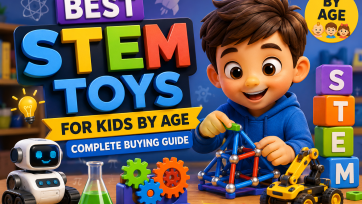
Best STEM Toys for Kids by Age: Complete Buying Guide
STEM toys are designed to introduce children to science, technology, engineering, and mathematics through hands-on play. The best STEM toys for kids do more than keep them busy. They encourage curiosity, creativity, logical thinking, experimentation, and problem-solving. However, not every STEM toy is suitable for every child. A coding robot may be exciting for an eight-year-old but frustrating for a toddler. Similarly, simple stacking blocks may appear basic to an adult, yet they can teach a young child important ideas about balance, size, shapes, and cause and effect. This complete STEM toy buying guide explains which types of educational toys are most suitable for different age groups and what parents should consider before making a purchase. What Are STEM Toys? STEM toys are educational products that help children explore one or more of the following areas: Science Technology Engineering Mathematics Some toys focus on a single subject, such as a chemistry kit or a number-learning game. Others combine several STEM skills. For example, a programmable robot may involve technology, sequencing, mathematics, and engineering. Good STEM toys usually encourage children to build, test, observe, compare, solve problems, and try again after making mistakes. Best STEM Toys for Babies Under 1 Year Babies do not need complicated electronic toys. At this age, the best STEM learning happens through touching, observing, shaking, stacking, and exploring safe objects. Suitable STEM toys for babies include: Soft Stacking Blocks Soft blocks help babies explore size, shape, balance, and cause and effect. Babies can stack them, knock them down, squeeze them, and compare different textures. Sensory Balls Sensory balls with different surfaces can support tactile exploration and hand-eye coordination. Parents can roll the ball toward the baby and encourage reaching and movement. Simple Activity Centers Activity centers with spinning parts, large buttons, mirrors, and safe moving pieces may help babies understand that certain actions produce certain results. For babies, safety is more important than advanced features. Toys should not contain small removable parts, loose magnets, sharp edges, or accessible batteries. Best STEM Toys for 1-Year-Olds One-year-old children are beginning to understand simple relationships between objects. They enjoy filling containers, stacking items, pushing buttons, and matching basic shapes. Large Building Blocks Large blocks are excellent beginner engineering toys. Children can build small towers and learn what happens when the structure becomes unbalanced. Shape Sorters Shape sorters help children recognize differences between circles, squares, triangles, and other forms. They also introduce problem-solving because the child must find the correct opening for each piece. Nesting Cups Nesting cups teach children about size, order, volume, and comparison. They can be stacked, placed inside one another, or used during water play. Choose products with large pieces that cannot fit inside the child’s mouth. Best STEM Toys for 2-Year-Olds At age two, children become more confident with building, sorting, matching, and pretending. STEM toys should remain simple, durable, and open-ended. Wooden Puzzles Simple puzzles with large pieces help develop visual reasoning and spatial awareness. Animal, vehicle, number, and shape puzzles are popular choices. Peg Boards Peg boards allow toddlers to place colorful pieces into holes, create basic patterns, and strengthen fine motor skills. Toy Tool Sets A toddler-safe tool set may include plastic hammers, screws, nuts, bolts, and building pieces. These toys introduce basic mechanical thinking and hand-eye coordination. Water Tables Water tables can teach children about floating, sinking, pouring, movement, and volume. Water play should always take place under adult supervision. Best STEM Toys for 3-Year-Olds Three-year-old children can usually follow short instructions and complete simple building challenges. This is a good age to introduce more structured STEM activities. Magnetic Building Tiles Magnetic tiles allow children to construct houses, towers, bridges, and geometric shapes. They can help children explore balance, symmetry, and spatial design. Parents should buy high-quality magnetic toys from reputable manufacturers and regularly inspect them for cracks or loose magnets. Number and Counting Toys Counting bears, number boards, bead mazes, and sorting trays can introduce early mathematics in a playful way. Marble Runs With Large Pieces A preschool marble run with large, age-appropriate balls can demonstrate movement, gravity, speed, and cause and effect. Simple Science Observation Kits Magnifying glasses, bug viewers, weather charts, and nature-exploration kits can help young children observe the world around them. Best STEM Toys for 4-Year-Olds Four-year-olds are usually ready for more detailed building projects, pattern games, and beginner science experiments. Beginner Construction Sets Construction sets with wheels, connectors, gears, and panels can introduce basic engineering. Children can build vehicles, animals, machines, or their own designs. Pattern Blocks Pattern blocks help children explore geometry, colors, symmetry, and visual organization. Beginner Coding Games Some coding toys for preschoolers use cards, arrows, or physical buttons instead of screens. These toys teach sequencing and directional thinking. Simple Science Kits Age-appropriate science kits may include activities involving colors, magnets, water, plants, or weather. Parents should supervise experiments and follow the instructions carefully. Best STEM Toys for 5-Year-Olds At age five, many children are ready to solve more detailed problems and follow multi-step instructions. Coding Robots A beginner coding robot can teach sequencing, directions, commands, and basic programming logic. Some models work without a screen, while others use a tablet or mobile application. Building and Engineering Kits Engineering kits can involve bridges, vehicles, cranes, gears, and moving structures. They allow children to test designs and understand why some structures work better than others. Math Board Games Math games can make counting, addition, number recognition, and comparison more enjoyable. Human Body Models Simple anatomy puzzles or body models can introduce children to bones, organs, senses, and basic biology. Best STEM Toys for Ages 6 to 8 Children between six and eight years old can often handle more advanced construction, science, coding, and mathematics toys. Robotics Kits Beginner robotics kits may allow children to assemble moving machines and program basic actions. Before buying, check whether the kit requires: A smartphone A tablet A computer Batteries A paid subscription Additional accessories Chemistry Kits A child-friendly chemistry kit can introduce reactions, mixtures, crystals, acids, bases, and scientific observation. Only purchase kits designed for the child’s age and provide adult supervision. Circuit Building Kits Circuit kits teach children how electricity moves through wires, switches, lights, motors, and other components. Snap-together circuit kits are often easier and safer for beginners than traditional wiring sets. Microscope Kits A beginner microscope allows children to observe leaves, fabric, paper, insects, prepared slides, and other safe materials. Parents should compare image quality and ease of focusing instead of choosing a microscope only because it advertises very high magnification. Best STEM Toys for Ages 9 to 12 Older children may enjoy toys that involve real engineering challenges, coding, electronics, and scientific investigation. Advanced Coding Robots Advanced coding robots can introduce block-based coding and, in some cases, text-based programming languages. Mechanical Engineering Kits Children can build working vehicles, machines, cranes, robotic arms, or renewable-energy models. Astronomy Kits A beginner telescope, star map, or solar-system model can encourage interest in astronomy and space science. Electronics Kits Electronics kits may allow children to build alarms, radios, sensors, lights, and small machines. 3D Pens A child-safe 3D pen can help older children turn drawings into physical structures. Parents should check the recommended age and operating temperature. How to Choose the Best STEM Toy The most expensive STEM toy is not always the best choice. Parents should consider several factors before purchasing. Choose According to Age Always check the manufacturer’s age recommendation. It usually reflects both safety and difficulty. A toy that is too advanced may frustrate the child. A toy that is too easy may lose its educational value quickly. Match the Child’s Interests A child who loves vehicles may enjoy mechanical building kits. A child interested in animals may prefer a microscope or nature-exploration kit. Children who enjoy video games may respond well to coding toys. Interest is important because children learn more effectively when they are genuinely engaged. Look for Open-Ended Play Open-ended STEM toys can be used in several different ways. Building blocks, magnetic tiles, robotics components, craft materials, and construction sets often provide more long-term value than toys with only one function. Check for Additional Costs Some coding robots and electronic learning toys require subscriptions, applications, replacement parts, or additional expansion kits. Before purchasing, check the total cost rather than only the initial price. Consider Screen Time Some technology toys require a tablet or smartphone. This does not automatically make them unsuitable, but parents should consider how much screen time the toy requires. A good coding toy should encourage active problem-solving rather than passive watching. Check Durability and Safety Inspect the toy for: Small parts Loose magnets Sharp edges Weak battery covers Fragile wires Poor-quality plastic Easily breakable pieces Toys involving chemicals, electricity, heat, water, or moving parts should be used with appropriate adult supervision. Are Expensive STEM Toys Worth It? Some premium STEM toys offer durable materials, advanced coding features, replacement parts, and long-term educational value. However, children do not always need expensive products to learn STEM concepts. Simple items such as blocks, measuring cups, puzzles, magnets, cardboard, craft materials, and household containers can also support scientific and engineering thinking. A premium toy may be worth the cost when it: Matches the child’s interests Can be used for several years Offers multiple difficulty levels Includes strong customer support Does not require costly subscriptions Can be expanded with additional projects Final Thoughts The best STEM toys for kids are age-appropriate, safe, engaging, and challenging without being overwhelming. For babies and toddlers, simple stacking, sorting, sensory, and building toys provide an excellent foundation. Preschool children may enjoy magnetic tiles, counting games, beginner coding activities, and science observation tools. Older children can explore robotics, chemistry, circuits, microscopes, astronomy, and advanced engineering kits. Parents should focus less on flashy advertising and more on how the toy encourages the child to think. A strong STEM toy should invite questions, experimentation, creativity, and repeated problem-solving. When children are allowed to build, test, fail, and try again, play becomes one of the most effective ways to develop valuable lifelong skills.
Best Helmet for your Kids in 2026
Kids Helmets: The Complete Parent's Guide to Choosing the Safest Helmet for Your Child Introduction A helmet is one of the most important pieces of safety equipment a child will ever own. Whether they're learning to ride a bike, enjoying a scooter ride in the park or mastering their first skateboard tricks, a properly fitted helmet helps protect them during unexpected falls. Yet many parents unknowingly choose a helmet based on colour, favourite cartoon characters or price alone. While appearance may encourage children to wear a helmet, protection should always come first. The safest helmet isn't necessarily the most expensive one. It's the one that fits correctly, meets recognised safety standards and is worn every single time a child rides. This guide explains how to choose the best kids' helmet, how to ensure it fits properly and what features really matter before making a purchase. Why Every Child Needs a Properly Fitted Helmet Children are naturally adventurous. They're constantly learning new skills, testing their balance and building confidence. Small falls are a normal part of growing up, but head protection should never be left to chance. A quality helmet helps by: Absorbing impact during a fall. Reducing the risk of serious head injuries. Giving children confidence while learning new activities. Encouraging safer riding habits from an early age. The best helmet is the one your child happily wears every time they ride. Start by Measuring Your Child's Head Before choosing colours or designs, measure your child's head. Use a soft measuring tape around the widest part of the head, about one centimetre above the eyebrows and ears. Compare this measurement with the manufacturer's size guide rather than guessing based on age. Children of the same age often have different head sizes, so accurate measurement is always the safest approach. What Makes a Safe Kids' Helmet? A good helmet combines protection with comfort. Look for features such as: Certified safety standards. Strong outer shell. Shock-absorbing inner foam. Adjustable fit system. Comfortable chin strap. Multiple ventilation openings. Lightweight construction. These features help the helmet stay secure while remaining comfortable enough for everyday use. Different Types of Children's Helmets Not every helmet is designed for the same activity. Bike Helmets Designed for cycling, these helmets provide excellent ventilation and lightweight protection for everyday riding. Scooter Helmets Many scooter helmets look similar to bike helmets, but always check the manufacturer's intended use and safety certification. Skate Helmets Skate-style helmets often provide additional coverage around the back of the head and are built for repeated low-height impacts common in skateboarding. Using the right helmet for the intended activity provides the best protection. How Should a Helmet Fit? A correctly fitted helmet should: Sit level on the head. Cover the forehead without blocking vision. Stay firmly in place when the child shakes their head. Feel snug without causing discomfort. Have a chin strap that allows one or two fingers to fit underneath. If the helmet rocks forwards, backwards or sideways, it needs adjusting or replacing with a different size. Lightweight Helmets Are Often Better Children are much more likely to wear a helmet that feels comfortable. A lightweight design reduces strain on the neck and encourages longer wear during cycling, scootering and outdoor play. Comfort increases the chances that wearing a helmet becomes an everyday habit rather than something children try to avoid. When Should You Replace a Child's Helmet? A helmet isn't designed to last forever. Even if it looks perfectly fine on the outside, its protective materials can weaken over time or after a significant impact. Replace your child's helmet if: It has been involved in a crash or heavy fall. You notice cracks in the outer shell. The inner foam is compressed or damaged. Straps or buckles no longer work properly. The helmet no longer fits because your child has grown. A damaged helmet may not provide the protection your child needs during another fall. Teaching Children to Wear a Helmet Every Time Buying a helmet is only the first step. Building the habit of wearing it consistently is just as important. Parents can encourage this by: Wearing a helmet themselves during family bike rides. Letting children choose a colour or design they like. Putting the helmet on before the bike or scooter comes out. Praising children for remembering without being asked. Explaining that helmets are part of riding, just like pedals and brakes. When helmet use becomes part of the routine, children are much more likely to continue the habit as they grow. How to Care for a Kids' Helmet A little maintenance helps a helmet stay comfortable and perform as intended. Simple care tips include: Wipe the outer shell with a soft, damp cloth. Clean the straps regularly. Allow the helmet to air dry naturally after use. Store it in a cool, dry place. Avoid leaving it inside a hot car for long periods. Check straps and adjustment systems every few weeks. Keeping the helmet clean also makes it more pleasant for children to wear. Common Helmet Buying Mistakes Many parents unintentionally reduce a helmet's effectiveness by making one of these common mistakes: Buying a helmet that's too large so the child can "grow into it." Choosing appearance over proper fit. Wearing the helmet too far back on the head. Leaving the chin strap too loose. Continuing to use a helmet after a significant impact. Assuming one helmet is suitable for every activity without checking its intended use. A correctly fitted, well-maintained helmet offers far better protection than an oversized or damaged one. Frequently Asked Questions How tight should a child's helmet be? The helmet should feel snug and remain in place when your child gently shakes their head. It shouldn't wobble, but it also shouldn't feel painfully tight. Can my child use the same helmet for cycling and skateboarding? Some helmets are certified for multiple activities, while others are designed specifically for cycling or skateboarding. Always check the manufacturer's safety certification and intended use. How long does a children's helmet usually last? If it hasn't suffered an impact and remains in good condition, many manufacturers recommend replacing helmets after several years due to natural material ageing. Follow the manufacturer's guidance for your specific model. Should children always wear a helmet on short rides? Yes. Many accidents happen close to home, so helmets should be worn every time a child rides a bicycle, scooter or participates in other helmet-recommended activities. Can I buy a larger helmet so my child grows into it? No. A helmet must fit correctly today to provide proper protection. An oversized helmet can move during an impact and reduce its effectiveness. Final Thoughts A child's helmet may not be the most exciting purchase, but it could be one of the most important. The right helmet protects more than just a child's head—it gives parents greater peace of mind and helps children enjoy outdoor adventures with confidence. When choosing a helmet, always prioritise proper fit, recognised safety certification and everyday comfort over colours or fashionable designs. The safest helmet isn't the one hanging on a hook at home. It's the one your child is happy to wear every single ride.