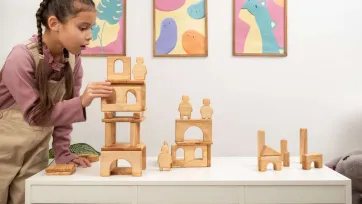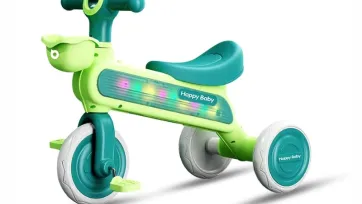
How to Choose Age-Appropriate Toys for Every Stage of Childhood

 How to Choose Age-Appropriate Toys for Every Stage of Childhood

Introduction

Buying a toy might seem like a simple task, but choosing one that's genuinely suitable for a child's age can be surprisingly difficult. Walk into any toy shop or browse an online store, and you'll be faced with thousands of options, all claiming to be educational, entertaining or essential for development. Attractive packaging and clever marketing can make almost any toy look appealing, but the most important question remains:

Is it right for your child's current stage of development?

A toy that's perfect for one child may be completely unsuitable for another, even if they're only a year apart in age. Younger children need toys that help them explore basic movements and senses, while older children benefit from activities that challenge their imagination, creativity and problem-solving abilities.

Choosing age-appropriate toys isn't about limiting children. It's about giving them the right level of challenge. A toy that's too simple may quickly become boring, while one that's too advanced can lead to frustration and a loss of confidence.

The good news is that selecting suitable toys becomes much easier when you understand how children develop and what they need at each stage. Rather than following trends or buying whatever is popular, parents can build a toy collection that grows alongside their child and continues providing value for years.

In this guide, you'll learn how children's play changes as they grow, which toys suit different age groups, common buying mistakes to avoid and practical tips for choosing toys that are both enjoyable and beneficial.

Why Age Recommendations Matter

The age label printed on a toy isn't simply a marketing suggestion. In many cases, it reflects important safety information as well as the developmental skills needed to enjoy the toy properly.

Manufacturers consider several factors before assigning an age recommendation, including:

  • The size of individual parts.

  • The level of coordination required.

  • Problem-solving difficulty.

  • Physical strength needed.

  • Safety risks.

  • Typical developmental milestones.

Following these recommendations helps children enjoy toys safely while reducing unnecessary frustration.

Every Child Develops Differently

Although age guidelines are useful, they should never be treated as strict rules.

Two children of the same age can have very different interests, confidence levels and abilities. One four-year-old may happily complete complex puzzles, while another prefers imaginative role play. Neither approach is better; they're simply developing in different ways.

Parents know their children better than anyone else. When choosing toys, consider both the recommended age and your child's personality.

Choosing Toys for Babies (0–12 Months)

During the first year of life, babies learn mainly through their senses. Everything is new, from different textures and colours to sounds and movement.

The best toys at this stage encourage exploration rather than structured learning.

Suitable choices include:

  • Soft sensory balls

  • High-contrast books

  • Fabric activity cubes

  • Stacking rings

  • Soft blocks

  • Teething toys

  • Baby mirrors

  • Activity gyms

Simple toys often provide the richest experiences because babies are discovering basic movements and cause-and-effect relationships.

Choosing Toys for Toddlers (1–3 Years)

Toddlers are naturally curious. They want to touch everything, move constantly and copy the adults around them.

This is the perfect stage for toys that encourage exploration and independence.

Excellent choices include:

  • Building blocks

  • Shape sorters

  • Ride-on toys

  • Push-and-pull toys

  • Toy animals

  • Pretend food

  • Play kitchens

  • Chunky puzzles

  • Drawing boards

  • Stacking cups

These toys help develop coordination, language, imagination and confidence through everyday play.

Choosing Toys for Preschool Children (3–5 Years)

Preschool children enjoy making up stories, asking questions and solving simple challenges. Their play becomes more imaginative and they often enjoy playing alongside friends or siblings.

Suitable toys include:

  • Construction toys

  • Pretend play sets

  • Craft materials

  • Board games

  • Magnetic building pieces

  • Puppet theatres

  • Toy vehicles

  • Dollhouses

  • Science activity kits

  • Outdoor play equipment

At this stage, children begin combining different toys to create their own games rather than using them separately.

Choosing Toys for School-Age Children (6–12 Years)

School-age children usually enjoy activities that involve planning, creativity and more advanced thinking. They often become passionate about particular hobbies or interests.

Good choices include:

  • Strategy games

  • Advanced building sets

  • Art supplies

  • Science experiment kits

  • Sporting equipment

  • Musical instruments

  • Model-building kits

  • Coding activities

  • Craft projects

  • Educational games

Rather than simply entertaining, these toys encourage children to develop skills that can continue into adolescence and adulthood.

How to Tell if a Toy Is Too Easy

Children usually let parents know when a toy no longer challenges them.

Some common signs include:

  • They lose interest within a few minutes.

  • They rarely choose the toy during playtime.

  • They complete every activity without thinking.

  • They ask for something "more exciting".

  • They quickly move on to another toy.

A toy that no longer offers a challenge doesn't necessarily need to be thrown away. It can often be passed to a younger sibling, stored for future use or donated.

Signs a Toy Is Too Difficult

Choosing toys that are too advanced can be just as problematic.

Watch for signs such as:

  • Frequent frustration.

  • Asking for constant help.

  • Giving up very quickly.

  • Ignoring the toy altogether.

  • Becoming upset while playing.

If a toy seems too difficult, put it away for a few months and try again later. Children's development changes quickly, and a toy that feels impossible today may become a favourite in the near future.

Building a Balanced Toy Collection

One of the biggest mistakes parents make is buying many similar toys. A well-balanced collection offers children different types of play experiences throughout the week.

Instead of focusing on quantity, include toys from a variety of categories.

For example:

  • Construction toys for creativity and problem-solving.

  • Pretend play toys for imagination and communication.

  • Puzzles and games for logical thinking.

  • Arts and crafts for creativity and fine motor skills.

  • Outdoor toys for physical activity.

  • Books for language development.

  • Open-ended toys that can be used in many different ways.

This variety keeps play interesting while supporting several areas of development.

Should You Buy Educational Toys Only?

Many parents feel pressure to choose toys labelled as "educational", but learning doesn't only happen through structured activities.

Children also learn when they:

  • Build a blanket fort.

  • Pretend to run a café.

  • Dig in the garden.

  • Draw pictures.

  • Build towers.

  • Create stories.

  • Play with siblings.

In reality, some of the most educational toys don't advertise themselves that way. Open-ended toys often encourage deeper learning because children control how they play.

Buying Guide

Choosing age-appropriate toys becomes much easier when you focus on a few key principles rather than following trends.

Match Ability, Not Just Age

Age recommendations provide a useful starting point, but your child's interests, confidence and abilities are equally important.

Choose Toys That Can Grow with Your Child

Construction toys, art materials and imaginative play sets often remain enjoyable for many years because children discover new ways to use them as they mature.

Prioritise Quality

Well-made toys usually last longer, feel safer and provide better value than cheaper alternatives that break after a few weeks.

Avoid Buying Everything at Once

Children don't need dozens of new toys. Introducing a few carefully selected toys over time often keeps play more exciting and manageable.

Encourage Different Types of Play

A balanced toy collection should support creativity, physical activity, social interaction and independent thinking rather than focusing on just one area.

Safety Tips

Safety should always come before appearance or popularity.

Keep these recommendations in mind:

  • Always follow the manufacturer's recommended age range.

  • Check toys regularly for damage or loose parts.

  • Remove broken toys immediately.

  • Keep small pieces away from babies and toddlers.

  • Choose non-toxic materials where possible.

  • Supervise children using craft tools or science kits.

  • Store toys safely to prevent accidents.

  • Clean toys regularly, particularly those used outdoors or shared with others.

A safe toy is one that matches both a child's age and their developmental abilities.

Common Buying Mistakes

Many parents unknowingly spend money on toys that provide very little long-term value.

Here are some common mistakes to avoid.

Buying Based on Popular Trends

The latest must-have toy may lose its appeal surprisingly quickly. Timeless toys often provide years of enjoyment.

Choosing Toys That Are Too Advanced

Parents sometimes buy toys hoping children will "grow into them", but overly difficult toys can reduce confidence rather than encourage learning.

Ignoring Your Child's Interests

Children are much more likely to enjoy toys that reflect what they genuinely love, whether that's animals, vehicles, art, music or imaginative adventures.

Buying Too Many Similar Toys

Owning ten different puzzles provides less variety than having puzzles, books, building toys and craft materials.

Assuming Expensive Means Better

Some of the most valuable toys are also the simplest. Creative play depends far more on imagination than price.

Frequently Asked Questions

Why are age recommendations important?

Age recommendations help ensure toys are both safe and developmentally appropriate. They consider factors such as small parts, physical ability and the level of skill needed to enjoy the toy.

Can younger children use toys designed for older children?

Sometimes, but only with careful supervision and when safety is not compromised. Always consider your child's abilities as well as the manufacturer's guidance.

Should I replace toys as my child grows?

Not always. Many high-quality toys can be used in new ways as children become older. Rotating toys and introducing fresh challenges often extends their usefulness.

How many toys should children have?

There is no perfect number. A smaller collection of varied, high-quality toys usually encourages more meaningful play than a room filled with similar items.

Are educational toys worth buying?

Yes, but remember that many traditional toys also provide valuable learning opportunities. The best toys encourage creativity, curiosity and problem-solving rather than simply teaching facts.

Final Thoughts

Choosing age-appropriate toys isn't about buying the most expensive products or following the latest trends. It's about understanding how children grow, recognising their individual interests and providing toys that challenge them without causing frustration.

A carefully chosen toy can support creativity, confidence, physical development and independent thinking for years. By focusing on quality, versatility and your child's unique stage of development, you'll build a toy collection that offers lasting value instead of short-lived entertainment.

When in doubt, remember that children often learn the most from simple toys that leave plenty of room for imagination. Those are usually the toys they return to again and again.
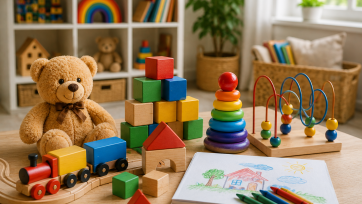
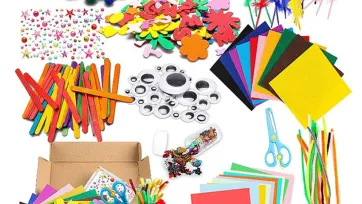


Advertisement
The 10-Minute Toy Test
The 10-Minute Toy Test: A Simple Trick Parents Can Use Before Buying Any Toy Introduction You're standing in the toy aisle. Your child has already spotted something they desperately want. "Please, can I have this one?" It lights up. It makes noises. The box promises hours of fun. Other children seem excited about it too, and for a moment you wonder if saying "yes" is the right decision. Now imagine something else. Fast forward two weeks. That same toy is buried beneath a pile of forgotten presents, missing a few pieces and gathering dust while your child is busy building a castle from cardboard boxes. Sound familiar? Most parents have experienced this cycle more than once. It isn't because children are impossible to satisfy, and it doesn't necessarily mean the toy was poor quality. More often, it means the purchase was based on excitement rather than lasting play value. Professional toy buyers and early years educators often evaluate toys differently from the average shopper. They don't ask whether a toy looks exciting on the shelf. They ask a far more useful question: "Will this still be interesting after the novelty has disappeared?" You don't need years of experience to answer that question. A simple method—what we can call the 10-Minute Toy Test—can help you make better buying decisions, reduce wasted money and build a toy collection your child genuinely enjoys. Why First Impressions Can Be Misleading Toy packaging is designed to sell. Bright colours, moving parts, licensed characters and exciting demonstrations all encourage quick decisions. That's understandable—manufacturers only have a few seconds to capture your attention. Children respond even faster. They see flashing lights, hear music or recognise a favourite character, and suddenly the toy feels irresistible. The problem is that the shelf experience lasts only a few moments. Real life begins after the box is opened. That's where many purchases disappoint. What Is the 10-Minute Toy Test? The idea is surprisingly simple. Before buying any toy, imagine your child has already played with it for ten minutes. Now ask yourself: What happens next? If the answer is "They'll probably press the same buttons again," the toy may have limited long-term value. If the answer is "They could build something different, invent a story or create a new game," you've probably found a much stronger choice. The test shifts your attention away from excitement and towards replay value. It's one of the easiest ways to avoid impulse purchases. Toys That Pass the Test You don't need a shopping list full of expensive products. In fact, many of the toys that score highest in the 10-Minute Toy Test are surprisingly simple. Think about activities that change every time a child uses them. A handful of wooden blocks might become: A bridge today. A castle tomorrow. A zoo at the weekend. A space station next week. The toy hasn't changed. The child's imagination has. That's exactly what keeps it interesting. The same principle applies to art materials, magnetic construction pieces, pretend play sets, train tracks and loose parts that children can combine in different ways. Toys That Usually Fail the Test This doesn't mean these toys are "bad". Some children genuinely enjoy them. However, certain types of toys rely almost entirely on surprise. Once the surprise disappears, so does much of the play. Examples often include: Toys with only one button to press. Items that perform the same action every time. Highly scripted electronic gadgets. Toys based entirely on a short-lived trend. Products with very limited interaction. Children become observers rather than creators, and that usually shortens the lifespan of play. The Difference Between Entertainment and Engagement There's an important distinction that many parents overlook. Entertainment happens to a child. Engagement happens because of a child. A talking toy may entertain. A box of construction pieces demands decisions, creativity and problem-solving. Both have a place, but only one continues growing alongside the child. That's why educators often favour toys that leave part of the experience unfinished. Children naturally fill the gaps with their own ideas. That process is where the real magic of play begins. Try the Test in a Real Shop The next time you're buying a toy, don't rush. Pick up two different products. The first might be an electronic toy with lights, sounds and several buttons. The second could be something much simpler, like a set of wooden blocks or magnetic tiles. Now picture your child playing with each toy for half an hour. With the electronic toy, the play may look almost identical from beginning to end. The child presses a button, watches the response and repeats the process. With the building toy, the experience keeps changing. A tower becomes a bridge. The bridge becomes a garage. The garage becomes part of an imaginary town. One toy delivers entertainment. The other creates opportunities. That's the difference the 10-Minute Toy Test is designed to reveal. The Birthday Toy vs the Tuesday Toy Here's another way to think about toy shopping. Some toys are Birthday Toys. They create a big reaction when the wrapping paper comes off. Everyone gathers around, the excitement is genuine and the moment is memorable. But by the following weekend, they've already lost much of their appeal. Then there are Tuesday Toys. Nobody cheers when they're opened. They don't flash. They don't sing. They simply sit on the shelf waiting for the next adventure. Months later, they're still being used. If you're trying to build a toy collection that offers real value, aim for more Tuesday Toys than Birthday Toys. Children often create their happiest memories with the toys that never seemed especially exciting in the shop. A Better Shopping Habit Before adding a toy to your basket, pause for thirty seconds. Ask yourself: Could my child invent more than one game with this? Will they control the play, or will the toy do everything for them? Is this different from what they already own? Will it still feel interesting after the excitement of opening the box has faded? If the batteries stopped working tomorrow, would they still want to play with it? That final question is surprisingly powerful. Many parents immediately realise which toys have genuine play value and which rely almost entirely on electronic features. The Most Valuable Toys Rarely Compete for Attention The toy industry is full of products designed to shout. Flashing lights. Loud sounds. Bright packaging. Constant movement. Yet the toys children quietly return to year after year usually do the opposite. They wait. They don't tell children what to build, what story to imagine or which character to become. Instead, they provide the tools, and children provide everything else. That's why these toys often survive long after the latest trends have disappeared. Don't Confuse Price with Play Value One of the biggest myths in toy shopping is that spending more automatically means buying better. It doesn't. A £20 toy that inspires hundreds of hours of imaginative play is a far better investment than a £100 gadget that's forgotten before the school holidays begin. Value isn't measured by price. It's measured by how often a child chooses to return to the toy without being reminded. Parents who focus on play value rather than price often discover they buy fewer toys while getting much more from each purchase. Frequently Asked Questions Does the 10-Minute Toy Test work for every age? Yes. The idea can be adapted for babies, toddlers and older children. The key question remains the same: will the toy continue encouraging meaningful play after the initial excitement has faded? Are electronic toys always a poor choice? Not at all. Many electronic toys are enjoyable and educational. The test simply encourages parents to consider whether the toy offers lasting engagement rather than short-term entertainment. What types of toys usually pass the test? Open-ended toys, construction sets, art supplies, pretend play equipment, puzzles and creative materials often provide excellent long-term play because children can use them in many different ways. Should I stop buying trendy toys? Not necessarily. If your child genuinely loves a particular trend, there's nothing wrong with buying an occasional novelty toy. The goal is balance, not perfection. Can this approach save money? In many cases, yes. By choosing toys with greater replay value, families often reduce impulse purchases and make better long-term buying decisions. Final Thoughts Every parent has bought a toy that looked perfect in the shop but ended up forgotten a few days later. It's a common experience, and it doesn't mean you've made a bad decision. Children change quickly, and not every toy becomes a favourite. The 10-Minute Toy Test isn't a scientific formula, nor is it meant to remove the fun from shopping. Instead, it encourages a simple shift in thinking. Rather than asking, "Will my child be excited today?", ask, "Will they still want to play with this next month?" That one question can completely change the way you shop. Over time, you'll probably notice something interesting. Your child won't necessarily own more toys. They'll simply own better ones. And those are usually the toys that become part of the stories they'll remember long after childhood has passed.
Best Arts and Crafts Toys for Kids in 2026: Creative Fun That Inspires Young Minds
Best Arts and Crafts Toys for Kids in 2026: Creative Fun That Inspires Young Minds Arts and crafts have always been an essential part of childhood. Whether children are painting colourful pictures, making friendship bracelets, designing greeting cards, or building creative models, every project helps develop important skills while allowing their imagination to flourish. In an age where digital entertainment is everywhere, arts and crafts toys provide a refreshing way for children to express themselves without relying on screens. The best arts and crafts toys encourage children to experiment with colours, textures, shapes, and materials while building confidence through creativity. They are suitable for toddlers, preschoolers, primary school children, and even older kids who enjoy making things with their own hands. If you're looking for a gift that combines learning, creativity, and endless entertainment, arts and crafts toys are among the best choices available in 2026. What Are Arts and Crafts Toys? Arts and crafts toys are creative activity sets designed to help children make, decorate, paint, build, and personalise their own projects. Popular arts and crafts toys include: Drawing kits Painting sets Clay modelling kits Bead jewellery sets Sticker books Origami kits Sewing kits DIY craft boxes Sand art Mosaic art sets Unlike many electronic toys, these activities allow children to create something completely unique every time they play. Why Arts and Crafts Matter Creative activities encourage children to think independently and express ideas in their own way. Instead of following fixed rules, they experiment with colours, materials, and designs while learning through trial and error. Arts and crafts also give children a sense of achievement because they can proudly display something they created themselves. Benefits of Arts and Crafts Toys Creative toys support many areas of child development. Some of the biggest benefits include: Improve creativity Strengthen fine motor skills Build hand-eye coordination Encourage patience Develop concentration Increase self-confidence Improve problem-solving Support emotional expression Reduce screen time Children also develop perseverance as they learn to complete projects from start to finish. Drawing and Colouring Kits Drawing remains one of the simplest and most enjoyable creative activities. Popular drawing kits include: Coloured pencils Washable markers Sketchbooks Crayons Watercolour pencils Stencil sets Drawing encourages imagination while improving pencil control and artistic confidence. Painting Sets Painting allows children to experiment with colours and textures in exciting ways. Many painting kits include: Watercolours Poster paints Paintbrushes Sponges Easels Canvas boards Painting activities help children develop creativity while introducing colour mixing and artistic techniques. Modelling Clay and Dough Clay modelling encourages children to shape, roll, press, and sculpt their own creations. Children enjoy making: Animals Food Cars Dinosaurs Flowers Cartoon characters These activities strengthen finger muscles while improving fine motor development. Jewellery Making Kits Bead and jewellery kits are excellent for children who enjoy designing wearable creations. Children can make: Bracelets Necklaces Keyrings Friendship gifts Decorative charms Threading beads also improves hand-eye coordination and concentration. DIY Craft Boxes Complete craft boxes contain everything needed for multiple creative projects. They often include: Paper Glue Stickers Scissors Pipe cleaners Foam shapes Decorative gems Craft sticks DIY kits are ideal for rainy days, school holidays, and family craft sessions. Origami and Paper Craft Paper folding introduces children to creativity while improving precision and patience. Simple origami projects include: Birds Flowers Butterflies Boats Stars Animals Paper craft also introduces basic geometry through practical play. STEM Arts and Crafts Many modern craft kits combine creativity with STEM learning. Examples include: Solar-powered models Engineering craft kits Circuit-building art Mechanical models Architecture projects These activities help children combine artistic imagination with scientific thinking. Seasonal Craft Activities Arts and crafts become even more exciting during holidays. Children enjoy making: Christmas decorations Easter crafts Halloween decorations Birthday cards Mother's Day gifts Father's Day presents Seasonal projects also create meaningful family traditions. Choosing the Right Arts and Crafts Toy Before buying, consider: Your child's age Safety standards Quality of materials Number of activities included Educational value Ease of use Choose kits that encourage creativity rather than simply copying instructions. Safety Tips Arts and crafts toys should always: Match the recommended age Use non-toxic materials Include child-safe scissors where appropriate Meet recognised safety standards Be used under supervision when necessary Washable materials are particularly useful for younger children. Common Buying Mistakes Parents often buy craft kits that are either too simple or too advanced. Avoid: Low-quality materials Tiny pieces for young children Difficult instructions Single-use kits with limited value Projects that don't match your child's interests Open-ended craft activities usually provide the greatest enjoyment. Why Arts and Crafts Toys Make Wonderful Gifts Creative toys are excellent gifts because every project becomes a personal achievement. Whether it's a birthday, Christmas, or school holiday, arts and crafts kits continue providing entertainment long after many electronic toys have been forgotten. Parents also appreciate gifts that encourage creativity instead of additional screen time. Frequently Asked Questions What are the best arts and crafts toys for children? Drawing kits, painting sets, clay modelling kits, jewellery-making sets, DIY craft boxes, and origami kits are among the most popular choices. Are arts and crafts good for child development? Yes. They improve creativity, fine motor skills, concentration, confidence, and problem-solving while encouraging self-expression. At what age can children start arts and crafts? Simple colouring and finger painting activities are suitable for toddlers, while more advanced craft kits are designed for older children. How can I encourage my child to enjoy arts and crafts? Provide a variety of materials, praise creativity rather than perfection, and allow children the freedom to create their own designs. Final Thoughts The best arts and crafts toys for kids in 2026 do much more than keep children busy. They inspire imagination, encourage creativity, and help develop valuable life skills through enjoyable, hands-on activities. From painting and drawing to jewellery making, clay modelling, and DIY projects, every creative experience builds confidence while allowing children to express their unique ideas. By choosing high-quality arts and crafts toys, parents can provide meaningful learning opportunities that grow with their child, turning ordinary afternoons into memorable moments of creativity and discovery.
Best Electronic Toys for Kids
Best Electronic Toys for Kids: A Complete Guide to Smart, Fun, and Educational Play Electronic toys have transformed the way children play, learn, and explore the world around them. From interactive robots and talking learning devices to remote control cars and coding kits, today's electronic toys offer far more than flashing lights and sound effects. They combine entertainment with education, helping children develop creativity, critical thinking, and problem-solving skills while keeping them engaged for hours. For parents, choosing the right electronic toy can be challenging because the market is filled with countless options. Some toys are designed purely for fun, while others encourage learning through hands-on activities. Understanding the difference can help you make a smarter investment for your child. This guide explains everything you need to know about the best electronic toys for kids, including their benefits, different types, safety considerations, and practical buying tips. What Are Electronic Toys? Electronic toys are toys that use electricity or rechargeable batteries to perform interactive functions. They may include lights, sounds, movement, voice recognition, sensors, or programmable features that make playtime more engaging. Unlike traditional toys, electronic toys respond to a child's actions, creating an interactive experience that encourages learning and exploration. Popular electronic toys include: Remote control cars Interactive robots Coding toys Talking learning tablets Musical instruments Smart building sets Electronic pets Toy drones RC helicopters Educational gaming devices These toys appeal to children of different ages and interests, making them one of the most popular toy categories today. Why Electronic Toys Are So Popular Children enjoy toys that respond instantly to their actions. Whether driving a remote control car, programming a robot, or playing an interactive learning game, electronic toys make children feel actively involved. Parents also appreciate these toys because many combine fun with valuable educational experiences. Instead of passive entertainment, quality electronic toys encourage children to think, experiment, and solve problems independently. When used in moderation, they can become an excellent addition to a balanced play routine. Benefits of Electronic Toys Well-designed electronic toys offer numerous developmental advantages. Some of the most important benefits include: Improved hand-eye coordination Better concentration Stronger memory Faster problem-solving Increased creativity Enhanced logical thinking Greater confidence Better reaction time Many electronic toys also introduce children to technology in a safe and age-appropriate way. Remote Control Toys Improve Coordination Remote control vehicles remain one of the most popular electronic toys for children. Driving an RC racing car through obstacles requires quick thinking, careful steering, and precise timing. These activities naturally improve hand-eye coordination, motor skills, and spatial awareness. Rechargeable RC cars are especially popular because they offer longer play sessions and lower running costs than disposable battery-powered alternatives. Many families also enjoy racing together, turning playtime into a shared experience. Interactive Robots Encourage Learning Modern robotic toys can walk, dance, answer questions, follow commands, and even introduce children to basic programming concepts. Interactive robots help children develop: Logical thinking Communication Creativity Problem-solving Curiosity about technology Many beginner robots are specifically designed for younger children, making learning both simple and enjoyable. Coding Toys Introduce Future Skills Coding is becoming an increasingly valuable skill. Fortunately, many electronic toys introduce coding without requiring children to read complicated computer languages. Instead, they use colorful buttons, blocks, puzzles, and simple commands to teach logical thinking and sequencing. Coding toys encourage experimentation while building confidence. Electronic Learning Tablets Learning tablets designed for children provide educational games covering subjects such as: Alphabet recognition Numbers Shapes Vocabulary Spelling Basic mathematics Music Memory games Unlike ordinary tablets, children's learning devices usually include age-appropriate content with fewer distractions. STEM Electronic Toys STEM stands for Science, Technology, Engineering, and Mathematics. Electronic STEM toys combine learning with practical activities. Popular options include: Robotics kits Circuit-building projects Engineering sets Electronic experiment kits Coding robots Smart construction toys These activities help children understand technology through hands-on exploration. Musical Electronic Toys Electronic musical toys encourage creativity while introducing children to rhythm and sound. Popular choices include: Electronic keyboards Drum sets Microphones DJ mixers Light-up pianos Musical learning toys Music helps improve memory, listening skills, coordination, and self-expression. Electronic Pets Interactive electronic pets respond to touch, movement, sound, and voice commands. Children enjoy feeding, caring for, and playing with these digital companions while learning responsibility and empathy. Electronic pets are especially suitable for families who cannot keep real animals at home. Educational Gaming Devices Not all electronic games are purely for entertainment. Many educational gaming systems include activities that improve: Reading Mathematics Logic Memory Vocabulary Science knowledge Parents should always choose games designed specifically for children's learning and development. Choosing Electronic Toys by Age Every age group benefits from different types of electronic toys. For preschoolers: Musical toys Talking books Interactive learning devices Beginner RC cars For young children: Coding toys Educational tablets Electronic puzzles Simple robots For older children: Advanced STEM kits Programmable robots Drones Engineering projects Selecting age-appropriate toys helps children stay interested without becoming frustrated. Rechargeable vs Battery-Powered Electronic Toys Many electronic toys now include rechargeable batteries. Rechargeable models offer several advantages: Lower long-term cost Less battery waste Better convenience More consistent performance Environmentally friendly Battery-powered toys may still be suitable for occasional use but usually become more expensive over time. Safety Tips for Parents Electronic toys should always be used responsibly. Parents should: Follow age recommendations. Supervise younger children. Use approved chargers. Avoid exposing toys to water unless designed for it. Inspect batteries regularly. Keep small components away from toddlers. Buy from trusted brands. Safe use ensures children enjoy electronic toys without unnecessary risks. Reducing Screen Time While Using Electronic Toys Many parents worry about increasing screen time. Fortunately, most electronic toys encourage physical interaction rather than passive viewing. Driving an RC car, programming a robot, or conducting a science experiment requires active participation, making these toys very different from watching television or browsing videos. A healthy balance between traditional toys, outdoor activities, and electronic toys provides the best overall experience. Common Mistakes When Buying Electronic Toys Parents often make similar buying mistakes. Avoid: Buying toys that are too advanced. Ignoring battery life. Choosing poor-quality products. Overlooking safety certifications. Purchasing toys based only on advertising. Ignoring your child's interests. The best toy is one that matches both your child's age and personality. Why Electronic Toys Make Great Gifts Electronic toys combine excitement with education, making them excellent gifts for birthdays, holidays, and special celebrations. Whether it's a remote control racing car, an interactive robot, or a STEM science kit, these toys create memorable experiences while encouraging valuable learning. Parents also appreciate gifts that provide long-term engagement rather than short-lived entertainment. Frequently Asked Questions Are electronic toys good for children? Yes. High-quality electronic toys support learning, creativity, coordination, and problem-solving when used appropriately. What is the best electronic toy for beginners? Remote control cars, interactive learning tablets, and beginner robots are excellent choices for children starting with electronic toys. Are rechargeable electronic toys better? Generally, yes. Rechargeable toys reduce ongoing costs, create less waste, and offer greater convenience. Can electronic toys replace traditional toys? No. A healthy balance between electronic toys, outdoor activities, books, puzzles, and imaginative play provides the best developmental benefits. Final Thoughts The best electronic toys for kids do much more than entertain. They encourage creativity, improve coordination, strengthen problem-solving skills, and introduce children to technology in a fun and age-appropriate way. Whether your child enjoys racing remote control cars, building robots, experimenting with STEM kits, or learning through interactive games, the right electronic toy can provide years of enjoyment while supporting healthy development. By choosing safe, durable, and educational products, parents can create play experiences that are both exciting and meaningful.
Best Kids Rain Boots in 2026
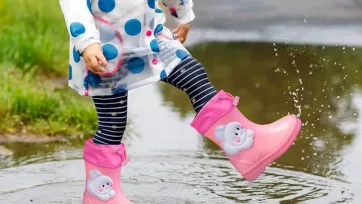
Kids Rain Boots: The Complete Parent's Guide to Choosing Waterproof, Comfortable Wellies for Children Introduction For children, rainy days rarely mean staying indoors. They mean jumping into puddles, exploring muddy woodland paths, building dams in the garden and discovering worms after a shower. A good pair of rain boots turns wet weather into another adventure. For parents, however, choosing children's rain boots isn't quite so simple. Should you buy them a size bigger? Are rubber boots better than lightweight waterproof alternatives? Do insulated boots really make a difference during winter? How can you stop little feet from becoming cold and sweaty after an afternoon outdoors? The right pair of rain boots keeps feet dry, supports growing feet and survives plenty of energetic play. The wrong pair may cause discomfort, blisters or simply end up forgotten at the back of the cupboard. This guide explains everything parents should know before buying kids' rain boots, helping you choose footwear that's practical, comfortable and built for everyday adventures. Why Quality Rain Boots Matter Children don't walk through puddles. They run. They splash. They climb. They test every muddy corner they can find. That's why children's rain boots need to do much more than keep water out. A well-designed pair should: Keep feet dry in wet weather. Provide reliable grip on slippery surfaces. Feel comfortable for extended wear. Be easy for children to put on themselves. Stand up to regular outdoor use. When these features come together, children spend less time worrying about wet feet and more time enjoying the outdoors. Choosing the Correct Size One of the most common mistakes parents make is buying rain boots that are far too large. Although children grow quickly, oversized boots can rub against the heel, make walking awkward and increase the risk of trips and falls. A better approach is to allow just enough room for: Thick socks during colder months. Natural foot movement. Future growth without compromising comfort. Your child should be able to wiggle their toes freely while the heel remains secure during walking. What Material Is Best? Not all rain boots are made from the same materials. Understanding the differences helps parents choose footwear that matches their child's lifestyle. Natural Rubber Natural rubber remains one of the most popular choices because it's flexible, waterproof and durable. It's particularly suitable for regular outdoor play. PVC PVC boots are often lighter and more affordable. They're a practical option for occasional use, although they may not offer the same flexibility as premium rubber boots. Insulated Rain Boots For colder climates, insulated boots include an extra lining that helps keep little feet warm during chilly autumn and winter days. They're especially useful for long walks, countryside adventures and snowy conditions. Features Worth Looking For A good pair of kids' rain boots should include more than waterproof material. Useful features include: Deep, non-slip soles. Soft inner lining. Easy pull handles. Flexible construction. Reinforced heel support. Durable stitching around the upper edge. Comfortable fit around the ankle. These details make everyday use easier for both children and parents. Should Children Wear Thick Socks? Many parents automatically choose the thickest socks they can find. In reality, comfort depends on the weather. During cool autumn days, medium-weight cotton or wool-blend socks often provide enough warmth without making feet sweaty. In colder weather, thermal socks can improve comfort inside insulated boots. The goal is to keep feet warm while allowing enough airflow to prevent excess moisture. How to Check If Rain Boots Fit Properly Even the best rain boots won't feel comfortable if they don't fit correctly. When your child tries them on, ask them to walk around for a few minutes. Check that: The heel stays in place while walking. Toes have enough room to move comfortably. The boots don't rub around the ankles. Walking feels natural rather than awkward. Your child can put the boots on and take them off without struggling. A comfortable fit encourages children to wear their boots happily whenever the weather changes. Rain Boots for Different Activities Not every child uses rain boots in the same way. Choosing the right type depends on how they'll be worn. For Nursery and School A lightweight pair with flexible soles is usually the best choice. Children often need boots that are easy to change into during outdoor play. For Country Walks Look for deeper tread patterns that provide extra grip on muddy footpaths and uneven ground. For Camping and Family Adventures Comfort becomes even more important during longer walks. Flexible rubber boots with supportive soles help reduce fatigue. For Gardening and Outdoor Play Simple waterproof boots with good traction are ideal for everyday adventures in the garden. Keeping Rain Boots in Good Condition Rain boots don't require complicated maintenance, but a little care helps them last much longer. Useful habits include: Rinse off mud after use. Allow boots to dry naturally. Avoid placing them directly against radiators or heaters. Store them upright in a cool, dry place. Wipe the outside occasionally with a damp cloth. Keeping boots clean also helps maintain their waterproof finish. Common Buying Mistakes Parents Make Many rain boot problems begin before children even wear them. Some of the most common mistakes include: Buying boots several sizes too large. Choosing appearance over comfort. Ignoring sole grip. Forgetting to check flexibility. Using rain boots for long-distance hiking instead of purpose-built walking boots. Waiting too long to replace boots after children outgrow them. A well-fitting boot is always more valuable than a fashionable one that causes discomfort. Frequently Asked Questions Should children wear rain boots every day? Rain boots are designed for wet conditions. On dry days, supportive everyday shoes are usually more comfortable for extended walking. How often should children's rain boots be replaced? Replace them when your child outgrows them, if the soles become worn or if cracks appear that affect waterproof performance. Are insulated rain boots worth buying? If your child regularly plays outdoors during cold weather, insulated boots can provide additional warmth and comfort. Can rain boots be worn in the snow? Some insulated rain boots are suitable for light snow, but dedicated winter boots generally provide better insulation and grip in freezing conditions. What's the best way to dry wet rain boots? Allow them to air dry naturally at room temperature. Avoid placing them directly on radiators, as excessive heat may damage certain materials. Final Thoughts For children, rain doesn't usually spoil the day. It creates a new opportunity for adventure. The right pair of rain boots allows them to splash through puddles, explore muddy paths and enjoy the outdoors without worrying about wet feet. When choosing children's rain boots, focus on fit, comfort, grip and durability rather than simply selecting the brightest colour or favourite pattern. A pair that fits well, keeps feet dry and stands up to everyday play will quickly become one of the most useful items in your child's wardrobe. After all, some of childhood's happiest memories begin with a puddle.  
Best STEM Toys for Kids by Age: Complete Buying Guide
STEM toys are designed to introduce children to science, technology, engineering, and mathematics through hands-on play. The best STEM toys for kids do more than keep them busy. They encourage curiosity, creativity, logical thinking, experimentation, and problem-solving. However, not every STEM toy is suitable for every child. A coding robot may be exciting for an eight-year-old but frustrating for a toddler. Similarly, simple stacking blocks may appear basic to an adult, yet they can teach a young child important ideas about balance, size, shapes, and cause and effect. This complete STEM toy buying guide explains which types of educational toys are most suitable for different age groups and what parents should consider before making a purchase. What Are STEM Toys? STEM toys are educational products that help children explore one or more of the following areas: Science Technology Engineering Mathematics Some toys focus on a single subject, such as a chemistry kit or a number-learning game. Others combine several STEM skills. For example, a programmable robot may involve technology, sequencing, mathematics, and engineering. Good STEM toys usually encourage children to build, test, observe, compare, solve problems, and try again after making mistakes. Best STEM Toys for Babies Under 1 Year Babies do not need complicated electronic toys. At this age, the best STEM learning happens through touching, observing, shaking, stacking, and exploring safe objects. Suitable STEM toys for babies include: Soft Stacking Blocks Soft blocks help babies explore size, shape, balance, and cause and effect. Babies can stack them, knock them down, squeeze them, and compare different textures. Sensory Balls Sensory balls with different surfaces can support tactile exploration and hand-eye coordination. Parents can roll the ball toward the baby and encourage reaching and movement. Simple Activity Centers Activity centers with spinning parts, large buttons, mirrors, and safe moving pieces may help babies understand that certain actions produce certain results. For babies, safety is more important than advanced features. Toys should not contain small removable parts, loose magnets, sharp edges, or accessible batteries. Best STEM Toys for 1-Year-Olds One-year-old children are beginning to understand simple relationships between objects. They enjoy filling containers, stacking items, pushing buttons, and matching basic shapes. Large Building Blocks Large blocks are excellent beginner engineering toys. Children can build small towers and learn what happens when the structure becomes unbalanced. Shape Sorters Shape sorters help children recognize differences between circles, squares, triangles, and other forms. They also introduce problem-solving because the child must find the correct opening for each piece. Nesting Cups Nesting cups teach children about size, order, volume, and comparison. They can be stacked, placed inside one another, or used during water play. Choose products with large pieces that cannot fit inside the child’s mouth. Best STEM Toys for 2-Year-Olds At age two, children become more confident with building, sorting, matching, and pretending. STEM toys should remain simple, durable, and open-ended. Wooden Puzzles Simple puzzles with large pieces help develop visual reasoning and spatial awareness. Animal, vehicle, number, and shape puzzles are popular choices. Peg Boards Peg boards allow toddlers to place colorful pieces into holes, create basic patterns, and strengthen fine motor skills. Toy Tool Sets A toddler-safe tool set may include plastic hammers, screws, nuts, bolts, and building pieces. These toys introduce basic mechanical thinking and hand-eye coordination. Water Tables Water tables can teach children about floating, sinking, pouring, movement, and volume. Water play should always take place under adult supervision. Best STEM Toys for 3-Year-Olds Three-year-old children can usually follow short instructions and complete simple building challenges. This is a good age to introduce more structured STEM activities. Magnetic Building Tiles Magnetic tiles allow children to construct houses, towers, bridges, and geometric shapes. They can help children explore balance, symmetry, and spatial design. Parents should buy high-quality magnetic toys from reputable manufacturers and regularly inspect them for cracks or loose magnets. Number and Counting Toys Counting bears, number boards, bead mazes, and sorting trays can introduce early mathematics in a playful way. Marble Runs With Large Pieces A preschool marble run with large, age-appropriate balls can demonstrate movement, gravity, speed, and cause and effect. Simple Science Observation Kits Magnifying glasses, bug viewers, weather charts, and nature-exploration kits can help young children observe the world around them. Best STEM Toys for 4-Year-Olds Four-year-olds are usually ready for more detailed building projects, pattern games, and beginner science experiments. Beginner Construction Sets Construction sets with wheels, connectors, gears, and panels can introduce basic engineering. Children can build vehicles, animals, machines, or their own designs. Pattern Blocks Pattern blocks help children explore geometry, colors, symmetry, and visual organization. Beginner Coding Games Some coding toys for preschoolers use cards, arrows, or physical buttons instead of screens. These toys teach sequencing and directional thinking. Simple Science Kits Age-appropriate science kits may include activities involving colors, magnets, water, plants, or weather. Parents should supervise experiments and follow the instructions carefully. Best STEM Toys for 5-Year-Olds At age five, many children are ready to solve more detailed problems and follow multi-step instructions. Coding Robots A beginner coding robot can teach sequencing, directions, commands, and basic programming logic. Some models work without a screen, while others use a tablet or mobile application. Building and Engineering Kits Engineering kits can involve bridges, vehicles, cranes, gears, and moving structures. They allow children to test designs and understand why some structures work better than others. Math Board Games Math games can make counting, addition, number recognition, and comparison more enjoyable. Human Body Models Simple anatomy puzzles or body models can introduce children to bones, organs, senses, and basic biology. Best STEM Toys for Ages 6 to 8 Children between six and eight years old can often handle more advanced construction, science, coding, and mathematics toys. Robotics Kits Beginner robotics kits may allow children to assemble moving machines and program basic actions. Before buying, check whether the kit requires: A smartphone A tablet A computer Batteries A paid subscription Additional accessories Chemistry Kits A child-friendly chemistry kit can introduce reactions, mixtures, crystals, acids, bases, and scientific observation. Only purchase kits designed for the child’s age and provide adult supervision. Circuit Building Kits Circuit kits teach children how electricity moves through wires, switches, lights, motors, and other components. Snap-together circuit kits are often easier and safer for beginners than traditional wiring sets. Microscope Kits A beginner microscope allows children to observe leaves, fabric, paper, insects, prepared slides, and other safe materials. Parents should compare image quality and ease of focusing instead of choosing a microscope only because it advertises very high magnification. Best STEM Toys for Ages 9 to 12 Older children may enjoy toys that involve real engineering challenges, coding, electronics, and scientific investigation. Advanced Coding Robots Advanced coding robots can introduce block-based coding and, in some cases, text-based programming languages. Mechanical Engineering Kits Children can build working vehicles, machines, cranes, robotic arms, or renewable-energy models. Astronomy Kits A beginner telescope, star map, or solar-system model can encourage interest in astronomy and space science. Electronics Kits Electronics kits may allow children to build alarms, radios, sensors, lights, and small machines. 3D Pens A child-safe 3D pen can help older children turn drawings into physical structures. Parents should check the recommended age and operating temperature. How to Choose the Best STEM Toy The most expensive STEM toy is not always the best choice. Parents should consider several factors before purchasing. Choose According to Age Always check the manufacturer’s age recommendation. It usually reflects both safety and difficulty. A toy that is too advanced may frustrate the child. A toy that is too easy may lose its educational value quickly. Match the Child’s Interests A child who loves vehicles may enjoy mechanical building kits. A child interested in animals may prefer a microscope or nature-exploration kit. Children who enjoy video games may respond well to coding toys. Interest is important because children learn more effectively when they are genuinely engaged. Look for Open-Ended Play Open-ended STEM toys can be used in several different ways. Building blocks, magnetic tiles, robotics components, craft materials, and construction sets often provide more long-term value than toys with only one function. Check for Additional Costs Some coding robots and electronic learning toys require subscriptions, applications, replacement parts, or additional expansion kits. Before purchasing, check the total cost rather than only the initial price. Consider Screen Time Some technology toys require a tablet or smartphone. This does not automatically make them unsuitable, but parents should consider how much screen time the toy requires. A good coding toy should encourage active problem-solving rather than passive watching. Check Durability and Safety Inspect the toy for: Small parts Loose magnets Sharp edges Weak battery covers Fragile wires Poor-quality plastic Easily breakable pieces Toys involving chemicals, electricity, heat, water, or moving parts should be used with appropriate adult supervision. Are Expensive STEM Toys Worth It? Some premium STEM toys offer durable materials, advanced coding features, replacement parts, and long-term educational value. However, children do not always need expensive products to learn STEM concepts. Simple items such as blocks, measuring cups, puzzles, magnets, cardboard, craft materials, and household containers can also support scientific and engineering thinking. A premium toy may be worth the cost when it: Matches the child’s interests Can be used for several years Offers multiple difficulty levels Includes strong customer support Does not require costly subscriptions Can be expanded with additional projects Final Thoughts The best STEM toys for kids are age-appropriate, safe, engaging, and challenging without being overwhelming. For babies and toddlers, simple stacking, sorting, sensory, and building toys provide an excellent foundation. Preschool children may enjoy magnetic tiles, counting games, beginner coding activities, and science observation tools. Older children can explore robotics, chemistry, circuits, microscopes, astronomy, and advanced engineering kits. Parents should focus less on flashy advertising and more on how the toy encourages the child to think. A strong STEM toy should invite questions, experimentation, creativity, and repeated problem-solving. When children are allowed to build, test, fail, and try again, play becomes one of the most effective ways to develop valuable lifelong skills.
Best Eco Friendly Toys for Kids
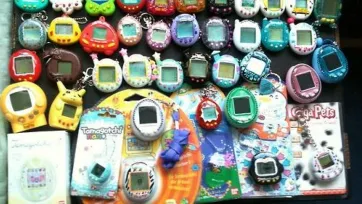
Eco-Friendly Toys: A Complete Guide to Safe, Sustainable, and Fun Play for Kids Parents today are becoming more conscious about the toys they bring into their homes. Beyond entertainment, many families now look for products that are safe for children, kind to the environment, and built to last. This growing interest has made eco-friendly toys one of the fastest-growing categories in the toy industry. Unlike many conventional plastic toys that may end up in landfills after a short period, eco-friendly toys are designed with sustainability in mind. They are often made from responsibly sourced wood, recycled plastics, organic cotton, bamboo, or other environmentally friendly materials. Many are manufactured using safer production methods and packaged with recyclable materials, making them a smarter choice for both children and the planet. If you're looking for toys that combine fun, learning, and environmental responsibility, this guide will help you understand everything about eco-friendly toys and how to choose the best options for your child. What Are Eco-Friendly Toys? Eco-friendly toys are toys created using sustainable materials and environmentally responsible manufacturing processes. Their purpose is to reduce waste, minimize pollution, and provide children with safer products made from high-quality materials. Many eco-friendly toys are designed to last for years instead of breaking after a few weeks of use. Their durability means fewer replacements, less waste, and better value for parents. Common materials include: FSC-certified wood Bamboo Organic cotton Natural rubber Recycled plastic Recycled cardboard Plant-based materials These materials are carefully selected to reduce environmental impact while maintaining safety and durability. Why More Parents Are Choosing Eco-Friendly Toys Parents today understand that children spend countless hours touching, holding, and sometimes even chewing their toys. Choosing toys made from safer materials provides extra peace of mind. Eco-friendly toys also encourage children to appreciate nature from an early age. When kids learn about recycling, sustainability, and responsible consumption through everyday play, they develop habits that can benefit them throughout life. Many families also prefer buying fewer, better-quality toys instead of constantly replacing cheaper products. Benefits of Eco-Friendly Toys Sustainable toys offer much more than environmental advantages. Some important benefits include: Safer materials for children Reduced plastic waste Excellent durability Timeless designs Educational value Lower environmental impact Better long-term value Encouragement of imaginative play Unlike flashy electronic toys that quickly lose attention, many eco-friendly toys inspire open-ended play, allowing children to create their own adventures. Wooden Toys Continue to Be a Favorite Wooden toys remain one of the most popular eco-friendly choices. Wood is naturally strong, attractive, and long-lasting. Wooden blocks, train sets, puzzles, stacking toys, kitchens, and pretend play sets have entertained generations of children. Quality wooden toys also age beautifully and are often passed down from one child to another. When buying wooden toys, look for products made from responsibly managed forests certified by organizations such as the Forest Stewardship Council (FSC). Organic Cotton Toys for Younger Children Soft toys made from organic cotton are another excellent eco-friendly option. Organic cotton is grown without harmful pesticides and harsh chemicals, making it a gentle choice for babies and young children. Popular options include: Plush animals Comfort blankets Soft dolls Fabric activity books These toys are often machine washable and designed for everyday use. Recycled Plastic Toys Give Waste a New Purpose Not every eco-friendly toy is made from wood. Many manufacturers now produce high-quality toys using recycled plastic collected from household waste or ocean-bound materials. These toys help reduce landfill waste while giving plastic a second life. Popular recycled plastic toys include: Construction vehicles Beach toys Toy kitchens Building blocks Outdoor play equipment Children enjoy the same level of fun while helping reduce environmental pollution. Eco-Friendly Educational Toys Learning and sustainability work perfectly together. Many educational eco-friendly toys help children develop: Problem-solving skills Creativity Fine motor skills Logical thinking Shape recognition Counting skills Language development Wooden puzzles, alphabet blocks, number games, and sorting activities remain excellent examples. Outdoor Nature Toys Encouraging children to play outdoors naturally supports environmental awareness. Popular eco-friendly outdoor toys include: Gardening kits Wooden birdhouses Nature exploration sets Magnifying glasses Bug observation kits Sand and water toys made from recycled materials These activities help children connect with nature while reducing screen time. Are Eco-Friendly Toys Durable? One common misconception is that eco-friendly toys wear out quickly. In reality, many sustainable toys are built to last longer than inexpensive plastic alternatives. High-quality wooden toys, bamboo products, and durable recycled plastic toys often withstand years of regular play. This durability makes them an excellent long-term investment. How Eco-Friendly Toys Encourage Creativity Many electronic toys entertain children by doing everything automatically. Eco-friendly toys often work differently. Instead of flashing lights and constant sounds, they encourage children to imagine, build, create, and invent their own stories. Simple wooden blocks can become castles today, bridges tomorrow, and space stations the following week. Open-ended play develops imagination far more effectively than fixed electronic entertainment. Choosing Eco-Friendly Toys by Age Different age groups benefit from different types of sustainable toys. For toddlers: Wooden stacking toys Shape sorters Soft organic cotton toys For preschoolers: Wooden puzzles Building blocks Pretend play kitchens Gardening kits For older children: STEM building sets Craft kits Nature exploration tools Recycled construction toys Selecting age-appropriate toys keeps children engaged while supporting healthy development. What to Look for Before Buying Not every product labeled "green" is genuinely eco-friendly. Before purchasing, consider: Sustainable materials Non-toxic paints Durable construction Recyclable packaging Safety certifications Smooth finishes Trusted manufacturers Reading product descriptions carefully helps you make informed decisions. Caring for Eco-Friendly Toys Proper care extends the life of sustainable toys. Some simple maintenance tips include: Clean wooden toys with a damp cloth. Avoid soaking wood in water. Store toys in a dry place. Wash fabric toys according to instructions. Inspect toys regularly for wear. Repair minor damage instead of replacing the toy. Good care reduces waste and saves money. Common Myths About Eco-Friendly Toys Several myths prevent some parents from trying sustainable toys. Myth: Eco-friendly toys are boring. Reality: Many offer imaginative, educational, and highly engaging play experiences. Myth: They are too expensive. Reality: While some cost more initially, their durability often makes them cheaper over time. Myth: Sustainable toys have fewer options. Reality: Today's market includes everything from puzzles and dolls to RC-inspired vehicles made with recycled materials and STEM kits. Why Eco-Friendly Toys Make Wonderful Gifts If you're looking for a meaningful birthday, holiday, or special occasion gift, eco-friendly toys are an excellent option. They show that you value both the child's happiness and the future of the planet. Parents often appreciate gifts that are practical, safe, durable, and educational. Frequently Asked Questions Are eco-friendly toys safe for children? Yes. Most quality eco-friendly toys are made from non-toxic materials and meet strict safety standards. Are wooden toys better than plastic toys? Both have advantages, but well-made wooden toys are often more durable, environmentally friendly, and encourage imaginative play. Do eco-friendly toys cost more? Some do, but their longer lifespan often makes them better value over time. Can eco-friendly toys still be fun? Absolutely. Children enjoy building, pretending, exploring, crafting, and learning with sustainable toys just as much as with conventional options. Final Thoughts Eco-friendly toys offer much more than a greener alternative to traditional playthings. They combine safety, durability, creativity, and educational value while helping reduce environmental impact. Whether you choose wooden building blocks, organic cotton plush toys, recycled plastic vehicles, or nature-inspired activity kits, sustainable toys encourage meaningful play that benefits both children and the world around them. Choosing eco-friendly toys isn't simply about buying a product—it's about supporting healthier play, smarter choices, and a more sustainable future for the next generation.
Best Safe Wooden Toys for Kids in 2026
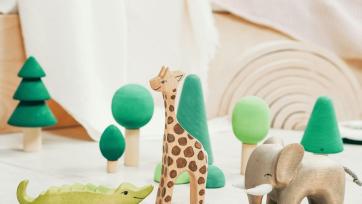
Best Safe Wooden Toys for Kids in 2026 Wooden toys have stood the test of time, remaining a favourite choice for parents who value safety, durability, and meaningful play. While modern toy stores are filled with electronic gadgets and plastic playsets, safe wooden toys continue to offer something unique—simple designs that encourage imagination, creativity, and hands-on learning. Today's parents are more careful than ever about the products they bring into their homes. They want toys made from non-toxic materials, built to last, and free from unnecessary chemicals. Safe wooden toys meet these expectations while supporting healthy child development from infancy through the early school years. Whether you're buying a birthday gift, planning a Montessori-inspired playroom, or searching for toys that promote learning without screens, wooden toys are an excellent investment. This guide explains why safe wooden toys remain one of the best choices for children in 2026 and how to select the right options for every age. Why Wooden Toys Are Still Popular Despite rapid advances in technology, wooden toys continue to attract parents because of their timeless appeal and educational value. Unlike many electronic toys that entertain children with flashing lights and sounds, wooden toys encourage active participation. Children create their own games, invent stories, build structures, and solve problems using their imagination. Many families also appreciate their natural appearance, solid construction, and ability to last for years. What Makes a Wooden Toy Safe? Not every wooden toy is automatically safe. Parents should look beyond attractive designs and pay attention to how the toy is made. A safe wooden toy should include: Smooth, splinter-free surfaces Rounded edges Non-toxic paints and finishes Strong construction Child-safe materials Securely attached parts Age-appropriate design Buying from reputable manufacturers that follow international toy safety standards provides additional peace of mind. Benefits of Safe Wooden Toys Safe wooden toys offer much more than durability. Some of their biggest advantages include: Encouraging imaginative play Improving hand-eye coordination Supporting fine motor skills Developing problem-solving abilities Increasing concentration Reducing screen time Promoting independent learning Lasting for many years Because they are often open-ended, children can play with the same toy in different ways as they grow older. Best Wooden Toys for Babies Babies explore the world using their senses. Simple wooden toys help them safely discover different shapes, textures, and movements. Excellent options include: Wooden rattles Grasping rings Stacking rings Shape sorters Push toys Wooden activity gyms Always choose toys specifically designed for infants and free from small detachable parts. Best Wooden Toys for Toddlers Toddlers enjoy toys that challenge their growing coordination and curiosity. Popular wooden toys include: Building blocks Peg puzzles Pull-along animals Stacking towers Wooden trains Balance games These activities encourage movement while strengthening problem-solving skills. Montessori Wooden Toys Many Montessori toys are made from wood because it is durable, natural, and pleasant to handle. Popular Montessori wooden toys include: Counting boards Alphabet blocks Object permanence boxes Shape sorters Practical life activity boards Wooden puzzles These toys encourage children to learn independently without unnecessary distractions. Wooden Building Blocks Inspire Creativity Building blocks remain one of the most versatile toys available. Children use them to build: Houses Castles Bridges Roads Towers Cities Animal homes Each new creation encourages imagination, planning, and creative thinking while improving fine motor control. Wooden Puzzles Improve Problem-Solving Skills Puzzles help children recognize shapes, colors, patterns, and spatial relationships. They also improve: Memory Concentration Patience Logical thinking Hand-eye coordination Wooden puzzles are especially durable, making them ideal for repeated use. Eco-Friendly Benefits of Wooden Toys Many parents choose wooden toys because they are more environmentally friendly than disposable plastic alternatives. High-quality wooden toys often come from responsibly managed forests and can remain usable for many years. Because they rarely break easily, they create less waste and are often passed down to younger siblings or donated to other families. Choosing sustainable toys also helps children develop an appreciation for protecting the environment. Wooden Pretend Play Toys Pretend play supports language development and creativity. Wooden playsets allow children to create endless adventures. Popular options include: Play kitchens Wooden food sets Tool benches Doll furniture Cash registers Farm animal sets These toys encourage storytelling while helping children understand everyday life. How Wooden Toys Support Child Development Every play session teaches valuable skills. Wooden toys help children improve: Fine motor control Coordination Concentration Creativity Problem-solving Independent thinking Social interaction Emotional confidence Because there are fewer distractions, children often remain focused for longer periods. How to Choose the Best Wooden Toys Before purchasing, consider several important factors. Choose toys that: Match your child's age Use non-toxic finishes Have smooth surfaces Are easy to clean Offer multiple ways to play Come from trusted brands A high-quality toy usually provides far greater long-term value than a cheaper alternative. Caring for Wooden Toys Proper care helps wooden toys remain beautiful for years. Simple maintenance includes: Wipe with a damp cloth. Avoid soaking in water. Store in a dry place. Inspect regularly for damage. Tighten loose parts if needed. Avoid harsh chemical cleaners. Good care keeps toys safe while extending their lifespan. Common Mistakes Parents Should Avoid Many buyers unknowingly choose poor-quality wooden toys. Avoid: Cheap toys with rough edges Unknown paints or finishes Toys without safety certification Age-inappropriate designs Products with loose small parts Spending a little extra on quality often results in a safer and longer-lasting toy. Why Wooden Toys Make Excellent Gifts Wooden toys are thoughtful gifts for birthdays, holidays, and special occasions. They combine beauty, durability, and educational value, making them gifts that children enjoy for years instead of weeks. Parents also appreciate receiving toys that encourage creativity rather than constant screen time. Frequently Asked Questions Are wooden toys safer than plastic toys? High-quality wooden toys made with non-toxic materials and smooth finishes are generally considered very safe. Safety depends on the manufacturer's quality and whether the toy is appropriate for the child's age. Are wooden toys suitable for babies? Yes. Many wooden rattles, grasping toys, and stacking toys are designed specifically for infants. Always choose age-appropriate products that meet recognized safety standards. How do I clean wooden toys? Use a soft damp cloth with mild soap if necessary. Avoid soaking wooden toys in water, as excessive moisture may damage the wood over time. Why are wooden toys more expensive? They often use higher-quality materials, stronger construction, and sustainable manufacturing methods. Their durability usually makes them a better long-term investment. Final Thoughts Safe wooden toys continue to be one of the best choices for children in 2026 because they combine simplicity, durability, and educational value in a way few other toys can. They encourage creativity, strengthen essential developmental skills, and provide years of meaningful play without relying on screens or excessive electronics. Whether you're choosing wooden building blocks, puzzles, Montessori learning tools, pretend play sets, or stacking toys, investing in high-quality wooden toys means investing in safer, more engaging, and more rewarding play experiences for your child.
Best Balance Bikes for Kids in 2026
Best Balance Bikes for Kids in 2026: The Ultimate Parent's Buying Guide A balance bike is often a child's first real step towards independent cycling. Unlike traditional bicycles with stabilisers, balance bikes teach children how to balance naturally before they learn to pedal. This simple approach has transformed how children learn to ride, making the transition to a regular bicycle faster, easier, and far more enjoyable. In 2026, balance bikes remain one of the best-selling outdoor toys for toddlers and preschool children. Available in wooden, metal, lightweight aluminium, and adjustable models, they help children build confidence, coordination, and independence while encouraging active outdoor play. If you're looking for the best balance bike for your child, this complete guide will help you make the right choice. What Is a Balance Bike? A balance bike is a pedal-free bicycle designed to teach children how to balance using their own feet. Instead of pedalling, children: Walk forward Push with their feet Glide naturally Steer independently Learn balance through movement Once balance becomes second nature, learning to ride a standard bicycle is usually much easier. Why Parents Choose Balance Bikes Traditional bicycles with stabilisers teach children how to pedal but not how to balance. Balance bikes work differently. Children naturally develop balance while steering and controlling their speed, meaning they often skip stabilisers altogether when moving to a pedal bike. Many cycling experts now recommend balance bikes as the easiest way to learn. Benefits of Balance Bikes Balance bikes support healthy physical development. Some of the biggest benefits include: Improve balance Build confidence Strengthen leg muscles Develop coordination Improve steering control Encourage outdoor play Increase independence Support gross motor development Reduce screen time These skills also help children in other sports and physical activities. Balance Bikes for Toddlers Toddlers usually begin with lightweight models that are easy to control. Beginner balance bikes often feature: Adjustable seats Soft grips Lightweight frames Puncture-proof tyres Low step-through design These features help young riders feel safe while learning. Wooden Balance Bikes Wooden balance bikes remain popular because of their simple and attractive design. Parents like them because they are: Eco-friendly Lightweight Durable Quiet Stylish Their minimalist design also encourages children to focus on riding rather than electronic features. Metal Balance Bikes Metal balance bikes are built for durability and long-term use. Many include: Adjustable handlebars Air-filled tyres Hand brakes Height-adjustable seats Strong steel or aluminium frames These models are ideal for children who ride regularly outdoors. Inflatable vs Foam Tyres Balance bikes are available with different tyre types. Foam tyres offer: No punctures Low maintenance Lightweight design Inflatable tyres provide: Better grip Smoother rides Improved shock absorption Greater comfort on rough ground The best choice depends on where your child will ride most often. Learning Through Outdoor Play Balance bikes encourage children to spend more time outside. Popular riding locations include: Parks Gardens Cycle paths School playgrounds Quiet pavements Family walking trails Outdoor riding also encourages healthy exercise and family activities. How to Choose the Right Balance Bike Before buying, consider: Your child's age Inside leg measurement Weight of the bike Adjustable features Tyre type Frame material Safety certification A lightweight bike is usually much easier for young children to control. Safety Equipment Children should always wear suitable safety equipment when riding. Recommended items include: Helmet Knee pads Elbow pads Closed-toe shoes Parents should also supervise beginners until they become confident riders. Common Buying Mistakes Many parents buy balance bikes that are too large. Avoid: Heavy frames Seats that cannot be adjusted Poor-quality tyres Cheap bearings Bikes without safety certification A properly fitted balance bike makes learning much easier and more enjoyable. Maintaining a Balance Bike Good maintenance helps the bike last for years. Regularly: Check tyre condition Tighten loose bolts Clean the frame Adjust the seat height Inspect handlebars Lubricate moving parts if required A well-maintained bike provides a smoother and safer riding experience. Why Balance Bikes Make Excellent Gifts Balance bikes are one of the most practical gifts for young children. They're perfect for: Birthdays Christmas Second birthdays Outdoor activity gifts Family celebrations Unlike many toys that are quickly forgotten, a balance bike often becomes part of a child's daily routine. Frequently Asked Questions What is the best age for a balance bike? Most children can begin using a balance bike between 18 months and 2 years, depending on their height and confidence. Are balance bikes better than bikes with stabilisers? For many children, yes. Balance bikes teach natural balance first, making the transition to a pedal bicycle much smoother. Do balance bikes really help children learn to cycle? Absolutely. Children who master balancing often learn to ride a pedal bike without stabilisers much more quickly. Should I choose a wooden or metal balance bike? Both are excellent options. Wooden bikes are lightweight and environmentally friendly, while metal bikes usually offer greater durability and adjustable features. Final Thoughts The best balance bikes for kids in 2026 help children develop confidence, coordination, and independence while making the journey towards cycling enjoyable from the very beginning. By learning balance before pedalling, children gain an important skill that makes riding a traditional bicycle far less intimidating. Whether you choose a lightweight wooden model or a durable metal design, a high-quality balance bike provides years of outdoor fun while encouraging healthy physical development. It's one of the few toys that combines exercise, learning, and adventure into one unforgettable childhood experience.