Non-Toxic Toys: A Parent's Complete Guide to Choosing Safer Toys for Children
Introduction
When parents shop for toys, bright colours, exciting features and educational claims often grab their attention first. Yet one of the most important questions is rarely printed in large letters on the box:
What is this toy actually made from?
Children don't simply play with toys. They hug them, chew them, carry them everywhere and, especially when they're young, explore them with their mouths. Because of this, the materials used to make toys matter just as much as the entertainment they provide.
In recent years, more parents have become interested in non-toxic toys, and for good reason. Safer materials, better manufacturing standards and greater awareness of chemical exposure have encouraged families to think more carefully before making a purchase. However, the growing popularity of the term "non-toxic" has also created confusion. Many products use the phrase without explaining what it really means.
The truth is that choosing safer toys doesn't require expert knowledge or hours of research. Once you understand the materials to look for, the safety certifications that matter and the warning signs to avoid, buying toys becomes much easier.
This guide explains everything parents need to know about non-toxic toys, from understanding toy materials to avoiding common buying mistakes and creating a safer play environment for children of all ages.
What Does "Non-Toxic" Really Mean?
A non-toxic toy is designed and manufactured using materials that are considered safe for normal use by children. It should not contain harmful substances at levels that could pose a health risk when the toy is handled, chewed or used as intended.
It's important to understand that non-toxic doesn't mean a toy is indestructible or completely free from every chemical. Instead, it means the materials and finishes meet recognised safety requirements and are suitable for children's everyday use.
Parents should think of non-toxic toys as products made with children's safety in mind rather than simply products carrying a marketing label.
Why Toy Materials Matter
Young children experience the world differently from adults.
Babies chew toys to explore textures. Toddlers carry toys from room to room, often dropping them outdoors before putting them back into their mouths. Older children may spend hours handling the same favourite toys every day.
Because of this frequent contact, choosing well-made toys from safer materials is a sensible long-term investment.
High-quality materials also tend to be:
-
More durable.
-
Easier to clean.
-
Less likely to crack or peel.
-
Better able to withstand years of play.
Benefits of Choosing Non-Toxic Toys
For many families, safer toys provide advantages that go well beyond peace of mind.
Encourages Safer Everyday Play
Children naturally touch, hold and sometimes chew their toys. Choosing toys made from safer materials reduces unnecessary concerns during normal play.
Better Long-Term Durability
Well-manufactured toys are often more resistant to cracking, fading and everyday wear.
This means they can often be enjoyed by younger siblings or stored for future use.
Easier to Maintain
Many non-toxic toys are designed with simple, durable finishes that are easier to wipe clean and keep hygienic.
Supports Thoughtful Buying
Focusing on quality rather than quantity often leads parents to purchase fewer but better-made toys.
This approach reduces clutter while encouraging children to value the toys they already own.
Better for Family Use
Durable toys that remain in good condition are often passed between siblings, relatives or friends, making them a more sustainable choice over time.
Common Materials Used in Children's Toys
Understanding toy materials makes shopping much easier.
Natural Wood
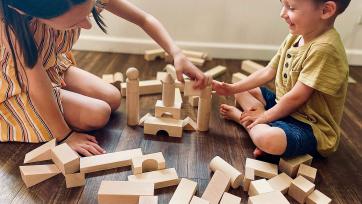
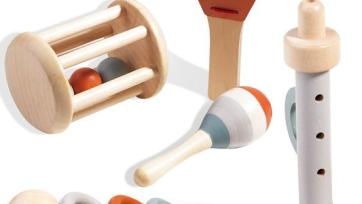
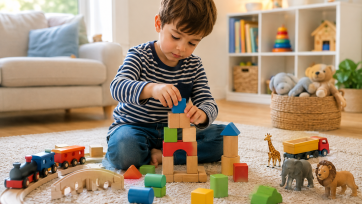
Wood has remained a popular choice for generations because it is strong, durable and suitable for many different types of play.
Parents should look for smooth finishes and child-safe coatings.
Silicone
Food-grade silicone is commonly used for baby toys and teething products because it is flexible, durable and easy to clean.
Cotton
Organic or high-quality cotton fabrics are frequently used for soft toys, comfort blankets and fabric books.
These materials are generally breathable and washable.
BPA-Free Plastics
Many modern children's toys are manufactured using BPA-free plastics that meet recognised safety requirements.
Always buy from trusted retailers rather than unknown sources.
Natural Rubber
Natural rubber is commonly found in baby toys because it is soft, flexible and comfortable for chewing.
Choosing high-quality products helps ensure durability and safety.
Signs of a Well-Made Toy
Parents don't always need specialist knowledge to recognise a quality toy.
Look for products that:
-
Feel sturdy and well-made.
-
Have smooth edges.
-
Show no loose parts.
-
Use strong stitching on fabric items.
-
Have securely fitted components.
-
Include clear safety information.
-
Match the recommended age range.
Quality toys usually feel more durable from the moment you pick them up.
Signs You Should Avoid a Toy
Sometimes it's easier to recognise what not to buy.
Consider avoiding toys that:
-
Have a strong chemical smell.
-
Show peeling paint or coatings.
-
Break easily during normal use.
-
Have sharp edges.
-
Contain loose decorations that can detach.
-
Have poorly secured battery compartments.
-
Include unclear or missing safety information.
If something feels poorly made, trust your instincts and look for a better alternative.
How to Choose Non-Toxic Toys for Your Child
Walking into a toy shop or browsing online can quickly become overwhelming. Hundreds of products may appear similar, yet the quality and materials can vary significantly.
Rather than focusing on colourful packaging or trendy designs, start by asking a few practical questions.
Who is the toy for?
A baby who explores everything by chewing has very different needs from a seven-year-old building imaginative worlds. Always choose toys that suit your child's developmental stage.
How will the toy be used?
Some toys are handled occasionally, while others become everyday favourites. Frequently used toys should be especially durable and easy to clean.
Can it withstand everyday play?
Children rarely play gently. A quality toy should survive drops, pulling, squeezing and regular cleaning without losing its shape or finish.
Understanding Toy Safety Labels
Many parents notice symbols and statements on toy packaging but aren't always sure what they mean.
Although labels vary between manufacturers, reputable toys usually include information such as:
-
Recommended age range
-
Safety warnings
-
Cleaning instructions
-
Manufacturer details
-
Compliance with recognised toy safety standards
If this information is missing or unclear, it's often better to choose another product.
Buying Guide
Choosing non-toxic toys becomes much simpler when you focus on a few important principles instead of marketing claims.
Prioritise Quality Over Quantity
A small collection of well-made toys often provides more value than a cupboard full of inexpensive alternatives.
Children generally benefit more from versatile toys that remain interesting over time.
Buy from Trusted Retailers
Purchasing from established retailers or reputable manufacturers reduces the likelihood of receiving poor-quality products with unclear safety information.
Think Long-Term
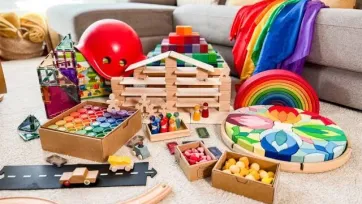
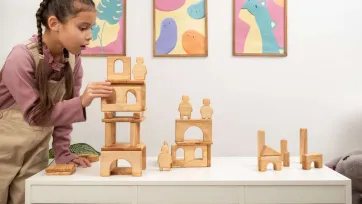
Choose toys that will continue to be useful as your child grows. Construction toys, pretend play sets and creative materials often provide years of enjoyment.
Consider Ease of Cleaning
Children's toys should be cleaned regularly. Smooth surfaces and washable fabrics make maintenance much easier.
Choose Open-Ended Toys
Toys that encourage creativity and imagination often remain favourites for much longer than toys designed for one fixed activity.
Safety Tips
Even the safest toys require regular care and supervision.
Keep these simple habits in mind:
-
Inspect toys regularly for damage.
-
Remove broken toys immediately.
-
Clean toys according to the manufacturer's instructions.
-
Store toys in a dry, clean environment.
-
Keep small parts away from babies and toddlers.
-
Check battery compartments frequently.
-
Supervise younger children during play.
-
Replace toys showing signs of wear or cracking.
Regular maintenance is one of the easiest ways to keep toys safe.
Common Buying Mistakes
Many parents spend unnecessary money simply because of clever marketing.
Here are some mistakes worth avoiding.
Assuming "Non-Toxic" Means High Quality
A toy may use the phrase "non-toxic" while still being poorly designed or lacking durability. Material safety and overall build quality should both be considered.
Buying Toys Just Because They're Popular
Today's most fashionable toy may lose its appeal surprisingly quickly.
Timeless toys often provide much better long-term value.
Ignoring Age Recommendations
Even if a toy looks harmless, using products intended for older children can increase frustration or create avoidable safety risks.
Forgetting About Maintenance
Some toys require regular cleaning or inspection. Choosing products that are easy to maintain makes everyday life much simpler.
Buying Too Many Toys
Children rarely need dozens of toys at once.
A carefully chosen collection encourages more focused play and reduces household clutter.
Frequently Asked Questions
What are non-toxic toys?
Non-toxic toys are made using materials considered safe for children during normal play and are manufactured to meet recognised toy safety requirements.
Are wooden toys always non-toxic?
Not necessarily. The type of paint, varnish or finish also matters. Always choose products with child-safe finishes from reputable manufacturers.
Why do some toys have a strong smell?
A strong chemical smell may come from manufacturing materials or packaging. If a toy has an unusually strong odour that doesn't disappear after airing out, many parents choose not to use it.
Are plastic toys safe?
Many modern plastic toys are perfectly suitable for children when manufactured to recognised safety standards. Choosing products from reputable brands and retailers is generally the safest approach.
How often should toys be inspected?
It's good practice to check frequently used toys every few weeks for cracks, loose parts, peeling finishes or other signs of damage.
Final Thoughts
Choosing non-toxic toys isn't about chasing marketing trends or believing every claim printed on a product box. It's about making informed decisions based on quality, safety and practicality.
Children deserve toys that encourage creativity, exploration and learning without unnecessary concerns about poor materials or weak construction. By choosing durable products from trusted sources, checking safety information carefully and maintaining toys properly, parents can create a play environment that is both enjoyable and reassuring.
In the end, the best toy isn't simply the newest or the most expensive. It's the one that keeps a child engaged, stands up to years of play and gives parents confidence every time it's picked up.