Best Toys for 3-Year-Old Kids in 2026

Best Toys for 3-Year-Old Kids in 2026

Turning three is a big milestone in a child's development. At this age, children become more independent, talk in longer sentences, ask endless questions, and enjoy exploring the world through imaginative play. Their curiosity grows every day, making it the perfect time to introduce toys that encourage creativity, learning, and active play.

The best toys for 3-year-old kids do much more than keep them entertained. They help develop language skills, improve coordination, encourage problem-solving, and build confidence. Whether it's building colorful towers, pretending to be a doctor, solving simple puzzles, or driving a remote control car designed for beginners, every play session becomes an opportunity to learn something new.

This guide explores the best toys for 3-year-old kids in 2026 and helps parents choose toys that combine fun, education, and long-lasting value.

Why Choosing the Right Toy Matters

Three-year-olds are eager to explore everything around them. They enjoy experimenting, asking questions, and copying the adults they see every day. Toys that match their developmental stage encourage independent learning while keeping them engaged for longer periods.

The right toy can help children:

  • Develop imagination
  • Improve communication
  • Build confidence
  • Strengthen motor skills
  • Learn patience
  • Encourage creative thinking

Choosing age-appropriate toys also helps children succeed without becoming frustrated.

Developmental Milestones at Three Years Old

By the age of three, most children begin showing significant progress in several areas.

These include:

  • Speaking in complete sentences
  • Recognizing colors and shapes
  • Running and jumping confidently
  • Solving simple problems
  • Playing with other children
  • Using their imagination during play
  • Holding crayons and pencils correctly
  • Following simple instructions

The best toys support these milestones through enjoyable, hands-on activities.

Building Toys Encourage Creative Thinking

Building toys remain one of the best investments for preschool children.

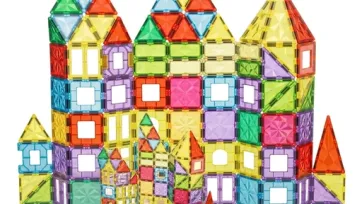
Large construction blocks, magnetic tiles, and simple engineering sets allow children to build towers, bridges, castles, roads, and countless other creations.

Building activities help improve:

  • Hand-eye coordination
  • Fine motor skills
  • Creativity
  • Problem-solving
  • Patience

Every new project encourages children to think differently and experiment with new ideas.

Pretend Play Helps Children Learn About the World

Three-year-olds love role-playing everyday situations.

Pretend play allows children to become:

  • Doctors
  • Firefighters
  • Teachers
  • Chefs
  • Shopkeepers
  • Police officers

Popular pretend play toys include:

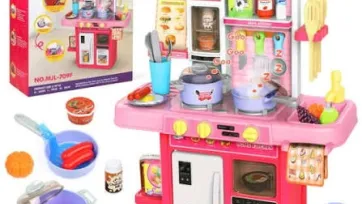
  • Kitchen sets
  • Doctor kits
  • Cash registers
  • Tool benches
  • Dollhouses
  • Toy food

These activities improve communication, storytelling, and emotional development while making playtime exciting.

Educational Toys Make Learning Enjoyable

At this age, children naturally begin recognizing numbers, letters, colors, and patterns.

Educational toys help reinforce these skills through fun activities.

Some excellent options include:

  • Alphabet puzzles
  • Number matching games
  • Shape sorters
  • Counting toys
  • Memory cards
  • Interactive learning books

Learning becomes much easier when children don't realize they are actually being taught.

Wooden Toys Remain a Timeless Choice

Wooden toys continue to be one of the most popular options for preschoolers.

Parents appreciate them because they are:

  • Durable
  • Safe
  • Eco-friendly
  • Long-lasting
  • Easy to maintain

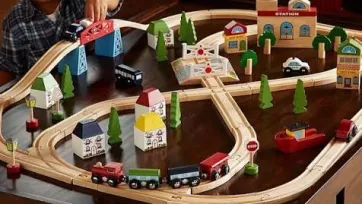
Popular wooden toys include building blocks, train sets, stacking games, puzzles, balance toys, and activity cubes.

These toys encourage open-ended play and often remain favorites for years.

Remote Control Toys Introduce New Skills

Many parents are surprised to learn that beginner remote control toys are suitable for some three-year-olds.

Simple RC cars with easy-to-use controls help children improve:

  • Hand-eye coordination
  • Focus
  • Reaction time
  • Motor skills
  • Spatial awareness

Parents can also join the fun, making RC play a great family activity.

Arts and Crafts Inspire Creativity

Creative activities help children express themselves while improving fine motor control.

Great art supplies include:

  • Washable markers
  • Crayons
  • Finger paints
  • Coloring books
  • Stickers
  • Modeling clay

These activities strengthen hand muscles while encouraging imagination and confidence.

Musical Toys Encourage Self-Expression

Music is a wonderful way for children to explore creativity.

Popular musical toys include:

  • Keyboards
  • Xylophones
  • Tambourines
  • Drums
  • Toy microphones

Music helps improve listening skills, rhythm, memory, and coordination while creating joyful family moments.

Outdoor Toys Keep Children Active

Physical activity is essential for healthy development.

Outdoor toys encourage children to run, jump, climb, and explore.

Some great choices include:

  • Balance bikes
  • Scooters
  • Bubble machines
  • Ball games
  • Sand toys
  • Water tables
  • Gardening kits

Outdoor play also supports physical fitness and reduces screen time.

STEM Toys Build Early Problem-Solving Skills

Many STEM toys are designed specifically for preschool children.

These toys introduce simple science, engineering, and mathematics concepts through play.

Popular STEM toys include:

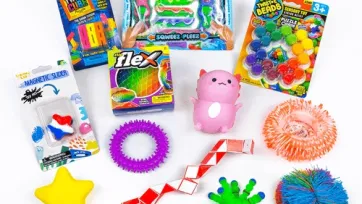
  • Magnetic building tiles
  • Marble runs
  • Beginner engineering kits
  • Science exploration sets
  • Construction toys

These activities encourage curiosity and critical thinking from an early age.

Puzzles Improve Concentration

Puzzles remain one of the most valuable educational toys for three-year-olds.

Children develop:

  • Patience
  • Logical thinking
  • Shape recognition
  • Memory
  • Problem-solving

Choose puzzles with bright colors and large pieces suitable for preschoolers.

Choosing Safe Toys for 3-Year-Olds

Safety should always come first.

When shopping for toys, look for products that:

  • Match your child's age
  • Use non-toxic materials
  • Have rounded edges
  • Meet recognized safety standards
  • Are made from durable materials
  • Have no loose parts that could become hazardous

Quality toys often last longer while providing a safer play experience.

Common Mistakes Parents Should Avoid

Many parents unintentionally choose toys that children quickly lose interest in.

Avoid:

  • Toys that are too advanced
  • Poor-quality materials
  • Excessive electronic features
  • Fragile construction
  • Toys chosen only because they are trendy

Children usually enjoy simple, creative, and versatile toys far more than complicated ones.

Great Gift Ideas for 3-Year-Old Kids

If you're buying a birthday or holiday gift, consider toys that combine fun with learning.

Some excellent gift ideas include:

  • Wooden building blocks
  • RC cars for beginners
  • Pretend play kitchens
  • Doctor kits
  • Educational puzzles
  • STEM construction toys
  • Musical instruments
  • Outdoor play equipment

These gifts provide entertainment while supporting healthy development.

Frequently Asked Questions

What are the best toys for a 3-year-old?

Building blocks, pretend play sets, educational puzzles, beginner STEM toys, musical instruments, wooden toys, outdoor games, and simple remote control cars are among the best choices.

Can a 3-year-old use remote control toys?

Yes. Many beginner RC cars are specifically designed with simple controls, durable construction, and safe speeds suitable for young children under adult supervision.

Are educational toys important at this age?

Absolutely. Educational toys help children improve language, memory, creativity, coordination, and early problem-solving while making learning enjoyable.

How many toys should a 3-year-old have?

A smaller collection of high-quality toys often provides better engagement than a large number of toys. Rotating toys every few weeks also helps keep playtime fresh and exciting.

Final Thoughts

The best toys for 3-year-old kids in 2026 encourage children to explore, imagine, create, and learn through play. At this age, every new experience helps shape important life skills, making thoughtful toy choices more valuable than ever.

Whether it's building with blocks, pretending to run a restaurant, solving puzzles, creating artwork, exploring STEM activities, or racing a beginner remote control car, the right toys turn ordinary playtime into meaningful learning experiences. By focusing on safety, quality, and age-appropriate design, parents can give their children toys that inspire curiosity, creativity, and joyful memories for years to come.
Advertisement
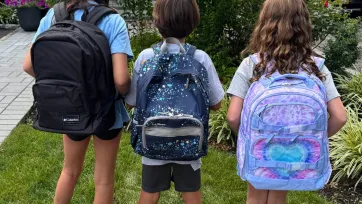
Best Kids Backpacks in 2026
Kids Backpacks: How to Choose the Perfect School Backpack for Comfort, Safety and Everyday Use Introduction A school backpack is one of the most frequently used items a child owns. It travels to school every weekday, carries books, lunch boxes, water bottles, stationery, sports kits and sometimes a favourite toy hidden in a side pocket. Yet many parents buy a backpack based on one thing alone—how it looks. Bright colours, popular characters and trendy designs certainly appeal to children, but appearance should never be the deciding factor. A poorly designed backpack can become uncomfortable, wear out quickly or fail to support growing shoulders and backs. The good news is that choosing the right backpack isn't complicated once you know what to look for. This guide explains how to choose a comfortable, practical and durable kids' backpack that works for school, travel and everyday adventures. Why the Right Backpack Matters Children carry their backpacks almost every day. A well-designed backpack helps distribute weight evenly, making it more comfortable throughout the school day. The right backpack should: Fit your child's body properly. Feel comfortable on both shoulders. Provide enough storage without being oversized. Be lightweight even before it's filled. Last through daily use. A backpack should support your child's routine, not make it harder. Start With Size, Not Style One of the biggest mistakes parents make is buying a backpack that's much too large. It may seem like a practical idea because children will "grow into it", but oversized backpacks often become awkward and uncomfortable. As a general rule: The top of the backpack should sit just below the shoulders. The bottom shouldn't hang far below the waist. It should fit closely against the back rather than swinging while walking. Choosing the correct size usually improves comfort immediately. Features Worth Paying For Not every extra feature adds real value. However, some details genuinely make everyday life easier. Look for backpacks with: Padded shoulder straps. A padded back panel. Adjustable shoulder straps. Strong zips. Reinforced stitching. Multiple storage compartments. Side pockets for water bottles. Easy-to-clean fabric. These features help the backpack remain comfortable and organised throughout the school year. Choosing the Right Material Children aren't always gentle with their belongings. Backpacks are placed on classroom floors, carried through playgrounds and occasionally dragged across pavements. Durable materials such as polyester and nylon are popular because they: Resist everyday wear. Dry quickly. Wipe clean easily. Hold their shape well. Stay relatively lightweight. Water-resistant materials are particularly useful during wet weather or accidental drink spills. How Much Storage Does a Child Really Need? Bigger isn't always better. A backpack should comfortably carry daily essentials without encouraging children to carry unnecessary weight. Most school-age children only need space for: Exercise books. Pencil case. Lunch box. Water bottle. Reading book. Light jacket. Small school supplies. Several well-designed compartments often work better than one very large compartment because they keep everything organised and easier to find. Comfort Is More Important Than Fashion Children naturally want a backpack that looks exciting. Parents naturally want one that lasts. Fortunately, it's possible to have both. Before buying, ask your child to wear the backpack properly using both shoulder straps. Walk around the shop for a few minutes. Does it sit comfortably? Can they move freely? Is it easy to open the zips? A backpack that feels comfortable in the shop is much more likely to stay comfortable throughout the school year. How Heavy Should a Child's Backpack Be? A backpack should never feel like a piece of gym equipment. As a general guide, many health professionals recommend that a child's loaded backpack should not exceed around 10–15% of their body weight. Carrying significantly more than this for long periods may lead to discomfort and unnecessary strain. Parents can reduce weight by: Removing books that aren't needed. Emptying unnecessary toys or gadgets. Using a lightweight lunch box. Carrying only the stationery required for the day. Checking the bag every evening instead of letting items build up. A lighter backpack is usually a more comfortable backpack. How to Pack a Backpack Properly Packing a backpack correctly can make a surprising difference. The heaviest items should be placed closest to the back panel. This helps keep the weight balanced and prevents the bag from pulling backwards. A simple packing order works well: Books and folders nearest the back. Pencil case and lunch box in the centre. Lighter items towards the front. Water bottle in a side pocket if available. Small accessories in zipped organiser pockets. Good organisation also makes it easier for children to find what they need during the school day. Signs the Backpack Doesn't Fit Properly Children don't always complain when something feels uncomfortable. Watch for these signs: The backpack hangs very low. One shoulder strap is used most of the time. The bag swings while walking. Red marks appear on the shoulders. Your child frequently adjusts the straps. They lean forward while carrying it. These signs often indicate that the backpack is too heavy, too large or needs adjusting. Looking After a School Backpack A quality backpack can last much longer with a little care. Simple habits include: Emptying the bag every weekend. Wiping away dirt with a damp cloth. Checking zips regularly. Tightening loose straps. Avoiding overfilling compartments. Hanging the backpack properly instead of leaving it on the floor. Small maintenance routines help prevent bigger problems later. Common Backpack Buying Mistakes Parents often make the same mistakes when shopping. Avoid these common pitfalls: Buying the largest backpack available. Choosing style over comfort. Ignoring adjustable straps. Forgetting to check the backpack's empty weight. Purchasing low-quality zips that fail quickly. Not involving the child in trying the backpack on. The right backpack should suit both your child's body and their daily routine. Frequently Asked Questions What size backpack is best for primary school children? The ideal size depends on the child's height and school requirements. The backpack should sit comfortably against the back without extending far below the waist. How often should I replace my child's backpack? A good-quality backpack can last several school years if it still fits properly and remains in good condition. Younger children may need a new size as they grow. Are wheeled backpacks better? They can be useful where schools allow them and smooth surfaces are available. However, they may be less practical on stairs or crowded corridors. Should children use both shoulder straps? Yes. Using both straps distributes weight more evenly and helps improve comfort. Which material is best for children's backpacks? Durable polyester and nylon remain popular choices because they're lightweight, strong and easy to clean. Final Thoughts A school backpack isn't just another accessory. It's something your child carries almost every day, often for several years. Choosing the right one means looking beyond colours and patterns to focus on comfort, durability and the way it fits your child's body. A backpack that sits correctly, distributes weight evenly and keeps school essentials organised can make the daily journey to and from school much more comfortable. When parents choose wisely, they're not simply buying a bag. They're investing in something that supports their child's routine, confidence and everyday comfort throughout the school year.  
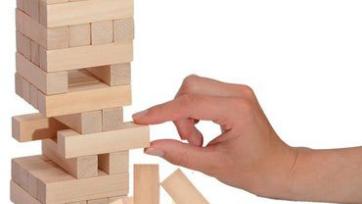
Best Wooden Puzzle Toys for Kids in 2026
Best Wooden Puzzle Toys for Kids in 2026 Wooden puzzle toys have remained one of the most trusted educational toys for generations. While modern toy stores are filled with electronic gadgets and flashing screens, wooden puzzles continue to offer something many high-tech toys cannot—simple, hands-on learning that encourages children to think, explore, and solve problems at their own pace. Parents love wooden puzzle toys because they combine education, safety, and durability in one product. Children enjoy fitting pieces together, recognizing shapes, matching colors, and completing fun challenges, all while developing essential cognitive and motor skills. Whether you're shopping for a curious toddler, a preschooler learning the alphabet, or a young child who enjoys problem-solving, wooden puzzle toys are an excellent investment. This guide explains why they remain one of the best educational toys for kids in 2026. What Are Wooden Puzzle Toys? Wooden puzzle toys are educational toys made primarily from natural wood. They usually include shaped pieces that children place into matching spaces, helping them recognize patterns, improve coordination, and strengthen thinking skills. Unlike disposable cardboard puzzles, wooden puzzles are designed to last for years. Their sturdy construction makes them ideal for daily play at home, in classrooms, or at daycare centers. Wooden puzzles come in many different themes, including: Animals Alphabet letters Numbers Vehicles Dinosaurs Farm animals Fruits and vegetables Space Maps Shapes and colors These puzzles make learning enjoyable while introducing children to new concepts. Why Wooden Puzzle Toys Are So Popular Children naturally enjoy solving challenges. Wooden puzzles provide just the right level of difficulty, keeping kids engaged without becoming overwhelming. Parents also appreciate that these toys encourage independent play. Instead of relying on screens or electronic features, children use observation, patience, and logical thinking to complete each puzzle. Many wooden puzzles can also be enjoyed by siblings of different ages, making them a great long-term investment for families. Benefits of Wooden Puzzle Toys Wooden puzzles offer far more than simple entertainment. Some of their biggest benefits include: Improving hand-eye coordination Developing fine motor skills Strengthening problem-solving abilities Encouraging logical thinking Building patience Improving concentration Supporting early learning Boosting confidence Encouraging independent play Every completed puzzle gives children a sense of achievement, motivating them to tackle even bigger challenges. How Wooden Puzzles Support Early Learning Young children learn best through hands-on experiences. Wooden puzzle toys help introduce important early learning concepts such as: Letters Numbers Colors Shapes Animals Fruits Vehicles Nature Geography Instead of memorizing information, children actively discover these concepts while playing, making learning more enjoyable and easier to remember. Best Wooden Puzzle Toys for Toddlers Toddlers need simple puzzles with large, easy-to-hold pieces. Excellent choices include: Shape puzzles Animal puzzles Farm-themed puzzles Color matching puzzles Vehicle puzzles Peg puzzles These puzzles help toddlers strengthen their hand muscles while improving coordination and concentration. Best Wooden Puzzle Toys for Preschoolers As children grow, they become ready for more challenging puzzles. Popular options include: Alphabet puzzles Number puzzles World map puzzles Dinosaur puzzles Solar system puzzles Human body puzzles Clock learning puzzles These activities encourage problem-solving while supporting school readiness. Wooden Alphabet Puzzles Alphabet puzzles help children recognize letters while developing early reading skills. Children learn to: Identify uppercase letters Match letter shapes Improve vocabulary Strengthen memory Develop fine motor skills Parents can also turn puzzle time into fun spelling games as children grow. Wooden Number Puzzles Learning numbers becomes much easier through play. Number puzzles help children understand: Counting Number recognition Basic mathematics Sequencing Patterns These skills provide a strong foundation for future learning. Animal and Nature Puzzles Children love learning about animals and nature. Wooden puzzles featuring wildlife, ocean animals, insects, birds, and farm animals introduce children to the natural world while encouraging observation and curiosity. Parents can also use these puzzles to teach animal names, sounds, and habitats. Why Wooden Puzzles Are Better Than Many Plastic Alternatives Both wooden and plastic puzzles can be enjoyable, but wooden puzzles offer several advantages. Wooden puzzles are often: More durable Easier for small hands to hold Made from natural materials Less likely to break Better for long-term use Environmentally friendly Many parents also prefer the smooth texture and timeless appearance of quality wooden toys. Montessori Learning and Wooden Puzzles Wooden puzzles fit perfectly within the Montessori approach to education. Montessori learning encourages children to: Explore independently Solve problems Learn through experience Build confidence Practice concentration Simple wooden puzzles allow children to work at their own pace without unnecessary distractions. Choosing the Right Wooden Puzzle Before buying, consider several important factors. Look for puzzles that: Match your child's age Use non-toxic paint Have smooth edges Include sturdy wooden pieces Feature engaging themes Meet recognized safety standards A high-quality puzzle should be challenging enough to encourage learning without causing frustration. Safety Tips for Parents Although wooden puzzles are generally very safe, parents should still follow a few precautions. Always: Check the recommended age. Avoid puzzles with small loose parts for toddlers. Inspect toys regularly for damage. Clean puzzles with a damp cloth. Store pieces safely after play. Choosing trusted brands helps ensure both safety and durability. Caring for Wooden Puzzle Toys Proper care helps wooden puzzles last for many years. Some simple maintenance tips include: Wipe with a soft damp cloth. Avoid soaking wood in water. Store puzzles in a dry place. Keep all pieces together after use. Avoid harsh cleaning chemicals. Well-maintained wooden puzzles can often be passed down to younger siblings. Common Mistakes Parents Should Avoid Many buyers accidentally choose puzzles that are too easy or too difficult. Avoid: Buying puzzles above your child's skill level. Choosing poor-quality materials. Ignoring safety certifications. Selecting puzzles with tiny pieces for young children. Buying puzzles only because they look attractive. Choosing puzzles based on your child's interests usually keeps them engaged much longer. Why Wooden Puzzle Toys Make Great Gifts Wooden puzzle toys are thoughtful gifts for birthdays, holidays, and special occasions. They combine learning, entertainment, and durability while encouraging children to develop important life skills through play. Parents also appreciate gifts that remain useful long after the excitement of opening them has passed. Frequently Asked Questions Are wooden puzzle toys good for toddlers? Yes. Wooden puzzles with large pieces help toddlers improve hand-eye coordination, fine motor skills, and early problem-solving abilities. Are wooden puzzles safer than plastic puzzles? High-quality wooden puzzles made with smooth edges and non-toxic finishes are generally very safe. Always choose puzzles that match your child's age. At what age can children start using wooden puzzles? Many simple wooden puzzles are suitable from around 12 months, while more advanced alphabet, number, and educational puzzles are designed for preschool and school-age children. How do I clean wooden puzzle toys? Use a soft damp cloth and mild soap if needed. Avoid soaking the wood or using harsh chemicals to protect the finish. Final Thoughts Wooden puzzle toys continue to be one of the best educational toys for kids in 2026 because they combine learning, creativity, and hands-on fun in a simple yet effective way. From helping toddlers recognize shapes to teaching preschoolers letters, numbers, and problem-solving skills, these timeless toys support healthy development at every stage. Whether you're choosing an alphabet puzzle, an animal-themed puzzle, a number board, or a colorful shape sorter, investing in high-quality wooden puzzle toys gives children endless opportunities to learn while playing. Their durability, educational value, and screen-free design make them a smart choice for every family.
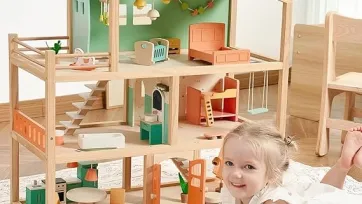
Best Dollhouses for Kids in 2026
Best Dollhouses for Kids in 2026: A Complete Parent's Buying Guide A dollhouse is much more than a toy. It's a miniature world where children become storytellers, designers, and problem-solvers. Every room they decorate, every character they create, and every adventure they imagine helps develop creativity, communication, and emotional intelligence. Whether it's a cosy family home, a modern villa, or a magical castle, dollhouses inspire endless hours of imaginative play. In 2026, dollhouses are available in more styles and sizes than ever before. Parents can choose from traditional wooden dollhouses, portable playsets, modern multi-storey homes, eco-friendly designs, and interactive models with realistic lights and sounds. With so many options available, finding the right dollhouse can feel overwhelming. This guide explains everything you need to know about choosing the best dollhouses for kids in 2026. Why Dollhouses Are So Popular Children naturally enjoy creating stories. A dollhouse allows them to invent daily routines, exciting adventures, family celebrations, and imaginative worlds where every room becomes part of a unique story. Unlike many electronic toys, dollhouses encourage open-ended play, meaning children create new experiences every time they play. Benefits of Dollhouses Dollhouses help children develop a wide variety of important skills. Some of the biggest benefits include: Encourage imaginative play Improve storytelling skills Build communication Develop emotional intelligence Strengthen fine motor skills Encourage creativity Improve social interaction Build confidence Reduce screen time Children also practise organising spaces and solving everyday problems through role play. Wooden Dollhouses Wooden dollhouses remain one of the most popular choices for families. Parents appreciate them because they are: Durable Environmentally friendly Beautifully designed Long-lasting Easy to maintain Their timeless appearance means they often become treasured family toys passed down through generations. Modern Dollhouses Modern dollhouses feature stylish interiors inspired by contemporary homes. Many include: Multiple floors Balconies Garages Home offices Swimming pools Rooftop terraces These realistic designs encourage children to recreate everyday family life in imaginative ways. Portable Dollhouses Portable dollhouses are ideal for travel and smaller homes. They usually feature: Folding designs Carry handles Built-in storage Lightweight construction Children can easily take them to grandparents' houses, holidays, or playdates. Dollhouse Furniture Sets Furniture brings every dollhouse to life. Popular accessories include: Beds Sofas Dining tables Kitchen units Bathrooms Garden furniture Adding new furniture allows children to redesign rooms and create fresh stories whenever they like. Dollhouse Family Figures Characters are the heart of every dollhouse adventure. Many sets include: Parents Children Grandparents Babies Pets Additional figures such as doctors, teachers, builders, and firefighters help expand imaginative storytelling even further. Educational Value of Dollhouses Dollhouses naturally encourage learning through everyday role play. Children practise: Communication Problem-solving Sharing Responsibility Creativity Organisation Many parents notice that dollhouse play helps children express emotions and better understand daily life. Dollhouses Encourage Social Play Playing with siblings or friends teaches valuable social skills. Children learn how to: Share toys Take turns Cooperate Solve disagreements Build stories together Collaborative storytelling often leads to longer and more engaging play sessions. Choosing the Right Dollhouse Before buying, consider: Your child's age Available space Material quality Number of rooms Furniture included Safety certifications Future expansion options A slightly larger dollhouse often offers greater long-term value as children grow. Safety Tips Choose dollhouses that: Meet recognised safety standards Have smooth edges Use non-toxic paints Include sturdy construction Match the recommended age For younger children, avoid very small accessories that could present a choking hazard. Common Buying Mistakes Many parents focus only on appearance. Avoid: Fragile plastic construction Sharp edges Poor-quality furniture Difficult assembly Limited play space Dollhouses that are too small for growing children Choosing a durable model usually provides many years of imaginative play. Why Dollhouses Make Wonderful Gifts Dollhouses remain one of the most memorable gifts a child can receive. They're perfect for: Birthdays Christmas Special achievements Family celebrations Unlike many toys that lose their appeal quickly, dollhouses continue inspiring new stories and adventures throughout childhood. Frequently Asked Questions What is the best dollhouse for children? The best dollhouse depends on your child's age and available space. Wooden dollhouses with multiple rooms and durable furniture are among the most popular choices. At what age can children start playing with dollhouses? Simple dollhouses with large accessories are suitable from around three years old, while more detailed models are ideal for older children. Do dollhouses help child development? Yes. Dollhouses improve creativity, communication, emotional understanding, storytelling, social skills, and fine motor development. Are wooden dollhouses better than plastic ones? Wooden dollhouses are generally more durable, environmentally friendly, and longer lasting, while plastic models often include more interactive features. Final Thoughts The best dollhouses for kids in 2026 offer far more than beautiful miniature homes. They inspire imagination, encourage storytelling, and help children develop valuable life skills through creative role play. Whether it's decorating rooms, organising family routines, or inventing exciting adventures, every moment spent with a dollhouse supports healthy emotional and cognitive development. By choosing a high-quality dollhouse with durable construction and plenty of opportunities for imaginative play, parents can provide a timeless toy that children will enjoy for many years to come.
Best Sensory Toys for Kids in 2026
Best Sensory Toys for Kids in 2026: The Ultimate Parent's Buying Guide Sensory toys have become one of the fastest-growing toy categories, and for good reason. These thoughtfully designed toys help children explore the world through touch, sound, sight, movement, and even balance. While every child benefits from sensory play, these toys are especially valuable during the early years when the brain is developing rapidly. In 2026, sensory toys are available in countless forms, from textured balls and sensory bins to light-up toys, tactile boards, water beads, fidget toys, and sensory swings. They encourage children to investigate, experiment, and learn through hands-on experiences rather than passive entertainment. Whether you're buying for a baby, toddler, preschooler, or school-age child, this guide explains everything you need to know about choosing the best sensory toys for kids in 2026. What Are Sensory Toys? Sensory toys are designed to stimulate one or more of a child's senses. These may include: Touch Sight Hearing Movement Balance Texture recognition Rather than simply entertaining children, sensory toys encourage exploration and active learning through play. Why Sensory Play Is Important Children learn about the world by using their senses. Every time they squeeze a soft toy, shake a rattle, walk across different textures, or watch colourful lights move, their brains are building important connections that support future learning. Sensory play also encourages curiosity, helping children become confident explorers from an early age. Benefits of Sensory Toys Sensory toys contribute to many areas of child development. Some of the biggest benefits include: Improve sensory awareness Develop fine motor skills Strengthen hand-eye coordination Encourage creativity Improve concentration Support emotional regulation Build problem-solving skills Encourage independent play Reduce screen time Many parents also find sensory toys useful during quiet time or while travelling. Sensory Toys for Babies Babies benefit from simple sensory experiences that encourage safe exploration. Popular choices include: Soft textured balls Crinkle fabric books Silicone teething toys Musical rattles High-contrast toys Soft sensory cubes These toys help babies discover different textures, sounds, and movements while supporting healthy brain development. Sensory Toys for Toddlers Toddlers enjoy toys that allow them to explore using their hands and movement. Excellent options include: Stacking cups Sensory bins Water play toys Shape sorters Activity cubes Push-and-pop toys These activities improve coordination while encouraging independent discovery. Tactile Sensory Toys Touch is one of the most important senses during early childhood. Popular tactile toys include: Textured blocks Squishy balls Sensory mats Fidget cubes Silicone pop toys Fabric activity books Exploring different textures strengthens sensory processing while making play more engaging. Light and Sound Sensory Toys Many children enjoy toys that respond with gentle lights or sounds. Examples include: Light projectors Musical toys Bubble lamps Glow balls Interactive learning toys Choose products with adjustable volume and soft lighting to avoid overstimulation. Sensory Bins Sensory bins encourage open-ended exploration. Parents often fill them with materials such as: Coloured rice Dried pasta Sand Water beads (with close supervision) Pom-poms Wooden shapes Children enjoy scooping, pouring, sorting, and discovering different textures through hands-on play. Sensory Swings and Movement Toys Movement is another important sensory experience. Popular movement toys include: Indoor swings Balance boards Rocking toys Stepping stones Mini trampolines These activities help children improve balance, body awareness, and coordination. Montessori Sensory Toys Many Montessori-inspired toys naturally encourage sensory development. Popular examples include: Wooden texture boards Fabric matching games Stacking rings Object permanence boxes Natural wooden blocks These simple toys encourage children to learn independently without unnecessary distractions. Sensory Toys for Calm Play Some sensory toys are designed to help children relax. Popular calming toys include: Stress balls Weighted plush toys Sensory bottles Slow-moving liquid timers Soft tactile cushions These toys can help create a peaceful environment after busy or stimulating activities. Choosing the Right Sensory Toy Before buying, consider: Your child's age Developmental stage Material quality Safety certifications Ease of cleaning Durability Educational value Simple toys that encourage repeated exploration often provide the greatest long-term benefits. Safety Tips Always choose sensory toys that: Meet recognised safety standards Use BPA-free and non-toxic materials Have no sharp edges Match the recommended age Avoid small loose parts for younger children Regular cleaning is also important, particularly for toys that children frequently touch or chew. Common Buying Mistakes Parents sometimes assume that more features mean a better toy. Avoid: Toys with excessive flashing lights Extremely loud sounds Poor-quality materials Fragile construction Overly complicated designs Simple sensory toys often encourage longer, more meaningful play than highly electronic alternatives. Why Sensory Toys Make Excellent Gifts Sensory toys are suitable for almost every stage of childhood. They're ideal for: Baby showers First birthdays Christmas Nursery gifts Early learning presents Because they encourage open-ended exploration, children often continue discovering new ways to play with them as they grow. Frequently Asked Questions What are sensory toys? Sensory toys are designed to stimulate one or more senses, including touch, sight, hearing, movement, and balance, helping children learn through hands-on exploration. Are sensory toys good for all children? Yes. While sensory toys are often recommended for children with additional sensory needs, they support healthy development and creative play for children of all abilities. At what age can children start using sensory toys? Many sensory toys are suitable from birth, including soft rattles, textured fabrics, and high-contrast visual toys. More advanced sensory activities are available for toddlers and older children. Do sensory toys help learning? Absolutely. Sensory toys encourage problem-solving, concentration, coordination, creativity, and early cognitive development while making learning enjoyable. Final Thoughts The best sensory toys for kids in 2026 provide much more than colourful entertainment. They encourage children to touch, explore, listen, move, and discover the world through meaningful hands-on experiences that support healthy brain development. From simple textured toys for babies to sensory bins, balance boards, and calming tactile activities for older children, these toys offer lasting educational value while keeping play fun and engaging. By choosing safe, age-appropriate sensory toys, parents can create enriching play experiences that build confidence, curiosity, and essential developmental skills throughout childhood.
Best Toy Kitchen Sets for Kids in 2026
Best Toy Kitchen Sets for Kids in 2026: Inspiring Imagination Through Everyday Play Toy kitchen sets have remained one of the most popular pretend play toys for generations, and in 2026 they continue to be a favourite among children and parents alike. From preparing imaginary breakfasts to serving afternoon tea and running busy restaurants, toy kitchens allow children to explore everyday life through creative role play. More than just a fun activity, kitchen play helps children develop communication, social skills, creativity, and problem-solving abilities. Whether they're pretending to bake cakes, wash dishes, or cook dinner for the family, every activity encourages learning through imagination. If you're searching for the best toy kitchen set for your child, this complete guide will help you choose the perfect option. Why Toy Kitchen Sets Are So Popular Children naturally enjoy copying the adults around them. A toy kitchen allows them to safely imitate everyday activities such as: Cooking meals Washing vegetables Baking cakes Making tea Washing dishes Serving food Organising groceries These familiar activities help children understand daily routines while encouraging imaginative storytelling. Benefits of Toy Kitchen Sets Kitchen play supports many areas of child development. Some of the biggest benefits include: Encourage imaginative play Improve communication skills Expand vocabulary Develop fine motor skills Encourage social interaction Build confidence Improve problem-solving Teach responsibility Reduce screen time Children also learn patience, cooperation, and sharing when playing together. Wooden Toy Kitchens Wooden kitchen sets remain one of the most popular choices for families. Parents appreciate them because they are: Durable Eco-friendly Attractive Long-lasting Easy to clean Many wooden kitchens feature realistic details that encourage even more imaginative play. Modern Play Kitchens Today's toy kitchens are designed to look like real family kitchens. Popular features include: Ovens Hobs Microwaves Refrigerators Sinks Cupboards Coffee machines Ice dispensers These realistic details make role play even more exciting. Toy Food Sets No kitchen is complete without food. Popular pretend food includes: Fruit Vegetables Bread Pizza Burgers Cakes Ice cream Drinks Toy food encourages children to invent recipes, organise meals, and create restaurant adventures. Kitchen Accessories Accessories make pretend cooking even more realistic. Common accessories include: Pots Pans Plates Cups Cutlery Mixing bowls Utensils Aprons Adding accessories encourages longer and more creative play sessions. Toy Kitchens Encourage Healthy Habits Pretend cooking can introduce children to healthy eating. Parents can use kitchen play to discuss: Fruit and vegetables Balanced meals Cooking safely Cleaning up Table manners Learning happens naturally while children enjoy imaginative games. Restaurant Role Play Many children enjoy turning their toy kitchen into a restaurant. They can pretend to become: Chefs Waiters Café owners Bakers Pizza makers Ice cream sellers Restaurant games improve communication while encouraging teamwork and creativity. Educational Value of Kitchen Play Kitchen sets help children practise many everyday skills. These include: Counting ingredients Sorting food Colour recognition Organising objects Following simple routines Problem-solving Children also strengthen language skills by explaining recipes and serving imaginary customers. Choosing the Right Toy Kitchen Before buying, consider: Your child's age Available space Material quality Accessories included Height of the kitchen Safety certification Storage features A slightly larger kitchen often provides better long-term value as your child grows. Safety Tips Choose toy kitchens that: Meet recognised safety standards Have smooth edges Use non-toxic materials Include sturdy construction Match the recommended age Regularly inspect accessories for damage or loose parts. Common Buying Mistakes Parents sometimes buy kitchen sets based only on appearance. Avoid: Fragile plastic Sharp edges Tiny accessories for younger children Poor-quality doors and hinges Kitchens that are too small Investing in a well-built kitchen usually provides years of enjoyable play. Why Toy Kitchen Sets Make Brilliant Gifts Kitchen playsets are among the most memorable gifts children receive. They're perfect for: Birthdays Christmas Playroom makeovers Nursery gifts Family celebrations Unlike many toys that are forgotten after a few weeks, kitchen sets continue inspiring new adventures every day. Frequently Asked Questions What is the best toy kitchen for children? Wooden toy kitchens with realistic appliances, durable construction, and plenty of accessories are among the best choices. At what age can children use toy kitchens? Many kitchen playsets are suitable from around three years old, while simpler kitchens with larger accessories are available for younger toddlers. Are toy kitchen sets educational? Yes. They improve creativity, communication, problem-solving, fine motor skills, social interaction, and imaginative thinking. Should I choose a wooden or plastic toy kitchen? Wooden kitchens are generally more durable and environmentally friendly, while plastic kitchens may include interactive features such as lights and sounds. Both can provide excellent play experiences. Final Thoughts The best toy kitchen sets for kids in 2026 encourage creativity, communication, and imaginative role play while helping children learn valuable everyday skills. Whether they're baking pretend cakes, serving afternoon tea, or running a busy family restaurant, every activity supports healthy social and emotional development. By choosing a high-quality toy kitchen with realistic accessories and durable construction, parents provide children with a timeless toy that continues to inspire creativity long after many electronic toys have been forgotten.
Best Magnetic Tiles for Kids in 2026
Best Magnetic Tiles for Kids in 2026: A Complete Parent's Buying Guide Magnetic tiles have become one of the fastest-growing educational toys for children, and in 2026 they continue to be a favourite among parents, teachers, and childcare professionals. Unlike traditional building blocks, magnetic tiles allow children to create colourful 2D and 3D structures using magnetic connections, making construction easier, more creative, and more engaging. From castles and rockets to bridges, race tracks, and imaginative cities, magnetic tiles encourage children to experiment with design while developing essential STEM skills. They are suitable for toddlers, preschoolers, and older children, making them one of the few toys that truly grow with a child. If you're looking for a toy that combines creativity, education, and long-term value, magnetic tiles deserve a place at the top of your shopping list. What Are Magnetic Tiles? Magnetic tiles are colourful geometric shapes with built-in magnets that connect together from every side. Children can build: Houses Towers Castles Animals Cars Bridges Space stations Marble runs Robots Entire cities Because the magnets hold the pieces together securely, children can create larger and more complex structures than they could with ordinary blocks. Why Magnetic Tiles Are So Popular One reason magnetic tiles remain so popular is their simplicity. Children don't need instructions to start building. They naturally experiment with different shapes, angles, and designs while discovering how magnets work. Every creation is unique, encouraging hours of open-ended play without becoming repetitive. Benefits of Magnetic Tiles Magnetic tiles support many areas of child development. Some of their biggest benefits include: Encourage creativity Improve problem-solving skills Develop fine motor skills Strengthen hand-eye coordination Build spatial awareness Introduce STEM concepts Encourage teamwork Improve concentration Reduce screen time Children also gain confidence as they successfully complete larger and more detailed structures. Magnetic Tiles Support STEM Learning Magnetic tiles naturally introduce Science, Technology, Engineering, and Mathematics through play. Children begin exploring concepts such as: Balance Symmetry Geometry Engineering Structural design Gravity Magnetism Learning happens naturally because children discover these ideas while building. Best Magnetic Tiles for Toddlers Toddlers benefit from large magnetic tiles that are easy to hold and safe to handle. Simple building activities include: Stacking walls Building towers Making colourful patterns Creating basic houses These activities improve coordination while introducing early problem-solving. Magnetic Tiles for Preschoolers Preschool children quickly begin creating more advanced structures. Popular ideas include: Castles Garages Dinosaur parks Zoos Airports Bridges These projects encourage storytelling alongside creative construction. Magnetic Marble Run Sets Magnetic marble runs combine engineering with exciting movement. Children build tracks using magnetic pieces before watching marbles travel through: Loops Drops Tunnels Curves Towers These sets teach cause and effect while encouraging experimentation. Educational Benefits Beyond Building Magnetic tiles can also support early classroom learning. Parents and teachers use them to teach: Colours Shapes Counting Patterns Sorting Basic mathematics Children often enjoy these activities because they feel like games rather than lessons. Family Play and Teamwork Magnetic tiles encourage cooperative play. Children enjoy working together to build: Giant castles Tall skyscrapers Race tracks Fantasy worlds Entire towns Family building challenges create memorable experiences while strengthening communication and teamwork. How to Choose the Best Magnetic Tiles Before purchasing a set, consider: Your child's age Number of pieces Magnet strength Build quality Safety certifications Compatibility with future expansion sets Larger sets usually provide greater creative freedom and longer-lasting value. Safety Considerations Always choose magnetic tiles that: Meet recognised safety standards Use securely sealed magnets Have smooth edges Use non-toxic materials Match the recommended age Avoid poor-quality products where magnets could become loose. Common Buying Mistakes Parents sometimes focus only on price. Avoid: Weak magnets Thin plastic Poor-quality construction Small starter sets that limit creativity Unknown manufacturers without safety testing Investing in a well-made set often saves money over time because it lasts for many years. Caring for Magnetic Tiles Magnetic tiles require very little maintenance. To keep them in excellent condition: Wipe with a damp cloth. Avoid excessive heat. Store all pieces together. Keep magnets clean. Inspect for damage occasionally. Proper care allows children to enjoy them for years. Why Magnetic Tiles Make Brilliant Gifts Magnetic tiles are one of the few toys that children continue using as they grow older. They're suitable for: Birthdays Christmas School achievements Family celebrations Parents appreciate gifts that combine creativity, education, and durability in one product. Frequently Asked Questions Are magnetic tiles safe for children? Yes. High-quality magnetic tiles with securely enclosed magnets and recognised safety certifications are safe when used according to the recommended age. What age are magnetic tiles suitable for? Most sets are designed for children aged 3 years and above, although some larger sets are suitable for younger children under adult supervision. Do magnetic tiles help child development? Absolutely. They improve creativity, engineering skills, fine motor development, spatial awareness, and problem-solving while encouraging independent learning. Are magnetic tiles worth buying? Yes. Their educational value, durability, and endless building possibilities make them one of the best long-term toy investments for families. Final Thoughts The best magnetic tiles for kids in 2026 combine creativity, STEM learning, and imaginative play in one versatile toy. Whether children are building colourful castles, designing marble runs, constructing vehicles, or inventing futuristic cities, magnetic tiles encourage exploration, experimentation, and independent thinking. Unlike many toys that lose their appeal after a few weeks, magnetic tiles continue inspiring new ideas year after year. By choosing a high-quality set with strong magnets and durable construction, parents can give children a toy that supports learning, creativity, and countless hours of screen-free fun.
Best Wooden Train Sets for Kids in 2026
Best Wooden Train Sets for Kids in 2026: A Timeless Toy That Never Goes Out of Style Wooden train sets have remained one of the most loved educational toys for decades, and in 2026 they're still a favourite among parents, teachers, and children alike. Unlike many trendy toys that lose their appeal after a few weeks, wooden train sets continue to inspire creativity, problem-solving, and imaginative play year after year. Children can design their own railway networks, build stations, transport passengers, deliver cargo, and create exciting adventures across bridges, tunnels, mountains, and busy towns. Every play session is different, making wooden train sets one of the best long-term investments for a growing child. Whether you're buying a first train set for a toddler or expanding an existing collection, this guide explains everything you need to know before choosing the best wooden train set in 2026. Why Wooden Train Sets Remain So Popular Wooden train sets offer something many modern toys cannot—complete creative freedom. There are no fixed storylines or electronic instructions. Instead, children build their own railway layouts, invent characters, solve transport challenges, and create entirely new adventures every day. As children grow, their railway worlds become larger and more detailed, meaning the same toy continues to provide fresh experiences for many years. Benefits of Wooden Train Sets Wooden train sets support a wide range of developmental skills. Some of the biggest benefits include: Improve problem-solving skills Encourage imaginative play Strengthen fine motor skills Develop hand-eye coordination Build patience Improve concentration Encourage storytelling Support social interaction Reduce screen time Children also learn basic planning as they decide how tracks should connect and where trains should travel. Why Choose Wooden Train Sets Instead of Plastic? Wooden train sets remain popular for several reasons. Parents appreciate them because they are: Durable Eco-friendly Long-lasting Easy to maintain Timeless in design Unlike many plastic toys, wooden train sets often last for years and can even be passed down to younger siblings. Wooden Train Sets for Toddlers Toddlers benefit from simple railway layouts with large pieces that are easy to assemble. Beginner sets usually include: Circular tracks One train Simple stations Wooden trees Bridges Passenger figures These sets encourage independent play while improving coordination and confidence. Advanced Railway Sets for Older Children As children become more experienced, they enjoy expanding their railway worlds. Larger train sets often include: Multi-level bridges Tunnels Roundabouts Railway crossings Cargo terminals Airports Farms Construction sites Building more complex layouts encourages creativity and engineering-style thinking. Magnetic Wooden Trains Most modern wooden trains connect using magnetic couplings. Magnetic connections make it easy for children to: Join trains together Create longer trains Swap carriages Build freight trains Invent new railway routes These simple magnetic systems also improve fine motor control. Train Accessories Expand Play Accessories make railway adventures even more exciting. Popular additions include: Wooden people Animals Trees Road signs Vehicles Cranes Stations Traffic lights Adding accessories allows children to build complete miniature towns around their railway. Educational Value of Train Sets Wooden train sets naturally encourage learning. Children begin exploring: Cause and effect Direction Sequencing Planning Transport systems Problem-solving Parents can also introduce simple lessons about travel, geography, and community life through everyday play. Wooden Train Sets Encourage Social Play Railway play becomes even more enjoyable with friends or siblings. Children learn how to: Share tracks Build together Solve construction problems Create stories Take turns operating trains These experiences strengthen teamwork and communication skills. Choosing the Right Wooden Train Set Before buying, consider: Your child's age Track compatibility Material quality Number of accessories Future expansion options Safety certifications Expandable railway systems provide the greatest long-term value because children can continue adding new pieces over time. Safety Tips Choose wooden train sets that: Meet recognised safety standards Use non-toxic paints Have smooth, rounded edges Include securely attached magnets Match the recommended age Regularly inspect wooden pieces for cracks or loose components. Common Buying Mistakes Many parents focus only on the number of pieces. Avoid: Poor-quality wood Weak magnetic connections Sharp unfinished edges Non-compatible expansion sets Very small accessories for younger children Quality construction usually provides a much better experience than simply buying the largest set available. Why Wooden Train Sets Make Excellent Gifts Wooden train sets are among the few toys that children continue enjoying for many years. They're ideal for: Birthdays Christmas First educational toys Family celebrations Nursery gifts Parents also appreciate gifts that encourage creativity without relying on batteries or screens. Frequently Asked Questions What are the best wooden train sets for children? Expandable wooden railway sets with magnetic trains, bridges, stations, and accessories are among the best choices for long-term play. At what age can children start using wooden train sets? Many beginner wooden train sets are suitable for children aged 18 months and older, while larger railway systems are ideal for preschool and primary-age children. Are wooden train sets educational? Yes. They improve creativity, planning, fine motor skills, hand-eye coordination, storytelling, and problem-solving while encouraging imaginative play. Can different wooden train brands work together? Many high-quality wooden train systems are compatible with one another, allowing families to expand their collections over time. Final Thoughts The best wooden train sets for kids in 2026 continue to prove that simple toys often provide the greatest educational value. With endless opportunities to build, design, explore, and imagine, wooden railway sets encourage creativity while helping children develop important cognitive, physical, and social skills. By choosing a durable, expandable wooden train set, parents invest in a toy that grows with their child, providing years of meaningful, screen-free entertainment and creating memories that last long after the final train has reached the station.
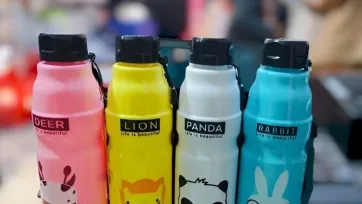
Best Water Bottles for Kids in 2026
Kids Water Bottles: The Complete Parent's Guide to Choosing Safe, Leak-Proof and Durable Water Bottles Introduction A child's water bottle is one of those everyday items that rarely gets much attention—until it starts leaking inside a school bag. Whether your child is heading to school, nursery, football practice or a family day out, having easy access to water helps them stay hydrated throughout the day. But not every bottle is designed with children in mind. Some are too heavy for small hands. Others are difficult to open, impossible to clean or prone to leaking after only a few weeks of use. The ideal kids' water bottle should be lightweight, durable and simple enough for children to use independently. It should survive being dropped on the playground, fit comfortably inside a backpack pocket and keep drinks fresh from morning until home time. This guide explains exactly what parents should look for when choosing a children's water bottle and how to avoid the most common buying mistakes. Why Choosing the Right Water Bottle Matters Children are constantly on the move. They run. They play. They climb. They spend hours at school, sports clubs and outdoor activities. A reliable water bottle encourages regular hydration by making drinking water convenient and enjoyable. The right bottle should: Be easy to carry. Open without adult help. Prevent leaks. Fit inside school bag pockets. Be simple to clean. Last through everyday use. Choosing a well-designed bottle makes daily routines much easier for both parents and children. How Much Water Should a Bottle Hold? Size is one of the first decisions parents need to make. A bottle that's too small may run out before the school day ends. One that's too large can feel heavy and difficult for younger children to carry. In general: Younger children often benefit from smaller, lightweight bottles. Older primary school children usually need a little more capacity for longer school days and sports activities. The goal is to find a bottle that balances hydration with comfort. Choosing the Right Material Different materials offer different advantages. Stainless Steel Stainless steel bottles are extremely durable and don't retain flavours or odours. Many insulated versions also keep drinks cool for several hours, making them popular during warmer weather. Best for: School Sports Outdoor activities Food-Grade Plastic Modern BPA-free plastic bottles are lightweight, affordable and easy for younger children to hold. They're particularly suitable for nursery and primary school. Best for: Everyday use Younger children Lightweight carrying Tritan Plastic Tritan bottles combine the light weight of plastic with excellent clarity and resistance to stains. Many parents choose Tritan because it stays looking newer for longer. Features That Make a Difference The smallest details often have the biggest impact on daily use. Look for features such as: Leak-proof lids. Easy-grip design. One-handed opening where appropriate. Wide opening for easy cleaning. Carry handle or loop. Dishwasher-safe parts. Durable construction. These practical features help children use their bottles confidently without constant assistance. Which Lid Style Is Best? Different lid designs suit different ages. Flip-Top Lids Quick to open and close, making them popular for school-aged children. Straw Lids Easy for younger children to drink from without tilting the bottle. Screw Caps Simple and reliable, although younger children may need more time to open them independently. Choosing the right lid often matters just as much as choosing the bottle itself. How to Keep a Kids' Water Bottle Clean A reusable water bottle is only as good as the care it receives. Even bottles used only for water should be cleaned every day to prevent bacteria, mould and unpleasant odours from developing. A simple cleaning routine includes: Wash the bottle after every use. Clean the lid and drinking spout thoroughly. Use a bottle brush to reach the bottom. Allow every part to dry completely before reassembling. Leave the lid off while drying to improve airflow. If your child drinks juice, milk or flavoured drinks from the bottle, cleaning becomes even more important because residue can build up quickly. When Should You Replace a Water Bottle? A quality water bottle can last for years, but it's worth checking it regularly. Consider replacing it if you notice: Cracks or splits. A lid that no longer seals properly. Persistent odours that don't disappear after cleaning. Damaged drinking spouts. Worn silicone seals causing leaks. Replacing a damaged bottle helps maintain hygiene and prevents messy school bag accidents. Choosing a Bottle for School and Sports Children often use the same bottle in very different situations. For school, look for: Leak-proof lids. Lightweight construction. Easy opening. A bottle that fits inside backpack side pockets. For sports and outdoor activities, useful features include: Larger capacity. Comfortable carrying loop. Durable materials. Quick-access drinking spout. Insulated construction for warmer weather. Matching the bottle to your child's routine usually provides the best experience. Common Mistakes Parents Make Many parents unknowingly choose bottles that don't suit everyday use. Avoid these common mistakes: Buying a bottle that's too heavy when full. Choosing a narrow opening that's difficult to clean. Ignoring leak resistance. Selecting a lid younger children struggle to open. Forgetting to check whether the bottle fits inside the school backpack. Keeping damaged bottles for too long. Practicality nearly always matters more than appearance. Frequently Asked Questions What is the safest material for a children's water bottle? Food-grade stainless steel, BPA-free plastic and Tritan are all popular choices. Each offers different advantages depending on your child's age and daily activities. How often should a child's water bottle be cleaned? Ideally, after every use. Daily cleaning helps prevent bacteria, mould and unpleasant smells from developing. Should children use insulated water bottles? Insulated bottles are useful if your child spends long periods outdoors or prefers cold drinks throughout the day. What size water bottle is best for school? The ideal size depends on your child's age and school routine. The bottle should provide enough water without becoming too heavy to carry comfortably. Can reusable water bottles go in the dishwasher? Many can, but always check the manufacturer's instructions first. Some insulated bottles or lids may require hand washing. Final Thoughts A reusable water bottle is something your child will use almost every day. Choosing the right one means looking beyond colours and fun designs to focus on comfort, durability and ease of use. A bottle that opens easily, stays leak-free and is simple to clean helps children stay hydrated wherever the day takes them. When parents choose a quality bottle that matches their child's age and routine, it becomes more than just another school accessory. It becomes a reliable companion for classrooms, playgrounds, sports fields and family adventures alike.