Open-Ended Toys: Why They Help Children Learn Through Play

Choosing toys for children has never been more challenging. Parents are surrounded by endless options, from flashing electronic gadgets to character-themed playsets and educational games. While many toys promise to entertain or teach, not all of them encourage children to think creatively or play independently. This is where open-ended toys stand out.

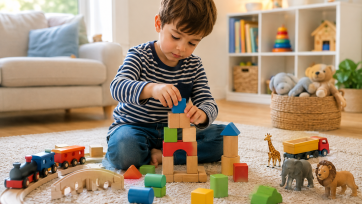
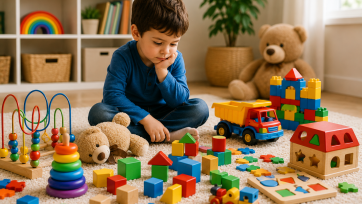
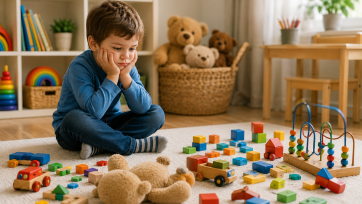
Unlike toys designed for a single purpose, open-ended toys can be used in countless ways. A simple set of wooden blocks might become a castle one day, a bridge the next and a space station the following week. A collection of loose parts could inspire a pretend bakery, a pirate ship or an animal sanctuary, depending entirely on a child's imagination.

Open-ended play is more than just fun. It encourages creativity, problem-solving, communication and independent thinking while helping children develop essential life skills. Rather than telling children exactly what to do, these toys allow them to take control of their own learning through exploration and experimentation.

Whether you're shopping for a toddler taking their first steps into imaginative play or a school-age child who enjoys building elaborate worlds, open-ended toys provide long-lasting value that many single-purpose toys simply cannot match.

In this guide, you'll learn what open-ended toys are, why child development experts value them, how they benefit children of different ages and what to consider when choosing the right ones for your family.

What Are Open-Ended Toys?

Open-ended toys are play items that have no fixed outcome or single correct way to use them. Instead of following instructions or completing one specific task, children decide how they want to play.

This freedom allows every play session to be different.

For example, a child might use the same building blocks to create:

  • A castle
  • A zoo
  • A train station
  • A race track
  • A rocket
  • A small village

There are no rules about what the blocks should become. The child's imagination guides the experience.

The same principle applies to many other toys, including stacking cups, loose parts, fabric pieces, dolls, toy animals, play scarves, cardboard boxes and pretend play accessories.

Because there is no "right" answer, children naturally experiment, solve problems and develop confidence while playing.

Why Open-Ended Play Matters

Children learn best when they actively explore their surroundings rather than simply following instructions.

Open-ended play gives them opportunities to make decisions, test ideas and adapt their thinking when something doesn't work.

Imagine two different toys.

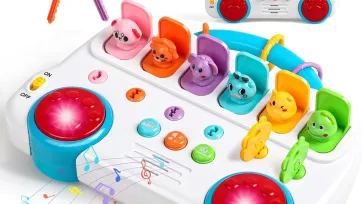
The first is an electronic toy that lights up when a button is pressed. After a few minutes, the child has discovered everything it can do.

The second is a basket filled with wooden blocks, fabric pieces and toy animals. The possibilities are endless. One afternoon these items become a jungle adventure. The next day they transform into a busy farm. A week later they're used to build a city complete with roads, bridges and houses.

Because there is no single outcome, children remain interested for much longer.

Key Characteristics of Open-Ended Toys

Although open-ended toys come in many different forms, they usually share several important qualities.

They are:

  • Versatile and suitable for different types of play
  • Simple rather than overly complicated
  • Able to grow with the child
  • Encouraging of imagination and creativity
  • Durable enough for repeated use
  • Suitable for both independent and group play

Many parents are surprised to discover that some of the simplest toys provide the richest play experiences.

Benefits of Open-Ended Toys

One reason open-ended toys have become so popular is that they support several areas of child development at the same time.

Encourages Creativity

Creative thinking develops naturally when children invent their own games, stories and challenges.

Instead of copying what a toy tells them to do, they imagine new possibilities.

A pile of blocks can become anything from a castle to an airport, while a handful of toy animals may inspire an exciting wildlife adventure.

This type of play strengthens imagination and encourages flexible thinking.

Develops Problem-Solving Skills

Children constantly face small challenges during play.

How can they build a taller tower?

Why does the bridge keep falling?

What shape will support the roof?

Finding solutions through trial and error helps children become confident problem-solvers.

These experiences also teach resilience because mistakes become part of the learning process rather than something to avoid.

Supports Language Development

Open-ended play encourages conversation.

Children often narrate stories, invent characters and describe what is happening as they play.

When parents, siblings or friends join in, children naturally expand their vocabulary while learning to express ideas more clearly.

Pretend play is particularly valuable because it introduces new words, social situations and storytelling skills.

Builds Independent Play Skills

Many parents hope their children will learn to play independently for reasonable periods.

Open-ended toys make this much easier.

Because children control the play, they stay engaged without constantly looking for adult instructions or entertainment.

Independent play also builds confidence and allows children to explore ideas at their own pace.

Improves Concentration

A toy with only one function often loses its appeal quickly.

Open-ended toys, however, encourage children to focus for longer because every play session can develop in a different direction.

Longer periods of focused play help strengthen attention span, patience and persistence.

Encourages Social Skills

When children play together using open-ended toys, there is rarely a fixed script.

They negotiate ideas, assign roles, solve disagreements and cooperate to achieve shared goals.

These everyday interactions help develop communication, teamwork and empathy.

Examples of Open-Ended Toys

Many parents already own open-ended toys without realising it.

Popular examples include:

  • Building blocks
  • Wooden blocks
  • Stacking cups
  • Magnetic tiles
  • Toy animals
  • Dolls and action figures
  • Toy vehicles
  • Loose parts
  • Play scarves
  • Pretend food
  • Toy kitchens
  • Cardboard boxes
  • Play tents
  • Sand and water play equipment
  • Clay and modelling dough
  • Craft materials
  • Wooden train tracks
  • Balance stones
  • Shape pieces
  • Nature collections such as pinecones, shells and smooth stones

The beauty of these toys is that children continue discovering new ways to use them as they grow older.

Open-Ended Toys by Age

Choosing age-appropriate toys ensures children remain challenged without becoming frustrated.

Babies (0–12 Months)

For babies, open-ended play focuses on exploring textures, sounds and movement.

Suitable options include:

  • Soft fabric blocks
  • Stacking cups
  • Sensory balls
  • Wooden rings
  • Large grasping toys
  • High-contrast fabric books

At this stage, babies learn by touching, shaking, rolling and observing.

Toddlers (1–3 Years)

Toddlers begin experimenting with simple construction and pretend play.

Good choices include:

  • Wooden blocks
  • Toy animals
  • Push-and-pull toys
  • Shape sorters
  • Toy food
  • Play kitchens
  • Large building bricks
  • Water play accessories

These toys encourage language development, creativity and early problem-solving.

Open-Ended Toys for Preschool and School-Age Children

As children grow, their imagination becomes more detailed, and their play often involves storytelling, planning and collaboration. Open-ended toys continue to support this development by offering new challenges without limiting creativity.

Preschool Children (3–5 Years)

Children in this age group enjoy creating imaginary worlds and acting out everyday experiences.

Suitable open-ended toys include:

  • Building blocks and construction sets
  • Toy animals and dinosaurs
  • Dollhouses and furniture
  • Play kitchens and market stalls
  • Craft materials
  • Sand and water play equipment
  • Loose parts for creative building
  • Dress-up clothes and accessories

These toys encourage children to invent stories, solve problems and develop social skills through role play.

School-Age Children (6+ Years)

Older children often use open-ended toys in more complex ways. They enjoy designing, experimenting and creating detailed projects.

Popular choices include:

  • Advanced construction sets
  • Magnetic building pieces
  • Art and craft supplies
  • Model-making materials
  • Marble runs
  • Wooden train systems
  • Nature collections
  • Building planks
  • Pretend business or shop play

At this stage, children benefit from toys that allow them to plan, test ideas and improve their creations over time.

How to Choose the Best Open-Ended Toys

Not every toy advertised as educational is truly open-ended. When shopping, look beyond colourful packaging and marketing claims.

A good open-ended toy should:

  • Be suitable for your child's age and abilities.
  • Allow more than one way to play.
  • Encourage creativity rather than provide all the answers.
  • Be made from safe, durable materials.
  • Continue to be useful as your child grows.
  • Support independent as well as shared play.
  • Be easy to combine with other toys.

Ask yourself one simple question:

"Can my child use this toy in ten different ways?"

If the answer is yes, it is probably a strong open-ended toy.

Why Parents Love Open-Ended Toys

The advantages are not limited to children. Parents also notice several practical benefits.

Open-ended toys often:

  • Stay interesting for years instead of weeks.
  • Reduce requests for new toys.
  • Encourage children to play independently.
  • Create less clutter than collections of novelty toys.
  • Offer excellent value for money.
  • Can be shared by siblings of different ages.
  • Support learning without feeling like schoolwork.

For many families, investing in fewer high-quality toys leads to richer play experiences than constantly buying the latest trends.

Buying Guide

Choosing the right open-ended toys does not mean purchasing the most expensive products. Quality, versatility and safety are far more important than price.

Before buying, consider the following:

Age suitability

Always choose toys designed for your child's developmental stage. Toys that are too advanced may cause frustration, while overly simple toys may quickly become boring.

Play value

Look for toys that encourage children to build, create, pretend, experiment or solve problems rather than simply press buttons.

Durability

Children often use favourite toys every day. Select products made from strong, well-finished materials that can withstand regular use.

Storage

Consider how easily the toy can be stored. Toys with many tiny pieces may require labelled containers to prevent parts from being lost.

Longevity

The best open-ended toys continue to provide new play opportunities as children grow older.

Safety Tips

Open-ended toys are generally simple, but parents should still prioritise safety.

Keep these tips in mind:

  • Follow the recommended age guidelines.
  • Inspect toys regularly for damage.
  • Remove broken pieces immediately.
  • Keep small parts away from babies and toddlers.
  • Clean toys according to the manufacturer's instructions.
  • Check wooden toys for splinters or rough edges.
  • Ensure paints and finishes are child-safe.
  • Supervise water and sand play where appropriate.
  • Store toys in sturdy containers with safe lids.

A few minutes of regular maintenance helps keep toys safe and enjoyable for years.

Common Buying Mistakes

Parents often make avoidable mistakes when choosing toys.

Some of the most common include:

Buying too many toys

More toys do not necessarily create better play. Too much choice can overwhelm children and reduce their attention span.

Following trends

Popular toys often lose their appeal once the trend fades. Timeless open-ended toys usually provide much better long-term value.

Choosing toys with only one function

A toy that performs one action repeatedly is unlikely to keep a child's interest for long.

Ignoring quality

Low-quality toys may break quickly, creating disappointment and additional expense.

Overlooking storage

Large collections of toys can become difficult to organise. Consider available storage space before buying.

Frequently Asked Questions

What makes a toy open-ended?

An open-ended toy allows children to decide how it will be used instead of providing one fixed activity or outcome.

Are open-ended toys suitable for all ages?

Yes. Babies, toddlers, preschoolers and older children can all benefit from open-ended play when toys are chosen according to their developmental stage.

Do open-ended toys improve learning?

Yes. They support creativity, problem-solving, communication, fine motor skills and independent thinking through hands-on exploration.

Are electronic toys open-ended?

Some electronic toys encourage creativity, but many are designed around fixed activities. Simple toys without predetermined outcomes generally offer more opportunities for imaginative play.

How many open-ended toys should a child have?

There is no perfect number. A carefully chosen collection of versatile toys is often more beneficial than a large collection of single-purpose toys.

Final Thoughts

Open-ended toys offer far more than simple entertainment. They provide children with the freedom to explore, imagine and learn through their own ideas rather than following predetermined instructions. Every play session becomes an opportunity to experiment, solve problems and create something unique.

For parents, these toys are also a practical investment. They remain useful for many years, adapt to different stages of development and often reduce the desire for constant new purchases. Whether your child enjoys building, storytelling, role play or creative art, open-ended toys provide endless possibilities that grow alongside them.

When choosing toys for your family, focus on quality, versatility and long-term play value instead of short-lived trends. In many cases, the simplest toys become the ones children remember and enjoy the most.
Advertisement
Why Do Some Children Ignore Their Toys
Why Do Some Children Ignore Their Toys? 9 Surprising Reasons Every Parent Should Know Introduction One afternoon, Sarah watched her four-year-old wander into the playroom. Shelves were neatly organised. Building blocks were stacked in colourful baskets. Toy cars waited in perfect rows. There were puzzles, dolls, books and enough toys to fill an entire corner of the house. Her son looked around for a few seconds. Then he walked into the kitchen, picked up a wooden spoon and a mixing bowl, and spent the next forty minutes pretending to cook dinner for his teddy bear. The toys stayed exactly where they were. If this sounds familiar, you're not alone. Many parents quietly wonder whether they've wasted money on toys their children barely touch. Others worry that a lack of interest means something is wrong. In most cases, the explanation is far simpler. Children don't reject toys because they dislike playing. They reject toys when those toys no longer match the way their imagination, curiosity or stage of development works. Understanding why this happens can help you make better toy choices, reduce unnecessary spending and create a play environment that genuinely encourages creativity. Let's explore the reasons behind one of the most common parenting questions. Reason #1: Too Much Choice Can Feel Overwhelming Imagine opening a streaming service with fifty thousand films. Finding one to watch suddenly feels like hard work. Children experience something similar when they're surrounded by dozens of toys. Instead of settling into one activity, they move quickly from shelf to shelf, never quite deciding where to begin. This isn't laziness. It's decision fatigue. Parents often notice that when the number of available toys is reduced, children actually spend longer playing. Reason #2: The Toy Solves Every Problem for Them Some toys leave almost nothing for children to imagine. Press a button. Watch the lights. Listen to the sounds. Repeat. After a while, the experience becomes predictable because the toy always behaves in exactly the same way. Now compare that with a pile of wooden blocks. Today they're a bridge. Tomorrow they're an airport. Next week they're part of a zoo. The toy changes because the child changes. That's what keeps it interesting. Reason #3: Your Child Has Simply Outgrown It Children grow remarkably quickly. The puzzle that fascinated them six months ago may now feel too easy. Likewise, a complex construction set intended for older children can feel frustrating rather than enjoyable. Good play sits in the middle. It should feel challenging enough to be interesting but achievable enough to build confidence. When toys no longer match a child's developmental stage, they're often left untouched. Reason #4: Everyday Objects Feel More Interesting Parents sometimes laugh when a child chooses a cardboard box over an expensive toy. Yet this behaviour makes perfect sense. A saucepan can become a drum. A blanket can become a superhero cape. A cardboard tube can become a telescope. Ordinary household objects have one huge advantage. They don't come with instructions. Children decide what they become, and that freedom often makes them more exciting than highly structured toys. Reason #5: Play Needs a Story Children rarely fall in love with objects. They fall in love with stories. A toy dinosaur isn't just a dinosaur. It becomes the guardian of a volcano. A teddy bear isn't just a teddy. It's the patient at a pretend hospital. When toys fail to inspire storytelling, they often fail to hold attention. The toys children return to again and again are usually the ones that fit naturally into the imaginary worlds they're constantly creating. Reason #6: They Need Someone to Start the Adventure Parents often hear the phrase, "Will you play with me?" It doesn't always mean a child needs constant company. Sometimes they simply need someone to help the story begin. A five-minute conversation can completely change what happens next. Instead of saying: "Go and play with your toys." Try asking: "Who's the captain of this spaceship?" "Why is this dinosaur hiding?" "Who lives in this castle?" Once the story starts, many children continue happily on their own. Adults don't need to lead the game. They simply help open the first chapter. Reason #7: The Play Environment Is Distracting Imagine trying to read a book while the television is on, a tablet keeps making sounds and people are constantly walking past. Concentrating becomes difficult. Children experience the same challenge. A play area packed with flashing lights, loud electronic toys and visual clutter can make it harder to settle into imaginative play. Interestingly, many nursery classrooms are designed with calm colours, organised shelves and clearly defined play spaces. The aim isn't to make the room look tidy. It's to help children focus. Sometimes changing the environment has a bigger impact than buying another toy. Reason #8: They're Craving Real-Life Experiences Children naturally imitate the world around them. If they've been watching a parent cook, they may suddenly become interested in making pretend meals. After a visit to the airport, every chair in the house becomes an aeroplane. Following a trip to the zoo, stuffed animals turn into safari adventures. This explains why a child might ignore a toy one day and become fascinated by it after a new experience. Play is often a reflection of life. The richer a child's experiences, the richer their imaginary games become. Reason #9: They Don't Need Another Toy This might be the hardest truth for adults to accept. Sometimes children simply have enough. Not because they don't enjoy toys. Because they already have everything they need to create wonderful games. Adding another toy doesn't always improve play. Occasionally it has the opposite effect by creating one more choice, one more distraction and one more item competing for attention. Many parents discover that introducing fewer new toys actually leads to longer, happier play sessions. What Parents Can Do Instead If your child rarely plays with their toys, resist the temptation to rush out and buy something new. Instead, experiment with small changes. Rotate a few toys every month instead of leaving everything available. Create open floor space where children can spread out and build. Join in for the first few minutes of a game before quietly stepping back. Introduce simple materials such as cardboard boxes, blankets, recycled tubes or craft supplies. Most importantly, observe rather than assume. Children often tell us exactly what kind of play they enjoy—we simply have to watch. Frequently Asked Questions Is it normal for children to ignore their toys? Yes. It's extremely common. Children often prefer activities that allow them to imagine, build or create rather than toys with only one fixed purpose. Should I buy new toys if my child seems bored? Not immediately. Try rotating existing toys, changing the play environment or introducing new ways to use toys already at home before spending more money. Why does my child play with household objects instead? Everyday objects have no fixed rules. They encourage creativity because children decide what each object represents. Can too many toys reduce concentration? For some children, yes. A very large number of choices can make it harder to focus on one activity for an extended period. How can I encourage independent play? Offer a manageable selection of toys, create a calm play space and help your child begin a story instead of directing the entire game. As their confidence grows, many children naturally continue playing on their own. Final Thoughts If your child walks past a shelf full of toys and heads straight for a cardboard box, a blanket or the kitchen cupboards, don't assume something has gone wrong. In many ways, the opposite is true. They're doing exactly what children have always done. They're searching for something they can transform. Something they can control. Something that becomes whatever their imagination needs it to be. The goal of a good toy isn't to keep a child busy. It's to give them the freedom to invent, explore and tell stories that belong entirely to them. When parents understand that difference, shopping becomes easier, play becomes richer and children often rediscover the joy of toys they already own.  
Best Musical Toys for Kids in 2026
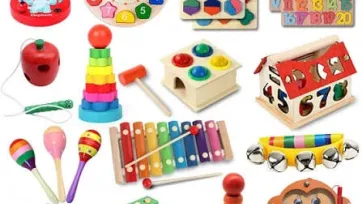
Best Musical Toys for Kids in 2026: Inspiring Creativity Through Music Music plays an important role in every child's development. From the first time a baby shakes a rattle to a preschooler playing their first tune on a toy keyboard, musical experiences help children develop confidence, creativity, coordination, and communication skills. Musical toys make learning enjoyable by encouraging children to explore sounds, rhythms, and melodies through hands-on play. In 2026, musical toys are more creative than ever. Parents can choose from traditional instruments, interactive keyboards, drum sets, karaoke machines, dance mats, and educational music games designed for every age group. Whether your child dreams of becoming a singer, drummer, guitarist, or simply enjoys making noise, the right musical toy can encourage a lifelong love of music. This guide explores the best musical toys for kids in 2026 and explains how they support healthy childhood development. Why Musical Toys Are Important Children naturally respond to music. Even babies begin recognising rhythms and reacting to melodies long before they can speak. Musical toys help children: Explore different sounds Express emotions Build confidence Improve listening skills Develop coordination Strengthen memory Enjoy creative play Unlike passive entertainment, musical toys encourage children to actively participate in creating music. Benefits of Musical Toys Musical play supports many areas of child development. Some of the biggest benefits include: Improve hand-eye coordination Develop rhythm and timing Strengthen listening skills Encourage creativity Improve memory Build confidence Support language development Enhance concentration Reduce screen time Children also learn patience as they practise new sounds and rhythms. Musical Toys for Babies Babies enjoy simple musical toys that are easy to hold and explore. Popular choices include: Soft rattles Musical plush toys Baby tambourines Sound blocks Gentle melody toys Musical activity cubes These toys introduce cause and effect while encouraging sensory development. Toy Keyboards Toy keyboards remain one of the most popular musical toys for children. Many modern keyboards include: Piano sounds Animal sounds Drum rhythms Learning modes Recording functions Light-up keys Children begin recognising notes while developing finger coordination and creativity. Toy Drum Sets Drum sets encourage children to explore rhythm through energetic play. Benefits include: Better coordination Improved timing Stronger arm movement Rhythm recognition Creative expression Many children's drum kits also include cymbals and percussion accessories for a more realistic experience. Xylophones and Glockenspiels Colourful xylophones are ideal for introducing young children to musical notes. Playing simple melodies helps children: Recognise pitch Develop rhythm Improve hand coordination Strengthen listening skills These instruments are especially suitable for toddlers and preschool children. Toy Guitars and Ukuleles Many children enjoy pretending to perform like their favourite musicians. Toy guitars and ukuleles encourage: Imaginative play Finger coordination Rhythm practice Musical confidence Some beginner models use real strings, helping older children prepare for learning actual instruments. Karaoke Machines Karaoke toys have become increasingly popular for family entertainment. Children enjoy: Singing favourite songs Performing for family Recording their voices Building stage confidence Singing also supports language development and pronunciation. Musical Dance Mats Dance mats combine movement with music, encouraging children to stay active while developing rhythm. These toys improve: Balance Coordination Physical fitness Timing Listening skills They are particularly popular for family game nights. Educational Musical Toys Many musical toys introduce early learning concepts alongside music. Children can practise: Numbers Colours Alphabet letters Animal sounds Memory games Combining music with learning helps children remember new information more easily. Choosing the Right Musical Toy Before buying, consider: Your child's age Volume control Durability Educational value Safety standards Battery life (if required) Look for toys that encourage creativity rather than simply playing pre-recorded music. Safety Tips Choose musical toys that: Meet recognised safety standards Use child-safe materials Have adjustable volume Match the recommended age Contain securely enclosed batteries Moderate sound levels help protect children's hearing during play. Common Buying Mistakes Parents often choose musical toys based only on appearance. Avoid: Extremely loud toys Poor sound quality Fragile construction Complicated controls for younger children Limited educational value Simple, durable instruments often provide the best long-term experience. Why Musical Toys Make Excellent Gifts Musical toys are wonderful gifts because they combine creativity, movement, and learning. They're perfect for: Birthdays Christmas First birthdays Family celebrations Nursery gifts Many children continue enjoying musical toys for years as their confidence and skills develop. Frequently Asked Questions What are the best musical toys for children? Toy keyboards, drum sets, xylophones, karaoke machines, musical activity cubes, guitars, and dance mats are among the most popular choices. At what age can children start using musical toys? Many musical toys are suitable from infancy, while more advanced instruments are designed for toddlers and older children. Do musical toys help child development? Yes. They improve coordination, listening skills, creativity, confidence, language development, and memory while encouraging active play. Should I choose electronic or traditional musical toys? A combination works best. Traditional instruments encourage creativity, while electronic musical toys often provide additional learning features and interactive activities. Final Thoughts The best musical toys for kids in 2026 inspire creativity, confidence, and joyful learning through sound and movement. Whether your child enjoys playing a keyboard, beating a drum, singing into a microphone, or exploring melodies on a xylophone, musical toys provide valuable opportunities to develop important skills while having fun. By choosing high-quality, age-appropriate musical toys, parents can encourage a lifelong appreciation of music while supporting healthy cognitive, emotional, and physical development. Every note played is another step towards greater creativity, confidence, and self-expression.
Best Educational Toys for Kids
Best Educational Toys for Kids: A Complete Guide to Learning Through Play Children learn best when they are actively engaged, curious, and having fun. That is why educational toys have become one of the most valuable investments parents can make. Instead of simply entertaining children for a few minutes, these toys encourage creativity, improve problem-solving skills, and support healthy cognitive, emotional, and physical development. Today's educational toys go far beyond alphabet blocks and counting games. Modern options include STEM kits, coding toys, building sets, puzzles, science experiments, musical instruments, and interactive learning games that make education enjoyable rather than stressful. If you're looking for the best educational toys for kids, this comprehensive guide will help you understand which toys provide real learning value and how to choose the right ones for your child's age and interests. What Are Educational Toys? Educational toys are designed to help children develop important skills while they play. They combine entertainment with learning, allowing children to explore new ideas naturally instead of feeling like they are studying. A well-designed educational toy encourages children to ask questions, solve problems, experiment with different ideas, and develop confidence through hands-on activities. Unlike many electronic gadgets that simply capture attention, educational toys actively involve children in the learning process. Why Educational Toys Matter Children absorb information much faster when learning feels enjoyable. Educational toys create opportunities for discovery, creativity, and independent thinking. These toys help children: Improve concentration Strengthen memory Build problem-solving skills Develop creativity Increase confidence Improve communication Encourage curiosity Support emotional growth Play-based learning also helps children remember concepts longer because they experience them instead of simply reading or hearing about them. Building Toys Encourage Creative Thinking Building toys remain among the most popular educational toys for children of all ages. Whether children are creating towers, bridges, vehicles, castles, or entire cities, they constantly practice planning, experimenting, and solving challenges. Building activities teach children that mistakes are part of learning. When a structure falls, they naturally try again using a better approach. Popular options include: Building blocks Magnetic tiles Construction kits Wooden block sets Engineering toys These toys improve both creativity and logical thinking. STEM Toys Prepare Kids for the Future STEM stands for Science, Technology, Engineering, and Mathematics. STEM toys encourage children to explore how things work through hands-on learning instead of memorization. Popular STEM toys include: Beginner robotics kits Coding games Engineering projects Magnetic construction sets Circuit building kits Science experiment boxes These activities introduce important concepts while making learning exciting and interactive. Educational Puzzles Improve Problem-Solving Skills Puzzles teach children how to recognize patterns, organize information, and think critically. As children complete puzzles, they learn patience, observation, and persistence. Different puzzle types include: Alphabet puzzles Number puzzles Animal puzzles World map puzzles Shape puzzles Logic puzzles Each completed puzzle builds confidence while strengthening memory and concentration. Learning Through Pretend Play Many parents underestimate the educational value of pretend play. When children pretend to be doctors, teachers, chefs, scientists, or firefighters, they develop communication skills, emotional intelligence, and creativity. Excellent pretend play toys include: Kitchen playsets Doctor kits Cash registers Tool sets Grocery stores Dollhouses Puppet theaters These activities encourage storytelling and help children understand real-world situations. Arts and Crafts Build Creativity Creative activities allow children to express themselves while developing important physical skills. Drawing, painting, cutting, folding, and sculpting improve hand strength and fine motor control. Popular educational craft toys include: Coloring books Watercolor sets Clay modeling kits DIY craft boxes Sticker activities Bead-making kits These projects also teach patience and attention to detail. Musical Toys Support Brain Development Music stimulates multiple areas of the brain at the same time. Simple musical toys help children develop: Listening skills Rhythm Coordination Creativity Memory Self-expression Keyboards, drums, xylophones, tambourines, and beginner instruments encourage children to experiment while having fun. Educational Board Games Teach Life Skills Board games are excellent learning tools because they combine fun with valuable social experiences. Children learn: Taking turns Following rules Strategic thinking Teamwork Fair play Decision-making Family game nights also strengthen relationships while encouraging healthy communication. Remote Control Toys Can Be Educational Too Many people think remote control toys are only designed for entertainment. In reality, RC toys help children improve: Hand-eye coordination Spatial awareness Reaction time Focus Motor skills Problem-solving Driving a remote control car around obstacles requires concentration and precise movements, making it an enjoyable learning experience. Science Kits Inspire Curiosity Science experiment kits introduce children to fascinating concepts through safe and simple activities. Popular experiments include: Volcano models Crystal growing Magnet activities Water experiments Weather projects Plant-growing kits Hands-on science helps children understand how the world works while encouraging curiosity. Outdoor Educational Toys Learning should not be limited to indoor activities. Outdoor educational toys help children stay active while exploring nature. Some excellent choices include: Gardening kits Nature explorer sets Insect observation boxes Binoculars Treasure hunt games Sports equipment Outdoor play improves physical health while teaching children about plants, animals, and the environment. Choosing Educational Toys by Age Every child develops differently, but selecting toys that match their age helps maintain interest and confidence. For toddlers: Shape sorters Stacking toys Soft alphabet blocks For preschoolers: Building blocks Number games Alphabet puzzles Pretend play sets For school-age children: STEM kits Robotics Advanced puzzles Science projects Coding games Age-appropriate toys create the right balance between challenge and enjoyment. How to Choose the Best Educational Toy Before purchasing, ask yourself a few important questions. Does the toy encourage creativity? Will it keep my child engaged for a long time? Does it match my child's interests? Is it safe? Can it be used in different ways? The best educational toys grow with children and continue offering new ways to play over time. Safety Tips for Parents Educational toys should always meet recognized safety standards. Before buying: Check the recommended age. Choose non-toxic materials. Avoid sharp edges. Inspect small parts. Buy from trusted manufacturers. Read product reviews. Regularly checking toys for wear also helps prevent accidents. Common Mistakes Parents Make Many parents unintentionally choose toys that provide very little educational value. Common mistakes include: Buying toys only because they are popular. Choosing toys that are too difficult. Ignoring durability. Focusing only on electronic features. Purchasing too many similar toys. A smaller collection of high-quality educational toys often provides better long-term benefits than a room full of short-lived entertainment. Why Educational Toys Make Wonderful Gifts Educational toys combine fun with lifelong learning. Whether for birthdays, holidays, or special occasions, they continue benefiting children long after the excitement of opening the gift has passed. Parents also appreciate gifts that encourage creativity, independence, and healthy development. Frequently Asked Questions What are the best educational toys for kids? Building blocks, STEM kits, puzzles, pretend play sets, musical instruments, science kits, arts and crafts, and educational board games are among the best choices. At what age should children start using educational toys? Children can begin using educational toys from infancy with age-appropriate options such as stacking toys, soft blocks, and sensory activities. Are electronic educational toys better? Not necessarily. Many traditional toys provide excellent educational value by encouraging creativity, imagination, and hands-on learning. Do educational toys improve school performance? Educational toys help develop skills such as concentration, memory, problem-solving, and communication, all of which support classroom learning. Final Thoughts The best educational toys do much more than keep children busy. They inspire curiosity, encourage creativity, develop confidence, and help children build essential life skills through enjoyable play. From building blocks and STEM kits to science experiments, puzzles, musical instruments, and remote control toys, every educational toy offers a unique opportunity for growth. The key is choosing toys that match your child's interests, abilities, and stage of development. When learning becomes fun, children stay curious, motivated, and eager to explore the world around them. Investing in high-quality educational toys is an investment in your child's future, providing countless opportunities to learn while making wonderful memories through play.
The Five-Minute Rule
The Five-Minute Rule: Why Children Abandon Some Toys Almost Immediately Introduction Watch a child receive a brand-new toy. For the first few minutes, the excitement is impossible to miss. The packaging is torn open. Buttons are pressed. Pieces are explored. Questions are asked. Everything suggests this new toy is about to become an instant favourite. Then something unexpected happens. Five minutes later, the toy is sitting quietly on the carpet while the child has wandered off to build a fort with sofa cushions or create a pretend café using kitchen utensils. What changed? Did the toy suddenly become boring? Did the child lose interest? Or was something else happening all along? Many parents assume short attention spans are the reason children quickly abandon certain toys. While attention certainly plays a role, the real explanation is often much more interesting. The first five minutes of play reveal something important about the design of a toy—and about the way children naturally learn. The First Five Minutes Are About Discovery Every new toy begins with exploration. Children examine its shape. They discover moving parts. They test buttons. They investigate sounds, textures and colours. During this stage, curiosity is at its highest. Everything is unfamiliar. Everything feels exciting. Toy designers work incredibly hard to make this first impression memorable. Bright colours, interesting textures and surprising features all compete for a child's attention. But first impressions are only the beginning. What Happens After Curiosity Fades? Eventually, every child reaches the same question. "Now what?" This is where many toys quietly reveal their biggest weakness. If every feature has already been discovered, there's little left for the child to contribute. The toy continues performing. The child simply watches. Open-ended toys follow a completely different path. Once the initial exploration ends, the real play begins. Instead of asking the toy for entertainment, children begin supplying their own ideas. A handful of wooden blocks suddenly becomes an airport. Magnetic tiles become a castle. Toy animals organise a safari. The excitement shifts from discovering the toy to creating something new with it. The Difference Between Surprise and Possibility Some toys rely almost entirely on surprise. Lights. Music. Movement. Secret compartments. Hidden buttons. Surprises are wonderful—but they only happen once. Possibility is different. Possibility never runs out. A cardboard box has almost no surprises. Yet children regularly spend hours with one because every new idea creates another possibility. That's why many of the simplest toys remain favourites long after complex gadgets have been forgotten. Children Don't Actually Get Bored That Quickly Parents often say, "My child gets bored after five minutes." More accurately, children become bored when a toy stops asking anything of them. If every action produces the same result, curiosity naturally fades. When toys encourage children to imagine, experiment and solve problems, attention often lasts much longer than adults expect. The child hasn't changed. The opportunity to create has. A Simple Test Every Parent Can Try The next time your child receives a new toy, don't judge it by the first reaction. Instead, quietly observe what happens after the excitement settles. Ask yourself: Are they inventing new ways to play? Are they combining the toy with other toys? Are they telling stories? Do they return to it later without being reminded? The answers often tell you far more about the toy than any advertisement ever could. Replay Value Is the Real Measure of a Great Toy Think about the toys that remain on the floor week after week. They're rarely the ones with the most impressive demonstrations in the shop. Instead, they're the toys that offer children a reason to come back. Replay value isn't about doing the same thing repeatedly. It's about discovering something new each time. A set of magnetic tiles can become a bridge one afternoon and a rocket the next. A box of wooden blocks might start as a tower before turning into a zoo, a city or a pirate island. The toy stays familiar. The play never does. That's why replay value is often a better indicator of quality than price, size or the number of features. How Parents Can Use the Five-Minute Rule Before Buying You don't need to be an expert in child development to choose better toys. Next time you're shopping, imagine your child has already spent five minutes with the toy. Then ask yourself: What could they do next? Can they create their own game? Will they combine it with other toys? Does it encourage imagination or simply demonstrate features? If it's difficult to answer those questions, the toy may depend too heavily on its initial excitement. The strongest toys usually leave plenty of room for the child to take control. Why Simplicity Often Wins Modern toys are remarkable. Many include sounds, movement, technology and interactive features that would have seemed impossible only a generation ago. Yet children still fall in love with surprisingly simple things. A handful of blocks. A toy farm. A train set. A basket of animal figures. Why? Because simple toys don't try to entertain children every second. Instead, they invite children to become the storyteller, the engineer, the explorer or the architect. The child becomes the most important feature of the toy. A Better Question Than "Is It Worth the Money?" Parents often ask whether a toy is worth its price. A more useful question is: "Will my child still choose this toy when nobody suggests it?" That's when you discover its true value. A toy that repeatedly attracts a child's attention without reminders has earned its place. It has become part of everyday play rather than just another purchase. What This Means for Future Toy Shopping The next time you're standing in a toy shop, don't be distracted by impressive packaging or flashy demonstrations. Picture your child at home a week later. Will they still be inventing new games? Will the toy inspire fresh ideas? Or will it simply repeat the same actions until curiosity fades? Parents who think beyond the first five minutes often make choices that provide far more lasting enjoyment. Frequently Asked Questions Why do children stop playing with new toys so quickly? Once the novelty wears off, toys with limited ways to play can become predictable. Toys that encourage imagination and creativity tend to keep children engaged for much longer. What does replay value mean? Replay value refers to how often a child voluntarily returns to a toy because it continues offering new possibilities for play. Are simple toys better than complicated ones? Not always, but simple, open-ended toys often provide greater flexibility, allowing children to invent different games as they grow. How can I tell if a toy has lasting appeal? Consider whether your child can use it in multiple ways, combine it with other toys and continue discovering new ideas over time. Should I avoid electronic toys completely? No. Many electronic toys have genuine educational benefits. The key is balancing them with toys that encourage creative, child-led play. Final Thoughts The first five minutes can be exciting. They can also be misleading. Almost every new toy captures a child's attention at first. Only a few continue capturing their imagination days, weeks and months later. That's the difference between a toy that entertains and a toy that becomes part of childhood. The next time you see your child quietly returning to the same set of blocks, the familiar train track or a favourite collection of animal figures, don't mistake it for routine. You're witnessing something much more valuable. You're watching a child choose creativity over novelty. And that's exactly the kind of play that leaves the longest-lasting memories.
11 Toy Buying Mistakes Almost Every Parent Makes (And How to Avoid Them)
 11 Toy Buying Mistakes Almost Every Parent Makes (And How to Avoid Them) Introduction Buying toys should be easy. Children play with them, enjoy them and hopefully learn something along the way. Yet every year, parents collectively spend millions on toys that end up forgotten in cupboards, broken within weeks or abandoned before the batteries even run out. The surprising part? Most of these disappointing purchases happen for exactly the same reasons. It's rarely because parents don't care. It's because modern toy shopping is full of distractions—advertising, trends, social media recommendations and pressure to buy whatever everyone else seems to be buying. After a while, it's easy to forget one simple fact: The best toy isn't the one that impresses adults. It's the one that keeps a child coming back voluntarily. If you've ever looked at an expensive toy collecting dust in the corner and wondered why your child lost interest so quickly, you're not alone. Let's look at the mistakes many families make—and, more importantly, how to avoid them. Mistake #1: Buying Toys That Entertain Instead of Engage There's an important difference between a toy that performs and a toy that invites play. A robot that dances at the press of a button may be exciting for five minutes. A box of magnetic tiles asks a child to think, experiment and build. The first delivers entertainment. The second creates involvement. Whenever possible, choose toys that require your child's imagination rather than replacing it. Mistake #2: Shopping for the Packaging Manufacturers invest enormous effort into packaging because they know it influences buying decisions. Large boxes, bright colours and licensed characters naturally attract attention. But once the packaging disappears, only the toy remains. Try judging the toy without imagining the box. Would it still seem exciting? Mistake #3: Assuming Expensive Means Better One family spends £25 on wooden blocks. Another spends £120 on a heavily advertised electronic gadget. Six months later, which toy is still used every weekend? The answer often surprises people. Price tells you what something costs. It doesn't tell you how much your child will value it. Mistake #4: Ignoring Your Child's Personality Some children love building. Others prefer pretending. Some enjoy creating art. Others want to move constantly. Buying toys that match your child's natural interests usually produces much better results than following the latest trend. Mistake #5: Buying Too Many Toys at Once Children rarely need ten new toys on the same day. Introducing one or two at a time allows each toy to receive proper attention. It also prevents the "open everything, play with nothing" effect many parents notice after birthdays and Christmas. Mistake #6: Forgetting That Simple Can Be Brilliant Cardboard boxes. Blankets. Wooden blocks. Play scarves. Art supplies. These items have entertained children for generations. Not because they're sophisticated. Because they're unfinished. Children complete them with imagination. Mistake #7: Believing Every Toy Needs an Educational Label Walk through any toy shop and you'll quickly notice a familiar word on countless boxes: Educational. It's become one of the most effective marketing terms in the toy industry. But here's something worth remembering. Children don't learn only when a toy claims to teach them something. They learn while building a blanket fort. They learn while pretending to run a café. They learn while inventing stories with toy animals. Some of the most valuable learning happens during completely unstructured play. Instead of asking whether a toy is educational, ask whether it encourages your child to think, create, solve problems or communicate. Those are often far better indicators of genuine learning. Mistake #8: Buying for Today's Excitement Instead of Tomorrow's Play Imagine two toys. One creates a huge reaction the moment it's opened. The other receives only a polite smile. Six months later, which one is still being used? Parents often focus on the excitement of Christmas morning or a birthday party, but children remember the toys they continue enjoying long after the celebration has ended. Try to shop with next month in mind, not just today. Mistake #9: Ignoring How the Toy Fits Into Your Home A fantastic toy can become frustrating if it doesn't suit your living space. Oversized playsets in a small flat. Hundreds of tiny accessories with nowhere to store them. Large ride-on toys that only fit in the hallway. Before buying, think beyond the shop. Where will the toy live? Will it be easy to tidy away? Will your child be able to reach it independently? Practical questions like these often determine whether a toy becomes part of everyday life or spends most of its time hidden in a cupboard. Mistake #10: Forgetting That Children Change Quickly Children's interests evolve much faster than adults expect. The dinosaurs they adored in spring may be replaced by rockets before autumn arrives. That doesn't mean parents should constantly buy new toys. Instead, choose toys that can adapt as interests change. Building pieces can become almost anything. Craft materials support countless hobbies. Pretend-play accessories transform with every new idea. Flexible toys usually stay relevant for much longer than toys tied to a single theme. Mistake #11: Buying Without Asking One Final Question Before every purchase, pause for a moment and ask yourself: "If this toy didn't exist, what would my child play with instead?" It's a surprisingly revealing question. If the answer is another toy that already lives in your house, perhaps you don't need to make the purchase. If the answer is, "Nothing they already own does this," you've probably found something that genuinely adds value to their collection. Sometimes the smartest purchase is the one you decide not to make. A Smarter Way to Shop for Toys Rather than filling your basket because something is on offer or trending online, create a simple habit. Every time you consider buying a toy, think about these five points: Does it encourage creativity? Is it suitable for my child's current stage of development? Will it still be interesting in six months? Does it offer something different from the toys we already own? Is it likely to be played with regularly rather than occasionally? You don't need five "yes" answers every time, but asking these questions encourages more thoughtful decisions and fewer impulse purchases. Frequently Asked Questions Why do children stop playing with new toys so quickly? In many cases, the novelty wears off. Toys that offer only one way to play often become predictable, whereas open-ended toys continue presenting new possibilities. Should I always buy educational toys? Not necessarily. Children learn through many different forms of play, including pretend games, creative activities and outdoor exploration. A toy doesn't need the word "educational" on the box to support development. Is it better to buy one expensive toy or several inexpensive ones? There's no universal answer, but long-lasting play value is usually more important than price. A well-made toy used every week often represents better value than several toys that are quickly forgotten. How can I reduce impulse toy purchases? Waiting 24 hours before buying, comparing the toy with what your child already owns and asking whether it offers a genuinely new play experience are all helpful strategies. What makes a toy worth buying? The best toys encourage children to imagine, experiment and return to play repeatedly. They remain enjoyable because children continue discovering new ways to use them. Final Thoughts No parent gets every toy purchase right. Every family has experienced the excitement of bringing home a new toy, only to find it forgotten a few weeks later. That's simply part of raising children. What matters is recognising the patterns. The toys that become lifelong favourites rarely rely on flashing lights, clever advertising or enormous boxes. Instead, they invite children to think, create and tell their own stories. By avoiding these common buying mistakes, you'll spend less on toys that lose their appeal and invest more in toys that genuinely enrich your child's play. And perhaps the biggest lesson of all? Buying the right toy isn't about finding the most impressive product on the shelf. It's about finding the one your child will still choose when nobody tells them to.  
Best Robot Toys for Kids in 2026
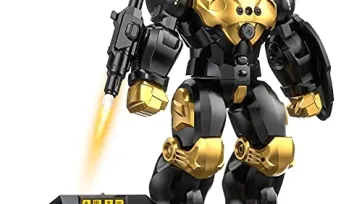
Best Robot Toys for Kids in 2026: Smart, Educational and Fun for Every Age Robot toys have become one of the fastest-growing categories in the toy industry, combining entertainment with education in ways that capture children's imagination. From simple dancing robots for toddlers to programmable robots that teach coding and engineering, today's robot toys help children develop valuable STEM skills while keeping them engaged through interactive play. Unlike traditional toys, robot toys respond to commands, perform movements, solve challenges, and even introduce basic programming concepts. They encourage children to think creatively, experiment with technology, and develop problem-solving skills that will be useful throughout their lives. Whether you're shopping for a birthday, Christmas, or an educational gift, this guide explores the best robot toys for kids in 2026. Why Robot Toys Are So Popular Children are naturally curious about technology. Robot toys allow them to explore how machines move, respond, and interact with the world. Many modern robots can: Walk Dance Talk Follow commands Avoid obstacles Perform tricks Play games Teach coding These interactive features make learning feel like play instead of study. Benefits of Robot Toys Robot toys support many areas of child development. Some of the biggest benefits include: Improve problem-solving skills Encourage logical thinking Develop STEM knowledge Build creativity Strengthen concentration Improve hand-eye coordination Introduce coding concepts Encourage independent learning Reduce passive screen time Children also gain confidence as they successfully control and programme their robots. Robot Toys for Toddlers Younger children benefit from simple robots with large buttons and easy controls. Popular features include: Dancing movements Flashing lights Music Animal sounds Colour recognition Shape learning These toys introduce cause and effect while encouraging sensory development. Coding Robots for Kids Coding robots are among the most educational robot toys available. Children learn how to: Create sequences Solve logic puzzles Programme movements Complete challenges Test different solutions Many beginner coding robots use visual programming instead of written computer code, making them suitable for young learners. Remote Control Robot Toys Remote control robots combine technology with active play. Children can control: Walking Turning Dancing Talking Arm movements Sound effects These toys improve hand-eye coordination while making playtime highly interactive. AI-Inspired Robot Toys Some advanced robot toys now include artificial intelligence features. Depending on the model, they may: Recognise voices Respond to commands Learn simple routines Interact with users Tell stories Answer basic questions These robots introduce children to the growing world of AI in an age-appropriate way. Educational Robot Kits Children who enjoy building can combine robotics with engineering. Educational robot kits allow them to: Assemble moving robots Connect motors Build mechanical systems Explore electronics Learn engineering principles Building a robot before programming it provides a deeper understanding of how technology works. STEM Learning Through Robotics Robot toys naturally introduce STEM concepts. Children explore: Science Technology Engineering Mathematics Instead of reading about these subjects, they experience them through practical challenges and experimentation. Robot Toys Encourage Creativity Robot toys are not just about technology. Children often invent imaginative adventures where robots become: Explorers Helpers Space travellers Rescue workers Scientists Friendly companions These stories encourage communication and imaginative thinking alongside technical learning. Choosing the Right Robot Toy Before buying, consider: Your child's age Skill level Battery life Ease of programming Educational value Durability Expandability A robot that grows with your child's abilities offers the greatest long-term value. Safety Tips Choose robot toys that: Meet recognised safety standards Use durable materials Match the recommended age Include clear instructions Have securely enclosed batteries Rechargeable models are often more convenient for regular use. Common Buying Mistakes Parents sometimes purchase robot toys that are too complicated. Avoid: Advanced programming kits for beginners Poor battery life Weak build quality Limited learning features Unknown brands without safety certification Choosing the right difficulty level keeps children motivated instead of frustrated. Why Robot Toys Make Brilliant Gifts Robot toys remain one of the most exciting educational gifts available. They're perfect for: Birthdays Christmas School achievements STEM competitions Holiday presents Children enjoy the excitement of interactive technology while developing valuable future-ready skills. Frequently Asked Questions What are the best robot toys for children? Coding robots, remote control robots, educational robot kits, AI-inspired robots, and STEM robotics sets are among the best choices. At what age can children start using robot toys? Simple interactive robots are suitable from around three years old, while coding and engineering robots are designed for older children. Do robot toys help children learn? Yes. Robot toys improve problem-solving, creativity, coding skills, engineering knowledge, and logical thinking through hands-on learning. Are robot toys worth buying? Absolutely. High-quality robot toys combine entertainment with STEM education, making them an excellent long-term investment for children's learning. Final Thoughts The best robot toys for kids in 2026 combine innovation, education, and entertainment in one exciting package. Whether your child enjoys coding, engineering, remote control gadgets, or imaginative adventures, robot toys encourage curiosity while helping develop skills that will remain valuable in the future. By choosing an age-appropriate robot toy with strong educational value, parents can inspire a love of technology while giving children endless opportunities to build, programme, explore, and create. As technology continues to shape the world, robot toys offer a fun and engaging introduction to the skills of tomorrow.
Best Kids Lunch Boxes in 2026
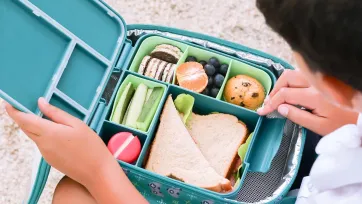
Kids Lunch Boxes: The Complete Parent's Guide to Choosing the Best Lunch Box for School Introduction Every school morning follows a familiar routine. Breakfast is finished. Shoes are on. The backpack is packed. Then comes one item that quietly plays an important role throughout the day—the lunch box. A good lunch box does far more than carry sandwiches. It keeps food fresh, prevents leaks inside school bags, makes healthy meals easier to pack and encourages children to enjoy lunchtime. A poor-quality lunch box, on the other hand, can lead to crushed food, unwanted spills and meals that children simply don't want to eat. With hundreds of options available, choosing the right one isn't always easy. Should you buy a traditional lunch box or a bento-style design? Is stainless steel better than plastic? How important is insulation? Which size is best for younger children? This guide answers those questions and helps parents choose a lunch box that's practical, durable and easy for children to use every school day. Why the Right Lunch Box Matters Children spend several hours away from home each school day. Their lunch box needs to protect food from the moment it leaves the kitchen until lunchtime. A well-designed lunch box should: Keep food fresh. Prevent leaks and spills. Be easy for children to open independently. Fit neatly inside a school backpack. Be simple to clean after use. Choosing the right lunch box makes school mornings easier and lunchtime more enjoyable. Choose the Right Size Before Anything Else A common mistake is buying the biggest lunch box available. Extra space may seem useful, but oversized lunch boxes often take up unnecessary room inside school bags and can encourage overpacking. Instead, think about what your child normally takes to school. Most children only need space for: A main meal. Fresh fruit. A healthy snack. A small dessert. A reusable water bottle carried separately. A lunch box should comfortably hold everyday meals without becoming bulky. Different Types of Kids' Lunch Boxes Not every family has the same routine, which is why different lunch box styles suit different needs. Traditional Lunch Boxes These feature one large compartment and work well for packed lunches stored in separate food containers. They're ideal for children who enjoy simple lunches. Bento Lunch Boxes Bento-style lunch boxes include several built-in compartments that keep different foods separated. Parents often use them to pack a balanced variety of foods without needing multiple containers. Insulated Lunch Boxes Insulated lunch boxes help maintain food temperature for longer, making them particularly useful during warmer months or when carrying chilled meals. They're also popular for school trips and family outings. What Material Is Best? The material affects durability, weight and ease of cleaning. Plastic Lightweight and affordable, quality food-safe plastic lunch boxes remain a popular everyday choice for school. Stainless Steel Stainless steel offers excellent durability and doesn't absorb food odours or colours. It's often chosen by families looking for a long-lasting option. Fabric Insulated Lunch Bags Soft insulated lunch bags are lightweight, easy to carry and often include extra storage pockets for snacks or cutlery. Features Worth Looking For The best lunch boxes aren't always the most expensive. Instead, focus on practical features that make daily use easier. Look for: Leak-resistant seals. Secure but child-friendly clips. Rounded corners for easy cleaning. Strong hinges. Lightweight construction. Dishwasher-safe components where appropriate. Compartments that keep foods separate. Small details can make a big difference during a busy school week. Should Food Be Kept Separate? Many children prefer foods that stay fresh and don't mix together. Separate compartments help keep: Fruit away from sandwiches. Crackers crisp. Vegetables fresh. Dips contained. Desserts looking appetising. Keeping foods separated often encourages children to eat more of the lunch packed for them. How to Keep School Lunches Fresh Even the best lunch box works more effectively when food is packed correctly. A few simple habits can help meals stay fresh until lunchtime. Try these practical tips: Cool cooked food before packing it. Include an ice pack if the lunch contains dairy, meat or yoghurt. Use leak-proof containers for sauces and dips. Keep wet foods separate from dry snacks. Slice fruit shortly before leaving home to help preserve freshness. Avoid overfilling the lunch box, as this can crush softer foods. Fresh food is often more appealing, making children more likely to eat the lunch you've prepared. Making Lunch Boxes Easy for Children to Use Many younger children struggle with complicated clips and tightly sealed lids. Before buying a lunch box, ask yourself: Can your child open it without help? Can they close it securely after eating? Is every compartment easy to reach? Will they be able to pack it away independently? Simple designs often work better than complicated ones, especially during busy school lunch breaks. Cleaning and Caring for a Lunch Box A lunch box is used almost every school day, so regular cleaning is essential. To keep it in good condition: Wash it after every use. Dry it thoroughly before closing the lid. Remove food crumbs from corners and seals. Clean silicone seals regularly if fitted. Leave the lid open while drying to prevent unwanted odours. A well-maintained lunch box stays fresher and lasts much longer. Common Lunch Box Buying Mistakes Parents often focus on appearance while overlooking practical details. Avoid these common mistakes: Choosing a lunch box that's too large. Ignoring whether it fits inside the school backpack. Buying complicated compartments younger children can't open. Forgetting to check if it's easy to clean. Choosing weak clips that wear out quickly. Packing more food than the child usually eats. A lunch box should simplify school mornings—not create extra work. Frequently Asked Questions What size lunch box is best for primary school children? A medium-sized lunch box is usually ideal. It should comfortably hold a balanced lunch without taking up too much space in a backpack. Are stainless steel lunch boxes better than plastic ones? Both have advantages. Stainless steel is highly durable and long-lasting, while good-quality food-safe plastic is lightweight and often easier for younger children to carry. Should lunch boxes have separate compartments? Separate compartments help keep foods fresh, prevent flavours from mixing and make meals look more appealing to children. How often should a lunch box be replaced? Replace it if seals fail, hinges break, cracks appear or it no longer keeps food secure. A high-quality lunch box can often last several school years with proper care. Can lunch boxes go in the dishwasher? Many can, but always check the manufacturer's care instructions first. Some insulated components and seals may require hand washing. Final Thoughts A lunch box may seem like a simple purchase, but it plays an important role in your child's daily routine. The right lunch box keeps food fresh, survives the demands of school life and makes lunchtime easier for children to enjoy independently. Rather than choosing one based only on colour or character designs, focus on comfort, durability, practical compartments and ease of cleaning. When those features come together, a good lunch box becomes something your child relies on every school day. Small decisions often make the biggest difference.  
Best Kids Rain Boots in 2026
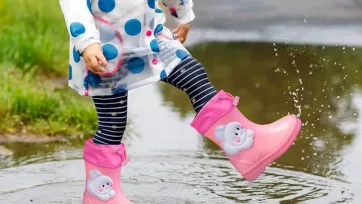
Kids Rain Boots: The Complete Parent's Guide to Choosing Waterproof, Comfortable Wellies for Children Introduction For children, rainy days rarely mean staying indoors. They mean jumping into puddles, exploring muddy woodland paths, building dams in the garden and discovering worms after a shower. A good pair of rain boots turns wet weather into another adventure. For parents, however, choosing children's rain boots isn't quite so simple. Should you buy them a size bigger? Are rubber boots better than lightweight waterproof alternatives? Do insulated boots really make a difference during winter? How can you stop little feet from becoming cold and sweaty after an afternoon outdoors? The right pair of rain boots keeps feet dry, supports growing feet and survives plenty of energetic play. The wrong pair may cause discomfort, blisters or simply end up forgotten at the back of the cupboard. This guide explains everything parents should know before buying kids' rain boots, helping you choose footwear that's practical, comfortable and built for everyday adventures. Why Quality Rain Boots Matter Children don't walk through puddles. They run. They splash. They climb. They test every muddy corner they can find. That's why children's rain boots need to do much more than keep water out. A well-designed pair should: Keep feet dry in wet weather. Provide reliable grip on slippery surfaces. Feel comfortable for extended wear. Be easy for children to put on themselves. Stand up to regular outdoor use. When these features come together, children spend less time worrying about wet feet and more time enjoying the outdoors. Choosing the Correct Size One of the most common mistakes parents make is buying rain boots that are far too large. Although children grow quickly, oversized boots can rub against the heel, make walking awkward and increase the risk of trips and falls. A better approach is to allow just enough room for: Thick socks during colder months. Natural foot movement. Future growth without compromising comfort. Your child should be able to wiggle their toes freely while the heel remains secure during walking. What Material Is Best? Not all rain boots are made from the same materials. Understanding the differences helps parents choose footwear that matches their child's lifestyle. Natural Rubber Natural rubber remains one of the most popular choices because it's flexible, waterproof and durable. It's particularly suitable for regular outdoor play. PVC PVC boots are often lighter and more affordable. They're a practical option for occasional use, although they may not offer the same flexibility as premium rubber boots. Insulated Rain Boots For colder climates, insulated boots include an extra lining that helps keep little feet warm during chilly autumn and winter days. They're especially useful for long walks, countryside adventures and snowy conditions. Features Worth Looking For A good pair of kids' rain boots should include more than waterproof material. Useful features include: Deep, non-slip soles. Soft inner lining. Easy pull handles. Flexible construction. Reinforced heel support. Durable stitching around the upper edge. Comfortable fit around the ankle. These details make everyday use easier for both children and parents. Should Children Wear Thick Socks? Many parents automatically choose the thickest socks they can find. In reality, comfort depends on the weather. During cool autumn days, medium-weight cotton or wool-blend socks often provide enough warmth without making feet sweaty. In colder weather, thermal socks can improve comfort inside insulated boots. The goal is to keep feet warm while allowing enough airflow to prevent excess moisture. How to Check If Rain Boots Fit Properly Even the best rain boots won't feel comfortable if they don't fit correctly. When your child tries them on, ask them to walk around for a few minutes. Check that: The heel stays in place while walking. Toes have enough room to move comfortably. The boots don't rub around the ankles. Walking feels natural rather than awkward. Your child can put the boots on and take them off without struggling. A comfortable fit encourages children to wear their boots happily whenever the weather changes. Rain Boots for Different Activities Not every child uses rain boots in the same way. Choosing the right type depends on how they'll be worn. For Nursery and School A lightweight pair with flexible soles is usually the best choice. Children often need boots that are easy to change into during outdoor play. For Country Walks Look for deeper tread patterns that provide extra grip on muddy footpaths and uneven ground. For Camping and Family Adventures Comfort becomes even more important during longer walks. Flexible rubber boots with supportive soles help reduce fatigue. For Gardening and Outdoor Play Simple waterproof boots with good traction are ideal for everyday adventures in the garden. Keeping Rain Boots in Good Condition Rain boots don't require complicated maintenance, but a little care helps them last much longer. Useful habits include: Rinse off mud after use. Allow boots to dry naturally. Avoid placing them directly against radiators or heaters. Store them upright in a cool, dry place. Wipe the outside occasionally with a damp cloth. Keeping boots clean also helps maintain their waterproof finish. Common Buying Mistakes Parents Make Many rain boot problems begin before children even wear them. Some of the most common mistakes include: Buying boots several sizes too large. Choosing appearance over comfort. Ignoring sole grip. Forgetting to check flexibility. Using rain boots for long-distance hiking instead of purpose-built walking boots. Waiting too long to replace boots after children outgrow them. A well-fitting boot is always more valuable than a fashionable one that causes discomfort. Frequently Asked Questions Should children wear rain boots every day? Rain boots are designed for wet conditions. On dry days, supportive everyday shoes are usually more comfortable for extended walking. How often should children's rain boots be replaced? Replace them when your child outgrows them, if the soles become worn or if cracks appear that affect waterproof performance. Are insulated rain boots worth buying? If your child regularly plays outdoors during cold weather, insulated boots can provide additional warmth and comfort. Can rain boots be worn in the snow? Some insulated rain boots are suitable for light snow, but dedicated winter boots generally provide better insulation and grip in freezing conditions. What's the best way to dry wet rain boots? Allow them to air dry naturally at room temperature. Avoid placing them directly on radiators, as excessive heat may damage certain materials. Final Thoughts For children, rain doesn't usually spoil the day. It creates a new opportunity for adventure. The right pair of rain boots allows them to splash through puddles, explore muddy paths and enjoy the outdoors without worrying about wet feet. When choosing children's rain boots, focus on fit, comfort, grip and durability rather than simply selecting the brightest colour or favourite pattern. A pair that fits well, keeps feet dry and stands up to everyday play will quickly become one of the most useful items in your child's wardrobe. After all, some of childhood's happiest memories begin with a puddle.