Best Balance Bikes for Kids in 2026

Best Balance Bikes for Kids in 2026: The Ultimate Parent's Buying Guide

A balance bike is often a child's first real step towards independent cycling. Unlike traditional bicycles with stabilisers, balance bikes teach children how to balance naturally before they learn to pedal. This simple approach has transformed how children learn to ride, making the transition to a regular bicycle faster, easier, and far more enjoyable.

In 2026, balance bikes remain one of the best-selling outdoor toys for toddlers and preschool children. Available in wooden, metal, lightweight aluminium, and adjustable models, they help children build confidence, coordination, and independence while encouraging active outdoor play.

If you're looking for the best balance bike for your child, this complete guide will help you make the right choice.

What Is a Balance Bike?

A balance bike is a pedal-free bicycle designed to teach children how to balance using their own feet.

Instead of pedalling, children:

  • Walk forward
  • Push with their feet
  • Glide naturally
  • Steer independently
  • Learn balance through movement

Once balance becomes second nature, learning to ride a standard bicycle is usually much easier.

Why Parents Choose Balance Bikes

Traditional bicycles with stabilisers teach children how to pedal but not how to balance.

Balance bikes work differently.

Children naturally develop balance while steering and controlling their speed, meaning they often skip stabilisers altogether when moving to a pedal bike.

Many cycling experts now recommend balance bikes as the easiest way to learn.

Benefits of Balance Bikes

Balance bikes support healthy physical development.

Some of the biggest benefits include:

  • Improve balance
  • Build confidence
  • Strengthen leg muscles
  • Develop coordination
  • Improve steering control
  • Encourage outdoor play
  • Increase independence
  • Support gross motor development
  • Reduce screen time

These skills also help children in other sports and physical activities.

Balance Bikes for Toddlers

Toddlers usually begin with lightweight models that are easy to control.

Beginner balance bikes often feature:

  • Adjustable seats
  • Soft grips
  • Lightweight frames
  • Puncture-proof tyres
  • Low step-through design

These features help young riders feel safe while learning.

Wooden Balance Bikes

Wooden balance bikes remain popular because of their simple and attractive design.

Parents like them because they are:

  • Eco-friendly
  • Lightweight
  • Durable
  • Quiet
  • Stylish

Their minimalist design also encourages children to focus on riding rather than electronic features.

Metal Balance Bikes

Metal balance bikes are built for durability and long-term use.

Many include:

  • Adjustable handlebars
  • Air-filled tyres
  • Hand brakes
  • Height-adjustable seats
  • Strong steel or aluminium frames

These models are ideal for children who ride regularly outdoors.

Inflatable vs Foam Tyres

Balance bikes are available with different tyre types.

Foam tyres offer:

  • No punctures
  • Low maintenance
  • Lightweight design

Inflatable tyres provide:

  • Better grip
  • Smoother rides
  • Improved shock absorption
  • Greater comfort on rough ground

The best choice depends on where your child will ride most often.

Learning Through Outdoor Play

Balance bikes encourage children to spend more time outside.

Popular riding locations include:

  • Parks
  • Gardens
  • Cycle paths
  • School playgrounds
  • Quiet pavements
  • Family walking trails

Outdoor riding also encourages healthy exercise and family activities.

How to Choose the Right Balance Bike

Before buying, consider:

  • Your child's age
  • Inside leg measurement
  • Weight of the bike
  • Adjustable features
  • Tyre type
  • Frame material
  • Safety certification

A lightweight bike is usually much easier for young children to control.

Safety Equipment

Children should always wear suitable safety equipment when riding.

Recommended items include:

  • Helmet
  • Knee pads
  • Elbow pads
  • Closed-toe shoes

Parents should also supervise beginners until they become confident riders.

Common Buying Mistakes

Many parents buy balance bikes that are too large.

Avoid:

  • Heavy frames
  • Seats that cannot be adjusted
  • Poor-quality tyres
  • Cheap bearings
  • Bikes without safety certification

A properly fitted balance bike makes learning much easier and more enjoyable.

Maintaining a Balance Bike

Good maintenance helps the bike last for years.

Regularly:

  • Check tyre condition
  • Tighten loose bolts
  • Clean the frame
  • Adjust the seat height
  • Inspect handlebars
  • Lubricate moving parts if required

A well-maintained bike provides a smoother and safer riding experience.

Why Balance Bikes Make Excellent Gifts

Balance bikes are one of the most practical gifts for young children.

They're perfect for:

  • Birthdays
  • Christmas
  • Second birthdays
  • Outdoor activity gifts
  • Family celebrations

Unlike many toys that are quickly forgotten, a balance bike often becomes part of a child's daily routine.

Frequently Asked Questions

What is the best age for a balance bike?

Most children can begin using a balance bike between 18 months and 2 years, depending on their height and confidence.

Are balance bikes better than bikes with stabilisers?

For many children, yes. Balance bikes teach natural balance first, making the transition to a pedal bicycle much smoother.

Do balance bikes really help children learn to cycle?

Absolutely. Children who master balancing often learn to ride a pedal bike without stabilisers much more quickly.

Should I choose a wooden or metal balance bike?

Both are excellent options. Wooden bikes are lightweight and environmentally friendly, while metal bikes usually offer greater durability and adjustable features.

Final Thoughts

The best balance bikes for kids in 2026 help children develop confidence, coordination, and independence while making the journey towards cycling enjoyable from the very beginning. By learning balance before pedalling, children gain an important skill that makes riding a traditional bicycle far less intimidating.

Whether you choose a lightweight wooden model or a durable metal design, a high-quality balance bike provides years of outdoor fun while encouraging healthy physical development. It's one of the few toys that combines exercise, learning, and adventure into one unforgettable childhood experience.
Advertisement
Toy Rotation Explained: How to Organise Your Child's Toys for Better Learning and Less Clutter
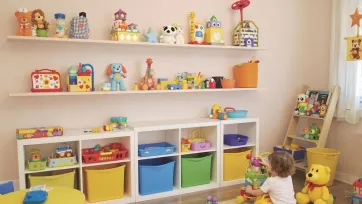
Walk into almost any family home and you'll probably find the same scene: toy boxes overflowing, shelves packed with games, and pieces scattered across the floor. Yet despite having so many toys, children often become bored within minutes and ask for something new. The issue is rarely a lack of toys. More often, it's simply too much choice. Toy rotation is an increasingly popular method that helps parents organise toys in a smarter way. Instead of leaving every toy available all the time, only a carefully selected collection is kept within reach while the rest are stored away. Every few weeks, the toys are swapped, making old favourites feel exciting again. This simple approach can reduce clutter, encourage independent play, improve concentration and even help families spend less money on new toys. Whether you have a curious toddler or an energetic primary school child, toy rotation can completely change how your child plays and how your home feels. What Is Toy Rotation? Toy rotation is the process of dividing your child's toys into several groups and making only one group available at a time. The remaining toys are stored safely out of sight and rotated back into use after a set period. Because children are not overwhelmed with endless choices, they tend to explore each toy more deeply, use their imagination more often and remain engaged for longer. Why Toy Rotation Works So Well Children don't necessarily need more toys; they need better opportunities to engage with the toys they already have. When dozens of toys compete for attention, children often move quickly from one activity to another without fully enjoying any of them. By reducing the number of available toys, parents create an environment that encourages focus, creativity and meaningful play. Benefits of Toy Rotation Encourages longer and more focused play sessions. Reduces clutter around the home. Makes old toys feel new again. Saves money by reducing unnecessary purchases. Supports creativity and imaginative play. Improves organisation and easier clean-up. Helps children appreciate their belongings. Encourages independent learning and problem-solving. How to Start a Toy Rotation System Begin by collecting every toy from around the house. Sort them into categories such as building toys, pretend play, puzzles, books, arts and crafts, vehicles and outdoor toys. Remove anything broken, unsafe or no longer suitable for your child's age. Divide the remaining toys into balanced groups, ensuring each group offers different types of play. Store the unused sets in clearly labelled containers and rotate them every two to four weeks or whenever your child begins losing interest. How Often Should You Rotate Toys? There is no strict rule. Most families find that rotating every two to four weeks works well, although some children enjoy longer or shorter intervals. The best schedule depends on your child's age, interests and play habits. Toys That Don't Need Rotating Some items are used so frequently that they can remain available all year. These may include: Favourite bedtime soft toys Books Art supplies Outdoor play equipment Building blocks Comfort toys Choosing Toys for a Successful Rotation The best toys for rotation are those that encourage open-ended play and can be enjoyed in different ways over time. Look for toys that: Develop creativity. Encourage problem-solving. Match your child's age and abilities. Are durable and easy to clean. Can be combined with other toys. Avoid buying toys that only perform one simple action or quickly lose their appeal. Organising Toy Storage A good storage system makes toy rotation much easier. Useful storage solutions include: Clear plastic storage boxes Stackable containers Fabric cubes Shelf baskets Labelled bins Under-bed storage boxes Keeping toys clean, dry and organised also helps them last longer. Safety Tips Before placing toys back into rotation, always inspect them carefully. Remember to: Check for broken parts. Remove damaged toys immediately. Clean toys regularly. Store batteries safely. Follow age recommendations. Keep small parts away from babies and toddlers. Ensure storage boxes have no sharp edges. Common Buying Mistakes Many parents unintentionally create clutter by making a few common mistakes. Avoid: Buying too many toys at once. Choosing toys simply because they are fashionable. Ignoring recommended age ranges. Buying duplicate toys. Purchasing toys with very limited play value. Forgetting to plan storage space. A smaller collection of versatile, high-quality toys almost always provides greater long-term value than a large collection of novelty items. Frequently Asked Questions Does toy rotation really help children? Yes. Many parents notice improved concentration, better creativity and longer play sessions after introducing a toy rotation system. How many toys should be available at one time? There is no exact number, but around 15 to 30 well-chosen toys and activities usually provide plenty of variety without overwhelming children. Should books be included in the rotation? Yes. Rotating books helps maintain children's interest while allowing favourite stories to remain available if desired. Can older children benefit from toy rotation? Absolutely. Older children can rotate board games, craft materials, science kits, construction sets and books just as effectively as younger children. Final Thoughts Toy rotation is one of the simplest and most effective ways to create a calmer, more organised home while supporting your child's development. By reducing clutter and limiting the number of toys available at one time, children often become more creative, focused and independent. The best part is that toy rotation doesn't require expensive products or a complete playroom makeover. With a little planning and consistent organisation, parents can make existing toys feel new again, reduce unnecessary spending and create a more enjoyable play environment for the whole family.  
Indoor Toys That Keep Children Entertained Without Screens
Indoor Toys That Keep Children Entertained Without Screens: A Complete Parent's Guide Rainy afternoons, school holidays and weekends at home often leave parents searching for ways to keep children happily occupied. While tablets, televisions and smartphones can provide quick entertainment, many families are looking for healthier alternatives that encourage creativity, movement and independent thinking. This is where the right indoor toys can make a real difference. Indoor toys offer children the opportunity to learn, explore and play without relying on digital screens. Whether it's building an imaginative world from construction pieces, solving a challenging puzzle or creating a masterpiece with art supplies, these toys encourage meaningful play while supporting healthy development. Screen-free play is more important than ever. Excessive screen time can reduce opportunities for physical activity, imaginative thinking and social interaction. By offering engaging indoor toys, parents can create a balanced environment where children remain entertained while developing valuable life skills. The best indoor toys are versatile, age-appropriate and enjoyable enough to hold a child's attention for extended periods. They encourage independent play, family interaction and creative problem-solving, making them a worthwhile investment for every household. In this guide, you'll discover the benefits of indoor toys, how they support child development, which toys suit different age groups and what to consider before making a purchase. Why Indoor Toys Are Important Indoor toys provide far more than entertainment. They allow children to continue learning and developing even when outdoor play is not possible. Good indoor toys encourage: Creative thinking Problem-solving Communication Fine motor development Independent play Family interaction Emotional confidence Concentration They also help children stay active and engaged during poor weather or when outdoor space is limited. Benefits of Screen-Free Indoor Play Replacing some screen time with traditional play offers several long-term benefits. Encourages Creativity Without digital instructions or fixed outcomes, children rely on their own imagination to create stories, solve problems and invent games. Improves Concentration Many indoor activities require patience and focus. Building models, completing puzzles and creating artwork all encourage children to remain engaged for longer periods. Supports Social Skills Board games, role play and cooperative activities encourage conversation, sharing and teamwork. Develops Motor Skills Many indoor toys strengthen both fine and gross motor skills through hands-on activities. Reduces Overstimulation Unlike many electronic devices, traditional toys often create a calmer play environment that allows children to think independently. Encourages Independent Play Children become more confident when they learn to entertain themselves without relying on digital devices. Best Indoor Toys for Babies Babies learn through movement, touch and exploration. Suitable indoor toys include: Soft activity gyms Sensory balls Stacking cups Soft building blocks Fabric books Shape sorters Musical toys Activity cubes These toys encourage reaching, grasping and early exploration while supporting sensory development. Indoor Toys for Toddlers Toddlers enjoy activities that combine movement with imagination. Excellent choices include: Building blocks Pretend play kitchens Ride-on toys suitable for indoor use Ball pits Chunky puzzles Push-and-pull toys Play tents Drawing boards Toy animals Stacking toys These toys help develop creativity, coordination and early problem-solving while keeping energetic toddlers entertained indoors. Indoor Toys for Preschool Children Preschool children enjoy more detailed activities that challenge both their imagination and thinking skills. Popular indoor toys include: Construction sets Craft kits Dollhouses Puppet theatres Magnetic building toys Marble runs Pretend shop play sets Toy tool benches Play kitchens Storytelling cards These toys encourage independent play, communication and creative thinking while supporting school readiness. Indoor Toys for School-Age Children As children grow older, they often look for toys that challenge their imagination, creativity and problem-solving abilities. The best indoor toys for this age group encourage independent thinking while also providing opportunities for family play. Some excellent options include: Strategy board games Advanced construction sets Arts and crafts kits Science experiment kits Model-building projects Card games Marble runs Building planks Puzzle games Creative writing and storytelling games These toys help children stay entertained for longer periods while developing valuable cognitive and social skills. How to Choose the Best Indoor Toys Not every indoor toy provides meaningful play. The most valuable options encourage children to think, create and explore rather than simply watching or pressing buttons. When choosing indoor toys, consider the following: Your child's age and interests. The available space in your home. The toy's educational value. Whether it encourages active participation. Durability and build quality. Opportunities for independent play. Whether siblings can enjoy it together. Selecting toys that can be used in multiple ways usually provides greater long-term value than toys designed for only one activity. Creating an Engaging Indoor Play Space The environment where children play can be just as important as the toys themselves. A well-organised play area encourages children to explore independently and keeps playtime enjoyable. Consider these simple ideas: Keep toys within easy reach. Rotate toys every few weeks to maintain interest. Use labelled storage boxes or baskets. Create separate areas for reading, building and creative activities. Ensure there is enough floor space for active play. Display only a limited selection of toys at one time to avoid overwhelming children. An organised space often leads to more focused and imaginative play. Buying Guide Before purchasing indoor toys, take a few moments to consider what will genuinely benefit your child. Choose Toys That Match Developmental Stages Children enjoy toys that challenge them without causing frustration. Always consider your child's current abilities. Prioritise Open-Ended Play Construction toys, craft materials and pretend play sets often provide much greater long-term value than toys with a single purpose. Consider Storage Requirements Large toys may not be practical for smaller homes. Foldable or stackable toys can help save space. Think About Durability Indoor toys are often used every day, so choosing well-made products can reduce replacement costs over time. Encourage Variety A balanced collection might include creative toys, building toys, puzzles, books and pretend play equipment to support different aspects of development. Safety Tips Even toys designed for indoor use should be chosen and maintained carefully. Follow these safety recommendations: Always check the recommended age range. Inspect toys regularly for damage. Remove broken pieces immediately. Keep small parts away from young children. Secure heavy furniture and storage units. Keep play areas free from trip hazards. Clean toys regularly using child-safe cleaning products. Supervise activities involving small accessories or craft materials. Safe play allows children to explore confidently while reducing unnecessary risks. Common Buying Mistakes Parents sometimes buy indoor toys that quickly lose their appeal. Avoid these common mistakes: Buying Too Many Toys at Once An overcrowded play area can reduce children's ability to focus and enjoy individual toys. Choosing Toys Based Only on Trends Popular toys may lose their appeal quickly, whereas timeless toys often provide years of enjoyment. Ignoring Available Space Large toys can make smaller homes feel cluttered and may limit safe play. Focusing Only on Entertainment The best indoor toys combine fun with opportunities for learning and development. Forgetting to Rotate Toys Keeping every toy available all the time can reduce excitement. Rotating toys regularly helps maintain children's interest. Frequently Asked Questions What are the best indoor toys for children? The best indoor toys encourage creativity, problem-solving and active participation. Construction toys, puzzles, pretend play sets, craft materials and board games are all excellent choices. Can indoor toys reduce screen time? Yes. Engaging toys that encourage imaginative and hands-on play can naturally reduce the amount of time children spend using electronic devices. Are indoor toys suitable for small homes? Absolutely. Many compact toys, such as puzzles, magnetic building sets, books and craft supplies, provide excellent play value without taking up much space. How often should indoor toys be rotated? Many families rotate toys every two to four weeks to keep play fresh and interesting. Should children play independently indoors? Independent play helps children develop confidence, creativity and problem-solving skills. Parents can supervise while allowing children to lead their own play. Final Thoughts Indoor toys provide children with valuable opportunities to learn, create and stay active without relying on digital entertainment. Whether the weather keeps everyone inside or you simply want to encourage more screen-free play, the right toys can transform ordinary days into exciting learning experiences. By choosing versatile, age-appropriate and durable toys, parents can support creativity, independence and healthy development while making everyday play more enjoyable. A carefully selected collection of indoor toys offers lasting value, encourages meaningful family time and helps children build skills they will use throughout life.
Best Building Toys for Toddlers in 2026
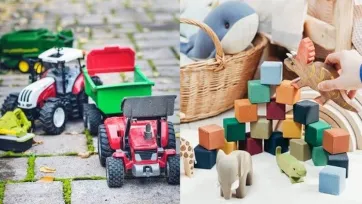
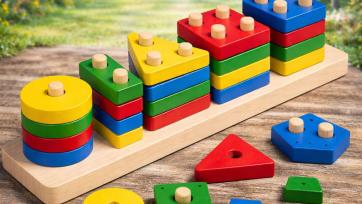
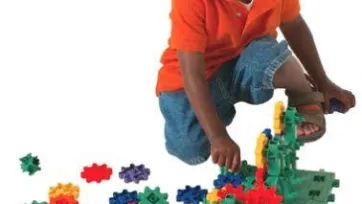
Best Building Toys for Toddlers in 2026: Safe, Creative and Educational Choices Toddlers are natural builders. Give them a few colourful blocks or simple construction pieces, and they'll happily spend hours stacking towers, building houses, knocking everything down, and starting all over again. While it may look like simple fun, building toys play an important role in early childhood development by improving coordination, creativity, problem-solving, and fine motor skills. In 2026, building toys are available in a wide variety of designs, from classic wooden blocks and jumbo building bricks to magnetic construction toys and Montessori-inspired sets. The best options are designed specifically for little hands, allowing toddlers to explore, experiment, and learn safely through play. If you're looking for a toy that offers years of educational value, this guide will help you choose the best building toys for toddlers in 2026. Why Building Toys Are Important for Toddlers Building is one of the earliest forms of creative play. Every time a toddler stacks blocks, balances pieces, or connects large bricks, they're developing essential physical and mental skills that support future learning. Unlike toys with only one purpose, building toys offer endless possibilities. A simple collection of blocks can become a house one day, a zoo the next, and a towering castle the day after. This open-ended play keeps children engaged far longer than many electronic toys. Benefits of Building Toys Building toys support almost every area of early childhood development. Some of the biggest benefits include: Improve fine motor skills Strengthen hand-eye coordination Encourage creativity Develop problem-solving abilities Improve concentration Build patience Encourage independent play Support early STEM learning Reduce screen time They also help toddlers understand concepts such as size, balance, shapes, and cause and effect. Wooden Building Blocks Wooden blocks remain one of the most recommended toys for toddlers. Parents appreciate them because they are: Durable Eco-friendly Easy to clean Long-lasting Timeless Without flashing lights or electronic sounds, wooden blocks encourage children to use their imagination instead of relying on built-in entertainment. Jumbo Building Bricks Large construction bricks are ideal for toddlers because they're easy to hold and connect. Children enjoy building: Towers Houses Cars Animals Bridges Simple castles Large pieces also reduce the risk of choking while making construction easier for small hands. Magnetic Building Toys Some magnetic building toys are designed specifically for younger children. Large magnetic pieces allow toddlers to build colourful structures while learning about: Shapes Colours Balance Magnetism Always choose age-appropriate magnetic toys with securely enclosed magnets. Soft Building Blocks Soft foam and fabric blocks are excellent first building toys. Benefits include: Lightweight design Safe materials Easy handling Gentle edges Quiet play They're especially suitable for babies and younger toddlers who are still developing coordination. Montessori Building Toys Montessori-inspired building toys focus on simple, hands-on learning. Popular options include: Natural wooden blocks Balance stones Stacking towers Shape sorters Open-ended construction sets These toys encourage children to discover solutions independently instead of following fixed instructions. Building Toys Encourage STEM Learning Although toddlers won't study engineering formally, building toys introduce basic STEM concepts through everyday play. Children begin learning about: Gravity Stability Balance Shapes Patterns Problem-solving These early experiences lay the foundation for future mathematical and scientific thinking. Building Together as a Family Construction toys are perfect for family play. Parents can help children build: Small towns Bridges Farms Animal parks Castles Railway stations Building together encourages communication, teamwork, and shared problem-solving while creating wonderful family memories. Choosing the Right Building Toy Before buying, consider: Your child's age Size of the pieces Material quality Safety certification Durability Ease of cleaning Future expansion possibilities Simple toys with multiple ways to play usually provide the greatest long-term value. Safety Tips Always choose building toys that: Match the recommended age Use non-toxic materials Have smooth edges Meet recognised safety standards Avoid small detachable parts Regularly inspect toys for cracks or damage to ensure continued safe play. Common Buying Mistakes Parents sometimes purchase construction toys that are too advanced. Avoid: Small building pieces Poor-quality plastic Weak magnetic toys Complicated construction systems Toys with limited play value Toddlers learn best with simple, sturdy toys that encourage free exploration. Why Building Toys Make Excellent Gifts Building toys are among the few gifts that children continue using for years. They're perfect for: First birthdays Second birthdays Christmas Nursery gifts Family celebrations Parents appreciate gifts that encourage learning while keeping children entertained without screens. Frequently Asked Questions What are the best building toys for toddlers? Wooden blocks, jumbo building bricks, soft stacking blocks, Montessori construction toys, and toddler-friendly magnetic building sets are among the best options. At what age can toddlers start using building toys? Many large building toys are suitable from around 12 months, while more advanced construction sets are designed for children aged three years and above. Do building toys help child development? Yes. Building toys improve coordination, creativity, fine motor skills, problem-solving, concentration, and early STEM learning. Are wooden building toys better than plastic ones? Both have advantages. Wooden toys are durable and environmentally friendly, while plastic building bricks often provide more construction possibilities. The best choice depends on your child's age and interests. Final Thoughts The best building toys for toddlers in 2026 offer far more than simple entertainment. They encourage young children to explore, experiment, create, and solve problems while developing important physical and cognitive skills through hands-on play. Whether your toddler enjoys stacking wooden blocks, connecting jumbo bricks, or building colourful magnetic structures, every creation helps strengthen confidence and curiosity. By choosing safe, durable, and open-ended building toys, parents provide children with learning opportunities that continue growing alongside them. Sometimes the simplest toys inspire the biggest ideas.
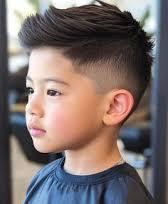
Kids Haircuts for Boys
Kids Haircuts for Boys: 35 Stylish, Easy-to-Maintain Haircuts Parents Love in 2026 Introduction A haircut is much more than simply trimming a child's hair. The right hairstyle can boost confidence, make school mornings easier and suit a boy's personality, face shape and lifestyle. Whether your little one loves running around the playground, playing football or prefers a neat look for school, choosing the right haircut makes a noticeable difference. Parents often find themselves asking the same questions. Should we choose a fade or keep it longer? Will it be easy to maintain? Will it still look tidy after a busy day at school? Should curly hair be kept long or short? The good news is that modern boys' hairstyles offer something for everyone. From timeless classics to today's biggest trends, there are plenty of stylish cuts that are practical as well as fashionable. In this guide, you'll discover the best kids' haircuts for boys, how to choose the right style for your child, maintenance tips and common mistakes parents should avoid. Choosing the Right Haircut for Your Boy Every child is different, so there isn't one perfect haircut that suits everyone. Before choosing a hairstyle, consider: Your child's age Hair type Face shape Daily routine School dress code How much styling you're willing to do each morning A haircut should suit your child's lifestyle just as much as their appearance. Understanding Your Child's Hair Type Hair type has a huge impact on how a haircut looks. Straight Hair Straight hair suits almost every style, including side parts, textured crops and classic tapers. Curly Hair Rather than cutting curls too short, many barbers recommend leaving enough length for the natural curl pattern to show. Thick Hair Thicker hair often benefits from layering to remove weight while maintaining shape. Fine Hair Short textured cuts usually create the appearance of extra volume. Haircuts That Suit Different Face Shapes Although children's faces change as they grow, choosing a style that complements their features can create a balanced appearance. Round Faces Haircuts with extra height on top help create a longer appearance. Oval Faces Almost every haircut works well with an oval face shape. Square Faces Classic side parts, textured tops and fades complement strong facial features. Long Faces Avoid excessive height on top, as it can make the face appear longer. 35 Stylish Kids Haircuts for Boys 1. Classic Crew Cut Simple, timeless and incredibly easy to maintain. Perfect for active boys. 2. Textured Crop A modern favourite that adds movement while requiring very little styling. 3. Low Fade A subtle fade that keeps the haircut looking neat without appearing too dramatic. 4. Mid Fade Offers a modern look while remaining suitable for school. 5. High Fade Creates a bold contrast between the sides and the top. 6. French Crop Short fringe with textured layers that suit most hair types. 7. Ivy League Cut A slightly longer version of the crew cut with a polished finish. 8. Side Part A timeless hairstyle that never goes out of fashion. 9. Short Quiff Adds height and texture without requiring lots of maintenance. 10. Caesar Cut Recognisable by its short fringe and tidy appearance. 11. Buzz Cut Ideal for boys who enjoy sports and prefer a fuss-free haircut. 12. Textured Fringe Creates a relaxed, modern look that suits straight or wavy hair. 13. Taper Fade One of the most versatile hairstyles for boys of all ages. 14. Faux Hawk A fun style that looks trendy without being too extreme. 15. Comb Over A modern update to a classic hairstyle that's perfect for formal occasions. 16. Curly Top with Fade Keeps curls manageable while showing off their natural texture. 17. Messy Layers Ideal for boys with naturally thick hair. 18. Short Pompadour A stylish option for older children wanting a fashionable appearance. 19. Slick Back Works best with medium-length straight hair for special occasions. 20. Undercut A bold haircut featuring shorter sides with a longer top for versatile styling. 21. Brush Up Hairstyle The brush up keeps the hair slightly longer on top and styled upwards for a fresh, energetic look. It's a great option for boys with thick, straight hair. 22. Modern Spiky Cut Unlike the heavily gelled spikes of the past, today's version uses texture to create a softer, more natural appearance that's easy to style. 23. Long Textured Top with Short Sides This haircut gives boys plenty of styling options while keeping the sides tidy. It's ideal for children who enjoy fashionable hairstyles. 24. Layered Medium-Length Cut A relaxed haircut that works well for boys with naturally wavy or thick hair, adding movement without looking untidy. 25. Curly Fringe Leaving curls slightly longer at the front creates a playful, modern style while allowing natural texture to stand out. 26. Short Afro Fade Perfect for boys with afro-textured hair, this cut combines clean faded sides with a neatly shaped top for a stylish finish. 27. Temple Fade The fade starts around the temples rather than lower down the head, giving the haircut a clean and contemporary appearance. 28. Skin Fade with Textured Top Older boys often choose this stylish haircut because it combines a sharp fade with a natural-looking textured finish. 29. Mini Mohawk A subtle version of the traditional mohawk that's fun without being too dramatic for everyday wear. 30. Surfer Style Medium-length hair with natural movement creates a relaxed, beach-inspired look that's ideal for boys with wavy hair. 31. Curtains Hairstyle Inspired by modern fashion trends, curtains feature a centre or slightly off-centre parting with longer hair framing the face. 32. Shaggy Layers A low-maintenance style that embraces natural texture, making it an excellent choice for active children. 33. Bro Flow Perfect for boys growing their hair longer, the Bro Flow creates a natural, effortless appearance without looking messy. 34. Side Swept Fringe A soft fringe brushed to one side gives younger boys a smart yet playful look suitable for both school and special occasions. 35. Classic Scissor Cut Not every great haircut needs clippers. A well-executed scissor cut provides a timeless style with natural movement and works beautifully on most hair types. Haircut Maintenance Tips Even the best haircut needs regular care to keep it looking its best. A few simple habits can make a noticeable difference: Wash your child's hair with a gentle shampoo suitable for their age. Avoid using too much styling product, especially on younger children. Brush or comb hair each morning to prevent tangles. Visit the barber regularly to maintain the shape. Choose lightweight styling products if extra hold is needed. Healthy hair starts with good daily care rather than expensive products. How Often Should Boys Get a Haircut? The ideal schedule depends on the hairstyle. Buzz cuts and fades: Every 2–3 weeks. Crew cuts and tapers: Every 3–5 weeks. Medium-length hairstyles: Every 6–8 weeks. Long hairstyles: Every 8–12 weeks, mainly for trimming split ends and maintaining shape. Regular trims help hairstyles stay neat and easier to manage. Common Haircut Mistakes Parents Make Choosing the wrong haircut isn't usually about style—it's often about practicality. Some of the most common mistakes include: Picking a hairstyle that doesn't suit the child's hair type. Copying a celebrity haircut without considering maintenance. Choosing a style that's difficult to manage before school. Cutting naturally curly hair too short. Waiting too long between trims, causing the haircut to lose its shape. Ignoring the child's own preferences. A successful haircut should suit both the child and the family's daily routine. Frequently Asked Questions What is the easiest boys' haircut to maintain? The crew cut, buzz cut and classic taper are among the easiest styles to look after because they require very little styling. Which haircut is best for school? Simple styles such as the side part, crew cut, textured crop and taper fade are smart, practical and accepted by most schools. How can I make my son's hair easier to style? Choose a haircut that matches his natural hair texture. A barber can also add layers or texture to reduce bulk and improve manageability. Should boys use hair products? For everyday styling, most children don't need strong products. If styling is necessary, choose lightweight, child-friendly products and use them sparingly. What's the most popular boys' haircut right now? Textured crops, taper fades, low fades and natural curly styles remain among the most popular choices because they combine modern style with easy maintenance. Final Thoughts Choosing the right haircut isn't about following every new trend. It's about finding a style that suits your child's personality, hair type and lifestyle. A great haircut should make your child feel confident, stay manageable between barber visits and still look smart after a busy day of school, sport or outdoor play. Whether you prefer a timeless crew cut, a fashionable textured crop or natural curls with a fade, the best hairstyle is always the one that works for your child—not simply the one that's trending online. With regular trims and simple daily care, a quality haircut can help your child look and feel their best all year round.  
Wooden vs Plastic Toys: Which Is Better for Kids in 2026?
Wooden vs Plastic Toys: Which Is Better for Kids in 2026? Choosing toys for your child isn't just about picking the most colorful or popular option. Parents today are paying closer attention to safety, durability, educational value, and environmental impact before making a purchase. One of the most common questions is whether wooden toys or plastic toys are the better choice. The truth is that both types of toys have their strengths. Wooden toys are often praised for their durability, timeless design, and educational value, while plastic toys offer variety, bright colors, and interactive features. The best choice depends on your child's age, interests, and the type of play experience you're looking for. In this guide, we'll compare wooden and plastic toys in detail, helping you make an informed decision for your family. Why This Comparison Matters Children spend countless hours playing with toys during their early years. The toys they use influence their creativity, learning, physical development, and even the way they interact with the world around them. Understanding the differences between wooden and plastic toys helps parents invest in products that are safe, enjoyable, and built to support healthy development. What Are Wooden Toys? Wooden toys are made primarily from natural wood and are usually finished with child-safe paints or natural coatings. They are known for their sturdy construction and simple designs that encourage imaginative play. Common examples include: Wooden building blocks Shape sorters Puzzles Train sets Stacking toys Play kitchens Montessori learning toys Many wooden toys are designed to last for years and can often be passed down to younger siblings. What Are Plastic Toys? Plastic toys are manufactured using various types of child-safe plastics and are available in almost every toy category. Popular plastic toys include: Action figures Dollhouses RC cars Toy dinosaurs Construction vehicles Interactive learning toys Musical toys Outdoor play equipment Modern plastic toys often include lights, sounds, moving parts, and electronic features that create highly interactive play experiences. Durability: Which Toys Last Longer? High-quality wooden toys are generally known for their exceptional durability. They can withstand years of active play without losing their shape or functionality. Plastic toys vary greatly in quality. Premium plastic toys can be very durable, while lower-quality versions may crack, fade, or break more easily. If long-term value is your priority, well-made wooden toys often have the advantage. Safety Comparison Safety should always be the first consideration when buying toys. High-quality wooden toys are usually made with: Smooth surfaces Rounded edges Non-toxic finishes Strong construction Quality plastic toys should also meet recognized safety standards and use BPA-free, child-safe materials. Regardless of the material, always buy toys from trusted brands and check the recommended age before purchasing. Educational Value Both wooden and plastic toys can support learning. Wooden toys often encourage: Creativity Problem-solving Independent play Fine motor skills Concentration Plastic toys often introduce: Technology Interactive learning Music Language development Cause-and-effect learning The educational value depends more on how the toy is designed than on the material itself. Creativity and Imaginative Play Wooden toys usually have simple designs that leave room for imagination. A wooden block can become: A castle A bridge A spaceship A zoo A city Children decide how to use the toy, encouraging creative thinking. Many plastic toys are based on specific characters or functions, which can sometimes limit open-ended play but increase excitement for children who enjoy themed adventures. Eco-Friendly Choice Many parents choose wooden toys because they are often made from renewable materials and can last for many years. Sustainably sourced wooden toys: Produce less waste Have a longer lifespan Can often be recycled Reduce the need for frequent replacements Plastic toys have improved over the years, and some manufacturers now use recycled materials, but many lower-quality products still contribute to environmental waste if they break quickly. Maintenance and Cleaning Both types of toys are easy to maintain with proper care. Wooden toys: Wipe clean with a damp cloth. Avoid soaking in water. Store in a dry place. Plastic toys: Wash with mild soap and water. Dry thoroughly. Follow cleaning instructions for electronic toys. Regular cleaning helps keep toys safe and hygienic. Which Toys Are Better for Babies? For babies, many parents prefer wooden toys because they are simple, durable, and encourage sensory exploration. Popular options include: Wooden rattles Grasping rings Stacking toys Activity cubes Plastic toys can also be excellent choices, especially soft teething toys and interactive learning toys designed specifically for infants. Always choose age-appropriate products regardless of the material. Which Toys Are Better for Toddlers? Toddlers enjoy both wooden and plastic toys. Wooden toys work well for: Building Sorting Stacking Pretend play Plastic toys are popular for: Ride-on vehicles Toy kitchens Interactive learning Outdoor play Musical activities Many families choose a combination of both. Price Comparison Wooden toys often have a higher purchase price because of their materials and craftsmanship. However, their durability means they frequently last much longer than cheaper alternatives. Plastic toys are available across a wider price range, from affordable everyday toys to premium electronic products. When considering value, it's important to think about how long the toy will remain useful rather than focusing only on the initial price. Which Toys Do Children Prefer? Every child is different. Some children enjoy building towers with wooden blocks for hours. Others love interactive RC cars, robots, or talking educational toys. Instead of choosing only one material, many parents create a balanced toy collection that includes both wooden and plastic toys to offer a variety of play experiences. Common Buying Mistakes Parents sometimes focus on appearance instead of quality. Avoid: Buying toys made from poor-quality materials. Ignoring safety certifications. Choosing toys that don't match your child's age. Purchasing toys only because they are trendy. Overlooking durability. A well-made toy is almost always a better investment than a cheaper alternative that breaks quickly. How to Decide Which Toy Is Right Ask yourself a few simple questions before buying: Is the toy safe? Does it match my child's age? Will it encourage learning? Is it durable? Can my child use it in different ways? Does it support creativity? If the answer is yes, you've probably found a great toy—whether it's made from wood or plastic. Frequently Asked Questions Are wooden toys safer than plastic toys? Both can be safe when they meet recognized safety standards. The most important factor is choosing high-quality toys from trusted manufacturers. Do wooden toys last longer? In many cases, yes. Quality wooden toys are known for their durability and can often be passed down to younger siblings. Are plastic toys better for learning? Some plastic toys include interactive educational features, while wooden toys encourage hands-on creativity and independent thinking. Both can support learning in different ways. Should parents choose only wooden toys? Not necessarily. A balanced collection of wooden and plastic toys gives children a wider variety of learning experiences and play opportunities. Final Thoughts The debate between wooden vs plastic toys doesn't have a single winner because both offer unique advantages. Wooden toys stand out for their durability, timeless design, eco-friendly appeal, and ability to encourage imaginative play. Plastic toys provide variety, interactive features, bright colors, and exciting themes that many children love. Rather than choosing one over the other, many parents find that a combination of high-quality wooden and plastic toys creates the best play environment. By focusing on safety, durability, educational value, and your child's interests, you can build a toy collection that supports learning, creativity, and joyful childhood memories for years to come.
Best Toys for 5-Year-Old Kids
Best Toys for 5-Year-Old Kids: A Parent's Complete Guide to Fun, Learning, and Smart Choices Choosing the best toys for a 5-year-old can feel overwhelming. Walk into any toy store or browse online, and you'll find thousands of options claiming to be educational, entertaining, or the perfect gift. The truth is that not every toy helps a child grow. Some capture attention for only a few minutes, while others inspire creativity, build confidence, and encourage learning for months or even years. At five years old, children are naturally curious. They ask endless questions, invent imaginative stories, solve simple problems, and enjoy activities that challenge both their minds and bodies. The right toy supports these important developmental milestones while making playtime exciting. This guide explores the best toys for 5-year-old kids, explains why they matter, and helps parents choose toys that offer lasting value rather than short-lived entertainment. Why Age-Appropriate Toys Matter Five-year-olds are developing rapidly in nearly every area of life. Their language skills improve, they become more independent, and their imagination grows stronger every day. Toys designed for this age group match their abilities and encourage them to learn through play. Age-appropriate toys also reduce frustration. A toy that is too advanced may discourage a child, while one that is too simple quickly becomes boring. Finding the right balance keeps children engaged and motivated. What Skills Do 5-Year-Olds Develop Through Play? Play is much more than entertainment. Every game, puzzle, building activity, or pretend adventure teaches something valuable. Children at this age improve: Problem-solving skills Hand-eye coordination Fine motor skills Creativity Communication Memory Concentration Social interaction Emotional confidence Well-designed toys naturally support these abilities without making learning feel like schoolwork. Building Toys Encourage Creative Thinking Construction toys remain among the best choices for five-year-olds. Whether children build houses, castles, vehicles, bridges, or entire cities, they constantly practice planning, experimenting, and solving problems. Building toys also teach patience. A child learns that creating something impressive often requires multiple attempts, helping develop persistence and confidence. Many parents notice that construction toys continue to be used long after other toys have been forgotten. Remote Control Toys Build Coordination and Confidence Remote control toys combine excitement with skill development. Driving an RC car through obstacles or steering it around furniture requires quick thinking and precise control. Children learn to observe, react, and adjust their movements, improving coordination and reaction speed. Rechargeable remote control racing cars are especially popular because they offer longer play sessions and lower running costs than disposable battery models. Parents often enjoy joining the fun, turning RC toys into family activities instead of solo entertainment. Educational STEM Toys Make Learning Fun STEM toys introduce children to science, technology, engineering, and mathematics through hands-on activities. Instead of memorizing facts, children learn by experimenting. Examples include: Simple engineering kits Magnetic building sets Coding toys Beginner robotics Science experiment kits These toys encourage curiosity and help children understand how things work while having fun. Pretend Play Toys Develop Imagination Five-year-olds love pretending to be doctors, chefs, police officers, teachers, astronauts, or firefighters. Pretend play encourages storytelling, communication, and emotional development. Popular options include: Kitchen playsets Doctor kits Tool sets Grocery stores Dollhouses Puppet theaters Children often spend hours creating their own adventures, making these toys excellent long-term investments. Arts and Crafts Inspire Creativity Creative activities help children express their ideas while improving fine motor control. Drawing, painting, coloring, cutting, and crafting strengthen hand muscles needed for writing later in school. Popular creative toys include: Washable markers Coloring books Clay modeling kits Sticker activity books DIY craft sets Paint-by-number kits Finished projects also give children a sense of accomplishment. Outdoor Toys Keep Children Active Physical activity remains essential for healthy development. Outdoor toys encourage exercise while reducing screen time. Some excellent choices include: Scooters Balance bikes Sports sets Bubble machines Flying discs Gardening kits Ball games Regular outdoor play supports fitness, coordination, and overall well-being. Puzzle Games Improve Critical Thinking Puzzles teach children to recognize patterns, solve problems, and stay focused. At five years old, children enjoy more challenging puzzles than toddlers, but they still need designs that match their abilities. Good options include: Wooden puzzles Floor puzzles Alphabet puzzles Number puzzles Animal puzzles World map puzzles Completing puzzles builds patience and confidence. Interactive Learning Toys Many interactive toys combine lights, sounds, music, and educational activities. Quality learning toys help children practice: Reading Counting Letter recognition Vocabulary Memory Listening skills The best interactive toys encourage participation instead of simply entertaining. Plush Toys Continue to Be Important Even as children grow older, many still enjoy soft toys. Stuffed animals provide comfort, encourage nurturing behavior, and become important companions during bedtime or travel. Many children include plush toys in imaginative games, helping develop storytelling and emotional expression. Musical Toys Support Early Development Music introduces rhythm, creativity, and coordination. Simple instruments such as keyboards, drums, tambourines, and xylophones encourage children to experiment with sound while improving listening skills. Family sing-alongs often become treasured memories. Board Games Teach Social Skills Five-year-olds begin understanding simple rules and taking turns. Board games help children learn: Patience Cooperation Fair play Strategic thinking Communication Winning and losing gracefully These lessons remain valuable throughout life. Screen-Free Toys Still Have Great Value Technology has become part of everyday life, but traditional toys continue to offer unique benefits. Screen-free play encourages conversation, movement, imagination, and creativity without constant digital stimulation. Many child development experts recommend maintaining a healthy balance between technology and hands-on activities. Safety Tips When Buying Toys Safety should always come first. Parents should: Check recommended age labels. Avoid toys with sharp edges. Choose non-toxic materials. Inspect toys regularly for damage. Keep small parts away from younger siblings. Buy from trusted brands whenever possible. A safe toy allows children to explore confidently while giving parents peace of mind. How to Choose the Right Toy Instead of buying the newest trend, think about your child's interests. Ask yourself: Does my child enjoy building? Do they love vehicles? Are they creative? Do they enjoy outdoor play? Do they like solving puzzles? Would they benefit from educational activities? The answers usually point toward the perfect toy. Great Gift Ideas for 5-Year-Old Kids If you're buying a birthday or holiday gift, consider toys that combine fun with learning. Excellent choices include: Remote control racing cars Building block sets STEM activity kits Art supplies Outdoor sports toys Educational board games Pretend play sets Interactive learning toys These gifts remain enjoyable long after the excitement of opening the package has passed. Common Buying Mistakes Parents Should Avoid Many purchases end up unused because they don't match a child's interests or abilities. Avoid these common mistakes: Buying toys that are too advanced. Choosing quality based only on appearance. Ignoring safety recommendations. Purchasing toys with poor durability. Following trends without considering the child's personality. A thoughtful purchase usually delivers far greater value than an expensive one. Frequently Asked Questions What types of toys are best for 5-year-old kids? Building toys, remote control cars, STEM kits, puzzles, pretend play sets, arts and crafts, outdoor toys, and educational games are all excellent choices. Are remote control cars suitable for five-year-olds? Yes. Many beginner RC cars are specifically designed for younger children with simple controls, durable construction, and rechargeable batteries. How many toys does a 5-year-old really need? Quality matters more than quantity. A smaller collection of engaging toys often provides more meaningful play than dozens of toys that quickly lose their appeal. Should educational toys always be the priority? Educational toys are valuable, but the best toys combine learning with genuine fun. Children learn most effectively when they enjoy the activity. Final Thoughts Finding the best toys for 5-year-old kids isn't about buying the most expensive product or following every new trend. It's about choosing toys that inspire curiosity, encourage creativity, and support healthy development through meaningful play. Whether it's a remote control racing car that improves coordination, a building set that sparks imagination, a puzzle that develops critical thinking, or an outdoor toy that keeps children active, the right choice can create lasting memories while helping children build important life skills. When parents focus on quality, safety, and their child's unique interests, every play session becomes an opportunity to learn, grow, and have fun.
Best Dollhouses for Kids in 2026
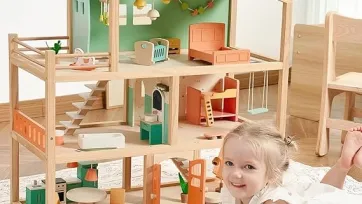
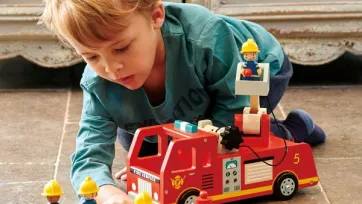
Best Dollhouses for Kids in 2026: A Complete Parent's Buying Guide A dollhouse is much more than a toy. It's a miniature world where children become storytellers, designers, and problem-solvers. Every room they decorate, every character they create, and every adventure they imagine helps develop creativity, communication, and emotional intelligence. Whether it's a cosy family home, a modern villa, or a magical castle, dollhouses inspire endless hours of imaginative play. In 2026, dollhouses are available in more styles and sizes than ever before. Parents can choose from traditional wooden dollhouses, portable playsets, modern multi-storey homes, eco-friendly designs, and interactive models with realistic lights and sounds. With so many options available, finding the right dollhouse can feel overwhelming. This guide explains everything you need to know about choosing the best dollhouses for kids in 2026. Why Dollhouses Are So Popular Children naturally enjoy creating stories. A dollhouse allows them to invent daily routines, exciting adventures, family celebrations, and imaginative worlds where every room becomes part of a unique story. Unlike many electronic toys, dollhouses encourage open-ended play, meaning children create new experiences every time they play. Benefits of Dollhouses Dollhouses help children develop a wide variety of important skills. Some of the biggest benefits include: Encourage imaginative play Improve storytelling skills Build communication Develop emotional intelligence Strengthen fine motor skills Encourage creativity Improve social interaction Build confidence Reduce screen time Children also practise organising spaces and solving everyday problems through role play. Wooden Dollhouses Wooden dollhouses remain one of the most popular choices for families. Parents appreciate them because they are: Durable Environmentally friendly Beautifully designed Long-lasting Easy to maintain Their timeless appearance means they often become treasured family toys passed down through generations. Modern Dollhouses Modern dollhouses feature stylish interiors inspired by contemporary homes. Many include: Multiple floors Balconies Garages Home offices Swimming pools Rooftop terraces These realistic designs encourage children to recreate everyday family life in imaginative ways. Portable Dollhouses Portable dollhouses are ideal for travel and smaller homes. They usually feature: Folding designs Carry handles Built-in storage Lightweight construction Children can easily take them to grandparents' houses, holidays, or playdates. Dollhouse Furniture Sets Furniture brings every dollhouse to life. Popular accessories include: Beds Sofas Dining tables Kitchen units Bathrooms Garden furniture Adding new furniture allows children to redesign rooms and create fresh stories whenever they like. Dollhouse Family Figures Characters are the heart of every dollhouse adventure. Many sets include: Parents Children Grandparents Babies Pets Additional figures such as doctors, teachers, builders, and firefighters help expand imaginative storytelling even further. Educational Value of Dollhouses Dollhouses naturally encourage learning through everyday role play. Children practise: Communication Problem-solving Sharing Responsibility Creativity Organisation Many parents notice that dollhouse play helps children express emotions and better understand daily life. Dollhouses Encourage Social Play Playing with siblings or friends teaches valuable social skills. Children learn how to: Share toys Take turns Cooperate Solve disagreements Build stories together Collaborative storytelling often leads to longer and more engaging play sessions. Choosing the Right Dollhouse Before buying, consider: Your child's age Available space Material quality Number of rooms Furniture included Safety certifications Future expansion options A slightly larger dollhouse often offers greater long-term value as children grow. Safety Tips Choose dollhouses that: Meet recognised safety standards Have smooth edges Use non-toxic paints Include sturdy construction Match the recommended age For younger children, avoid very small accessories that could present a choking hazard. Common Buying Mistakes Many parents focus only on appearance. Avoid: Fragile plastic construction Sharp edges Poor-quality furniture Difficult assembly Limited play space Dollhouses that are too small for growing children Choosing a durable model usually provides many years of imaginative play. Why Dollhouses Make Wonderful Gifts Dollhouses remain one of the most memorable gifts a child can receive. They're perfect for: Birthdays Christmas Special achievements Family celebrations Unlike many toys that lose their appeal quickly, dollhouses continue inspiring new stories and adventures throughout childhood. Frequently Asked Questions What is the best dollhouse for children? The best dollhouse depends on your child's age and available space. Wooden dollhouses with multiple rooms and durable furniture are among the most popular choices. At what age can children start playing with dollhouses? Simple dollhouses with large accessories are suitable from around three years old, while more detailed models are ideal for older children. Do dollhouses help child development? Yes. Dollhouses improve creativity, communication, emotional understanding, storytelling, social skills, and fine motor development. Are wooden dollhouses better than plastic ones? Wooden dollhouses are generally more durable, environmentally friendly, and longer lasting, while plastic models often include more interactive features. Final Thoughts The best dollhouses for kids in 2026 offer far more than beautiful miniature homes. They inspire imagination, encourage storytelling, and help children develop valuable life skills through creative role play. Whether it's decorating rooms, organising family routines, or inventing exciting adventures, every moment spent with a dollhouse supports healthy emotional and cognitive development. By choosing a high-quality dollhouse with durable construction and plenty of opportunities for imaginative play, parents can provide a timeless toy that children will enjoy for many years to come.
Travel Toys for Toddlers and Young Children
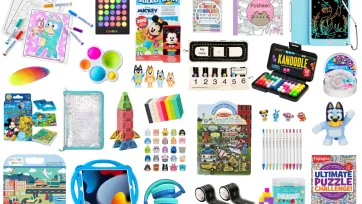
 Travel Toys for Toddlers and Young Children: The Ultimate Parent's Guide to Stress-Free Journeys Ask any parent about travelling with a toddler, and you'll probably hear the same answer: the journey is often harder than the destination. Whether you're driving for two hours to visit grandparents, waiting at an airport for a delayed flight or taking a long train journey during the school holidays, young children can quickly become restless. Sitting still isn't something that comes naturally to them. Before long, boredom turns into frustration, and what should have been an exciting family trip can become exhausting for everyone. The good news is that the right travel toys can completely change the experience. Travel toys are designed to keep children entertained, curious and engaged while taking up very little space. More importantly, the best ones do much more than simply pass the time. They encourage creativity, improve concentration and support learning without relying on tablets or smartphones. Parents often assume they need to pack dozens of toys "just in case". In reality, a handful of carefully chosen travel toys usually works far better than an overstuffed backpack filled with items children barely touch. In this guide, you'll discover how to choose travel toys that children genuinely enjoy, which features matter most, how to avoid common buying mistakes and why simple toys often outperform expensive electronic gadgets. Why Travel Feels Different for Young Children Adults usually see travelling as part of the adventure. Children see it differently. They're expected to stay seated for long periods, follow unfamiliar routines and cope with busy, noisy environments. Even the most patient child can become overwhelmed after an hour or two. That is why travel toys should do more than distract. They should help children feel comfortable, confident and occupied while allowing parents to relax a little too. What Makes a Good Travel Toy? Not every toy belongs in a travel bag. A large construction set with hundreds of tiny pieces might be brilliant at home but quickly becomes a nightmare in a car or airport lounge. The best travel toys usually share a few important qualities: Lightweight and easy to carry. Compact enough to fit inside a backpack. Durable enough to survive frequent travel. Quiet enough for public spaces. Easy to clean. Capable of holding a child's attention for longer than a few minutes. If a toy can be dropped once without breaking and packed away in seconds, it's already ahead of many alternatives. Benefits of Travel Toys A thoughtfully packed travel toy isn't just about keeping children busy. It can make the entire journey more enjoyable for the whole family. Less Stress for Parents Every parent knows that boredom often leads to complaints, arguments and frustration. Interesting toys help prevent many of these situations before they begin. Longer Attention Spans Children who become absorbed in a puzzle, activity book or creative toy are less likely to ask every five minutes, "Are we there yet?" Encourages Independent Play One of the biggest advantages of travel toys is that children learn to entertain themselves. Parents don't need to become the full-time entertainer throughout the journey. Supports Learning Many travel toys naturally encourage counting, storytelling, matching, drawing or problem-solving. Children continue learning while believing they are simply having fun. Reduces Screen Time Digital devices have their place, particularly during very long journeys, but they don't need to become the only source of entertainment. Travel toys offer a healthier balance between technology and hands-on play. The Best Travel Toys for Toddlers Toddlers need simple activities that are easy to understand and difficult to lose. Some excellent options include: Chunky board books Reusable sticker books Water-reveal colouring books Large magnetic drawing boards Soft fabric activity books Finger puppets Shape matching games Stacking cups Sensory toys Soft dolls The aim is to provide toys that can be used independently without creating unnecessary mess. Travel Toys for Preschool Children Preschool children enjoy activities that challenge their imagination while remaining portable. Great choices include: Magnetic puzzles Small construction toys Storytelling cards Activity books Compact board games Lacing activities Reusable colouring pads Toy animals Simple card games Travel-friendly craft kits Many parents discover that one engaging activity can provide far more entertainment than several less interesting toys. Travel Toys for School-Age Children Older children usually appreciate toys that require thinking, creativity or strategy. Some excellent examples are: Logic puzzles Crossword books Sketchbooks Card games Travel chess or draughts Compact building sets Brain teaser puzzles Creative writing journals Foldable board games Educational quiz cards Children in this age group often enjoy being involved in choosing which toys to pack before travelling. How Many Travel Toys Should You Pack? One of the biggest mistakes parents make is filling an entire bag with toys. It sounds like a sensible idea, but too many choices often have the opposite effect. Children quickly move from one toy to another without becoming fully engaged with any of them. A better approach is to pack a small collection of carefully selected activities. For most journeys, this is usually enough: One creative activity, such as a colouring or drawing pad. One problem-solving toy, such as a puzzle. One imaginative toy, such as a few animal figures or finger puppets. One comfort item, especially for younger children. One "surprise" toy that isn't revealed until later in the journey. Introducing a new activity every hour or so keeps the experience fresh without overwhelming your child. Creating the Perfect Travel Activity Bag Instead of throwing toys into a backpack at the last minute, prepare a dedicated travel kit that stays ready for family trips. A well-organised travel bag might include: A reusable water colouring book Washable crayons A small notebook Magnetic puzzles Reusable sticker scenes A compact card game Healthy snacks Wet wipes Spare zip-lock bags for storage A lightweight blanket or comfort toy Keeping everything in one place saves time and prevents frantic searching during the journey. Screen Time vs Travel Toys Many parents wonder whether they should simply hand over a tablet during long trips. There's no universal right or wrong answer. Screens can be useful during lengthy flights or unexpected delays, but relying on them from the start often means children lose interest in other activities. A balanced approach usually works best. Begin the journey with books, puzzles, drawing activities or imaginative toys. If the trip is particularly long, digital entertainment can be introduced later as one part of a varied travel routine rather than the entire experience. Buying Guide Travel toys don't need to be expensive, but they do need to be practical. Before buying, ask yourself a few simple questions. Will it fit easily into a backpack? Large toys may be enjoyable at home but become inconvenient during travel. Can it survive being dropped? Travelling can be rough on toys. Choose products made from durable materials that won't break after one fall. Does it create unnecessary mess? Avoid toys with dozens of tiny pieces, loose sand, glitter or liquids that are difficult to manage while travelling. Can it be used in more than one way? Open-ended toys generally provide much better value because children invent new ways to play with them. Will my child still enjoy it after the journey? The best travel toys become part of everyday play once you're back home, making them a worthwhile investment. Safety Tips Travelling introduces different safety considerations than playing at home. Keep these recommendations in mind: Choose toys that match your child's age. Avoid toys with very small parts for toddlers. Check toys regularly for damage before travelling. Pack toys in secure containers or zip pouches. Keep favourite comfort toys within easy reach. Clean toys after trips, especially those used on public transport. Avoid heavy toys that could become hazardous during sudden stops in a vehicle. Supervise younger children when using craft materials or activity books with accessories. A little preparation helps ensure both safety and convenience throughout the journey. Common Buying Mistakes Parents often buy travel toys based on appearance rather than practicality. Here are some mistakes worth avoiding. Packing Too Many Toys More toys rarely mean more entertainment. A smaller selection usually keeps children focused for longer. Choosing Toys with Lots of Loose Pieces Missing pieces are common during travel, particularly in airports, restaurants or motorway service stations. Buying Toys That Make Loud Noises Electronic sounds may seem entertaining at home but can quickly become frustrating in shared public spaces. Ignoring Your Child's Interests A travel toy only works if your child genuinely enjoys it. Choosing activities based on their hobbies usually leads to much longer play sessions. Leaving Packing Until the Last Minute Preparing a travel kit the night before often results in forgotten essentials and unsuitable toys. Frequently Asked Questions What are the best travel toys for toddlers? Simple, lightweight toys such as reusable sticker books, water colouring books, magnetic drawing boards, soft dolls and fabric activity books are excellent choices because they are easy to carry and encourage independent play. Should children use tablets during travel? Tablets can be useful on longer journeys, but combining them with books, puzzles and creative travel toys usually creates a healthier balance and helps reduce overall screen time. How many travel toys should I take? A small collection of four to six carefully chosen activities is often enough for most day trips and holidays. Rotating them throughout the journey helps maintain interest. Are travel toys suitable for aeroplanes? Yes. Compact, quiet toys are ideal for flights because they entertain children without disturbing other passengers. What should I avoid packing? Avoid toys with tiny loose pieces, messy craft materials, loud electronic sounds or bulky items that are difficult to carry. Final Thoughts Travelling with young children will always involve a little unpredictability, but the right preparation can make a remarkable difference. Instead of relying on dozens of toys or unlimited screen time, focus on a carefully chosen selection of activities that encourage creativity, independent play and problem-solving. The best travel toys are not necessarily the newest or most expensive. They are the ones that keep children engaged, fit easily into your luggage and continue providing value long after the journey has ended. By choosing practical, durable and age-appropriate travel toys, parents can reduce stress, keep children happily occupied and turn long journeys into enjoyable family adventures rather than exhausting experiences.