Best Toys for 5-Year-Old Kids

Best Toys for 5-Year-Old Kids: A Parent's Complete Guide to Fun, Learning, and Smart Choices

Choosing the best toys for a 5-year-old can feel overwhelming. Walk into any toy store or browse online, and you'll find thousands of options claiming to be educational, entertaining, or the perfect gift. The truth is that not every toy helps a child grow. Some capture attention for only a few minutes, while others inspire creativity, build confidence, and encourage learning for months or even years.

At five years old, children are naturally curious. They ask endless questions, invent imaginative stories, solve simple problems, and enjoy activities that challenge both their minds and bodies. The right toy supports these important developmental milestones while making playtime exciting.

This guide explores the best toys for 5-year-old kids, explains why they matter, and helps parents choose toys that offer lasting value rather than short-lived entertainment.

Why Age-Appropriate Toys Matter

Five-year-olds are developing rapidly in nearly every area of life. Their language skills improve, they become more independent, and their imagination grows stronger every day. Toys designed for this age group match their abilities and encourage them to learn through play.

Age-appropriate toys also reduce frustration. A toy that is too advanced may discourage a child, while one that is too simple quickly becomes boring. Finding the right balance keeps children engaged and motivated.

What Skills Do 5-Year-Olds Develop Through Play?

Play is much more than entertainment. Every game, puzzle, building activity, or pretend adventure teaches something valuable.

Children at this age improve:

  • Problem-solving skills
  • Hand-eye coordination
  • Fine motor skills
  • Creativity
  • Communication
  • Memory
  • Concentration
  • Social interaction
  • Emotional confidence

Well-designed toys naturally support these abilities without making learning feel like schoolwork.

Building Toys Encourage Creative Thinking

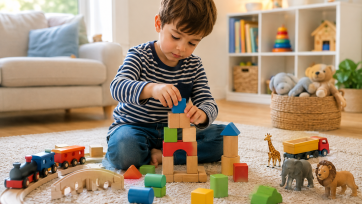
Construction toys remain among the best choices for five-year-olds.

Whether children build houses, castles, vehicles, bridges, or entire cities, they constantly practice planning, experimenting, and solving problems.

Building toys also teach patience. A child learns that creating something impressive often requires multiple attempts, helping develop persistence and confidence.

Many parents notice that construction toys continue to be used long after other toys have been forgotten.

Remote Control Toys Build Coordination and Confidence

Remote control toys combine excitement with skill development.

Driving an RC car through obstacles or steering it around furniture requires quick thinking and precise control. Children learn to observe, react, and adjust their movements, improving coordination and reaction speed.

Rechargeable remote control racing cars are especially popular because they offer longer play sessions and lower running costs than disposable battery models.

Parents often enjoy joining the fun, turning RC toys into family activities instead of solo entertainment.

Educational STEM Toys Make Learning Fun

STEM toys introduce children to science, technology, engineering, and mathematics through hands-on activities.

Instead of memorizing facts, children learn by experimenting.

Examples include:

  • Simple engineering kits
  • Magnetic building sets
  • Coding toys
  • Beginner robotics
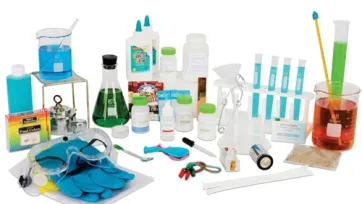
  • Science experiment kits

These toys encourage curiosity and help children understand how things work while having fun.

Pretend Play Toys Develop Imagination

Five-year-olds love pretending to be doctors, chefs, police officers, teachers, astronauts, or firefighters.

Pretend play encourages storytelling, communication, and emotional development.

Popular options include:

  • Kitchen playsets
  • Doctor kits
  • Tool sets
  • Grocery stores
  • Dollhouses
  • Puppet theaters

Children often spend hours creating their own adventures, making these toys excellent long-term investments.

Arts and Crafts Inspire Creativity

Creative activities help children express their ideas while improving fine motor control.

Drawing, painting, coloring, cutting, and crafting strengthen hand muscles needed for writing later in school.

Popular creative toys include:

  • Washable markers
  • Coloring books
  • Clay modeling kits
  • Sticker activity books
  • DIY craft sets
  • Paint-by-number kits

Finished projects also give children a sense of accomplishment.

Outdoor Toys Keep Children Active

Physical activity remains essential for healthy development.

Outdoor toys encourage exercise while reducing screen time.

Some excellent choices include:

  • Scooters
  • Balance bikes
  • Sports sets
  • Bubble machines
  • Flying discs
  • Gardening kits
  • Ball games

Regular outdoor play supports fitness, coordination, and overall well-being.

Puzzle Games Improve Critical Thinking

Puzzles teach children to recognize patterns, solve problems, and stay focused.

At five years old, children enjoy more challenging puzzles than toddlers, but they still need designs that match their abilities.

Good options include:

  • Wooden puzzles
  • Floor puzzles
  • Alphabet puzzles
  • Number puzzles
  • Animal puzzles
  • World map puzzles

Completing puzzles builds patience and confidence.

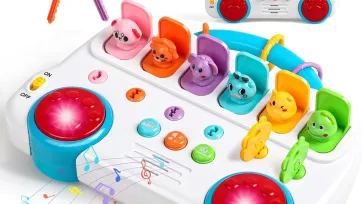
Interactive Learning Toys

Many interactive toys combine lights, sounds, music, and educational activities.

Quality learning toys help children practice:

  • Reading
  • Counting
  • Letter recognition
  • Vocabulary
  • Memory
  • Listening skills

The best interactive toys encourage participation instead of simply entertaining.

Plush Toys Continue to Be Important

Even as children grow older, many still enjoy soft toys.

Stuffed animals provide comfort, encourage nurturing behavior, and become important companions during bedtime or travel.

Many children include plush toys in imaginative games, helping develop storytelling and emotional expression.

Musical Toys Support Early Development

Music introduces rhythm, creativity, and coordination.

Simple instruments such as keyboards, drums, tambourines, and xylophones encourage children to experiment with sound while improving listening skills.

Family sing-alongs often become treasured memories.

Board Games Teach Social Skills

Five-year-olds begin understanding simple rules and taking turns.

Board games help children learn:

  • Patience
  • Cooperation
  • Fair play
  • Strategic thinking
  • Communication
  • Winning and losing gracefully

These lessons remain valuable throughout life.

Screen-Free Toys Still Have Great Value

Technology has become part of everyday life, but traditional toys continue to offer unique benefits.

Screen-free play encourages conversation, movement, imagination, and creativity without constant digital stimulation.

Many child development experts recommend maintaining a healthy balance between technology and hands-on activities.

Safety Tips When Buying Toys

Safety should always come first.

Parents should:

  • Check recommended age labels.
  • Avoid toys with sharp edges.
  • Choose non-toxic materials.
  • Inspect toys regularly for damage.
  • Keep small parts away from younger siblings.
  • Buy from trusted brands whenever possible.

A safe toy allows children to explore confidently while giving parents peace of mind.

How to Choose the Right Toy

Instead of buying the newest trend, think about your child's interests.

Ask yourself:

  • Does my child enjoy building?
  • Do they love vehicles?
  • Are they creative?
  • Do they enjoy outdoor play?
  • Do they like solving puzzles?
  • Would they benefit from educational activities?

The answers usually point toward the perfect toy.

Great Gift Ideas for 5-Year-Old Kids

If you're buying a birthday or holiday gift, consider toys that combine fun with learning.

Excellent choices include:

  • Remote control racing cars
  • Building block sets
  • STEM activity kits
  • Art supplies
  • Outdoor sports toys
  • Educational board games
  • Pretend play sets
  • Interactive learning toys

These gifts remain enjoyable long after the excitement of opening the package has passed.

Common Buying Mistakes Parents Should Avoid

Many purchases end up unused because they don't match a child's interests or abilities.

Avoid these common mistakes:

  • Buying toys that are too advanced.
  • Choosing quality based only on appearance.
  • Ignoring safety recommendations.
  • Purchasing toys with poor durability.
  • Following trends without considering the child's personality.

A thoughtful purchase usually delivers far greater value than an expensive one.

Frequently Asked Questions

What types of toys are best for 5-year-old kids?

Building toys, remote control cars, STEM kits, puzzles, pretend play sets, arts and crafts, outdoor toys, and educational games are all excellent choices.

Are remote control cars suitable for five-year-olds?

Yes. Many beginner RC cars are specifically designed for younger children with simple controls, durable construction, and rechargeable batteries.

How many toys does a 5-year-old really need?

Quality matters more than quantity. A smaller collection of engaging toys often provides more meaningful play than dozens of toys that quickly lose their appeal.

Should educational toys always be the priority?

Educational toys are valuable, but the best toys combine learning with genuine fun. Children learn most effectively when they enjoy the activity.

Final Thoughts

Finding the best toys for 5-year-old kids isn't about buying the most expensive product or following every new trend. It's about choosing toys that inspire curiosity, encourage creativity, and support healthy development through meaningful play.

Whether it's a remote control racing car that improves coordination, a building set that sparks imagination, a puzzle that develops critical thinking, or an outdoor toy that keeps children active, the right choice can create lasting memories while helping children build important life skills.

When parents focus on quality, safety, and their child's unique interests, every play session becomes an opportunity to learn, grow, and have fun.
Advertisement
Best Toy Garages and Car Parking Playsets for Kids in 2026
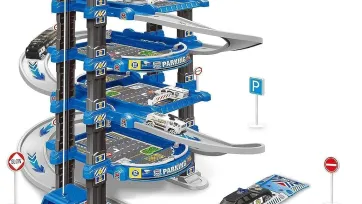
Best Toy Garages and Car Parking Playsets for Kids in 2026: The Ultimate Parent's Buying Guide Toy garages and car parking playsets have been delighting children for decades, offering far more than a place to park toy cars. They create entire miniature worlds where children become racing drivers, mechanics, traffic controllers, police officers, and car park managers. Every lift, ramp, parking bay, and fuel station encourages imaginative storytelling while helping children develop important cognitive and motor skills. In 2026, toy garages are available in a wide variety of designs, from compact multi-storey car parks to deluxe racing centres with working lifts, helipads, car washes, fuel stations, and interactive accessories. Whether your child already owns a collection of toy cars or is just beginning their vehicle adventure, a well-designed garage playset provides countless hours of creative, screen-free entertainment. This guide explains everything parents need to know before buying the best toy garage or car parking playset for kids in 2026. Why Toy Garages Are So Popular Children naturally enjoy vehicles, movement, and pretend play. A toy garage allows them to create exciting scenarios such as: Parking busy traffic Repairing racing cars Washing vehicles Refuelling at petrol stations Organising rescue missions Running a mechanic's workshop Managing traffic jams Every play session becomes a completely different adventure. Benefits of Toy Garage Playsets Toy garages encourage learning through imaginative play. Some of the biggest benefits include: Improve fine motor skills Encourage imaginative storytelling Develop problem-solving skills Strengthen hand-eye coordination Improve organisational skills Encourage social interaction Build creativity Develop logical thinking Reduce screen time Children also learn how different parts of a transport system work together. Multi-Storey Toy Garages Multi-level garages remain one of the most exciting playsets available. Many include: Spiral ramps Parking bays Car lifts Fuel stations Car washes Repair workshops Children enjoy driving vehicles between floors while inventing busy city adventures. Racing Garage Playsets Racing-themed garages are ideal for children who love speed. Popular features include: Starting grids Finish lines Service stations Pit stops Trophy podiums Racing ramps These playsets encourage exciting competitions while inspiring creative storytelling. Car Wash Playsets A toy car wash adds another level of imaginative play. Children can pretend to: Wash vehicles Dry cars Polish paintwork Check tyres Prepare racing cars Role-playing everyday activities helps children better understand the world around them. Toy Mechanic Workshops Mechanic stations allow children to repair toy vehicles using pretend tools. Many workshops include: Vehicle lifts Tool racks Spanners Screwdrivers Replacement tyres Workbenches These activities encourage practical thinking and imaginative role play. Wooden Toy Garages Wooden garages remain a favourite among parents. They offer several advantages: Durable construction Eco-friendly materials Timeless design Smooth finishes Long-lasting quality Many wooden garages are compatible with standard wooden toy cars, making future expansion easy. Interactive Garage Playsets Modern garage toys often include interactive features. Some models offer: Working lifts Traffic lights Sound effects Opening gates Rotating platforms Vehicle launchers These additions make play even more engaging while encouraging active participation. Educational Value Toy garages naturally support early learning. Children practise: Counting parking spaces Sorting vehicles Recognising colours Following directions Problem-solving Organising objects Parents can also introduce simple road safety concepts through imaginative play. Playing Together Garage playsets encourage cooperative play. Children enjoy: Racing together Sharing vehicles Running pretend repair shops Creating city traffic Solving transport challenges These activities strengthen communication and teamwork. Choosing the Right Toy Garage Before buying, consider: Your child's age Available space Material quality Number of accessories Compatibility with existing toy cars Safety certifications Expandability A modular garage that can grow with your child's collection often provides the best value. Safety Tips Always choose toy garages that: Meet recognised safety standards Have rounded edges Use non-toxic materials Include sturdy construction Match the recommended age For younger children, avoid small detachable accessories. Common Buying Mistakes Parents sometimes choose garages based only on size. Avoid: Weak plastic construction Narrow ramps that don't fit standard toy cars Fragile moving parts Poor stability Limited parking space A well-built playset offers a much better experience and lasts considerably longer. Why Toy Garages Make Excellent Gifts Toy garages are ideal gifts because they combine vehicles, role play, and creativity in one complete play system. They're perfect for: Birthdays Christmas School achievement rewards Family celebrations Playroom upgrades Children often continue expanding their garage with new vehicles and accessories for years. Frequently Asked Questions What is the best toy garage for children? The best toy garage is sturdy, age-appropriate, includes multiple levels and accessories, and is compatible with your child's existing toy vehicles. At what age can children play with toy garages? Simple garages are suitable from around two years old, while larger multi-storey playsets are ideal for preschool and primary-school children. Do toy garages help child development? Yes. They encourage imagination, fine motor development, communication, organisation, problem-solving, and social interaction through creative role play. Are wooden toy garages better than plastic ones? Wooden garages are generally more durable and environmentally friendly, while plastic garages often include interactive features such as working lifts and sound effects. Both can provide excellent play experiences when made from high-quality materials. Final Thoughts The best toy garages and car parking playsets for kids in 2026 offer much more than parking spaces for toy cars. They inspire creativity, encourage storytelling, and help children develop important physical, cognitive, and social skills through imaginative play. Whether it's operating a busy service station, managing city traffic, or organising a thrilling race day, every adventure helps children learn while having fun. By choosing a durable, well-designed garage playset with plenty of opportunities for creative play, parents can provide a timeless toy that continues to entertain and educate long after the excitement of opening the box has passed.
Best Dinosaur Toys for Kids in 2026
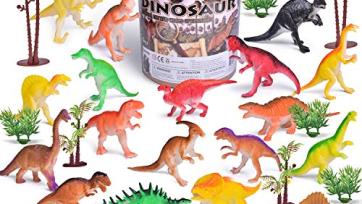
Best Dinosaur Toys for Kids in 2026 Dinosaurs have fascinated children for generations. From the mighty Tyrannosaurus rex to the gentle Brachiosaurus, these prehistoric creatures inspire curiosity, imagination, and adventure. Even in 2026, dinosaur toys remain among the best-selling toys for children because they combine exciting play with educational value. Modern dinosaur toys come in many forms, including realistic figures, remote control dinosaurs, building sets, interactive robots, puzzles, STEM kits, and fossil excavation games. They help children develop creativity, problem-solving skills, scientific curiosity, and fine motor abilities while encouraging screen-free play. Whether you're buying a birthday present or simply looking for a toy that offers both fun and learning, this guide explores the best dinosaur toys for kids in 2026. Why Children Love Dinosaur Toys Dinosaurs capture children's imagination like few other toys can. Their enormous size, unique appearances, and mysterious history encourage endless questions and creative storytelling. Children enjoy pretending that dinosaurs are: Exploring ancient jungles Protecting hidden treasure Escaping volcanoes Battling other dinosaurs Discovering new worlds Every adventure helps develop creativity while making playtime exciting. Benefits of Dinosaur Toys Dinosaur toys provide far more than entertainment. They help children: Improve imaginative thinking Build storytelling skills Develop fine motor skills Encourage independent play Learn about science Strengthen memory Improve concentration Reduce screen time Many dinosaur-themed toys also introduce children to basic biology and natural history in a fun, engaging way. Realistic Dinosaur Figures Realistic dinosaur models remain one of the most popular choices for children of all ages. These figures often feature: Accurate body shapes Detailed textures Natural colours Movable limbs Durable materials Children enjoy creating their own prehistoric worlds using multiple dinosaur species. Remote Control Dinosaur Toys Remote control dinosaurs combine technology with imaginative play. Many RC dinosaur toys include: Walking movements Roaring sounds Light-up eyes Tail movement Interactive controls These toys improve hand-eye coordination while making playtime more interactive. Dinosaur Building Sets Construction toys allow children to build their own prehistoric creatures. Popular building sets include: Dinosaur skeletons Jurassic landscapes Volcano scenes Dinosaur vehicles Research stations Building activities strengthen problem-solving skills while encouraging patience and creativity. Dinosaur Fossil Dig Kits Fossil excavation kits introduce children to the world of palaeontology. Children use small digging tools to uncover hidden dinosaur fossils before assembling their discoveries. These kits encourage: Scientific curiosity Observation skills Patience Hands-on learning Many also include educational booklets explaining different dinosaur species. Interactive Dinosaur Toys Interactive dinosaur toys respond to touch, movement, or voice commands. Features may include: Walking Roaring Dancing Sound effects Educational facts Interactive games These toys combine entertainment with early learning opportunities. Dinosaur Puzzles Dinosaur-themed puzzles are ideal for children who enjoy problem-solving. They help improve: Memory Concentration Shape recognition Logical thinking Fine motor skills Puzzles featuring colourful prehistoric scenes are especially popular with younger children. Dinosaur STEM Toys STEM dinosaur toys help children explore science through play. Examples include: Skeleton assembly kits Mechanical dinosaur models Fossil science kits Robotics dinosaurs Engineering building sets These activities encourage children to investigate how things work while developing critical thinking skills. Dinosaur Books and Learning Sets Combining toys with books creates even more educational value. Illustrated dinosaur encyclopaedias, matching games, flashcards, and interactive learning sets help children: Recognise different dinosaur species Learn scientific names Understand prehistoric habitats Discover extinction theories Learning becomes much more enjoyable when supported by hands-on toys. Choosing the Right Dinosaur Toy Before buying, consider: Your child's age Safety certifications Material quality Educational value Durability Ease of cleaning A toy that encourages repeated play usually provides the best long-term value. Safety Tips Choose dinosaur toys that: Match your child's age Have no sharp edges Use non-toxic materials Meet recognised safety standards Contain securely attached parts For younger children, avoid toys with very small pieces that could present a choking hazard. Common Buying Mistakes Parents sometimes purchase dinosaur toys based purely on appearance. Avoid: Poor-quality materials Toys that break easily Complicated controls for younger children Very small figures for toddlers Products from unknown manufacturers Investing in a well-made toy usually provides better value over time. Why Dinosaur Toys Make Excellent Gifts Dinosaur toys are suitable for birthdays, Christmas, school rewards, and special occasions. They appeal to a wide age range and combine fun with learning, making them a gift that children are likely to enjoy long after the wrapping paper has been thrown away. Many dinosaur collections also grow over time, allowing children to expand their prehistoric adventures. Frequently Asked Questions What are the best dinosaur toys for children? Realistic dinosaur figures, RC dinosaurs, fossil dig kits, building sets, puzzles, and STEM dinosaur toys are among the best options. Are dinosaur toys educational? Yes. Many dinosaur toys encourage scientific curiosity, creativity, problem-solving, and imaginative storytelling. What age are dinosaur toys suitable for? Simple dinosaur figures are suitable for toddlers, while building sets, fossil excavation kits, and STEM toys are better suited to older children. Are remote control dinosaur toys worth buying? Yes. RC dinosaur toys improve coordination while adding movement and interaction that many children find exciting. Final Thoughts The best dinosaur toys for kids in 2026 combine adventure, education, and imagination in a way that few other toys can match. Whether your child dreams of discovering fossils, building prehistoric worlds, controlling a roaring RC dinosaur, or learning about ancient creatures, there is a dinosaur toy to suit every age and interest. By choosing high-quality, age-appropriate dinosaur toys, parents can encourage curiosity, creativity, and screen-free play while helping children develop valuable skills through exciting prehistoric adventures.
Best Robot Toys for Kids in 2026
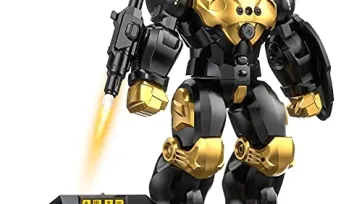
Best Robot Toys for Kids in 2026: Smart, Educational and Fun for Every Age Robot toys have become one of the fastest-growing categories in the toy industry, combining entertainment with education in ways that capture children's imagination. From simple dancing robots for toddlers to programmable robots that teach coding and engineering, today's robot toys help children develop valuable STEM skills while keeping them engaged through interactive play. Unlike traditional toys, robot toys respond to commands, perform movements, solve challenges, and even introduce basic programming concepts. They encourage children to think creatively, experiment with technology, and develop problem-solving skills that will be useful throughout their lives. Whether you're shopping for a birthday, Christmas, or an educational gift, this guide explores the best robot toys for kids in 2026. Why Robot Toys Are So Popular Children are naturally curious about technology. Robot toys allow them to explore how machines move, respond, and interact with the world. Many modern robots can: Walk Dance Talk Follow commands Avoid obstacles Perform tricks Play games Teach coding These interactive features make learning feel like play instead of study. Benefits of Robot Toys Robot toys support many areas of child development. Some of the biggest benefits include: Improve problem-solving skills Encourage logical thinking Develop STEM knowledge Build creativity Strengthen concentration Improve hand-eye coordination Introduce coding concepts Encourage independent learning Reduce passive screen time Children also gain confidence as they successfully control and programme their robots. Robot Toys for Toddlers Younger children benefit from simple robots with large buttons and easy controls. Popular features include: Dancing movements Flashing lights Music Animal sounds Colour recognition Shape learning These toys introduce cause and effect while encouraging sensory development. Coding Robots for Kids Coding robots are among the most educational robot toys available. Children learn how to: Create sequences Solve logic puzzles Programme movements Complete challenges Test different solutions Many beginner coding robots use visual programming instead of written computer code, making them suitable for young learners. Remote Control Robot Toys Remote control robots combine technology with active play. Children can control: Walking Turning Dancing Talking Arm movements Sound effects These toys improve hand-eye coordination while making playtime highly interactive. AI-Inspired Robot Toys Some advanced robot toys now include artificial intelligence features. Depending on the model, they may: Recognise voices Respond to commands Learn simple routines Interact with users Tell stories Answer basic questions These robots introduce children to the growing world of AI in an age-appropriate way. Educational Robot Kits Children who enjoy building can combine robotics with engineering. Educational robot kits allow them to: Assemble moving robots Connect motors Build mechanical systems Explore electronics Learn engineering principles Building a robot before programming it provides a deeper understanding of how technology works. STEM Learning Through Robotics Robot toys naturally introduce STEM concepts. Children explore: Science Technology Engineering Mathematics Instead of reading about these subjects, they experience them through practical challenges and experimentation. Robot Toys Encourage Creativity Robot toys are not just about technology. Children often invent imaginative adventures where robots become: Explorers Helpers Space travellers Rescue workers Scientists Friendly companions These stories encourage communication and imaginative thinking alongside technical learning. Choosing the Right Robot Toy Before buying, consider: Your child's age Skill level Battery life Ease of programming Educational value Durability Expandability A robot that grows with your child's abilities offers the greatest long-term value. Safety Tips Choose robot toys that: Meet recognised safety standards Use durable materials Match the recommended age Include clear instructions Have securely enclosed batteries Rechargeable models are often more convenient for regular use. Common Buying Mistakes Parents sometimes purchase robot toys that are too complicated. Avoid: Advanced programming kits for beginners Poor battery life Weak build quality Limited learning features Unknown brands without safety certification Choosing the right difficulty level keeps children motivated instead of frustrated. Why Robot Toys Make Brilliant Gifts Robot toys remain one of the most exciting educational gifts available. They're perfect for: Birthdays Christmas School achievements STEM competitions Holiday presents Children enjoy the excitement of interactive technology while developing valuable future-ready skills. Frequently Asked Questions What are the best robot toys for children? Coding robots, remote control robots, educational robot kits, AI-inspired robots, and STEM robotics sets are among the best choices. At what age can children start using robot toys? Simple interactive robots are suitable from around three years old, while coding and engineering robots are designed for older children. Do robot toys help children learn? Yes. Robot toys improve problem-solving, creativity, coding skills, engineering knowledge, and logical thinking through hands-on learning. Are robot toys worth buying? Absolutely. High-quality robot toys combine entertainment with STEM education, making them an excellent long-term investment for children's learning. Final Thoughts The best robot toys for kids in 2026 combine innovation, education, and entertainment in one exciting package. Whether your child enjoys coding, engineering, remote control gadgets, or imaginative adventures, robot toys encourage curiosity while helping develop skills that will remain valuable in the future. By choosing an age-appropriate robot toy with strong educational value, parents can inspire a love of technology while giving children endless opportunities to build, programme, explore, and create. As technology continues to shape the world, robot toys offer a fun and engaging introduction to the skills of tomorrow.
Best Eco Friendly Toys for Kids
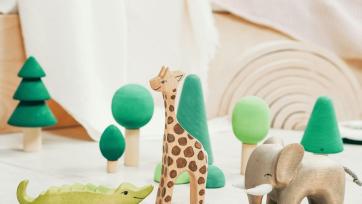
Eco-Friendly Toys: A Complete Guide to Safe, Sustainable, and Fun Play for Kids Parents today are becoming more conscious about the toys they bring into their homes. Beyond entertainment, many families now look for products that are safe for children, kind to the environment, and built to last. This growing interest has made eco-friendly toys one of the fastest-growing categories in the toy industry. Unlike many conventional plastic toys that may end up in landfills after a short period, eco-friendly toys are designed with sustainability in mind. They are often made from responsibly sourced wood, recycled plastics, organic cotton, bamboo, or other environmentally friendly materials. Many are manufactured using safer production methods and packaged with recyclable materials, making them a smarter choice for both children and the planet. If you're looking for toys that combine fun, learning, and environmental responsibility, this guide will help you understand everything about eco-friendly toys and how to choose the best options for your child. What Are Eco-Friendly Toys? Eco-friendly toys are toys created using sustainable materials and environmentally responsible manufacturing processes. Their purpose is to reduce waste, minimize pollution, and provide children with safer products made from high-quality materials. Many eco-friendly toys are designed to last for years instead of breaking after a few weeks of use. Their durability means fewer replacements, less waste, and better value for parents. Common materials include: FSC-certified wood Bamboo Organic cotton Natural rubber Recycled plastic Recycled cardboard Plant-based materials These materials are carefully selected to reduce environmental impact while maintaining safety and durability. Why More Parents Are Choosing Eco-Friendly Toys Parents today understand that children spend countless hours touching, holding, and sometimes even chewing their toys. Choosing toys made from safer materials provides extra peace of mind. Eco-friendly toys also encourage children to appreciate nature from an early age. When kids learn about recycling, sustainability, and responsible consumption through everyday play, they develop habits that can benefit them throughout life. Many families also prefer buying fewer, better-quality toys instead of constantly replacing cheaper products. Benefits of Eco-Friendly Toys Sustainable toys offer much more than environmental advantages. Some important benefits include: Safer materials for children Reduced plastic waste Excellent durability Timeless designs Educational value Lower environmental impact Better long-term value Encouragement of imaginative play Unlike flashy electronic toys that quickly lose attention, many eco-friendly toys inspire open-ended play, allowing children to create their own adventures. Wooden Toys Continue to Be a Favorite Wooden toys remain one of the most popular eco-friendly choices. Wood is naturally strong, attractive, and long-lasting. Wooden blocks, train sets, puzzles, stacking toys, kitchens, and pretend play sets have entertained generations of children. Quality wooden toys also age beautifully and are often passed down from one child to another. When buying wooden toys, look for products made from responsibly managed forests certified by organizations such as the Forest Stewardship Council (FSC). Organic Cotton Toys for Younger Children Soft toys made from organic cotton are another excellent eco-friendly option. Organic cotton is grown without harmful pesticides and harsh chemicals, making it a gentle choice for babies and young children. Popular options include: Plush animals Comfort blankets Soft dolls Fabric activity books These toys are often machine washable and designed for everyday use. Recycled Plastic Toys Give Waste a New Purpose Not every eco-friendly toy is made from wood. Many manufacturers now produce high-quality toys using recycled plastic collected from household waste or ocean-bound materials. These toys help reduce landfill waste while giving plastic a second life. Popular recycled plastic toys include: Construction vehicles Beach toys Toy kitchens Building blocks Outdoor play equipment Children enjoy the same level of fun while helping reduce environmental pollution. Eco-Friendly Educational Toys Learning and sustainability work perfectly together. Many educational eco-friendly toys help children develop: Problem-solving skills Creativity Fine motor skills Logical thinking Shape recognition Counting skills Language development Wooden puzzles, alphabet blocks, number games, and sorting activities remain excellent examples. Outdoor Nature Toys Encouraging children to play outdoors naturally supports environmental awareness. Popular eco-friendly outdoor toys include: Gardening kits Wooden birdhouses Nature exploration sets Magnifying glasses Bug observation kits Sand and water toys made from recycled materials These activities help children connect with nature while reducing screen time. Are Eco-Friendly Toys Durable? One common misconception is that eco-friendly toys wear out quickly. In reality, many sustainable toys are built to last longer than inexpensive plastic alternatives. High-quality wooden toys, bamboo products, and durable recycled plastic toys often withstand years of regular play. This durability makes them an excellent long-term investment. How Eco-Friendly Toys Encourage Creativity Many electronic toys entertain children by doing everything automatically. Eco-friendly toys often work differently. Instead of flashing lights and constant sounds, they encourage children to imagine, build, create, and invent their own stories. Simple wooden blocks can become castles today, bridges tomorrow, and space stations the following week. Open-ended play develops imagination far more effectively than fixed electronic entertainment. Choosing Eco-Friendly Toys by Age Different age groups benefit from different types of sustainable toys. For toddlers: Wooden stacking toys Shape sorters Soft organic cotton toys For preschoolers: Wooden puzzles Building blocks Pretend play kitchens Gardening kits For older children: STEM building sets Craft kits Nature exploration tools Recycled construction toys Selecting age-appropriate toys keeps children engaged while supporting healthy development. What to Look for Before Buying Not every product labeled "green" is genuinely eco-friendly. Before purchasing, consider: Sustainable materials Non-toxic paints Durable construction Recyclable packaging Safety certifications Smooth finishes Trusted manufacturers Reading product descriptions carefully helps you make informed decisions. Caring for Eco-Friendly Toys Proper care extends the life of sustainable toys. Some simple maintenance tips include: Clean wooden toys with a damp cloth. Avoid soaking wood in water. Store toys in a dry place. Wash fabric toys according to instructions. Inspect toys regularly for wear. Repair minor damage instead of replacing the toy. Good care reduces waste and saves money. Common Myths About Eco-Friendly Toys Several myths prevent some parents from trying sustainable toys. Myth: Eco-friendly toys are boring. Reality: Many offer imaginative, educational, and highly engaging play experiences. Myth: They are too expensive. Reality: While some cost more initially, their durability often makes them cheaper over time. Myth: Sustainable toys have fewer options. Reality: Today's market includes everything from puzzles and dolls to RC-inspired vehicles made with recycled materials and STEM kits. Why Eco-Friendly Toys Make Wonderful Gifts If you're looking for a meaningful birthday, holiday, or special occasion gift, eco-friendly toys are an excellent option. They show that you value both the child's happiness and the future of the planet. Parents often appreciate gifts that are practical, safe, durable, and educational. Frequently Asked Questions Are eco-friendly toys safe for children? Yes. Most quality eco-friendly toys are made from non-toxic materials and meet strict safety standards. Are wooden toys better than plastic toys? Both have advantages, but well-made wooden toys are often more durable, environmentally friendly, and encourage imaginative play. Do eco-friendly toys cost more? Some do, but their longer lifespan often makes them better value over time. Can eco-friendly toys still be fun? Absolutely. Children enjoy building, pretending, exploring, crafting, and learning with sustainable toys just as much as with conventional options. Final Thoughts Eco-friendly toys offer much more than a greener alternative to traditional playthings. They combine safety, durability, creativity, and educational value while helping reduce environmental impact. Whether you choose wooden building blocks, organic cotton plush toys, recycled plastic vehicles, or nature-inspired activity kits, sustainable toys encourage meaningful play that benefits both children and the world around them. Choosing eco-friendly toys isn't simply about buying a product—it's about supporting healthier play, smarter choices, and a more sustainable future for the next generation.
Best Musical Toys for Kids in 2026
Best Musical Toys for Kids in 2026: Inspiring Creativity Through Music Music plays an important role in every child's development. From the first time a baby shakes a rattle to a preschooler playing their first tune on a toy keyboard, musical experiences help children develop confidence, creativity, coordination, and communication skills. Musical toys make learning enjoyable by encouraging children to explore sounds, rhythms, and melodies through hands-on play. In 2026, musical toys are more creative than ever. Parents can choose from traditional instruments, interactive keyboards, drum sets, karaoke machines, dance mats, and educational music games designed for every age group. Whether your child dreams of becoming a singer, drummer, guitarist, or simply enjoys making noise, the right musical toy can encourage a lifelong love of music. This guide explores the best musical toys for kids in 2026 and explains how they support healthy childhood development. Why Musical Toys Are Important Children naturally respond to music. Even babies begin recognising rhythms and reacting to melodies long before they can speak. Musical toys help children: Explore different sounds Express emotions Build confidence Improve listening skills Develop coordination Strengthen memory Enjoy creative play Unlike passive entertainment, musical toys encourage children to actively participate in creating music. Benefits of Musical Toys Musical play supports many areas of child development. Some of the biggest benefits include: Improve hand-eye coordination Develop rhythm and timing Strengthen listening skills Encourage creativity Improve memory Build confidence Support language development Enhance concentration Reduce screen time Children also learn patience as they practise new sounds and rhythms. Musical Toys for Babies Babies enjoy simple musical toys that are easy to hold and explore. Popular choices include: Soft rattles Musical plush toys Baby tambourines Sound blocks Gentle melody toys Musical activity cubes These toys introduce cause and effect while encouraging sensory development. Toy Keyboards Toy keyboards remain one of the most popular musical toys for children. Many modern keyboards include: Piano sounds Animal sounds Drum rhythms Learning modes Recording functions Light-up keys Children begin recognising notes while developing finger coordination and creativity. Toy Drum Sets Drum sets encourage children to explore rhythm through energetic play. Benefits include: Better coordination Improved timing Stronger arm movement Rhythm recognition Creative expression Many children's drum kits also include cymbals and percussion accessories for a more realistic experience. Xylophones and Glockenspiels Colourful xylophones are ideal for introducing young children to musical notes. Playing simple melodies helps children: Recognise pitch Develop rhythm Improve hand coordination Strengthen listening skills These instruments are especially suitable for toddlers and preschool children. Toy Guitars and Ukuleles Many children enjoy pretending to perform like their favourite musicians. Toy guitars and ukuleles encourage: Imaginative play Finger coordination Rhythm practice Musical confidence Some beginner models use real strings, helping older children prepare for learning actual instruments. Karaoke Machines Karaoke toys have become increasingly popular for family entertainment. Children enjoy: Singing favourite songs Performing for family Recording their voices Building stage confidence Singing also supports language development and pronunciation. Musical Dance Mats Dance mats combine movement with music, encouraging children to stay active while developing rhythm. These toys improve: Balance Coordination Physical fitness Timing Listening skills They are particularly popular for family game nights. Educational Musical Toys Many musical toys introduce early learning concepts alongside music. Children can practise: Numbers Colours Alphabet letters Animal sounds Memory games Combining music with learning helps children remember new information more easily. Choosing the Right Musical Toy Before buying, consider: Your child's age Volume control Durability Educational value Safety standards Battery life (if required) Look for toys that encourage creativity rather than simply playing pre-recorded music. Safety Tips Choose musical toys that: Meet recognised safety standards Use child-safe materials Have adjustable volume Match the recommended age Contain securely enclosed batteries Moderate sound levels help protect children's hearing during play. Common Buying Mistakes Parents often choose musical toys based only on appearance. Avoid: Extremely loud toys Poor sound quality Fragile construction Complicated controls for younger children Limited educational value Simple, durable instruments often provide the best long-term experience. Why Musical Toys Make Excellent Gifts Musical toys are wonderful gifts because they combine creativity, movement, and learning. They're perfect for: Birthdays Christmas First birthdays Family celebrations Nursery gifts Many children continue enjoying musical toys for years as their confidence and skills develop. Frequently Asked Questions What are the best musical toys for children? Toy keyboards, drum sets, xylophones, karaoke machines, musical activity cubes, guitars, and dance mats are among the most popular choices. At what age can children start using musical toys? Many musical toys are suitable from infancy, while more advanced instruments are designed for toddlers and older children. Do musical toys help child development? Yes. They improve coordination, listening skills, creativity, confidence, language development, and memory while encouraging active play. Should I choose electronic or traditional musical toys? A combination works best. Traditional instruments encourage creativity, while electronic musical toys often provide additional learning features and interactive activities. Final Thoughts The best musical toys for kids in 2026 inspire creativity, confidence, and joyful learning through sound and movement. Whether your child enjoys playing a keyboard, beating a drum, singing into a microphone, or exploring melodies on a xylophone, musical toys provide valuable opportunities to develop important skills while having fun. By choosing high-quality, age-appropriate musical toys, parents can encourage a lifelong appreciation of music while supporting healthy cognitive, emotional, and physical development. Every note played is another step towards greater creativity, confidence, and self-expression.
Best Science Kits for Kids in 2026
Best Science Kits for Kids in 2026: Hands-On Experiments That Make Learning Fun Science is naturally exciting for children. They love asking questions, mixing colours, watching things bubble, building simple machines, and discovering how the world works. The right science kit can turn that curiosity into a lifelong passion for learning. Instead of simply reading about scientific concepts, children can perform safe experiments, make observations, and see real results with their own eyes. In 2026, science kits are more advanced than ever. They cover everything from chemistry and physics to biology, astronomy, geology, and engineering. Designed for different age groups, these kits make complex scientific ideas easy to understand through practical activities. Whether your child dreams of becoming a scientist or simply enjoys experimenting, this guide will help you choose the best science kits for kids in 2026. Why Science Kits Are Important Children learn best when they actively participate in the learning process. Science kits encourage them to: Ask questions Test ideas Observe results Solve problems Think critically Learn through experimentation Instead of memorising information, children discover scientific principles through hands-on activities that make learning memorable. Benefits of Science Kits Science kits offer educational value that extends well beyond the experiments themselves. Some of the biggest benefits include: Encourage curiosity Develop critical thinking Improve observation skills Build problem-solving abilities Support STEM education Strengthen patience Increase confidence Encourage independent learning Reduce screen time Children also develop resilience by learning that failed experiments often lead to valuable discoveries. Chemistry Science Kits Chemistry remains one of the most popular categories of science kits. Children enjoy safe experiments such as: Colour-changing reactions Crystal growing Slime making pH testing Safe bubbling reactions Water experiments These activities introduce basic chemical principles while keeping children engaged. Physics Experiment Kits Physics kits help children understand how the world works through practical demonstrations. Popular activities include: Magnet experiments Electricity projects Pulley systems Gravity challenges Motion experiments Energy demonstrations Children begin to understand scientific concepts by seeing them in action. Biology Science Kits Biology kits introduce children to living organisms and the natural world. Popular activities include: Plant growing Microscope exploration Insect observation Human anatomy models DNA demonstrations Nature investigations These kits encourage children to appreciate the living world around them. Microscope Kits A microscope allows children to discover an invisible world filled with fascinating details. They can examine: Leaves Flowers Feathers Insects Fabrics Pond water Microscope kits encourage careful observation while introducing scientific investigation techniques. Crystal Growing Kits Crystal-growing experiments remain one of the most exciting STEM activities. Children watch colourful crystals gradually form over several days while learning about: Mineral formation Chemical reactions Patience Observation Watching crystals grow gives children a genuine sense of scientific discovery. Dinosaur Fossil Excavation Kits Children who enjoy dinosaurs often love fossil excavation kits. These sets allow them to: Dig for fossils Assemble skeletons Learn about prehistoric life Explore palaeontology Excavation activities combine science with adventure, making learning even more exciting. Space and Astronomy Kits Young astronomers can explore the universe through hands-on learning. Popular astronomy kits include: Solar system models Telescope starter kits Moon projectors Planet exploration sets Constellation guides These activities encourage curiosity about space and inspire future scientific interests. Engineering Science Kits Engineering kits combine creativity with practical problem-solving. Children build: Bridges Towers Vehicles Windmills Mechanical machines Moving structures Engineering challenges teach children how design choices affect strength, balance, and movement. Choosing the Right Science Kit Before buying, consider: Your child's age Interests Safety standards Number of experiments Difficulty level Educational value The best science kits challenge children while remaining enjoyable and achievable. Safety Tips Science activities should always be carried out safely. Choose kits that: Meet recognised safety standards Include clear instructions Use child-safe materials Match the recommended age Require adult supervision where appropriate Following instructions carefully helps ensure every experiment is both safe and successful. Common Buying Mistakes Parents sometimes choose science kits that are too advanced. Avoid: Experiments beyond your child's ability Poor-quality equipment Kits with very few activities Missing safety instructions Cheap materials that reduce learning value Well-designed kits provide better educational experiences and greater long-term enjoyment. Why Science Kits Make Excellent Gifts Science kits are among the best educational gifts because they combine learning with excitement. They're ideal for: Birthdays Christmas School holidays STEM clubs Home learning Children often remember their first successful experiment long after they've completed it. Frequently Asked Questions What are the best science kits for children? Chemistry kits, microscope sets, crystal-growing kits, engineering projects, dinosaur excavation kits, and astronomy sets are among the most popular options. At what age can children start using science kits? Simple observation and nature kits are suitable for preschool children, while more advanced chemistry and engineering kits are designed for older children. Do science kits support STEM learning? Yes. Science kits develop observation, experimentation, problem-solving, engineering, and critical thinking skills that form the foundation of STEM education. Do children need adult supervision? Many science kits recommend adult supervision, particularly when experiments involve chemical reactions or specialised equipment. Final Thoughts The best science kits for kids in 2026 inspire curiosity, encourage discovery, and make learning an exciting adventure. From chemistry experiments and crystal growing to microscope investigations and engineering projects, science kits allow children to experience the joy of exploration through practical, hands-on activities. By choosing high-quality science kits that match your child's age and interests, parents can encourage a lifelong love of learning while helping children develop the critical thinking and problem-solving skills they'll use for years to come.
The Five-Minute Rule
The Five-Minute Rule: Why Children Abandon Some Toys Almost Immediately Introduction Watch a child receive a brand-new toy. For the first few minutes, the excitement is impossible to miss. The packaging is torn open. Buttons are pressed. Pieces are explored. Questions are asked. Everything suggests this new toy is about to become an instant favourite. Then something unexpected happens. Five minutes later, the toy is sitting quietly on the carpet while the child has wandered off to build a fort with sofa cushions or create a pretend café using kitchen utensils. What changed? Did the toy suddenly become boring? Did the child lose interest? Or was something else happening all along? Many parents assume short attention spans are the reason children quickly abandon certain toys. While attention certainly plays a role, the real explanation is often much more interesting. The first five minutes of play reveal something important about the design of a toy—and about the way children naturally learn. The First Five Minutes Are About Discovery Every new toy begins with exploration. Children examine its shape. They discover moving parts. They test buttons. They investigate sounds, textures and colours. During this stage, curiosity is at its highest. Everything is unfamiliar. Everything feels exciting. Toy designers work incredibly hard to make this first impression memorable. Bright colours, interesting textures and surprising features all compete for a child's attention. But first impressions are only the beginning. What Happens After Curiosity Fades? Eventually, every child reaches the same question. "Now what?" This is where many toys quietly reveal their biggest weakness. If every feature has already been discovered, there's little left for the child to contribute. The toy continues performing. The child simply watches. Open-ended toys follow a completely different path. Once the initial exploration ends, the real play begins. Instead of asking the toy for entertainment, children begin supplying their own ideas. A handful of wooden blocks suddenly becomes an airport. Magnetic tiles become a castle. Toy animals organise a safari. The excitement shifts from discovering the toy to creating something new with it. The Difference Between Surprise and Possibility Some toys rely almost entirely on surprise. Lights. Music. Movement. Secret compartments. Hidden buttons. Surprises are wonderful—but they only happen once. Possibility is different. Possibility never runs out. A cardboard box has almost no surprises. Yet children regularly spend hours with one because every new idea creates another possibility. That's why many of the simplest toys remain favourites long after complex gadgets have been forgotten. Children Don't Actually Get Bored That Quickly Parents often say, "My child gets bored after five minutes." More accurately, children become bored when a toy stops asking anything of them. If every action produces the same result, curiosity naturally fades. When toys encourage children to imagine, experiment and solve problems, attention often lasts much longer than adults expect. The child hasn't changed. The opportunity to create has. A Simple Test Every Parent Can Try The next time your child receives a new toy, don't judge it by the first reaction. Instead, quietly observe what happens after the excitement settles. Ask yourself: Are they inventing new ways to play? Are they combining the toy with other toys? Are they telling stories? Do they return to it later without being reminded? The answers often tell you far more about the toy than any advertisement ever could. Replay Value Is the Real Measure of a Great Toy Think about the toys that remain on the floor week after week. They're rarely the ones with the most impressive demonstrations in the shop. Instead, they're the toys that offer children a reason to come back. Replay value isn't about doing the same thing repeatedly. It's about discovering something new each time. A set of magnetic tiles can become a bridge one afternoon and a rocket the next. A box of wooden blocks might start as a tower before turning into a zoo, a city or a pirate island. The toy stays familiar. The play never does. That's why replay value is often a better indicator of quality than price, size or the number of features. How Parents Can Use the Five-Minute Rule Before Buying You don't need to be an expert in child development to choose better toys. Next time you're shopping, imagine your child has already spent five minutes with the toy. Then ask yourself: What could they do next? Can they create their own game? Will they combine it with other toys? Does it encourage imagination or simply demonstrate features? If it's difficult to answer those questions, the toy may depend too heavily on its initial excitement. The strongest toys usually leave plenty of room for the child to take control. Why Simplicity Often Wins Modern toys are remarkable. Many include sounds, movement, technology and interactive features that would have seemed impossible only a generation ago. Yet children still fall in love with surprisingly simple things. A handful of blocks. A toy farm. A train set. A basket of animal figures. Why? Because simple toys don't try to entertain children every second. Instead, they invite children to become the storyteller, the engineer, the explorer or the architect. The child becomes the most important feature of the toy. A Better Question Than "Is It Worth the Money?" Parents often ask whether a toy is worth its price. A more useful question is: "Will my child still choose this toy when nobody suggests it?" That's when you discover its true value. A toy that repeatedly attracts a child's attention without reminders has earned its place. It has become part of everyday play rather than just another purchase. What This Means for Future Toy Shopping The next time you're standing in a toy shop, don't be distracted by impressive packaging or flashy demonstrations. Picture your child at home a week later. Will they still be inventing new games? Will the toy inspire fresh ideas? Or will it simply repeat the same actions until curiosity fades? Parents who think beyond the first five minutes often make choices that provide far more lasting enjoyment. Frequently Asked Questions Why do children stop playing with new toys so quickly? Once the novelty wears off, toys with limited ways to play can become predictable. Toys that encourage imagination and creativity tend to keep children engaged for much longer. What does replay value mean? Replay value refers to how often a child voluntarily returns to a toy because it continues offering new possibilities for play. Are simple toys better than complicated ones? Not always, but simple, open-ended toys often provide greater flexibility, allowing children to invent different games as they grow. How can I tell if a toy has lasting appeal? Consider whether your child can use it in multiple ways, combine it with other toys and continue discovering new ideas over time. Should I avoid electronic toys completely? No. Many electronic toys have genuine educational benefits. The key is balancing them with toys that encourage creative, child-led play. Final Thoughts The first five minutes can be exciting. They can also be misleading. Almost every new toy captures a child's attention at first. Only a few continue capturing their imagination days, weeks and months later. That's the difference between a toy that entertains and a toy that becomes part of childhood. The next time you see your child quietly returning to the same set of blocks, the familiar train track or a favourite collection of animal figures, don't mistake it for routine. You're witnessing something much more valuable. You're watching a child choose creativity over novelty. And that's exactly the kind of play that leaves the longest-lasting memories.
What Happened When 20 Families Reduced Their Children's Toys?
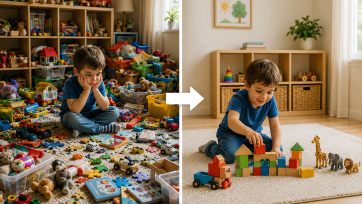
 What Happened When 20 Families Reduced Their Children's Toys? The Results May Surprise You Introduction Imagine being asked a simple question. "Would you remove half of your child's toys for two weeks?" Most parents would probably hesitate. Some would worry their child would become bored. Others might expect more arguments, more screen time and constant requests to buy new toys. Yet over the past decade, many parents have experimented with exactly this idea—not because someone told them to own less, but because they wanted to understand an increasingly common problem. Why were children surrounded by toys yet still saying they had nothing to play with? Although every family is different, the experiences shared by parents reveal some surprisingly consistent patterns. This article brings together those common observations into a practical case study, highlighting what many families noticed after simplifying their children's play environment. The goal isn't to persuade you to throw toys away. It's to explore what happens when children have fewer choices and more opportunities to use their imagination. Week One: The Unexpected Silence The first day often felt strange. Parents described children walking into the playroom, looking around and immediately noticing that something had changed. Some asked where the missing toys had gone. Others wandered from shelf to shelf before choosing something almost reluctantly. At first glance, it looked as though the experiment had failed. But several parents noticed something interesting. Instead of opening six different boxes within ten minutes, children stayed with one activity for much longer. Not because they had no other option. Because there were fewer distractions competing for their attention. The Third-Day Effect Around the third day, many parents reported a noticeable shift. The same construction blocks that had been ignored for months suddenly became the centre of elaborate cities. Toy animals appeared in homemade zoos. Blankets transformed into tents, pirate ships and secret hideouts. Children weren't receiving new toys. They were discovering new ways to use familiar ones. Several parents admitted they had forgotten just how creative their children could be when left to lead the play themselves. Less Time Choosing, More Time Playing One observation appeared repeatedly. Children seemed to spend less time deciding what to play with. This may sound like a small change, but it had a noticeable impact on the length and quality of play sessions. Instead of constantly moving between activities, many became deeply involved in a single game. Parents often described the atmosphere as calmer. Not quieter. Just more focused. Parents Noticed a Difference Too The experiment didn't only affect children. Adults found unexpected benefits as well. Tidying the playroom became quicker. Missing puzzle pieces were easier to find. Favourite toys no longer disappeared beneath mountains of forgotten items. Perhaps most importantly, several parents admitted they felt less pressure to keep buying new toys. They realised their children already owned enough to create wonderful adventures. Not Every Family Had the Same Experience One important lesson quickly became clear. There wasn't a single, perfect outcome. Some children adapted within a day. Others took nearly a week before settling into longer periods of play. A few parents even ended the experiment early because they realised they had removed too many toys at once. That wasn't a failure. It simply highlighted an important point: every child has a different personality, different interests and a different way of engaging with play. The goal wasn't to follow strict rules. It was to discover what worked best for each family. What Happened When the Toys Returned? Perhaps the most interesting part of the experiment came after the toys were brought back. Parents expected children to rush excitedly towards the stored toys before quickly losing interest again. Instead, many children treated familiar toys as though they had just received birthday presents. A train set that hadn't been touched for months suddenly became exciting. Building blocks inspired fresh ideas. Even stuffed animals found new roles in imaginative stories. Nothing about the toys had changed. Only the child's perspective had. This simple observation explains why toy rotation has become such a popular strategy among many families. One Unexpected Discovery Several parents admitted something they hadn't expected. The experiment changed their own behaviour more than their children's. Before reducing the number of toys, many believed boredom could only be solved by buying something new. Afterwards, they noticed that a few encouraging questions often worked better than another shopping trip. "Who lives in this castle?" "Where is this train travelling today?" "What happens next?" These small prompts often sparked long periods of independent play. The children already had the imagination. They simply needed space to use it. What This Means for Parents You don't need to count every toy in your home. You don't need to throw away perfectly good toys. You certainly don't need to follow somebody else's definition of the "perfect" playroom. Instead, think about the quality of play rather than the quantity of toys. Ask yourself: Does my child return to the same toys again and again? Are there toys that haven't been touched for months? Is the playroom helping my child focus or distracting them? Would rotating a few toys make play feel fresh again? Small adjustments often make a much bigger difference than expensive purchases. The Bigger Lesson Perhaps the biggest lesson from these family experiences is this: Children don't measure happiness by how full the toy cupboard is. They measure it by the adventures they create. A cardboard box can become a castle. A blanket can become a superhero cape. A handful of blocks can become an entire city. The imagination was never missing. Sometimes it was simply hidden beneath too many choices. Frequently Asked Questions Does reducing toys work for every child? No single approach works for everyone. However, many families find that reducing visible toys or rotating them regularly helps children focus and engage in longer periods of imaginative play. How many toys should stay available? There isn't a magic number. A balanced mix of construction toys, pretend-play items, creative materials and a few favourites is often more effective than keeping every toy available at once. Should unused toys be donated immediately? Not necessarily. Storing them for a few weeks before deciding gives children the opportunity to rediscover them later. If they still show no interest, donating may be a sensible next step. Can toy rotation reduce requests for new toys? Many parents say it can. Bringing back stored toys often creates the excitement of receiving something new without spending additional money. Is this approach suitable for older children? Yes. Although the types of toys change with age, simplifying the play environment can benefit school-age children as well by reducing distractions and encouraging more focused play. Final Thoughts Children don't always need more. Sometimes they simply need less to think about. The families in this case study didn't discover a secret parenting trick or a revolutionary toy. Instead, they rediscovered something childhood has quietly known all along. Creativity doesn't depend on owning the newest toy. It depends on having the freedom to imagine. Whether your home contains twenty toys or two hundred, the real question isn't how many are on the shelves. It's how many inspire your child to invent stories, solve problems and return to play day after day. If a small change to the playroom can create bigger adventures, it might be one of the simplest parenting experiments worth trying.