Wooden vs Plastic Toys: Which Is Better for Kids in 2026?
Choosing toys for your child isn't just about picking the most colorful or popular option. Parents today are paying closer attention to safety, durability, educational value, and environmental impact before making a purchase. One of the most common questions is whether wooden toys or plastic toys are the better choice.
The truth is that both types of toys have their strengths. Wooden toys are often praised for their durability, timeless design, and educational value, while plastic toys offer variety, bright colors, and interactive features. The best choice depends on your child's age, interests, and the type of play experience you're looking for.
In this guide, we'll compare wooden and plastic toys in detail, helping you make an informed decision for your family.
Why This Comparison Matters
Children spend countless hours playing with toys during their early years. The toys they use influence their creativity, learning, physical development, and even the way they interact with the world around them.
Understanding the differences between wooden and plastic toys helps parents invest in products that are safe, enjoyable, and built to support healthy development.
What Are Wooden Toys?
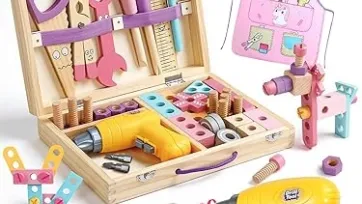
Wooden toys are made primarily from natural wood and are usually finished with child-safe paints or natural coatings. They are known for their sturdy construction and simple designs that encourage imaginative play.
Common examples include:
- Wooden building blocks
- Shape sorters
- Puzzles
- Train sets
- Stacking toys
- Play kitchens
- Montessori learning toys
Many wooden toys are designed to last for years and can often be passed down to younger siblings.
What Are Plastic Toys?
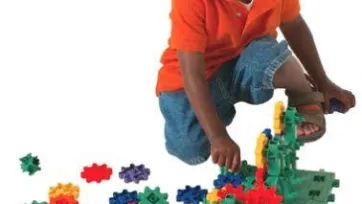
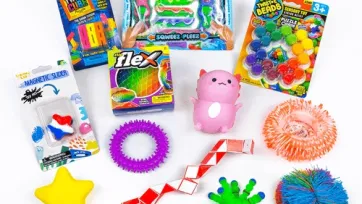
Plastic toys are manufactured using various types of child-safe plastics and are available in almost every toy category.
Popular plastic toys include:
- Action figures
- Dollhouses
- RC cars
- Toy dinosaurs
- Construction vehicles
- Interactive learning toys
- Musical toys
- Outdoor play equipment
Modern plastic toys often include lights, sounds, moving parts, and electronic features that create highly interactive play experiences.
Durability: Which Toys Last Longer?
High-quality wooden toys are generally known for their exceptional durability. They can withstand years of active play without losing their shape or functionality.
Plastic toys vary greatly in quality. Premium plastic toys can be very durable, while lower-quality versions may crack, fade, or break more easily.
If long-term value is your priority, well-made wooden toys often have the advantage.
Safety Comparison
Safety should always be the first consideration when buying toys.
High-quality wooden toys are usually made with:
- Smooth surfaces
- Rounded edges
- Non-toxic finishes
- Strong construction
Quality plastic toys should also meet recognized safety standards and use BPA-free, child-safe materials.
Regardless of the material, always buy toys from trusted brands and check the recommended age before purchasing.
Educational Value
Both wooden and plastic toys can support learning.
Wooden toys often encourage:
- Creativity
- Problem-solving
- Independent play
- Fine motor skills
- Concentration
Plastic toys often introduce:
- Technology
- Interactive learning
- Music
- Language development
- Cause-and-effect learning
The educational value depends more on how the toy is designed than on the material itself.
Creativity and Imaginative Play
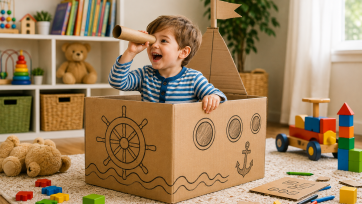
Wooden toys usually have simple designs that leave room for imagination.
A wooden block can become:
- A castle
- A bridge
- A spaceship
- A zoo
- A city
Children decide how to use the toy, encouraging creative thinking.
Many plastic toys are based on specific characters or functions, which can sometimes limit open-ended play but increase excitement for children who enjoy themed adventures.
Eco-Friendly Choice
Many parents choose wooden toys because they are often made from renewable materials and can last for many years.
Sustainably sourced wooden toys:
- Produce less waste
- Have a longer lifespan
- Can often be recycled
- Reduce the need for frequent replacements
Plastic toys have improved over the years, and some manufacturers now use recycled materials, but many lower-quality products still contribute to environmental waste if they break quickly.
Maintenance and Cleaning
Both types of toys are easy to maintain with proper care.
Wooden toys:
- Wipe clean with a damp cloth.
- Avoid soaking in water.
- Store in a dry place.
Plastic toys:
- Wash with mild soap and water.
- Dry thoroughly.
- Follow cleaning instructions for electronic toys.
Regular cleaning helps keep toys safe and hygienic.
Which Toys Are Better for Babies?
For babies, many parents prefer wooden toys because they are simple, durable, and encourage sensory exploration.
Popular options include:
- Wooden rattles
- Grasping rings
- Stacking toys
- Activity cubes
Plastic toys can also be excellent choices, especially soft teething toys and interactive learning toys designed specifically for infants.
Always choose age-appropriate products regardless of the material.
Which Toys Are Better for Toddlers?
Toddlers enjoy both wooden and plastic toys.
Wooden toys work well for:
- Building
- Sorting
- Stacking
- Pretend play
Plastic toys are popular for:
- Ride-on vehicles
- Toy kitchens
- Interactive learning
- Outdoor play
- Musical activities
Many families choose a combination of both.
Price Comparison
Wooden toys often have a higher purchase price because of their materials and craftsmanship.
However, their durability means they frequently last much longer than cheaper alternatives.
Plastic toys are available across a wider price range, from affordable everyday toys to premium electronic products.
When considering value, it's important to think about how long the toy will remain useful rather than focusing only on the initial price.
Which Toys Do Children Prefer?
Every child is different.
Some children enjoy building towers with wooden blocks for hours.
Others love interactive RC cars, robots, or talking educational toys.
Instead of choosing only one material, many parents create a balanced toy collection that includes both wooden and plastic toys to offer a variety of play experiences.
Common Buying Mistakes
Parents sometimes focus on appearance instead of quality.
Avoid:
- Buying toys made from poor-quality materials.
- Ignoring safety certifications.
- Choosing toys that don't match your child's age.
- Purchasing toys only because they are trendy.
- Overlooking durability.
A well-made toy is almost always a better investment than a cheaper alternative that breaks quickly.
How to Decide Which Toy Is Right
Ask yourself a few simple questions before buying:
- Is the toy safe?
- Does it match my child's age?
- Will it encourage learning?
- Is it durable?
- Can my child use it in different ways?
- Does it support creativity?
If the answer is yes, you've probably found a great toy—whether it's made from wood or plastic.
Frequently Asked Questions
Are wooden toys safer than plastic toys?
Both can be safe when they meet recognized safety standards. The most important factor is choosing high-quality toys from trusted manufacturers.
Do wooden toys last longer?
In many cases, yes. Quality wooden toys are known for their durability and can often be passed down to younger siblings.
Are plastic toys better for learning?
Some plastic toys include interactive educational features, while wooden toys encourage hands-on creativity and independent thinking. Both can support learning in different ways.
Should parents choose only wooden toys?
Not necessarily. A balanced collection of wooden and plastic toys gives children a wider variety of learning experiences and play opportunities.
Final Thoughts
The debate between wooden vs plastic toys doesn't have a single winner because both offer unique advantages. Wooden toys stand out for their durability, timeless design, eco-friendly appeal, and ability to encourage imaginative play. Plastic toys provide variety, interactive features, bright colors, and exciting themes that many children love.
Rather than choosing one over the other, many parents find that a combination of high-quality wooden and plastic toys creates the best play environment. By focusing on safety, durability, educational value, and your child's interests, you can build a toy collection that supports learning, creativity, and joyful childhood memories for years to come.