Best Bath Toys for Kids in 2026

Best Bath Toys for Kids in 2026: Safe, Fun and Educational Choices for Splash Time

Bath time doesn't have to be a daily struggle. With the right bath toys, it can become one of the most enjoyable parts of your child's routine. From floating animals and water wheels to interactive fountains and educational stacking cups, bath toys transform ordinary washing into an exciting learning experience.

In 2026, parents are looking for bath toys that are not only entertaining but also safe, durable, and easy to clean. The best bath toys encourage sensory development, imaginative play, and fine motor skills while helping children feel relaxed and confident in the water.

Whether you have a curious baby, an energetic toddler, or a preschooler who loves water play, this guide will help you choose the best bath toys for every age.

Why Bath Toys Are Important

Many young children dislike bath time because it interrupts play or feels unfamiliar. Bath toys help create a positive association with water by turning bathing into a fun activity rather than a daily chore.

Children who enjoy bath time are often more willing to wash their hair, clean themselves, and develop healthy hygiene habits from an early age.

Bath toys also encourage exploration, imagination, and independent play in a safe environment.

Benefits of Bath Toys

Quality bath toys support both learning and development.

Some of the biggest benefits include:

  • Encourage sensory play
  • Improve hand-eye coordination
  • Develop fine motor skills
  • Support imaginative play
  • Build confidence around water
  • Improve problem-solving
  • Reduce bath-time anxiety
  • Encourage independent play
  • Make hygiene routines enjoyable

Parents also find bath time much less stressful when children are happily engaged.

Floating Bath Toys

Floating toys remain one of the most popular bath time favourites.

Children enjoy playing with:

  • Rubber ducks
  • Boats
  • Sea animals
  • Fish
  • Whales
  • Turtles

Floating toys encourage imaginative storytelling while introducing children to different aquatic animals.

Stacking Cups

Simple stacking cups provide endless learning opportunities during bath time.

Children can:

  • Pour water
  • Fill containers
  • Empty cups
  • Stack towers
  • Compare sizes

These activities introduce basic science concepts such as volume, gravity, and water flow while improving coordination.

Water Wheels and Waterfalls

Water wheels create exciting cause-and-effect learning.

Children pour water into the top and watch colourful wheels spin as the water flows through different channels.

These toys help develop:

  • Observation skills
  • Problem-solving
  • Hand control
  • Curiosity

They also introduce simple engineering concepts through play.

Bath Books

Waterproof bath books encourage early reading while children enjoy splashing in the bath.

Many feature:

  • Bright illustrations
  • Animals
  • Numbers
  • Alphabet letters
  • Ocean creatures

Reading during bath time helps establish positive learning routines from an early age.

Spray and Fountain Toys

Interactive bath toys that spray water or create fountains are increasingly popular.

These toys encourage children to experiment with water movement while improving coordination and sensory awareness.

Many battery-operated models also include colourful lights and gentle water effects designed specifically for bath play.

Bath Toys for Babies

Babies benefit from simple toys that are easy to hold and explore.

Excellent choices include:

  • Soft floating animals
  • Silicone bath toys
  • Textured balls
  • Water-safe rattles
  • Floating rings

Choose lightweight toys that are free from small detachable parts.

Bath Toys for Toddlers

Toddlers enjoy more interactive water activities.

Popular options include:

  • Pouring cups
  • Water mills
  • Floating puzzles
  • Bath basketball sets
  • Fishing games
  • Water squirters

These toys encourage active play while developing coordination and confidence.

Educational Bath Toys

Bath time can become an excellent learning opportunity.

Educational bath toys help children practise:

  • Counting
  • Colours
  • Alphabet letters
  • Shape recognition
  • Animal names
  • Matching games

Many foam bath letters and numbers stick to wet bathroom tiles, creating enjoyable educational activities.

Choosing Safe Bath Toys

Safety should always be your highest priority.

Choose bath toys that:

  • Are BPA-free
  • Use non-toxic materials
  • Meet recognised safety standards
  • Have smooth edges
  • Match your child's age

Avoid toys with small detachable parts that could present a choking hazard.

Preventing Mould Inside Bath Toys

One of the biggest concerns with bath toys is mould growth inside hollow toys.

To reduce this risk:

  • Choose toys without drainage holes where possible.
  • Empty water after every bath.
  • Rinse with clean water regularly.
  • Allow toys to dry completely.
  • Clean them weekly using child-safe cleaning methods.

Proper maintenance keeps bath toys safe and hygienic.

How to Clean Bath Toys

Regular cleaning helps extend the life of bath toys.

Simple cleaning tips include:

  • Wash with warm soapy water.
  • Rinse thoroughly.
  • Dry completely after each use.
  • Store in a ventilated basket.
  • Replace damaged or mouldy toys immediately.

Keeping toys dry between baths greatly reduces bacteria and mould.

Common Buying Mistakes

Parents sometimes buy bath toys based purely on appearance.

Avoid:

  • Cheap toys made from unsafe materials
  • Toys that trap water easily
  • Toys with sharp edges
  • Complex electronic toys that aren't fully waterproof
  • Age-inappropriate products

Quality always matters more than quantity.

Why Bath Toys Make Excellent Gifts

Bath toys make thoughtful gifts for birthdays, baby showers, Christmas, and first birthdays.

Parents appreciate practical gifts that children use every day, especially toys that make daily routines easier and more enjoyable.

Bath toys are also easy to combine into themed gift baskets with towels, bath books, and child-friendly toiletries.

Frequently Asked Questions

What are the best bath toys for children?

Floating animals, stacking cups, water wheels, bath books, foam letters, fishing games, and pouring toys are among the best bath toys available.

Are bath toys safe for babies?

Yes. Choose age-appropriate bath toys made from BPA-free, non-toxic materials with no small detachable parts.

How often should bath toys be cleaned?

Rinse them after every bath, allow them to dry completely, and clean them thoroughly at least once a week.

How can I stop mould growing inside bath toys?

Choose sealed toys where possible, empty trapped water immediately after use, allow toys to dry fully, and replace damaged toys if mould develops.

Final Thoughts

The best bath toys for kids in 2026 turn an everyday routine into an exciting opportunity for learning, creativity, and fun. From floating ducks and stacking cups to educational foam letters and interactive water wheels, the right bath toys encourage children to enjoy water while developing important physical and cognitive skills.

By choosing safe, durable, and easy-to-clean bath toys, parents can create positive bath-time experiences that children look forward to every day. A few well-chosen toys can transform splashing into meaningful learning while making family routines smoother and more enjoyable.
Advertisement
Non-Toxic Toys in 2026
 Non-Toxic Toys: A Parent's Complete Guide to Choosing Safer Toys for Children Introduction When parents shop for toys, bright colours, exciting features and educational claims often grab their attention first. Yet one of the most important questions is rarely printed in large letters on the box: What is this toy actually made from? Children don't simply play with toys. They hug them, chew them, carry them everywhere and, especially when they're young, explore them with their mouths. Because of this, the materials used to make toys matter just as much as the entertainment they provide. In recent years, more parents have become interested in non-toxic toys, and for good reason. Safer materials, better manufacturing standards and greater awareness of chemical exposure have encouraged families to think more carefully before making a purchase. However, the growing popularity of the term "non-toxic" has also created confusion. Many products use the phrase without explaining what it really means. The truth is that choosing safer toys doesn't require expert knowledge or hours of research. Once you understand the materials to look for, the safety certifications that matter and the warning signs to avoid, buying toys becomes much easier. This guide explains everything parents need to know about non-toxic toys, from understanding toy materials to avoiding common buying mistakes and creating a safer play environment for children of all ages. What Does "Non-Toxic" Really Mean? A non-toxic toy is designed and manufactured using materials that are considered safe for normal use by children. It should not contain harmful substances at levels that could pose a health risk when the toy is handled, chewed or used as intended. It's important to understand that non-toxic doesn't mean a toy is indestructible or completely free from every chemical. Instead, it means the materials and finishes meet recognised safety requirements and are suitable for children's everyday use. Parents should think of non-toxic toys as products made with children's safety in mind rather than simply products carrying a marketing label. Why Toy Materials Matter Young children experience the world differently from adults. Babies chew toys to explore textures. Toddlers carry toys from room to room, often dropping them outdoors before putting them back into their mouths. Older children may spend hours handling the same favourite toys every day. Because of this frequent contact, choosing well-made toys from safer materials is a sensible long-term investment. High-quality materials also tend to be: More durable. Easier to clean. Less likely to crack or peel. Better able to withstand years of play. Benefits of Choosing Non-Toxic Toys For many families, safer toys provide advantages that go well beyond peace of mind. Encourages Safer Everyday Play Children naturally touch, hold and sometimes chew their toys. Choosing toys made from safer materials reduces unnecessary concerns during normal play. Better Long-Term Durability Well-manufactured toys are often more resistant to cracking, fading and everyday wear. This means they can often be enjoyed by younger siblings or stored for future use. Easier to Maintain Many non-toxic toys are designed with simple, durable finishes that are easier to wipe clean and keep hygienic. Supports Thoughtful Buying Focusing on quality rather than quantity often leads parents to purchase fewer but better-made toys. This approach reduces clutter while encouraging children to value the toys they already own. Better for Family Use Durable toys that remain in good condition are often passed between siblings, relatives or friends, making them a more sustainable choice over time. Common Materials Used in Children's Toys Understanding toy materials makes shopping much easier. Natural Wood Wood has remained a popular choice for generations because it is strong, durable and suitable for many different types of play. Parents should look for smooth finishes and child-safe coatings. Silicone Food-grade silicone is commonly used for baby toys and teething products because it is flexible, durable and easy to clean. Cotton Organic or high-quality cotton fabrics are frequently used for soft toys, comfort blankets and fabric books. These materials are generally breathable and washable. BPA-Free Plastics Many modern children's toys are manufactured using BPA-free plastics that meet recognised safety requirements. Always buy from trusted retailers rather than unknown sources. Natural Rubber Natural rubber is commonly found in baby toys because it is soft, flexible and comfortable for chewing. Choosing high-quality products helps ensure durability and safety. Signs of a Well-Made Toy Parents don't always need specialist knowledge to recognise a quality toy. Look for products that: Feel sturdy and well-made. Have smooth edges. Show no loose parts. Use strong stitching on fabric items. Have securely fitted components. Include clear safety information. Match the recommended age range. Quality toys usually feel more durable from the moment you pick them up. Signs You Should Avoid a Toy Sometimes it's easier to recognise what not to buy. Consider avoiding toys that: Have a strong chemical smell. Show peeling paint or coatings. Break easily during normal use. Have sharp edges. Contain loose decorations that can detach. Have poorly secured battery compartments. Include unclear or missing safety information. If something feels poorly made, trust your instincts and look for a better alternative. How to Choose Non-Toxic Toys for Your Child Walking into a toy shop or browsing online can quickly become overwhelming. Hundreds of products may appear similar, yet the quality and materials can vary significantly. Rather than focusing on colourful packaging or trendy designs, start by asking a few practical questions. Who is the toy for? A baby who explores everything by chewing has very different needs from a seven-year-old building imaginative worlds. Always choose toys that suit your child's developmental stage. How will the toy be used? Some toys are handled occasionally, while others become everyday favourites. Frequently used toys should be especially durable and easy to clean. Can it withstand everyday play? Children rarely play gently. A quality toy should survive drops, pulling, squeezing and regular cleaning without losing its shape or finish. Understanding Toy Safety Labels Many parents notice symbols and statements on toy packaging but aren't always sure what they mean. Although labels vary between manufacturers, reputable toys usually include information such as: Recommended age range Safety warnings Cleaning instructions Manufacturer details Compliance with recognised toy safety standards If this information is missing or unclear, it's often better to choose another product. Buying Guide Choosing non-toxic toys becomes much simpler when you focus on a few important principles instead of marketing claims. Prioritise Quality Over Quantity A small collection of well-made toys often provides more value than a cupboard full of inexpensive alternatives. Children generally benefit more from versatile toys that remain interesting over time. Buy from Trusted Retailers Purchasing from established retailers or reputable manufacturers reduces the likelihood of receiving poor-quality products with unclear safety information. Think Long-Term Choose toys that will continue to be useful as your child grows. Construction toys, pretend play sets and creative materials often provide years of enjoyment. Consider Ease of Cleaning Children's toys should be cleaned regularly. Smooth surfaces and washable fabrics make maintenance much easier. Choose Open-Ended Toys Toys that encourage creativity and imagination often remain favourites for much longer than toys designed for one fixed activity. Safety Tips Even the safest toys require regular care and supervision. Keep these simple habits in mind: Inspect toys regularly for damage. Remove broken toys immediately. Clean toys according to the manufacturer's instructions. Store toys in a dry, clean environment. Keep small parts away from babies and toddlers. Check battery compartments frequently. Supervise younger children during play. Replace toys showing signs of wear or cracking. Regular maintenance is one of the easiest ways to keep toys safe. Common Buying Mistakes Many parents spend unnecessary money simply because of clever marketing. Here are some mistakes worth avoiding. Assuming "Non-Toxic" Means High Quality A toy may use the phrase "non-toxic" while still being poorly designed or lacking durability. Material safety and overall build quality should both be considered. Buying Toys Just Because They're Popular Today's most fashionable toy may lose its appeal surprisingly quickly. Timeless toys often provide much better long-term value. Ignoring Age Recommendations Even if a toy looks harmless, using products intended for older children can increase frustration or create avoidable safety risks. Forgetting About Maintenance Some toys require regular cleaning or inspection. Choosing products that are easy to maintain makes everyday life much simpler. Buying Too Many Toys Children rarely need dozens of toys at once. A carefully chosen collection encourages more focused play and reduces household clutter. Frequently Asked Questions What are non-toxic toys? Non-toxic toys are made using materials considered safe for children during normal play and are manufactured to meet recognised toy safety requirements. Are wooden toys always non-toxic? Not necessarily. The type of paint, varnish or finish also matters. Always choose products with child-safe finishes from reputable manufacturers. Why do some toys have a strong smell? A strong chemical smell may come from manufacturing materials or packaging. If a toy has an unusually strong odour that doesn't disappear after airing out, many parents choose not to use it. Are plastic toys safe? Many modern plastic toys are perfectly suitable for children when manufactured to recognised safety standards. Choosing products from reputable brands and retailers is generally the safest approach. How often should toys be inspected? It's good practice to check frequently used toys every few weeks for cracks, loose parts, peeling finishes or other signs of damage. Final Thoughts Choosing non-toxic toys isn't about chasing marketing trends or believing every claim printed on a product box. It's about making informed decisions based on quality, safety and practicality. Children deserve toys that encourage creativity, exploration and learning without unnecessary concerns about poor materials or weak construction. By choosing durable products from trusted sources, checking safety information carefully and maintaining toys properly, parents can create a play environment that is both enjoyable and reassuring. In the end, the best toy isn't simply the newest or the most expensive. It's the one that keeps a child engaged, stands up to years of play and gives parents confidence every time it's picked up.
Best Toys for 1-Year-Old Kids in 2026
Best Toys for 1-Year-Old Kids in 2026 A child's first birthday marks an exciting stage of growth. At one year old, babies are becoming more curious, active, and eager to explore the world around them. They begin taking their first steps, improving their hand-eye coordination, recognizing familiar faces, and learning through touch, movement, and sound. This makes choosing the right toys more important than ever. The best toys for 1-year-old kids are not necessarily the most expensive or the ones with the most buttons and lights. Instead, they should encourage exploration, support early learning, and provide a safe, enjoyable play experience. Toys that inspire movement, sensory discovery, and simple problem-solving can help build important developmental skills while keeping little ones entertained. This guide will help parents choose the best toys for one-year-olds in 2026, highlighting toys that are fun, educational, safe, and designed for this important stage of development. Why Choosing Age-Appropriate Toys Matters One-year-olds are developing rapidly, and every new experience helps shape their physical, emotional, and cognitive growth. Toys designed for older children may be too complicated or unsafe, while toys made specifically for toddlers encourage learning at the right pace. Age-appropriate toys help children: Build confidence Improve coordination Develop fine motor skills Learn cause and effect Strengthen curiosity Encourage independent exploration Choosing the right toys creates a positive learning environment where children can safely discover new skills every day. What Skills Do One-Year-Olds Develop? At this age, children are constantly learning through play. Every activity contributes to their overall development. Some important milestones include: Standing and walking Picking up small objects Recognizing familiar words Understanding simple instructions Exploring different textures Improving balance Developing hand strength Beginning imaginative play The best toys encourage these skills naturally without overwhelming the child. Push and Pull Toys Encourage Walking As many one-year-olds begin walking, push and pull toys become excellent companions. These toys help improve: Balance Coordination Confidence Leg strength Popular choices include wooden walkers, animal pull toys, push carts, and rolling vehicles. Walking while playing makes movement exciting and encourages children to stay active. Stacking Toys Improve Coordination Stacking rings and stacking cups remain classic favorites because they teach simple problem-solving while strengthening fine motor skills. Children learn about: Size differences Balance Colors Coordination Cause and effect Although stacking may seem simple, it provides valuable learning opportunities during early childhood. Shape Sorters Introduce Problem-Solving Shape sorters help toddlers recognize different shapes while improving hand-eye coordination. Children enjoy experimenting with circles, squares, triangles, and stars until they find the correct match. These activities encourage patience, observation, and logical thinking. Soft Plush Toys Provide Comfort Many one-year-olds develop strong attachments to soft toys. Plush animals and comfort toys offer: Emotional security Imaginative play Bedtime comfort Gentle sensory experiences Choose soft toys made from non-toxic, washable materials that are suitable for young children. Musical Toys Support Early Learning Music naturally attracts toddlers. Simple musical toys introduce rhythm, listening skills, and coordination through enjoyable play. Good options include: Baby pianos Xylophones Tambourines Musical activity tables Sound blocks Interactive musical toys also encourage movement and dancing. Wooden Toys Remain Excellent Choices Wooden toys continue to be popular because they are durable, safe, and encourage open-ended play. Popular wooden toys include: Stacking blocks Shape sorters Pull-along animals Wooden puzzles Activity cubes Many parents appreciate their timeless design and long-lasting quality. Sensory Toys Encourage Exploration At one year old, children learn through touch, sight, and sound. Sensory toys introduce different: Textures Colors Shapes Sounds Movements Examples include textured balls, sensory cubes, fabric books, and activity boards. These experiences strengthen brain development while keeping children engaged. Interactive Learning Toys Simple interactive toys help children understand cause and effect. Pressing a button, opening a door, spinning a wheel, or moving a lever teaches children that their actions create results. Quality learning toys often introduce: Numbers Colors Animal sounds Letters Simple songs Choose toys with moderate sound levels and age-appropriate activities. Building Blocks Inspire Creativity Large building blocks designed for toddlers encourage imagination while improving hand coordination. Children enjoy: Stacking towers Knocking them down Sorting colors Creating simple structures Building activities also teach persistence and problem-solving. Bath Toys Make Water Play More Fun Bath time becomes an enjoyable learning opportunity with safe bath toys. Popular options include: Floating animals Water wheels Pouring cups Bath books Stacking boats Always supervise children during water play. Outdoor Toys for One-Year-Olds Fresh air and movement are essential for healthy development. Outdoor toys may include: Push walkers Ride-on toys Soft balls Bubble machines Sand toys Mini slides Outdoor play improves coordination while encouraging exploration. Choosing Safe Toys for One-Year-Olds Safety should always be the highest priority. Look for toys that: Have no small detachable parts Use non-toxic materials Feature rounded edges Meet recognized safety standards Are easy to clean Match your child's age Reading product labels carefully helps ensure a safer play experience. Common Mistakes Parents Should Avoid Many parents accidentally choose toys that are either too advanced or too complicated. Avoid: Small pieces that present choking hazards Loud toys with excessive volume Toys meant for older children Fragile products Toys with sharp edges Simple, durable toys often provide the greatest long-term value. Why Educational Toys Matter at One Year Learning begins long before school. Educational toys help toddlers develop important early skills through natural exploration. Instead of focusing on academic learning, these toys encourage curiosity, movement, observation, and communication. Children learn best when they enjoy the experience. Frequently Asked Questions What toys are best for a one-year-old? Push toys, stacking rings, shape sorters, sensory toys, musical instruments, soft plush toys, wooden blocks, and interactive learning toys are excellent choices. Are electronic toys suitable for one-year-olds? Some simple electronic learning toys designed specifically for toddlers can be beneficial, but they should encourage interaction rather than passive entertainment. Are wooden toys safe for one-year-old children? Yes. High-quality wooden toys with smooth edges, non-toxic finishes, and age-appropriate designs are excellent options. How many toys does a one-year-old need? A small collection of high-quality, engaging toys is usually more beneficial than having too many choices. Rotating toys regularly can also keep playtime exciting. Final Thoughts Choosing the best toys for a one-year-old isn't about buying the newest or most expensive products. It's about selecting toys that encourage curiosity, movement, creativity, and early learning while keeping safety at the center of every decision. Whether it's a push walker, stacking rings, wooden blocks, sensory toys, musical instruments, or interactive learning activities, the right toys help children explore their world with confidence. By focusing on quality, durability, and age-appropriate design, parents can create joyful play experiences that support healthy development and create lasting memories.
Why Do Children Play With the Box Instead of the Toy? The Psychology Behind It
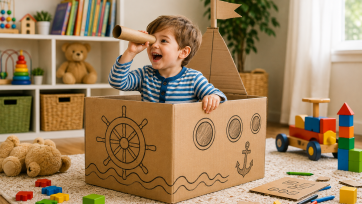
 Why Do Children Play With the Box Instead of the Toy? The Psychology Behind It Introduction Christmas morning had gone exactly as planned. The wrapping paper covered the living room floor. A brand-new toy sat in the middle of the room, complete with flashing lights, exciting features and everything a child could ask for. Yet ten minutes later, the toy was quietly sitting in the corner. The cardboard box it came in had become a pirate ship. Half an hour later, it was a rocket. By lunchtime, it had been transformed into a secret hideout. If you've ever watched your child ignore an expensive toy in favour of its packaging, you're certainly not alone. Parents around the world experience the same surprising moment and often wonder whether they've wasted their money. The answer is reassuring. Your child isn't being difficult, ungrateful or impossible to please. In fact, they're demonstrating something fascinating about how young minds learn through play. Psychologists, early-years educators and child development specialists have long recognised that children are naturally drawn to objects that leave room for imagination. A plain cardboard box has no instructions, no fixed purpose and no right or wrong way to use it. That freedom is exactly what makes it so powerful. In this article, we'll explore the psychology behind this common behaviour, explain why simple objects often outperform expensive toys and show parents how to use this knowledge to make smarter toy-buying decisions. The Cardboard Box Isn't Empty to a Child Adults see packaging. Children see possibilities. A cardboard box doesn't tell a child what it should become. It doesn't flash, sing or explain the rules. Instead, it quietly invites them to decide. Today it's a racing car. Tomorrow it's a bakery. By the weekend it might be a castle, a spaceship or a dinosaur cave. Each idea comes entirely from the child's imagination. That's a completely different experience from pressing a button and watching a toy perform the same action every time. Why Children's Brains Love Open Possibilities During early childhood, the brain develops rapidly through exploration and experimentation. When children invent stories, solve small problems and pretend that ordinary objects are something else, they're practising important cognitive skills without even realising it. Every decision they make requires questions like: What could this become? Who lives here? What happens next? How can I make this work? These tiny moments of problem-solving strengthen imagination, flexible thinking and creativity. The remarkable part is that none of this requires an expensive toy. Sometimes all it takes is an empty box. Imagination Is More Powerful Than Instructions Many modern toys arrive with a clear purpose. Press this button. Pull that lever. Watch the lights. Listen to the sounds. These features can be entertaining, especially at first. However, once children have discovered everything the toy can do, there may be very little left for them to invent. A cardboard box works differently. The child provides the sound effects. The child creates the story. The child decides the rules. In other words, the toy isn't creating the play. The child is. That difference explains why a simple object can sometimes hold a child's attention for much longer than a highly sophisticated gadget. The Freedom to Make Mistakes Another reason children love simple objects is that they can't use them incorrectly. There is no wrong way to play with a cardboard box. No instructions. No levels. No failure. That freedom encourages experimentation. Children cut windows, stack boxes together, crawl inside them and decorate them with crayons or stickers. Every new idea builds confidence because the activity is driven entirely by curiosity rather than performance. For parents, that's an important reminder. The most valuable play doesn't always look structured. Sometimes it looks wonderfully messy. What Parents Can Learn Before Buying the Next Toy Watching your child choose the box instead of the toy isn't a sign that you've bought the wrong gift. It's a clue about what children naturally enjoy. Before making your next purchase, ask yourself a different question. Instead of wondering, "How many features does this toy have?", ask: "How much imagination does this toy leave for my child?" Toys that leave space for creativity often become family favourites because children can reinvent them again and again as they grow. They don't become boring after the first afternoon. Instead, they evolve alongside the child's imagination. What Happens Inside the Brain During Pretend Play? When a child transforms an ordinary cardboard box into a spaceship, something remarkable is happening behind the scenes. They're not simply "playing". They're planning. They're imagining. They're solving problems. They're creating a story and then changing that story as they go. This type of play activates several areas of the brain at the same time. Language skills are used while inventing characters or conversations. Memory comes into play when children remember the rules of their imaginary world. Attention shifts between building, acting and adapting as the game evolves. Unlike activities with a single correct answer, pretend play has no finish line. Every decision creates another possibility. That's one reason children can spend an afternoon with an ordinary box but lose interest in a toy that performs the same action over and over again. Why Teachers Rarely Panic About Cardboard Boxes Visit an early years classroom and you may notice something surprising. Alongside carefully chosen learning resources, you'll often find recycled materials waiting to be turned into something new. Large boxes. Cardboard tubes. Fabric pieces. Wooden offcuts. Loose containers. To an adult, they may look like leftovers. To children, they're invitations. Teachers understand that these simple materials encourage collaboration, communication and creativity because they don't dictate how they should be used. Every child approaches them differently, and that's exactly what makes them valuable. The Toys Children Remember Years Later Ask adults about their favourite childhood toys and listen carefully. Many won't describe the most expensive gift they ever received. Instead, they'll remember the train set they built with a grandparent every Sunday. The dolls that travelled everywhere. The building blocks that became castles, airports and entire cities. Notice the pattern? The memories aren't created by the object itself. They're created by the experiences surrounding it. The cardboard box follows the same principle. Children rarely remember it because it was cardboard. They remember it because it became their pirate ship, their secret cave or their rocket to the moon. So... Should Parents Stop Buying Toys? Absolutely not. Children benefit from well-designed toys that match their stage of development. The lesson isn't that toys are unnecessary. The lesson is that toys don't have to do everything. Some of the best toys leave part of the experience unfinished. Building sets don't tell children what to create. Art materials don't decide what to draw. Play kitchens don't write the menu. The child completes the experience. That's where imagination grows. Try the "Box Challenge" This Weekend Instead of recycling the next large cardboard box immediately, keep it for a few days. Place it in a safe area with a few simple supplies nearby: Child-safe crayons or washable markers Paper Stickers Child-safe tape Fabric scraps or old blankets Then step back. Avoid giving instructions. Instead of saying, "Let's make a castle," ask: "What do you think this could become?" You might be amazed by the answers. One child may see a bus. Another may see a bakery. A third may crawl inside and announce it's a submarine exploring the deepest ocean. There's no correct response—and that's the whole point. What This Means the Next Time You Buy a Toy The next time you're standing in a toy shop, don't let flashing lights or oversized boxes make the decision for you. Think about what happens after the excitement of opening the gift. Will your child still be discovering new ways to play next month? Can they use their imagination? Can they combine it with toys they already own? Will the toy become part of their stories rather than simply performing for them? These questions often lead to better purchases than focusing on features alone. Frequently Asked Questions Why do children enjoy cardboard boxes so much? Because boxes have no fixed purpose. Children are free to imagine, invent and transform them into almost anything, making every play session different. Is it normal for children to ignore expensive toys? Yes. Many children are naturally more interested in activities that encourage creativity than in toys with limited ways to play. This is a common part of healthy development. Are simple toys better than electronic toys? Not always. Both have their place. However, toys that encourage open-ended play often provide greater replay value because children create the experience themselves. What age do children enjoy imaginative play the most? Pretend play usually becomes especially active between the ages of two and six, although many older children continue enjoying imaginative games in different forms. Should I keep large cardboard boxes after deliveries? If they're clean and safe, they can become excellent creative resources for temporary play projects before eventually being recycled. Final Thoughts The next time your child climbs into a cardboard box instead of playing with the expensive toy inside it, try not to feel disappointed. Pause for a moment. Watch what happens. You'll probably see a child who isn't ignoring the toy at all. You'll see a young mind building worlds that don't exist, solving problems that adults can't see and creating adventures that no instruction manual could ever provide. That plain cardboard box isn't competing with the toy. It's reminding us of something childhood has always known. The most powerful toy in the room isn't always the one with the most buttons. Quite often, it's the one that asks the child a simple question: "What would you like me to become today?" And every time, the answer is completely different.
Best Toy Kitchen Sets for Kids in 2026
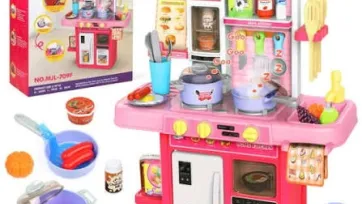
Best Toy Kitchen Sets for Kids in 2026: Inspiring Imagination Through Everyday Play Toy kitchen sets have remained one of the most popular pretend play toys for generations, and in 2026 they continue to be a favourite among children and parents alike. From preparing imaginary breakfasts to serving afternoon tea and running busy restaurants, toy kitchens allow children to explore everyday life through creative role play. More than just a fun activity, kitchen play helps children develop communication, social skills, creativity, and problem-solving abilities. Whether they're pretending to bake cakes, wash dishes, or cook dinner for the family, every activity encourages learning through imagination. If you're searching for the best toy kitchen set for your child, this complete guide will help you choose the perfect option. Why Toy Kitchen Sets Are So Popular Children naturally enjoy copying the adults around them. A toy kitchen allows them to safely imitate everyday activities such as: Cooking meals Washing vegetables Baking cakes Making tea Washing dishes Serving food Organising groceries These familiar activities help children understand daily routines while encouraging imaginative storytelling. Benefits of Toy Kitchen Sets Kitchen play supports many areas of child development. Some of the biggest benefits include: Encourage imaginative play Improve communication skills Expand vocabulary Develop fine motor skills Encourage social interaction Build confidence Improve problem-solving Teach responsibility Reduce screen time Children also learn patience, cooperation, and sharing when playing together. Wooden Toy Kitchens Wooden kitchen sets remain one of the most popular choices for families. Parents appreciate them because they are: Durable Eco-friendly Attractive Long-lasting Easy to clean Many wooden kitchens feature realistic details that encourage even more imaginative play. Modern Play Kitchens Today's toy kitchens are designed to look like real family kitchens. Popular features include: Ovens Hobs Microwaves Refrigerators Sinks Cupboards Coffee machines Ice dispensers These realistic details make role play even more exciting. Toy Food Sets No kitchen is complete without food. Popular pretend food includes: Fruit Vegetables Bread Pizza Burgers Cakes Ice cream Drinks Toy food encourages children to invent recipes, organise meals, and create restaurant adventures. Kitchen Accessories Accessories make pretend cooking even more realistic. Common accessories include: Pots Pans Plates Cups Cutlery Mixing bowls Utensils Aprons Adding accessories encourages longer and more creative play sessions. Toy Kitchens Encourage Healthy Habits Pretend cooking can introduce children to healthy eating. Parents can use kitchen play to discuss: Fruit and vegetables Balanced meals Cooking safely Cleaning up Table manners Learning happens naturally while children enjoy imaginative games. Restaurant Role Play Many children enjoy turning their toy kitchen into a restaurant. They can pretend to become: Chefs Waiters Café owners Bakers Pizza makers Ice cream sellers Restaurant games improve communication while encouraging teamwork and creativity. Educational Value of Kitchen Play Kitchen sets help children practise many everyday skills. These include: Counting ingredients Sorting food Colour recognition Organising objects Following simple routines Problem-solving Children also strengthen language skills by explaining recipes and serving imaginary customers. Choosing the Right Toy Kitchen Before buying, consider: Your child's age Available space Material quality Accessories included Height of the kitchen Safety certification Storage features A slightly larger kitchen often provides better long-term value as your child grows. Safety Tips Choose toy kitchens that: Meet recognised safety standards Have smooth edges Use non-toxic materials Include sturdy construction Match the recommended age Regularly inspect accessories for damage or loose parts. Common Buying Mistakes Parents sometimes buy kitchen sets based only on appearance. Avoid: Fragile plastic Sharp edges Tiny accessories for younger children Poor-quality doors and hinges Kitchens that are too small Investing in a well-built kitchen usually provides years of enjoyable play. Why Toy Kitchen Sets Make Brilliant Gifts Kitchen playsets are among the most memorable gifts children receive. They're perfect for: Birthdays Christmas Playroom makeovers Nursery gifts Family celebrations Unlike many toys that are forgotten after a few weeks, kitchen sets continue inspiring new adventures every day. Frequently Asked Questions What is the best toy kitchen for children? Wooden toy kitchens with realistic appliances, durable construction, and plenty of accessories are among the best choices. At what age can children use toy kitchens? Many kitchen playsets are suitable from around three years old, while simpler kitchens with larger accessories are available for younger toddlers. Are toy kitchen sets educational? Yes. They improve creativity, communication, problem-solving, fine motor skills, social interaction, and imaginative thinking. Should I choose a wooden or plastic toy kitchen? Wooden kitchens are generally more durable and environmentally friendly, while plastic kitchens may include interactive features such as lights and sounds. Both can provide excellent play experiences. Final Thoughts The best toy kitchen sets for kids in 2026 encourage creativity, communication, and imaginative role play while helping children learn valuable everyday skills. Whether they're baking pretend cakes, serving afternoon tea, or running a busy family restaurant, every activity supports healthy social and emotional development. By choosing a high-quality toy kitchen with realistic accessories and durable construction, parents provide children with a timeless toy that continues to inspire creativity long after many electronic toys have been forgotten.
Best Kids Toys for All Ages
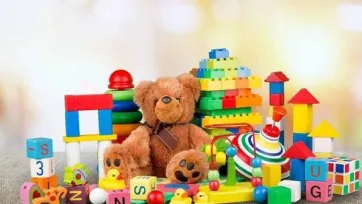
Best Kids Toys for All Ages: The Ultimate Parent's Guide to Choosing the Perfect Toy Finding the perfect toy for a child isn't always easy. Every child has unique interests, abilities, and developmental needs, making it important to choose toys that match their age and encourage healthy growth. While colorful packaging and popular trends may attract attention, the best toys are those that inspire creativity, support learning, and provide hours of meaningful play. From babies discovering shapes and sounds to older children exploring science, technology, and imaginative adventures, toys play a vital role in childhood development. A well-chosen toy does more than entertain—it helps build confidence, improve coordination, encourage social interaction, and spark curiosity. This comprehensive guide explores the best kids toys for all ages, helping parents, grandparents, and gift buyers make smart decisions that children will truly enjoy. Why Choosing Age-Appropriate Toys Matters Children grow quickly, and their interests change as they develop new skills. A toy that's perfect for a toddler may not hold the attention of a school-age child, while an advanced toy can frustrate younger children if it's too difficult. Age-appropriate toys help children stay engaged while encouraging them to learn naturally. They also reduce safety risks by matching a child's physical and cognitive abilities. When selecting toys, always check the recommended age range provided by the manufacturer. Benefits of Quality Toys The right toy supports much more than entertainment. Children develop important life skills through play, including: Creativity Problem-solving Communication Hand-eye coordination Fine motor skills Confidence Social interaction Emotional development Logical thinking Quality toys also encourage children to spend less time in front of screens and more time actively exploring their world. Best Toys for Babies (0–12 Months) During the first year of life, babies learn through their senses. Bright colors, gentle sounds, and different textures help stimulate early development. Excellent choices include: Soft plush toys Rattles Teething toys Activity gyms Fabric books Stacking rings Musical toys These toys help babies develop sensory awareness, grip strength, and early coordination. Best Toys for Toddlers (1–3 Years) Toddlers become more active and curious every day. They enjoy toys that encourage movement, exploration, and simple problem-solving. Popular toddler toys include: Shape sorters Wooden blocks Ride-on toys Push and pull toys Large puzzles Musical instruments Toy vehicles At this stage, children also begin developing language and social skills through interactive play. Best Toys for Preschoolers (3–5 Years) Preschool children love using their imagination. Pretend play becomes an important part of learning as children create stories and role-play everyday situations. Great options include: Kitchen playsets Doctor kits Dollhouses Construction blocks Arts and crafts Educational puzzles Beginner board games These toys encourage creativity while improving communication and problem-solving skills. Best Toys for Kids (5–8 Years) As children enter school, they enjoy more challenging activities that combine fun with learning. Excellent toys include: Remote control cars STEM kits Science experiment sets Building kits Coding toys Sports equipment Interactive learning games These activities help children become independent thinkers while building confidence. Best Toys for Older Kids (8 Years and Above) Older children often enjoy projects that challenge their creativity and curiosity. Popular choices include: Advanced robotics Engineering kits Drones Remote control trucks Strategy board games Art supplies Model building kits These toys encourage persistence, planning, and creative problem-solving. Educational Toys for Every Age Educational toys remain valuable throughout childhood. They help children improve: Reading skills Mathematics Memory Vocabulary Critical thinking Creativity Scientific curiosity Examples include: Alphabet games Number puzzles STEM toys Coding kits Geography puzzles Science laboratories Learning becomes much more enjoyable when children actively participate. Remote Control Toys Continue to Be Family Favorites Remote control toys remain among the most exciting choices for children of different ages. From beginner racing cars to monster trucks and construction vehicles, RC toys encourage children to stay active while improving coordination and concentration. Rechargeable remote control toys are especially popular because they offer longer playtime and reduce the cost of disposable batteries. Many families also enjoy racing together, creating memorable experiences that strengthen family bonds. Outdoor Toys Keep Kids Active Outdoor play supports both physical and emotional well-being. Some of the best outdoor toys include: Scooters Balance bikes Sports sets Bubble machines Flying discs Garden toys Water play equipment These activities improve fitness, coordination, and teamwork while encouraging children to spend time outside. Creative Toys Inspire Imagination Creative toys allow children to express themselves freely. Popular creative options include: Drawing sets Paint kits Clay modeling DIY craft boxes Bead sets Coloring books Creative play builds confidence while strengthening fine motor skills. Board Games Teach Important Life Skills Board games provide excellent opportunities for families to spend quality time together. Children learn: Patience Cooperation Strategic thinking Communication Fair play Decision-making Many modern board games also include educational elements that make learning enjoyable. Safety Should Always Come First No matter the child's age, safety should remain the highest priority. Before buying any toy: Check the recommended age. Choose non-toxic materials. Inspect for small detachable parts. Look for durable construction. Purchase from trusted brands. Read safety instructions carefully. Regular inspection also helps keep toys safe over time. How to Choose the Perfect Toy Instead of buying whatever is trending, think about your child's personality. Ask yourself: Does my child enjoy building? Do they like vehicles? Are they interested in science? Do they prefer outdoor activities? Are they artistic? Do they enjoy solving puzzles? Choosing toys based on a child's interests creates a much better play experience. Common Toy Buying Mistakes Many buyers make avoidable mistakes. Some of the most common include: Buying toys that are too advanced. Ignoring quality. Choosing toys based only on appearance. Forgetting safety recommendations. Purchasing too many similar toys. A smaller collection of versatile, durable toys usually provides greater long-term value. Why Good Toys Create Lasting Memories Children rarely remember every toy they receive, but they often remember the experiences those toys create. Building a giant block castle with family, racing remote control cars in the backyard, completing a difficult puzzle, or pretending to run a toy restaurant all become cherished childhood memories. The best toys encourage interaction rather than simply keeping children occupied. Frequently Asked Questions What are the best toys for all ages? Building blocks, puzzles, remote control toys, STEM kits, arts and crafts, board games, outdoor toys, and pretend play sets are excellent choices for different age groups. Are educational toys better than regular toys? The best toys combine education with entertainment, helping children learn naturally while enjoying playtime. Should toys match a child's age? Yes. Age-appropriate toys are safer and provide the right level of challenge, keeping children interested without causing frustration. How many toys should a child have? Quality is more important than quantity. A carefully chosen collection of engaging toys often provides greater value than having too many toys. Final Thoughts The best kids toys for all ages are the ones that inspire imagination, encourage learning, and create joyful experiences. Whether you're shopping for a baby, toddler, preschooler, or older child, choosing toys that match their interests and developmental stage makes playtime more meaningful. From educational puzzles and creative craft kits to exciting remote control cars, STEM projects, outdoor games, and pretend play sets, every great toy offers an opportunity to learn, grow, and make lasting memories. By focusing on quality, safety, and age-appropriate choices, parents can give children toys that support their development while filling every day with fun and adventure.
Best Safe Wooden Toys for Kids in 2026
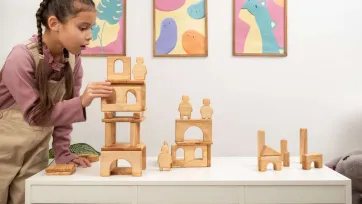
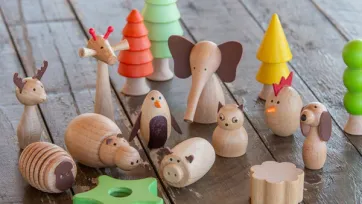
Best Safe Wooden Toys for Kids in 2026 Wooden toys have stood the test of time, remaining a favourite choice for parents who value safety, durability, and meaningful play. While modern toy stores are filled with electronic gadgets and plastic playsets, safe wooden toys continue to offer something unique—simple designs that encourage imagination, creativity, and hands-on learning. Today's parents are more careful than ever about the products they bring into their homes. They want toys made from non-toxic materials, built to last, and free from unnecessary chemicals. Safe wooden toys meet these expectations while supporting healthy child development from infancy through the early school years. Whether you're buying a birthday gift, planning a Montessori-inspired playroom, or searching for toys that promote learning without screens, wooden toys are an excellent investment. This guide explains why safe wooden toys remain one of the best choices for children in 2026 and how to select the right options for every age. Why Wooden Toys Are Still Popular Despite rapid advances in technology, wooden toys continue to attract parents because of their timeless appeal and educational value. Unlike many electronic toys that entertain children with flashing lights and sounds, wooden toys encourage active participation. Children create their own games, invent stories, build structures, and solve problems using their imagination. Many families also appreciate their natural appearance, solid construction, and ability to last for years. What Makes a Wooden Toy Safe? Not every wooden toy is automatically safe. Parents should look beyond attractive designs and pay attention to how the toy is made. A safe wooden toy should include: Smooth, splinter-free surfaces Rounded edges Non-toxic paints and finishes Strong construction Child-safe materials Securely attached parts Age-appropriate design Buying from reputable manufacturers that follow international toy safety standards provides additional peace of mind. Benefits of Safe Wooden Toys Safe wooden toys offer much more than durability. Some of their biggest advantages include: Encouraging imaginative play Improving hand-eye coordination Supporting fine motor skills Developing problem-solving abilities Increasing concentration Reducing screen time Promoting independent learning Lasting for many years Because they are often open-ended, children can play with the same toy in different ways as they grow older. Best Wooden Toys for Babies Babies explore the world using their senses. Simple wooden toys help them safely discover different shapes, textures, and movements. Excellent options include: Wooden rattles Grasping rings Stacking rings Shape sorters Push toys Wooden activity gyms Always choose toys specifically designed for infants and free from small detachable parts. Best Wooden Toys for Toddlers Toddlers enjoy toys that challenge their growing coordination and curiosity. Popular wooden toys include: Building blocks Peg puzzles Pull-along animals Stacking towers Wooden trains Balance games These activities encourage movement while strengthening problem-solving skills. Montessori Wooden Toys Many Montessori toys are made from wood because it is durable, natural, and pleasant to handle. Popular Montessori wooden toys include: Counting boards Alphabet blocks Object permanence boxes Shape sorters Practical life activity boards Wooden puzzles These toys encourage children to learn independently without unnecessary distractions. Wooden Building Blocks Inspire Creativity Building blocks remain one of the most versatile toys available. Children use them to build: Houses Castles Bridges Roads Towers Cities Animal homes Each new creation encourages imagination, planning, and creative thinking while improving fine motor control. Wooden Puzzles Improve Problem-Solving Skills Puzzles help children recognize shapes, colors, patterns, and spatial relationships. They also improve: Memory Concentration Patience Logical thinking Hand-eye coordination Wooden puzzles are especially durable, making them ideal for repeated use. Eco-Friendly Benefits of Wooden Toys Many parents choose wooden toys because they are more environmentally friendly than disposable plastic alternatives. High-quality wooden toys often come from responsibly managed forests and can remain usable for many years. Because they rarely break easily, they create less waste and are often passed down to younger siblings or donated to other families. Choosing sustainable toys also helps children develop an appreciation for protecting the environment. Wooden Pretend Play Toys Pretend play supports language development and creativity. Wooden playsets allow children to create endless adventures. Popular options include: Play kitchens Wooden food sets Tool benches Doll furniture Cash registers Farm animal sets These toys encourage storytelling while helping children understand everyday life. How Wooden Toys Support Child Development Every play session teaches valuable skills. Wooden toys help children improve: Fine motor control Coordination Concentration Creativity Problem-solving Independent thinking Social interaction Emotional confidence Because there are fewer distractions, children often remain focused for longer periods. How to Choose the Best Wooden Toys Before purchasing, consider several important factors. Choose toys that: Match your child's age Use non-toxic finishes Have smooth surfaces Are easy to clean Offer multiple ways to play Come from trusted brands A high-quality toy usually provides far greater long-term value than a cheaper alternative. Caring for Wooden Toys Proper care helps wooden toys remain beautiful for years. Simple maintenance includes: Wipe with a damp cloth. Avoid soaking in water. Store in a dry place. Inspect regularly for damage. Tighten loose parts if needed. Avoid harsh chemical cleaners. Good care keeps toys safe while extending their lifespan. Common Mistakes Parents Should Avoid Many buyers unknowingly choose poor-quality wooden toys. Avoid: Cheap toys with rough edges Unknown paints or finishes Toys without safety certification Age-inappropriate designs Products with loose small parts Spending a little extra on quality often results in a safer and longer-lasting toy. Why Wooden Toys Make Excellent Gifts Wooden toys are thoughtful gifts for birthdays, holidays, and special occasions. They combine beauty, durability, and educational value, making them gifts that children enjoy for years instead of weeks. Parents also appreciate receiving toys that encourage creativity rather than constant screen time. Frequently Asked Questions Are wooden toys safer than plastic toys? High-quality wooden toys made with non-toxic materials and smooth finishes are generally considered very safe. Safety depends on the manufacturer's quality and whether the toy is appropriate for the child's age. Are wooden toys suitable for babies? Yes. Many wooden rattles, grasping toys, and stacking toys are designed specifically for infants. Always choose age-appropriate products that meet recognized safety standards. How do I clean wooden toys? Use a soft damp cloth with mild soap if necessary. Avoid soaking wooden toys in water, as excessive moisture may damage the wood over time. Why are wooden toys more expensive? They often use higher-quality materials, stronger construction, and sustainable manufacturing methods. Their durability usually makes them a better long-term investment. Final Thoughts Safe wooden toys continue to be one of the best choices for children in 2026 because they combine simplicity, durability, and educational value in a way few other toys can. They encourage creativity, strengthen essential developmental skills, and provide years of meaningful play without relying on screens or excessive electronics. Whether you're choosing wooden building blocks, puzzles, Montessori learning tools, pretend play sets, or stacking toys, investing in high-quality wooden toys means investing in safer, more engaging, and more rewarding play experiences for your child.
Best Baby Walkers and Push Toys in 2026
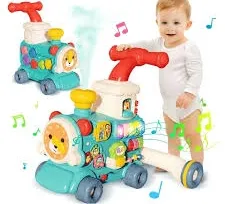
Best Baby Walkers and Push Toys in 2026: Helping Little Ones Take Their First Steps Safely Watching your baby take their first steps is one of the most exciting milestones in early childhood. During this stage, babies are eager to explore their surroundings, improve their balance, and gain confidence with every movement. The right baby walker or push toy can support this natural development by encouraging safe, active play while strengthening muscles and coordination. In 2026, parents have more choices than ever before, including wooden push walkers, activity walkers, ride-on walkers, and multifunctional learning toys. Rather than simply entertaining babies, these products help develop motor skills, hand-eye coordination, and confidence during one of the most important stages of growth. This guide explains everything parents need to know about choosing the best baby walkers and push toys in 2026. What Are Baby Push Walkers? Baby push walkers are toys designed to support babies as they learn to stand and walk independently. Unlike traditional seated baby walkers, push walkers encourage children to use their own muscles and balance while walking behind the toy. Most models include: Easy-grip handles Stable wheels Activity panels Storage space Wooden or plastic frames These features encourage babies to practise walking safely while enjoying interactive play. Why Push Toys Are Better for Early Walking Many child development experts recommend push toys because they encourage babies to develop balance naturally. As babies push the walker forward, they learn to: Balance independently Control their movements Strengthen leg muscles Improve coordination Build confidence This allows walking skills to develop at the baby's own pace. Benefits of Baby Walkers and Push Toys Push walkers support many areas of early development. Some of the biggest benefits include: Encourage independent walking Strengthen leg muscles Improve balance Develop coordination Support gross motor skills Build confidence Encourage active play Improve hand-eye coordination Reduce screen time These skills help prepare babies for confident, independent walking. Wooden Push Walkers Wooden push walkers remain one of the most popular choices among parents. They offer several advantages: Durable construction Eco-friendly materials Stable design Timeless appearance Long-lasting quality Many wooden models also include educational activity panels that continue entertaining children after they begin walking independently. Activity Walkers Activity walkers combine mobility with learning. Interactive features often include: Shape sorters Gears Bead mazes Spinning blocks Musical buttons Mirrors These activities encourage fine motor development while keeping babies engaged. Push Toys for Toddlers Once babies become confident walkers, push toys continue providing exciting play opportunities. Popular options include: Shopping trolleys Lawn mowers Animal push toys Toy prams Wheelbarrows These toys encourage active movement while inspiring imaginative role play. Ride-On and Push Combination Toys Some modern toys combine two functions. Children can: Sit and ride Stand and push Store toys inside Use activity panels These versatile toys often provide longer-lasting value because they adapt as children grow. Educational Features Many baby walkers include early learning activities. Children can explore: Colours Shapes Numbers Animal sounds Simple puzzles Moving gears Learning happens naturally while babies practise standing and walking. Choosing the Right Baby Walker Before buying, consider: Your baby's age Stability Weight Adjustable speed control Material quality Educational features Safety certification A stable walker with smooth-moving wheels usually provides the safest experience. Safety Tips When choosing a baby walker or push toy, always: Follow the recommended age guidelines. Choose products with a wide, stable base. Ensure wheels provide controlled movement. Supervise your baby during use. Use walkers only on flat surfaces. Check regularly for loose parts. Safe supervision helps babies explore confidently. Common Buying Mistakes Many parents choose walkers based only on appearance. Avoid: Lightweight models that tip easily Slippery wheels Poor-quality materials Walkers without safety certification Products that don't suit your baby's height Choosing a high-quality push walker helps babies learn safely and comfortably. Why Push Walkers Make Wonderful Gifts Baby walkers and push toys are thoughtful gifts because they support one of childhood's most memorable milestones. They're perfect for: First birthdays Baby showers Christmas Family celebrations Early learning gifts Parents appreciate gifts that combine entertainment with healthy physical development. Frequently Asked Questions What is the best push walker for babies? The best push walkers are sturdy, lightweight enough to move comfortably, include adjustable resistance if possible, and meet recognised safety standards. At what age can babies use push walkers? Most push walkers are suitable once babies can pull themselves up and stand confidently, typically between 9 and 12 months, although every child develops at a different pace. Are push walkers better than seated baby walkers? Many child development specialists prefer push walkers because they encourage babies to develop balance, coordination, and walking skills naturally through independent movement. Do push toys help babies learn to walk? Yes. Push toys encourage babies to strengthen their muscles, improve balance, and build confidence while practising walking at their own pace. Final Thoughts The best baby walkers and push toys in 2026 provide much more than entertainment. They support one of the most exciting stages of childhood by helping babies develop confidence, coordination, and independent movement through active play. Whether you choose a classic wooden push walker, an interactive activity walker, or a versatile ride-on combination toy, the right choice can encourage healthy physical development while making every step more enjoyable. By investing in a safe, durable, and age-appropriate push toy, parents give their little ones the confidence to explore the world one step at a time.
Best Science Kits for Kids in 2026
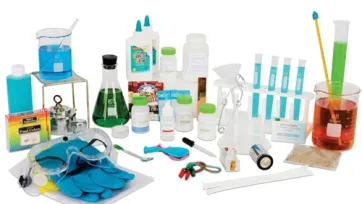
Best Science Kits for Kids in 2026: Hands-On Experiments That Make Learning Fun Science is naturally exciting for children. They love asking questions, mixing colours, watching things bubble, building simple machines, and discovering how the world works. The right science kit can turn that curiosity into a lifelong passion for learning. Instead of simply reading about scientific concepts, children can perform safe experiments, make observations, and see real results with their own eyes. In 2026, science kits are more advanced than ever. They cover everything from chemistry and physics to biology, astronomy, geology, and engineering. Designed for different age groups, these kits make complex scientific ideas easy to understand through practical activities. Whether your child dreams of becoming a scientist or simply enjoys experimenting, this guide will help you choose the best science kits for kids in 2026. Why Science Kits Are Important Children learn best when they actively participate in the learning process. Science kits encourage them to: Ask questions Test ideas Observe results Solve problems Think critically Learn through experimentation Instead of memorising information, children discover scientific principles through hands-on activities that make learning memorable. Benefits of Science Kits Science kits offer educational value that extends well beyond the experiments themselves. Some of the biggest benefits include: Encourage curiosity Develop critical thinking Improve observation skills Build problem-solving abilities Support STEM education Strengthen patience Increase confidence Encourage independent learning Reduce screen time Children also develop resilience by learning that failed experiments often lead to valuable discoveries. Chemistry Science Kits Chemistry remains one of the most popular categories of science kits. Children enjoy safe experiments such as: Colour-changing reactions Crystal growing Slime making pH testing Safe bubbling reactions Water experiments These activities introduce basic chemical principles while keeping children engaged. Physics Experiment Kits Physics kits help children understand how the world works through practical demonstrations. Popular activities include: Magnet experiments Electricity projects Pulley systems Gravity challenges Motion experiments Energy demonstrations Children begin to understand scientific concepts by seeing them in action. Biology Science Kits Biology kits introduce children to living organisms and the natural world. Popular activities include: Plant growing Microscope exploration Insect observation Human anatomy models DNA demonstrations Nature investigations These kits encourage children to appreciate the living world around them. Microscope Kits A microscope allows children to discover an invisible world filled with fascinating details. They can examine: Leaves Flowers Feathers Insects Fabrics Pond water Microscope kits encourage careful observation while introducing scientific investigation techniques. Crystal Growing Kits Crystal-growing experiments remain one of the most exciting STEM activities. Children watch colourful crystals gradually form over several days while learning about: Mineral formation Chemical reactions Patience Observation Watching crystals grow gives children a genuine sense of scientific discovery. Dinosaur Fossil Excavation Kits Children who enjoy dinosaurs often love fossil excavation kits. These sets allow them to: Dig for fossils Assemble skeletons Learn about prehistoric life Explore palaeontology Excavation activities combine science with adventure, making learning even more exciting. Space and Astronomy Kits Young astronomers can explore the universe through hands-on learning. Popular astronomy kits include: Solar system models Telescope starter kits Moon projectors Planet exploration sets Constellation guides These activities encourage curiosity about space and inspire future scientific interests. Engineering Science Kits Engineering kits combine creativity with practical problem-solving. Children build: Bridges Towers Vehicles Windmills Mechanical machines Moving structures Engineering challenges teach children how design choices affect strength, balance, and movement. Choosing the Right Science Kit Before buying, consider: Your child's age Interests Safety standards Number of experiments Difficulty level Educational value The best science kits challenge children while remaining enjoyable and achievable. Safety Tips Science activities should always be carried out safely. Choose kits that: Meet recognised safety standards Include clear instructions Use child-safe materials Match the recommended age Require adult supervision where appropriate Following instructions carefully helps ensure every experiment is both safe and successful. Common Buying Mistakes Parents sometimes choose science kits that are too advanced. Avoid: Experiments beyond your child's ability Poor-quality equipment Kits with very few activities Missing safety instructions Cheap materials that reduce learning value Well-designed kits provide better educational experiences and greater long-term enjoyment. Why Science Kits Make Excellent Gifts Science kits are among the best educational gifts because they combine learning with excitement. They're ideal for: Birthdays Christmas School holidays STEM clubs Home learning Children often remember their first successful experiment long after they've completed it. Frequently Asked Questions What are the best science kits for children? Chemistry kits, microscope sets, crystal-growing kits, engineering projects, dinosaur excavation kits, and astronomy sets are among the most popular options. At what age can children start using science kits? Simple observation and nature kits are suitable for preschool children, while more advanced chemistry and engineering kits are designed for older children. Do science kits support STEM learning? Yes. Science kits develop observation, experimentation, problem-solving, engineering, and critical thinking skills that form the foundation of STEM education. Do children need adult supervision? Many science kits recommend adult supervision, particularly when experiments involve chemical reactions or specialised equipment. Final Thoughts The best science kits for kids in 2026 inspire curiosity, encourage discovery, and make learning an exciting adventure. From chemistry experiments and crystal growing to microscope investigations and engineering projects, science kits allow children to experience the joy of exploration through practical, hands-on activities. By choosing high-quality science kits that match your child's age and interests, parents can encourage a lifelong love of learning while helping children develop the critical thinking and problem-solving skills they'll use for years to come.