Best Toy Kitchen Sets for Kids in 2026

Best Toy Kitchen Sets for Kids in 2026: Inspiring Imagination Through Everyday Play

Toy kitchen sets have remained one of the most popular pretend play toys for generations, and in 2026 they continue to be a favourite among children and parents alike. From preparing imaginary breakfasts to serving afternoon tea and running busy restaurants, toy kitchens allow children to explore everyday life through creative role play.

More than just a fun activity, kitchen play helps children develop communication, social skills, creativity, and problem-solving abilities. Whether they're pretending to bake cakes, wash dishes, or cook dinner for the family, every activity encourages learning through imagination.

If you're searching for the best toy kitchen set for your child, this complete guide will help you choose the perfect option.

Why Toy Kitchen Sets Are So Popular

Children naturally enjoy copying the adults around them.

A toy kitchen allows them to safely imitate everyday activities such as:

  • Cooking meals
  • Washing vegetables
  • Baking cakes
  • Making tea
  • Washing dishes
  • Serving food
  • Organising groceries

These familiar activities help children understand daily routines while encouraging imaginative storytelling.

Benefits of Toy Kitchen Sets

Kitchen play supports many areas of child development.

Some of the biggest benefits include:

  • Encourage imaginative play
  • Improve communication skills
  • Expand vocabulary
  • Develop fine motor skills
  • Encourage social interaction
  • Build confidence
  • Improve problem-solving
  • Teach responsibility
  • Reduce screen time

Children also learn patience, cooperation, and sharing when playing together.

Wooden Toy Kitchens

Wooden kitchen sets remain one of the most popular choices for families.

Parents appreciate them because they are:

  • Durable
  • Eco-friendly
  • Attractive
  • Long-lasting
  • Easy to clean

Many wooden kitchens feature realistic details that encourage even more imaginative play.

Modern Play Kitchens

Today's toy kitchens are designed to look like real family kitchens.

Popular features include:

  • Ovens
  • Hobs
  • Microwaves
  • Refrigerators
  • Sinks
  • Cupboards
  • Coffee machines
  • Ice dispensers

These realistic details make role play even more exciting.

Toy Food Sets

No kitchen is complete without food.

Popular pretend food includes:

  • Fruit
  • Vegetables
  • Bread
  • Pizza
  • Burgers
  • Cakes
  • Ice cream
  • Drinks

Toy food encourages children to invent recipes, organise meals, and create restaurant adventures.

Kitchen Accessories

Accessories make pretend cooking even more realistic.

Common accessories include:

  • Pots
  • Pans
  • Plates
  • Cups
  • Cutlery
  • Mixing bowls
  • Utensils
  • Aprons

Adding accessories encourages longer and more creative play sessions.

Toy Kitchens Encourage Healthy Habits

Pretend cooking can introduce children to healthy eating.

Parents can use kitchen play to discuss:

  • Fruit and vegetables
  • Balanced meals
  • Cooking safely
  • Cleaning up
  • Table manners

Learning happens naturally while children enjoy imaginative games.

Restaurant Role Play

Many children enjoy turning their toy kitchen into a restaurant.

They can pretend to become:

  • Chefs
  • Waiters
  • Café owners
  • Bakers
  • Pizza makers
  • Ice cream sellers

Restaurant games improve communication while encouraging teamwork and creativity.

Educational Value of Kitchen Play

Kitchen sets help children practise many everyday skills.

These include:

  • Counting ingredients
  • Sorting food
  • Colour recognition
  • Organising objects
  • Following simple routines
  • Problem-solving

Children also strengthen language skills by explaining recipes and serving imaginary customers.

Choosing the Right Toy Kitchen

Before buying, consider:

  • Your child's age
  • Available space
  • Material quality
  • Accessories included
  • Height of the kitchen
  • Safety certification
  • Storage features

A slightly larger kitchen often provides better long-term value as your child grows.

Safety Tips

Choose toy kitchens that:

  • Meet recognised safety standards
  • Have smooth edges
  • Use non-toxic materials
  • Include sturdy construction
  • Match the recommended age

Regularly inspect accessories for damage or loose parts.

Common Buying Mistakes

Parents sometimes buy kitchen sets based only on appearance.

Avoid:

  • Fragile plastic
  • Sharp edges
  • Tiny accessories for younger children
  • Poor-quality doors and hinges
  • Kitchens that are too small

Investing in a well-built kitchen usually provides years of enjoyable play.

Why Toy Kitchen Sets Make Brilliant Gifts

Kitchen playsets are among the most memorable gifts children receive.

They're perfect for:

  • Birthdays
  • Christmas
  • Playroom makeovers
  • Nursery gifts
  • Family celebrations

Unlike many toys that are forgotten after a few weeks, kitchen sets continue inspiring new adventures every day.

Frequently Asked Questions

What is the best toy kitchen for children?

Wooden toy kitchens with realistic appliances, durable construction, and plenty of accessories are among the best choices.

At what age can children use toy kitchens?

Many kitchen playsets are suitable from around three years old, while simpler kitchens with larger accessories are available for younger toddlers.

Are toy kitchen sets educational?

Yes. They improve creativity, communication, problem-solving, fine motor skills, social interaction, and imaginative thinking.

Should I choose a wooden or plastic toy kitchen?

Wooden kitchens are generally more durable and environmentally friendly, while plastic kitchens may include interactive features such as lights and sounds. Both can provide excellent play experiences.

Final Thoughts

The best toy kitchen sets for kids in 2026 encourage creativity, communication, and imaginative role play while helping children learn valuable everyday skills. Whether they're baking pretend cakes, serving afternoon tea, or running a busy family restaurant, every activity supports healthy social and emotional development.

By choosing a high-quality toy kitchen with realistic accessories and durable construction, parents provide children with a timeless toy that continues to inspire creativity long after many electronic toys have been forgotten.
Advertisement
Best Kids Lunch Boxes in 2026
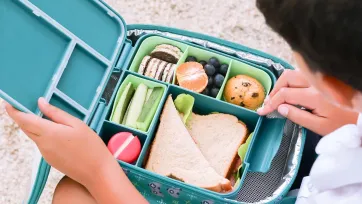
Kids Lunch Boxes: The Complete Parent's Guide to Choosing the Best Lunch Box for School Introduction Every school morning follows a familiar routine. Breakfast is finished. Shoes are on. The backpack is packed. Then comes one item that quietly plays an important role throughout the day—the lunch box. A good lunch box does far more than carry sandwiches. It keeps food fresh, prevents leaks inside school bags, makes healthy meals easier to pack and encourages children to enjoy lunchtime. A poor-quality lunch box, on the other hand, can lead to crushed food, unwanted spills and meals that children simply don't want to eat. With hundreds of options available, choosing the right one isn't always easy. Should you buy a traditional lunch box or a bento-style design? Is stainless steel better than plastic? How important is insulation? Which size is best for younger children? This guide answers those questions and helps parents choose a lunch box that's practical, durable and easy for children to use every school day. Why the Right Lunch Box Matters Children spend several hours away from home each school day. Their lunch box needs to protect food from the moment it leaves the kitchen until lunchtime. A well-designed lunch box should: Keep food fresh. Prevent leaks and spills. Be easy for children to open independently. Fit neatly inside a school backpack. Be simple to clean after use. Choosing the right lunch box makes school mornings easier and lunchtime more enjoyable. Choose the Right Size Before Anything Else A common mistake is buying the biggest lunch box available. Extra space may seem useful, but oversized lunch boxes often take up unnecessary room inside school bags and can encourage overpacking. Instead, think about what your child normally takes to school. Most children only need space for: A main meal. Fresh fruit. A healthy snack. A small dessert. A reusable water bottle carried separately. A lunch box should comfortably hold everyday meals without becoming bulky. Different Types of Kids' Lunch Boxes Not every family has the same routine, which is why different lunch box styles suit different needs. Traditional Lunch Boxes These feature one large compartment and work well for packed lunches stored in separate food containers. They're ideal for children who enjoy simple lunches. Bento Lunch Boxes Bento-style lunch boxes include several built-in compartments that keep different foods separated. Parents often use them to pack a balanced variety of foods without needing multiple containers. Insulated Lunch Boxes Insulated lunch boxes help maintain food temperature for longer, making them particularly useful during warmer months or when carrying chilled meals. They're also popular for school trips and family outings. What Material Is Best? The material affects durability, weight and ease of cleaning. Plastic Lightweight and affordable, quality food-safe plastic lunch boxes remain a popular everyday choice for school. Stainless Steel Stainless steel offers excellent durability and doesn't absorb food odours or colours. It's often chosen by families looking for a long-lasting option. Fabric Insulated Lunch Bags Soft insulated lunch bags are lightweight, easy to carry and often include extra storage pockets for snacks or cutlery. Features Worth Looking For The best lunch boxes aren't always the most expensive. Instead, focus on practical features that make daily use easier. Look for: Leak-resistant seals. Secure but child-friendly clips. Rounded corners for easy cleaning. Strong hinges. Lightweight construction. Dishwasher-safe components where appropriate. Compartments that keep foods separate. Small details can make a big difference during a busy school week. Should Food Be Kept Separate? Many children prefer foods that stay fresh and don't mix together. Separate compartments help keep: Fruit away from sandwiches. Crackers crisp. Vegetables fresh. Dips contained. Desserts looking appetising. Keeping foods separated often encourages children to eat more of the lunch packed for them. How to Keep School Lunches Fresh Even the best lunch box works more effectively when food is packed correctly. A few simple habits can help meals stay fresh until lunchtime. Try these practical tips: Cool cooked food before packing it. Include an ice pack if the lunch contains dairy, meat or yoghurt. Use leak-proof containers for sauces and dips. Keep wet foods separate from dry snacks. Slice fruit shortly before leaving home to help preserve freshness. Avoid overfilling the lunch box, as this can crush softer foods. Fresh food is often more appealing, making children more likely to eat the lunch you've prepared. Making Lunch Boxes Easy for Children to Use Many younger children struggle with complicated clips and tightly sealed lids. Before buying a lunch box, ask yourself: Can your child open it without help? Can they close it securely after eating? Is every compartment easy to reach? Will they be able to pack it away independently? Simple designs often work better than complicated ones, especially during busy school lunch breaks. Cleaning and Caring for a Lunch Box A lunch box is used almost every school day, so regular cleaning is essential. To keep it in good condition: Wash it after every use. Dry it thoroughly before closing the lid. Remove food crumbs from corners and seals. Clean silicone seals regularly if fitted. Leave the lid open while drying to prevent unwanted odours. A well-maintained lunch box stays fresher and lasts much longer. Common Lunch Box Buying Mistakes Parents often focus on appearance while overlooking practical details. Avoid these common mistakes: Choosing a lunch box that's too large. Ignoring whether it fits inside the school backpack. Buying complicated compartments younger children can't open. Forgetting to check if it's easy to clean. Choosing weak clips that wear out quickly. Packing more food than the child usually eats. A lunch box should simplify school mornings—not create extra work. Frequently Asked Questions What size lunch box is best for primary school children? A medium-sized lunch box is usually ideal. It should comfortably hold a balanced lunch without taking up too much space in a backpack. Are stainless steel lunch boxes better than plastic ones? Both have advantages. Stainless steel is highly durable and long-lasting, while good-quality food-safe plastic is lightweight and often easier for younger children to carry. Should lunch boxes have separate compartments? Separate compartments help keep foods fresh, prevent flavours from mixing and make meals look more appealing to children. How often should a lunch box be replaced? Replace it if seals fail, hinges break, cracks appear or it no longer keeps food secure. A high-quality lunch box can often last several school years with proper care. Can lunch boxes go in the dishwasher? Many can, but always check the manufacturer's care instructions first. Some insulated components and seals may require hand washing. Final Thoughts A lunch box may seem like a simple purchase, but it plays an important role in your child's daily routine. The right lunch box keeps food fresh, survives the demands of school life and makes lunchtime easier for children to enjoy independently. Rather than choosing one based only on colour or character designs, focus on comfort, durability, practical compartments and ease of cleaning. When those features come together, a good lunch box becomes something your child relies on every school day. Small decisions often make the biggest difference.  
Indoor Toys That Keep Children Entertained Without Screens
Indoor Toys That Keep Children Entertained Without Screens: A Complete Parent's Guide Rainy afternoons, school holidays and weekends at home often leave parents searching for ways to keep children happily occupied. While tablets, televisions and smartphones can provide quick entertainment, many families are looking for healthier alternatives that encourage creativity, movement and independent thinking. This is where the right indoor toys can make a real difference. Indoor toys offer children the opportunity to learn, explore and play without relying on digital screens. Whether it's building an imaginative world from construction pieces, solving a challenging puzzle or creating a masterpiece with art supplies, these toys encourage meaningful play while supporting healthy development. Screen-free play is more important than ever. Excessive screen time can reduce opportunities for physical activity, imaginative thinking and social interaction. By offering engaging indoor toys, parents can create a balanced environment where children remain entertained while developing valuable life skills. The best indoor toys are versatile, age-appropriate and enjoyable enough to hold a child's attention for extended periods. They encourage independent play, family interaction and creative problem-solving, making them a worthwhile investment for every household. In this guide, you'll discover the benefits of indoor toys, how they support child development, which toys suit different age groups and what to consider before making a purchase. Why Indoor Toys Are Important Indoor toys provide far more than entertainment. They allow children to continue learning and developing even when outdoor play is not possible. Good indoor toys encourage: Creative thinking Problem-solving Communication Fine motor development Independent play Family interaction Emotional confidence Concentration They also help children stay active and engaged during poor weather or when outdoor space is limited. Benefits of Screen-Free Indoor Play Replacing some screen time with traditional play offers several long-term benefits. Encourages Creativity Without digital instructions or fixed outcomes, children rely on their own imagination to create stories, solve problems and invent games. Improves Concentration Many indoor activities require patience and focus. Building models, completing puzzles and creating artwork all encourage children to remain engaged for longer periods. Supports Social Skills Board games, role play and cooperative activities encourage conversation, sharing and teamwork. Develops Motor Skills Many indoor toys strengthen both fine and gross motor skills through hands-on activities. Reduces Overstimulation Unlike many electronic devices, traditional toys often create a calmer play environment that allows children to think independently. Encourages Independent Play Children become more confident when they learn to entertain themselves without relying on digital devices. Best Indoor Toys for Babies Babies learn through movement, touch and exploration. Suitable indoor toys include: Soft activity gyms Sensory balls Stacking cups Soft building blocks Fabric books Shape sorters Musical toys Activity cubes These toys encourage reaching, grasping and early exploration while supporting sensory development. Indoor Toys for Toddlers Toddlers enjoy activities that combine movement with imagination. Excellent choices include: Building blocks Pretend play kitchens Ride-on toys suitable for indoor use Ball pits Chunky puzzles Push-and-pull toys Play tents Drawing boards Toy animals Stacking toys These toys help develop creativity, coordination and early problem-solving while keeping energetic toddlers entertained indoors. Indoor Toys for Preschool Children Preschool children enjoy more detailed activities that challenge both their imagination and thinking skills. Popular indoor toys include: Construction sets Craft kits Dollhouses Puppet theatres Magnetic building toys Marble runs Pretend shop play sets Toy tool benches Play kitchens Storytelling cards These toys encourage independent play, communication and creative thinking while supporting school readiness. Indoor Toys for School-Age Children As children grow older, they often look for toys that challenge their imagination, creativity and problem-solving abilities. The best indoor toys for this age group encourage independent thinking while also providing opportunities for family play. Some excellent options include: Strategy board games Advanced construction sets Arts and crafts kits Science experiment kits Model-building projects Card games Marble runs Building planks Puzzle games Creative writing and storytelling games These toys help children stay entertained for longer periods while developing valuable cognitive and social skills. How to Choose the Best Indoor Toys Not every indoor toy provides meaningful play. The most valuable options encourage children to think, create and explore rather than simply watching or pressing buttons. When choosing indoor toys, consider the following: Your child's age and interests. The available space in your home. The toy's educational value. Whether it encourages active participation. Durability and build quality. Opportunities for independent play. Whether siblings can enjoy it together. Selecting toys that can be used in multiple ways usually provides greater long-term value than toys designed for only one activity. Creating an Engaging Indoor Play Space The environment where children play can be just as important as the toys themselves. A well-organised play area encourages children to explore independently and keeps playtime enjoyable. Consider these simple ideas: Keep toys within easy reach. Rotate toys every few weeks to maintain interest. Use labelled storage boxes or baskets. Create separate areas for reading, building and creative activities. Ensure there is enough floor space for active play. Display only a limited selection of toys at one time to avoid overwhelming children. An organised space often leads to more focused and imaginative play. Buying Guide Before purchasing indoor toys, take a few moments to consider what will genuinely benefit your child. Choose Toys That Match Developmental Stages Children enjoy toys that challenge them without causing frustration. Always consider your child's current abilities. Prioritise Open-Ended Play Construction toys, craft materials and pretend play sets often provide much greater long-term value than toys with a single purpose. Consider Storage Requirements Large toys may not be practical for smaller homes. Foldable or stackable toys can help save space. Think About Durability Indoor toys are often used every day, so choosing well-made products can reduce replacement costs over time. Encourage Variety A balanced collection might include creative toys, building toys, puzzles, books and pretend play equipment to support different aspects of development. Safety Tips Even toys designed for indoor use should be chosen and maintained carefully. Follow these safety recommendations: Always check the recommended age range. Inspect toys regularly for damage. Remove broken pieces immediately. Keep small parts away from young children. Secure heavy furniture and storage units. Keep play areas free from trip hazards. Clean toys regularly using child-safe cleaning products. Supervise activities involving small accessories or craft materials. Safe play allows children to explore confidently while reducing unnecessary risks. Common Buying Mistakes Parents sometimes buy indoor toys that quickly lose their appeal. Avoid these common mistakes: Buying Too Many Toys at Once An overcrowded play area can reduce children's ability to focus and enjoy individual toys. Choosing Toys Based Only on Trends Popular toys may lose their appeal quickly, whereas timeless toys often provide years of enjoyment. Ignoring Available Space Large toys can make smaller homes feel cluttered and may limit safe play. Focusing Only on Entertainment The best indoor toys combine fun with opportunities for learning and development. Forgetting to Rotate Toys Keeping every toy available all the time can reduce excitement. Rotating toys regularly helps maintain children's interest. Frequently Asked Questions What are the best indoor toys for children? The best indoor toys encourage creativity, problem-solving and active participation. Construction toys, puzzles, pretend play sets, craft materials and board games are all excellent choices. Can indoor toys reduce screen time? Yes. Engaging toys that encourage imaginative and hands-on play can naturally reduce the amount of time children spend using electronic devices. Are indoor toys suitable for small homes? Absolutely. Many compact toys, such as puzzles, magnetic building sets, books and craft supplies, provide excellent play value without taking up much space. How often should indoor toys be rotated? Many families rotate toys every two to four weeks to keep play fresh and interesting. Should children play independently indoors? Independent play helps children develop confidence, creativity and problem-solving skills. Parents can supervise while allowing children to lead their own play. Final Thoughts Indoor toys provide children with valuable opportunities to learn, create and stay active without relying on digital entertainment. Whether the weather keeps everyone inside or you simply want to encourage more screen-free play, the right toys can transform ordinary days into exciting learning experiences. By choosing versatile, age-appropriate and durable toys, parents can support creativity, independence and healthy development while making everyday play more enjoyable. A carefully selected collection of indoor toys offers lasting value, encourages meaningful family time and helps children build skills they will use throughout life.
Best Arts and Crafts Toys for Kids in 2026: Creative Fun That Inspires Young Minds
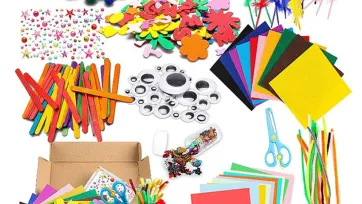
Best Arts and Crafts Toys for Kids in 2026: Creative Fun That Inspires Young Minds Arts and crafts have always been an essential part of childhood. Whether children are painting colourful pictures, making friendship bracelets, designing greeting cards, or building creative models, every project helps develop important skills while allowing their imagination to flourish. In an age where digital entertainment is everywhere, arts and crafts toys provide a refreshing way for children to express themselves without relying on screens. The best arts and crafts toys encourage children to experiment with colours, textures, shapes, and materials while building confidence through creativity. They are suitable for toddlers, preschoolers, primary school children, and even older kids who enjoy making things with their own hands. If you're looking for a gift that combines learning, creativity, and endless entertainment, arts and crafts toys are among the best choices available in 2026. What Are Arts and Crafts Toys? Arts and crafts toys are creative activity sets designed to help children make, decorate, paint, build, and personalise their own projects. Popular arts and crafts toys include: Drawing kits Painting sets Clay modelling kits Bead jewellery sets Sticker books Origami kits Sewing kits DIY craft boxes Sand art Mosaic art sets Unlike many electronic toys, these activities allow children to create something completely unique every time they play. Why Arts and Crafts Matter Creative activities encourage children to think independently and express ideas in their own way. Instead of following fixed rules, they experiment with colours, materials, and designs while learning through trial and error. Arts and crafts also give children a sense of achievement because they can proudly display something they created themselves. Benefits of Arts and Crafts Toys Creative toys support many areas of child development. Some of the biggest benefits include: Improve creativity Strengthen fine motor skills Build hand-eye coordination Encourage patience Develop concentration Increase self-confidence Improve problem-solving Support emotional expression Reduce screen time Children also develop perseverance as they learn to complete projects from start to finish. Drawing and Colouring Kits Drawing remains one of the simplest and most enjoyable creative activities. Popular drawing kits include: Coloured pencils Washable markers Sketchbooks Crayons Watercolour pencils Stencil sets Drawing encourages imagination while improving pencil control and artistic confidence. Painting Sets Painting allows children to experiment with colours and textures in exciting ways. Many painting kits include: Watercolours Poster paints Paintbrushes Sponges Easels Canvas boards Painting activities help children develop creativity while introducing colour mixing and artistic techniques. Modelling Clay and Dough Clay modelling encourages children to shape, roll, press, and sculpt their own creations. Children enjoy making: Animals Food Cars Dinosaurs Flowers Cartoon characters These activities strengthen finger muscles while improving fine motor development. Jewellery Making Kits Bead and jewellery kits are excellent for children who enjoy designing wearable creations. Children can make: Bracelets Necklaces Keyrings Friendship gifts Decorative charms Threading beads also improves hand-eye coordination and concentration. DIY Craft Boxes Complete craft boxes contain everything needed for multiple creative projects. They often include: Paper Glue Stickers Scissors Pipe cleaners Foam shapes Decorative gems Craft sticks DIY kits are ideal for rainy days, school holidays, and family craft sessions. Origami and Paper Craft Paper folding introduces children to creativity while improving precision and patience. Simple origami projects include: Birds Flowers Butterflies Boats Stars Animals Paper craft also introduces basic geometry through practical play. STEM Arts and Crafts Many modern craft kits combine creativity with STEM learning. Examples include: Solar-powered models Engineering craft kits Circuit-building art Mechanical models Architecture projects These activities help children combine artistic imagination with scientific thinking. Seasonal Craft Activities Arts and crafts become even more exciting during holidays. Children enjoy making: Christmas decorations Easter crafts Halloween decorations Birthday cards Mother's Day gifts Father's Day presents Seasonal projects also create meaningful family traditions. Choosing the Right Arts and Crafts Toy Before buying, consider: Your child's age Safety standards Quality of materials Number of activities included Educational value Ease of use Choose kits that encourage creativity rather than simply copying instructions. Safety Tips Arts and crafts toys should always: Match the recommended age Use non-toxic materials Include child-safe scissors where appropriate Meet recognised safety standards Be used under supervision when necessary Washable materials are particularly useful for younger children. Common Buying Mistakes Parents often buy craft kits that are either too simple or too advanced. Avoid: Low-quality materials Tiny pieces for young children Difficult instructions Single-use kits with limited value Projects that don't match your child's interests Open-ended craft activities usually provide the greatest enjoyment. Why Arts and Crafts Toys Make Wonderful Gifts Creative toys are excellent gifts because every project becomes a personal achievement. Whether it's a birthday, Christmas, or school holiday, arts and crafts kits continue providing entertainment long after many electronic toys have been forgotten. Parents also appreciate gifts that encourage creativity instead of additional screen time. Frequently Asked Questions What are the best arts and crafts toys for children? Drawing kits, painting sets, clay modelling kits, jewellery-making sets, DIY craft boxes, and origami kits are among the most popular choices. Are arts and crafts good for child development? Yes. They improve creativity, fine motor skills, concentration, confidence, and problem-solving while encouraging self-expression. At what age can children start arts and crafts? Simple colouring and finger painting activities are suitable for toddlers, while more advanced craft kits are designed for older children. How can I encourage my child to enjoy arts and crafts? Provide a variety of materials, praise creativity rather than perfection, and allow children the freedom to create their own designs. Final Thoughts The best arts and crafts toys for kids in 2026 do much more than keep children busy. They inspire imagination, encourage creativity, and help develop valuable life skills through enjoyable, hands-on activities. From painting and drawing to jewellery making, clay modelling, and DIY projects, every creative experience builds confidence while allowing children to express their unique ideas. By choosing high-quality arts and crafts toys, parents can provide meaningful learning opportunities that grow with their child, turning ordinary afternoons into memorable moments of creativity and discovery.
12 Common Toy Myths Parents Still Believe
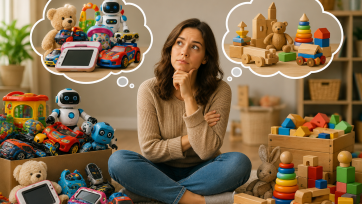
12 Common Toy Myths Parents Still Believe (And the Truth Behind Them) Introduction Spend enough time around parents and you'll hear plenty of confident advice about toys. "Wooden toys are always better." "Educational toys make children smarter." "The more toys a child owns, the happier they'll be." Most of these statements are repeated so often that they begin to sound like facts. But are they? Not always. Some are based on old ideas that have been passed from one generation to the next. Others started as clever marketing messages that gradually became accepted as common knowledge. The problem is that believing these myths can lead parents to spend money unnecessarily, overlook excellent toys or feel guilty about choices that are perfectly reasonable. So, let's separate fact from fiction. Myth #1: Expensive Toys Are Always Better Walk into any toy shop and it's easy to assume that the highest-priced toy must also be the highest-quality one. Sometimes that's true. Often, it isn't. Price reflects many things besides quality, including branding, licensing, advertising and packaging. A simple construction toy used every weekend for years usually offers far greater value than an expensive electronic gadget that loses its appeal after a fortnight. Instead of asking, "How much does it cost?", ask: "How many hours of meaningful play could this create?" That's a much better measure of value. Myth #2: Educational Toys Automatically Create Smarter Children The word educational appears on thousands of toy boxes. It's become one of the most powerful marketing terms in the toy industry. Yet children don't suddenly become better learners because a label says so. They learn by asking questions. They learn by making mistakes. They learn by pretending, experimenting and solving problems. A cardboard box can teach creativity. A pile of blankets can teach teamwork. A pretend café can develop language skills. Learning comes from the way children play—not simply from the label on the packaging. Myth #3: More Toys Mean More Fun This idea sounds logical. If ten toys are fun, then fifty toys must be even better. In reality, many parents notice the opposite. Too many choices often lead to shorter attention spans and constant switching between activities. Children don't always need more toys. Sometimes they simply need fewer distractions. Myth #4: Boys and Girls Need Different Toys Children are naturally curious. They enjoy building, pretending, creating, exploring and solving problems. Those interests aren't limited by gender. A girl who enjoys construction sets is developing valuable spatial skills. A boy who loves a play kitchen is practising imagination, communication and everyday life skills. The most important question isn't whether a toy is marketed towards boys or girls. It's whether it matches the individual child sitting in front of you. Myth #5: Electronic Toys Are Always Bad Electronic toys often receive criticism. The reality is more balanced. Some electronic toys encourage curiosity, music, coding or problem-solving. Others simply entertain for a few minutes before becoming repetitive. The technology itself isn't the deciding factor. The quality of interaction is. A toy that encourages children to think, explore and participate usually provides more lasting value than one that does everything automatically. Myth #6: A Child Needs the Latest Trending Toy Every year has its "must-have" toy. Parents queue outside shops. Social media fills with unboxing videos. Children talk about it in the playground. A few months later, another trend replaces it. Trendy toys can certainly be fun, but they rarely define a happy childhood. Children remember experiences far more than fashions. A toy that encourages years of imaginative play often becomes far more meaningful than one that was simply popular for a single season. Myth #7: Wooden Toys Are Always Better Than Plastic Toys Wooden toys have become increasingly popular, and for good reason. They're often durable, beautifully made and designed for open-ended play. But that doesn't automatically make every plastic toy a poor choice. Many high-quality plastic toys are safe, long-lasting and designed to support creativity just as effectively. Rather than focusing on the material, look at the overall quality, safety and play value. A well-designed toy is a good toy, regardless of whether it's made from wood or plastic. Myth #8: Children Should Always Play Independently Independent play is valuable. But expecting children to entertain themselves all day isn't realistic. Many children need someone to help them begin. Five minutes of shared play can often lead to an hour of independent play afterwards. The goal isn't to avoid playing with your child. It's to gradually build the confidence that allows them to continue the adventure on their own. Myth #9: Every Toy Must Have a Learning Purpose Parents naturally want every purchase to benefit their child. As a result, it's easy to feel that every toy should teach letters, numbers or science. But childhood isn't a classroom. Sometimes the greatest lesson comes from laughter, storytelling and make-believe. A game that encourages siblings to cooperate, negotiate and solve disagreements is teaching valuable life skills, even if it never mentions the alphabet. Play doesn't always need an obvious educational objective to be worthwhile. Myth #10: If a Child Gets Bored, the Toy Has Failed Boredom has become one of the most misunderstood parts of childhood. Many parents immediately search for another activity or another toy. Yet boredom often acts as the starting point for creativity. Without constant entertainment, children begin inventing games of their own. They build forts. They organise treasure hunts. They create imaginary worlds from ordinary household objects. Sometimes the best thing a toy can do is leave enough space for boredom to become imagination. Myth #11: Bigger Toys Are Better Toys Large toy kitchens, giant playhouses and oversized racing tracks certainly attract attention. But size doesn't automatically increase play value. Some of the most loved toys fit inside a small storage basket. Building blocks. Toy animals. Craft supplies. Card games. These simple items often provide years of enjoyment because they can be used in hundreds of different ways. A toy should earn its place through play, not through the amount of space it occupies. Myth #12: Once a Child Stops Playing With a Toy, It's Finished Many parents donate toys as soon as they seem forgotten. Sometimes that's the right decision. Often, however, the toy simply needs a break. Children's interests naturally change throughout the year. A train set ignored during summer holidays may become the favourite activity on rainy winter afternoons. Rotating toys instead of permanently removing them often makes old favourites feel exciting again. The toy hasn't changed. The timing has. The Truth Behind Every Myth When you look closely, all twelve myths point towards the same lesson. Children don't need the loudest toy. They don't need the newest toy. They don't need the biggest toy. Most of all, they don't need adults to believe every marketing message printed on a colourful box. What they need are opportunities to imagine, experiment, create stories and enjoy the freedom to play in their own way. That's something no trend can replace. Frequently Asked Questions Are expensive toys worth buying? Sometimes, but price alone doesn't guarantee quality or long-term play value. Consider durability, versatility and how often your child is likely to use the toy. Should every toy be educational? No. Children learn through many different forms of play, including imaginative games, outdoor activities and creative projects. A toy doesn't need an educational label to support healthy development. Is independent play important? Yes, but it develops gradually. Many children benefit from a parent helping them start a game before continuing independently. Are trendy toys a bad choice? Not necessarily. If a child genuinely enjoys a particular trend, there's nothing wrong with buying an occasional popular toy. The key is not relying on trends alone when building a toy collection. Can toy rotation really make a difference? For many families, yes. Rotating toys reduces clutter and often renews a child's interest in toys they had previously ignored. Final Thoughts Parenting comes with plenty of advice, and not all of it stands the test of time. The toy world is no different. Some ideas survive because they're backed by experience and observation. Others survive simply because they've been repeated often enough. The next time you hear someone insist that only expensive toys matter, that every toy must be educational or that children always need more, pause for a moment. Look at how your own child actually plays. Their imagination will usually tell you far more than any marketing campaign ever could. And in the end, that's the most reliable guide any parent can have.  
Best Building Toys for Toddlers in 2026
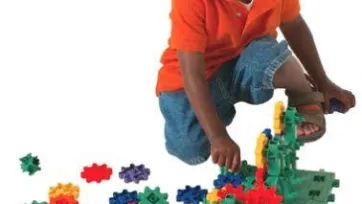
Best Building Toys for Toddlers in 2026: Safe, Creative and Educational Choices Toddlers are natural builders. Give them a few colourful blocks or simple construction pieces, and they'll happily spend hours stacking towers, building houses, knocking everything down, and starting all over again. While it may look like simple fun, building toys play an important role in early childhood development by improving coordination, creativity, problem-solving, and fine motor skills. In 2026, building toys are available in a wide variety of designs, from classic wooden blocks and jumbo building bricks to magnetic construction toys and Montessori-inspired sets. The best options are designed specifically for little hands, allowing toddlers to explore, experiment, and learn safely through play. If you're looking for a toy that offers years of educational value, this guide will help you choose the best building toys for toddlers in 2026. Why Building Toys Are Important for Toddlers Building is one of the earliest forms of creative play. Every time a toddler stacks blocks, balances pieces, or connects large bricks, they're developing essential physical and mental skills that support future learning. Unlike toys with only one purpose, building toys offer endless possibilities. A simple collection of blocks can become a house one day, a zoo the next, and a towering castle the day after. This open-ended play keeps children engaged far longer than many electronic toys. Benefits of Building Toys Building toys support almost every area of early childhood development. Some of the biggest benefits include: Improve fine motor skills Strengthen hand-eye coordination Encourage creativity Develop problem-solving abilities Improve concentration Build patience Encourage independent play Support early STEM learning Reduce screen time They also help toddlers understand concepts such as size, balance, shapes, and cause and effect. Wooden Building Blocks Wooden blocks remain one of the most recommended toys for toddlers. Parents appreciate them because they are: Durable Eco-friendly Easy to clean Long-lasting Timeless Without flashing lights or electronic sounds, wooden blocks encourage children to use their imagination instead of relying on built-in entertainment. Jumbo Building Bricks Large construction bricks are ideal for toddlers because they're easy to hold and connect. Children enjoy building: Towers Houses Cars Animals Bridges Simple castles Large pieces also reduce the risk of choking while making construction easier for small hands. Magnetic Building Toys Some magnetic building toys are designed specifically for younger children. Large magnetic pieces allow toddlers to build colourful structures while learning about: Shapes Colours Balance Magnetism Always choose age-appropriate magnetic toys with securely enclosed magnets. Soft Building Blocks Soft foam and fabric blocks are excellent first building toys. Benefits include: Lightweight design Safe materials Easy handling Gentle edges Quiet play They're especially suitable for babies and younger toddlers who are still developing coordination. Montessori Building Toys Montessori-inspired building toys focus on simple, hands-on learning. Popular options include: Natural wooden blocks Balance stones Stacking towers Shape sorters Open-ended construction sets These toys encourage children to discover solutions independently instead of following fixed instructions. Building Toys Encourage STEM Learning Although toddlers won't study engineering formally, building toys introduce basic STEM concepts through everyday play. Children begin learning about: Gravity Stability Balance Shapes Patterns Problem-solving These early experiences lay the foundation for future mathematical and scientific thinking. Building Together as a Family Construction toys are perfect for family play. Parents can help children build: Small towns Bridges Farms Animal parks Castles Railway stations Building together encourages communication, teamwork, and shared problem-solving while creating wonderful family memories. Choosing the Right Building Toy Before buying, consider: Your child's age Size of the pieces Material quality Safety certification Durability Ease of cleaning Future expansion possibilities Simple toys with multiple ways to play usually provide the greatest long-term value. Safety Tips Always choose building toys that: Match the recommended age Use non-toxic materials Have smooth edges Meet recognised safety standards Avoid small detachable parts Regularly inspect toys for cracks or damage to ensure continued safe play. Common Buying Mistakes Parents sometimes purchase construction toys that are too advanced. Avoid: Small building pieces Poor-quality plastic Weak magnetic toys Complicated construction systems Toys with limited play value Toddlers learn best with simple, sturdy toys that encourage free exploration. Why Building Toys Make Excellent Gifts Building toys are among the few gifts that children continue using for years. They're perfect for: First birthdays Second birthdays Christmas Nursery gifts Family celebrations Parents appreciate gifts that encourage learning while keeping children entertained without screens. Frequently Asked Questions What are the best building toys for toddlers? Wooden blocks, jumbo building bricks, soft stacking blocks, Montessori construction toys, and toddler-friendly magnetic building sets are among the best options. At what age can toddlers start using building toys? Many large building toys are suitable from around 12 months, while more advanced construction sets are designed for children aged three years and above. Do building toys help child development? Yes. Building toys improve coordination, creativity, fine motor skills, problem-solving, concentration, and early STEM learning. Are wooden building toys better than plastic ones? Both have advantages. Wooden toys are durable and environmentally friendly, while plastic building bricks often provide more construction possibilities. The best choice depends on your child's age and interests. Final Thoughts The best building toys for toddlers in 2026 offer far more than simple entertainment. They encourage young children to explore, experiment, create, and solve problems while developing important physical and cognitive skills through hands-on play. Whether your toddler enjoys stacking wooden blocks, connecting jumbo bricks, or building colourful magnetic structures, every creation helps strengthen confidence and curiosity. By choosing safe, durable, and open-ended building toys, parents provide children with learning opportunities that continue growing alongside them. Sometimes the simplest toys inspire the biggest ideas.
Best Toy Garages and Car Parking Playsets for Kids in 2026
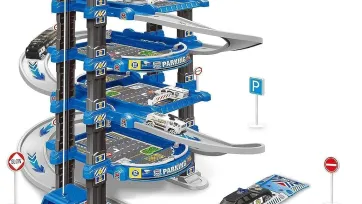
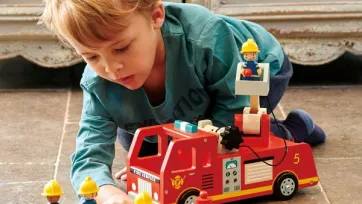
Best Toy Garages and Car Parking Playsets for Kids in 2026: The Ultimate Parent's Buying Guide Toy garages and car parking playsets have been delighting children for decades, offering far more than a place to park toy cars. They create entire miniature worlds where children become racing drivers, mechanics, traffic controllers, police officers, and car park managers. Every lift, ramp, parking bay, and fuel station encourages imaginative storytelling while helping children develop important cognitive and motor skills. In 2026, toy garages are available in a wide variety of designs, from compact multi-storey car parks to deluxe racing centres with working lifts, helipads, car washes, fuel stations, and interactive accessories. Whether your child already owns a collection of toy cars or is just beginning their vehicle adventure, a well-designed garage playset provides countless hours of creative, screen-free entertainment. This guide explains everything parents need to know before buying the best toy garage or car parking playset for kids in 2026. Why Toy Garages Are So Popular Children naturally enjoy vehicles, movement, and pretend play. A toy garage allows them to create exciting scenarios such as: Parking busy traffic Repairing racing cars Washing vehicles Refuelling at petrol stations Organising rescue missions Running a mechanic's workshop Managing traffic jams Every play session becomes a completely different adventure. Benefits of Toy Garage Playsets Toy garages encourage learning through imaginative play. Some of the biggest benefits include: Improve fine motor skills Encourage imaginative storytelling Develop problem-solving skills Strengthen hand-eye coordination Improve organisational skills Encourage social interaction Build creativity Develop logical thinking Reduce screen time Children also learn how different parts of a transport system work together. Multi-Storey Toy Garages Multi-level garages remain one of the most exciting playsets available. Many include: Spiral ramps Parking bays Car lifts Fuel stations Car washes Repair workshops Children enjoy driving vehicles between floors while inventing busy city adventures. Racing Garage Playsets Racing-themed garages are ideal for children who love speed. Popular features include: Starting grids Finish lines Service stations Pit stops Trophy podiums Racing ramps These playsets encourage exciting competitions while inspiring creative storytelling. Car Wash Playsets A toy car wash adds another level of imaginative play. Children can pretend to: Wash vehicles Dry cars Polish paintwork Check tyres Prepare racing cars Role-playing everyday activities helps children better understand the world around them. Toy Mechanic Workshops Mechanic stations allow children to repair toy vehicles using pretend tools. Many workshops include: Vehicle lifts Tool racks Spanners Screwdrivers Replacement tyres Workbenches These activities encourage practical thinking and imaginative role play. Wooden Toy Garages Wooden garages remain a favourite among parents. They offer several advantages: Durable construction Eco-friendly materials Timeless design Smooth finishes Long-lasting quality Many wooden garages are compatible with standard wooden toy cars, making future expansion easy. Interactive Garage Playsets Modern garage toys often include interactive features. Some models offer: Working lifts Traffic lights Sound effects Opening gates Rotating platforms Vehicle launchers These additions make play even more engaging while encouraging active participation. Educational Value Toy garages naturally support early learning. Children practise: Counting parking spaces Sorting vehicles Recognising colours Following directions Problem-solving Organising objects Parents can also introduce simple road safety concepts through imaginative play. Playing Together Garage playsets encourage cooperative play. Children enjoy: Racing together Sharing vehicles Running pretend repair shops Creating city traffic Solving transport challenges These activities strengthen communication and teamwork. Choosing the Right Toy Garage Before buying, consider: Your child's age Available space Material quality Number of accessories Compatibility with existing toy cars Safety certifications Expandability A modular garage that can grow with your child's collection often provides the best value. Safety Tips Always choose toy garages that: Meet recognised safety standards Have rounded edges Use non-toxic materials Include sturdy construction Match the recommended age For younger children, avoid small detachable accessories. Common Buying Mistakes Parents sometimes choose garages based only on size. Avoid: Weak plastic construction Narrow ramps that don't fit standard toy cars Fragile moving parts Poor stability Limited parking space A well-built playset offers a much better experience and lasts considerably longer. Why Toy Garages Make Excellent Gifts Toy garages are ideal gifts because they combine vehicles, role play, and creativity in one complete play system. They're perfect for: Birthdays Christmas School achievement rewards Family celebrations Playroom upgrades Children often continue expanding their garage with new vehicles and accessories for years. Frequently Asked Questions What is the best toy garage for children? The best toy garage is sturdy, age-appropriate, includes multiple levels and accessories, and is compatible with your child's existing toy vehicles. At what age can children play with toy garages? Simple garages are suitable from around two years old, while larger multi-storey playsets are ideal for preschool and primary-school children. Do toy garages help child development? Yes. They encourage imagination, fine motor development, communication, organisation, problem-solving, and social interaction through creative role play. Are wooden toy garages better than plastic ones? Wooden garages are generally more durable and environmentally friendly, while plastic garages often include interactive features such as working lifts and sound effects. Both can provide excellent play experiences when made from high-quality materials. Final Thoughts The best toy garages and car parking playsets for kids in 2026 offer much more than parking spaces for toy cars. They inspire creativity, encourage storytelling, and help children develop important physical, cognitive, and social skills through imaginative play. Whether it's operating a busy service station, managing city traffic, or organising a thrilling race day, every adventure helps children learn while having fun. By choosing a durable, well-designed garage playset with plenty of opportunities for creative play, parents can provide a timeless toy that continues to entertain and educate long after the excitement of opening the box has passed.
The Hidden Cost of Too Many Toys
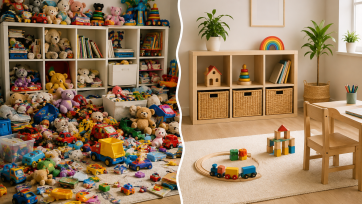
The Hidden Cost of Too Many Toys: Why Less Can Lead to Happier, More Creative Children Introduction On a Saturday morning, Emma's parents decided to tidy her bedroom. There were dolls under the bed, building blocks mixed with toy dinosaurs, puzzles missing pieces and a basket overflowing with stuffed animals. By the time everything had been organised, one question remained. "With all these toys… why does she always say she's bored?" It's a question thousands of parents quietly ask themselves. We've been taught to believe that more toys equal more happiness. Birthdays bring new presents. Christmas doubles the collection. Relatives arrive with another surprise, and before long, the playroom looks more like a toy shop than a place to play. Yet something unexpected often happens. The more choices children have, the less deeply they play. Instead of spending an hour building an imaginary city, they move from one toy to another every few minutes. Nothing seems to hold their attention for long. Child development experts have been discussing this issue for years. Many now believe the problem isn't that children have too few toys—it's that they have too many. If you've ever looked around your home and wondered whether your child really needs another toy, this guide is for you. When More Choice Becomes a Problem Adults usually enjoy having options. Children are different. Imagine walking into a room containing two hundred toys. Where do you begin? Some children become excited. Others become overwhelmed. Instead of choosing one activity and becoming absorbed in it, they spend their time deciding what to play with. Ironically, having fewer toys often makes that decision easier. Parents are sometimes surprised to discover that removing half the toys doesn't reduce playtime. In many homes, it actually improves it. A Toy Doesn't Need to Be New to Feel Exciting Think about the last time you cleaned a cupboard and found something you'd forgotten about. It suddenly felt interesting again. Children experience exactly the same feeling. A toy hidden away for six weeks often feels almost brand new when it returns. That's one reason many families now rotate toys instead of keeping every single item available all year. The toy itself hasn't changed. The child's relationship with it has. Why Boredom Isn't Always Bad Most parents instinctively try to solve boredom as quickly as possible. But boredom has an interesting side effect. It pushes children to invent. A child with nothing obvious to do might turn sofa cushions into a castle, build an airport from cardboard boxes or transform a blanket into a superhero cape. Those ideas rarely appear when every second is filled with ready-made entertainment. Sometimes boredom is simply imagination waiting for permission. The Toys Children Return to Again and Again Watch children over several months and you'll notice a pattern. Some toys quietly disappear. Others never seem to leave the floor. They aren't always the newest or most expensive ones. They're usually the toys that allow children to make the rules. Building bricks become skyscrapers one day and pirate ships the next. Wooden figures move effortlessly from farms to jungles to imaginary kingdoms. Art supplies never ask children to colour inside the lines. The common thread isn't technology. It's freedom. The best toys leave room for children to finish the story. The Experiment Every Parent Should Try You don't need to throw away half the toys in your home to see a difference. Instead, try a simple experiment. Choose around two-thirds of your child's toys and store them out of sight for three or four weeks. Leave behind a balanced selection—perhaps some building toys, books, art supplies, pretend play items and a few favourite comfort toys. Then do nothing. Don't suggest games. Don't replace the missing toys. Just watch. Many parents are surprised by what happens next. Children often begin playing for longer, inventing richer stories and combining toys in ways they hadn't before. With fewer distractions, they stop hopping from one activity to another and become fully absorbed in what they're doing. A Playroom Doesn't Have to Look Full Scroll through social media and you'll find beautifully organised playrooms filled with shelves of colourful toys. They look impressive. But appearances can be misleading. A room packed with toys isn't necessarily a room filled with play. Some of the happiest, most creative play spaces are surprisingly simple. A small bookshelf, a basket of building blocks, a few puzzles, some art materials and an area where children have enough space to spread out and create. Children need room to imagine just as much as they need toys. Sometimes the empty floor is more valuable than another shelf. Signs Your Child May Have Too Many Toys Every child is different, but certain behaviours often suggest that the toy collection has become overwhelming. You might notice that your child: Starts one activity but abandons it within minutes. Constantly asks for something new despite owning plenty. Struggles to tidy their room because there is simply too much to organise. Says they're bored while surrounded by toys. Rarely returns to older favourites. None of these signs mean you've done anything wrong. They simply suggest it may be time to simplify the environment. It's Not About Owning Less. It's About Playing More. Minimalism isn't the goal. Meaningful play is. If your child has fifty toys they genuinely enjoy and use regularly, that's perfectly fine. The problem begins when toys become background noise—objects that fill shelves without adding anything to play. Before buying something new, ask yourself one question: "Will this add something different, or will it simply add more?" That single question can prevent many impulse purchases. How to Declutter Without Tears One concern many parents have is upsetting their child by removing toys. The good news is that decluttering doesn't need to feel like taking something away. A gentle approach works far better. Start with toys your child has clearly outgrown or ignored for months. Store them in a box rather than donating them immediately. If your child doesn't ask for them after several weeks, it's usually a good sign they won't be missed. When you do donate toys, involving children in the process can be a valuable lesson in kindness and generosity. Explain that another child may enjoy the toy just as much as they once did. Buying Better Instead of Buying More The next time you're tempted to buy another toy, pause for a moment. Instead of asking, "Will my child like this?", ask a few different questions. Will it encourage creativity? Can it be played with in more than one way? Will it still be interesting next year? Does it add something new to our existing collection? Is there enough room for it? Parents often discover that buying fewer but better-quality toys creates a richer play experience than constantly adding new ones. Frequently Asked Questions Do children really play better with fewer toys? Many parents and educators find that children often concentrate for longer and play more creatively when they have fewer, carefully chosen toys available. A smaller selection can reduce distractions and encourage deeper engagement. What is toy rotation? Toy rotation is the practice of keeping only a portion of toys available while storing the rest. Every few weeks, the stored toys are swapped with the ones currently in use, making familiar toys feel fresh again. How many toys should a child have? There isn't a perfect number. What matters more is variety and quality. A collection that encourages creativity, movement, reading and imaginative play is usually more valuable than simply having lots of toys. Will my child be upset if I remove toys? If the process is gradual and thoughtful, many children adapt surprisingly well. Rotating or storing toys first, rather than immediately giving them away, makes the transition much easier. Is it better to buy experiences instead of toys? In many cases, yes. Days out, craft sessions, museum visits or family activities can create lasting memories and complement a smaller, more meaningful toy collection. Final Thoughts It's easy to believe that giving children more toys means giving them a better childhood. In reality, childhood isn't measured by how full the toy box is. It's measured by the adventures children create, the stories they invent and the memories they make while playing. Sometimes the greatest gift isn't another toy at all. It's the space to enjoy the ones they already have. A carefully chosen collection of toys—combined with time, imagination and freedom—often provides far more happiness than shelves overflowing with forgotten purchases. So before the next birthday, holiday or shopping trip, take a look at what your child already owns. You may discover that what they need isn't more toys. They simply need more opportunities to truly play.
Best Ride-On Toys for Kids in 2026
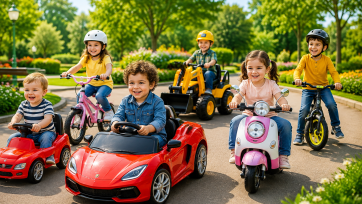
Best Ride-On Toys for Kids in 2026 Ride-on toys have been a favourite among children for generations, and in 2026, they remain one of the best ways to combine fun, exercise, and learning. From push cars for toddlers to battery-powered vehicles and balance bikes, ride-on toys encourage children to stay active while developing important physical and cognitive skills. Unlike toys that keep children sitting in one place, ride-on toys promote movement, independence, and confidence. Every ride helps improve balance, coordination, steering, and spatial awareness, making these toys much more than simple entertainment. Whether your child loves pretending to drive a sports car, race through the backyard, or explore the neighbourhood on a balance bike, there's a ride-on toy to match every age and personality. This guide explores the best ride-on toys for kids in 2026, their developmental benefits, safety tips, and how to choose the perfect model. What Are Ride-On Toys? Ride-on toys are toys that children can sit on and move by pushing with their feet, pedaling, steering, or using a battery-powered motor. They come in many styles, allowing children of different ages to enjoy active play. Popular ride-on toys include: Push cars Balance bikes Tricycles Wiggle cars Battery-powered cars Ride-on trucks Ride-on tractors Ride-on motorcycles Animal ride-ons Scooters These toys provide hours of entertainment while helping children build essential physical skills. Why Ride-On Toys Are Important Young children learn best through movement. Ride-on toys encourage active play while helping them become more confident in controlling their bodies. Regular use helps children develop: Balance Coordination Leg strength Core stability Hand-eye coordination Steering control Spatial awareness Independence Children also gain confidence as they learn to control speed, direction, and movement on their own. Benefits of Ride-On Toys Ride-on toys offer much more than fun. Some of their biggest benefits include: Encourage daily physical activity Improve gross motor skills Build confidence Support healthy exercise Reduce screen time Improve coordination Develop independence Encourage outdoor play These benefits support healthy growth while making exercise enjoyable. Push Cars for Toddlers Push cars are one of the best ride-on toys for younger children. Toddlers move the toy by pushing with their feet, helping them strengthen their leg muscles while improving balance. Parents appreciate push cars because they are: Easy to use Safe Durable Suitable for indoor and outdoor play Many models also include storage compartments and interactive steering wheels for extra fun. Balance Bikes Prepare Kids for Cycling Balance bikes have become increasingly popular because they teach children how to balance before learning to pedal. Instead of using training wheels, children naturally develop: Balance Steering Confidence Coordination Many children who start with balance bikes learn to ride regular bicycles much faster. Battery-Powered Ride-On Cars Battery-powered ride-on vehicles give children the excitement of driving their own miniature cars. Popular models include: Sports cars Jeeps SUVs Construction trucks Police vehicles Fire trucks Many include realistic features such as: Working headlights Music Horn sounds Opening doors Parent remote controls These vehicles provide exciting pretend play while encouraging outdoor exploration. Tricycles Remain a Classic Choice Tricycles continue to be one of the most popular ride-on toys for preschool children. They help improve: Pedaling skills Balance Leg strength Coordination Endurance Many tricycles also include adjustable seats, making them suitable as children grow. Wiggle Cars Encourage Active Movement Wiggle cars move simply by turning the steering wheel from side to side. No batteries, pedals, or motors are required. Children enjoy the unique riding experience while developing: Coordination Balance Core strength Steering skills They are especially popular for smooth driveways and indoor play areas. Ride-On Construction Vehicles Children who love diggers, tractors, and trucks often enjoy construction-themed ride-on toys. Popular choices include: Excavators Bulldozers Tractors Dump trucks Forklifts These toys encourage imaginative role-playing while keeping children physically active. Outdoor Adventures Become More Exciting Ride-on toys naturally encourage children to spend more time outdoors. Instead of sitting indoors with digital devices, children enjoy: Exploring parks Racing friends Creating obstacle courses Family walks Backyard adventures Outdoor play also supports physical fitness and emotional well-being. Choosing the Right Ride-On Toy by Age Every age group benefits from different ride-on toys. For 1-year-olds: Push cars Ride-on animals For 2 to 3-year-olds: Balance bikes Wiggle cars Beginner tricycles For 4 to 6-year-olds: Battery-powered cars Advanced balance bikes Scooters Ride-on trucks Choosing age-appropriate toys helps children stay safe while enjoying the right level of challenge. Safety Tips for Parents Ride-on toys are generally very safe when used correctly. Always remember to: Follow the recommended age range. Use helmets when appropriate. Supervise younger children. Choose flat, safe play areas. Inspect toys regularly. Charge batteries correctly. Teach basic safety rules. Good supervision helps children enjoy active play with confidence. What to Look for Before Buying Before purchasing a ride-on toy, consider: Your child's age Weight capacity Indoor or outdoor use Battery life (if applicable) Build quality Safety certifications Adjustable features A high-quality ride-on toy often provides years of enjoyment. Common Buying Mistakes Many parents purchase ride-on toys based only on appearance. Avoid: Buying toys that are too large Ignoring weight limits Choosing poor-quality batteries Forgetting safety equipment Buying complicated controls for younger children Selecting the right size and skill level creates a much better experience. Why Ride-On Toys Make Excellent Gifts Ride-on toys remain one of the most exciting gifts for birthdays, holidays, and special occasions. Children immediately enjoy the excitement of riding, while parents appreciate the developmental benefits and encouragement of outdoor play. Because many ride-on toys last for years, they often become favorite childhood memories. Frequently Asked Questions What are the best ride-on toys for kids? Push cars, balance bikes, tricycles, battery-powered cars, scooters, and wiggle cars are among the best ride-on toys available. At what age can children use ride-on toys? Many ride-on toys are suitable from around 12 months, while others are designed for older preschool and school-age children. Are battery-powered ride-on cars safe? Yes. When used under adult supervision and according to the manufacturer's recommendations, battery-powered ride-on cars are safe and enjoyable. Do ride-on toys help child development? Absolutely. They improve balance, coordination, physical fitness, confidence, and independence while encouraging active outdoor play. Final Thoughts The best ride-on toys for kids in 2026 offer much more than exciting adventures. They encourage children to stay active, develop important physical skills, and build confidence through independent play. Whether it's a push car for a toddler, a balance bike for a preschooler, or a battery-powered sports car for an older child, every ride becomes an opportunity to learn, explore, and create lasting memories. Choosing a high-quality, age-appropriate ride-on toy is an investment in both fun and healthy development. With the right choice, children can enjoy years of active play while building skills that will benefit them long after playtime ends.