Best Baby Walkers and Push Toys in 2026

Best Baby Walkers and Push Toys in 2026: Helping Little Ones Take Their First Steps Safely

Watching your baby take their first steps is one of the most exciting milestones in early childhood. During this stage, babies are eager to explore their surroundings, improve their balance, and gain confidence with every movement. The right baby walker or push toy can support this natural development by encouraging safe, active play while strengthening muscles and coordination.

In 2026, parents have more choices than ever before, including wooden push walkers, activity walkers, ride-on walkers, and multifunctional learning toys. Rather than simply entertaining babies, these products help develop motor skills, hand-eye coordination, and confidence during one of the most important stages of growth.

This guide explains everything parents need to know about choosing the best baby walkers and push toys in 2026.

What Are Baby Push Walkers?

Baby push walkers are toys designed to support babies as they learn to stand and walk independently.

Unlike traditional seated baby walkers, push walkers encourage children to use their own muscles and balance while walking behind the toy.

Most models include:

  • Easy-grip handles
  • Stable wheels
  • Activity panels
  • Storage space
  • Wooden or plastic frames

These features encourage babies to practise walking safely while enjoying interactive play.

Why Push Toys Are Better for Early Walking

Many child development experts recommend push toys because they encourage babies to develop balance naturally.

As babies push the walker forward, they learn to:

  • Balance independently
  • Control their movements
  • Strengthen leg muscles
  • Improve coordination
  • Build confidence

This allows walking skills to develop at the baby's own pace.

Benefits of Baby Walkers and Push Toys

Push walkers support many areas of early development.

Some of the biggest benefits include:

  • Encourage independent walking
  • Strengthen leg muscles
  • Improve balance
  • Develop coordination
  • Support gross motor skills
  • Build confidence
  • Encourage active play
  • Improve hand-eye coordination
  • Reduce screen time

These skills help prepare babies for confident, independent walking.

Wooden Push Walkers

Wooden push walkers remain one of the most popular choices among parents.

They offer several advantages:

  • Durable construction
  • Eco-friendly materials
  • Stable design
  • Timeless appearance
  • Long-lasting quality

Many wooden models also include educational activity panels that continue entertaining children after they begin walking independently.

Activity Walkers

Activity walkers combine mobility with learning.

Interactive features often include:

  • Shape sorters
  • Gears
  • Bead mazes
  • Spinning blocks
  • Musical buttons
  • Mirrors

These activities encourage fine motor development while keeping babies engaged.

Push Toys for Toddlers

Once babies become confident walkers, push toys continue providing exciting play opportunities.

Popular options include:

  • Shopping trolleys
  • Lawn mowers
  • Animal push toys
  • Toy prams
  • Wheelbarrows

These toys encourage active movement while inspiring imaginative role play.

Ride-On and Push Combination Toys

Some modern toys combine two functions.

Children can:

  • Sit and ride
  • Stand and push
  • Store toys inside
  • Use activity panels

These versatile toys often provide longer-lasting value because they adapt as children grow.

Educational Features

Many baby walkers include early learning activities.

Children can explore:

  • Colours
  • Shapes
  • Numbers
  • Animal sounds
  • Simple puzzles
  • Moving gears

Learning happens naturally while babies practise standing and walking.

Choosing the Right Baby Walker

Before buying, consider:

  • Your baby's age
  • Stability
  • Weight
  • Adjustable speed control
  • Material quality
  • Educational features
  • Safety certification

A stable walker with smooth-moving wheels usually provides the safest experience.

Safety Tips

When choosing a baby walker or push toy, always:

  • Follow the recommended age guidelines.
  • Choose products with a wide, stable base.
  • Ensure wheels provide controlled movement.
  • Supervise your baby during use.
  • Use walkers only on flat surfaces.
  • Check regularly for loose parts.

Safe supervision helps babies explore confidently.

Common Buying Mistakes

Many parents choose walkers based only on appearance.

Avoid:

  • Lightweight models that tip easily
  • Slippery wheels
  • Poor-quality materials
  • Walkers without safety certification
  • Products that don't suit your baby's height

Choosing a high-quality push walker helps babies learn safely and comfortably.

Why Push Walkers Make Wonderful Gifts

Baby walkers and push toys are thoughtful gifts because they support one of childhood's most memorable milestones.

They're perfect for:

  • First birthdays
  • Baby showers
  • Christmas
  • Family celebrations
  • Early learning gifts

Parents appreciate gifts that combine entertainment with healthy physical development.

Frequently Asked Questions

What is the best push walker for babies?

The best push walkers are sturdy, lightweight enough to move comfortably, include adjustable resistance if possible, and meet recognised safety standards.

At what age can babies use push walkers?

Most push walkers are suitable once babies can pull themselves up and stand confidently, typically between 9 and 12 months, although every child develops at a different pace.

Are push walkers better than seated baby walkers?

Many child development specialists prefer push walkers because they encourage babies to develop balance, coordination, and walking skills naturally through independent movement.

Do push toys help babies learn to walk?

Yes. Push toys encourage babies to strengthen their muscles, improve balance, and build confidence while practising walking at their own pace.

Final Thoughts

The best baby walkers and push toys in 2026 provide much more than entertainment. They support one of the most exciting stages of childhood by helping babies develop confidence, coordination, and independent movement through active play. Whether you choose a classic wooden push walker, an interactive activity walker, or a versatile ride-on combination toy, the right choice can encourage healthy physical development while making every step more enjoyable.

By investing in a safe, durable, and age-appropriate push toy, parents give their little ones the confidence to explore the world one step at a time.

Advertisement
Best Science Kits for Kids: Safe Experiments for Every Age
A good science kit can turn an ordinary afternoon into a small laboratory. One child may become fascinated by growing crystals. Another may spend an hour testing which objects float. An older child may prefer circuits, volcano reactions, microscopes, or simple chemistry. That is the real value of science toys: they allow children to learn by doing. The best science kits for kids are not necessarily the biggest boxes or the most expensive sets. A worthwhile kit should match the child’s age, explain each activity clearly, include safe materials, and encourage the child to ask questions instead of simply copying instructions. This guide explains what type of science kit works best at each age, which features are worth paying for, and how parents can avoid low-quality or unsafe products. Quick Guide: Which Science Kit Should You Buy? Child’s Age Best Type of Science Kit Adult Supervision 3–5 years Magnets, colors, plants, water experiments Constant 5–7 years Volcanoes, crystals, weather and nature kits Required 8–10 years Chemistry, microscopes, circuits and geology Strongly recommended 11–13 years Electronics, advanced chemistry and robotics Depends on activity Teenagers Laboratory kits, coding, engineering and astronomy As instructed Age labels matter. They are not only an indication of difficulty. They may also reflect small parts, chemicals, sharp components, heat, batteries, or other safety concerns. Science Kits for Ages 3 to 5 Preschool children do not need complicated scientific explanations. Their first experiments should focus on observation and cause and effect. Suitable options include: Color-mixing activities Large magnets Plant-growing kits Water wheels Magnifying glasses Weather charts Floating and sinking experiments At this age, the adult should guide the entire activity. A simple activity such as placing different objects in water can teach children to make predictions. Before placing an item in the bowl, ask whether they think it will float or sink. The experiment becomes more educational when children explain their guesses and compare the result with what actually happened. Avoid kits containing tiny pieces, glass containers, powders, or chemicals that may be swallowed. Science Kits for Ages 5 to 7 Children in this age group are often ready to follow short instructions and record simple observations. Popular science kits for ages five to seven include: Volcano Experiment Kits Volcano kits are popular because the reaction is quick and visually exciting. Most beginner versions use safe household-style ingredients to create a foaming eruption. The experiment can introduce basic ideas about reactions, pressure, and gases. However, parents should explain that the model is not an exact recreation of how a real volcano works. It is a demonstration of a chemical reaction. Crystal-Growing Kits Crystal kits can teach patience because results usually take time. Children can observe how crystals gradually form and compare their size over several days. Parents should handle any chemicals according to the instructions and keep the growing container away from food areas and younger siblings. Nature Exploration Kits Bug viewers, magnifying glasses, leaf presses, binoculars, and observation journals can encourage children to explore science outdoors. These kits are especially useful for children who prefer movement and nature over indoor experiments. Science Kits for Ages 8 to 10 Between eight and ten, many children can handle longer experiments and understand why a result occurred. This is a strong age for introducing real scientific habits: Ask a question. Make a prediction. Perform the experiment. Record the result. Explain what happened. The following categories usually work well. Beginner Chemistry Sets A beginner chemistry set may include experiments involving color changes, acids and bases, bubbles, mixtures, polymers, or crystals. When comparing chemistry kits, check whether the box includes protective equipment and whether additional household ingredients are required. Some kits advertise dozens of experiments, but many of those activities may use materials that are not included. Read the contents list before purchasing. Microscope Kits A children’s microscope can reveal details that are invisible to the naked eye. Young scientists can examine: Leaves Fabric fibers Hair Paper Onion skin Prepared slides Flower petals Do not choose a microscope only because it advertises extremely high magnification. Image clarity, stable focusing, lighting, and ease of use are often more important. A badly designed microscope can frustrate a child before the learning begins. Circuit Kits Snap-together circuit kits are excellent for introducing electricity without requiring complicated wiring. Children may build: Lights Fans Alarms Switches Sound circuits Small motors A good circuit kit should clearly identify each part and explain what happens when the circuit is open or closed. Battery compartments should be secure, and damaged wires or components should not be used. Science Kits for Ages 11 to 13 Older children generally want activities that feel less like toys and more like real projects. Good options include electronics, robotics, advanced microscopes, astronomy, geology, renewable-energy kits, and more detailed chemistry sets. Electronics Kits Electronics kits can introduce sensors, motors, resistors, switches, and basic programming. Some sets require a computer or mobile device, while others work independently. Before buying, check: Device compatibility Software requirements Battery needs Replacement components Difficulty level Subscription fees Astronomy Kits A basic telescope or astronomy kit may encourage interest in planets, stars, the moon, and space exploration. For beginners, ease of setup matters more than extreme magnification. A telescope that is difficult to align may remain unused, even if its technical specifications appear impressive. Renewable-Energy Kits Solar-powered cars, wind turbines, and water-energy models teach children how energy can be converted into movement or electricity. These kits are especially useful for school projects and environmental science activities. Science Kits for Teenagers Teenagers may benefit from science kits that offer genuine experimentation rather than simplified demonstrations. Possible choices include: Advanced electronics Coding and robotics kits Biology slide sets Environmental testing kits Engineering models Astronomy equipment Detailed chemistry experiments At this level, the quality of the instruction manual becomes extremely important. Teenagers should understand the scientific purpose of each step, not merely assemble parts until something moves. A strong kit explains the underlying principles and suggests ways to modify the experiment. What Makes a Science Kit Worth Buying? Large numbers printed on the box can be misleading. A kit advertised with “100 experiments” may include many variations of the same activity. A smaller kit with 15 well-designed experiments may provide better educational value. Look for the following features. Clear Instructions The manual should use simple language, diagrams, and step-by-step directions. It should also explain why the experiment works. Reusable Equipment Test tubes, measuring cups, magnifying tools, circuit pieces, and reusable containers add long-term value. Single-use kits may provide only one short activity. Included Materials Check which materials are included and which must be purchased separately. Some kits require vinegar, baking soda, food coloring, batteries, oil, salt, or other household items. Real Educational Content The child should be learning something beyond creating a colorful reaction. The best kits introduce a question, explain a concept, and encourage further exploration. Suitable Difficulty A kit should be challenging enough to remain interesting but not so difficult that the child needs an adult to perform every step. Science Kit Safety Checklist Before opening any science kit, parents should read the instructions completely. Use the following checklist: Follow the recommended age range. Supervise all activities involving chemicals, electricity, heat, or sharp tools. Keep ingredients away from the mouth and eyes. Do not use kitchen utensils unless the instructions allow it. Wash hands after experiments. Cover the working surface. Wear eye protection when recommended. Keep younger children and pets away. Store chemicals in their original containers. Never mix materials that are not listed in the instructions. Children should understand that science kits are not food, even when the materials resemble salt, sugar, or colored drinks. Experiments should take place in a ventilated and easy-to-clean area. Cheap Science Kits vs Premium Science Kits Budget science kits can be useful for a child who is exploring a new interest. They are usually suitable for short experiments, birthday gifts, or classroom activities. Premium kits may offer: Better-quality equipment More accurate instruments Detailed manuals Replacement parts More advanced projects Stronger construction Online lessons or applications Paying more makes sense when the kit can be reused or expanded. It is less worthwhile when the child completes one experiment and cannot use the materials again. Common Buying Mistakes Parents often purchase science kits based on the packaging rather than the actual contents. Avoid these mistakes: Buying Above the Child’s Level An advanced chemistry or robotics kit may appear impressive, but it will not provide much value if the child cannot understand the instructions. Ignoring Extra Costs Batteries, chemicals, slides, tools, applications, and replacement materials can increase the total price. Choosing Flashy Reactions Only Foam, smoke, and color changes are exciting, but the kit should explain the science behind them. Expecting Independent Play Most young children will need encouragement, setup help, and supervision. A science kit becomes more valuable when an adult discusses the experiment with the child. Final Recommendation For younger children, begin with simple kits involving water, plants, magnets, colors, and nature. Children between eight and ten may enjoy microscopes, circuit boards, crystals, and beginner chemistry. Older children can move toward electronics, robotics, astronomy, engineering, and more advanced laboratory activities. The best science kit is one that the child will actually open, use, question, and revisit. A successful experiment does not need to produce a perfect result. Sometimes the most valuable moment occurs when something fails and the child asks, “Why didn’t that work?” That question is where real scientific learning begins.
Best Toy Tool Sets for Kids in 2026
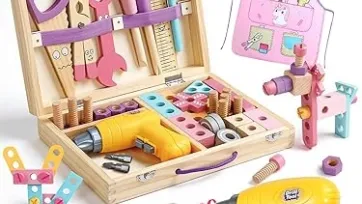
Best Toy Tool Sets for Kids in 2026: The Ultimate Guide to Creative Role Play Children love pretending to fix things. Whether they're repairing a toy car, building a treehouse, or helping Mum and Dad with imaginary home improvements, toy tool sets encourage creativity while teaching practical life skills through play. A simple plastic hammer and screwdriver can inspire hours of imaginative adventures, helping children develop confidence, coordination, and problem-solving abilities. In 2026, toy tool sets are more realistic than ever. Many include battery-powered toy drills, workbenches, safety helmets, tool belts, nuts and bolts, measuring tapes, and construction accessories designed to make children feel like real builders. These sets are suitable for toddlers, preschoolers, and older children who enjoy building and creating. If you're looking for a toy that combines fun with learning, this guide explains everything you need to know about the best toy tool sets for kids in 2026. Why Children Love Toy Tool Sets Children naturally enjoy copying adults. When they see parents repairing furniture, assembling shelves, or carrying out DIY projects, they want to join in. Toy tool sets allow children to safely pretend they are: Builders Carpenters Mechanics Engineers Electricians Home repair experts Every repair becomes an exciting adventure where imagination takes the lead. Benefits of Toy Tool Sets Tool sets support many areas of childhood development. Some of the biggest benefits include: Encourage imaginative play Improve fine motor skills Strengthen hand-eye coordination Build problem-solving skills Improve concentration Encourage independent play Develop creativity Build confidence Reduce screen time Children also learn persistence by solving simple building challenges. Toy Tool Sets for Toddlers Young children benefit from large, lightweight tools that are easy to hold. Beginner sets usually include: Hammer Screwdriver Spanner Wooden nails Toy screws Storage toolbox These simple tools improve grip strength while introducing basic construction concepts. Wooden Tool Sets Wooden tool toys remain one of the most popular choices for families. Parents appreciate them because they are: Durable Eco-friendly Safe Long-lasting Beautifully designed Their simple construction encourages children to focus on imaginative play rather than electronic features. Plastic Tool Sets Modern plastic tool sets often include realistic functions. Popular accessories include: Toy drills Measuring tapes Wrenches Pliers Tool belts Safety goggles Nuts and bolts Many battery-powered drills safely rotate to imitate real tools without creating danger. Toy Workbenches A workbench creates an exciting building station for young engineers. Many include: Storage shelves Vice clamps Pegboards Tool racks Assembly areas Children enjoy building, repairing, and organising their equipment just like real tradespeople. Construction Role Play Tool sets naturally encourage storytelling. Children pretend to: Build houses Repair bicycles Fix furniture Construct bridges Service vehicles Help neighbours Role play encourages communication while improving creativity and social skills. Educational Benefits Toy tools introduce children to practical problem-solving. They begin learning about: Shapes Matching Organisation Sequencing Cause and effect Engineering Many construction activities also strengthen mathematical thinking through measuring and counting. Toy Tool Sets Encourage Teamwork Children often enjoy construction projects with siblings or parents. Working together encourages: Sharing Cooperation Communication Leadership Creative thinking Building projects become even more enjoyable when everyone contributes ideas. Choosing the Right Tool Set Before buying, consider: Your child's age Material quality Number of accessories Safety certifications Storage options Durability Choose sets that encourage open-ended play instead of toys with only one function. Safety Tips Always choose tool sets that: Meet recognised safety standards Use non-toxic materials Have rounded edges Match the recommended age Avoid small detachable parts for younger children Regularly inspect tools for damage or loose pieces. Common Buying Mistakes Many parents buy tool sets based only on appearance. Avoid: Fragile plastic Sharp edges Poor-quality moving parts Tiny accessories for toddlers Weak storage cases High-quality sets often last for many years of active play. Why Toy Tool Sets Make Excellent Gifts Tool sets remain one of the most practical pretend play gifts available. They're perfect for: Birthdays Christmas Nursery gifts Playroom upgrades Family celebrations Children often return to construction play again and again because every project is different. Frequently Asked Questions What is the best toy tool set for children? The best tool sets include durable tools, a sturdy toolbox or workbench, and realistic accessories designed for your child's age. At what age can children use toy tool sets? Simple tool sets with large pieces are suitable from around two years old, while more advanced workbenches are designed for preschool and primary-aged children. Are toy tool sets educational? Yes. They encourage creativity, problem-solving, hand-eye coordination, fine motor development, communication, and imaginative role play. Should I choose wooden or plastic tool sets? Wooden tool sets are durable and environmentally friendly, while plastic sets often include interactive features such as rotating toy drills and realistic construction accessories. Final Thoughts The best toy tool sets for kids in 2026 encourage children to build, repair, and imagine through creative role play. Whether they're constructing a pretend house, fixing a racing car, or organising a busy workshop, these toys help develop practical skills while encouraging confidence and curiosity. By choosing a high-quality toy tool set with safe materials and durable construction, parents can provide children with endless opportunities for imaginative, educational, and screen-free play.
Best Wooden Train Sets for Kids in 2026
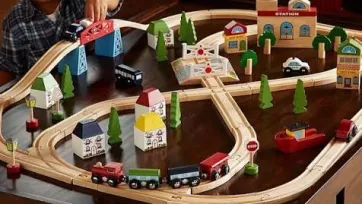
Best Wooden Train Sets for Kids in 2026: A Timeless Toy That Never Goes Out of Style Wooden train sets have remained one of the most loved educational toys for decades, and in 2026 they're still a favourite among parents, teachers, and children alike. Unlike many trendy toys that lose their appeal after a few weeks, wooden train sets continue to inspire creativity, problem-solving, and imaginative play year after year. Children can design their own railway networks, build stations, transport passengers, deliver cargo, and create exciting adventures across bridges, tunnels, mountains, and busy towns. Every play session is different, making wooden train sets one of the best long-term investments for a growing child. Whether you're buying a first train set for a toddler or expanding an existing collection, this guide explains everything you need to know before choosing the best wooden train set in 2026. Why Wooden Train Sets Remain So Popular Wooden train sets offer something many modern toys cannot—complete creative freedom. There are no fixed storylines or electronic instructions. Instead, children build their own railway layouts, invent characters, solve transport challenges, and create entirely new adventures every day. As children grow, their railway worlds become larger and more detailed, meaning the same toy continues to provide fresh experiences for many years. Benefits of Wooden Train Sets Wooden train sets support a wide range of developmental skills. Some of the biggest benefits include: Improve problem-solving skills Encourage imaginative play Strengthen fine motor skills Develop hand-eye coordination Build patience Improve concentration Encourage storytelling Support social interaction Reduce screen time Children also learn basic planning as they decide how tracks should connect and where trains should travel. Why Choose Wooden Train Sets Instead of Plastic? Wooden train sets remain popular for several reasons. Parents appreciate them because they are: Durable Eco-friendly Long-lasting Easy to maintain Timeless in design Unlike many plastic toys, wooden train sets often last for years and can even be passed down to younger siblings. Wooden Train Sets for Toddlers Toddlers benefit from simple railway layouts with large pieces that are easy to assemble. Beginner sets usually include: Circular tracks One train Simple stations Wooden trees Bridges Passenger figures These sets encourage independent play while improving coordination and confidence. Advanced Railway Sets for Older Children As children become more experienced, they enjoy expanding their railway worlds. Larger train sets often include: Multi-level bridges Tunnels Roundabouts Railway crossings Cargo terminals Airports Farms Construction sites Building more complex layouts encourages creativity and engineering-style thinking. Magnetic Wooden Trains Most modern wooden trains connect using magnetic couplings. Magnetic connections make it easy for children to: Join trains together Create longer trains Swap carriages Build freight trains Invent new railway routes These simple magnetic systems also improve fine motor control. Train Accessories Expand Play Accessories make railway adventures even more exciting. Popular additions include: Wooden people Animals Trees Road signs Vehicles Cranes Stations Traffic lights Adding accessories allows children to build complete miniature towns around their railway. Educational Value of Train Sets Wooden train sets naturally encourage learning. Children begin exploring: Cause and effect Direction Sequencing Planning Transport systems Problem-solving Parents can also introduce simple lessons about travel, geography, and community life through everyday play. Wooden Train Sets Encourage Social Play Railway play becomes even more enjoyable with friends or siblings. Children learn how to: Share tracks Build together Solve construction problems Create stories Take turns operating trains These experiences strengthen teamwork and communication skills. Choosing the Right Wooden Train Set Before buying, consider: Your child's age Track compatibility Material quality Number of accessories Future expansion options Safety certifications Expandable railway systems provide the greatest long-term value because children can continue adding new pieces over time. Safety Tips Choose wooden train sets that: Meet recognised safety standards Use non-toxic paints Have smooth, rounded edges Include securely attached magnets Match the recommended age Regularly inspect wooden pieces for cracks or loose components. Common Buying Mistakes Many parents focus only on the number of pieces. Avoid: Poor-quality wood Weak magnetic connections Sharp unfinished edges Non-compatible expansion sets Very small accessories for younger children Quality construction usually provides a much better experience than simply buying the largest set available. Why Wooden Train Sets Make Excellent Gifts Wooden train sets are among the few toys that children continue enjoying for many years. They're ideal for: Birthdays Christmas First educational toys Family celebrations Nursery gifts Parents also appreciate gifts that encourage creativity without relying on batteries or screens. Frequently Asked Questions What are the best wooden train sets for children? Expandable wooden railway sets with magnetic trains, bridges, stations, and accessories are among the best choices for long-term play. At what age can children start using wooden train sets? Many beginner wooden train sets are suitable for children aged 18 months and older, while larger railway systems are ideal for preschool and primary-age children. Are wooden train sets educational? Yes. They improve creativity, planning, fine motor skills, hand-eye coordination, storytelling, and problem-solving while encouraging imaginative play. Can different wooden train brands work together? Many high-quality wooden train systems are compatible with one another, allowing families to expand their collections over time. Final Thoughts The best wooden train sets for kids in 2026 continue to prove that simple toys often provide the greatest educational value. With endless opportunities to build, design, explore, and imagine, wooden railway sets encourage creativity while helping children develop important cognitive, physical, and social skills. By choosing a durable, expandable wooden train set, parents invest in a toy that grows with their child, providing years of meaningful, screen-free entertainment and creating memories that last long after the final train has reached the station.
Best Montessori Toys for Toddlers in 2026
Best Montessori Toys: A Complete Guide to Choosing Learning Toys That Inspire Independence Montessori toys have become one of the most trusted choices for parents who want their children to learn naturally through play. Inspired by the educational philosophy of Dr. Maria Montessori, these toys are designed to encourage independence, creativity, concentration, and hands-on learning rather than passive entertainment. Unlike many modern toys filled with flashing lights and loud sounds, Montessori toys are intentionally simple. They invite children to explore, solve problems, and discover new skills at their own pace. Instead of telling a child what to do, these toys encourage curiosity and allow children to learn through experience. Whether you're shopping for a baby, toddler, preschooler, or young child, choosing the right Montessori toys can support healthy development while making playtime meaningful and enjoyable. This guide explains everything parents need to know before buying Montessori toys. What Are Montessori Toys? Montessori toys are educational toys based on the Montessori method of learning. They are designed to encourage independent exploration using real-world experiences instead of overwhelming children with excessive sounds, lights, or electronic features. Most Montessori toys focus on one skill at a time. This helps children concentrate, master a task, and build confidence before moving on to more complex activities. These toys are often made from natural materials such as wood, cotton, bamboo, and non-toxic finishes, making them both safe and durable. Why Montessori Toys Are Different Many traditional toys entertain children by doing most of the work. They flash lights, play music automatically, or perform actions with the press of a button. Montessori toys work differently. Instead of entertaining children passively, they encourage active participation. Children build, stack, match, sort, count, balance, and solve problems using their own imagination and thinking skills. This style of play supports long-term learning instead of short-term excitement. Benefits of Montessori Toys Montessori toys help children develop a wide range of important life skills. Some of the biggest benefits include: Encouraging independent learning Improving concentration Developing fine motor skills Building hand-eye coordination Strengthening problem-solving abilities Encouraging creativity Supporting language development Increasing confidence Promoting patience and persistence Because children control the learning process, they often remain engaged for longer periods. Why Parents Love Montessori Toys Parents appreciate Montessori toys because they combine simplicity with educational value. Many Montessori toys remain useful for years, allowing children to discover new ways to play as they grow. Their durable construction also means they can often be passed down to younger siblings. Another advantage is reduced screen time. Montessori activities encourage children to interact with real objects instead of digital devices, creating healthier daily routines. Best Montessori Toys for Babies Babies learn by touching, looking, listening, and exploring. Excellent Montessori toys for infants include: Wooden grasping toys Soft sensory balls Organic cotton rattles Black-and-white visual cards Wooden rings Fabric activity books These simple toys help babies strengthen their senses while improving early coordination. Best Montessori Toys for Toddlers Toddlers enjoy activities that involve movement, sorting, and simple problem-solving. Popular Montessori toys include: Shape sorters Wooden stacking rings Peg boards Object permanence boxes Simple puzzles Pull toys Wooden vehicles These toys improve hand control while encouraging independent exploration. Best Montessori Toys for Preschoolers As children grow older, they enjoy more challenging activities. Great Montessori toys for preschool-aged children include: Alphabet boards Number counting sets Building blocks Wooden animal figures Balance games Practical life activity sets Magnetic letters These toys support early literacy, mathematics, and logical thinking. Wooden Toys and Montessori Learning Wood is one of the most common materials used in Montessori toys. Wooden toys feel natural, last longer, and encourage children to focus on the activity rather than distracting electronic features. Popular wooden Montessori toys include: Stacking towers Building blocks Counting boards Balance beams Puzzle boards Tool benches Many families appreciate their timeless appearance and exceptional durability. Montessori Toys Encourage Practical Life Skills One unique feature of Montessori education is its focus on everyday life. Many Montessori toys allow children to practice real-world activities such as: Buttoning clothes Zipping jackets Tying shoelaces Pouring water Using child-safe kitchen tools Sweeping Gardening These activities help children become more independent while building confidence in daily routines. Sensory Toys Support Early Development Sensory exploration plays an important role during childhood. Montessori sensory toys introduce different textures, shapes, weights, temperatures, and sounds without overwhelming children. Examples include: Texture boards Sensory bins Fabric squares Wooden cylinders Matching objects Natural material collections These activities strengthen observation skills and improve concentration. Montessori Toys vs Electronic Toys Both Montessori and electronic toys have benefits, but they serve different purposes. Montessori toys encourage imagination, creativity, and independent thinking through hands-on activities. Electronic toys often provide interactive entertainment using lights, sounds, movement, and technology. A healthy balance between both categories can create a well-rounded play environment, but many parents choose Montessori toys for everyday learning because they encourage deeper engagement and fewer distractions. Choosing Montessori Toys by Age Selecting age-appropriate toys keeps children motivated and confident. For babies: Soft sensory toys Wooden grasping rings High-contrast cards For toddlers: Shape sorters Stacking toys Peg puzzles For preschoolers: Alphabet games Number boards Building blocks Practical life kits For older children: Geography puzzles Science exploration kits Math manipulatives Advanced construction sets Matching the toy to a child's developmental stage creates a more enjoyable learning experience. Safety Tips When Buying Montessori Toys Safety should always come first. Parents should look for: Smooth wooden surfaces Non-toxic paint Rounded edges Durable construction Age-appropriate designs Trusted manufacturers Safety certifications Regularly inspecting toys also helps prevent accidents. Common Mistakes Parents Make Many parents unknowingly buy toys labeled "Montessori" that don't actually follow Montessori principles. Avoid: Overly electronic products Flashing lights and excessive sounds Toys with too many distractions Poor-quality materials Age-inappropriate activities True Montessori toys encourage children to actively participate rather than simply watch. Why Montessori Toys Make Excellent Gifts Montessori toys are thoughtful gifts because they combine learning with meaningful play. Whether it's a birthday, holiday, or special celebration, these toys provide lasting educational value instead of short-lived entertainment. Parents also appreciate gifts that support healthy development while encouraging creativity and independence. Frequently Asked Questions What are Montessori toys? Montessori toys are simple, educational toys designed to encourage independent learning, creativity, and hands-on exploration. Are Montessori toys only made from wood? No. While wooden toys are common, Montessori toys may also use natural materials like cotton, bamboo, felt, and non-toxic plastics. At what age should children start using Montessori toys? Children can begin using Montessori-inspired toys from infancy with age-appropriate sensory toys and simple exploration activities. Are Montessori toys worth buying? Yes. Their durability, educational value, and focus on independent learning make them an excellent long-term investment for many families. Final Thoughts Montessori toys offer far more than simple entertainment. They help children become confident learners by encouraging curiosity, independence, creativity, and practical life skills through meaningful play. Whether you're choosing wooden building blocks, sensory toys, practical life activities, alphabet boards, or educational puzzles, Montessori toys create opportunities for children to learn naturally at their own pace. By selecting age-appropriate, high-quality toys made from safe materials, parents can provide children with a learning environment that supports both personal growth and joyful discovery.
How to Clean and Disinfect Children's Toys Properly
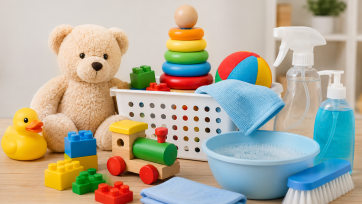
 How to Clean and Disinfect Children's Toys Properly: The Complete Parent's Guide Introduction A toddler drops a toy on the kitchen floor. Seconds later, it's back in their mouth. If you're a parent, you've probably seen this happen more times than you can count. Children don't play with toys the way adults expect. They cuddle them, chew them, drag them through the garden, take them into the bath, leave them under the sofa and sometimes even share them with the family dog. It's all part of growing up—but it also means toys can quickly become home to dust, food residue and germs if they aren't cleaned regularly. The challenge isn't deciding whether toys should be cleaned. It's knowing how to clean them without damaging them. Should wooden toys ever be soaked in water? Can soft toys go in the washing machine? Are disinfectants always necessary? And how often should parents actually clean different types of toys? The answers depend on the material, how often the toy is used and the age of the child. The good news is that keeping toys clean is much easier than many parents think. With a few simple habits and the right cleaning methods, toys can stay hygienic, last longer and remain safe for years of play. In this guide, we'll explain exactly how to clean different types of children's toys, when disinfecting is worthwhile and the mistakes many parents make without realising it. Why Cleaning Toys Matters More Than You Think It's easy to underestimate how much wear and tear toys experience. Think about a typical week. A favourite teddy might travel from the bedroom to the garden, into the car, onto the sofa and back into bed again. Building blocks are handled dozens of times each day. Bath toys spend hours in warm, damp conditions. Outdoor toys collect mud, sand and grass. None of this is unusual. It's simply childhood. Regular cleaning isn't about creating a perfectly sterile environment. Exposure to everyday dirt is a normal part of growing up. The aim is to remove grime, reduce the build-up of germs and prevent mould or bacteria from developing in places where they shouldn't. Parents often notice another unexpected benefit too: clean toys usually last longer. Dust, moisture and sticky residue can gradually damage finishes, fabrics and moving parts if they're ignored. Which Toys Need Cleaning Most Often? Not every toy needs the same level of attention. Some should be cleaned every few days, while others only need occasional maintenance. Toys that deserve the most frequent cleaning include: Teething toys Bath toys Soft comfort toys Toys shared between siblings Toys used outdoors Toys taken to nursery or school Toys that are regularly placed in a child's mouth A decorative toy sitting on a shelf obviously requires less attention than a favourite rattle used every day. The Difference Between Cleaning and Disinfecting Many people use these words as though they mean the same thing, but they don't. Cleaning removes visible dirt, food residue and many germs using soap, water or suitable cleaning products. Disinfecting goes a step further by reducing bacteria and viruses on a surface. For most everyday situations, cleaning is enough. Disinfecting becomes more useful when: A child has recently been ill. Toys are shared in group settings. Toys have been exposed to bodily fluids. Bath toys have developed mould. A toy has fallen somewhere particularly dirty. Understanding this difference helps parents avoid overusing harsh cleaning products when simple washing would do the job. How to Clean Plastic Toys Plastic toys are among the easiest to maintain, which is one reason they're so popular. For everyday cleaning: Fill a bowl or sink with warm water. Add a small amount of mild washing-up liquid. Wipe the toy using a soft cloth or sponge. Rinse thoroughly with clean water. Leave it to air dry completely before returning it to the toy box. Avoid soaking electronic plastic toys, even if they appear well sealed. Instead, wipe them carefully with a slightly damp cloth and dry them immediately. Looking After Wooden Toys Wooden toys require a gentler approach. Unlike plastic, wood naturally absorbs moisture. Leaving wooden toys submerged in water can cause swelling, cracking or damage to protective finishes. A better method is to: Wipe with a damp cloth. Use a small amount of mild soap if necessary. Dry immediately with a towel. Leave the toy somewhere well ventilated until completely dry. With proper care, good-quality wooden toys can remain in excellent condition for many years and are often passed down to younger siblings. Washing Soft Toys Without Damaging Them For many children, a favourite soft toy is far more than just something they play with. It might be a bedtime companion, a comfort during long car journeys or the first thing they look for when they're upset. Because these toys are handled so often, they also collect dust, sweat and everyday dirt much faster than parents realise. Before cleaning any soft toy, check the care label. Many can be washed safely in a washing machine, while others need a gentler approach. If machine washing is suitable: Place the toy inside a mesh laundry bag or pillowcase. Use a gentle cycle with cool or lukewarm water. Choose a mild, fragrance-free detergent. Allow the toy to air dry naturally instead of using high heat. For delicate or handmade soft toys, surface cleaning with a damp cloth is often the safer option. The Hidden Problem with Bath Toys Bath toys are among the most frequently forgotten items when it comes to cleaning. Because water often gets trapped inside rubber ducks, squeeze toys and floating animals, the inside can remain damp for days. Over time, this creates the perfect environment for mould to grow—sometimes where parents can't even see it. A simple routine can prevent this problem. After every bath: Squeeze out as much water as possible. Rinse the toys with clean water. Leave them somewhere with good airflow. Avoid storing them in a sealed container while still wet. If a bath toy develops visible mould or continues to release dark residue when squeezed, replacing it is usually the safest choice. Don't Forget Outdoor Toys Outdoor toys often look dirty, so parents remember to clean them. What they sometimes forget is that grass, mud, rain and sunlight can gradually damage certain materials if toys are left outside for weeks. Ride-on toys, footballs, garden play equipment and sand toys benefit from an occasional wash using warm water and mild soap. Before putting them away for winter, make sure they're completely dry. Storing damp toys in a shed or garage can encourage mould, unpleasant smells and unnecessary wear. A Simple Toy Cleaning Routine That Actually Works One reason toy cleaning feels overwhelming is because parents imagine they need to clean everything at once. In reality, a simple routine is much easier to maintain. Try dividing the task throughout the month. Every few days Teething toys Dummies attached to toys Frequently used rattles Once a week Plastic toys Building blocks Role-play accessories Toy vehicles Every two to four weeks Soft toys Books with washable covers Wooden toys Larger play equipment After illness Give extra attention to toys your child has handled frequently while unwell, especially comfort toys, bath toys and shared play items. This approach keeps toys clean without turning the task into a full-day chore. Cleaning Products: Simpler Is Usually Better Walk down the cleaning aisle in any supermarket and you'll find countless products claiming to kill almost every germ imaginable. For children's toys, stronger isn't always better. In most situations, warm water and a mild detergent remove everyday dirt perfectly well. Harsh chemicals can leave unwanted residues and may even damage certain materials if used too often. If you do choose a disinfectant, make sure it's suitable for children's items and always follow the manufacturer's instructions. After disinfecting, rinse toys thoroughly whenever required and allow them to dry completely before children use them again. Buying Guide Choosing toys that are easy to clean can save a surprising amount of time over the years. When shopping, look beyond the colour or design and consider how practical the toy will be after months of regular use. A few useful questions include: Can it be cleaned easily? Smooth surfaces without deep grooves usually take far less effort to maintain. Does it trap water? Some bath toys hold water inside, making them much harder to keep hygienic. Is the fabric washable? Removable covers or machine-washable materials make life much easier for busy parents. Will it still look good after repeated cleaning? High-quality finishes generally last much longer than cheap paints or coatings that begin peeling after frequent washing. Sometimes the easiest toy to clean becomes the one that's used most often. Safety Tips Keeping toys clean is important, but cleaning them correctly matters just as much. Remember these simple guidelines: Always dry toys completely before storing them. Replace toys that crack, split or become impossible to clean properly. Never mix different cleaning chemicals. Keep cleaning products out of children's reach. Check battery-operated toys before wiping them with a damp cloth. Inspect toys regularly for loose parts while cleaning. Wash your own hands before cleaning baby toys that will be placed in a child's mouth. Cleaning time is also an excellent opportunity to check whether toys remain safe to use. Common Cleaning Mistakes Parents Make Most parents clean toys with good intentions, but a few habits can cause unnecessary problems. Waiting Until Toys Look Dirty Many toys collect germs long before visible dirt appears. Regular light cleaning is usually better than occasional deep cleaning. Using Too Much Water on Wooden Toys Wood and standing water rarely mix well. A lightly damp cloth is normally all that's needed. Putting Every Soft Toy in the Tumble Dryer High heat can damage stitching, fabrics and fillings. Air drying is often the safer option. Ignoring Toy Storage A freshly cleaned toy can quickly become dirty again if it's stored in a damp box or dusty corner. Forgetting High-Touch Toys Remote-control cars, toy telephones, dolls and favourite action figures are often handled constantly but cleaned infrequently. Frequently Asked Questions How often should children's toys be cleaned? It depends on how they're used. Toys that babies chew or children use every day should be cleaned much more frequently than decorative or rarely used toys. Is soap and water enough? For most everyday cleaning, yes. Mild soap and warm water are usually sufficient. Disinfecting is mainly useful after illness or when toys have been heavily contaminated. Can wooden toys be disinfected? Yes, but avoid soaking them. Wipe them carefully using a cloth that's only slightly damp, then dry them immediately. When should a toy be thrown away instead of cleaned? If a toy has mould inside, cracked plastic, exposed stuffing, broken battery compartments or damage that cannot be cleaned safely, replacing it is usually the better option. Do toys need cleaning if only one child uses them? Yes. Even when toys aren't shared, they still collect dust, food residue and everyday germs through regular use. Final Thoughts Children's toys are meant to be played with, carried everywhere and thoroughly enjoyed. A little dirt is part of childhood, but regular cleaning helps keep favourite toys safe, hygienic and in good condition for much longer. The good news is that maintaining toys doesn't require expensive products or complicated routines. A consistent approach, mild cleaning products and a little attention to different materials are usually all that's needed. Instead of waiting for toys to become visibly dirty, make cleaning a small part of your family's routine. Your child will continue enjoying their favourite toys, and you'll know they're playing with items that are clean, well cared for and ready for many more adventures.
Best Toys for 3-Year-Old Kids in 2026
Best Toys for 3-Year-Old Kids in 2026 Turning three is a big milestone in a child's development. At this age, children become more independent, talk in longer sentences, ask endless questions, and enjoy exploring the world through imaginative play. Their curiosity grows every day, making it the perfect time to introduce toys that encourage creativity, learning, and active play. The best toys for 3-year-old kids do much more than keep them entertained. They help develop language skills, improve coordination, encourage problem-solving, and build confidence. Whether it's building colorful towers, pretending to be a doctor, solving simple puzzles, or driving a remote control car designed for beginners, every play session becomes an opportunity to learn something new. This guide explores the best toys for 3-year-old kids in 2026 and helps parents choose toys that combine fun, education, and long-lasting value. Why Choosing the Right Toy Matters Three-year-olds are eager to explore everything around them. They enjoy experimenting, asking questions, and copying the adults they see every day. Toys that match their developmental stage encourage independent learning while keeping them engaged for longer periods. The right toy can help children: Develop imagination Improve communication Build confidence Strengthen motor skills Learn patience Encourage creative thinking Choosing age-appropriate toys also helps children succeed without becoming frustrated. Developmental Milestones at Three Years Old By the age of three, most children begin showing significant progress in several areas. These include: Speaking in complete sentences Recognizing colors and shapes Running and jumping confidently Solving simple problems Playing with other children Using their imagination during play Holding crayons and pencils correctly Following simple instructions The best toys support these milestones through enjoyable, hands-on activities. Building Toys Encourage Creative Thinking Building toys remain one of the best investments for preschool children. Large construction blocks, magnetic tiles, and simple engineering sets allow children to build towers, bridges, castles, roads, and countless other creations. Building activities help improve: Hand-eye coordination Fine motor skills Creativity Problem-solving Patience Every new project encourages children to think differently and experiment with new ideas. Pretend Play Helps Children Learn About the World Three-year-olds love role-playing everyday situations. Pretend play allows children to become: Doctors Firefighters Teachers Chefs Shopkeepers Police officers Popular pretend play toys include: Kitchen sets Doctor kits Cash registers Tool benches Dollhouses Toy food These activities improve communication, storytelling, and emotional development while making playtime exciting. Educational Toys Make Learning Enjoyable At this age, children naturally begin recognizing numbers, letters, colors, and patterns. Educational toys help reinforce these skills through fun activities. Some excellent options include: Alphabet puzzles Number matching games Shape sorters Counting toys Memory cards Interactive learning books Learning becomes much easier when children don't realize they are actually being taught. Wooden Toys Remain a Timeless Choice Wooden toys continue to be one of the most popular options for preschoolers. Parents appreciate them because they are: Durable Safe Eco-friendly Long-lasting Easy to maintain Popular wooden toys include building blocks, train sets, stacking games, puzzles, balance toys, and activity cubes. These toys encourage open-ended play and often remain favorites for years. Remote Control Toys Introduce New Skills Many parents are surprised to learn that beginner remote control toys are suitable for some three-year-olds. Simple RC cars with easy-to-use controls help children improve: Hand-eye coordination Focus Reaction time Motor skills Spatial awareness Parents can also join the fun, making RC play a great family activity. Arts and Crafts Inspire Creativity Creative activities help children express themselves while improving fine motor control. Great art supplies include: Washable markers Crayons Finger paints Coloring books Stickers Modeling clay These activities strengthen hand muscles while encouraging imagination and confidence. Musical Toys Encourage Self-Expression Music is a wonderful way for children to explore creativity. Popular musical toys include: Keyboards Xylophones Tambourines Drums Toy microphones Music helps improve listening skills, rhythm, memory, and coordination while creating joyful family moments. Outdoor Toys Keep Children Active Physical activity is essential for healthy development. Outdoor toys encourage children to run, jump, climb, and explore. Some great choices include: Balance bikes Scooters Bubble machines Ball games Sand toys Water tables Gardening kits Outdoor play also supports physical fitness and reduces screen time. STEM Toys Build Early Problem-Solving Skills Many STEM toys are designed specifically for preschool children. These toys introduce simple science, engineering, and mathematics concepts through play. Popular STEM toys include: Magnetic building tiles Marble runs Beginner engineering kits Science exploration sets Construction toys These activities encourage curiosity and critical thinking from an early age. Puzzles Improve Concentration Puzzles remain one of the most valuable educational toys for three-year-olds. Children develop: Patience Logical thinking Shape recognition Memory Problem-solving Choose puzzles with bright colors and large pieces suitable for preschoolers. Choosing Safe Toys for 3-Year-Olds Safety should always come first. When shopping for toys, look for products that: Match your child's age Use non-toxic materials Have rounded edges Meet recognized safety standards Are made from durable materials Have no loose parts that could become hazardous Quality toys often last longer while providing a safer play experience. Common Mistakes Parents Should Avoid Many parents unintentionally choose toys that children quickly lose interest in. Avoid: Toys that are too advanced Poor-quality materials Excessive electronic features Fragile construction Toys chosen only because they are trendy Children usually enjoy simple, creative, and versatile toys far more than complicated ones. Great Gift Ideas for 3-Year-Old Kids If you're buying a birthday or holiday gift, consider toys that combine fun with learning. Some excellent gift ideas include: Wooden building blocks RC cars for beginners Pretend play kitchens Doctor kits Educational puzzles STEM construction toys Musical instruments Outdoor play equipment These gifts provide entertainment while supporting healthy development. Frequently Asked Questions What are the best toys for a 3-year-old? Building blocks, pretend play sets, educational puzzles, beginner STEM toys, musical instruments, wooden toys, outdoor games, and simple remote control cars are among the best choices. Can a 3-year-old use remote control toys? Yes. Many beginner RC cars are specifically designed with simple controls, durable construction, and safe speeds suitable for young children under adult supervision. Are educational toys important at this age? Absolutely. Educational toys help children improve language, memory, creativity, coordination, and early problem-solving while making learning enjoyable. How many toys should a 3-year-old have? A smaller collection of high-quality toys often provides better engagement than a large number of toys. Rotating toys every few weeks also helps keep playtime fresh and exciting. Final Thoughts The best toys for 3-year-old kids in 2026 encourage children to explore, imagine, create, and learn through play. At this age, every new experience helps shape important life skills, making thoughtful toy choices more valuable than ever. Whether it's building with blocks, pretending to run a restaurant, solving puzzles, creating artwork, exploring STEM activities, or racing a beginner remote control car, the right toys turn ordinary playtime into meaningful learning experiences. By focusing on safety, quality, and age-appropriate design, parents can give their children toys that inspire curiosity, creativity, and joyful memories for years to come.
The 30-Day Toy Test
The 30-Day Toy Test
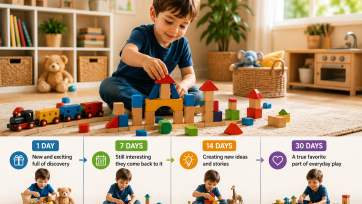
The 30-Day Toy Test: How to Tell If a Toy Is Truly Worth Buying Introduction Imagine this. You're standing in a toy shop with your child. One toy has flashing lights, exciting sounds and colourful packaging. Another looks surprisingly simple—no batteries, no screens, no dramatic demonstrations. Which one deserves a place in your home? Most buying decisions happen in less than five minutes. Yet the real question isn't "Will my child love this today?" It's "Will they still choose it a month from now?" The truth is that many toys are designed to create a powerful first impression. Very few are designed to remain interesting after the excitement fades. That's where the 30-Day Toy Test comes in. It's not a scientific experiment or a strict parenting rule. It's a simple way of looking beyond the packaging and thinking about long-term play instead of short-term excitement. If more parents used this approach, many would spend less money while building a toy collection their children genuinely enjoy. Let's see how it works. Day One: The Excitement Phase Every new toy has an advantage. It's new. Children naturally want to touch it, explore it and discover everything it can do. During this first stage, almost every toy looks successful. The challenge is that excitement and lasting value are not the same thing. Some toys shine brightly for an afternoon. Others quietly become favourites for years. You can't tell the difference on the first day alone. Day Seven: The Curiosity Check After a week, the novelty begins to disappear. This is when the toy reveals its true personality. Ask yourself: Does your child return to it without being reminded? Are they combining it with other toys? Have they invented new games? Is the toy becoming part of imaginative stories? If the answer is yes, the toy is beginning to prove its worth. If it spends most of its time untouched, the initial excitement may have been doing all the work. Day Fourteen: The Creativity Test By the second week, the most successful toys begin changing roles. Building blocks become bridges. Roads become race tracks. Toy animals move from the zoo into space missions. A doll's house transforms into a veterinary clinic. Notice something? The child is now directing the play. The toy has become a tool for imagination instead of simply providing entertainment. That's often the point where long-term favourites separate themselves from short-lived trends. Day Thirty: The Final Question A month later, ask one simple question. Would my child notice if this toy quietly disappeared? If the answer is yes, you've found a genuinely valuable toy. If the answer is probably not, the toy may have offered excitement without lasting engagement. The best toys rarely demand attention. They quietly earn it over time. Why Parents Often Misjudge Toys Adults naturally remember emotional moments. Watching a child excitedly unwrap a birthday present feels wonderful. Because of that memory, it's easy to believe the toy was an outstanding success. But childhood isn't measured by opening presents. It's measured by everyday play. The toys children choose on ordinary Tuesday afternoons often tell you much more than the toys they celebrated for ten minutes on Christmas morning. The Toy Lifetime Score Instead of judging a toy by its price or popularity, try scoring it using five simple questions. Give one point for every yes. Does my child choose it without being asked? Can it be used in more than one way? Does it encourage imagination or problem-solving? Has it remained interesting after several weeks? Can it grow with my child's changing interests? A toy that scores five out of five has a strong chance of becoming a long-term favourite. One or two points doesn't necessarily make it a bad toy, but it may offer only short-lived entertainment. The Toys That Usually Pass the Test After observing how children play, certain patterns appear again and again. The toys that survive the 30-Day Test often have something in common. They don't rely on constant surprises. Instead, they rely on endless possibilities. These are the kinds of toys children naturally return to: Building blocks and construction sets. Magnetic building pieces. Toy animals and figurines. Train tracks and vehicles. Dollhouses and pretend-play accessories. Art and craft materials. Play kitchens and role-play toys. None of these toys tells children exactly what to do. That's precisely why they continue inspiring new ideas. Why Some Expensive Toys Fail the Test Price doesn't guarantee replay value. Many premium toys are beautifully made, but if they only perform one activity, children quickly learn everything they can do. Once the mystery disappears, so does much of the excitement. By contrast, a simple set of blocks may never surprise a child. Instead, it challenges them to surprise themselves. That's a much more powerful form of play. A Better Shopping Habit Before buying your next toy, imagine looking back thirty days from now. Picture your child walking into the playroom. Which toy will they pick first? The one that impressed them in the shop? Or the one that lets them create something completely different every afternoon? Thinking this way changes shopping from an emotional decision into a thoughtful one. Over time, you'll build a collection of toys that earn their place through use rather than appearance. Quality Play Is Built Over Time Parents often search for the perfect toy. In reality, there isn't one. The best toy for one child may hold very little interest for another. What matters is how the toy fits your child's personality, stage of development and preferred way of playing. That's why observing your own child is more valuable than following trends or popularity lists. Children quietly reveal their favourite toys every day. We simply need to pay attention. Frequently Asked Questions What is the 30-Day Toy Test? It's a simple way of evaluating whether a toy continues to engage a child after the initial excitement has disappeared. The focus is on long-term play rather than first impressions. Why do children stop playing with some toys so quickly? Many toys depend on novelty. Once children discover all the features, there may be little left for them to explore or imagine. What types of toys usually have the best replay value? Open-ended toys such as building sets, pretend-play toys, art materials and construction toys often remain interesting because children can use them in different ways. Should I replace toys that fail the 30-Day Test? Not immediately. Try storing them for a few weeks and reintroducing them later. Many children rediscover forgotten favourites through toy rotation. Can this approach save money? Yes. Buying fewer toys with stronger long-term play value often reduces unnecessary purchases while creating a more enjoyable play environment. Final Thoughts A great toy isn't judged on the day it's opened. It's judged on the ordinary days that follow. The rainy Tuesday. The quiet Saturday morning. The afternoon when there are no birthdays, no holidays and nothing new waiting to be unwrapped. Those are the moments that reveal a toy's true value. Some toys shine brightly for a few minutes before fading into the background. Others quietly become trusted companions in hundreds of adventures. When parents learn to look beyond the first impression and focus on the next thirty days, toy shopping becomes less about excitement and more about lasting memories. And in the end, that's what every worthwhile toy should help create.
25 Best Kids Clothing Brands for Quality, Comfort and Style in 2026
25 Best Kids Clothing Brands for Quality, Comfort and Style in 2026 Introduction Shopping for children's clothes sounds simple until you're standing in front of hundreds of options. Some brands focus on fashion. Others prioritise comfort. A few are known for exceptional durability, while others specialise in affordable everyday essentials. For parents, the challenge isn't finding children's clothing—it's finding clothes that survive playground adventures, frequent washing and rapidly growing children without sacrificing comfort or style. The best kids' clothing brands understand one important fact. Children don't spend their day standing still. They climb. They run. They paint. They crawl. They jump in puddles. Their clothes need to keep up. This guide explores some of the world's most trusted children's clothing brands, highlighting what each does best, who it's most suitable for and why parents continue returning to them year after year. Choosing the Right Kids' Clothing Brand Before looking at individual brands, it's worth deciding what matters most for your family. Some parents prefer premium fabrics that last through younger siblings. Others prioritise affordability because children outgrow clothes so quickly. You may also consider: Fabric quality Comfort Durability Easy washing Seasonal collections Size availability Value for money Sustainability There's no single perfect brand. The best choice depends on your child's needs and your budget. 1. Carter's Known for comfortable everyday clothing, Carter's remains one of the most trusted names for babies and young children. Parents appreciate its soft fabrics, practical designs and excellent value. Best for: Babies Toddlers Everyday wear 2. Next Next combines modern fashion with reliable quality, making it popular for school outfits, casual clothing and special occasions. Best for: Stylish everyday clothing Smart outfits Seasonal collections 3. H&M Kids H&M Kids offers fashionable clothing at accessible prices while expanding its range of recycled and organic cotton products. Best for: Affordable fashion Trend-led styles Everyday basics 4. Zara Kids Parents looking for contemporary European-inspired fashion often choose Zara Kids. Its collections change regularly, keeping styles fresh throughout the year. Best for: Fashion-conscious families Smart casual outfits Occasion wear 5. Gap Kids Gap Kids has built its reputation on timeless basics, quality denim and comfortable everyday clothing. Best for: Classic wardrobe essentials Denim Layering pieces 6. Marks & Spencer A long-time favourite with UK families, Marks & Spencer is especially well known for dependable school uniforms, underwear and everyday essentials. Best for: School uniforms Everyday clothing Excellent durability 7. Patagonia For adventurous families, Patagonia produces premium outdoor clothing designed to withstand demanding conditions while placing a strong emphasis on sustainability. Best for: Outdoor activities Hiking Winter clothing 8. The North Face Well known for jackets and outdoor wear, this brand produces clothing designed to keep children comfortable in changing weather conditions. Best for: Winter jackets Outdoor adventures Cold climates 9. Frugi Frugi specialises in colourful organic cotton clothing that's both environmentally conscious and comfortable for young children. Best for: Organic clothing Bright colours Eco-conscious families 10. Primary Primary focuses on simple, colourful essentials without character licensing or large logos. Best for: Minimalist wardrobes High-quality basics Everyday comfort 11. Mini Boden Mini Boden is recognised for playful prints, colourful designs and durable fabrics that appeal to both children and parents. Best for: Colourful fashion Premium casual wear Family matching collections 12. Old Navy Old Navy offers affordable clothing for growing children without compromising on variety. Best for: Budget-friendly shopping Everyday clothing Large family wardrobes 13. Uniqlo Uniqlo combines minimalist design with innovative fabrics, making it particularly popular for layering throughout the year. Best for: Lightweight clothing HeatTech winter wear Everyday basics 14. Ralph Lauren Children If you're looking for timeless, premium fashion, Ralph Lauren Children is well known for its classic polo shirts, knitwear and smart outfits. Best for: Special occasions Smart casual wear Premium quality 15. Nike Kids Nike Kids combines comfort with sporty styling, making it a popular choice for active children. Best for: Sportswear Active lifestyles Casual everyday outfits 16. Adidas Kids From tracksuits to trainers, Adidas Kids offers practical clothing designed for movement and comfort. Best for: Sports clothing School PE kits Weekend wear 17. Joules Joules is recognised for colourful prints, countryside-inspired designs and durable outerwear that works well throughout the seasons. Best for: Outdoor clothing Rainwear Family matching outfits 18. Polarn O. Pyret This Scandinavian brand has built a reputation for exceptionally durable children's clothing designed to last through multiple children. Best for: Long-lasting clothing Sustainable wardrobes Everyday essentials 19. Petit Bateau Petit Bateau is known for premium basics made from soft, comfortable fabrics with a timeless European style. Best for: Baby clothing Premium basics Comfortable sleepwear 20. Monsoon Children Monsoon is particularly popular for beautifully designed occasion wear, dresses and formal outfits for children. Best for: Weddings Parties Formal events 21. JoJo Maman Bébé Parents appreciate this brand for comfortable babywear, practical clothing and thoughtful everyday designs. Best for: Babies Toddlers Practical family clothing 22. Mayoral Mayoral offers stylish European-inspired collections that combine quality tailoring with comfortable fabrics. Best for: Smart casual clothing Seasonal fashion Family occasions 23. Lindex Kids Lindex Kids focuses on comfortable, practical clothing while expanding its range of sustainably sourced materials. Best for: Everyday basics Comfortable outfits Eco-conscious shopping 24. Name It Name It offers fashionable yet affordable clothing suitable for babies, toddlers and older children. Best for: Budget-friendly fashion Everyday clothing Modern Scandinavian styles 25. OshKosh B'gosh Famous for its classic dungarees and durable children's clothing, OshKosh B'gosh remains a trusted choice for everyday family wardrobes. Best for: Durable casual clothing Denim Toddlers and young children How to Choose High-Quality Children's Clothing A recognised brand is helpful, but quality should always come before the label. When shopping, look for: Strong stitching around seams Soft, breathable fabrics Comfortable waistbands and cuffs Reinforced knees for active children Easy-to-use zips and fasteners Machine-washable materials Clothes that allow children to move freely Well-made clothing often lasts longer and keeps its shape after repeated washing. Affordable vs Premium Brands Higher prices don't always guarantee better value. Affordable brands are ideal for everyday outfits because children grow quickly and may outgrow clothes within months. Premium brands can be worthwhile for: Winter coats Waterproof jackets School shoes Occasion wear Clothing passed down to younger siblings Many families choose a combination of budget-friendly basics and a few premium essentials. Common Mistakes Parents Make When Buying Children's Clothes Avoid these common shopping mistakes: Buying only for the current season without considering growth. Choosing style over comfort. Ignoring fabric quality. Buying clothes that are too large in the hope they'll last longer. Forgetting to check washing instructions. Purchasing too many trendy pieces that quickly go out of fashion. A balanced wardrobe with comfortable basics and a few special outfits usually offers the best value. Frequently Asked Questions Which children's clothing brand offers the best value for money? Brands such as Next, H&M Kids, Carter's and Marks & Spencer are often chosen because they combine good quality with reasonable prices. Which brands are best for babies? Carter's, JoJo Maman Bébé, Petit Bateau and Frugi are popular choices thanks to their soft fabrics and practical designs. Are premium children's clothing brands worth buying? Premium brands are often worthwhile for coats, knitwear and durable everyday items that can be passed down to younger children. What fabric is best for children's clothing? Cotton remains one of the most popular choices because it's soft, breathable and comfortable for everyday wear. Organic cotton is another excellent option for families seeking more environmentally friendly materials. How often should children's wardrobes be updated? Most children need new clothing every season as they grow, although the exact timing depends on age and growth rate. Final Thoughts The best children's clothing brand isn't necessarily the most expensive or the most fashionable. It's the one that fits your child's everyday life. Whether you prioritise durability, comfort, affordability or sustainable materials, investing in well-made clothing means children can move, play and explore without feeling restricted. Rather than filling wardrobes with fast-changing trends, focus on versatile, comfortable pieces that mix easily and stand up to everyday adventures. A thoughtful wardrobe will always outlast an impulse purchase.