Best Kids Glasses in 2026

The Complete Parent's Guide to Choosing Comfortable, Durable and Stylish Eyewear for Children

Introduction

The first time a child puts on glasses can be an emotional moment for both parents and children.

Some children are excited to choose colourful frames and proudly show them to friends. Others feel nervous about wearing glasses at school or worry that they'll look different.

For parents, the questions begin almost immediately.

Which frames are the most durable?

What material is safest?

How can you stop glasses from constantly slipping down?

Will my child actually wear them?

Choosing children's glasses isn't just about appearance. The right pair should provide clear vision, fit comfortably throughout the day and withstand everything from classroom activities to playground adventures.

With so many styles, frame materials and lens options available, it's easy to feel overwhelmed.

This guide explains everything parents need to know before buying kids' glasses, from selecting the right frames to keeping them comfortable and protecting them from everyday damage.

Choosing the Right Glasses for Your Child

Children wear their glasses for many hours every day.

That means comfort should always come before fashion.

When choosing a pair, consider:

  • Your child's age

  • Daily activities

  • Face shape

  • Prescription strength

  • Frame weight

  • Durability

  • Comfort around the ears and nose

A stylish frame isn't helpful if your child doesn't enjoy wearing it.

Why Proper Fit Matters

Poorly fitting glasses can quickly become frustrating.

Frames that are too loose constantly slide down the nose.

Frames that are too tight may leave pressure marks or cause headaches after long periods of wear.

A properly fitted pair should:

  • Sit comfortably on the bridge of the nose.

  • Stay in place while walking or playing.

  • Rest gently behind the ears.

  • Keep the eyes centred within the lenses.

  • Feel secure without squeezing the head.

Regular adjustments by an optician help maintain a comfortable fit as children grow.

Best Frame Materials for Kids

Different materials suit different lifestyles.

Flexible Plastic Frames

Plastic frames are lightweight, colourful and comfortable for younger children. Many are designed to bend slightly without breaking.

Best for:

  • Toddlers

  • Preschool children

  • Everyday use

TR90 Frames

TR90 is one of the most popular materials for children's eyewear because it's flexible, lightweight and highly resistant to impact.

Best for:

  • Active children

  • School wear

  • Sports and outdoor play

Metal Frames

Modern metal frames are lighter than many parents expect and often suit older children looking for a more mature appearance.

Best for:

  • Teenagers

  • Older primary school children

  • Everyday wear

Choosing the Right Lenses

The lenses are just as important as the frames.

Many parents choose:

  • Scratch-resistant coatings

  • UV protection

  • Anti-reflective coatings

  • Impact-resistant materials

  • Lightweight lenses for stronger prescriptions

For most children, durable polycarbonate or similar impact-resistant lenses are an excellent choice because they combine safety with comfort.

How to Choose Frames for Different Face Shapes

Although children's faces continue developing as they grow, certain frame styles often provide a more balanced appearance.

Round Faces

Rectangular or slightly square frames can create additional definition.

Oval Faces

Oval faces suit almost every frame shape, giving parents the greatest choice.

Square Faces

Rounded frames help soften stronger facial features.

Heart-Shaped Faces

Lightweight frames with softly rounded edges often create a balanced look.

What Makes Children's Glasses Different from Adult Glasses?

Children are constantly moving.

Running.

Climbing.

Playing football.

Drawing.

Reading.

Because of this, children's glasses need to be:

  • More flexible.

  • More durable.

  • Lightweight.

  • Comfortable enough for all-day wear.

  • Easy to adjust.

  • Designed to stay securely in place.

These features help children focus on learning and playing rather than constantly adjusting their glasses.

Signs Your Child May Need New Glasses

Children grow quickly, and so do their visual needs.

Even if they already wear glasses, regular eye examinations are important because prescriptions can change over time.

Watch for these common signs:

  • Squinting while reading or watching television.

  • Sitting very close to screens.

  • Complaining of headaches.

  • Frequently rubbing their eyes.

  • Holding books unusually close.

  • Struggling to see the classroom whiteboard.

  • Tilting their head to focus.

  • Losing interest in reading or homework.

If you notice any of these behaviours, arrange an eye examination with a qualified optometrist rather than assuming the glasses still fit the prescription.

Helping Children Feel Confident Wearing Glasses

For some children, the biggest challenge isn't their eyesight—it's adjusting to wearing glasses.

Parents can make the transition much easier by focusing on encouragement rather than pressure.

Useful ideas include:

  • Let your child help choose their frames.

  • Praise them when they wear their glasses consistently.

  • Explain how glasses help their eyes rather than describing them as a problem.

  • Introduce glasses gradually if recommended by your eye care professional.

  • Remind them that many classmates, teachers and favourite sports stars wear glasses too.

When children feel involved in the decision, they're usually much more willing to wear their glasses every day.

How to Look After Children's Glasses

Good habits help glasses stay in excellent condition for much longer.

Teach your child to:

  • Use both hands when removing their glasses.

  • Store them in a protective case when not wearing them.

  • Clean lenses with a microfibre cloth.

  • Avoid placing glasses face-down on hard surfaces.

  • Keep them away from excessive heat, such as inside a parked car on a hot day.

A few minutes of care each day can prevent many common repairs.

Choosing Glasses for Active Children

Children rarely spend the day sitting still.

If your child enjoys football, cycling, climbing or other energetic activities, consider:

  • Flexible frames.

  • Wrap-around styles for extra stability.

  • Adjustable nose pads where appropriate.

  • Sports straps for younger children.

  • Impact-resistant lenses.

Comfort and security become even more important during active play.

Common Mistakes Parents Make

Buying children's glasses is an investment, so it's worth avoiding a few common mistakes.

Some parents:

  • Choose frames that are too large for future growth.

  • Prioritise fashion over comfort.

  • Forget to check how securely the glasses fit.

  • Skip regular frame adjustments.

  • Delay replacing scratched lenses.

  • Ignore complaints about discomfort.

A well-fitted pair of glasses should feel comfortable enough that children almost forget they're wearing them.

Frequently Asked Questions

What age can children start wearing glasses?

Children can wear glasses at almost any age if prescribed by an eye care professional. Even babies may occasionally need glasses for certain vision conditions.

Which frame material is best for children?

Flexible materials such as TR90 and durable plastic frames are popular because they're lightweight, comfortable and resistant to everyday knocks.

How often should children's eyes be tested?

Follow the advice of your optometrist. Many school-age children benefit from regular eye examinations, especially if they already wear glasses or have a family history of vision problems.

Should children wear glasses all day?

That depends on the prescription. Some children need glasses throughout the day, while others only wear them for reading or distance vision. Always follow the advice of the prescribing eye care professional.

How long do children's glasses usually last?

With proper care, quality frames can last a long time. However, children often need replacement glasses sooner because of growth, prescription changes or everyday wear and tear.

Final Thoughts

Choosing children's glasses is about far more than selecting attractive frames.

The right pair helps a child see clearly, learn confidently and enjoy everyday activities without unnecessary discomfort.

By focusing on fit, durability, lightweight materials and quality lenses, parents can choose glasses that support both comfort and healthy vision.

Most importantly, remember that glasses should help your child feel confident—not self-conscious.

When the frames fit well and suit your child's personality, they quickly become just another part of everyday life, allowing them to focus on what matters most: learning, exploring and enjoying childhood.



Advertisement
Best Action Figures for Kids in 2026
Best Action Figures for Kids in 2026: The Ultimate Parent's Buying Guide Action figures have been a favourite toy for generations, allowing children to recreate exciting adventures and invent entirely new stories. Whether inspired by superheroes, dinosaurs, soldiers, fantasy characters, robots, or original heroes, action figures encourage imaginative play while helping children develop creativity, communication skills, and confidence. In 2026, action figures are more detailed and interactive than ever. Many feature movable joints, realistic accessories, vehicles, playsets, and even electronic sound effects. From toddlers discovering imaginative play for the first time to older children building impressive collections, action figures continue to be one of the most popular toy categories worldwide. This guide explores the best action figures for kids in 2026 and explains how to choose safe, durable, and age-appropriate options. Why Children Love Action Figures Action figures give children complete control over their adventures. A single figure can become: A superhero saving the city A brave explorer discovering hidden treasure A firefighter rescuing people A space commander travelling across galaxies A knight protecting a kingdom A robot defending Earth Every play session becomes a brand-new story limited only by a child's imagination. Benefits of Action Figures Action figures offer much more than entertainment. They help children: Encourage imaginative play Improve storytelling skills Develop communication Strengthen fine motor skills Build creativity Improve social interaction Increase confidence Support emotional development Reduce screen time Children also learn cooperation when playing with friends or siblings. Action Figures for Toddlers Young children benefit from larger action figures that are easy to hold and safe to handle. Good toddler action figures feature: Rounded edges Soft materials Bright colours Simple designs Durable construction Large figures encourage pretend play while improving hand-eye coordination. Superhero Action Figures Superheroes remain one of the biggest action figure categories. Children enjoy creating adventures where heroes: Protect cities Rescue animals Stop villains Save the world Solve mysteries These stories encourage courage, teamwork, and problem-solving while keeping children engaged for hours. Dinosaur Action Figures Dinosaurs continue to capture children's imagination. Popular dinosaur figures include: Tyrannosaurus Rex Triceratops Velociraptor Brachiosaurus Stegosaurus Spinosaurus Children enjoy creating prehistoric adventures while learning about different dinosaur species. Robot Action Figures Robot figures combine science fiction with imaginative play. Many include: Movable arms and legs Light effects Sound features Transforming parts Battle accessories Robot adventures encourage creativity while introducing children to futuristic technology concepts. Animal Action Figures Animal playsets help children learn about wildlife while encouraging storytelling. Popular collections include: Farm animals Jungle animals Ocean creatures Arctic wildlife Safari animals These toys support early learning while inspiring imaginative adventures. Collectible Action Figures Older children often enjoy building collections of action figures. Collecting encourages: Organisation Responsibility Patience Appreciation for detail Many children also enjoy displaying their favourite characters on shelves after playtime. Playsets Make Adventures Bigger Action figures become even more exciting when combined with themed playsets. Popular additions include: Castles Space stations Rescue headquarters Dinosaur parks Military bases Secret hideouts Playsets encourage children to expand their stories and invent increasingly creative adventures. Choosing the Right Action Figure Before buying, consider: Your child's age Favourite interests Build quality Safety certifications Durability Available accessories A high-quality action figure often remains a favourite toy for many years. Safety Tips Always choose action figures that: Match the recommended age Meet recognised safety standards Use non-toxic materials Have securely attached accessories Avoid small detachable parts for younger children Regularly inspect toys for signs of wear or damage. Common Buying Mistakes Parents sometimes choose action figures based only on appearance. Avoid: Poor-quality materials Fragile joints Tiny accessories for toddlers Cheap paint finishes Unknown manufacturers without safety certification Durability is especially important because action figures are designed for active play. Why Action Figures Make Excellent Gifts Action figures remain one of the easiest gifts to buy because they suit so many different interests. They're ideal for: Birthdays Christmas School rewards Party presents Holiday surprises Children often continue expanding their collections over several years, making action figures gifts that grow with them. Frequently Asked Questions What are the best action figures for children? Superheroes, dinosaurs, robots, rescue workers, animal figures, and fantasy characters are among the most popular action figures for children. At what age can children play with action figures? Large action figures are suitable for toddlers, while smaller collectible figures are generally recommended for older children because of small accessories. Do action figures help child development? Yes. They encourage imagination, storytelling, communication, creativity, emotional development, and social interaction through pretend play. Are action figures worth buying? Absolutely. High-quality action figures provide years of imaginative entertainment, especially when combined with vehicles, playsets, or other characters. Final Thoughts The best action figures for kids in 2026 continue to inspire creativity, storytelling, and imaginative adventures that no digital screen can replace. Whether children dream of becoming superheroes, exploring prehistoric worlds, commanding robots, or rescuing animals, action figures give them the freedom to create exciting stories every day. By choosing durable, age-appropriate action figures with strong educational and imaginative value, parents can encourage screen-free play while helping children build confidence, communication skills, and creativity through every adventure.
Best Musical Toys for Kids in 2026
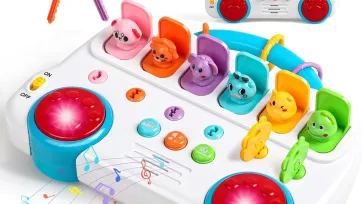
Best Musical Toys for Kids in 2026: Inspiring Creativity Through Music Music plays an important role in every child's development. From the first time a baby shakes a rattle to a preschooler playing their first tune on a toy keyboard, musical experiences help children develop confidence, creativity, coordination, and communication skills. Musical toys make learning enjoyable by encouraging children to explore sounds, rhythms, and melodies through hands-on play. In 2026, musical toys are more creative than ever. Parents can choose from traditional instruments, interactive keyboards, drum sets, karaoke machines, dance mats, and educational music games designed for every age group. Whether your child dreams of becoming a singer, drummer, guitarist, or simply enjoys making noise, the right musical toy can encourage a lifelong love of music. This guide explores the best musical toys for kids in 2026 and explains how they support healthy childhood development. Why Musical Toys Are Important Children naturally respond to music. Even babies begin recognising rhythms and reacting to melodies long before they can speak. Musical toys help children: Explore different sounds Express emotions Build confidence Improve listening skills Develop coordination Strengthen memory Enjoy creative play Unlike passive entertainment, musical toys encourage children to actively participate in creating music. Benefits of Musical Toys Musical play supports many areas of child development. Some of the biggest benefits include: Improve hand-eye coordination Develop rhythm and timing Strengthen listening skills Encourage creativity Improve memory Build confidence Support language development Enhance concentration Reduce screen time Children also learn patience as they practise new sounds and rhythms. Musical Toys for Babies Babies enjoy simple musical toys that are easy to hold and explore. Popular choices include: Soft rattles Musical plush toys Baby tambourines Sound blocks Gentle melody toys Musical activity cubes These toys introduce cause and effect while encouraging sensory development. Toy Keyboards Toy keyboards remain one of the most popular musical toys for children. Many modern keyboards include: Piano sounds Animal sounds Drum rhythms Learning modes Recording functions Light-up keys Children begin recognising notes while developing finger coordination and creativity. Toy Drum Sets Drum sets encourage children to explore rhythm through energetic play. Benefits include: Better coordination Improved timing Stronger arm movement Rhythm recognition Creative expression Many children's drum kits also include cymbals and percussion accessories for a more realistic experience. Xylophones and Glockenspiels Colourful xylophones are ideal for introducing young children to musical notes. Playing simple melodies helps children: Recognise pitch Develop rhythm Improve hand coordination Strengthen listening skills These instruments are especially suitable for toddlers and preschool children. Toy Guitars and Ukuleles Many children enjoy pretending to perform like their favourite musicians. Toy guitars and ukuleles encourage: Imaginative play Finger coordination Rhythm practice Musical confidence Some beginner models use real strings, helping older children prepare for learning actual instruments. Karaoke Machines Karaoke toys have become increasingly popular for family entertainment. Children enjoy: Singing favourite songs Performing for family Recording their voices Building stage confidence Singing also supports language development and pronunciation. Musical Dance Mats Dance mats combine movement with music, encouraging children to stay active while developing rhythm. These toys improve: Balance Coordination Physical fitness Timing Listening skills They are particularly popular for family game nights. Educational Musical Toys Many musical toys introduce early learning concepts alongside music. Children can practise: Numbers Colours Alphabet letters Animal sounds Memory games Combining music with learning helps children remember new information more easily. Choosing the Right Musical Toy Before buying, consider: Your child's age Volume control Durability Educational value Safety standards Battery life (if required) Look for toys that encourage creativity rather than simply playing pre-recorded music. Safety Tips Choose musical toys that: Meet recognised safety standards Use child-safe materials Have adjustable volume Match the recommended age Contain securely enclosed batteries Moderate sound levels help protect children's hearing during play. Common Buying Mistakes Parents often choose musical toys based only on appearance. Avoid: Extremely loud toys Poor sound quality Fragile construction Complicated controls for younger children Limited educational value Simple, durable instruments often provide the best long-term experience. Why Musical Toys Make Excellent Gifts Musical toys are wonderful gifts because they combine creativity, movement, and learning. They're perfect for: Birthdays Christmas First birthdays Family celebrations Nursery gifts Many children continue enjoying musical toys for years as their confidence and skills develop. Frequently Asked Questions What are the best musical toys for children? Toy keyboards, drum sets, xylophones, karaoke machines, musical activity cubes, guitars, and dance mats are among the most popular choices. At what age can children start using musical toys? Many musical toys are suitable from infancy, while more advanced instruments are designed for toddlers and older children. Do musical toys help child development? Yes. They improve coordination, listening skills, creativity, confidence, language development, and memory while encouraging active play. Should I choose electronic or traditional musical toys? A combination works best. Traditional instruments encourage creativity, while electronic musical toys often provide additional learning features and interactive activities. Final Thoughts The best musical toys for kids in 2026 inspire creativity, confidence, and joyful learning through sound and movement. Whether your child enjoys playing a keyboard, beating a drum, singing into a microphone, or exploring melodies on a xylophone, musical toys provide valuable opportunities to develop important skills while having fun. By choosing high-quality, age-appropriate musical toys, parents can encourage a lifelong appreciation of music while supporting healthy cognitive, emotional, and physical development. Every note played is another step towards greater creativity, confidence, and self-expression.
Best Fidget Toys for Kids in 2026
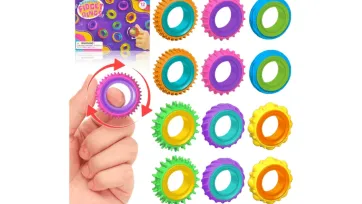
Best Fidget Toys for Kids in 2026: The Ultimate Parent's Buying Guide Fidget toys have become one of the most popular toy categories in recent years, offering children a simple yet engaging way to keep their hands busy while supporting focus, creativity, and relaxation. Originally introduced as sensory tools, today's fidget toys are enjoyed by children of all ages, whether they're at home, travelling, or taking a break from schoolwork. In 2026, the range of fidget toys is bigger than ever. Parents can choose from pop-it toys, fidget cubes, magnetic rings, sensory spinners, stretchy strings, marble mazes, puzzle balls, and countless other handheld toys designed to encourage active, screen-free play. Whether you're looking for a fun gift or a toy that keeps little hands occupied, this guide will help you choose the best fidget toys for kids in 2026. What Are Fidget Toys? Fidget toys are small handheld toys designed for repetitive movement and sensory interaction. Children can: Press Spin Twist Stretch Squeeze Roll Click Flip These repetitive actions make fidget toys enjoyable while encouraging fine motor development and concentration. Why Fidget Toys Are So Popular Children naturally enjoy keeping their hands active. Fidget toys provide a satisfying way to explore movement without requiring batteries, screens, or complicated instructions. Their portable size also means children can enjoy them almost anywhere, making them ideal for travel, waiting rooms, road trips, and quiet play at home. Benefits of Fidget Toys Fidget toys support several aspects of child development. Some of the biggest benefits include: Improve fine motor skills Strengthen finger coordination Encourage concentration Support sensory exploration Build hand strength Promote independent play Encourage problem-solving Improve hand-eye coordination Reduce screen time Many children also enjoy collecting different types of fidget toys because each offers a unique sensory experience. Pop-It Fidget Toys Pop-it toys remain one of the best-selling fidget toys worldwide. Children enjoy repeatedly pressing the soft silicone bubbles while creating different patterns and games. Pop-it toys are available in countless shapes, including: Animals Fruits Vehicles Dinosaurs Stars Hearts Their simple design makes them suitable for a wide range of ages. Fidget Cubes Fidget cubes combine several activities into one compact toy. Common features include: Click buttons Rolling balls Rotating switches Sliding controls Spinning discs Textured surfaces Each side offers a different activity, keeping play interesting for longer. Fidget Spinners Although they have been around for several years, fidget spinners remain popular in 2026. Children enjoy: Watching smooth rotations Learning simple tricks Competing with friends Improving finger control High-quality bearings provide longer spinning times and smoother performance. Stretchy Fidget Toys Stretch toys encourage active hand movement. Popular options include: Stretch noodles Elastic strings Sensory worms Rubber tubes Twist bands These toys help improve finger strength while providing satisfying tactile feedback. Puzzle Fidget Toys Some fidget toys combine sensory play with problem-solving. Examples include: Puzzle balls Marble mazes Rotating cubes Sliding puzzles Shape challenges These toys encourage logical thinking while keeping children's hands active. Magnetic Fidget Toys Magnetic toys provide a unique interactive experience. Children enjoy: Connecting pieces Building shapes Rolling magnetic rings Creating patterns Always choose magnetic toys designed specifically for children, with securely enclosed magnets and age-appropriate safety standards. Travel-Friendly Fidget Toys Because most fidget toys are small and lightweight, they are perfect for travelling. They're useful during: Car journeys Flights Restaurant visits Waiting rooms Holidays Family outings Portable toys help keep children entertained without relying on electronic devices. Choosing the Right Fidget Toy Before buying, consider: Your child's age Material quality Durability Safety certification Ease of cleaning Portability Simple, well-made toys usually provide a better experience than complicated novelty products. Safety Tips Choose fidget toys that: Meet recognised safety standards Use BPA-free, non-toxic materials Match the recommended age Have no loose small parts for younger children Are easy to clean Regularly inspect toys for wear, especially those made from silicone or rubber. Common Buying Mistakes Parents often purchase very cheap fidget toys that wear out quickly. Avoid: Weak plastic Poor-quality silicone Loose magnets Sharp edges Tiny detachable parts Toys without safety certification A high-quality fidget toy lasts much longer and offers a better sensory experience. Why Fidget Toys Make Excellent Gifts Fidget toys are affordable, portable, and suitable for many different ages. They're ideal for: Birthday party favours Christmas stockings Travel gifts School rewards Pocket-money treats Many children enjoy building small collections featuring different textures and movements. Frequently Asked Questions What are the best fidget toys for children? Pop-it toys, fidget cubes, spinners, stretchy sensory toys, magnetic fidgets, and puzzle fidget toys are among the most popular choices. At what age can children use fidget toys? Many larger fidget toys are suitable from around three years old, while smaller toys should only be used by older children according to the manufacturer's age recommendations. Do fidget toys help child development? Yes. Fidget toys improve fine motor skills, finger strength, coordination, sensory exploration, and concentration while encouraging screen-free play. Are silicone fidget toys safe? High-quality silicone fidget toys made from BPA-free, child-safe materials are generally a safe option when they meet recognised safety standards. Final Thoughts The best fidget toys for kids in 2026 offer a simple but highly engaging way for children to explore movement, texture, and creativity through hands-on play. Whether it's pressing colourful pop-it bubbles, spinning a smooth fidget spinner, stretching sensory strings, or solving a handheld puzzle, these toys encourage active play while supporting fine motor development and independent exploration. By choosing safe, durable, and age-appropriate fidget toys, parents can provide children with enjoyable, portable toys that keep curious hands busy wherever they go.
Best Science Kits for Kids in 2026
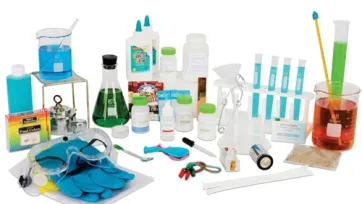
Best Science Kits for Kids in 2026: Hands-On Experiments That Make Learning Fun Science is naturally exciting for children. They love asking questions, mixing colours, watching things bubble, building simple machines, and discovering how the world works. The right science kit can turn that curiosity into a lifelong passion for learning. Instead of simply reading about scientific concepts, children can perform safe experiments, make observations, and see real results with their own eyes. In 2026, science kits are more advanced than ever. They cover everything from chemistry and physics to biology, astronomy, geology, and engineering. Designed for different age groups, these kits make complex scientific ideas easy to understand through practical activities. Whether your child dreams of becoming a scientist or simply enjoys experimenting, this guide will help you choose the best science kits for kids in 2026. Why Science Kits Are Important Children learn best when they actively participate in the learning process. Science kits encourage them to: Ask questions Test ideas Observe results Solve problems Think critically Learn through experimentation Instead of memorising information, children discover scientific principles through hands-on activities that make learning memorable. Benefits of Science Kits Science kits offer educational value that extends well beyond the experiments themselves. Some of the biggest benefits include: Encourage curiosity Develop critical thinking Improve observation skills Build problem-solving abilities Support STEM education Strengthen patience Increase confidence Encourage independent learning Reduce screen time Children also develop resilience by learning that failed experiments often lead to valuable discoveries. Chemistry Science Kits Chemistry remains one of the most popular categories of science kits. Children enjoy safe experiments such as: Colour-changing reactions Crystal growing Slime making pH testing Safe bubbling reactions Water experiments These activities introduce basic chemical principles while keeping children engaged. Physics Experiment Kits Physics kits help children understand how the world works through practical demonstrations. Popular activities include: Magnet experiments Electricity projects Pulley systems Gravity challenges Motion experiments Energy demonstrations Children begin to understand scientific concepts by seeing them in action. Biology Science Kits Biology kits introduce children to living organisms and the natural world. Popular activities include: Plant growing Microscope exploration Insect observation Human anatomy models DNA demonstrations Nature investigations These kits encourage children to appreciate the living world around them. Microscope Kits A microscope allows children to discover an invisible world filled with fascinating details. They can examine: Leaves Flowers Feathers Insects Fabrics Pond water Microscope kits encourage careful observation while introducing scientific investigation techniques. Crystal Growing Kits Crystal-growing experiments remain one of the most exciting STEM activities. Children watch colourful crystals gradually form over several days while learning about: Mineral formation Chemical reactions Patience Observation Watching crystals grow gives children a genuine sense of scientific discovery. Dinosaur Fossil Excavation Kits Children who enjoy dinosaurs often love fossil excavation kits. These sets allow them to: Dig for fossils Assemble skeletons Learn about prehistoric life Explore palaeontology Excavation activities combine science with adventure, making learning even more exciting. Space and Astronomy Kits Young astronomers can explore the universe through hands-on learning. Popular astronomy kits include: Solar system models Telescope starter kits Moon projectors Planet exploration sets Constellation guides These activities encourage curiosity about space and inspire future scientific interests. Engineering Science Kits Engineering kits combine creativity with practical problem-solving. Children build: Bridges Towers Vehicles Windmills Mechanical machines Moving structures Engineering challenges teach children how design choices affect strength, balance, and movement. Choosing the Right Science Kit Before buying, consider: Your child's age Interests Safety standards Number of experiments Difficulty level Educational value The best science kits challenge children while remaining enjoyable and achievable. Safety Tips Science activities should always be carried out safely. Choose kits that: Meet recognised safety standards Include clear instructions Use child-safe materials Match the recommended age Require adult supervision where appropriate Following instructions carefully helps ensure every experiment is both safe and successful. Common Buying Mistakes Parents sometimes choose science kits that are too advanced. Avoid: Experiments beyond your child's ability Poor-quality equipment Kits with very few activities Missing safety instructions Cheap materials that reduce learning value Well-designed kits provide better educational experiences and greater long-term enjoyment. Why Science Kits Make Excellent Gifts Science kits are among the best educational gifts because they combine learning with excitement. They're ideal for: Birthdays Christmas School holidays STEM clubs Home learning Children often remember their first successful experiment long after they've completed it. Frequently Asked Questions What are the best science kits for children? Chemistry kits, microscope sets, crystal-growing kits, engineering projects, dinosaur excavation kits, and astronomy sets are among the most popular options. At what age can children start using science kits? Simple observation and nature kits are suitable for preschool children, while more advanced chemistry and engineering kits are designed for older children. Do science kits support STEM learning? Yes. Science kits develop observation, experimentation, problem-solving, engineering, and critical thinking skills that form the foundation of STEM education. Do children need adult supervision? Many science kits recommend adult supervision, particularly when experiments involve chemical reactions or specialised equipment. Final Thoughts The best science kits for kids in 2026 inspire curiosity, encourage discovery, and make learning an exciting adventure. From chemistry experiments and crystal growing to microscope investigations and engineering projects, science kits allow children to experience the joy of exploration through practical, hands-on activities. By choosing high-quality science kits that match your child's age and interests, parents can encourage a lifelong love of learning while helping children develop the critical thinking and problem-solving skills they'll use for years to come.
Best Wooden Toys for Babies in 2026
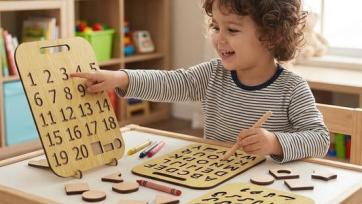
Best Wooden Toys for Babies in 2026 Every parent wants to give their baby the safest possible start in life. From choosing nutritious food to creating a secure sleeping environment, every decision matters—including the toys babies play with every day. That's why wooden toys for babies continue to grow in popularity. They are durable, beautifully designed, environmentally friendly, and, when made to high safety standards, offer a safe and engaging way for babies to learn through play. Unlike many plastic toys that rely on flashing lights and loud sounds, wooden toys encourage babies to explore naturally. They invite little hands to touch, hold, stack, shake, and discover the world at their own pace. These simple activities play an important role in developing coordination, sensory awareness, and early problem-solving skills. If you're looking for the best wooden toys for babies in 2026, this guide will help you understand their benefits, the different types available, and how to choose safe, high-quality toys for your little one. Why Wooden Toys Are Perfect for Babies Babies learn through their senses. Every texture, shape, sound, and movement helps them understand the world around them. Wooden toys provide a natural sensory experience without overwhelming babies with excessive lights or electronic features. Many parents also appreciate that wooden toys are built to last. Instead of breaking after a few months, quality wooden toys often remain in excellent condition and can be passed down to younger siblings. Their timeless design also makes them a beautiful addition to any nursery or playroom. Benefits of Wooden Toys for Babies Wooden toys support healthy development in many different ways. Some of the biggest benefits include: Encourage sensory exploration Improve hand-eye coordination Strengthen fine motor skills Develop grip and finger control Inspire curiosity Promote independent play Reduce screen dependence Last for many years These benefits make wooden toys a valuable part of early childhood development. Are Wooden Toys Safe for Babies? High-quality wooden toys are among the safest options available for babies when they meet recognized safety standards. Parents should always look for toys that include: Smooth, splinter-free surfaces Rounded edges Non-toxic paints and finishes Strong construction Securely attached parts Age-appropriate designs Avoid toys with loose pieces or decorations that could become choking hazards. Choosing products from trusted manufacturers provides extra confidence in both safety and quality. Best Wooden Toys for Newborns During the first few months, babies begin exploring the world through sight and touch. Suitable wooden toys include: Wooden grasping rings Wooden rattles High-contrast hanging toys Baby activity gyms Sensory rolling toys These simple toys encourage early movement while introducing different textures and sounds. Wooden Rattles Encourage Early Coordination Wooden rattles remain one of the most popular baby toys. As babies shake and hold rattles, they develop: Grip strength Hand-eye coordination Arm movement Cause-and-effect understanding Choose lightweight rattles that are easy for tiny hands to hold comfortably. Stacking Toys Grow with Your Baby Stacking toys continue providing value as babies become toddlers. Children learn: Size recognition Balance Problem-solving Color recognition Coordination Even before babies learn to stack correctly, they enjoy holding, exploring, and knocking the pieces over. Wooden Shape Sorters Introduce Early Learning As babies grow older, shape sorters become an exciting challenge. These toys encourage: Problem-solving Shape recognition Fine motor skills Concentration Simple shape sorters with large wooden pieces are ideal for young children beginning to explore matching activities. Wooden Activity Cubes Keep Babies Engaged Activity cubes combine several learning experiences into one toy. They may include: Bead mazes Spinning gears Sliding pieces Shape sorters Number blocks These activities encourage babies to explore using both hands while developing coordination and curiosity. Wooden Pull and Push Toys As babies begin walking, pull and push toys become exciting companions. These toys help improve: Balance Walking confidence Coordination Gross motor skills Many feature friendly animals or colorful designs that encourage movement during playtime. Montessori Wooden Toys for Babies Montessori-inspired wooden toys focus on independent exploration rather than passive entertainment. Popular Montessori toys include: Object permanence boxes Wooden grasping toys Ring stackers Shape sorters Sensory boards These toys encourage babies to discover solutions independently while building concentration and confidence. Eco-Friendly Advantages of Wooden Toys Many wooden toys are made using responsibly sourced wood and sustainable manufacturing methods. Compared with disposable plastic toys, wooden toys often: Produce less waste Last much longer Can be recycled Are passed down through families Support environmentally responsible choices Choosing eco-friendly toys also teaches children the value of caring for the environment from an early age. How Wooden Toys Support Baby Development Every stage of infancy brings new learning opportunities. Wooden toys help babies develop: Fine motor skills Hand-eye coordination Sensory awareness Balance Curiosity Independent exploration Problem-solving Early concentration Because the toys are simple, babies remain focused on the activity instead of becoming distracted by excessive sounds or flashing lights. How to Choose the Best Wooden Toys for Babies Before buying, consider several important factors. Choose toys that: Match your baby's age Use non-toxic finishes Have smooth edges Meet recognized safety standards Are easy to clean Encourage open-ended play Quality matters more than quantity when selecting baby toys. Caring for Wooden Baby Toys Proper maintenance keeps wooden toys safe and beautiful. Simple care tips include: Wipe with a damp cloth. Avoid soaking toys in water. Store in a dry place. Inspect regularly for cracks or loose parts. Avoid harsh cleaning chemicals. With proper care, wooden toys can remain in excellent condition for many years. Common Mistakes Parents Should Avoid Many parents accidentally buy toys based only on appearance. Avoid: Toys with sharp edges Poor-quality finishes Very small detachable pieces Unknown manufacturers Toys designed for older children Reading product descriptions and safety recommendations carefully helps ensure a better purchase. Why Wooden Toys Make Wonderful Baby Gifts Wooden toys are among the most thoughtful gifts for baby showers, birthdays, and first celebrations. Parents appreciate them because they are: Safe Durable Educational Beautifully designed Long-lasting Many families continue using these toys throughout the toddler years, making them excellent value for money. Frequently Asked Questions Are wooden toys safe for babies? Yes. High-quality wooden toys with smooth edges, non-toxic finishes, and age-appropriate designs are considered very safe for babies. At what age can babies start using wooden toys? Many wooden rattles, grasping rings, and sensory toys are suitable from birth or within the first few months, depending on the manufacturer's recommendations. Are wooden toys better than plastic toys? Both can be safe, but wooden toys are often more durable, environmentally friendly, and encourage open-ended play without unnecessary distractions. How do I clean wooden baby toys? Use a soft damp cloth with mild soap if needed. Avoid soaking wooden toys in water, as excessive moisture can damage the wood over time. Final Thoughts Wooden toys remain one of the best choices for babies in 2026 because they combine safety, simplicity, and educational value in a timeless design. From wooden rattles and grasping rings to stacking toys, activity cubes, and Montessori-inspired learning tools, these toys encourage healthy development through hands-on exploration. By choosing high-quality wooden toys made from safe, non-toxic materials, parents can provide babies with meaningful play experiences that build essential skills while creating lasting memories. Simple, durable, and beautifully crafted, wooden toys continue to prove that the best learning often begins with the simplest play.
Best Outdoor Toys for Kids in 2026
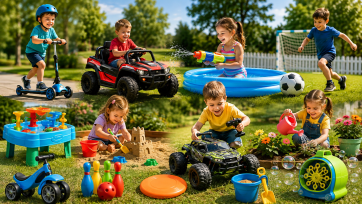
Best Outdoor Toys for Kids in 2026 Outdoor play has become more important than ever as parents look for healthy ways to reduce screen time and encourage active lifestyles. While tablets, smartphones, and video games often dominate children's attention, outdoor toys inspire kids to run, jump, climb, explore, and interact with the world around them. Beyond keeping children entertained, outdoor play supports physical fitness, emotional well-being, creativity, and social development. The best outdoor toys are those that encourage movement while making exercise feel like fun. Whether it's riding a scooter, chasing bubbles, building sandcastles, or racing a remote control car across the backyard, every outdoor adventure helps children develop important life skills. If you're searching for the best outdoor toys for kids in 2026, this guide covers the top options, their benefits, and tips for choosing safe and age-appropriate toys. Why Outdoor Play Is Important Children are naturally active. Outdoor environments give them the space to move freely, explore nature, and burn off energy in healthy ways. Regular outdoor play helps children: Build stronger muscles Improve balance and coordination Increase confidence Develop social skills Reduce stress Improve focus Sleep better at night Strengthen their immune system It also creates opportunities for family bonding and encourages children to enjoy nature instead of spending all their free time indoors. Benefits of Outdoor Toys Outdoor toys provide much more than entertainment. They help children develop: Gross motor skills Hand-eye coordination Physical fitness Teamwork Problem-solving Creativity Independence Communication skills Unlike many indoor activities, outdoor games naturally encourage movement, making them ideal for growing children. Scooters Remain a Top Choice Scooters continue to be one of the most popular outdoor toys for kids. They help improve: Balance Coordination Leg strength Confidence Spatial awareness Three-wheel scooters are perfect for younger children, while older kids often enjoy lightweight two-wheel models designed for speed and agility. Always ensure children wear helmets and protective gear while riding. Remote Control Cars Bring Excitement Outdoors Remote control cars have evolved into one of the most exciting outdoor toys available. Driving an RC car across grass, dirt, gravel, or specially designed obstacle courses encourages children to think quickly while improving coordination and concentration. Benefits include: Better hand-eye coordination Faster reaction times Improved focus Creative racing challenges Family-friendly competition Rechargeable RC vehicles are especially popular because they provide longer play sessions and reduce battery waste. Sports Toys Encourage Active Play Simple sports equipment often provides endless entertainment. Popular outdoor sports toys include: Soccer balls Basketball sets Baseball bats Badminton sets Footballs Flying discs These activities improve teamwork, coordination, and physical fitness while helping children build friendships. Water Toys Keep Kids Cool Warm weather creates the perfect opportunity for water play. Popular outdoor water toys include: Splash pads Water tables Water blasters Sprinklers Inflatable pools Floating toys Always supervise children closely during any water activity. Sand Toys Inspire Creativity Sand play encourages imagination while improving fine motor skills. Children enjoy building: Castles Roads Tunnels Animal habitats Treasure islands Basic sand toys include buckets, shovels, molds, rakes, and construction vehicles. These toys provide hours of creative outdoor entertainment. Bubble Toys Never Go Out of Style Bubble toys continue to delight children of all ages. Options include: Bubble wands Automatic bubble machines Giant bubble kits Bubble guns Chasing bubbles encourages running, jumping, and coordination while creating joyful outdoor memories. Ride-On Toys Build Confidence Ride-on toys are excellent for younger children developing balance and coordination. Popular options include: Balance bikes Ride-on cars Push cars Wagons Tricycles These toys encourage independent movement while helping children gain confidence outdoors. Gardening Toys Teach Responsibility Gardening introduces children to nature through hands-on learning. Simple gardening kits often include: Child-sized watering cans Shovels Rakes Gloves Planting tools Growing flowers, herbs, or vegetables teaches patience, responsibility, and environmental awareness. Outdoor STEM Toys Learning doesn't have to stay indoors. Outdoor STEM toys encourage children to investigate science while exploring nature. Popular choices include: Bug-catching kits Binoculars Telescopes Rock collection kits Weather stations Nature explorer sets These activities help children develop observation skills while encouraging curiosity about the natural world. Obstacle Course Toys Obstacle courses have become increasingly popular for active families. Simple equipment may include: Cones Jump ropes Balance beams Agility ladders Tunnels Children improve balance, speed, coordination, and problem-solving while having fun. Families can also create their own obstacle courses using everyday household items. Choosing Outdoor Toys by Age Selecting age-appropriate toys helps children stay engaged and safe. For toddlers: Bubble toys Push toys Sand toys Water tables For preschoolers: Scooters Balance bikes RC cars Gardening kits For school-age children: Sports equipment STEM explorer kits Advanced RC vehicles Outdoor games Matching toys to your child's interests keeps outdoor play exciting. Safety Tips for Outdoor Play Outdoor fun should always include proper safety measures. Parents should: Supervise younger children. Use protective helmets when needed. Check toys regularly for damage. Follow age recommendations. Choose safe play areas away from traffic. Keep children hydrated during hot weather. Teaching outdoor safety helps children enjoy active play with confidence. Common Mistakes Parents Make Many parents unintentionally reduce the value of outdoor play. Avoid: Buying toys that are too advanced. Ignoring weather conditions. Choosing poor-quality materials. Forgetting protective equipment. Limiting outdoor play to special occasions. Even 30 to 60 minutes of daily outdoor play can have a positive impact on a child's health and development. Why Outdoor Toys Make Great Gifts Outdoor toys encourage children to stay active while creating memorable family experiences. Whether it's a birthday, holiday, or summer surprise, gifts such as scooters, RC cars, bubble machines, sports equipment, or gardening kits continue providing enjoyment long after they're opened. Parents also appreciate gifts that encourage healthy movement instead of increasing screen time. Frequently Asked Questions What are the best outdoor toys for kids? Scooters, balance bikes, remote control cars, sports equipment, bubble toys, water tables, gardening kits, and outdoor STEM toys are among the best choices. Why are outdoor toys important? Outdoor toys encourage physical activity, creativity, social interaction, and healthy development while reducing screen time. Are remote control cars good outdoor toys? Yes. RC cars improve coordination, concentration, and reaction time while encouraging children to play actively outdoors. How can I encourage my child to play outside more? Choose toys that match your child's interests, participate in outdoor activities together, rotate toys regularly, and create fun family games that make outdoor play exciting. Final Thoughts The best outdoor toys for kids in 2026 do more than entertain—they inspire children to move, explore, create, and connect with the world around them. From scooters and sports equipment to remote control cars, water toys, gardening kits, and STEM explorer sets, outdoor toys help children build healthy habits while developing essential physical and social skills. By choosing safe, durable, and age-appropriate outdoor toys, parents can encourage a lifetime of active play, reduce screen time, and create unforgettable family memories filled with laughter, adventure, and discovery.
Best Dollhouses for Kids in 2026
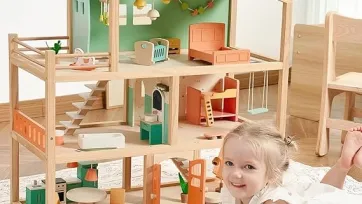
Best Dollhouses for Kids in 2026: A Complete Parent's Buying Guide A dollhouse is much more than a toy. It's a miniature world where children become storytellers, designers, and problem-solvers. Every room they decorate, every character they create, and every adventure they imagine helps develop creativity, communication, and emotional intelligence. Whether it's a cosy family home, a modern villa, or a magical castle, dollhouses inspire endless hours of imaginative play. In 2026, dollhouses are available in more styles and sizes than ever before. Parents can choose from traditional wooden dollhouses, portable playsets, modern multi-storey homes, eco-friendly designs, and interactive models with realistic lights and sounds. With so many options available, finding the right dollhouse can feel overwhelming. This guide explains everything you need to know about choosing the best dollhouses for kids in 2026. Why Dollhouses Are So Popular Children naturally enjoy creating stories. A dollhouse allows them to invent daily routines, exciting adventures, family celebrations, and imaginative worlds where every room becomes part of a unique story. Unlike many electronic toys, dollhouses encourage open-ended play, meaning children create new experiences every time they play. Benefits of Dollhouses Dollhouses help children develop a wide variety of important skills. Some of the biggest benefits include: Encourage imaginative play Improve storytelling skills Build communication Develop emotional intelligence Strengthen fine motor skills Encourage creativity Improve social interaction Build confidence Reduce screen time Children also practise organising spaces and solving everyday problems through role play. Wooden Dollhouses Wooden dollhouses remain one of the most popular choices for families. Parents appreciate them because they are: Durable Environmentally friendly Beautifully designed Long-lasting Easy to maintain Their timeless appearance means they often become treasured family toys passed down through generations. Modern Dollhouses Modern dollhouses feature stylish interiors inspired by contemporary homes. Many include: Multiple floors Balconies Garages Home offices Swimming pools Rooftop terraces These realistic designs encourage children to recreate everyday family life in imaginative ways. Portable Dollhouses Portable dollhouses are ideal for travel and smaller homes. They usually feature: Folding designs Carry handles Built-in storage Lightweight construction Children can easily take them to grandparents' houses, holidays, or playdates. Dollhouse Furniture Sets Furniture brings every dollhouse to life. Popular accessories include: Beds Sofas Dining tables Kitchen units Bathrooms Garden furniture Adding new furniture allows children to redesign rooms and create fresh stories whenever they like. Dollhouse Family Figures Characters are the heart of every dollhouse adventure. Many sets include: Parents Children Grandparents Babies Pets Additional figures such as doctors, teachers, builders, and firefighters help expand imaginative storytelling even further. Educational Value of Dollhouses Dollhouses naturally encourage learning through everyday role play. Children practise: Communication Problem-solving Sharing Responsibility Creativity Organisation Many parents notice that dollhouse play helps children express emotions and better understand daily life. Dollhouses Encourage Social Play Playing with siblings or friends teaches valuable social skills. Children learn how to: Share toys Take turns Cooperate Solve disagreements Build stories together Collaborative storytelling often leads to longer and more engaging play sessions. Choosing the Right Dollhouse Before buying, consider: Your child's age Available space Material quality Number of rooms Furniture included Safety certifications Future expansion options A slightly larger dollhouse often offers greater long-term value as children grow. Safety Tips Choose dollhouses that: Meet recognised safety standards Have smooth edges Use non-toxic paints Include sturdy construction Match the recommended age For younger children, avoid very small accessories that could present a choking hazard. Common Buying Mistakes Many parents focus only on appearance. Avoid: Fragile plastic construction Sharp edges Poor-quality furniture Difficult assembly Limited play space Dollhouses that are too small for growing children Choosing a durable model usually provides many years of imaginative play. Why Dollhouses Make Wonderful Gifts Dollhouses remain one of the most memorable gifts a child can receive. They're perfect for: Birthdays Christmas Special achievements Family celebrations Unlike many toys that lose their appeal quickly, dollhouses continue inspiring new stories and adventures throughout childhood. Frequently Asked Questions What is the best dollhouse for children? The best dollhouse depends on your child's age and available space. Wooden dollhouses with multiple rooms and durable furniture are among the most popular choices. At what age can children start playing with dollhouses? Simple dollhouses with large accessories are suitable from around three years old, while more detailed models are ideal for older children. Do dollhouses help child development? Yes. Dollhouses improve creativity, communication, emotional understanding, storytelling, social skills, and fine motor development. Are wooden dollhouses better than plastic ones? Wooden dollhouses are generally more durable, environmentally friendly, and longer lasting, while plastic models often include more interactive features. Final Thoughts The best dollhouses for kids in 2026 offer far more than beautiful miniature homes. They inspire imagination, encourage storytelling, and help children develop valuable life skills through creative role play. Whether it's decorating rooms, organising family routines, or inventing exciting adventures, every moment spent with a dollhouse supports healthy emotional and cognitive development. By choosing a high-quality dollhouse with durable construction and plenty of opportunities for imaginative play, parents can provide a timeless toy that children will enjoy for many years to come.
Best Electronic Toys for Kids
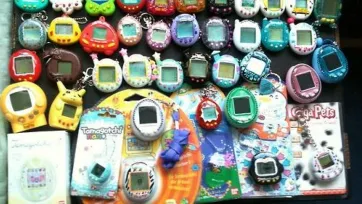
Best Electronic Toys for Kids: A Complete Guide to Smart, Fun, and Educational Play Electronic toys have transformed the way children play, learn, and explore the world around them. From interactive robots and talking learning devices to remote control cars and coding kits, today's electronic toys offer far more than flashing lights and sound effects. They combine entertainment with education, helping children develop creativity, critical thinking, and problem-solving skills while keeping them engaged for hours. For parents, choosing the right electronic toy can be challenging because the market is filled with countless options. Some toys are designed purely for fun, while others encourage learning through hands-on activities. Understanding the difference can help you make a smarter investment for your child. This guide explains everything you need to know about the best electronic toys for kids, including their benefits, different types, safety considerations, and practical buying tips. What Are Electronic Toys? Electronic toys are toys that use electricity or rechargeable batteries to perform interactive functions. They may include lights, sounds, movement, voice recognition, sensors, or programmable features that make playtime more engaging. Unlike traditional toys, electronic toys respond to a child's actions, creating an interactive experience that encourages learning and exploration. Popular electronic toys include: Remote control cars Interactive robots Coding toys Talking learning tablets Musical instruments Smart building sets Electronic pets Toy drones RC helicopters Educational gaming devices These toys appeal to children of different ages and interests, making them one of the most popular toy categories today. Why Electronic Toys Are So Popular Children enjoy toys that respond instantly to their actions. Whether driving a remote control car, programming a robot, or playing an interactive learning game, electronic toys make children feel actively involved. Parents also appreciate these toys because many combine fun with valuable educational experiences. Instead of passive entertainment, quality electronic toys encourage children to think, experiment, and solve problems independently. When used in moderation, they can become an excellent addition to a balanced play routine. Benefits of Electronic Toys Well-designed electronic toys offer numerous developmental advantages. Some of the most important benefits include: Improved hand-eye coordination Better concentration Stronger memory Faster problem-solving Increased creativity Enhanced logical thinking Greater confidence Better reaction time Many electronic toys also introduce children to technology in a safe and age-appropriate way. Remote Control Toys Improve Coordination Remote control vehicles remain one of the most popular electronic toys for children. Driving an RC racing car through obstacles requires quick thinking, careful steering, and precise timing. These activities naturally improve hand-eye coordination, motor skills, and spatial awareness. Rechargeable RC cars are especially popular because they offer longer play sessions and lower running costs than disposable battery-powered alternatives. Many families also enjoy racing together, turning playtime into a shared experience. Interactive Robots Encourage Learning Modern robotic toys can walk, dance, answer questions, follow commands, and even introduce children to basic programming concepts. Interactive robots help children develop: Logical thinking Communication Creativity Problem-solving Curiosity about technology Many beginner robots are specifically designed for younger children, making learning both simple and enjoyable. Coding Toys Introduce Future Skills Coding is becoming an increasingly valuable skill. Fortunately, many electronic toys introduce coding without requiring children to read complicated computer languages. Instead, they use colorful buttons, blocks, puzzles, and simple commands to teach logical thinking and sequencing. Coding toys encourage experimentation while building confidence. Electronic Learning Tablets Learning tablets designed for children provide educational games covering subjects such as: Alphabet recognition Numbers Shapes Vocabulary Spelling Basic mathematics Music Memory games Unlike ordinary tablets, children's learning devices usually include age-appropriate content with fewer distractions. STEM Electronic Toys STEM stands for Science, Technology, Engineering, and Mathematics. Electronic STEM toys combine learning with practical activities. Popular options include: Robotics kits Circuit-building projects Engineering sets Electronic experiment kits Coding robots Smart construction toys These activities help children understand technology through hands-on exploration. Musical Electronic Toys Electronic musical toys encourage creativity while introducing children to rhythm and sound. Popular choices include: Electronic keyboards Drum sets Microphones DJ mixers Light-up pianos Musical learning toys Music helps improve memory, listening skills, coordination, and self-expression. Electronic Pets Interactive electronic pets respond to touch, movement, sound, and voice commands. Children enjoy feeding, caring for, and playing with these digital companions while learning responsibility and empathy. Electronic pets are especially suitable for families who cannot keep real animals at home. Educational Gaming Devices Not all electronic games are purely for entertainment. Many educational gaming systems include activities that improve: Reading Mathematics Logic Memory Vocabulary Science knowledge Parents should always choose games designed specifically for children's learning and development. Choosing Electronic Toys by Age Every age group benefits from different types of electronic toys. For preschoolers: Musical toys Talking books Interactive learning devices Beginner RC cars For young children: Coding toys Educational tablets Electronic puzzles Simple robots For older children: Advanced STEM kits Programmable robots Drones Engineering projects Selecting age-appropriate toys helps children stay interested without becoming frustrated. Rechargeable vs Battery-Powered Electronic Toys Many electronic toys now include rechargeable batteries. Rechargeable models offer several advantages: Lower long-term cost Less battery waste Better convenience More consistent performance Environmentally friendly Battery-powered toys may still be suitable for occasional use but usually become more expensive over time. Safety Tips for Parents Electronic toys should always be used responsibly. Parents should: Follow age recommendations. Supervise younger children. Use approved chargers. Avoid exposing toys to water unless designed for it. Inspect batteries regularly. Keep small components away from toddlers. Buy from trusted brands. Safe use ensures children enjoy electronic toys without unnecessary risks. Reducing Screen Time While Using Electronic Toys Many parents worry about increasing screen time. Fortunately, most electronic toys encourage physical interaction rather than passive viewing. Driving an RC car, programming a robot, or conducting a science experiment requires active participation, making these toys very different from watching television or browsing videos. A healthy balance between traditional toys, outdoor activities, and electronic toys provides the best overall experience. Common Mistakes When Buying Electronic Toys Parents often make similar buying mistakes. Avoid: Buying toys that are too advanced. Ignoring battery life. Choosing poor-quality products. Overlooking safety certifications. Purchasing toys based only on advertising. Ignoring your child's interests. The best toy is one that matches both your child's age and personality. Why Electronic Toys Make Great Gifts Electronic toys combine excitement with education, making them excellent gifts for birthdays, holidays, and special celebrations. Whether it's a remote control racing car, an interactive robot, or a STEM science kit, these toys create memorable experiences while encouraging valuable learning. Parents also appreciate gifts that provide long-term engagement rather than short-lived entertainment. Frequently Asked Questions Are electronic toys good for children? Yes. High-quality electronic toys support learning, creativity, coordination, and problem-solving when used appropriately. What is the best electronic toy for beginners? Remote control cars, interactive learning tablets, and beginner robots are excellent choices for children starting with electronic toys. Are rechargeable electronic toys better? Generally, yes. Rechargeable toys reduce ongoing costs, create less waste, and offer greater convenience. Can electronic toys replace traditional toys? No. A healthy balance between electronic toys, outdoor activities, books, puzzles, and imaginative play provides the best developmental benefits. Final Thoughts The best electronic toys for kids do much more than entertain. They encourage creativity, improve coordination, strengthen problem-solving skills, and introduce children to technology in a fun and age-appropriate way. Whether your child enjoys racing remote control cars, building robots, experimenting with STEM kits, or learning through interactive games, the right electronic toy can provide years of enjoyment while supporting healthy development. By choosing safe, durable, and educational products, parents can create play experiences that are both exciting and meaningful.