Best Wooden Toys for Babies in 2026

Best Wooden Toys for Babies in 2026

Every parent wants to give their baby the safest possible start in life. From choosing nutritious food to creating a secure sleeping environment, every decision matters—including the toys babies play with every day. That's why wooden toys for babies continue to grow in popularity. They are durable, beautifully designed, environmentally friendly, and, when made to high safety standards, offer a safe and engaging way for babies to learn through play.

Unlike many plastic toys that rely on flashing lights and loud sounds, wooden toys encourage babies to explore naturally. They invite little hands to touch, hold, stack, shake, and discover the world at their own pace. These simple activities play an important role in developing coordination, sensory awareness, and early problem-solving skills.

If you're looking for the best wooden toys for babies in 2026, this guide will help you understand their benefits, the different types available, and how to choose safe, high-quality toys for your little one.

Why Wooden Toys Are Perfect for Babies

Babies learn through their senses. Every texture, shape, sound, and movement helps them understand the world around them. Wooden toys provide a natural sensory experience without overwhelming babies with excessive lights or electronic features.

Many parents also appreciate that wooden toys are built to last. Instead of breaking after a few months, quality wooden toys often remain in excellent condition and can be passed down to younger siblings.

Their timeless design also makes them a beautiful addition to any nursery or playroom.

Benefits of Wooden Toys for Babies

Wooden toys support healthy development in many different ways.

Some of the biggest benefits include:

  • Encourage sensory exploration
  • Improve hand-eye coordination
  • Strengthen fine motor skills
  • Develop grip and finger control
  • Inspire curiosity
  • Promote independent play
  • Reduce screen dependence
  • Last for many years

These benefits make wooden toys a valuable part of early childhood development.

Are Wooden Toys Safe for Babies?

High-quality wooden toys are among the safest options available for babies when they meet recognized safety standards.

Parents should always look for toys that include:

  • Smooth, splinter-free surfaces
  • Rounded edges
  • Non-toxic paints and finishes
  • Strong construction
  • Securely attached parts
  • Age-appropriate designs

Avoid toys with loose pieces or decorations that could become choking hazards.

Choosing products from trusted manufacturers provides extra confidence in both safety and quality.

Best Wooden Toys for Newborns

During the first few months, babies begin exploring the world through sight and touch.

Suitable wooden toys include:

  • Wooden grasping rings
  • Wooden rattles
  • High-contrast hanging toys
  • Baby activity gyms
  • Sensory rolling toys

These simple toys encourage early movement while introducing different textures and sounds.

Wooden Rattles Encourage Early Coordination

Wooden rattles remain one of the most popular baby toys.

As babies shake and hold rattles, they develop:

  • Grip strength
  • Hand-eye coordination
  • Arm movement
  • Cause-and-effect understanding

Choose lightweight rattles that are easy for tiny hands to hold comfortably.

Stacking Toys Grow with Your Baby

Stacking toys continue providing value as babies become toddlers.

Children learn:

  • Size recognition
  • Balance
  • Problem-solving
  • Color recognition
  • Coordination

Even before babies learn to stack correctly, they enjoy holding, exploring, and knocking the pieces over.

Wooden Shape Sorters Introduce Early Learning

As babies grow older, shape sorters become an exciting challenge.

These toys encourage:

  • Problem-solving
  • Shape recognition
  • Fine motor skills
  • Concentration

Simple shape sorters with large wooden pieces are ideal for young children beginning to explore matching activities.

Wooden Activity Cubes Keep Babies Engaged

Activity cubes combine several learning experiences into one toy.

They may include:

  • Bead mazes
  • Spinning gears
  • Sliding pieces
  • Shape sorters
  • Number blocks

These activities encourage babies to explore using both hands while developing coordination and curiosity.

Wooden Pull and Push Toys

As babies begin walking, pull and push toys become exciting companions.

These toys help improve:

  • Balance
  • Walking confidence
  • Coordination
  • Gross motor skills

Many feature friendly animals or colorful designs that encourage movement during playtime.

Montessori Wooden Toys for Babies

Montessori-inspired wooden toys focus on independent exploration rather than passive entertainment.

Popular Montessori toys include:

  • Object permanence boxes
  • Wooden grasping toys
  • Ring stackers
  • Shape sorters
  • Sensory boards

These toys encourage babies to discover solutions independently while building concentration and confidence.

Eco-Friendly Advantages of Wooden Toys

Many wooden toys are made using responsibly sourced wood and sustainable manufacturing methods.

Compared with disposable plastic toys, wooden toys often:

  • Produce less waste
  • Last much longer
  • Can be recycled
  • Are passed down through families
  • Support environmentally responsible choices

Choosing eco-friendly toys also teaches children the value of caring for the environment from an early age.

How Wooden Toys Support Baby Development

Every stage of infancy brings new learning opportunities.

Wooden toys help babies develop:

  • Fine motor skills
  • Hand-eye coordination
  • Sensory awareness
  • Balance
  • Curiosity
  • Independent exploration
  • Problem-solving
  • Early concentration

Because the toys are simple, babies remain focused on the activity instead of becoming distracted by excessive sounds or flashing lights.

How to Choose the Best Wooden Toys for Babies

Before buying, consider several important factors.

Choose toys that:

  • Match your baby's age
  • Use non-toxic finishes
  • Have smooth edges
  • Meet recognized safety standards
  • Are easy to clean
  • Encourage open-ended play

Quality matters more than quantity when selecting baby toys.

Caring for Wooden Baby Toys

Proper maintenance keeps wooden toys safe and beautiful.

Simple care tips include:

  • Wipe with a damp cloth.
  • Avoid soaking toys in water.
  • Store in a dry place.
  • Inspect regularly for cracks or loose parts.
  • Avoid harsh cleaning chemicals.

With proper care, wooden toys can remain in excellent condition for many years.

Common Mistakes Parents Should Avoid

Many parents accidentally buy toys based only on appearance.

Avoid:

  • Toys with sharp edges
  • Poor-quality finishes
  • Very small detachable pieces
  • Unknown manufacturers
  • Toys designed for older children

Reading product descriptions and safety recommendations carefully helps ensure a better purchase.

Why Wooden Toys Make Wonderful Baby Gifts

Wooden toys are among the most thoughtful gifts for baby showers, birthdays, and first celebrations.

Parents appreciate them because they are:

  • Safe
  • Durable
  • Educational
  • Beautifully designed
  • Long-lasting

Many families continue using these toys throughout the toddler years, making them excellent value for money.

Frequently Asked Questions

Are wooden toys safe for babies?

Yes. High-quality wooden toys with smooth edges, non-toxic finishes, and age-appropriate designs are considered very safe for babies.

At what age can babies start using wooden toys?

Many wooden rattles, grasping rings, and sensory toys are suitable from birth or within the first few months, depending on the manufacturer's recommendations.

Are wooden toys better than plastic toys?

Both can be safe, but wooden toys are often more durable, environmentally friendly, and encourage open-ended play without unnecessary distractions.

How do I clean wooden baby toys?

Use a soft damp cloth with mild soap if needed. Avoid soaking wooden toys in water, as excessive moisture can damage the wood over time.

Final Thoughts

Wooden toys remain one of the best choices for babies in 2026 because they combine safety, simplicity, and educational value in a timeless design. From wooden rattles and grasping rings to stacking toys, activity cubes, and Montessori-inspired learning tools, these toys encourage healthy development through hands-on exploration.

By choosing high-quality wooden toys made from safe, non-toxic materials, parents can provide babies with meaningful play experiences that build essential skills while creating lasting memories. Simple, durable, and beautifully crafted, wooden toys continue to prove that the best learning often begins with the simplest play.
Advertisement
Best AI-Powered Educational Toys for Kids: What Parents Should Know Before Buying
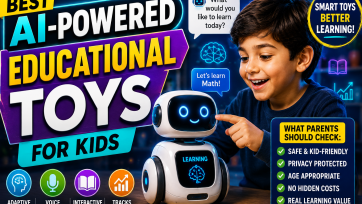
A toy asks your child a question. Your child answers incorrectly. Instead of repeating the same recorded message, the toy changes the difficulty, offers a hint, and asks a different question based on the response. That is the promise behind AI-powered educational toys. Unlike traditional electronic toys that follow a fixed list of commands, artificial intelligence toys may recognize speech, adjust lessons, remember preferences, generate responses, or react differently during each play session. Some can support reading practice, language learning, coding, storytelling, mathematics, and problem-solving. This sounds impressive, but the words “AI-powered” do not automatically make a toy educational—or safe. Parents need to look beyond the packaging. A connected toy may contain a microphone, camera, mobile application, cloud account, subscription plan, or system that collects information about the child. The educational benefits therefore need to be weighed against privacy, screen time, accuracy, durability, and long-term cost. This guide explains the main types of AI educational toys, who they are best suited for, and the questions parents should ask before bringing one into the home. What Is an AI-Powered Toy? An AI-powered toy uses software to respond to a child in a way that may change according to the child’s actions, voice, choices, or previous activity. Depending on the product, the toy may be able to: Recognize spoken questions Hold basic conversations Adjust the difficulty of lessons Generate stories or quizzes Track progress Respond to facial expressions or movement Translate words Suggest new activities Learn a child’s preferred topics Connect to an online AI service Not every “smart toy” uses genuine artificial intelligence. Some toys simply play pre-recorded responses after a button is pressed. That can still be entertaining, but parents should not pay a premium price for ordinary electronic features marketed as advanced AI. The Most Useful Types of AI Educational Toys The best choice depends on what the child is expected to learn. Conversational Learning Robots Conversational robots are designed to answer questions, tell stories, play games, and guide children through educational activities. They may cover subjects such as: General knowledge Vocabulary Mathematics Science Geography Emotional learning These toys can be appealing to children who enjoy asking questions but do not always enjoy sitting with a workbook. However, parents should remember that an AI robot is not a teacher, therapist, or trusted adult. It may misunderstand speech or provide an inaccurate response. A strong product should allow parents to review settings, limit topics, disable unnecessary features, and see how the system handles children’s questions. AI Reading Companions Reading companions listen while a child reads aloud and may help with pronunciation, difficult words, or comprehension. Some products use a physical pen, robot, speaker, or application. Others require the child to read from special books. These tools can be useful when they encourage the child to read independently without interrupting every sentence. Look for a reading toy that: Supports the child’s reading level Gives gentle corrections Does not rush the child Includes a useful book library Works in the family’s preferred language Allows volume and difficulty adjustments Check whether additional books require separate purchases. A low-priced reading device can become expensive when the included content is limited. AI Coding Robots AI coding robots combine programming with movement, sensors, or interactive challenges. Children may program the robot to: Navigate a maze Recognize objects Respond to sounds Avoid obstacles Follow a person Perform a sequence React to visual markers Beginner models often use visual coding blocks. More advanced robots may support Python or other text-based programming. The educational value comes from what the child controls. A robot that performs impressive actions automatically may provide less genuine coding practice than a simpler robot that requires the child to create and debug instructions. Adaptive Math Toys Adaptive math toys change the difficulty of questions according to the child’s performance. A child who struggles with subtraction may receive simpler examples or visual hints. A child who answers correctly may move toward more difficult problems. This can reduce frustration and provide more personalized practice. Before buying, check whether the toy explains mistakes or merely announces that an answer is wrong. Meaningful feedback is more valuable than points, flashing lights, or digital rewards. AI Language-Learning Toys Some talking toys are designed to teach vocabulary, pronunciation, and basic conversation in another language. They may use speech recognition to listen and reply. These toys may help children practice without feeling embarrassed about making mistakes. However, voice recognition may work differently depending on the child’s age, accent, speech clarity, or background noise. Parents should verify: Which languages are supported Whether the toy requires internet access Whether lessons are included Whether conversations are recorded Whether the pronunciation is natural Whether a subscription is required Interactive Storytelling Toys AI storytelling toys can generate stories based on a child’s chosen characters, locations, or themes. For example, the child might request a story about a friendly dragon who visits the moon. This type of toy can encourage imagination and listening, but it should not completely replace the child’s own storytelling. The best products invite participation. They may pause and ask the child what should happen next rather than generating the entire experience without effort. Parents should also check whether content filters are in place and whether generated stories remain suitable for the recommended age. Can AI Toys Actually Help Children Learn? They can—but only when the technology supports active learning. An educational AI toy should encourage the child to answer, build, speak, read, experiment, or solve a problem. It should not simply keep the child watching and listening. Useful AI features may include: Difficulty that adjusts gradually Explanations after mistakes Open-ended questions Progress reports for parents Multiple learning levels Opportunities for creative responses Offline activities connected to the lesson Parents should be cautious when a company promises dramatic improvements in intelligence, school performance, communication, or emotional development without reliable evidence. AI can support learning, but it cannot replace conversation with parents, classroom teaching, physical play, books, outdoor activity, and interaction with other children. The Privacy Question Parents Cannot Ignore Many AI toys work by collecting information. A toy may listen to a child’s voice, store account details, record progress, or send questions to a remote server for processing. In the United States, COPPA gives parents certain controls over the online collection of personal information from children under 13. The FTC updated the COPPA Rule in 2025, including stronger restrictions around how companies can monetize children’s data. Legal compliance alone should not be the only standard used by parents. Before setting up an AI toy, determine: Does it contain a microphone? Does it contain a camera? Are conversations stored? Is audio sent to the cloud? Can stored data be deleted? Is the child’s name or birth date required? Does the company share data with other businesses? Is parental consent requested? Can the toy work without creating an account? Can online connectivity be turned off? UNICEF’s current guidance on AI and children emphasizes safety, privacy, transparency, accountability, fairness, and protecting children from over-reliance on AI systems. A privacy policy that is difficult for an adult to understand should be treated as a warning sign. Cameras and Microphones A microphone may be necessary for a conversational robot, but that does not mean it should remain active all day. Look for a visible mute button or physical microphone switch. A physical control is generally easier to understand than a setting hidden inside an application. If the toy contains a camera, parents should ask why it is needed. Facial recognition, movement tracking, and video features may sound advanced, but they also introduce additional privacy concerns. Do not place a connected camera toy in a child’s bedroom unless its functions, storage practices, and security controls are fully understood. Internet Connection or Offline Use? Some AI toys require continuous internet access because speech or image processing happens on remote servers. Others can perform at least some functions offline. An offline mode may offer several advantages: Faster responses Fewer privacy concerns No dependence on Wi-Fi Continued use during outages Less risk of discontinued cloud services No accidental access to online content However, offline toys may have fewer conversational abilities or content updates. Neither option is automatically better. Parents should understand what stops working when the internet is disconnected. Subscription Costs Can Change the Real Price A toy may appear affordable until the parent discovers that its best lessons require a monthly plan. Possible additional costs include: Premium stories New lessons Language packs Cloud storage Replacement accessories Mobile application access Progress reports Coding courses Extra character voices Calculate the cost over one or two years. A $70 toy with a $10 monthly subscription can cost $310 during the first two years, before adding accessories or replacement parts. Parents should also check what happens if the subscription is cancelled. Ideally, the toy should retain useful basic functions. Will the Toy Still Work Next Year? Connected toys depend on applications, servers, software updates, and company support. A traditional block set can remain useful for decades. A cloud-based AI toy may lose important features if the company stops supporting the application. Before purchasing, investigate: How long the product has been available Whether the app receives updates Whether replacement parts are sold Whether the company promises long-term support What functions remain offline Whether progress can be transferred to another device This is particularly important for expensive robots and learning systems. AI Toys by Age Ages 3 to 5 At this age, AI should remain simple and limited. Suitable options may include talking reading pens, interactive story players, and basic question-and-answer toys. Avoid products that encourage long private conversations or require extensive account information. Young children still benefit most from physical play, pretend play, books, movement, and interaction with caregivers. Ages 6 to 8 Children may enjoy reading companions, adaptive mathematics games, beginner coding robots, and language-learning toys. Parents should use these products together with the child at first. This helps the parent understand what the toy says, what information it requests, and how the child responds. Ages 9 to 12 Older children may be ready for more advanced coding, robotics, engineering, and AI creativity tools. They can also begin learning why AI sometimes makes mistakes. Teach children not to assume that every answer produced by a machine is correct. Teenagers Teenagers may use more advanced AI learning tools for coding, electronics, robotics, writing, languages, or science. At this stage, the focus should shift from simply using AI to understanding how it works, where its information comes from, and how to verify outputs. Red Flags on the Product Page Pause before buying when you see: No clear privacy policy No explanation of recorded data Vague claims about improving intelligence Required subscriptions hidden in small print Poor application reviews No physical microphone control No customer support information No offline functionality An unknown manufacturer with no safety history A toy advertised for very young children but built around constant screen use Claims that the toy can replace teachers or emotional support The phrase “powered by AI” should lead to more questions, not automatic trust. Setting Up an AI Toy Safely Do not hand a connected toy directly to a child immediately after opening the box. Set it up first. Use a parent-controlled email address, create a strong password, and provide only the information required for the toy to work. Review privacy and communication settings. Disable unnecessary cameras, microphones, location access, purchases, social features, and data sharing. The American Academy of Pediatrics recommends using parental controls, creating appropriate media limits, and introducing new technology with active family involvement. It is also sensible to test the toy with several questions before allowing independent use. See whether it: Understands the child’s voice Handles inappropriate questions safely Produces age-appropriate responses Encourages breaks Attempts to collect personal information Directs the child toward external websites Allows purchases without approval A Better Question Than “Does It Have AI?” Parents should ask: What can my child do with this toy that they could not do with a simpler product? If AI provides personalized reading support, useful coding feedback, adjustable lessons, or creative interaction, the extra cost may be justified. If it only adds a talking character, internet connection, and subscription fee, a traditional educational toy may offer better value. Final Buying Checklist Before purchasing an AI-powered educational toy, confirm that: The recommended age matches the child The educational purpose is clear The child actively participates Privacy controls are understandable Microphones and cameras can be disabled The subscription cost is acceptable The application works with available devices The toy remains useful without internet access The company provides customer support The product can be updated securely Parents can delete the child’s information The AI does not replace normal human interaction The Bottom Line AI educational toys can make learning more responsive, personal, and engaging. A reading toy may adjust to a child’s ability. A robot may introduce coding through movement. A language toy may allow repeated speaking practice. An adaptive mathematics system may provide extra help exactly where the child is struggling. But parents should not confuse technological sophistication with educational quality. The best AI-powered toy is not the one that talks the most or collects the most information. It is the one that gives the child something meaningful to think about, create, practice, or solve—while keeping the parent in control. Buy the learning experience, not the AI label.
Best Kids Rain Boots in 2026
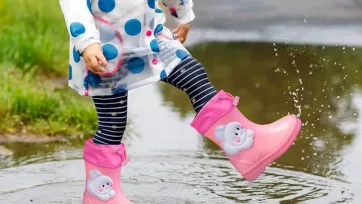
Kids Rain Boots: The Complete Parent's Guide to Choosing Waterproof, Comfortable Wellies for Children Introduction For children, rainy days rarely mean staying indoors. They mean jumping into puddles, exploring muddy woodland paths, building dams in the garden and discovering worms after a shower. A good pair of rain boots turns wet weather into another adventure. For parents, however, choosing children's rain boots isn't quite so simple. Should you buy them a size bigger? Are rubber boots better than lightweight waterproof alternatives? Do insulated boots really make a difference during winter? How can you stop little feet from becoming cold and sweaty after an afternoon outdoors? The right pair of rain boots keeps feet dry, supports growing feet and survives plenty of energetic play. The wrong pair may cause discomfort, blisters or simply end up forgotten at the back of the cupboard. This guide explains everything parents should know before buying kids' rain boots, helping you choose footwear that's practical, comfortable and built for everyday adventures. Why Quality Rain Boots Matter Children don't walk through puddles. They run. They splash. They climb. They test every muddy corner they can find. That's why children's rain boots need to do much more than keep water out. A well-designed pair should: Keep feet dry in wet weather. Provide reliable grip on slippery surfaces. Feel comfortable for extended wear. Be easy for children to put on themselves. Stand up to regular outdoor use. When these features come together, children spend less time worrying about wet feet and more time enjoying the outdoors. Choosing the Correct Size One of the most common mistakes parents make is buying rain boots that are far too large. Although children grow quickly, oversized boots can rub against the heel, make walking awkward and increase the risk of trips and falls. A better approach is to allow just enough room for: Thick socks during colder months. Natural foot movement. Future growth without compromising comfort. Your child should be able to wiggle their toes freely while the heel remains secure during walking. What Material Is Best? Not all rain boots are made from the same materials. Understanding the differences helps parents choose footwear that matches their child's lifestyle. Natural Rubber Natural rubber remains one of the most popular choices because it's flexible, waterproof and durable. It's particularly suitable for regular outdoor play. PVC PVC boots are often lighter and more affordable. They're a practical option for occasional use, although they may not offer the same flexibility as premium rubber boots. Insulated Rain Boots For colder climates, insulated boots include an extra lining that helps keep little feet warm during chilly autumn and winter days. They're especially useful for long walks, countryside adventures and snowy conditions. Features Worth Looking For A good pair of kids' rain boots should include more than waterproof material. Useful features include: Deep, non-slip soles. Soft inner lining. Easy pull handles. Flexible construction. Reinforced heel support. Durable stitching around the upper edge. Comfortable fit around the ankle. These details make everyday use easier for both children and parents. Should Children Wear Thick Socks? Many parents automatically choose the thickest socks they can find. In reality, comfort depends on the weather. During cool autumn days, medium-weight cotton or wool-blend socks often provide enough warmth without making feet sweaty. In colder weather, thermal socks can improve comfort inside insulated boots. The goal is to keep feet warm while allowing enough airflow to prevent excess moisture. How to Check If Rain Boots Fit Properly Even the best rain boots won't feel comfortable if they don't fit correctly. When your child tries them on, ask them to walk around for a few minutes. Check that: The heel stays in place while walking. Toes have enough room to move comfortably. The boots don't rub around the ankles. Walking feels natural rather than awkward. Your child can put the boots on and take them off without struggling. A comfortable fit encourages children to wear their boots happily whenever the weather changes. Rain Boots for Different Activities Not every child uses rain boots in the same way. Choosing the right type depends on how they'll be worn. For Nursery and School A lightweight pair with flexible soles is usually the best choice. Children often need boots that are easy to change into during outdoor play. For Country Walks Look for deeper tread patterns that provide extra grip on muddy footpaths and uneven ground. For Camping and Family Adventures Comfort becomes even more important during longer walks. Flexible rubber boots with supportive soles help reduce fatigue. For Gardening and Outdoor Play Simple waterproof boots with good traction are ideal for everyday adventures in the garden. Keeping Rain Boots in Good Condition Rain boots don't require complicated maintenance, but a little care helps them last much longer. Useful habits include: Rinse off mud after use. Allow boots to dry naturally. Avoid placing them directly against radiators or heaters. Store them upright in a cool, dry place. Wipe the outside occasionally with a damp cloth. Keeping boots clean also helps maintain their waterproof finish. Common Buying Mistakes Parents Make Many rain boot problems begin before children even wear them. Some of the most common mistakes include: Buying boots several sizes too large. Choosing appearance over comfort. Ignoring sole grip. Forgetting to check flexibility. Using rain boots for long-distance hiking instead of purpose-built walking boots. Waiting too long to replace boots after children outgrow them. A well-fitting boot is always more valuable than a fashionable one that causes discomfort. Frequently Asked Questions Should children wear rain boots every day? Rain boots are designed for wet conditions. On dry days, supportive everyday shoes are usually more comfortable for extended walking. How often should children's rain boots be replaced? Replace them when your child outgrows them, if the soles become worn or if cracks appear that affect waterproof performance. Are insulated rain boots worth buying? If your child regularly plays outdoors during cold weather, insulated boots can provide additional warmth and comfort. Can rain boots be worn in the snow? Some insulated rain boots are suitable for light snow, but dedicated winter boots generally provide better insulation and grip in freezing conditions. What's the best way to dry wet rain boots? Allow them to air dry naturally at room temperature. Avoid placing them directly on radiators, as excessive heat may damage certain materials. Final Thoughts For children, rain doesn't usually spoil the day. It creates a new opportunity for adventure. The right pair of rain boots allows them to splash through puddles, explore muddy paths and enjoy the outdoors without worrying about wet feet. When choosing children's rain boots, focus on fit, comfort, grip and durability rather than simply selecting the brightest colour or favourite pattern. A pair that fits well, keeps feet dry and stands up to everyday play will quickly become one of the most useful items in your child's wardrobe. After all, some of childhood's happiest memories begin with a puddle.  
Best Coding Toys for Kids in 2026: Learning Programming Through Play
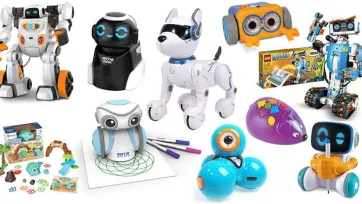
Best Coding Toys for Kids in 2026: Learning Programming Through Play Technology is shaping the future, and introducing children to coding at an early age has become one of the smartest investments parents can make. Fortunately, learning to code no longer means staring at a computer screen for hours. Today's coding toys teach programming concepts through games, puzzles, robots, and interactive challenges that make learning enjoyable rather than intimidating. The best coding toys encourage children to think logically, solve problems, recognise patterns, and develop computational thinking—all while having fun. Whether your child is a curious preschooler or an older student interested in robotics, coding toys provide age-appropriate challenges that build confidence and creativity. This guide explores the best coding toys for kids in 2026 and explains how they prepare children for a technology-driven future. What Are Coding Toys? Coding toys are educational toys designed to introduce programming concepts through hands-on activities rather than traditional computer programming. Depending on the child's age, coding toys may involve: Building robots Solving coding puzzles Programming movements Following sequences Creating games Completing STEM challenges Many beginner coding toys require no reading or typing, making them suitable even for young children. Why Coding Skills Matter Coding is more than learning a programming language. It teaches children how to: Solve problems Think logically Break large tasks into smaller steps Test different solutions Learn from mistakes These skills are valuable in almost every future career, not just software development. Benefits of Coding Toys Coding toys help children develop a wide range of abilities. Some of the biggest benefits include: Improve logical thinking Encourage creativity Build confidence Strengthen problem-solving skills Improve concentration Develop patience Support STEM learning Encourage independent thinking Reduce passive screen time Children also learn that there are often several different ways to solve the same problem. Coding Toys for Preschoolers Young children can begin learning coding concepts without using computers. Popular coding toys include: Coding board games Sequence cards Directional robots Colour coding games Pattern puzzles These activities teach sequencing and logical thinking through simple play. Coding Robots Programmable robots are among the most popular coding toys available today. Children can programme robots to: Move forwards Turn Dance Follow paths Avoid obstacles Complete missions Watching their code come to life makes programming exciting and rewarding. Screen-Free Coding Toys Many parents prefer coding toys that don't require tablets or smartphones. Screen-free coding activities include: Logic puzzles Coding cards Robot pathways Floor coding games Mechanical programming toys These options encourage children to learn through movement and hands-on exploration. Coding Kits for Older Children As children gain confidence, they can move on to more advanced coding projects. Popular kits include: Robotics sets Electronic circuit kits Programmable vehicles AI learning kits Smart home projects These activities combine engineering, electronics, and programming into exciting challenges. Coding and Robotics Together Coding and robotics naturally complement one another. Children first build a robot before programming it to perform different tasks. This process develops: Engineering skills Critical thinking Creativity Teamwork Technical confidence Many schools now include robotics clubs because of these educational benefits. Coding Toys Encourage Creativity Programming is often seen as highly technical, but creativity plays an important role. Children enjoy creating: Games Obstacle courses Robot races Interactive stories Custom challenges Every project encourages experimentation and innovation. Choosing the Right Coding Toy Before buying, consider: Your child's age Reading ability Previous STEM experience Difficulty level Expandability Educational value A toy that grows with your child usually provides better long-term value. Safety Tips Choose coding toys that: Meet recognised safety standards Use child-safe materials Include clear instructions Match the recommended age Have durable construction Adult supervision may be helpful for younger children during initial setup. Common Buying Mistakes Parents sometimes buy coding toys that are too advanced. Avoid: Complex programming kits for beginners Poor-quality robotics products Toys with limited learning opportunities Ignoring age recommendations Choosing complicated software that discourages young learners Start simple and gradually introduce more advanced coding concepts. Why Coding Toys Make Excellent Gifts Coding toys are among the most valuable educational gifts available today. They're ideal for: Birthdays Christmas School achievements STEM competitions Summer learning Parents appreciate gifts that encourage future-ready skills while remaining enjoyable to use. Frequently Asked Questions What are coding toys? Coding toys teach programming concepts through games, robots, puzzles, and hands-on STEM activities suitable for different age groups. At what age can children start learning coding? Many coding toys are designed for children aged three and above, using simple sequencing activities before introducing more advanced programming concepts. Do coding toys require computers? Not always. Many coding toys are completely screen-free and teach logical thinking through physical activities and programmable robots. Are coding toys worth buying? Yes. They encourage critical thinking, creativity, confidence, and problem-solving while preparing children for future technology skills. Final Thoughts The best coding toys for kids in 2026 make programming accessible, exciting, and enjoyable for children of all ages. Whether your child is programming a small robot, solving coding puzzles, or building advanced STEM projects, these toys encourage curiosity, creativity, and logical thinking through hands-on learning. By choosing high-quality coding toys that match your child's age and interests, you're helping them build valuable skills that extend far beyond technology. Every challenge solved today lays the foundation for tomorrow's innovators, engineers, and creative problem-solvers.
Why Children Love Repetition in Play: The Hidden Science Behind Playing the Same Game Again and Again
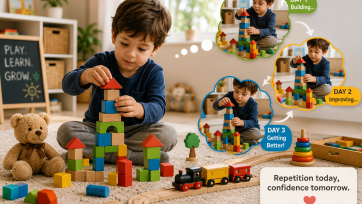
 Why Children Love Repetition in Play: The Hidden Science Behind Playing the Same Game Again and Again Introduction Every parent has experienced it. Your child spends twenty minutes building a tower. It falls over. Instead of trying something new, they build the same tower again. The next day, they repeat the process. By the weekend, they're still building towers. Meanwhile, the expensive new toy sitting on the shelf barely gets a glance. To adults, this behaviour can seem puzzling. "Haven't they already done this?" Children see it very differently. For them, repetition isn't boring. It's one of the most powerful ways to learn. Every time they repeat an activity, they're testing new ideas, improving skills and gaining confidence without even realising it. Understanding why children enjoy repeating the same game can completely change the way parents think about toys, learning and playtime. The Adult Brain Wants Variety. A Child's Brain Wants Mastery. Adults often look for new experiences. A different restaurant. A new television series. A fresh hobby. Children are driven by something else. They want to master the world around them. A toddler who successfully stacks six blocks today wants to know if they can stack seven tomorrow. A preschooler who builds a toy railway wants to improve it the next time. Repetition isn't a lack of imagination. It's evidence that the brain is strengthening important skills through practice. Every Repeat Adds Something New From the outside, it may look like the same game. But look more closely. The tower is slightly taller. The story has an extra character. The race track follows a different route. The pretend café now has customers waiting in line. Children rarely repeat play exactly. They refine it. Each version becomes a small experiment where they discover what works, what doesn't and what they can improve. That's one reason open-ended toys remain interesting for years. The toy stays the same. The child changes. Repetition Builds Confidence Imagine learning to ride a bicycle after trying only once. Or learning to read after opening a single book. Real learning requires repetition. Play works the same way. Each successful attempt gives children confidence to try something a little more difficult. Without repetition, many important skills would never become automatic. That's why children often insist on reading the same bedtime story or playing the same game for weeks. They're not stuck. They're growing. Why Open-Ended Toys Encourage Repeated Play Some toys are exciting because they surprise children. Others are exciting because children control them. Construction blocks, train tracks, art materials, dolls, toy animals and pretend-play sets rarely provide the exact same experience twice. Even when the child repeats the activity, the outcome changes. Yesterday's castle becomes today's airport. Today's airport becomes tomorrow's dinosaur museum. The best toys don't become repetitive. They make repetition rewarding. When Parents Accidentally Interrupt Learning Adults naturally enjoy helping. Sometimes, however, we introduce new toys too quickly. A child spends three days happily building roads with toy cars. Before they have time to develop the idea further, a brand-new toy arrives. The focus immediately shifts. While new toys are enjoyable, constantly replacing familiar activities can interrupt deeper learning. Children often benefit more from extending an existing game than starting a completely different one every few days. What Repetition Teaches Without Children Realising Parents often think learning happens when a child is introduced to something new. In reality, much of the learning happens when the activity becomes familiar. Each time children repeat a game, they're quietly developing important life skills, including: Better hand-eye coordination. Improved problem-solving. Stronger memory. Longer attention spans. Greater patience. Increased confidence. The child isn't thinking about these skills. They're simply enjoying the game. That's the beauty of meaningful play—learning feels effortless because it happens naturally. Why Favourite Toys Stay Favourite Toys Have you ever noticed that children often ignore the newest toy while returning to an old favourite? There's a reason. Favourite toys are predictable enough to feel comfortable but flexible enough to create new adventures. A set of building blocks doesn't suddenly become boring because there are always new ideas to explore. The same applies to toy farms, dollhouses, train sets, craft supplies and pretend kitchens. These toys grow with the child instead of limiting the child. That's why they're often used for years rather than weeks. Repetition Doesn't Mean a Child Lacks Imagination Some parents worry when they see the same game being played every day. In fact, the opposite is often true. Children with active imaginations frequently revisit the same imaginary world because they're expanding it. Today's pirate ship gains new crew members. Tomorrow it sails to a different island. Next week it becomes part of an even bigger adventure involving dinosaurs, treasure maps and talking parrots. The setting remains familiar. The story keeps evolving. That's creativity in action. When Should Parents Encourage Something New? Although repetition is healthy, children also benefit from fresh experiences. The key is recognising the difference between focused repetition and genuine loss of interest. A child who's happily improving the same game doesn't need to be interrupted. However, if play becomes repetitive without curiosity or enthusiasm, introducing a new material, a different environment or a simple question can refresh the experience. Instead of replacing the toy, try expanding the story. Ask: "Who visits the castle today?" "What happens if the bridge breaks?" "Can you build a taller tower?" Small prompts often create entirely new adventures without buying anything new. Helping Repetition Lead to Creativity Parents don't need elaborate plans. A few simple habits can support healthy repeated play: Leave unfinished creations where possible so children can continue the next day. Avoid tidying away projects immediately. Rotate accessories instead of replacing favourite toys. Celebrate effort rather than perfect results. Give children enough uninterrupted time to explore their own ideas. These small changes encourage deeper play and allow imagination to develop naturally. Frequently Asked Questions Why does my child want to play the same game every day? Repetition helps children build confidence, strengthen skills and explore new ideas within a familiar activity. It's a normal and healthy part of development. Should I buy a new toy when my child repeats the same activity? Not necessarily. Repeating favourite games usually means the child is still learning and enjoying the experience. New toys aren't always needed. Is repetition a sign of boredom? Usually not. Children who repeat activities with enthusiasm are often deeply engaged. Boredom is more likely when they quickly abandon games without showing curiosity. Which toys encourage repeated play? Open-ended toys such as building blocks, magnetic tiles, wooden trains, pretend-play sets, art supplies and toy animals often provide years of replay value because children can use them in different ways. Can repetition improve learning? Yes. Repeating activities helps children develop coordination, memory, language, creativity and problem-solving skills while increasing confidence through practice. Final Thoughts Adults often chase variety. Children often chase understanding. That's why the same tower is built again. The same railway is assembled every afternoon. The same teddy bear joins every tea party. To an adult, it may appear repetitive. To a child, it's another opportunity to improve, experiment and imagine. The next time your child asks to play the same game for the tenth time this week, resist the temptation to suggest something different straight away. Watch closely. You'll probably notice that although the toy hasn't changed, the play has. A new idea appears. A new story unfolds. A new challenge is created. That's not repetition without purpose. It's learning disguised as play. And sometimes, the greatest progress comes from doing the same thing one more time.  
Best Remote Control Cars for Kids in 2026
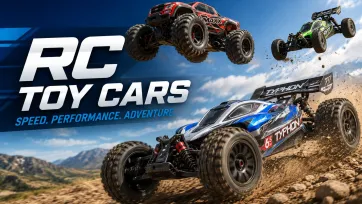
Best Remote Control Cars for Kids in 2026: The Ultimate Buyer's Guide Remote control cars have remained one of the most exciting toys for children for decades, and in 2026 they're more advanced, durable, and entertaining than ever before. From high-speed racing cars and monster trucks to off-road buggies and stunt vehicles, RC cars offer endless opportunities for outdoor adventures while helping children develop coordination, concentration, and problem-solving skills. Unlike passive toys, remote control cars encourage active participation. Children learn how to steer, control speed, avoid obstacles, and improve their driving skills with every race. Whether playing in the garden, at the park, or on an indoor obstacle course, RC cars provide hours of screen-free entertainment for children and families alike. This guide explains everything parents need to know about choosing the best remote control cars for kids in 2026. Why Remote Control Cars Are So Popular Few toys combine excitement and skill development as effectively as RC cars. Children enjoy: Racing against friends Building obstacle courses Driving over different surfaces Performing stunts Exploring outdoor spaces Every driving session becomes a new adventure that encourages active play and creative thinking. Benefits of Remote Control Cars RC cars offer much more than simple entertainment. Some of their biggest benefits include: Improve hand-eye coordination Strengthen concentration Develop faster reaction times Encourage outdoor play Build confidence Improve spatial awareness Support problem-solving Reduce screen time Encourage family interaction Children also learn patience as they practise controlling speed and steering accurately. RC Cars for Toddlers Young children benefit from simple remote control vehicles with large buttons and slower speeds. Features often include: One-touch controls Bright colours Soft bumpers Cartoon characters Durable construction These beginner models help toddlers understand cause and effect while improving coordination. RC Cars for Preschool Children Preschoolers enjoy more responsive vehicles that allow greater control. Popular choices include: Police cars Fire engines Construction trucks Racing cars Farm tractors These toys encourage imaginative role play alongside driving skills. High-Speed RC Cars Older children often enjoy faster remote control vehicles. Popular models include: Sports cars Rally cars Formula-style racers Drift cars Off-road buggies These vehicles offer greater speed, longer driving distances, and more precise steering for exciting racing experiences. Monster Truck RC Toys Monster trucks remain one of the most popular RC categories. Their oversized tyres allow children to drive over: Grass Gravel Sand Small rocks Garden paths Monster trucks encourage outdoor exploration while handling rough terrain with ease. Stunt Remote Control Cars Stunt cars provide a completely different driving experience. Many models can: Spin 360 degrees Flip over Drive upside down Perform wheelies Climb obstacles These exciting features make stunt cars especially popular with school-age children. Rechargeable RC Cars Rechargeable models continue to replace battery-powered alternatives. Their advantages include: Lower running costs Longer play sessions Faster acceleration Better performance Environmentally friendly charging Parents also appreciate avoiding the constant expense of replacing disposable batteries. Indoor vs Outdoor RC Cars Different RC cars are designed for different environments. Indoor models usually feature: Smaller wheels Lower speeds Lightweight construction Outdoor models often include: Larger tyres Waterproof features Strong suspension Powerful motors Choosing the correct type improves both performance and durability. Educational Value of RC Cars Many parents don't realise how educational remote control cars can be. Children naturally develop: Decision-making skills Hand-eye coordination Concentration Motor control Spatial awareness Strategic thinking Creating obstacle courses also encourages creativity and engineering-style problem-solving. Choosing the Right Remote Control Car Before buying, consider: Your child's age Driving experience Battery life Charging time Maximum speed Indoor or outdoor use Durability Spare parts availability A well-built RC car often provides years of enjoyable play. Safety Tips Always choose RC cars that: Match your child's age Meet recognised safety standards Have durable construction Include rechargeable battery protection Offer reliable remote control signals Children should drive in safe open areas away from roads, traffic, and water hazards unless the vehicle is specifically designed for wet conditions. Common Buying Mistakes Parents sometimes choose RC cars based only on appearance. Avoid: Extremely fast models for beginners Poor battery life Weak plastic construction Unknown manufacturers Vehicles without replacement parts Buying quality usually saves money in the long run. Why Remote Control Cars Make Brilliant Gifts Remote control cars remain one of the most exciting gifts for birthdays, Christmas, and special occasions. They're suitable for independent play, family competitions, and outdoor adventures, making them a toy that children often return to again and again. Unlike many electronic toys, RC cars encourage movement, creativity, and active participation. Frequently Asked Questions What is the best remote control car for children? The best RC car depends on the child's age. Beginners benefit from slower, easy-to-control models, while older children often prefer rechargeable monster trucks, racing cars, or stunt vehicles. At what age can children use RC cars? Simple remote control cars are available for children aged two to three years, while faster and more advanced models are better suited to older children. Are rechargeable RC cars better than battery-powered models? In most cases, yes. Rechargeable RC cars usually offer better performance, lower long-term costs, and longer play sessions. Do remote control cars help child development? Absolutely. RC cars improve coordination, concentration, reaction time, spatial awareness, and problem-solving while encouraging active, screen-free play. Final Thoughts The best remote control cars for kids in 2026 combine speed, excitement, and educational value in one unforgettable toy. Whether your child enjoys racing across the garden, climbing rough terrain with a monster truck, or performing spectacular stunts, RC cars provide endless opportunities for adventure while developing valuable physical and cognitive skills. By choosing a high-quality remote control car that matches your child's age and interests, parents can encourage outdoor activity, creativity, and confidence through one of the most enjoyable toys ever created.
Why Do Some Children Ignore Their Toys
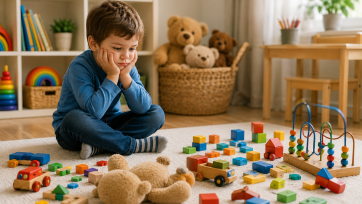
Why Do Some Children Ignore Their Toys? 9 Surprising Reasons Every Parent Should Know Introduction One afternoon, Sarah watched her four-year-old wander into the playroom. Shelves were neatly organised. Building blocks were stacked in colourful baskets. Toy cars waited in perfect rows. There were puzzles, dolls, books and enough toys to fill an entire corner of the house. Her son looked around for a few seconds. Then he walked into the kitchen, picked up a wooden spoon and a mixing bowl, and spent the next forty minutes pretending to cook dinner for his teddy bear. The toys stayed exactly where they were. If this sounds familiar, you're not alone. Many parents quietly wonder whether they've wasted money on toys their children barely touch. Others worry that a lack of interest means something is wrong. In most cases, the explanation is far simpler. Children don't reject toys because they dislike playing. They reject toys when those toys no longer match the way their imagination, curiosity or stage of development works. Understanding why this happens can help you make better toy choices, reduce unnecessary spending and create a play environment that genuinely encourages creativity. Let's explore the reasons behind one of the most common parenting questions. Reason #1: Too Much Choice Can Feel Overwhelming Imagine opening a streaming service with fifty thousand films. Finding one to watch suddenly feels like hard work. Children experience something similar when they're surrounded by dozens of toys. Instead of settling into one activity, they move quickly from shelf to shelf, never quite deciding where to begin. This isn't laziness. It's decision fatigue. Parents often notice that when the number of available toys is reduced, children actually spend longer playing. Reason #2: The Toy Solves Every Problem for Them Some toys leave almost nothing for children to imagine. Press a button. Watch the lights. Listen to the sounds. Repeat. After a while, the experience becomes predictable because the toy always behaves in exactly the same way. Now compare that with a pile of wooden blocks. Today they're a bridge. Tomorrow they're an airport. Next week they're part of a zoo. The toy changes because the child changes. That's what keeps it interesting. Reason #3: Your Child Has Simply Outgrown It Children grow remarkably quickly. The puzzle that fascinated them six months ago may now feel too easy. Likewise, a complex construction set intended for older children can feel frustrating rather than enjoyable. Good play sits in the middle. It should feel challenging enough to be interesting but achievable enough to build confidence. When toys no longer match a child's developmental stage, they're often left untouched. Reason #4: Everyday Objects Feel More Interesting Parents sometimes laugh when a child chooses a cardboard box over an expensive toy. Yet this behaviour makes perfect sense. A saucepan can become a drum. A blanket can become a superhero cape. A cardboard tube can become a telescope. Ordinary household objects have one huge advantage. They don't come with instructions. Children decide what they become, and that freedom often makes them more exciting than highly structured toys. Reason #5: Play Needs a Story Children rarely fall in love with objects. They fall in love with stories. A toy dinosaur isn't just a dinosaur. It becomes the guardian of a volcano. A teddy bear isn't just a teddy. It's the patient at a pretend hospital. When toys fail to inspire storytelling, they often fail to hold attention. The toys children return to again and again are usually the ones that fit naturally into the imaginary worlds they're constantly creating. Reason #6: They Need Someone to Start the Adventure Parents often hear the phrase, "Will you play with me?" It doesn't always mean a child needs constant company. Sometimes they simply need someone to help the story begin. A five-minute conversation can completely change what happens next. Instead of saying: "Go and play with your toys." Try asking: "Who's the captain of this spaceship?" "Why is this dinosaur hiding?" "Who lives in this castle?" Once the story starts, many children continue happily on their own. Adults don't need to lead the game. They simply help open the first chapter. Reason #7: The Play Environment Is Distracting Imagine trying to read a book while the television is on, a tablet keeps making sounds and people are constantly walking past. Concentrating becomes difficult. Children experience the same challenge. A play area packed with flashing lights, loud electronic toys and visual clutter can make it harder to settle into imaginative play. Interestingly, many nursery classrooms are designed with calm colours, organised shelves and clearly defined play spaces. The aim isn't to make the room look tidy. It's to help children focus. Sometimes changing the environment has a bigger impact than buying another toy. Reason #8: They're Craving Real-Life Experiences Children naturally imitate the world around them. If they've been watching a parent cook, they may suddenly become interested in making pretend meals. After a visit to the airport, every chair in the house becomes an aeroplane. Following a trip to the zoo, stuffed animals turn into safari adventures. This explains why a child might ignore a toy one day and become fascinated by it after a new experience. Play is often a reflection of life. The richer a child's experiences, the richer their imaginary games become. Reason #9: They Don't Need Another Toy This might be the hardest truth for adults to accept. Sometimes children simply have enough. Not because they don't enjoy toys. Because they already have everything they need to create wonderful games. Adding another toy doesn't always improve play. Occasionally it has the opposite effect by creating one more choice, one more distraction and one more item competing for attention. Many parents discover that introducing fewer new toys actually leads to longer, happier play sessions. What Parents Can Do Instead If your child rarely plays with their toys, resist the temptation to rush out and buy something new. Instead, experiment with small changes. Rotate a few toys every month instead of leaving everything available. Create open floor space where children can spread out and build. Join in for the first few minutes of a game before quietly stepping back. Introduce simple materials such as cardboard boxes, blankets, recycled tubes or craft supplies. Most importantly, observe rather than assume. Children often tell us exactly what kind of play they enjoy—we simply have to watch. Frequently Asked Questions Is it normal for children to ignore their toys? Yes. It's extremely common. Children often prefer activities that allow them to imagine, build or create rather than toys with only one fixed purpose. Should I buy new toys if my child seems bored? Not immediately. Try rotating existing toys, changing the play environment or introducing new ways to use toys already at home before spending more money. Why does my child play with household objects instead? Everyday objects have no fixed rules. They encourage creativity because children decide what each object represents. Can too many toys reduce concentration? For some children, yes. A very large number of choices can make it harder to focus on one activity for an extended period. How can I encourage independent play? Offer a manageable selection of toys, create a calm play space and help your child begin a story instead of directing the entire game. As their confidence grows, many children naturally continue playing on their own. Final Thoughts If your child walks past a shelf full of toys and heads straight for a cardboard box, a blanket or the kitchen cupboards, don't assume something has gone wrong. In many ways, the opposite is true. They're doing exactly what children have always done. They're searching for something they can transform. Something they can control. Something that becomes whatever their imagination needs it to be. The goal of a good toy isn't to keep a child busy. It's to give them the freedom to invent, explore and tell stories that belong entirely to them. When parents understand that difference, shopping becomes easier, play becomes richer and children often rediscover the joy of toys they already own.  
Best Kids Tablets for Learning and Fun (2026)
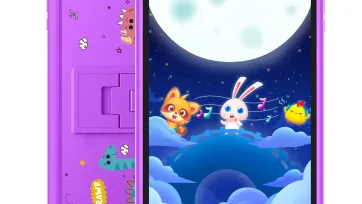
Best Kids Tablets for Learning and Fun (2026): 10 Parent-Approved Picks Introduction Buying a tablet for your child isn't as simple as choosing the cheapest model on the shelf. Some tablets are designed mainly for watching cartoons. Others focus on education, creativity and homework. A few manage to balance learning, entertainment and parental controls in one device. The challenge for parents is knowing which tablet offers genuine value. A great kids' tablet should survive accidental drops, run educational apps smoothly, provide reliable parental controls and continue performing well for several years. In this guide, we've compared some of the best tablets available in 2026 to help parents choose the right device for every age and budget. How We Selected These Tablets Rather than focusing only on technical specifications, we compared tablets using the features that matter most to families: Performance Screen quality Battery life Durability Educational value Ease of parental controls App availability Long-term value Price Quick Comparison Tablet Best For Rating Apple iPad (11th Gen) Overall Best ⭐⭐⭐⭐⭐ Amazon Fire HD 10 Kids Pro Ages 6–12 ⭐⭐⭐⭐⭐ Amazon Fire HD 10 Kids Ages 3–7 ⭐⭐⭐⭐☆ Samsung Galaxy Tab A9 Kids Edition Android Users ⭐⭐⭐⭐☆ Lenovo Tab M11 Learning & Homework ⭐⭐⭐⭐☆ 1. Apple iPad (11th Generation) – Best Overall The latest entry-level iPad remains one of the strongest long-term choices for families. Unlike many children's tablets, it doesn't become outdated after only a couple of years. As children grow, it easily adapts from educational games to homework, drawing, creative projects and even video editing. Pros Excellent performance Huge educational app library Outstanding display Long software support Excellent resale value Cons Higher price Protective case sold separately Best For: Children aged 8+ who need one tablet that can grow with them. 2. Amazon Fire HD 10 Kids Pro – Best Value for School-Age Children Amazon designed the Kids Pro specifically for older children. It includes a slimmer protective case, strong parental controls and access to age-appropriate content while allowing more independence than the standard Kids version. Pros Rugged child-friendly design Excellent parental controls One-year Amazon Kids+ subscription Good battery life Two-year worry-free replacement guarantee Cons Amazon Appstore has fewer apps than Google Play Performance isn't as fast as an iPad Best For: Ages 6–12. 3. Amazon Fire HD 10 Kids – Best Tablet for Younger Children If your child mainly watches educational videos, reads interactive books and plays simple learning games, the Fire HD 10 Kids remains one of the safest choices. The large protective case is built to survive everyday drops, making it especially suitable for younger children. Pros Durable kid-proof case Excellent parental controls Strong battery life Affordable Easy setup Cons Limited app ecosystem Slower than premium tablets Best For: Ages 3–7. 4. Samsung Galaxy Tab A9 Kids Edition – Best Android Choice Parents who prefer the Android ecosystem often choose Samsung because of its reliable hardware and Google services. The Kids Edition adds child-friendly software while maintaining access to Android's wide app selection. Pros Bright display Google Kids Space support Smooth performance Expandable storage Good build quality Cons Protective accessories may cost extra Battery life trails some competitors Best For: Families already using Android devices. 5. Lenovo Tab M11 – Best for Homework and Creativity The Lenovo Tab M11 is an excellent all-round tablet for older children who need a device for learning as well as entertainment. Its larger display makes reading, drawing and split-screen study easier than on many smaller tablets. Pros Large display Good value Supports Google Kids Space Ideal for educational apps Comfortable for reading Cons Average cameras Charging isn't the fastest Best For: Homework, reading and creative learning. 6. Apple iPad mini (7th Generation) – Best Compact Premium Tablet If portability is your priority, the iPad mini offers flagship-level performance in a smaller size that's easier for children to hold. It works exceptionally well for reading, drawing, educational apps and travel. Pros Compact and lightweight Powerful processor Premium display Excellent app support Long software updates Cons Premium price Smaller screen than standard iPads Best For: Families wanting a high-performance portable tablet. 7. Google Pixel Tablet – Best for Family Sharing The Google Pixel Tablet doubles as both a family tablet and a smart home display when placed on its charging dock. Children can use Google Kids Space while parents enjoy the wider Android ecosystem. Pros Bright display Excellent speakers Google Kids Space Useful charging dock Smooth Android experience Cons Higher price than many Android alternatives Accessories sold separately Best For: Families already using Google services. 8. Samsung Galaxy Tab S9 FE – Best Premium Android Tablet For older children and teenagers, the Galaxy Tab S9 FE offers premium features at a more affordable price than Samsung's flagship models. It also includes S Pen support, making it ideal for note-taking, homework and digital art. Pros Excellent display Included S Pen Water-resistant design Strong battery life Smooth performance Cons More expensive than entry-level tablets Better suited to older children Best For: Students and creative learners. 9. Lenovo Tab Plus – Best for Entertainment Children who enjoy educational videos, audiobooks and family movie nights will appreciate the Lenovo Tab Plus. Its high-quality speakers and large display create an enjoyable viewing experience while still supporting productivity apps. Pros Outstanding speakers Large display Good battery life Comfortable built-in stand Great multimedia experience Cons Heavier than smaller tablets Not designed specifically for children Best For: Home entertainment and online learning. 10. Amazon Fire Max 11 – Best Large Amazon Tablet The Fire Max 11 is Amazon's most powerful tablet and offers better performance than previous Fire models. Combined with Amazon Kids+ and robust parental controls, it provides a good balance between education and entertainment. Pros Large display Faster performance Durable construction Excellent parental controls Good battery life Cons Limited app selection compared with Android and iPad Some premium features require subscriptions Best For: Families already invested in Amazon's ecosystem. How to Choose the Right Kids Tablet Before making a purchase, think about how your child will actually use the tablet. Ask yourself: Is it mainly for learning or entertainment? Does your child need it for schoolwork? How important are parental controls? Will multiple family members use it? Do you want access to Google Play, Apple's App Store or Amazon Kids? Buying a tablet that matches your child's needs is more important than buying the most expensive model. Which Tablet Is Best by Age? Ages 3–5 Choose durable tablets with simple controls, strong parental settings and protective cases. Ages 6–9 Educational apps, reading tools and creative games become increasingly important alongside entertainment. Ages 10–13 Homework, research, video calls and productivity apps begin playing a much larger role. Teenagers Performance, battery life, note-taking and multitasking often become the main priorities. Frequently Asked Questions Which tablet is best for younger children? The Amazon Fire HD 10 Kids remains one of the best choices thanks to its protective case, easy parental controls and child-friendly content. Is an iPad worth buying for children? Yes, particularly if you want a device that can grow with your child for many years. iPads receive long software support and offer one of the largest educational app libraries available. Do kids really need parental controls? Yes. Parental controls help manage screen time, restrict inappropriate content and monitor app downloads, creating a safer digital environment. How much storage does a child need? For most children, 64GB is sufficient for educational apps, photos and offline videos. Older children who download many games or creative projects may benefit from 128GB or more. Should I buy a protective case? Absolutely. A quality shock-resistant case and tempered glass screen protector can significantly extend the life of a tablet. Final Thoughts The best kids' tablet isn't simply the one with the fastest processor or the biggest screen. It's the one that fits your child's age, learning needs and daily routine. Some families need a rugged tablet for a preschooler discovering letters and numbers. Others need a reliable study companion that can handle homework, video lessons and creative projects for years to come. By focusing on durability, software support, parental controls and long-term value instead of marketing claims, you'll make a purchase that benefits your child well beyond the excitement of unboxing day. A well-chosen tablet can become a powerful tool for learning, creativity and family entertainment—when used thoughtfully and with the right balance.  
Gross Motor Toys That Keep Children Active Indoors and Outdoors
 Gross Motor Toys That Keep Children Active Indoors and Outdoors Physical activity plays a vital role in every child's healthy growth and development. From taking their first steps to climbing, jumping and balancing with confidence, children rely on gross motor skills to explore the world around them. These skills involve the large muscles of the arms, legs and torso, forming the foundation for movement, coordination and overall physical fitness. While outdoor adventures and organised sports certainly contribute to physical development, toys also play an important role. The right gross motor toys encourage children to move naturally through play, helping them build strength, balance, coordination and confidence without feeling like they are exercising. In today's world, where screens compete for children's attention more than ever before, active play has become increasingly important. Gross motor toys provide a fun alternative that keeps children engaged while supporting healthy physical development. Whether you have an energetic toddler who loves climbing or an older child who enjoys obstacle courses and outdoor games, choosing the right toys can make movement an exciting part of everyday life. This guide explains what gross motor skills are, why they matter, the benefits of gross motor toys and how to choose the best options for different ages. What Are Gross Motor Skills? Gross motor skills involve the large muscle groups that control whole-body movements. These skills allow children to perform everyday activities that require strength, coordination and balance. Examples of gross motor skills include: Walking Running Jumping Climbing Crawling Skipping Throwing Catching Kicking Balancing Riding a scooter or bicycle These abilities begin developing during infancy and continue improving throughout childhood as children become stronger and more coordinated. Why Gross Motor Skills Are Important Strong gross motor skills help children participate confidently in everyday activities at home, school and during sports. Well-developed movement skills support: Better balance and coordination Improved posture Increased muscle strength Greater endurance Healthy bone development Enhanced confidence Better body awareness Improved participation in physical activities Children who regularly engage in active play are also more likely to develop healthy exercise habits that continue into adulthood. How Gross Motor Toys Support Child Development Gross motor toys encourage children to move in different ways rather than remaining seated for long periods. As children climb, balance, push, pull, jump and throw, they strengthen major muscle groups while improving coordination and control. Unlike structured exercise programmes, active toys make movement enjoyable. Children stay physically active because they are having fun, not because they are following a workout routine. Many gross motor toys also encourage outdoor exploration, imaginative play and social interaction, making them valuable for overall development. Benefits of Gross Motor Toys Gross motor toys offer far more than entertainment. They support multiple areas of a child's physical, emotional and social development. Build Strength Activities such as climbing, pushing and pulling strengthen the muscles in the arms, legs, back and core. Greater muscle strength helps children perform everyday tasks with confidence and reduces the effort required for physical activities. Improve Balance and Coordination Balancing toys, stepping stones and ride-on toys help children learn how to control their movements more effectively. Improved coordination benefits everything from walking and running to participating in sports later in life. Encourage Healthy Physical Activity Active toys motivate children to move naturally throughout the day. Instead of spending long periods using electronic devices, children remain physically engaged while enjoying themselves. Support Confidence Successfully climbing a frame, catching a ball or completing an obstacle course gives children a sense of achievement. These small successes gradually build confidence and encourage them to try new physical challenges. Promote Social Skills Many gross motor toys are designed for group play. Children learn to share equipment, take turns, cooperate and communicate while playing with siblings and friends. Improve Overall Health Regular movement supports healthy growth, stronger bones, improved cardiovascular fitness and better sleep. Active play also helps children manage energy levels and supports emotional wellbeing. Best Gross Motor Toys for Babies Even before children can walk, they begin developing gross motor skills through movement and exploration. Suitable toys for babies include: Soft play mats Activity gyms Push-along walkers Crawl tunnels Soft climbing cushions Rolling balls Ride-on push toys These toys encourage reaching, rolling, crawling, standing and early walking while strengthening muscles in a safe environment. Gross Motor Toys for Toddlers Toddlers are naturally energetic and eager to explore. Gross motor toys help channel this energy into activities that support healthy physical development. Excellent choices include: Ride-on toys Balance bikes Soft climbing frames Mini slides Foam stepping stones Push and pull toys Ball pits Lightweight footballs Bean bags Mini basketball sets These toys encourage children to run, climb, balance and throw while improving coordination and confidence. Gross Motor Toys for Preschool Children As children enter the preschool years, they become more adventurous and confident in their movements. They enjoy climbing higher, jumping further and creating physical challenges during play. Gross motor toys at this stage should encourage a variety of movements while remaining safe and age-appropriate. Excellent choices include: Climbing frames Trampolines with safety enclosures Balance beams Scooters Hopper balls Skipping ropes Obstacle course sets Mini football goals Tunnels Stepping stones These toys improve balance, coordination, agility and muscle strength while keeping children physically active. Gross Motor Toys for School-Age Children Older children often enjoy more challenging physical activities that require speed, coordination and endurance. Suitable gross motor toys include: Bicycles Roller skates or inline skates Larger trampolines Climbing domes Sports equipment Agility ladders Basketball hoops Garden obstacle course kits Flying discs Badminton and tennis sets These activities not only develop physical skills but also encourage teamwork, confidence and a lifelong interest in staying active. Indoor vs Outdoor Gross Motor Toys Both indoor and outdoor toys have their own advantages, and a balanced collection gives children opportunities to stay active throughout the year. Indoor Gross Motor Toys Indoor toys are ideal during rainy weather or when outdoor space is limited. Popular options include: Foam climbing blocks Balance boards Soft tunnels Mini trampolines Indoor stepping stones Dance mats Exercise balls Bean bag games These toys encourage movement while remaining suitable for smaller spaces. Outdoor Gross Motor Toys Outdoor toys allow children to enjoy fresh air while developing larger movement skills. Examples include: Swing sets Slides Climbing frames Scooters Balance bikes Football goals Water play equipment Garden obstacle courses Outdoor play also provides additional opportunities for exploration, imaginative play and social interaction. How to Choose the Best Gross Motor Toys Selecting the right gross motor toy involves more than choosing the biggest or most exciting product. The best toys match your child's abilities while encouraging continued development. When choosing a toy, consider: Your child's age and physical ability. Available indoor or outdoor space. The toy's safety features. Weight limits and durability. Opportunities for long-term use. Ease of storage if space is limited. A toy that offers multiple ways to play will usually provide better value over time. Buying Guide Before purchasing a gross motor toy, think carefully about your family's needs and your child's interests. Choose Age-Appropriate Equipment Always follow the recommended age guidelines. Equipment designed for older children may be unsafe or frustrating for younger users. Look for Quality Construction Strong materials and sturdy construction help toys withstand regular outdoor use and energetic play. Consider Available Space Measure your indoor or garden space before buying larger items such as climbing frames or trampolines. Encourage Versatile Play Choose toys that support different types of movement rather than only one activity. For example, climbing equipment often encourages balancing, jumping, crawling and imaginative play all at once. Think Long-Term Many active toys can be enjoyed for several years if chosen according to your child's expected growth and development. Safety Tips Active play always requires sensible safety precautions. Follow these guidelines: Supervise young children during physical play. Assemble toys according to the manufacturer's instructions. Check equipment regularly for loose bolts or damage. Use appropriate safety gear such as helmets where required. Place outdoor equipment on suitable surfaces. Keep play areas free from obstacles. Teach children how to use equipment correctly. Replace damaged toys immediately. Safe equipment allows children to explore confidently while reducing unnecessary risks. Common Buying Mistakes Avoid these common mistakes when purchasing gross motor toys. Buying Equipment That Is Too Advanced Children enjoy challenges, but equipment that is far beyond their abilities may reduce confidence or increase the risk of injury. Ignoring Available Space Large toys require sufficient room for safe use. Always check the recommended clearance area before purchasing. Choosing Toys Based Only on Appearance Colourful designs may attract attention, but quality, durability and developmental value are far more important. Buying Low-Quality Equipment Poorly made toys may wear out quickly and become unsafe over time. Forgetting Your Child's Interests Some children enjoy climbing, while others prefer riding, throwing or balancing activities. Choose toys that match their personality and encourage regular use. Frequently Asked Questions What are gross motor toys? Gross motor toys encourage large body movements such as climbing, running, jumping, balancing, throwing and riding. They help strengthen major muscle groups while improving coordination and confidence. At what age do gross motor skills begin to develop? Gross motor development starts during infancy with movements such as rolling, crawling and standing, then continues throughout childhood. Are indoor gross motor toys effective? Yes. Indoor active toys provide valuable movement opportunities, especially during poor weather or when outdoor space is limited. Do gross motor toys help with school readiness? Yes. Strong gross motor skills improve posture, balance, coordination and body control, all of which support everyday classroom activities and participation in sports. How many gross motor toys does a child need? A small collection of high-quality toys that encourage different types of movement is usually more beneficial than owning numerous similar products. Final Thoughts Gross motor toys are an excellent investment in your child's physical development. They encourage active play, strengthen muscles, improve balance and coordination, and help children develop confidence through movement. Whether your child enjoys climbing, balancing, riding or throwing, the right toys make exercise feel like an exciting adventure rather than a chore. By choosing safe, age-appropriate and durable toys, parents can support healthy development while creating countless opportunities for fun. Combined with regular outdoor play and everyday physical activities, gross motor toys help children build the strength and skills they need for an active, healthy future.