Best Outdoor Toys for Kids in 2026

Best Outdoor Toys for Kids in 2026

Outdoor play has become more important than ever as parents look for healthy ways to reduce screen time and encourage active lifestyles. While tablets, smartphones, and video games often dominate children's attention, outdoor toys inspire kids to run, jump, climb, explore, and interact with the world around them. Beyond keeping children entertained, outdoor play supports physical fitness, emotional well-being, creativity, and social development.

The best outdoor toys are those that encourage movement while making exercise feel like fun. Whether it's riding a scooter, chasing bubbles, building sandcastles, or racing a remote control car across the backyard, every outdoor adventure helps children develop important life skills.

If you're searching for the best outdoor toys for kids in 2026, this guide covers the top options, their benefits, and tips for choosing safe and age-appropriate toys.

Why Outdoor Play Is Important

Children are naturally active. Outdoor environments give them the space to move freely, explore nature, and burn off energy in healthy ways.

Regular outdoor play helps children:

  • Build stronger muscles
  • Improve balance and coordination
  • Increase confidence
  • Develop social skills
  • Reduce stress
  • Improve focus
  • Sleep better at night
  • Strengthen their immune system

It also creates opportunities for family bonding and encourages children to enjoy nature instead of spending all their free time indoors.

Benefits of Outdoor Toys

Outdoor toys provide much more than entertainment.

They help children develop:

  • Gross motor skills
  • Hand-eye coordination
  • Physical fitness
  • Teamwork
  • Problem-solving
  • Creativity
  • Independence
  • Communication skills

Unlike many indoor activities, outdoor games naturally encourage movement, making them ideal for growing children.

Scooters Remain a Top Choice

Scooters continue to be one of the most popular outdoor toys for kids.

They help improve:

  • Balance
  • Coordination
  • Leg strength
  • Confidence
  • Spatial awareness

Three-wheel scooters are perfect for younger children, while older kids often enjoy lightweight two-wheel models designed for speed and agility.

Always ensure children wear helmets and protective gear while riding.

Remote Control Cars Bring Excitement Outdoors

Remote control cars have evolved into one of the most exciting outdoor toys available.

Driving an RC car across grass, dirt, gravel, or specially designed obstacle courses encourages children to think quickly while improving coordination and concentration.

Benefits include:

  • Better hand-eye coordination
  • Faster reaction times
  • Improved focus
  • Creative racing challenges
  • Family-friendly competition

Rechargeable RC vehicles are especially popular because they provide longer play sessions and reduce battery waste.

Sports Toys Encourage Active Play

Simple sports equipment often provides endless entertainment.

Popular outdoor sports toys include:

  • Soccer balls
  • Basketball sets
  • Baseball bats
  • Badminton sets
  • Footballs
  • Flying discs

These activities improve teamwork, coordination, and physical fitness while helping children build friendships.

Water Toys Keep Kids Cool

Warm weather creates the perfect opportunity for water play.

Popular outdoor water toys include:

  • Splash pads
  • Water tables
  • Water blasters
  • Sprinklers
  • Inflatable pools
  • Floating toys

Always supervise children closely during any water activity.

Sand Toys Inspire Creativity

Sand play encourages imagination while improving fine motor skills.

Children enjoy building:

  • Castles
  • Roads
  • Tunnels
  • Animal habitats
  • Treasure islands

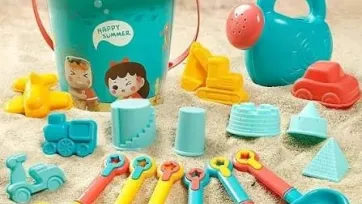
Basic sand toys include buckets, shovels, molds, rakes, and construction vehicles.

These toys provide hours of creative outdoor entertainment.

Bubble Toys Never Go Out of Style

Bubble toys continue to delight children of all ages.

Options include:

  • Bubble wands
  • Automatic bubble machines
  • Giant bubble kits
  • Bubble guns

Chasing bubbles encourages running, jumping, and coordination while creating joyful outdoor memories.

Ride-On Toys Build Confidence

Ride-on toys are excellent for younger children developing balance and coordination.

Popular options include:

  • Balance bikes
  • Ride-on cars
  • Push cars
  • Wagons
  • Tricycles

These toys encourage independent movement while helping children gain confidence outdoors.

Gardening Toys Teach Responsibility

Gardening introduces children to nature through hands-on learning.

Simple gardening kits often include:

  • Child-sized watering cans
  • Shovels
  • Rakes
  • Gloves
  • Planting tools

Growing flowers, herbs, or vegetables teaches patience, responsibility, and environmental awareness.

Outdoor STEM Toys

Learning doesn't have to stay indoors.

Outdoor STEM toys encourage children to investigate science while exploring nature.

Popular choices include:

  • Bug-catching kits
  • Binoculars
  • Telescopes
  • Rock collection kits
  • Weather stations
  • Nature explorer sets

These activities help children develop observation skills while encouraging curiosity about the natural world.

Obstacle Course Toys

Obstacle courses have become increasingly popular for active families.

Simple equipment may include:

  • Cones
  • Jump ropes
  • Balance beams
  • Agility ladders
  • Tunnels

Children improve balance, speed, coordination, and problem-solving while having fun.

Families can also create their own obstacle courses using everyday household items.

Choosing Outdoor Toys by Age

Selecting age-appropriate toys helps children stay engaged and safe.

For toddlers:

  • Bubble toys
  • Push toys
  • Sand toys
  • Water tables

For preschoolers:

  • Scooters
  • Balance bikes
  • RC cars
  • Gardening kits

For school-age children:

  • Sports equipment
  • STEM explorer kits
  • Advanced RC vehicles
  • Outdoor games

Matching toys to your child's interests keeps outdoor play exciting.

Safety Tips for Outdoor Play

Outdoor fun should always include proper safety measures.

Parents should:

  • Supervise younger children.
  • Use protective helmets when needed.
  • Check toys regularly for damage.
  • Follow age recommendations.
  • Choose safe play areas away from traffic.
  • Keep children hydrated during hot weather.

Teaching outdoor safety helps children enjoy active play with confidence.

Common Mistakes Parents Make

Many parents unintentionally reduce the value of outdoor play.

Avoid:

  • Buying toys that are too advanced.
  • Ignoring weather conditions.
  • Choosing poor-quality materials.
  • Forgetting protective equipment.
  • Limiting outdoor play to special occasions.

Even 30 to 60 minutes of daily outdoor play can have a positive impact on a child's health and development.

Why Outdoor Toys Make Great Gifts

Outdoor toys encourage children to stay active while creating memorable family experiences.

Whether it's a birthday, holiday, or summer surprise, gifts such as scooters, RC cars, bubble machines, sports equipment, or gardening kits continue providing enjoyment long after they're opened.

Parents also appreciate gifts that encourage healthy movement instead of increasing screen time.

Frequently Asked Questions

What are the best outdoor toys for kids?

Scooters, balance bikes, remote control cars, sports equipment, bubble toys, water tables, gardening kits, and outdoor STEM toys are among the best choices.

Why are outdoor toys important?

Outdoor toys encourage physical activity, creativity, social interaction, and healthy development while reducing screen time.

Are remote control cars good outdoor toys?

Yes. RC cars improve coordination, concentration, and reaction time while encouraging children to play actively outdoors.

How can I encourage my child to play outside more?

Choose toys that match your child's interests, participate in outdoor activities together, rotate toys regularly, and create fun family games that make outdoor play exciting.

Final Thoughts

The best outdoor toys for kids in 2026 do more than entertain—they inspire children to move, explore, create, and connect with the world around them. From scooters and sports equipment to remote control cars, water toys, gardening kits, and STEM explorer sets, outdoor toys help children build healthy habits while developing essential physical and social skills.

By choosing safe, durable, and age-appropriate outdoor toys, parents can encourage a lifetime of active play, reduce screen time, and create unforgettable family memories filled with laughter, adventure, and discovery.
Advertisement
Quiet Toys for Independent Play at Home
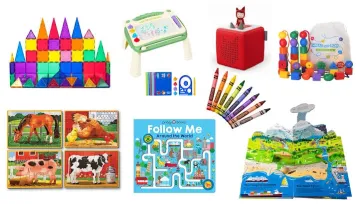
 Quiet Toys for Independent Play at Home: A Complete Parent's Guide Every parent experiences moments when a calm and peaceful activity is exactly what the family needs. Whether you're working from home, caring for a younger sibling, preparing dinner or simply encouraging your child to enjoy some independent play, quiet toys can make a remarkable difference. Unlike noisy electronic gadgets or fast-paced games, quiet toys encourage children to focus, think creatively and entertain themselves without constant stimulation. These toys often support concentration, imagination and problem-solving while creating a more relaxing home environment. Quiet play doesn't mean boring play. In fact, many children become deeply engaged when given the opportunity to build, create, draw, solve puzzles or invent imaginative stories at their own pace. These moments of independent play help children develop confidence, patience and decision-making skills that benefit them well beyond childhood. Choosing the right quiet toys also helps parents create a healthier balance between active play, screen time and restful activities. Whether your child enjoys reading, crafting, construction or pretend play, there are countless options that provide meaningful entertainment without filling the house with noise. This guide explains the benefits of quiet toys, how they support child development, the best options for different age groups and what parents should consider before making a purchase. What Are Quiet Toys? Quiet toys are toys that encourage calm, focused play without producing loud sounds, flashing lights or constant electronic effects. Instead of relying on noise for entertainment, these toys encourage children to use their imagination, creativity and problem-solving skills. Examples include: Building blocks Wooden puzzles Magnetic construction toys Colouring books Drawing boards Craft kits Modelling clay Dollhouses Toy animals Storytelling cards Threading activities Shape sorters Books Mosaic art sets Stacking toys These toys can be enjoyed independently or with family members while maintaining a peaceful play environment. Why Quiet Play Is Important Modern children are surrounded by constant stimulation from televisions, tablets, smartphones and electronic toys. While these forms of entertainment have their place, children also benefit from opportunities to slow down and engage in thoughtful play. Quiet play helps children: Develop longer attention spans. Improve concentration. Learn patience. Build creativity. Strengthen independent thinking. Reduce feelings of overstimulation. Develop problem-solving skills. Enjoy calm, focused activities. Many parents also notice that children become more relaxed after spending time with quiet toys. Benefits of Quiet Toys Quiet toys support several important areas of child development. Encourage Independent Play Children learn to make their own decisions when they are free to explore toys without constant adult guidance. Independent play builds confidence and encourages children to trust their own ideas. Improve Concentration Completing a puzzle, building a structure or creating artwork requires sustained attention. These activities gradually strengthen focus and persistence. Support Creativity Quiet toys often have no fixed outcome, allowing children to invent stories, create designs and explore different ideas. This encourages flexible thinking and imagination. Develop Fine Motor Skills Many quiet activities involve small hand movements such as drawing, threading, stacking or modelling. These movements strengthen the muscles needed for writing, dressing and everyday tasks. Reduce Screen Time Providing interesting alternatives to electronic devices helps children spend more time engaged in hands-on learning and imaginative play. Create a Calmer Home Environment Because these toys generate very little noise, they are ideal during quiet afternoons, family reading time or when younger siblings are sleeping. Best Quiet Toys for Babies Babies naturally explore through touch and movement. Suitable quiet toys include: Soft fabric books Sensory balls Stacking rings Soft building blocks Activity cubes Textured toys Large grasping toys Fabric play mats These toys encourage exploration without overwhelming babies with excessive lights or sounds. Quiet Toys for Toddlers Toddlers enjoy activities that challenge their curiosity while remaining simple enough for independent play. Popular choices include: Shape sorters Wooden puzzles Building blocks Toy animals Stacking cups Drawing boards Large threading toys Pretend food Soft dolls Play kitchens These toys encourage creativity, coordination and language development while maintaining a peaceful play environment. Quiet Toys for Preschool Children Preschool children enjoy more detailed activities that allow them to create, build and imagine. Excellent options include: Craft kits Magnetic building sets Dollhouses Marble runs Mosaic art boards Construction toys Storytelling cards Puppet sets Modelling clay Picture books These toys help children remain engaged for longer periods while encouraging creative and independent thinking. Quiet Toys for School-Age Children As children grow older, they often enjoy activities that challenge their creativity, concentration and problem-solving abilities. Quiet toys for this age group should provide opportunities for independent exploration while remaining engaging enough to hold their attention for extended periods. Some excellent choices include: Strategy board games Advanced jigsaw puzzles Model-building kits Origami sets Jewellery-making kits Science activity kits Advanced construction toys Sketchbooks and drawing supplies Calligraphy and lettering sets Creative writing games These activities encourage children to think independently, develop patience and improve their attention to detail. How Quiet Toys Support Child Development Quiet play contributes to healthy development in many ways beyond simply reducing noise. Encourages Self-Confidence When children complete activities independently, they gain confidence in their own abilities. Solving a puzzle or finishing an art project gives them a sense of achievement that motivates them to tackle new challenges. Improves Decision-Making Quiet toys often have no single correct answer. Children decide how to build, create or organise their play, helping them develop independent thinking and better decision-making skills. Strengthens Emotional Regulation Calm play activities provide opportunities for children to relax after busy school days or energetic outdoor play. Many parents find that quiet play helps children settle before bedtime or after exciting events. Encourages Family Interaction Many quiet toys can also be enjoyed together. Reading books, completing puzzles or creating craft projects as a family encourages conversation and strengthens relationships without relying on electronic entertainment. How to Choose the Best Quiet Toys Selecting the right quiet toys depends on your child's personality, interests and stage of development. Consider the following factors before making a purchase: Choose toys appropriate for your child's age. Look for toys that encourage creativity rather than passive play. Select durable products that can withstand frequent use. Consider toys that can be used in different ways. Think about available storage space. Choose toys that support independent as well as shared play. Include a variety of activities to keep play interesting. A balanced collection of quiet toys provides opportunities for learning, creativity and relaxation throughout the year. Buying Guide Choosing high-quality quiet toys is easier when you focus on long-term play value instead of short-lived trends. Prioritise Open-Ended Play Construction toys, art materials and storytelling games often provide more lasting entertainment because children can use them differently every time they play. Consider Educational Value Many quiet toys naturally develop literacy, numeracy, creativity or problem-solving skills while children are simply enjoying themselves. Check Build Quality Well-made toys usually last longer, making them better value for money over time. Think About Storage Compact toys with organised storage solutions are particularly useful for smaller homes and playrooms. Choose Toys That Grow with Your Child Some toys remain enjoyable for many years by offering increasingly complex ways to play as children mature. Safety Tips Even quiet toys should be used safely. Keep these recommendations in mind: Follow the manufacturer's age recommendations. Inspect toys regularly for wear or damage. Remove broken or damaged items immediately. Keep small pieces away from babies and toddlers. Clean toys regularly using child-safe cleaning products. Store toys in labelled containers to prevent pieces from being lost. Supervise younger children during craft activities. Ensure art materials are non-toxic and suitable for children. A well-maintained collection of toys provides safer and more enjoyable play experiences. Common Buying Mistakes Avoid these common mistakes when purchasing quiet toys. Buying Toys That Are Too Complicated If children cannot understand how to use a toy, they may quickly lose interest. Choosing Only Electronic Alternatives Electronic toys often entertain children rather than encouraging them to think creatively. Ignoring Personal Interests Children are far more likely to enjoy quiet play when activities match their hobbies and preferences. Buying Too Many Similar Toys A varied collection supports different types of learning and prevents boredom. Focusing Only on Price The cheapest option is not always the best value. Durable, versatile toys often provide years of meaningful play. Frequently Asked Questions What are quiet toys? Quiet toys are toys that encourage calm, focused and creative play without producing loud sounds or relying on electronic entertainment. Are quiet toys good for independent play? Yes. Many quiet toys encourage children to explore, create and solve problems on their own, helping build confidence and independence. Can quiet toys reduce screen time? Absolutely. Interesting hands-on activities naturally encourage children to spend less time using digital devices. What are the best quiet toys for travel? Compact puzzles, colouring books, magnetic games, activity books and small construction toys are excellent choices for travelling. Do quiet toys support learning? Yes. Many quiet toys help develop creativity, literacy, fine motor skills, concentration, communication and problem-solving through enjoyable play. Final Thoughts Quiet toys prove that meaningful play doesn't have to be loud or fast-paced. By encouraging creativity, concentration and independent thinking, these toys provide children with valuable opportunities to learn while enjoying calm and engaging activities. Whether your child enjoys building, drawing, crafting, reading or solving puzzles, a carefully chosen collection of quiet toys can support healthy development while creating a more peaceful home environment. Investing in versatile, durable and age-appropriate toys helps children develop important life skills that extend far beyond playtime.
What Happened When 20 Families Reduced Their Children's Toys?
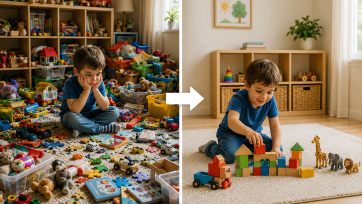
 What Happened When 20 Families Reduced Their Children's Toys? The Results May Surprise You Introduction Imagine being asked a simple question. "Would you remove half of your child's toys for two weeks?" Most parents would probably hesitate. Some would worry their child would become bored. Others might expect more arguments, more screen time and constant requests to buy new toys. Yet over the past decade, many parents have experimented with exactly this idea—not because someone told them to own less, but because they wanted to understand an increasingly common problem. Why were children surrounded by toys yet still saying they had nothing to play with? Although every family is different, the experiences shared by parents reveal some surprisingly consistent patterns. This article brings together those common observations into a practical case study, highlighting what many families noticed after simplifying their children's play environment. The goal isn't to persuade you to throw toys away. It's to explore what happens when children have fewer choices and more opportunities to use their imagination. Week One: The Unexpected Silence The first day often felt strange. Parents described children walking into the playroom, looking around and immediately noticing that something had changed. Some asked where the missing toys had gone. Others wandered from shelf to shelf before choosing something almost reluctantly. At first glance, it looked as though the experiment had failed. But several parents noticed something interesting. Instead of opening six different boxes within ten minutes, children stayed with one activity for much longer. Not because they had no other option. Because there were fewer distractions competing for their attention. The Third-Day Effect Around the third day, many parents reported a noticeable shift. The same construction blocks that had been ignored for months suddenly became the centre of elaborate cities. Toy animals appeared in homemade zoos. Blankets transformed into tents, pirate ships and secret hideouts. Children weren't receiving new toys. They were discovering new ways to use familiar ones. Several parents admitted they had forgotten just how creative their children could be when left to lead the play themselves. Less Time Choosing, More Time Playing One observation appeared repeatedly. Children seemed to spend less time deciding what to play with. This may sound like a small change, but it had a noticeable impact on the length and quality of play sessions. Instead of constantly moving between activities, many became deeply involved in a single game. Parents often described the atmosphere as calmer. Not quieter. Just more focused. Parents Noticed a Difference Too The experiment didn't only affect children. Adults found unexpected benefits as well. Tidying the playroom became quicker. Missing puzzle pieces were easier to find. Favourite toys no longer disappeared beneath mountains of forgotten items. Perhaps most importantly, several parents admitted they felt less pressure to keep buying new toys. They realised their children already owned enough to create wonderful adventures. Not Every Family Had the Same Experience One important lesson quickly became clear. There wasn't a single, perfect outcome. Some children adapted within a day. Others took nearly a week before settling into longer periods of play. A few parents even ended the experiment early because they realised they had removed too many toys at once. That wasn't a failure. It simply highlighted an important point: every child has a different personality, different interests and a different way of engaging with play. The goal wasn't to follow strict rules. It was to discover what worked best for each family. What Happened When the Toys Returned? Perhaps the most interesting part of the experiment came after the toys were brought back. Parents expected children to rush excitedly towards the stored toys before quickly losing interest again. Instead, many children treated familiar toys as though they had just received birthday presents. A train set that hadn't been touched for months suddenly became exciting. Building blocks inspired fresh ideas. Even stuffed animals found new roles in imaginative stories. Nothing about the toys had changed. Only the child's perspective had. This simple observation explains why toy rotation has become such a popular strategy among many families. One Unexpected Discovery Several parents admitted something they hadn't expected. The experiment changed their own behaviour more than their children's. Before reducing the number of toys, many believed boredom could only be solved by buying something new. Afterwards, they noticed that a few encouraging questions often worked better than another shopping trip. "Who lives in this castle?" "Where is this train travelling today?" "What happens next?" These small prompts often sparked long periods of independent play. The children already had the imagination. They simply needed space to use it. What This Means for Parents You don't need to count every toy in your home. You don't need to throw away perfectly good toys. You certainly don't need to follow somebody else's definition of the "perfect" playroom. Instead, think about the quality of play rather than the quantity of toys. Ask yourself: Does my child return to the same toys again and again? Are there toys that haven't been touched for months? Is the playroom helping my child focus or distracting them? Would rotating a few toys make play feel fresh again? Small adjustments often make a much bigger difference than expensive purchases. The Bigger Lesson Perhaps the biggest lesson from these family experiences is this: Children don't measure happiness by how full the toy cupboard is. They measure it by the adventures they create. A cardboard box can become a castle. A blanket can become a superhero cape. A handful of blocks can become an entire city. The imagination was never missing. Sometimes it was simply hidden beneath too many choices. Frequently Asked Questions Does reducing toys work for every child? No single approach works for everyone. However, many families find that reducing visible toys or rotating them regularly helps children focus and engage in longer periods of imaginative play. How many toys should stay available? There isn't a magic number. A balanced mix of construction toys, pretend-play items, creative materials and a few favourites is often more effective than keeping every toy available at once. Should unused toys be donated immediately? Not necessarily. Storing them for a few weeks before deciding gives children the opportunity to rediscover them later. If they still show no interest, donating may be a sensible next step. Can toy rotation reduce requests for new toys? Many parents say it can. Bringing back stored toys often creates the excitement of receiving something new without spending additional money. Is this approach suitable for older children? Yes. Although the types of toys change with age, simplifying the play environment can benefit school-age children as well by reducing distractions and encouraging more focused play. Final Thoughts Children don't always need more. Sometimes they simply need less to think about. The families in this case study didn't discover a secret parenting trick or a revolutionary toy. Instead, they rediscovered something childhood has quietly known all along. Creativity doesn't depend on owning the newest toy. It depends on having the freedom to imagine. Whether your home contains twenty toys or two hundred, the real question isn't how many are on the shelves. It's how many inspire your child to invent stories, solve problems and return to play day after day. If a small change to the playroom can create bigger adventures, it might be one of the simplest parenting experiments worth trying.  
Best Helmet for your Kids in 2026
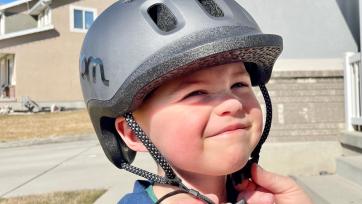
Kids Helmets: The Complete Parent's Guide to Choosing the Safest Helmet for Your Child Introduction A helmet is one of the most important pieces of safety equipment a child will ever own. Whether they're learning to ride a bike, enjoying a scooter ride in the park or mastering their first skateboard tricks, a properly fitted helmet helps protect them during unexpected falls. Yet many parents unknowingly choose a helmet based on colour, favourite cartoon characters or price alone. While appearance may encourage children to wear a helmet, protection should always come first. The safest helmet isn't necessarily the most expensive one. It's the one that fits correctly, meets recognised safety standards and is worn every single time a child rides. This guide explains how to choose the best kids' helmet, how to ensure it fits properly and what features really matter before making a purchase. Why Every Child Needs a Properly Fitted Helmet Children are naturally adventurous. They're constantly learning new skills, testing their balance and building confidence. Small falls are a normal part of growing up, but head protection should never be left to chance. A quality helmet helps by: Absorbing impact during a fall. Reducing the risk of serious head injuries. Giving children confidence while learning new activities. Encouraging safer riding habits from an early age. The best helmet is the one your child happily wears every time they ride. Start by Measuring Your Child's Head Before choosing colours or designs, measure your child's head. Use a soft measuring tape around the widest part of the head, about one centimetre above the eyebrows and ears. Compare this measurement with the manufacturer's size guide rather than guessing based on age. Children of the same age often have different head sizes, so accurate measurement is always the safest approach. What Makes a Safe Kids' Helmet? A good helmet combines protection with comfort. Look for features such as: Certified safety standards. Strong outer shell. Shock-absorbing inner foam. Adjustable fit system. Comfortable chin strap. Multiple ventilation openings. Lightweight construction. These features help the helmet stay secure while remaining comfortable enough for everyday use. Different Types of Children's Helmets Not every helmet is designed for the same activity. Bike Helmets Designed for cycling, these helmets provide excellent ventilation and lightweight protection for everyday riding. Scooter Helmets Many scooter helmets look similar to bike helmets, but always check the manufacturer's intended use and safety certification. Skate Helmets Skate-style helmets often provide additional coverage around the back of the head and are built for repeated low-height impacts common in skateboarding. Using the right helmet for the intended activity provides the best protection. How Should a Helmet Fit? A correctly fitted helmet should: Sit level on the head. Cover the forehead without blocking vision. Stay firmly in place when the child shakes their head. Feel snug without causing discomfort. Have a chin strap that allows one or two fingers to fit underneath. If the helmet rocks forwards, backwards or sideways, it needs adjusting or replacing with a different size. Lightweight Helmets Are Often Better Children are much more likely to wear a helmet that feels comfortable. A lightweight design reduces strain on the neck and encourages longer wear during cycling, scootering and outdoor play. Comfort increases the chances that wearing a helmet becomes an everyday habit rather than something children try to avoid. When Should You Replace a Child's Helmet? A helmet isn't designed to last forever. Even if it looks perfectly fine on the outside, its protective materials can weaken over time or after a significant impact. Replace your child's helmet if: It has been involved in a crash or heavy fall. You notice cracks in the outer shell. The inner foam is compressed or damaged. Straps or buckles no longer work properly. The helmet no longer fits because your child has grown. A damaged helmet may not provide the protection your child needs during another fall. Teaching Children to Wear a Helmet Every Time Buying a helmet is only the first step. Building the habit of wearing it consistently is just as important. Parents can encourage this by: Wearing a helmet themselves during family bike rides. Letting children choose a colour or design they like. Putting the helmet on before the bike or scooter comes out. Praising children for remembering without being asked. Explaining that helmets are part of riding, just like pedals and brakes. When helmet use becomes part of the routine, children are much more likely to continue the habit as they grow. How to Care for a Kids' Helmet A little maintenance helps a helmet stay comfortable and perform as intended. Simple care tips include: Wipe the outer shell with a soft, damp cloth. Clean the straps regularly. Allow the helmet to air dry naturally after use. Store it in a cool, dry place. Avoid leaving it inside a hot car for long periods. Check straps and adjustment systems every few weeks. Keeping the helmet clean also makes it more pleasant for children to wear. Common Helmet Buying Mistakes Many parents unintentionally reduce a helmet's effectiveness by making one of these common mistakes: Buying a helmet that's too large so the child can "grow into it." Choosing appearance over proper fit. Wearing the helmet too far back on the head. Leaving the chin strap too loose. Continuing to use a helmet after a significant impact. Assuming one helmet is suitable for every activity without checking its intended use. A correctly fitted, well-maintained helmet offers far better protection than an oversized or damaged one. Frequently Asked Questions How tight should a child's helmet be? The helmet should feel snug and remain in place when your child gently shakes their head. It shouldn't wobble, but it also shouldn't feel painfully tight. Can my child use the same helmet for cycling and skateboarding? Some helmets are certified for multiple activities, while others are designed specifically for cycling or skateboarding. Always check the manufacturer's safety certification and intended use. How long does a children's helmet usually last? If it hasn't suffered an impact and remains in good condition, many manufacturers recommend replacing helmets after several years due to natural material ageing. Follow the manufacturer's guidance for your specific model. Should children always wear a helmet on short rides? Yes. Many accidents happen close to home, so helmets should be worn every time a child rides a bicycle, scooter or participates in other helmet-recommended activities. Can I buy a larger helmet so my child grows into it? No. A helmet must fit correctly today to provide proper protection. An oversized helmet can move during an impact and reduce its effectiveness. Final Thoughts A child's helmet may not be the most exciting purchase, but it could be one of the most important. The right helmet protects more than just a child's head—it gives parents greater peace of mind and helps children enjoy outdoor adventures with confidence. When choosing a helmet, always prioritise proper fit, recognised safety certification and everyday comfort over colours or fashionable designs. The safest helmet isn't the one hanging on a hook at home. It's the one your child is happy to wear every single ride.  
Best Musical Toys for Kids in 2026
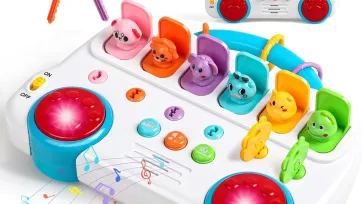
Best Musical Toys for Kids in 2026: Inspiring Creativity Through Music Music plays an important role in every child's development. From the first time a baby shakes a rattle to a preschooler playing their first tune on a toy keyboard, musical experiences help children develop confidence, creativity, coordination, and communication skills. Musical toys make learning enjoyable by encouraging children to explore sounds, rhythms, and melodies through hands-on play. In 2026, musical toys are more creative than ever. Parents can choose from traditional instruments, interactive keyboards, drum sets, karaoke machines, dance mats, and educational music games designed for every age group. Whether your child dreams of becoming a singer, drummer, guitarist, or simply enjoys making noise, the right musical toy can encourage a lifelong love of music. This guide explores the best musical toys for kids in 2026 and explains how they support healthy childhood development. Why Musical Toys Are Important Children naturally respond to music. Even babies begin recognising rhythms and reacting to melodies long before they can speak. Musical toys help children: Explore different sounds Express emotions Build confidence Improve listening skills Develop coordination Strengthen memory Enjoy creative play Unlike passive entertainment, musical toys encourage children to actively participate in creating music. Benefits of Musical Toys Musical play supports many areas of child development. Some of the biggest benefits include: Improve hand-eye coordination Develop rhythm and timing Strengthen listening skills Encourage creativity Improve memory Build confidence Support language development Enhance concentration Reduce screen time Children also learn patience as they practise new sounds and rhythms. Musical Toys for Babies Babies enjoy simple musical toys that are easy to hold and explore. Popular choices include: Soft rattles Musical plush toys Baby tambourines Sound blocks Gentle melody toys Musical activity cubes These toys introduce cause and effect while encouraging sensory development. Toy Keyboards Toy keyboards remain one of the most popular musical toys for children. Many modern keyboards include: Piano sounds Animal sounds Drum rhythms Learning modes Recording functions Light-up keys Children begin recognising notes while developing finger coordination and creativity. Toy Drum Sets Drum sets encourage children to explore rhythm through energetic play. Benefits include: Better coordination Improved timing Stronger arm movement Rhythm recognition Creative expression Many children's drum kits also include cymbals and percussion accessories for a more realistic experience. Xylophones and Glockenspiels Colourful xylophones are ideal for introducing young children to musical notes. Playing simple melodies helps children: Recognise pitch Develop rhythm Improve hand coordination Strengthen listening skills These instruments are especially suitable for toddlers and preschool children. Toy Guitars and Ukuleles Many children enjoy pretending to perform like their favourite musicians. Toy guitars and ukuleles encourage: Imaginative play Finger coordination Rhythm practice Musical confidence Some beginner models use real strings, helping older children prepare for learning actual instruments. Karaoke Machines Karaoke toys have become increasingly popular for family entertainment. Children enjoy: Singing favourite songs Performing for family Recording their voices Building stage confidence Singing also supports language development and pronunciation. Musical Dance Mats Dance mats combine movement with music, encouraging children to stay active while developing rhythm. These toys improve: Balance Coordination Physical fitness Timing Listening skills They are particularly popular for family game nights. Educational Musical Toys Many musical toys introduce early learning concepts alongside music. Children can practise: Numbers Colours Alphabet letters Animal sounds Memory games Combining music with learning helps children remember new information more easily. Choosing the Right Musical Toy Before buying, consider: Your child's age Volume control Durability Educational value Safety standards Battery life (if required) Look for toys that encourage creativity rather than simply playing pre-recorded music. Safety Tips Choose musical toys that: Meet recognised safety standards Use child-safe materials Have adjustable volume Match the recommended age Contain securely enclosed batteries Moderate sound levels help protect children's hearing during play. Common Buying Mistakes Parents often choose musical toys based only on appearance. Avoid: Extremely loud toys Poor sound quality Fragile construction Complicated controls for younger children Limited educational value Simple, durable instruments often provide the best long-term experience. Why Musical Toys Make Excellent Gifts Musical toys are wonderful gifts because they combine creativity, movement, and learning. They're perfect for: Birthdays Christmas First birthdays Family celebrations Nursery gifts Many children continue enjoying musical toys for years as their confidence and skills develop. Frequently Asked Questions What are the best musical toys for children? Toy keyboards, drum sets, xylophones, karaoke machines, musical activity cubes, guitars, and dance mats are among the most popular choices. At what age can children start using musical toys? Many musical toys are suitable from infancy, while more advanced instruments are designed for toddlers and older children. Do musical toys help child development? Yes. They improve coordination, listening skills, creativity, confidence, language development, and memory while encouraging active play. Should I choose electronic or traditional musical toys? A combination works best. Traditional instruments encourage creativity, while electronic musical toys often provide additional learning features and interactive activities. Final Thoughts The best musical toys for kids in 2026 inspire creativity, confidence, and joyful learning through sound and movement. Whether your child enjoys playing a keyboard, beating a drum, singing into a microphone, or exploring melodies on a xylophone, musical toys provide valuable opportunities to develop important skills while having fun. By choosing high-quality, age-appropriate musical toys, parents can encourage a lifelong appreciation of music while supporting healthy cognitive, emotional, and physical development. Every note played is another step towards greater creativity, confidence, and self-expression.
Sand Play Toys: Why Every Child Should Experience Creative Outdoor Play
Sand Play Toys: Why Every Child Should Experience Creative Outdoor Play Introduction A child doesn't need a room full of expensive toys to stay entertained. Give them a bucket, a shovel and a patch of sand, and you'll often see something remarkable happen. Within minutes, they're digging tunnels, building castles, collecting treasures or inventing entire imaginary worlds. Sand has fascinated children for generations because it offers something many modern toys cannot—complete freedom. It can be shaped, poured, scooped, moulded and rebuilt again and again. There are no instructions to follow, no batteries to charge and no single "correct" way to play. For parents, sand play is far more than a simple outdoor activity. It helps children develop important physical, social and cognitive skills while encouraging them to spend more time outdoors. Better still, many sand toys remain useful for years, making them one of the best long-term investments for active play. Whether your child enjoys digging giant holes in the garden, creating miniature construction sites or decorating detailed sandcastles at the beach, the right sand play toys can transform ordinary play into an exciting learning experience. In this guide, you'll learn why sand play matters, how it supports child development, which toys are worth buying and how to create a safe and enjoyable sand play area at home. Why Sand Play Never Gets Old Unlike many toys that lose their appeal after a few weeks, sand offers endless possibilities. Today it might become a racing track for toy cars. Tomorrow it could be an archaeological dig where dinosaurs are carefully uncovered. Next week it may turn into a bustling building site complete with roads, bridges and tunnels. Children decide what happens next, and that's exactly what makes sand so engaging. Every handful of sand becomes another opportunity to create, experiment and imagine. How Sand Play Supports Child Development Parents often see sand play as simple outdoor fun, but every scoop, pour and pat helps children develop valuable life skills. As children dig holes, fill buckets and shape sand into different forms, they naturally improve their coordination, strengthen muscles and learn how different materials behave. At the same time, they practise planning, problem-solving and creative thinking without even realising they're learning. Some of the key developmental benefits include: Better hand-eye coordination Improved fine motor skills Stronger hand and wrist muscles Creative thinking Early scientific exploration Social interaction Patience and persistence Independent play Benefits of Sand Play Toys The right sand toys add even more opportunities for learning and creativity. Encourage Imaginative Play One child might build a medieval castle. Another may create a dinosaur habitat. Someone else could design a busy construction site. The same toys can inspire completely different adventures every day. Strengthen Fine Motor Skills Scooping, pouring, digging and shaping all require careful hand movements that strengthen muscles needed for writing, drawing and everyday tasks. Introduce Early STEM Concepts Without formal lessons, children begin exploring ideas such as: Gravity Volume Measurement Balance Cause and effect Structural stability For example, they quickly discover why wet sand holds its shape better than dry sand. Encourage Outdoor Activity Many children naturally spend longer outdoors when interesting sand toys are available. Fresh air, movement and imaginative play create a healthy combination for growing minds and bodies. Develop Social Skills Building large sand projects often becomes a team activity. Children learn to share tools, divide responsibilities, communicate ideas and solve disagreements together. Best Sand Play Toys for Toddlers Toddlers benefit from simple toys that encourage exploration without becoming frustrating. Excellent choices include: Buckets Large plastic spades Scoops Sand moulds Watering cans Toy trucks Sieves Rakes Soft sand rollers Simple diggers These toys help toddlers develop coordination while introducing cause-and-effect learning. Sand Play Toys for Preschool Children Preschool children enjoy creating larger projects and experimenting with different techniques. Popular options include: Sandcastle building kits Construction vehicles Tunnel moulds Sand wheels Animal moulds Treasure hunting kits Toy boats for wet sand Bridge moulds Measuring cups Water channels Children at this age often combine sand with water, sticks, leaves and natural materials to create imaginative landscapes. Sand Play Toys for School-Age Children Older children usually enjoy more detailed construction projects and imaginative challenges. Suitable toys include: Large construction vehicle sets Excavator toys Advanced castle moulds Archaeology excavation kits Treasure maps Fort-building accessories Mini engineering sets Outdoor adventure kits Sand sieving frames Nature exploration tools Rather than simply digging holes, many school-age children enjoy designing complete environments with roads, bridges, rivers and buildings that reflect their growing creativity.
A Child, Two Toys and One Hour
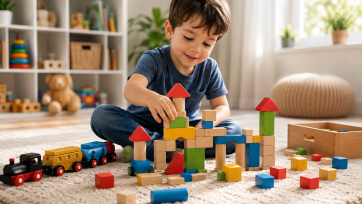
A Child, Two Toys and One Hour: Which Toy Won? A Play Experiment Every Parent Should Read Introduction Imagine placing two toys on the living room floor. The first is packed with features. It lights up, talks, sings and responds every time a button is pressed. The second is almost unbelievably simple. A small box of plain wooden building blocks. Now imagine asking a group of children to play freely for an hour. Which toy do you think would hold their attention for longer? Most adults confidently choose the electronic toy. Many child development specialists would hesitate. Because the answer isn't nearly as obvious as it seems. This isn't a competition between traditional toys and modern technology. It's a closer look at something far more interesting: what keeps children genuinely engaged once the excitement of something new has disappeared. Let's run a simple thought experiment. Minute 1: The Electronic Toy Takes the Lead At the beginning, the electronic toy is almost impossible to ignore. It flashes. It moves. It speaks. Children gather around to discover what happens when different buttons are pressed. The building blocks receive very little attention. If you judged the experiment after sixty seconds, the electronic toy would appear to be the clear winner. But meaningful play isn't measured in minutes. Minute 10: Curiosity Starts to Change By now, most of the toy's surprises have been discovered. Children begin repeating the same actions. Press. Watch. Listen. Repeat. Meanwhile, something different happens with the blocks. A bridge appears. Another child turns it into a garage. Someone else decides it's actually the beginning of a castle. The same pieces are producing completely different ideas. The toy hasn't changed. The players have. Minute 30: Stories Replace Features Half an hour into the experiment, the electronic toy is still doing exactly what it was designed to do. The blocks are doing something impossible to predict. They're becoming part of a story. A castle needs defending. A road leads to a hidden treasure. A zoo needs new animal shelters. A train station is under construction. No instruction manual suggested any of these ideas. The children created them themselves. That's the moment where open-ended play begins to outperform programmed entertainment. The Difference Between Watching and Creating There's a simple question worth asking whenever you buy a toy. Is my child creating the experience, or simply watching the toy create it? Neither approach is automatically wrong. Some toys are brilliant for introducing music, movement or cause and effect. Others encourage children to become architects, storytellers, engineers and explorers. The richest play experiences often happen when children become the authors rather than the audience. Why This Matters More Than Ever Children today have access to more toys than any previous generation. Many are beautifully designed. Many are genuinely innovative. Yet parents frequently describe the same pattern. A new toy arrives. It creates huge excitement. A week later, it's quietly sitting on a shelf. The issue isn't quality. It's replay value. The toys children return to again and again usually share one important characteristic. They leave room for imagination. Not because they do less. Because they ask children to do more. The One-Hour Rule Every Parent Can Use The experiment above isn't about proving that one type of toy is always better than another. It's about asking a smarter question. Before buying any toy, imagine your child has already been playing with it for one hour. Now ask yourself: What are they doing now? Have they invented something new? Are they still exploring? Or are they simply repeating the same action? If the toy still encourages fresh ideas after an hour, there's a good chance it will continue earning its place in your home for months or even years. That's what parents should really be buying—time spent engaged, not just time spent entertained. Why Simple Toys Often Improve Over Time Think about your favourite childhood memory involving a toy. Was it exciting because of the toy itself? Or because of what you created with it? Simple toys have an unusual advantage. They don't become outdated as quickly because children change the way they use them. A toddler may stack wooden blocks into a small tower. A six-year-old may use those same blocks to build a city. An older child might combine them with cars, figures and craft materials to create an entire imaginary world. The toy remains exactly the same. The play keeps evolving. Very few highly programmed toys can offer that kind of flexibility. The Hidden Cost of Short-Lived Excitement Parents naturally want to make their children happy. That's why it's easy to be influenced by impressive demonstrations in shops or exciting videos online. But there is another kind of cost that rarely appears on a price tag. A toy that captures attention for ten minutes before being forgotten is often more expensive in the long run than a simple toy that inspires hundreds of hours of play. Real value isn't measured by the purchase price. It's measured by how often the toy becomes part of everyday life. When viewed this way, the smartest purchases are often not the biggest or the loudest. They're the ones children quietly return to, week after week. There's Room for Both This isn't an argument against modern toys. Technology has introduced some wonderful ideas into children's play. Interactive science kits, coding toys and musical learning tools can all provide meaningful experiences. The key is balance. A healthy toy collection doesn't rely entirely on electronics, nor does it reject them completely. Instead, it offers different kinds of play: Toys that encourage imagination. Toys that build practical skills. Toys that promote movement. Toys that support creativity. Toys that inspire curiosity. When children have this balance, they naturally move between different ways of learning and playing. A Better Way to Judge Any Toy Instead of asking: "Is this the most popular toy this year?" Try asking: "Will my child still discover something new with this toy next month?" That single question often leads to better decisions than reading a list of features or following the latest trend. Parents don't need to predict the future. They simply need to recognise the difference between novelty and lasting play value. Frequently Asked Questions Are electronic toys bad for children? No. Many electronic toys encourage learning, music, coding or problem-solving. The important factor is whether the child actively participates instead of simply watching the toy perform. Why do children lose interest in some toys so quickly? Toys with limited ways to play often become predictable after the initial excitement. Open-ended toys remain interesting because children continue creating new ideas. How can I tell if a toy has good replay value? Ask whether your child can use it in different ways over time. If the answer is yes, it's likely to provide longer-lasting enjoyment. Should every toy encourage imagination? Not necessarily. Different toys support different skills. A balanced toy collection should include imaginative, creative, educational and active play opportunities. Is spending more money likely to buy a better toy? Not always. Some of the most loved childhood toys are simple, affordable and versatile enough to grow with the child. Final Thoughts Imagine returning to the living room after that one-hour play experiment. The electronic toy is still sitting exactly where it started. The building blocks are no longer just blocks. They're part of a castle. A train station. A bridge. A village. Perhaps all of them at once. The real winner wasn't a particular toy. It was imagination. That's the one feature no manufacturer can place inside a box. It belongs entirely to the child. The best toys simply give it somewhere to grow.
Best Toy Kitchen Sets for Kids in 2026
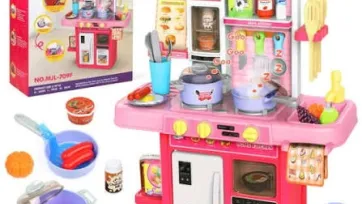
Best Toy Kitchen Sets for Kids in 2026: Inspiring Imagination Through Everyday Play Toy kitchen sets have remained one of the most popular pretend play toys for generations, and in 2026 they continue to be a favourite among children and parents alike. From preparing imaginary breakfasts to serving afternoon tea and running busy restaurants, toy kitchens allow children to explore everyday life through creative role play. More than just a fun activity, kitchen play helps children develop communication, social skills, creativity, and problem-solving abilities. Whether they're pretending to bake cakes, wash dishes, or cook dinner for the family, every activity encourages learning through imagination. If you're searching for the best toy kitchen set for your child, this complete guide will help you choose the perfect option. Why Toy Kitchen Sets Are So Popular Children naturally enjoy copying the adults around them. A toy kitchen allows them to safely imitate everyday activities such as: Cooking meals Washing vegetables Baking cakes Making tea Washing dishes Serving food Organising groceries These familiar activities help children understand daily routines while encouraging imaginative storytelling. Benefits of Toy Kitchen Sets Kitchen play supports many areas of child development. Some of the biggest benefits include: Encourage imaginative play Improve communication skills Expand vocabulary Develop fine motor skills Encourage social interaction Build confidence Improve problem-solving Teach responsibility Reduce screen time Children also learn patience, cooperation, and sharing when playing together. Wooden Toy Kitchens Wooden kitchen sets remain one of the most popular choices for families. Parents appreciate them because they are: Durable Eco-friendly Attractive Long-lasting Easy to clean Many wooden kitchens feature realistic details that encourage even more imaginative play. Modern Play Kitchens Today's toy kitchens are designed to look like real family kitchens. Popular features include: Ovens Hobs Microwaves Refrigerators Sinks Cupboards Coffee machines Ice dispensers These realistic details make role play even more exciting. Toy Food Sets No kitchen is complete without food. Popular pretend food includes: Fruit Vegetables Bread Pizza Burgers Cakes Ice cream Drinks Toy food encourages children to invent recipes, organise meals, and create restaurant adventures. Kitchen Accessories Accessories make pretend cooking even more realistic. Common accessories include: Pots Pans Plates Cups Cutlery Mixing bowls Utensils Aprons Adding accessories encourages longer and more creative play sessions. Toy Kitchens Encourage Healthy Habits Pretend cooking can introduce children to healthy eating. Parents can use kitchen play to discuss: Fruit and vegetables Balanced meals Cooking safely Cleaning up Table manners Learning happens naturally while children enjoy imaginative games. Restaurant Role Play Many children enjoy turning their toy kitchen into a restaurant. They can pretend to become: Chefs Waiters Café owners Bakers Pizza makers Ice cream sellers Restaurant games improve communication while encouraging teamwork and creativity. Educational Value of Kitchen Play Kitchen sets help children practise many everyday skills. These include: Counting ingredients Sorting food Colour recognition Organising objects Following simple routines Problem-solving Children also strengthen language skills by explaining recipes and serving imaginary customers. Choosing the Right Toy Kitchen Before buying, consider: Your child's age Available space Material quality Accessories included Height of the kitchen Safety certification Storage features A slightly larger kitchen often provides better long-term value as your child grows. Safety Tips Choose toy kitchens that: Meet recognised safety standards Have smooth edges Use non-toxic materials Include sturdy construction Match the recommended age Regularly inspect accessories for damage or loose parts. Common Buying Mistakes Parents sometimes buy kitchen sets based only on appearance. Avoid: Fragile plastic Sharp edges Tiny accessories for younger children Poor-quality doors and hinges Kitchens that are too small Investing in a well-built kitchen usually provides years of enjoyable play. Why Toy Kitchen Sets Make Brilliant Gifts Kitchen playsets are among the most memorable gifts children receive. They're perfect for: Birthdays Christmas Playroom makeovers Nursery gifts Family celebrations Unlike many toys that are forgotten after a few weeks, kitchen sets continue inspiring new adventures every day. Frequently Asked Questions What is the best toy kitchen for children? Wooden toy kitchens with realistic appliances, durable construction, and plenty of accessories are among the best choices. At what age can children use toy kitchens? Many kitchen playsets are suitable from around three years old, while simpler kitchens with larger accessories are available for younger toddlers. Are toy kitchen sets educational? Yes. They improve creativity, communication, problem-solving, fine motor skills, social interaction, and imaginative thinking. Should I choose a wooden or plastic toy kitchen? Wooden kitchens are generally more durable and environmentally friendly, while plastic kitchens may include interactive features such as lights and sounds. Both can provide excellent play experiences. Final Thoughts The best toy kitchen sets for kids in 2026 encourage creativity, communication, and imaginative role play while helping children learn valuable everyday skills. Whether they're baking pretend cakes, serving afternoon tea, or running a busy family restaurant, every activity supports healthy social and emotional development. By choosing a high-quality toy kitchen with realistic accessories and durable construction, parents provide children with a timeless toy that continues to inspire creativity long after many electronic toys have been forgotten.
25 Best Kids Clothing Brands for Quality, Comfort and Style in 2026
25 Best Kids Clothing Brands for Quality, Comfort and Style in 2026 Introduction Shopping for children's clothes sounds simple until you're standing in front of hundreds of options. Some brands focus on fashion. Others prioritise comfort. A few are known for exceptional durability, while others specialise in affordable everyday essentials. For parents, the challenge isn't finding children's clothing—it's finding clothes that survive playground adventures, frequent washing and rapidly growing children without sacrificing comfort or style. The best kids' clothing brands understand one important fact. Children don't spend their day standing still. They climb. They run. They paint. They crawl. They jump in puddles. Their clothes need to keep up. This guide explores some of the world's most trusted children's clothing brands, highlighting what each does best, who it's most suitable for and why parents continue returning to them year after year. Choosing the Right Kids' Clothing Brand Before looking at individual brands, it's worth deciding what matters most for your family. Some parents prefer premium fabrics that last through younger siblings. Others prioritise affordability because children outgrow clothes so quickly. You may also consider: Fabric quality Comfort Durability Easy washing Seasonal collections Size availability Value for money Sustainability There's no single perfect brand. The best choice depends on your child's needs and your budget. 1. Carter's Known for comfortable everyday clothing, Carter's remains one of the most trusted names for babies and young children. Parents appreciate its soft fabrics, practical designs and excellent value. Best for: Babies Toddlers Everyday wear 2. Next Next combines modern fashion with reliable quality, making it popular for school outfits, casual clothing and special occasions. Best for: Stylish everyday clothing Smart outfits Seasonal collections 3. H&M Kids H&M Kids offers fashionable clothing at accessible prices while expanding its range of recycled and organic cotton products. Best for: Affordable fashion Trend-led styles Everyday basics 4. Zara Kids Parents looking for contemporary European-inspired fashion often choose Zara Kids. Its collections change regularly, keeping styles fresh throughout the year. Best for: Fashion-conscious families Smart casual outfits Occasion wear 5. Gap Kids Gap Kids has built its reputation on timeless basics, quality denim and comfortable everyday clothing. Best for: Classic wardrobe essentials Denim Layering pieces 6. Marks & Spencer A long-time favourite with UK families, Marks & Spencer is especially well known for dependable school uniforms, underwear and everyday essentials. Best for: School uniforms Everyday clothing Excellent durability 7. Patagonia For adventurous families, Patagonia produces premium outdoor clothing designed to withstand demanding conditions while placing a strong emphasis on sustainability. Best for: Outdoor activities Hiking Winter clothing 8. The North Face Well known for jackets and outdoor wear, this brand produces clothing designed to keep children comfortable in changing weather conditions. Best for: Winter jackets Outdoor adventures Cold climates 9. Frugi Frugi specialises in colourful organic cotton clothing that's both environmentally conscious and comfortable for young children. Best for: Organic clothing Bright colours Eco-conscious families 10. Primary Primary focuses on simple, colourful essentials without character licensing or large logos. Best for: Minimalist wardrobes High-quality basics Everyday comfort 11. Mini Boden Mini Boden is recognised for playful prints, colourful designs and durable fabrics that appeal to both children and parents. Best for: Colourful fashion Premium casual wear Family matching collections 12. Old Navy Old Navy offers affordable clothing for growing children without compromising on variety. Best for: Budget-friendly shopping Everyday clothing Large family wardrobes 13. Uniqlo Uniqlo combines minimalist design with innovative fabrics, making it particularly popular for layering throughout the year. Best for: Lightweight clothing HeatTech winter wear Everyday basics 14. Ralph Lauren Children If you're looking for timeless, premium fashion, Ralph Lauren Children is well known for its classic polo shirts, knitwear and smart outfits. Best for: Special occasions Smart casual wear Premium quality 15. Nike Kids Nike Kids combines comfort with sporty styling, making it a popular choice for active children. Best for: Sportswear Active lifestyles Casual everyday outfits 16. Adidas Kids From tracksuits to trainers, Adidas Kids offers practical clothing designed for movement and comfort. Best for: Sports clothing School PE kits Weekend wear 17. Joules Joules is recognised for colourful prints, countryside-inspired designs and durable outerwear that works well throughout the seasons. Best for: Outdoor clothing Rainwear Family matching outfits 18. Polarn O. Pyret This Scandinavian brand has built a reputation for exceptionally durable children's clothing designed to last through multiple children. Best for: Long-lasting clothing Sustainable wardrobes Everyday essentials 19. Petit Bateau Petit Bateau is known for premium basics made from soft, comfortable fabrics with a timeless European style. Best for: Baby clothing Premium basics Comfortable sleepwear 20. Monsoon Children Monsoon is particularly popular for beautifully designed occasion wear, dresses and formal outfits for children. Best for: Weddings Parties Formal events 21. JoJo Maman Bébé Parents appreciate this brand for comfortable babywear, practical clothing and thoughtful everyday designs. Best for: Babies Toddlers Practical family clothing 22. Mayoral Mayoral offers stylish European-inspired collections that combine quality tailoring with comfortable fabrics. Best for: Smart casual clothing Seasonal fashion Family occasions 23. Lindex Kids Lindex Kids focuses on comfortable, practical clothing while expanding its range of sustainably sourced materials. Best for: Everyday basics Comfortable outfits Eco-conscious shopping 24. Name It Name It offers fashionable yet affordable clothing suitable for babies, toddlers and older children. Best for: Budget-friendly fashion Everyday clothing Modern Scandinavian styles 25. OshKosh B'gosh Famous for its classic dungarees and durable children's clothing, OshKosh B'gosh remains a trusted choice for everyday family wardrobes. Best for: Durable casual clothing Denim Toddlers and young children How to Choose High-Quality Children's Clothing A recognised brand is helpful, but quality should always come before the label. When shopping, look for: Strong stitching around seams Soft, breathable fabrics Comfortable waistbands and cuffs Reinforced knees for active children Easy-to-use zips and fasteners Machine-washable materials Clothes that allow children to move freely Well-made clothing often lasts longer and keeps its shape after repeated washing. Affordable vs Premium Brands Higher prices don't always guarantee better value. Affordable brands are ideal for everyday outfits because children grow quickly and may outgrow clothes within months. Premium brands can be worthwhile for: Winter coats Waterproof jackets School shoes Occasion wear Clothing passed down to younger siblings Many families choose a combination of budget-friendly basics and a few premium essentials. Common Mistakes Parents Make When Buying Children's Clothes Avoid these common shopping mistakes: Buying only for the current season without considering growth. Choosing style over comfort. Ignoring fabric quality. Buying clothes that are too large in the hope they'll last longer. Forgetting to check washing instructions. Purchasing too many trendy pieces that quickly go out of fashion. A balanced wardrobe with comfortable basics and a few special outfits usually offers the best value. Frequently Asked Questions Which children's clothing brand offers the best value for money? Brands such as Next, H&M Kids, Carter's and Marks & Spencer are often chosen because they combine good quality with reasonable prices. Which brands are best for babies? Carter's, JoJo Maman Bébé, Petit Bateau and Frugi are popular choices thanks to their soft fabrics and practical designs. Are premium children's clothing brands worth buying? Premium brands are often worthwhile for coats, knitwear and durable everyday items that can be passed down to younger children. What fabric is best for children's clothing? Cotton remains one of the most popular choices because it's soft, breathable and comfortable for everyday wear. Organic cotton is another excellent option for families seeking more environmentally friendly materials. How often should children's wardrobes be updated? Most children need new clothing every season as they grow, although the exact timing depends on age and growth rate. Final Thoughts The best children's clothing brand isn't necessarily the most expensive or the most fashionable. It's the one that fits your child's everyday life. Whether you prioritise durability, comfort, affordability or sustainable materials, investing in well-made clothing means children can move, play and explore without feeling restricted. Rather than filling wardrobes with fast-changing trends, focus on versatile, comfortable pieces that mix easily and stand up to everyday adventures. A thoughtful wardrobe will always outlast an impulse purchase.