Best Kids Tablets for Learning and Fun (2026)

Best Kids Tablets for Learning and Fun (2026): 10 Parent-Approved Picks

Introduction

Buying a tablet for your child isn't as simple as choosing the cheapest model on the shelf.

Some tablets are designed mainly for watching cartoons.

Others focus on education, creativity and homework.

A few manage to balance learning, entertainment and parental controls in one device.

The challenge for parents is knowing which tablet offers genuine value.

A great kids' tablet should survive accidental drops, run educational apps smoothly, provide reliable parental controls and continue performing well for several years.

In this guide, we've compared some of the best tablets available in 2026 to help parents choose the right device for every age and budget.

How We Selected These Tablets

Rather than focusing only on technical specifications, we compared tablets using the features that matter most to families:

  • Performance

  • Screen quality

  • Battery life

  • Durability

  • Educational value

  • Ease of parental controls

  • App availability

  • Long-term value

  • Price

Quick Comparison

Tablet Best For Rating
Apple iPad (11th Gen) Overall Best ⭐⭐⭐⭐⭐
Amazon Fire HD 10 Kids Pro Ages 6–12 ⭐⭐⭐⭐⭐
Amazon Fire HD 10 Kids Ages 3–7 ⭐⭐⭐⭐☆
Samsung Galaxy Tab A9 Kids Edition Android Users ⭐⭐⭐⭐☆
Lenovo Tab M11 Learning & Homework ⭐⭐⭐⭐☆

1. Apple iPad (11th Generation) – Best Overall

The latest entry-level iPad remains one of the strongest long-term choices for families.

Unlike many children's tablets, it doesn't become outdated after only a couple of years. As children grow, it easily adapts from educational games to homework, drawing, creative projects and even video editing.

Pros

  • Excellent performance

  • Huge educational app library

  • Outstanding display

  • Long software support

  • Excellent resale value

Cons

  • Higher price

  • Protective case sold separately

Best For: Children aged 8+ who need one tablet that can grow with them.

2. Amazon Fire HD 10 Kids Pro – Best Value for School-Age Children

Amazon designed the Kids Pro specifically for older children.

It includes a slimmer protective case, strong parental controls and access to age-appropriate content while allowing more independence than the standard Kids version.

Pros

  • Rugged child-friendly design

  • Excellent parental controls

  • One-year Amazon Kids+ subscription

  • Good battery life

  • Two-year worry-free replacement guarantee

Cons

  • Amazon Appstore has fewer apps than Google Play

  • Performance isn't as fast as an iPad

Best For: Ages 6–12.

3. Amazon Fire HD 10 Kids – Best Tablet for Younger Children

If your child mainly watches educational videos, reads interactive books and plays simple learning games, the Fire HD 10 Kids remains one of the safest choices.

The large protective case is built to survive everyday drops, making it especially suitable for younger children.

Pros

  • Durable kid-proof case

  • Excellent parental controls

  • Strong battery life

  • Affordable

  • Easy setup

Cons

  • Limited app ecosystem

  • Slower than premium tablets

Best For: Ages 3–7.

4. Samsung Galaxy Tab A9 Kids Edition – Best Android Choice

Parents who prefer the Android ecosystem often choose Samsung because of its reliable hardware and Google services.

The Kids Edition adds child-friendly software while maintaining access to Android's wide app selection.

Pros

  • Bright display

  • Google Kids Space support

  • Smooth performance

  • Expandable storage

  • Good build quality

Cons

  • Protective accessories may cost extra

  • Battery life trails some competitors

Best For: Families already using Android devices.

5. Lenovo Tab M11 – Best for Homework and Creativity

The Lenovo Tab M11 is an excellent all-round tablet for older children who need a device for learning as well as entertainment.

Its larger display makes reading, drawing and split-screen study easier than on many smaller tablets.

Pros

  • Large display

  • Good value

  • Supports Google Kids Space

  • Ideal for educational apps

  • Comfortable for reading

Cons

  • Average cameras

  • Charging isn't the fastest

Best For: Homework, reading and creative learning.

6. Apple iPad mini (7th Generation) – Best Compact Premium Tablet

If portability is your priority, the iPad mini offers flagship-level performance in a smaller size that's easier for children to hold.

It works exceptionally well for reading, drawing, educational apps and travel.

Pros

  • Compact and lightweight

  • Powerful processor

  • Premium display

  • Excellent app support

  • Long software updates

Cons

  • Premium price

  • Smaller screen than standard iPads

Best For: Families wanting a high-performance portable tablet.


7. Google Pixel Tablet – Best for Family Sharing

The Google Pixel Tablet doubles as both a family tablet and a smart home display when placed on its charging dock.

Children can use Google Kids Space while parents enjoy the wider Android ecosystem.

Pros

  • Bright display

  • Excellent speakers

  • Google Kids Space

  • Useful charging dock

  • Smooth Android experience

Cons

  • Higher price than many Android alternatives

  • Accessories sold separately

Best For: Families already using Google services.


8. Samsung Galaxy Tab S9 FE – Best Premium Android Tablet

For older children and teenagers, the Galaxy Tab S9 FE offers premium features at a more affordable price than Samsung's flagship models.

It also includes S Pen support, making it ideal for note-taking, homework and digital art.

Pros

  • Excellent display

  • Included S Pen

  • Water-resistant design

  • Strong battery life

  • Smooth performance

Cons

  • More expensive than entry-level tablets

  • Better suited to older children

Best For: Students and creative learners.


9. Lenovo Tab Plus – Best for Entertainment

Children who enjoy educational videos, audiobooks and family movie nights will appreciate the Lenovo Tab Plus.

Its high-quality speakers and large display create an enjoyable viewing experience while still supporting productivity apps.

Pros

  • Outstanding speakers

  • Large display

  • Good battery life

  • Comfortable built-in stand

  • Great multimedia experience

Cons

  • Heavier than smaller tablets

  • Not designed specifically for children

Best For: Home entertainment and online learning.


10. Amazon Fire Max 11 – Best Large Amazon Tablet

The Fire Max 11 is Amazon's most powerful tablet and offers better performance than previous Fire models.

Combined with Amazon Kids+ and robust parental controls, it provides a good balance between education and entertainment.

Pros

  • Large display

  • Faster performance

  • Durable construction

  • Excellent parental controls

  • Good battery life

Cons

  • Limited app selection compared with Android and iPad

  • Some premium features require subscriptions

Best For: Families already invested in Amazon's ecosystem.


How to Choose the Right Kids Tablet

Before making a purchase, think about how your child will actually use the tablet.

Ask yourself:

  • Is it mainly for learning or entertainment?

  • Does your child need it for schoolwork?

  • How important are parental controls?

  • Will multiple family members use it?

  • Do you want access to Google Play, Apple's App Store or Amazon Kids?

Buying a tablet that matches your child's needs is more important than buying the most expensive model.


Which Tablet Is Best by Age?

Ages 3–5

Choose durable tablets with simple controls, strong parental settings and protective cases.

Ages 6–9

Educational apps, reading tools and creative games become increasingly important alongside entertainment.

Ages 10–13

Homework, research, video calls and productivity apps begin playing a much larger role.

Teenagers

Performance, battery life, note-taking and multitasking often become the main priorities.


Frequently Asked Questions

Which tablet is best for younger children?

The Amazon Fire HD 10 Kids remains one of the best choices thanks to its protective case, easy parental controls and child-friendly content.

Is an iPad worth buying for children?

Yes, particularly if you want a device that can grow with your child for many years. iPads receive long software support and offer one of the largest educational app libraries available.

Do kids really need parental controls?

Yes. Parental controls help manage screen time, restrict inappropriate content and monitor app downloads, creating a safer digital environment.

How much storage does a child need?

For most children, 64GB is sufficient for educational apps, photos and offline videos. Older children who download many games or creative projects may benefit from 128GB or more.

Should I buy a protective case?

Absolutely. A quality shock-resistant case and tempered glass screen protector can significantly extend the life of a tablet.


Final Thoughts

The best kids' tablet isn't simply the one with the fastest processor or the biggest screen.

It's the one that fits your child's age, learning needs and daily routine.

Some families need a rugged tablet for a preschooler discovering letters and numbers.

Others need a reliable study companion that can handle homework, video lessons and creative projects for years to come.

By focusing on durability, software support, parental controls and long-term value instead of marketing claims, you'll make a purchase that benefits your child well beyond the excitement of unboxing day.

A well-chosen tablet can become a powerful tool for learning, creativity and family entertainment—when used thoughtfully and with the right balance.



Advertisement
Best Kids Smartwatches (2026): 12 Safe, Fun and Parent-Approved Smartwatches
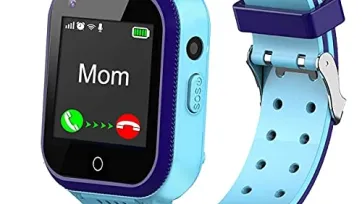
Best Kids Smartwatches (2026): 12 Safe, Fun and Parent-Approved Smartwatches Introduction A kids' smartwatch is no longer just a fun gadget. For many families, it has become the perfect middle ground between giving a child complete independence and handing them a smartphone too early. Modern kids' smartwatches can help parents stay connected through GPS location tracking, voice calls, messaging and emergency SOS features. At the same time, they allow children to enjoy a little more freedom while avoiding many of the distractions that come with a full smartphone. The challenge is choosing the right one. Some smartwatches focus on safety. Others prioritise fitness. Some are designed for younger children taking their first steps towards independence, while others suit older children who need better communication tools. In this guide, we've compared the best kids' smartwatches available in 2026 based on safety, battery life, durability, parental controls and overall value. How We Selected These Smartwatches Every smartwatch in this guide was chosen using the factors parents care about most: GPS accuracy Calling and messaging Battery life Ease of use Water resistance Durability Parental controls Value for money Overall reliability Quick Comparison Smartwatch Best For Rating TickTalk 5 Best Overall ⭐⭐⭐⭐⭐ Garmin Bounce 2 Active Kids ⭐⭐⭐⭐⭐ Apple Watch SE (Family Setup) Best Premium ⭐⭐⭐⭐⭐ Fitbit Ace LTE Fitness ⭐⭐⭐⭐☆ COSMO JrTrack 5 Best Value ⭐⭐⭐⭐☆ 1. TickTalk 5 – Best Overall TickTalk 5 remains one of the most complete children's smartwatches available. Instead of giving children unrestricted internet access, it focuses on communication and safety through video calling, voice calls, GPS tracking, messaging and emergency SOS features. Pros Accurate GPS tracking Video and voice calling Excellent parental controls School Mode Durable design Cons Requires a cellular plan Slightly larger than some competitors Best For: Parents wanting maximum safety features without giving their child a smartphone. 2. Garmin Bounce 2 – Best for Active Kids Garmin combines its fitness expertise with child-friendly communication features. The Bounce 2 encourages movement through activity tracking while allowing parents to monitor location and communicate when needed. Pros Excellent battery life Strong GPS performance Fitness challenges Comfortable design Reliable Garmin app Cons Limited entertainment features Subscription required for connected services Best For: Sporty children who spend lots of time outdoors. 3. Apple Watch SE (Family Setup) – Best Premium Smartwatch Families already using Apple products will appreciate the Apple Watch SE. With Family Setup, children can call approved contacts, share their location and access emergency features without needing their own iPhone. Pros Outstanding display Excellent performance Emergency SOS Long software support Huge app ecosystem Cons Higher price Best suited to Apple users Best For: Older children in Apple households. 4. Fitbit Ace LTE – Best for Fitness and Learning Healthy Habits Rather than focusing on games alone, the Fitbit Ace LTE rewards children for being active. It combines movement challenges, communication features and location tools in a child-friendly package. Pros Excellent activity tracking Comfortable to wear Family communication Fun movement challenges Reliable companion app Cons Subscription unlocks some features Limited third-party apps Best For: Families encouraging healthier daily habits. 5. COSMO JrTrack 5 – Best Value for Money COSMO JrTrack 5 delivers many premium safety features without the premium price. Parents particularly like its GPS tracking, calling, messaging and parent-approved apps. Pros Excellent value Accurate location tracking School Mode Easy parental controls Durable build Cons Battery life could be longer Camera quality is basic Best For: Families looking for an affordable all-round smartwatch. 6. Gabb Watch 3e – Best First Smartwatch The Gabb Watch 3e is built for one purpose: keeping children connected without exposing them to social media, web browsing or app stores. Parents can approve contacts, monitor location and communicate through calls and text messages while children enjoy a distraction-free device. It is frequently recommended as one of the best first smartwatches for younger children. Pros Excellent parental controls Reliable GPS tracking SOS emergency button Long battery life Simple interface Cons No third-party apps Cellular plan required Best For: Children receiving their first connected device. 7. Xplora X6 Play – Best for School-Age Kids Xplora has become one of Europe's most popular kids' smartwatch brands thanks to its balance of communication, GPS safety features and activity tracking. The X6 Play encourages movement by rewarding children for being active while still giving parents location updates and calling features. Pros Accurate GPS School Mode Comfortable design Activity rewards Good call quality Cons Subscription required Average battery life Best For: Ages 6–12. 8. Verizon Gizmo Watch 3 Adventure – Best Budget GPS Watch Families looking for dependable safety features without paying premium prices often choose Verizon's Gizmo Watch. It includes GPS tracking, voice calling, messaging and geofencing while keeping the interface easy enough for younger children. Pros Affordable Easy to use Good GPS accuracy Durable construction Water resistant Cons Best for Verizon customers Limited apps Best For: Budget-conscious families. 9. Bark Watch – Best for Digital Safety Bark is well known for its parental monitoring tools, and its smartwatch extends that focus to children's wearables. Parents receive location updates while communication stays limited to approved contacts, helping children stay connected without unnecessary distractions. Pros Excellent family safety tools Live GPS Easy parent app Strong contact controls Voice messaging Cons Monthly subscription Fewer entertainment features Best For: Families prioritising online safety. 10. myFirst Fone R2 – Best for Younger Children Designed specifically for younger users, the myFirst Fone R2 combines GPS, calling, messaging and a simple interface in a lightweight smartwatch. Its colourful design makes it especially appealing to younger children. Pros Lightweight Easy interface GPS tracking Comfortable strap Good battery Cons Smaller app selection Camera quality is basic Best For: Ages 5–9. Buying Guide: What to Look for in a Kids Smartwatch Before buying, ask yourself these questions: Does it offer reliable GPS tracking? Can your child make calls only to approved contacts? Is School Mode available? How long does the battery last? Is the watch water resistant? Does it require a monthly subscription? Is the companion app easy for parents to use? A smartwatch should make life easier for both parents and children—not more complicated. Best Smartwatch by Age Ages 4–6 Choose a simple smartwatch with GPS, calling and large icons. Ages 7–9 School Mode, messaging and fitness tracking become more useful. Ages 10–12 Older children often benefit from more advanced communication tools, stronger battery life and improved activity tracking. Frequently Asked Questions Do kids really need a smartwatch? Not every child does, but many families find that a smartwatch offers a practical way to stay connected without introducing a smartphone too early. Which smartwatch has the best parental controls? TickTalk 5, Gabb Watch 3e, COSMO JrTrack 5 and Bark Watch are all recognised for their comprehensive parental control features. Can children make phone calls from a smartwatch? Yes. Many modern kids' smartwatches support voice calls, but most limit communication to parent-approved contacts for added safety. Do kids' smartwatches require a SIM card? Many GPS-enabled smartwatches require either a SIM card or an eSIM with an active cellular plan to support calling, messaging and live location tracking. Are kids' smartwatches waterproof? Many models offer water resistance for rain, handwashing and splashes. Always check the manufacturer's water-resistance rating before swimming. Final Thoughts The best kids' smartwatch isn't the one with the longest feature list. It's the one that gives parents confidence while giving children the freedom to explore safely. Whether your priority is GPS tracking, fitness, calling or a simple first wearable, today's best smartwatches offer far more than just telling the time. Choose a model that matches your child's age, your family's communication needs and your budget. When used responsibly, a kids' smartwatch can become a practical stepping stone between childhood and a first smartphone.  
25 Best Kids Clothing Brands for Quality, Comfort and Style in 2026
25 Best Kids Clothing Brands for Quality, Comfort and Style in 2026 Introduction Shopping for children's clothes sounds simple until you're standing in front of hundreds of options. Some brands focus on fashion. Others prioritise comfort. A few are known for exceptional durability, while others specialise in affordable everyday essentials. For parents, the challenge isn't finding children's clothing—it's finding clothes that survive playground adventures, frequent washing and rapidly growing children without sacrificing comfort or style. The best kids' clothing brands understand one important fact. Children don't spend their day standing still. They climb. They run. They paint. They crawl. They jump in puddles. Their clothes need to keep up. This guide explores some of the world's most trusted children's clothing brands, highlighting what each does best, who it's most suitable for and why parents continue returning to them year after year. Choosing the Right Kids' Clothing Brand Before looking at individual brands, it's worth deciding what matters most for your family. Some parents prefer premium fabrics that last through younger siblings. Others prioritise affordability because children outgrow clothes so quickly. You may also consider: Fabric quality Comfort Durability Easy washing Seasonal collections Size availability Value for money Sustainability There's no single perfect brand. The best choice depends on your child's needs and your budget. 1. Carter's Known for comfortable everyday clothing, Carter's remains one of the most trusted names for babies and young children. Parents appreciate its soft fabrics, practical designs and excellent value. Best for: Babies Toddlers Everyday wear 2. Next Next combines modern fashion with reliable quality, making it popular for school outfits, casual clothing and special occasions. Best for: Stylish everyday clothing Smart outfits Seasonal collections 3. H&M Kids H&M Kids offers fashionable clothing at accessible prices while expanding its range of recycled and organic cotton products. Best for: Affordable fashion Trend-led styles Everyday basics 4. Zara Kids Parents looking for contemporary European-inspired fashion often choose Zara Kids. Its collections change regularly, keeping styles fresh throughout the year. Best for: Fashion-conscious families Smart casual outfits Occasion wear 5. Gap Kids Gap Kids has built its reputation on timeless basics, quality denim and comfortable everyday clothing. Best for: Classic wardrobe essentials Denim Layering pieces 6. Marks & Spencer A long-time favourite with UK families, Marks & Spencer is especially well known for dependable school uniforms, underwear and everyday essentials. Best for: School uniforms Everyday clothing Excellent durability 7. Patagonia For adventurous families, Patagonia produces premium outdoor clothing designed to withstand demanding conditions while placing a strong emphasis on sustainability. Best for: Outdoor activities Hiking Winter clothing 8. The North Face Well known for jackets and outdoor wear, this brand produces clothing designed to keep children comfortable in changing weather conditions. Best for: Winter jackets Outdoor adventures Cold climates 9. Frugi Frugi specialises in colourful organic cotton clothing that's both environmentally conscious and comfortable for young children. Best for: Organic clothing Bright colours Eco-conscious families 10. Primary Primary focuses on simple, colourful essentials without character licensing or large logos. Best for: Minimalist wardrobes High-quality basics Everyday comfort 11. Mini Boden Mini Boden is recognised for playful prints, colourful designs and durable fabrics that appeal to both children and parents. Best for: Colourful fashion Premium casual wear Family matching collections 12. Old Navy Old Navy offers affordable clothing for growing children without compromising on variety. Best for: Budget-friendly shopping Everyday clothing Large family wardrobes 13. Uniqlo Uniqlo combines minimalist design with innovative fabrics, making it particularly popular for layering throughout the year. Best for: Lightweight clothing HeatTech winter wear Everyday basics 14. Ralph Lauren Children If you're looking for timeless, premium fashion, Ralph Lauren Children is well known for its classic polo shirts, knitwear and smart outfits. Best for: Special occasions Smart casual wear Premium quality 15. Nike Kids Nike Kids combines comfort with sporty styling, making it a popular choice for active children. Best for: Sportswear Active lifestyles Casual everyday outfits 16. Adidas Kids From tracksuits to trainers, Adidas Kids offers practical clothing designed for movement and comfort. Best for: Sports clothing School PE kits Weekend wear 17. Joules Joules is recognised for colourful prints, countryside-inspired designs and durable outerwear that works well throughout the seasons. Best for: Outdoor clothing Rainwear Family matching outfits 18. Polarn O. Pyret This Scandinavian brand has built a reputation for exceptionally durable children's clothing designed to last through multiple children. Best for: Long-lasting clothing Sustainable wardrobes Everyday essentials 19. Petit Bateau Petit Bateau is known for premium basics made from soft, comfortable fabrics with a timeless European style. Best for: Baby clothing Premium basics Comfortable sleepwear 20. Monsoon Children Monsoon is particularly popular for beautifully designed occasion wear, dresses and formal outfits for children. Best for: Weddings Parties Formal events 21. JoJo Maman Bébé Parents appreciate this brand for comfortable babywear, practical clothing and thoughtful everyday designs. Best for: Babies Toddlers Practical family clothing 22. Mayoral Mayoral offers stylish European-inspired collections that combine quality tailoring with comfortable fabrics. Best for: Smart casual clothing Seasonal fashion Family occasions 23. Lindex Kids Lindex Kids focuses on comfortable, practical clothing while expanding its range of sustainably sourced materials. Best for: Everyday basics Comfortable outfits Eco-conscious shopping 24. Name It Name It offers fashionable yet affordable clothing suitable for babies, toddlers and older children. Best for: Budget-friendly fashion Everyday clothing Modern Scandinavian styles 25. OshKosh B'gosh Famous for its classic dungarees and durable children's clothing, OshKosh B'gosh remains a trusted choice for everyday family wardrobes. Best for: Durable casual clothing Denim Toddlers and young children How to Choose High-Quality Children's Clothing A recognised brand is helpful, but quality should always come before the label. When shopping, look for: Strong stitching around seams Soft, breathable fabrics Comfortable waistbands and cuffs Reinforced knees for active children Easy-to-use zips and fasteners Machine-washable materials Clothes that allow children to move freely Well-made clothing often lasts longer and keeps its shape after repeated washing. Affordable vs Premium Brands Higher prices don't always guarantee better value. Affordable brands are ideal for everyday outfits because children grow quickly and may outgrow clothes within months. Premium brands can be worthwhile for: Winter coats Waterproof jackets School shoes Occasion wear Clothing passed down to younger siblings Many families choose a combination of budget-friendly basics and a few premium essentials. Common Mistakes Parents Make When Buying Children's Clothes Avoid these common shopping mistakes: Buying only for the current season without considering growth. Choosing style over comfort. Ignoring fabric quality. Buying clothes that are too large in the hope they'll last longer. Forgetting to check washing instructions. Purchasing too many trendy pieces that quickly go out of fashion. A balanced wardrobe with comfortable basics and a few special outfits usually offers the best value. Frequently Asked Questions Which children's clothing brand offers the best value for money? Brands such as Next, H&M Kids, Carter's and Marks & Spencer are often chosen because they combine good quality with reasonable prices. Which brands are best for babies? Carter's, JoJo Maman Bébé, Petit Bateau and Frugi are popular choices thanks to their soft fabrics and practical designs. Are premium children's clothing brands worth buying? Premium brands are often worthwhile for coats, knitwear and durable everyday items that can be passed down to younger children. What fabric is best for children's clothing? Cotton remains one of the most popular choices because it's soft, breathable and comfortable for everyday wear. Organic cotton is another excellent option for families seeking more environmentally friendly materials. How often should children's wardrobes be updated? Most children need new clothing every season as they grow, although the exact timing depends on age and growth rate. Final Thoughts The best children's clothing brand isn't necessarily the most expensive or the most fashionable. It's the one that fits your child's everyday life. Whether you prioritise durability, comfort, affordability or sustainable materials, investing in well-made clothing means children can move, play and explore without feeling restricted. Rather than filling wardrobes with fast-changing trends, focus on versatile, comfortable pieces that mix easily and stand up to everyday adventures. A thoughtful wardrobe will always outlast an impulse purchase.
Best Outdoor Toys for Kids in 2026
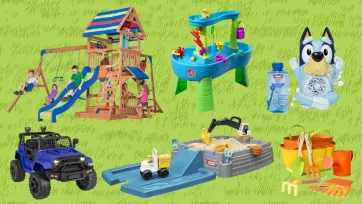
Best Outdoor Toys for Kids in 2026: The Ultimate Guide to Active and Healthy Play Outdoor play is one of the most important parts of childhood. Running across the garden, climbing, kicking a ball, riding a scooter, or inventing games with friends helps children stay active while building confidence, creativity, and social skills. In today's digital world, where many children spend increasing amounts of time indoors, outdoor toys provide the perfect reason to get outside and enjoy fresh air. The best outdoor toys don't simply entertain—they encourage movement, exploration, and learning. From ride-on vehicles and trampolines to sports equipment and water play toys, outdoor toys help children develop physically and mentally while creating unforgettable family memories. If you're looking for the best outdoor toys for kids in 2026, this complete guide will help you choose toys that combine fun, safety, and long-term value. Why Outdoor Play Is Essential Children are naturally active, and outdoor environments give them the freedom to explore, run, jump, climb, and discover new experiences. Regular outdoor play helps children: Build stronger muscles Improve balance Develop coordination Increase confidence Learn teamwork Reduce stress Improve sleep quality Outdoor activities also encourage children to spend less time in front of screens and more time engaging with the world around them. Benefits of Outdoor Toys Outdoor toys support healthy development in many different ways. Some of the biggest benefits include: Encourage daily exercise Improve gross motor skills Build physical strength Develop balance and coordination Improve social skills Encourage imaginative play Boost self-confidence Support emotional wellbeing Reduce screen time Children who play outdoors regularly are often more active, more creative, and more confident. Ride-On Toys Ride-on toys remain one of the most popular outdoor choices for children. Popular options include: Balance bikes Scooters Pedal cars Ride-on tractors Wiggle cars Battery-powered vehicles These toys improve coordination while encouraging children to stay physically active. Garden Play Equipment Large garden toys provide endless opportunities for adventure. Popular choices include: Climbing frames Slides Swings Playhouses Monkey bars Climbing domes These activities strengthen muscles while improving confidence and problem-solving skills. Trampolines Trampolines remain one of the best outdoor toys for active children. Jumping helps improve: Balance Coordination Leg strength Cardiovascular fitness Body awareness Modern trampolines with safety nets provide a safer jumping environment for children. Sports Toys Simple sports equipment encourages children to stay active while learning teamwork. Excellent outdoor sports toys include: Footballs Basketball hoops Cricket sets Tennis sets Rugby balls Badminton sets Family sports games also encourage communication and healthy competition. Water Play Toys Warm weather creates the perfect opportunity for water-based fun. Popular water toys include: Splash pads Water tables Water blasters Sprinklers Inflatable pools Water slides These toys help children stay cool while encouraging active play. Sand and Beach Toys Sand play encourages creativity and exploration. Children enjoy using: Buckets Spades Sand moulds Dump trucks Excavators Beach wagons Building castles and digging tunnels helps improve fine motor skills while encouraging imaginative play. Outdoor STEM Toys Learning doesn't stop outside. Outdoor STEM toys include: Nature exploration kits Magnifying glasses Bug catchers Gardening sets Binoculars Weather stations These activities encourage scientific curiosity while helping children appreciate nature. Garden Games for Families Outdoor games bring the whole family together. Popular choices include: Ring toss Giant dominoes Skittles Bean bag toss Giant chess Obstacle courses These games encourage teamwork, communication, and friendly competition. Choosing the Right Outdoor Toy Before buying, consider: Your child's age Available outdoor space Material quality Weather resistance Safety certifications Storage requirements A durable toy designed for outdoor use usually provides many years of enjoyment. Safety Tips Always choose outdoor toys that: Meet recognised safety standards Match your child's age Use weather-resistant materials Have smooth edges Include appropriate safety features Children should also wear suitable protective equipment, such as helmets when riding bikes or scooters. Common Buying Mistakes Parents sometimes buy outdoor toys without considering available space. Avoid: Oversized equipment for small gardens Poor-quality plastic Toys without safety certification Age-inappropriate designs Equipment requiring complicated maintenance Choosing quality over quantity usually provides the best value. Why Outdoor Toys Make Excellent Gifts Outdoor toys encourage healthy habits while creating lasting family memories. They're ideal for: Birthdays Christmas Summer holidays Family celebrations School achievement rewards Unlike many indoor toys, outdoor equipment encourages physical activity and group play for many years. Frequently Asked Questions What are the best outdoor toys for children? Ride-on toys, trampolines, swings, scooters, sports equipment, water tables, climbing frames, and garden games are among the best outdoor toys. Why are outdoor toys important? Outdoor toys encourage physical activity, improve coordination, strengthen muscles, build confidence, and reduce screen time. What outdoor toys are suitable for toddlers? Balance bikes, push cars, water tables, sand toys, bubble machines, and ride-on toys are excellent choices for toddlers. How can I encourage my child to play outdoors more? Choose toys that match your child's interests, join them during play, create simple outdoor challenges, and limit unnecessary screen time. Final Thoughts The best outdoor toys for kids in 2026 do far more than keep children entertained—they encourage healthier lifestyles, inspire creativity, and help children develop important physical and social skills through active play. Whether it's climbing, riding, splashing, digging, or playing family games, outdoor toys create opportunities for children to explore, learn, and grow. By investing in safe, durable, and age-appropriate outdoor toys, parents can encourage children to enjoy fresh air, stay active, and create childhood memories that will last a lifetime.
Best Building Toys for Toddlers in 2026
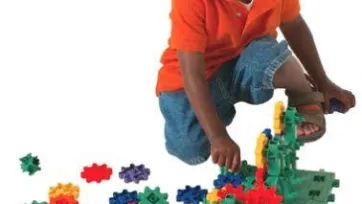
Best Building Toys for Toddlers in 2026: Safe, Creative and Educational Choices Toddlers are natural builders. Give them a few colourful blocks or simple construction pieces, and they'll happily spend hours stacking towers, building houses, knocking everything down, and starting all over again. While it may look like simple fun, building toys play an important role in early childhood development by improving coordination, creativity, problem-solving, and fine motor skills. In 2026, building toys are available in a wide variety of designs, from classic wooden blocks and jumbo building bricks to magnetic construction toys and Montessori-inspired sets. The best options are designed specifically for little hands, allowing toddlers to explore, experiment, and learn safely through play. If you're looking for a toy that offers years of educational value, this guide will help you choose the best building toys for toddlers in 2026. Why Building Toys Are Important for Toddlers Building is one of the earliest forms of creative play. Every time a toddler stacks blocks, balances pieces, or connects large bricks, they're developing essential physical and mental skills that support future learning. Unlike toys with only one purpose, building toys offer endless possibilities. A simple collection of blocks can become a house one day, a zoo the next, and a towering castle the day after. This open-ended play keeps children engaged far longer than many electronic toys. Benefits of Building Toys Building toys support almost every area of early childhood development. Some of the biggest benefits include: Improve fine motor skills Strengthen hand-eye coordination Encourage creativity Develop problem-solving abilities Improve concentration Build patience Encourage independent play Support early STEM learning Reduce screen time They also help toddlers understand concepts such as size, balance, shapes, and cause and effect. Wooden Building Blocks Wooden blocks remain one of the most recommended toys for toddlers. Parents appreciate them because they are: Durable Eco-friendly Easy to clean Long-lasting Timeless Without flashing lights or electronic sounds, wooden blocks encourage children to use their imagination instead of relying on built-in entertainment. Jumbo Building Bricks Large construction bricks are ideal for toddlers because they're easy to hold and connect. Children enjoy building: Towers Houses Cars Animals Bridges Simple castles Large pieces also reduce the risk of choking while making construction easier for small hands. Magnetic Building Toys Some magnetic building toys are designed specifically for younger children. Large magnetic pieces allow toddlers to build colourful structures while learning about: Shapes Colours Balance Magnetism Always choose age-appropriate magnetic toys with securely enclosed magnets. Soft Building Blocks Soft foam and fabric blocks are excellent first building toys. Benefits include: Lightweight design Safe materials Easy handling Gentle edges Quiet play They're especially suitable for babies and younger toddlers who are still developing coordination. Montessori Building Toys Montessori-inspired building toys focus on simple, hands-on learning. Popular options include: Natural wooden blocks Balance stones Stacking towers Shape sorters Open-ended construction sets These toys encourage children to discover solutions independently instead of following fixed instructions. Building Toys Encourage STEM Learning Although toddlers won't study engineering formally, building toys introduce basic STEM concepts through everyday play. Children begin learning about: Gravity Stability Balance Shapes Patterns Problem-solving These early experiences lay the foundation for future mathematical and scientific thinking. Building Together as a Family Construction toys are perfect for family play. Parents can help children build: Small towns Bridges Farms Animal parks Castles Railway stations Building together encourages communication, teamwork, and shared problem-solving while creating wonderful family memories. Choosing the Right Building Toy Before buying, consider: Your child's age Size of the pieces Material quality Safety certification Durability Ease of cleaning Future expansion possibilities Simple toys with multiple ways to play usually provide the greatest long-term value. Safety Tips Always choose building toys that: Match the recommended age Use non-toxic materials Have smooth edges Meet recognised safety standards Avoid small detachable parts Regularly inspect toys for cracks or damage to ensure continued safe play. Common Buying Mistakes Parents sometimes purchase construction toys that are too advanced. Avoid: Small building pieces Poor-quality plastic Weak magnetic toys Complicated construction systems Toys with limited play value Toddlers learn best with simple, sturdy toys that encourage free exploration. Why Building Toys Make Excellent Gifts Building toys are among the few gifts that children continue using for years. They're perfect for: First birthdays Second birthdays Christmas Nursery gifts Family celebrations Parents appreciate gifts that encourage learning while keeping children entertained without screens. Frequently Asked Questions What are the best building toys for toddlers? Wooden blocks, jumbo building bricks, soft stacking blocks, Montessori construction toys, and toddler-friendly magnetic building sets are among the best options. At what age can toddlers start using building toys? Many large building toys are suitable from around 12 months, while more advanced construction sets are designed for children aged three years and above. Do building toys help child development? Yes. Building toys improve coordination, creativity, fine motor skills, problem-solving, concentration, and early STEM learning. Are wooden building toys better than plastic ones? Both have advantages. Wooden toys are durable and environmentally friendly, while plastic building bricks often provide more construction possibilities. The best choice depends on your child's age and interests. Final Thoughts The best building toys for toddlers in 2026 offer far more than simple entertainment. They encourage young children to explore, experiment, create, and solve problems while developing important physical and cognitive skills through hands-on play. Whether your toddler enjoys stacking wooden blocks, connecting jumbo bricks, or building colourful magnetic structures, every creation helps strengthen confidence and curiosity. By choosing safe, durable, and open-ended building toys, parents provide children with learning opportunities that continue growing alongside them. Sometimes the simplest toys inspire the biggest ideas.
Remote Control Toys: A Complete Guide for Parents
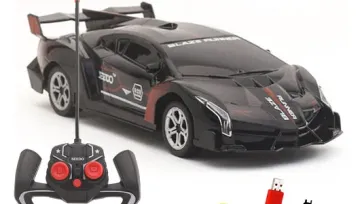
Introduction Remote control toys have been entertaining children for generations, but today's RC toys are more exciting, realistic, and educational than ever before. From high-speed racing cars and monster trucks to helicopters, drones, boats, and robots, these toys offer much more than simple fun. Parents often think RC toys are only meant for entertainment. In reality, they help children develop valuable life skills, including hand-eye coordination, problem-solving, patience, and concentration. As technology continues to improve, modern remote control toys have become safer, easier to use, and more durable, making them an excellent choice for children of different ages. If you're planning to buy your child's first RC toy or simply want to understand why these toys remain so popular, this guide covers everything you need to know. What Are Remote Control Toys? Remote control toys, commonly called RC toys, are electronic toys operated using a wireless controller. The controller sends signals that allow the toy to move forward, backward, left, right, or perform other functions. Modern RC toys use reliable wireless technology that offers better control and longer operating distances than older models. Popular examples include: Remote control racing cars Monster trucks Construction vehicles Helicopters Airplanes Drones Boats Robotic toys Animal-inspired RC toys Each category provides a unique playing experience while encouraging active participation instead of passive screen time. Why Remote Control Toys Are More Popular Than Ever Children naturally enjoy toys that respond instantly to their commands. Driving a racing car through an obstacle course or steering a boat across a pool creates excitement that ordinary toys cannot match. Parents also appreciate RC toys because they encourage movement, creativity, and interaction. Instead of watching videos for hours, children actively participate in games that challenge their thinking and improve their motor skills. Many families also enjoy playing together, turning RC toys into a fun weekend activity that everyone can participate in. Different Types of Remote Control Toys The RC toy market has expanded significantly, offering options for every age group and interest. RC Racing Cars These are among the most popular RC toys. Sports cars, drift cars, off-road trucks, and monster vehicles provide exciting racing experiences both indoors and outdoors. RC Monster Trucks Designed with large tires and strong suspension systems, these trucks perform well on grass, dirt, gravel, and rough terrain. RC Construction Vehicles Excavators, bulldozers, dump trucks, and cranes allow children to enjoy imaginative construction-themed play while learning how real machines work. RC Boats Perfect for swimming pools, lakes, and ponds, RC boats provide a unique outdoor experience. RC Helicopters and Airplanes Flying toys introduce children to basic flight control while improving coordination and concentration. RC Drones Older children and teenagers often enjoy beginner drones equipped with simple controls and camera features. RC Robots Interactive robots can move, dance, respond to commands, and sometimes even perform educational activities. Educational Benefits of Remote Control Toys Many parents are surprised to learn that RC toys can contribute to healthy child development. Instead of pressing random buttons, children constantly observe, predict, and react while controlling the toy. This process develops several important abilities. These include: Better hand-eye coordination Improved fine motor skills Increased concentration Enhanced reaction speed Logical thinking Spatial awareness Patience during practice Better decision-making Children also become more confident as they learn to control increasingly challenging movements. How RC Toys Improve Hand-Eye Coordination Hand-eye coordination develops when the eyes track movement while the hands respond accurately. Imagine a child driving a remote control sports car around chairs in the living room. Every turn requires quick observation and immediate action. Over time, these repeated movements strengthen coordination naturally. This skill benefits children in many everyday activities, including sports, writing, drawing, cycling, and even computer use later in life. Encouraging Creativity Through Imaginative Play Remote control toys are not limited to racing. Children often create their own adventures by building tracks, obstacle courses, bridges, garages, and rescue missions. One day, the RC car becomes a police vehicle. The next day, it transforms into a race champion. Later, it might deliver supplies during an imaginary rescue operation. These creative scenarios help develop storytelling, imagination, and independent thinking. Choosing the Right Remote Control Toy Not every RC toy is suitable for every child. Before purchasing, consider several important factors. Age Recommendation Always follow the manufacturer's recommended age. Simple controls are ideal for younger children, while advanced features are better suited for older kids. Ease of Control Beginners benefit from straightforward controllers with responsive steering and limited speed. Durability Children inevitably bump into furniture, walls, and obstacles. Look for toys made from strong, impact-resistant materials. Battery Life Rechargeable batteries usually provide better long-term value and reduce the ongoing cost of replacing disposable batteries. Spare Parts Some brands offer replacement batteries, tires, and accessories, making maintenance easier. Rechargeable vs Battery-Powered RC Toys Many modern RC toys now include rechargeable batteries. Rechargeable models offer several advantages. Lower long-term cost Environmentally friendly Convenient USB charging Better overall performance Consistent power output Battery-powered toys can still be useful for occasional play, but frequent users generally benefit more from rechargeable models. Indoor and Outdoor Play One advantage of remote control toys is their versatility. Indoor RC cars perform well on smooth floors, while larger off-road vehicles are better suited for gardens, parks, driveways, and playgrounds. Parents should always ensure the playing area is safe and free from traffic or dangerous obstacles. Safety Tips for Parents Safety should always come first. Keep these simple recommendations in mind: Choose age-appropriate toys. Supervise younger children. Charge batteries according to instructions. Avoid playing near roads. Keep small removable parts away from toddlers. Store batteries safely. Avoid water unless the toy is specifically designed for it. Inspect the toy regularly for damage. Responsible use helps ensure years of safe enjoyment. Caring for Your Remote Control Toy Proper maintenance keeps RC toys working efficiently. After each play session: Wipe away dust and dirt. Recharge batteries before storing. Avoid extreme heat. Store the controller safely. Check wheels and moving parts regularly. Tighten loose screws if necessary. Simple maintenance greatly extends the toy's lifespan. Why Remote Control Toys Make Excellent Gifts Few gifts create as much excitement as an RC toy. Whether it's a birthday, holiday, reward, or special celebration, remote control toys offer entertainment that lasts far longer than many traditional toys. They encourage active play, reduce excessive screen time, and often become favorite family activities. A stylish rechargeable racing car, for example, combines realistic design, easy controls, and exciting performance, making it a memorable gift for many children. Common Mistakes Buyers Should Avoid Many shoppers make avoidable mistakes when choosing RC toys. Common errors include: Buying toys that are too advanced. Ignoring battery quality. Choosing poor build quality. Forgetting replacement part availability. Buying without checking age recommendations. Selecting indoor toys for rough outdoor use. Researching before buying usually leads to a much better experience. Frequently Asked Questions Are remote control toys suitable for young children? Yes, many beginner RC toys are specifically designed for younger children with simple controls and slower speeds. Are rechargeable RC toys better? For regular use, rechargeable models are usually more economical, environmentally friendly, and convenient. Can RC toys help children's development? Yes. They improve coordination, concentration, reaction time, problem-solving, and creative thinking while providing active entertainment. Should children use RC toys indoors or outdoors? Both are possible. Small RC cars work well indoors, while larger off-road models perform better outside. Final Thoughts Remote control toys continue to be one of the most enjoyable and educational categories in the toy industry. They combine excitement with valuable learning opportunities, encouraging children to think, react, explore, and create. Whether you choose a sleek racing car, a rugged monster truck, a flying helicopter, or an interactive robot, the right RC toy can provide countless hours of fun while helping children develop important life skills. For parents looking to balance entertainment with meaningful play, remote control toys remain one of the smartest investments for children of all ages.
Best Screen-Free Toys for Kids in 2026
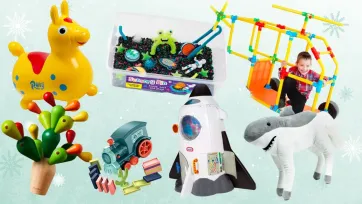
Best Screen-Free Toys for Kids in 2026 In today's digital world, children are surrounded by screens. Smartphones, tablets, televisions, gaming consoles, and computers have become part of everyday life, making it increasingly difficult for parents to maintain a healthy balance between technology and traditional play. While technology offers many educational benefits, excessive screen time can reduce physical activity, limit creativity, and decrease opportunities for meaningful family interaction. This is where screen-free toys make a real difference. These toys encourage children to use their imagination, solve problems, build, create, explore, and interact with others without relying on digital devices. Whether it's a set of wooden blocks, a remote control car, a puzzle, or an outdoor adventure kit, screen-free toys help children develop valuable life skills while having genuine fun. If you're looking for healthier play options, this guide explains why screen-free toys are more important than ever in 2026 and how to choose the best ones for every age. What Are Screen-Free Toys? Screen-free toys are toys that do not require televisions, smartphones, tablets, computers, or other digital screens to operate. Instead, they encourage active participation through physical play, creativity, exploration, and imagination. Unlike digital entertainment, screen-free toys place children in control of the experience. They build, imagine, experiment, race, create stories, and solve challenges using their own ideas rather than following instructions on a screen. These toys are suitable for children of all ages and can provide hours of engaging, meaningful play. Why More Parents Are Choosing Screen-Free Toys Many parents are becoming increasingly aware of the importance of balancing screen time with hands-on activities. Screen-free toys help children disconnect from digital devices while encouraging movement, communication, and independent thinking. These toys also create opportunities for family interaction. Instead of sitting separately with different devices, parents and children can build together, race together, solve puzzles, or enjoy imaginative games that strengthen relationships. Screen-free play also encourages children to stay curious and discover new ways to entertain themselves without relying on constant digital stimulation. Benefits of Screen-Free Toys Screen-free toys support healthy childhood development in many ways. Some of the biggest benefits include: Encouraging creativity Improving concentration Developing hand-eye coordination Strengthening problem-solving skills Supporting language development Increasing physical activity Reducing screen dependency Encouraging social interaction Building confidence These benefits often continue long after playtime ends, helping children develop skills they will use throughout life. Building Toys Inspire Endless Creativity Building toys remain one of the best screen-free activities available. Children can design houses, castles, roads, bridges, towers, vehicles, or entire cities using simple building blocks or construction sets. Every new creation encourages imagination while improving planning, patience, and logical thinking. Popular building toys include: Wooden blocks Magnetic tiles Construction bricks Marble runs Engineering kits These toys grow with children, offering new challenges as their skills improve. Puzzles Help Children Think Critically Puzzles are an excellent alternative to digital entertainment because they require concentration, observation, and logical thinking. Children learn to recognize patterns, solve problems, and remain patient while completing increasingly challenging puzzles. Popular puzzle types include: Wooden puzzles Alphabet puzzles Number puzzles Animal puzzles World map puzzles Floor puzzles Puzzle time can also become a relaxing family activity. Pretend Play Encourages Imagination Pretend play remains one of the most valuable forms of screen-free entertainment. Children naturally enjoy pretending to be doctors, chefs, firefighters, astronauts, teachers, or shopkeepers. Excellent pretend play toys include: Kitchen playsets Doctor kits Tool benches Dollhouses Cash registers Puppet theaters These activities help children improve communication, storytelling, empathy, and creativity. Remote Control Toys Offer Active Fun Without Screens Many parents are surprised to learn that remote control toys are considered excellent screen-free entertainment. Driving a remote control racing car, monster truck, or construction vehicle requires concentration, coordination, and quick decision-making. Unlike video games, children remain physically active as they navigate obstacles, create racing tracks, and play outdoors with friends or family. Rechargeable RC toys also provide longer play sessions while reducing the need for disposable batteries. Arts and Crafts Spark Creativity Creative projects encourage children to express themselves while improving fine motor skills. Popular screen-free creative activities include: Drawing Painting Coloring Clay modeling Bead making DIY craft kits Paper folding These activities also teach patience and attention to detail while giving children a sense of accomplishment. Outdoor Toys Encourage Healthy Play Outdoor toys naturally reduce screen time by encouraging children to explore their surroundings. Excellent options include: Scooters Balls Flying discs Bubble machines Gardening kits Nature explorer sets Jump ropes Outdoor activities improve fitness, coordination, teamwork, and overall well-being while helping children enjoy fresh air and sunshine. Educational Screen-Free Toys Learning doesn't require a screen. Many educational toys provide hands-on experiences that support important developmental skills. Some excellent choices include: Alphabet blocks Counting toys STEM building kits Science experiment sets Geography puzzles Memory games Children often learn more effectively when they actively participate instead of simply watching a screen. Choosing Screen-Free Toys by Age Different age groups enjoy different types of activities. For babies: Soft sensory toys Wooden rattles Stacking rings For toddlers: Shape sorters Pull toys Wooden puzzles For preschoolers: Building blocks Pretend play sets Arts and crafts For older children: STEM kits Board games RC cars Science projects Outdoor sports equipment Choosing age-appropriate toys helps children stay interested while supporting healthy development. How Parents Can Encourage Screen-Free Play Creating screen-free habits doesn't mean removing technology completely. Instead, focus on offering exciting alternatives that naturally capture a child's interest. Some simple ideas include: Set aside daily screen-free playtime. Rotate toys to keep them exciting. Join your child during play. Create indoor obstacle courses. Encourage outdoor adventures. Organize family board game nights. When children see adults participating, they become even more excited about screen-free activities. Common Mistakes Parents Should Avoid Many parents unintentionally make screen-free play less appealing. Avoid: Offering too many toys at once Comparing traditional toys with digital entertainment Interrupting imaginative play too often Choosing toys that are too difficult Buying low-quality products that break quickly Simple, durable, open-ended toys usually provide the longest-lasting enjoyment. Why Screen-Free Toys Make Excellent Gifts Screen-free toys are thoughtful gifts because they encourage children to interact with the world around them instead of spending more time in front of digital devices. Whether it's a birthday, holiday, or special celebration, toys such as puzzles, building sets, outdoor games, RC vehicles, or creative craft kits provide lasting value while creating memorable family experiences. Frequently Asked Questions What are screen-free toys? Screen-free toys are toys that encourage active, hands-on play without using smartphones, tablets, televisions, or computers. Are screen-free toys better than electronic toys? Both have benefits, but screen-free toys encourage imagination, creativity, physical activity, and social interaction without increasing daily screen time. Do screen-free toys help child development? Yes. They improve creativity, concentration, communication, coordination, problem-solving, and emotional development through active play. Can remote control cars be considered screen-free toys? Yes. Although they use electronic controllers, RC cars do not require digital screens and encourage active physical play, making them an excellent screen-free activity. Final Thoughts Screen-free toys continue to be one of the best ways to encourage healthy childhood development in 2026. They inspire creativity, strengthen problem-solving skills, improve physical activity, and help children build meaningful connections with family and friends. Whether you choose building blocks, puzzles, pretend play sets, outdoor games, arts and crafts, or remote control toys, every screen-free activity offers children the opportunity to learn, imagine, and grow without relying on digital devices. By creating a healthy balance between technology and traditional play, parents can give their children experiences that are both enjoyable and truly enriching.
Best Toy Garages and Car Parking Playsets for Kids in 2026
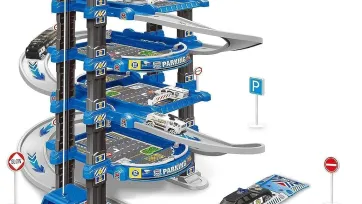
Best Toy Garages and Car Parking Playsets for Kids in 2026: The Ultimate Parent's Buying Guide Toy garages and car parking playsets have been delighting children for decades, offering far more than a place to park toy cars. They create entire miniature worlds where children become racing drivers, mechanics, traffic controllers, police officers, and car park managers. Every lift, ramp, parking bay, and fuel station encourages imaginative storytelling while helping children develop important cognitive and motor skills. In 2026, toy garages are available in a wide variety of designs, from compact multi-storey car parks to deluxe racing centres with working lifts, helipads, car washes, fuel stations, and interactive accessories. Whether your child already owns a collection of toy cars or is just beginning their vehicle adventure, a well-designed garage playset provides countless hours of creative, screen-free entertainment. This guide explains everything parents need to know before buying the best toy garage or car parking playset for kids in 2026. Why Toy Garages Are So Popular Children naturally enjoy vehicles, movement, and pretend play. A toy garage allows them to create exciting scenarios such as: Parking busy traffic Repairing racing cars Washing vehicles Refuelling at petrol stations Organising rescue missions Running a mechanic's workshop Managing traffic jams Every play session becomes a completely different adventure. Benefits of Toy Garage Playsets Toy garages encourage learning through imaginative play. Some of the biggest benefits include: Improve fine motor skills Encourage imaginative storytelling Develop problem-solving skills Strengthen hand-eye coordination Improve organisational skills Encourage social interaction Build creativity Develop logical thinking Reduce screen time Children also learn how different parts of a transport system work together. Multi-Storey Toy Garages Multi-level garages remain one of the most exciting playsets available. Many include: Spiral ramps Parking bays Car lifts Fuel stations Car washes Repair workshops Children enjoy driving vehicles between floors while inventing busy city adventures. Racing Garage Playsets Racing-themed garages are ideal for children who love speed. Popular features include: Starting grids Finish lines Service stations Pit stops Trophy podiums Racing ramps These playsets encourage exciting competitions while inspiring creative storytelling. Car Wash Playsets A toy car wash adds another level of imaginative play. Children can pretend to: Wash vehicles Dry cars Polish paintwork Check tyres Prepare racing cars Role-playing everyday activities helps children better understand the world around them. Toy Mechanic Workshops Mechanic stations allow children to repair toy vehicles using pretend tools. Many workshops include: Vehicle lifts Tool racks Spanners Screwdrivers Replacement tyres Workbenches These activities encourage practical thinking and imaginative role play. Wooden Toy Garages Wooden garages remain a favourite among parents. They offer several advantages: Durable construction Eco-friendly materials Timeless design Smooth finishes Long-lasting quality Many wooden garages are compatible with standard wooden toy cars, making future expansion easy. Interactive Garage Playsets Modern garage toys often include interactive features. Some models offer: Working lifts Traffic lights Sound effects Opening gates Rotating platforms Vehicle launchers These additions make play even more engaging while encouraging active participation. Educational Value Toy garages naturally support early learning. Children practise: Counting parking spaces Sorting vehicles Recognising colours Following directions Problem-solving Organising objects Parents can also introduce simple road safety concepts through imaginative play. Playing Together Garage playsets encourage cooperative play. Children enjoy: Racing together Sharing vehicles Running pretend repair shops Creating city traffic Solving transport challenges These activities strengthen communication and teamwork. Choosing the Right Toy Garage Before buying, consider: Your child's age Available space Material quality Number of accessories Compatibility with existing toy cars Safety certifications Expandability A modular garage that can grow with your child's collection often provides the best value. Safety Tips Always choose toy garages that: Meet recognised safety standards Have rounded edges Use non-toxic materials Include sturdy construction Match the recommended age For younger children, avoid small detachable accessories. Common Buying Mistakes Parents sometimes choose garages based only on size. Avoid: Weak plastic construction Narrow ramps that don't fit standard toy cars Fragile moving parts Poor stability Limited parking space A well-built playset offers a much better experience and lasts considerably longer. Why Toy Garages Make Excellent Gifts Toy garages are ideal gifts because they combine vehicles, role play, and creativity in one complete play system. They're perfect for: Birthdays Christmas School achievement rewards Family celebrations Playroom upgrades Children often continue expanding their garage with new vehicles and accessories for years. Frequently Asked Questions What is the best toy garage for children? The best toy garage is sturdy, age-appropriate, includes multiple levels and accessories, and is compatible with your child's existing toy vehicles. At what age can children play with toy garages? Simple garages are suitable from around two years old, while larger multi-storey playsets are ideal for preschool and primary-school children. Do toy garages help child development? Yes. They encourage imagination, fine motor development, communication, organisation, problem-solving, and social interaction through creative role play. Are wooden toy garages better than plastic ones? Wooden garages are generally more durable and environmentally friendly, while plastic garages often include interactive features such as working lifts and sound effects. Both can provide excellent play experiences when made from high-quality materials. Final Thoughts The best toy garages and car parking playsets for kids in 2026 offer much more than parking spaces for toy cars. They inspire creativity, encourage storytelling, and help children develop important physical, cognitive, and social skills through imaginative play. Whether it's operating a busy service station, managing city traffic, or organising a thrilling race day, every adventure helps children learn while having fun. By choosing a durable, well-designed garage playset with plenty of opportunities for creative play, parents can provide a timeless toy that continues to entertain and educate long after the excitement of opening the box has passed.
Best Kids Backpacks in 2026
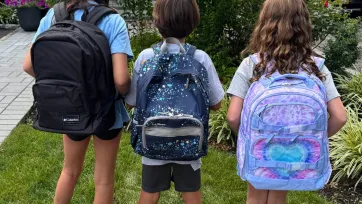
Kids Backpacks: How to Choose the Perfect School Backpack for Comfort, Safety and Everyday Use Introduction A school backpack is one of the most frequently used items a child owns. It travels to school every weekday, carries books, lunch boxes, water bottles, stationery, sports kits and sometimes a favourite toy hidden in a side pocket. Yet many parents buy a backpack based on one thing alone—how it looks. Bright colours, popular characters and trendy designs certainly appeal to children, but appearance should never be the deciding factor. A poorly designed backpack can become uncomfortable, wear out quickly or fail to support growing shoulders and backs. The good news is that choosing the right backpack isn't complicated once you know what to look for. This guide explains how to choose a comfortable, practical and durable kids' backpack that works for school, travel and everyday adventures. Why the Right Backpack Matters Children carry their backpacks almost every day. A well-designed backpack helps distribute weight evenly, making it more comfortable throughout the school day. The right backpack should: Fit your child's body properly. Feel comfortable on both shoulders. Provide enough storage without being oversized. Be lightweight even before it's filled. Last through daily use. A backpack should support your child's routine, not make it harder. Start With Size, Not Style One of the biggest mistakes parents make is buying a backpack that's much too large. It may seem like a practical idea because children will "grow into it", but oversized backpacks often become awkward and uncomfortable. As a general rule: The top of the backpack should sit just below the shoulders. The bottom shouldn't hang far below the waist. It should fit closely against the back rather than swinging while walking. Choosing the correct size usually improves comfort immediately. Features Worth Paying For Not every extra feature adds real value. However, some details genuinely make everyday life easier. Look for backpacks with: Padded shoulder straps. A padded back panel. Adjustable shoulder straps. Strong zips. Reinforced stitching. Multiple storage compartments. Side pockets for water bottles. Easy-to-clean fabric. These features help the backpack remain comfortable and organised throughout the school year. Choosing the Right Material Children aren't always gentle with their belongings. Backpacks are placed on classroom floors, carried through playgrounds and occasionally dragged across pavements. Durable materials such as polyester and nylon are popular because they: Resist everyday wear. Dry quickly. Wipe clean easily. Hold their shape well. Stay relatively lightweight. Water-resistant materials are particularly useful during wet weather or accidental drink spills. How Much Storage Does a Child Really Need? Bigger isn't always better. A backpack should comfortably carry daily essentials without encouraging children to carry unnecessary weight. Most school-age children only need space for: Exercise books. Pencil case. Lunch box. Water bottle. Reading book. Light jacket. Small school supplies. Several well-designed compartments often work better than one very large compartment because they keep everything organised and easier to find. Comfort Is More Important Than Fashion Children naturally want a backpack that looks exciting. Parents naturally want one that lasts. Fortunately, it's possible to have both. Before buying, ask your child to wear the backpack properly using both shoulder straps. Walk around the shop for a few minutes. Does it sit comfortably? Can they move freely? Is it easy to open the zips? A backpack that feels comfortable in the shop is much more likely to stay comfortable throughout the school year. How Heavy Should a Child's Backpack Be? A backpack should never feel like a piece of gym equipment. As a general guide, many health professionals recommend that a child's loaded backpack should not exceed around 10–15% of their body weight. Carrying significantly more than this for long periods may lead to discomfort and unnecessary strain. Parents can reduce weight by: Removing books that aren't needed. Emptying unnecessary toys or gadgets. Using a lightweight lunch box. Carrying only the stationery required for the day. Checking the bag every evening instead of letting items build up. A lighter backpack is usually a more comfortable backpack. How to Pack a Backpack Properly Packing a backpack correctly can make a surprising difference. The heaviest items should be placed closest to the back panel. This helps keep the weight balanced and prevents the bag from pulling backwards. A simple packing order works well: Books and folders nearest the back. Pencil case and lunch box in the centre. Lighter items towards the front. Water bottle in a side pocket if available. Small accessories in zipped organiser pockets. Good organisation also makes it easier for children to find what they need during the school day. Signs the Backpack Doesn't Fit Properly Children don't always complain when something feels uncomfortable. Watch for these signs: The backpack hangs very low. One shoulder strap is used most of the time. The bag swings while walking. Red marks appear on the shoulders. Your child frequently adjusts the straps. They lean forward while carrying it. These signs often indicate that the backpack is too heavy, too large or needs adjusting. Looking After a School Backpack A quality backpack can last much longer with a little care. Simple habits include: Emptying the bag every weekend. Wiping away dirt with a damp cloth. Checking zips regularly. Tightening loose straps. Avoiding overfilling compartments. Hanging the backpack properly instead of leaving it on the floor. Small maintenance routines help prevent bigger problems later. Common Backpack Buying Mistakes Parents often make the same mistakes when shopping. Avoid these common pitfalls: Buying the largest backpack available. Choosing style over comfort. Ignoring adjustable straps. Forgetting to check the backpack's empty weight. Purchasing low-quality zips that fail quickly. Not involving the child in trying the backpack on. The right backpack should suit both your child's body and their daily routine. Frequently Asked Questions What size backpack is best for primary school children? The ideal size depends on the child's height and school requirements. The backpack should sit comfortably against the back without extending far below the waist. How often should I replace my child's backpack? A good-quality backpack can last several school years if it still fits properly and remains in good condition. Younger children may need a new size as they grow. Are wheeled backpacks better? They can be useful where schools allow them and smooth surfaces are available. However, they may be less practical on stairs or crowded corridors. Should children use both shoulder straps? Yes. Using both straps distributes weight more evenly and helps improve comfort. Which material is best for children's backpacks? Durable polyester and nylon remain popular choices because they're lightweight, strong and easy to clean. Final Thoughts A school backpack isn't just another accessory. It's something your child carries almost every day, often for several years. Choosing the right one means looking beyond colours and patterns to focus on comfort, durability and the way it fits your child's body. A backpack that sits correctly, distributes weight evenly and keeps school essentials organised can make the daily journey to and from school much more comfortable. When parents choose wisely, they're not simply buying a bag. They're investing in something that supports their child's routine, confidence and everyday comfort throughout the school year.