25 Best Kids Clothing Brands for Quality, Comfort and Style in 2026

25 Best Kids Clothing Brands for Quality, Comfort and Style in 2026

Introduction

Shopping for children's clothes sounds simple until you're standing in front of hundreds of options.

Some brands focus on fashion. Others prioritise comfort. A few are known for exceptional durability, while others specialise in affordable everyday essentials.

For parents, the challenge isn't finding children's clothing—it's finding clothes that survive playground adventures, frequent washing and rapidly growing children without sacrificing comfort or style.

The best kids' clothing brands understand one important fact.

Children don't spend their day standing still.

They climb.

They run.

They paint.

They crawl.

They jump in puddles.

Their clothes need to keep up.

This guide explores some of the world's most trusted children's clothing brands, highlighting what each does best, who it's most suitable for and why parents continue returning to them year after year.

Choosing the Right Kids' Clothing Brand

Before looking at individual brands, it's worth deciding what matters most for your family.

Some parents prefer premium fabrics that last through younger siblings.

Others prioritise affordability because children outgrow clothes so quickly.

You may also consider:

  • Fabric quality

  • Comfort

  • Durability

  • Easy washing

  • Seasonal collections

  • Size availability

  • Value for money

  • Sustainability

There's no single perfect brand.

The best choice depends on your child's needs and your budget.

1. Carter's

Known for comfortable everyday clothing, Carter's remains one of the most trusted names for babies and young children.

Parents appreciate its soft fabrics, practical designs and excellent value.

Best for:

  • Babies

  • Toddlers

  • Everyday wear

2. Next

Next combines modern fashion with reliable quality, making it popular for school outfits, casual clothing and special occasions.

Best for:

  • Stylish everyday clothing

  • Smart outfits

  • Seasonal collections

3. H&M Kids

H&M Kids offers fashionable clothing at accessible prices while expanding its range of recycled and organic cotton products.

Best for:

  • Affordable fashion

  • Trend-led styles

  • Everyday basics

4. Zara Kids

Parents looking for contemporary European-inspired fashion often choose Zara Kids.

Its collections change regularly, keeping styles fresh throughout the year.

Best for:

  • Fashion-conscious families

  • Smart casual outfits

  • Occasion wear

5. Gap Kids

Gap Kids has built its reputation on timeless basics, quality denim and comfortable everyday clothing.

Best for:

  • Classic wardrobe essentials

  • Denim

  • Layering pieces

6. Marks & Spencer

A long-time favourite with UK families, Marks & Spencer is especially well known for dependable school uniforms, underwear and everyday essentials.

Best for:

  • School uniforms

  • Everyday clothing

  • Excellent durability

7. Patagonia

For adventurous families, Patagonia produces premium outdoor clothing designed to withstand demanding conditions while placing a strong emphasis on sustainability.

Best for:

  • Outdoor activities

  • Hiking

  • Winter clothing

8. The North Face

Well known for jackets and outdoor wear, this brand produces clothing designed to keep children comfortable in changing weather conditions.

Best for:

  • Winter jackets

  • Outdoor adventures

  • Cold climates

9. Frugi

Frugi specialises in colourful organic cotton clothing that's both environmentally conscious and comfortable for young children.

Best for:

  • Organic clothing

  • Bright colours

  • Eco-conscious families

10. Primary

Primary focuses on simple, colourful essentials without character licensing or large logos.

Best for:

  • Minimalist wardrobes

  • High-quality basics

  • Everyday comfort

11. Mini Boden

Mini Boden is recognised for playful prints, colourful designs and durable fabrics that appeal to both children and parents.

Best for:

  • Colourful fashion

  • Premium casual wear

  • Family matching collections

12. Old Navy

Old Navy offers affordable clothing for growing children without compromising on variety.

Best for:

  • Budget-friendly shopping

  • Everyday clothing

  • Large family wardrobes

13. Uniqlo

Uniqlo combines minimalist design with innovative fabrics, making it particularly popular for layering throughout the year.

Best for:

  • Lightweight clothing

  • HeatTech winter wear

  • Everyday basics

  • 14. Ralph Lauren Children

    If you're looking for timeless, premium fashion, Ralph Lauren Children is well known for its classic polo shirts, knitwear and smart outfits.

    Best for:

    • Special occasions

    • Smart casual wear

    • Premium quality

    15. Nike Kids

    Nike Kids combines comfort with sporty styling, making it a popular choice for active children.

    Best for:

    • Sportswear

    • Active lifestyles

    • Casual everyday outfits

    16. Adidas Kids

    From tracksuits to trainers, Adidas Kids offers practical clothing designed for movement and comfort.

    Best for:

    • Sports clothing

    • School PE kits

    • Weekend wear

    17. Joules

    Joules is recognised for colourful prints, countryside-inspired designs and durable outerwear that works well throughout the seasons.

    Best for:

    • Outdoor clothing

    • Rainwear

    • Family matching outfits

    18. Polarn O. Pyret

    This Scandinavian brand has built a reputation for exceptionally durable children's clothing designed to last through multiple children.

    Best for:

    • Long-lasting clothing

    • Sustainable wardrobes

    • Everyday essentials

    19. Petit Bateau

    Petit Bateau is known for premium basics made from soft, comfortable fabrics with a timeless European style.

    Best for:

    • Baby clothing

    • Premium basics

    • Comfortable sleepwear

    20. Monsoon Children

    Monsoon is particularly popular for beautifully designed occasion wear, dresses and formal outfits for children.

    Best for:

    • Weddings

    • Parties

    • Formal events

    21. JoJo Maman Bébé

    Parents appreciate this brand for comfortable babywear, practical clothing and thoughtful everyday designs.

    Best for:

    • Babies

    • Toddlers

    • Practical family clothing

    22. Mayoral

    Mayoral offers stylish European-inspired collections that combine quality tailoring with comfortable fabrics.

    Best for:

    • Smart casual clothing

    • Seasonal fashion

    • Family occasions

    23. Lindex Kids

    Lindex Kids focuses on comfortable, practical clothing while expanding its range of sustainably sourced materials.

    Best for:

    • Everyday basics

    • Comfortable outfits

    • Eco-conscious shopping

    24. Name It

    Name It offers fashionable yet affordable clothing suitable for babies, toddlers and older children.

    Best for:

    • Budget-friendly fashion

    • Everyday clothing

    • Modern Scandinavian styles

    25. OshKosh B'gosh

    Famous for its classic dungarees and durable children's clothing, OshKosh B'gosh remains a trusted choice for everyday family wardrobes.

    Best for:

    • Durable casual clothing

    • Denim

    • Toddlers and young children

    How to Choose High-Quality Children's Clothing

    A recognised brand is helpful, but quality should always come before the label.

    When shopping, look for:

    • Strong stitching around seams

    • Soft, breathable fabrics

    • Comfortable waistbands and cuffs

    • Reinforced knees for active children

    • Easy-to-use zips and fasteners

    • Machine-washable materials

    • Clothes that allow children to move freely

    Well-made clothing often lasts longer and keeps its shape after repeated washing.

    Affordable vs Premium Brands

    Higher prices don't always guarantee better value.

    Affordable brands are ideal for everyday outfits because children grow quickly and may outgrow clothes within months.

    Premium brands can be worthwhile for:

    • Winter coats

    • Waterproof jackets

    • School shoes

    • Occasion wear

    • Clothing passed down to younger siblings

    Many families choose a combination of budget-friendly basics and a few premium essentials.

    Common Mistakes Parents Make When Buying Children's Clothes

    Avoid these common shopping mistakes:

    • Buying only for the current season without considering growth.

    • Choosing style over comfort.

    • Ignoring fabric quality.

    • Buying clothes that are too large in the hope they'll last longer.

    • Forgetting to check washing instructions.

    • Purchasing too many trendy pieces that quickly go out of fashion.

    A balanced wardrobe with comfortable basics and a few special outfits usually offers the best value.

    Frequently Asked Questions

    Which children's clothing brand offers the best value for money?

    Brands such as Next, H&M Kids, Carter's and Marks & Spencer are often chosen because they combine good quality with reasonable prices.

    Which brands are best for babies?

    Carter's, JoJo Maman Bébé, Petit Bateau and Frugi are popular choices thanks to their soft fabrics and practical designs.

    Are premium children's clothing brands worth buying?

    Premium brands are often worthwhile for coats, knitwear and durable everyday items that can be passed down to younger children.

    What fabric is best for children's clothing?

    Cotton remains one of the most popular choices because it's soft, breathable and comfortable for everyday wear. Organic cotton is another excellent option for families seeking more environmentally friendly materials.

    How often should children's wardrobes be updated?

    Most children need new clothing every season as they grow, although the exact timing depends on age and growth rate.

    Final Thoughts

    The best children's clothing brand isn't necessarily the most expensive or the most fashionable.

    It's the one that fits your child's everyday life.

    Whether you prioritise durability, comfort, affordability or sustainable materials, investing in well-made clothing means children can move, play and explore without feeling restricted.

    Rather than filling wardrobes with fast-changing trends, focus on versatile, comfortable pieces that mix easily and stand up to everyday adventures.

    A thoughtful wardrobe will always outlast an impulse purchase.


Advertisement
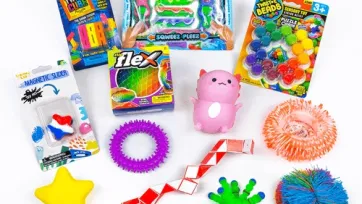
Best Sensory Toys for Kids in 2026
Best Sensory Toys for Kids in 2026: The Ultimate Parent's Buying Guide Sensory toys have become one of the fastest-growing toy categories, and for good reason. These thoughtfully designed toys help children explore the world through touch, sound, sight, movement, and even balance. While every child benefits from sensory play, these toys are especially valuable during the early years when the brain is developing rapidly. In 2026, sensory toys are available in countless forms, from textured balls and sensory bins to light-up toys, tactile boards, water beads, fidget toys, and sensory swings. They encourage children to investigate, experiment, and learn through hands-on experiences rather than passive entertainment. Whether you're buying for a baby, toddler, preschooler, or school-age child, this guide explains everything you need to know about choosing the best sensory toys for kids in 2026. What Are Sensory Toys? Sensory toys are designed to stimulate one or more of a child's senses. These may include: Touch Sight Hearing Movement Balance Texture recognition Rather than simply entertaining children, sensory toys encourage exploration and active learning through play. Why Sensory Play Is Important Children learn about the world by using their senses. Every time they squeeze a soft toy, shake a rattle, walk across different textures, or watch colourful lights move, their brains are building important connections that support future learning. Sensory play also encourages curiosity, helping children become confident explorers from an early age. Benefits of Sensory Toys Sensory toys contribute to many areas of child development. Some of the biggest benefits include: Improve sensory awareness Develop fine motor skills Strengthen hand-eye coordination Encourage creativity Improve concentration Support emotional regulation Build problem-solving skills Encourage independent play Reduce screen time Many parents also find sensory toys useful during quiet time or while travelling. Sensory Toys for Babies Babies benefit from simple sensory experiences that encourage safe exploration. Popular choices include: Soft textured balls Crinkle fabric books Silicone teething toys Musical rattles High-contrast toys Soft sensory cubes These toys help babies discover different textures, sounds, and movements while supporting healthy brain development. Sensory Toys for Toddlers Toddlers enjoy toys that allow them to explore using their hands and movement. Excellent options include: Stacking cups Sensory bins Water play toys Shape sorters Activity cubes Push-and-pop toys These activities improve coordination while encouraging independent discovery. Tactile Sensory Toys Touch is one of the most important senses during early childhood. Popular tactile toys include: Textured blocks Squishy balls Sensory mats Fidget cubes Silicone pop toys Fabric activity books Exploring different textures strengthens sensory processing while making play more engaging. Light and Sound Sensory Toys Many children enjoy toys that respond with gentle lights or sounds. Examples include: Light projectors Musical toys Bubble lamps Glow balls Interactive learning toys Choose products with adjustable volume and soft lighting to avoid overstimulation. Sensory Bins Sensory bins encourage open-ended exploration. Parents often fill them with materials such as: Coloured rice Dried pasta Sand Water beads (with close supervision) Pom-poms Wooden shapes Children enjoy scooping, pouring, sorting, and discovering different textures through hands-on play. Sensory Swings and Movement Toys Movement is another important sensory experience. Popular movement toys include: Indoor swings Balance boards Rocking toys Stepping stones Mini trampolines These activities help children improve balance, body awareness, and coordination. Montessori Sensory Toys Many Montessori-inspired toys naturally encourage sensory development. Popular examples include: Wooden texture boards Fabric matching games Stacking rings Object permanence boxes Natural wooden blocks These simple toys encourage children to learn independently without unnecessary distractions. Sensory Toys for Calm Play Some sensory toys are designed to help children relax. Popular calming toys include: Stress balls Weighted plush toys Sensory bottles Slow-moving liquid timers Soft tactile cushions These toys can help create a peaceful environment after busy or stimulating activities. Choosing the Right Sensory Toy Before buying, consider: Your child's age Developmental stage Material quality Safety certifications Ease of cleaning Durability Educational value Simple toys that encourage repeated exploration often provide the greatest long-term benefits. Safety Tips Always choose sensory toys that: Meet recognised safety standards Use BPA-free and non-toxic materials Have no sharp edges Match the recommended age Avoid small loose parts for younger children Regular cleaning is also important, particularly for toys that children frequently touch or chew. Common Buying Mistakes Parents sometimes assume that more features mean a better toy. Avoid: Toys with excessive flashing lights Extremely loud sounds Poor-quality materials Fragile construction Overly complicated designs Simple sensory toys often encourage longer, more meaningful play than highly electronic alternatives. Why Sensory Toys Make Excellent Gifts Sensory toys are suitable for almost every stage of childhood. They're ideal for: Baby showers First birthdays Christmas Nursery gifts Early learning presents Because they encourage open-ended exploration, children often continue discovering new ways to play with them as they grow. Frequently Asked Questions What are sensory toys? Sensory toys are designed to stimulate one or more senses, including touch, sight, hearing, movement, and balance, helping children learn through hands-on exploration. Are sensory toys good for all children? Yes. While sensory toys are often recommended for children with additional sensory needs, they support healthy development and creative play for children of all abilities. At what age can children start using sensory toys? Many sensory toys are suitable from birth, including soft rattles, textured fabrics, and high-contrast visual toys. More advanced sensory activities are available for toddlers and older children. Do sensory toys help learning? Absolutely. Sensory toys encourage problem-solving, concentration, coordination, creativity, and early cognitive development while making learning enjoyable. Final Thoughts The best sensory toys for kids in 2026 provide much more than colourful entertainment. They encourage children to touch, explore, listen, move, and discover the world through meaningful hands-on experiences that support healthy brain development. From simple textured toys for babies to sensory bins, balance boards, and calming tactile activities for older children, these toys offer lasting educational value while keeping play fun and engaging. By choosing safe, age-appropriate sensory toys, parents can create enriching play experiences that build confidence, curiosity, and essential developmental skills throughout childhood.
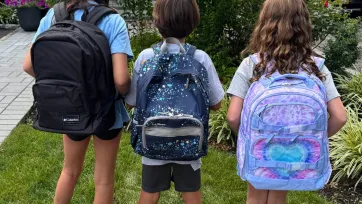
Best Kids Backpacks in 2026
Kids Backpacks: How to Choose the Perfect School Backpack for Comfort, Safety and Everyday Use Introduction A school backpack is one of the most frequently used items a child owns. It travels to school every weekday, carries books, lunch boxes, water bottles, stationery, sports kits and sometimes a favourite toy hidden in a side pocket. Yet many parents buy a backpack based on one thing alone—how it looks. Bright colours, popular characters and trendy designs certainly appeal to children, but appearance should never be the deciding factor. A poorly designed backpack can become uncomfortable, wear out quickly or fail to support growing shoulders and backs. The good news is that choosing the right backpack isn't complicated once you know what to look for. This guide explains how to choose a comfortable, practical and durable kids' backpack that works for school, travel and everyday adventures. Why the Right Backpack Matters Children carry their backpacks almost every day. A well-designed backpack helps distribute weight evenly, making it more comfortable throughout the school day. The right backpack should: Fit your child's body properly. Feel comfortable on both shoulders. Provide enough storage without being oversized. Be lightweight even before it's filled. Last through daily use. A backpack should support your child's routine, not make it harder. Start With Size, Not Style One of the biggest mistakes parents make is buying a backpack that's much too large. It may seem like a practical idea because children will "grow into it", but oversized backpacks often become awkward and uncomfortable. As a general rule: The top of the backpack should sit just below the shoulders. The bottom shouldn't hang far below the waist. It should fit closely against the back rather than swinging while walking. Choosing the correct size usually improves comfort immediately. Features Worth Paying For Not every extra feature adds real value. However, some details genuinely make everyday life easier. Look for backpacks with: Padded shoulder straps. A padded back panel. Adjustable shoulder straps. Strong zips. Reinforced stitching. Multiple storage compartments. Side pockets for water bottles. Easy-to-clean fabric. These features help the backpack remain comfortable and organised throughout the school year. Choosing the Right Material Children aren't always gentle with their belongings. Backpacks are placed on classroom floors, carried through playgrounds and occasionally dragged across pavements. Durable materials such as polyester and nylon are popular because they: Resist everyday wear. Dry quickly. Wipe clean easily. Hold their shape well. Stay relatively lightweight. Water-resistant materials are particularly useful during wet weather or accidental drink spills. How Much Storage Does a Child Really Need? Bigger isn't always better. A backpack should comfortably carry daily essentials without encouraging children to carry unnecessary weight. Most school-age children only need space for: Exercise books. Pencil case. Lunch box. Water bottle. Reading book. Light jacket. Small school supplies. Several well-designed compartments often work better than one very large compartment because they keep everything organised and easier to find. Comfort Is More Important Than Fashion Children naturally want a backpack that looks exciting. Parents naturally want one that lasts. Fortunately, it's possible to have both. Before buying, ask your child to wear the backpack properly using both shoulder straps. Walk around the shop for a few minutes. Does it sit comfortably? Can they move freely? Is it easy to open the zips? A backpack that feels comfortable in the shop is much more likely to stay comfortable throughout the school year. How Heavy Should a Child's Backpack Be? A backpack should never feel like a piece of gym equipment. As a general guide, many health professionals recommend that a child's loaded backpack should not exceed around 10–15% of their body weight. Carrying significantly more than this for long periods may lead to discomfort and unnecessary strain. Parents can reduce weight by: Removing books that aren't needed. Emptying unnecessary toys or gadgets. Using a lightweight lunch box. Carrying only the stationery required for the day. Checking the bag every evening instead of letting items build up. A lighter backpack is usually a more comfortable backpack. How to Pack a Backpack Properly Packing a backpack correctly can make a surprising difference. The heaviest items should be placed closest to the back panel. This helps keep the weight balanced and prevents the bag from pulling backwards. A simple packing order works well: Books and folders nearest the back. Pencil case and lunch box in the centre. Lighter items towards the front. Water bottle in a side pocket if available. Small accessories in zipped organiser pockets. Good organisation also makes it easier for children to find what they need during the school day. Signs the Backpack Doesn't Fit Properly Children don't always complain when something feels uncomfortable. Watch for these signs: The backpack hangs very low. One shoulder strap is used most of the time. The bag swings while walking. Red marks appear on the shoulders. Your child frequently adjusts the straps. They lean forward while carrying it. These signs often indicate that the backpack is too heavy, too large or needs adjusting. Looking After a School Backpack A quality backpack can last much longer with a little care. Simple habits include: Emptying the bag every weekend. Wiping away dirt with a damp cloth. Checking zips regularly. Tightening loose straps. Avoiding overfilling compartments. Hanging the backpack properly instead of leaving it on the floor. Small maintenance routines help prevent bigger problems later. Common Backpack Buying Mistakes Parents often make the same mistakes when shopping. Avoid these common pitfalls: Buying the largest backpack available. Choosing style over comfort. Ignoring adjustable straps. Forgetting to check the backpack's empty weight. Purchasing low-quality zips that fail quickly. Not involving the child in trying the backpack on. The right backpack should suit both your child's body and their daily routine. Frequently Asked Questions What size backpack is best for primary school children? The ideal size depends on the child's height and school requirements. The backpack should sit comfortably against the back without extending far below the waist. How often should I replace my child's backpack? A good-quality backpack can last several school years if it still fits properly and remains in good condition. Younger children may need a new size as they grow. Are wheeled backpacks better? They can be useful where schools allow them and smooth surfaces are available. However, they may be less practical on stairs or crowded corridors. Should children use both shoulder straps? Yes. Using both straps distributes weight more evenly and helps improve comfort. Which material is best for children's backpacks? Durable polyester and nylon remain popular choices because they're lightweight, strong and easy to clean. Final Thoughts A school backpack isn't just another accessory. It's something your child carries almost every day, often for several years. Choosing the right one means looking beyond colours and patterns to focus on comfort, durability and the way it fits your child's body. A backpack that sits correctly, distributes weight evenly and keeps school essentials organised can make the daily journey to and from school much more comfortable. When parents choose wisely, they're not simply buying a bag. They're investing in something that supports their child's routine, confidence and everyday comfort throughout the school year.  
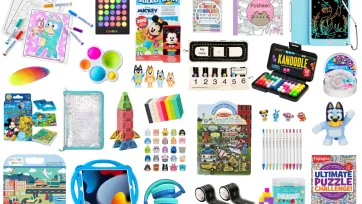
Travel Toys for Toddlers and Young Children
 Travel Toys for Toddlers and Young Children: The Ultimate Parent's Guide to Stress-Free Journeys Ask any parent about travelling with a toddler, and you'll probably hear the same answer: the journey is often harder than the destination. Whether you're driving for two hours to visit grandparents, waiting at an airport for a delayed flight or taking a long train journey during the school holidays, young children can quickly become restless. Sitting still isn't something that comes naturally to them. Before long, boredom turns into frustration, and what should have been an exciting family trip can become exhausting for everyone. The good news is that the right travel toys can completely change the experience. Travel toys are designed to keep children entertained, curious and engaged while taking up very little space. More importantly, the best ones do much more than simply pass the time. They encourage creativity, improve concentration and support learning without relying on tablets or smartphones. Parents often assume they need to pack dozens of toys "just in case". In reality, a handful of carefully chosen travel toys usually works far better than an overstuffed backpack filled with items children barely touch. In this guide, you'll discover how to choose travel toys that children genuinely enjoy, which features matter most, how to avoid common buying mistakes and why simple toys often outperform expensive electronic gadgets. Why Travel Feels Different for Young Children Adults usually see travelling as part of the adventure. Children see it differently. They're expected to stay seated for long periods, follow unfamiliar routines and cope with busy, noisy environments. Even the most patient child can become overwhelmed after an hour or two. That is why travel toys should do more than distract. They should help children feel comfortable, confident and occupied while allowing parents to relax a little too. What Makes a Good Travel Toy? Not every toy belongs in a travel bag. A large construction set with hundreds of tiny pieces might be brilliant at home but quickly becomes a nightmare in a car or airport lounge. The best travel toys usually share a few important qualities: Lightweight and easy to carry. Compact enough to fit inside a backpack. Durable enough to survive frequent travel. Quiet enough for public spaces. Easy to clean. Capable of holding a child's attention for longer than a few minutes. If a toy can be dropped once without breaking and packed away in seconds, it's already ahead of many alternatives. Benefits of Travel Toys A thoughtfully packed travel toy isn't just about keeping children busy. It can make the entire journey more enjoyable for the whole family. Less Stress for Parents Every parent knows that boredom often leads to complaints, arguments and frustration. Interesting toys help prevent many of these situations before they begin. Longer Attention Spans Children who become absorbed in a puzzle, activity book or creative toy are less likely to ask every five minutes, "Are we there yet?" Encourages Independent Play One of the biggest advantages of travel toys is that children learn to entertain themselves. Parents don't need to become the full-time entertainer throughout the journey. Supports Learning Many travel toys naturally encourage counting, storytelling, matching, drawing or problem-solving. Children continue learning while believing they are simply having fun. Reduces Screen Time Digital devices have their place, particularly during very long journeys, but they don't need to become the only source of entertainment. Travel toys offer a healthier balance between technology and hands-on play. The Best Travel Toys for Toddlers Toddlers need simple activities that are easy to understand and difficult to lose. Some excellent options include: Chunky board books Reusable sticker books Water-reveal colouring books Large magnetic drawing boards Soft fabric activity books Finger puppets Shape matching games Stacking cups Sensory toys Soft dolls The aim is to provide toys that can be used independently without creating unnecessary mess. Travel Toys for Preschool Children Preschool children enjoy activities that challenge their imagination while remaining portable. Great choices include: Magnetic puzzles Small construction toys Storytelling cards Activity books Compact board games Lacing activities Reusable colouring pads Toy animals Simple card games Travel-friendly craft kits Many parents discover that one engaging activity can provide far more entertainment than several less interesting toys. Travel Toys for School-Age Children Older children usually appreciate toys that require thinking, creativity or strategy. Some excellent examples are: Logic puzzles Crossword books Sketchbooks Card games Travel chess or draughts Compact building sets Brain teaser puzzles Creative writing journals Foldable board games Educational quiz cards Children in this age group often enjoy being involved in choosing which toys to pack before travelling. How Many Travel Toys Should You Pack? One of the biggest mistakes parents make is filling an entire bag with toys. It sounds like a sensible idea, but too many choices often have the opposite effect. Children quickly move from one toy to another without becoming fully engaged with any of them. A better approach is to pack a small collection of carefully selected activities. For most journeys, this is usually enough: One creative activity, such as a colouring or drawing pad. One problem-solving toy, such as a puzzle. One imaginative toy, such as a few animal figures or finger puppets. One comfort item, especially for younger children. One "surprise" toy that isn't revealed until later in the journey. Introducing a new activity every hour or so keeps the experience fresh without overwhelming your child. Creating the Perfect Travel Activity Bag Instead of throwing toys into a backpack at the last minute, prepare a dedicated travel kit that stays ready for family trips. A well-organised travel bag might include: A reusable water colouring book Washable crayons A small notebook Magnetic puzzles Reusable sticker scenes A compact card game Healthy snacks Wet wipes Spare zip-lock bags for storage A lightweight blanket or comfort toy Keeping everything in one place saves time and prevents frantic searching during the journey. Screen Time vs Travel Toys Many parents wonder whether they should simply hand over a tablet during long trips. There's no universal right or wrong answer. Screens can be useful during lengthy flights or unexpected delays, but relying on them from the start often means children lose interest in other activities. A balanced approach usually works best. Begin the journey with books, puzzles, drawing activities or imaginative toys. If the trip is particularly long, digital entertainment can be introduced later as one part of a varied travel routine rather than the entire experience. Buying Guide Travel toys don't need to be expensive, but they do need to be practical. Before buying, ask yourself a few simple questions. Will it fit easily into a backpack? Large toys may be enjoyable at home but become inconvenient during travel. Can it survive being dropped? Travelling can be rough on toys. Choose products made from durable materials that won't break after one fall. Does it create unnecessary mess? Avoid toys with dozens of tiny pieces, loose sand, glitter or liquids that are difficult to manage while travelling. Can it be used in more than one way? Open-ended toys generally provide much better value because children invent new ways to play with them. Will my child still enjoy it after the journey? The best travel toys become part of everyday play once you're back home, making them a worthwhile investment. Safety Tips Travelling introduces different safety considerations than playing at home. Keep these recommendations in mind: Choose toys that match your child's age. Avoid toys with very small parts for toddlers. Check toys regularly for damage before travelling. Pack toys in secure containers or zip pouches. Keep favourite comfort toys within easy reach. Clean toys after trips, especially those used on public transport. Avoid heavy toys that could become hazardous during sudden stops in a vehicle. Supervise younger children when using craft materials or activity books with accessories. A little preparation helps ensure both safety and convenience throughout the journey. Common Buying Mistakes Parents often buy travel toys based on appearance rather than practicality. Here are some mistakes worth avoiding. Packing Too Many Toys More toys rarely mean more entertainment. A smaller selection usually keeps children focused for longer. Choosing Toys with Lots of Loose Pieces Missing pieces are common during travel, particularly in airports, restaurants or motorway service stations. Buying Toys That Make Loud Noises Electronic sounds may seem entertaining at home but can quickly become frustrating in shared public spaces. Ignoring Your Child's Interests A travel toy only works if your child genuinely enjoys it. Choosing activities based on their hobbies usually leads to much longer play sessions. Leaving Packing Until the Last Minute Preparing a travel kit the night before often results in forgotten essentials and unsuitable toys. Frequently Asked Questions What are the best travel toys for toddlers? Simple, lightweight toys such as reusable sticker books, water colouring books, magnetic drawing boards, soft dolls and fabric activity books are excellent choices because they are easy to carry and encourage independent play. Should children use tablets during travel? Tablets can be useful on longer journeys, but combining them with books, puzzles and creative travel toys usually creates a healthier balance and helps reduce overall screen time. How many travel toys should I take? A small collection of four to six carefully chosen activities is often enough for most day trips and holidays. Rotating them throughout the journey helps maintain interest. Are travel toys suitable for aeroplanes? Yes. Compact, quiet toys are ideal for flights because they entertain children without disturbing other passengers. What should I avoid packing? Avoid toys with tiny loose pieces, messy craft materials, loud electronic sounds or bulky items that are difficult to carry. Final Thoughts Travelling with young children will always involve a little unpredictability, but the right preparation can make a remarkable difference. Instead of relying on dozens of toys or unlimited screen time, focus on a carefully chosen selection of activities that encourage creativity, independent play and problem-solving. The best travel toys are not necessarily the newest or most expensive. They are the ones that keep children engaged, fit easily into your luggage and continue providing value long after the journey has ended. By choosing practical, durable and age-appropriate travel toys, parents can reduce stress, keep children happily occupied and turn long journeys into enjoyable family adventures rather than exhausting experiences.
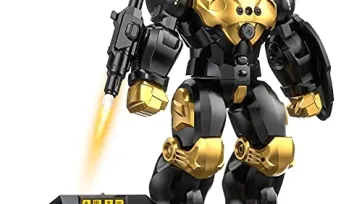
Best Robot Toys for Kids in 2026
Best Robot Toys for Kids in 2026: Smart, Educational and Fun for Every Age Robot toys have become one of the fastest-growing categories in the toy industry, combining entertainment with education in ways that capture children's imagination. From simple dancing robots for toddlers to programmable robots that teach coding and engineering, today's robot toys help children develop valuable STEM skills while keeping them engaged through interactive play. Unlike traditional toys, robot toys respond to commands, perform movements, solve challenges, and even introduce basic programming concepts. They encourage children to think creatively, experiment with technology, and develop problem-solving skills that will be useful throughout their lives. Whether you're shopping for a birthday, Christmas, or an educational gift, this guide explores the best robot toys for kids in 2026. Why Robot Toys Are So Popular Children are naturally curious about technology. Robot toys allow them to explore how machines move, respond, and interact with the world. Many modern robots can: Walk Dance Talk Follow commands Avoid obstacles Perform tricks Play games Teach coding These interactive features make learning feel like play instead of study. Benefits of Robot Toys Robot toys support many areas of child development. Some of the biggest benefits include: Improve problem-solving skills Encourage logical thinking Develop STEM knowledge Build creativity Strengthen concentration Improve hand-eye coordination Introduce coding concepts Encourage independent learning Reduce passive screen time Children also gain confidence as they successfully control and programme their robots. Robot Toys for Toddlers Younger children benefit from simple robots with large buttons and easy controls. Popular features include: Dancing movements Flashing lights Music Animal sounds Colour recognition Shape learning These toys introduce cause and effect while encouraging sensory development. Coding Robots for Kids Coding robots are among the most educational robot toys available. Children learn how to: Create sequences Solve logic puzzles Programme movements Complete challenges Test different solutions Many beginner coding robots use visual programming instead of written computer code, making them suitable for young learners. Remote Control Robot Toys Remote control robots combine technology with active play. Children can control: Walking Turning Dancing Talking Arm movements Sound effects These toys improve hand-eye coordination while making playtime highly interactive. AI-Inspired Robot Toys Some advanced robot toys now include artificial intelligence features. Depending on the model, they may: Recognise voices Respond to commands Learn simple routines Interact with users Tell stories Answer basic questions These robots introduce children to the growing world of AI in an age-appropriate way. Educational Robot Kits Children who enjoy building can combine robotics with engineering. Educational robot kits allow them to: Assemble moving robots Connect motors Build mechanical systems Explore electronics Learn engineering principles Building a robot before programming it provides a deeper understanding of how technology works. STEM Learning Through Robotics Robot toys naturally introduce STEM concepts. Children explore: Science Technology Engineering Mathematics Instead of reading about these subjects, they experience them through practical challenges and experimentation. Robot Toys Encourage Creativity Robot toys are not just about technology. Children often invent imaginative adventures where robots become: Explorers Helpers Space travellers Rescue workers Scientists Friendly companions These stories encourage communication and imaginative thinking alongside technical learning. Choosing the Right Robot Toy Before buying, consider: Your child's age Skill level Battery life Ease of programming Educational value Durability Expandability A robot that grows with your child's abilities offers the greatest long-term value. Safety Tips Choose robot toys that: Meet recognised safety standards Use durable materials Match the recommended age Include clear instructions Have securely enclosed batteries Rechargeable models are often more convenient for regular use. Common Buying Mistakes Parents sometimes purchase robot toys that are too complicated. Avoid: Advanced programming kits for beginners Poor battery life Weak build quality Limited learning features Unknown brands without safety certification Choosing the right difficulty level keeps children motivated instead of frustrated. Why Robot Toys Make Brilliant Gifts Robot toys remain one of the most exciting educational gifts available. They're perfect for: Birthdays Christmas School achievements STEM competitions Holiday presents Children enjoy the excitement of interactive technology while developing valuable future-ready skills. Frequently Asked Questions What are the best robot toys for children? Coding robots, remote control robots, educational robot kits, AI-inspired robots, and STEM robotics sets are among the best choices. At what age can children start using robot toys? Simple interactive robots are suitable from around three years old, while coding and engineering robots are designed for older children. Do robot toys help children learn? Yes. Robot toys improve problem-solving, creativity, coding skills, engineering knowledge, and logical thinking through hands-on learning. Are robot toys worth buying? Absolutely. High-quality robot toys combine entertainment with STEM education, making them an excellent long-term investment for children's learning. Final Thoughts The best robot toys for kids in 2026 combine innovation, education, and entertainment in one exciting package. Whether your child enjoys coding, engineering, remote control gadgets, or imaginative adventures, robot toys encourage curiosity while helping develop skills that will remain valuable in the future. By choosing an age-appropriate robot toy with strong educational value, parents can inspire a love of technology while giving children endless opportunities to build, programme, explore, and create. As technology continues to shape the world, robot toys offer a fun and engaging introduction to the skills of tomorrow.
Best Toys for 4-Year-Old Kids in 2026
Best Toys for 4-Year-Old Kids in 2026 By the age of four, children become more confident, independent, and imaginative than ever before. They enjoy creating stories, asking endless questions, solving simple challenges, and exploring the world around them through play. This is an important stage of development where the right toys can strengthen creativity, improve learning, and build essential life skills. The best toys for 4-year-old kids are more than just entertaining. They encourage problem-solving, improve communication, develop fine motor skills, and inspire independent thinking. Whether it's building a colourful city, conducting a simple science experiment, pretending to be a firefighter, or racing a beginner remote control car, every activity helps children learn while having fun. This guide explores the best toys for 4-year-old kids in 2026 and helps parents choose toys that offer long-term educational and entertainment value. Why Choosing the Right Toy Is Important Four-year-olds learn through exploration and hands-on experiences. They enjoy challenges but still need toys that are simple enough to understand without becoming frustrated. Choosing age-appropriate toys helps children: Develop creativity Improve communication Strengthen problem-solving skills Build confidence Enhance coordination Encourage independent play The right toy keeps children engaged while supporting healthy emotional, physical, and cognitive development. Developmental Milestones at Four Years Old At four years old, children are becoming more capable in many areas of development. Most children begin to: Speak clearly in longer sentences Recognize letters and numbers Count basic objects Follow multi-step instructions Improve balance and coordination Enjoy group play Ask detailed questions Create imaginative stories The best toys encourage these new skills while making learning enjoyable. Building Toys Encourage Creative Thinking Building toys continue to be among the most valuable toys for preschool children. Children enjoy creating: Houses Castles Roads Bridges Animals Space stations Entire cities Building activities improve: Fine motor skills Logical thinking Creativity Patience Problem-solving Construction toys also encourage children to experiment with different designs and solutions. Pretend Play Expands Imagination Four-year-olds love pretending to be different characters. Popular role-play themes include: Doctors Veterinarians Teachers Firefighters Police officers Chefs Astronauts Pretend play toys such as kitchen sets, doctor kits, tool benches, dollhouses, and grocery stores help children improve communication, creativity, and social skills. Educational Toys Support Early Learning At this age, many children begin preparing for school. Educational toys introduce important concepts such as: Letters Numbers Shapes Colors Counting Memory Vocabulary Excellent educational toys include alphabet puzzles, counting games, interactive learning boards, memory cards, and matching games. These activities help children learn naturally through play. STEM Toys Encourage Curiosity STEM toys introduce Science, Technology, Engineering, and Mathematics through hands-on activities. Popular beginner STEM toys include: Magnetic building tiles Engineering construction sets Marble runs Science experiment kits Coding games for preschoolers These toys encourage children to ask questions, explore ideas, and discover solutions independently. Beginner Remote Control Toys Build Coordination Many four-year-olds enjoy their first remote control vehicles. Beginner RC cars help improve: Hand-eye coordination Concentration Reaction speed Motor skills Spatial awareness Simple rechargeable remote control cars with easy steering controls provide exciting screen-free entertainment while encouraging active play. Arts and Crafts Inspire Creativity Creative activities remain an important part of childhood development. Popular art supplies include: Washable markers Coloring books Watercolor paints Stickers Clay modeling kits DIY craft boxes Art projects help children express themselves while strengthening hand muscles needed for writing later. Musical Toys Build Confidence Music introduces children to rhythm, creativity, and self-expression. Some excellent musical toys include: Keyboards Drums Xylophones Tambourines Toy microphones Singing and playing instruments also improve listening skills and memory. Outdoor Toys Encourage Healthy Activity Children need plenty of physical activity every day. Outdoor toys help improve: Balance Coordination Fitness Confidence Popular outdoor toys include: Scooters Balance bikes Bubble machines Ball games Sand toys Water tables Gardening kits Outdoor adventures also reduce screen time while encouraging exploration. Puzzles Improve Problem-Solving Skills Puzzles challenge children to think carefully before making decisions. Benefits include: Better concentration Memory improvement Shape recognition Logical reasoning Patience Choose puzzles with colorful illustrations and age-appropriate difficulty levels to keep children motivated. Wooden Toys Offer Long-Term Value Wooden toys remain popular because they are: Durable Safe Eco-friendly Timeless Easy to maintain Wooden building blocks, puzzles, train sets, and balance games often remain favorite toys for many years. Board Games Teach Social Skills Four-year-olds begin understanding simple rules and enjoy playing with friends and family. Board games teach: Taking turns Teamwork Fair play Decision-making Communication Family game nights also strengthen relationships while making learning enjoyable. Choosing Safe Toys for 4-Year-Olds Safety should always remain a priority. Look for toys that: Match your child's age Use non-toxic materials Have rounded edges Meet recognized safety standards Are made from durable materials Have clear safety instructions Buying quality toys from trusted brands helps ensure a safe play experience. Common Mistakes Parents Should Avoid Some toy purchases lose their appeal quickly because they don't match a child's interests or abilities. Avoid: Toys that are too complicated Poor-quality materials Fragile construction Toys chosen only because they are popular Products with little educational value Children often enjoy versatile toys that allow them to play in different ways. Great Gift Ideas for 4-Year-Old Kids If you're shopping for birthdays or holidays, consider gifts that combine learning and fun. Excellent gift ideas include: Building block sets STEM kits Beginner RC cars Wooden puzzles Pretend play kitchens Doctor kits Scooters Arts and crafts supplies These toys continue providing entertainment long after the celebration ends. Frequently Asked Questions What are the best toys for a 4-year-old? Building toys, STEM kits, educational games, beginner remote control cars, pretend play sets, puzzles, musical instruments, and outdoor toys are excellent choices. Are remote control cars suitable for 4-year-olds? Yes. Many RC cars are designed specifically for young children with simple controls, durable construction, and safe speeds. What educational toys should a 4-year-old have? Alphabet games, counting toys, memory puzzles, STEM building kits, and interactive learning activities all support early childhood development. How many toys should a 4-year-old own? A carefully selected collection of high-quality toys is often more beneficial than having too many toys. Rotating toys regularly also keeps playtime exciting. Final Thoughts The best toys for 4-year-old kids in 2026 encourage curiosity, creativity, movement, and learning through meaningful play. At this age, children thrive when they can build, imagine, experiment, and explore at their own pace. Whether it's a STEM construction set, a colorful puzzle, a pretend play kitchen, an outdoor scooter, or a beginner remote control car, the right toy supports healthy development while creating joyful childhood memories. By choosing safe, durable, and age-appropriate toys, parents can help children grow with confidence while making every day an exciting opportunity to learn.
12 Common Toy Myths Parents Still Believe
12 Common Toy Myths Parents Still Believe (And the Truth Behind Them) Introduction Spend enough time around parents and you'll hear plenty of confident advice about toys. "Wooden toys are always better." "Educational toys make children smarter." "The more toys a child owns, the happier they'll be." Most of these statements are repeated so often that they begin to sound like facts. But are they? Not always. Some are based on old ideas that have been passed from one generation to the next. Others started as clever marketing messages that gradually became accepted as common knowledge. The problem is that believing these myths can lead parents to spend money unnecessarily, overlook excellent toys or feel guilty about choices that are perfectly reasonable. So, let's separate fact from fiction. Myth #1: Expensive Toys Are Always Better Walk into any toy shop and it's easy to assume that the highest-priced toy must also be the highest-quality one. Sometimes that's true. Often, it isn't. Price reflects many things besides quality, including branding, licensing, advertising and packaging. A simple construction toy used every weekend for years usually offers far greater value than an expensive electronic gadget that loses its appeal after a fortnight. Instead of asking, "How much does it cost?", ask: "How many hours of meaningful play could this create?" That's a much better measure of value. Myth #2: Educational Toys Automatically Create Smarter Children The word educational appears on thousands of toy boxes. It's become one of the most powerful marketing terms in the toy industry. Yet children don't suddenly become better learners because a label says so. They learn by asking questions. They learn by making mistakes. They learn by pretending, experimenting and solving problems. A cardboard box can teach creativity. A pile of blankets can teach teamwork. A pretend café can develop language skills. Learning comes from the way children play—not simply from the label on the packaging. Myth #3: More Toys Mean More Fun This idea sounds logical. If ten toys are fun, then fifty toys must be even better. In reality, many parents notice the opposite. Too many choices often lead to shorter attention spans and constant switching between activities. Children don't always need more toys. Sometimes they simply need fewer distractions. Myth #4: Boys and Girls Need Different Toys Children are naturally curious. They enjoy building, pretending, creating, exploring and solving problems. Those interests aren't limited by gender. A girl who enjoys construction sets is developing valuable spatial skills. A boy who loves a play kitchen is practising imagination, communication and everyday life skills. The most important question isn't whether a toy is marketed towards boys or girls. It's whether it matches the individual child sitting in front of you. Myth #5: Electronic Toys Are Always Bad Electronic toys often receive criticism. The reality is more balanced. Some electronic toys encourage curiosity, music, coding or problem-solving. Others simply entertain for a few minutes before becoming repetitive. The technology itself isn't the deciding factor. The quality of interaction is. A toy that encourages children to think, explore and participate usually provides more lasting value than one that does everything automatically. Myth #6: A Child Needs the Latest Trending Toy Every year has its "must-have" toy. Parents queue outside shops. Social media fills with unboxing videos. Children talk about it in the playground. A few months later, another trend replaces it. Trendy toys can certainly be fun, but they rarely define a happy childhood. Children remember experiences far more than fashions. A toy that encourages years of imaginative play often becomes far more meaningful than one that was simply popular for a single season. Myth #7: Wooden Toys Are Always Better Than Plastic Toys Wooden toys have become increasingly popular, and for good reason. They're often durable, beautifully made and designed for open-ended play. But that doesn't automatically make every plastic toy a poor choice. Many high-quality plastic toys are safe, long-lasting and designed to support creativity just as effectively. Rather than focusing on the material, look at the overall quality, safety and play value. A well-designed toy is a good toy, regardless of whether it's made from wood or plastic. Myth #8: Children Should Always Play Independently Independent play is valuable. But expecting children to entertain themselves all day isn't realistic. Many children need someone to help them begin. Five minutes of shared play can often lead to an hour of independent play afterwards. The goal isn't to avoid playing with your child. It's to gradually build the confidence that allows them to continue the adventure on their own. Myth #9: Every Toy Must Have a Learning Purpose Parents naturally want every purchase to benefit their child. As a result, it's easy to feel that every toy should teach letters, numbers or science. But childhood isn't a classroom. Sometimes the greatest lesson comes from laughter, storytelling and make-believe. A game that encourages siblings to cooperate, negotiate and solve disagreements is teaching valuable life skills, even if it never mentions the alphabet. Play doesn't always need an obvious educational objective to be worthwhile. Myth #10: If a Child Gets Bored, the Toy Has Failed Boredom has become one of the most misunderstood parts of childhood. Many parents immediately search for another activity or another toy. Yet boredom often acts as the starting point for creativity. Without constant entertainment, children begin inventing games of their own. They build forts. They organise treasure hunts. They create imaginary worlds from ordinary household objects. Sometimes the best thing a toy can do is leave enough space for boredom to become imagination. Myth #11: Bigger Toys Are Better Toys Large toy kitchens, giant playhouses and oversized racing tracks certainly attract attention. But size doesn't automatically increase play value. Some of the most loved toys fit inside a small storage basket. Building blocks. Toy animals. Craft supplies. Card games. These simple items often provide years of enjoyment because they can be used in hundreds of different ways. A toy should earn its place through play, not through the amount of space it occupies. Myth #12: Once a Child Stops Playing With a Toy, It's Finished Many parents donate toys as soon as they seem forgotten. Sometimes that's the right decision. Often, however, the toy simply needs a break. Children's interests naturally change throughout the year. A train set ignored during summer holidays may become the favourite activity on rainy winter afternoons. Rotating toys instead of permanently removing them often makes old favourites feel exciting again. The toy hasn't changed. The timing has. The Truth Behind Every Myth When you look closely, all twelve myths point towards the same lesson. Children don't need the loudest toy. They don't need the newest toy. They don't need the biggest toy. Most of all, they don't need adults to believe every marketing message printed on a colourful box. What they need are opportunities to imagine, experiment, create stories and enjoy the freedom to play in their own way. That's something no trend can replace. Frequently Asked Questions Are expensive toys worth buying? Sometimes, but price alone doesn't guarantee quality or long-term play value. Consider durability, versatility and how often your child is likely to use the toy. Should every toy be educational? No. Children learn through many different forms of play, including imaginative games, outdoor activities and creative projects. A toy doesn't need an educational label to support healthy development. Is independent play important? Yes, but it develops gradually. Many children benefit from a parent helping them start a game before continuing independently. Are trendy toys a bad choice? Not necessarily. If a child genuinely enjoys a particular trend, there's nothing wrong with buying an occasional popular toy. The key is not relying on trends alone when building a toy collection. Can toy rotation really make a difference? For many families, yes. Rotating toys reduces clutter and often renews a child's interest in toys they had previously ignored. Final Thoughts Parenting comes with plenty of advice, and not all of it stands the test of time. The toy world is no different. Some ideas survive because they're backed by experience and observation. Others survive simply because they've been repeated often enough. The next time you hear someone insist that only expensive toys matter, that every toy must be educational or that children always need more, pause for a moment. Look at how your own child actually plays. Their imagination will usually tell you far more than any marketing campaign ever could. And in the end, that's the most reliable guide any parent can have.  
Best STEM Toys for Kids by Age: Complete Buying Guide
STEM toys are designed to introduce children to science, technology, engineering, and mathematics through hands-on play. The best STEM toys for kids do more than keep them busy. They encourage curiosity, creativity, logical thinking, experimentation, and problem-solving. However, not every STEM toy is suitable for every child. A coding robot may be exciting for an eight-year-old but frustrating for a toddler. Similarly, simple stacking blocks may appear basic to an adult, yet they can teach a young child important ideas about balance, size, shapes, and cause and effect. This complete STEM toy buying guide explains which types of educational toys are most suitable for different age groups and what parents should consider before making a purchase. What Are STEM Toys? STEM toys are educational products that help children explore one or more of the following areas: Science Technology Engineering Mathematics Some toys focus on a single subject, such as a chemistry kit or a number-learning game. Others combine several STEM skills. For example, a programmable robot may involve technology, sequencing, mathematics, and engineering. Good STEM toys usually encourage children to build, test, observe, compare, solve problems, and try again after making mistakes. Best STEM Toys for Babies Under 1 Year Babies do not need complicated electronic toys. At this age, the best STEM learning happens through touching, observing, shaking, stacking, and exploring safe objects. Suitable STEM toys for babies include: Soft Stacking Blocks Soft blocks help babies explore size, shape, balance, and cause and effect. Babies can stack them, knock them down, squeeze them, and compare different textures. Sensory Balls Sensory balls with different surfaces can support tactile exploration and hand-eye coordination. Parents can roll the ball toward the baby and encourage reaching and movement. Simple Activity Centers Activity centers with spinning parts, large buttons, mirrors, and safe moving pieces may help babies understand that certain actions produce certain results. For babies, safety is more important than advanced features. Toys should not contain small removable parts, loose magnets, sharp edges, or accessible batteries. Best STEM Toys for 1-Year-Olds One-year-old children are beginning to understand simple relationships between objects. They enjoy filling containers, stacking items, pushing buttons, and matching basic shapes. Large Building Blocks Large blocks are excellent beginner engineering toys. Children can build small towers and learn what happens when the structure becomes unbalanced. Shape Sorters Shape sorters help children recognize differences between circles, squares, triangles, and other forms. They also introduce problem-solving because the child must find the correct opening for each piece. Nesting Cups Nesting cups teach children about size, order, volume, and comparison. They can be stacked, placed inside one another, or used during water play. Choose products with large pieces that cannot fit inside the child’s mouth. Best STEM Toys for 2-Year-Olds At age two, children become more confident with building, sorting, matching, and pretending. STEM toys should remain simple, durable, and open-ended. Wooden Puzzles Simple puzzles with large pieces help develop visual reasoning and spatial awareness. Animal, vehicle, number, and shape puzzles are popular choices. Peg Boards Peg boards allow toddlers to place colorful pieces into holes, create basic patterns, and strengthen fine motor skills. Toy Tool Sets A toddler-safe tool set may include plastic hammers, screws, nuts, bolts, and building pieces. These toys introduce basic mechanical thinking and hand-eye coordination. Water Tables Water tables can teach children about floating, sinking, pouring, movement, and volume. Water play should always take place under adult supervision. Best STEM Toys for 3-Year-Olds Three-year-old children can usually follow short instructions and complete simple building challenges. This is a good age to introduce more structured STEM activities. Magnetic Building Tiles Magnetic tiles allow children to construct houses, towers, bridges, and geometric shapes. They can help children explore balance, symmetry, and spatial design. Parents should buy high-quality magnetic toys from reputable manufacturers and regularly inspect them for cracks or loose magnets. Number and Counting Toys Counting bears, number boards, bead mazes, and sorting trays can introduce early mathematics in a playful way. Marble Runs With Large Pieces A preschool marble run with large, age-appropriate balls can demonstrate movement, gravity, speed, and cause and effect. Simple Science Observation Kits Magnifying glasses, bug viewers, weather charts, and nature-exploration kits can help young children observe the world around them. Best STEM Toys for 4-Year-Olds Four-year-olds are usually ready for more detailed building projects, pattern games, and beginner science experiments. Beginner Construction Sets Construction sets with wheels, connectors, gears, and panels can introduce basic engineering. Children can build vehicles, animals, machines, or their own designs. Pattern Blocks Pattern blocks help children explore geometry, colors, symmetry, and visual organization. Beginner Coding Games Some coding toys for preschoolers use cards, arrows, or physical buttons instead of screens. These toys teach sequencing and directional thinking. Simple Science Kits Age-appropriate science kits may include activities involving colors, magnets, water, plants, or weather. Parents should supervise experiments and follow the instructions carefully. Best STEM Toys for 5-Year-Olds At age five, many children are ready to solve more detailed problems and follow multi-step instructions. Coding Robots A beginner coding robot can teach sequencing, directions, commands, and basic programming logic. Some models work without a screen, while others use a tablet or mobile application. Building and Engineering Kits Engineering kits can involve bridges, vehicles, cranes, gears, and moving structures. They allow children to test designs and understand why some structures work better than others. Math Board Games Math games can make counting, addition, number recognition, and comparison more enjoyable. Human Body Models Simple anatomy puzzles or body models can introduce children to bones, organs, senses, and basic biology. Best STEM Toys for Ages 6 to 8 Children between six and eight years old can often handle more advanced construction, science, coding, and mathematics toys. Robotics Kits Beginner robotics kits may allow children to assemble moving machines and program basic actions. Before buying, check whether the kit requires: A smartphone A tablet A computer Batteries A paid subscription Additional accessories Chemistry Kits A child-friendly chemistry kit can introduce reactions, mixtures, crystals, acids, bases, and scientific observation. Only purchase kits designed for the child’s age and provide adult supervision. Circuit Building Kits Circuit kits teach children how electricity moves through wires, switches, lights, motors, and other components. Snap-together circuit kits are often easier and safer for beginners than traditional wiring sets. Microscope Kits A beginner microscope allows children to observe leaves, fabric, paper, insects, prepared slides, and other safe materials. Parents should compare image quality and ease of focusing instead of choosing a microscope only because it advertises very high magnification. Best STEM Toys for Ages 9 to 12 Older children may enjoy toys that involve real engineering challenges, coding, electronics, and scientific investigation. Advanced Coding Robots Advanced coding robots can introduce block-based coding and, in some cases, text-based programming languages. Mechanical Engineering Kits Children can build working vehicles, machines, cranes, robotic arms, or renewable-energy models. Astronomy Kits A beginner telescope, star map, or solar-system model can encourage interest in astronomy and space science. Electronics Kits Electronics kits may allow children to build alarms, radios, sensors, lights, and small machines. 3D Pens A child-safe 3D pen can help older children turn drawings into physical structures. Parents should check the recommended age and operating temperature. How to Choose the Best STEM Toy The most expensive STEM toy is not always the best choice. Parents should consider several factors before purchasing. Choose According to Age Always check the manufacturer’s age recommendation. It usually reflects both safety and difficulty. A toy that is too advanced may frustrate the child. A toy that is too easy may lose its educational value quickly. Match the Child’s Interests A child who loves vehicles may enjoy mechanical building kits. A child interested in animals may prefer a microscope or nature-exploration kit. Children who enjoy video games may respond well to coding toys. Interest is important because children learn more effectively when they are genuinely engaged. Look for Open-Ended Play Open-ended STEM toys can be used in several different ways. Building blocks, magnetic tiles, robotics components, craft materials, and construction sets often provide more long-term value than toys with only one function. Check for Additional Costs Some coding robots and electronic learning toys require subscriptions, applications, replacement parts, or additional expansion kits. Before purchasing, check the total cost rather than only the initial price. Consider Screen Time Some technology toys require a tablet or smartphone. This does not automatically make them unsuitable, but parents should consider how much screen time the toy requires. A good coding toy should encourage active problem-solving rather than passive watching. Check Durability and Safety Inspect the toy for: Small parts Loose magnets Sharp edges Weak battery covers Fragile wires Poor-quality plastic Easily breakable pieces Toys involving chemicals, electricity, heat, water, or moving parts should be used with appropriate adult supervision. Are Expensive STEM Toys Worth It? Some premium STEM toys offer durable materials, advanced coding features, replacement parts, and long-term educational value. However, children do not always need expensive products to learn STEM concepts. Simple items such as blocks, measuring cups, puzzles, magnets, cardboard, craft materials, and household containers can also support scientific and engineering thinking. A premium toy may be worth the cost when it: Matches the child’s interests Can be used for several years Offers multiple difficulty levels Includes strong customer support Does not require costly subscriptions Can be expanded with additional projects Final Thoughts The best STEM toys for kids are age-appropriate, safe, engaging, and challenging without being overwhelming. For babies and toddlers, simple stacking, sorting, sensory, and building toys provide an excellent foundation. Preschool children may enjoy magnetic tiles, counting games, beginner coding activities, and science observation tools. Older children can explore robotics, chemistry, circuits, microscopes, astronomy, and advanced engineering kits. Parents should focus less on flashy advertising and more on how the toy encourages the child to think. A strong STEM toy should invite questions, experimentation, creativity, and repeated problem-solving. When children are allowed to build, test, fail, and try again, play becomes one of the most effective ways to develop valuable lifelong skills.
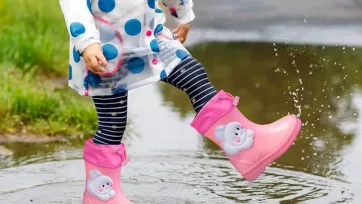
Best Kids Rain Boots in 2026
Kids Rain Boots: The Complete Parent's Guide to Choosing Waterproof, Comfortable Wellies for Children Introduction For children, rainy days rarely mean staying indoors. They mean jumping into puddles, exploring muddy woodland paths, building dams in the garden and discovering worms after a shower. A good pair of rain boots turns wet weather into another adventure. For parents, however, choosing children's rain boots isn't quite so simple. Should you buy them a size bigger? Are rubber boots better than lightweight waterproof alternatives? Do insulated boots really make a difference during winter? How can you stop little feet from becoming cold and sweaty after an afternoon outdoors? The right pair of rain boots keeps feet dry, supports growing feet and survives plenty of energetic play. The wrong pair may cause discomfort, blisters or simply end up forgotten at the back of the cupboard. This guide explains everything parents should know before buying kids' rain boots, helping you choose footwear that's practical, comfortable and built for everyday adventures. Why Quality Rain Boots Matter Children don't walk through puddles. They run. They splash. They climb. They test every muddy corner they can find. That's why children's rain boots need to do much more than keep water out. A well-designed pair should: Keep feet dry in wet weather. Provide reliable grip on slippery surfaces. Feel comfortable for extended wear. Be easy for children to put on themselves. Stand up to regular outdoor use. When these features come together, children spend less time worrying about wet feet and more time enjoying the outdoors. Choosing the Correct Size One of the most common mistakes parents make is buying rain boots that are far too large. Although children grow quickly, oversized boots can rub against the heel, make walking awkward and increase the risk of trips and falls. A better approach is to allow just enough room for: Thick socks during colder months. Natural foot movement. Future growth without compromising comfort. Your child should be able to wiggle their toes freely while the heel remains secure during walking. What Material Is Best? Not all rain boots are made from the same materials. Understanding the differences helps parents choose footwear that matches their child's lifestyle. Natural Rubber Natural rubber remains one of the most popular choices because it's flexible, waterproof and durable. It's particularly suitable for regular outdoor play. PVC PVC boots are often lighter and more affordable. They're a practical option for occasional use, although they may not offer the same flexibility as premium rubber boots. Insulated Rain Boots For colder climates, insulated boots include an extra lining that helps keep little feet warm during chilly autumn and winter days. They're especially useful for long walks, countryside adventures and snowy conditions. Features Worth Looking For A good pair of kids' rain boots should include more than waterproof material. Useful features include: Deep, non-slip soles. Soft inner lining. Easy pull handles. Flexible construction. Reinforced heel support. Durable stitching around the upper edge. Comfortable fit around the ankle. These details make everyday use easier for both children and parents. Should Children Wear Thick Socks? Many parents automatically choose the thickest socks they can find. In reality, comfort depends on the weather. During cool autumn days, medium-weight cotton or wool-blend socks often provide enough warmth without making feet sweaty. In colder weather, thermal socks can improve comfort inside insulated boots. The goal is to keep feet warm while allowing enough airflow to prevent excess moisture. How to Check If Rain Boots Fit Properly Even the best rain boots won't feel comfortable if they don't fit correctly. When your child tries them on, ask them to walk around for a few minutes. Check that: The heel stays in place while walking. Toes have enough room to move comfortably. The boots don't rub around the ankles. Walking feels natural rather than awkward. Your child can put the boots on and take them off without struggling. A comfortable fit encourages children to wear their boots happily whenever the weather changes. Rain Boots for Different Activities Not every child uses rain boots in the same way. Choosing the right type depends on how they'll be worn. For Nursery and School A lightweight pair with flexible soles is usually the best choice. Children often need boots that are easy to change into during outdoor play. For Country Walks Look for deeper tread patterns that provide extra grip on muddy footpaths and uneven ground. For Camping and Family Adventures Comfort becomes even more important during longer walks. Flexible rubber boots with supportive soles help reduce fatigue. For Gardening and Outdoor Play Simple waterproof boots with good traction are ideal for everyday adventures in the garden. Keeping Rain Boots in Good Condition Rain boots don't require complicated maintenance, but a little care helps them last much longer. Useful habits include: Rinse off mud after use. Allow boots to dry naturally. Avoid placing them directly against radiators or heaters. Store them upright in a cool, dry place. Wipe the outside occasionally with a damp cloth. Keeping boots clean also helps maintain their waterproof finish. Common Buying Mistakes Parents Make Many rain boot problems begin before children even wear them. Some of the most common mistakes include: Buying boots several sizes too large. Choosing appearance over comfort. Ignoring sole grip. Forgetting to check flexibility. Using rain boots for long-distance hiking instead of purpose-built walking boots. Waiting too long to replace boots after children outgrow them. A well-fitting boot is always more valuable than a fashionable one that causes discomfort. Frequently Asked Questions Should children wear rain boots every day? Rain boots are designed for wet conditions. On dry days, supportive everyday shoes are usually more comfortable for extended walking. How often should children's rain boots be replaced? Replace them when your child outgrows them, if the soles become worn or if cracks appear that affect waterproof performance. Are insulated rain boots worth buying? If your child regularly plays outdoors during cold weather, insulated boots can provide additional warmth and comfort. Can rain boots be worn in the snow? Some insulated rain boots are suitable for light snow, but dedicated winter boots generally provide better insulation and grip in freezing conditions. What's the best way to dry wet rain boots? Allow them to air dry naturally at room temperature. Avoid placing them directly on radiators, as excessive heat may damage certain materials. Final Thoughts For children, rain doesn't usually spoil the day. It creates a new opportunity for adventure. The right pair of rain boots allows them to splash through puddles, explore muddy paths and enjoy the outdoors without worrying about wet feet. When choosing children's rain boots, focus on fit, comfort, grip and durability rather than simply selecting the brightest colour or favourite pattern. A pair that fits well, keeps feet dry and stands up to everyday play will quickly become one of the most useful items in your child's wardrobe. After all, some of childhood's happiest memories begin with a puddle.