Best Screen-Free Toys for Kids in 2026

Best Screen-Free Toys for Kids in 2026

In today's digital world, children are surrounded by screens. Smartphones, tablets, televisions, gaming consoles, and computers have become part of everyday life, making it increasingly difficult for parents to maintain a healthy balance between technology and traditional play. While technology offers many educational benefits, excessive screen time can reduce physical activity, limit creativity, and decrease opportunities for meaningful family interaction.

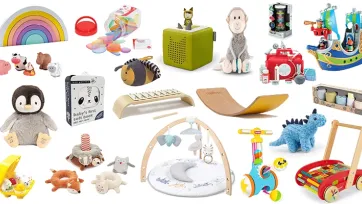
This is where screen-free toys make a real difference. These toys encourage children to use their imagination, solve problems, build, create, explore, and interact with others without relying on digital devices. Whether it's a set of wooden blocks, a remote control car, a puzzle, or an outdoor adventure kit, screen-free toys help children develop valuable life skills while having genuine fun.

If you're looking for healthier play options, this guide explains why screen-free toys are more important than ever in 2026 and how to choose the best ones for every age.

What Are Screen-Free Toys?

Screen-free toys are toys that do not require televisions, smartphones, tablets, computers, or other digital screens to operate. Instead, they encourage active participation through physical play, creativity, exploration, and imagination.

Unlike digital entertainment, screen-free toys place children in control of the experience. They build, imagine, experiment, race, create stories, and solve challenges using their own ideas rather than following instructions on a screen.

These toys are suitable for children of all ages and can provide hours of engaging, meaningful play.

Why More Parents Are Choosing Screen-Free Toys

Many parents are becoming increasingly aware of the importance of balancing screen time with hands-on activities. Screen-free toys help children disconnect from digital devices while encouraging movement, communication, and independent thinking.

These toys also create opportunities for family interaction. Instead of sitting separately with different devices, parents and children can build together, race together, solve puzzles, or enjoy imaginative games that strengthen relationships.

Screen-free play also encourages children to stay curious and discover new ways to entertain themselves without relying on constant digital stimulation.

Benefits of Screen-Free Toys

Screen-free toys support healthy childhood development in many ways.

Some of the biggest benefits include:

  • Encouraging creativity
  • Improving concentration
  • Developing hand-eye coordination
  • Strengthening problem-solving skills
  • Supporting language development
  • Increasing physical activity
  • Reducing screen dependency
  • Encouraging social interaction
  • Building confidence

These benefits often continue long after playtime ends, helping children develop skills they will use throughout life.

Building Toys Inspire Endless Creativity

Building toys remain one of the best screen-free activities available.

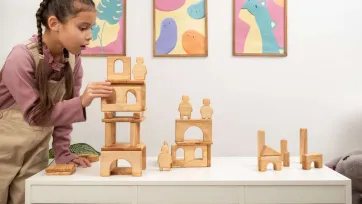
Children can design houses, castles, roads, bridges, towers, vehicles, or entire cities using simple building blocks or construction sets.

Every new creation encourages imagination while improving planning, patience, and logical thinking.

Popular building toys include:

  • Wooden blocks
  • Magnetic tiles
  • Construction bricks
  • Marble runs
  • Engineering kits

These toys grow with children, offering new challenges as their skills improve.

Puzzles Help Children Think Critically

Puzzles are an excellent alternative to digital entertainment because they require concentration, observation, and logical thinking.

Children learn to recognize patterns, solve problems, and remain patient while completing increasingly challenging puzzles.

Popular puzzle types include:

  • Wooden puzzles
  • Alphabet puzzles
  • Number puzzles
  • Animal puzzles
  • World map puzzles
  • Floor puzzles

Puzzle time can also become a relaxing family activity.

Pretend Play Encourages Imagination

Pretend play remains one of the most valuable forms of screen-free entertainment.

Children naturally enjoy pretending to be doctors, chefs, firefighters, astronauts, teachers, or shopkeepers.

Excellent pretend play toys include:

  • Kitchen playsets
  • Doctor kits
  • Tool benches
  • Dollhouses
  • Cash registers
  • Puppet theaters

These activities help children improve communication, storytelling, empathy, and creativity.

Remote Control Toys Offer Active Fun Without Screens

Many parents are surprised to learn that remote control toys are considered excellent screen-free entertainment.

Driving a remote control racing car, monster truck, or construction vehicle requires concentration, coordination, and quick decision-making.

Unlike video games, children remain physically active as they navigate obstacles, create racing tracks, and play outdoors with friends or family.

Rechargeable RC toys also provide longer play sessions while reducing the need for disposable batteries.

Arts and Crafts Spark Creativity

Creative projects encourage children to express themselves while improving fine motor skills.

Popular screen-free creative activities include:

  • Drawing
  • Painting
  • Coloring
  • Clay modeling
  • Bead making
  • DIY craft kits
  • Paper folding

These activities also teach patience and attention to detail while giving children a sense of accomplishment.

Outdoor Toys Encourage Healthy Play

Outdoor toys naturally reduce screen time by encouraging children to explore their surroundings.

Excellent options include:

  • Scooters
  • Balls
  • Flying discs
  • Bubble machines
  • Gardening kits
  • Nature explorer sets
  • Jump ropes

Outdoor activities improve fitness, coordination, teamwork, and overall well-being while helping children enjoy fresh air and sunshine.

Educational Screen-Free Toys

Learning doesn't require a screen.

Many educational toys provide hands-on experiences that support important developmental skills.

Some excellent choices include:

  • Alphabet blocks
  • Counting toys
  • STEM building kits
  • Science experiment sets
  • Geography puzzles
  • Memory games

Children often learn more effectively when they actively participate instead of simply watching a screen.

Choosing Screen-Free Toys by Age

Different age groups enjoy different types of activities.

For babies:

  • Soft sensory toys
  • Wooden rattles
  • Stacking rings

For toddlers:

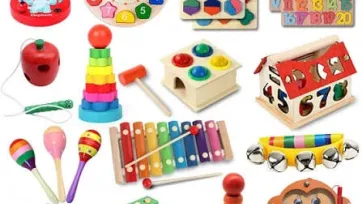
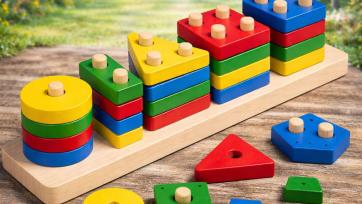
  • Shape sorters
  • Pull toys
  • Wooden puzzles

For preschoolers:

  • Building blocks
  • Pretend play sets
  • Arts and crafts

For older children:

  • STEM kits
  • Board games
  • RC cars
  • Science projects
  • Outdoor sports equipment

Choosing age-appropriate toys helps children stay interested while supporting healthy development.

How Parents Can Encourage Screen-Free Play

Creating screen-free habits doesn't mean removing technology completely. Instead, focus on offering exciting alternatives that naturally capture a child's interest.

Some simple ideas include:

  • Set aside daily screen-free playtime.
  • Rotate toys to keep them exciting.
  • Join your child during play.
  • Create indoor obstacle courses.
  • Encourage outdoor adventures.
  • Organize family board game nights.

When children see adults participating, they become even more excited about screen-free activities.

Common Mistakes Parents Should Avoid

Many parents unintentionally make screen-free play less appealing.

Avoid:

  • Offering too many toys at once
  • Comparing traditional toys with digital entertainment
  • Interrupting imaginative play too often
  • Choosing toys that are too difficult
  • Buying low-quality products that break quickly

Simple, durable, open-ended toys usually provide the longest-lasting enjoyment.

Why Screen-Free Toys Make Excellent Gifts

Screen-free toys are thoughtful gifts because they encourage children to interact with the world around them instead of spending more time in front of digital devices.

Whether it's a birthday, holiday, or special celebration, toys such as puzzles, building sets, outdoor games, RC vehicles, or creative craft kits provide lasting value while creating memorable family experiences.

Frequently Asked Questions

What are screen-free toys?

Screen-free toys are toys that encourage active, hands-on play without using smartphones, tablets, televisions, or computers.

Are screen-free toys better than electronic toys?

Both have benefits, but screen-free toys encourage imagination, creativity, physical activity, and social interaction without increasing daily screen time.

Do screen-free toys help child development?

Yes. They improve creativity, concentration, communication, coordination, problem-solving, and emotional development through active play.

Can remote control cars be considered screen-free toys?

Yes. Although they use electronic controllers, RC cars do not require digital screens and encourage active physical play, making them an excellent screen-free activity.

Final Thoughts

Screen-free toys continue to be one of the best ways to encourage healthy childhood development in 2026. They inspire creativity, strengthen problem-solving skills, improve physical activity, and help children build meaningful connections with family and friends.

Whether you choose building blocks, puzzles, pretend play sets, outdoor games, arts and crafts, or remote control toys, every screen-free activity offers children the opportunity to learn, imagine, and grow without relying on digital devices. By creating a healthy balance between technology and traditional play, parents can give their children experiences that are both enjoyable and truly enriching.
Advertisement
Best Safe Wooden Toys for Kids in 2026
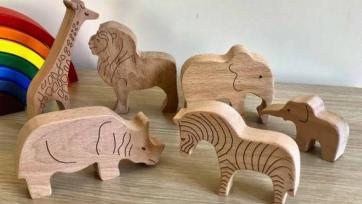
Best Safe Wooden Toys for Kids in 2026 Wooden toys have stood the test of time, remaining a favourite choice for parents who value safety, durability, and meaningful play. While modern toy stores are filled with electronic gadgets and plastic playsets, safe wooden toys continue to offer something unique—simple designs that encourage imagination, creativity, and hands-on learning. Today's parents are more careful than ever about the products they bring into their homes. They want toys made from non-toxic materials, built to last, and free from unnecessary chemicals. Safe wooden toys meet these expectations while supporting healthy child development from infancy through the early school years. Whether you're buying a birthday gift, planning a Montessori-inspired playroom, or searching for toys that promote learning without screens, wooden toys are an excellent investment. This guide explains why safe wooden toys remain one of the best choices for children in 2026 and how to select the right options for every age. Why Wooden Toys Are Still Popular Despite rapid advances in technology, wooden toys continue to attract parents because of their timeless appeal and educational value. Unlike many electronic toys that entertain children with flashing lights and sounds, wooden toys encourage active participation. Children create their own games, invent stories, build structures, and solve problems using their imagination. Many families also appreciate their natural appearance, solid construction, and ability to last for years. What Makes a Wooden Toy Safe? Not every wooden toy is automatically safe. Parents should look beyond attractive designs and pay attention to how the toy is made. A safe wooden toy should include: Smooth, splinter-free surfaces Rounded edges Non-toxic paints and finishes Strong construction Child-safe materials Securely attached parts Age-appropriate design Buying from reputable manufacturers that follow international toy safety standards provides additional peace of mind. Benefits of Safe Wooden Toys Safe wooden toys offer much more than durability. Some of their biggest advantages include: Encouraging imaginative play Improving hand-eye coordination Supporting fine motor skills Developing problem-solving abilities Increasing concentration Reducing screen time Promoting independent learning Lasting for many years Because they are often open-ended, children can play with the same toy in different ways as they grow older. Best Wooden Toys for Babies Babies explore the world using their senses. Simple wooden toys help them safely discover different shapes, textures, and movements. Excellent options include: Wooden rattles Grasping rings Stacking rings Shape sorters Push toys Wooden activity gyms Always choose toys specifically designed for infants and free from small detachable parts. Best Wooden Toys for Toddlers Toddlers enjoy toys that challenge their growing coordination and curiosity. Popular wooden toys include: Building blocks Peg puzzles Pull-along animals Stacking towers Wooden trains Balance games These activities encourage movement while strengthening problem-solving skills. Montessori Wooden Toys Many Montessori toys are made from wood because it is durable, natural, and pleasant to handle. Popular Montessori wooden toys include: Counting boards Alphabet blocks Object permanence boxes Shape sorters Practical life activity boards Wooden puzzles These toys encourage children to learn independently without unnecessary distractions. Wooden Building Blocks Inspire Creativity Building blocks remain one of the most versatile toys available. Children use them to build: Houses Castles Bridges Roads Towers Cities Animal homes Each new creation encourages imagination, planning, and creative thinking while improving fine motor control. Wooden Puzzles Improve Problem-Solving Skills Puzzles help children recognize shapes, colors, patterns, and spatial relationships. They also improve: Memory Concentration Patience Logical thinking Hand-eye coordination Wooden puzzles are especially durable, making them ideal for repeated use. Eco-Friendly Benefits of Wooden Toys Many parents choose wooden toys because they are more environmentally friendly than disposable plastic alternatives. High-quality wooden toys often come from responsibly managed forests and can remain usable for many years. Because they rarely break easily, they create less waste and are often passed down to younger siblings or donated to other families. Choosing sustainable toys also helps children develop an appreciation for protecting the environment. Wooden Pretend Play Toys Pretend play supports language development and creativity. Wooden playsets allow children to create endless adventures. Popular options include: Play kitchens Wooden food sets Tool benches Doll furniture Cash registers Farm animal sets These toys encourage storytelling while helping children understand everyday life. How Wooden Toys Support Child Development Every play session teaches valuable skills. Wooden toys help children improve: Fine motor control Coordination Concentration Creativity Problem-solving Independent thinking Social interaction Emotional confidence Because there are fewer distractions, children often remain focused for longer periods. How to Choose the Best Wooden Toys Before purchasing, consider several important factors. Choose toys that: Match your child's age Use non-toxic finishes Have smooth surfaces Are easy to clean Offer multiple ways to play Come from trusted brands A high-quality toy usually provides far greater long-term value than a cheaper alternative. Caring for Wooden Toys Proper care helps wooden toys remain beautiful for years. Simple maintenance includes: Wipe with a damp cloth. Avoid soaking in water. Store in a dry place. Inspect regularly for damage. Tighten loose parts if needed. Avoid harsh chemical cleaners. Good care keeps toys safe while extending their lifespan. Common Mistakes Parents Should Avoid Many buyers unknowingly choose poor-quality wooden toys. Avoid: Cheap toys with rough edges Unknown paints or finishes Toys without safety certification Age-inappropriate designs Products with loose small parts Spending a little extra on quality often results in a safer and longer-lasting toy. Why Wooden Toys Make Excellent Gifts Wooden toys are thoughtful gifts for birthdays, holidays, and special occasions. They combine beauty, durability, and educational value, making them gifts that children enjoy for years instead of weeks. Parents also appreciate receiving toys that encourage creativity rather than constant screen time. Frequently Asked Questions Are wooden toys safer than plastic toys? High-quality wooden toys made with non-toxic materials and smooth finishes are generally considered very safe. Safety depends on the manufacturer's quality and whether the toy is appropriate for the child's age. Are wooden toys suitable for babies? Yes. Many wooden rattles, grasping toys, and stacking toys are designed specifically for infants. Always choose age-appropriate products that meet recognized safety standards. How do I clean wooden toys? Use a soft damp cloth with mild soap if necessary. Avoid soaking wooden toys in water, as excessive moisture may damage the wood over time. Why are wooden toys more expensive? They often use higher-quality materials, stronger construction, and sustainable manufacturing methods. Their durability usually makes them a better long-term investment. Final Thoughts Safe wooden toys continue to be one of the best choices for children in 2026 because they combine simplicity, durability, and educational value in a way few other toys can. They encourage creativity, strengthen essential developmental skills, and provide years of meaningful play without relying on screens or excessive electronics. Whether you're choosing wooden building blocks, puzzles, Montessori learning tools, pretend play sets, or stacking toys, investing in high-quality wooden toys means investing in safer, more engaging, and more rewarding play experiences for your child.
Best Educational Toys for Kids
Best Educational Toys for Kids: A Complete Guide to Learning Through Play Children learn best when they are actively engaged, curious, and having fun. That is why educational toys have become one of the most valuable investments parents can make. Instead of simply entertaining children for a few minutes, these toys encourage creativity, improve problem-solving skills, and support healthy cognitive, emotional, and physical development. Today's educational toys go far beyond alphabet blocks and counting games. Modern options include STEM kits, coding toys, building sets, puzzles, science experiments, musical instruments, and interactive learning games that make education enjoyable rather than stressful. If you're looking for the best educational toys for kids, this comprehensive guide will help you understand which toys provide real learning value and how to choose the right ones for your child's age and interests. What Are Educational Toys? Educational toys are designed to help children develop important skills while they play. They combine entertainment with learning, allowing children to explore new ideas naturally instead of feeling like they are studying. A well-designed educational toy encourages children to ask questions, solve problems, experiment with different ideas, and develop confidence through hands-on activities. Unlike many electronic gadgets that simply capture attention, educational toys actively involve children in the learning process. Why Educational Toys Matter Children absorb information much faster when learning feels enjoyable. Educational toys create opportunities for discovery, creativity, and independent thinking. These toys help children: Improve concentration Strengthen memory Build problem-solving skills Develop creativity Increase confidence Improve communication Encourage curiosity Support emotional growth Play-based learning also helps children remember concepts longer because they experience them instead of simply reading or hearing about them. Building Toys Encourage Creative Thinking Building toys remain among the most popular educational toys for children of all ages. Whether children are creating towers, bridges, vehicles, castles, or entire cities, they constantly practice planning, experimenting, and solving challenges. Building activities teach children that mistakes are part of learning. When a structure falls, they naturally try again using a better approach. Popular options include: Building blocks Magnetic tiles Construction kits Wooden block sets Engineering toys These toys improve both creativity and logical thinking. STEM Toys Prepare Kids for the Future STEM stands for Science, Technology, Engineering, and Mathematics. STEM toys encourage children to explore how things work through hands-on learning instead of memorization. Popular STEM toys include: Beginner robotics kits Coding games Engineering projects Magnetic construction sets Circuit building kits Science experiment boxes These activities introduce important concepts while making learning exciting and interactive. Educational Puzzles Improve Problem-Solving Skills Puzzles teach children how to recognize patterns, organize information, and think critically. As children complete puzzles, they learn patience, observation, and persistence. Different puzzle types include: Alphabet puzzles Number puzzles Animal puzzles World map puzzles Shape puzzles Logic puzzles Each completed puzzle builds confidence while strengthening memory and concentration. Learning Through Pretend Play Many parents underestimate the educational value of pretend play. When children pretend to be doctors, teachers, chefs, scientists, or firefighters, they develop communication skills, emotional intelligence, and creativity. Excellent pretend play toys include: Kitchen playsets Doctor kits Cash registers Tool sets Grocery stores Dollhouses Puppet theaters These activities encourage storytelling and help children understand real-world situations. Arts and Crafts Build Creativity Creative activities allow children to express themselves while developing important physical skills. Drawing, painting, cutting, folding, and sculpting improve hand strength and fine motor control. Popular educational craft toys include: Coloring books Watercolor sets Clay modeling kits DIY craft boxes Sticker activities Bead-making kits These projects also teach patience and attention to detail. Musical Toys Support Brain Development Music stimulates multiple areas of the brain at the same time. Simple musical toys help children develop: Listening skills Rhythm Coordination Creativity Memory Self-expression Keyboards, drums, xylophones, tambourines, and beginner instruments encourage children to experiment while having fun. Educational Board Games Teach Life Skills Board games are excellent learning tools because they combine fun with valuable social experiences. Children learn: Taking turns Following rules Strategic thinking Teamwork Fair play Decision-making Family game nights also strengthen relationships while encouraging healthy communication. Remote Control Toys Can Be Educational Too Many people think remote control toys are only designed for entertainment. In reality, RC toys help children improve: Hand-eye coordination Spatial awareness Reaction time Focus Motor skills Problem-solving Driving a remote control car around obstacles requires concentration and precise movements, making it an enjoyable learning experience. Science Kits Inspire Curiosity Science experiment kits introduce children to fascinating concepts through safe and simple activities. Popular experiments include: Volcano models Crystal growing Magnet activities Water experiments Weather projects Plant-growing kits Hands-on science helps children understand how the world works while encouraging curiosity. Outdoor Educational Toys Learning should not be limited to indoor activities. Outdoor educational toys help children stay active while exploring nature. Some excellent choices include: Gardening kits Nature explorer sets Insect observation boxes Binoculars Treasure hunt games Sports equipment Outdoor play improves physical health while teaching children about plants, animals, and the environment. Choosing Educational Toys by Age Every child develops differently, but selecting toys that match their age helps maintain interest and confidence. For toddlers: Shape sorters Stacking toys Soft alphabet blocks For preschoolers: Building blocks Number games Alphabet puzzles Pretend play sets For school-age children: STEM kits Robotics Advanced puzzles Science projects Coding games Age-appropriate toys create the right balance between challenge and enjoyment. How to Choose the Best Educational Toy Before purchasing, ask yourself a few important questions. Does the toy encourage creativity? Will it keep my child engaged for a long time? Does it match my child's interests? Is it safe? Can it be used in different ways? The best educational toys grow with children and continue offering new ways to play over time. Safety Tips for Parents Educational toys should always meet recognized safety standards. Before buying: Check the recommended age. Choose non-toxic materials. Avoid sharp edges. Inspect small parts. Buy from trusted manufacturers. Read product reviews. Regularly checking toys for wear also helps prevent accidents. Common Mistakes Parents Make Many parents unintentionally choose toys that provide very little educational value. Common mistakes include: Buying toys only because they are popular. Choosing toys that are too difficult. Ignoring durability. Focusing only on electronic features. Purchasing too many similar toys. A smaller collection of high-quality educational toys often provides better long-term benefits than a room full of short-lived entertainment. Why Educational Toys Make Wonderful Gifts Educational toys combine fun with lifelong learning. Whether for birthdays, holidays, or special occasions, they continue benefiting children long after the excitement of opening the gift has passed. Parents also appreciate gifts that encourage creativity, independence, and healthy development. Frequently Asked Questions What are the best educational toys for kids? Building blocks, STEM kits, puzzles, pretend play sets, musical instruments, science kits, arts and crafts, and educational board games are among the best choices. At what age should children start using educational toys? Children can begin using educational toys from infancy with age-appropriate options such as stacking toys, soft blocks, and sensory activities. Are electronic educational toys better? Not necessarily. Many traditional toys provide excellent educational value by encouraging creativity, imagination, and hands-on learning. Do educational toys improve school performance? Educational toys help develop skills such as concentration, memory, problem-solving, and communication, all of which support classroom learning. Final Thoughts The best educational toys do much more than keep children busy. They inspire curiosity, encourage creativity, develop confidence, and help children build essential life skills through enjoyable play. From building blocks and STEM kits to science experiments, puzzles, musical instruments, and remote control toys, every educational toy offers a unique opportunity for growth. The key is choosing toys that match your child's interests, abilities, and stage of development. When learning becomes fun, children stay curious, motivated, and eager to explore the world around them. Investing in high-quality educational toys is an investment in your child's future, providing countless opportunities to learn while making wonderful memories through play.
Best Toys for 5-Year-Old Kids
Best Toys for 5-Year-Old Kids: A Parent's Complete Guide to Fun, Learning, and Smart Choices Choosing the best toys for a 5-year-old can feel overwhelming. Walk into any toy store or browse online, and you'll find thousands of options claiming to be educational, entertaining, or the perfect gift. The truth is that not every toy helps a child grow. Some capture attention for only a few minutes, while others inspire creativity, build confidence, and encourage learning for months or even years. At five years old, children are naturally curious. They ask endless questions, invent imaginative stories, solve simple problems, and enjoy activities that challenge both their minds and bodies. The right toy supports these important developmental milestones while making playtime exciting. This guide explores the best toys for 5-year-old kids, explains why they matter, and helps parents choose toys that offer lasting value rather than short-lived entertainment. Why Age-Appropriate Toys Matter Five-year-olds are developing rapidly in nearly every area of life. Their language skills improve, they become more independent, and their imagination grows stronger every day. Toys designed for this age group match their abilities and encourage them to learn through play. Age-appropriate toys also reduce frustration. A toy that is too advanced may discourage a child, while one that is too simple quickly becomes boring. Finding the right balance keeps children engaged and motivated. What Skills Do 5-Year-Olds Develop Through Play? Play is much more than entertainment. Every game, puzzle, building activity, or pretend adventure teaches something valuable. Children at this age improve: Problem-solving skills Hand-eye coordination Fine motor skills Creativity Communication Memory Concentration Social interaction Emotional confidence Well-designed toys naturally support these abilities without making learning feel like schoolwork. Building Toys Encourage Creative Thinking Construction toys remain among the best choices for five-year-olds. Whether children build houses, castles, vehicles, bridges, or entire cities, they constantly practice planning, experimenting, and solving problems. Building toys also teach patience. A child learns that creating something impressive often requires multiple attempts, helping develop persistence and confidence. Many parents notice that construction toys continue to be used long after other toys have been forgotten. Remote Control Toys Build Coordination and Confidence Remote control toys combine excitement with skill development. Driving an RC car through obstacles or steering it around furniture requires quick thinking and precise control. Children learn to observe, react, and adjust their movements, improving coordination and reaction speed. Rechargeable remote control racing cars are especially popular because they offer longer play sessions and lower running costs than disposable battery models. Parents often enjoy joining the fun, turning RC toys into family activities instead of solo entertainment. Educational STEM Toys Make Learning Fun STEM toys introduce children to science, technology, engineering, and mathematics through hands-on activities. Instead of memorizing facts, children learn by experimenting. Examples include: Simple engineering kits Magnetic building sets Coding toys Beginner robotics Science experiment kits These toys encourage curiosity and help children understand how things work while having fun. Pretend Play Toys Develop Imagination Five-year-olds love pretending to be doctors, chefs, police officers, teachers, astronauts, or firefighters. Pretend play encourages storytelling, communication, and emotional development. Popular options include: Kitchen playsets Doctor kits Tool sets Grocery stores Dollhouses Puppet theaters Children often spend hours creating their own adventures, making these toys excellent long-term investments. Arts and Crafts Inspire Creativity Creative activities help children express their ideas while improving fine motor control. Drawing, painting, coloring, cutting, and crafting strengthen hand muscles needed for writing later in school. Popular creative toys include: Washable markers Coloring books Clay modeling kits Sticker activity books DIY craft sets Paint-by-number kits Finished projects also give children a sense of accomplishment. Outdoor Toys Keep Children Active Physical activity remains essential for healthy development. Outdoor toys encourage exercise while reducing screen time. Some excellent choices include: Scooters Balance bikes Sports sets Bubble machines Flying discs Gardening kits Ball games Regular outdoor play supports fitness, coordination, and overall well-being. Puzzle Games Improve Critical Thinking Puzzles teach children to recognize patterns, solve problems, and stay focused. At five years old, children enjoy more challenging puzzles than toddlers, but they still need designs that match their abilities. Good options include: Wooden puzzles Floor puzzles Alphabet puzzles Number puzzles Animal puzzles World map puzzles Completing puzzles builds patience and confidence. Interactive Learning Toys Many interactive toys combine lights, sounds, music, and educational activities. Quality learning toys help children practice: Reading Counting Letter recognition Vocabulary Memory Listening skills The best interactive toys encourage participation instead of simply entertaining. Plush Toys Continue to Be Important Even as children grow older, many still enjoy soft toys. Stuffed animals provide comfort, encourage nurturing behavior, and become important companions during bedtime or travel. Many children include plush toys in imaginative games, helping develop storytelling and emotional expression. Musical Toys Support Early Development Music introduces rhythm, creativity, and coordination. Simple instruments such as keyboards, drums, tambourines, and xylophones encourage children to experiment with sound while improving listening skills. Family sing-alongs often become treasured memories. Board Games Teach Social Skills Five-year-olds begin understanding simple rules and taking turns. Board games help children learn: Patience Cooperation Fair play Strategic thinking Communication Winning and losing gracefully These lessons remain valuable throughout life. Screen-Free Toys Still Have Great Value Technology has become part of everyday life, but traditional toys continue to offer unique benefits. Screen-free play encourages conversation, movement, imagination, and creativity without constant digital stimulation. Many child development experts recommend maintaining a healthy balance between technology and hands-on activities. Safety Tips When Buying Toys Safety should always come first. Parents should: Check recommended age labels. Avoid toys with sharp edges. Choose non-toxic materials. Inspect toys regularly for damage. Keep small parts away from younger siblings. Buy from trusted brands whenever possible. A safe toy allows children to explore confidently while giving parents peace of mind. How to Choose the Right Toy Instead of buying the newest trend, think about your child's interests. Ask yourself: Does my child enjoy building? Do they love vehicles? Are they creative? Do they enjoy outdoor play? Do they like solving puzzles? Would they benefit from educational activities? The answers usually point toward the perfect toy. Great Gift Ideas for 5-Year-Old Kids If you're buying a birthday or holiday gift, consider toys that combine fun with learning. Excellent choices include: Remote control racing cars Building block sets STEM activity kits Art supplies Outdoor sports toys Educational board games Pretend play sets Interactive learning toys These gifts remain enjoyable long after the excitement of opening the package has passed. Common Buying Mistakes Parents Should Avoid Many purchases end up unused because they don't match a child's interests or abilities. Avoid these common mistakes: Buying toys that are too advanced. Choosing quality based only on appearance. Ignoring safety recommendations. Purchasing toys with poor durability. Following trends without considering the child's personality. A thoughtful purchase usually delivers far greater value than an expensive one. Frequently Asked Questions What types of toys are best for 5-year-old kids? Building toys, remote control cars, STEM kits, puzzles, pretend play sets, arts and crafts, outdoor toys, and educational games are all excellent choices. Are remote control cars suitable for five-year-olds? Yes. Many beginner RC cars are specifically designed for younger children with simple controls, durable construction, and rechargeable batteries. How many toys does a 5-year-old really need? Quality matters more than quantity. A smaller collection of engaging toys often provides more meaningful play than dozens of toys that quickly lose their appeal. Should educational toys always be the priority? Educational toys are valuable, but the best toys combine learning with genuine fun. Children learn most effectively when they enjoy the activity. Final Thoughts Finding the best toys for 5-year-old kids isn't about buying the most expensive product or following every new trend. It's about choosing toys that inspire curiosity, encourage creativity, and support healthy development through meaningful play. Whether it's a remote control racing car that improves coordination, a building set that sparks imagination, a puzzle that develops critical thinking, or an outdoor toy that keeps children active, the right choice can create lasting memories while helping children build important life skills. When parents focus on quality, safety, and their child's unique interests, every play session becomes an opportunity to learn, grow, and have fun.
How to Choose Age-Appropriate Toys for Every Stage of Childhood
 How to Choose Age-Appropriate Toys for Every Stage of Childhood Introduction Buying a toy might seem like a simple task, but choosing one that's genuinely suitable for a child's age can be surprisingly difficult. Walk into any toy shop or browse an online store, and you'll be faced with thousands of options, all claiming to be educational, entertaining or essential for development. Attractive packaging and clever marketing can make almost any toy look appealing, but the most important question remains: Is it right for your child's current stage of development? A toy that's perfect for one child may be completely unsuitable for another, even if they're only a year apart in age. Younger children need toys that help them explore basic movements and senses, while older children benefit from activities that challenge their imagination, creativity and problem-solving abilities. Choosing age-appropriate toys isn't about limiting children. It's about giving them the right level of challenge. A toy that's too simple may quickly become boring, while one that's too advanced can lead to frustration and a loss of confidence. The good news is that selecting suitable toys becomes much easier when you understand how children develop and what they need at each stage. Rather than following trends or buying whatever is popular, parents can build a toy collection that grows alongside their child and continues providing value for years. In this guide, you'll learn how children's play changes as they grow, which toys suit different age groups, common buying mistakes to avoid and practical tips for choosing toys that are both enjoyable and beneficial. Why Age Recommendations Matter The age label printed on a toy isn't simply a marketing suggestion. In many cases, it reflects important safety information as well as the developmental skills needed to enjoy the toy properly. Manufacturers consider several factors before assigning an age recommendation, including: The size of individual parts. The level of coordination required. Problem-solving difficulty. Physical strength needed. Safety risks. Typical developmental milestones. Following these recommendations helps children enjoy toys safely while reducing unnecessary frustration. Every Child Develops Differently Although age guidelines are useful, they should never be treated as strict rules. Two children of the same age can have very different interests, confidence levels and abilities. One four-year-old may happily complete complex puzzles, while another prefers imaginative role play. Neither approach is better; they're simply developing in different ways. Parents know their children better than anyone else. When choosing toys, consider both the recommended age and your child's personality. Choosing Toys for Babies (0–12 Months) During the first year of life, babies learn mainly through their senses. Everything is new, from different textures and colours to sounds and movement. The best toys at this stage encourage exploration rather than structured learning. Suitable choices include: Soft sensory balls High-contrast books Fabric activity cubes Stacking rings Soft blocks Teething toys Baby mirrors Activity gyms Simple toys often provide the richest experiences because babies are discovering basic movements and cause-and-effect relationships. Choosing Toys for Toddlers (1–3 Years) Toddlers are naturally curious. They want to touch everything, move constantly and copy the adults around them. This is the perfect stage for toys that encourage exploration and independence. Excellent choices include: Building blocks Shape sorters Ride-on toys Push-and-pull toys Toy animals Pretend food Play kitchens Chunky puzzles Drawing boards Stacking cups These toys help develop coordination, language, imagination and confidence through everyday play. Choosing Toys for Preschool Children (3–5 Years) Preschool children enjoy making up stories, asking questions and solving simple challenges. Their play becomes more imaginative and they often enjoy playing alongside friends or siblings. Suitable toys include: Construction toys Pretend play sets Craft materials Board games Magnetic building pieces Puppet theatres Toy vehicles Dollhouses Science activity kits Outdoor play equipment At this stage, children begin combining different toys to create their own games rather than using them separately. Choosing Toys for School-Age Children (6–12 Years) School-age children usually enjoy activities that involve planning, creativity and more advanced thinking. They often become passionate about particular hobbies or interests. Good choices include: Strategy games Advanced building sets Art supplies Science experiment kits Sporting equipment Musical instruments Model-building kits Coding activities Craft projects Educational games Rather than simply entertaining, these toys encourage children to develop skills that can continue into adolescence and adulthood. How to Tell if a Toy Is Too Easy Children usually let parents know when a toy no longer challenges them. Some common signs include: They lose interest within a few minutes. They rarely choose the toy during playtime. They complete every activity without thinking. They ask for something "more exciting". They quickly move on to another toy. A toy that no longer offers a challenge doesn't necessarily need to be thrown away. It can often be passed to a younger sibling, stored for future use or donated. Signs a Toy Is Too Difficult Choosing toys that are too advanced can be just as problematic. Watch for signs such as: Frequent frustration. Asking for constant help. Giving up very quickly. Ignoring the toy altogether. Becoming upset while playing. If a toy seems too difficult, put it away for a few months and try again later. Children's development changes quickly, and a toy that feels impossible today may become a favourite in the near future. Building a Balanced Toy Collection One of the biggest mistakes parents make is buying many similar toys. A well-balanced collection offers children different types of play experiences throughout the week. Instead of focusing on quantity, include toys from a variety of categories. For example: Construction toys for creativity and problem-solving. Pretend play toys for imagination and communication. Puzzles and games for logical thinking. Arts and crafts for creativity and fine motor skills. Outdoor toys for physical activity. Books for language development. Open-ended toys that can be used in many different ways. This variety keeps play interesting while supporting several areas of development. Should You Buy Educational Toys Only? Many parents feel pressure to choose toys labelled as "educational", but learning doesn't only happen through structured activities. Children also learn when they: Build a blanket fort. Pretend to run a café. Dig in the garden. Draw pictures. Build towers. Create stories. Play with siblings. In reality, some of the most educational toys don't advertise themselves that way. Open-ended toys often encourage deeper learning because children control how they play. Buying Guide Choosing age-appropriate toys becomes much easier when you focus on a few key principles rather than following trends. Match Ability, Not Just Age Age recommendations provide a useful starting point, but your child's interests, confidence and abilities are equally important. Choose Toys That Can Grow with Your Child Construction toys, art materials and imaginative play sets often remain enjoyable for many years because children discover new ways to use them as they mature. Prioritise Quality Well-made toys usually last longer, feel safer and provide better value than cheaper alternatives that break after a few weeks. Avoid Buying Everything at Once Children don't need dozens of new toys. Introducing a few carefully selected toys over time often keeps play more exciting and manageable. Encourage Different Types of Play A balanced toy collection should support creativity, physical activity, social interaction and independent thinking rather than focusing on just one area. Safety Tips Safety should always come before appearance or popularity. Keep these recommendations in mind: Always follow the manufacturer's recommended age range. Check toys regularly for damage or loose parts. Remove broken toys immediately. Keep small pieces away from babies and toddlers. Choose non-toxic materials where possible. Supervise children using craft tools or science kits. Store toys safely to prevent accidents. Clean toys regularly, particularly those used outdoors or shared with others. A safe toy is one that matches both a child's age and their developmental abilities. Common Buying Mistakes Many parents unknowingly spend money on toys that provide very little long-term value. Here are some common mistakes to avoid. Buying Based on Popular Trends The latest must-have toy may lose its appeal surprisingly quickly. Timeless toys often provide years of enjoyment. Choosing Toys That Are Too Advanced Parents sometimes buy toys hoping children will "grow into them", but overly difficult toys can reduce confidence rather than encourage learning. Ignoring Your Child's Interests Children are much more likely to enjoy toys that reflect what they genuinely love, whether that's animals, vehicles, art, music or imaginative adventures. Buying Too Many Similar Toys Owning ten different puzzles provides less variety than having puzzles, books, building toys and craft materials. Assuming Expensive Means Better Some of the most valuable toys are also the simplest. Creative play depends far more on imagination than price. Frequently Asked Questions Why are age recommendations important? Age recommendations help ensure toys are both safe and developmentally appropriate. They consider factors such as small parts, physical ability and the level of skill needed to enjoy the toy. Can younger children use toys designed for older children? Sometimes, but only with careful supervision and when safety is not compromised. Always consider your child's abilities as well as the manufacturer's guidance. Should I replace toys as my child grows? Not always. Many high-quality toys can be used in new ways as children become older. Rotating toys and introducing fresh challenges often extends their usefulness. How many toys should children have? There is no perfect number. A smaller collection of varied, high-quality toys usually encourages more meaningful play than a room filled with similar items. Are educational toys worth buying? Yes, but remember that many traditional toys also provide valuable learning opportunities. The best toys encourage creativity, curiosity and problem-solving rather than simply teaching facts. Final Thoughts Choosing age-appropriate toys isn't about buying the most expensive products or following the latest trends. It's about understanding how children grow, recognising their individual interests and providing toys that challenge them without causing frustration. A carefully chosen toy can support creativity, confidence, physical development and independent thinking for years. By focusing on quality, versatility and your child's unique stage of development, you'll build a toy collection that offers lasting value instead of short-lived entertainment. When in doubt, remember that children often learn the most from simple toys that leave plenty of room for imagination. Those are usually the toys they return to again and again.  
Kids Haircuts for Boys
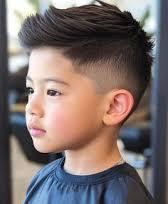
Kids Haircuts for Boys: 35 Stylish, Easy-to-Maintain Haircuts Parents Love in 2026 Introduction A haircut is much more than simply trimming a child's hair. The right hairstyle can boost confidence, make school mornings easier and suit a boy's personality, face shape and lifestyle. Whether your little one loves running around the playground, playing football or prefers a neat look for school, choosing the right haircut makes a noticeable difference. Parents often find themselves asking the same questions. Should we choose a fade or keep it longer? Will it be easy to maintain? Will it still look tidy after a busy day at school? Should curly hair be kept long or short? The good news is that modern boys' hairstyles offer something for everyone. From timeless classics to today's biggest trends, there are plenty of stylish cuts that are practical as well as fashionable. In this guide, you'll discover the best kids' haircuts for boys, how to choose the right style for your child, maintenance tips and common mistakes parents should avoid. Choosing the Right Haircut for Your Boy Every child is different, so there isn't one perfect haircut that suits everyone. Before choosing a hairstyle, consider: Your child's age Hair type Face shape Daily routine School dress code How much styling you're willing to do each morning A haircut should suit your child's lifestyle just as much as their appearance. Understanding Your Child's Hair Type Hair type has a huge impact on how a haircut looks. Straight Hair Straight hair suits almost every style, including side parts, textured crops and classic tapers. Curly Hair Rather than cutting curls too short, many barbers recommend leaving enough length for the natural curl pattern to show. Thick Hair Thicker hair often benefits from layering to remove weight while maintaining shape. Fine Hair Short textured cuts usually create the appearance of extra volume. Haircuts That Suit Different Face Shapes Although children's faces change as they grow, choosing a style that complements their features can create a balanced appearance. Round Faces Haircuts with extra height on top help create a longer appearance. Oval Faces Almost every haircut works well with an oval face shape. Square Faces Classic side parts, textured tops and fades complement strong facial features. Long Faces Avoid excessive height on top, as it can make the face appear longer. 35 Stylish Kids Haircuts for Boys 1. Classic Crew Cut Simple, timeless and incredibly easy to maintain. Perfect for active boys. 2. Textured Crop A modern favourite that adds movement while requiring very little styling. 3. Low Fade A subtle fade that keeps the haircut looking neat without appearing too dramatic. 4. Mid Fade Offers a modern look while remaining suitable for school. 5. High Fade Creates a bold contrast between the sides and the top. 6. French Crop Short fringe with textured layers that suit most hair types. 7. Ivy League Cut A slightly longer version of the crew cut with a polished finish. 8. Side Part A timeless hairstyle that never goes out of fashion. 9. Short Quiff Adds height and texture without requiring lots of maintenance. 10. Caesar Cut Recognisable by its short fringe and tidy appearance. 11. Buzz Cut Ideal for boys who enjoy sports and prefer a fuss-free haircut. 12. Textured Fringe Creates a relaxed, modern look that suits straight or wavy hair. 13. Taper Fade One of the most versatile hairstyles for boys of all ages. 14. Faux Hawk A fun style that looks trendy without being too extreme. 15. Comb Over A modern update to a classic hairstyle that's perfect for formal occasions. 16. Curly Top with Fade Keeps curls manageable while showing off their natural texture. 17. Messy Layers Ideal for boys with naturally thick hair. 18. Short Pompadour A stylish option for older children wanting a fashionable appearance. 19. Slick Back Works best with medium-length straight hair for special occasions. 20. Undercut A bold haircut featuring shorter sides with a longer top for versatile styling. 21. Brush Up Hairstyle The brush up keeps the hair slightly longer on top and styled upwards for a fresh, energetic look. It's a great option for boys with thick, straight hair. 22. Modern Spiky Cut Unlike the heavily gelled spikes of the past, today's version uses texture to create a softer, more natural appearance that's easy to style. 23. Long Textured Top with Short Sides This haircut gives boys plenty of styling options while keeping the sides tidy. It's ideal for children who enjoy fashionable hairstyles. 24. Layered Medium-Length Cut A relaxed haircut that works well for boys with naturally wavy or thick hair, adding movement without looking untidy. 25. Curly Fringe Leaving curls slightly longer at the front creates a playful, modern style while allowing natural texture to stand out. 26. Short Afro Fade Perfect for boys with afro-textured hair, this cut combines clean faded sides with a neatly shaped top for a stylish finish. 27. Temple Fade The fade starts around the temples rather than lower down the head, giving the haircut a clean and contemporary appearance. 28. Skin Fade with Textured Top Older boys often choose this stylish haircut because it combines a sharp fade with a natural-looking textured finish. 29. Mini Mohawk A subtle version of the traditional mohawk that's fun without being too dramatic for everyday wear. 30. Surfer Style Medium-length hair with natural movement creates a relaxed, beach-inspired look that's ideal for boys with wavy hair. 31. Curtains Hairstyle Inspired by modern fashion trends, curtains feature a centre or slightly off-centre parting with longer hair framing the face. 32. Shaggy Layers A low-maintenance style that embraces natural texture, making it an excellent choice for active children. 33. Bro Flow Perfect for boys growing their hair longer, the Bro Flow creates a natural, effortless appearance without looking messy. 34. Side Swept Fringe A soft fringe brushed to one side gives younger boys a smart yet playful look suitable for both school and special occasions. 35. Classic Scissor Cut Not every great haircut needs clippers. A well-executed scissor cut provides a timeless style with natural movement and works beautifully on most hair types. Haircut Maintenance Tips Even the best haircut needs regular care to keep it looking its best. A few simple habits can make a noticeable difference: Wash your child's hair with a gentle shampoo suitable for their age. Avoid using too much styling product, especially on younger children. Brush or comb hair each morning to prevent tangles. Visit the barber regularly to maintain the shape. Choose lightweight styling products if extra hold is needed. Healthy hair starts with good daily care rather than expensive products. How Often Should Boys Get a Haircut? The ideal schedule depends on the hairstyle. Buzz cuts and fades: Every 2–3 weeks. Crew cuts and tapers: Every 3–5 weeks. Medium-length hairstyles: Every 6–8 weeks. Long hairstyles: Every 8–12 weeks, mainly for trimming split ends and maintaining shape. Regular trims help hairstyles stay neat and easier to manage. Common Haircut Mistakes Parents Make Choosing the wrong haircut isn't usually about style—it's often about practicality. Some of the most common mistakes include: Picking a hairstyle that doesn't suit the child's hair type. Copying a celebrity haircut without considering maintenance. Choosing a style that's difficult to manage before school. Cutting naturally curly hair too short. Waiting too long between trims, causing the haircut to lose its shape. Ignoring the child's own preferences. A successful haircut should suit both the child and the family's daily routine. Frequently Asked Questions What is the easiest boys' haircut to maintain? The crew cut, buzz cut and classic taper are among the easiest styles to look after because they require very little styling. Which haircut is best for school? Simple styles such as the side part, crew cut, textured crop and taper fade are smart, practical and accepted by most schools. How can I make my son's hair easier to style? Choose a haircut that matches his natural hair texture. A barber can also add layers or texture to reduce bulk and improve manageability. Should boys use hair products? For everyday styling, most children don't need strong products. If styling is necessary, choose lightweight, child-friendly products and use them sparingly. What's the most popular boys' haircut right now? Textured crops, taper fades, low fades and natural curly styles remain among the most popular choices because they combine modern style with easy maintenance. Final Thoughts Choosing the right haircut isn't about following every new trend. It's about finding a style that suits your child's personality, hair type and lifestyle. A great haircut should make your child feel confident, stay manageable between barber visits and still look smart after a busy day of school, sport or outdoor play. Whether you prefer a timeless crew cut, a fashionable textured crop or natural curls with a fade, the best hairstyle is always the one that works for your child—not simply the one that's trending online. With regular trims and simple daily care, a quality haircut can help your child look and feel their best all year round.  
Toy Rotation Explained: How to Organise Your Child's Toys for Better Learning and Less Clutter
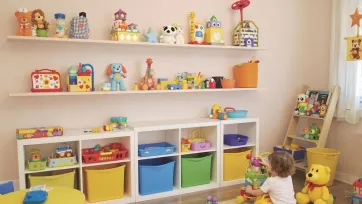
Walk into almost any family home and you'll probably find the same scene: toy boxes overflowing, shelves packed with games, and pieces scattered across the floor. Yet despite having so many toys, children often become bored within minutes and ask for something new. The issue is rarely a lack of toys. More often, it's simply too much choice. Toy rotation is an increasingly popular method that helps parents organise toys in a smarter way. Instead of leaving every toy available all the time, only a carefully selected collection is kept within reach while the rest are stored away. Every few weeks, the toys are swapped, making old favourites feel exciting again. This simple approach can reduce clutter, encourage independent play, improve concentration and even help families spend less money on new toys. Whether you have a curious toddler or an energetic primary school child, toy rotation can completely change how your child plays and how your home feels. What Is Toy Rotation? Toy rotation is the process of dividing your child's toys into several groups and making only one group available at a time. The remaining toys are stored safely out of sight and rotated back into use after a set period. Because children are not overwhelmed with endless choices, they tend to explore each toy more deeply, use their imagination more often and remain engaged for longer. Why Toy Rotation Works So Well Children don't necessarily need more toys; they need better opportunities to engage with the toys they already have. When dozens of toys compete for attention, children often move quickly from one activity to another without fully enjoying any of them. By reducing the number of available toys, parents create an environment that encourages focus, creativity and meaningful play. Benefits of Toy Rotation Encourages longer and more focused play sessions. Reduces clutter around the home. Makes old toys feel new again. Saves money by reducing unnecessary purchases. Supports creativity and imaginative play. Improves organisation and easier clean-up. Helps children appreciate their belongings. Encourages independent learning and problem-solving. How to Start a Toy Rotation System Begin by collecting every toy from around the house. Sort them into categories such as building toys, pretend play, puzzles, books, arts and crafts, vehicles and outdoor toys. Remove anything broken, unsafe or no longer suitable for your child's age. Divide the remaining toys into balanced groups, ensuring each group offers different types of play. Store the unused sets in clearly labelled containers and rotate them every two to four weeks or whenever your child begins losing interest. How Often Should You Rotate Toys? There is no strict rule. Most families find that rotating every two to four weeks works well, although some children enjoy longer or shorter intervals. The best schedule depends on your child's age, interests and play habits. Toys That Don't Need Rotating Some items are used so frequently that they can remain available all year. These may include: Favourite bedtime soft toys Books Art supplies Outdoor play equipment Building blocks Comfort toys Choosing Toys for a Successful Rotation The best toys for rotation are those that encourage open-ended play and can be enjoyed in different ways over time. Look for toys that: Develop creativity. Encourage problem-solving. Match your child's age and abilities. Are durable and easy to clean. Can be combined with other toys. Avoid buying toys that only perform one simple action or quickly lose their appeal. Organising Toy Storage A good storage system makes toy rotation much easier. Useful storage solutions include: Clear plastic storage boxes Stackable containers Fabric cubes Shelf baskets Labelled bins Under-bed storage boxes Keeping toys clean, dry and organised also helps them last longer. Safety Tips Before placing toys back into rotation, always inspect them carefully. Remember to: Check for broken parts. Remove damaged toys immediately. Clean toys regularly. Store batteries safely. Follow age recommendations. Keep small parts away from babies and toddlers. Ensure storage boxes have no sharp edges. Common Buying Mistakes Many parents unintentionally create clutter by making a few common mistakes. Avoid: Buying too many toys at once. Choosing toys simply because they are fashionable. Ignoring recommended age ranges. Buying duplicate toys. Purchasing toys with very limited play value. Forgetting to plan storage space. A smaller collection of versatile, high-quality toys almost always provides greater long-term value than a large collection of novelty items. Frequently Asked Questions Does toy rotation really help children? Yes. Many parents notice improved concentration, better creativity and longer play sessions after introducing a toy rotation system. How many toys should be available at one time? There is no exact number, but around 15 to 30 well-chosen toys and activities usually provide plenty of variety without overwhelming children. Should books be included in the rotation? Yes. Rotating books helps maintain children's interest while allowing favourite stories to remain available if desired. Can older children benefit from toy rotation? Absolutely. Older children can rotate board games, craft materials, science kits, construction sets and books just as effectively as younger children. Final Thoughts Toy rotation is one of the simplest and most effective ways to create a calmer, more organised home while supporting your child's development. By reducing clutter and limiting the number of toys available at one time, children often become more creative, focused and independent. The best part is that toy rotation doesn't require expensive products or a complete playroom makeover. With a little planning and consistent organisation, parents can make existing toys feel new again, reduce unnecessary spending and create a more enjoyable play environment for the whole family.  
Best Toys for 2-Year-Old Kids in 2026
Best Toys for 2-Year-Old Kids in 2026 Choosing toys for a two-year-old is both exciting and important. At this age, children are full of energy, curiosity, and imagination. They love exploring their surroundings, asking questions, copying adults, and learning new skills every day. The right toys can support this rapid development while keeping playtime fun and engaging. Unlike babies, two-year-olds are becoming more independent. They enjoy building, sorting, pretending, running, climbing, and solving simple challenges. This means parents should look for toys that encourage active learning rather than passive entertainment. The best toys combine fun, creativity, and education while helping toddlers develop physically, socially, and emotionally. This guide explores the best toys for 2-year-old kids in 2026 and offers practical advice to help parents choose toys that provide lasting value. Why Age-Appropriate Toys Matter Two-year-olds are developing new abilities every day. They begin speaking in short sentences, recognizing shapes and colors, improving balance, and becoming more confident in their movements. Choosing age-appropriate toys helps children learn without frustration. Toys that are too advanced may discourage them, while toys that are too simple often lose their interest quickly. The best toys challenge toddlers just enough to keep them curious while allowing them to succeed through practice. Developmental Milestones at Two Years Old Understanding what children learn at this age makes it easier to select suitable toys. Most two-year-olds begin developing: Better balance and coordination Stronger fine motor skills Improved vocabulary Imaginative play Problem-solving abilities Social interaction Color and shape recognition Early counting skills Toys that encourage these milestones make playtime both enjoyable and educational. Building Blocks Encourage Creativity Building toys remain one of the best choices for two-year-olds. Large building blocks help children: Improve hand-eye coordination Learn balance and structure Develop creativity Strengthen problem-solving skills Children love stacking towers, building bridges, and creating simple houses. Even when structures fall, toddlers learn valuable lessons about persistence and experimentation. Pretend Play Sparks Imagination Two-year-olds love copying what they see adults do every day. Pretend play toys encourage children to become: Doctors Chefs Shopkeepers Farmers Builders Teachers Popular pretend play toys include: Toy kitchens Doctor kits Cleaning sets Toy food Tool benches Dollhouses These activities improve communication while helping children understand everyday routines. Shape Sorters and Puzzles Build Thinking Skills Simple puzzles and shape sorters encourage toddlers to observe, compare, and solve problems. They help children develop: Logical thinking Patience Fine motor skills Shape recognition Hand-eye coordination Choose puzzles with large, easy-to-hold pieces that match your child's skill level. Ride-On Toys Keep Toddlers Active Most two-year-olds enjoy moving as much as possible. Ride-on toys encourage physical activity while improving: Balance Coordination Leg strength Confidence Indoor and outdoor ride-on vehicles remain popular because they combine exercise with imaginative play. Musical Toys Encourage Learning Music naturally captures a toddler's attention. Simple musical instruments help children develop: Rhythm Listening skills Creativity Coordination Memory Popular musical toys include keyboards, drums, tambourines, and xylophones. Music also encourages dancing, movement, and family interaction. Educational Toys Make Learning Fun Educational toys introduce important early learning concepts through play. Excellent choices include: Alphabet blocks Counting toys Color matching games Number puzzles Memory cards Interactive learning books Children learn much more effectively when education feels like play instead of work. Wooden Toys Offer Lasting Value Wooden toys remain among the safest and most durable options for toddlers. Popular wooden toys include: Building blocks Pull-along animals Stacking rings Wooden puzzles Activity cubes Train sets Many parents appreciate their long lifespan and timeless design. Outdoor Toys Encourage Healthy Development Outdoor play is essential for growing toddlers. Great outdoor toys include: Balls Bubble machines Sand toys Water tables Mini slides Gardening tools Outdoor activities help children improve coordination while enjoying fresh air and exercise. Arts and Crafts Inspire Creativity Creative play allows toddlers to express themselves while improving fine motor skills. Age-appropriate art supplies include: Washable crayons Finger paints Large coloring books Stickers Modeling clay Simple craft kits Creative activities also help children build confidence by creating something unique. Interactive Learning Toys Interactive toys introduce letters, numbers, colors, and animal sounds through simple activities. When choosing electronic learning toys, look for products that encourage participation instead of passive listening. Moderate sound levels and easy controls make learning more enjoyable. Choosing Safe Toys for Two-Year-Olds Safety should always be your first priority. Choose toys that: Match your child's age Have rounded edges Use non-toxic materials Contain no small detachable parts Meet recognized safety standards Are easy to clean Reading product labels before purchasing helps ensure a safer play experience. Common Toy Buying Mistakes Many parents accidentally choose toys that toddlers quickly lose interest in. Avoid: Toys with overly complicated instructions Fragile products Small pieces Low-quality materials Toys designed for much older children Simple, durable toys often provide the greatest long-term value. Why Screen-Free Toys Are Ideal Although technology has become part of everyday life, two-year-olds benefit greatly from screen-free activities. Building blocks, puzzles, pretend play, books, outdoor games, and creative toys encourage active learning instead of passive entertainment. These activities also strengthen family interaction and communication. Great Gift Ideas for 2-Year-Old Kids If you're shopping for a birthday or holiday, some excellent gift ideas include: Wooden building blocks Ride-on toys Toy kitchens Shape sorters Musical instruments Outdoor play equipment Large puzzles Educational learning toys These gifts provide entertainment while supporting healthy development. Frequently Asked Questions What toys are best for a two-year-old? Building blocks, ride-on toys, puzzles, pretend play sets, musical instruments, educational games, and wooden toys are among the best choices. Are electronic toys suitable for two-year-olds? Yes, if they are designed for toddlers and encourage interaction rather than passive screen time. How many toys should a two-year-old have? A smaller collection of high-quality toys is often better than having too many. Rotating toys regularly keeps playtime fresh and exciting. Are Montessori toys good for two-year-olds? Absolutely. Montessori toys encourage independence, creativity, and hands-on learning, making them an excellent choice for toddlers. Final Thoughts The best toys for 2-year-old kids in 2026 are those that inspire curiosity, creativity, and active learning. At this age, children thrive when they can build, explore, imagine, move, and discover the world around them through play. Whether you choose wooden blocks, educational puzzles, pretend play sets, ride-on toys, musical instruments, or outdoor activities, the right toys help toddlers develop important physical, social, and cognitive skills. By focusing on safety, durability, and age-appropriate design, parents can create joyful play experiences that support healthy growth while making every day a new adventure.
25 Best Kids Clothing Brands for Quality, Comfort and Style in 2026
25 Best Kids Clothing Brands for Quality, Comfort and Style in 2026 Introduction Shopping for children's clothes sounds simple until you're standing in front of hundreds of options. Some brands focus on fashion. Others prioritise comfort. A few are known for exceptional durability, while others specialise in affordable everyday essentials. For parents, the challenge isn't finding children's clothing—it's finding clothes that survive playground adventures, frequent washing and rapidly growing children without sacrificing comfort or style. The best kids' clothing brands understand one important fact. Children don't spend their day standing still. They climb. They run. They paint. They crawl. They jump in puddles. Their clothes need to keep up. This guide explores some of the world's most trusted children's clothing brands, highlighting what each does best, who it's most suitable for and why parents continue returning to them year after year. Choosing the Right Kids' Clothing Brand Before looking at individual brands, it's worth deciding what matters most for your family. Some parents prefer premium fabrics that last through younger siblings. Others prioritise affordability because children outgrow clothes so quickly. You may also consider: Fabric quality Comfort Durability Easy washing Seasonal collections Size availability Value for money Sustainability There's no single perfect brand. The best choice depends on your child's needs and your budget. 1. Carter's Known for comfortable everyday clothing, Carter's remains one of the most trusted names for babies and young children. Parents appreciate its soft fabrics, practical designs and excellent value. Best for: Babies Toddlers Everyday wear 2. Next Next combines modern fashion with reliable quality, making it popular for school outfits, casual clothing and special occasions. Best for: Stylish everyday clothing Smart outfits Seasonal collections 3. H&M Kids H&M Kids offers fashionable clothing at accessible prices while expanding its range of recycled and organic cotton products. Best for: Affordable fashion Trend-led styles Everyday basics 4. Zara Kids Parents looking for contemporary European-inspired fashion often choose Zara Kids. Its collections change regularly, keeping styles fresh throughout the year. Best for: Fashion-conscious families Smart casual outfits Occasion wear 5. Gap Kids Gap Kids has built its reputation on timeless basics, quality denim and comfortable everyday clothing. Best for: Classic wardrobe essentials Denim Layering pieces 6. Marks & Spencer A long-time favourite with UK families, Marks & Spencer is especially well known for dependable school uniforms, underwear and everyday essentials. Best for: School uniforms Everyday clothing Excellent durability 7. Patagonia For adventurous families, Patagonia produces premium outdoor clothing designed to withstand demanding conditions while placing a strong emphasis on sustainability. Best for: Outdoor activities Hiking Winter clothing 8. The North Face Well known for jackets and outdoor wear, this brand produces clothing designed to keep children comfortable in changing weather conditions. Best for: Winter jackets Outdoor adventures Cold climates 9. Frugi Frugi specialises in colourful organic cotton clothing that's both environmentally conscious and comfortable for young children. Best for: Organic clothing Bright colours Eco-conscious families 10. Primary Primary focuses on simple, colourful essentials without character licensing or large logos. Best for: Minimalist wardrobes High-quality basics Everyday comfort 11. Mini Boden Mini Boden is recognised for playful prints, colourful designs and durable fabrics that appeal to both children and parents. Best for: Colourful fashion Premium casual wear Family matching collections 12. Old Navy Old Navy offers affordable clothing for growing children without compromising on variety. Best for: Budget-friendly shopping Everyday clothing Large family wardrobes 13. Uniqlo Uniqlo combines minimalist design with innovative fabrics, making it particularly popular for layering throughout the year. Best for: Lightweight clothing HeatTech winter wear Everyday basics 14. Ralph Lauren Children If you're looking for timeless, premium fashion, Ralph Lauren Children is well known for its classic polo shirts, knitwear and smart outfits. Best for: Special occasions Smart casual wear Premium quality 15. Nike Kids Nike Kids combines comfort with sporty styling, making it a popular choice for active children. Best for: Sportswear Active lifestyles Casual everyday outfits 16. Adidas Kids From tracksuits to trainers, Adidas Kids offers practical clothing designed for movement and comfort. Best for: Sports clothing School PE kits Weekend wear 17. Joules Joules is recognised for colourful prints, countryside-inspired designs and durable outerwear that works well throughout the seasons. Best for: Outdoor clothing Rainwear Family matching outfits 18. Polarn O. Pyret This Scandinavian brand has built a reputation for exceptionally durable children's clothing designed to last through multiple children. Best for: Long-lasting clothing Sustainable wardrobes Everyday essentials 19. Petit Bateau Petit Bateau is known for premium basics made from soft, comfortable fabrics with a timeless European style. Best for: Baby clothing Premium basics Comfortable sleepwear 20. Monsoon Children Monsoon is particularly popular for beautifully designed occasion wear, dresses and formal outfits for children. Best for: Weddings Parties Formal events 21. JoJo Maman Bébé Parents appreciate this brand for comfortable babywear, practical clothing and thoughtful everyday designs. Best for: Babies Toddlers Practical family clothing 22. Mayoral Mayoral offers stylish European-inspired collections that combine quality tailoring with comfortable fabrics. Best for: Smart casual clothing Seasonal fashion Family occasions 23. Lindex Kids Lindex Kids focuses on comfortable, practical clothing while expanding its range of sustainably sourced materials. Best for: Everyday basics Comfortable outfits Eco-conscious shopping 24. Name It Name It offers fashionable yet affordable clothing suitable for babies, toddlers and older children. Best for: Budget-friendly fashion Everyday clothing Modern Scandinavian styles 25. OshKosh B'gosh Famous for its classic dungarees and durable children's clothing, OshKosh B'gosh remains a trusted choice for everyday family wardrobes. Best for: Durable casual clothing Denim Toddlers and young children How to Choose High-Quality Children's Clothing A recognised brand is helpful, but quality should always come before the label. When shopping, look for: Strong stitching around seams Soft, breathable fabrics Comfortable waistbands and cuffs Reinforced knees for active children Easy-to-use zips and fasteners Machine-washable materials Clothes that allow children to move freely Well-made clothing often lasts longer and keeps its shape after repeated washing. Affordable vs Premium Brands Higher prices don't always guarantee better value. Affordable brands are ideal for everyday outfits because children grow quickly and may outgrow clothes within months. Premium brands can be worthwhile for: Winter coats Waterproof jackets School shoes Occasion wear Clothing passed down to younger siblings Many families choose a combination of budget-friendly basics and a few premium essentials. Common Mistakes Parents Make When Buying Children's Clothes Avoid these common shopping mistakes: Buying only for the current season without considering growth. Choosing style over comfort. Ignoring fabric quality. Buying clothes that are too large in the hope they'll last longer. Forgetting to check washing instructions. Purchasing too many trendy pieces that quickly go out of fashion. A balanced wardrobe with comfortable basics and a few special outfits usually offers the best value. Frequently Asked Questions Which children's clothing brand offers the best value for money? Brands such as Next, H&M Kids, Carter's and Marks & Spencer are often chosen because they combine good quality with reasonable prices. Which brands are best for babies? Carter's, JoJo Maman Bébé, Petit Bateau and Frugi are popular choices thanks to their soft fabrics and practical designs. Are premium children's clothing brands worth buying? Premium brands are often worthwhile for coats, knitwear and durable everyday items that can be passed down to younger children. What fabric is best for children's clothing? Cotton remains one of the most popular choices because it's soft, breathable and comfortable for everyday wear. Organic cotton is another excellent option for families seeking more environmentally friendly materials. How often should children's wardrobes be updated? Most children need new clothing every season as they grow, although the exact timing depends on age and growth rate. Final Thoughts The best children's clothing brand isn't necessarily the most expensive or the most fashionable. It's the one that fits your child's everyday life. Whether you prioritise durability, comfort, affordability or sustainable materials, investing in well-made clothing means children can move, play and explore without feeling restricted. Rather than filling wardrobes with fast-changing trends, focus on versatile, comfortable pieces that mix easily and stand up to everyday adventures. A thoughtful wardrobe will always outlast an impulse purchase.