Best Kids Watches in 2026

Kids Watches: The Complete Parent's Guide to Choosing the Best Watch for Your Child

Introduction

A child's first watch is often more than just a way to tell the time.

For many children, it's their first personal accessory—something they proudly wear to school, on family outings and during weekend adventures. For parents, however, a watch is also a practical learning tool that encourages independence, punctuality and responsibility.

Today's children's watches come in an enormous variety of styles. Some are simple analogue watches designed to help children learn to read the time. Others include digital displays, alarms, stopwatches or fitness features for older children.

With so many options available, it's easy to become distracted by colourful designs and exciting features. Yet the best kids' watch isn't necessarily the one with the most functions. It's the one your child enjoys wearing every day.

This guide explains everything parents should know before buying a children's watch, from choosing the right style and size to understanding comfort, durability and age-appropriate features.

Why Every Child Doesn't Need the Same Watch

A watch that works perfectly for a six-year-old may not suit a ten-year-old.

Children's needs change quickly as they grow.

A younger child usually benefits from a simple design that makes learning the time enjoyable, while older children may appreciate additional features for school, sports or hobbies.

Before choosing a watch, consider:

  • Your child's age

  • Whether they can already tell the time

  • Daily activities

  • Comfort

  • Durability

  • Water resistance

  • Ease of use

The best watch fits your child's lifestyle—not simply current trends.

Analogue or Digital? Which Is Better?

One of the first decisions parents face is choosing between an analogue or digital display.

Analogue Watches

Analogue watches remain one of the best ways to help children understand how time works.

Seeing the movement of the hour and minute hands helps children learn concepts such as "half past", "quarter to" and the relationship between minutes and hours.

Analogue watches are ideal for:

  • Primary school children

  • Learning to tell the time

  • Traditional styling

Digital Watches

Digital watches display the time clearly using numbers, making them easy to read at a glance.

Many also include useful extras such as:

  • Alarm functions

  • Stopwatch

  • Timer

  • Calendar

  • Backlight

Digital watches are often popular with older children who already understand basic time-telling.

Choosing the Right Strap Material

Comfort matters just as much as appearance.

Silicone Straps

Soft, flexible and water-resistant, silicone straps are comfortable for everyday wear and easy to clean after outdoor play.

Fabric Straps

Fabric straps feel lightweight and breathable, making them suitable for children who dislike heavier materials.

Leather Straps

Leather offers a smart appearance but usually suits older children who need a more formal watch.

What Size Watch Should a Child Wear?

Oversized watches may look fashionable, but they often feel uncomfortable on smaller wrists.

A good children's watch should:

  • Sit securely without sliding.

  • Feel lightweight.

  • Allow easy movement.

  • Fasten comfortably.

  • Be simple for children to put on independently.

A well-fitting watch is much more likely to be worn every day.

Features That Are Actually Useful

Not every extra feature adds real value.

Many parents find these functions genuinely helpful:

  • Easy-to-read display.

  • Water resistance.

  • Scratch-resistant face.

  • Comfortable adjustable strap.

  • Durable construction.

  • Simple controls.

For younger children, simplicity often beats complexity.

A watch that teaches confidence is usually more valuable than one packed with unnecessary features.

When Should a Child Get Their First Watch?

There's no perfect age for a child's first watch.

Instead, the right time depends on their level of independence and interest in learning to tell the time.

Many children are ready between the ages of 5 and 8, when they begin understanding hours, minutes and daily routines.

A first watch can help children:

  • Arrive at school on time.

  • Understand bedtime routines.

  • Prepare for after-school activities.

  • Develop a sense of responsibility.

  • Feel more independent.

Rather than being just another accessory, a watch becomes part of everyday learning.

Should a Child Wear a Watch Every Day?

For many children, wearing a watch daily helps build good habits.

Checking the time before leaving for school, understanding how long homework takes or knowing when it's time for football practice all encourage independence.

However, comfort is important.

If the watch feels heavy or awkward, children are less likely to wear it consistently.

Choose a lightweight model that quickly becomes part of their normal routine.

How to Care for a Children's Watch

A quality watch can last for years if looked after properly.

Simple maintenance includes:

  • Wiping the strap regularly with a soft cloth.

  • Keeping the watch dry unless it's designed for swimming.

  • Avoiding unnecessary knocks or drops.

  • Checking the strap for signs of wear.

  • Replacing batteries promptly if required.

  • Storing the watch safely when it's not being worn.

Teaching children these habits also encourages them to care for their belongings.

Features Worth Considering for Active Children

If your child enjoys sports or outdoor adventures, look for practical features rather than complicated technology.

Useful additions include:

  • Water resistance.

  • Shock-resistant construction.

  • Easy-to-press buttons.

  • Comfortable silicone straps.

  • Lightweight materials.

  • Clear, easy-to-read display.

These features make everyday wear more enjoyable without overwhelming younger users.

Common Mistakes Parents Make

Buying a children's watch seems straightforward, yet many parents make similar mistakes.

Avoid these common problems:

  • Buying an adult-sized watch.

  • Choosing style over comfort.

  • Selecting a display that's difficult to read.

  • Paying for advanced features the child won't use.

  • Ignoring strap quality.

  • Forgetting to involve the child in choosing a design they genuinely like.

A watch that feels personal is much more likely to become a favourite.

Frequently Asked Questions

At what age should children learn to tell the time?

Every child develops differently, but many begin learning the basics between the ages of five and seven, making this a suitable time to introduce a simple analogue watch.

Are analogue watches better than digital watches?

Neither is better for every child. Analogue watches help children understand how time works, while digital watches are easier to read at a glance.

Should children's watches be waterproof?

Water resistance is highly recommended because children often wash their hands, play outdoors and may be caught in the rain. Always check the manufacturer's water-resistance rating before swimming.

What is the best strap material for children?

Soft silicone straps are among the most popular because they're lightweight, durable, comfortable and easy to clean.

Can a watch help children become more independent?

Yes. Wearing a watch encourages children to manage their own routines, understand time and develop greater responsibility as they grow.

Final Thoughts

A child's first watch is a small purchase that can have a lasting impact.

It teaches more than hours and minutes.

It helps children understand routines, manage their time and take greater responsibility for everyday activities.

The best kids' watch isn't the one with the longest list of features.

It's the one your child enjoys wearing, understands easily and feels confident using every day.

Choose comfort over complexity, durability over gimmicks and practicality over passing trends.

A well-chosen watch can become a trusted companion throughout childhood.


Advertisement
Kids Haircuts for Boys
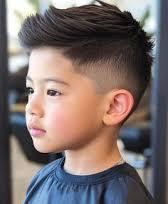
Kids Haircuts for Boys: 35 Stylish, Easy-to-Maintain Haircuts Parents Love in 2026 Introduction A haircut is much more than simply trimming a child's hair. The right hairstyle can boost confidence, make school mornings easier and suit a boy's personality, face shape and lifestyle. Whether your little one loves running around the playground, playing football or prefers a neat look for school, choosing the right haircut makes a noticeable difference. Parents often find themselves asking the same questions. Should we choose a fade or keep it longer? Will it be easy to maintain? Will it still look tidy after a busy day at school? Should curly hair be kept long or short? The good news is that modern boys' hairstyles offer something for everyone. From timeless classics to today's biggest trends, there are plenty of stylish cuts that are practical as well as fashionable. In this guide, you'll discover the best kids' haircuts for boys, how to choose the right style for your child, maintenance tips and common mistakes parents should avoid. Choosing the Right Haircut for Your Boy Every child is different, so there isn't one perfect haircut that suits everyone. Before choosing a hairstyle, consider: Your child's age Hair type Face shape Daily routine School dress code How much styling you're willing to do each morning A haircut should suit your child's lifestyle just as much as their appearance. Understanding Your Child's Hair Type Hair type has a huge impact on how a haircut looks. Straight Hair Straight hair suits almost every style, including side parts, textured crops and classic tapers. Curly Hair Rather than cutting curls too short, many barbers recommend leaving enough length for the natural curl pattern to show. Thick Hair Thicker hair often benefits from layering to remove weight while maintaining shape. Fine Hair Short textured cuts usually create the appearance of extra volume. Haircuts That Suit Different Face Shapes Although children's faces change as they grow, choosing a style that complements their features can create a balanced appearance. Round Faces Haircuts with extra height on top help create a longer appearance. Oval Faces Almost every haircut works well with an oval face shape. Square Faces Classic side parts, textured tops and fades complement strong facial features. Long Faces Avoid excessive height on top, as it can make the face appear longer. 35 Stylish Kids Haircuts for Boys 1. Classic Crew Cut Simple, timeless and incredibly easy to maintain. Perfect for active boys. 2. Textured Crop A modern favourite that adds movement while requiring very little styling. 3. Low Fade A subtle fade that keeps the haircut looking neat without appearing too dramatic. 4. Mid Fade Offers a modern look while remaining suitable for school. 5. High Fade Creates a bold contrast between the sides and the top. 6. French Crop Short fringe with textured layers that suit most hair types. 7. Ivy League Cut A slightly longer version of the crew cut with a polished finish. 8. Side Part A timeless hairstyle that never goes out of fashion. 9. Short Quiff Adds height and texture without requiring lots of maintenance. 10. Caesar Cut Recognisable by its short fringe and tidy appearance. 11. Buzz Cut Ideal for boys who enjoy sports and prefer a fuss-free haircut. 12. Textured Fringe Creates a relaxed, modern look that suits straight or wavy hair. 13. Taper Fade One of the most versatile hairstyles for boys of all ages. 14. Faux Hawk A fun style that looks trendy without being too extreme. 15. Comb Over A modern update to a classic hairstyle that's perfect for formal occasions. 16. Curly Top with Fade Keeps curls manageable while showing off their natural texture. 17. Messy Layers Ideal for boys with naturally thick hair. 18. Short Pompadour A stylish option for older children wanting a fashionable appearance. 19. Slick Back Works best with medium-length straight hair for special occasions. 20. Undercut A bold haircut featuring shorter sides with a longer top for versatile styling. 21. Brush Up Hairstyle The brush up keeps the hair slightly longer on top and styled upwards for a fresh, energetic look. It's a great option for boys with thick, straight hair. 22. Modern Spiky Cut Unlike the heavily gelled spikes of the past, today's version uses texture to create a softer, more natural appearance that's easy to style. 23. Long Textured Top with Short Sides This haircut gives boys plenty of styling options while keeping the sides tidy. It's ideal for children who enjoy fashionable hairstyles. 24. Layered Medium-Length Cut A relaxed haircut that works well for boys with naturally wavy or thick hair, adding movement without looking untidy. 25. Curly Fringe Leaving curls slightly longer at the front creates a playful, modern style while allowing natural texture to stand out. 26. Short Afro Fade Perfect for boys with afro-textured hair, this cut combines clean faded sides with a neatly shaped top for a stylish finish. 27. Temple Fade The fade starts around the temples rather than lower down the head, giving the haircut a clean and contemporary appearance. 28. Skin Fade with Textured Top Older boys often choose this stylish haircut because it combines a sharp fade with a natural-looking textured finish. 29. Mini Mohawk A subtle version of the traditional mohawk that's fun without being too dramatic for everyday wear. 30. Surfer Style Medium-length hair with natural movement creates a relaxed, beach-inspired look that's ideal for boys with wavy hair. 31. Curtains Hairstyle Inspired by modern fashion trends, curtains feature a centre or slightly off-centre parting with longer hair framing the face. 32. Shaggy Layers A low-maintenance style that embraces natural texture, making it an excellent choice for active children. 33. Bro Flow Perfect for boys growing their hair longer, the Bro Flow creates a natural, effortless appearance without looking messy. 34. Side Swept Fringe A soft fringe brushed to one side gives younger boys a smart yet playful look suitable for both school and special occasions. 35. Classic Scissor Cut Not every great haircut needs clippers. A well-executed scissor cut provides a timeless style with natural movement and works beautifully on most hair types. Haircut Maintenance Tips Even the best haircut needs regular care to keep it looking its best. A few simple habits can make a noticeable difference: Wash your child's hair with a gentle shampoo suitable for their age. Avoid using too much styling product, especially on younger children. Brush or comb hair each morning to prevent tangles. Visit the barber regularly to maintain the shape. Choose lightweight styling products if extra hold is needed. Healthy hair starts with good daily care rather than expensive products. How Often Should Boys Get a Haircut? The ideal schedule depends on the hairstyle. Buzz cuts and fades: Every 2–3 weeks. Crew cuts and tapers: Every 3–5 weeks. Medium-length hairstyles: Every 6–8 weeks. Long hairstyles: Every 8–12 weeks, mainly for trimming split ends and maintaining shape. Regular trims help hairstyles stay neat and easier to manage. Common Haircut Mistakes Parents Make Choosing the wrong haircut isn't usually about style—it's often about practicality. Some of the most common mistakes include: Picking a hairstyle that doesn't suit the child's hair type. Copying a celebrity haircut without considering maintenance. Choosing a style that's difficult to manage before school. Cutting naturally curly hair too short. Waiting too long between trims, causing the haircut to lose its shape. Ignoring the child's own preferences. A successful haircut should suit both the child and the family's daily routine. Frequently Asked Questions What is the easiest boys' haircut to maintain? The crew cut, buzz cut and classic taper are among the easiest styles to look after because they require very little styling. Which haircut is best for school? Simple styles such as the side part, crew cut, textured crop and taper fade are smart, practical and accepted by most schools. How can I make my son's hair easier to style? Choose a haircut that matches his natural hair texture. A barber can also add layers or texture to reduce bulk and improve manageability. Should boys use hair products? For everyday styling, most children don't need strong products. If styling is necessary, choose lightweight, child-friendly products and use them sparingly. What's the most popular boys' haircut right now? Textured crops, taper fades, low fades and natural curly styles remain among the most popular choices because they combine modern style with easy maintenance. Final Thoughts Choosing the right haircut isn't about following every new trend. It's about finding a style that suits your child's personality, hair type and lifestyle. A great haircut should make your child feel confident, stay manageable between barber visits and still look smart after a busy day of school, sport or outdoor play. Whether you prefer a timeless crew cut, a fashionable textured crop or natural curls with a fade, the best hairstyle is always the one that works for your child—not simply the one that's trending online. With regular trims and simple daily care, a quality haircut can help your child look and feel their best all year round.  
Best Educational Board Games for Kids in 2026
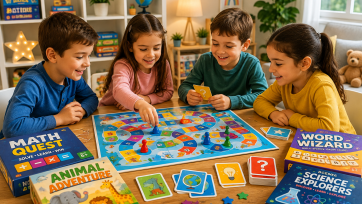
Best Educational Board Games for Kids in 2026 Board games have entertained families for generations, but today's educational board games do much more than pass the time. They help children build essential skills such as problem-solving, communication, critical thinking, teamwork, and decision-making while making learning enjoyable. Instead of relying on screens, board games encourage face-to-face interaction and create meaningful family moments. Whether your child is learning numbers, practicing reading, exploring science, or developing strategic thinking, the right educational board game can turn every game night into a valuable learning experience. Modern board games are available for toddlers, preschoolers, school-age children, and even teenagers, making them one of the most versatile educational toys available. If you're looking for the best educational board games for kids in 2026, this guide will help you choose games that are both fun and beneficial. Why Educational Board Games Matter Children naturally learn through play. Board games create opportunities for kids to solve problems, make decisions, follow rules, and think ahead while enjoying themselves. Unlike digital games, board games encourage children to communicate with family members and friends. They learn patience while waiting for their turn, experience both winning and losing gracefully, and develop important social skills that benefit them throughout life. Benefits of Educational Board Games Educational board games support many areas of child development. Some of the biggest benefits include: Improve critical thinking Strengthen memory Encourage teamwork Develop communication skills Build patience Improve concentration Teach problem-solving Reduce screen time Encourage family bonding These benefits make board games valuable long after children finish playing. Best Board Games for Toddlers Young children need simple games with large pieces and easy rules. Popular choices include: Color matching games Shape recognition games Animal matching games First counting games Simple memory games These games introduce basic concepts while improving attention and coordination. Best Board Games for Preschoolers Preschool children enjoy games that challenge them without becoming too complicated. Excellent options include: Alphabet games Number games Matching games Picture bingo Cooperative games Simple strategy games These activities support early school readiness while keeping learning exciting. Strategy Games for Older Kids As children grow older, they become ready for more advanced thinking. Strategy games help children learn: Planning Decision-making Resource management Logical reasoning Creative problem-solving Many strategy games also improve concentration because children must think several moves ahead. Word Games Improve Language Skills Board games can also strengthen reading and vocabulary. Popular word-based games help children: Learn new words Improve spelling Practice reading Build vocabulary Develop communication skills These games are especially useful for children beginning their reading journey. Math Board Games Make Learning Fun Many children enjoy mathematics more when it's presented as a game instead of homework. Math board games teach: Counting Addition Subtraction Multiplication Number recognition Money skills Learning through play often makes difficult concepts easier to understand. Science-Themed Board Games STEM education continues to grow in popularity, and science board games introduce children to fascinating topics through interactive play. Children can explore: Space Animals Human anatomy Nature Weather Engineering These games encourage curiosity while making science enjoyable. Cooperative Board Games Not every game needs a winner and a loser. Cooperative games encourage players to work together toward a shared goal. Children learn: Teamwork Communication Leadership Empathy Problem-solving These games are especially helpful for younger children learning how to cooperate with others. Board Games Build Social Skills One of the greatest advantages of board games is the opportunity to interact with others. Children learn to: Take turns Follow rules Respect others Handle disappointment Celebrate success These experiences help build emotional maturity while strengthening friendships and family relationships. Choosing the Right Board Game Before purchasing a game, consider: Your child's age Number of players Learning objectives Playing time Complexity Replay value Games that can be enjoyed repeatedly usually offer the greatest long-term value. Safety Considerations Choose board games that: Match your child's age Have durable pieces Use non-toxic materials Include clear instructions Store easily For younger children, avoid games with very small pieces that may present choking hazards. Common Buying Mistakes Parents sometimes choose games that children quickly lose interest in. Avoid: Games that are too difficult Overly long playing times Poor-quality components Games without educational value Buying only because a game is popular A game that matches your child's interests is usually the best choice. Why Board Games Make Great Gifts Educational board games are perfect for birthdays, holidays, and family celebrations. Unlike many toys that lose their appeal after a few days, board games continue bringing families together for years while supporting learning and creating lasting memories. Frequently Asked Questions What are the best educational board games for kids? Memory games, alphabet games, math games, science games, cooperative games, and strategy games are among the best educational board games available. At what age can children start playing board games? Many simple board games are designed for children as young as two or three years old, while more advanced strategy games are suitable for older children. Do board games help child development? Yes. Board games improve communication, memory, critical thinking, patience, teamwork, and problem-solving while encouraging family interaction. Are educational board games better than video games? Both can offer learning opportunities, but board games provide face-to-face social interaction, encourage communication, and reduce screen time. Final Thoughts The best educational board games for kids in 2026 combine entertainment with meaningful learning, helping children develop important life skills while creating unforgettable family moments. Whether it's a simple matching game for a toddler, a math challenge for a school-age child, or a strategy game that brings the whole family together, board games continue to prove that learning is most effective when it's fun. Adding a few high-quality educational board games to your child's toy collection is an investment in creativity, communication, confidence, and lifelong learning.
Best Toys for 2-Year-Old Kids in 2026
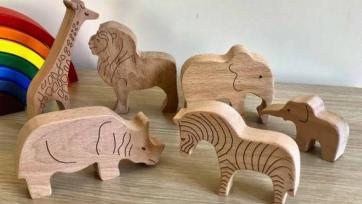
Best Toys for 2-Year-Old Kids in 2026 Choosing toys for a two-year-old is both exciting and important. At this age, children are full of energy, curiosity, and imagination. They love exploring their surroundings, asking questions, copying adults, and learning new skills every day. The right toys can support this rapid development while keeping playtime fun and engaging. Unlike babies, two-year-olds are becoming more independent. They enjoy building, sorting, pretending, running, climbing, and solving simple challenges. This means parents should look for toys that encourage active learning rather than passive entertainment. The best toys combine fun, creativity, and education while helping toddlers develop physically, socially, and emotionally. This guide explores the best toys for 2-year-old kids in 2026 and offers practical advice to help parents choose toys that provide lasting value. Why Age-Appropriate Toys Matter Two-year-olds are developing new abilities every day. They begin speaking in short sentences, recognizing shapes and colors, improving balance, and becoming more confident in their movements. Choosing age-appropriate toys helps children learn without frustration. Toys that are too advanced may discourage them, while toys that are too simple often lose their interest quickly. The best toys challenge toddlers just enough to keep them curious while allowing them to succeed through practice. Developmental Milestones at Two Years Old Understanding what children learn at this age makes it easier to select suitable toys. Most two-year-olds begin developing: Better balance and coordination Stronger fine motor skills Improved vocabulary Imaginative play Problem-solving abilities Social interaction Color and shape recognition Early counting skills Toys that encourage these milestones make playtime both enjoyable and educational. Building Blocks Encourage Creativity Building toys remain one of the best choices for two-year-olds. Large building blocks help children: Improve hand-eye coordination Learn balance and structure Develop creativity Strengthen problem-solving skills Children love stacking towers, building bridges, and creating simple houses. Even when structures fall, toddlers learn valuable lessons about persistence and experimentation. Pretend Play Sparks Imagination Two-year-olds love copying what they see adults do every day. Pretend play toys encourage children to become: Doctors Chefs Shopkeepers Farmers Builders Teachers Popular pretend play toys include: Toy kitchens Doctor kits Cleaning sets Toy food Tool benches Dollhouses These activities improve communication while helping children understand everyday routines. Shape Sorters and Puzzles Build Thinking Skills Simple puzzles and shape sorters encourage toddlers to observe, compare, and solve problems. They help children develop: Logical thinking Patience Fine motor skills Shape recognition Hand-eye coordination Choose puzzles with large, easy-to-hold pieces that match your child's skill level. Ride-On Toys Keep Toddlers Active Most two-year-olds enjoy moving as much as possible. Ride-on toys encourage physical activity while improving: Balance Coordination Leg strength Confidence Indoor and outdoor ride-on vehicles remain popular because they combine exercise with imaginative play. Musical Toys Encourage Learning Music naturally captures a toddler's attention. Simple musical instruments help children develop: Rhythm Listening skills Creativity Coordination Memory Popular musical toys include keyboards, drums, tambourines, and xylophones. Music also encourages dancing, movement, and family interaction. Educational Toys Make Learning Fun Educational toys introduce important early learning concepts through play. Excellent choices include: Alphabet blocks Counting toys Color matching games Number puzzles Memory cards Interactive learning books Children learn much more effectively when education feels like play instead of work. Wooden Toys Offer Lasting Value Wooden toys remain among the safest and most durable options for toddlers. Popular wooden toys include: Building blocks Pull-along animals Stacking rings Wooden puzzles Activity cubes Train sets Many parents appreciate their long lifespan and timeless design. Outdoor Toys Encourage Healthy Development Outdoor play is essential for growing toddlers. Great outdoor toys include: Balls Bubble machines Sand toys Water tables Mini slides Gardening tools Outdoor activities help children improve coordination while enjoying fresh air and exercise. Arts and Crafts Inspire Creativity Creative play allows toddlers to express themselves while improving fine motor skills. Age-appropriate art supplies include: Washable crayons Finger paints Large coloring books Stickers Modeling clay Simple craft kits Creative activities also help children build confidence by creating something unique. Interactive Learning Toys Interactive toys introduce letters, numbers, colors, and animal sounds through simple activities. When choosing electronic learning toys, look for products that encourage participation instead of passive listening. Moderate sound levels and easy controls make learning more enjoyable. Choosing Safe Toys for Two-Year-Olds Safety should always be your first priority. Choose toys that: Match your child's age Have rounded edges Use non-toxic materials Contain no small detachable parts Meet recognized safety standards Are easy to clean Reading product labels before purchasing helps ensure a safer play experience. Common Toy Buying Mistakes Many parents accidentally choose toys that toddlers quickly lose interest in. Avoid: Toys with overly complicated instructions Fragile products Small pieces Low-quality materials Toys designed for much older children Simple, durable toys often provide the greatest long-term value. Why Screen-Free Toys Are Ideal Although technology has become part of everyday life, two-year-olds benefit greatly from screen-free activities. Building blocks, puzzles, pretend play, books, outdoor games, and creative toys encourage active learning instead of passive entertainment. These activities also strengthen family interaction and communication. Great Gift Ideas for 2-Year-Old Kids If you're shopping for a birthday or holiday, some excellent gift ideas include: Wooden building blocks Ride-on toys Toy kitchens Shape sorters Musical instruments Outdoor play equipment Large puzzles Educational learning toys These gifts provide entertainment while supporting healthy development. Frequently Asked Questions What toys are best for a two-year-old? Building blocks, ride-on toys, puzzles, pretend play sets, musical instruments, educational games, and wooden toys are among the best choices. Are electronic toys suitable for two-year-olds? Yes, if they are designed for toddlers and encourage interaction rather than passive screen time. How many toys should a two-year-old have? A smaller collection of high-quality toys is often better than having too many. Rotating toys regularly keeps playtime fresh and exciting. Are Montessori toys good for two-year-olds? Absolutely. Montessori toys encourage independence, creativity, and hands-on learning, making them an excellent choice for toddlers. Final Thoughts The best toys for 2-year-old kids in 2026 are those that inspire curiosity, creativity, and active learning. At this age, children thrive when they can build, explore, imagine, move, and discover the world around them through play. Whether you choose wooden blocks, educational puzzles, pretend play sets, ride-on toys, musical instruments, or outdoor activities, the right toys help toddlers develop important physical, social, and cognitive skills. By focusing on safety, durability, and age-appropriate design, parents can create joyful play experiences that support healthy growth while making every day a new adventure.
Why Some Toys Are Forgotten in Days While Others Become Childhood Favourites
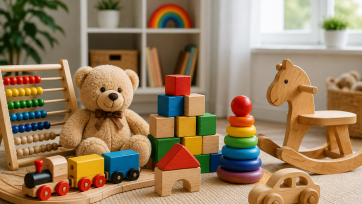
Why Some Toys Are Forgotten in Days While Others Become Childhood Favourites Introduction Think back to your own childhood for a moment. You probably don't remember every toy you ever owned. In fact, you may struggle to remember most of them. But there's almost certainly one that still stands out—a teddy bear that went everywhere with you, a box of building blocks that became castles and spaceships, or a toy car that somehow survived years of adventures. Now compare that with the toy your child begged for last month. The one that had to come home. The one they promised they'd play with every single day. There's a good chance it's already sitting at the bottom of the toy box. This isn't because children are ungrateful or impossible to please. It's because not all toys are designed to inspire long-term play. Some are exciting for ten minutes because they surprise the child. Others remain interesting for years because they invite the child to use their imagination. Understanding this difference can completely change the way parents buy toys. Instead of filling cupboards with products that lose their appeal within a week, you can build a collection that grows with your child and continues to support learning, creativity and confidence. Let's look at why some toys become lifelong favourites while others are forgotten almost as quickly as they're unwrapped. The Excitement Trap Walk through any toy shop before Christmas and you'll see flashing lights, buttons, sounds and colourful packaging competing for attention. These toys are designed to create an immediate reaction. Children press a button. The toy sings. Lights flash. Something moves. For the first few minutes, it's fascinating. The problem is that once a child has discovered everything the toy can do, there's often very little left to explore. The toy entertains the child instead of encouraging the child to create entertainment. That's a huge difference. Toys That Grow With a Child Imagine giving two children the same cardboard box. One turns it into a pirate ship. The other makes a rocket. An hour later it's become a secret cave. By the afternoon it's a racing car. Nothing about the box changed. Only the children's imagination did. The best toys work in exactly the same way. Building bricks become cities one day and zoos the next. Wooden animals become farm animals, safari animals or magical creatures depending on the story being told. These are often called open-ended toys, but parents don't need to remember the term. The important point is simple: A great toy allows the child to do the creative work. It doesn't do it for them. Watch How Children Actually Play Here's something interesting that many parents notice. Give a child ten brand-new toys at once and they often jump quickly from one to another. Give the same child three carefully chosen toys with room for imagination and they'll often stay deeply involved for much longer. Children don't always need more toys. They often need better opportunities to play. That's why many early years educators deliberately keep classrooms simple. Fewer choices often lead to deeper concentration. The Toys That Earn Their Place Every family has them. The toys that never seem to disappear. Maybe it's the train set that comes out every rainy weekend. Perhaps it's the basket of magnetic tiles that somehow entertains children from nursery age right through primary school. These toys earn their place because they never tell children exactly what to do. Instead, they quietly ask one question: "What would you like to create today?" That question never becomes old. The Biggest Mistake Isn't Buying the Wrong Toy It's buying the right toy at the wrong time. Parents sometimes see an advanced construction set or a complicated science kit and think, "They'll grow into it." That sounds sensible, but children rarely see it that way. Imagine giving a five-year-old a 1,000-piece puzzle. It isn't inspiring—it feels impossible. The same puzzle, introduced three or four years later, could become a favourite weekend activity. The opposite happens too. A toy that's far too simple might be mastered in minutes. Once the challenge disappears, so does the child's interest. The sweet spot sits somewhere in the middle. The toy should feel achievable, but not effortless. It should make children think, experiment and occasionally fail before succeeding. That's where real engagement begins. Why Simplicity Often Wins Toy trends change every year. One Christmas it's interactive pets. The next it's collectible figures. A year later it's something completely different. Yet if you visit a nursery, preschool or primary classroom, you'll notice something interesting. The toys children return to again and again are usually the simplest ones. Building bricks. Wooden train tracks. Toy animals. Play kitchens. Art supplies. These toys have survived decades for one reason: children are in control. A toy doesn't need to flash, talk or connect to an app to be exciting. Sometimes the quietest toys create the loudest imaginations. Before You Buy Another Toy, Ask These Five Questions Instead of asking, "Will my child like this?", try asking something slightly different. Will they still enjoy it in six months? Excitement on the first day doesn't always predict long-term value. Can they play with it in more than one way? A toy with only one purpose often reaches its limit quickly. Does it encourage them to create rather than simply watch? The more imagination a toy invites, the longer it usually stays interesting. Is it suitable for their current stage of development? The best toys challenge children without making them feel overwhelmed. Could another child enjoy it in the future? Well-made toys often become family favourites that are passed from one sibling to the next. These questions don't guarantee the perfect purchase, but they dramatically reduce impulse buying. Quality Costs More... Until It Doesn't It's easy to compare two similar-looking toys and choose the cheaper option. Sometimes that's absolutely the right decision. But sometimes the less expensive toy breaks after a month, while the slightly more expensive one is still being used years later. Think of toys as an investment rather than a one-off purchase. A durable toy that survives hundreds of hours of play often costs less per use than a novelty toy that's forgotten before the school holidays arrive. Many parents gradually discover that buying fewer, better-made toys saves money in the long run. A Better Way to Build a Toy Collection Instead of adding random toys whenever you visit a shop, imagine building a small personal library for your child. Every toy should have a purpose. Some encourage movement. Some inspire creativity. Others develop concentration or imaginative storytelling. Over time, these toys begin working together. A few wooden blocks become a bridge for toy dinosaurs. A play kitchen becomes a café serving customers from a train station built only moments earlier. The most enjoyable play rarely comes from a single toy. It comes from children mixing ideas from several toys to create something entirely their own. That's exactly the kind of play parents should encourage. Frequently Asked Questions Why do children lose interest in new toys so quickly? New toys often provide excitement through novelty. Once children discover everything the toy can do, there may be little left to explore. Toys that encourage imagination usually hold attention for much longer. What makes a toy timeless? Timeless toys don't depend on trends or technology. They allow children to invent different games every time they play, which keeps them interesting as skills and interests develop. Are expensive toys always better? Not at all. Price and play value are two different things. Some inexpensive toys encourage years of imaginative play, while costly electronic toys may be forgotten within weeks. Should parents rotate toys? Yes. Putting some toys away and bringing them back a few weeks later often makes them feel new again. It also reduces clutter and helps children focus on what they already have. Is it better to own fewer toys? For many families, yes. A carefully chosen collection often leads to deeper, more creative play than a room filled with toys competing for attention. Final Thoughts Children rarely remember how many toys they owned. They remember the ones that became part of their stories. The teddy that travelled everywhere. The building bricks that became castles, airports and pirate ships. The train set assembled every rainy Sunday afternoon. Those are the toys that quietly become part of childhood itself. As parents, it's easy to be influenced by advertising, trends or the latest "must-have" toy. But lasting play rarely depends on clever marketing. It depends on whether a toy gives children the freedom to imagine, experiment and create something of their own. So, the next time you're choosing a toy, don't ask which one looks the most exciting on the shelf. Ask which one will still inspire adventures long after the excitement of opening the box has faded. That single question often leads to better purchases, less clutter and, most importantly, happier children.
Best Outdoor Toys for Kids in 2026
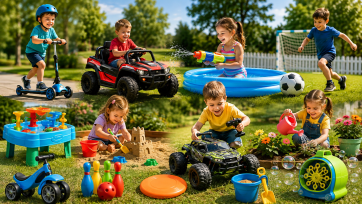
Best Outdoor Toys for Kids in 2026 Outdoor play has become more important than ever as parents look for healthy ways to reduce screen time and encourage active lifestyles. While tablets, smartphones, and video games often dominate children's attention, outdoor toys inspire kids to run, jump, climb, explore, and interact with the world around them. Beyond keeping children entertained, outdoor play supports physical fitness, emotional well-being, creativity, and social development. The best outdoor toys are those that encourage movement while making exercise feel like fun. Whether it's riding a scooter, chasing bubbles, building sandcastles, or racing a remote control car across the backyard, every outdoor adventure helps children develop important life skills. If you're searching for the best outdoor toys for kids in 2026, this guide covers the top options, their benefits, and tips for choosing safe and age-appropriate toys. Why Outdoor Play Is Important Children are naturally active. Outdoor environments give them the space to move freely, explore nature, and burn off energy in healthy ways. Regular outdoor play helps children: Build stronger muscles Improve balance and coordination Increase confidence Develop social skills Reduce stress Improve focus Sleep better at night Strengthen their immune system It also creates opportunities for family bonding and encourages children to enjoy nature instead of spending all their free time indoors. Benefits of Outdoor Toys Outdoor toys provide much more than entertainment. They help children develop: Gross motor skills Hand-eye coordination Physical fitness Teamwork Problem-solving Creativity Independence Communication skills Unlike many indoor activities, outdoor games naturally encourage movement, making them ideal for growing children. Scooters Remain a Top Choice Scooters continue to be one of the most popular outdoor toys for kids. They help improve: Balance Coordination Leg strength Confidence Spatial awareness Three-wheel scooters are perfect for younger children, while older kids often enjoy lightweight two-wheel models designed for speed and agility. Always ensure children wear helmets and protective gear while riding. Remote Control Cars Bring Excitement Outdoors Remote control cars have evolved into one of the most exciting outdoor toys available. Driving an RC car across grass, dirt, gravel, or specially designed obstacle courses encourages children to think quickly while improving coordination and concentration. Benefits include: Better hand-eye coordination Faster reaction times Improved focus Creative racing challenges Family-friendly competition Rechargeable RC vehicles are especially popular because they provide longer play sessions and reduce battery waste. Sports Toys Encourage Active Play Simple sports equipment often provides endless entertainment. Popular outdoor sports toys include: Soccer balls Basketball sets Baseball bats Badminton sets Footballs Flying discs These activities improve teamwork, coordination, and physical fitness while helping children build friendships. Water Toys Keep Kids Cool Warm weather creates the perfect opportunity for water play. Popular outdoor water toys include: Splash pads Water tables Water blasters Sprinklers Inflatable pools Floating toys Always supervise children closely during any water activity. Sand Toys Inspire Creativity Sand play encourages imagination while improving fine motor skills. Children enjoy building: Castles Roads Tunnels Animal habitats Treasure islands Basic sand toys include buckets, shovels, molds, rakes, and construction vehicles. These toys provide hours of creative outdoor entertainment. Bubble Toys Never Go Out of Style Bubble toys continue to delight children of all ages. Options include: Bubble wands Automatic bubble machines Giant bubble kits Bubble guns Chasing bubbles encourages running, jumping, and coordination while creating joyful outdoor memories. Ride-On Toys Build Confidence Ride-on toys are excellent for younger children developing balance and coordination. Popular options include: Balance bikes Ride-on cars Push cars Wagons Tricycles These toys encourage independent movement while helping children gain confidence outdoors. Gardening Toys Teach Responsibility Gardening introduces children to nature through hands-on learning. Simple gardening kits often include: Child-sized watering cans Shovels Rakes Gloves Planting tools Growing flowers, herbs, or vegetables teaches patience, responsibility, and environmental awareness. Outdoor STEM Toys Learning doesn't have to stay indoors. Outdoor STEM toys encourage children to investigate science while exploring nature. Popular choices include: Bug-catching kits Binoculars Telescopes Rock collection kits Weather stations Nature explorer sets These activities help children develop observation skills while encouraging curiosity about the natural world. Obstacle Course Toys Obstacle courses have become increasingly popular for active families. Simple equipment may include: Cones Jump ropes Balance beams Agility ladders Tunnels Children improve balance, speed, coordination, and problem-solving while having fun. Families can also create their own obstacle courses using everyday household items. Choosing Outdoor Toys by Age Selecting age-appropriate toys helps children stay engaged and safe. For toddlers: Bubble toys Push toys Sand toys Water tables For preschoolers: Scooters Balance bikes RC cars Gardening kits For school-age children: Sports equipment STEM explorer kits Advanced RC vehicles Outdoor games Matching toys to your child's interests keeps outdoor play exciting. Safety Tips for Outdoor Play Outdoor fun should always include proper safety measures. Parents should: Supervise younger children. Use protective helmets when needed. Check toys regularly for damage. Follow age recommendations. Choose safe play areas away from traffic. Keep children hydrated during hot weather. Teaching outdoor safety helps children enjoy active play with confidence. Common Mistakes Parents Make Many parents unintentionally reduce the value of outdoor play. Avoid: Buying toys that are too advanced. Ignoring weather conditions. Choosing poor-quality materials. Forgetting protective equipment. Limiting outdoor play to special occasions. Even 30 to 60 minutes of daily outdoor play can have a positive impact on a child's health and development. Why Outdoor Toys Make Great Gifts Outdoor toys encourage children to stay active while creating memorable family experiences. Whether it's a birthday, holiday, or summer surprise, gifts such as scooters, RC cars, bubble machines, sports equipment, or gardening kits continue providing enjoyment long after they're opened. Parents also appreciate gifts that encourage healthy movement instead of increasing screen time. Frequently Asked Questions What are the best outdoor toys for kids? Scooters, balance bikes, remote control cars, sports equipment, bubble toys, water tables, gardening kits, and outdoor STEM toys are among the best choices. Why are outdoor toys important? Outdoor toys encourage physical activity, creativity, social interaction, and healthy development while reducing screen time. Are remote control cars good outdoor toys? Yes. RC cars improve coordination, concentration, and reaction time while encouraging children to play actively outdoors. How can I encourage my child to play outside more? Choose toys that match your child's interests, participate in outdoor activities together, rotate toys regularly, and create fun family games that make outdoor play exciting. Final Thoughts The best outdoor toys for kids in 2026 do more than entertain—they inspire children to move, explore, create, and connect with the world around them. From scooters and sports equipment to remote control cars, water toys, gardening kits, and STEM explorer sets, outdoor toys help children build healthy habits while developing essential physical and social skills. By choosing safe, durable, and age-appropriate outdoor toys, parents can encourage a lifetime of active play, reduce screen time, and create unforgettable family memories filled with laughter, adventure, and discovery.
Best Electronic Learning Toys for Toddlers: Parent Buying Guide
Electronic learning toys are everywhere. They talk, sing, flash, count, ask questions, play music, and promise to teach toddlers letters, numbers, colors, words, and even foreign languages. Some of these toys can be useful. Others are little more than noisy plastic with a speaker. For parents, the challenge is not finding an electronic toy. It is finding one that actually supports learning without overstimulating the child, breaking after a few weeks, or turning playtime into passive screen time. This guide explains which electronic learning toys are best for toddlers, what features matter, what parents should avoid, and how to decide whether an expensive “smart” toy is really worth the money. First: What Should a Toddler Learn From a Toy? Toddlers learn best through movement, repetition, imitation, conversation, and hands-on exploration. At this age, the goal is not formal education. A two-year-old does not need to complete quizzes or memorize dozens of facts. A useful learning toy should support simple skills such as: Recognizing sounds Learning new words Matching shapes Identifying colors Counting small groups Following basic instructions Pressing, turning, pulling, and moving Copying songs and actions Developing hand-eye coordination Understanding cause and effect Electronic features should support these skills, not replace active play. The Best Electronic Toys Keep Children Involved A good electronic toy requires the child to do something. The toddler may need to press the correct button, place a shape in a slot, turn a page, match a picture, dance to a song, or answer a simple question. A weak electronic toy does everything by itself. It flashes, sings, talks, and performs while the child watches. That may hold attention for a few minutes, but attention is not the same as learning. The best products combine sound and light with physical interaction. Talking Books and Electronic Reading Pens Talking books are among the most useful electronic learning toys for toddlers. A child touches a picture, word, letter, or character and hears a corresponding sound. Depending on the product, the book may teach: Animal sounds Everyday vocabulary Numbers Letters Colors Songs Short stories Basic questions Electronic reading pens can also work with several compatible books. This may be a better long-term purchase than a single talking book, but parents should check the price of additional book sets. What to look for Choose a product with clear speech, durable pages, simple controls, and adjustable volume. Avoid books that speak too quickly or include so many sounds that the child cannot focus on the words. The toy should still feel like a book, not a collection of random buttons. Interactive Alphabet Toys Alphabet toys can help toddlers become familiar with letters and sounds. These products may include: Letter buttons Magnetic letters Alphabet boards Talking wall charts Phonics tablets Letter-matching games For toddlers, letter exposure should remain playful. The toy may say the letter name, produce its sound, or connect it with a familiar word. For example: B for ball C for cat D for dog Parents should not expect a toy to teach reading independently. The greatest benefit comes when an adult repeats the sound, names objects, and encourages the child to respond. Electronic Number and Counting Toys Counting toys can help children connect number words with physical quantities. A toddler may press the number three and hear the toy count three objects. Another toy may ask the child to place three pieces into a container. The strongest number toys combine electronic feedback with real objects. Look for toys that teach: Counting from one to ten Number recognition More and less Simple matching Basic shapes Simple patterns Avoid products that move too quickly into written addition or subtraction before the child understands basic quantities. Musical Learning Toys Music can support language, rhythm, memory, movement, and coordination. Electronic musical toys may include: Small keyboards Musical mats Singing microphones Toy drums Sound panels Dancing toys Action-song players The best musical toy encourages the child to participate. A toddler may clap, dance, copy a rhythm, sing a repeated word, or press keys to create different sounds. Parents should check the volume before purchasing. Some toys are surprisingly loud even at the lowest setting. A useful product should have a clear volume control or a physical switch. Electronic Shape Sorters Traditional shape sorters are already valuable learning toys. Electronic versions add sounds, music, or spoken feedback. For example, the toy may name the shape when the child places it into the correct opening. This can reinforce: Shape recognition Color identification Fine motor skills Problem-solving Cause and effect The electronic feature should remain secondary. If the toy becomes useless when the batteries run out, it may not provide good value. A strong electronic shape sorter should still work as a normal hands-on toy without power. Activity Tables Electronic activity tables are popular for babies and young toddlers. They often include buttons, gears, lights, songs, sliders, spinning pieces, and detachable parts. These tables can encourage standing, reaching, pressing, twisting, and moving around the toy. However, more features do not always mean better learning. A crowded activity table with constant noise may overwhelm some children. Look for a table with clearly separated activities and several manual features that work without sound. It should also be stable enough that the child cannot easily pull it over. Toy Laptops and Learning Tablets Toy laptops and child learning tablets usually include letters, numbers, music, simple games, and quizzes. They may appeal to toddlers because they resemble adult devices. However, these toys vary greatly in quality. Some have tiny screens, unclear voices, confusing menus, and poor buttons. Others offer simple, age-appropriate activities. Before buying, check: Screen size Sound quality Button size Difficulty level Number of useful activities Whether the toy requires internet access Whether content can be updated Whether the screen is too bright Whether advertisements are included For very young toddlers, physical buttons and simple tasks are usually more appropriate than complicated menus. Interactive Plush Toys Talking animals and dolls can sing songs, tell stories, ask questions, or respond when touched. These toys can encourage pretend play and emotional interaction. Some plush toys teach body parts, bedtime routines, words, or songs. Parents should carefully consider connected plush toys that contain microphones or require an online account. A simple talking toy with pre-recorded phrases may be more suitable for a toddler than a cloud-connected toy that stores voice data. Washability is another major issue. Check whether the electronic unit can be removed before cleaning. Learning Remote Controls and Toy Phones Toddlers are often fascinated by remote controls and smartphones. Toy versions can redirect that interest toward a safer object. These toys usually include large buttons, lights, sounds, numbers, and pretend conversations. They can support: Number recognition Pretend play Fine motor skills Vocabulary Cause and effect However, parents should avoid toys that encourage constant button pressing without meaningful interaction. A better toy phone may include simple role-play prompts, songs, and recognizable everyday sounds. Bilingual Electronic Toys Many electronic learning toys advertise bilingual learning. These products may name colors, animals, numbers, or objects in two languages. They can provide useful exposure, especially when the family already uses both languages. But a toy alone will not make a toddler bilingual. Language learning requires regular conversation, listening, repetition, and meaningful interaction with people. Before buying, listen to the pronunciation if possible. Poor-quality audio or unnatural translation reduces the educational value. Electronic Toys by Age For 12 to 18 Months Choose simple toys with large buttons, music, lights, and basic cause-and-effect activities. Good options include: Musical activity centers Talking animal toys Large-button sound books Stable activity tables Simple shape sorters Push-and-play toys At this age, avoid complicated instructions and small detachable pieces. For 18 to 24 Months Toddlers may begin matching pictures, copying words, identifying familiar objects, and following simple prompts. Suitable toys include: Talking books Number buttons Interactive puzzles Musical instruments Basic alphabet toys Pretend phones Simple learning tablets The child should not need to navigate several menus to begin playing. For Ages 2 to 3 Children may be ready for simple questions, matching games, songs with actions, and beginner language activities. Useful options include: Electronic reading pens Bilingual word toys Interactive maps Toy laptops Talking puzzles Musical mats Simple memory games Choose toys that allow the child to succeed without constant adult correction. Features Worth Paying For Some features genuinely improve usability. Adjustable Volume This is essential. Parents should be able to reduce the sound without covering the speaker with tape. Clear Voice Quality Words should sound natural and easy to understand. Poor audio can confuse children who are still learning pronunciation. Durable Buttons Toddlers press hard, drop toys, and repeat the same action many times. Buttons should respond reliably. Automatic Shutoff This saves battery power when the toy is left unused. Multiple Difficulty Levels A toy that grows with the child may provide better value. Offline Functionality For toddlers, internet access is usually unnecessary. Offline toys are often simpler, safer, and easier to use. Replaceable or Rechargeable Batteries Check the long-term cost. A toy that consumes disposable batteries quickly may become expensive. Features That Often Add Cost Without Much Value Parents should be cautious about paying extra for: Wi-Fi connectivity Voice assistants Camera features Facial recognition Complex mobile applications Subscription-only lessons Large numbers of repetitive songs Artificial intelligence claims Progress tracking for very young children A toddler does not need detailed performance analytics. Parents can usually understand the child’s progress by playing alongside them. The Noise Problem Electronic toys are often designed to attract attention in busy stores. That means they may use loud music, flashing lights, repeated phrases, and rapid sound effects. At home, the same features can become irritating or overwhelming. Some toddlers may become frustrated when too many sounds play at once. Before buying, ask: Can the volume be lowered? Can music be turned off? Can the lights be disabled? Does the toy repeat sounds constantly? Does it continue talking without interaction? A quieter toy is not necessarily less educational. In many cases, it allows the child to concentrate better. Safety Checks Before Buying Parents should inspect electronic learning toys carefully. Check for: Secure battery compartments Screws over button batteries No loose wires No sharp plastic edges No damaged charging ports No easily detached small pieces No loose magnets Strong speaker covers Safe charging instructions Age-appropriate materials Button batteries are especially dangerous if swallowed. A battery compartment should require a tool to open. Do not continue using a toy if the battery area becomes hot, damaged, swollen, or wet. Battery-Operated vs Rechargeable Toys Battery-operated toys are often cheaper initially, but replacement batteries increase the long-term cost. Rechargeable toys may be more convenient, but charging safety matters. Disposable batteries Advantages: Easy to replace No waiting for charging Toy can be stored for long periods Disadvantages: Ongoing cost Battery waste Risk of leakage Frequent replacement Rechargeable batteries Advantages: Lower long-term cost Convenient for regular use Less battery waste Disadvantages: Charging time Battery may weaken over time Replacement may be difficult Damaged lithium batteries can be dangerous Parents should supervise charging and use the recommended cable. Should Toddlers Use App-Connected Toys? Most toddlers do not need app-connected toys. An application may offer extra songs, updates, or parent controls, but it may also introduce: Account registration Data collection Advertising Device compatibility problems Subscription fees Internet dependence More screen time If an app is required, parents should install and test it before giving the toy to the child. Do not provide unnecessary personal information. Check what permissions the app requests and whether the toy remains useful without the connection. Are Electronic Learning Toys Better Than Traditional Toys? Not necessarily. Electronic toys can provide immediate feedback, sounds, pronunciation, songs, and guided activities. Traditional toys often provide more imagination, flexibility, conversation, and physical exploration. A balanced toy collection may include both. For example: An electronic alphabet book for sound recognition Blocks for building Dolls for pretend play Puzzles for problem-solving Art supplies for creativity Balls for physical movement Books for shared reading The problem begins when electronic toys replace every other form of play. Common Buying Mistakes Buying Too Advanced Parents may choose a toy intended for older children because it appears to offer more learning. In reality, a complicated toy may frustrate a toddler and remain unused. Choosing Based on the Number of Features A toy with 100 songs is not automatically better than one with 10 well-designed activities. Ignoring the Sound Always test the volume when possible. Forgetting Battery Costs Check the battery type and expected usage. Assuming “Educational” Means Effective The label is a marketing term. Look at what the child actually does while using the toy. Buying Too Many Talking Toys When every toy talks, sings, flashes, and demands attention, children may struggle to engage deeply with any of them. A Simple Test Before Purchasing Ask these five questions: What skill does this toy support? What will my child physically do with it? Can it be used without batteries? Is the sound adjustable? Will it still be useful in six months? If the answers are unclear, the toy may not be worth the price. Final Recommendation The best electronic learning toys for toddlers are simple, durable, age-appropriate, and interactive. Talking books, musical instruments, number toys, shape sorters, activity tables, and basic learning tablets can all be useful when they encourage the child to respond and participate. Parents should avoid toys that rely on nonstop noise, flashing lights, complicated apps, hidden subscriptions, or unnecessary data collection. Electronic features should make play more meaningful—not more distracting. For toddlers, the smartest toy is rarely the one with the most technology. It is the one that gives the child a reason to touch, listen, think, speak, move, and play again.
Indoor Toys That Keep Children Entertained Without Screens
Indoor Toys That Keep Children Entertained Without Screens: A Complete Parent's Guide Rainy afternoons, school holidays and weekends at home often leave parents searching for ways to keep children happily occupied. While tablets, televisions and smartphones can provide quick entertainment, many families are looking for healthier alternatives that encourage creativity, movement and independent thinking. This is where the right indoor toys can make a real difference. Indoor toys offer children the opportunity to learn, explore and play without relying on digital screens. Whether it's building an imaginative world from construction pieces, solving a challenging puzzle or creating a masterpiece with art supplies, these toys encourage meaningful play while supporting healthy development. Screen-free play is more important than ever. Excessive screen time can reduce opportunities for physical activity, imaginative thinking and social interaction. By offering engaging indoor toys, parents can create a balanced environment where children remain entertained while developing valuable life skills. The best indoor toys are versatile, age-appropriate and enjoyable enough to hold a child's attention for extended periods. They encourage independent play, family interaction and creative problem-solving, making them a worthwhile investment for every household. In this guide, you'll discover the benefits of indoor toys, how they support child development, which toys suit different age groups and what to consider before making a purchase. Why Indoor Toys Are Important Indoor toys provide far more than entertainment. They allow children to continue learning and developing even when outdoor play is not possible. Good indoor toys encourage: Creative thinking Problem-solving Communication Fine motor development Independent play Family interaction Emotional confidence Concentration They also help children stay active and engaged during poor weather or when outdoor space is limited. Benefits of Screen-Free Indoor Play Replacing some screen time with traditional play offers several long-term benefits. Encourages Creativity Without digital instructions or fixed outcomes, children rely on their own imagination to create stories, solve problems and invent games. Improves Concentration Many indoor activities require patience and focus. Building models, completing puzzles and creating artwork all encourage children to remain engaged for longer periods. Supports Social Skills Board games, role play and cooperative activities encourage conversation, sharing and teamwork. Develops Motor Skills Many indoor toys strengthen both fine and gross motor skills through hands-on activities. Reduces Overstimulation Unlike many electronic devices, traditional toys often create a calmer play environment that allows children to think independently. Encourages Independent Play Children become more confident when they learn to entertain themselves without relying on digital devices. Best Indoor Toys for Babies Babies learn through movement, touch and exploration. Suitable indoor toys include: Soft activity gyms Sensory balls Stacking cups Soft building blocks Fabric books Shape sorters Musical toys Activity cubes These toys encourage reaching, grasping and early exploration while supporting sensory development. Indoor Toys for Toddlers Toddlers enjoy activities that combine movement with imagination. Excellent choices include: Building blocks Pretend play kitchens Ride-on toys suitable for indoor use Ball pits Chunky puzzles Push-and-pull toys Play tents Drawing boards Toy animals Stacking toys These toys help develop creativity, coordination and early problem-solving while keeping energetic toddlers entertained indoors. Indoor Toys for Preschool Children Preschool children enjoy more detailed activities that challenge both their imagination and thinking skills. Popular indoor toys include: Construction sets Craft kits Dollhouses Puppet theatres Magnetic building toys Marble runs Pretend shop play sets Toy tool benches Play kitchens Storytelling cards These toys encourage independent play, communication and creative thinking while supporting school readiness. Indoor Toys for School-Age Children As children grow older, they often look for toys that challenge their imagination, creativity and problem-solving abilities. The best indoor toys for this age group encourage independent thinking while also providing opportunities for family play. Some excellent options include: Strategy board games Advanced construction sets Arts and crafts kits Science experiment kits Model-building projects Card games Marble runs Building planks Puzzle games Creative writing and storytelling games These toys help children stay entertained for longer periods while developing valuable cognitive and social skills. How to Choose the Best Indoor Toys Not every indoor toy provides meaningful play. The most valuable options encourage children to think, create and explore rather than simply watching or pressing buttons. When choosing indoor toys, consider the following: Your child's age and interests. The available space in your home. The toy's educational value. Whether it encourages active participation. Durability and build quality. Opportunities for independent play. Whether siblings can enjoy it together. Selecting toys that can be used in multiple ways usually provides greater long-term value than toys designed for only one activity. Creating an Engaging Indoor Play Space The environment where children play can be just as important as the toys themselves. A well-organised play area encourages children to explore independently and keeps playtime enjoyable. Consider these simple ideas: Keep toys within easy reach. Rotate toys every few weeks to maintain interest. Use labelled storage boxes or baskets. Create separate areas for reading, building and creative activities. Ensure there is enough floor space for active play. Display only a limited selection of toys at one time to avoid overwhelming children. An organised space often leads to more focused and imaginative play. Buying Guide Before purchasing indoor toys, take a few moments to consider what will genuinely benefit your child. Choose Toys That Match Developmental Stages Children enjoy toys that challenge them without causing frustration. Always consider your child's current abilities. Prioritise Open-Ended Play Construction toys, craft materials and pretend play sets often provide much greater long-term value than toys with a single purpose. Consider Storage Requirements Large toys may not be practical for smaller homes. Foldable or stackable toys can help save space. Think About Durability Indoor toys are often used every day, so choosing well-made products can reduce replacement costs over time. Encourage Variety A balanced collection might include creative toys, building toys, puzzles, books and pretend play equipment to support different aspects of development. Safety Tips Even toys designed for indoor use should be chosen and maintained carefully. Follow these safety recommendations: Always check the recommended age range. Inspect toys regularly for damage. Remove broken pieces immediately. Keep small parts away from young children. Secure heavy furniture and storage units. Keep play areas free from trip hazards. Clean toys regularly using child-safe cleaning products. Supervise activities involving small accessories or craft materials. Safe play allows children to explore confidently while reducing unnecessary risks. Common Buying Mistakes Parents sometimes buy indoor toys that quickly lose their appeal. Avoid these common mistakes: Buying Too Many Toys at Once An overcrowded play area can reduce children's ability to focus and enjoy individual toys. Choosing Toys Based Only on Trends Popular toys may lose their appeal quickly, whereas timeless toys often provide years of enjoyment. Ignoring Available Space Large toys can make smaller homes feel cluttered and may limit safe play. Focusing Only on Entertainment The best indoor toys combine fun with opportunities for learning and development. Forgetting to Rotate Toys Keeping every toy available all the time can reduce excitement. Rotating toys regularly helps maintain children's interest. Frequently Asked Questions What are the best indoor toys for children? The best indoor toys encourage creativity, problem-solving and active participation. Construction toys, puzzles, pretend play sets, craft materials and board games are all excellent choices. Can indoor toys reduce screen time? Yes. Engaging toys that encourage imaginative and hands-on play can naturally reduce the amount of time children spend using electronic devices. Are indoor toys suitable for small homes? Absolutely. Many compact toys, such as puzzles, magnetic building sets, books and craft supplies, provide excellent play value without taking up much space. How often should indoor toys be rotated? Many families rotate toys every two to four weeks to keep play fresh and interesting. Should children play independently indoors? Independent play helps children develop confidence, creativity and problem-solving skills. Parents can supervise while allowing children to lead their own play. Final Thoughts Indoor toys provide children with valuable opportunities to learn, create and stay active without relying on digital entertainment. Whether the weather keeps everyone inside or you simply want to encourage more screen-free play, the right toys can transform ordinary days into exciting learning experiences. By choosing versatile, age-appropriate and durable toys, parents can support creativity, independence and healthy development while making everyday play more enjoyable. A carefully selected collection of indoor toys offers lasting value, encourages meaningful family time and helps children build skills they will use throughout life.
Best Action Figures for Kids in 2026
Best Action Figures for Kids in 2026: The Ultimate Parent's Buying Guide Action figures have been a favourite toy for generations, allowing children to recreate exciting adventures and invent entirely new stories. Whether inspired by superheroes, dinosaurs, soldiers, fantasy characters, robots, or original heroes, action figures encourage imaginative play while helping children develop creativity, communication skills, and confidence. In 2026, action figures are more detailed and interactive than ever. Many feature movable joints, realistic accessories, vehicles, playsets, and even electronic sound effects. From toddlers discovering imaginative play for the first time to older children building impressive collections, action figures continue to be one of the most popular toy categories worldwide. This guide explores the best action figures for kids in 2026 and explains how to choose safe, durable, and age-appropriate options. Why Children Love Action Figures Action figures give children complete control over their adventures. A single figure can become: A superhero saving the city A brave explorer discovering hidden treasure A firefighter rescuing people A space commander travelling across galaxies A knight protecting a kingdom A robot defending Earth Every play session becomes a brand-new story limited only by a child's imagination. Benefits of Action Figures Action figures offer much more than entertainment. They help children: Encourage imaginative play Improve storytelling skills Develop communication Strengthen fine motor skills Build creativity Improve social interaction Increase confidence Support emotional development Reduce screen time Children also learn cooperation when playing with friends or siblings. Action Figures for Toddlers Young children benefit from larger action figures that are easy to hold and safe to handle. Good toddler action figures feature: Rounded edges Soft materials Bright colours Simple designs Durable construction Large figures encourage pretend play while improving hand-eye coordination. Superhero Action Figures Superheroes remain one of the biggest action figure categories. Children enjoy creating adventures where heroes: Protect cities Rescue animals Stop villains Save the world Solve mysteries These stories encourage courage, teamwork, and problem-solving while keeping children engaged for hours. Dinosaur Action Figures Dinosaurs continue to capture children's imagination. Popular dinosaur figures include: Tyrannosaurus Rex Triceratops Velociraptor Brachiosaurus Stegosaurus Spinosaurus Children enjoy creating prehistoric adventures while learning about different dinosaur species. Robot Action Figures Robot figures combine science fiction with imaginative play. Many include: Movable arms and legs Light effects Sound features Transforming parts Battle accessories Robot adventures encourage creativity while introducing children to futuristic technology concepts. Animal Action Figures Animal playsets help children learn about wildlife while encouraging storytelling. Popular collections include: Farm animals Jungle animals Ocean creatures Arctic wildlife Safari animals These toys support early learning while inspiring imaginative adventures. Collectible Action Figures Older children often enjoy building collections of action figures. Collecting encourages: Organisation Responsibility Patience Appreciation for detail Many children also enjoy displaying their favourite characters on shelves after playtime. Playsets Make Adventures Bigger Action figures become even more exciting when combined with themed playsets. Popular additions include: Castles Space stations Rescue headquarters Dinosaur parks Military bases Secret hideouts Playsets encourage children to expand their stories and invent increasingly creative adventures. Choosing the Right Action Figure Before buying, consider: Your child's age Favourite interests Build quality Safety certifications Durability Available accessories A high-quality action figure often remains a favourite toy for many years. Safety Tips Always choose action figures that: Match the recommended age Meet recognised safety standards Use non-toxic materials Have securely attached accessories Avoid small detachable parts for younger children Regularly inspect toys for signs of wear or damage. Common Buying Mistakes Parents sometimes choose action figures based only on appearance. Avoid: Poor-quality materials Fragile joints Tiny accessories for toddlers Cheap paint finishes Unknown manufacturers without safety certification Durability is especially important because action figures are designed for active play. Why Action Figures Make Excellent Gifts Action figures remain one of the easiest gifts to buy because they suit so many different interests. They're ideal for: Birthdays Christmas School rewards Party presents Holiday surprises Children often continue expanding their collections over several years, making action figures gifts that grow with them. Frequently Asked Questions What are the best action figures for children? Superheroes, dinosaurs, robots, rescue workers, animal figures, and fantasy characters are among the most popular action figures for children. At what age can children play with action figures? Large action figures are suitable for toddlers, while smaller collectible figures are generally recommended for older children because of small accessories. Do action figures help child development? Yes. They encourage imagination, storytelling, communication, creativity, emotional development, and social interaction through pretend play. Are action figures worth buying? Absolutely. High-quality action figures provide years of imaginative entertainment, especially when combined with vehicles, playsets, or other characters. Final Thoughts The best action figures for kids in 2026 continue to inspire creativity, storytelling, and imaginative adventures that no digital screen can replace. Whether children dream of becoming superheroes, exploring prehistoric worlds, commanding robots, or rescuing animals, action figures give them the freedom to create exciting stories every day. By choosing durable, age-appropriate action figures with strong educational and imaginative value, parents can encourage screen-free play while helping children build confidence, communication skills, and creativity through every adventure.