Why Some Toys Are Forgotten in Days While Others Become Childhood Favourites

Why Some Toys Are Forgotten in Days While Others Become Childhood Favourites

Introduction

Think back to your own childhood for a moment.

You probably don't remember every toy you ever owned. In fact, you may struggle to remember most of them. But there's almost certainly one that still stands out—a teddy bear that went everywhere with you, a box of building blocks that became castles and spaceships, or a toy car that somehow survived years of adventures.

Now compare that with the toy your child begged for last month.

The one that had to come home.

The one they promised they'd play with every single day.

There's a good chance it's already sitting at the bottom of the toy box.

This isn't because children are ungrateful or impossible to please. It's because not all toys are designed to inspire long-term play. Some are exciting for ten minutes because they surprise the child. Others remain interesting for years because they invite the child to use their imagination.

Understanding this difference can completely change the way parents buy toys. Instead of filling cupboards with products that lose their appeal within a week, you can build a collection that grows with your child and continues to support learning, creativity and confidence.

Let's look at why some toys become lifelong favourites while others are forgotten almost as quickly as they're unwrapped.

The Excitement Trap

Walk through any toy shop before Christmas and you'll see flashing lights, buttons, sounds and colourful packaging competing for attention.

These toys are designed to create an immediate reaction.

Children press a button.

The toy sings.

Lights flash.

Something moves.

For the first few minutes, it's fascinating.

The problem is that once a child has discovered everything the toy can do, there's often very little left to explore.

The toy entertains the child instead of encouraging the child to create entertainment.

That's a huge difference.

Toys That Grow With a Child

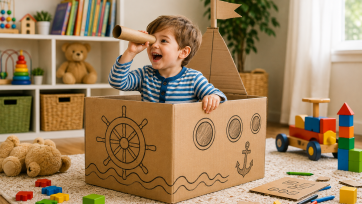
Imagine giving two children the same cardboard box.

One turns it into a pirate ship.

The other makes a rocket.

An hour later it's become a secret cave.

By the afternoon it's a racing car.

Nothing about the box changed.

Only the children's imagination did.

The best toys work in exactly the same way.

Building bricks become cities one day and zoos the next.

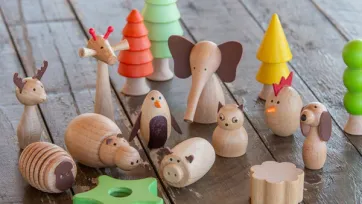
Wooden animals become farm animals, safari animals or magical creatures depending on the story being told.

These are often called open-ended toys, but parents don't need to remember the term. The important point is simple:

A great toy allows the child to do the creative work.

It doesn't do it for them.

Watch How Children Actually Play

Here's something interesting that many parents notice.

Give a child ten brand-new toys at once and they often jump quickly from one to another.

Give the same child three carefully chosen toys with room for imagination and they'll often stay deeply involved for much longer.

Children don't always need more toys.

They often need better opportunities to play.

That's why many early years educators deliberately keep classrooms simple.

Fewer choices often lead to deeper concentration.

The Toys That Earn Their Place

Every family has them.

The toys that never seem to disappear.

Maybe it's the train set that comes out every rainy weekend.

Perhaps it's the basket of magnetic tiles that somehow entertains children from nursery age right through primary school.

These toys earn their place because they never tell children exactly what to do.

Instead, they quietly ask one question:

"What would you like to create today?"

That question never becomes old.

The Biggest Mistake Isn't Buying the Wrong Toy

It's buying the right toy at the wrong time.

Parents sometimes see an advanced construction set or a complicated science kit and think, "They'll grow into it." That sounds sensible, but children rarely see it that way.

Imagine giving a five-year-old a 1,000-piece puzzle. It isn't inspiring—it feels impossible. The same puzzle, introduced three or four years later, could become a favourite weekend activity.

The opposite happens too.

A toy that's far too simple might be mastered in minutes. Once the challenge disappears, so does the child's interest.

The sweet spot sits somewhere in the middle. The toy should feel achievable, but not effortless. It should make children think, experiment and occasionally fail before succeeding. That's where real engagement begins.

Why Simplicity Often Wins

Toy trends change every year.

One Christmas it's interactive pets. The next it's collectible figures. A year later it's something completely different.

Yet if you visit a nursery, preschool or primary classroom, you'll notice something interesting. The toys children return to again and again are usually the simplest ones.

Building bricks.

Wooden train tracks.

Toy animals.

Play kitchens.

Art supplies.

These toys have survived decades for one reason: children are in control.

A toy doesn't need to flash, talk or connect to an app to be exciting. Sometimes the quietest toys create the loudest imaginations.

Before You Buy Another Toy, Ask These Five Questions

Instead of asking, "Will my child like this?", try asking something slightly different.

Will they still enjoy it in six months?

Excitement on the first day doesn't always predict long-term value.

Can they play with it in more than one way?

A toy with only one purpose often reaches its limit quickly.

Does it encourage them to create rather than simply watch?

The more imagination a toy invites, the longer it usually stays interesting.

Is it suitable for their current stage of development?

The best toys challenge children without making them feel overwhelmed.

Could another child enjoy it in the future?

Well-made toys often become family favourites that are passed from one sibling to the next.

These questions don't guarantee the perfect purchase, but they dramatically reduce impulse buying.

Quality Costs More... Until It Doesn't

It's easy to compare two similar-looking toys and choose the cheaper option.

Sometimes that's absolutely the right decision.

But sometimes the less expensive toy breaks after a month, while the slightly more expensive one is still being used years later.

Think of toys as an investment rather than a one-off purchase.

A durable toy that survives hundreds of hours of play often costs less per use than a novelty toy that's forgotten before the school holidays arrive.

Many parents gradually discover that buying fewer, better-made toys saves money in the long run.

A Better Way to Build a Toy Collection

Instead of adding random toys whenever you visit a shop, imagine building a small personal library for your child.

Every toy should have a purpose.

Some encourage movement.

Some inspire creativity.

Others develop concentration or imaginative storytelling.

Over time, these toys begin working together.

A few wooden blocks become a bridge for toy dinosaurs.

A play kitchen becomes a café serving customers from a train station built only moments earlier.

The most enjoyable play rarely comes from a single toy. It comes from children mixing ideas from several toys to create something entirely their own.

That's exactly the kind of play parents should encourage.

Frequently Asked Questions

Why do children lose interest in new toys so quickly?

New toys often provide excitement through novelty. Once children discover everything the toy can do, there may be little left to explore. Toys that encourage imagination usually hold attention for much longer.

What makes a toy timeless?

Timeless toys don't depend on trends or technology. They allow children to invent different games every time they play, which keeps them interesting as skills and interests develop.

Are expensive toys always better?

Not at all. Price and play value are two different things. Some inexpensive toys encourage years of imaginative play, while costly electronic toys may be forgotten within weeks.

Should parents rotate toys?

Yes. Putting some toys away and bringing them back a few weeks later often makes them feel new again. It also reduces clutter and helps children focus on what they already have.

Is it better to own fewer toys?

For many families, yes. A carefully chosen collection often leads to deeper, more creative play than a room filled with toys competing for attention.

Final Thoughts

Children rarely remember how many toys they owned.

They remember the ones that became part of their stories.

The teddy that travelled everywhere. The building bricks that became castles, airports and pirate ships. The train set assembled every rainy Sunday afternoon. Those are the toys that quietly become part of childhood itself.

As parents, it's easy to be influenced by advertising, trends or the latest "must-have" toy. But lasting play rarely depends on clever marketing. It depends on whether a toy gives children the freedom to imagine, experiment and create something of their own.

So, the next time you're choosing a toy, don't ask which one looks the most exciting on the shelf.

Ask which one will still inspire adventures long after the excitement of opening the box has faded.

That single question often leads to better purchases, less clutter and, most importantly, happier children.
Advertisement
Best Toy Tool Sets for Kids in 2026
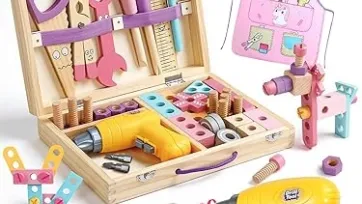
Best Toy Tool Sets for Kids in 2026: The Ultimate Guide to Creative Role Play Children love pretending to fix things. Whether they're repairing a toy car, building a treehouse, or helping Mum and Dad with imaginary home improvements, toy tool sets encourage creativity while teaching practical life skills through play. A simple plastic hammer and screwdriver can inspire hours of imaginative adventures, helping children develop confidence, coordination, and problem-solving abilities. In 2026, toy tool sets are more realistic than ever. Many include battery-powered toy drills, workbenches, safety helmets, tool belts, nuts and bolts, measuring tapes, and construction accessories designed to make children feel like real builders. These sets are suitable for toddlers, preschoolers, and older children who enjoy building and creating. If you're looking for a toy that combines fun with learning, this guide explains everything you need to know about the best toy tool sets for kids in 2026. Why Children Love Toy Tool Sets Children naturally enjoy copying adults. When they see parents repairing furniture, assembling shelves, or carrying out DIY projects, they want to join in. Toy tool sets allow children to safely pretend they are: Builders Carpenters Mechanics Engineers Electricians Home repair experts Every repair becomes an exciting adventure where imagination takes the lead. Benefits of Toy Tool Sets Tool sets support many areas of childhood development. Some of the biggest benefits include: Encourage imaginative play Improve fine motor skills Strengthen hand-eye coordination Build problem-solving skills Improve concentration Encourage independent play Develop creativity Build confidence Reduce screen time Children also learn persistence by solving simple building challenges. Toy Tool Sets for Toddlers Young children benefit from large, lightweight tools that are easy to hold. Beginner sets usually include: Hammer Screwdriver Spanner Wooden nails Toy screws Storage toolbox These simple tools improve grip strength while introducing basic construction concepts. Wooden Tool Sets Wooden tool toys remain one of the most popular choices for families. Parents appreciate them because they are: Durable Eco-friendly Safe Long-lasting Beautifully designed Their simple construction encourages children to focus on imaginative play rather than electronic features. Plastic Tool Sets Modern plastic tool sets often include realistic functions. Popular accessories include: Toy drills Measuring tapes Wrenches Pliers Tool belts Safety goggles Nuts and bolts Many battery-powered drills safely rotate to imitate real tools without creating danger. Toy Workbenches A workbench creates an exciting building station for young engineers. Many include: Storage shelves Vice clamps Pegboards Tool racks Assembly areas Children enjoy building, repairing, and organising their equipment just like real tradespeople. Construction Role Play Tool sets naturally encourage storytelling. Children pretend to: Build houses Repair bicycles Fix furniture Construct bridges Service vehicles Help neighbours Role play encourages communication while improving creativity and social skills. Educational Benefits Toy tools introduce children to practical problem-solving. They begin learning about: Shapes Matching Organisation Sequencing Cause and effect Engineering Many construction activities also strengthen mathematical thinking through measuring and counting. Toy Tool Sets Encourage Teamwork Children often enjoy construction projects with siblings or parents. Working together encourages: Sharing Cooperation Communication Leadership Creative thinking Building projects become even more enjoyable when everyone contributes ideas. Choosing the Right Tool Set Before buying, consider: Your child's age Material quality Number of accessories Safety certifications Storage options Durability Choose sets that encourage open-ended play instead of toys with only one function. Safety Tips Always choose tool sets that: Meet recognised safety standards Use non-toxic materials Have rounded edges Match the recommended age Avoid small detachable parts for younger children Regularly inspect tools for damage or loose pieces. Common Buying Mistakes Many parents buy tool sets based only on appearance. Avoid: Fragile plastic Sharp edges Poor-quality moving parts Tiny accessories for toddlers Weak storage cases High-quality sets often last for many years of active play. Why Toy Tool Sets Make Excellent Gifts Tool sets remain one of the most practical pretend play gifts available. They're perfect for: Birthdays Christmas Nursery gifts Playroom upgrades Family celebrations Children often return to construction play again and again because every project is different. Frequently Asked Questions What is the best toy tool set for children? The best tool sets include durable tools, a sturdy toolbox or workbench, and realistic accessories designed for your child's age. At what age can children use toy tool sets? Simple tool sets with large pieces are suitable from around two years old, while more advanced workbenches are designed for preschool and primary-aged children. Are toy tool sets educational? Yes. They encourage creativity, problem-solving, hand-eye coordination, fine motor development, communication, and imaginative role play. Should I choose wooden or plastic tool sets? Wooden tool sets are durable and environmentally friendly, while plastic sets often include interactive features such as rotating toy drills and realistic construction accessories. Final Thoughts The best toy tool sets for kids in 2026 encourage children to build, repair, and imagine through creative role play. Whether they're constructing a pretend house, fixing a racing car, or organising a busy workshop, these toys help develop practical skills while encouraging confidence and curiosity. By choosing a high-quality toy tool set with safe materials and durable construction, parents can provide children with endless opportunities for imaginative, educational, and screen-free play.
Best Safe Wooden Toys for Kids in 2026
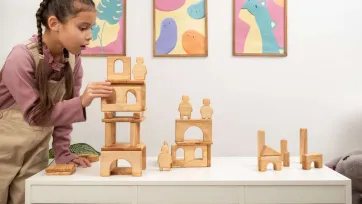
Best Safe Wooden Toys for Kids in 2026 Wooden toys have stood the test of time, remaining a favourite choice for parents who value safety, durability, and meaningful play. While modern toy stores are filled with electronic gadgets and plastic playsets, safe wooden toys continue to offer something unique—simple designs that encourage imagination, creativity, and hands-on learning. Today's parents are more careful than ever about the products they bring into their homes. They want toys made from non-toxic materials, built to last, and free from unnecessary chemicals. Safe wooden toys meet these expectations while supporting healthy child development from infancy through the early school years. Whether you're buying a birthday gift, planning a Montessori-inspired playroom, or searching for toys that promote learning without screens, wooden toys are an excellent investment. This guide explains why safe wooden toys remain one of the best choices for children in 2026 and how to select the right options for every age. Why Wooden Toys Are Still Popular Despite rapid advances in technology, wooden toys continue to attract parents because of their timeless appeal and educational value. Unlike many electronic toys that entertain children with flashing lights and sounds, wooden toys encourage active participation. Children create their own games, invent stories, build structures, and solve problems using their imagination. Many families also appreciate their natural appearance, solid construction, and ability to last for years. What Makes a Wooden Toy Safe? Not every wooden toy is automatically safe. Parents should look beyond attractive designs and pay attention to how the toy is made. A safe wooden toy should include: Smooth, splinter-free surfaces Rounded edges Non-toxic paints and finishes Strong construction Child-safe materials Securely attached parts Age-appropriate design Buying from reputable manufacturers that follow international toy safety standards provides additional peace of mind. Benefits of Safe Wooden Toys Safe wooden toys offer much more than durability. Some of their biggest advantages include: Encouraging imaginative play Improving hand-eye coordination Supporting fine motor skills Developing problem-solving abilities Increasing concentration Reducing screen time Promoting independent learning Lasting for many years Because they are often open-ended, children can play with the same toy in different ways as they grow older. Best Wooden Toys for Babies Babies explore the world using their senses. Simple wooden toys help them safely discover different shapes, textures, and movements. Excellent options include: Wooden rattles Grasping rings Stacking rings Shape sorters Push toys Wooden activity gyms Always choose toys specifically designed for infants and free from small detachable parts. Best Wooden Toys for Toddlers Toddlers enjoy toys that challenge their growing coordination and curiosity. Popular wooden toys include: Building blocks Peg puzzles Pull-along animals Stacking towers Wooden trains Balance games These activities encourage movement while strengthening problem-solving skills. Montessori Wooden Toys Many Montessori toys are made from wood because it is durable, natural, and pleasant to handle. Popular Montessori wooden toys include: Counting boards Alphabet blocks Object permanence boxes Shape sorters Practical life activity boards Wooden puzzles These toys encourage children to learn independently without unnecessary distractions. Wooden Building Blocks Inspire Creativity Building blocks remain one of the most versatile toys available. Children use them to build: Houses Castles Bridges Roads Towers Cities Animal homes Each new creation encourages imagination, planning, and creative thinking while improving fine motor control. Wooden Puzzles Improve Problem-Solving Skills Puzzles help children recognize shapes, colors, patterns, and spatial relationships. They also improve: Memory Concentration Patience Logical thinking Hand-eye coordination Wooden puzzles are especially durable, making them ideal for repeated use. Eco-Friendly Benefits of Wooden Toys Many parents choose wooden toys because they are more environmentally friendly than disposable plastic alternatives. High-quality wooden toys often come from responsibly managed forests and can remain usable for many years. Because they rarely break easily, they create less waste and are often passed down to younger siblings or donated to other families. Choosing sustainable toys also helps children develop an appreciation for protecting the environment. Wooden Pretend Play Toys Pretend play supports language development and creativity. Wooden playsets allow children to create endless adventures. Popular options include: Play kitchens Wooden food sets Tool benches Doll furniture Cash registers Farm animal sets These toys encourage storytelling while helping children understand everyday life. How Wooden Toys Support Child Development Every play session teaches valuable skills. Wooden toys help children improve: Fine motor control Coordination Concentration Creativity Problem-solving Independent thinking Social interaction Emotional confidence Because there are fewer distractions, children often remain focused for longer periods. How to Choose the Best Wooden Toys Before purchasing, consider several important factors. Choose toys that: Match your child's age Use non-toxic finishes Have smooth surfaces Are easy to clean Offer multiple ways to play Come from trusted brands A high-quality toy usually provides far greater long-term value than a cheaper alternative. Caring for Wooden Toys Proper care helps wooden toys remain beautiful for years. Simple maintenance includes: Wipe with a damp cloth. Avoid soaking in water. Store in a dry place. Inspect regularly for damage. Tighten loose parts if needed. Avoid harsh chemical cleaners. Good care keeps toys safe while extending their lifespan. Common Mistakes Parents Should Avoid Many buyers unknowingly choose poor-quality wooden toys. Avoid: Cheap toys with rough edges Unknown paints or finishes Toys without safety certification Age-inappropriate designs Products with loose small parts Spending a little extra on quality often results in a safer and longer-lasting toy. Why Wooden Toys Make Excellent Gifts Wooden toys are thoughtful gifts for birthdays, holidays, and special occasions. They combine beauty, durability, and educational value, making them gifts that children enjoy for years instead of weeks. Parents also appreciate receiving toys that encourage creativity rather than constant screen time. Frequently Asked Questions Are wooden toys safer than plastic toys? High-quality wooden toys made with non-toxic materials and smooth finishes are generally considered very safe. Safety depends on the manufacturer's quality and whether the toy is appropriate for the child's age. Are wooden toys suitable for babies? Yes. Many wooden rattles, grasping toys, and stacking toys are designed specifically for infants. Always choose age-appropriate products that meet recognized safety standards. How do I clean wooden toys? Use a soft damp cloth with mild soap if necessary. Avoid soaking wooden toys in water, as excessive moisture may damage the wood over time. Why are wooden toys more expensive? They often use higher-quality materials, stronger construction, and sustainable manufacturing methods. Their durability usually makes them a better long-term investment. Final Thoughts Safe wooden toys continue to be one of the best choices for children in 2026 because they combine simplicity, durability, and educational value in a way few other toys can. They encourage creativity, strengthen essential developmental skills, and provide years of meaningful play without relying on screens or excessive electronics. Whether you're choosing wooden building blocks, puzzles, Montessori learning tools, pretend play sets, or stacking toys, investing in high-quality wooden toys means investing in safer, more engaging, and more rewarding play experiences for your child.
Why Children Love Repetition in Play: The Hidden Science Behind Playing the Same Game Again and Again
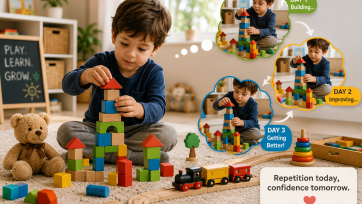
 Why Children Love Repetition in Play: The Hidden Science Behind Playing the Same Game Again and Again Introduction Every parent has experienced it. Your child spends twenty minutes building a tower. It falls over. Instead of trying something new, they build the same tower again. The next day, they repeat the process. By the weekend, they're still building towers. Meanwhile, the expensive new toy sitting on the shelf barely gets a glance. To adults, this behaviour can seem puzzling. "Haven't they already done this?" Children see it very differently. For them, repetition isn't boring. It's one of the most powerful ways to learn. Every time they repeat an activity, they're testing new ideas, improving skills and gaining confidence without even realising it. Understanding why children enjoy repeating the same game can completely change the way parents think about toys, learning and playtime. The Adult Brain Wants Variety. A Child's Brain Wants Mastery. Adults often look for new experiences. A different restaurant. A new television series. A fresh hobby. Children are driven by something else. They want to master the world around them. A toddler who successfully stacks six blocks today wants to know if they can stack seven tomorrow. A preschooler who builds a toy railway wants to improve it the next time. Repetition isn't a lack of imagination. It's evidence that the brain is strengthening important skills through practice. Every Repeat Adds Something New From the outside, it may look like the same game. But look more closely. The tower is slightly taller. The story has an extra character. The race track follows a different route. The pretend café now has customers waiting in line. Children rarely repeat play exactly. They refine it. Each version becomes a small experiment where they discover what works, what doesn't and what they can improve. That's one reason open-ended toys remain interesting for years. The toy stays the same. The child changes. Repetition Builds Confidence Imagine learning to ride a bicycle after trying only once. Or learning to read after opening a single book. Real learning requires repetition. Play works the same way. Each successful attempt gives children confidence to try something a little more difficult. Without repetition, many important skills would never become automatic. That's why children often insist on reading the same bedtime story or playing the same game for weeks. They're not stuck. They're growing. Why Open-Ended Toys Encourage Repeated Play Some toys are exciting because they surprise children. Others are exciting because children control them. Construction blocks, train tracks, art materials, dolls, toy animals and pretend-play sets rarely provide the exact same experience twice. Even when the child repeats the activity, the outcome changes. Yesterday's castle becomes today's airport. Today's airport becomes tomorrow's dinosaur museum. The best toys don't become repetitive. They make repetition rewarding. When Parents Accidentally Interrupt Learning Adults naturally enjoy helping. Sometimes, however, we introduce new toys too quickly. A child spends three days happily building roads with toy cars. Before they have time to develop the idea further, a brand-new toy arrives. The focus immediately shifts. While new toys are enjoyable, constantly replacing familiar activities can interrupt deeper learning. Children often benefit more from extending an existing game than starting a completely different one every few days. What Repetition Teaches Without Children Realising Parents often think learning happens when a child is introduced to something new. In reality, much of the learning happens when the activity becomes familiar. Each time children repeat a game, they're quietly developing important life skills, including: Better hand-eye coordination. Improved problem-solving. Stronger memory. Longer attention spans. Greater patience. Increased confidence. The child isn't thinking about these skills. They're simply enjoying the game. That's the beauty of meaningful play—learning feels effortless because it happens naturally. Why Favourite Toys Stay Favourite Toys Have you ever noticed that children often ignore the newest toy while returning to an old favourite? There's a reason. Favourite toys are predictable enough to feel comfortable but flexible enough to create new adventures. A set of building blocks doesn't suddenly become boring because there are always new ideas to explore. The same applies to toy farms, dollhouses, train sets, craft supplies and pretend kitchens. These toys grow with the child instead of limiting the child. That's why they're often used for years rather than weeks. Repetition Doesn't Mean a Child Lacks Imagination Some parents worry when they see the same game being played every day. In fact, the opposite is often true. Children with active imaginations frequently revisit the same imaginary world because they're expanding it. Today's pirate ship gains new crew members. Tomorrow it sails to a different island. Next week it becomes part of an even bigger adventure involving dinosaurs, treasure maps and talking parrots. The setting remains familiar. The story keeps evolving. That's creativity in action. When Should Parents Encourage Something New? Although repetition is healthy, children also benefit from fresh experiences. The key is recognising the difference between focused repetition and genuine loss of interest. A child who's happily improving the same game doesn't need to be interrupted. However, if play becomes repetitive without curiosity or enthusiasm, introducing a new material, a different environment or a simple question can refresh the experience. Instead of replacing the toy, try expanding the story. Ask: "Who visits the castle today?" "What happens if the bridge breaks?" "Can you build a taller tower?" Small prompts often create entirely new adventures without buying anything new. Helping Repetition Lead to Creativity Parents don't need elaborate plans. A few simple habits can support healthy repeated play: Leave unfinished creations where possible so children can continue the next day. Avoid tidying away projects immediately. Rotate accessories instead of replacing favourite toys. Celebrate effort rather than perfect results. Give children enough uninterrupted time to explore their own ideas. These small changes encourage deeper play and allow imagination to develop naturally. Frequently Asked Questions Why does my child want to play the same game every day? Repetition helps children build confidence, strengthen skills and explore new ideas within a familiar activity. It's a normal and healthy part of development. Should I buy a new toy when my child repeats the same activity? Not necessarily. Repeating favourite games usually means the child is still learning and enjoying the experience. New toys aren't always needed. Is repetition a sign of boredom? Usually not. Children who repeat activities with enthusiasm are often deeply engaged. Boredom is more likely when they quickly abandon games without showing curiosity. Which toys encourage repeated play? Open-ended toys such as building blocks, magnetic tiles, wooden trains, pretend-play sets, art supplies and toy animals often provide years of replay value because children can use them in different ways. Can repetition improve learning? Yes. Repeating activities helps children develop coordination, memory, language, creativity and problem-solving skills while increasing confidence through practice. Final Thoughts Adults often chase variety. Children often chase understanding. That's why the same tower is built again. The same railway is assembled every afternoon. The same teddy bear joins every tea party. To an adult, it may appear repetitive. To a child, it's another opportunity to improve, experiment and imagine. The next time your child asks to play the same game for the tenth time this week, resist the temptation to suggest something different straight away. Watch closely. You'll probably notice that although the toy hasn't changed, the play has. A new idea appears. A new story unfolds. A new challenge is created. That's not repetition without purpose. It's learning disguised as play. And sometimes, the greatest progress comes from doing the same thing one more time.  
Why Do Some Children Ignore Their Toys
Why Do Some Children Ignore Their Toys? 9 Surprising Reasons Every Parent Should Know Introduction One afternoon, Sarah watched her four-year-old wander into the playroom. Shelves were neatly organised. Building blocks were stacked in colourful baskets. Toy cars waited in perfect rows. There were puzzles, dolls, books and enough toys to fill an entire corner of the house. Her son looked around for a few seconds. Then he walked into the kitchen, picked up a wooden spoon and a mixing bowl, and spent the next forty minutes pretending to cook dinner for his teddy bear. The toys stayed exactly where they were. If this sounds familiar, you're not alone. Many parents quietly wonder whether they've wasted money on toys their children barely touch. Others worry that a lack of interest means something is wrong. In most cases, the explanation is far simpler. Children don't reject toys because they dislike playing. They reject toys when those toys no longer match the way their imagination, curiosity or stage of development works. Understanding why this happens can help you make better toy choices, reduce unnecessary spending and create a play environment that genuinely encourages creativity. Let's explore the reasons behind one of the most common parenting questions. Reason #1: Too Much Choice Can Feel Overwhelming Imagine opening a streaming service with fifty thousand films. Finding one to watch suddenly feels like hard work. Children experience something similar when they're surrounded by dozens of toys. Instead of settling into one activity, they move quickly from shelf to shelf, never quite deciding where to begin. This isn't laziness. It's decision fatigue. Parents often notice that when the number of available toys is reduced, children actually spend longer playing. Reason #2: The Toy Solves Every Problem for Them Some toys leave almost nothing for children to imagine. Press a button. Watch the lights. Listen to the sounds. Repeat. After a while, the experience becomes predictable because the toy always behaves in exactly the same way. Now compare that with a pile of wooden blocks. Today they're a bridge. Tomorrow they're an airport. Next week they're part of a zoo. The toy changes because the child changes. That's what keeps it interesting. Reason #3: Your Child Has Simply Outgrown It Children grow remarkably quickly. The puzzle that fascinated them six months ago may now feel too easy. Likewise, a complex construction set intended for older children can feel frustrating rather than enjoyable. Good play sits in the middle. It should feel challenging enough to be interesting but achievable enough to build confidence. When toys no longer match a child's developmental stage, they're often left untouched. Reason #4: Everyday Objects Feel More Interesting Parents sometimes laugh when a child chooses a cardboard box over an expensive toy. Yet this behaviour makes perfect sense. A saucepan can become a drum. A blanket can become a superhero cape. A cardboard tube can become a telescope. Ordinary household objects have one huge advantage. They don't come with instructions. Children decide what they become, and that freedom often makes them more exciting than highly structured toys. Reason #5: Play Needs a Story Children rarely fall in love with objects. They fall in love with stories. A toy dinosaur isn't just a dinosaur. It becomes the guardian of a volcano. A teddy bear isn't just a teddy. It's the patient at a pretend hospital. When toys fail to inspire storytelling, they often fail to hold attention. The toys children return to again and again are usually the ones that fit naturally into the imaginary worlds they're constantly creating. Reason #6: They Need Someone to Start the Adventure Parents often hear the phrase, "Will you play with me?" It doesn't always mean a child needs constant company. Sometimes they simply need someone to help the story begin. A five-minute conversation can completely change what happens next. Instead of saying: "Go and play with your toys." Try asking: "Who's the captain of this spaceship?" "Why is this dinosaur hiding?" "Who lives in this castle?" Once the story starts, many children continue happily on their own. Adults don't need to lead the game. They simply help open the first chapter. Reason #7: The Play Environment Is Distracting Imagine trying to read a book while the television is on, a tablet keeps making sounds and people are constantly walking past. Concentrating becomes difficult. Children experience the same challenge. A play area packed with flashing lights, loud electronic toys and visual clutter can make it harder to settle into imaginative play. Interestingly, many nursery classrooms are designed with calm colours, organised shelves and clearly defined play spaces. The aim isn't to make the room look tidy. It's to help children focus. Sometimes changing the environment has a bigger impact than buying another toy. Reason #8: They're Craving Real-Life Experiences Children naturally imitate the world around them. If they've been watching a parent cook, they may suddenly become interested in making pretend meals. After a visit to the airport, every chair in the house becomes an aeroplane. Following a trip to the zoo, stuffed animals turn into safari adventures. This explains why a child might ignore a toy one day and become fascinated by it after a new experience. Play is often a reflection of life. The richer a child's experiences, the richer their imaginary games become. Reason #9: They Don't Need Another Toy This might be the hardest truth for adults to accept. Sometimes children simply have enough. Not because they don't enjoy toys. Because they already have everything they need to create wonderful games. Adding another toy doesn't always improve play. Occasionally it has the opposite effect by creating one more choice, one more distraction and one more item competing for attention. Many parents discover that introducing fewer new toys actually leads to longer, happier play sessions. What Parents Can Do Instead If your child rarely plays with their toys, resist the temptation to rush out and buy something new. Instead, experiment with small changes. Rotate a few toys every month instead of leaving everything available. Create open floor space where children can spread out and build. Join in for the first few minutes of a game before quietly stepping back. Introduce simple materials such as cardboard boxes, blankets, recycled tubes or craft supplies. Most importantly, observe rather than assume. Children often tell us exactly what kind of play they enjoy—we simply have to watch. Frequently Asked Questions Is it normal for children to ignore their toys? Yes. It's extremely common. Children often prefer activities that allow them to imagine, build or create rather than toys with only one fixed purpose. Should I buy new toys if my child seems bored? Not immediately. Try rotating existing toys, changing the play environment or introducing new ways to use toys already at home before spending more money. Why does my child play with household objects instead? Everyday objects have no fixed rules. They encourage creativity because children decide what each object represents. Can too many toys reduce concentration? For some children, yes. A very large number of choices can make it harder to focus on one activity for an extended period. How can I encourage independent play? Offer a manageable selection of toys, create a calm play space and help your child begin a story instead of directing the entire game. As their confidence grows, many children naturally continue playing on their own. Final Thoughts If your child walks past a shelf full of toys and heads straight for a cardboard box, a blanket or the kitchen cupboards, don't assume something has gone wrong. In many ways, the opposite is true. They're doing exactly what children have always done. They're searching for something they can transform. Something they can control. Something that becomes whatever their imagination needs it to be. The goal of a good toy isn't to keep a child busy. It's to give them the freedom to invent, explore and tell stories that belong entirely to them. When parents understand that difference, shopping becomes easier, play becomes richer and children often rediscover the joy of toys they already own.  
Best Educational Toys for Kids
Best Educational Toys for Kids: A Complete Guide to Learning Through Play Children learn best when they are actively engaged, curious, and having fun. That is why educational toys have become one of the most valuable investments parents can make. Instead of simply entertaining children for a few minutes, these toys encourage creativity, improve problem-solving skills, and support healthy cognitive, emotional, and physical development. Today's educational toys go far beyond alphabet blocks and counting games. Modern options include STEM kits, coding toys, building sets, puzzles, science experiments, musical instruments, and interactive learning games that make education enjoyable rather than stressful. If you're looking for the best educational toys for kids, this comprehensive guide will help you understand which toys provide real learning value and how to choose the right ones for your child's age and interests. What Are Educational Toys? Educational toys are designed to help children develop important skills while they play. They combine entertainment with learning, allowing children to explore new ideas naturally instead of feeling like they are studying. A well-designed educational toy encourages children to ask questions, solve problems, experiment with different ideas, and develop confidence through hands-on activities. Unlike many electronic gadgets that simply capture attention, educational toys actively involve children in the learning process. Why Educational Toys Matter Children absorb information much faster when learning feels enjoyable. Educational toys create opportunities for discovery, creativity, and independent thinking. These toys help children: Improve concentration Strengthen memory Build problem-solving skills Develop creativity Increase confidence Improve communication Encourage curiosity Support emotional growth Play-based learning also helps children remember concepts longer because they experience them instead of simply reading or hearing about them. Building Toys Encourage Creative Thinking Building toys remain among the most popular educational toys for children of all ages. Whether children are creating towers, bridges, vehicles, castles, or entire cities, they constantly practice planning, experimenting, and solving challenges. Building activities teach children that mistakes are part of learning. When a structure falls, they naturally try again using a better approach. Popular options include: Building blocks Magnetic tiles Construction kits Wooden block sets Engineering toys These toys improve both creativity and logical thinking. STEM Toys Prepare Kids for the Future STEM stands for Science, Technology, Engineering, and Mathematics. STEM toys encourage children to explore how things work through hands-on learning instead of memorization. Popular STEM toys include: Beginner robotics kits Coding games Engineering projects Magnetic construction sets Circuit building kits Science experiment boxes These activities introduce important concepts while making learning exciting and interactive. Educational Puzzles Improve Problem-Solving Skills Puzzles teach children how to recognize patterns, organize information, and think critically. As children complete puzzles, they learn patience, observation, and persistence. Different puzzle types include: Alphabet puzzles Number puzzles Animal puzzles World map puzzles Shape puzzles Logic puzzles Each completed puzzle builds confidence while strengthening memory and concentration. Learning Through Pretend Play Many parents underestimate the educational value of pretend play. When children pretend to be doctors, teachers, chefs, scientists, or firefighters, they develop communication skills, emotional intelligence, and creativity. Excellent pretend play toys include: Kitchen playsets Doctor kits Cash registers Tool sets Grocery stores Dollhouses Puppet theaters These activities encourage storytelling and help children understand real-world situations. Arts and Crafts Build Creativity Creative activities allow children to express themselves while developing important physical skills. Drawing, painting, cutting, folding, and sculpting improve hand strength and fine motor control. Popular educational craft toys include: Coloring books Watercolor sets Clay modeling kits DIY craft boxes Sticker activities Bead-making kits These projects also teach patience and attention to detail. Musical Toys Support Brain Development Music stimulates multiple areas of the brain at the same time. Simple musical toys help children develop: Listening skills Rhythm Coordination Creativity Memory Self-expression Keyboards, drums, xylophones, tambourines, and beginner instruments encourage children to experiment while having fun. Educational Board Games Teach Life Skills Board games are excellent learning tools because they combine fun with valuable social experiences. Children learn: Taking turns Following rules Strategic thinking Teamwork Fair play Decision-making Family game nights also strengthen relationships while encouraging healthy communication. Remote Control Toys Can Be Educational Too Many people think remote control toys are only designed for entertainment. In reality, RC toys help children improve: Hand-eye coordination Spatial awareness Reaction time Focus Motor skills Problem-solving Driving a remote control car around obstacles requires concentration and precise movements, making it an enjoyable learning experience. Science Kits Inspire Curiosity Science experiment kits introduce children to fascinating concepts through safe and simple activities. Popular experiments include: Volcano models Crystal growing Magnet activities Water experiments Weather projects Plant-growing kits Hands-on science helps children understand how the world works while encouraging curiosity. Outdoor Educational Toys Learning should not be limited to indoor activities. Outdoor educational toys help children stay active while exploring nature. Some excellent choices include: Gardening kits Nature explorer sets Insect observation boxes Binoculars Treasure hunt games Sports equipment Outdoor play improves physical health while teaching children about plants, animals, and the environment. Choosing Educational Toys by Age Every child develops differently, but selecting toys that match their age helps maintain interest and confidence. For toddlers: Shape sorters Stacking toys Soft alphabet blocks For preschoolers: Building blocks Number games Alphabet puzzles Pretend play sets For school-age children: STEM kits Robotics Advanced puzzles Science projects Coding games Age-appropriate toys create the right balance between challenge and enjoyment. How to Choose the Best Educational Toy Before purchasing, ask yourself a few important questions. Does the toy encourage creativity? Will it keep my child engaged for a long time? Does it match my child's interests? Is it safe? Can it be used in different ways? The best educational toys grow with children and continue offering new ways to play over time. Safety Tips for Parents Educational toys should always meet recognized safety standards. Before buying: Check the recommended age. Choose non-toxic materials. Avoid sharp edges. Inspect small parts. Buy from trusted manufacturers. Read product reviews. Regularly checking toys for wear also helps prevent accidents. Common Mistakes Parents Make Many parents unintentionally choose toys that provide very little educational value. Common mistakes include: Buying toys only because they are popular. Choosing toys that are too difficult. Ignoring durability. Focusing only on electronic features. Purchasing too many similar toys. A smaller collection of high-quality educational toys often provides better long-term benefits than a room full of short-lived entertainment. Why Educational Toys Make Wonderful Gifts Educational toys combine fun with lifelong learning. Whether for birthdays, holidays, or special occasions, they continue benefiting children long after the excitement of opening the gift has passed. Parents also appreciate gifts that encourage creativity, independence, and healthy development. Frequently Asked Questions What are the best educational toys for kids? Building blocks, STEM kits, puzzles, pretend play sets, musical instruments, science kits, arts and crafts, and educational board games are among the best choices. At what age should children start using educational toys? Children can begin using educational toys from infancy with age-appropriate options such as stacking toys, soft blocks, and sensory activities. Are electronic educational toys better? Not necessarily. Many traditional toys provide excellent educational value by encouraging creativity, imagination, and hands-on learning. Do educational toys improve school performance? Educational toys help develop skills such as concentration, memory, problem-solving, and communication, all of which support classroom learning. Final Thoughts The best educational toys do much more than keep children busy. They inspire curiosity, encourage creativity, develop confidence, and help children build essential life skills through enjoyable play. From building blocks and STEM kits to science experiments, puzzles, musical instruments, and remote control toys, every educational toy offers a unique opportunity for growth. The key is choosing toys that match your child's interests, abilities, and stage of development. When learning becomes fun, children stay curious, motivated, and eager to explore the world around them. Investing in high-quality educational toys is an investment in your child's future, providing countless opportunities to learn while making wonderful memories through play.
Non-Toxic Toys in 2026
 Non-Toxic Toys: A Parent's Complete Guide to Choosing Safer Toys for Children Introduction When parents shop for toys, bright colours, exciting features and educational claims often grab their attention first. Yet one of the most important questions is rarely printed in large letters on the box: What is this toy actually made from? Children don't simply play with toys. They hug them, chew them, carry them everywhere and, especially when they're young, explore them with their mouths. Because of this, the materials used to make toys matter just as much as the entertainment they provide. In recent years, more parents have become interested in non-toxic toys, and for good reason. Safer materials, better manufacturing standards and greater awareness of chemical exposure have encouraged families to think more carefully before making a purchase. However, the growing popularity of the term "non-toxic" has also created confusion. Many products use the phrase without explaining what it really means. The truth is that choosing safer toys doesn't require expert knowledge or hours of research. Once you understand the materials to look for, the safety certifications that matter and the warning signs to avoid, buying toys becomes much easier. This guide explains everything parents need to know about non-toxic toys, from understanding toy materials to avoiding common buying mistakes and creating a safer play environment for children of all ages. What Does "Non-Toxic" Really Mean? A non-toxic toy is designed and manufactured using materials that are considered safe for normal use by children. It should not contain harmful substances at levels that could pose a health risk when the toy is handled, chewed or used as intended. It's important to understand that non-toxic doesn't mean a toy is indestructible or completely free from every chemical. Instead, it means the materials and finishes meet recognised safety requirements and are suitable for children's everyday use. Parents should think of non-toxic toys as products made with children's safety in mind rather than simply products carrying a marketing label. Why Toy Materials Matter Young children experience the world differently from adults. Babies chew toys to explore textures. Toddlers carry toys from room to room, often dropping them outdoors before putting them back into their mouths. Older children may spend hours handling the same favourite toys every day. Because of this frequent contact, choosing well-made toys from safer materials is a sensible long-term investment. High-quality materials also tend to be: More durable. Easier to clean. Less likely to crack or peel. Better able to withstand years of play. Benefits of Choosing Non-Toxic Toys For many families, safer toys provide advantages that go well beyond peace of mind. Encourages Safer Everyday Play Children naturally touch, hold and sometimes chew their toys. Choosing toys made from safer materials reduces unnecessary concerns during normal play. Better Long-Term Durability Well-manufactured toys are often more resistant to cracking, fading and everyday wear. This means they can often be enjoyed by younger siblings or stored for future use. Easier to Maintain Many non-toxic toys are designed with simple, durable finishes that are easier to wipe clean and keep hygienic. Supports Thoughtful Buying Focusing on quality rather than quantity often leads parents to purchase fewer but better-made toys. This approach reduces clutter while encouraging children to value the toys they already own. Better for Family Use Durable toys that remain in good condition are often passed between siblings, relatives or friends, making them a more sustainable choice over time. Common Materials Used in Children's Toys Understanding toy materials makes shopping much easier. Natural Wood Wood has remained a popular choice for generations because it is strong, durable and suitable for many different types of play. Parents should look for smooth finishes and child-safe coatings. Silicone Food-grade silicone is commonly used for baby toys and teething products because it is flexible, durable and easy to clean. Cotton Organic or high-quality cotton fabrics are frequently used for soft toys, comfort blankets and fabric books. These materials are generally breathable and washable. BPA-Free Plastics Many modern children's toys are manufactured using BPA-free plastics that meet recognised safety requirements. Always buy from trusted retailers rather than unknown sources. Natural Rubber Natural rubber is commonly found in baby toys because it is soft, flexible and comfortable for chewing. Choosing high-quality products helps ensure durability and safety. Signs of a Well-Made Toy Parents don't always need specialist knowledge to recognise a quality toy. Look for products that: Feel sturdy and well-made. Have smooth edges. Show no loose parts. Use strong stitching on fabric items. Have securely fitted components. Include clear safety information. Match the recommended age range. Quality toys usually feel more durable from the moment you pick them up. Signs You Should Avoid a Toy Sometimes it's easier to recognise what not to buy. Consider avoiding toys that: Have a strong chemical smell. Show peeling paint or coatings. Break easily during normal use. Have sharp edges. Contain loose decorations that can detach. Have poorly secured battery compartments. Include unclear or missing safety information. If something feels poorly made, trust your instincts and look for a better alternative. How to Choose Non-Toxic Toys for Your Child Walking into a toy shop or browsing online can quickly become overwhelming. Hundreds of products may appear similar, yet the quality and materials can vary significantly. Rather than focusing on colourful packaging or trendy designs, start by asking a few practical questions. Who is the toy for? A baby who explores everything by chewing has very different needs from a seven-year-old building imaginative worlds. Always choose toys that suit your child's developmental stage. How will the toy be used? Some toys are handled occasionally, while others become everyday favourites. Frequently used toys should be especially durable and easy to clean. Can it withstand everyday play? Children rarely play gently. A quality toy should survive drops, pulling, squeezing and regular cleaning without losing its shape or finish. Understanding Toy Safety Labels Many parents notice symbols and statements on toy packaging but aren't always sure what they mean. Although labels vary between manufacturers, reputable toys usually include information such as: Recommended age range Safety warnings Cleaning instructions Manufacturer details Compliance with recognised toy safety standards If this information is missing or unclear, it's often better to choose another product. Buying Guide Choosing non-toxic toys becomes much simpler when you focus on a few important principles instead of marketing claims. Prioritise Quality Over Quantity A small collection of well-made toys often provides more value than a cupboard full of inexpensive alternatives. Children generally benefit more from versatile toys that remain interesting over time. Buy from Trusted Retailers Purchasing from established retailers or reputable manufacturers reduces the likelihood of receiving poor-quality products with unclear safety information. Think Long-Term Choose toys that will continue to be useful as your child grows. Construction toys, pretend play sets and creative materials often provide years of enjoyment. Consider Ease of Cleaning Children's toys should be cleaned regularly. Smooth surfaces and washable fabrics make maintenance much easier. Choose Open-Ended Toys Toys that encourage creativity and imagination often remain favourites for much longer than toys designed for one fixed activity. Safety Tips Even the safest toys require regular care and supervision. Keep these simple habits in mind: Inspect toys regularly for damage. Remove broken toys immediately. Clean toys according to the manufacturer's instructions. Store toys in a dry, clean environment. Keep small parts away from babies and toddlers. Check battery compartments frequently. Supervise younger children during play. Replace toys showing signs of wear or cracking. Regular maintenance is one of the easiest ways to keep toys safe. Common Buying Mistakes Many parents spend unnecessary money simply because of clever marketing. Here are some mistakes worth avoiding. Assuming "Non-Toxic" Means High Quality A toy may use the phrase "non-toxic" while still being poorly designed or lacking durability. Material safety and overall build quality should both be considered. Buying Toys Just Because They're Popular Today's most fashionable toy may lose its appeal surprisingly quickly. Timeless toys often provide much better long-term value. Ignoring Age Recommendations Even if a toy looks harmless, using products intended for older children can increase frustration or create avoidable safety risks. Forgetting About Maintenance Some toys require regular cleaning or inspection. Choosing products that are easy to maintain makes everyday life much simpler. Buying Too Many Toys Children rarely need dozens of toys at once. A carefully chosen collection encourages more focused play and reduces household clutter. Frequently Asked Questions What are non-toxic toys? Non-toxic toys are made using materials considered safe for children during normal play and are manufactured to meet recognised toy safety requirements. Are wooden toys always non-toxic? Not necessarily. The type of paint, varnish or finish also matters. Always choose products with child-safe finishes from reputable manufacturers. Why do some toys have a strong smell? A strong chemical smell may come from manufacturing materials or packaging. If a toy has an unusually strong odour that doesn't disappear after airing out, many parents choose not to use it. Are plastic toys safe? Many modern plastic toys are perfectly suitable for children when manufactured to recognised safety standards. Choosing products from reputable brands and retailers is generally the safest approach. How often should toys be inspected? It's good practice to check frequently used toys every few weeks for cracks, loose parts, peeling finishes or other signs of damage. Final Thoughts Choosing non-toxic toys isn't about chasing marketing trends or believing every claim printed on a product box. It's about making informed decisions based on quality, safety and practicality. Children deserve toys that encourage creativity, exploration and learning without unnecessary concerns about poor materials or weak construction. By choosing durable products from trusted sources, checking safety information carefully and maintaining toys properly, parents can create a play environment that is both enjoyable and reassuring. In the end, the best toy isn't simply the newest or the most expensive. It's the one that keeps a child engaged, stands up to years of play and gives parents confidence every time it's picked up.
The Toy Box Challenge
 The Toy Box Challenge: What Happens When a Child Plays With Just Five Toys for a Week? Introduction What would happen if you quietly removed almost every toy from your child's bedroom tonight? Not forever. Just for one week. It sounds like the sort of idea that would end in complaints, boredom and endless requests for the television. Most parents assume fewer toys must mean less fun. But families who have tried this simple experiment often describe something completely different. The first day can be a little strange. Children look around, searching for the usual pile of choices. By the second or third day, something unexpected begins to happen. Instead of asking, "What should I play with?", they start asking, "What can I make?" A train becomes part of a zoo. A teddy bear opens a bakery. Building blocks become a bridge, then a castle, then a hospital before lunch. Nothing new has entered the room. The only thing that's changed is the amount of choice. Psychologists sometimes refer to this as choice overload. Adults experience it when scrolling endlessly through films without deciding what to watch. Children can experience something similar when surrounded by too many toys competing for attention. This article isn't about convincing you to throw away half your child's belongings. It's about exploring a surprisingly simple experiment that has helped many families rediscover the joy of imaginative play. Why More Options Don't Always Create Better Play Imagine walking into an ice cream shop that sells five flavours. Choosing is easy. Now imagine another shop offering two hundred flavours. Suddenly the decision feels harder. Children experience a similar dilemma with toys. When every shelf is full and every basket overflows, deciding what to play with becomes an activity in itself. Instead of becoming absorbed in one game, they move rapidly from toy to toy, searching for the next burst of excitement. Sometimes, reducing choice is the quickest way to improve concentration. The Five-Toy Rule There isn't a perfect number, but five different types of toys often create a surprisingly balanced play environment. For example: A construction toy. A pretend-play toy. A creative activity. A puzzle or thinking game. A favourite comfort toy. Notice that the goal isn't to choose the five most expensive toys. It's to choose five toys that encourage completely different kinds of play. That variety matters far more than quantity. Day One: Curiosity Children often notice the difference immediately. Some ask where the missing toys have gone. Others simply begin exploring what's available. At this stage, many parents feel tempted to end the experiment. Don't. Children are adjusting. The absence of endless options encourages them to spend longer with each remaining toy. Day Three: Something Changes This is where the experiment becomes interesting. Parents frequently notice that stories become longer. Games become more detailed. Instead of abandoning a toy after ten minutes, children begin expanding the same activity throughout the day. A few blocks become an entire village. Soft toys receive names, jobs and personalities. Play starts looking less like entertainment and more like storytelling. It's difficult to force this kind of creativity. But it's surprisingly easy to make room for it. The Surprise Most Parents Mention Ask families who've tried reducing toys for a short period and one comment appears again and again. "The house actually became calmer." There were fewer arguments about tidying. Less frustration over finding missing pieces. Fewer interruptions caused by children constantly asking for something different. The change wasn't dramatic overnight. It was gradual. And because it happened naturally, many parents decided to keep the new routine long after the original experiment had ended. "What If My Child Says They're Bored?" This is usually the first concern parents raise. And it's a fair one. The word bored can sound like a warning sign, as though the experiment has failed before it has even begun. But boredom isn't always a problem to solve immediately. Think about how many of the best childhood games begin. A child stares out of the window. They pick up a blanket. A few chairs become a secret hideout. A cardboard box turns into a racing car. None of those ideas came from a toy. They came from a quiet moment when imagination finally had space to take over. If your child says they're bored during the first day or two, resist the urge to rush in with new entertainment. Give them time. More often than not, they'll create something far more interesting than anything you could have suggested. How to Try the Challenge Without Causing Drama The biggest mistake is announcing the experiment like a new household rule. Instead, make the change quietly. Pack away most of the toys while your child is asleep or out for the day. Leave a carefully chosen mix behind—enough to inspire different types of play, but not so many that the room still feels crowded. If your child asks where the other toys have gone, be honest but relaxed. "They're having a little rest. We'll bring different ones back soon." There's no need to frame it as a punishment or a lesson. Treat it as something normal. When the stored toys return a few weeks later, many children greet them with the same excitement they usually reserve for brand-new presents. What Teachers Notice in Simpler Classrooms Walk into many nurseries or early-years classrooms and you'll notice something that surprises first-time visitors. The shelves aren't overflowing. Teachers don't remove toys because they dislike fun. They do it because too many choices can make meaningful play harder. Instead, resources are often displayed neatly, with space around them. Children can see what's available. They can make a choice. And once they've chosen, they're more likely to stay focused. It's a reminder that children don't necessarily need more stimulation. They often need fewer distractions. A Seven-Day Experiment You Can Try at Home If you're curious, keep the challenge simple. Day 1: Choose five different toys and pack the rest away. Day 2: Watch without interrupting. Resist the urge to suggest games. Day 3: Take note of how long your child spends with each toy. Day 4: Join in for a while, but let your child lead the play. Day 5: Notice whether toys are being combined in new ways. Day 6: Observe whether tidying up feels easier. Day 7: Ask your child which toy they've enjoyed most and why. You may discover that their answer isn't the toy you expected. This Isn't About Owning Less Some parents hear ideas like this and assume they need to become minimalists. That's not the point. Children don't benefit because they own fewer things. They benefit because the environment allows them to focus. If your family enjoys collecting toys, that's perfectly fine. The real question isn't how many toys your child owns. It's how many they can genuinely enjoy at one time. There's a big difference. The Result May Surprise You At the end of the week, don't judge the experiment by how many toys were used. Judge it by different questions. Did your child invent longer stories? Did they seem less distracted? Was tidying up easier? Did they ask for new toys less often? Even small improvements suggest the challenge was worthwhile. And if nothing changes, that's useful information too. Every child is different, and every family finds its own rhythm. Frequently Asked Questions Is five toys the perfect number? No. Five is simply an easy starting point. Some children thrive with a few more, while others are happy with even fewer. The principle is to reduce choice, not follow a strict rule. Will my child miss the toys that are packed away? Possibly at first. However, many parents find that children quickly adapt, especially when they know the toys will return later through rotation. Can siblings share the same five toys? Yes, although it's helpful to include activities that encourage cooperative play as well as toys each child particularly enjoys. How long should the challenge last? One week is a good introduction, but many families continue rotating toys every few weeks once they see the benefits. Does this work for older children? Yes. While the types of toys change with age, older children can also benefit from a less cluttered play environment and fewer distractions. Final Thoughts The Toy Box Challenge isn't really about reducing toys. It's about increasing opportunities. Opportunities to imagine. To concentrate. To solve problems. To turn ordinary objects into extraordinary adventures. Children have an incredible ability to create worlds from very little. Sometimes, without realising it, adults make that harder by giving them too many choices at once. So before buying another toy, try something different. Open the toy box. Take a few toys out. Pack the rest away for a while. Then watch what happens. You may not discover that your child needs more toys. You may discover they simply needed a little more space to enjoy the ones they already had.
Why Do Children Play With the Box Instead of the Toy? The Psychology Behind It
 Why Do Children Play With the Box Instead of the Toy? The Psychology Behind It Introduction Christmas morning had gone exactly as planned. The wrapping paper covered the living room floor. A brand-new toy sat in the middle of the room, complete with flashing lights, exciting features and everything a child could ask for. Yet ten minutes later, the toy was quietly sitting in the corner. The cardboard box it came in had become a pirate ship. Half an hour later, it was a rocket. By lunchtime, it had been transformed into a secret hideout. If you've ever watched your child ignore an expensive toy in favour of its packaging, you're certainly not alone. Parents around the world experience the same surprising moment and often wonder whether they've wasted their money. The answer is reassuring. Your child isn't being difficult, ungrateful or impossible to please. In fact, they're demonstrating something fascinating about how young minds learn through play. Psychologists, early-years educators and child development specialists have long recognised that children are naturally drawn to objects that leave room for imagination. A plain cardboard box has no instructions, no fixed purpose and no right or wrong way to use it. That freedom is exactly what makes it so powerful. In this article, we'll explore the psychology behind this common behaviour, explain why simple objects often outperform expensive toys and show parents how to use this knowledge to make smarter toy-buying decisions. The Cardboard Box Isn't Empty to a Child Adults see packaging. Children see possibilities. A cardboard box doesn't tell a child what it should become. It doesn't flash, sing or explain the rules. Instead, it quietly invites them to decide. Today it's a racing car. Tomorrow it's a bakery. By the weekend it might be a castle, a spaceship or a dinosaur cave. Each idea comes entirely from the child's imagination. That's a completely different experience from pressing a button and watching a toy perform the same action every time. Why Children's Brains Love Open Possibilities During early childhood, the brain develops rapidly through exploration and experimentation. When children invent stories, solve small problems and pretend that ordinary objects are something else, they're practising important cognitive skills without even realising it. Every decision they make requires questions like: What could this become? Who lives here? What happens next? How can I make this work? These tiny moments of problem-solving strengthen imagination, flexible thinking and creativity. The remarkable part is that none of this requires an expensive toy. Sometimes all it takes is an empty box. Imagination Is More Powerful Than Instructions Many modern toys arrive with a clear purpose. Press this button. Pull that lever. Watch the lights. Listen to the sounds. These features can be entertaining, especially at first. However, once children have discovered everything the toy can do, there may be very little left for them to invent. A cardboard box works differently. The child provides the sound effects. The child creates the story. The child decides the rules. In other words, the toy isn't creating the play. The child is. That difference explains why a simple object can sometimes hold a child's attention for much longer than a highly sophisticated gadget. The Freedom to Make Mistakes Another reason children love simple objects is that they can't use them incorrectly. There is no wrong way to play with a cardboard box. No instructions. No levels. No failure. That freedom encourages experimentation. Children cut windows, stack boxes together, crawl inside them and decorate them with crayons or stickers. Every new idea builds confidence because the activity is driven entirely by curiosity rather than performance. For parents, that's an important reminder. The most valuable play doesn't always look structured. Sometimes it looks wonderfully messy. What Parents Can Learn Before Buying the Next Toy Watching your child choose the box instead of the toy isn't a sign that you've bought the wrong gift. It's a clue about what children naturally enjoy. Before making your next purchase, ask yourself a different question. Instead of wondering, "How many features does this toy have?", ask: "How much imagination does this toy leave for my child?" Toys that leave space for creativity often become family favourites because children can reinvent them again and again as they grow. They don't become boring after the first afternoon. Instead, they evolve alongside the child's imagination. What Happens Inside the Brain During Pretend Play? When a child transforms an ordinary cardboard box into a spaceship, something remarkable is happening behind the scenes. They're not simply "playing". They're planning. They're imagining. They're solving problems. They're creating a story and then changing that story as they go. This type of play activates several areas of the brain at the same time. Language skills are used while inventing characters or conversations. Memory comes into play when children remember the rules of their imaginary world. Attention shifts between building, acting and adapting as the game evolves. Unlike activities with a single correct answer, pretend play has no finish line. Every decision creates another possibility. That's one reason children can spend an afternoon with an ordinary box but lose interest in a toy that performs the same action over and over again. Why Teachers Rarely Panic About Cardboard Boxes Visit an early years classroom and you may notice something surprising. Alongside carefully chosen learning resources, you'll often find recycled materials waiting to be turned into something new. Large boxes. Cardboard tubes. Fabric pieces. Wooden offcuts. Loose containers. To an adult, they may look like leftovers. To children, they're invitations. Teachers understand that these simple materials encourage collaboration, communication and creativity because they don't dictate how they should be used. Every child approaches them differently, and that's exactly what makes them valuable. The Toys Children Remember Years Later Ask adults about their favourite childhood toys and listen carefully. Many won't describe the most expensive gift they ever received. Instead, they'll remember the train set they built with a grandparent every Sunday. The dolls that travelled everywhere. The building blocks that became castles, airports and entire cities. Notice the pattern? The memories aren't created by the object itself. They're created by the experiences surrounding it. The cardboard box follows the same principle. Children rarely remember it because it was cardboard. They remember it because it became their pirate ship, their secret cave or their rocket to the moon. So... Should Parents Stop Buying Toys? Absolutely not. Children benefit from well-designed toys that match their stage of development. The lesson isn't that toys are unnecessary. The lesson is that toys don't have to do everything. Some of the best toys leave part of the experience unfinished. Building sets don't tell children what to create. Art materials don't decide what to draw. Play kitchens don't write the menu. The child completes the experience. That's where imagination grows. Try the "Box Challenge" This Weekend Instead of recycling the next large cardboard box immediately, keep it for a few days. Place it in a safe area with a few simple supplies nearby: Child-safe crayons or washable markers Paper Stickers Child-safe tape Fabric scraps or old blankets Then step back. Avoid giving instructions. Instead of saying, "Let's make a castle," ask: "What do you think this could become?" You might be amazed by the answers. One child may see a bus. Another may see a bakery. A third may crawl inside and announce it's a submarine exploring the deepest ocean. There's no correct response—and that's the whole point. What This Means the Next Time You Buy a Toy The next time you're standing in a toy shop, don't let flashing lights or oversized boxes make the decision for you. Think about what happens after the excitement of opening the gift. Will your child still be discovering new ways to play next month? Can they use their imagination? Can they combine it with toys they already own? Will the toy become part of their stories rather than simply performing for them? These questions often lead to better purchases than focusing on features alone. Frequently Asked Questions Why do children enjoy cardboard boxes so much? Because boxes have no fixed purpose. Children are free to imagine, invent and transform them into almost anything, making every play session different. Is it normal for children to ignore expensive toys? Yes. Many children are naturally more interested in activities that encourage creativity than in toys with limited ways to play. This is a common part of healthy development. Are simple toys better than electronic toys? Not always. Both have their place. However, toys that encourage open-ended play often provide greater replay value because children create the experience themselves. What age do children enjoy imaginative play the most? Pretend play usually becomes especially active between the ages of two and six, although many older children continue enjoying imaginative games in different forms. Should I keep large cardboard boxes after deliveries? If they're clean and safe, they can become excellent creative resources for temporary play projects before eventually being recycled. Final Thoughts The next time your child climbs into a cardboard box instead of playing with the expensive toy inside it, try not to feel disappointed. Pause for a moment. Watch what happens. You'll probably see a child who isn't ignoring the toy at all. You'll see a young mind building worlds that don't exist, solving problems that adults can't see and creating adventures that no instruction manual could ever provide. That plain cardboard box isn't competing with the toy. It's reminding us of something childhood has always known. The most powerful toy in the room isn't always the one with the most buttons. Quite often, it's the one that asks the child a simple question: "What would you like me to become today?" And every time, the answer is completely different.