Best Toys for 2-Year-Old Kids in 2026

Best Toys for 2-Year-Old Kids in 2026

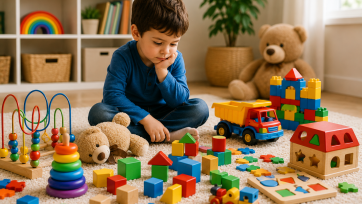
Choosing toys for a two-year-old is both exciting and important. At this age, children are full of energy, curiosity, and imagination. They love exploring their surroundings, asking questions, copying adults, and learning new skills every day. The right toys can support this rapid development while keeping playtime fun and engaging.

Unlike babies, two-year-olds are becoming more independent. They enjoy building, sorting, pretending, running, climbing, and solving simple challenges. This means parents should look for toys that encourage active learning rather than passive entertainment. The best toys combine fun, creativity, and education while helping toddlers develop physically, socially, and emotionally.

This guide explores the best toys for 2-year-old kids in 2026 and offers practical advice to help parents choose toys that provide lasting value.

Why Age-Appropriate Toys Matter

Two-year-olds are developing new abilities every day. They begin speaking in short sentences, recognizing shapes and colors, improving balance, and becoming more confident in their movements.

Choosing age-appropriate toys helps children learn without frustration. Toys that are too advanced may discourage them, while toys that are too simple often lose their interest quickly.

The best toys challenge toddlers just enough to keep them curious while allowing them to succeed through practice.

Developmental Milestones at Two Years Old

Understanding what children learn at this age makes it easier to select suitable toys.

Most two-year-olds begin developing:

  • Better balance and coordination
  • Stronger fine motor skills
  • Improved vocabulary
  • Imaginative play
  • Problem-solving abilities
  • Social interaction
  • Color and shape recognition
  • Early counting skills

Toys that encourage these milestones make playtime both enjoyable and educational.

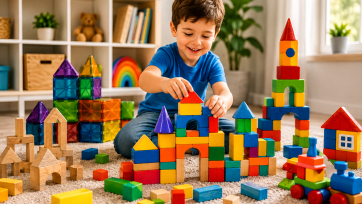
Building Blocks Encourage Creativity

Building toys remain one of the best choices for two-year-olds.

Large building blocks help children:

  • Improve hand-eye coordination
  • Learn balance and structure
  • Develop creativity
  • Strengthen problem-solving skills

Children love stacking towers, building bridges, and creating simple houses. Even when structures fall, toddlers learn valuable lessons about persistence and experimentation.

Pretend Play Sparks Imagination

Two-year-olds love copying what they see adults do every day.

Pretend play toys encourage children to become:

  • Doctors
  • Chefs
  • Shopkeepers
  • Farmers
  • Builders
  • Teachers

Popular pretend play toys include:

  • Toy kitchens
  • Doctor kits
  • Cleaning sets
  • Toy food
  • Tool benches
  • Dollhouses

These activities improve communication while helping children understand everyday routines.

Shape Sorters and Puzzles Build Thinking Skills

Simple puzzles and shape sorters encourage toddlers to observe, compare, and solve problems.

They help children develop:

  • Logical thinking
  • Patience
  • Fine motor skills
  • Shape recognition
  • Hand-eye coordination

Choose puzzles with large, easy-to-hold pieces that match your child's skill level.

Ride-On Toys Keep Toddlers Active

Most two-year-olds enjoy moving as much as possible.

Ride-on toys encourage physical activity while improving:

  • Balance
  • Coordination
  • Leg strength
  • Confidence

Indoor and outdoor ride-on vehicles remain popular because they combine exercise with imaginative play.

Musical Toys Encourage Learning

Music naturally captures a toddler's attention.

Simple musical instruments help children develop:

  • Rhythm
  • Listening skills
  • Creativity
  • Coordination
  • Memory

Popular musical toys include keyboards, drums, tambourines, and xylophones.

Music also encourages dancing, movement, and family interaction.

Educational Toys Make Learning Fun

Educational toys introduce important early learning concepts through play.

Excellent choices include:

  • Alphabet blocks
  • Counting toys
  • Color matching games
  • Number puzzles
  • Memory cards
  • Interactive learning books

Children learn much more effectively when education feels like play instead of work.

Wooden Toys Offer Lasting Value

Wooden toys remain among the safest and most durable options for toddlers.

Popular wooden toys include:

  • Building blocks
  • Pull-along animals
  • Stacking rings
  • Wooden puzzles
  • Activity cubes
  • Train sets

Many parents appreciate their long lifespan and timeless design.

Outdoor Toys Encourage Healthy Development

Outdoor play is essential for growing toddlers.

Great outdoor toys include:

  • Balls
  • Bubble machines
  • Sand toys
  • Water tables
  • Mini slides
  • Gardening tools

Outdoor activities help children improve coordination while enjoying fresh air and exercise.

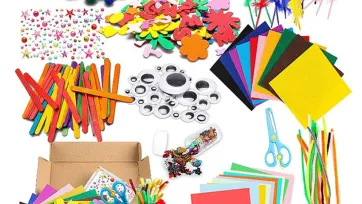
Arts and Crafts Inspire Creativity

Creative play allows toddlers to express themselves while improving fine motor skills.

Age-appropriate art supplies include:

  • Washable crayons
  • Finger paints
  • Large coloring books
  • Stickers
  • Modeling clay
  • Simple craft kits

Creative activities also help children build confidence by creating something unique.

Interactive Learning Toys

Interactive toys introduce letters, numbers, colors, and animal sounds through simple activities.

When choosing electronic learning toys, look for products that encourage participation instead of passive listening.

Moderate sound levels and easy controls make learning more enjoyable.

Choosing Safe Toys for Two-Year-Olds

Safety should always be your first priority.

Choose toys that:

  • Match your child's age
  • Have rounded edges
  • Use non-toxic materials
  • Contain no small detachable parts
  • Meet recognized safety standards
  • Are easy to clean

Reading product labels before purchasing helps ensure a safer play experience.

Common Toy Buying Mistakes

Many parents accidentally choose toys that toddlers quickly lose interest in.

Avoid:

  • Toys with overly complicated instructions
  • Fragile products
  • Small pieces
  • Low-quality materials
  • Toys designed for much older children

Simple, durable toys often provide the greatest long-term value.

Why Screen-Free Toys Are Ideal

Although technology has become part of everyday life, two-year-olds benefit greatly from screen-free activities.

Building blocks, puzzles, pretend play, books, outdoor games, and creative toys encourage active learning instead of passive entertainment.

These activities also strengthen family interaction and communication.

Great Gift Ideas for 2-Year-Old Kids

If you're shopping for a birthday or holiday, some excellent gift ideas include:

  • Wooden building blocks
  • Ride-on toys
  • Toy kitchens
  • Shape sorters
  • Musical instruments
  • Outdoor play equipment
  • Large puzzles
  • Educational learning toys

These gifts provide entertainment while supporting healthy development.

Frequently Asked Questions

What toys are best for a two-year-old?

Building blocks, ride-on toys, puzzles, pretend play sets, musical instruments, educational games, and wooden toys are among the best choices.

Are electronic toys suitable for two-year-olds?

Yes, if they are designed for toddlers and encourage interaction rather than passive screen time.

How many toys should a two-year-old have?

A smaller collection of high-quality toys is often better than having too many. Rotating toys regularly keeps playtime fresh and exciting.

Are Montessori toys good for two-year-olds?

Absolutely. Montessori toys encourage independence, creativity, and hands-on learning, making them an excellent choice for toddlers.

Final Thoughts

The best toys for 2-year-old kids in 2026 are those that inspire curiosity, creativity, and active learning. At this age, children thrive when they can build, explore, imagine, move, and discover the world around them through play.

Whether you choose wooden blocks, educational puzzles, pretend play sets, ride-on toys, musical instruments, or outdoor activities, the right toys help toddlers develop important physical, social, and cognitive skills. By focusing on safety, durability, and age-appropriate design, parents can create joyful play experiences that support healthy growth while making every day a new adventure.
Advertisement
Why Do Children Play With the Box Instead of the Toy? The Psychology Behind It
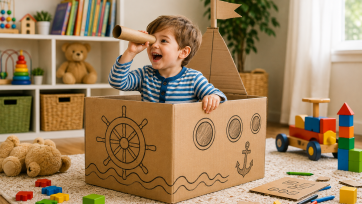
 Why Do Children Play With the Box Instead of the Toy? The Psychology Behind It Introduction Christmas morning had gone exactly as planned. The wrapping paper covered the living room floor. A brand-new toy sat in the middle of the room, complete with flashing lights, exciting features and everything a child could ask for. Yet ten minutes later, the toy was quietly sitting in the corner. The cardboard box it came in had become a pirate ship. Half an hour later, it was a rocket. By lunchtime, it had been transformed into a secret hideout. If you've ever watched your child ignore an expensive toy in favour of its packaging, you're certainly not alone. Parents around the world experience the same surprising moment and often wonder whether they've wasted their money. The answer is reassuring. Your child isn't being difficult, ungrateful or impossible to please. In fact, they're demonstrating something fascinating about how young minds learn through play. Psychologists, early-years educators and child development specialists have long recognised that children are naturally drawn to objects that leave room for imagination. A plain cardboard box has no instructions, no fixed purpose and no right or wrong way to use it. That freedom is exactly what makes it so powerful. In this article, we'll explore the psychology behind this common behaviour, explain why simple objects often outperform expensive toys and show parents how to use this knowledge to make smarter toy-buying decisions. The Cardboard Box Isn't Empty to a Child Adults see packaging. Children see possibilities. A cardboard box doesn't tell a child what it should become. It doesn't flash, sing or explain the rules. Instead, it quietly invites them to decide. Today it's a racing car. Tomorrow it's a bakery. By the weekend it might be a castle, a spaceship or a dinosaur cave. Each idea comes entirely from the child's imagination. That's a completely different experience from pressing a button and watching a toy perform the same action every time. Why Children's Brains Love Open Possibilities During early childhood, the brain develops rapidly through exploration and experimentation. When children invent stories, solve small problems and pretend that ordinary objects are something else, they're practising important cognitive skills without even realising it. Every decision they make requires questions like: What could this become? Who lives here? What happens next? How can I make this work? These tiny moments of problem-solving strengthen imagination, flexible thinking and creativity. The remarkable part is that none of this requires an expensive toy. Sometimes all it takes is an empty box. Imagination Is More Powerful Than Instructions Many modern toys arrive with a clear purpose. Press this button. Pull that lever. Watch the lights. Listen to the sounds. These features can be entertaining, especially at first. However, once children have discovered everything the toy can do, there may be very little left for them to invent. A cardboard box works differently. The child provides the sound effects. The child creates the story. The child decides the rules. In other words, the toy isn't creating the play. The child is. That difference explains why a simple object can sometimes hold a child's attention for much longer than a highly sophisticated gadget. The Freedom to Make Mistakes Another reason children love simple objects is that they can't use them incorrectly. There is no wrong way to play with a cardboard box. No instructions. No levels. No failure. That freedom encourages experimentation. Children cut windows, stack boxes together, crawl inside them and decorate them with crayons or stickers. Every new idea builds confidence because the activity is driven entirely by curiosity rather than performance. For parents, that's an important reminder. The most valuable play doesn't always look structured. Sometimes it looks wonderfully messy. What Parents Can Learn Before Buying the Next Toy Watching your child choose the box instead of the toy isn't a sign that you've bought the wrong gift. It's a clue about what children naturally enjoy. Before making your next purchase, ask yourself a different question. Instead of wondering, "How many features does this toy have?", ask: "How much imagination does this toy leave for my child?" Toys that leave space for creativity often become family favourites because children can reinvent them again and again as they grow. They don't become boring after the first afternoon. Instead, they evolve alongside the child's imagination. What Happens Inside the Brain During Pretend Play? When a child transforms an ordinary cardboard box into a spaceship, something remarkable is happening behind the scenes. They're not simply "playing". They're planning. They're imagining. They're solving problems. They're creating a story and then changing that story as they go. This type of play activates several areas of the brain at the same time. Language skills are used while inventing characters or conversations. Memory comes into play when children remember the rules of their imaginary world. Attention shifts between building, acting and adapting as the game evolves. Unlike activities with a single correct answer, pretend play has no finish line. Every decision creates another possibility. That's one reason children can spend an afternoon with an ordinary box but lose interest in a toy that performs the same action over and over again. Why Teachers Rarely Panic About Cardboard Boxes Visit an early years classroom and you may notice something surprising. Alongside carefully chosen learning resources, you'll often find recycled materials waiting to be turned into something new. Large boxes. Cardboard tubes. Fabric pieces. Wooden offcuts. Loose containers. To an adult, they may look like leftovers. To children, they're invitations. Teachers understand that these simple materials encourage collaboration, communication and creativity because they don't dictate how they should be used. Every child approaches them differently, and that's exactly what makes them valuable. The Toys Children Remember Years Later Ask adults about their favourite childhood toys and listen carefully. Many won't describe the most expensive gift they ever received. Instead, they'll remember the train set they built with a grandparent every Sunday. The dolls that travelled everywhere. The building blocks that became castles, airports and entire cities. Notice the pattern? The memories aren't created by the object itself. They're created by the experiences surrounding it. The cardboard box follows the same principle. Children rarely remember it because it was cardboard. They remember it because it became their pirate ship, their secret cave or their rocket to the moon. So... Should Parents Stop Buying Toys? Absolutely not. Children benefit from well-designed toys that match their stage of development. The lesson isn't that toys are unnecessary. The lesson is that toys don't have to do everything. Some of the best toys leave part of the experience unfinished. Building sets don't tell children what to create. Art materials don't decide what to draw. Play kitchens don't write the menu. The child completes the experience. That's where imagination grows. Try the "Box Challenge" This Weekend Instead of recycling the next large cardboard box immediately, keep it for a few days. Place it in a safe area with a few simple supplies nearby: Child-safe crayons or washable markers Paper Stickers Child-safe tape Fabric scraps or old blankets Then step back. Avoid giving instructions. Instead of saying, "Let's make a castle," ask: "What do you think this could become?" You might be amazed by the answers. One child may see a bus. Another may see a bakery. A third may crawl inside and announce it's a submarine exploring the deepest ocean. There's no correct response—and that's the whole point. What This Means the Next Time You Buy a Toy The next time you're standing in a toy shop, don't let flashing lights or oversized boxes make the decision for you. Think about what happens after the excitement of opening the gift. Will your child still be discovering new ways to play next month? Can they use their imagination? Can they combine it with toys they already own? Will the toy become part of their stories rather than simply performing for them? These questions often lead to better purchases than focusing on features alone. Frequently Asked Questions Why do children enjoy cardboard boxes so much? Because boxes have no fixed purpose. Children are free to imagine, invent and transform them into almost anything, making every play session different. Is it normal for children to ignore expensive toys? Yes. Many children are naturally more interested in activities that encourage creativity than in toys with limited ways to play. This is a common part of healthy development. Are simple toys better than electronic toys? Not always. Both have their place. However, toys that encourage open-ended play often provide greater replay value because children create the experience themselves. What age do children enjoy imaginative play the most? Pretend play usually becomes especially active between the ages of two and six, although many older children continue enjoying imaginative games in different forms. Should I keep large cardboard boxes after deliveries? If they're clean and safe, they can become excellent creative resources for temporary play projects before eventually being recycled. Final Thoughts The next time your child climbs into a cardboard box instead of playing with the expensive toy inside it, try not to feel disappointed. Pause for a moment. Watch what happens. You'll probably see a child who isn't ignoring the toy at all. You'll see a young mind building worlds that don't exist, solving problems that adults can't see and creating adventures that no instruction manual could ever provide. That plain cardboard box isn't competing with the toy. It's reminding us of something childhood has always known. The most powerful toy in the room isn't always the one with the most buttons. Quite often, it's the one that asks the child a simple question: "What would you like me to become today?" And every time, the answer is completely different.
Best Engineering Toys for Kids Who Love Building
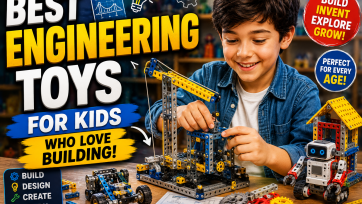
Some children do not simply play with toys. They take them apart, rebuild them, connect pieces in unusual ways, and ask endless questions about how things work. For these children, engineering toys can be far more engaging than ordinary entertainment products. The best engineering toys for kids encourage them to design, test, fail, adjust, and try again. That process develops more than construction skills. It can strengthen patience, spatial reasoning, creativity, coordination, and confidence. A good engineering toy does not give a child only one correct result. It provides enough freedom to create bridges, vehicles, machines, towers, robots, or completely imaginary structures. This guide covers the most useful types of engineering toys, which age groups they suit, and what parents should check before buying. Why Engineering Toys Matter Engineering begins with a problem. How can this tower stand higher? Why does this bridge collapse? Which wheel size makes the car move faster? How can one motor power several moving parts? Children may not use formal engineering language, but they are already exploring design, structure, force, movement, balance, and cause and effect. When a model fails, the child has an opportunity to examine the problem and improve the design. This makes engineering toys valuable because failure becomes part of the learning process rather than the end of the activity. 1. Classic Building Blocks Building blocks remain one of the best engineering toys for children of almost every age. Toddlers can stack large blocks and explore balance. Preschoolers can create houses, roads, and simple bridges. Older children can build complex structures with smaller interlocking pieces. Blocks introduce important ideas such as: Weight distribution Height and stability Symmetry Shapes Measurement Structural support The greatest advantage of building blocks is that there is no fixed final result. Children can use the same set differently every day. For younger children, select large pieces that cannot become choking hazards. 2. Magnetic Construction Tiles Magnetic tiles are popular because they allow children to build quickly without complicated connectors. The pieces can be arranged into flat patterns or connected to form three-dimensional structures. Children can create towers, houses, pyramids, vehicles, tunnels, and geometric shapes. Magnetic tiles are particularly useful for teaching: Geometry Spatial thinking Symmetry Structural design Color patterns Parents should inspect magnetic toys regularly. Cracked pieces or loose magnets should be removed immediately. Quality matters more with magnetic toys than with many other building products. 3. Gear-Building Sets Gear sets help children understand how movement can transfer from one part of a machine to another. When one gear turns, it may cause several connected gears to move. Children can experiment with gear sizes, direction, speed, and placement. These sets are especially suitable for children who enjoy moving mechanisms rather than static structures. A good beginner gear set should include: Large gears Strong connectors A stable base Easy-to-follow examples Enough pieces for original designs Some gear kits also include handles, chains, wheels, or motorized parts. 4. Construction Vehicles and Assembly Kits Many children are fascinated by cranes, bulldozers, trucks, and excavators. Assembly kits allow them to build these machines rather than simply push them across the floor. Depending on the child’s age, the set may use: Plastic screws Nuts and bolts Snap-together pieces Child-safe tools Mechanical connectors These toys can improve hand-eye coordination and teach children how individual parts form a complete machine. Look for kits that can be disassembled and rebuilt more than once. 5. Marble Runs A marble run is both an engineering toy and a science experiment. Children connect tracks, slopes, curves, tunnels, funnels, and ramps to guide a marble from the top to the bottom. A successful run requires planning. If the track is too flat, the marble may stop. If a connection is weak, the structure may collapse. If the curve is too sharp, the marble may leave the track. Marble runs introduce: Gravity Momentum Speed Angles Cause and effect Sequential design For younger children, choose sets with large balls designed specifically for their age group. Small marbles are not suitable for children who may place objects in their mouths. 6. Bridge-Building Kits Bridge kits are ideal for children interested in architecture and structural engineering. Some sets provide beams, connectors, cables, or wooden pieces. Others include challenge cards that ask the child to build a bridge capable of supporting a specific amount of weight. Children can compare different bridge designs, including: Beam bridges Arch bridges Suspension bridges Truss bridges This type of activity teaches that a strong structure depends on design, not only the amount of material used. 7. Fort-Building Sets Fort-building kits use rods, connectors, panels, or fabric covers to create child-sized structures. Children may build forts, tents, tunnels, rockets, castles, and playhouses. These toys require whole-body movement and cooperation, making them useful for siblings or group play. Before purchasing, check the size of the completed structure. Some kits require more floor space than expected. The connectors should fit securely but remain manageable for children. 8. Mechanical Model Kits Mechanical model kits allow older children to build machines with moving parts. Popular projects include: Cars Cranes Clocks Robotic arms Windmills Pulleys Gearboxes Some kits use wood, while others use plastic or metal components. Wooden mechanical kits can look impressive, but thin pieces may break if pushed too hard. Read reviews carefully and check whether replacement parts are available. 9. Motorized Building Sets Motorized construction sets introduce children to machines powered by batteries or rechargeable motors. A child may build a vehicle, fan, conveyor belt, crane, or rotating model. These sets teach how power moves through a mechanical system. Parents should check whether the motor and battery box are included. Some products display motorized models on the packaging but sell the electrical components separately. Also compare battery life and replacement costs. 10. Robotics Construction Kits Robotics kits combine engineering with coding. Children first build the physical robot and then program it to move, light up, detect objects, or respond to commands. Beginner robotics kits often use block-based coding, while advanced versions may support Python or other programming languages. Before buying, check: Recommended age Assembly difficulty Device requirements Software compatibility Number of available projects Subscription costs Replacement parts A robotics kit is a better investment when children can build several models instead of only one robot. 11. Wooden Construction Sets Wooden engineering toys can be durable, attractive, and satisfying to handle. They may include planks, dowels, wheels, nuts, bolts, or interlocking components. Wooden sets work well for children who prefer building without screens or electronics. Check for smooth edges, non-toxic finishes, and strong connections. Poorly finished wooden pieces may splinter or become difficult to assemble. 12. Architecture Model Kits Children interested in buildings may enjoy kits based on houses, skyscrapers, landmarks, or city planning. Architecture kits encourage attention to proportion, symmetry, design, and space. Some models follow detailed instructions, while others provide modular pieces for original buildings. Older children may also enjoy drawing a floor plan before beginning construction. 13. Hydraulic Engineering Kits Hydraulic kits use water or air pressure to create movement. Children may build a robotic arm, lifting platform, excavator, or mechanical claw. These toys can demonstrate how pressure moves through tubes and controls different parts of a machine. Hydraulic kits are generally better for older children because assembly may involve small connectors, tubing, and careful measurements. Parents should prepare the work area because water may leak during setup or testing. 14. Solar-Powered Building Kits Solar engineering toys combine construction with renewable-energy learning. Children may build solar cars, robots, boats, or moving animals. These kits demonstrate how light energy can power a motor. Performance may depend on strong direct sunlight. Some children become disappointed when the model does not work well indoors, so parents should explain the lighting requirements before use. A model with both solar and battery options may be more practical. 15. Cardboard Construction Systems Cardboard building kits can be surprisingly effective engineering toys. Some include reusable connectors, cutting tools, templates, or wheels that allow children to transform ordinary cardboard into vehicles, houses, creatures, and machines. These systems are affordable and encourage recycling and large-scale creativity. Children are not limited by the number of pieces in a box because additional cardboard can often be added. Proper supervision is necessary when cutting tools are included. Choosing by Age Ages 2 to 4 Choose large blocks, nesting pieces, simple tool sets, and large magnetic tiles. At this stage, toys should have few steps and large, durable components. Ages 5 to 7 Children may enjoy marble runs, gear sets, fort-building kits, bridge challenges, and simple assembly vehicles. Look for visual instructions and projects that can be completed in a reasonable amount of time. Ages 8 to 10 Motorized models, architecture kits, robotics, mechanical systems, and detailed construction sets become more appropriate. Children at this age may be ready to work independently but can still benefit from adult guidance. Ages 11 and Older Older children can explore advanced robotics, hydraulics, electronics, metal construction sets, and complex mechanical models. Avoid assuming that age alone determines ability. Previous building experience matters just as much. What Parents Should Check Before Buying A large box does not always mean better value. Before purchasing, consider the following. Number of Possible Builds A kit that creates ten different models usually offers more long-term value than a set designed for one permanent structure. Quality of Instructions Poor instructions can ruin an otherwise good toy. Look for large diagrams, clear steps, online tutorials, or instructional videos. Replacement Parts Small connectors and mechanical pieces can be lost easily. Check whether replacement parts are available. Storage Some building kits include hundreds of pieces. A storage box or divided organizer can prevent pieces from disappearing. Difficulty The toy should provide a challenge without requiring an adult to complete the entire project. Total Cost Check for motors, batteries, applications, subscriptions, tools, and expansion packs that may be sold separately. Are Engineering Toys Worth the Cost? Engineering toys can provide excellent value when they are reusable and adaptable. A well-designed building set may remain useful for years because the child can create increasingly complex projects. Premium prices are easier to justify when the toy includes: Durable components Multiple projects Strong instructional material Expandable pieces Replacement support Different difficulty levels Expensive branding alone does not guarantee better learning. A simple set of blocks may offer more creative freedom than an advanced kit that only allows one predetermined model. The Best Toy Is the One That Gets Rebuilt Engineering toys should not be judged only by the final structure. The real learning takes place while the child is choosing pieces, solving problems, changing the design, and recovering from mistakes. A bridge that collapses can be more educational than one that works immediately. For younger children, begin with blocks, tiles, gears, and simple mechanical sets. As their skills improve, introduce motorized models, robotics, architecture, hydraulics, and electronics. The best engineering toy is one that makes a child look at the finished model and immediately ask: “What else can I build with this?”
Best Toys for 1-Year-Old Kids in 2026
Best Toys for 1-Year-Old Kids in 2026 A child's first birthday marks an exciting stage of growth. At one year old, babies are becoming more curious, active, and eager to explore the world around them. They begin taking their first steps, improving their hand-eye coordination, recognizing familiar faces, and learning through touch, movement, and sound. This makes choosing the right toys more important than ever. The best toys for 1-year-old kids are not necessarily the most expensive or the ones with the most buttons and lights. Instead, they should encourage exploration, support early learning, and provide a safe, enjoyable play experience. Toys that inspire movement, sensory discovery, and simple problem-solving can help build important developmental skills while keeping little ones entertained. This guide will help parents choose the best toys for one-year-olds in 2026, highlighting toys that are fun, educational, safe, and designed for this important stage of development. Why Choosing Age-Appropriate Toys Matters One-year-olds are developing rapidly, and every new experience helps shape their physical, emotional, and cognitive growth. Toys designed for older children may be too complicated or unsafe, while toys made specifically for toddlers encourage learning at the right pace. Age-appropriate toys help children: Build confidence Improve coordination Develop fine motor skills Learn cause and effect Strengthen curiosity Encourage independent exploration Choosing the right toys creates a positive learning environment where children can safely discover new skills every day. What Skills Do One-Year-Olds Develop? At this age, children are constantly learning through play. Every activity contributes to their overall development. Some important milestones include: Standing and walking Picking up small objects Recognizing familiar words Understanding simple instructions Exploring different textures Improving balance Developing hand strength Beginning imaginative play The best toys encourage these skills naturally without overwhelming the child. Push and Pull Toys Encourage Walking As many one-year-olds begin walking, push and pull toys become excellent companions. These toys help improve: Balance Coordination Confidence Leg strength Popular choices include wooden walkers, animal pull toys, push carts, and rolling vehicles. Walking while playing makes movement exciting and encourages children to stay active. Stacking Toys Improve Coordination Stacking rings and stacking cups remain classic favorites because they teach simple problem-solving while strengthening fine motor skills. Children learn about: Size differences Balance Colors Coordination Cause and effect Although stacking may seem simple, it provides valuable learning opportunities during early childhood. Shape Sorters Introduce Problem-Solving Shape sorters help toddlers recognize different shapes while improving hand-eye coordination. Children enjoy experimenting with circles, squares, triangles, and stars until they find the correct match. These activities encourage patience, observation, and logical thinking. Soft Plush Toys Provide Comfort Many one-year-olds develop strong attachments to soft toys. Plush animals and comfort toys offer: Emotional security Imaginative play Bedtime comfort Gentle sensory experiences Choose soft toys made from non-toxic, washable materials that are suitable for young children. Musical Toys Support Early Learning Music naturally attracts toddlers. Simple musical toys introduce rhythm, listening skills, and coordination through enjoyable play. Good options include: Baby pianos Xylophones Tambourines Musical activity tables Sound blocks Interactive musical toys also encourage movement and dancing. Wooden Toys Remain Excellent Choices Wooden toys continue to be popular because they are durable, safe, and encourage open-ended play. Popular wooden toys include: Stacking blocks Shape sorters Pull-along animals Wooden puzzles Activity cubes Many parents appreciate their timeless design and long-lasting quality. Sensory Toys Encourage Exploration At one year old, children learn through touch, sight, and sound. Sensory toys introduce different: Textures Colors Shapes Sounds Movements Examples include textured balls, sensory cubes, fabric books, and activity boards. These experiences strengthen brain development while keeping children engaged. Interactive Learning Toys Simple interactive toys help children understand cause and effect. Pressing a button, opening a door, spinning a wheel, or moving a lever teaches children that their actions create results. Quality learning toys often introduce: Numbers Colors Animal sounds Letters Simple songs Choose toys with moderate sound levels and age-appropriate activities. Building Blocks Inspire Creativity Large building blocks designed for toddlers encourage imagination while improving hand coordination. Children enjoy: Stacking towers Knocking them down Sorting colors Creating simple structures Building activities also teach persistence and problem-solving. Bath Toys Make Water Play More Fun Bath time becomes an enjoyable learning opportunity with safe bath toys. Popular options include: Floating animals Water wheels Pouring cups Bath books Stacking boats Always supervise children during water play. Outdoor Toys for One-Year-Olds Fresh air and movement are essential for healthy development. Outdoor toys may include: Push walkers Ride-on toys Soft balls Bubble machines Sand toys Mini slides Outdoor play improves coordination while encouraging exploration. Choosing Safe Toys for One-Year-Olds Safety should always be the highest priority. Look for toys that: Have no small detachable parts Use non-toxic materials Feature rounded edges Meet recognized safety standards Are easy to clean Match your child's age Reading product labels carefully helps ensure a safer play experience. Common Mistakes Parents Should Avoid Many parents accidentally choose toys that are either too advanced or too complicated. Avoid: Small pieces that present choking hazards Loud toys with excessive volume Toys meant for older children Fragile products Toys with sharp edges Simple, durable toys often provide the greatest long-term value. Why Educational Toys Matter at One Year Learning begins long before school. Educational toys help toddlers develop important early skills through natural exploration. Instead of focusing on academic learning, these toys encourage curiosity, movement, observation, and communication. Children learn best when they enjoy the experience. Frequently Asked Questions What toys are best for a one-year-old? Push toys, stacking rings, shape sorters, sensory toys, musical instruments, soft plush toys, wooden blocks, and interactive learning toys are excellent choices. Are electronic toys suitable for one-year-olds? Some simple electronic learning toys designed specifically for toddlers can be beneficial, but they should encourage interaction rather than passive entertainment. Are wooden toys safe for one-year-old children? Yes. High-quality wooden toys with smooth edges, non-toxic finishes, and age-appropriate designs are excellent options. How many toys does a one-year-old need? A small collection of high-quality, engaging toys is usually more beneficial than having too many choices. Rotating toys regularly can also keep playtime exciting. Final Thoughts Choosing the best toys for a one-year-old isn't about buying the newest or most expensive products. It's about selecting toys that encourage curiosity, movement, creativity, and early learning while keeping safety at the center of every decision. Whether it's a push walker, stacking rings, wooden blocks, sensory toys, musical instruments, or interactive learning activities, the right toys help children explore their world with confidence. By focusing on quality, durability, and age-appropriate design, parents can create joyful play experiences that support healthy development and create lasting memories.
25 Best Kids Clothing Brands for Quality, Comfort and Style in 2026
25 Best Kids Clothing Brands for Quality, Comfort and Style in 2026 Introduction Shopping for children's clothes sounds simple until you're standing in front of hundreds of options. Some brands focus on fashion. Others prioritise comfort. A few are known for exceptional durability, while others specialise in affordable everyday essentials. For parents, the challenge isn't finding children's clothing—it's finding clothes that survive playground adventures, frequent washing and rapidly growing children without sacrificing comfort or style. The best kids' clothing brands understand one important fact. Children don't spend their day standing still. They climb. They run. They paint. They crawl. They jump in puddles. Their clothes need to keep up. This guide explores some of the world's most trusted children's clothing brands, highlighting what each does best, who it's most suitable for and why parents continue returning to them year after year. Choosing the Right Kids' Clothing Brand Before looking at individual brands, it's worth deciding what matters most for your family. Some parents prefer premium fabrics that last through younger siblings. Others prioritise affordability because children outgrow clothes so quickly. You may also consider: Fabric quality Comfort Durability Easy washing Seasonal collections Size availability Value for money Sustainability There's no single perfect brand. The best choice depends on your child's needs and your budget. 1. Carter's Known for comfortable everyday clothing, Carter's remains one of the most trusted names for babies and young children. Parents appreciate its soft fabrics, practical designs and excellent value. Best for: Babies Toddlers Everyday wear 2. Next Next combines modern fashion with reliable quality, making it popular for school outfits, casual clothing and special occasions. Best for: Stylish everyday clothing Smart outfits Seasonal collections 3. H&M Kids H&M Kids offers fashionable clothing at accessible prices while expanding its range of recycled and organic cotton products. Best for: Affordable fashion Trend-led styles Everyday basics 4. Zara Kids Parents looking for contemporary European-inspired fashion often choose Zara Kids. Its collections change regularly, keeping styles fresh throughout the year. Best for: Fashion-conscious families Smart casual outfits Occasion wear 5. Gap Kids Gap Kids has built its reputation on timeless basics, quality denim and comfortable everyday clothing. Best for: Classic wardrobe essentials Denim Layering pieces 6. Marks & Spencer A long-time favourite with UK families, Marks & Spencer is especially well known for dependable school uniforms, underwear and everyday essentials. Best for: School uniforms Everyday clothing Excellent durability 7. Patagonia For adventurous families, Patagonia produces premium outdoor clothing designed to withstand demanding conditions while placing a strong emphasis on sustainability. Best for: Outdoor activities Hiking Winter clothing 8. The North Face Well known for jackets and outdoor wear, this brand produces clothing designed to keep children comfortable in changing weather conditions. Best for: Winter jackets Outdoor adventures Cold climates 9. Frugi Frugi specialises in colourful organic cotton clothing that's both environmentally conscious and comfortable for young children. Best for: Organic clothing Bright colours Eco-conscious families 10. Primary Primary focuses on simple, colourful essentials without character licensing or large logos. Best for: Minimalist wardrobes High-quality basics Everyday comfort 11. Mini Boden Mini Boden is recognised for playful prints, colourful designs and durable fabrics that appeal to both children and parents. Best for: Colourful fashion Premium casual wear Family matching collections 12. Old Navy Old Navy offers affordable clothing for growing children without compromising on variety. Best for: Budget-friendly shopping Everyday clothing Large family wardrobes 13. Uniqlo Uniqlo combines minimalist design with innovative fabrics, making it particularly popular for layering throughout the year. Best for: Lightweight clothing HeatTech winter wear Everyday basics 14. Ralph Lauren Children If you're looking for timeless, premium fashion, Ralph Lauren Children is well known for its classic polo shirts, knitwear and smart outfits. Best for: Special occasions Smart casual wear Premium quality 15. Nike Kids Nike Kids combines comfort with sporty styling, making it a popular choice for active children. Best for: Sportswear Active lifestyles Casual everyday outfits 16. Adidas Kids From tracksuits to trainers, Adidas Kids offers practical clothing designed for movement and comfort. Best for: Sports clothing School PE kits Weekend wear 17. Joules Joules is recognised for colourful prints, countryside-inspired designs and durable outerwear that works well throughout the seasons. Best for: Outdoor clothing Rainwear Family matching outfits 18. Polarn O. Pyret This Scandinavian brand has built a reputation for exceptionally durable children's clothing designed to last through multiple children. Best for: Long-lasting clothing Sustainable wardrobes Everyday essentials 19. Petit Bateau Petit Bateau is known for premium basics made from soft, comfortable fabrics with a timeless European style. Best for: Baby clothing Premium basics Comfortable sleepwear 20. Monsoon Children Monsoon is particularly popular for beautifully designed occasion wear, dresses and formal outfits for children. Best for: Weddings Parties Formal events 21. JoJo Maman Bébé Parents appreciate this brand for comfortable babywear, practical clothing and thoughtful everyday designs. Best for: Babies Toddlers Practical family clothing 22. Mayoral Mayoral offers stylish European-inspired collections that combine quality tailoring with comfortable fabrics. Best for: Smart casual clothing Seasonal fashion Family occasions 23. Lindex Kids Lindex Kids focuses on comfortable, practical clothing while expanding its range of sustainably sourced materials. Best for: Everyday basics Comfortable outfits Eco-conscious shopping 24. Name It Name It offers fashionable yet affordable clothing suitable for babies, toddlers and older children. Best for: Budget-friendly fashion Everyday clothing Modern Scandinavian styles 25. OshKosh B'gosh Famous for its classic dungarees and durable children's clothing, OshKosh B'gosh remains a trusted choice for everyday family wardrobes. Best for: Durable casual clothing Denim Toddlers and young children How to Choose High-Quality Children's Clothing A recognised brand is helpful, but quality should always come before the label. When shopping, look for: Strong stitching around seams Soft, breathable fabrics Comfortable waistbands and cuffs Reinforced knees for active children Easy-to-use zips and fasteners Machine-washable materials Clothes that allow children to move freely Well-made clothing often lasts longer and keeps its shape after repeated washing. Affordable vs Premium Brands Higher prices don't always guarantee better value. Affordable brands are ideal for everyday outfits because children grow quickly and may outgrow clothes within months. Premium brands can be worthwhile for: Winter coats Waterproof jackets School shoes Occasion wear Clothing passed down to younger siblings Many families choose a combination of budget-friendly basics and a few premium essentials. Common Mistakes Parents Make When Buying Children's Clothes Avoid these common shopping mistakes: Buying only for the current season without considering growth. Choosing style over comfort. Ignoring fabric quality. Buying clothes that are too large in the hope they'll last longer. Forgetting to check washing instructions. Purchasing too many trendy pieces that quickly go out of fashion. A balanced wardrobe with comfortable basics and a few special outfits usually offers the best value. Frequently Asked Questions Which children's clothing brand offers the best value for money? Brands such as Next, H&M Kids, Carter's and Marks & Spencer are often chosen because they combine good quality with reasonable prices. Which brands are best for babies? Carter's, JoJo Maman Bébé, Petit Bateau and Frugi are popular choices thanks to their soft fabrics and practical designs. Are premium children's clothing brands worth buying? Premium brands are often worthwhile for coats, knitwear and durable everyday items that can be passed down to younger children. What fabric is best for children's clothing? Cotton remains one of the most popular choices because it's soft, breathable and comfortable for everyday wear. Organic cotton is another excellent option for families seeking more environmentally friendly materials. How often should children's wardrobes be updated? Most children need new clothing every season as they grow, although the exact timing depends on age and growth rate. Final Thoughts The best children's clothing brand isn't necessarily the most expensive or the most fashionable. It's the one that fits your child's everyday life. Whether you prioritise durability, comfort, affordability or sustainable materials, investing in well-made clothing means children can move, play and explore without feeling restricted. Rather than filling wardrobes with fast-changing trends, focus on versatile, comfortable pieces that mix easily and stand up to everyday adventures. A thoughtful wardrobe will always outlast an impulse purchase.
Best Kids Rain Boots in 2026
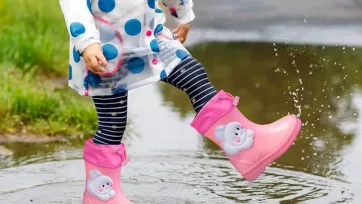
Kids Rain Boots: The Complete Parent's Guide to Choosing Waterproof, Comfortable Wellies for Children Introduction For children, rainy days rarely mean staying indoors. They mean jumping into puddles, exploring muddy woodland paths, building dams in the garden and discovering worms after a shower. A good pair of rain boots turns wet weather into another adventure. For parents, however, choosing children's rain boots isn't quite so simple. Should you buy them a size bigger? Are rubber boots better than lightweight waterproof alternatives? Do insulated boots really make a difference during winter? How can you stop little feet from becoming cold and sweaty after an afternoon outdoors? The right pair of rain boots keeps feet dry, supports growing feet and survives plenty of energetic play. The wrong pair may cause discomfort, blisters or simply end up forgotten at the back of the cupboard. This guide explains everything parents should know before buying kids' rain boots, helping you choose footwear that's practical, comfortable and built for everyday adventures. Why Quality Rain Boots Matter Children don't walk through puddles. They run. They splash. They climb. They test every muddy corner they can find. That's why children's rain boots need to do much more than keep water out. A well-designed pair should: Keep feet dry in wet weather. Provide reliable grip on slippery surfaces. Feel comfortable for extended wear. Be easy for children to put on themselves. Stand up to regular outdoor use. When these features come together, children spend less time worrying about wet feet and more time enjoying the outdoors. Choosing the Correct Size One of the most common mistakes parents make is buying rain boots that are far too large. Although children grow quickly, oversized boots can rub against the heel, make walking awkward and increase the risk of trips and falls. A better approach is to allow just enough room for: Thick socks during colder months. Natural foot movement. Future growth without compromising comfort. Your child should be able to wiggle their toes freely while the heel remains secure during walking. What Material Is Best? Not all rain boots are made from the same materials. Understanding the differences helps parents choose footwear that matches their child's lifestyle. Natural Rubber Natural rubber remains one of the most popular choices because it's flexible, waterproof and durable. It's particularly suitable for regular outdoor play. PVC PVC boots are often lighter and more affordable. They're a practical option for occasional use, although they may not offer the same flexibility as premium rubber boots. Insulated Rain Boots For colder climates, insulated boots include an extra lining that helps keep little feet warm during chilly autumn and winter days. They're especially useful for long walks, countryside adventures and snowy conditions. Features Worth Looking For A good pair of kids' rain boots should include more than waterproof material. Useful features include: Deep, non-slip soles. Soft inner lining. Easy pull handles. Flexible construction. Reinforced heel support. Durable stitching around the upper edge. Comfortable fit around the ankle. These details make everyday use easier for both children and parents. Should Children Wear Thick Socks? Many parents automatically choose the thickest socks they can find. In reality, comfort depends on the weather. During cool autumn days, medium-weight cotton or wool-blend socks often provide enough warmth without making feet sweaty. In colder weather, thermal socks can improve comfort inside insulated boots. The goal is to keep feet warm while allowing enough airflow to prevent excess moisture. How to Check If Rain Boots Fit Properly Even the best rain boots won't feel comfortable if they don't fit correctly. When your child tries them on, ask them to walk around for a few minutes. Check that: The heel stays in place while walking. Toes have enough room to move comfortably. The boots don't rub around the ankles. Walking feels natural rather than awkward. Your child can put the boots on and take them off without struggling. A comfortable fit encourages children to wear their boots happily whenever the weather changes. Rain Boots for Different Activities Not every child uses rain boots in the same way. Choosing the right type depends on how they'll be worn. For Nursery and School A lightweight pair with flexible soles is usually the best choice. Children often need boots that are easy to change into during outdoor play. For Country Walks Look for deeper tread patterns that provide extra grip on muddy footpaths and uneven ground. For Camping and Family Adventures Comfort becomes even more important during longer walks. Flexible rubber boots with supportive soles help reduce fatigue. For Gardening and Outdoor Play Simple waterproof boots with good traction are ideal for everyday adventures in the garden. Keeping Rain Boots in Good Condition Rain boots don't require complicated maintenance, but a little care helps them last much longer. Useful habits include: Rinse off mud after use. Allow boots to dry naturally. Avoid placing them directly against radiators or heaters. Store them upright in a cool, dry place. Wipe the outside occasionally with a damp cloth. Keeping boots clean also helps maintain their waterproof finish. Common Buying Mistakes Parents Make Many rain boot problems begin before children even wear them. Some of the most common mistakes include: Buying boots several sizes too large. Choosing appearance over comfort. Ignoring sole grip. Forgetting to check flexibility. Using rain boots for long-distance hiking instead of purpose-built walking boots. Waiting too long to replace boots after children outgrow them. A well-fitting boot is always more valuable than a fashionable one that causes discomfort. Frequently Asked Questions Should children wear rain boots every day? Rain boots are designed for wet conditions. On dry days, supportive everyday shoes are usually more comfortable for extended walking. How often should children's rain boots be replaced? Replace them when your child outgrows them, if the soles become worn or if cracks appear that affect waterproof performance. Are insulated rain boots worth buying? If your child regularly plays outdoors during cold weather, insulated boots can provide additional warmth and comfort. Can rain boots be worn in the snow? Some insulated rain boots are suitable for light snow, but dedicated winter boots generally provide better insulation and grip in freezing conditions. What's the best way to dry wet rain boots? Allow them to air dry naturally at room temperature. Avoid placing them directly on radiators, as excessive heat may damage certain materials. Final Thoughts For children, rain doesn't usually spoil the day. It creates a new opportunity for adventure. The right pair of rain boots allows them to splash through puddles, explore muddy paths and enjoy the outdoors without worrying about wet feet. When choosing children's rain boots, focus on fit, comfort, grip and durability rather than simply selecting the brightest colour or favourite pattern. A pair that fits well, keeps feet dry and stands up to everyday play will quickly become one of the most useful items in your child's wardrobe. After all, some of childhood's happiest memories begin with a puddle.  
Best Building Blocks for Kids in 2026
Best Building Blocks for Kids in 2026 Building blocks have remained one of the most loved toys for children for decades, and for good reason. Unlike toys that only offer one way to play, building blocks encourage endless creativity. One day, your child may build a castle. The next day, it might become a rocket, a zoo, a bridge, or an entire city. Every play session is different, making building blocks one of the most valuable long-term investments parents can make. Today's building block sets are available in many styles, including classic wooden blocks, magnetic tiles, large construction bricks, STEM engineering kits, and advanced building systems for older children. No matter your child's age, building blocks help develop essential skills while making learning fun. This guide explores the best building blocks for kids in 2026, their educational benefits, and how to choose the perfect set for every stage of childhood. Why Building Blocks Are Essential for Child Development Children naturally enjoy creating things with their hands. Building blocks encourage experimentation, problem-solving, and imagination while allowing children to learn through trial and error. Unlike toys with fixed outcomes, building blocks allow children to invent something completely new every time they play. This open-ended style of play keeps children engaged for years instead of weeks. Benefits of Building Blocks Building blocks support many areas of childhood development. Some of the biggest benefits include: Improve creativity Strengthen problem-solving skills Develop hand-eye coordination Build fine motor skills Encourage patience Improve concentration Support logical thinking Promote teamwork Increase confidence Children also learn that mistakes are part of the creative process as they rebuild and improve their designs. Best Building Blocks for Babies Babies need large, lightweight blocks that are easy to hold and safe to explore. Popular options include: Soft foam blocks Fabric blocks Large wooden blocks Silicone stacking blocks These toys encourage sensory exploration while developing grip strength and coordination. Best Building Blocks for Toddlers Toddlers enjoy simple stacking and balancing activities. Excellent choices include: Jumbo plastic building bricks Wooden stacking blocks Magnetic blocks with large pieces Colorful construction cubes These toys help toddlers improve balance, color recognition, and hand control while encouraging imaginative play. Best Building Blocks for Preschoolers As children grow, they begin creating more detailed structures. Popular building toys include: Magnetic tile sets Wooden construction blocks Beginner engineering kits Marble run systems Construction brick sets Preschoolers enjoy building houses, bridges, towers, roads, and vehicles while learning basic engineering concepts. STEM Building Sets Many modern building toys are designed to introduce STEM learning. These sets encourage children to explore: Engineering Mathematics Physics Structural balance Simple mechanics Instead of simply following instructions, children experiment with different designs and discover why some structures are stronger than others. Wooden Building Blocks Wooden blocks remain one of the most popular educational toys. Parents appreciate them because they are: Durable Eco-friendly Safe Long-lasting Easy to maintain Their simple appearance encourages children to use their imagination instead of relying on electronic features. Magnetic Building Tiles Magnetic construction toys have become increasingly popular in recent years. Children can easily connect colorful magnetic pieces to build: Castles Animals Space stations Vehicles Towers Ball runs Magnetic building toys also improve spatial awareness and engineering skills. Building Blocks Encourage Imaginative Play One of the greatest advantages of building blocks is their flexibility. A simple collection of blocks can become: A school A hospital A race track A pirate ship A farm A city Children create stories while building, improving communication, creativity, and social development. Building Together as a Family Building blocks aren't just for children. Parents, grandparents, and siblings can join the fun by working together on larger projects. Family building activities encourage: Teamwork Communication Patience Creative thinking These shared experiences often become some of childhood's happiest memories. Choosing the Right Building Blocks Before buying a set, consider: Your child's age Safety certifications Material quality Number of pieces Storage options Long-term play value Choose sets that allow children to build freely instead of limiting them to one design. Safety Tips Building blocks are generally very safe, but parents should still follow a few precautions. Always: Follow the recommended age. Avoid small pieces for toddlers. Inspect damaged blocks regularly. Store pieces properly after play. Buy from trusted brands. Quality construction helps ensure years of safe play. Common Mistakes Parents Make Many parents unintentionally choose building sets that children quickly outgrow. Avoid: Buying overly complicated sets. Choosing poor-quality materials. Ignoring age recommendations. Buying blocks that only build one model. Focusing only on price instead of value. Open-ended building systems usually provide the longest-lasting entertainment. Why Building Blocks Make Great Gifts Building blocks are among the best gifts for birthdays, holidays, and special occasions because they combine learning, creativity, and fun. Unlike many trendy toys, building blocks continue to challenge children as they grow, offering new ways to play every year. Parents also appreciate gifts that encourage screen-free learning. Frequently Asked Questions What are the best building blocks for kids? Wooden blocks, magnetic tiles, jumbo construction bricks, STEM engineering kits, and classic building sets are among the best options. At what age can children start playing with building blocks? Many large building blocks are suitable from around 12 months, while more advanced construction sets are designed for older children. Do building blocks help child development? Yes. They improve creativity, coordination, problem-solving, concentration, engineering skills, and fine motor development. Are wooden building blocks better than plastic ones? Both have advantages. Wooden blocks encourage open-ended play and durability, while plastic building systems often offer more detailed construction possibilities. Final Thoughts The best building blocks for kids in 2026 are more than simple toys—they're tools that inspire creativity, confidence, and lifelong learning. Whether your child enjoys stacking colorful towers, designing bridges, constructing vehicles, or inventing imaginary cities, building blocks encourage endless exploration through play. From wooden blocks for toddlers to advanced STEM construction kits for older children, choosing high-quality building toys gives kids the freedom to imagine, create, and solve problems every single day. It's a timeless investment that grows alongside your child's imagination.
11 Toy Buying Mistakes Almost Every Parent Makes (And How to Avoid Them)
 11 Toy Buying Mistakes Almost Every Parent Makes (And How to Avoid Them) Introduction Buying toys should be easy. Children play with them, enjoy them and hopefully learn something along the way. Yet every year, parents collectively spend millions on toys that end up forgotten in cupboards, broken within weeks or abandoned before the batteries even run out. The surprising part? Most of these disappointing purchases happen for exactly the same reasons. It's rarely because parents don't care. It's because modern toy shopping is full of distractions—advertising, trends, social media recommendations and pressure to buy whatever everyone else seems to be buying. After a while, it's easy to forget one simple fact: The best toy isn't the one that impresses adults. It's the one that keeps a child coming back voluntarily. If you've ever looked at an expensive toy collecting dust in the corner and wondered why your child lost interest so quickly, you're not alone. Let's look at the mistakes many families make—and, more importantly, how to avoid them. Mistake #1: Buying Toys That Entertain Instead of Engage There's an important difference between a toy that performs and a toy that invites play. A robot that dances at the press of a button may be exciting for five minutes. A box of magnetic tiles asks a child to think, experiment and build. The first delivers entertainment. The second creates involvement. Whenever possible, choose toys that require your child's imagination rather than replacing it. Mistake #2: Shopping for the Packaging Manufacturers invest enormous effort into packaging because they know it influences buying decisions. Large boxes, bright colours and licensed characters naturally attract attention. But once the packaging disappears, only the toy remains. Try judging the toy without imagining the box. Would it still seem exciting? Mistake #3: Assuming Expensive Means Better One family spends £25 on wooden blocks. Another spends £120 on a heavily advertised electronic gadget. Six months later, which toy is still used every weekend? The answer often surprises people. Price tells you what something costs. It doesn't tell you how much your child will value it. Mistake #4: Ignoring Your Child's Personality Some children love building. Others prefer pretending. Some enjoy creating art. Others want to move constantly. Buying toys that match your child's natural interests usually produces much better results than following the latest trend. Mistake #5: Buying Too Many Toys at Once Children rarely need ten new toys on the same day. Introducing one or two at a time allows each toy to receive proper attention. It also prevents the "open everything, play with nothing" effect many parents notice after birthdays and Christmas. Mistake #6: Forgetting That Simple Can Be Brilliant Cardboard boxes. Blankets. Wooden blocks. Play scarves. Art supplies. These items have entertained children for generations. Not because they're sophisticated. Because they're unfinished. Children complete them with imagination. Mistake #7: Believing Every Toy Needs an Educational Label Walk through any toy shop and you'll quickly notice a familiar word on countless boxes: Educational. It's become one of the most effective marketing terms in the toy industry. But here's something worth remembering. Children don't learn only when a toy claims to teach them something. They learn while building a blanket fort. They learn while pretending to run a café. They learn while inventing stories with toy animals. Some of the most valuable learning happens during completely unstructured play. Instead of asking whether a toy is educational, ask whether it encourages your child to think, create, solve problems or communicate. Those are often far better indicators of genuine learning. Mistake #8: Buying for Today's Excitement Instead of Tomorrow's Play Imagine two toys. One creates a huge reaction the moment it's opened. The other receives only a polite smile. Six months later, which one is still being used? Parents often focus on the excitement of Christmas morning or a birthday party, but children remember the toys they continue enjoying long after the celebration has ended. Try to shop with next month in mind, not just today. Mistake #9: Ignoring How the Toy Fits Into Your Home A fantastic toy can become frustrating if it doesn't suit your living space. Oversized playsets in a small flat. Hundreds of tiny accessories with nowhere to store them. Large ride-on toys that only fit in the hallway. Before buying, think beyond the shop. Where will the toy live? Will it be easy to tidy away? Will your child be able to reach it independently? Practical questions like these often determine whether a toy becomes part of everyday life or spends most of its time hidden in a cupboard. Mistake #10: Forgetting That Children Change Quickly Children's interests evolve much faster than adults expect. The dinosaurs they adored in spring may be replaced by rockets before autumn arrives. That doesn't mean parents should constantly buy new toys. Instead, choose toys that can adapt as interests change. Building pieces can become almost anything. Craft materials support countless hobbies. Pretend-play accessories transform with every new idea. Flexible toys usually stay relevant for much longer than toys tied to a single theme. Mistake #11: Buying Without Asking One Final Question Before every purchase, pause for a moment and ask yourself: "If this toy didn't exist, what would my child play with instead?" It's a surprisingly revealing question. If the answer is another toy that already lives in your house, perhaps you don't need to make the purchase. If the answer is, "Nothing they already own does this," you've probably found something that genuinely adds value to their collection. Sometimes the smartest purchase is the one you decide not to make. A Smarter Way to Shop for Toys Rather than filling your basket because something is on offer or trending online, create a simple habit. Every time you consider buying a toy, think about these five points: Does it encourage creativity? Is it suitable for my child's current stage of development? Will it still be interesting in six months? Does it offer something different from the toys we already own? Is it likely to be played with regularly rather than occasionally? You don't need five "yes" answers every time, but asking these questions encourages more thoughtful decisions and fewer impulse purchases. Frequently Asked Questions Why do children stop playing with new toys so quickly? In many cases, the novelty wears off. Toys that offer only one way to play often become predictable, whereas open-ended toys continue presenting new possibilities. Should I always buy educational toys? Not necessarily. Children learn through many different forms of play, including pretend games, creative activities and outdoor exploration. A toy doesn't need the word "educational" on the box to support development. Is it better to buy one expensive toy or several inexpensive ones? There's no universal answer, but long-lasting play value is usually more important than price. A well-made toy used every week often represents better value than several toys that are quickly forgotten. How can I reduce impulse toy purchases? Waiting 24 hours before buying, comparing the toy with what your child already owns and asking whether it offers a genuinely new play experience are all helpful strategies. What makes a toy worth buying? The best toys encourage children to imagine, experiment and return to play repeatedly. They remain enjoyable because children continue discovering new ways to use them. Final Thoughts No parent gets every toy purchase right. Every family has experienced the excitement of bringing home a new toy, only to find it forgotten a few weeks later. That's simply part of raising children. What matters is recognising the patterns. The toys that become lifelong favourites rarely rely on flashing lights, clever advertising or enormous boxes. Instead, they invite children to think, create and tell their own stories. By avoiding these common buying mistakes, you'll spend less on toys that lose their appeal and invest more in toys that genuinely enrich your child's play. And perhaps the biggest lesson of all? Buying the right toy isn't about finding the most impressive product on the shelf. It's about finding the one your child will still choose when nobody tells them to.  
Best Arts and Crafts Toys for Kids in 2026: Creative Fun That Inspires Young Minds
Best Arts and Crafts Toys for Kids in 2026: Creative Fun That Inspires Young Minds Arts and crafts have always been an essential part of childhood. Whether children are painting colourful pictures, making friendship bracelets, designing greeting cards, or building creative models, every project helps develop important skills while allowing their imagination to flourish. In an age where digital entertainment is everywhere, arts and crafts toys provide a refreshing way for children to express themselves without relying on screens. The best arts and crafts toys encourage children to experiment with colours, textures, shapes, and materials while building confidence through creativity. They are suitable for toddlers, preschoolers, primary school children, and even older kids who enjoy making things with their own hands. If you're looking for a gift that combines learning, creativity, and endless entertainment, arts and crafts toys are among the best choices available in 2026. What Are Arts and Crafts Toys? Arts and crafts toys are creative activity sets designed to help children make, decorate, paint, build, and personalise their own projects. Popular arts and crafts toys include: Drawing kits Painting sets Clay modelling kits Bead jewellery sets Sticker books Origami kits Sewing kits DIY craft boxes Sand art Mosaic art sets Unlike many electronic toys, these activities allow children to create something completely unique every time they play. Why Arts and Crafts Matter Creative activities encourage children to think independently and express ideas in their own way. Instead of following fixed rules, they experiment with colours, materials, and designs while learning through trial and error. Arts and crafts also give children a sense of achievement because they can proudly display something they created themselves. Benefits of Arts and Crafts Toys Creative toys support many areas of child development. Some of the biggest benefits include: Improve creativity Strengthen fine motor skills Build hand-eye coordination Encourage patience Develop concentration Increase self-confidence Improve problem-solving Support emotional expression Reduce screen time Children also develop perseverance as they learn to complete projects from start to finish. Drawing and Colouring Kits Drawing remains one of the simplest and most enjoyable creative activities. Popular drawing kits include: Coloured pencils Washable markers Sketchbooks Crayons Watercolour pencils Stencil sets Drawing encourages imagination while improving pencil control and artistic confidence. Painting Sets Painting allows children to experiment with colours and textures in exciting ways. Many painting kits include: Watercolours Poster paints Paintbrushes Sponges Easels Canvas boards Painting activities help children develop creativity while introducing colour mixing and artistic techniques. Modelling Clay and Dough Clay modelling encourages children to shape, roll, press, and sculpt their own creations. Children enjoy making: Animals Food Cars Dinosaurs Flowers Cartoon characters These activities strengthen finger muscles while improving fine motor development. Jewellery Making Kits Bead and jewellery kits are excellent for children who enjoy designing wearable creations. Children can make: Bracelets Necklaces Keyrings Friendship gifts Decorative charms Threading beads also improves hand-eye coordination and concentration. DIY Craft Boxes Complete craft boxes contain everything needed for multiple creative projects. They often include: Paper Glue Stickers Scissors Pipe cleaners Foam shapes Decorative gems Craft sticks DIY kits are ideal for rainy days, school holidays, and family craft sessions. Origami and Paper Craft Paper folding introduces children to creativity while improving precision and patience. Simple origami projects include: Birds Flowers Butterflies Boats Stars Animals Paper craft also introduces basic geometry through practical play. STEM Arts and Crafts Many modern craft kits combine creativity with STEM learning. Examples include: Solar-powered models Engineering craft kits Circuit-building art Mechanical models Architecture projects These activities help children combine artistic imagination with scientific thinking. Seasonal Craft Activities Arts and crafts become even more exciting during holidays. Children enjoy making: Christmas decorations Easter crafts Halloween decorations Birthday cards Mother's Day gifts Father's Day presents Seasonal projects also create meaningful family traditions. Choosing the Right Arts and Crafts Toy Before buying, consider: Your child's age Safety standards Quality of materials Number of activities included Educational value Ease of use Choose kits that encourage creativity rather than simply copying instructions. Safety Tips Arts and crafts toys should always: Match the recommended age Use non-toxic materials Include child-safe scissors where appropriate Meet recognised safety standards Be used under supervision when necessary Washable materials are particularly useful for younger children. Common Buying Mistakes Parents often buy craft kits that are either too simple or too advanced. Avoid: Low-quality materials Tiny pieces for young children Difficult instructions Single-use kits with limited value Projects that don't match your child's interests Open-ended craft activities usually provide the greatest enjoyment. Why Arts and Crafts Toys Make Wonderful Gifts Creative toys are excellent gifts because every project becomes a personal achievement. Whether it's a birthday, Christmas, or school holiday, arts and crafts kits continue providing entertainment long after many electronic toys have been forgotten. Parents also appreciate gifts that encourage creativity instead of additional screen time. Frequently Asked Questions What are the best arts and crafts toys for children? Drawing kits, painting sets, clay modelling kits, jewellery-making sets, DIY craft boxes, and origami kits are among the most popular choices. Are arts and crafts good for child development? Yes. They improve creativity, fine motor skills, concentration, confidence, and problem-solving while encouraging self-expression. At what age can children start arts and crafts? Simple colouring and finger painting activities are suitable for toddlers, while more advanced craft kits are designed for older children. How can I encourage my child to enjoy arts and crafts? Provide a variety of materials, praise creativity rather than perfection, and allow children the freedom to create their own designs. Final Thoughts The best arts and crafts toys for kids in 2026 do much more than keep children busy. They inspire imagination, encourage creativity, and help develop valuable life skills through enjoyable, hands-on activities. From painting and drawing to jewellery making, clay modelling, and DIY projects, every creative experience builds confidence while allowing children to express their unique ideas. By choosing high-quality arts and crafts toys, parents can provide meaningful learning opportunities that grow with their child, turning ordinary afternoons into memorable moments of creativity and discovery.