Best Science Kits for Kids: Safe Experiments for Every Age

A good science kit can turn an ordinary afternoon into a small laboratory.

One child may become fascinated by growing crystals. Another may spend an hour testing which objects float. An older child may prefer circuits, volcano reactions, microscopes, or simple chemistry.

That is the real value of science toys: they allow children to learn by doing.

The best science kits for kids are not necessarily the biggest boxes or the most expensive sets. A worthwhile kit should match the child’s age, explain each activity clearly, include safe materials, and encourage the child to ask questions instead of simply copying instructions.

This guide explains what type of science kit works best at each age, which features are worth paying for, and how parents can avoid low-quality or unsafe products.

Quick Guide: Which Science Kit Should You Buy?

Child’s Age Best Type of Science Kit Adult Supervision
3–5 years Magnets, colors, plants, water experiments Constant
5–7 years Volcanoes, crystals, weather and nature kits Required
8–10 years Chemistry, microscopes, circuits and geology Strongly recommended
11–13 years Electronics, advanced chemistry and robotics Depends on activity
Teenagers Laboratory kits, coding, engineering and astronomy As instructed

Age labels matter. They are not only an indication of difficulty. They may also reflect small parts, chemicals, sharp components, heat, batteries, or other safety concerns.

Science Kits for Ages 3 to 5

Preschool children do not need complicated scientific explanations. Their first experiments should focus on observation and cause and effect.

Suitable options include:

  • Color-mixing activities

  • Large magnets

  • Plant-growing kits

  • Water wheels

  • Magnifying glasses

  • Weather charts

  • Floating and sinking experiments

At this age, the adult should guide the entire activity.

A simple activity such as placing different objects in water can teach children to make predictions. Before placing an item in the bowl, ask whether they think it will float or sink.

The experiment becomes more educational when children explain their guesses and compare the result with what actually happened.

Avoid kits containing tiny pieces, glass containers, powders, or chemicals that may be swallowed.

Science Kits for Ages 5 to 7

Children in this age group are often ready to follow short instructions and record simple observations.

Popular science kits for ages five to seven include:

Volcano Experiment Kits

Volcano kits are popular because the reaction is quick and visually exciting. Most beginner versions use safe household-style ingredients to create a foaming eruption.

The experiment can introduce basic ideas about reactions, pressure, and gases.

However, parents should explain that the model is not an exact recreation of how a real volcano works. It is a demonstration of a chemical reaction.

Crystal-Growing Kits

Crystal kits can teach patience because results usually take time.

Children can observe how crystals gradually form and compare their size over several days. Parents should handle any chemicals according to the instructions and keep the growing container away from food areas and younger siblings.

Nature Exploration Kits

Bug viewers, magnifying glasses, leaf presses, binoculars, and observation journals can encourage children to explore science outdoors.

These kits are especially useful for children who prefer movement and nature over indoor experiments.

Science Kits for Ages 8 to 10

Between eight and ten, many children can handle longer experiments and understand why a result occurred.

This is a strong age for introducing real scientific habits:

  1. Ask a question.

  2. Make a prediction.

  3. Perform the experiment.

  4. Record the result.

  5. Explain what happened.

The following categories usually work well.

Beginner Chemistry Sets

A beginner chemistry set may include experiments involving color changes, acids and bases, bubbles, mixtures, polymers, or crystals.

When comparing chemistry kits, check whether the box includes protective equipment and whether additional household ingredients are required.

Some kits advertise dozens of experiments, but many of those activities may use materials that are not included.

Read the contents list before purchasing.

Microscope Kits

A children’s microscope can reveal details that are invisible to the naked eye.

Young scientists can examine:

  • Leaves

  • Fabric fibers

  • Hair

  • Paper

  • Onion skin

  • Prepared slides

  • Flower petals

Do not choose a microscope only because it advertises extremely high magnification. Image clarity, stable focusing, lighting, and ease of use are often more important.

A badly designed microscope can frustrate a child before the learning begins.

Circuit Kits

Snap-together circuit kits are excellent for introducing electricity without requiring complicated wiring.

Children may build:

  • Lights

  • Fans

  • Alarms

  • Switches

  • Sound circuits

  • Small motors

A good circuit kit should clearly identify each part and explain what happens when the circuit is open or closed.

Battery compartments should be secure, and damaged wires or components should not be used.

Science Kits for Ages 11 to 13

Older children generally want activities that feel less like toys and more like real projects.

Good options include electronics, robotics, advanced microscopes, astronomy, geology, renewable-energy kits, and more detailed chemistry sets.

Electronics Kits

Electronics kits can introduce sensors, motors, resistors, switches, and basic programming.

Some sets require a computer or mobile device, while others work independently.

Before buying, check:

  • Device compatibility

  • Software requirements

  • Battery needs

  • Replacement components

  • Difficulty level

  • Subscription fees

Astronomy Kits

A basic telescope or astronomy kit may encourage interest in planets, stars, the moon, and space exploration.

For beginners, ease of setup matters more than extreme magnification.

A telescope that is difficult to align may remain unused, even if its technical specifications appear impressive.

Renewable-Energy Kits

Solar-powered cars, wind turbines, and water-energy models teach children how energy can be converted into movement or electricity.

These kits are especially useful for school projects and environmental science activities.

Science Kits for Teenagers

Teenagers may benefit from science kits that offer genuine experimentation rather than simplified demonstrations.

Possible choices include:

  • Advanced electronics

  • Coding and robotics kits

  • Biology slide sets

  • Environmental testing kits

  • Engineering models

  • Astronomy equipment

  • Detailed chemistry experiments

At this level, the quality of the instruction manual becomes extremely important.

Teenagers should understand the scientific purpose of each step, not merely assemble parts until something moves.

A strong kit explains the underlying principles and suggests ways to modify the experiment.

What Makes a Science Kit Worth Buying?

Large numbers printed on the box can be misleading.

A kit advertised with “100 experiments” may include many variations of the same activity. A smaller kit with 15 well-designed experiments may provide better educational value.

Look for the following features.

Clear Instructions

The manual should use simple language, diagrams, and step-by-step directions.

It should also explain why the experiment works.

Reusable Equipment

Test tubes, measuring cups, magnifying tools, circuit pieces, and reusable containers add long-term value.

Single-use kits may provide only one short activity.

Included Materials

Check which materials are included and which must be purchased separately.

Some kits require vinegar, baking soda, food coloring, batteries, oil, salt, or other household items.

Real Educational Content

The child should be learning something beyond creating a colorful reaction.

The best kits introduce a question, explain a concept, and encourage further exploration.

Suitable Difficulty

A kit should be challenging enough to remain interesting but not so difficult that the child needs an adult to perform every step.

Science Kit Safety Checklist

Before opening any science kit, parents should read the instructions completely.

Use the following checklist:

  • Follow the recommended age range.

  • Supervise all activities involving chemicals, electricity, heat, or sharp tools.

  • Keep ingredients away from the mouth and eyes.

  • Do not use kitchen utensils unless the instructions allow it.

  • Wash hands after experiments.

  • Cover the working surface.

  • Wear eye protection when recommended.

  • Keep younger children and pets away.

  • Store chemicals in their original containers.

  • Never mix materials that are not listed in the instructions.

Children should understand that science kits are not food, even when the materials resemble salt, sugar, or colored drinks.

Experiments should take place in a ventilated and easy-to-clean area.

Cheap Science Kits vs Premium Science Kits

Budget science kits can be useful for a child who is exploring a new interest.

They are usually suitable for short experiments, birthday gifts, or classroom activities.

Premium kits may offer:

  • Better-quality equipment

  • More accurate instruments

  • Detailed manuals

  • Replacement parts

  • More advanced projects

  • Stronger construction

  • Online lessons or applications

Paying more makes sense when the kit can be reused or expanded.

It is less worthwhile when the child completes one experiment and cannot use the materials again.

Common Buying Mistakes

Parents often purchase science kits based on the packaging rather than the actual contents.

Avoid these mistakes:

Buying Above the Child’s Level

An advanced chemistry or robotics kit may appear impressive, but it will not provide much value if the child cannot understand the instructions.

Ignoring Extra Costs

Batteries, chemicals, slides, tools, applications, and replacement materials can increase the total price.

Choosing Flashy Reactions Only

Foam, smoke, and color changes are exciting, but the kit should explain the science behind them.

Expecting Independent Play

Most young children will need encouragement, setup help, and supervision.

A science kit becomes more valuable when an adult discusses the experiment with the child.

Final Recommendation

For younger children, begin with simple kits involving water, plants, magnets, colors, and nature.

Children between eight and ten may enjoy microscopes, circuit boards, crystals, and beginner chemistry. Older children can move toward electronics, robotics, astronomy, engineering, and more advanced laboratory activities.

The best science kit is one that the child will actually open, use, question, and revisit.

A successful experiment does not need to produce a perfect result. Sometimes the most valuable moment occurs when something fails and the child asks, “Why didn’t that work?”

That question is where real scientific learning begins.

Advertisement
Best Kids Backpacks in 2026
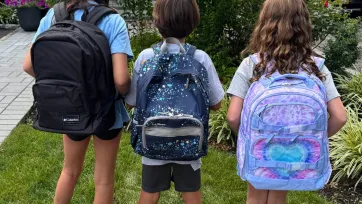
Kids Backpacks: How to Choose the Perfect School Backpack for Comfort, Safety and Everyday Use Introduction A school backpack is one of the most frequently used items a child owns. It travels to school every weekday, carries books, lunch boxes, water bottles, stationery, sports kits and sometimes a favourite toy hidden in a side pocket. Yet many parents buy a backpack based on one thing alone—how it looks. Bright colours, popular characters and trendy designs certainly appeal to children, but appearance should never be the deciding factor. A poorly designed backpack can become uncomfortable, wear out quickly or fail to support growing shoulders and backs. The good news is that choosing the right backpack isn't complicated once you know what to look for. This guide explains how to choose a comfortable, practical and durable kids' backpack that works for school, travel and everyday adventures. Why the Right Backpack Matters Children carry their backpacks almost every day. A well-designed backpack helps distribute weight evenly, making it more comfortable throughout the school day. The right backpack should: Fit your child's body properly. Feel comfortable on both shoulders. Provide enough storage without being oversized. Be lightweight even before it's filled. Last through daily use. A backpack should support your child's routine, not make it harder. Start With Size, Not Style One of the biggest mistakes parents make is buying a backpack that's much too large. It may seem like a practical idea because children will "grow into it", but oversized backpacks often become awkward and uncomfortable. As a general rule: The top of the backpack should sit just below the shoulders. The bottom shouldn't hang far below the waist. It should fit closely against the back rather than swinging while walking. Choosing the correct size usually improves comfort immediately. Features Worth Paying For Not every extra feature adds real value. However, some details genuinely make everyday life easier. Look for backpacks with: Padded shoulder straps. A padded back panel. Adjustable shoulder straps. Strong zips. Reinforced stitching. Multiple storage compartments. Side pockets for water bottles. Easy-to-clean fabric. These features help the backpack remain comfortable and organised throughout the school year. Choosing the Right Material Children aren't always gentle with their belongings. Backpacks are placed on classroom floors, carried through playgrounds and occasionally dragged across pavements. Durable materials such as polyester and nylon are popular because they: Resist everyday wear. Dry quickly. Wipe clean easily. Hold their shape well. Stay relatively lightweight. Water-resistant materials are particularly useful during wet weather or accidental drink spills. How Much Storage Does a Child Really Need? Bigger isn't always better. A backpack should comfortably carry daily essentials without encouraging children to carry unnecessary weight. Most school-age children only need space for: Exercise books. Pencil case. Lunch box. Water bottle. Reading book. Light jacket. Small school supplies. Several well-designed compartments often work better than one very large compartment because they keep everything organised and easier to find. Comfort Is More Important Than Fashion Children naturally want a backpack that looks exciting. Parents naturally want one that lasts. Fortunately, it's possible to have both. Before buying, ask your child to wear the backpack properly using both shoulder straps. Walk around the shop for a few minutes. Does it sit comfortably? Can they move freely? Is it easy to open the zips? A backpack that feels comfortable in the shop is much more likely to stay comfortable throughout the school year. How Heavy Should a Child's Backpack Be? A backpack should never feel like a piece of gym equipment. As a general guide, many health professionals recommend that a child's loaded backpack should not exceed around 10–15% of their body weight. Carrying significantly more than this for long periods may lead to discomfort and unnecessary strain. Parents can reduce weight by: Removing books that aren't needed. Emptying unnecessary toys or gadgets. Using a lightweight lunch box. Carrying only the stationery required for the day. Checking the bag every evening instead of letting items build up. A lighter backpack is usually a more comfortable backpack. How to Pack a Backpack Properly Packing a backpack correctly can make a surprising difference. The heaviest items should be placed closest to the back panel. This helps keep the weight balanced and prevents the bag from pulling backwards. A simple packing order works well: Books and folders nearest the back. Pencil case and lunch box in the centre. Lighter items towards the front. Water bottle in a side pocket if available. Small accessories in zipped organiser pockets. Good organisation also makes it easier for children to find what they need during the school day. Signs the Backpack Doesn't Fit Properly Children don't always complain when something feels uncomfortable. Watch for these signs: The backpack hangs very low. One shoulder strap is used most of the time. The bag swings while walking. Red marks appear on the shoulders. Your child frequently adjusts the straps. They lean forward while carrying it. These signs often indicate that the backpack is too heavy, too large or needs adjusting. Looking After a School Backpack A quality backpack can last much longer with a little care. Simple habits include: Emptying the bag every weekend. Wiping away dirt with a damp cloth. Checking zips regularly. Tightening loose straps. Avoiding overfilling compartments. Hanging the backpack properly instead of leaving it on the floor. Small maintenance routines help prevent bigger problems later. Common Backpack Buying Mistakes Parents often make the same mistakes when shopping. Avoid these common pitfalls: Buying the largest backpack available. Choosing style over comfort. Ignoring adjustable straps. Forgetting to check the backpack's empty weight. Purchasing low-quality zips that fail quickly. Not involving the child in trying the backpack on. The right backpack should suit both your child's body and their daily routine. Frequently Asked Questions What size backpack is best for primary school children? The ideal size depends on the child's height and school requirements. The backpack should sit comfortably against the back without extending far below the waist. How often should I replace my child's backpack? A good-quality backpack can last several school years if it still fits properly and remains in good condition. Younger children may need a new size as they grow. Are wheeled backpacks better? They can be useful where schools allow them and smooth surfaces are available. However, they may be less practical on stairs or crowded corridors. Should children use both shoulder straps? Yes. Using both straps distributes weight more evenly and helps improve comfort. Which material is best for children's backpacks? Durable polyester and nylon remain popular choices because they're lightweight, strong and easy to clean. Final Thoughts A school backpack isn't just another accessory. It's something your child carries almost every day, often for several years. Choosing the right one means looking beyond colours and patterns to focus on comfort, durability and the way it fits your child's body. A backpack that sits correctly, distributes weight evenly and keeps school essentials organised can make the daily journey to and from school much more comfortable. When parents choose wisely, they're not simply buying a bag. They're investing in something that supports their child's routine, confidence and everyday comfort throughout the school year.  
A Child, Two Toys and One Hour
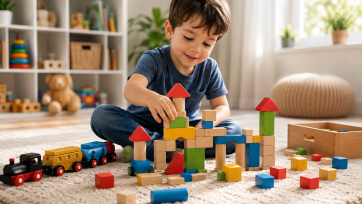
A Child, Two Toys and One Hour: Which Toy Won? A Play Experiment Every Parent Should Read Introduction Imagine placing two toys on the living room floor. The first is packed with features. It lights up, talks, sings and responds every time a button is pressed. The second is almost unbelievably simple. A small box of plain wooden building blocks. Now imagine asking a group of children to play freely for an hour. Which toy do you think would hold their attention for longer? Most adults confidently choose the electronic toy. Many child development specialists would hesitate. Because the answer isn't nearly as obvious as it seems. This isn't a competition between traditional toys and modern technology. It's a closer look at something far more interesting: what keeps children genuinely engaged once the excitement of something new has disappeared. Let's run a simple thought experiment. Minute 1: The Electronic Toy Takes the Lead At the beginning, the electronic toy is almost impossible to ignore. It flashes. It moves. It speaks. Children gather around to discover what happens when different buttons are pressed. The building blocks receive very little attention. If you judged the experiment after sixty seconds, the electronic toy would appear to be the clear winner. But meaningful play isn't measured in minutes. Minute 10: Curiosity Starts to Change By now, most of the toy's surprises have been discovered. Children begin repeating the same actions. Press. Watch. Listen. Repeat. Meanwhile, something different happens with the blocks. A bridge appears. Another child turns it into a garage. Someone else decides it's actually the beginning of a castle. The same pieces are producing completely different ideas. The toy hasn't changed. The players have. Minute 30: Stories Replace Features Half an hour into the experiment, the electronic toy is still doing exactly what it was designed to do. The blocks are doing something impossible to predict. They're becoming part of a story. A castle needs defending. A road leads to a hidden treasure. A zoo needs new animal shelters. A train station is under construction. No instruction manual suggested any of these ideas. The children created them themselves. That's the moment where open-ended play begins to outperform programmed entertainment. The Difference Between Watching and Creating There's a simple question worth asking whenever you buy a toy. Is my child creating the experience, or simply watching the toy create it? Neither approach is automatically wrong. Some toys are brilliant for introducing music, movement or cause and effect. Others encourage children to become architects, storytellers, engineers and explorers. The richest play experiences often happen when children become the authors rather than the audience. Why This Matters More Than Ever Children today have access to more toys than any previous generation. Many are beautifully designed. Many are genuinely innovative. Yet parents frequently describe the same pattern. A new toy arrives. It creates huge excitement. A week later, it's quietly sitting on a shelf. The issue isn't quality. It's replay value. The toys children return to again and again usually share one important characteristic. They leave room for imagination. Not because they do less. Because they ask children to do more. The One-Hour Rule Every Parent Can Use The experiment above isn't about proving that one type of toy is always better than another. It's about asking a smarter question. Before buying any toy, imagine your child has already been playing with it for one hour. Now ask yourself: What are they doing now? Have they invented something new? Are they still exploring? Or are they simply repeating the same action? If the toy still encourages fresh ideas after an hour, there's a good chance it will continue earning its place in your home for months or even years. That's what parents should really be buying—time spent engaged, not just time spent entertained. Why Simple Toys Often Improve Over Time Think about your favourite childhood memory involving a toy. Was it exciting because of the toy itself? Or because of what you created with it? Simple toys have an unusual advantage. They don't become outdated as quickly because children change the way they use them. A toddler may stack wooden blocks into a small tower. A six-year-old may use those same blocks to build a city. An older child might combine them with cars, figures and craft materials to create an entire imaginary world. The toy remains exactly the same. The play keeps evolving. Very few highly programmed toys can offer that kind of flexibility. The Hidden Cost of Short-Lived Excitement Parents naturally want to make their children happy. That's why it's easy to be influenced by impressive demonstrations in shops or exciting videos online. But there is another kind of cost that rarely appears on a price tag. A toy that captures attention for ten minutes before being forgotten is often more expensive in the long run than a simple toy that inspires hundreds of hours of play. Real value isn't measured by the purchase price. It's measured by how often the toy becomes part of everyday life. When viewed this way, the smartest purchases are often not the biggest or the loudest. They're the ones children quietly return to, week after week. There's Room for Both This isn't an argument against modern toys. Technology has introduced some wonderful ideas into children's play. Interactive science kits, coding toys and musical learning tools can all provide meaningful experiences. The key is balance. A healthy toy collection doesn't rely entirely on electronics, nor does it reject them completely. Instead, it offers different kinds of play: Toys that encourage imagination. Toys that build practical skills. Toys that promote movement. Toys that support creativity. Toys that inspire curiosity. When children have this balance, they naturally move between different ways of learning and playing. A Better Way to Judge Any Toy Instead of asking: "Is this the most popular toy this year?" Try asking: "Will my child still discover something new with this toy next month?" That single question often leads to better decisions than reading a list of features or following the latest trend. Parents don't need to predict the future. They simply need to recognise the difference between novelty and lasting play value. Frequently Asked Questions Are electronic toys bad for children? No. Many electronic toys encourage learning, music, coding or problem-solving. The important factor is whether the child actively participates instead of simply watching the toy perform. Why do children lose interest in some toys so quickly? Toys with limited ways to play often become predictable after the initial excitement. Open-ended toys remain interesting because children continue creating new ideas. How can I tell if a toy has good replay value? Ask whether your child can use it in different ways over time. If the answer is yes, it's likely to provide longer-lasting enjoyment. Should every toy encourage imagination? Not necessarily. Different toys support different skills. A balanced toy collection should include imaginative, creative, educational and active play opportunities. Is spending more money likely to buy a better toy? Not always. Some of the most loved childhood toys are simple, affordable and versatile enough to grow with the child. Final Thoughts Imagine returning to the living room after that one-hour play experiment. The electronic toy is still sitting exactly where it started. The building blocks are no longer just blocks. They're part of a castle. A train station. A bridge. A village. Perhaps all of them at once. The real winner wasn't a particular toy. It was imagination. That's the one feature no manufacturer can place inside a box. It belongs entirely to the child. The best toys simply give it somewhere to grow.
Best Wooden Puzzle Toys for Kids in 2026
Best Wooden Puzzle Toys for Kids in 2026 Wooden puzzle toys have remained one of the most trusted educational toys for generations. While modern toy stores are filled with electronic gadgets and flashing screens, wooden puzzles continue to offer something many high-tech toys cannot—simple, hands-on learning that encourages children to think, explore, and solve problems at their own pace. Parents love wooden puzzle toys because they combine education, safety, and durability in one product. Children enjoy fitting pieces together, recognizing shapes, matching colors, and completing fun challenges, all while developing essential cognitive and motor skills. Whether you're shopping for a curious toddler, a preschooler learning the alphabet, or a young child who enjoys problem-solving, wooden puzzle toys are an excellent investment. This guide explains why they remain one of the best educational toys for kids in 2026. What Are Wooden Puzzle Toys? Wooden puzzle toys are educational toys made primarily from natural wood. They usually include shaped pieces that children place into matching spaces, helping them recognize patterns, improve coordination, and strengthen thinking skills. Unlike disposable cardboard puzzles, wooden puzzles are designed to last for years. Their sturdy construction makes them ideal for daily play at home, in classrooms, or at daycare centers. Wooden puzzles come in many different themes, including: Animals Alphabet letters Numbers Vehicles Dinosaurs Farm animals Fruits and vegetables Space Maps Shapes and colors These puzzles make learning enjoyable while introducing children to new concepts. Why Wooden Puzzle Toys Are So Popular Children naturally enjoy solving challenges. Wooden puzzles provide just the right level of difficulty, keeping kids engaged without becoming overwhelming. Parents also appreciate that these toys encourage independent play. Instead of relying on screens or electronic features, children use observation, patience, and logical thinking to complete each puzzle. Many wooden puzzles can also be enjoyed by siblings of different ages, making them a great long-term investment for families. Benefits of Wooden Puzzle Toys Wooden puzzles offer far more than simple entertainment. Some of their biggest benefits include: Improving hand-eye coordination Developing fine motor skills Strengthening problem-solving abilities Encouraging logical thinking Building patience Improving concentration Supporting early learning Boosting confidence Encouraging independent play Every completed puzzle gives children a sense of achievement, motivating them to tackle even bigger challenges. How Wooden Puzzles Support Early Learning Young children learn best through hands-on experiences. Wooden puzzle toys help introduce important early learning concepts such as: Letters Numbers Colors Shapes Animals Fruits Vehicles Nature Geography Instead of memorizing information, children actively discover these concepts while playing, making learning more enjoyable and easier to remember. Best Wooden Puzzle Toys for Toddlers Toddlers need simple puzzles with large, easy-to-hold pieces. Excellent choices include: Shape puzzles Animal puzzles Farm-themed puzzles Color matching puzzles Vehicle puzzles Peg puzzles These puzzles help toddlers strengthen their hand muscles while improving coordination and concentration. Best Wooden Puzzle Toys for Preschoolers As children grow, they become ready for more challenging puzzles. Popular options include: Alphabet puzzles Number puzzles World map puzzles Dinosaur puzzles Solar system puzzles Human body puzzles Clock learning puzzles These activities encourage problem-solving while supporting school readiness. Wooden Alphabet Puzzles Alphabet puzzles help children recognize letters while developing early reading skills. Children learn to: Identify uppercase letters Match letter shapes Improve vocabulary Strengthen memory Develop fine motor skills Parents can also turn puzzle time into fun spelling games as children grow. Wooden Number Puzzles Learning numbers becomes much easier through play. Number puzzles help children understand: Counting Number recognition Basic mathematics Sequencing Patterns These skills provide a strong foundation for future learning. Animal and Nature Puzzles Children love learning about animals and nature. Wooden puzzles featuring wildlife, ocean animals, insects, birds, and farm animals introduce children to the natural world while encouraging observation and curiosity. Parents can also use these puzzles to teach animal names, sounds, and habitats. Why Wooden Puzzles Are Better Than Many Plastic Alternatives Both wooden and plastic puzzles can be enjoyable, but wooden puzzles offer several advantages. Wooden puzzles are often: More durable Easier for small hands to hold Made from natural materials Less likely to break Better for long-term use Environmentally friendly Many parents also prefer the smooth texture and timeless appearance of quality wooden toys. Montessori Learning and Wooden Puzzles Wooden puzzles fit perfectly within the Montessori approach to education. Montessori learning encourages children to: Explore independently Solve problems Learn through experience Build confidence Practice concentration Simple wooden puzzles allow children to work at their own pace without unnecessary distractions. Choosing the Right Wooden Puzzle Before buying, consider several important factors. Look for puzzles that: Match your child's age Use non-toxic paint Have smooth edges Include sturdy wooden pieces Feature engaging themes Meet recognized safety standards A high-quality puzzle should be challenging enough to encourage learning without causing frustration. Safety Tips for Parents Although wooden puzzles are generally very safe, parents should still follow a few precautions. Always: Check the recommended age. Avoid puzzles with small loose parts for toddlers. Inspect toys regularly for damage. Clean puzzles with a damp cloth. Store pieces safely after play. Choosing trusted brands helps ensure both safety and durability. Caring for Wooden Puzzle Toys Proper care helps wooden puzzles last for many years. Some simple maintenance tips include: Wipe with a soft damp cloth. Avoid soaking wood in water. Store puzzles in a dry place. Keep all pieces together after use. Avoid harsh cleaning chemicals. Well-maintained wooden puzzles can often be passed down to younger siblings. Common Mistakes Parents Should Avoid Many buyers accidentally choose puzzles that are too easy or too difficult. Avoid: Buying puzzles above your child's skill level. Choosing poor-quality materials. Ignoring safety certifications. Selecting puzzles with tiny pieces for young children. Buying puzzles only because they look attractive. Choosing puzzles based on your child's interests usually keeps them engaged much longer. Why Wooden Puzzle Toys Make Great Gifts Wooden puzzle toys are thoughtful gifts for birthdays, holidays, and special occasions. They combine learning, entertainment, and durability while encouraging children to develop important life skills through play. Parents also appreciate gifts that remain useful long after the excitement of opening them has passed. Frequently Asked Questions Are wooden puzzle toys good for toddlers? Yes. Wooden puzzles with large pieces help toddlers improve hand-eye coordination, fine motor skills, and early problem-solving abilities. Are wooden puzzles safer than plastic puzzles? High-quality wooden puzzles made with smooth edges and non-toxic finishes are generally very safe. Always choose puzzles that match your child's age. At what age can children start using wooden puzzles? Many simple wooden puzzles are suitable from around 12 months, while more advanced alphabet, number, and educational puzzles are designed for preschool and school-age children. How do I clean wooden puzzle toys? Use a soft damp cloth and mild soap if needed. Avoid soaking the wood or using harsh chemicals to protect the finish. Final Thoughts Wooden puzzle toys continue to be one of the best educational toys for kids in 2026 because they combine learning, creativity, and hands-on fun in a simple yet effective way. From helping toddlers recognize shapes to teaching preschoolers letters, numbers, and problem-solving skills, these timeless toys support healthy development at every stage. Whether you're choosing an alphabet puzzle, an animal-themed puzzle, a number board, or a colorful shape sorter, investing in high-quality wooden puzzle toys gives children endless opportunities to learn while playing. Their durability, educational value, and screen-free design make them a smart choice for every family.
Best Robot Toys for Kids in 2026
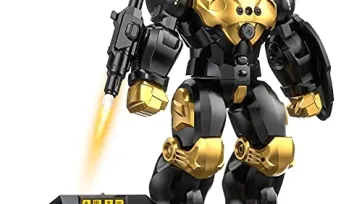
Best Robot Toys for Kids in 2026: Smart, Educational and Fun for Every Age Robot toys have become one of the fastest-growing categories in the toy industry, combining entertainment with education in ways that capture children's imagination. From simple dancing robots for toddlers to programmable robots that teach coding and engineering, today's robot toys help children develop valuable STEM skills while keeping them engaged through interactive play. Unlike traditional toys, robot toys respond to commands, perform movements, solve challenges, and even introduce basic programming concepts. They encourage children to think creatively, experiment with technology, and develop problem-solving skills that will be useful throughout their lives. Whether you're shopping for a birthday, Christmas, or an educational gift, this guide explores the best robot toys for kids in 2026. Why Robot Toys Are So Popular Children are naturally curious about technology. Robot toys allow them to explore how machines move, respond, and interact with the world. Many modern robots can: Walk Dance Talk Follow commands Avoid obstacles Perform tricks Play games Teach coding These interactive features make learning feel like play instead of study. Benefits of Robot Toys Robot toys support many areas of child development. Some of the biggest benefits include: Improve problem-solving skills Encourage logical thinking Develop STEM knowledge Build creativity Strengthen concentration Improve hand-eye coordination Introduce coding concepts Encourage independent learning Reduce passive screen time Children also gain confidence as they successfully control and programme their robots. Robot Toys for Toddlers Younger children benefit from simple robots with large buttons and easy controls. Popular features include: Dancing movements Flashing lights Music Animal sounds Colour recognition Shape learning These toys introduce cause and effect while encouraging sensory development. Coding Robots for Kids Coding robots are among the most educational robot toys available. Children learn how to: Create sequences Solve logic puzzles Programme movements Complete challenges Test different solutions Many beginner coding robots use visual programming instead of written computer code, making them suitable for young learners. Remote Control Robot Toys Remote control robots combine technology with active play. Children can control: Walking Turning Dancing Talking Arm movements Sound effects These toys improve hand-eye coordination while making playtime highly interactive. AI-Inspired Robot Toys Some advanced robot toys now include artificial intelligence features. Depending on the model, they may: Recognise voices Respond to commands Learn simple routines Interact with users Tell stories Answer basic questions These robots introduce children to the growing world of AI in an age-appropriate way. Educational Robot Kits Children who enjoy building can combine robotics with engineering. Educational robot kits allow them to: Assemble moving robots Connect motors Build mechanical systems Explore electronics Learn engineering principles Building a robot before programming it provides a deeper understanding of how technology works. STEM Learning Through Robotics Robot toys naturally introduce STEM concepts. Children explore: Science Technology Engineering Mathematics Instead of reading about these subjects, they experience them through practical challenges and experimentation. Robot Toys Encourage Creativity Robot toys are not just about technology. Children often invent imaginative adventures where robots become: Explorers Helpers Space travellers Rescue workers Scientists Friendly companions These stories encourage communication and imaginative thinking alongside technical learning. Choosing the Right Robot Toy Before buying, consider: Your child's age Skill level Battery life Ease of programming Educational value Durability Expandability A robot that grows with your child's abilities offers the greatest long-term value. Safety Tips Choose robot toys that: Meet recognised safety standards Use durable materials Match the recommended age Include clear instructions Have securely enclosed batteries Rechargeable models are often more convenient for regular use. Common Buying Mistakes Parents sometimes purchase robot toys that are too complicated. Avoid: Advanced programming kits for beginners Poor battery life Weak build quality Limited learning features Unknown brands without safety certification Choosing the right difficulty level keeps children motivated instead of frustrated. Why Robot Toys Make Brilliant Gifts Robot toys remain one of the most exciting educational gifts available. They're perfect for: Birthdays Christmas School achievements STEM competitions Holiday presents Children enjoy the excitement of interactive technology while developing valuable future-ready skills. Frequently Asked Questions What are the best robot toys for children? Coding robots, remote control robots, educational robot kits, AI-inspired robots, and STEM robotics sets are among the best choices. At what age can children start using robot toys? Simple interactive robots are suitable from around three years old, while coding and engineering robots are designed for older children. Do robot toys help children learn? Yes. Robot toys improve problem-solving, creativity, coding skills, engineering knowledge, and logical thinking through hands-on learning. Are robot toys worth buying? Absolutely. High-quality robot toys combine entertainment with STEM education, making them an excellent long-term investment for children's learning. Final Thoughts The best robot toys for kids in 2026 combine innovation, education, and entertainment in one exciting package. Whether your child enjoys coding, engineering, remote control gadgets, or imaginative adventures, robot toys encourage curiosity while helping develop skills that will remain valuable in the future. By choosing an age-appropriate robot toy with strong educational value, parents can inspire a love of technology while giving children endless opportunities to build, programme, explore, and create. As technology continues to shape the world, robot toys offer a fun and engaging introduction to the skills of tomorrow.
The 30-Day Toy Test
The 30-Day Toy Test
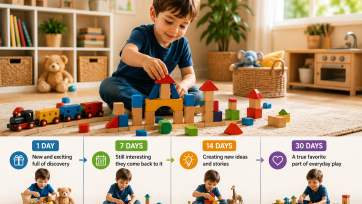
The 30-Day Toy Test: How to Tell If a Toy Is Truly Worth Buying Introduction Imagine this. You're standing in a toy shop with your child. One toy has flashing lights, exciting sounds and colourful packaging. Another looks surprisingly simple—no batteries, no screens, no dramatic demonstrations. Which one deserves a place in your home? Most buying decisions happen in less than five minutes. Yet the real question isn't "Will my child love this today?" It's "Will they still choose it a month from now?" The truth is that many toys are designed to create a powerful first impression. Very few are designed to remain interesting after the excitement fades. That's where the 30-Day Toy Test comes in. It's not a scientific experiment or a strict parenting rule. It's a simple way of looking beyond the packaging and thinking about long-term play instead of short-term excitement. If more parents used this approach, many would spend less money while building a toy collection their children genuinely enjoy. Let's see how it works. Day One: The Excitement Phase Every new toy has an advantage. It's new. Children naturally want to touch it, explore it and discover everything it can do. During this first stage, almost every toy looks successful. The challenge is that excitement and lasting value are not the same thing. Some toys shine brightly for an afternoon. Others quietly become favourites for years. You can't tell the difference on the first day alone. Day Seven: The Curiosity Check After a week, the novelty begins to disappear. This is when the toy reveals its true personality. Ask yourself: Does your child return to it without being reminded? Are they combining it with other toys? Have they invented new games? Is the toy becoming part of imaginative stories? If the answer is yes, the toy is beginning to prove its worth. If it spends most of its time untouched, the initial excitement may have been doing all the work. Day Fourteen: The Creativity Test By the second week, the most successful toys begin changing roles. Building blocks become bridges. Roads become race tracks. Toy animals move from the zoo into space missions. A doll's house transforms into a veterinary clinic. Notice something? The child is now directing the play. The toy has become a tool for imagination instead of simply providing entertainment. That's often the point where long-term favourites separate themselves from short-lived trends. Day Thirty: The Final Question A month later, ask one simple question. Would my child notice if this toy quietly disappeared? If the answer is yes, you've found a genuinely valuable toy. If the answer is probably not, the toy may have offered excitement without lasting engagement. The best toys rarely demand attention. They quietly earn it over time. Why Parents Often Misjudge Toys Adults naturally remember emotional moments. Watching a child excitedly unwrap a birthday present feels wonderful. Because of that memory, it's easy to believe the toy was an outstanding success. But childhood isn't measured by opening presents. It's measured by everyday play. The toys children choose on ordinary Tuesday afternoons often tell you much more than the toys they celebrated for ten minutes on Christmas morning. The Toy Lifetime Score Instead of judging a toy by its price or popularity, try scoring it using five simple questions. Give one point for every yes. Does my child choose it without being asked? Can it be used in more than one way? Does it encourage imagination or problem-solving? Has it remained interesting after several weeks? Can it grow with my child's changing interests? A toy that scores five out of five has a strong chance of becoming a long-term favourite. One or two points doesn't necessarily make it a bad toy, but it may offer only short-lived entertainment. The Toys That Usually Pass the Test After observing how children play, certain patterns appear again and again. The toys that survive the 30-Day Test often have something in common. They don't rely on constant surprises. Instead, they rely on endless possibilities. These are the kinds of toys children naturally return to: Building blocks and construction sets. Magnetic building pieces. Toy animals and figurines. Train tracks and vehicles. Dollhouses and pretend-play accessories. Art and craft materials. Play kitchens and role-play toys. None of these toys tells children exactly what to do. That's precisely why they continue inspiring new ideas. Why Some Expensive Toys Fail the Test Price doesn't guarantee replay value. Many premium toys are beautifully made, but if they only perform one activity, children quickly learn everything they can do. Once the mystery disappears, so does much of the excitement. By contrast, a simple set of blocks may never surprise a child. Instead, it challenges them to surprise themselves. That's a much more powerful form of play. A Better Shopping Habit Before buying your next toy, imagine looking back thirty days from now. Picture your child walking into the playroom. Which toy will they pick first? The one that impressed them in the shop? Or the one that lets them create something completely different every afternoon? Thinking this way changes shopping from an emotional decision into a thoughtful one. Over time, you'll build a collection of toys that earn their place through use rather than appearance. Quality Play Is Built Over Time Parents often search for the perfect toy. In reality, there isn't one. The best toy for one child may hold very little interest for another. What matters is how the toy fits your child's personality, stage of development and preferred way of playing. That's why observing your own child is more valuable than following trends or popularity lists. Children quietly reveal their favourite toys every day. We simply need to pay attention. Frequently Asked Questions What is the 30-Day Toy Test? It's a simple way of evaluating whether a toy continues to engage a child after the initial excitement has disappeared. The focus is on long-term play rather than first impressions. Why do children stop playing with some toys so quickly? Many toys depend on novelty. Once children discover all the features, there may be little left for them to explore or imagine. What types of toys usually have the best replay value? Open-ended toys such as building sets, pretend-play toys, art materials and construction toys often remain interesting because children can use them in different ways. Should I replace toys that fail the 30-Day Test? Not immediately. Try storing them for a few weeks and reintroducing them later. Many children rediscover forgotten favourites through toy rotation. Can this approach save money? Yes. Buying fewer toys with stronger long-term play value often reduces unnecessary purchases while creating a more enjoyable play environment. Final Thoughts A great toy isn't judged on the day it's opened. It's judged on the ordinary days that follow. The rainy Tuesday. The quiet Saturday morning. The afternoon when there are no birthdays, no holidays and nothing new waiting to be unwrapped. Those are the moments that reveal a toy's true value. Some toys shine brightly for a few minutes before fading into the background. Others quietly become trusted companions in hundreds of adventures. When parents learn to look beyond the first impression and focus on the next thirty days, toy shopping becomes less about excitement and more about lasting memories. And in the end, that's what every worthwhile toy should help create.
Fine Motor Skill Toys
Fine Motor Skill Toys: Helping Children Develop Everyday Skills Through Play Introduction From fastening a coat zip to holding a pencil, many everyday activities depend on well-developed fine motor skills. These small but essential movements involve the coordination of the hands, fingers and wrists, allowing children to complete tasks that require precision and control. While these abilities develop naturally over time, the right toys can make the learning process both enjoyable and effective. Fine motor skill toys are specially designed—or naturally suited—to encourage children to grasp, pinch, twist, stack, thread and manipulate objects. Through regular play, children strengthen the small muscles in their hands while improving hand-eye coordination, dexterity and concentration. Parents often focus on teaching letters, numbers and colours, but developing fine motor skills is equally important. Without strong hand control, children may struggle with writing, drawing, cutting with scissors, dressing themselves or using everyday utensils. The good news is that building these skills doesn't require expensive equipment or formal lessons. Carefully chosen toys can provide countless opportunities for learning through play, helping children gain confidence while having fun. In this guide, you'll discover why fine motor skills matter, how the right toys support healthy development, which toys suit different age groups and what to consider when buying fine motor skill toys. What Are Fine Motor Skills? Fine motor skills are the small, controlled movements made using the hands, fingers and wrists. These movements work alongside visual information from the eyes, allowing children to complete precise tasks. Examples of fine motor activities include: Holding a crayon correctly Turning book pages Buttoning a shirt Picking up small objects Threading beads Using scissors Building with blocks Tying shoelaces These skills develop gradually from infancy through childhood and form the foundation for many daily activities. Why Fine Motor Skills Are Important Strong fine motor skills affect far more than handwriting. Children rely on these movements every day for tasks such as eating independently, getting dressed, completing schoolwork and participating in creative activities. Developing these abilities early also supports confidence because children become more capable of completing tasks without constant adult assistance. Fine motor development also contributes to: Better hand-eye coordination Improved concentration Greater independence Stronger problem-solving abilities Increased confidence Better preparation for school Signs That Fine Motor Skills Are Developing Every child develops at their own pace, but many parents notice gradual improvements as children grow. Some common signs include: Picking up tiny objects using thumb and finger Stacking blocks successfully Scribbling with crayons Turning pages one at a time Using child-safe scissors Completing simple puzzles Fastening large buttons Drawing basic shapes Regular play provides valuable opportunities to practise these movements naturally. How Toys Help Develop Fine Motor Skills Play is one of the most effective ways for children to strengthen their hands without realising they are learning. As children manipulate toys, they repeatedly practise gripping, squeezing, twisting, pushing and pulling. These actions strengthen the muscles needed for more advanced tasks later in life. Unlike structured exercises, toys keep children motivated because learning feels enjoyable rather than repetitive. Benefits of Fine Motor Skill Toys Fine motor toys support several areas of development at once. Strengthen Hand Muscles Many activities require children to grip, squeeze or press objects. These repeated movements gradually strengthen the muscles in the hands and fingers. Improve Hand-Eye Coordination Building towers, fitting puzzle pieces and threading objects all require children to coordinate what they see with how their hands move. Encourage Independent Learning Children enjoy discovering how toys work on their own. This encourages confidence, curiosity and persistence. Prepare Children for School Many classroom activities require good fine motor control. Children who regularly practise these skills often find writing, drawing and cutting easier when they begin school. Support Creativity Drawing, modelling clay and construction toys allow children to express themselves while improving finger control. Develop Patience and Focus Many fine motor activities require careful attention. Completing a puzzle or building a stable structure teaches children to concentrate for longer periods while working towards a goal. Best Fine Motor Skill Toys for Babies Babies develop hand control through simple exploration. Suitable toys include: Soft stacking rings Fabric blocks Large grasping toys Textured sensory balls Stacking cups Activity cubes These toys encourage reaching, holding and transferring objects from one hand to another, laying the foundation for more advanced movements later. Fine Motor Skill Toys for Toddlers Toddlers become increasingly curious about how objects fit together and move. Excellent choices include: Shape sorters Large building blocks Chunky puzzles Peg boards Nesting cups Toy tool sets Pretend food with hook-and-loop fasteners Simple threading toys These activities strengthen finger muscles while encouraging problem-solving and coordination. Fine Motor Skill Toys for Preschool Children As children reach the preschool years, their hand control becomes more refined. They begin drawing recognisable shapes, using scissors, fastening clothing and completing more detailed activities. The right toys can help strengthen these skills while keeping play enjoyable. Some excellent options include: Interlocking construction toys Lacing and threading sets Modelling clay and dough Craft kits Bead threading activities Peg puzzles Mosaic art boards Magnetic drawing boards Child-friendly tweezers and sorting games These toys encourage children to pinch, press, twist and manipulate objects in different ways, helping improve dexterity and finger strength. Fine Motor Skill Toys for School-Age Children Older children benefit from toys and activities that require greater precision and planning. Suitable choices include: Advanced construction sets Origami and paper crafts Model-building kits Jewellery-making kits Sewing and weaving projects Strategy board games with small playing pieces Art supplies Puzzle games Robotics and engineering kits These activities continue developing fine motor control while introducing problem-solving and creative thinking. Activities That Improve Fine Motor Skills at Home Parents do not always need to buy new toys. Everyday household activities can also strengthen fine motor development. Simple ideas include: Folding washing Peeling fruit Watering plants with a small watering can Using clothes pegs Stirring ingredients while baking Picking up small objects with tongs Building cardboard creations Drawing and colouring Cutting shapes from paper Making collages Combining these activities with suitable toys creates a balanced approach to learning through play. How to Choose the Best Fine Motor Skill Toys With so many toys available, choosing the right one can feel overwhelming. Focusing on quality rather than quantity will help you make better decisions. Look for toys that: Match your child's age and abilities. Encourage active participation. Require grasping, pinching, twisting or stacking. Offer more than one way to play. Are made from durable, child-safe materials. Can be enjoyed repeatedly without losing interest. Support creativity as well as physical development. A toy that grows with your child often provides better long-term value than one designed for a single stage. Buying Guide Before purchasing fine motor skill toys, consider these important factors. Age Appropriateness Choose toys designed for your child's developmental stage. Activities that are too difficult may cause frustration, while toys that are too simple may quickly become boring. Safety Ensure the toy meets recognised safety standards and contains no sharp edges or loose parts that could present a choking hazard. Educational Value The best toys encourage learning through exploration rather than passive entertainment. Durability Children often use favourite toys every day. Strong materials and quality construction help toys last longer. Versatility Toys that can be used in different ways provide greater play value and continue challenging children as they grow. Safety Tips Although fine motor skill toys are generally safe, parents should always supervise younger children during play. Follow these simple safety guidelines: Always check the recommended age range. Inspect toys regularly for damage. Remove broken pieces immediately. Keep small parts away from babies and toddlers. Clean toys frequently using child-safe cleaning products. Store toys in labelled containers to prevent pieces from being lost. Avoid toys made from poor-quality materials or with rough edges. Supervise activities involving scissors, beads or modelling materials. Taking a few minutes to inspect toys regularly helps ensure they remain safe and enjoyable. Common Buying Mistakes Parents often make a few common mistakes when selecting developmental toys. Avoid these pitfalls: Buying toys that are too advanced Children learn best when activities are challenging but achievable. Focusing only on electronic toys While some electronic toys have educational value, traditional hands-on activities usually provide more opportunities for practising fine motor movements. Buying too many similar toys A varied collection supports different types of hand movements and keeps play interesting. Ignoring durability Cheap toys may break quickly, reducing both safety and value for money. Overlooking your child's interests Children are more likely to practise skills when they genuinely enjoy the activity. Frequently Asked Questions What are fine motor skill toys? Fine motor skill toys are toys that encourage children to use the small muscles in their hands and fingers through activities such as stacking, threading, building, pinching and drawing. At what age should children start using fine motor skill toys? Many babies begin developing fine motor skills during their first year through simple grasping toys. As children grow, more advanced toys can be introduced according to their developmental stage. Do fine motor toys help with handwriting? Yes. Strong finger muscles, better hand control and improved coordination all contribute to better handwriting readiness. Can everyday household items improve fine motor skills? Absolutely. Activities such as baking, drawing, sorting objects, using pegs and folding clothes all provide valuable fine motor practice. How many fine motor toys does a child need? Quality is far more important than quantity. A small collection of versatile toys that encourage different hand movements is usually sufficient. Final Thoughts Fine motor skills play an essential role in a child's everyday life, influencing everything from dressing independently to writing confidently at school. The good news is that developing these abilities doesn't require complicated lessons or expensive equipment. Through carefully chosen toys and everyday play experiences, children naturally strengthen their hands, improve coordination and build confidence. When selecting fine motor skill toys, focus on products that encourage active participation, creativity and problem-solving rather than passive entertainment. A thoughtful collection of versatile toys will continue supporting your child's development for many years, making them a worthwhile investment for both learning and play.
Best Eco Friendly Toys for Kids
Eco-Friendly Toys: A Complete Guide to Safe, Sustainable, and Fun Play for Kids Parents today are becoming more conscious about the toys they bring into their homes. Beyond entertainment, many families now look for products that are safe for children, kind to the environment, and built to last. This growing interest has made eco-friendly toys one of the fastest-growing categories in the toy industry. Unlike many conventional plastic toys that may end up in landfills after a short period, eco-friendly toys are designed with sustainability in mind. They are often made from responsibly sourced wood, recycled plastics, organic cotton, bamboo, or other environmentally friendly materials. Many are manufactured using safer production methods and packaged with recyclable materials, making them a smarter choice for both children and the planet. If you're looking for toys that combine fun, learning, and environmental responsibility, this guide will help you understand everything about eco-friendly toys and how to choose the best options for your child. What Are Eco-Friendly Toys? Eco-friendly toys are toys created using sustainable materials and environmentally responsible manufacturing processes. Their purpose is to reduce waste, minimize pollution, and provide children with safer products made from high-quality materials. Many eco-friendly toys are designed to last for years instead of breaking after a few weeks of use. Their durability means fewer replacements, less waste, and better value for parents. Common materials include: FSC-certified wood Bamboo Organic cotton Natural rubber Recycled plastic Recycled cardboard Plant-based materials These materials are carefully selected to reduce environmental impact while maintaining safety and durability. Why More Parents Are Choosing Eco-Friendly Toys Parents today understand that children spend countless hours touching, holding, and sometimes even chewing their toys. Choosing toys made from safer materials provides extra peace of mind. Eco-friendly toys also encourage children to appreciate nature from an early age. When kids learn about recycling, sustainability, and responsible consumption through everyday play, they develop habits that can benefit them throughout life. Many families also prefer buying fewer, better-quality toys instead of constantly replacing cheaper products. Benefits of Eco-Friendly Toys Sustainable toys offer much more than environmental advantages. Some important benefits include: Safer materials for children Reduced plastic waste Excellent durability Timeless designs Educational value Lower environmental impact Better long-term value Encouragement of imaginative play Unlike flashy electronic toys that quickly lose attention, many eco-friendly toys inspire open-ended play, allowing children to create their own adventures. Wooden Toys Continue to Be a Favorite Wooden toys remain one of the most popular eco-friendly choices. Wood is naturally strong, attractive, and long-lasting. Wooden blocks, train sets, puzzles, stacking toys, kitchens, and pretend play sets have entertained generations of children. Quality wooden toys also age beautifully and are often passed down from one child to another. When buying wooden toys, look for products made from responsibly managed forests certified by organizations such as the Forest Stewardship Council (FSC). Organic Cotton Toys for Younger Children Soft toys made from organic cotton are another excellent eco-friendly option. Organic cotton is grown without harmful pesticides and harsh chemicals, making it a gentle choice for babies and young children. Popular options include: Plush animals Comfort blankets Soft dolls Fabric activity books These toys are often machine washable and designed for everyday use. Recycled Plastic Toys Give Waste a New Purpose Not every eco-friendly toy is made from wood. Many manufacturers now produce high-quality toys using recycled plastic collected from household waste or ocean-bound materials. These toys help reduce landfill waste while giving plastic a second life. Popular recycled plastic toys include: Construction vehicles Beach toys Toy kitchens Building blocks Outdoor play equipment Children enjoy the same level of fun while helping reduce environmental pollution. Eco-Friendly Educational Toys Learning and sustainability work perfectly together. Many educational eco-friendly toys help children develop: Problem-solving skills Creativity Fine motor skills Logical thinking Shape recognition Counting skills Language development Wooden puzzles, alphabet blocks, number games, and sorting activities remain excellent examples. Outdoor Nature Toys Encouraging children to play outdoors naturally supports environmental awareness. Popular eco-friendly outdoor toys include: Gardening kits Wooden birdhouses Nature exploration sets Magnifying glasses Bug observation kits Sand and water toys made from recycled materials These activities help children connect with nature while reducing screen time. Are Eco-Friendly Toys Durable? One common misconception is that eco-friendly toys wear out quickly. In reality, many sustainable toys are built to last longer than inexpensive plastic alternatives. High-quality wooden toys, bamboo products, and durable recycled plastic toys often withstand years of regular play. This durability makes them an excellent long-term investment. How Eco-Friendly Toys Encourage Creativity Many electronic toys entertain children by doing everything automatically. Eco-friendly toys often work differently. Instead of flashing lights and constant sounds, they encourage children to imagine, build, create, and invent their own stories. Simple wooden blocks can become castles today, bridges tomorrow, and space stations the following week. Open-ended play develops imagination far more effectively than fixed electronic entertainment. Choosing Eco-Friendly Toys by Age Different age groups benefit from different types of sustainable toys. For toddlers: Wooden stacking toys Shape sorters Soft organic cotton toys For preschoolers: Wooden puzzles Building blocks Pretend play kitchens Gardening kits For older children: STEM building sets Craft kits Nature exploration tools Recycled construction toys Selecting age-appropriate toys keeps children engaged while supporting healthy development. What to Look for Before Buying Not every product labeled "green" is genuinely eco-friendly. Before purchasing, consider: Sustainable materials Non-toxic paints Durable construction Recyclable packaging Safety certifications Smooth finishes Trusted manufacturers Reading product descriptions carefully helps you make informed decisions. Caring for Eco-Friendly Toys Proper care extends the life of sustainable toys. Some simple maintenance tips include: Clean wooden toys with a damp cloth. Avoid soaking wood in water. Store toys in a dry place. Wash fabric toys according to instructions. Inspect toys regularly for wear. Repair minor damage instead of replacing the toy. Good care reduces waste and saves money. Common Myths About Eco-Friendly Toys Several myths prevent some parents from trying sustainable toys. Myth: Eco-friendly toys are boring. Reality: Many offer imaginative, educational, and highly engaging play experiences. Myth: They are too expensive. Reality: While some cost more initially, their durability often makes them cheaper over time. Myth: Sustainable toys have fewer options. Reality: Today's market includes everything from puzzles and dolls to RC-inspired vehicles made with recycled materials and STEM kits. Why Eco-Friendly Toys Make Wonderful Gifts If you're looking for a meaningful birthday, holiday, or special occasion gift, eco-friendly toys are an excellent option. They show that you value both the child's happiness and the future of the planet. Parents often appreciate gifts that are practical, safe, durable, and educational. Frequently Asked Questions Are eco-friendly toys safe for children? Yes. Most quality eco-friendly toys are made from non-toxic materials and meet strict safety standards. Are wooden toys better than plastic toys? Both have advantages, but well-made wooden toys are often more durable, environmentally friendly, and encourage imaginative play. Do eco-friendly toys cost more? Some do, but their longer lifespan often makes them better value over time. Can eco-friendly toys still be fun? Absolutely. Children enjoy building, pretending, exploring, crafting, and learning with sustainable toys just as much as with conventional options. Final Thoughts Eco-friendly toys offer much more than a greener alternative to traditional playthings. They combine safety, durability, creativity, and educational value while helping reduce environmental impact. Whether you choose wooden building blocks, organic cotton plush toys, recycled plastic vehicles, or nature-inspired activity kits, sustainable toys encourage meaningful play that benefits both children and the world around them. Choosing eco-friendly toys isn't simply about buying a product—it's about supporting healthier play, smarter choices, and a more sustainable future for the next generation.
Best Wooden Toys for Kids in 2026
Best Wooden Toys for Kids in 2026 Wooden toys have remained a favourite among parents for generations, and for good reason. While modern toys often rely on flashing lights, loud sounds, and digital features, wooden toys offer a timeless play experience that encourages creativity, imagination, and hands-on learning. Their simple designs allow children to explore, experiment, and create their own adventures without distractions. Parents today are also paying closer attention to toy safety and sustainability. High-quality wooden toys are typically made from durable materials, finished with child-safe paints, and designed to last for years. Instead of being replaced after a few months, many wooden toys become family keepsakes that are passed from one child to another. Whether you're shopping for a baby, toddler, preschooler, or school-age child, this guide will help you discover the best wooden toys for kids in 2026 and understand why they continue to be one of the smartest choices for growing children. Why Wooden Toys Are Still Popular Wooden toys have never gone out of style because they encourage children to become active participants in their own play. Rather than watching lights flash or pressing buttons repeatedly, children use their imagination to create stories, build structures, and solve problems. Parents also appreciate their durability. A well-made wooden toy often lasts for years, making it a better long-term investment than many plastic alternatives. Their natural appearance also adds warmth to playrooms and encourages children to enjoy simpler, more meaningful play. Benefits of Wooden Toys Wooden toys offer a wide range of developmental benefits. Some of the most important include: Encouraging creativity Improving hand-eye coordination Developing fine motor skills Supporting problem-solving Building concentration Promoting independent play Reducing screen time Lasting for many years Because many wooden toys are open-ended, children can invent new ways to play as they grow older. Are Wooden Toys Safe? When purchased from trusted manufacturers, wooden toys are among the safest toys available. Look for products that include: Smooth, splinter-free surfaces Rounded corners Non-toxic paints Child-safe finishes Strong construction Age-appropriate designs Always inspect toys regularly for damage and follow the manufacturer's age recommendations. Best Wooden Building Blocks Building blocks remain one of the most versatile wooden toys available. Children can create: Castles Houses Roads Bridges Towers Farms Space stations Building activities improve creativity, planning, patience, and hand-eye coordination while giving children endless opportunities to experiment. Wooden Puzzles Improve Thinking Skills Wooden puzzles encourage children to recognize shapes, colors, patterns, and relationships between objects. They help develop: Logical thinking Concentration Memory Fine motor skills Problem-solving Popular themes include animals, numbers, letters, vehicles, dinosaurs, and world maps. Wooden Pretend Play Toys Pretend play helps children understand the world around them while developing communication and social skills. Excellent wooden pretend play toys include: Kitchen sets Food playsets Cash registers Tool benches Doll furniture Farm sets These toys inspire imaginative storytelling and cooperative play with siblings or friends. Montessori Wooden Toys Many Montessori-inspired toys are made from wood because they encourage focused, hands-on learning. Popular Montessori wooden toys include: Shape sorters Counting boards Alphabet puzzles Stacking rings Balance toys Activity boards These toys promote independence while helping children master one skill at a time. Wooden Toys for Babies Even the youngest children can benefit from wooden toys. Suitable options include: Wooden rattles Grasping rings Activity gyms Stacking rings Sensory toys These simple toys encourage babies to explore safely while improving coordination and sensory development. Wooden Toys for Toddlers Toddlers enjoy toys that encourage movement and discovery. Popular choices include: Pull-along animals Push walkers Shape sorters Wooden trains Peg puzzles Stacking blocks These activities strengthen motor skills while encouraging curiosity. Wooden Toys for Preschoolers Preschool children are ready for more creative challenges. Great wooden toys include: Building sets Alphabet boards Number puzzles Marble runs Tool kits Balance games These toys help prepare children for school by improving concentration and early learning skills. Eco-Friendly Advantages of Wooden Toys Many wooden toys are produced using responsibly sourced wood and sustainable manufacturing methods. Compared with disposable plastic toys, they often: Produce less waste Last much longer Can be reused for years Are recyclable Support environmentally responsible choices Choosing durable toys also reduces unnecessary spending over time. Wooden Toys Encourage Screen-Free Play One of the biggest advantages of wooden toys is that they encourage children to play without relying on digital devices. Instead of staring at screens, children spend time: Building Creating Pretending Solving puzzles Exploring ideas Playing with family This type of active play supports healthier physical and mental development. How to Choose the Best Wooden Toys Before buying a wooden toy, ask yourself a few questions. Does it match your child's age? Is it made from high-quality materials? Does it encourage creativity? Can it be used in different ways? Is it made with non-toxic finishes? A toy that answers "yes" to these questions will usually provide excellent long-term value. Caring for Wooden Toys Proper maintenance helps wooden toys last for many years. Simple care tips include: Wipe with a soft damp cloth. Avoid soaking in water. Store in a dry place. Inspect regularly for cracks. Keep pieces together after play. Well-maintained wooden toys often become family treasures that younger siblings can also enjoy. Common Mistakes Parents Should Avoid Some buyers focus only on appearance instead of quality. Avoid: Rough wooden surfaces Unknown paint finishes Cheap construction Toys with loose parts Products that don't meet safety standards Investing in quality usually saves money over time because durable toys rarely need replacing. Why Wooden Toys Make Excellent Gifts Wooden toys are thoughtful gifts for birthdays, baby showers, holidays, and special occasions. Parents appreciate them because they are: Safe Educational Long-lasting Beautifully designed Environmentally friendly Children also enjoy discovering new ways to play with them as they grow. Frequently Asked Questions Are wooden toys better than plastic toys? Both have advantages, but high-quality wooden toys are often more durable, environmentally friendly, and better at encouraging open-ended, imaginative play. Are wooden toys safe for young children? Yes. As long as they meet recognized safety standards and use non-toxic finishes, wooden toys are an excellent choice for babies and young children. How do I clean wooden toys? Use a damp cloth with mild soap if necessary. Avoid soaking wooden toys in water or using harsh cleaning products. Why are wooden toys more expensive? Wooden toys are usually made from higher-quality materials and designed to last for years, making them a better long-term investment. Final Thoughts The best wooden toys for kids in 2026 combine safety, durability, creativity, and educational value in a way that few other toys can. Whether it's building blocks, puzzles, pretend play sets, Montessori learning tools, or wooden vehicles, these timeless toys encourage children to think, create, and explore without relying on screens or complicated electronics. Choosing well-made wooden toys is more than buying a plaything—it's investing in meaningful childhood experiences. With proper care, these toys can inspire learning, spark imagination, and create happy memories for many years to come.