The 30-Day Toy Test

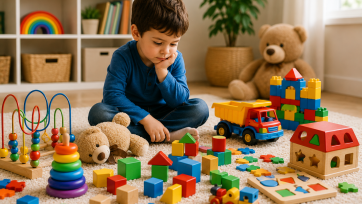
The 30-Day Toy Test: How to Tell If a Toy Is Truly Worth Buying

Introduction

Imagine this.

You're standing in a toy shop with your child.

One toy has flashing lights, exciting sounds and colourful packaging. Another looks surprisingly simple—no batteries, no screens, no dramatic demonstrations.

Which one deserves a place in your home?

Most buying decisions happen in less than five minutes.

Yet the real question isn't "Will my child love this today?"

It's "Will they still choose it a month from now?"

The truth is that many toys are designed to create a powerful first impression. Very few are designed to remain interesting after the excitement fades.

That's where the 30-Day Toy Test comes in.

It's not a scientific experiment or a strict parenting rule. It's a simple way of looking beyond the packaging and thinking about long-term play instead of short-term excitement.

If more parents used this approach, many would spend less money while building a toy collection their children genuinely enjoy.

Let's see how it works.

Day One: The Excitement Phase

Every new toy has an advantage.

It's new.

Children naturally want to touch it, explore it and discover everything it can do.

During this first stage, almost every toy looks successful.

The challenge is that excitement and lasting value are not the same thing.

Some toys shine brightly for an afternoon.

Others quietly become favourites for years.

You can't tell the difference on the first day alone.

Day Seven: The Curiosity Check

After a week, the novelty begins to disappear.

This is when the toy reveals its true personality.

Ask yourself:

  • Does your child return to it without being reminded?

  • Are they combining it with other toys?

  • Have they invented new games?

  • Is the toy becoming part of imaginative stories?

If the answer is yes, the toy is beginning to prove its worth.

If it spends most of its time untouched, the initial excitement may have been doing all the work.

Day Fourteen: The Creativity Test

By the second week, the most successful toys begin changing roles.

Building blocks become bridges.

Roads become race tracks.

Toy animals move from the zoo into space missions.

A doll's house transforms into a veterinary clinic.

Notice something?

The child is now directing the play.

The toy has become a tool for imagination instead of simply providing entertainment.

That's often the point where long-term favourites separate themselves from short-lived trends.

Day Thirty: The Final Question

A month later, ask one simple question.

Would my child notice if this toy quietly disappeared?

If the answer is yes, you've found a genuinely valuable toy.

If the answer is probably not, the toy may have offered excitement without lasting engagement.

The best toys rarely demand attention.

They quietly earn it over time.

Why Parents Often Misjudge Toys

Adults naturally remember emotional moments.

Watching a child excitedly unwrap a birthday present feels wonderful.

Because of that memory, it's easy to believe the toy was an outstanding success.

But childhood isn't measured by opening presents.

It's measured by everyday play.

The toys children choose on ordinary Tuesday afternoons often tell you much more than the toys they celebrated for ten minutes on Christmas morning.

The Toy Lifetime Score

Instead of judging a toy by its price or popularity, try scoring it using five simple questions.

Give one point for every yes.

  • Does my child choose it without being asked?

  • Can it be used in more than one way?

  • Does it encourage imagination or problem-solving?

  • Has it remained interesting after several weeks?

  • Can it grow with my child's changing interests?

A toy that scores five out of five has a strong chance of becoming a long-term favourite.

One or two points doesn't necessarily make it a bad toy, but it may offer only short-lived entertainment.

The Toys That Usually Pass the Test

After observing how children play, certain patterns appear again and again.

The toys that survive the 30-Day Test often have something in common.

They don't rely on constant surprises.

Instead, they rely on endless possibilities.

These are the kinds of toys children naturally return to:

  • Building blocks and construction sets.

  • Magnetic building pieces.

  • Toy animals and figurines.

  • Train tracks and vehicles.

  • Dollhouses and pretend-play accessories.

  • Art and craft materials.

  • Play kitchens and role-play toys.

None of these toys tells children exactly what to do.

That's precisely why they continue inspiring new ideas.

Why Some Expensive Toys Fail the Test

Price doesn't guarantee replay value.

Many premium toys are beautifully made, but if they only perform one activity, children quickly learn everything they can do.

Once the mystery disappears, so does much of the excitement.

By contrast, a simple set of blocks may never surprise a child.

Instead, it challenges them to surprise themselves.

That's a much more powerful form of play.

A Better Shopping Habit

Before buying your next toy, imagine looking back thirty days from now.

Picture your child walking into the playroom.

Which toy will they pick first?

The one that impressed them in the shop?

Or the one that lets them create something completely different every afternoon?

Thinking this way changes shopping from an emotional decision into a thoughtful one.

Over time, you'll build a collection of toys that earn their place through use rather than appearance.

Quality Play Is Built Over Time

Parents often search for the perfect toy.

In reality, there isn't one.

The best toy for one child may hold very little interest for another.

What matters is how the toy fits your child's personality, stage of development and preferred way of playing.

That's why observing your own child is more valuable than following trends or popularity lists.

Children quietly reveal their favourite toys every day.

We simply need to pay attention.

Frequently Asked Questions

What is the 30-Day Toy Test?

It's a simple way of evaluating whether a toy continues to engage a child after the initial excitement has disappeared. The focus is on long-term play rather than first impressions.

Why do children stop playing with some toys so quickly?

Many toys depend on novelty. Once children discover all the features, there may be little left for them to explore or imagine.

What types of toys usually have the best replay value?

Open-ended toys such as building sets, pretend-play toys, art materials and construction toys often remain interesting because children can use them in different ways.

Should I replace toys that fail the 30-Day Test?

Not immediately. Try storing them for a few weeks and reintroducing them later. Many children rediscover forgotten favourites through toy rotation.

Can this approach save money?

Yes. Buying fewer toys with stronger long-term play value often reduces unnecessary purchases while creating a more enjoyable play environment.

Final Thoughts

A great toy isn't judged on the day it's opened.

It's judged on the ordinary days that follow.

The rainy Tuesday.

The quiet Saturday morning.

The afternoon when there are no birthdays, no holidays and nothing new waiting to be unwrapped.

Those are the moments that reveal a toy's true value.

Some toys shine brightly for a few minutes before fading into the background.

Others quietly become trusted companions in hundreds of adventures.

When parents learn to look beyond the first impression and focus on the next thirty days, toy shopping becomes less about excitement and more about lasting memories.

And in the end, that's what every worthwhile toy should help create.

Advertisement
Best Baby Walkers and Push Toys in 2026
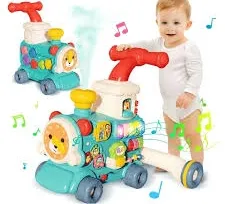
Best Baby Walkers and Push Toys in 2026: Helping Little Ones Take Their First Steps Safely Watching your baby take their first steps is one of the most exciting milestones in early childhood. During this stage, babies are eager to explore their surroundings, improve their balance, and gain confidence with every movement. The right baby walker or push toy can support this natural development by encouraging safe, active play while strengthening muscles and coordination. In 2026, parents have more choices than ever before, including wooden push walkers, activity walkers, ride-on walkers, and multifunctional learning toys. Rather than simply entertaining babies, these products help develop motor skills, hand-eye coordination, and confidence during one of the most important stages of growth. This guide explains everything parents need to know about choosing the best baby walkers and push toys in 2026. What Are Baby Push Walkers? Baby push walkers are toys designed to support babies as they learn to stand and walk independently. Unlike traditional seated baby walkers, push walkers encourage children to use their own muscles and balance while walking behind the toy. Most models include: Easy-grip handles Stable wheels Activity panels Storage space Wooden or plastic frames These features encourage babies to practise walking safely while enjoying interactive play. Why Push Toys Are Better for Early Walking Many child development experts recommend push toys because they encourage babies to develop balance naturally. As babies push the walker forward, they learn to: Balance independently Control their movements Strengthen leg muscles Improve coordination Build confidence This allows walking skills to develop at the baby's own pace. Benefits of Baby Walkers and Push Toys Push walkers support many areas of early development. Some of the biggest benefits include: Encourage independent walking Strengthen leg muscles Improve balance Develop coordination Support gross motor skills Build confidence Encourage active play Improve hand-eye coordination Reduce screen time These skills help prepare babies for confident, independent walking. Wooden Push Walkers Wooden push walkers remain one of the most popular choices among parents. They offer several advantages: Durable construction Eco-friendly materials Stable design Timeless appearance Long-lasting quality Many wooden models also include educational activity panels that continue entertaining children after they begin walking independently. Activity Walkers Activity walkers combine mobility with learning. Interactive features often include: Shape sorters Gears Bead mazes Spinning blocks Musical buttons Mirrors These activities encourage fine motor development while keeping babies engaged. Push Toys for Toddlers Once babies become confident walkers, push toys continue providing exciting play opportunities. Popular options include: Shopping trolleys Lawn mowers Animal push toys Toy prams Wheelbarrows These toys encourage active movement while inspiring imaginative role play. Ride-On and Push Combination Toys Some modern toys combine two functions. Children can: Sit and ride Stand and push Store toys inside Use activity panels These versatile toys often provide longer-lasting value because they adapt as children grow. Educational Features Many baby walkers include early learning activities. Children can explore: Colours Shapes Numbers Animal sounds Simple puzzles Moving gears Learning happens naturally while babies practise standing and walking. Choosing the Right Baby Walker Before buying, consider: Your baby's age Stability Weight Adjustable speed control Material quality Educational features Safety certification A stable walker with smooth-moving wheels usually provides the safest experience. Safety Tips When choosing a baby walker or push toy, always: Follow the recommended age guidelines. Choose products with a wide, stable base. Ensure wheels provide controlled movement. Supervise your baby during use. Use walkers only on flat surfaces. Check regularly for loose parts. Safe supervision helps babies explore confidently. Common Buying Mistakes Many parents choose walkers based only on appearance. Avoid: Lightweight models that tip easily Slippery wheels Poor-quality materials Walkers without safety certification Products that don't suit your baby's height Choosing a high-quality push walker helps babies learn safely and comfortably. Why Push Walkers Make Wonderful Gifts Baby walkers and push toys are thoughtful gifts because they support one of childhood's most memorable milestones. They're perfect for: First birthdays Baby showers Christmas Family celebrations Early learning gifts Parents appreciate gifts that combine entertainment with healthy physical development. Frequently Asked Questions What is the best push walker for babies? The best push walkers are sturdy, lightweight enough to move comfortably, include adjustable resistance if possible, and meet recognised safety standards. At what age can babies use push walkers? Most push walkers are suitable once babies can pull themselves up and stand confidently, typically between 9 and 12 months, although every child develops at a different pace. Are push walkers better than seated baby walkers? Many child development specialists prefer push walkers because they encourage babies to develop balance, coordination, and walking skills naturally through independent movement. Do push toys help babies learn to walk? Yes. Push toys encourage babies to strengthen their muscles, improve balance, and build confidence while practising walking at their own pace. Final Thoughts The best baby walkers and push toys in 2026 provide much more than entertainment. They support one of the most exciting stages of childhood by helping babies develop confidence, coordination, and independent movement through active play. Whether you choose a classic wooden push walker, an interactive activity walker, or a versatile ride-on combination toy, the right choice can encourage healthy physical development while making every step more enjoyable. By investing in a safe, durable, and age-appropriate push toy, parents give their little ones the confidence to explore the world one step at a time.
Best Kids Rain Boots in 2026
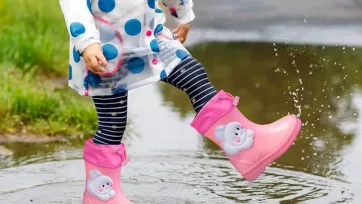
Kids Rain Boots: The Complete Parent's Guide to Choosing Waterproof, Comfortable Wellies for Children Introduction For children, rainy days rarely mean staying indoors. They mean jumping into puddles, exploring muddy woodland paths, building dams in the garden and discovering worms after a shower. A good pair of rain boots turns wet weather into another adventure. For parents, however, choosing children's rain boots isn't quite so simple. Should you buy them a size bigger? Are rubber boots better than lightweight waterproof alternatives? Do insulated boots really make a difference during winter? How can you stop little feet from becoming cold and sweaty after an afternoon outdoors? The right pair of rain boots keeps feet dry, supports growing feet and survives plenty of energetic play. The wrong pair may cause discomfort, blisters or simply end up forgotten at the back of the cupboard. This guide explains everything parents should know before buying kids' rain boots, helping you choose footwear that's practical, comfortable and built for everyday adventures. Why Quality Rain Boots Matter Children don't walk through puddles. They run. They splash. They climb. They test every muddy corner they can find. That's why children's rain boots need to do much more than keep water out. A well-designed pair should: Keep feet dry in wet weather. Provide reliable grip on slippery surfaces. Feel comfortable for extended wear. Be easy for children to put on themselves. Stand up to regular outdoor use. When these features come together, children spend less time worrying about wet feet and more time enjoying the outdoors. Choosing the Correct Size One of the most common mistakes parents make is buying rain boots that are far too large. Although children grow quickly, oversized boots can rub against the heel, make walking awkward and increase the risk of trips and falls. A better approach is to allow just enough room for: Thick socks during colder months. Natural foot movement. Future growth without compromising comfort. Your child should be able to wiggle their toes freely while the heel remains secure during walking. What Material Is Best? Not all rain boots are made from the same materials. Understanding the differences helps parents choose footwear that matches their child's lifestyle. Natural Rubber Natural rubber remains one of the most popular choices because it's flexible, waterproof and durable. It's particularly suitable for regular outdoor play. PVC PVC boots are often lighter and more affordable. They're a practical option for occasional use, although they may not offer the same flexibility as premium rubber boots. Insulated Rain Boots For colder climates, insulated boots include an extra lining that helps keep little feet warm during chilly autumn and winter days. They're especially useful for long walks, countryside adventures and snowy conditions. Features Worth Looking For A good pair of kids' rain boots should include more than waterproof material. Useful features include: Deep, non-slip soles. Soft inner lining. Easy pull handles. Flexible construction. Reinforced heel support. Durable stitching around the upper edge. Comfortable fit around the ankle. These details make everyday use easier for both children and parents. Should Children Wear Thick Socks? Many parents automatically choose the thickest socks they can find. In reality, comfort depends on the weather. During cool autumn days, medium-weight cotton or wool-blend socks often provide enough warmth without making feet sweaty. In colder weather, thermal socks can improve comfort inside insulated boots. The goal is to keep feet warm while allowing enough airflow to prevent excess moisture. How to Check If Rain Boots Fit Properly Even the best rain boots won't feel comfortable if they don't fit correctly. When your child tries them on, ask them to walk around for a few minutes. Check that: The heel stays in place while walking. Toes have enough room to move comfortably. The boots don't rub around the ankles. Walking feels natural rather than awkward. Your child can put the boots on and take them off without struggling. A comfortable fit encourages children to wear their boots happily whenever the weather changes. Rain Boots for Different Activities Not every child uses rain boots in the same way. Choosing the right type depends on how they'll be worn. For Nursery and School A lightweight pair with flexible soles is usually the best choice. Children often need boots that are easy to change into during outdoor play. For Country Walks Look for deeper tread patterns that provide extra grip on muddy footpaths and uneven ground. For Camping and Family Adventures Comfort becomes even more important during longer walks. Flexible rubber boots with supportive soles help reduce fatigue. For Gardening and Outdoor Play Simple waterproof boots with good traction are ideal for everyday adventures in the garden. Keeping Rain Boots in Good Condition Rain boots don't require complicated maintenance, but a little care helps them last much longer. Useful habits include: Rinse off mud after use. Allow boots to dry naturally. Avoid placing them directly against radiators or heaters. Store them upright in a cool, dry place. Wipe the outside occasionally with a damp cloth. Keeping boots clean also helps maintain their waterproof finish. Common Buying Mistakes Parents Make Many rain boot problems begin before children even wear them. Some of the most common mistakes include: Buying boots several sizes too large. Choosing appearance over comfort. Ignoring sole grip. Forgetting to check flexibility. Using rain boots for long-distance hiking instead of purpose-built walking boots. Waiting too long to replace boots after children outgrow them. A well-fitting boot is always more valuable than a fashionable one that causes discomfort. Frequently Asked Questions Should children wear rain boots every day? Rain boots are designed for wet conditions. On dry days, supportive everyday shoes are usually more comfortable for extended walking. How often should children's rain boots be replaced? Replace them when your child outgrows them, if the soles become worn or if cracks appear that affect waterproof performance. Are insulated rain boots worth buying? If your child regularly plays outdoors during cold weather, insulated boots can provide additional warmth and comfort. Can rain boots be worn in the snow? Some insulated rain boots are suitable for light snow, but dedicated winter boots generally provide better insulation and grip in freezing conditions. What's the best way to dry wet rain boots? Allow them to air dry naturally at room temperature. Avoid placing them directly on radiators, as excessive heat may damage certain materials. Final Thoughts For children, rain doesn't usually spoil the day. It creates a new opportunity for adventure. The right pair of rain boots allows them to splash through puddles, explore muddy paths and enjoy the outdoors without worrying about wet feet. When choosing children's rain boots, focus on fit, comfort, grip and durability rather than simply selecting the brightest colour or favourite pattern. A pair that fits well, keeps feet dry and stands up to everyday play will quickly become one of the most useful items in your child's wardrobe. After all, some of childhood's happiest memories begin with a puddle.  
Why Do Some Children Ignore Their Toys
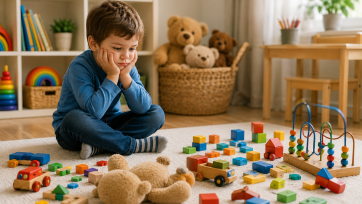
Why Do Some Children Ignore Their Toys? 9 Surprising Reasons Every Parent Should Know Introduction One afternoon, Sarah watched her four-year-old wander into the playroom. Shelves were neatly organised. Building blocks were stacked in colourful baskets. Toy cars waited in perfect rows. There were puzzles, dolls, books and enough toys to fill an entire corner of the house. Her son looked around for a few seconds. Then he walked into the kitchen, picked up a wooden spoon and a mixing bowl, and spent the next forty minutes pretending to cook dinner for his teddy bear. The toys stayed exactly where they were. If this sounds familiar, you're not alone. Many parents quietly wonder whether they've wasted money on toys their children barely touch. Others worry that a lack of interest means something is wrong. In most cases, the explanation is far simpler. Children don't reject toys because they dislike playing. They reject toys when those toys no longer match the way their imagination, curiosity or stage of development works. Understanding why this happens can help you make better toy choices, reduce unnecessary spending and create a play environment that genuinely encourages creativity. Let's explore the reasons behind one of the most common parenting questions. Reason #1: Too Much Choice Can Feel Overwhelming Imagine opening a streaming service with fifty thousand films. Finding one to watch suddenly feels like hard work. Children experience something similar when they're surrounded by dozens of toys. Instead of settling into one activity, they move quickly from shelf to shelf, never quite deciding where to begin. This isn't laziness. It's decision fatigue. Parents often notice that when the number of available toys is reduced, children actually spend longer playing. Reason #2: The Toy Solves Every Problem for Them Some toys leave almost nothing for children to imagine. Press a button. Watch the lights. Listen to the sounds. Repeat. After a while, the experience becomes predictable because the toy always behaves in exactly the same way. Now compare that with a pile of wooden blocks. Today they're a bridge. Tomorrow they're an airport. Next week they're part of a zoo. The toy changes because the child changes. That's what keeps it interesting. Reason #3: Your Child Has Simply Outgrown It Children grow remarkably quickly. The puzzle that fascinated them six months ago may now feel too easy. Likewise, a complex construction set intended for older children can feel frustrating rather than enjoyable. Good play sits in the middle. It should feel challenging enough to be interesting but achievable enough to build confidence. When toys no longer match a child's developmental stage, they're often left untouched. Reason #4: Everyday Objects Feel More Interesting Parents sometimes laugh when a child chooses a cardboard box over an expensive toy. Yet this behaviour makes perfect sense. A saucepan can become a drum. A blanket can become a superhero cape. A cardboard tube can become a telescope. Ordinary household objects have one huge advantage. They don't come with instructions. Children decide what they become, and that freedom often makes them more exciting than highly structured toys. Reason #5: Play Needs a Story Children rarely fall in love with objects. They fall in love with stories. A toy dinosaur isn't just a dinosaur. It becomes the guardian of a volcano. A teddy bear isn't just a teddy. It's the patient at a pretend hospital. When toys fail to inspire storytelling, they often fail to hold attention. The toys children return to again and again are usually the ones that fit naturally into the imaginary worlds they're constantly creating. Reason #6: They Need Someone to Start the Adventure Parents often hear the phrase, "Will you play with me?" It doesn't always mean a child needs constant company. Sometimes they simply need someone to help the story begin. A five-minute conversation can completely change what happens next. Instead of saying: "Go and play with your toys." Try asking: "Who's the captain of this spaceship?" "Why is this dinosaur hiding?" "Who lives in this castle?" Once the story starts, many children continue happily on their own. Adults don't need to lead the game. They simply help open the first chapter. Reason #7: The Play Environment Is Distracting Imagine trying to read a book while the television is on, a tablet keeps making sounds and people are constantly walking past. Concentrating becomes difficult. Children experience the same challenge. A play area packed with flashing lights, loud electronic toys and visual clutter can make it harder to settle into imaginative play. Interestingly, many nursery classrooms are designed with calm colours, organised shelves and clearly defined play spaces. The aim isn't to make the room look tidy. It's to help children focus. Sometimes changing the environment has a bigger impact than buying another toy. Reason #8: They're Craving Real-Life Experiences Children naturally imitate the world around them. If they've been watching a parent cook, they may suddenly become interested in making pretend meals. After a visit to the airport, every chair in the house becomes an aeroplane. Following a trip to the zoo, stuffed animals turn into safari adventures. This explains why a child might ignore a toy one day and become fascinated by it after a new experience. Play is often a reflection of life. The richer a child's experiences, the richer their imaginary games become. Reason #9: They Don't Need Another Toy This might be the hardest truth for adults to accept. Sometimes children simply have enough. Not because they don't enjoy toys. Because they already have everything they need to create wonderful games. Adding another toy doesn't always improve play. Occasionally it has the opposite effect by creating one more choice, one more distraction and one more item competing for attention. Many parents discover that introducing fewer new toys actually leads to longer, happier play sessions. What Parents Can Do Instead If your child rarely plays with their toys, resist the temptation to rush out and buy something new. Instead, experiment with small changes. Rotate a few toys every month instead of leaving everything available. Create open floor space where children can spread out and build. Join in for the first few minutes of a game before quietly stepping back. Introduce simple materials such as cardboard boxes, blankets, recycled tubes or craft supplies. Most importantly, observe rather than assume. Children often tell us exactly what kind of play they enjoy—we simply have to watch. Frequently Asked Questions Is it normal for children to ignore their toys? Yes. It's extremely common. Children often prefer activities that allow them to imagine, build or create rather than toys with only one fixed purpose. Should I buy new toys if my child seems bored? Not immediately. Try rotating existing toys, changing the play environment or introducing new ways to use toys already at home before spending more money. Why does my child play with household objects instead? Everyday objects have no fixed rules. They encourage creativity because children decide what each object represents. Can too many toys reduce concentration? For some children, yes. A very large number of choices can make it harder to focus on one activity for an extended period. How can I encourage independent play? Offer a manageable selection of toys, create a calm play space and help your child begin a story instead of directing the entire game. As their confidence grows, many children naturally continue playing on their own. Final Thoughts If your child walks past a shelf full of toys and heads straight for a cardboard box, a blanket or the kitchen cupboards, don't assume something has gone wrong. In many ways, the opposite is true. They're doing exactly what children have always done. They're searching for something they can transform. Something they can control. Something that becomes whatever their imagination needs it to be. The goal of a good toy isn't to keep a child busy. It's to give them the freedom to invent, explore and tell stories that belong entirely to them. When parents understand that difference, shopping becomes easier, play becomes richer and children often rediscover the joy of toys they already own.  
Water Play Toys: Benefits, Buying Tips and Fun Ways to Support Your Child's Development
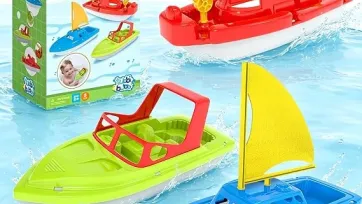
 Water Play Toys: Benefits, Buying Tips and Fun Ways to Support Your Child's Development Introduction Give most children a bucket of water, a few simple toys and a little freedom, and they'll happily play for hours. There's something naturally exciting about splashing, pouring, floating and experimenting with water. What looks like ordinary fun is actually a valuable learning experience that helps children develop physical, cognitive and social skills. Water play is one of the easiest ways to combine education with entertainment. It encourages children to explore how things move, sink, float and flow while strengthening hand muscles, improving coordination and inspiring imaginative play. Whether it's a small water table in the garden, a paddling pool on a sunny afternoon or a few cups in the bath, water activities provide endless opportunities for discovery. For parents, choosing the right water play toys isn't just about keeping children occupied. The best toys encourage creativity, problem-solving and active learning while being safe, durable and easy to maintain. In this guide, you'll discover why water play is important, how it supports child development, the best water play toys for different age groups and what to consider before buying. Why Children Love Water Play Children are naturally curious. Water responds instantly to every action they take. They can pour it, scoop it, spray it, splash it or watch it flow in different directions. Unlike many toys that have one specific purpose, water offers endless possibilities. Every play session becomes a new experiment where children learn through observation and experience. This freedom keeps children engaged for much longer than many traditional toys. Why Water Play Is Important Water play supports several areas of development at the same time. As children pour, squeeze and transfer water between containers, they improve coordination, strengthen muscles and learn about basic scientific concepts without even realising it. Water play also encourages children to: Think creatively. Solve simple problems. Develop patience. Improve concentration. Build confidence. Learn through trial and error. Practise social skills when playing together. Because children are actively involved throughout the activity, learning feels natural rather than structured. Benefits of Water Play Toys The right toys make water play even more rewarding by introducing different movements, challenges and opportunities for exploration. Develop Fine Motor Skills Scooping water with cups, squeezing water toys and pouring between containers strengthen the small muscles in children's hands and fingers. These movements help prepare children for writing, drawing and other everyday activities. Improve Hand-Eye Coordination Filling buckets, aiming water wheels and catching floating toys require children to coordinate what they see with how their hands move. This gradually improves precision and control. Encourage Early Science Learning Water naturally introduces children to concepts such as: Floating and sinking Cause and effect Gravity Volume Measurement Movement Children learn these ideas through hands-on experimentation rather than formal lessons. Inspire Imaginative Play A simple water table can become a pirate ship, a car wash, a fishing lake or a jungle river depending on a child's imagination. This type of play strengthens creativity while keeping children engaged for longer. Encourage Active Outdoor Play Many water toys encourage children to move around, carry containers, splash, run and explore. This supports healthy physical development while making outdoor play more exciting during warmer months. Best Water Play Toys for Babies Babies enjoy gentle water experiences that focus on sensory exploration. Suitable options include: Floating bath toys Soft rubber animals Water-safe stacking cups Small pouring cups Floating balls Sensory bath books Soft water wheels These simple toys help babies explore movement, texture and cause-and-effect while enjoying bath time. Water Play Toys for Toddlers Toddlers enjoy experimenting with different ways of moving water. Excellent choices include: Water tables Buckets and watering cans Floating boats Pouring cups Scoops and sieves Water wheels Toy sea animals Mini fishing games Bath activity walls Water pumps These toys encourage active exploration while developing coordination and problem-solving skills. Water Play Toys for Preschool Children Preschool children enjoy more imaginative and challenging water activities. Popular choices include: Water channels Floating obstacle courses Toy boats Spray fountains Water blasters suitable for younger children Measuring containers Sand and water tables Toy construction equipment Floating alphabet letters Water experiment kits These toys combine imaginative play with early science learning, helping children understand how water behaves while developing creativity. Water Play Toys for School-Age Children As children grow older, they begin looking for activities that are more challenging and interactive. Water play doesn't lose its appeal—it simply evolves. Older children enjoy experimenting, building, competing and creating their own games, making water toys just as exciting as they were during the toddler years. Some excellent options include: Water obstacle course accessories Floating targets for throwing games Water sports equipment Pump-action water blasters Floating construction toys Water-powered experiment kits Boat-building sets Garden sprinklers Pool diving toys (for confident swimmers under supervision) DIY water channels These toys encourage physical activity while introducing children to basic engineering, teamwork and creative problem-solving. Indoor vs Outdoor Water Play Most people associate water play with gardens and sunny afternoons, but it doesn't have to be limited to outdoor spaces. Outdoor Water Play Outdoor activities allow children to move freely and enjoy larger equipment. Popular outdoor options include: Water tables Sprinklers Splash mats Paddling pools Garden fountains Water slides Water walls Sand and water stations Outdoor play encourages active movement and provides plenty of room for imaginative adventures. Indoor Water Play Indoor water activities are ideal during colder months or rainy days. Simple ideas include: Bath toys Sink-and-float experiments Measuring cups Plastic containers Floating letters and numbers Colour mixing with washable food colouring Sponges for squeezing activities A waterproof mat and a few towels can help keep clean-up quick and easy. How to Choose the Best Water Play Toys Not every water toy offers the same value. Some are entertaining for only a few minutes, while others inspire years of creative play. When shopping, consider these points: Choose toys appropriate for your child's age. Look for toys that encourage open-ended play. Select durable materials that can withstand regular exposure to water. Avoid toys with unnecessary electronic components. Check that toys are easy to clean and dry. Consider how much storage space is available. Choose toys that can be used in different ways. Simple, versatile toys often provide the longest-lasting enjoyment. Buying Guide Before purchasing water play toys, think about how and where your child will use them. Available Space A compact water table may be ideal for a small patio, while larger gardens can accommodate splash mats, sprinklers or obstacle courses. Ease of Cleaning Water toys should dry quickly and be easy to rinse after each use to reduce the risk of mould. Durability Choose toys made from sturdy, weather-resistant materials that can withstand outdoor conditions. Educational Value The best water toys encourage exploration, creativity and problem-solving while making learning enjoyable. Long-Term Play Value Select toys that continue to challenge children as they grow rather than those with only one fixed activity. Safety Tips Water play is enjoyable, but even small amounts of water require careful supervision. Follow these essential safety guidelines: Never leave children unattended around water. Empty paddling pools and containers immediately after use. Clean water toys regularly to prevent mould and bacteria. Check toys for cracks or damage before use. Use non-slip mats where appropriate. Apply suitable sun protection during outdoor play. Encourage regular drinking water during hot weather. Store water toys in a dry, well-ventilated area. Supervision remains the most important part of safe water play, regardless of a child's age. Common Buying Mistakes Avoid these common errors when choosing water play toys. Buying Toys That Are Too Complicated Children often enjoy simple pouring and splashing activities more than toys with numerous moving parts. Ignoring Storage Large water toys can be difficult to store if they cannot be folded or dismantled. Choosing Poor-Quality Materials Cheap plastic may crack after prolonged exposure to sunlight or water. Forgetting About Cleaning Toys that trap water inside can quickly develop mould if not cleaned and dried properly. Buying Only Seasonal Toys Many water toys can also be used in baths or sensory play throughout the year, making them a better long-term investment. Frequently Asked Questions What are the benefits of water play for children? Water play supports fine motor skills, coordination, creativity, early science learning, problem-solving and imaginative play while encouraging children to stay active. At what age can children enjoy water play toys? Babies can begin exploring simple floating toys during supervised bath time, while toddlers and older children can enjoy a wider range of water play equipment suited to their age. Are water tables educational? Yes. Water tables encourage experimentation with pouring, measuring, floating and movement while promoting creative and social play. How often should water toys be cleaned? Water toys should be rinsed after every use and cleaned thoroughly on a regular basis to prevent mould and bacteria from developing. Are electronic water toys a good choice? Some electronic toys can be enjoyable, but simple, durable water toys often provide greater opportunities for creative and independent play. Final Thoughts Water play is much more than a fun way to cool down on a warm day. It encourages children to experiment, imagine and learn through hands-on experiences that support physical, cognitive and social development. From pouring and splashing to building floating structures and creating imaginative adventures, water activities offer countless opportunities for meaningful play. When choosing water play toys, focus on safety, durability and versatility rather than complicated features. A small collection of well-designed toys can provide years of enjoyment while helping children build confidence, creativity and important developmental skills. Whether you're setting up a simple water tray in the garden or creating an exciting splash zone for the summer holidays, the right water play toys can turn ordinary moments into memorable learning experiences.  
11 Toy Buying Mistakes Almost Every Parent Makes (And How to Avoid Them)
 11 Toy Buying Mistakes Almost Every Parent Makes (And How to Avoid Them) Introduction Buying toys should be easy. Children play with them, enjoy them and hopefully learn something along the way. Yet every year, parents collectively spend millions on toys that end up forgotten in cupboards, broken within weeks or abandoned before the batteries even run out. The surprising part? Most of these disappointing purchases happen for exactly the same reasons. It's rarely because parents don't care. It's because modern toy shopping is full of distractions—advertising, trends, social media recommendations and pressure to buy whatever everyone else seems to be buying. After a while, it's easy to forget one simple fact: The best toy isn't the one that impresses adults. It's the one that keeps a child coming back voluntarily. If you've ever looked at an expensive toy collecting dust in the corner and wondered why your child lost interest so quickly, you're not alone. Let's look at the mistakes many families make—and, more importantly, how to avoid them. Mistake #1: Buying Toys That Entertain Instead of Engage There's an important difference between a toy that performs and a toy that invites play. A robot that dances at the press of a button may be exciting for five minutes. A box of magnetic tiles asks a child to think, experiment and build. The first delivers entertainment. The second creates involvement. Whenever possible, choose toys that require your child's imagination rather than replacing it. Mistake #2: Shopping for the Packaging Manufacturers invest enormous effort into packaging because they know it influences buying decisions. Large boxes, bright colours and licensed characters naturally attract attention. But once the packaging disappears, only the toy remains. Try judging the toy without imagining the box. Would it still seem exciting? Mistake #3: Assuming Expensive Means Better One family spends £25 on wooden blocks. Another spends £120 on a heavily advertised electronic gadget. Six months later, which toy is still used every weekend? The answer often surprises people. Price tells you what something costs. It doesn't tell you how much your child will value it. Mistake #4: Ignoring Your Child's Personality Some children love building. Others prefer pretending. Some enjoy creating art. Others want to move constantly. Buying toys that match your child's natural interests usually produces much better results than following the latest trend. Mistake #5: Buying Too Many Toys at Once Children rarely need ten new toys on the same day. Introducing one or two at a time allows each toy to receive proper attention. It also prevents the "open everything, play with nothing" effect many parents notice after birthdays and Christmas. Mistake #6: Forgetting That Simple Can Be Brilliant Cardboard boxes. Blankets. Wooden blocks. Play scarves. Art supplies. These items have entertained children for generations. Not because they're sophisticated. Because they're unfinished. Children complete them with imagination. Mistake #7: Believing Every Toy Needs an Educational Label Walk through any toy shop and you'll quickly notice a familiar word on countless boxes: Educational. It's become one of the most effective marketing terms in the toy industry. But here's something worth remembering. Children don't learn only when a toy claims to teach them something. They learn while building a blanket fort. They learn while pretending to run a café. They learn while inventing stories with toy animals. Some of the most valuable learning happens during completely unstructured play. Instead of asking whether a toy is educational, ask whether it encourages your child to think, create, solve problems or communicate. Those are often far better indicators of genuine learning. Mistake #8: Buying for Today's Excitement Instead of Tomorrow's Play Imagine two toys. One creates a huge reaction the moment it's opened. The other receives only a polite smile. Six months later, which one is still being used? Parents often focus on the excitement of Christmas morning or a birthday party, but children remember the toys they continue enjoying long after the celebration has ended. Try to shop with next month in mind, not just today. Mistake #9: Ignoring How the Toy Fits Into Your Home A fantastic toy can become frustrating if it doesn't suit your living space. Oversized playsets in a small flat. Hundreds of tiny accessories with nowhere to store them. Large ride-on toys that only fit in the hallway. Before buying, think beyond the shop. Where will the toy live? Will it be easy to tidy away? Will your child be able to reach it independently? Practical questions like these often determine whether a toy becomes part of everyday life or spends most of its time hidden in a cupboard. Mistake #10: Forgetting That Children Change Quickly Children's interests evolve much faster than adults expect. The dinosaurs they adored in spring may be replaced by rockets before autumn arrives. That doesn't mean parents should constantly buy new toys. Instead, choose toys that can adapt as interests change. Building pieces can become almost anything. Craft materials support countless hobbies. Pretend-play accessories transform with every new idea. Flexible toys usually stay relevant for much longer than toys tied to a single theme. Mistake #11: Buying Without Asking One Final Question Before every purchase, pause for a moment and ask yourself: "If this toy didn't exist, what would my child play with instead?" It's a surprisingly revealing question. If the answer is another toy that already lives in your house, perhaps you don't need to make the purchase. If the answer is, "Nothing they already own does this," you've probably found something that genuinely adds value to their collection. Sometimes the smartest purchase is the one you decide not to make. A Smarter Way to Shop for Toys Rather than filling your basket because something is on offer or trending online, create a simple habit. Every time you consider buying a toy, think about these five points: Does it encourage creativity? Is it suitable for my child's current stage of development? Will it still be interesting in six months? Does it offer something different from the toys we already own? Is it likely to be played with regularly rather than occasionally? You don't need five "yes" answers every time, but asking these questions encourages more thoughtful decisions and fewer impulse purchases. Frequently Asked Questions Why do children stop playing with new toys so quickly? In many cases, the novelty wears off. Toys that offer only one way to play often become predictable, whereas open-ended toys continue presenting new possibilities. Should I always buy educational toys? Not necessarily. Children learn through many different forms of play, including pretend games, creative activities and outdoor exploration. A toy doesn't need the word "educational" on the box to support development. Is it better to buy one expensive toy or several inexpensive ones? There's no universal answer, but long-lasting play value is usually more important than price. A well-made toy used every week often represents better value than several toys that are quickly forgotten. How can I reduce impulse toy purchases? Waiting 24 hours before buying, comparing the toy with what your child already owns and asking whether it offers a genuinely new play experience are all helpful strategies. What makes a toy worth buying? The best toys encourage children to imagine, experiment and return to play repeatedly. They remain enjoyable because children continue discovering new ways to use them. Final Thoughts No parent gets every toy purchase right. Every family has experienced the excitement of bringing home a new toy, only to find it forgotten a few weeks later. That's simply part of raising children. What matters is recognising the patterns. The toys that become lifelong favourites rarely rely on flashing lights, clever advertising or enormous boxes. Instead, they invite children to think, create and tell their own stories. By avoiding these common buying mistakes, you'll spend less on toys that lose their appeal and invest more in toys that genuinely enrich your child's play. And perhaps the biggest lesson of all? Buying the right toy isn't about finding the most impressive product on the shelf. It's about finding the one your child will still choose when nobody tells them to.  
Best Ride-On Toys for Kids in 2026
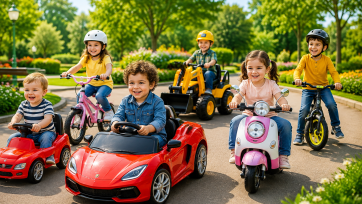
Best Ride-On Toys for Kids in 2026 Ride-on toys have been a favourite among children for generations, and in 2026, they remain one of the best ways to combine fun, exercise, and learning. From push cars for toddlers to battery-powered vehicles and balance bikes, ride-on toys encourage children to stay active while developing important physical and cognitive skills. Unlike toys that keep children sitting in one place, ride-on toys promote movement, independence, and confidence. Every ride helps improve balance, coordination, steering, and spatial awareness, making these toys much more than simple entertainment. Whether your child loves pretending to drive a sports car, race through the backyard, or explore the neighbourhood on a balance bike, there's a ride-on toy to match every age and personality. This guide explores the best ride-on toys for kids in 2026, their developmental benefits, safety tips, and how to choose the perfect model. What Are Ride-On Toys? Ride-on toys are toys that children can sit on and move by pushing with their feet, pedaling, steering, or using a battery-powered motor. They come in many styles, allowing children of different ages to enjoy active play. Popular ride-on toys include: Push cars Balance bikes Tricycles Wiggle cars Battery-powered cars Ride-on trucks Ride-on tractors Ride-on motorcycles Animal ride-ons Scooters These toys provide hours of entertainment while helping children build essential physical skills. Why Ride-On Toys Are Important Young children learn best through movement. Ride-on toys encourage active play while helping them become more confident in controlling their bodies. Regular use helps children develop: Balance Coordination Leg strength Core stability Hand-eye coordination Steering control Spatial awareness Independence Children also gain confidence as they learn to control speed, direction, and movement on their own. Benefits of Ride-On Toys Ride-on toys offer much more than fun. Some of their biggest benefits include: Encourage daily physical activity Improve gross motor skills Build confidence Support healthy exercise Reduce screen time Improve coordination Develop independence Encourage outdoor play These benefits support healthy growth while making exercise enjoyable. Push Cars for Toddlers Push cars are one of the best ride-on toys for younger children. Toddlers move the toy by pushing with their feet, helping them strengthen their leg muscles while improving balance. Parents appreciate push cars because they are: Easy to use Safe Durable Suitable for indoor and outdoor play Many models also include storage compartments and interactive steering wheels for extra fun. Balance Bikes Prepare Kids for Cycling Balance bikes have become increasingly popular because they teach children how to balance before learning to pedal. Instead of using training wheels, children naturally develop: Balance Steering Confidence Coordination Many children who start with balance bikes learn to ride regular bicycles much faster. Battery-Powered Ride-On Cars Battery-powered ride-on vehicles give children the excitement of driving their own miniature cars. Popular models include: Sports cars Jeeps SUVs Construction trucks Police vehicles Fire trucks Many include realistic features such as: Working headlights Music Horn sounds Opening doors Parent remote controls These vehicles provide exciting pretend play while encouraging outdoor exploration. Tricycles Remain a Classic Choice Tricycles continue to be one of the most popular ride-on toys for preschool children. They help improve: Pedaling skills Balance Leg strength Coordination Endurance Many tricycles also include adjustable seats, making them suitable as children grow. Wiggle Cars Encourage Active Movement Wiggle cars move simply by turning the steering wheel from side to side. No batteries, pedals, or motors are required. Children enjoy the unique riding experience while developing: Coordination Balance Core strength Steering skills They are especially popular for smooth driveways and indoor play areas. Ride-On Construction Vehicles Children who love diggers, tractors, and trucks often enjoy construction-themed ride-on toys. Popular choices include: Excavators Bulldozers Tractors Dump trucks Forklifts These toys encourage imaginative role-playing while keeping children physically active. Outdoor Adventures Become More Exciting Ride-on toys naturally encourage children to spend more time outdoors. Instead of sitting indoors with digital devices, children enjoy: Exploring parks Racing friends Creating obstacle courses Family walks Backyard adventures Outdoor play also supports physical fitness and emotional well-being. Choosing the Right Ride-On Toy by Age Every age group benefits from different ride-on toys. For 1-year-olds: Push cars Ride-on animals For 2 to 3-year-olds: Balance bikes Wiggle cars Beginner tricycles For 4 to 6-year-olds: Battery-powered cars Advanced balance bikes Scooters Ride-on trucks Choosing age-appropriate toys helps children stay safe while enjoying the right level of challenge. Safety Tips for Parents Ride-on toys are generally very safe when used correctly. Always remember to: Follow the recommended age range. Use helmets when appropriate. Supervise younger children. Choose flat, safe play areas. Inspect toys regularly. Charge batteries correctly. Teach basic safety rules. Good supervision helps children enjoy active play with confidence. What to Look for Before Buying Before purchasing a ride-on toy, consider: Your child's age Weight capacity Indoor or outdoor use Battery life (if applicable) Build quality Safety certifications Adjustable features A high-quality ride-on toy often provides years of enjoyment. Common Buying Mistakes Many parents purchase ride-on toys based only on appearance. Avoid: Buying toys that are too large Ignoring weight limits Choosing poor-quality batteries Forgetting safety equipment Buying complicated controls for younger children Selecting the right size and skill level creates a much better experience. Why Ride-On Toys Make Excellent Gifts Ride-on toys remain one of the most exciting gifts for birthdays, holidays, and special occasions. Children immediately enjoy the excitement of riding, while parents appreciate the developmental benefits and encouragement of outdoor play. Because many ride-on toys last for years, they often become favorite childhood memories. Frequently Asked Questions What are the best ride-on toys for kids? Push cars, balance bikes, tricycles, battery-powered cars, scooters, and wiggle cars are among the best ride-on toys available. At what age can children use ride-on toys? Many ride-on toys are suitable from around 12 months, while others are designed for older preschool and school-age children. Are battery-powered ride-on cars safe? Yes. When used under adult supervision and according to the manufacturer's recommendations, battery-powered ride-on cars are safe and enjoyable. Do ride-on toys help child development? Absolutely. They improve balance, coordination, physical fitness, confidence, and independence while encouraging active outdoor play. Final Thoughts The best ride-on toys for kids in 2026 offer much more than exciting adventures. They encourage children to stay active, develop important physical skills, and build confidence through independent play. Whether it's a push car for a toddler, a balance bike for a preschooler, or a battery-powered sports car for an older child, every ride becomes an opportunity to learn, explore, and create lasting memories. Choosing a high-quality, age-appropriate ride-on toy is an investment in both fun and healthy development. With the right choice, children can enjoy years of active play while building skills that will benefit them long after playtime ends.
Best Robot Toys for Kids in 2026
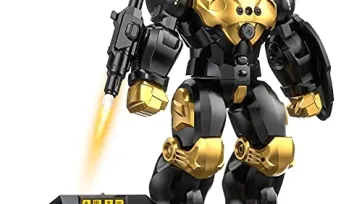
Best Robot Toys for Kids in 2026: Smart, Educational and Fun for Every Age Robot toys have become one of the fastest-growing categories in the toy industry, combining entertainment with education in ways that capture children's imagination. From simple dancing robots for toddlers to programmable robots that teach coding and engineering, today's robot toys help children develop valuable STEM skills while keeping them engaged through interactive play. Unlike traditional toys, robot toys respond to commands, perform movements, solve challenges, and even introduce basic programming concepts. They encourage children to think creatively, experiment with technology, and develop problem-solving skills that will be useful throughout their lives. Whether you're shopping for a birthday, Christmas, or an educational gift, this guide explores the best robot toys for kids in 2026. Why Robot Toys Are So Popular Children are naturally curious about technology. Robot toys allow them to explore how machines move, respond, and interact with the world. Many modern robots can: Walk Dance Talk Follow commands Avoid obstacles Perform tricks Play games Teach coding These interactive features make learning feel like play instead of study. Benefits of Robot Toys Robot toys support many areas of child development. Some of the biggest benefits include: Improve problem-solving skills Encourage logical thinking Develop STEM knowledge Build creativity Strengthen concentration Improve hand-eye coordination Introduce coding concepts Encourage independent learning Reduce passive screen time Children also gain confidence as they successfully control and programme their robots. Robot Toys for Toddlers Younger children benefit from simple robots with large buttons and easy controls. Popular features include: Dancing movements Flashing lights Music Animal sounds Colour recognition Shape learning These toys introduce cause and effect while encouraging sensory development. Coding Robots for Kids Coding robots are among the most educational robot toys available. Children learn how to: Create sequences Solve logic puzzles Programme movements Complete challenges Test different solutions Many beginner coding robots use visual programming instead of written computer code, making them suitable for young learners. Remote Control Robot Toys Remote control robots combine technology with active play. Children can control: Walking Turning Dancing Talking Arm movements Sound effects These toys improve hand-eye coordination while making playtime highly interactive. AI-Inspired Robot Toys Some advanced robot toys now include artificial intelligence features. Depending on the model, they may: Recognise voices Respond to commands Learn simple routines Interact with users Tell stories Answer basic questions These robots introduce children to the growing world of AI in an age-appropriate way. Educational Robot Kits Children who enjoy building can combine robotics with engineering. Educational robot kits allow them to: Assemble moving robots Connect motors Build mechanical systems Explore electronics Learn engineering principles Building a robot before programming it provides a deeper understanding of how technology works. STEM Learning Through Robotics Robot toys naturally introduce STEM concepts. Children explore: Science Technology Engineering Mathematics Instead of reading about these subjects, they experience them through practical challenges and experimentation. Robot Toys Encourage Creativity Robot toys are not just about technology. Children often invent imaginative adventures where robots become: Explorers Helpers Space travellers Rescue workers Scientists Friendly companions These stories encourage communication and imaginative thinking alongside technical learning. Choosing the Right Robot Toy Before buying, consider: Your child's age Skill level Battery life Ease of programming Educational value Durability Expandability A robot that grows with your child's abilities offers the greatest long-term value. Safety Tips Choose robot toys that: Meet recognised safety standards Use durable materials Match the recommended age Include clear instructions Have securely enclosed batteries Rechargeable models are often more convenient for regular use. Common Buying Mistakes Parents sometimes purchase robot toys that are too complicated. Avoid: Advanced programming kits for beginners Poor battery life Weak build quality Limited learning features Unknown brands without safety certification Choosing the right difficulty level keeps children motivated instead of frustrated. Why Robot Toys Make Brilliant Gifts Robot toys remain one of the most exciting educational gifts available. They're perfect for: Birthdays Christmas School achievements STEM competitions Holiday presents Children enjoy the excitement of interactive technology while developing valuable future-ready skills. Frequently Asked Questions What are the best robot toys for children? Coding robots, remote control robots, educational robot kits, AI-inspired robots, and STEM robotics sets are among the best choices. At what age can children start using robot toys? Simple interactive robots are suitable from around three years old, while coding and engineering robots are designed for older children. Do robot toys help children learn? Yes. Robot toys improve problem-solving, creativity, coding skills, engineering knowledge, and logical thinking through hands-on learning. Are robot toys worth buying? Absolutely. High-quality robot toys combine entertainment with STEM education, making them an excellent long-term investment for children's learning. Final Thoughts The best robot toys for kids in 2026 combine innovation, education, and entertainment in one exciting package. Whether your child enjoys coding, engineering, remote control gadgets, or imaginative adventures, robot toys encourage curiosity while helping develop skills that will remain valuable in the future. By choosing an age-appropriate robot toy with strong educational value, parents can inspire a love of technology while giving children endless opportunities to build, programme, explore, and create. As technology continues to shape the world, robot toys offer a fun and engaging introduction to the skills of tomorrow.
What Happened When 20 Families Reduced Their Children's Toys?
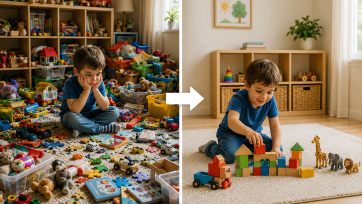
 What Happened When 20 Families Reduced Their Children's Toys? The Results May Surprise You Introduction Imagine being asked a simple question. "Would you remove half of your child's toys for two weeks?" Most parents would probably hesitate. Some would worry their child would become bored. Others might expect more arguments, more screen time and constant requests to buy new toys. Yet over the past decade, many parents have experimented with exactly this idea—not because someone told them to own less, but because they wanted to understand an increasingly common problem. Why were children surrounded by toys yet still saying they had nothing to play with? Although every family is different, the experiences shared by parents reveal some surprisingly consistent patterns. This article brings together those common observations into a practical case study, highlighting what many families noticed after simplifying their children's play environment. The goal isn't to persuade you to throw toys away. It's to explore what happens when children have fewer choices and more opportunities to use their imagination. Week One: The Unexpected Silence The first day often felt strange. Parents described children walking into the playroom, looking around and immediately noticing that something had changed. Some asked where the missing toys had gone. Others wandered from shelf to shelf before choosing something almost reluctantly. At first glance, it looked as though the experiment had failed. But several parents noticed something interesting. Instead of opening six different boxes within ten minutes, children stayed with one activity for much longer. Not because they had no other option. Because there were fewer distractions competing for their attention. The Third-Day Effect Around the third day, many parents reported a noticeable shift. The same construction blocks that had been ignored for months suddenly became the centre of elaborate cities. Toy animals appeared in homemade zoos. Blankets transformed into tents, pirate ships and secret hideouts. Children weren't receiving new toys. They were discovering new ways to use familiar ones. Several parents admitted they had forgotten just how creative their children could be when left to lead the play themselves. Less Time Choosing, More Time Playing One observation appeared repeatedly. Children seemed to spend less time deciding what to play with. This may sound like a small change, but it had a noticeable impact on the length and quality of play sessions. Instead of constantly moving between activities, many became deeply involved in a single game. Parents often described the atmosphere as calmer. Not quieter. Just more focused. Parents Noticed a Difference Too The experiment didn't only affect children. Adults found unexpected benefits as well. Tidying the playroom became quicker. Missing puzzle pieces were easier to find. Favourite toys no longer disappeared beneath mountains of forgotten items. Perhaps most importantly, several parents admitted they felt less pressure to keep buying new toys. They realised their children already owned enough to create wonderful adventures. Not Every Family Had the Same Experience One important lesson quickly became clear. There wasn't a single, perfect outcome. Some children adapted within a day. Others took nearly a week before settling into longer periods of play. A few parents even ended the experiment early because they realised they had removed too many toys at once. That wasn't a failure. It simply highlighted an important point: every child has a different personality, different interests and a different way of engaging with play. The goal wasn't to follow strict rules. It was to discover what worked best for each family. What Happened When the Toys Returned? Perhaps the most interesting part of the experiment came after the toys were brought back. Parents expected children to rush excitedly towards the stored toys before quickly losing interest again. Instead, many children treated familiar toys as though they had just received birthday presents. A train set that hadn't been touched for months suddenly became exciting. Building blocks inspired fresh ideas. Even stuffed animals found new roles in imaginative stories. Nothing about the toys had changed. Only the child's perspective had. This simple observation explains why toy rotation has become such a popular strategy among many families. One Unexpected Discovery Several parents admitted something they hadn't expected. The experiment changed their own behaviour more than their children's. Before reducing the number of toys, many believed boredom could only be solved by buying something new. Afterwards, they noticed that a few encouraging questions often worked better than another shopping trip. "Who lives in this castle?" "Where is this train travelling today?" "What happens next?" These small prompts often sparked long periods of independent play. The children already had the imagination. They simply needed space to use it. What This Means for Parents You don't need to count every toy in your home. You don't need to throw away perfectly good toys. You certainly don't need to follow somebody else's definition of the "perfect" playroom. Instead, think about the quality of play rather than the quantity of toys. Ask yourself: Does my child return to the same toys again and again? Are there toys that haven't been touched for months? Is the playroom helping my child focus or distracting them? Would rotating a few toys make play feel fresh again? Small adjustments often make a much bigger difference than expensive purchases. The Bigger Lesson Perhaps the biggest lesson from these family experiences is this: Children don't measure happiness by how full the toy cupboard is. They measure it by the adventures they create. A cardboard box can become a castle. A blanket can become a superhero cape. A handful of blocks can become an entire city. The imagination was never missing. Sometimes it was simply hidden beneath too many choices. Frequently Asked Questions Does reducing toys work for every child? No single approach works for everyone. However, many families find that reducing visible toys or rotating them regularly helps children focus and engage in longer periods of imaginative play. How many toys should stay available? There isn't a magic number. A balanced mix of construction toys, pretend-play items, creative materials and a few favourites is often more effective than keeping every toy available at once. Should unused toys be donated immediately? Not necessarily. Storing them for a few weeks before deciding gives children the opportunity to rediscover them later. If they still show no interest, donating may be a sensible next step. Can toy rotation reduce requests for new toys? Many parents say it can. Bringing back stored toys often creates the excitement of receiving something new without spending additional money. Is this approach suitable for older children? Yes. Although the types of toys change with age, simplifying the play environment can benefit school-age children as well by reducing distractions and encouraging more focused play. Final Thoughts Children don't always need more. Sometimes they simply need less to think about. The families in this case study didn't discover a secret parenting trick or a revolutionary toy. Instead, they rediscovered something childhood has quietly known all along. Creativity doesn't depend on owning the newest toy. It depends on having the freedom to imagine. Whether your home contains twenty toys or two hundred, the real question isn't how many are on the shelves. It's how many inspire your child to invent stories, solve problems and return to play day after day. If a small change to the playroom can create bigger adventures, it might be one of the simplest parenting experiments worth trying.