Fine Motor Skill Toys

Fine Motor Skill Toys: Helping Children Develop Everyday Skills Through Play

Introduction

From fastening a coat zip to holding a pencil, many everyday activities depend on well-developed fine motor skills. These small but essential movements involve the coordination of the hands, fingers and wrists, allowing children to complete tasks that require precision and control. While these abilities develop naturally over time, the right toys can make the learning process both enjoyable and effective.

Fine motor skill toys are specially designed—or naturally suited—to encourage children to grasp, pinch, twist, stack, thread and manipulate objects. Through regular play, children strengthen the small muscles in their hands while improving hand-eye coordination, dexterity and concentration.

Parents often focus on teaching letters, numbers and colours, but developing fine motor skills is equally important. Without strong hand control, children may struggle with writing, drawing, cutting with scissors, dressing themselves or using everyday utensils.

The good news is that building these skills doesn't require expensive equipment or formal lessons. Carefully chosen toys can provide countless opportunities for learning through play, helping children gain confidence while having fun.

In this guide, you'll discover why fine motor skills matter, how the right toys support healthy development, which toys suit different age groups and what to consider when buying fine motor skill toys.

What Are Fine Motor Skills?

Fine motor skills are the small, controlled movements made using the hands, fingers and wrists. These movements work alongside visual information from the eyes, allowing children to complete precise tasks.

Examples of fine motor activities include:

  • Holding a crayon correctly
  • Turning book pages
  • Buttoning a shirt
  • Picking up small objects
  • Threading beads
  • Using scissors
  • Building with blocks
  • Tying shoelaces

These skills develop gradually from infancy through childhood and form the foundation for many daily activities.

Why Fine Motor Skills Are Important

Strong fine motor skills affect far more than handwriting.

Children rely on these movements every day for tasks such as eating independently, getting dressed, completing schoolwork and participating in creative activities. Developing these abilities early also supports confidence because children become more capable of completing tasks without constant adult assistance.

Fine motor development also contributes to:

  • Better hand-eye coordination
  • Improved concentration
  • Greater independence
  • Stronger problem-solving abilities
  • Increased confidence
  • Better preparation for school

Signs That Fine Motor Skills Are Developing

Every child develops at their own pace, but many parents notice gradual improvements as children grow.

Some common signs include:

  • Picking up tiny objects using thumb and finger
  • Stacking blocks successfully
  • Scribbling with crayons
  • Turning pages one at a time
  • Using child-safe scissors
  • Completing simple puzzles
  • Fastening large buttons
  • Drawing basic shapes

Regular play provides valuable opportunities to practise these movements naturally.

How Toys Help Develop Fine Motor Skills

Play is one of the most effective ways for children to strengthen their hands without realising they are learning.

As children manipulate toys, they repeatedly practise gripping, squeezing, twisting, pushing and pulling. These actions strengthen the muscles needed for more advanced tasks later in life.

Unlike structured exercises, toys keep children motivated because learning feels enjoyable rather than repetitive.

Benefits of Fine Motor Skill Toys

Fine motor toys support several areas of development at once.

Strengthen Hand Muscles

Many activities require children to grip, squeeze or press objects. These repeated movements gradually strengthen the muscles in the hands and fingers.

Improve Hand-Eye Coordination

Building towers, fitting puzzle pieces and threading objects all require children to coordinate what they see with how their hands move.

Encourage Independent Learning

Children enjoy discovering how toys work on their own. This encourages confidence, curiosity and persistence.

Prepare Children for School

Many classroom activities require good fine motor control.

Children who regularly practise these skills often find writing, drawing and cutting easier when they begin school.

Support Creativity

Drawing, modelling clay and construction toys allow children to express themselves while improving finger control.

Develop Patience and Focus

Many fine motor activities require careful attention.

Completing a puzzle or building a stable structure teaches children to concentrate for longer periods while working towards a goal.

Best Fine Motor Skill Toys for Babies

Babies develop hand control through simple exploration.

Suitable toys include:

  • Soft stacking rings
  • Fabric blocks
  • Large grasping toys
  • Textured sensory balls
  • Stacking cups
  • Activity cubes

These toys encourage reaching, holding and transferring objects from one hand to another, laying the foundation for more advanced movements later.

Fine Motor Skill Toys for Toddlers

Toddlers become increasingly curious about how objects fit together and move.

Excellent choices include:

  • Shape sorters
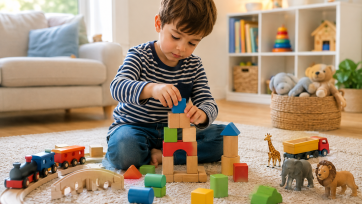
  • Large building blocks
  • Chunky puzzles
  • Peg boards
  • Nesting cups
  • Toy tool sets
  • Pretend food with hook-and-loop fasteners
  • Simple threading toys

These activities strengthen finger muscles while encouraging problem-solving and coordination.

Fine Motor Skill Toys for Preschool Children

As children reach the preschool years, their hand control becomes more refined. They begin drawing recognisable shapes, using scissors, fastening clothing and completing more detailed activities. The right toys can help strengthen these skills while keeping play enjoyable.

Some excellent options include:

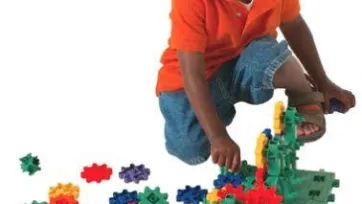
  • Interlocking construction toys
  • Lacing and threading sets
  • Modelling clay and dough
  • Craft kits
  • Bead threading activities
  • Peg puzzles
  • Mosaic art boards
  • Magnetic drawing boards
  • Child-friendly tweezers and sorting games

These toys encourage children to pinch, press, twist and manipulate objects in different ways, helping improve dexterity and finger strength.

Fine Motor Skill Toys for School-Age Children

Older children benefit from toys and activities that require greater precision and planning.

Suitable choices include:

  • Advanced construction sets
  • Origami and paper crafts
  • Model-building kits
  • Jewellery-making kits
  • Sewing and weaving projects
  • Strategy board games with small playing pieces
  • Art supplies
  • Puzzle games
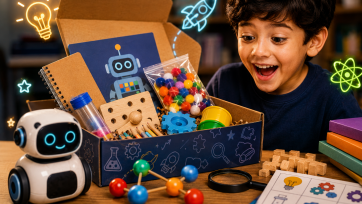
  • Robotics and engineering kits

These activities continue developing fine motor control while introducing problem-solving and creative thinking.

Activities That Improve Fine Motor Skills at Home

Parents do not always need to buy new toys. Everyday household activities can also strengthen fine motor development.

Simple ideas include:

  • Folding washing
  • Peeling fruit
  • Watering plants with a small watering can
  • Using clothes pegs
  • Stirring ingredients while baking
  • Picking up small objects with tongs
  • Building cardboard creations
  • Drawing and colouring
  • Cutting shapes from paper
  • Making collages

Combining these activities with suitable toys creates a balanced approach to learning through play.

How to Choose the Best Fine Motor Skill Toys

With so many toys available, choosing the right one can feel overwhelming. Focusing on quality rather than quantity will help you make better decisions.

Look for toys that:

  • Match your child's age and abilities.
  • Encourage active participation.
  • Require grasping, pinching, twisting or stacking.
  • Offer more than one way to play.
  • Are made from durable, child-safe materials.
  • Can be enjoyed repeatedly without losing interest.
  • Support creativity as well as physical development.

A toy that grows with your child often provides better long-term value than one designed for a single stage.

Buying Guide

Before purchasing fine motor skill toys, consider these important factors.

Age Appropriateness

Choose toys designed for your child's developmental stage. Activities that are too difficult may cause frustration, while toys that are too simple may quickly become boring.

Safety

Ensure the toy meets recognised safety standards and contains no sharp edges or loose parts that could present a choking hazard.

Educational Value

The best toys encourage learning through exploration rather than passive entertainment.

Durability

Children often use favourite toys every day. Strong materials and quality construction help toys last longer.

Versatility

Toys that can be used in different ways provide greater play value and continue challenging children as they grow.

Safety Tips

Although fine motor skill toys are generally safe, parents should always supervise younger children during play.

Follow these simple safety guidelines:

  • Always check the recommended age range.
  • Inspect toys regularly for damage.
  • Remove broken pieces immediately.
  • Keep small parts away from babies and toddlers.
  • Clean toys frequently using child-safe cleaning products.
  • Store toys in labelled containers to prevent pieces from being lost.
  • Avoid toys made from poor-quality materials or with rough edges.
  • Supervise activities involving scissors, beads or modelling materials.

Taking a few minutes to inspect toys regularly helps ensure they remain safe and enjoyable.

Common Buying Mistakes

Parents often make a few common mistakes when selecting developmental toys.

Avoid these pitfalls:

Buying toys that are too advanced

Children learn best when activities are challenging but achievable.

Focusing only on electronic toys

While some electronic toys have educational value, traditional hands-on activities usually provide more opportunities for practising fine motor movements.

Buying too many similar toys

A varied collection supports different types of hand movements and keeps play interesting.

Ignoring durability

Cheap toys may break quickly, reducing both safety and value for money.

Overlooking your child's interests

Children are more likely to practise skills when they genuinely enjoy the activity.

Frequently Asked Questions

What are fine motor skill toys?

Fine motor skill toys are toys that encourage children to use the small muscles in their hands and fingers through activities such as stacking, threading, building, pinching and drawing.

At what age should children start using fine motor skill toys?

Many babies begin developing fine motor skills during their first year through simple grasping toys. As children grow, more advanced toys can be introduced according to their developmental stage.

Do fine motor toys help with handwriting?

Yes. Strong finger muscles, better hand control and improved coordination all contribute to better handwriting readiness.

Can everyday household items improve fine motor skills?

Absolutely. Activities such as baking, drawing, sorting objects, using pegs and folding clothes all provide valuable fine motor practice.

How many fine motor toys does a child need?

Quality is far more important than quantity. A small collection of versatile toys that encourage different hand movements is usually sufficient.

Final Thoughts

Fine motor skills play an essential role in a child's everyday life, influencing everything from dressing independently to writing confidently at school. The good news is that developing these abilities doesn't require complicated lessons or expensive equipment. Through carefully chosen toys and everyday play experiences, children naturally strengthen their hands, improve coordination and build confidence.

When selecting fine motor skill toys, focus on products that encourage active participation, creativity and problem-solving rather than passive entertainment. A thoughtful collection of versatile toys will continue supporting your child's development for many years, making them a worthwhile investment for both learning and play.
Advertisement
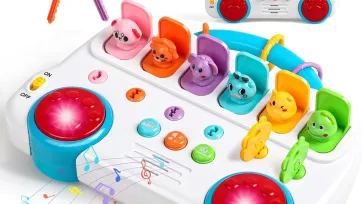
Best Musical Toys for Kids in 2026
Best Musical Toys for Kids in 2026: Inspiring Creativity Through Music Music plays an important role in every child's development. From the first time a baby shakes a rattle to a preschooler playing their first tune on a toy keyboard, musical experiences help children develop confidence, creativity, coordination, and communication skills. Musical toys make learning enjoyable by encouraging children to explore sounds, rhythms, and melodies through hands-on play. In 2026, musical toys are more creative than ever. Parents can choose from traditional instruments, interactive keyboards, drum sets, karaoke machines, dance mats, and educational music games designed for every age group. Whether your child dreams of becoming a singer, drummer, guitarist, or simply enjoys making noise, the right musical toy can encourage a lifelong love of music. This guide explores the best musical toys for kids in 2026 and explains how they support healthy childhood development. Why Musical Toys Are Important Children naturally respond to music. Even babies begin recognising rhythms and reacting to melodies long before they can speak. Musical toys help children: Explore different sounds Express emotions Build confidence Improve listening skills Develop coordination Strengthen memory Enjoy creative play Unlike passive entertainment, musical toys encourage children to actively participate in creating music. Benefits of Musical Toys Musical play supports many areas of child development. Some of the biggest benefits include: Improve hand-eye coordination Develop rhythm and timing Strengthen listening skills Encourage creativity Improve memory Build confidence Support language development Enhance concentration Reduce screen time Children also learn patience as they practise new sounds and rhythms. Musical Toys for Babies Babies enjoy simple musical toys that are easy to hold and explore. Popular choices include: Soft rattles Musical plush toys Baby tambourines Sound blocks Gentle melody toys Musical activity cubes These toys introduce cause and effect while encouraging sensory development. Toy Keyboards Toy keyboards remain one of the most popular musical toys for children. Many modern keyboards include: Piano sounds Animal sounds Drum rhythms Learning modes Recording functions Light-up keys Children begin recognising notes while developing finger coordination and creativity. Toy Drum Sets Drum sets encourage children to explore rhythm through energetic play. Benefits include: Better coordination Improved timing Stronger arm movement Rhythm recognition Creative expression Many children's drum kits also include cymbals and percussion accessories for a more realistic experience. Xylophones and Glockenspiels Colourful xylophones are ideal for introducing young children to musical notes. Playing simple melodies helps children: Recognise pitch Develop rhythm Improve hand coordination Strengthen listening skills These instruments are especially suitable for toddlers and preschool children. Toy Guitars and Ukuleles Many children enjoy pretending to perform like their favourite musicians. Toy guitars and ukuleles encourage: Imaginative play Finger coordination Rhythm practice Musical confidence Some beginner models use real strings, helping older children prepare for learning actual instruments. Karaoke Machines Karaoke toys have become increasingly popular for family entertainment. Children enjoy: Singing favourite songs Performing for family Recording their voices Building stage confidence Singing also supports language development and pronunciation. Musical Dance Mats Dance mats combine movement with music, encouraging children to stay active while developing rhythm. These toys improve: Balance Coordination Physical fitness Timing Listening skills They are particularly popular for family game nights. Educational Musical Toys Many musical toys introduce early learning concepts alongside music. Children can practise: Numbers Colours Alphabet letters Animal sounds Memory games Combining music with learning helps children remember new information more easily. Choosing the Right Musical Toy Before buying, consider: Your child's age Volume control Durability Educational value Safety standards Battery life (if required) Look for toys that encourage creativity rather than simply playing pre-recorded music. Safety Tips Choose musical toys that: Meet recognised safety standards Use child-safe materials Have adjustable volume Match the recommended age Contain securely enclosed batteries Moderate sound levels help protect children's hearing during play. Common Buying Mistakes Parents often choose musical toys based only on appearance. Avoid: Extremely loud toys Poor sound quality Fragile construction Complicated controls for younger children Limited educational value Simple, durable instruments often provide the best long-term experience. Why Musical Toys Make Excellent Gifts Musical toys are wonderful gifts because they combine creativity, movement, and learning. They're perfect for: Birthdays Christmas First birthdays Family celebrations Nursery gifts Many children continue enjoying musical toys for years as their confidence and skills develop. Frequently Asked Questions What are the best musical toys for children? Toy keyboards, drum sets, xylophones, karaoke machines, musical activity cubes, guitars, and dance mats are among the most popular choices. At what age can children start using musical toys? Many musical toys are suitable from infancy, while more advanced instruments are designed for toddlers and older children. Do musical toys help child development? Yes. They improve coordination, listening skills, creativity, confidence, language development, and memory while encouraging active play. Should I choose electronic or traditional musical toys? A combination works best. Traditional instruments encourage creativity, while electronic musical toys often provide additional learning features and interactive activities. Final Thoughts The best musical toys for kids in 2026 inspire creativity, confidence, and joyful learning through sound and movement. Whether your child enjoys playing a keyboard, beating a drum, singing into a microphone, or exploring melodies on a xylophone, musical toys provide valuable opportunities to develop important skills while having fun. By choosing high-quality, age-appropriate musical toys, parents can encourage a lifelong appreciation of music while supporting healthy cognitive, emotional, and physical development. Every note played is another step towards greater creativity, confidence, and self-expression.
A Child, Two Toys and One Hour
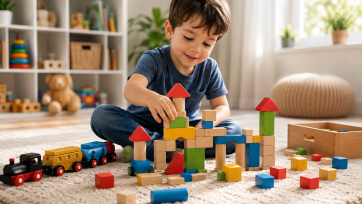
A Child, Two Toys and One Hour: Which Toy Won? A Play Experiment Every Parent Should Read Introduction Imagine placing two toys on the living room floor. The first is packed with features. It lights up, talks, sings and responds every time a button is pressed. The second is almost unbelievably simple. A small box of plain wooden building blocks. Now imagine asking a group of children to play freely for an hour. Which toy do you think would hold their attention for longer? Most adults confidently choose the electronic toy. Many child development specialists would hesitate. Because the answer isn't nearly as obvious as it seems. This isn't a competition between traditional toys and modern technology. It's a closer look at something far more interesting: what keeps children genuinely engaged once the excitement of something new has disappeared. Let's run a simple thought experiment. Minute 1: The Electronic Toy Takes the Lead At the beginning, the electronic toy is almost impossible to ignore. It flashes. It moves. It speaks. Children gather around to discover what happens when different buttons are pressed. The building blocks receive very little attention. If you judged the experiment after sixty seconds, the electronic toy would appear to be the clear winner. But meaningful play isn't measured in minutes. Minute 10: Curiosity Starts to Change By now, most of the toy's surprises have been discovered. Children begin repeating the same actions. Press. Watch. Listen. Repeat. Meanwhile, something different happens with the blocks. A bridge appears. Another child turns it into a garage. Someone else decides it's actually the beginning of a castle. The same pieces are producing completely different ideas. The toy hasn't changed. The players have. Minute 30: Stories Replace Features Half an hour into the experiment, the electronic toy is still doing exactly what it was designed to do. The blocks are doing something impossible to predict. They're becoming part of a story. A castle needs defending. A road leads to a hidden treasure. A zoo needs new animal shelters. A train station is under construction. No instruction manual suggested any of these ideas. The children created them themselves. That's the moment where open-ended play begins to outperform programmed entertainment. The Difference Between Watching and Creating There's a simple question worth asking whenever you buy a toy. Is my child creating the experience, or simply watching the toy create it? Neither approach is automatically wrong. Some toys are brilliant for introducing music, movement or cause and effect. Others encourage children to become architects, storytellers, engineers and explorers. The richest play experiences often happen when children become the authors rather than the audience. Why This Matters More Than Ever Children today have access to more toys than any previous generation. Many are beautifully designed. Many are genuinely innovative. Yet parents frequently describe the same pattern. A new toy arrives. It creates huge excitement. A week later, it's quietly sitting on a shelf. The issue isn't quality. It's replay value. The toys children return to again and again usually share one important characteristic. They leave room for imagination. Not because they do less. Because they ask children to do more. The One-Hour Rule Every Parent Can Use The experiment above isn't about proving that one type of toy is always better than another. It's about asking a smarter question. Before buying any toy, imagine your child has already been playing with it for one hour. Now ask yourself: What are they doing now? Have they invented something new? Are they still exploring? Or are they simply repeating the same action? If the toy still encourages fresh ideas after an hour, there's a good chance it will continue earning its place in your home for months or even years. That's what parents should really be buying—time spent engaged, not just time spent entertained. Why Simple Toys Often Improve Over Time Think about your favourite childhood memory involving a toy. Was it exciting because of the toy itself? Or because of what you created with it? Simple toys have an unusual advantage. They don't become outdated as quickly because children change the way they use them. A toddler may stack wooden blocks into a small tower. A six-year-old may use those same blocks to build a city. An older child might combine them with cars, figures and craft materials to create an entire imaginary world. The toy remains exactly the same. The play keeps evolving. Very few highly programmed toys can offer that kind of flexibility. The Hidden Cost of Short-Lived Excitement Parents naturally want to make their children happy. That's why it's easy to be influenced by impressive demonstrations in shops or exciting videos online. But there is another kind of cost that rarely appears on a price tag. A toy that captures attention for ten minutes before being forgotten is often more expensive in the long run than a simple toy that inspires hundreds of hours of play. Real value isn't measured by the purchase price. It's measured by how often the toy becomes part of everyday life. When viewed this way, the smartest purchases are often not the biggest or the loudest. They're the ones children quietly return to, week after week. There's Room for Both This isn't an argument against modern toys. Technology has introduced some wonderful ideas into children's play. Interactive science kits, coding toys and musical learning tools can all provide meaningful experiences. The key is balance. A healthy toy collection doesn't rely entirely on electronics, nor does it reject them completely. Instead, it offers different kinds of play: Toys that encourage imagination. Toys that build practical skills. Toys that promote movement. Toys that support creativity. Toys that inspire curiosity. When children have this balance, they naturally move between different ways of learning and playing. A Better Way to Judge Any Toy Instead of asking: "Is this the most popular toy this year?" Try asking: "Will my child still discover something new with this toy next month?" That single question often leads to better decisions than reading a list of features or following the latest trend. Parents don't need to predict the future. They simply need to recognise the difference between novelty and lasting play value. Frequently Asked Questions Are electronic toys bad for children? No. Many electronic toys encourage learning, music, coding or problem-solving. The important factor is whether the child actively participates instead of simply watching the toy perform. Why do children lose interest in some toys so quickly? Toys with limited ways to play often become predictable after the initial excitement. Open-ended toys remain interesting because children continue creating new ideas. How can I tell if a toy has good replay value? Ask whether your child can use it in different ways over time. If the answer is yes, it's likely to provide longer-lasting enjoyment. Should every toy encourage imagination? Not necessarily. Different toys support different skills. A balanced toy collection should include imaginative, creative, educational and active play opportunities. Is spending more money likely to buy a better toy? Not always. Some of the most loved childhood toys are simple, affordable and versatile enough to grow with the child. Final Thoughts Imagine returning to the living room after that one-hour play experiment. The electronic toy is still sitting exactly where it started. The building blocks are no longer just blocks. They're part of a castle. A train station. A bridge. A village. Perhaps all of them at once. The real winner wasn't a particular toy. It was imagination. That's the one feature no manufacturer can place inside a box. It belongs entirely to the child. The best toys simply give it somewhere to grow.
Gross Motor Toys That Keep Children Active Indoors and Outdoors
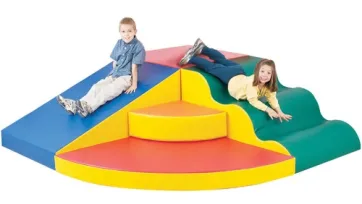
 Gross Motor Toys That Keep Children Active Indoors and Outdoors Physical activity plays a vital role in every child's healthy growth and development. From taking their first steps to climbing, jumping and balancing with confidence, children rely on gross motor skills to explore the world around them. These skills involve the large muscles of the arms, legs and torso, forming the foundation for movement, coordination and overall physical fitness. While outdoor adventures and organised sports certainly contribute to physical development, toys also play an important role. The right gross motor toys encourage children to move naturally through play, helping them build strength, balance, coordination and confidence without feeling like they are exercising. In today's world, where screens compete for children's attention more than ever before, active play has become increasingly important. Gross motor toys provide a fun alternative that keeps children engaged while supporting healthy physical development. Whether you have an energetic toddler who loves climbing or an older child who enjoys obstacle courses and outdoor games, choosing the right toys can make movement an exciting part of everyday life. This guide explains what gross motor skills are, why they matter, the benefits of gross motor toys and how to choose the best options for different ages. What Are Gross Motor Skills? Gross motor skills involve the large muscle groups that control whole-body movements. These skills allow children to perform everyday activities that require strength, coordination and balance. Examples of gross motor skills include: Walking Running Jumping Climbing Crawling Skipping Throwing Catching Kicking Balancing Riding a scooter or bicycle These abilities begin developing during infancy and continue improving throughout childhood as children become stronger and more coordinated. Why Gross Motor Skills Are Important Strong gross motor skills help children participate confidently in everyday activities at home, school and during sports. Well-developed movement skills support: Better balance and coordination Improved posture Increased muscle strength Greater endurance Healthy bone development Enhanced confidence Better body awareness Improved participation in physical activities Children who regularly engage in active play are also more likely to develop healthy exercise habits that continue into adulthood. How Gross Motor Toys Support Child Development Gross motor toys encourage children to move in different ways rather than remaining seated for long periods. As children climb, balance, push, pull, jump and throw, they strengthen major muscle groups while improving coordination and control. Unlike structured exercise programmes, active toys make movement enjoyable. Children stay physically active because they are having fun, not because they are following a workout routine. Many gross motor toys also encourage outdoor exploration, imaginative play and social interaction, making them valuable for overall development. Benefits of Gross Motor Toys Gross motor toys offer far more than entertainment. They support multiple areas of a child's physical, emotional and social development. Build Strength Activities such as climbing, pushing and pulling strengthen the muscles in the arms, legs, back and core. Greater muscle strength helps children perform everyday tasks with confidence and reduces the effort required for physical activities. Improve Balance and Coordination Balancing toys, stepping stones and ride-on toys help children learn how to control their movements more effectively. Improved coordination benefits everything from walking and running to participating in sports later in life. Encourage Healthy Physical Activity Active toys motivate children to move naturally throughout the day. Instead of spending long periods using electronic devices, children remain physically engaged while enjoying themselves. Support Confidence Successfully climbing a frame, catching a ball or completing an obstacle course gives children a sense of achievement. These small successes gradually build confidence and encourage them to try new physical challenges. Promote Social Skills Many gross motor toys are designed for group play. Children learn to share equipment, take turns, cooperate and communicate while playing with siblings and friends. Improve Overall Health Regular movement supports healthy growth, stronger bones, improved cardiovascular fitness and better sleep. Active play also helps children manage energy levels and supports emotional wellbeing. Best Gross Motor Toys for Babies Even before children can walk, they begin developing gross motor skills through movement and exploration. Suitable toys for babies include: Soft play mats Activity gyms Push-along walkers Crawl tunnels Soft climbing cushions Rolling balls Ride-on push toys These toys encourage reaching, rolling, crawling, standing and early walking while strengthening muscles in a safe environment. Gross Motor Toys for Toddlers Toddlers are naturally energetic and eager to explore. Gross motor toys help channel this energy into activities that support healthy physical development. Excellent choices include: Ride-on toys Balance bikes Soft climbing frames Mini slides Foam stepping stones Push and pull toys Ball pits Lightweight footballs Bean bags Mini basketball sets These toys encourage children to run, climb, balance and throw while improving coordination and confidence. Gross Motor Toys for Preschool Children As children enter the preschool years, they become more adventurous and confident in their movements. They enjoy climbing higher, jumping further and creating physical challenges during play. Gross motor toys at this stage should encourage a variety of movements while remaining safe and age-appropriate. Excellent choices include: Climbing frames Trampolines with safety enclosures Balance beams Scooters Hopper balls Skipping ropes Obstacle course sets Mini football goals Tunnels Stepping stones These toys improve balance, coordination, agility and muscle strength while keeping children physically active. Gross Motor Toys for School-Age Children Older children often enjoy more challenging physical activities that require speed, coordination and endurance. Suitable gross motor toys include: Bicycles Roller skates or inline skates Larger trampolines Climbing domes Sports equipment Agility ladders Basketball hoops Garden obstacle course kits Flying discs Badminton and tennis sets These activities not only develop physical skills but also encourage teamwork, confidence and a lifelong interest in staying active. Indoor vs Outdoor Gross Motor Toys Both indoor and outdoor toys have their own advantages, and a balanced collection gives children opportunities to stay active throughout the year. Indoor Gross Motor Toys Indoor toys are ideal during rainy weather or when outdoor space is limited. Popular options include: Foam climbing blocks Balance boards Soft tunnels Mini trampolines Indoor stepping stones Dance mats Exercise balls Bean bag games These toys encourage movement while remaining suitable for smaller spaces. Outdoor Gross Motor Toys Outdoor toys allow children to enjoy fresh air while developing larger movement skills. Examples include: Swing sets Slides Climbing frames Scooters Balance bikes Football goals Water play equipment Garden obstacle courses Outdoor play also provides additional opportunities for exploration, imaginative play and social interaction. How to Choose the Best Gross Motor Toys Selecting the right gross motor toy involves more than choosing the biggest or most exciting product. The best toys match your child's abilities while encouraging continued development. When choosing a toy, consider: Your child's age and physical ability. Available indoor or outdoor space. The toy's safety features. Weight limits and durability. Opportunities for long-term use. Ease of storage if space is limited. A toy that offers multiple ways to play will usually provide better value over time. Buying Guide Before purchasing a gross motor toy, think carefully about your family's needs and your child's interests. Choose Age-Appropriate Equipment Always follow the recommended age guidelines. Equipment designed for older children may be unsafe or frustrating for younger users. Look for Quality Construction Strong materials and sturdy construction help toys withstand regular outdoor use and energetic play. Consider Available Space Measure your indoor or garden space before buying larger items such as climbing frames or trampolines. Encourage Versatile Play Choose toys that support different types of movement rather than only one activity. For example, climbing equipment often encourages balancing, jumping, crawling and imaginative play all at once. Think Long-Term Many active toys can be enjoyed for several years if chosen according to your child's expected growth and development. Safety Tips Active play always requires sensible safety precautions. Follow these guidelines: Supervise young children during physical play. Assemble toys according to the manufacturer's instructions. Check equipment regularly for loose bolts or damage. Use appropriate safety gear such as helmets where required. Place outdoor equipment on suitable surfaces. Keep play areas free from obstacles. Teach children how to use equipment correctly. Replace damaged toys immediately. Safe equipment allows children to explore confidently while reducing unnecessary risks. Common Buying Mistakes Avoid these common mistakes when purchasing gross motor toys. Buying Equipment That Is Too Advanced Children enjoy challenges, but equipment that is far beyond their abilities may reduce confidence or increase the risk of injury. Ignoring Available Space Large toys require sufficient room for safe use. Always check the recommended clearance area before purchasing. Choosing Toys Based Only on Appearance Colourful designs may attract attention, but quality, durability and developmental value are far more important. Buying Low-Quality Equipment Poorly made toys may wear out quickly and become unsafe over time. Forgetting Your Child's Interests Some children enjoy climbing, while others prefer riding, throwing or balancing activities. Choose toys that match their personality and encourage regular use. Frequently Asked Questions What are gross motor toys? Gross motor toys encourage large body movements such as climbing, running, jumping, balancing, throwing and riding. They help strengthen major muscle groups while improving coordination and confidence. At what age do gross motor skills begin to develop? Gross motor development starts during infancy with movements such as rolling, crawling and standing, then continues throughout childhood. Are indoor gross motor toys effective? Yes. Indoor active toys provide valuable movement opportunities, especially during poor weather or when outdoor space is limited. Do gross motor toys help with school readiness? Yes. Strong gross motor skills improve posture, balance, coordination and body control, all of which support everyday classroom activities and participation in sports. How many gross motor toys does a child need? A small collection of high-quality toys that encourage different types of movement is usually more beneficial than owning numerous similar products. Final Thoughts Gross motor toys are an excellent investment in your child's physical development. They encourage active play, strengthen muscles, improve balance and coordination, and help children develop confidence through movement. Whether your child enjoys climbing, balancing, riding or throwing, the right toys make exercise feel like an exciting adventure rather than a chore. By choosing safe, age-appropriate and durable toys, parents can support healthy development while creating countless opportunities for fun. Combined with regular outdoor play and everyday physical activities, gross motor toys help children build the strength and skills they need for an active, healthy future.
Best Building Toys for Toddlers in 2026
Best Building Toys for Toddlers in 2026: Safe, Creative and Educational Choices Toddlers are natural builders. Give them a few colourful blocks or simple construction pieces, and they'll happily spend hours stacking towers, building houses, knocking everything down, and starting all over again. While it may look like simple fun, building toys play an important role in early childhood development by improving coordination, creativity, problem-solving, and fine motor skills. In 2026, building toys are available in a wide variety of designs, from classic wooden blocks and jumbo building bricks to magnetic construction toys and Montessori-inspired sets. The best options are designed specifically for little hands, allowing toddlers to explore, experiment, and learn safely through play. If you're looking for a toy that offers years of educational value, this guide will help you choose the best building toys for toddlers in 2026. Why Building Toys Are Important for Toddlers Building is one of the earliest forms of creative play. Every time a toddler stacks blocks, balances pieces, or connects large bricks, they're developing essential physical and mental skills that support future learning. Unlike toys with only one purpose, building toys offer endless possibilities. A simple collection of blocks can become a house one day, a zoo the next, and a towering castle the day after. This open-ended play keeps children engaged far longer than many electronic toys. Benefits of Building Toys Building toys support almost every area of early childhood development. Some of the biggest benefits include: Improve fine motor skills Strengthen hand-eye coordination Encourage creativity Develop problem-solving abilities Improve concentration Build patience Encourage independent play Support early STEM learning Reduce screen time They also help toddlers understand concepts such as size, balance, shapes, and cause and effect. Wooden Building Blocks Wooden blocks remain one of the most recommended toys for toddlers. Parents appreciate them because they are: Durable Eco-friendly Easy to clean Long-lasting Timeless Without flashing lights or electronic sounds, wooden blocks encourage children to use their imagination instead of relying on built-in entertainment. Jumbo Building Bricks Large construction bricks are ideal for toddlers because they're easy to hold and connect. Children enjoy building: Towers Houses Cars Animals Bridges Simple castles Large pieces also reduce the risk of choking while making construction easier for small hands. Magnetic Building Toys Some magnetic building toys are designed specifically for younger children. Large magnetic pieces allow toddlers to build colourful structures while learning about: Shapes Colours Balance Magnetism Always choose age-appropriate magnetic toys with securely enclosed magnets. Soft Building Blocks Soft foam and fabric blocks are excellent first building toys. Benefits include: Lightweight design Safe materials Easy handling Gentle edges Quiet play They're especially suitable for babies and younger toddlers who are still developing coordination. Montessori Building Toys Montessori-inspired building toys focus on simple, hands-on learning. Popular options include: Natural wooden blocks Balance stones Stacking towers Shape sorters Open-ended construction sets These toys encourage children to discover solutions independently instead of following fixed instructions. Building Toys Encourage STEM Learning Although toddlers won't study engineering formally, building toys introduce basic STEM concepts through everyday play. Children begin learning about: Gravity Stability Balance Shapes Patterns Problem-solving These early experiences lay the foundation for future mathematical and scientific thinking. Building Together as a Family Construction toys are perfect for family play. Parents can help children build: Small towns Bridges Farms Animal parks Castles Railway stations Building together encourages communication, teamwork, and shared problem-solving while creating wonderful family memories. Choosing the Right Building Toy Before buying, consider: Your child's age Size of the pieces Material quality Safety certification Durability Ease of cleaning Future expansion possibilities Simple toys with multiple ways to play usually provide the greatest long-term value. Safety Tips Always choose building toys that: Match the recommended age Use non-toxic materials Have smooth edges Meet recognised safety standards Avoid small detachable parts Regularly inspect toys for cracks or damage to ensure continued safe play. Common Buying Mistakes Parents sometimes purchase construction toys that are too advanced. Avoid: Small building pieces Poor-quality plastic Weak magnetic toys Complicated construction systems Toys with limited play value Toddlers learn best with simple, sturdy toys that encourage free exploration. Why Building Toys Make Excellent Gifts Building toys are among the few gifts that children continue using for years. They're perfect for: First birthdays Second birthdays Christmas Nursery gifts Family celebrations Parents appreciate gifts that encourage learning while keeping children entertained without screens. Frequently Asked Questions What are the best building toys for toddlers? Wooden blocks, jumbo building bricks, soft stacking blocks, Montessori construction toys, and toddler-friendly magnetic building sets are among the best options. At what age can toddlers start using building toys? Many large building toys are suitable from around 12 months, while more advanced construction sets are designed for children aged three years and above. Do building toys help child development? Yes. Building toys improve coordination, creativity, fine motor skills, problem-solving, concentration, and early STEM learning. Are wooden building toys better than plastic ones? Both have advantages. Wooden toys are durable and environmentally friendly, while plastic building bricks often provide more construction possibilities. The best choice depends on your child's age and interests. Final Thoughts The best building toys for toddlers in 2026 offer far more than simple entertainment. They encourage young children to explore, experiment, create, and solve problems while developing important physical and cognitive skills through hands-on play. Whether your toddler enjoys stacking wooden blocks, connecting jumbo bricks, or building colourful magnetic structures, every creation helps strengthen confidence and curiosity. By choosing safe, durable, and open-ended building toys, parents provide children with learning opportunities that continue growing alongside them. Sometimes the simplest toys inspire the biggest ideas.
Educational Toy Subscription Boxes: Which One Is Worth the Cost?
Educational toy subscription boxes promise something most parents want: age-appropriate activities delivered regularly without spending hours searching for new ideas. Every month—or every few months—a box arrives with science experiments, craft projects, books, building materials, puzzles, or learning games. The child gets something new to explore, while the parent avoids another trip through crowded toy aisles. It sounds convenient. But are educational subscription boxes actually worth the cost? The answer depends on what is inside the box, how often the child uses it, whether the materials can be reused, and how much the subscription costs after shipping, taxes, and automatic renewals. A $25 monthly box may appear affordable. Over a year, however, it becomes a $300 purchase. If the child finishes each activity in twenty minutes and never touches it again, the value may be poor. If the box provides several projects, reusable tools, and weeks of engagement, it may be a smart investment. This guide explains how educational toy subscriptions work, which types suit different children, and how parents can decide whether a subscription is worth paying for. How Educational Toy Subscription Boxes Work Most learning subscription services follow a similar model. Parents choose: The child’s age A subject or theme Monthly or quarterly delivery Subscription duration Number of children Optional add-ons The company then sends a box containing activities selected for that age group. Some subscriptions focus on a single subject, such as science or coding. Others combine crafts, books, geography, puzzles, and pretend play. Payment may be charged monthly, every three months, every six months, or annually. Longer plans often reduce the price per box, but they also require a larger upfront payment. What Usually Comes Inside? The contents depend on the subscription category, but a typical educational box may include: Activity instructions Craft supplies Science materials Building pieces Worksheets Storybooks Stickers Collectible cards Puzzles Parent guides Online videos Access to an application Some boxes provide nearly everything required. Others ask parents to supply common household items such as scissors, water, tape, baking soda, cooking oil, batteries, or coloring tools. Always read the “what is included” section before subscribing. A box advertised as containing five projects may become inconvenient if each activity requires several extra purchases. The Five Main Types of Learning Subscription Boxes Not every subscription serves the same purpose. Choosing the right category matters more than selecting the most heavily advertised brand. 1. STEM and Science Boxes STEM subscription boxes usually contain experiments, engineering challenges, electronics, robotics, or building activities. They are best suited for children who enjoy discovering how things work. A typical box may ask the child to: Build a small machine Create a chemical reaction Construct a bridge Design a moving vehicle Test magnets Explore electricity Grow crystals Study weather These subscriptions can provide strong educational value when the instructions explain the science behind each activity. Avoid boxes that rely only on dramatic reactions without teaching the child what happened. Best for Children who like experiments, building, technology, and problem-solving. Possible weakness Some projects are completed once and cannot be reused. 2. Arts and Crafts Boxes Craft subscriptions provide materials for painting, sewing, sculpting, decorating, drawing, or making themed objects. These boxes can be useful for parents who do not want to purchase large packets of supplies separately. A well-designed craft box may support: Fine motor skills Creativity Following instructions Color recognition Planning Self-expression However, some craft boxes leave very little room for creativity. The child is expected to copy one example exactly. Open-ended materials generally provide more value than projects in which every child produces the same object. Best for Children who enjoy making, decorating, and working with their hands. Possible weakness Finished crafts may quickly create clutter around the home. 3. Book Subscription Boxes Book boxes send one or more titles selected according to the child’s age or reading level. Some also include bookmarks, activity sheets, toys, or themed accessories. These subscriptions can encourage regular reading, especially when the child enjoys receiving a package addressed to them. Before subscribing, check whether parents can: Select reading levels Avoid duplicate books Choose fiction or nonfiction Update interests Preview upcoming titles Exchange unsuitable books A book subscription may offer poor value if the family already uses a public library regularly or purchases discounted books. Best for Children who enjoy stories or need encouragement to read consistently. Possible weakness The selected books may not match the child’s interests. 4. Geography and Culture Boxes Geography boxes introduce children to countries, languages, landmarks, food, animals, maps, and cultural traditions. A box may focus on one destination each month. It might include: A country guide A map Recipes Flags Stories Craft projects Language words Collectible items These subscriptions can make geography more engaging, but parents should check that the material is accurate and respectful. Culture should not be reduced to stereotypes, costumes, or a few foods. Best for Children interested in travel, maps, languages, and world cultures. Possible weakness Some boxes include more souvenirs than meaningful educational material. 5. Montessori and Preschool Boxes Preschool subscription boxes usually focus on early literacy, numbers, shapes, colors, sensory activities, and fine motor development. They may include sorting tasks, flash cards, puzzles, matching games, or simple craft projects. Parents should not assume that every box using the word “Montessori” follows authentic Montessori principles. A genuine Montessori-style activity should usually be hands-on, purposeful, simple, and appropriate for the child’s stage of development. Best for Toddlers and preschoolers who need structured learning activities at home. Possible weakness Many activities can be recreated more cheaply with household materials. How Much Do Subscription Boxes Really Cost? The advertised monthly price is only part of the total cost. Parents should calculate: Box price + shipping + tax + add-ons + international charges + renewal cost For example: Monthly box price: $30 Shipping: $6 Tax: $2 Total monthly cost: $38 Total annual cost: $456 A yearly prepayment may reduce the cost to $26 per box, but the parent may need to pay more than $300 at once. Also check whether the company renews the plan automatically. Some services offer an introductory discount for the first box and then charge the full rate for every later delivery. Cost Per Activity Matters More Than Cost Per Box A better way to compare subscriptions is to calculate the cost per meaningful activity. Imagine two boxes. Box A Costs $24 Contains two short crafts Total use time: one hour Cost per activity: $12 Box B Costs $35 Contains five experiments Includes reusable equipment Total use time: six hours Cost per activity: $7 Although Box B is more expensive, it may provide better overall value. Parents should also consider whether the materials can be used again. A circuit board, microscope, building set, or quality art tool may remain useful after the original activity is complete. Are Subscription Boxes Cheaper Than Buying Toys Separately? Sometimes—but not always. Subscription companies may purchase supplies in bulk and package them conveniently. This can save parents time and reduce the need to buy full-size materials. However, parents are also paying for: Packaging Product selection Printed instructions Branding Delivery Convenience Marketing Families willing to plan activities themselves can often create similar projects at a lower cost. The subscription is most valuable when convenience, variety, and structured guidance are important to the parent. When a Subscription Box Is Worth It An educational subscription may be a good purchase when: The child regularly completes hands-on activities The projects match the child’s interests The parent wants structured learning at home Most materials are included The activities require little setup The box offers multiple projects Some tools can be reused The instructions explain the learning concept The child looks forward to each delivery The cost fits comfortably within the family budget It may also be useful for homeschooling families, rainy-day activities, school holidays, or grandparents who want to send regular educational gifts. When It Is Probably a Waste of Money A subscription may not be worthwhile when: Previous activity kits remain unopened The child loses interest quickly The projects are too easy The box creates unnecessary clutter Most supplies must be purchased separately Shipping is unusually expensive The family already owns similar materials The activities are available free online Cancellation is difficult The subscription renews automatically without clear notice Children sometimes enjoy the excitement of opening the package more than the activities inside it. Parents should judge the subscription based on actual use, not the child’s reaction when the box first arrives. Monthly vs Quarterly Delivery Monthly delivery is exciting, but it may be too frequent for busy families. If one box arrives before the previous projects are completed, the activities can begin to pile up. Quarterly subscriptions may offer better value for families with limited time. They provide: Fewer deliveries Less clutter More time to complete each box Lower annual spending Less pressure to keep up Monthly plans may suit children who complete projects quickly and regularly ask for new activities. One Child or Multiple Children? Some subscription boxes can be shared, while others contain only enough material for one child. Parents with siblings should check: Whether extra material packs are available Whether projects can be completed together Whether each child needs separate tools Whether age levels can be mixed Whether sibling add-ons cost less than a second subscription A box that costs $35 for one child may become expensive if every project requires an additional $15 sibling pack. Sharing works best when the activity naturally supports cooperation. Questions to Ask Before Subscribing Do not purchase a yearly plan until these questions have been answered. What Is the Cancellation Policy? Find out whether cancellation takes effect immediately or only after the current prepaid term ends. Does the Subscription Renew Automatically? Automatic renewal should be clearly disclosed. Record the renewal date when purchasing a long-term plan. Can the Child’s Age Level Be Changed? A good service should allow parents to move the child to a more advanced level. Can Boxes Be Paused? Pause options are helpful during holidays, travel, school examinations, or busy periods. Are Returns or Replacements Available? Check what happens if materials arrive damaged, incomplete, or missing. Are Digital Features Included? Some boxes advertise online lessons but require an additional payment for full access. Is Shipping Included? Free shipping may only apply within one country or above a certain subscription length. Try One Box Before Buying a Year The safest approach is to begin with a single box or short subscription. Observe: How quickly the child opens it Whether instructions are understandable How much adult help is needed How long the activities last Whether the child asks to use it again Whether the materials feel worth the price Do not choose an annual plan only because the per-box price is lower. Saving $5 per box is not a saving if eight boxes remain unused. How to Get More Value From Each Box Parents can extend the life of a subscription by avoiding the urge to complete everything in one day. Try these strategies: Complete one activity each weekend Save reusable tools in a labeled container Ask the child to modify the project Connect the activity with a book or video Repeat experiments with changed conditions Photograph results Keep a science or project journal Let siblings work together Use leftover materials for free play A bridge-building activity, for example, should not end when the sample bridge is finished. Ask the child to build a longer bridge, a stronger bridge, or one using fewer materials. That turns a single project into several engineering challenges. Subscription Box Alternatives Families do not need a paid subscription to create regular educational activities. Lower-cost alternatives include: Public library books Printable worksheets Household science experiments Reusable building sets Secondhand educational toys Local museum kits School activity packs Art supplies purchased in bulk Parent-created monthly themes Toy libraries Parents can also create a homemade subscription box. Place several small activities in a container at the beginning of each month and let the child choose one each weekend. This provides the excitement of discovery without recurring shipping fees. Best Choice by Family Type Best for Busy Parents Choose a box that includes nearly all materials and requires minimal preparation. Best for Homeschooling Look for structured lessons, clear learning goals, printable extensions, and activities connected to a curriculum. Best for Creative Children Choose an open-ended art or maker box rather than a kit with one fixed result. Best for Future Scientists Select experiment boxes that explain scientific principles and include reusable equipment. Best for Siblings Choose collaborative projects with generous quantities of materials. Best for a Gift A three-month plan is usually safer than a full-year commitment. The Verdict Educational toy subscription boxes can be worth the cost, but convenience is often the main product being sold. The box itself may contain inexpensive materials. What parents are paying for is the planning, selection, instructions, packaging, and regular delivery. That can be valuable for families who need fresh, structured activities and will use them consistently. For most first-time buyers, the smartest option is not a twelve-month subscription. Start with one box or a three-month plan. Calculate the real cost, including delivery, and observe how much meaningful use the child gets from each package. The best educational subscription is not the one with the most attractive box. It is the one that gets opened, completed, discussed, reused—and remembered.
Best Wooden Train Sets for Kids in 2026
Best Wooden Train Sets for Kids in 2026: A Timeless Toy That Never Goes Out of Style Wooden train sets have remained one of the most loved educational toys for decades, and in 2026 they're still a favourite among parents, teachers, and children alike. Unlike many trendy toys that lose their appeal after a few weeks, wooden train sets continue to inspire creativity, problem-solving, and imaginative play year after year. Children can design their own railway networks, build stations, transport passengers, deliver cargo, and create exciting adventures across bridges, tunnels, mountains, and busy towns. Every play session is different, making wooden train sets one of the best long-term investments for a growing child. Whether you're buying a first train set for a toddler or expanding an existing collection, this guide explains everything you need to know before choosing the best wooden train set in 2026. Why Wooden Train Sets Remain So Popular Wooden train sets offer something many modern toys cannot—complete creative freedom. There are no fixed storylines or electronic instructions. Instead, children build their own railway layouts, invent characters, solve transport challenges, and create entirely new adventures every day. As children grow, their railway worlds become larger and more detailed, meaning the same toy continues to provide fresh experiences for many years. Benefits of Wooden Train Sets Wooden train sets support a wide range of developmental skills. Some of the biggest benefits include: Improve problem-solving skills Encourage imaginative play Strengthen fine motor skills Develop hand-eye coordination Build patience Improve concentration Encourage storytelling Support social interaction Reduce screen time Children also learn basic planning as they decide how tracks should connect and where trains should travel. Why Choose Wooden Train Sets Instead of Plastic? Wooden train sets remain popular for several reasons. Parents appreciate them because they are: Durable Eco-friendly Long-lasting Easy to maintain Timeless in design Unlike many plastic toys, wooden train sets often last for years and can even be passed down to younger siblings. Wooden Train Sets for Toddlers Toddlers benefit from simple railway layouts with large pieces that are easy to assemble. Beginner sets usually include: Circular tracks One train Simple stations Wooden trees Bridges Passenger figures These sets encourage independent play while improving coordination and confidence. Advanced Railway Sets for Older Children As children become more experienced, they enjoy expanding their railway worlds. Larger train sets often include: Multi-level bridges Tunnels Roundabouts Railway crossings Cargo terminals Airports Farms Construction sites Building more complex layouts encourages creativity and engineering-style thinking. Magnetic Wooden Trains Most modern wooden trains connect using magnetic couplings. Magnetic connections make it easy for children to: Join trains together Create longer trains Swap carriages Build freight trains Invent new railway routes These simple magnetic systems also improve fine motor control. Train Accessories Expand Play Accessories make railway adventures even more exciting. Popular additions include: Wooden people Animals Trees Road signs Vehicles Cranes Stations Traffic lights Adding accessories allows children to build complete miniature towns around their railway. Educational Value of Train Sets Wooden train sets naturally encourage learning. Children begin exploring: Cause and effect Direction Sequencing Planning Transport systems Problem-solving Parents can also introduce simple lessons about travel, geography, and community life through everyday play. Wooden Train Sets Encourage Social Play Railway play becomes even more enjoyable with friends or siblings. Children learn how to: Share tracks Build together Solve construction problems Create stories Take turns operating trains These experiences strengthen teamwork and communication skills. Choosing the Right Wooden Train Set Before buying, consider: Your child's age Track compatibility Material quality Number of accessories Future expansion options Safety certifications Expandable railway systems provide the greatest long-term value because children can continue adding new pieces over time. Safety Tips Choose wooden train sets that: Meet recognised safety standards Use non-toxic paints Have smooth, rounded edges Include securely attached magnets Match the recommended age Regularly inspect wooden pieces for cracks or loose components. Common Buying Mistakes Many parents focus only on the number of pieces. Avoid: Poor-quality wood Weak magnetic connections Sharp unfinished edges Non-compatible expansion sets Very small accessories for younger children Quality construction usually provides a much better experience than simply buying the largest set available. Why Wooden Train Sets Make Excellent Gifts Wooden train sets are among the few toys that children continue enjoying for many years. They're ideal for: Birthdays Christmas First educational toys Family celebrations Nursery gifts Parents also appreciate gifts that encourage creativity without relying on batteries or screens. Frequently Asked Questions What are the best wooden train sets for children? Expandable wooden railway sets with magnetic trains, bridges, stations, and accessories are among the best choices for long-term play. At what age can children start using wooden train sets? Many beginner wooden train sets are suitable for children aged 18 months and older, while larger railway systems are ideal for preschool and primary-age children. Are wooden train sets educational? Yes. They improve creativity, planning, fine motor skills, hand-eye coordination, storytelling, and problem-solving while encouraging imaginative play. Can different wooden train brands work together? Many high-quality wooden train systems are compatible with one another, allowing families to expand their collections over time. Final Thoughts The best wooden train sets for kids in 2026 continue to prove that simple toys often provide the greatest educational value. With endless opportunities to build, design, explore, and imagine, wooden railway sets encourage creativity while helping children develop important cognitive, physical, and social skills. By choosing a durable, expandable wooden train set, parents invest in a toy that grows with their child, providing years of meaningful, screen-free entertainment and creating memories that last long after the final train has reached the station.
The Five-Minute Rule
The Five-Minute Rule: Why Children Abandon Some Toys Almost Immediately Introduction Watch a child receive a brand-new toy. For the first few minutes, the excitement is impossible to miss. The packaging is torn open. Buttons are pressed. Pieces are explored. Questions are asked. Everything suggests this new toy is about to become an instant favourite. Then something unexpected happens. Five minutes later, the toy is sitting quietly on the carpet while the child has wandered off to build a fort with sofa cushions or create a pretend café using kitchen utensils. What changed? Did the toy suddenly become boring? Did the child lose interest? Or was something else happening all along? Many parents assume short attention spans are the reason children quickly abandon certain toys. While attention certainly plays a role, the real explanation is often much more interesting. The first five minutes of play reveal something important about the design of a toy—and about the way children naturally learn. The First Five Minutes Are About Discovery Every new toy begins with exploration. Children examine its shape. They discover moving parts. They test buttons. They investigate sounds, textures and colours. During this stage, curiosity is at its highest. Everything is unfamiliar. Everything feels exciting. Toy designers work incredibly hard to make this first impression memorable. Bright colours, interesting textures and surprising features all compete for a child's attention. But first impressions are only the beginning. What Happens After Curiosity Fades? Eventually, every child reaches the same question. "Now what?" This is where many toys quietly reveal their biggest weakness. If every feature has already been discovered, there's little left for the child to contribute. The toy continues performing. The child simply watches. Open-ended toys follow a completely different path. Once the initial exploration ends, the real play begins. Instead of asking the toy for entertainment, children begin supplying their own ideas. A handful of wooden blocks suddenly becomes an airport. Magnetic tiles become a castle. Toy animals organise a safari. The excitement shifts from discovering the toy to creating something new with it. The Difference Between Surprise and Possibility Some toys rely almost entirely on surprise. Lights. Music. Movement. Secret compartments. Hidden buttons. Surprises are wonderful—but they only happen once. Possibility is different. Possibility never runs out. A cardboard box has almost no surprises. Yet children regularly spend hours with one because every new idea creates another possibility. That's why many of the simplest toys remain favourites long after complex gadgets have been forgotten. Children Don't Actually Get Bored That Quickly Parents often say, "My child gets bored after five minutes." More accurately, children become bored when a toy stops asking anything of them. If every action produces the same result, curiosity naturally fades. When toys encourage children to imagine, experiment and solve problems, attention often lasts much longer than adults expect. The child hasn't changed. The opportunity to create has. A Simple Test Every Parent Can Try The next time your child receives a new toy, don't judge it by the first reaction. Instead, quietly observe what happens after the excitement settles. Ask yourself: Are they inventing new ways to play? Are they combining the toy with other toys? Are they telling stories? Do they return to it later without being reminded? The answers often tell you far more about the toy than any advertisement ever could. Replay Value Is the Real Measure of a Great Toy Think about the toys that remain on the floor week after week. They're rarely the ones with the most impressive demonstrations in the shop. Instead, they're the toys that offer children a reason to come back. Replay value isn't about doing the same thing repeatedly. It's about discovering something new each time. A set of magnetic tiles can become a bridge one afternoon and a rocket the next. A box of wooden blocks might start as a tower before turning into a zoo, a city or a pirate island. The toy stays familiar. The play never does. That's why replay value is often a better indicator of quality than price, size or the number of features. How Parents Can Use the Five-Minute Rule Before Buying You don't need to be an expert in child development to choose better toys. Next time you're shopping, imagine your child has already spent five minutes with the toy. Then ask yourself: What could they do next? Can they create their own game? Will they combine it with other toys? Does it encourage imagination or simply demonstrate features? If it's difficult to answer those questions, the toy may depend too heavily on its initial excitement. The strongest toys usually leave plenty of room for the child to take control. Why Simplicity Often Wins Modern toys are remarkable. Many include sounds, movement, technology and interactive features that would have seemed impossible only a generation ago. Yet children still fall in love with surprisingly simple things. A handful of blocks. A toy farm. A train set. A basket of animal figures. Why? Because simple toys don't try to entertain children every second. Instead, they invite children to become the storyteller, the engineer, the explorer or the architect. The child becomes the most important feature of the toy. A Better Question Than "Is It Worth the Money?" Parents often ask whether a toy is worth its price. A more useful question is: "Will my child still choose this toy when nobody suggests it?" That's when you discover its true value. A toy that repeatedly attracts a child's attention without reminders has earned its place. It has become part of everyday play rather than just another purchase. What This Means for Future Toy Shopping The next time you're standing in a toy shop, don't be distracted by impressive packaging or flashy demonstrations. Picture your child at home a week later. Will they still be inventing new games? Will the toy inspire fresh ideas? Or will it simply repeat the same actions until curiosity fades? Parents who think beyond the first five minutes often make choices that provide far more lasting enjoyment. Frequently Asked Questions Why do children stop playing with new toys so quickly? Once the novelty wears off, toys with limited ways to play can become predictable. Toys that encourage imagination and creativity tend to keep children engaged for much longer. What does replay value mean? Replay value refers to how often a child voluntarily returns to a toy because it continues offering new possibilities for play. Are simple toys better than complicated ones? Not always, but simple, open-ended toys often provide greater flexibility, allowing children to invent different games as they grow. How can I tell if a toy has lasting appeal? Consider whether your child can use it in multiple ways, combine it with other toys and continue discovering new ideas over time. Should I avoid electronic toys completely? No. Many electronic toys have genuine educational benefits. The key is balancing them with toys that encourage creative, child-led play. Final Thoughts The first five minutes can be exciting. They can also be misleading. Almost every new toy captures a child's attention at first. Only a few continue capturing their imagination days, weeks and months later. That's the difference between a toy that entertains and a toy that becomes part of childhood. The next time you see your child quietly returning to the same set of blocks, the familiar train track or a favourite collection of animal figures, don't mistake it for routine. You're witnessing something much more valuable. You're watching a child choose creativity over novelty. And that's exactly the kind of play that leaves the longest-lasting memories.
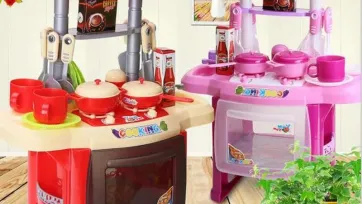
Pretend Play Toys
Pretend Play Toys
 Pretend Play Toys: Why Role Play Is Essential for Child Development Children have an incredible ability to transform ordinary objects into extraordinary adventures. A cardboard box becomes a spaceship, a blanket turns into a magical castle, and a toy spoon is suddenly the perfect tool for serving an imaginary feast. This natural ability to create stories and explore different roles is known as pretend play, and it is one of the most valuable forms of childhood learning. Pretend play toys encourage children to use their imagination while acting out real-life situations, fictional adventures and everyday experiences. Rather than following fixed rules or predetermined outcomes, children create their own stories, solve problems, communicate with others and express their emotions through play. Role play is far more than simple entertainment. It supports cognitive, social, emotional and language development while helping children understand the world around them. Whether they are pretending to be a doctor, chef, firefighter, teacher or astronaut, children are constantly learning through observation and imagination. For parents, choosing the right pretend play toys can provide years of meaningful play while helping children build confidence, creativity and important life skills. In this guide, you'll discover why pretend play matters, the developmental benefits it offers and how to choose the best role play toys for children of different ages. What Are Pretend Play Toys? Pretend play toys are toys that encourage children to imitate real-life situations or invent imaginative stories. Instead of completing a single task, these toys allow children to create different characters, environments and adventures each time they play. Examples include: Play kitchens Toy food Doctor kits Tool sets Dollhouses Toy cash registers Dress-up costumes Puppets Toy telephones Farm sets Toy vehicles Doll accessories Camping sets Tea sets Because there is no single correct way to play, children are free to explore ideas, solve problems and create their own imaginative worlds. Why Pretend Play Is Important Children learn about life by observing the people around them. Pretend play gives them an opportunity to practise what they see in a safe and enjoyable environment. For example, a child pretending to run a café learns about conversation, taking turns, counting money and serving customers. A child playing with a doctor's kit may become more comfortable with future medical appointments while learning empathy and care for others. Role play also allows children to process new experiences and express emotions that they may not yet have the words to describe. Benefits of Pretend Play Toys Pretend play supports many different areas of development at the same time. Encourages Creativity Every pretend play session is unique. Children invent stories, create characters and imagine situations that develop creative thinking. A simple toy kitchen might become a busy restaurant one day and a bakery the next. Develops Communication Skills Pretend play naturally encourages conversation. Children practise asking questions, giving instructions, negotiating roles and telling stories while expanding their vocabulary. Playing with parents, siblings or friends further strengthens language development. Builds Social Skills Role play teaches children how to cooperate, share responsibilities, solve disagreements and understand different points of view. These experiences help prepare children for friendships, teamwork and classroom interactions. Supports Emotional Development Children often use pretend play to express feelings and work through experiences. Acting out situations allows them to explore emotions such as happiness, fear, excitement and disappointment in a safe environment. Improves Problem-Solving Skills Pretend scenarios frequently involve challenges. Children decide what happens next, solve imaginary problems and adapt their stories when situations change. This strengthens flexible thinking and decision-making skills. Encourages Independent Play Many pretend play toys allow children to remain engaged for long periods without adult direction. Independent role play builds confidence and encourages children to use their own ideas. Best Pretend Play Toys for Toddlers Toddlers enjoy copying familiar everyday activities. Suitable pretend play toys include: Toy telephones Toy food Soft dolls Push prams Play kitchens Cleaning toy sets Toy animals Simple tool benches Tea sets These toys encourage language development and early social interaction while supporting imaginative thinking. Pretend Play Toys for Preschool Children As children grow, their stories become more detailed and imaginative. Popular choices include: Doctor kits Vet play sets Grocery shop toys Dollhouses Firefighter sets Police role play kits Puppet theatres Dress-up costumes Construction worker toys Toy cash registers These toys encourage teamwork, storytelling and creative thinking while helping children explore different roles within their community. Pretend Play Toys for School-Age Children As children grow older, their imagination becomes more sophisticated. Instead of acting out simple everyday routines, they begin creating detailed stories with complex characters, adventures and challenges. Pretend play remains just as valuable during these years, helping children develop creativity, leadership and communication skills. Some excellent pretend play toys for school-age children include: Adventure play sets Camping and exploration kits Science laboratory role play sets Detective and mystery kits Theatre and puppet sets Space exploration toys Dollhouses with detailed accessories Toy farms and animal rescue centres Building site play sets Restaurant and café role play sets These toys encourage children to work together, create longer stories and develop confidence while expressing their ideas. How Pretend Play Supports Learning Many parents view pretend play as simply a way to keep children entertained, but it offers significant educational value. Through role play, children naturally practise skills they will use throughout life. For example: Language Development Children expand their vocabulary by creating conversations, asking questions and explaining situations during play. Mathematical Skills Running a pretend shop or café introduces counting, sorting, measuring and recognising numbers. Problem-Solving Unexpected situations encourage children to think creatively and find solutions independently. Social Understanding Role play helps children understand different professions, family relationships and community responsibilities. Emotional Intelligence Children learn empathy by imagining how other people might think or feel in different situations. How to Choose the Best Pretend Play Toys When choosing pretend play toys, focus on versatility rather than complicated features. The best toys allow children to direct the play rather than simply following instructions. Look for toys that: Match your child's interests. Encourage imagination. Can be used in different ways. Are suitable for independent and group play. Are made from durable, child-safe materials. Include accessories that inspire storytelling. Can grow with your child over several years. Simple toys often provide more creative opportunities than highly electronic alternatives. Buying Guide Selecting pretend play toys becomes easier when you consider a few important factors before making a purchase. Age Suitability Choose toys designed for your child's developmental stage. Younger children benefit from larger, simpler accessories, while older children often enjoy more detailed play sets. Open-Ended Play Value The best pretend play toys can be used in many different scenarios rather than supporting only one fixed story. Quality and Durability Role play toys are frequently used, moved and shared. Well-made products generally provide better long-term value. Storage Requirements Some pretend play collections include numerous accessories. Ensure you have suitable storage to keep pieces organised. Educational Benefits Choose toys that encourage communication, creativity, cooperation and problem-solving rather than passive entertainment. Safety Tips Pretend play toys should always be used safely, particularly when younger children are involved. Follow these recommendations: Always check the recommended age range. Keep small accessories away from babies and toddlers. Inspect toys regularly for broken parts. Remove damaged toys immediately. Clean toys frequently, especially shared items. Store accessories in labelled containers. Avoid costumes with long cords or loose parts for younger children. Supervise play involving toy tools or cooking accessories. A safe play environment allows children to enjoy imaginative adventures with confidence. Common Buying Mistakes Parents sometimes purchase pretend play toys that fail to provide lasting value. Avoid these common mistakes. Buying Toys Based Only on Popular Characters Children often lose interest once a favourite television programme or film becomes less exciting. Choosing Highly Electronic Toys Toys that perform most of the actions themselves often leave less room for children's imagination. Ignoring Your Child's Interests Some children enjoy pretending to cook, while others prefer caring for animals or building imaginary worlds. Buying Too Many Accessories Large collections can become difficult to organise and may overwhelm younger children. Focusing on Quantity Instead of Quality A small collection of versatile pretend play toys usually provides far richer play experiences than numerous single-purpose toys. Frequently Asked Questions What are pretend play toys? Pretend play toys encourage children to act out real-life situations or imaginary adventures using their own creativity and imagination. At what age does pretend play begin? Simple pretend play often begins between 18 months and 2 years of age and becomes increasingly detailed throughout childhood. Why is role play important for child development? Role play supports creativity, communication, emotional development, problem-solving and social skills while encouraging independent thinking. Are pretend play toys educational? Yes. They help children practise language, maths, social interaction, storytelling and decision-making through enjoyable play experiences. How many pretend play toys does a child need? A small selection of versatile toys that inspire different stories is usually more valuable than owning many similar play sets. Final Thoughts Pretend play is one of the most powerful ways children learn about themselves and the world around them. Through imaginative role play, they develop communication skills, creativity, empathy and confidence while exploring everyday situations in a safe and enjoyable environment. The best pretend play toys are those that encourage children to take the lead, invent stories and solve problems using their imagination. Whether your child enjoys cooking, caring for animals, building imaginary towns or becoming a superhero for the day, role play provides endless opportunities for learning through play. By choosing durable, versatile and age-appropriate toys, parents can encourage meaningful play that supports development for many years while creating lasting childhood memories.