Eco-Friendly Toys: A Complete Guide to Safe, Sustainable, and Fun Play for Kids
Parents today are becoming more conscious about the toys they bring into their homes. Beyond entertainment, many families now look for products that are safe for children, kind to the environment, and built to last. This growing interest has made eco-friendly toys one of the fastest-growing categories in the toy industry.
Unlike many conventional plastic toys that may end up in landfills after a short period, eco-friendly toys are designed with sustainability in mind. They are often made from responsibly sourced wood, recycled plastics, organic cotton, bamboo, or other environmentally friendly materials. Many are manufactured using safer production methods and packaged with recyclable materials, making them a smarter choice for both children and the planet.
If you're looking for toys that combine fun, learning, and environmental responsibility, this guide will help you understand everything about eco-friendly toys and how to choose the best options for your child.
What Are Eco-Friendly Toys?
Eco-friendly toys are toys created using sustainable materials and environmentally responsible manufacturing processes. Their purpose is to reduce waste, minimize pollution, and provide children with safer products made from high-quality materials.
Many eco-friendly toys are designed to last for years instead of breaking after a few weeks of use. Their durability means fewer replacements, less waste, and better value for parents.
Common materials include:
- FSC-certified wood
- Bamboo
- Organic cotton
- Natural rubber
- Recycled plastic
- Recycled cardboard
- Plant-based materials
These materials are carefully selected to reduce environmental impact while maintaining safety and durability.
Why More Parents Are Choosing Eco-Friendly Toys
Parents today understand that children spend countless hours touching, holding, and sometimes even chewing their toys. Choosing toys made from safer materials provides extra peace of mind.
Eco-friendly toys also encourage children to appreciate nature from an early age. When kids learn about recycling, sustainability, and responsible consumption through everyday play, they develop habits that can benefit them throughout life.
Many families also prefer buying fewer, better-quality toys instead of constantly replacing cheaper products.
Benefits of Eco-Friendly Toys
Sustainable toys offer much more than environmental advantages.
Some important benefits include:
- Safer materials for children
- Reduced plastic waste
- Excellent durability
- Timeless designs
- Educational value
- Lower environmental impact
- Better long-term value
- Encouragement of imaginative play
Unlike flashy electronic toys that quickly lose attention, many eco-friendly toys inspire open-ended play, allowing children to create their own adventures.
Wooden Toys Continue to Be a Favorite
Wooden toys remain one of the most popular eco-friendly choices.
Wood is naturally strong, attractive, and long-lasting. Wooden blocks, train sets, puzzles, stacking toys, kitchens, and pretend play sets have entertained generations of children.
Quality wooden toys also age beautifully and are often passed down from one child to another.
When buying wooden toys, look for products made from responsibly managed forests certified by organizations such as the Forest Stewardship Council (FSC).
Organic Cotton Toys for Younger Children
Soft toys made from organic cotton are another excellent eco-friendly option.
Organic cotton is grown without harmful pesticides and harsh chemicals, making it a gentle choice for babies and young children.
Popular options include:
- Plush animals
- Comfort blankets
- Soft dolls
- Fabric activity books
These toys are often machine washable and designed for everyday use.
Recycled Plastic Toys Give Waste a New Purpose
Not every eco-friendly toy is made from wood.
Many manufacturers now produce high-quality toys using recycled plastic collected from household waste or ocean-bound materials.
These toys help reduce landfill waste while giving plastic a second life.
Popular recycled plastic toys include:
- Construction vehicles
- Beach toys
- Toy kitchens
- Building blocks
- Outdoor play equipment
Children enjoy the same level of fun while helping reduce environmental pollution.
Eco-Friendly Educational Toys
Learning and sustainability work perfectly together.
Many educational eco-friendly toys help children develop:
- Problem-solving skills
- Creativity
- Fine motor skills
- Logical thinking
- Shape recognition
- Counting skills
- Language development
Wooden puzzles, alphabet blocks, number games, and sorting activities remain excellent examples.
Outdoor Nature Toys
Encouraging children to play outdoors naturally supports environmental awareness.
Popular eco-friendly outdoor toys include:
- Gardening kits
- Wooden birdhouses
- Nature exploration sets
- Magnifying glasses
- Bug observation kits
- Sand and water toys made from recycled materials
These activities help children connect with nature while reducing screen time.
Are Eco-Friendly Toys Durable?
One common misconception is that eco-friendly toys wear out quickly.
In reality, many sustainable toys are built to last longer than inexpensive plastic alternatives.
High-quality wooden toys, bamboo products, and durable recycled plastic toys often withstand years of regular play.
This durability makes them an excellent long-term investment.
How Eco-Friendly Toys Encourage Creativity
Many electronic toys entertain children by doing everything automatically.
Eco-friendly toys often work differently.
Instead of flashing lights and constant sounds, they encourage children to imagine, build, create, and invent their own stories.
Simple wooden blocks can become castles today, bridges tomorrow, and space stations the following week.
Open-ended play develops imagination far more effectively than fixed electronic entertainment.
Choosing Eco-Friendly Toys by Age
Different age groups benefit from different types of sustainable toys.
For toddlers:
- Wooden stacking toys
- Shape sorters
- Soft organic cotton toys
For preschoolers:
- Wooden puzzles
- Building blocks
- Pretend play kitchens
- Gardening kits
For older children:
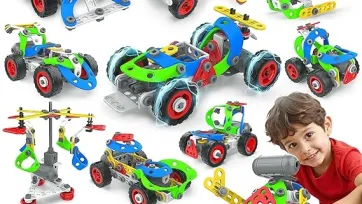
- STEM building sets
- Craft kits
- Nature exploration tools
- Recycled construction toys
Selecting age-appropriate toys keeps children engaged while supporting healthy development.
What to Look for Before Buying
Not every product labeled "green" is genuinely eco-friendly.
Before purchasing, consider:
- Sustainable materials
- Non-toxic paints
- Durable construction
- Recyclable packaging
- Safety certifications
- Smooth finishes
- Trusted manufacturers
Reading product descriptions carefully helps you make informed decisions.
Caring for Eco-Friendly Toys
Proper care extends the life of sustainable toys.
Some simple maintenance tips include:
- Clean wooden toys with a damp cloth.
- Avoid soaking wood in water.
- Store toys in a dry place.
- Wash fabric toys according to instructions.
- Inspect toys regularly for wear.
- Repair minor damage instead of replacing the toy.
Good care reduces waste and saves money.
Common Myths About Eco-Friendly Toys
Several myths prevent some parents from trying sustainable toys.
Myth: Eco-friendly toys are boring.
Reality: Many offer imaginative, educational, and highly engaging play experiences.
Myth: They are too expensive.
Reality: While some cost more initially, their durability often makes them cheaper over time.
Myth: Sustainable toys have fewer options.
Reality: Today's market includes everything from puzzles and dolls to RC-inspired vehicles made with recycled materials and STEM kits.
Why Eco-Friendly Toys Make Wonderful Gifts
If you're looking for a meaningful birthday, holiday, or special occasion gift, eco-friendly toys are an excellent option.
They show that you value both the child's happiness and the future of the planet.
Parents often appreciate gifts that are practical, safe, durable, and educational.
Frequently Asked Questions
Are eco-friendly toys safe for children?
Yes. Most quality eco-friendly toys are made from non-toxic materials and meet strict safety standards.
Are wooden toys better than plastic toys?
Both have advantages, but well-made wooden toys are often more durable, environmentally friendly, and encourage imaginative play.
Do eco-friendly toys cost more?
Some do, but their longer lifespan often makes them better value over time.
Can eco-friendly toys still be fun?
Absolutely. Children enjoy building, pretending, exploring, crafting, and learning with sustainable toys just as much as with conventional options.
Final Thoughts
Eco-friendly toys offer much more than a greener alternative to traditional playthings. They combine safety, durability, creativity, and educational value while helping reduce environmental impact.
Whether you choose wooden building blocks, organic cotton plush toys, recycled plastic vehicles, or nature-inspired activity kits, sustainable toys encourage meaningful play that benefits both children and the world around them.
Choosing eco-friendly toys isn't simply about buying a product—it's about supporting healthier play, smarter choices, and a more sustainable future for the next generation.