Best Robot Toys for Kids in 2026

Best Robot Toys for Kids in 2026: Smart, Educational and Fun for Every Age

Robot toys have become one of the fastest-growing categories in the toy industry, combining entertainment with education in ways that capture children's imagination. From simple dancing robots for toddlers to programmable robots that teach coding and engineering, today's robot toys help children develop valuable STEM skills while keeping them engaged through interactive play.

Unlike traditional toys, robot toys respond to commands, perform movements, solve challenges, and even introduce basic programming concepts. They encourage children to think creatively, experiment with technology, and develop problem-solving skills that will be useful throughout their lives.

Whether you're shopping for a birthday, Christmas, or an educational gift, this guide explores the best robot toys for kids in 2026.

Why Robot Toys Are So Popular

Children are naturally curious about technology. Robot toys allow them to explore how machines move, respond, and interact with the world.

Many modern robots can:

  • Walk
  • Dance
  • Talk
  • Follow commands
  • Avoid obstacles
  • Perform tricks
  • Play games
  • Teach coding

These interactive features make learning feel like play instead of study.

Benefits of Robot Toys

Robot toys support many areas of child development.

Some of the biggest benefits include:

  • Improve problem-solving skills
  • Encourage logical thinking
  • Develop STEM knowledge
  • Build creativity
  • Strengthen concentration
  • Improve hand-eye coordination
  • Introduce coding concepts
  • Encourage independent learning
  • Reduce passive screen time

Children also gain confidence as they successfully control and programme their robots.

Robot Toys for Toddlers

Younger children benefit from simple robots with large buttons and easy controls.

Popular features include:

  • Dancing movements
  • Flashing lights
  • Music
  • Animal sounds
  • Colour recognition
  • Shape learning

These toys introduce cause and effect while encouraging sensory development.

Coding Robots for Kids

Coding robots are among the most educational robot toys available.

Children learn how to:

  • Create sequences
  • Solve logic puzzles
  • Programme movements
  • Complete challenges
  • Test different solutions

Many beginner coding robots use visual programming instead of written computer code, making them suitable for young learners.

Remote Control Robot Toys

Remote control robots combine technology with active play.

Children can control:

  • Walking
  • Turning
  • Dancing
  • Talking
  • Arm movements
  • Sound effects

These toys improve hand-eye coordination while making playtime highly interactive.

AI-Inspired Robot Toys

Some advanced robot toys now include artificial intelligence features.

Depending on the model, they may:

  • Recognise voices
  • Respond to commands
  • Learn simple routines
  • Interact with users
  • Tell stories
  • Answer basic questions

These robots introduce children to the growing world of AI in an age-appropriate way.

Educational Robot Kits

Children who enjoy building can combine robotics with engineering.

Educational robot kits allow them to:

  • Assemble moving robots
  • Connect motors
  • Build mechanical systems
  • Explore electronics
  • Learn engineering principles

Building a robot before programming it provides a deeper understanding of how technology works.

STEM Learning Through Robotics

Robot toys naturally introduce STEM concepts.

Children explore:

  • Science
  • Technology
  • Engineering
  • Mathematics

Instead of reading about these subjects, they experience them through practical challenges and experimentation.

Robot Toys Encourage Creativity

Robot toys are not just about technology.

Children often invent imaginative adventures where robots become:

  • Explorers
  • Helpers
  • Space travellers
  • Rescue workers
  • Scientists
  • Friendly companions

These stories encourage communication and imaginative thinking alongside technical learning.

Choosing the Right Robot Toy

Before buying, consider:

  • Your child's age
  • Skill level
  • Battery life
  • Ease of programming
  • Educational value
  • Durability
  • Expandability

A robot that grows with your child's abilities offers the greatest long-term value.

Safety Tips

Choose robot toys that:

  • Meet recognised safety standards
  • Use durable materials
  • Match the recommended age
  • Include clear instructions
  • Have securely enclosed batteries

Rechargeable models are often more convenient for regular use.

Common Buying Mistakes

Parents sometimes purchase robot toys that are too complicated.

Avoid:

  • Advanced programming kits for beginners
  • Poor battery life
  • Weak build quality
  • Limited learning features
  • Unknown brands without safety certification

Choosing the right difficulty level keeps children motivated instead of frustrated.

Why Robot Toys Make Brilliant Gifts

Robot toys remain one of the most exciting educational gifts available.

They're perfect for:

  • Birthdays
  • Christmas
  • School achievements
  • STEM competitions
  • Holiday presents

Children enjoy the excitement of interactive technology while developing valuable future-ready skills.

Frequently Asked Questions

What are the best robot toys for children?

Coding robots, remote control robots, educational robot kits, AI-inspired robots, and STEM robotics sets are among the best choices.

At what age can children start using robot toys?

Simple interactive robots are suitable from around three years old, while coding and engineering robots are designed for older children.

Do robot toys help children learn?

Yes. Robot toys improve problem-solving, creativity, coding skills, engineering knowledge, and logical thinking through hands-on learning.

Are robot toys worth buying?

Absolutely. High-quality robot toys combine entertainment with STEM education, making them an excellent long-term investment for children's learning.

Final Thoughts

The best robot toys for kids in 2026 combine innovation, education, and entertainment in one exciting package. Whether your child enjoys coding, engineering, remote control gadgets, or imaginative adventures, robot toys encourage curiosity while helping develop skills that will remain valuable in the future.

By choosing an age-appropriate robot toy with strong educational value, parents can inspire a love of technology while giving children endless opportunities to build, programme, explore, and create. As technology continues to shape the world, robot toys offer a fun and engaging introduction to the skills of tomorrow.
Advertisement
Best Building Blocks for Kids in 2026
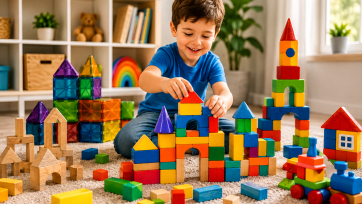
Best Building Blocks for Kids in 2026 Building blocks have remained one of the most loved toys for children for decades, and for good reason. Unlike toys that only offer one way to play, building blocks encourage endless creativity. One day, your child may build a castle. The next day, it might become a rocket, a zoo, a bridge, or an entire city. Every play session is different, making building blocks one of the most valuable long-term investments parents can make. Today's building block sets are available in many styles, including classic wooden blocks, magnetic tiles, large construction bricks, STEM engineering kits, and advanced building systems for older children. No matter your child's age, building blocks help develop essential skills while making learning fun. This guide explores the best building blocks for kids in 2026, their educational benefits, and how to choose the perfect set for every stage of childhood. Why Building Blocks Are Essential for Child Development Children naturally enjoy creating things with their hands. Building blocks encourage experimentation, problem-solving, and imagination while allowing children to learn through trial and error. Unlike toys with fixed outcomes, building blocks allow children to invent something completely new every time they play. This open-ended style of play keeps children engaged for years instead of weeks. Benefits of Building Blocks Building blocks support many areas of childhood development. Some of the biggest benefits include: Improve creativity Strengthen problem-solving skills Develop hand-eye coordination Build fine motor skills Encourage patience Improve concentration Support logical thinking Promote teamwork Increase confidence Children also learn that mistakes are part of the creative process as they rebuild and improve their designs. Best Building Blocks for Babies Babies need large, lightweight blocks that are easy to hold and safe to explore. Popular options include: Soft foam blocks Fabric blocks Large wooden blocks Silicone stacking blocks These toys encourage sensory exploration while developing grip strength and coordination. Best Building Blocks for Toddlers Toddlers enjoy simple stacking and balancing activities. Excellent choices include: Jumbo plastic building bricks Wooden stacking blocks Magnetic blocks with large pieces Colorful construction cubes These toys help toddlers improve balance, color recognition, and hand control while encouraging imaginative play. Best Building Blocks for Preschoolers As children grow, they begin creating more detailed structures. Popular building toys include: Magnetic tile sets Wooden construction blocks Beginner engineering kits Marble run systems Construction brick sets Preschoolers enjoy building houses, bridges, towers, roads, and vehicles while learning basic engineering concepts. STEM Building Sets Many modern building toys are designed to introduce STEM learning. These sets encourage children to explore: Engineering Mathematics Physics Structural balance Simple mechanics Instead of simply following instructions, children experiment with different designs and discover why some structures are stronger than others. Wooden Building Blocks Wooden blocks remain one of the most popular educational toys. Parents appreciate them because they are: Durable Eco-friendly Safe Long-lasting Easy to maintain Their simple appearance encourages children to use their imagination instead of relying on electronic features. Magnetic Building Tiles Magnetic construction toys have become increasingly popular in recent years. Children can easily connect colorful magnetic pieces to build: Castles Animals Space stations Vehicles Towers Ball runs Magnetic building toys also improve spatial awareness and engineering skills. Building Blocks Encourage Imaginative Play One of the greatest advantages of building blocks is their flexibility. A simple collection of blocks can become: A school A hospital A race track A pirate ship A farm A city Children create stories while building, improving communication, creativity, and social development. Building Together as a Family Building blocks aren't just for children. Parents, grandparents, and siblings can join the fun by working together on larger projects. Family building activities encourage: Teamwork Communication Patience Creative thinking These shared experiences often become some of childhood's happiest memories. Choosing the Right Building Blocks Before buying a set, consider: Your child's age Safety certifications Material quality Number of pieces Storage options Long-term play value Choose sets that allow children to build freely instead of limiting them to one design. Safety Tips Building blocks are generally very safe, but parents should still follow a few precautions. Always: Follow the recommended age. Avoid small pieces for toddlers. Inspect damaged blocks regularly. Store pieces properly after play. Buy from trusted brands. Quality construction helps ensure years of safe play. Common Mistakes Parents Make Many parents unintentionally choose building sets that children quickly outgrow. Avoid: Buying overly complicated sets. Choosing poor-quality materials. Ignoring age recommendations. Buying blocks that only build one model. Focusing only on price instead of value. Open-ended building systems usually provide the longest-lasting entertainment. Why Building Blocks Make Great Gifts Building blocks are among the best gifts for birthdays, holidays, and special occasions because they combine learning, creativity, and fun. Unlike many trendy toys, building blocks continue to challenge children as they grow, offering new ways to play every year. Parents also appreciate gifts that encourage screen-free learning. Frequently Asked Questions What are the best building blocks for kids? Wooden blocks, magnetic tiles, jumbo construction bricks, STEM engineering kits, and classic building sets are among the best options. At what age can children start playing with building blocks? Many large building blocks are suitable from around 12 months, while more advanced construction sets are designed for older children. Do building blocks help child development? Yes. They improve creativity, coordination, problem-solving, concentration, engineering skills, and fine motor development. Are wooden building blocks better than plastic ones? Both have advantages. Wooden blocks encourage open-ended play and durability, while plastic building systems often offer more detailed construction possibilities. Final Thoughts The best building blocks for kids in 2026 are more than simple toys—they're tools that inspire creativity, confidence, and lifelong learning. Whether your child enjoys stacking colorful towers, designing bridges, constructing vehicles, or inventing imaginary cities, building blocks encourage endless exploration through play. From wooden blocks for toddlers to advanced STEM construction kits for older children, choosing high-quality building toys gives kids the freedom to imagine, create, and solve problems every single day. It's a timeless investment that grows alongside your child's imagination.
How to Clean and Disinfect Children's Toys Properly
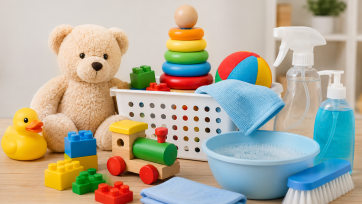
 How to Clean and Disinfect Children's Toys Properly: The Complete Parent's Guide Introduction A toddler drops a toy on the kitchen floor. Seconds later, it's back in their mouth. If you're a parent, you've probably seen this happen more times than you can count. Children don't play with toys the way adults expect. They cuddle them, chew them, drag them through the garden, take them into the bath, leave them under the sofa and sometimes even share them with the family dog. It's all part of growing up—but it also means toys can quickly become home to dust, food residue and germs if they aren't cleaned regularly. The challenge isn't deciding whether toys should be cleaned. It's knowing how to clean them without damaging them. Should wooden toys ever be soaked in water? Can soft toys go in the washing machine? Are disinfectants always necessary? And how often should parents actually clean different types of toys? The answers depend on the material, how often the toy is used and the age of the child. The good news is that keeping toys clean is much easier than many parents think. With a few simple habits and the right cleaning methods, toys can stay hygienic, last longer and remain safe for years of play. In this guide, we'll explain exactly how to clean different types of children's toys, when disinfecting is worthwhile and the mistakes many parents make without realising it. Why Cleaning Toys Matters More Than You Think It's easy to underestimate how much wear and tear toys experience. Think about a typical week. A favourite teddy might travel from the bedroom to the garden, into the car, onto the sofa and back into bed again. Building blocks are handled dozens of times each day. Bath toys spend hours in warm, damp conditions. Outdoor toys collect mud, sand and grass. None of this is unusual. It's simply childhood. Regular cleaning isn't about creating a perfectly sterile environment. Exposure to everyday dirt is a normal part of growing up. The aim is to remove grime, reduce the build-up of germs and prevent mould or bacteria from developing in places where they shouldn't. Parents often notice another unexpected benefit too: clean toys usually last longer. Dust, moisture and sticky residue can gradually damage finishes, fabrics and moving parts if they're ignored. Which Toys Need Cleaning Most Often? Not every toy needs the same level of attention. Some should be cleaned every few days, while others only need occasional maintenance. Toys that deserve the most frequent cleaning include: Teething toys Bath toys Soft comfort toys Toys shared between siblings Toys used outdoors Toys taken to nursery or school Toys that are regularly placed in a child's mouth A decorative toy sitting on a shelf obviously requires less attention than a favourite rattle used every day. The Difference Between Cleaning and Disinfecting Many people use these words as though they mean the same thing, but they don't. Cleaning removes visible dirt, food residue and many germs using soap, water or suitable cleaning products. Disinfecting goes a step further by reducing bacteria and viruses on a surface. For most everyday situations, cleaning is enough. Disinfecting becomes more useful when: A child has recently been ill. Toys are shared in group settings. Toys have been exposed to bodily fluids. Bath toys have developed mould. A toy has fallen somewhere particularly dirty. Understanding this difference helps parents avoid overusing harsh cleaning products when simple washing would do the job. How to Clean Plastic Toys Plastic toys are among the easiest to maintain, which is one reason they're so popular. For everyday cleaning: Fill a bowl or sink with warm water. Add a small amount of mild washing-up liquid. Wipe the toy using a soft cloth or sponge. Rinse thoroughly with clean water. Leave it to air dry completely before returning it to the toy box. Avoid soaking electronic plastic toys, even if they appear well sealed. Instead, wipe them carefully with a slightly damp cloth and dry them immediately. Looking After Wooden Toys Wooden toys require a gentler approach. Unlike plastic, wood naturally absorbs moisture. Leaving wooden toys submerged in water can cause swelling, cracking or damage to protective finishes. A better method is to: Wipe with a damp cloth. Use a small amount of mild soap if necessary. Dry immediately with a towel. Leave the toy somewhere well ventilated until completely dry. With proper care, good-quality wooden toys can remain in excellent condition for many years and are often passed down to younger siblings. Washing Soft Toys Without Damaging Them For many children, a favourite soft toy is far more than just something they play with. It might be a bedtime companion, a comfort during long car journeys or the first thing they look for when they're upset. Because these toys are handled so often, they also collect dust, sweat and everyday dirt much faster than parents realise. Before cleaning any soft toy, check the care label. Many can be washed safely in a washing machine, while others need a gentler approach. If machine washing is suitable: Place the toy inside a mesh laundry bag or pillowcase. Use a gentle cycle with cool or lukewarm water. Choose a mild, fragrance-free detergent. Allow the toy to air dry naturally instead of using high heat. For delicate or handmade soft toys, surface cleaning with a damp cloth is often the safer option. The Hidden Problem with Bath Toys Bath toys are among the most frequently forgotten items when it comes to cleaning. Because water often gets trapped inside rubber ducks, squeeze toys and floating animals, the inside can remain damp for days. Over time, this creates the perfect environment for mould to grow—sometimes where parents can't even see it. A simple routine can prevent this problem. After every bath: Squeeze out as much water as possible. Rinse the toys with clean water. Leave them somewhere with good airflow. Avoid storing them in a sealed container while still wet. If a bath toy develops visible mould or continues to release dark residue when squeezed, replacing it is usually the safest choice. Don't Forget Outdoor Toys Outdoor toys often look dirty, so parents remember to clean them. What they sometimes forget is that grass, mud, rain and sunlight can gradually damage certain materials if toys are left outside for weeks. Ride-on toys, footballs, garden play equipment and sand toys benefit from an occasional wash using warm water and mild soap. Before putting them away for winter, make sure they're completely dry. Storing damp toys in a shed or garage can encourage mould, unpleasant smells and unnecessary wear. A Simple Toy Cleaning Routine That Actually Works One reason toy cleaning feels overwhelming is because parents imagine they need to clean everything at once. In reality, a simple routine is much easier to maintain. Try dividing the task throughout the month. Every few days Teething toys Dummies attached to toys Frequently used rattles Once a week Plastic toys Building blocks Role-play accessories Toy vehicles Every two to four weeks Soft toys Books with washable covers Wooden toys Larger play equipment After illness Give extra attention to toys your child has handled frequently while unwell, especially comfort toys, bath toys and shared play items. This approach keeps toys clean without turning the task into a full-day chore. Cleaning Products: Simpler Is Usually Better Walk down the cleaning aisle in any supermarket and you'll find countless products claiming to kill almost every germ imaginable. For children's toys, stronger isn't always better. In most situations, warm water and a mild detergent remove everyday dirt perfectly well. Harsh chemicals can leave unwanted residues and may even damage certain materials if used too often. If you do choose a disinfectant, make sure it's suitable for children's items and always follow the manufacturer's instructions. After disinfecting, rinse toys thoroughly whenever required and allow them to dry completely before children use them again. Buying Guide Choosing toys that are easy to clean can save a surprising amount of time over the years. When shopping, look beyond the colour or design and consider how practical the toy will be after months of regular use. A few useful questions include: Can it be cleaned easily? Smooth surfaces without deep grooves usually take far less effort to maintain. Does it trap water? Some bath toys hold water inside, making them much harder to keep hygienic. Is the fabric washable? Removable covers or machine-washable materials make life much easier for busy parents. Will it still look good after repeated cleaning? High-quality finishes generally last much longer than cheap paints or coatings that begin peeling after frequent washing. Sometimes the easiest toy to clean becomes the one that's used most often. Safety Tips Keeping toys clean is important, but cleaning them correctly matters just as much. Remember these simple guidelines: Always dry toys completely before storing them. Replace toys that crack, split or become impossible to clean properly. Never mix different cleaning chemicals. Keep cleaning products out of children's reach. Check battery-operated toys before wiping them with a damp cloth. Inspect toys regularly for loose parts while cleaning. Wash your own hands before cleaning baby toys that will be placed in a child's mouth. Cleaning time is also an excellent opportunity to check whether toys remain safe to use. Common Cleaning Mistakes Parents Make Most parents clean toys with good intentions, but a few habits can cause unnecessary problems. Waiting Until Toys Look Dirty Many toys collect germs long before visible dirt appears. Regular light cleaning is usually better than occasional deep cleaning. Using Too Much Water on Wooden Toys Wood and standing water rarely mix well. A lightly damp cloth is normally all that's needed. Putting Every Soft Toy in the Tumble Dryer High heat can damage stitching, fabrics and fillings. Air drying is often the safer option. Ignoring Toy Storage A freshly cleaned toy can quickly become dirty again if it's stored in a damp box or dusty corner. Forgetting High-Touch Toys Remote-control cars, toy telephones, dolls and favourite action figures are often handled constantly but cleaned infrequently. Frequently Asked Questions How often should children's toys be cleaned? It depends on how they're used. Toys that babies chew or children use every day should be cleaned much more frequently than decorative or rarely used toys. Is soap and water enough? For most everyday cleaning, yes. Mild soap and warm water are usually sufficient. Disinfecting is mainly useful after illness or when toys have been heavily contaminated. Can wooden toys be disinfected? Yes, but avoid soaking them. Wipe them carefully using a cloth that's only slightly damp, then dry them immediately. When should a toy be thrown away instead of cleaned? If a toy has mould inside, cracked plastic, exposed stuffing, broken battery compartments or damage that cannot be cleaned safely, replacing it is usually the better option. Do toys need cleaning if only one child uses them? Yes. Even when toys aren't shared, they still collect dust, food residue and everyday germs through regular use. Final Thoughts Children's toys are meant to be played with, carried everywhere and thoroughly enjoyed. A little dirt is part of childhood, but regular cleaning helps keep favourite toys safe, hygienic and in good condition for much longer. The good news is that maintaining toys doesn't require expensive products or complicated routines. A consistent approach, mild cleaning products and a little attention to different materials are usually all that's needed. Instead of waiting for toys to become visibly dirty, make cleaning a small part of your family's routine. Your child will continue enjoying their favourite toys, and you'll know they're playing with items that are clean, well cared for and ready for many more adventures.
Best Kids Smartwatches (2026): 12 Safe, Fun and Parent-Approved Smartwatches
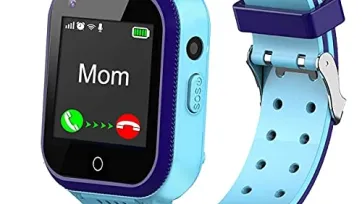
Best Kids Smartwatches (2026): 12 Safe, Fun and Parent-Approved Smartwatches Introduction A kids' smartwatch is no longer just a fun gadget. For many families, it has become the perfect middle ground between giving a child complete independence and handing them a smartphone too early. Modern kids' smartwatches can help parents stay connected through GPS location tracking, voice calls, messaging and emergency SOS features. At the same time, they allow children to enjoy a little more freedom while avoiding many of the distractions that come with a full smartphone. The challenge is choosing the right one. Some smartwatches focus on safety. Others prioritise fitness. Some are designed for younger children taking their first steps towards independence, while others suit older children who need better communication tools. In this guide, we've compared the best kids' smartwatches available in 2026 based on safety, battery life, durability, parental controls and overall value. How We Selected These Smartwatches Every smartwatch in this guide was chosen using the factors parents care about most: GPS accuracy Calling and messaging Battery life Ease of use Water resistance Durability Parental controls Value for money Overall reliability Quick Comparison Smartwatch Best For Rating TickTalk 5 Best Overall ⭐⭐⭐⭐⭐ Garmin Bounce 2 Active Kids ⭐⭐⭐⭐⭐ Apple Watch SE (Family Setup) Best Premium ⭐⭐⭐⭐⭐ Fitbit Ace LTE Fitness ⭐⭐⭐⭐☆ COSMO JrTrack 5 Best Value ⭐⭐⭐⭐☆ 1. TickTalk 5 – Best Overall TickTalk 5 remains one of the most complete children's smartwatches available. Instead of giving children unrestricted internet access, it focuses on communication and safety through video calling, voice calls, GPS tracking, messaging and emergency SOS features. Pros Accurate GPS tracking Video and voice calling Excellent parental controls School Mode Durable design Cons Requires a cellular plan Slightly larger than some competitors Best For: Parents wanting maximum safety features without giving their child a smartphone. 2. Garmin Bounce 2 – Best for Active Kids Garmin combines its fitness expertise with child-friendly communication features. The Bounce 2 encourages movement through activity tracking while allowing parents to monitor location and communicate when needed. Pros Excellent battery life Strong GPS performance Fitness challenges Comfortable design Reliable Garmin app Cons Limited entertainment features Subscription required for connected services Best For: Sporty children who spend lots of time outdoors. 3. Apple Watch SE (Family Setup) – Best Premium Smartwatch Families already using Apple products will appreciate the Apple Watch SE. With Family Setup, children can call approved contacts, share their location and access emergency features without needing their own iPhone. Pros Outstanding display Excellent performance Emergency SOS Long software support Huge app ecosystem Cons Higher price Best suited to Apple users Best For: Older children in Apple households. 4. Fitbit Ace LTE – Best for Fitness and Learning Healthy Habits Rather than focusing on games alone, the Fitbit Ace LTE rewards children for being active. It combines movement challenges, communication features and location tools in a child-friendly package. Pros Excellent activity tracking Comfortable to wear Family communication Fun movement challenges Reliable companion app Cons Subscription unlocks some features Limited third-party apps Best For: Families encouraging healthier daily habits. 5. COSMO JrTrack 5 – Best Value for Money COSMO JrTrack 5 delivers many premium safety features without the premium price. Parents particularly like its GPS tracking, calling, messaging and parent-approved apps. Pros Excellent value Accurate location tracking School Mode Easy parental controls Durable build Cons Battery life could be longer Camera quality is basic Best For: Families looking for an affordable all-round smartwatch. 6. Gabb Watch 3e – Best First Smartwatch The Gabb Watch 3e is built for one purpose: keeping children connected without exposing them to social media, web browsing or app stores. Parents can approve contacts, monitor location and communicate through calls and text messages while children enjoy a distraction-free device. It is frequently recommended as one of the best first smartwatches for younger children. Pros Excellent parental controls Reliable GPS tracking SOS emergency button Long battery life Simple interface Cons No third-party apps Cellular plan required Best For: Children receiving their first connected device. 7. Xplora X6 Play – Best for School-Age Kids Xplora has become one of Europe's most popular kids' smartwatch brands thanks to its balance of communication, GPS safety features and activity tracking. The X6 Play encourages movement by rewarding children for being active while still giving parents location updates and calling features. Pros Accurate GPS School Mode Comfortable design Activity rewards Good call quality Cons Subscription required Average battery life Best For: Ages 6–12. 8. Verizon Gizmo Watch 3 Adventure – Best Budget GPS Watch Families looking for dependable safety features without paying premium prices often choose Verizon's Gizmo Watch. It includes GPS tracking, voice calling, messaging and geofencing while keeping the interface easy enough for younger children. Pros Affordable Easy to use Good GPS accuracy Durable construction Water resistant Cons Best for Verizon customers Limited apps Best For: Budget-conscious families. 9. Bark Watch – Best for Digital Safety Bark is well known for its parental monitoring tools, and its smartwatch extends that focus to children's wearables. Parents receive location updates while communication stays limited to approved contacts, helping children stay connected without unnecessary distractions. Pros Excellent family safety tools Live GPS Easy parent app Strong contact controls Voice messaging Cons Monthly subscription Fewer entertainment features Best For: Families prioritising online safety. 10. myFirst Fone R2 – Best for Younger Children Designed specifically for younger users, the myFirst Fone R2 combines GPS, calling, messaging and a simple interface in a lightweight smartwatch. Its colourful design makes it especially appealing to younger children. Pros Lightweight Easy interface GPS tracking Comfortable strap Good battery Cons Smaller app selection Camera quality is basic Best For: Ages 5–9. Buying Guide: What to Look for in a Kids Smartwatch Before buying, ask yourself these questions: Does it offer reliable GPS tracking? Can your child make calls only to approved contacts? Is School Mode available? How long does the battery last? Is the watch water resistant? Does it require a monthly subscription? Is the companion app easy for parents to use? A smartwatch should make life easier for both parents and children—not more complicated. Best Smartwatch by Age Ages 4–6 Choose a simple smartwatch with GPS, calling and large icons. Ages 7–9 School Mode, messaging and fitness tracking become more useful. Ages 10–12 Older children often benefit from more advanced communication tools, stronger battery life and improved activity tracking. Frequently Asked Questions Do kids really need a smartwatch? Not every child does, but many families find that a smartwatch offers a practical way to stay connected without introducing a smartphone too early. Which smartwatch has the best parental controls? TickTalk 5, Gabb Watch 3e, COSMO JrTrack 5 and Bark Watch are all recognised for their comprehensive parental control features. Can children make phone calls from a smartwatch? Yes. Many modern kids' smartwatches support voice calls, but most limit communication to parent-approved contacts for added safety. Do kids' smartwatches require a SIM card? Many GPS-enabled smartwatches require either a SIM card or an eSIM with an active cellular plan to support calling, messaging and live location tracking. Are kids' smartwatches waterproof? Many models offer water resistance for rain, handwashing and splashes. Always check the manufacturer's water-resistance rating before swimming. Final Thoughts The best kids' smartwatch isn't the one with the longest feature list. It's the one that gives parents confidence while giving children the freedom to explore safely. Whether your priority is GPS tracking, fitness, calling or a simple first wearable, today's best smartwatches offer far more than just telling the time. Choose a model that matches your child's age, your family's communication needs and your budget. When used responsibly, a kids' smartwatch can become a practical stepping stone between childhood and a first smartphone.  
Best Water Bottles for Kids in 2026
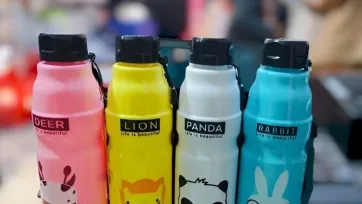
Kids Water Bottles: The Complete Parent's Guide to Choosing Safe, Leak-Proof and Durable Water Bottles Introduction A child's water bottle is one of those everyday items that rarely gets much attention—until it starts leaking inside a school bag. Whether your child is heading to school, nursery, football practice or a family day out, having easy access to water helps them stay hydrated throughout the day. But not every bottle is designed with children in mind. Some are too heavy for small hands. Others are difficult to open, impossible to clean or prone to leaking after only a few weeks of use. The ideal kids' water bottle should be lightweight, durable and simple enough for children to use independently. It should survive being dropped on the playground, fit comfortably inside a backpack pocket and keep drinks fresh from morning until home time. This guide explains exactly what parents should look for when choosing a children's water bottle and how to avoid the most common buying mistakes. Why Choosing the Right Water Bottle Matters Children are constantly on the move. They run. They play. They climb. They spend hours at school, sports clubs and outdoor activities. A reliable water bottle encourages regular hydration by making drinking water convenient and enjoyable. The right bottle should: Be easy to carry. Open without adult help. Prevent leaks. Fit inside school bag pockets. Be simple to clean. Last through everyday use. Choosing a well-designed bottle makes daily routines much easier for both parents and children. How Much Water Should a Bottle Hold? Size is one of the first decisions parents need to make. A bottle that's too small may run out before the school day ends. One that's too large can feel heavy and difficult for younger children to carry. In general: Younger children often benefit from smaller, lightweight bottles. Older primary school children usually need a little more capacity for longer school days and sports activities. The goal is to find a bottle that balances hydration with comfort. Choosing the Right Material Different materials offer different advantages. Stainless Steel Stainless steel bottles are extremely durable and don't retain flavours or odours. Many insulated versions also keep drinks cool for several hours, making them popular during warmer weather. Best for: School Sports Outdoor activities Food-Grade Plastic Modern BPA-free plastic bottles are lightweight, affordable and easy for younger children to hold. They're particularly suitable for nursery and primary school. Best for: Everyday use Younger children Lightweight carrying Tritan Plastic Tritan bottles combine the light weight of plastic with excellent clarity and resistance to stains. Many parents choose Tritan because it stays looking newer for longer. Features That Make a Difference The smallest details often have the biggest impact on daily use. Look for features such as: Leak-proof lids. Easy-grip design. One-handed opening where appropriate. Wide opening for easy cleaning. Carry handle or loop. Dishwasher-safe parts. Durable construction. These practical features help children use their bottles confidently without constant assistance. Which Lid Style Is Best? Different lid designs suit different ages. Flip-Top Lids Quick to open and close, making them popular for school-aged children. Straw Lids Easy for younger children to drink from without tilting the bottle. Screw Caps Simple and reliable, although younger children may need more time to open them independently. Choosing the right lid often matters just as much as choosing the bottle itself. How to Keep a Kids' Water Bottle Clean A reusable water bottle is only as good as the care it receives. Even bottles used only for water should be cleaned every day to prevent bacteria, mould and unpleasant odours from developing. A simple cleaning routine includes: Wash the bottle after every use. Clean the lid and drinking spout thoroughly. Use a bottle brush to reach the bottom. Allow every part to dry completely before reassembling. Leave the lid off while drying to improve airflow. If your child drinks juice, milk or flavoured drinks from the bottle, cleaning becomes even more important because residue can build up quickly. When Should You Replace a Water Bottle? A quality water bottle can last for years, but it's worth checking it regularly. Consider replacing it if you notice: Cracks or splits. A lid that no longer seals properly. Persistent odours that don't disappear after cleaning. Damaged drinking spouts. Worn silicone seals causing leaks. Replacing a damaged bottle helps maintain hygiene and prevents messy school bag accidents. Choosing a Bottle for School and Sports Children often use the same bottle in very different situations. For school, look for: Leak-proof lids. Lightweight construction. Easy opening. A bottle that fits inside backpack side pockets. For sports and outdoor activities, useful features include: Larger capacity. Comfortable carrying loop. Durable materials. Quick-access drinking spout. Insulated construction for warmer weather. Matching the bottle to your child's routine usually provides the best experience. Common Mistakes Parents Make Many parents unknowingly choose bottles that don't suit everyday use. Avoid these common mistakes: Buying a bottle that's too heavy when full. Choosing a narrow opening that's difficult to clean. Ignoring leak resistance. Selecting a lid younger children struggle to open. Forgetting to check whether the bottle fits inside the school backpack. Keeping damaged bottles for too long. Practicality nearly always matters more than appearance. Frequently Asked Questions What is the safest material for a children's water bottle? Food-grade stainless steel, BPA-free plastic and Tritan are all popular choices. Each offers different advantages depending on your child's age and daily activities. How often should a child's water bottle be cleaned? Ideally, after every use. Daily cleaning helps prevent bacteria, mould and unpleasant smells from developing. Should children use insulated water bottles? Insulated bottles are useful if your child spends long periods outdoors or prefers cold drinks throughout the day. What size water bottle is best for school? The ideal size depends on your child's age and school routine. The bottle should provide enough water without becoming too heavy to carry comfortably. Can reusable water bottles go in the dishwasher? Many can, but always check the manufacturer's instructions first. Some insulated bottles or lids may require hand washing. Final Thoughts A reusable water bottle is something your child will use almost every day. Choosing the right one means looking beyond colours and fun designs to focus on comfort, durability and ease of use. A bottle that opens easily, stays leak-free and is simple to clean helps children stay hydrated wherever the day takes them. When parents choose a quality bottle that matches their child's age and routine, it becomes more than just another school accessory. It becomes a reliable companion for classrooms, playgrounds, sports fields and family adventures alike.  
Best Outdoor Toys for Kids in 2026
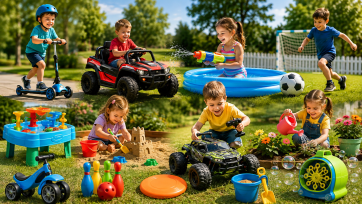
Best Outdoor Toys for Kids in 2026 Outdoor play has become more important than ever as parents look for healthy ways to reduce screen time and encourage active lifestyles. While tablets, smartphones, and video games often dominate children's attention, outdoor toys inspire kids to run, jump, climb, explore, and interact with the world around them. Beyond keeping children entertained, outdoor play supports physical fitness, emotional well-being, creativity, and social development. The best outdoor toys are those that encourage movement while making exercise feel like fun. Whether it's riding a scooter, chasing bubbles, building sandcastles, or racing a remote control car across the backyard, every outdoor adventure helps children develop important life skills. If you're searching for the best outdoor toys for kids in 2026, this guide covers the top options, their benefits, and tips for choosing safe and age-appropriate toys. Why Outdoor Play Is Important Children are naturally active. Outdoor environments give them the space to move freely, explore nature, and burn off energy in healthy ways. Regular outdoor play helps children: Build stronger muscles Improve balance and coordination Increase confidence Develop social skills Reduce stress Improve focus Sleep better at night Strengthen their immune system It also creates opportunities for family bonding and encourages children to enjoy nature instead of spending all their free time indoors. Benefits of Outdoor Toys Outdoor toys provide much more than entertainment. They help children develop: Gross motor skills Hand-eye coordination Physical fitness Teamwork Problem-solving Creativity Independence Communication skills Unlike many indoor activities, outdoor games naturally encourage movement, making them ideal for growing children. Scooters Remain a Top Choice Scooters continue to be one of the most popular outdoor toys for kids. They help improve: Balance Coordination Leg strength Confidence Spatial awareness Three-wheel scooters are perfect for younger children, while older kids often enjoy lightweight two-wheel models designed for speed and agility. Always ensure children wear helmets and protective gear while riding. Remote Control Cars Bring Excitement Outdoors Remote control cars have evolved into one of the most exciting outdoor toys available. Driving an RC car across grass, dirt, gravel, or specially designed obstacle courses encourages children to think quickly while improving coordination and concentration. Benefits include: Better hand-eye coordination Faster reaction times Improved focus Creative racing challenges Family-friendly competition Rechargeable RC vehicles are especially popular because they provide longer play sessions and reduce battery waste. Sports Toys Encourage Active Play Simple sports equipment often provides endless entertainment. Popular outdoor sports toys include: Soccer balls Basketball sets Baseball bats Badminton sets Footballs Flying discs These activities improve teamwork, coordination, and physical fitness while helping children build friendships. Water Toys Keep Kids Cool Warm weather creates the perfect opportunity for water play. Popular outdoor water toys include: Splash pads Water tables Water blasters Sprinklers Inflatable pools Floating toys Always supervise children closely during any water activity. Sand Toys Inspire Creativity Sand play encourages imagination while improving fine motor skills. Children enjoy building: Castles Roads Tunnels Animal habitats Treasure islands Basic sand toys include buckets, shovels, molds, rakes, and construction vehicles. These toys provide hours of creative outdoor entertainment. Bubble Toys Never Go Out of Style Bubble toys continue to delight children of all ages. Options include: Bubble wands Automatic bubble machines Giant bubble kits Bubble guns Chasing bubbles encourages running, jumping, and coordination while creating joyful outdoor memories. Ride-On Toys Build Confidence Ride-on toys are excellent for younger children developing balance and coordination. Popular options include: Balance bikes Ride-on cars Push cars Wagons Tricycles These toys encourage independent movement while helping children gain confidence outdoors. Gardening Toys Teach Responsibility Gardening introduces children to nature through hands-on learning. Simple gardening kits often include: Child-sized watering cans Shovels Rakes Gloves Planting tools Growing flowers, herbs, or vegetables teaches patience, responsibility, and environmental awareness. Outdoor STEM Toys Learning doesn't have to stay indoors. Outdoor STEM toys encourage children to investigate science while exploring nature. Popular choices include: Bug-catching kits Binoculars Telescopes Rock collection kits Weather stations Nature explorer sets These activities help children develop observation skills while encouraging curiosity about the natural world. Obstacle Course Toys Obstacle courses have become increasingly popular for active families. Simple equipment may include: Cones Jump ropes Balance beams Agility ladders Tunnels Children improve balance, speed, coordination, and problem-solving while having fun. Families can also create their own obstacle courses using everyday household items. Choosing Outdoor Toys by Age Selecting age-appropriate toys helps children stay engaged and safe. For toddlers: Bubble toys Push toys Sand toys Water tables For preschoolers: Scooters Balance bikes RC cars Gardening kits For school-age children: Sports equipment STEM explorer kits Advanced RC vehicles Outdoor games Matching toys to your child's interests keeps outdoor play exciting. Safety Tips for Outdoor Play Outdoor fun should always include proper safety measures. Parents should: Supervise younger children. Use protective helmets when needed. Check toys regularly for damage. Follow age recommendations. Choose safe play areas away from traffic. Keep children hydrated during hot weather. Teaching outdoor safety helps children enjoy active play with confidence. Common Mistakes Parents Make Many parents unintentionally reduce the value of outdoor play. Avoid: Buying toys that are too advanced. Ignoring weather conditions. Choosing poor-quality materials. Forgetting protective equipment. Limiting outdoor play to special occasions. Even 30 to 60 minutes of daily outdoor play can have a positive impact on a child's health and development. Why Outdoor Toys Make Great Gifts Outdoor toys encourage children to stay active while creating memorable family experiences. Whether it's a birthday, holiday, or summer surprise, gifts such as scooters, RC cars, bubble machines, sports equipment, or gardening kits continue providing enjoyment long after they're opened. Parents also appreciate gifts that encourage healthy movement instead of increasing screen time. Frequently Asked Questions What are the best outdoor toys for kids? Scooters, balance bikes, remote control cars, sports equipment, bubble toys, water tables, gardening kits, and outdoor STEM toys are among the best choices. Why are outdoor toys important? Outdoor toys encourage physical activity, creativity, social interaction, and healthy development while reducing screen time. Are remote control cars good outdoor toys? Yes. RC cars improve coordination, concentration, and reaction time while encouraging children to play actively outdoors. How can I encourage my child to play outside more? Choose toys that match your child's interests, participate in outdoor activities together, rotate toys regularly, and create fun family games that make outdoor play exciting. Final Thoughts The best outdoor toys for kids in 2026 do more than entertain—they inspire children to move, explore, create, and connect with the world around them. From scooters and sports equipment to remote control cars, water toys, gardening kits, and STEM explorer sets, outdoor toys help children build healthy habits while developing essential physical and social skills. By choosing safe, durable, and age-appropriate outdoor toys, parents can encourage a lifetime of active play, reduce screen time, and create unforgettable family memories filled with laughter, adventure, and discovery.
Safe Toys for Babies: Everything New Parents Need to Know Before Buying
 Safe Toys for Babies: Everything New Parents Need to Know Before Buying Introduction Few moments are as exciting as buying a baby's first toys. Whether you're preparing for your own little one or shopping for a thoughtful gift, it's easy to be drawn to colourful designs, soft textures and attractive packaging. However, when it comes to babies, appearance should never be the first consideration. Safety always comes first. During the first year of life, babies explore the world with remarkable curiosity. Almost everything they touch eventually ends up in their mouths. They shake toys, chew them, drop them repeatedly and examine every surface with their tiny hands. A toy that seems perfectly harmless to an adult may pose hidden risks if it isn't designed specifically for babies. Choosing safe baby toys isn't about buying the most expensive products. It's about understanding what makes a toy suitable for your baby's stage of development. The safest toys encourage exploration while reducing potential hazards such as choking, toxic materials or sharp edges. As the baby product market continues to grow, parents are faced with more choices than ever before. Some toys are genuinely beneficial, while others offer little value beyond attractive marketing. Knowing what to look for can save money, reduce clutter and, most importantly, help keep your baby safe. This guide explains how to choose safe toys for babies, which features matter most, how toy needs change during the first year and the common mistakes parents should avoid. Why Toy Safety Matters During the First Year Babies develop rapidly during their first twelve months. A newborn who can barely grasp a toy eventually becomes a crawling explorer eager to investigate everything within reach. Because babies learn through touch, taste and movement, toys receive much rougher treatment than many parents expect. A safe baby toy should withstand: Chewing Pulling Throwing Dropping Twisting Repeated washing Everyday wear Well-designed toys continue performing safely despite this constant use. What Makes a Baby Toy Safe? The safest baby toys share several important characteristics. They should be: Free from small detachable parts. Smooth with no sharp edges. Made from non-toxic materials. Strong enough not to break easily. Easy to clean. Appropriate for your baby's age. Comfortable for tiny hands to hold. Designed to withstand chewing. Simple designs are often the safest because they contain fewer parts that could become damaged or detached. Understanding Baby Development Before Buying Toys Choosing toys becomes much easier when you understand how babies develop during their first year. Birth to 3 Months During the first few months, babies mainly observe their surroundings. Their eyesight is still developing, and they enjoy bold patterns, gentle sounds and different textures. Suitable toys include: High-contrast fabric books Soft rattles Activity gyms Fabric sensory toys Baby mirrors Soft comfort toys At this stage, stimulation should remain gentle rather than overwhelming. 3 to 6 Months As babies begin reaching and grasping, they become much more interested in interacting with toys. Good options include: Soft teething toys Lightweight rattles Textured balls Soft stacking rings Fabric blocks Musical toys with gentle sounds These toys encourage hand-eye coordination and early motor development. 6 to 12 Months Older babies become increasingly mobile and curious. Excellent choices include: Stacking cups Shape sorters Push toys Soft building blocks Large activity cubes Rolling toys Sensory balls Simple cause-and-effect toys These toys encourage crawling, sitting, standing and early problem-solving. Benefits of Safe Baby Toys Choosing safe toys provides benefits that go beyond protecting your child. Encourage Healthy Development The right toys support sensory exploration, movement and early learning without overwhelming babies. Give Parents Peace of Mind Knowing your baby is playing with age-appropriate toys allows you to relax and enjoy playtime together. Support Motor Skill Development Grasping, shaking, reaching and crawling all help strengthen muscles while improving coordination. Encourage Curiosity Babies naturally investigate different textures, colours and movements. Safe toys encourage this exploration without exposing them to unnecessary risks. Build Early Confidence Simple toys that respond to a baby's actions help them understand cause and effect while encouraging independent exploration. Essential Baby Toy Categories Instead of buying dozens of different products, focus on a balanced collection. Useful categories include: Sensory toys Teething toys Soft books Stacking toys Push-and-pull toys Bath toys Musical toys Soft building blocks Activity centres Shape sorters A small number of carefully selected toys often provides far more value than an overcrowded toy basket. Choosing the Right Materials for Baby Toys The material a toy is made from is just as important as its design. Babies spend a great deal of time touching, chewing and exploring toys with their mouths, so choosing high-quality materials should always be a priority. Good materials often include: Smooth natural wood with child-safe finishes Food-grade silicone for teething toys BPA-free plastics Soft organic cotton fabrics Natural rubber Durable polyester fabrics that can be washed easily These materials are generally long-lasting, easy to clean and suitable for everyday use. Materials to Avoid While safety standards have improved significantly, parents should still be cautious. Avoid toys that: Have a strong chemical smell. Contain loose beads or decorative attachments. Shed paint or coatings. Have poorly stitched fabric seams. Break easily under pressure. Contain long cords or ribbons. Have batteries that children can access. If a toy appears poorly made, it's usually best to choose another option. Buying Guide Buying baby toys doesn't have to be complicated. Asking a few simple questions before making a purchase can help you choose toys that are both safe and useful. Is It Suitable for Your Baby's Age? Always check the recommended age on the packaging. Manufacturers base these recommendations on safety as well as developmental suitability. Can It Grow With Your Baby? Some toys remain useful for many months because they support different stages of development. Stacking cups, for example, can be explored through grasping, stacking, pouring and imaginative play. Is It Easy to Clean? Babies frequently place toys in their mouths, so washable materials are a major advantage. Toys that can be cleaned quickly are generally more practical for everyday use. Is It Built to Last? A well-made toy should survive daily chewing, throwing and dropping without cracking or breaking. Does It Encourage Active Play? The best baby toys invite babies to touch, reach, crawl, shake, stack or explore rather than simply watch lights or listen to sounds. Safety Tips Following a few simple precautions helps keep playtime enjoyable and safe. Inspect toys regularly for damage. Throw away broken toys immediately. Wash toys frequently, especially teething toys. Avoid toys with detachable small parts. Keep battery compartments securely closed. Check fabric toys for loose stitching. Follow all manufacturer instructions. Supervise babies during play, particularly with new toys. Even the safest toy should be used under appropriate supervision. Common Buying Mistakes New parents often buy toys with the best intentions, but a few common mistakes can lead to unnecessary spending or unsuitable choices. Buying Too Many Toys Babies don't need a huge collection of toys. A small variety that encourages different types of exploration is usually more than enough. Choosing Toys Because They Look Cute A toy may be beautifully designed, but if it doesn't support safe play or your baby's development, it may not be the best choice. Ignoring Cleaning Requirements Some toys are difficult to clean properly, making them less suitable for babies who frequently chew on them. Buying Toys That Are Too Advanced A toy designed for older children may frustrate a baby or even create unnecessary safety risks. Forgetting to Rotate Toys Babies remain interested in toys for longer when only a few are available at one time. Rotating toys every couple of weeks keeps playtime fresh without buying new products. Frequently Asked Questions What types of toys are safest for newborn babies? Soft fabric books, lightweight rattles, activity gyms, sensory toys and baby-safe mirrors are all suitable choices when designed for newborns. Are wooden toys safe for babies? Yes, provided they are smooth, well-finished and coated with child-safe, non-toxic finishes. Always check that they meet recognised safety standards. How often should baby toys be cleaned? Toys that babies regularly place in their mouths should be cleaned frequently. Follow the manufacturer's cleaning instructions and inspect them for wear at the same time. Do babies need electronic toys? Not necessarily. Traditional toys that encourage reaching, grasping, crawling and exploration often provide richer developmental experiences than toys that rely heavily on lights and sounds. When should damaged toys be replaced? Immediately. If a toy develops cracks, loose parts, broken stitching or sharp edges, it should no longer be used. Final Thoughts A baby's first toys play an important role in early development, but safety should always come before appearance or popularity. Choosing age-appropriate, well-made toys allows babies to explore their world with confidence while giving parents valuable peace of mind. The best baby toys are often the simplest. They encourage touching, reaching, grasping and discovering rather than overwhelming babies with excessive features. By focusing on quality, durability and safe materials, parents can create a small but meaningful toy collection that supports healthy development throughout the first year of life. As your baby grows, their interests and abilities will change quickly, but the principles remain the same: choose toys that are safe, engaging and suited to their stage of development, and you'll be giving them the best possible start through play.  
Best Toy Garages and Car Parking Playsets for Kids in 2026
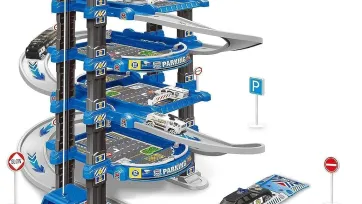
Best Toy Garages and Car Parking Playsets for Kids in 2026: The Ultimate Parent's Buying Guide Toy garages and car parking playsets have been delighting children for decades, offering far more than a place to park toy cars. They create entire miniature worlds where children become racing drivers, mechanics, traffic controllers, police officers, and car park managers. Every lift, ramp, parking bay, and fuel station encourages imaginative storytelling while helping children develop important cognitive and motor skills. In 2026, toy garages are available in a wide variety of designs, from compact multi-storey car parks to deluxe racing centres with working lifts, helipads, car washes, fuel stations, and interactive accessories. Whether your child already owns a collection of toy cars or is just beginning their vehicle adventure, a well-designed garage playset provides countless hours of creative, screen-free entertainment. This guide explains everything parents need to know before buying the best toy garage or car parking playset for kids in 2026. Why Toy Garages Are So Popular Children naturally enjoy vehicles, movement, and pretend play. A toy garage allows them to create exciting scenarios such as: Parking busy traffic Repairing racing cars Washing vehicles Refuelling at petrol stations Organising rescue missions Running a mechanic's workshop Managing traffic jams Every play session becomes a completely different adventure. Benefits of Toy Garage Playsets Toy garages encourage learning through imaginative play. Some of the biggest benefits include: Improve fine motor skills Encourage imaginative storytelling Develop problem-solving skills Strengthen hand-eye coordination Improve organisational skills Encourage social interaction Build creativity Develop logical thinking Reduce screen time Children also learn how different parts of a transport system work together. Multi-Storey Toy Garages Multi-level garages remain one of the most exciting playsets available. Many include: Spiral ramps Parking bays Car lifts Fuel stations Car washes Repair workshops Children enjoy driving vehicles between floors while inventing busy city adventures. Racing Garage Playsets Racing-themed garages are ideal for children who love speed. Popular features include: Starting grids Finish lines Service stations Pit stops Trophy podiums Racing ramps These playsets encourage exciting competitions while inspiring creative storytelling. Car Wash Playsets A toy car wash adds another level of imaginative play. Children can pretend to: Wash vehicles Dry cars Polish paintwork Check tyres Prepare racing cars Role-playing everyday activities helps children better understand the world around them. Toy Mechanic Workshops Mechanic stations allow children to repair toy vehicles using pretend tools. Many workshops include: Vehicle lifts Tool racks Spanners Screwdrivers Replacement tyres Workbenches These activities encourage practical thinking and imaginative role play. Wooden Toy Garages Wooden garages remain a favourite among parents. They offer several advantages: Durable construction Eco-friendly materials Timeless design Smooth finishes Long-lasting quality Many wooden garages are compatible with standard wooden toy cars, making future expansion easy. Interactive Garage Playsets Modern garage toys often include interactive features. Some models offer: Working lifts Traffic lights Sound effects Opening gates Rotating platforms Vehicle launchers These additions make play even more engaging while encouraging active participation. Educational Value Toy garages naturally support early learning. Children practise: Counting parking spaces Sorting vehicles Recognising colours Following directions Problem-solving Organising objects Parents can also introduce simple road safety concepts through imaginative play. Playing Together Garage playsets encourage cooperative play. Children enjoy: Racing together Sharing vehicles Running pretend repair shops Creating city traffic Solving transport challenges These activities strengthen communication and teamwork. Choosing the Right Toy Garage Before buying, consider: Your child's age Available space Material quality Number of accessories Compatibility with existing toy cars Safety certifications Expandability A modular garage that can grow with your child's collection often provides the best value. Safety Tips Always choose toy garages that: Meet recognised safety standards Have rounded edges Use non-toxic materials Include sturdy construction Match the recommended age For younger children, avoid small detachable accessories. Common Buying Mistakes Parents sometimes choose garages based only on size. Avoid: Weak plastic construction Narrow ramps that don't fit standard toy cars Fragile moving parts Poor stability Limited parking space A well-built playset offers a much better experience and lasts considerably longer. Why Toy Garages Make Excellent Gifts Toy garages are ideal gifts because they combine vehicles, role play, and creativity in one complete play system. They're perfect for: Birthdays Christmas School achievement rewards Family celebrations Playroom upgrades Children often continue expanding their garage with new vehicles and accessories for years. Frequently Asked Questions What is the best toy garage for children? The best toy garage is sturdy, age-appropriate, includes multiple levels and accessories, and is compatible with your child's existing toy vehicles. At what age can children play with toy garages? Simple garages are suitable from around two years old, while larger multi-storey playsets are ideal for preschool and primary-school children. Do toy garages help child development? Yes. They encourage imagination, fine motor development, communication, organisation, problem-solving, and social interaction through creative role play. Are wooden toy garages better than plastic ones? Wooden garages are generally more durable and environmentally friendly, while plastic garages often include interactive features such as working lifts and sound effects. Both can provide excellent play experiences when made from high-quality materials. Final Thoughts The best toy garages and car parking playsets for kids in 2026 offer much more than parking spaces for toy cars. They inspire creativity, encourage storytelling, and help children develop important physical, cognitive, and social skills through imaginative play. Whether it's operating a busy service station, managing city traffic, or organising a thrilling race day, every adventure helps children learn while having fun. By choosing a durable, well-designed garage playset with plenty of opportunities for creative play, parents can provide a timeless toy that continues to entertain and educate long after the excitement of opening the box has passed.
Best Kids Watches in 2026
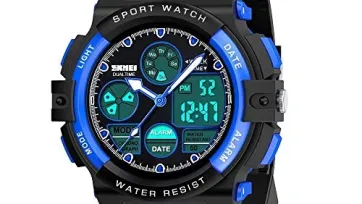
Kids Watches: The Complete Parent's Guide to Choosing the Best Watch for Your Child Introduction A child's first watch is often more than just a way to tell the time. For many children, it's their first personal accessory—something they proudly wear to school, on family outings and during weekend adventures. For parents, however, a watch is also a practical learning tool that encourages independence, punctuality and responsibility. Today's children's watches come in an enormous variety of styles. Some are simple analogue watches designed to help children learn to read the time. Others include digital displays, alarms, stopwatches or fitness features for older children. With so many options available, it's easy to become distracted by colourful designs and exciting features. Yet the best kids' watch isn't necessarily the one with the most functions. It's the one your child enjoys wearing every day. This guide explains everything parents should know before buying a children's watch, from choosing the right style and size to understanding comfort, durability and age-appropriate features. Why Every Child Doesn't Need the Same Watch A watch that works perfectly for a six-year-old may not suit a ten-year-old. Children's needs change quickly as they grow. A younger child usually benefits from a simple design that makes learning the time enjoyable, while older children may appreciate additional features for school, sports or hobbies. Before choosing a watch, consider: Your child's age Whether they can already tell the time Daily activities Comfort Durability Water resistance Ease of use The best watch fits your child's lifestyle—not simply current trends. Analogue or Digital? Which Is Better? One of the first decisions parents face is choosing between an analogue or digital display. Analogue Watches Analogue watches remain one of the best ways to help children understand how time works. Seeing the movement of the hour and minute hands helps children learn concepts such as "half past", "quarter to" and the relationship between minutes and hours. Analogue watches are ideal for: Primary school children Learning to tell the time Traditional styling Digital Watches Digital watches display the time clearly using numbers, making them easy to read at a glance. Many also include useful extras such as: Alarm functions Stopwatch Timer Calendar Backlight Digital watches are often popular with older children who already understand basic time-telling. Choosing the Right Strap Material Comfort matters just as much as appearance. Silicone Straps Soft, flexible and water-resistant, silicone straps are comfortable for everyday wear and easy to clean after outdoor play. Fabric Straps Fabric straps feel lightweight and breathable, making them suitable for children who dislike heavier materials. Leather Straps Leather offers a smart appearance but usually suits older children who need a more formal watch. What Size Watch Should a Child Wear? Oversized watches may look fashionable, but they often feel uncomfortable on smaller wrists. A good children's watch should: Sit securely without sliding. Feel lightweight. Allow easy movement. Fasten comfortably. Be simple for children to put on independently. A well-fitting watch is much more likely to be worn every day. Features That Are Actually Useful Not every extra feature adds real value. Many parents find these functions genuinely helpful: Easy-to-read display. Water resistance. Scratch-resistant face. Comfortable adjustable strap. Durable construction. Simple controls. For younger children, simplicity often beats complexity. A watch that teaches confidence is usually more valuable than one packed with unnecessary features. When Should a Child Get Their First Watch? There's no perfect age for a child's first watch. Instead, the right time depends on their level of independence and interest in learning to tell the time. Many children are ready between the ages of 5 and 8, when they begin understanding hours, minutes and daily routines. A first watch can help children: Arrive at school on time. Understand bedtime routines. Prepare for after-school activities. Develop a sense of responsibility. Feel more independent. Rather than being just another accessory, a watch becomes part of everyday learning. Should a Child Wear a Watch Every Day? For many children, wearing a watch daily helps build good habits. Checking the time before leaving for school, understanding how long homework takes or knowing when it's time for football practice all encourage independence. However, comfort is important. If the watch feels heavy or awkward, children are less likely to wear it consistently. Choose a lightweight model that quickly becomes part of their normal routine. How to Care for a Children's Watch A quality watch can last for years if looked after properly. Simple maintenance includes: Wiping the strap regularly with a soft cloth. Keeping the watch dry unless it's designed for swimming. Avoiding unnecessary knocks or drops. Checking the strap for signs of wear. Replacing batteries promptly if required. Storing the watch safely when it's not being worn. Teaching children these habits also encourages them to care for their belongings. Features Worth Considering for Active Children If your child enjoys sports or outdoor adventures, look for practical features rather than complicated technology. Useful additions include: Water resistance. Shock-resistant construction. Easy-to-press buttons. Comfortable silicone straps. Lightweight materials. Clear, easy-to-read display. These features make everyday wear more enjoyable without overwhelming younger users. Common Mistakes Parents Make Buying a children's watch seems straightforward, yet many parents make similar mistakes. Avoid these common problems: Buying an adult-sized watch. Choosing style over comfort. Selecting a display that's difficult to read. Paying for advanced features the child won't use. Ignoring strap quality. Forgetting to involve the child in choosing a design they genuinely like. A watch that feels personal is much more likely to become a favourite. Frequently Asked Questions At what age should children learn to tell the time? Every child develops differently, but many begin learning the basics between the ages of five and seven, making this a suitable time to introduce a simple analogue watch. Are analogue watches better than digital watches? Neither is better for every child. Analogue watches help children understand how time works, while digital watches are easier to read at a glance. Should children's watches be waterproof? Water resistance is highly recommended because children often wash their hands, play outdoors and may be caught in the rain. Always check the manufacturer's water-resistance rating before swimming. What is the best strap material for children? Soft silicone straps are among the most popular because they're lightweight, durable, comfortable and easy to clean. Can a watch help children become more independent? Yes. Wearing a watch encourages children to manage their own routines, understand time and develop greater responsibility as they grow. Final Thoughts A child's first watch is a small purchase that can have a lasting impact. It teaches more than hours and minutes. It helps children understand routines, manage their time and take greater responsibility for everyday activities. The best kids' watch isn't the one with the longest list of features. It's the one your child enjoys wearing, understands easily and feels confident using every day. Choose comfort over complexity, durability over gimmicks and practicality over passing trends. A well-chosen watch can become a trusted companion throughout childhood.