Best Sensory Toys for Kids in 2026

Best Sensory Toys for Kids in 2026

Play is one of the most powerful ways children learn, and sensory toys make that learning even more meaningful. Designed to stimulate a child's senses through touch, sight, sound, movement, and sometimes smell, sensory toys encourage exploration while supporting healthy brain development. From textured balls and sensory bins to fidget toys and activity boards, these toys help children discover the world around them in a fun and engaging way.

Sensory toys are suitable for babies, toddlers, preschoolers, and even older children. They are especially valuable during the early years when children are constantly learning through hands-on experiences. Whether your child enjoys squeezing, stacking, spinning, sorting, or exploring different textures, the right sensory toy can improve focus, creativity, and confidence.

This guide explains everything parents need to know about choosing the best sensory toys for kids in 2026.

What Are Sensory Toys?

Sensory toys are designed to stimulate one or more of a child's senses while encouraging exploration and active play.

These toys may focus on:

  • Touch
  • Sight
  • Hearing
  • Movement
  • Balance
  • Texture recognition
  • Fine motor skills

Unlike passive entertainment, sensory toys encourage children to interact with their environment and discover how different objects feel, move, and respond.

Why Sensory Play Is Important

Children learn by exploring the world around them. Every texture they touch, every sound they hear, and every object they move helps build new connections in the brain.

Sensory play supports:

  • Brain development
  • Language growth
  • Problem-solving
  • Creativity
  • Emotional regulation
  • Curiosity
  • Confidence

Simple sensory activities also help children stay engaged for longer periods because they naturally encourage hands-on exploration.

Benefits of Sensory Toys

Sensory toys offer many developmental benefits.

They help children improve:

  • Fine motor skills
  • Hand-eye coordination
  • Concentration
  • Creativity
  • Memory
  • Observation skills
  • Independent play
  • Problem-solving

Many parents also notice that sensory activities create calm, focused play sessions.

Best Sensory Toys for Babies

Babies explore everything using their hands and mouths, making sensory toys an excellent choice from an early age.

Popular options include:

  • Soft sensory balls
  • Wooden rattles
  • Crinkle books
  • Fabric cubes
  • Silicone teething toys
  • High-contrast sensory cards

These toys encourage safe exploration while supporting early development.

Best Sensory Toys for Toddlers

Toddlers enjoy activities that involve touching, sorting, stacking, and moving objects.

Excellent sensory toys include:

  • Shape sorters
  • Stacking rings
  • Sensory bins
  • Water play tables
  • Sand play sets
  • Wooden activity cubes

These toys encourage exploration while strengthening coordination and problem-solving skills.

Sensory Boards Encourage Independent Learning

Busy boards, also called sensory boards, remain one of the most popular sensory toys.

They often include:

  • Buttons
  • Zippers
  • Locks
  • Switches
  • Gears
  • Laces
  • Velcro

Children practice everyday life skills while improving finger strength and concentration.

Textured Toys Support Sensory Exploration

Different textures help children understand the world through touch.

Popular textured toys include:

  • Rubber sensory balls
  • Fabric animals
  • Wooden textured blocks
  • Silicone shapes
  • Soft stacking toys

These experiences help children recognize differences between smooth, rough, soft, and hard surfaces.

Sensory Toys That Encourage Movement

Movement is an important part of sensory development.

Some great active sensory toys include:

  • Balance boards
  • Jumping stones
  • Stepping paths
  • Mini trampolines
  • Ride-on toys
  • Balance bikes

These activities improve body awareness while strengthening muscles and coordination.

Water and Sand Play

Water and sand naturally provide rich sensory experiences.

Children enjoy:

  • Pouring
  • Digging
  • Filling containers
  • Building
  • Mixing

Simple tools such as buckets, scoops, funnels, and molds make these activities even more enjoyable.

Always supervise young children during water play.

Wooden Sensory Toys

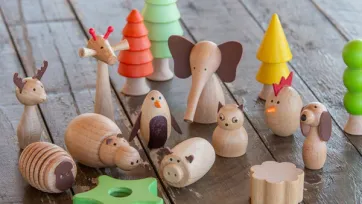
Wooden toys remain popular because they provide natural textures while encouraging open-ended play.

Excellent wooden sensory toys include:

  • Stacking blocks
  • Balance stones
  • Shape sorters
  • Peg boards
  • Wooden puzzles

These toys are durable, safe, and often fit well into Montessori-inspired learning environments.

Sensory Toys and Montessori Learning

Many Montessori toys naturally encourage sensory exploration.

Children learn through:

  • Touching
  • Holding
  • Sorting
  • Matching
  • Balancing
  • Exploring

Rather than relying on flashing lights and loud sounds, Montessori sensory toys encourage independent discovery.

Choosing the Right Sensory Toy

Before buying, consider:

  • Your child's age
  • Safety standards
  • Non-toxic materials
  • Durability
  • Variety of textures
  • Ease of cleaning
  • Educational value

The best sensory toys encourage repeated exploration without overwhelming children.

Safety Tips for Parents

Choose sensory toys that:

  • Match your child's age
  • Have no choking hazards
  • Use child-safe materials
  • Have smooth edges
  • Meet recognized safety standards

Inspect toys regularly and replace damaged items immediately.

Common Buying Mistakes

Many parents assume more features automatically mean better learning.

Avoid:

  • Overly complicated toys
  • Poor-quality materials
  • Toys with unsafe small parts
  • Cheap paints or finishes
  • Toys that don't match your child's developmental stage

Simple sensory toys often provide the richest learning experiences.

Why Sensory Toys Make Great Gifts

Sensory toys are excellent gifts because they combine entertainment with meaningful learning.

Whether for birthdays, holidays, or baby showers, they encourage creativity, exploration, and healthy development while providing hours of engaging play.

Parents also appreciate gifts that support learning without increasing screen time.

Frequently Asked Questions

What are sensory toys?

Sensory toys are designed to stimulate a child's senses through touch, sound, movement, texture, and visual exploration while supporting healthy development.

Are sensory toys only for babies?

No. Sensory toys are beneficial for children of all ages, with different types available for toddlers, preschoolers, and older kids.

Do sensory toys help child development?

Yes. They improve coordination, creativity, concentration, fine motor skills, and problem-solving while encouraging active learning.

Are wooden sensory toys safe?

High-quality wooden sensory toys made with non-toxic finishes and smooth edges are safe and durable for children when used according to the recommended age.

Final Thoughts

The best sensory toys for kids in 2026 inspire children to touch, explore, build, sort, and discover through hands-on play. These toys support healthy brain development while improving creativity, coordination, and confidence without relying on screens or complicated electronics.

Whether you choose sensory balls, activity boards, wooden stacking toys, water tables, textured blocks, or Montessori-inspired learning tools, sensory toys provide meaningful play experiences that grow with your child. By selecting safe, age-appropriate, and high-quality sensory toys, parents can create an environment where learning happens naturally every single day.
Advertisement
Best Wooden Puzzle Toys for Kids in 2026
Best Wooden Puzzle Toys for Kids in 2026 Wooden puzzle toys have remained one of the most trusted educational toys for generations. While modern toy stores are filled with electronic gadgets and flashing screens, wooden puzzles continue to offer something many high-tech toys cannot—simple, hands-on learning that encourages children to think, explore, and solve problems at their own pace. Parents love wooden puzzle toys because they combine education, safety, and durability in one product. Children enjoy fitting pieces together, recognizing shapes, matching colors, and completing fun challenges, all while developing essential cognitive and motor skills. Whether you're shopping for a curious toddler, a preschooler learning the alphabet, or a young child who enjoys problem-solving, wooden puzzle toys are an excellent investment. This guide explains why they remain one of the best educational toys for kids in 2026. What Are Wooden Puzzle Toys? Wooden puzzle toys are educational toys made primarily from natural wood. They usually include shaped pieces that children place into matching spaces, helping them recognize patterns, improve coordination, and strengthen thinking skills. Unlike disposable cardboard puzzles, wooden puzzles are designed to last for years. Their sturdy construction makes them ideal for daily play at home, in classrooms, or at daycare centers. Wooden puzzles come in many different themes, including: Animals Alphabet letters Numbers Vehicles Dinosaurs Farm animals Fruits and vegetables Space Maps Shapes and colors These puzzles make learning enjoyable while introducing children to new concepts. Why Wooden Puzzle Toys Are So Popular Children naturally enjoy solving challenges. Wooden puzzles provide just the right level of difficulty, keeping kids engaged without becoming overwhelming. Parents also appreciate that these toys encourage independent play. Instead of relying on screens or electronic features, children use observation, patience, and logical thinking to complete each puzzle. Many wooden puzzles can also be enjoyed by siblings of different ages, making them a great long-term investment for families. Benefits of Wooden Puzzle Toys Wooden puzzles offer far more than simple entertainment. Some of their biggest benefits include: Improving hand-eye coordination Developing fine motor skills Strengthening problem-solving abilities Encouraging logical thinking Building patience Improving concentration Supporting early learning Boosting confidence Encouraging independent play Every completed puzzle gives children a sense of achievement, motivating them to tackle even bigger challenges. How Wooden Puzzles Support Early Learning Young children learn best through hands-on experiences. Wooden puzzle toys help introduce important early learning concepts such as: Letters Numbers Colors Shapes Animals Fruits Vehicles Nature Geography Instead of memorizing information, children actively discover these concepts while playing, making learning more enjoyable and easier to remember. Best Wooden Puzzle Toys for Toddlers Toddlers need simple puzzles with large, easy-to-hold pieces. Excellent choices include: Shape puzzles Animal puzzles Farm-themed puzzles Color matching puzzles Vehicle puzzles Peg puzzles These puzzles help toddlers strengthen their hand muscles while improving coordination and concentration. Best Wooden Puzzle Toys for Preschoolers As children grow, they become ready for more challenging puzzles. Popular options include: Alphabet puzzles Number puzzles World map puzzles Dinosaur puzzles Solar system puzzles Human body puzzles Clock learning puzzles These activities encourage problem-solving while supporting school readiness. Wooden Alphabet Puzzles Alphabet puzzles help children recognize letters while developing early reading skills. Children learn to: Identify uppercase letters Match letter shapes Improve vocabulary Strengthen memory Develop fine motor skills Parents can also turn puzzle time into fun spelling games as children grow. Wooden Number Puzzles Learning numbers becomes much easier through play. Number puzzles help children understand: Counting Number recognition Basic mathematics Sequencing Patterns These skills provide a strong foundation for future learning. Animal and Nature Puzzles Children love learning about animals and nature. Wooden puzzles featuring wildlife, ocean animals, insects, birds, and farm animals introduce children to the natural world while encouraging observation and curiosity. Parents can also use these puzzles to teach animal names, sounds, and habitats. Why Wooden Puzzles Are Better Than Many Plastic Alternatives Both wooden and plastic puzzles can be enjoyable, but wooden puzzles offer several advantages. Wooden puzzles are often: More durable Easier for small hands to hold Made from natural materials Less likely to break Better for long-term use Environmentally friendly Many parents also prefer the smooth texture and timeless appearance of quality wooden toys. Montessori Learning and Wooden Puzzles Wooden puzzles fit perfectly within the Montessori approach to education. Montessori learning encourages children to: Explore independently Solve problems Learn through experience Build confidence Practice concentration Simple wooden puzzles allow children to work at their own pace without unnecessary distractions. Choosing the Right Wooden Puzzle Before buying, consider several important factors. Look for puzzles that: Match your child's age Use non-toxic paint Have smooth edges Include sturdy wooden pieces Feature engaging themes Meet recognized safety standards A high-quality puzzle should be challenging enough to encourage learning without causing frustration. Safety Tips for Parents Although wooden puzzles are generally very safe, parents should still follow a few precautions. Always: Check the recommended age. Avoid puzzles with small loose parts for toddlers. Inspect toys regularly for damage. Clean puzzles with a damp cloth. Store pieces safely after play. Choosing trusted brands helps ensure both safety and durability. Caring for Wooden Puzzle Toys Proper care helps wooden puzzles last for many years. Some simple maintenance tips include: Wipe with a soft damp cloth. Avoid soaking wood in water. Store puzzles in a dry place. Keep all pieces together after use. Avoid harsh cleaning chemicals. Well-maintained wooden puzzles can often be passed down to younger siblings. Common Mistakes Parents Should Avoid Many buyers accidentally choose puzzles that are too easy or too difficult. Avoid: Buying puzzles above your child's skill level. Choosing poor-quality materials. Ignoring safety certifications. Selecting puzzles with tiny pieces for young children. Buying puzzles only because they look attractive. Choosing puzzles based on your child's interests usually keeps them engaged much longer. Why Wooden Puzzle Toys Make Great Gifts Wooden puzzle toys are thoughtful gifts for birthdays, holidays, and special occasions. They combine learning, entertainment, and durability while encouraging children to develop important life skills through play. Parents also appreciate gifts that remain useful long after the excitement of opening them has passed. Frequently Asked Questions Are wooden puzzle toys good for toddlers? Yes. Wooden puzzles with large pieces help toddlers improve hand-eye coordination, fine motor skills, and early problem-solving abilities. Are wooden puzzles safer than plastic puzzles? High-quality wooden puzzles made with smooth edges and non-toxic finishes are generally very safe. Always choose puzzles that match your child's age. At what age can children start using wooden puzzles? Many simple wooden puzzles are suitable from around 12 months, while more advanced alphabet, number, and educational puzzles are designed for preschool and school-age children. How do I clean wooden puzzle toys? Use a soft damp cloth and mild soap if needed. Avoid soaking the wood or using harsh chemicals to protect the finish. Final Thoughts Wooden puzzle toys continue to be one of the best educational toys for kids in 2026 because they combine learning, creativity, and hands-on fun in a simple yet effective way. From helping toddlers recognize shapes to teaching preschoolers letters, numbers, and problem-solving skills, these timeless toys support healthy development at every stage. Whether you're choosing an alphabet puzzle, an animal-themed puzzle, a number board, or a colorful shape sorter, investing in high-quality wooden puzzle toys gives children endless opportunities to learn while playing. Their durability, educational value, and screen-free design make them a smart choice for every family.
Why Children Love Repetition in Play: The Hidden Science Behind Playing the Same Game Again and Again
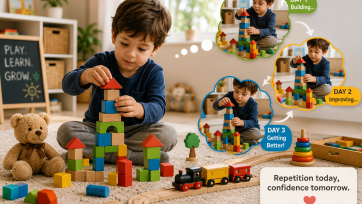
 Why Children Love Repetition in Play: The Hidden Science Behind Playing the Same Game Again and Again Introduction Every parent has experienced it. Your child spends twenty minutes building a tower. It falls over. Instead of trying something new, they build the same tower again. The next day, they repeat the process. By the weekend, they're still building towers. Meanwhile, the expensive new toy sitting on the shelf barely gets a glance. To adults, this behaviour can seem puzzling. "Haven't they already done this?" Children see it very differently. For them, repetition isn't boring. It's one of the most powerful ways to learn. Every time they repeat an activity, they're testing new ideas, improving skills and gaining confidence without even realising it. Understanding why children enjoy repeating the same game can completely change the way parents think about toys, learning and playtime. The Adult Brain Wants Variety. A Child's Brain Wants Mastery. Adults often look for new experiences. A different restaurant. A new television series. A fresh hobby. Children are driven by something else. They want to master the world around them. A toddler who successfully stacks six blocks today wants to know if they can stack seven tomorrow. A preschooler who builds a toy railway wants to improve it the next time. Repetition isn't a lack of imagination. It's evidence that the brain is strengthening important skills through practice. Every Repeat Adds Something New From the outside, it may look like the same game. But look more closely. The tower is slightly taller. The story has an extra character. The race track follows a different route. The pretend café now has customers waiting in line. Children rarely repeat play exactly. They refine it. Each version becomes a small experiment where they discover what works, what doesn't and what they can improve. That's one reason open-ended toys remain interesting for years. The toy stays the same. The child changes. Repetition Builds Confidence Imagine learning to ride a bicycle after trying only once. Or learning to read after opening a single book. Real learning requires repetition. Play works the same way. Each successful attempt gives children confidence to try something a little more difficult. Without repetition, many important skills would never become automatic. That's why children often insist on reading the same bedtime story or playing the same game for weeks. They're not stuck. They're growing. Why Open-Ended Toys Encourage Repeated Play Some toys are exciting because they surprise children. Others are exciting because children control them. Construction blocks, train tracks, art materials, dolls, toy animals and pretend-play sets rarely provide the exact same experience twice. Even when the child repeats the activity, the outcome changes. Yesterday's castle becomes today's airport. Today's airport becomes tomorrow's dinosaur museum. The best toys don't become repetitive. They make repetition rewarding. When Parents Accidentally Interrupt Learning Adults naturally enjoy helping. Sometimes, however, we introduce new toys too quickly. A child spends three days happily building roads with toy cars. Before they have time to develop the idea further, a brand-new toy arrives. The focus immediately shifts. While new toys are enjoyable, constantly replacing familiar activities can interrupt deeper learning. Children often benefit more from extending an existing game than starting a completely different one every few days. What Repetition Teaches Without Children Realising Parents often think learning happens when a child is introduced to something new. In reality, much of the learning happens when the activity becomes familiar. Each time children repeat a game, they're quietly developing important life skills, including: Better hand-eye coordination. Improved problem-solving. Stronger memory. Longer attention spans. Greater patience. Increased confidence. The child isn't thinking about these skills. They're simply enjoying the game. That's the beauty of meaningful play—learning feels effortless because it happens naturally. Why Favourite Toys Stay Favourite Toys Have you ever noticed that children often ignore the newest toy while returning to an old favourite? There's a reason. Favourite toys are predictable enough to feel comfortable but flexible enough to create new adventures. A set of building blocks doesn't suddenly become boring because there are always new ideas to explore. The same applies to toy farms, dollhouses, train sets, craft supplies and pretend kitchens. These toys grow with the child instead of limiting the child. That's why they're often used for years rather than weeks. Repetition Doesn't Mean a Child Lacks Imagination Some parents worry when they see the same game being played every day. In fact, the opposite is often true. Children with active imaginations frequently revisit the same imaginary world because they're expanding it. Today's pirate ship gains new crew members. Tomorrow it sails to a different island. Next week it becomes part of an even bigger adventure involving dinosaurs, treasure maps and talking parrots. The setting remains familiar. The story keeps evolving. That's creativity in action. When Should Parents Encourage Something New? Although repetition is healthy, children also benefit from fresh experiences. The key is recognising the difference between focused repetition and genuine loss of interest. A child who's happily improving the same game doesn't need to be interrupted. However, if play becomes repetitive without curiosity or enthusiasm, introducing a new material, a different environment or a simple question can refresh the experience. Instead of replacing the toy, try expanding the story. Ask: "Who visits the castle today?" "What happens if the bridge breaks?" "Can you build a taller tower?" Small prompts often create entirely new adventures without buying anything new. Helping Repetition Lead to Creativity Parents don't need elaborate plans. A few simple habits can support healthy repeated play: Leave unfinished creations where possible so children can continue the next day. Avoid tidying away projects immediately. Rotate accessories instead of replacing favourite toys. Celebrate effort rather than perfect results. Give children enough uninterrupted time to explore their own ideas. These small changes encourage deeper play and allow imagination to develop naturally. Frequently Asked Questions Why does my child want to play the same game every day? Repetition helps children build confidence, strengthen skills and explore new ideas within a familiar activity. It's a normal and healthy part of development. Should I buy a new toy when my child repeats the same activity? Not necessarily. Repeating favourite games usually means the child is still learning and enjoying the experience. New toys aren't always needed. Is repetition a sign of boredom? Usually not. Children who repeat activities with enthusiasm are often deeply engaged. Boredom is more likely when they quickly abandon games without showing curiosity. Which toys encourage repeated play? Open-ended toys such as building blocks, magnetic tiles, wooden trains, pretend-play sets, art supplies and toy animals often provide years of replay value because children can use them in different ways. Can repetition improve learning? Yes. Repeating activities helps children develop coordination, memory, language, creativity and problem-solving skills while increasing confidence through practice. Final Thoughts Adults often chase variety. Children often chase understanding. That's why the same tower is built again. The same railway is assembled every afternoon. The same teddy bear joins every tea party. To an adult, it may appear repetitive. To a child, it's another opportunity to improve, experiment and imagine. The next time your child asks to play the same game for the tenth time this week, resist the temptation to suggest something different straight away. Watch closely. You'll probably notice that although the toy hasn't changed, the play has. A new idea appears. A new story unfolds. A new challenge is created. That's not repetition without purpose. It's learning disguised as play. And sometimes, the greatest progress comes from doing the same thing one more time.  
Wooden vs Plastic Toys: Which Is Better for Kids in 2026?
Wooden vs Plastic Toys: Which Is Better for Kids in 2026? Choosing toys for your child isn't just about picking the most colorful or popular option. Parents today are paying closer attention to safety, durability, educational value, and environmental impact before making a purchase. One of the most common questions is whether wooden toys or plastic toys are the better choice. The truth is that both types of toys have their strengths. Wooden toys are often praised for their durability, timeless design, and educational value, while plastic toys offer variety, bright colors, and interactive features. The best choice depends on your child's age, interests, and the type of play experience you're looking for. In this guide, we'll compare wooden and plastic toys in detail, helping you make an informed decision for your family. Why This Comparison Matters Children spend countless hours playing with toys during their early years. The toys they use influence their creativity, learning, physical development, and even the way they interact with the world around them. Understanding the differences between wooden and plastic toys helps parents invest in products that are safe, enjoyable, and built to support healthy development. What Are Wooden Toys? Wooden toys are made primarily from natural wood and are usually finished with child-safe paints or natural coatings. They are known for their sturdy construction and simple designs that encourage imaginative play. Common examples include: Wooden building blocks Shape sorters Puzzles Train sets Stacking toys Play kitchens Montessori learning toys Many wooden toys are designed to last for years and can often be passed down to younger siblings. What Are Plastic Toys? Plastic toys are manufactured using various types of child-safe plastics and are available in almost every toy category. Popular plastic toys include: Action figures Dollhouses RC cars Toy dinosaurs Construction vehicles Interactive learning toys Musical toys Outdoor play equipment Modern plastic toys often include lights, sounds, moving parts, and electronic features that create highly interactive play experiences. Durability: Which Toys Last Longer? High-quality wooden toys are generally known for their exceptional durability. They can withstand years of active play without losing their shape or functionality. Plastic toys vary greatly in quality. Premium plastic toys can be very durable, while lower-quality versions may crack, fade, or break more easily. If long-term value is your priority, well-made wooden toys often have the advantage. Safety Comparison Safety should always be the first consideration when buying toys. High-quality wooden toys are usually made with: Smooth surfaces Rounded edges Non-toxic finishes Strong construction Quality plastic toys should also meet recognized safety standards and use BPA-free, child-safe materials. Regardless of the material, always buy toys from trusted brands and check the recommended age before purchasing. Educational Value Both wooden and plastic toys can support learning. Wooden toys often encourage: Creativity Problem-solving Independent play Fine motor skills Concentration Plastic toys often introduce: Technology Interactive learning Music Language development Cause-and-effect learning The educational value depends more on how the toy is designed than on the material itself. Creativity and Imaginative Play Wooden toys usually have simple designs that leave room for imagination. A wooden block can become: A castle A bridge A spaceship A zoo A city Children decide how to use the toy, encouraging creative thinking. Many plastic toys are based on specific characters or functions, which can sometimes limit open-ended play but increase excitement for children who enjoy themed adventures. Eco-Friendly Choice Many parents choose wooden toys because they are often made from renewable materials and can last for many years. Sustainably sourced wooden toys: Produce less waste Have a longer lifespan Can often be recycled Reduce the need for frequent replacements Plastic toys have improved over the years, and some manufacturers now use recycled materials, but many lower-quality products still contribute to environmental waste if they break quickly. Maintenance and Cleaning Both types of toys are easy to maintain with proper care. Wooden toys: Wipe clean with a damp cloth. Avoid soaking in water. Store in a dry place. Plastic toys: Wash with mild soap and water. Dry thoroughly. Follow cleaning instructions for electronic toys. Regular cleaning helps keep toys safe and hygienic. Which Toys Are Better for Babies? For babies, many parents prefer wooden toys because they are simple, durable, and encourage sensory exploration. Popular options include: Wooden rattles Grasping rings Stacking toys Activity cubes Plastic toys can also be excellent choices, especially soft teething toys and interactive learning toys designed specifically for infants. Always choose age-appropriate products regardless of the material. Which Toys Are Better for Toddlers? Toddlers enjoy both wooden and plastic toys. Wooden toys work well for: Building Sorting Stacking Pretend play Plastic toys are popular for: Ride-on vehicles Toy kitchens Interactive learning Outdoor play Musical activities Many families choose a combination of both. Price Comparison Wooden toys often have a higher purchase price because of their materials and craftsmanship. However, their durability means they frequently last much longer than cheaper alternatives. Plastic toys are available across a wider price range, from affordable everyday toys to premium electronic products. When considering value, it's important to think about how long the toy will remain useful rather than focusing only on the initial price. Which Toys Do Children Prefer? Every child is different. Some children enjoy building towers with wooden blocks for hours. Others love interactive RC cars, robots, or talking educational toys. Instead of choosing only one material, many parents create a balanced toy collection that includes both wooden and plastic toys to offer a variety of play experiences. Common Buying Mistakes Parents sometimes focus on appearance instead of quality. Avoid: Buying toys made from poor-quality materials. Ignoring safety certifications. Choosing toys that don't match your child's age. Purchasing toys only because they are trendy. Overlooking durability. A well-made toy is almost always a better investment than a cheaper alternative that breaks quickly. How to Decide Which Toy Is Right Ask yourself a few simple questions before buying: Is the toy safe? Does it match my child's age? Will it encourage learning? Is it durable? Can my child use it in different ways? Does it support creativity? If the answer is yes, you've probably found a great toy—whether it's made from wood or plastic. Frequently Asked Questions Are wooden toys safer than plastic toys? Both can be safe when they meet recognized safety standards. The most important factor is choosing high-quality toys from trusted manufacturers. Do wooden toys last longer? In many cases, yes. Quality wooden toys are known for their durability and can often be passed down to younger siblings. Are plastic toys better for learning? Some plastic toys include interactive educational features, while wooden toys encourage hands-on creativity and independent thinking. Both can support learning in different ways. Should parents choose only wooden toys? Not necessarily. A balanced collection of wooden and plastic toys gives children a wider variety of learning experiences and play opportunities. Final Thoughts The debate between wooden vs plastic toys doesn't have a single winner because both offer unique advantages. Wooden toys stand out for their durability, timeless design, eco-friendly appeal, and ability to encourage imaginative play. Plastic toys provide variety, interactive features, bright colors, and exciting themes that many children love. Rather than choosing one over the other, many parents find that a combination of high-quality wooden and plastic toys creates the best play environment. By focusing on safety, durability, educational value, and your child's interests, you can build a toy collection that supports learning, creativity, and joyful childhood memories for years to come.
Non-Toxic Toys in 2026
 Non-Toxic Toys: A Parent's Complete Guide to Choosing Safer Toys for Children Introduction When parents shop for toys, bright colours, exciting features and educational claims often grab their attention first. Yet one of the most important questions is rarely printed in large letters on the box: What is this toy actually made from? Children don't simply play with toys. They hug them, chew them, carry them everywhere and, especially when they're young, explore them with their mouths. Because of this, the materials used to make toys matter just as much as the entertainment they provide. In recent years, more parents have become interested in non-toxic toys, and for good reason. Safer materials, better manufacturing standards and greater awareness of chemical exposure have encouraged families to think more carefully before making a purchase. However, the growing popularity of the term "non-toxic" has also created confusion. Many products use the phrase without explaining what it really means. The truth is that choosing safer toys doesn't require expert knowledge or hours of research. Once you understand the materials to look for, the safety certifications that matter and the warning signs to avoid, buying toys becomes much easier. This guide explains everything parents need to know about non-toxic toys, from understanding toy materials to avoiding common buying mistakes and creating a safer play environment for children of all ages. What Does "Non-Toxic" Really Mean? A non-toxic toy is designed and manufactured using materials that are considered safe for normal use by children. It should not contain harmful substances at levels that could pose a health risk when the toy is handled, chewed or used as intended. It's important to understand that non-toxic doesn't mean a toy is indestructible or completely free from every chemical. Instead, it means the materials and finishes meet recognised safety requirements and are suitable for children's everyday use. Parents should think of non-toxic toys as products made with children's safety in mind rather than simply products carrying a marketing label. Why Toy Materials Matter Young children experience the world differently from adults. Babies chew toys to explore textures. Toddlers carry toys from room to room, often dropping them outdoors before putting them back into their mouths. Older children may spend hours handling the same favourite toys every day. Because of this frequent contact, choosing well-made toys from safer materials is a sensible long-term investment. High-quality materials also tend to be: More durable. Easier to clean. Less likely to crack or peel. Better able to withstand years of play. Benefits of Choosing Non-Toxic Toys For many families, safer toys provide advantages that go well beyond peace of mind. Encourages Safer Everyday Play Children naturally touch, hold and sometimes chew their toys. Choosing toys made from safer materials reduces unnecessary concerns during normal play. Better Long-Term Durability Well-manufactured toys are often more resistant to cracking, fading and everyday wear. This means they can often be enjoyed by younger siblings or stored for future use. Easier to Maintain Many non-toxic toys are designed with simple, durable finishes that are easier to wipe clean and keep hygienic. Supports Thoughtful Buying Focusing on quality rather than quantity often leads parents to purchase fewer but better-made toys. This approach reduces clutter while encouraging children to value the toys they already own. Better for Family Use Durable toys that remain in good condition are often passed between siblings, relatives or friends, making them a more sustainable choice over time. Common Materials Used in Children's Toys Understanding toy materials makes shopping much easier. Natural Wood Wood has remained a popular choice for generations because it is strong, durable and suitable for many different types of play. Parents should look for smooth finishes and child-safe coatings. Silicone Food-grade silicone is commonly used for baby toys and teething products because it is flexible, durable and easy to clean. Cotton Organic or high-quality cotton fabrics are frequently used for soft toys, comfort blankets and fabric books. These materials are generally breathable and washable. BPA-Free Plastics Many modern children's toys are manufactured using BPA-free plastics that meet recognised safety requirements. Always buy from trusted retailers rather than unknown sources. Natural Rubber Natural rubber is commonly found in baby toys because it is soft, flexible and comfortable for chewing. Choosing high-quality products helps ensure durability and safety. Signs of a Well-Made Toy Parents don't always need specialist knowledge to recognise a quality toy. Look for products that: Feel sturdy and well-made. Have smooth edges. Show no loose parts. Use strong stitching on fabric items. Have securely fitted components. Include clear safety information. Match the recommended age range. Quality toys usually feel more durable from the moment you pick them up. Signs You Should Avoid a Toy Sometimes it's easier to recognise what not to buy. Consider avoiding toys that: Have a strong chemical smell. Show peeling paint or coatings. Break easily during normal use. Have sharp edges. Contain loose decorations that can detach. Have poorly secured battery compartments. Include unclear or missing safety information. If something feels poorly made, trust your instincts and look for a better alternative. How to Choose Non-Toxic Toys for Your Child Walking into a toy shop or browsing online can quickly become overwhelming. Hundreds of products may appear similar, yet the quality and materials can vary significantly. Rather than focusing on colourful packaging or trendy designs, start by asking a few practical questions. Who is the toy for? A baby who explores everything by chewing has very different needs from a seven-year-old building imaginative worlds. Always choose toys that suit your child's developmental stage. How will the toy be used? Some toys are handled occasionally, while others become everyday favourites. Frequently used toys should be especially durable and easy to clean. Can it withstand everyday play? Children rarely play gently. A quality toy should survive drops, pulling, squeezing and regular cleaning without losing its shape or finish. Understanding Toy Safety Labels Many parents notice symbols and statements on toy packaging but aren't always sure what they mean. Although labels vary between manufacturers, reputable toys usually include information such as: Recommended age range Safety warnings Cleaning instructions Manufacturer details Compliance with recognised toy safety standards If this information is missing or unclear, it's often better to choose another product. Buying Guide Choosing non-toxic toys becomes much simpler when you focus on a few important principles instead of marketing claims. Prioritise Quality Over Quantity A small collection of well-made toys often provides more value than a cupboard full of inexpensive alternatives. Children generally benefit more from versatile toys that remain interesting over time. Buy from Trusted Retailers Purchasing from established retailers or reputable manufacturers reduces the likelihood of receiving poor-quality products with unclear safety information. Think Long-Term Choose toys that will continue to be useful as your child grows. Construction toys, pretend play sets and creative materials often provide years of enjoyment. Consider Ease of Cleaning Children's toys should be cleaned regularly. Smooth surfaces and washable fabrics make maintenance much easier. Choose Open-Ended Toys Toys that encourage creativity and imagination often remain favourites for much longer than toys designed for one fixed activity. Safety Tips Even the safest toys require regular care and supervision. Keep these simple habits in mind: Inspect toys regularly for damage. Remove broken toys immediately. Clean toys according to the manufacturer's instructions. Store toys in a dry, clean environment. Keep small parts away from babies and toddlers. Check battery compartments frequently. Supervise younger children during play. Replace toys showing signs of wear or cracking. Regular maintenance is one of the easiest ways to keep toys safe. Common Buying Mistakes Many parents spend unnecessary money simply because of clever marketing. Here are some mistakes worth avoiding. Assuming "Non-Toxic" Means High Quality A toy may use the phrase "non-toxic" while still being poorly designed or lacking durability. Material safety and overall build quality should both be considered. Buying Toys Just Because They're Popular Today's most fashionable toy may lose its appeal surprisingly quickly. Timeless toys often provide much better long-term value. Ignoring Age Recommendations Even if a toy looks harmless, using products intended for older children can increase frustration or create avoidable safety risks. Forgetting About Maintenance Some toys require regular cleaning or inspection. Choosing products that are easy to maintain makes everyday life much simpler. Buying Too Many Toys Children rarely need dozens of toys at once. A carefully chosen collection encourages more focused play and reduces household clutter. Frequently Asked Questions What are non-toxic toys? Non-toxic toys are made using materials considered safe for children during normal play and are manufactured to meet recognised toy safety requirements. Are wooden toys always non-toxic? Not necessarily. The type of paint, varnish or finish also matters. Always choose products with child-safe finishes from reputable manufacturers. Why do some toys have a strong smell? A strong chemical smell may come from manufacturing materials or packaging. If a toy has an unusually strong odour that doesn't disappear after airing out, many parents choose not to use it. Are plastic toys safe? Many modern plastic toys are perfectly suitable for children when manufactured to recognised safety standards. Choosing products from reputable brands and retailers is generally the safest approach. How often should toys be inspected? It's good practice to check frequently used toys every few weeks for cracks, loose parts, peeling finishes or other signs of damage. Final Thoughts Choosing non-toxic toys isn't about chasing marketing trends or believing every claim printed on a product box. It's about making informed decisions based on quality, safety and practicality. Children deserve toys that encourage creativity, exploration and learning without unnecessary concerns about poor materials or weak construction. By choosing durable products from trusted sources, checking safety information carefully and maintaining toys properly, parents can create a play environment that is both enjoyable and reassuring. In the end, the best toy isn't simply the newest or the most expensive. It's the one that keeps a child engaged, stands up to years of play and gives parents confidence every time it's picked up.
Best Fidget Toys for Kids in 2026
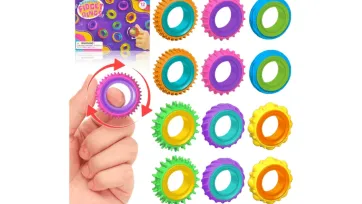
Best Fidget Toys for Kids in 2026: The Ultimate Parent's Buying Guide Fidget toys have become one of the most popular toy categories in recent years, offering children a simple yet engaging way to keep their hands busy while supporting focus, creativity, and relaxation. Originally introduced as sensory tools, today's fidget toys are enjoyed by children of all ages, whether they're at home, travelling, or taking a break from schoolwork. In 2026, the range of fidget toys is bigger than ever. Parents can choose from pop-it toys, fidget cubes, magnetic rings, sensory spinners, stretchy strings, marble mazes, puzzle balls, and countless other handheld toys designed to encourage active, screen-free play. Whether you're looking for a fun gift or a toy that keeps little hands occupied, this guide will help you choose the best fidget toys for kids in 2026. What Are Fidget Toys? Fidget toys are small handheld toys designed for repetitive movement and sensory interaction. Children can: Press Spin Twist Stretch Squeeze Roll Click Flip These repetitive actions make fidget toys enjoyable while encouraging fine motor development and concentration. Why Fidget Toys Are So Popular Children naturally enjoy keeping their hands active. Fidget toys provide a satisfying way to explore movement without requiring batteries, screens, or complicated instructions. Their portable size also means children can enjoy them almost anywhere, making them ideal for travel, waiting rooms, road trips, and quiet play at home. Benefits of Fidget Toys Fidget toys support several aspects of child development. Some of the biggest benefits include: Improve fine motor skills Strengthen finger coordination Encourage concentration Support sensory exploration Build hand strength Promote independent play Encourage problem-solving Improve hand-eye coordination Reduce screen time Many children also enjoy collecting different types of fidget toys because each offers a unique sensory experience. Pop-It Fidget Toys Pop-it toys remain one of the best-selling fidget toys worldwide. Children enjoy repeatedly pressing the soft silicone bubbles while creating different patterns and games. Pop-it toys are available in countless shapes, including: Animals Fruits Vehicles Dinosaurs Stars Hearts Their simple design makes them suitable for a wide range of ages. Fidget Cubes Fidget cubes combine several activities into one compact toy. Common features include: Click buttons Rolling balls Rotating switches Sliding controls Spinning discs Textured surfaces Each side offers a different activity, keeping play interesting for longer. Fidget Spinners Although they have been around for several years, fidget spinners remain popular in 2026. Children enjoy: Watching smooth rotations Learning simple tricks Competing with friends Improving finger control High-quality bearings provide longer spinning times and smoother performance. Stretchy Fidget Toys Stretch toys encourage active hand movement. Popular options include: Stretch noodles Elastic strings Sensory worms Rubber tubes Twist bands These toys help improve finger strength while providing satisfying tactile feedback. Puzzle Fidget Toys Some fidget toys combine sensory play with problem-solving. Examples include: Puzzle balls Marble mazes Rotating cubes Sliding puzzles Shape challenges These toys encourage logical thinking while keeping children's hands active. Magnetic Fidget Toys Magnetic toys provide a unique interactive experience. Children enjoy: Connecting pieces Building shapes Rolling magnetic rings Creating patterns Always choose magnetic toys designed specifically for children, with securely enclosed magnets and age-appropriate safety standards. Travel-Friendly Fidget Toys Because most fidget toys are small and lightweight, they are perfect for travelling. They're useful during: Car journeys Flights Restaurant visits Waiting rooms Holidays Family outings Portable toys help keep children entertained without relying on electronic devices. Choosing the Right Fidget Toy Before buying, consider: Your child's age Material quality Durability Safety certification Ease of cleaning Portability Simple, well-made toys usually provide a better experience than complicated novelty products. Safety Tips Choose fidget toys that: Meet recognised safety standards Use BPA-free, non-toxic materials Match the recommended age Have no loose small parts for younger children Are easy to clean Regularly inspect toys for wear, especially those made from silicone or rubber. Common Buying Mistakes Parents often purchase very cheap fidget toys that wear out quickly. Avoid: Weak plastic Poor-quality silicone Loose magnets Sharp edges Tiny detachable parts Toys without safety certification A high-quality fidget toy lasts much longer and offers a better sensory experience. Why Fidget Toys Make Excellent Gifts Fidget toys are affordable, portable, and suitable for many different ages. They're ideal for: Birthday party favours Christmas stockings Travel gifts School rewards Pocket-money treats Many children enjoy building small collections featuring different textures and movements. Frequently Asked Questions What are the best fidget toys for children? Pop-it toys, fidget cubes, spinners, stretchy sensory toys, magnetic fidgets, and puzzle fidget toys are among the most popular choices. At what age can children use fidget toys? Many larger fidget toys are suitable from around three years old, while smaller toys should only be used by older children according to the manufacturer's age recommendations. Do fidget toys help child development? Yes. Fidget toys improve fine motor skills, finger strength, coordination, sensory exploration, and concentration while encouraging screen-free play. Are silicone fidget toys safe? High-quality silicone fidget toys made from BPA-free, child-safe materials are generally a safe option when they meet recognised safety standards. Final Thoughts The best fidget toys for kids in 2026 offer a simple but highly engaging way for children to explore movement, texture, and creativity through hands-on play. Whether it's pressing colourful pop-it bubbles, spinning a smooth fidget spinner, stretching sensory strings, or solving a handheld puzzle, these toys encourage active play while supporting fine motor development and independent exploration. By choosing safe, durable, and age-appropriate fidget toys, parents can provide children with enjoyable, portable toys that keep curious hands busy wherever they go.
Best STEM Toys for Kids in 2026: Fun Ways to Inspire Future Innovators
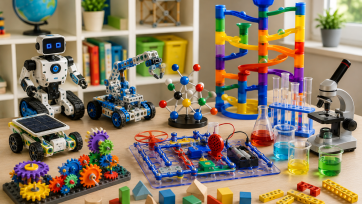
Best STEM Toys for Kids in 2026: Fun Ways to Inspire Future Innovators STEM education has become one of the biggest trends in children's learning, and for good reason. STEM stands for Science, Technology, Engineering, and Mathematics, four subjects that encourage children to think critically, solve problems, and explore how the world works. Rather than memorising facts, STEM toys allow children to learn through hands-on experiments, building projects, coding activities, and creative challenges. The best STEM toys don't feel like schoolwork. Instead, they transform learning into exciting adventures where children can build robots, design bridges, programme simple games, explore chemistry, or create moving machines. Whether you're buying for a curious toddler or an older child who loves technology, there's a STEM toy suited to every age and interest. This guide explores the best STEM toys for kids in 2026 and explains how they support learning while keeping children entertained. What Are STEM Toys? STEM toys are educational toys designed to teach science, technology, engineering, and mathematics through practical play. Unlike traditional learning methods, STEM toys encourage children to: Build Experiment Investigate Solve problems Test ideas Learn from mistakes Every activity develops critical thinking while making learning enjoyable. Why STEM Toys Are So Popular Parents and teachers increasingly recognise that many future careers will require problem-solving, creativity, and technical knowledge. STEM toys help children develop these skills from an early age while building confidence in subjects that some children may otherwise find challenging. Most importantly, children enjoy learning because they're actively involved in discovering solutions instead of simply reading about them. Benefits of STEM Toys STEM toys support multiple areas of child development. Some of the biggest benefits include: Improve problem-solving skills Encourage logical thinking Develop creativity Build confidence Improve concentration Strengthen fine motor skills Encourage teamwork Support independent learning Reduce screen time Many STEM toys also encourage persistence by teaching children that mistakes are part of the learning process. STEM Toys for Toddlers Young children can begin exploring STEM concepts through simple activities. Suitable toys include: Wooden building blocks Shape sorters Stacking toys Magnetic tiles Balance toys Colour sorting games These toys introduce basic engineering and mathematical concepts through everyday play. STEM Toys for Preschoolers As children grow, they become ready for slightly more challenging activities. Popular STEM toys include: Marble runs Construction sets Magnetic building kits Beginner coding toys Simple science kits Number games These activities improve reasoning while encouraging experimentation. Coding Toys for Kids Coding toys have become one of the fastest-growing STEM categories. Many beginner coding toys teach programming without requiring children to read complicated computer code. Children learn concepts such as: Sequences Patterns Commands Logic Cause and effect These skills provide an excellent introduction to computer science. Engineering Building Sets Engineering toys encourage children to build moving machines, bridges, towers, vehicles, and other structures. Popular engineering toys include: Construction kits Mechanical models Gear systems Building blocks Bridge-building sets Children quickly discover how balance, strength, and design affect their creations. Science Experiment Kits Science kits allow children to become young scientists. Popular activities include: Growing crystals Volcano experiments Magnet exploration Weather observations Electricity projects Water experiments Hands-on science makes learning exciting while encouraging curiosity. Robotics Kits Robotics toys combine engineering, technology, and programming. Many beginner robotics kits allow children to: Build robots Programme movements Solve challenges Explore artificial intelligence concepts These activities improve logical thinking while introducing future technology skills. Maths Learning Toys Mathematics becomes much more enjoyable through interactive play. Excellent maths toys include: Counting games Number puzzles Abacus sets Pattern blocks Geometry kits Money learning games Learning through games often increases children's confidence in maths. STEM Toys Encourage Creativity One common misconception is that STEM toys only focus on technical subjects. In reality, creativity plays a major role. Children constantly invent new designs, solve unexpected problems, and improve their ideas through experimentation. Innovation begins with imagination. Choosing the Right STEM Toy Before buying, consider: Your child's age Skill level Interests Safety standards Educational value Long-term play potential Choose toys that challenge children without becoming frustrating. Safety Tips Always choose STEM toys that: Match the recommended age Use non-toxic materials Meet recognised safety standards Include clear instructions Contain durable parts Adult supervision may be needed for some science experiments. Common Buying Mistakes Many parents buy STEM toys that are either too advanced or too limited. Avoid: Complicated projects for young children Poor-quality construction Toys with limited replay value Ignoring age recommendations Buying only because a toy is fashionable A toy that matches your child's interests is usually the most successful choice. Why STEM Toys Make Brilliant Gifts STEM toys are excellent gifts because they combine entertainment with education. Whether it's for a birthday, Christmas, or a school achievement, they encourage curiosity while helping children develop practical skills that will benefit them throughout life. Many STEM toys also grow with the child, providing new challenges over time. Frequently Asked Questions What are STEM toys? STEM toys teach science, technology, engineering, and mathematics through practical, hands-on play and problem-solving activities. At what age should children start using STEM toys? Simple STEM toys such as stacking blocks and shape sorters are suitable from an early age, while robotics, coding, and advanced science kits are designed for older children. Do STEM toys really help children learn? Yes. They improve critical thinking, creativity, engineering skills, mathematics, concentration, and confidence while making learning enjoyable. Are STEM toys suitable for girls and boys? Absolutely. STEM toys are designed for every child and encourage curiosity, creativity, and innovation regardless of gender. Final Thoughts The best STEM toys for kids in 2026 do much more than entertain. They inspire children to ask questions, explore ideas, solve problems, and discover how the world works through practical learning. From simple building blocks and science kits to coding games and robotics sets, STEM toys prepare children for a future where creativity and critical thinking are more valuable than ever. By choosing high-quality STEM toys that match your child's age and interests, you're investing in skills that extend far beyond playtime. Every experiment, construction project, and coding challenge helps build confidence, resilience, and a lifelong love of learning.
Safe Toys for Babies: Everything New Parents Need to Know Before Buying
 Safe Toys for Babies: Everything New Parents Need to Know Before Buying Introduction Few moments are as exciting as buying a baby's first toys. Whether you're preparing for your own little one or shopping for a thoughtful gift, it's easy to be drawn to colourful designs, soft textures and attractive packaging. However, when it comes to babies, appearance should never be the first consideration. Safety always comes first. During the first year of life, babies explore the world with remarkable curiosity. Almost everything they touch eventually ends up in their mouths. They shake toys, chew them, drop them repeatedly and examine every surface with their tiny hands. A toy that seems perfectly harmless to an adult may pose hidden risks if it isn't designed specifically for babies. Choosing safe baby toys isn't about buying the most expensive products. It's about understanding what makes a toy suitable for your baby's stage of development. The safest toys encourage exploration while reducing potential hazards such as choking, toxic materials or sharp edges. As the baby product market continues to grow, parents are faced with more choices than ever before. Some toys are genuinely beneficial, while others offer little value beyond attractive marketing. Knowing what to look for can save money, reduce clutter and, most importantly, help keep your baby safe. This guide explains how to choose safe toys for babies, which features matter most, how toy needs change during the first year and the common mistakes parents should avoid. Why Toy Safety Matters During the First Year Babies develop rapidly during their first twelve months. A newborn who can barely grasp a toy eventually becomes a crawling explorer eager to investigate everything within reach. Because babies learn through touch, taste and movement, toys receive much rougher treatment than many parents expect. A safe baby toy should withstand: Chewing Pulling Throwing Dropping Twisting Repeated washing Everyday wear Well-designed toys continue performing safely despite this constant use. What Makes a Baby Toy Safe? The safest baby toys share several important characteristics. They should be: Free from small detachable parts. Smooth with no sharp edges. Made from non-toxic materials. Strong enough not to break easily. Easy to clean. Appropriate for your baby's age. Comfortable for tiny hands to hold. Designed to withstand chewing. Simple designs are often the safest because they contain fewer parts that could become damaged or detached. Understanding Baby Development Before Buying Toys Choosing toys becomes much easier when you understand how babies develop during their first year. Birth to 3 Months During the first few months, babies mainly observe their surroundings. Their eyesight is still developing, and they enjoy bold patterns, gentle sounds and different textures. Suitable toys include: High-contrast fabric books Soft rattles Activity gyms Fabric sensory toys Baby mirrors Soft comfort toys At this stage, stimulation should remain gentle rather than overwhelming. 3 to 6 Months As babies begin reaching and grasping, they become much more interested in interacting with toys. Good options include: Soft teething toys Lightweight rattles Textured balls Soft stacking rings Fabric blocks Musical toys with gentle sounds These toys encourage hand-eye coordination and early motor development. 6 to 12 Months Older babies become increasingly mobile and curious. Excellent choices include: Stacking cups Shape sorters Push toys Soft building blocks Large activity cubes Rolling toys Sensory balls Simple cause-and-effect toys These toys encourage crawling, sitting, standing and early problem-solving. Benefits of Safe Baby Toys Choosing safe toys provides benefits that go beyond protecting your child. Encourage Healthy Development The right toys support sensory exploration, movement and early learning without overwhelming babies. Give Parents Peace of Mind Knowing your baby is playing with age-appropriate toys allows you to relax and enjoy playtime together. Support Motor Skill Development Grasping, shaking, reaching and crawling all help strengthen muscles while improving coordination. Encourage Curiosity Babies naturally investigate different textures, colours and movements. Safe toys encourage this exploration without exposing them to unnecessary risks. Build Early Confidence Simple toys that respond to a baby's actions help them understand cause and effect while encouraging independent exploration. Essential Baby Toy Categories Instead of buying dozens of different products, focus on a balanced collection. Useful categories include: Sensory toys Teething toys Soft books Stacking toys Push-and-pull toys Bath toys Musical toys Soft building blocks Activity centres Shape sorters A small number of carefully selected toys often provides far more value than an overcrowded toy basket. Choosing the Right Materials for Baby Toys The material a toy is made from is just as important as its design. Babies spend a great deal of time touching, chewing and exploring toys with their mouths, so choosing high-quality materials should always be a priority. Good materials often include: Smooth natural wood with child-safe finishes Food-grade silicone for teething toys BPA-free plastics Soft organic cotton fabrics Natural rubber Durable polyester fabrics that can be washed easily These materials are generally long-lasting, easy to clean and suitable for everyday use. Materials to Avoid While safety standards have improved significantly, parents should still be cautious. Avoid toys that: Have a strong chemical smell. Contain loose beads or decorative attachments. Shed paint or coatings. Have poorly stitched fabric seams. Break easily under pressure. Contain long cords or ribbons. Have batteries that children can access. If a toy appears poorly made, it's usually best to choose another option. Buying Guide Buying baby toys doesn't have to be complicated. Asking a few simple questions before making a purchase can help you choose toys that are both safe and useful. Is It Suitable for Your Baby's Age? Always check the recommended age on the packaging. Manufacturers base these recommendations on safety as well as developmental suitability. Can It Grow With Your Baby? Some toys remain useful for many months because they support different stages of development. Stacking cups, for example, can be explored through grasping, stacking, pouring and imaginative play. Is It Easy to Clean? Babies frequently place toys in their mouths, so washable materials are a major advantage. Toys that can be cleaned quickly are generally more practical for everyday use. Is It Built to Last? A well-made toy should survive daily chewing, throwing and dropping without cracking or breaking. Does It Encourage Active Play? The best baby toys invite babies to touch, reach, crawl, shake, stack or explore rather than simply watch lights or listen to sounds. Safety Tips Following a few simple precautions helps keep playtime enjoyable and safe. Inspect toys regularly for damage. Throw away broken toys immediately. Wash toys frequently, especially teething toys. Avoid toys with detachable small parts. Keep battery compartments securely closed. Check fabric toys for loose stitching. Follow all manufacturer instructions. Supervise babies during play, particularly with new toys. Even the safest toy should be used under appropriate supervision. Common Buying Mistakes New parents often buy toys with the best intentions, but a few common mistakes can lead to unnecessary spending or unsuitable choices. Buying Too Many Toys Babies don't need a huge collection of toys. A small variety that encourages different types of exploration is usually more than enough. Choosing Toys Because They Look Cute A toy may be beautifully designed, but if it doesn't support safe play or your baby's development, it may not be the best choice. Ignoring Cleaning Requirements Some toys are difficult to clean properly, making them less suitable for babies who frequently chew on them. Buying Toys That Are Too Advanced A toy designed for older children may frustrate a baby or even create unnecessary safety risks. Forgetting to Rotate Toys Babies remain interested in toys for longer when only a few are available at one time. Rotating toys every couple of weeks keeps playtime fresh without buying new products. Frequently Asked Questions What types of toys are safest for newborn babies? Soft fabric books, lightweight rattles, activity gyms, sensory toys and baby-safe mirrors are all suitable choices when designed for newborns. Are wooden toys safe for babies? Yes, provided they are smooth, well-finished and coated with child-safe, non-toxic finishes. Always check that they meet recognised safety standards. How often should baby toys be cleaned? Toys that babies regularly place in their mouths should be cleaned frequently. Follow the manufacturer's cleaning instructions and inspect them for wear at the same time. Do babies need electronic toys? Not necessarily. Traditional toys that encourage reaching, grasping, crawling and exploration often provide richer developmental experiences than toys that rely heavily on lights and sounds. When should damaged toys be replaced? Immediately. If a toy develops cracks, loose parts, broken stitching or sharp edges, it should no longer be used. Final Thoughts A baby's first toys play an important role in early development, but safety should always come before appearance or popularity. Choosing age-appropriate, well-made toys allows babies to explore their world with confidence while giving parents valuable peace of mind. The best baby toys are often the simplest. They encourage touching, reaching, grasping and discovering rather than overwhelming babies with excessive features. By focusing on quality, durability and safe materials, parents can create a small but meaningful toy collection that supports healthy development throughout the first year of life. As your baby grows, their interests and abilities will change quickly, but the principles remain the same: choose toys that are safe, engaging and suited to their stage of development, and you'll be giving them the best possible start through play.  
The 30-Day Toy Test
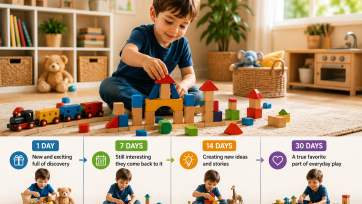
The 30-Day Toy Test
The 30-Day Toy Test: How to Tell If a Toy Is Truly Worth Buying Introduction Imagine this. You're standing in a toy shop with your child. One toy has flashing lights, exciting sounds and colourful packaging. Another looks surprisingly simple—no batteries, no screens, no dramatic demonstrations. Which one deserves a place in your home? Most buying decisions happen in less than five minutes. Yet the real question isn't "Will my child love this today?" It's "Will they still choose it a month from now?" The truth is that many toys are designed to create a powerful first impression. Very few are designed to remain interesting after the excitement fades. That's where the 30-Day Toy Test comes in. It's not a scientific experiment or a strict parenting rule. It's a simple way of looking beyond the packaging and thinking about long-term play instead of short-term excitement. If more parents used this approach, many would spend less money while building a toy collection their children genuinely enjoy. Let's see how it works. Day One: The Excitement Phase Every new toy has an advantage. It's new. Children naturally want to touch it, explore it and discover everything it can do. During this first stage, almost every toy looks successful. The challenge is that excitement and lasting value are not the same thing. Some toys shine brightly for an afternoon. Others quietly become favourites for years. You can't tell the difference on the first day alone. Day Seven: The Curiosity Check After a week, the novelty begins to disappear. This is when the toy reveals its true personality. Ask yourself: Does your child return to it without being reminded? Are they combining it with other toys? Have they invented new games? Is the toy becoming part of imaginative stories? If the answer is yes, the toy is beginning to prove its worth. If it spends most of its time untouched, the initial excitement may have been doing all the work. Day Fourteen: The Creativity Test By the second week, the most successful toys begin changing roles. Building blocks become bridges. Roads become race tracks. Toy animals move from the zoo into space missions. A doll's house transforms into a veterinary clinic. Notice something? The child is now directing the play. The toy has become a tool for imagination instead of simply providing entertainment. That's often the point where long-term favourites separate themselves from short-lived trends. Day Thirty: The Final Question A month later, ask one simple question. Would my child notice if this toy quietly disappeared? If the answer is yes, you've found a genuinely valuable toy. If the answer is probably not, the toy may have offered excitement without lasting engagement. The best toys rarely demand attention. They quietly earn it over time. Why Parents Often Misjudge Toys Adults naturally remember emotional moments. Watching a child excitedly unwrap a birthday present feels wonderful. Because of that memory, it's easy to believe the toy was an outstanding success. But childhood isn't measured by opening presents. It's measured by everyday play. The toys children choose on ordinary Tuesday afternoons often tell you much more than the toys they celebrated for ten minutes on Christmas morning. The Toy Lifetime Score Instead of judging a toy by its price or popularity, try scoring it using five simple questions. Give one point for every yes. Does my child choose it without being asked? Can it be used in more than one way? Does it encourage imagination or problem-solving? Has it remained interesting after several weeks? Can it grow with my child's changing interests? A toy that scores five out of five has a strong chance of becoming a long-term favourite. One or two points doesn't necessarily make it a bad toy, but it may offer only short-lived entertainment. The Toys That Usually Pass the Test After observing how children play, certain patterns appear again and again. The toys that survive the 30-Day Test often have something in common. They don't rely on constant surprises. Instead, they rely on endless possibilities. These are the kinds of toys children naturally return to: Building blocks and construction sets. Magnetic building pieces. Toy animals and figurines. Train tracks and vehicles. Dollhouses and pretend-play accessories. Art and craft materials. Play kitchens and role-play toys. None of these toys tells children exactly what to do. That's precisely why they continue inspiring new ideas. Why Some Expensive Toys Fail the Test Price doesn't guarantee replay value. Many premium toys are beautifully made, but if they only perform one activity, children quickly learn everything they can do. Once the mystery disappears, so does much of the excitement. By contrast, a simple set of blocks may never surprise a child. Instead, it challenges them to surprise themselves. That's a much more powerful form of play. A Better Shopping Habit Before buying your next toy, imagine looking back thirty days from now. Picture your child walking into the playroom. Which toy will they pick first? The one that impressed them in the shop? Or the one that lets them create something completely different every afternoon? Thinking this way changes shopping from an emotional decision into a thoughtful one. Over time, you'll build a collection of toys that earn their place through use rather than appearance. Quality Play Is Built Over Time Parents often search for the perfect toy. In reality, there isn't one. The best toy for one child may hold very little interest for another. What matters is how the toy fits your child's personality, stage of development and preferred way of playing. That's why observing your own child is more valuable than following trends or popularity lists. Children quietly reveal their favourite toys every day. We simply need to pay attention. Frequently Asked Questions What is the 30-Day Toy Test? It's a simple way of evaluating whether a toy continues to engage a child after the initial excitement has disappeared. The focus is on long-term play rather than first impressions. Why do children stop playing with some toys so quickly? Many toys depend on novelty. Once children discover all the features, there may be little left for them to explore or imagine. What types of toys usually have the best replay value? Open-ended toys such as building sets, pretend-play toys, art materials and construction toys often remain interesting because children can use them in different ways. Should I replace toys that fail the 30-Day Test? Not immediately. Try storing them for a few weeks and reintroducing them later. Many children rediscover forgotten favourites through toy rotation. Can this approach save money? Yes. Buying fewer toys with stronger long-term play value often reduces unnecessary purchases while creating a more enjoyable play environment. Final Thoughts A great toy isn't judged on the day it's opened. It's judged on the ordinary days that follow. The rainy Tuesday. The quiet Saturday morning. The afternoon when there are no birthdays, no holidays and nothing new waiting to be unwrapped. Those are the moments that reveal a toy's true value. Some toys shine brightly for a few minutes before fading into the background. Others quietly become trusted companions in hundreds of adventures. When parents learn to look beyond the first impression and focus on the next thirty days, toy shopping becomes less about excitement and more about lasting memories. And in the end, that's what every worthwhile toy should help create.