Why Children Love Repetition in Play: The Hidden Science Behind Playing the Same Game Again and Again

 Why Children Love Repetition in Play: The Hidden Science Behind Playing the Same Game Again and Again

Introduction

Every parent has experienced it.

Your child spends twenty minutes building a tower.

It falls over.

Instead of trying something new, they build the same tower again.

The next day, they repeat the process.

By the weekend, they're still building towers.

Meanwhile, the expensive new toy sitting on the shelf barely gets a glance.

To adults, this behaviour can seem puzzling.

"Haven't they already done this?"

Children see it very differently.

For them, repetition isn't boring. It's one of the most powerful ways to learn. Every time they repeat an activity, they're testing new ideas, improving skills and gaining confidence without even realising it.

Understanding why children enjoy repeating the same game can completely change the way parents think about toys, learning and playtime.

The Adult Brain Wants Variety. A Child's Brain Wants Mastery.

Adults often look for new experiences.

A different restaurant.

A new television series.

A fresh hobby.

Children are driven by something else.

They want to master the world around them.

A toddler who successfully stacks six blocks today wants to know if they can stack seven tomorrow.

A preschooler who builds a toy railway wants to improve it the next time.

Repetition isn't a lack of imagination.

It's evidence that the brain is strengthening important skills through practice.

Every Repeat Adds Something New

From the outside, it may look like the same game.

But look more closely.

The tower is slightly taller.

The story has an extra character.

The race track follows a different route.

The pretend café now has customers waiting in line.

Children rarely repeat play exactly.

They refine it.

Each version becomes a small experiment where they discover what works, what doesn't and what they can improve.

That's one reason open-ended toys remain interesting for years.

The toy stays the same.

The child changes.

Repetition Builds Confidence

Imagine learning to ride a bicycle after trying only once.

Or learning to read after opening a single book.

Real learning requires repetition.

Play works the same way.

Each successful attempt gives children confidence to try something a little more difficult.

Without repetition, many important skills would never become automatic.

That's why children often insist on reading the same bedtime story or playing the same game for weeks.

They're not stuck.

They're growing.

Why Open-Ended Toys Encourage Repeated Play

Some toys are exciting because they surprise children.

Others are exciting because children control them.

Construction blocks, train tracks, art materials, dolls, toy animals and pretend-play sets rarely provide the exact same experience twice.

Even when the child repeats the activity, the outcome changes.

Yesterday's castle becomes today's airport.

Today's airport becomes tomorrow's dinosaur museum.

The best toys don't become repetitive.

They make repetition rewarding.

When Parents Accidentally Interrupt Learning

Adults naturally enjoy helping.

Sometimes, however, we introduce new toys too quickly.

A child spends three days happily building roads with toy cars.

Before they have time to develop the idea further, a brand-new toy arrives.

The focus immediately shifts.

While new toys are enjoyable, constantly replacing familiar activities can interrupt deeper learning.

Children often benefit more from extending an existing game than starting a completely different one every few days.

What Repetition Teaches Without Children Realising

Parents often think learning happens when a child is introduced to something new.

In reality, much of the learning happens when the activity becomes familiar.

Each time children repeat a game, they're quietly developing important life skills, including:

  • Better hand-eye coordination.

  • Improved problem-solving.

  • Stronger memory.

  • Longer attention spans.

  • Greater patience.

  • Increased confidence.

The child isn't thinking about these skills.

They're simply enjoying the game.

That's the beauty of meaningful play—learning feels effortless because it happens naturally.

Why Favourite Toys Stay Favourite Toys

Have you ever noticed that children often ignore the newest toy while returning to an old favourite?

There's a reason.

Favourite toys are predictable enough to feel comfortable but flexible enough to create new adventures.

A set of building blocks doesn't suddenly become boring because there are always new ideas to explore.

The same applies to toy farms, dollhouses, train sets, craft supplies and pretend kitchens.

These toys grow with the child instead of limiting the child.

That's why they're often used for years rather than weeks.

Repetition Doesn't Mean a Child Lacks Imagination

Some parents worry when they see the same game being played every day.

In fact, the opposite is often true.

Children with active imaginations frequently revisit the same imaginary world because they're expanding it.

Today's pirate ship gains new crew members.

Tomorrow it sails to a different island.

Next week it becomes part of an even bigger adventure involving dinosaurs, treasure maps and talking parrots.

The setting remains familiar.

The story keeps evolving.

That's creativity in action.

When Should Parents Encourage Something New?

Although repetition is healthy, children also benefit from fresh experiences.

The key is recognising the difference between focused repetition and genuine loss of interest.

A child who's happily improving the same game doesn't need to be interrupted.

However, if play becomes repetitive without curiosity or enthusiasm, introducing a new material, a different environment or a simple question can refresh the experience.

Instead of replacing the toy, try expanding the story.

Ask:

  • "Who visits the castle today?"

  • "What happens if the bridge breaks?"

  • "Can you build a taller tower?"

Small prompts often create entirely new adventures without buying anything new.

Helping Repetition Lead to Creativity

Parents don't need elaborate plans.

A few simple habits can support healthy repeated play:

  • Leave unfinished creations where possible so children can continue the next day.

  • Avoid tidying away projects immediately.

  • Rotate accessories instead of replacing favourite toys.

  • Celebrate effort rather than perfect results.

  • Give children enough uninterrupted time to explore their own ideas.

These small changes encourage deeper play and allow imagination to develop naturally.

Frequently Asked Questions

Why does my child want to play the same game every day?

Repetition helps children build confidence, strengthen skills and explore new ideas within a familiar activity. It's a normal and healthy part of development.

Should I buy a new toy when my child repeats the same activity?

Not necessarily. Repeating favourite games usually means the child is still learning and enjoying the experience. New toys aren't always needed.

Is repetition a sign of boredom?

Usually not. Children who repeat activities with enthusiasm are often deeply engaged. Boredom is more likely when they quickly abandon games without showing curiosity.

Which toys encourage repeated play?

Open-ended toys such as building blocks, magnetic tiles, wooden trains, pretend-play sets, art supplies and toy animals often provide years of replay value because children can use them in different ways.

Can repetition improve learning?

Yes. Repeating activities helps children develop coordination, memory, language, creativity and problem-solving skills while increasing confidence through practice.

Final Thoughts

Adults often chase variety.

Children often chase understanding.

That's why the same tower is built again.

The same railway is assembled every afternoon.

The same teddy bear joins every tea party.

To an adult, it may appear repetitive.

To a child, it's another opportunity to improve, experiment and imagine.

The next time your child asks to play the same game for the tenth time this week, resist the temptation to suggest something different straight away.

Watch closely.

You'll probably notice that although the toy hasn't changed, the play has.

A new idea appears.

A new story unfolds.

A new challenge is created.

That's not repetition without purpose.

It's learning disguised as play.

And sometimes, the greatest progress comes from doing the same thing one more time.


Advertisement
Sand Play Toys: Why Every Child Should Experience Creative Outdoor Play
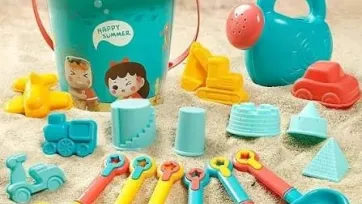
Sand Play Toys: Why Every Child Should Experience Creative Outdoor Play Introduction A child doesn't need a room full of expensive toys to stay entertained. Give them a bucket, a shovel and a patch of sand, and you'll often see something remarkable happen. Within minutes, they're digging tunnels, building castles, collecting treasures or inventing entire imaginary worlds. Sand has fascinated children for generations because it offers something many modern toys cannot—complete freedom. It can be shaped, poured, scooped, moulded and rebuilt again and again. There are no instructions to follow, no batteries to charge and no single "correct" way to play. For parents, sand play is far more than a simple outdoor activity. It helps children develop important physical, social and cognitive skills while encouraging them to spend more time outdoors. Better still, many sand toys remain useful for years, making them one of the best long-term investments for active play. Whether your child enjoys digging giant holes in the garden, creating miniature construction sites or decorating detailed sandcastles at the beach, the right sand play toys can transform ordinary play into an exciting learning experience. In this guide, you'll learn why sand play matters, how it supports child development, which toys are worth buying and how to create a safe and enjoyable sand play area at home. Why Sand Play Never Gets Old Unlike many toys that lose their appeal after a few weeks, sand offers endless possibilities. Today it might become a racing track for toy cars. Tomorrow it could be an archaeological dig where dinosaurs are carefully uncovered. Next week it may turn into a bustling building site complete with roads, bridges and tunnels. Children decide what happens next, and that's exactly what makes sand so engaging. Every handful of sand becomes another opportunity to create, experiment and imagine. How Sand Play Supports Child Development Parents often see sand play as simple outdoor fun, but every scoop, pour and pat helps children develop valuable life skills. As children dig holes, fill buckets and shape sand into different forms, they naturally improve their coordination, strengthen muscles and learn how different materials behave. At the same time, they practise planning, problem-solving and creative thinking without even realising they're learning. Some of the key developmental benefits include: Better hand-eye coordination Improved fine motor skills Stronger hand and wrist muscles Creative thinking Early scientific exploration Social interaction Patience and persistence Independent play Benefits of Sand Play Toys The right sand toys add even more opportunities for learning and creativity. Encourage Imaginative Play One child might build a medieval castle. Another may create a dinosaur habitat. Someone else could design a busy construction site. The same toys can inspire completely different adventures every day. Strengthen Fine Motor Skills Scooping, pouring, digging and shaping all require careful hand movements that strengthen muscles needed for writing, drawing and everyday tasks. Introduce Early STEM Concepts Without formal lessons, children begin exploring ideas such as: Gravity Volume Measurement Balance Cause and effect Structural stability For example, they quickly discover why wet sand holds its shape better than dry sand. Encourage Outdoor Activity Many children naturally spend longer outdoors when interesting sand toys are available. Fresh air, movement and imaginative play create a healthy combination for growing minds and bodies. Develop Social Skills Building large sand projects often becomes a team activity. Children learn to share tools, divide responsibilities, communicate ideas and solve disagreements together. Best Sand Play Toys for Toddlers Toddlers benefit from simple toys that encourage exploration without becoming frustrating. Excellent choices include: Buckets Large plastic spades Scoops Sand moulds Watering cans Toy trucks Sieves Rakes Soft sand rollers Simple diggers These toys help toddlers develop coordination while introducing cause-and-effect learning. Sand Play Toys for Preschool Children Preschool children enjoy creating larger projects and experimenting with different techniques. Popular options include: Sandcastle building kits Construction vehicles Tunnel moulds Sand wheels Animal moulds Treasure hunting kits Toy boats for wet sand Bridge moulds Measuring cups Water channels Children at this age often combine sand with water, sticks, leaves and natural materials to create imaginative landscapes. Sand Play Toys for School-Age Children Older children usually enjoy more detailed construction projects and imaginative challenges. Suitable toys include: Large construction vehicle sets Excavator toys Advanced castle moulds Archaeology excavation kits Treasure maps Fort-building accessories Mini engineering sets Outdoor adventure kits Sand sieving frames Nature exploration tools Rather than simply digging holes, many school-age children enjoy designing complete environments with roads, bridges, rivers and buildings that reflect their growing creativity.
Educational Toy Subscription Boxes: Which One Is Worth the Cost?
Educational toy subscription boxes promise something most parents want: age-appropriate activities delivered regularly without spending hours searching for new ideas. Every month—or every few months—a box arrives with science experiments, craft projects, books, building materials, puzzles, or learning games. The child gets something new to explore, while the parent avoids another trip through crowded toy aisles. It sounds convenient. But are educational subscription boxes actually worth the cost? The answer depends on what is inside the box, how often the child uses it, whether the materials can be reused, and how much the subscription costs after shipping, taxes, and automatic renewals. A $25 monthly box may appear affordable. Over a year, however, it becomes a $300 purchase. If the child finishes each activity in twenty minutes and never touches it again, the value may be poor. If the box provides several projects, reusable tools, and weeks of engagement, it may be a smart investment. This guide explains how educational toy subscriptions work, which types suit different children, and how parents can decide whether a subscription is worth paying for. How Educational Toy Subscription Boxes Work Most learning subscription services follow a similar model. Parents choose: The child’s age A subject or theme Monthly or quarterly delivery Subscription duration Number of children Optional add-ons The company then sends a box containing activities selected for that age group. Some subscriptions focus on a single subject, such as science or coding. Others combine crafts, books, geography, puzzles, and pretend play. Payment may be charged monthly, every three months, every six months, or annually. Longer plans often reduce the price per box, but they also require a larger upfront payment. What Usually Comes Inside? The contents depend on the subscription category, but a typical educational box may include: Activity instructions Craft supplies Science materials Building pieces Worksheets Storybooks Stickers Collectible cards Puzzles Parent guides Online videos Access to an application Some boxes provide nearly everything required. Others ask parents to supply common household items such as scissors, water, tape, baking soda, cooking oil, batteries, or coloring tools. Always read the “what is included” section before subscribing. A box advertised as containing five projects may become inconvenient if each activity requires several extra purchases. The Five Main Types of Learning Subscription Boxes Not every subscription serves the same purpose. Choosing the right category matters more than selecting the most heavily advertised brand. 1. STEM and Science Boxes STEM subscription boxes usually contain experiments, engineering challenges, electronics, robotics, or building activities. They are best suited for children who enjoy discovering how things work. A typical box may ask the child to: Build a small machine Create a chemical reaction Construct a bridge Design a moving vehicle Test magnets Explore electricity Grow crystals Study weather These subscriptions can provide strong educational value when the instructions explain the science behind each activity. Avoid boxes that rely only on dramatic reactions without teaching the child what happened. Best for Children who like experiments, building, technology, and problem-solving. Possible weakness Some projects are completed once and cannot be reused. 2. Arts and Crafts Boxes Craft subscriptions provide materials for painting, sewing, sculpting, decorating, drawing, or making themed objects. These boxes can be useful for parents who do not want to purchase large packets of supplies separately. A well-designed craft box may support: Fine motor skills Creativity Following instructions Color recognition Planning Self-expression However, some craft boxes leave very little room for creativity. The child is expected to copy one example exactly. Open-ended materials generally provide more value than projects in which every child produces the same object. Best for Children who enjoy making, decorating, and working with their hands. Possible weakness Finished crafts may quickly create clutter around the home. 3. Book Subscription Boxes Book boxes send one or more titles selected according to the child’s age or reading level. Some also include bookmarks, activity sheets, toys, or themed accessories. These subscriptions can encourage regular reading, especially when the child enjoys receiving a package addressed to them. Before subscribing, check whether parents can: Select reading levels Avoid duplicate books Choose fiction or nonfiction Update interests Preview upcoming titles Exchange unsuitable books A book subscription may offer poor value if the family already uses a public library regularly or purchases discounted books. Best for Children who enjoy stories or need encouragement to read consistently. Possible weakness The selected books may not match the child’s interests. 4. Geography and Culture Boxes Geography boxes introduce children to countries, languages, landmarks, food, animals, maps, and cultural traditions. A box may focus on one destination each month. It might include: A country guide A map Recipes Flags Stories Craft projects Language words Collectible items These subscriptions can make geography more engaging, but parents should check that the material is accurate and respectful. Culture should not be reduced to stereotypes, costumes, or a few foods. Best for Children interested in travel, maps, languages, and world cultures. Possible weakness Some boxes include more souvenirs than meaningful educational material. 5. Montessori and Preschool Boxes Preschool subscription boxes usually focus on early literacy, numbers, shapes, colors, sensory activities, and fine motor development. They may include sorting tasks, flash cards, puzzles, matching games, or simple craft projects. Parents should not assume that every box using the word “Montessori” follows authentic Montessori principles. A genuine Montessori-style activity should usually be hands-on, purposeful, simple, and appropriate for the child’s stage of development. Best for Toddlers and preschoolers who need structured learning activities at home. Possible weakness Many activities can be recreated more cheaply with household materials. How Much Do Subscription Boxes Really Cost? The advertised monthly price is only part of the total cost. Parents should calculate: Box price + shipping + tax + add-ons + international charges + renewal cost For example: Monthly box price: $30 Shipping: $6 Tax: $2 Total monthly cost: $38 Total annual cost: $456 A yearly prepayment may reduce the cost to $26 per box, but the parent may need to pay more than $300 at once. Also check whether the company renews the plan automatically. Some services offer an introductory discount for the first box and then charge the full rate for every later delivery. Cost Per Activity Matters More Than Cost Per Box A better way to compare subscriptions is to calculate the cost per meaningful activity. Imagine two boxes. Box A Costs $24 Contains two short crafts Total use time: one hour Cost per activity: $12 Box B Costs $35 Contains five experiments Includes reusable equipment Total use time: six hours Cost per activity: $7 Although Box B is more expensive, it may provide better overall value. Parents should also consider whether the materials can be used again. A circuit board, microscope, building set, or quality art tool may remain useful after the original activity is complete. Are Subscription Boxes Cheaper Than Buying Toys Separately? Sometimes—but not always. Subscription companies may purchase supplies in bulk and package them conveniently. This can save parents time and reduce the need to buy full-size materials. However, parents are also paying for: Packaging Product selection Printed instructions Branding Delivery Convenience Marketing Families willing to plan activities themselves can often create similar projects at a lower cost. The subscription is most valuable when convenience, variety, and structured guidance are important to the parent. When a Subscription Box Is Worth It An educational subscription may be a good purchase when: The child regularly completes hands-on activities The projects match the child’s interests The parent wants structured learning at home Most materials are included The activities require little setup The box offers multiple projects Some tools can be reused The instructions explain the learning concept The child looks forward to each delivery The cost fits comfortably within the family budget It may also be useful for homeschooling families, rainy-day activities, school holidays, or grandparents who want to send regular educational gifts. When It Is Probably a Waste of Money A subscription may not be worthwhile when: Previous activity kits remain unopened The child loses interest quickly The projects are too easy The box creates unnecessary clutter Most supplies must be purchased separately Shipping is unusually expensive The family already owns similar materials The activities are available free online Cancellation is difficult The subscription renews automatically without clear notice Children sometimes enjoy the excitement of opening the package more than the activities inside it. Parents should judge the subscription based on actual use, not the child’s reaction when the box first arrives. Monthly vs Quarterly Delivery Monthly delivery is exciting, but it may be too frequent for busy families. If one box arrives before the previous projects are completed, the activities can begin to pile up. Quarterly subscriptions may offer better value for families with limited time. They provide: Fewer deliveries Less clutter More time to complete each box Lower annual spending Less pressure to keep up Monthly plans may suit children who complete projects quickly and regularly ask for new activities. One Child or Multiple Children? Some subscription boxes can be shared, while others contain only enough material for one child. Parents with siblings should check: Whether extra material packs are available Whether projects can be completed together Whether each child needs separate tools Whether age levels can be mixed Whether sibling add-ons cost less than a second subscription A box that costs $35 for one child may become expensive if every project requires an additional $15 sibling pack. Sharing works best when the activity naturally supports cooperation. Questions to Ask Before Subscribing Do not purchase a yearly plan until these questions have been answered. What Is the Cancellation Policy? Find out whether cancellation takes effect immediately or only after the current prepaid term ends. Does the Subscription Renew Automatically? Automatic renewal should be clearly disclosed. Record the renewal date when purchasing a long-term plan. Can the Child’s Age Level Be Changed? A good service should allow parents to move the child to a more advanced level. Can Boxes Be Paused? Pause options are helpful during holidays, travel, school examinations, or busy periods. Are Returns or Replacements Available? Check what happens if materials arrive damaged, incomplete, or missing. Are Digital Features Included? Some boxes advertise online lessons but require an additional payment for full access. Is Shipping Included? Free shipping may only apply within one country or above a certain subscription length. Try One Box Before Buying a Year The safest approach is to begin with a single box or short subscription. Observe: How quickly the child opens it Whether instructions are understandable How much adult help is needed How long the activities last Whether the child asks to use it again Whether the materials feel worth the price Do not choose an annual plan only because the per-box price is lower. Saving $5 per box is not a saving if eight boxes remain unused. How to Get More Value From Each Box Parents can extend the life of a subscription by avoiding the urge to complete everything in one day. Try these strategies: Complete one activity each weekend Save reusable tools in a labeled container Ask the child to modify the project Connect the activity with a book or video Repeat experiments with changed conditions Photograph results Keep a science or project journal Let siblings work together Use leftover materials for free play A bridge-building activity, for example, should not end when the sample bridge is finished. Ask the child to build a longer bridge, a stronger bridge, or one using fewer materials. That turns a single project into several engineering challenges. Subscription Box Alternatives Families do not need a paid subscription to create regular educational activities. Lower-cost alternatives include: Public library books Printable worksheets Household science experiments Reusable building sets Secondhand educational toys Local museum kits School activity packs Art supplies purchased in bulk Parent-created monthly themes Toy libraries Parents can also create a homemade subscription box. Place several small activities in a container at the beginning of each month and let the child choose one each weekend. This provides the excitement of discovery without recurring shipping fees. Best Choice by Family Type Best for Busy Parents Choose a box that includes nearly all materials and requires minimal preparation. Best for Homeschooling Look for structured lessons, clear learning goals, printable extensions, and activities connected to a curriculum. Best for Creative Children Choose an open-ended art or maker box rather than a kit with one fixed result. Best for Future Scientists Select experiment boxes that explain scientific principles and include reusable equipment. Best for Siblings Choose collaborative projects with generous quantities of materials. Best for a Gift A three-month plan is usually safer than a full-year commitment. The Verdict Educational toy subscription boxes can be worth the cost, but convenience is often the main product being sold. The box itself may contain inexpensive materials. What parents are paying for is the planning, selection, instructions, packaging, and regular delivery. That can be valuable for families who need fresh, structured activities and will use them consistently. For most first-time buyers, the smartest option is not a twelve-month subscription. Start with one box or a three-month plan. Calculate the real cost, including delivery, and observe how much meaningful use the child gets from each package. The best educational subscription is not the one with the most attractive box. It is the one that gets opened, completed, discussed, reused—and remembered.
Best Toys for 2-Year-Old Kids in 2026
Best Toys for 2-Year-Old Kids in 2026 Choosing toys for a two-year-old is both exciting and important. At this age, children are full of energy, curiosity, and imagination. They love exploring their surroundings, asking questions, copying adults, and learning new skills every day. The right toys can support this rapid development while keeping playtime fun and engaging. Unlike babies, two-year-olds are becoming more independent. They enjoy building, sorting, pretending, running, climbing, and solving simple challenges. This means parents should look for toys that encourage active learning rather than passive entertainment. The best toys combine fun, creativity, and education while helping toddlers develop physically, socially, and emotionally. This guide explores the best toys for 2-year-old kids in 2026 and offers practical advice to help parents choose toys that provide lasting value. Why Age-Appropriate Toys Matter Two-year-olds are developing new abilities every day. They begin speaking in short sentences, recognizing shapes and colors, improving balance, and becoming more confident in their movements. Choosing age-appropriate toys helps children learn without frustration. Toys that are too advanced may discourage them, while toys that are too simple often lose their interest quickly. The best toys challenge toddlers just enough to keep them curious while allowing them to succeed through practice. Developmental Milestones at Two Years Old Understanding what children learn at this age makes it easier to select suitable toys. Most two-year-olds begin developing: Better balance and coordination Stronger fine motor skills Improved vocabulary Imaginative play Problem-solving abilities Social interaction Color and shape recognition Early counting skills Toys that encourage these milestones make playtime both enjoyable and educational. Building Blocks Encourage Creativity Building toys remain one of the best choices for two-year-olds. Large building blocks help children: Improve hand-eye coordination Learn balance and structure Develop creativity Strengthen problem-solving skills Children love stacking towers, building bridges, and creating simple houses. Even when structures fall, toddlers learn valuable lessons about persistence and experimentation. Pretend Play Sparks Imagination Two-year-olds love copying what they see adults do every day. Pretend play toys encourage children to become: Doctors Chefs Shopkeepers Farmers Builders Teachers Popular pretend play toys include: Toy kitchens Doctor kits Cleaning sets Toy food Tool benches Dollhouses These activities improve communication while helping children understand everyday routines. Shape Sorters and Puzzles Build Thinking Skills Simple puzzles and shape sorters encourage toddlers to observe, compare, and solve problems. They help children develop: Logical thinking Patience Fine motor skills Shape recognition Hand-eye coordination Choose puzzles with large, easy-to-hold pieces that match your child's skill level. Ride-On Toys Keep Toddlers Active Most two-year-olds enjoy moving as much as possible. Ride-on toys encourage physical activity while improving: Balance Coordination Leg strength Confidence Indoor and outdoor ride-on vehicles remain popular because they combine exercise with imaginative play. Musical Toys Encourage Learning Music naturally captures a toddler's attention. Simple musical instruments help children develop: Rhythm Listening skills Creativity Coordination Memory Popular musical toys include keyboards, drums, tambourines, and xylophones. Music also encourages dancing, movement, and family interaction. Educational Toys Make Learning Fun Educational toys introduce important early learning concepts through play. Excellent choices include: Alphabet blocks Counting toys Color matching games Number puzzles Memory cards Interactive learning books Children learn much more effectively when education feels like play instead of work. Wooden Toys Offer Lasting Value Wooden toys remain among the safest and most durable options for toddlers. Popular wooden toys include: Building blocks Pull-along animals Stacking rings Wooden puzzles Activity cubes Train sets Many parents appreciate their long lifespan and timeless design. Outdoor Toys Encourage Healthy Development Outdoor play is essential for growing toddlers. Great outdoor toys include: Balls Bubble machines Sand toys Water tables Mini slides Gardening tools Outdoor activities help children improve coordination while enjoying fresh air and exercise. Arts and Crafts Inspire Creativity Creative play allows toddlers to express themselves while improving fine motor skills. Age-appropriate art supplies include: Washable crayons Finger paints Large coloring books Stickers Modeling clay Simple craft kits Creative activities also help children build confidence by creating something unique. Interactive Learning Toys Interactive toys introduce letters, numbers, colors, and animal sounds through simple activities. When choosing electronic learning toys, look for products that encourage participation instead of passive listening. Moderate sound levels and easy controls make learning more enjoyable. Choosing Safe Toys for Two-Year-Olds Safety should always be your first priority. Choose toys that: Match your child's age Have rounded edges Use non-toxic materials Contain no small detachable parts Meet recognized safety standards Are easy to clean Reading product labels before purchasing helps ensure a safer play experience. Common Toy Buying Mistakes Many parents accidentally choose toys that toddlers quickly lose interest in. Avoid: Toys with overly complicated instructions Fragile products Small pieces Low-quality materials Toys designed for much older children Simple, durable toys often provide the greatest long-term value. Why Screen-Free Toys Are Ideal Although technology has become part of everyday life, two-year-olds benefit greatly from screen-free activities. Building blocks, puzzles, pretend play, books, outdoor games, and creative toys encourage active learning instead of passive entertainment. These activities also strengthen family interaction and communication. Great Gift Ideas for 2-Year-Old Kids If you're shopping for a birthday or holiday, some excellent gift ideas include: Wooden building blocks Ride-on toys Toy kitchens Shape sorters Musical instruments Outdoor play equipment Large puzzles Educational learning toys These gifts provide entertainment while supporting healthy development. Frequently Asked Questions What toys are best for a two-year-old? Building blocks, ride-on toys, puzzles, pretend play sets, musical instruments, educational games, and wooden toys are among the best choices. Are electronic toys suitable for two-year-olds? Yes, if they are designed for toddlers and encourage interaction rather than passive screen time. How many toys should a two-year-old have? A smaller collection of high-quality toys is often better than having too many. Rotating toys regularly keeps playtime fresh and exciting. Are Montessori toys good for two-year-olds? Absolutely. Montessori toys encourage independence, creativity, and hands-on learning, making them an excellent choice for toddlers. Final Thoughts The best toys for 2-year-old kids in 2026 are those that inspire curiosity, creativity, and active learning. At this age, children thrive when they can build, explore, imagine, move, and discover the world around them through play. Whether you choose wooden blocks, educational puzzles, pretend play sets, ride-on toys, musical instruments, or outdoor activities, the right toys help toddlers develop important physical, social, and cognitive skills. By focusing on safety, durability, and age-appropriate design, parents can create joyful play experiences that support healthy growth while making every day a new adventure.
Fine Motor Skill Toys
Fine Motor Skill Toys: Helping Children Develop Everyday Skills Through Play Introduction From fastening a coat zip to holding a pencil, many everyday activities depend on well-developed fine motor skills. These small but essential movements involve the coordination of the hands, fingers and wrists, allowing children to complete tasks that require precision and control. While these abilities develop naturally over time, the right toys can make the learning process both enjoyable and effective. Fine motor skill toys are specially designed—or naturally suited—to encourage children to grasp, pinch, twist, stack, thread and manipulate objects. Through regular play, children strengthen the small muscles in their hands while improving hand-eye coordination, dexterity and concentration. Parents often focus on teaching letters, numbers and colours, but developing fine motor skills is equally important. Without strong hand control, children may struggle with writing, drawing, cutting with scissors, dressing themselves or using everyday utensils. The good news is that building these skills doesn't require expensive equipment or formal lessons. Carefully chosen toys can provide countless opportunities for learning through play, helping children gain confidence while having fun. In this guide, you'll discover why fine motor skills matter, how the right toys support healthy development, which toys suit different age groups and what to consider when buying fine motor skill toys. What Are Fine Motor Skills? Fine motor skills are the small, controlled movements made using the hands, fingers and wrists. These movements work alongside visual information from the eyes, allowing children to complete precise tasks. Examples of fine motor activities include: Holding a crayon correctly Turning book pages Buttoning a shirt Picking up small objects Threading beads Using scissors Building with blocks Tying shoelaces These skills develop gradually from infancy through childhood and form the foundation for many daily activities. Why Fine Motor Skills Are Important Strong fine motor skills affect far more than handwriting. Children rely on these movements every day for tasks such as eating independently, getting dressed, completing schoolwork and participating in creative activities. Developing these abilities early also supports confidence because children become more capable of completing tasks without constant adult assistance. Fine motor development also contributes to: Better hand-eye coordination Improved concentration Greater independence Stronger problem-solving abilities Increased confidence Better preparation for school Signs That Fine Motor Skills Are Developing Every child develops at their own pace, but many parents notice gradual improvements as children grow. Some common signs include: Picking up tiny objects using thumb and finger Stacking blocks successfully Scribbling with crayons Turning pages one at a time Using child-safe scissors Completing simple puzzles Fastening large buttons Drawing basic shapes Regular play provides valuable opportunities to practise these movements naturally. How Toys Help Develop Fine Motor Skills Play is one of the most effective ways for children to strengthen their hands without realising they are learning. As children manipulate toys, they repeatedly practise gripping, squeezing, twisting, pushing and pulling. These actions strengthen the muscles needed for more advanced tasks later in life. Unlike structured exercises, toys keep children motivated because learning feels enjoyable rather than repetitive. Benefits of Fine Motor Skill Toys Fine motor toys support several areas of development at once. Strengthen Hand Muscles Many activities require children to grip, squeeze or press objects. These repeated movements gradually strengthen the muscles in the hands and fingers. Improve Hand-Eye Coordination Building towers, fitting puzzle pieces and threading objects all require children to coordinate what they see with how their hands move. Encourage Independent Learning Children enjoy discovering how toys work on their own. This encourages confidence, curiosity and persistence. Prepare Children for School Many classroom activities require good fine motor control. Children who regularly practise these skills often find writing, drawing and cutting easier when they begin school. Support Creativity Drawing, modelling clay and construction toys allow children to express themselves while improving finger control. Develop Patience and Focus Many fine motor activities require careful attention. Completing a puzzle or building a stable structure teaches children to concentrate for longer periods while working towards a goal. Best Fine Motor Skill Toys for Babies Babies develop hand control through simple exploration. Suitable toys include: Soft stacking rings Fabric blocks Large grasping toys Textured sensory balls Stacking cups Activity cubes These toys encourage reaching, holding and transferring objects from one hand to another, laying the foundation for more advanced movements later. Fine Motor Skill Toys for Toddlers Toddlers become increasingly curious about how objects fit together and move. Excellent choices include: Shape sorters Large building blocks Chunky puzzles Peg boards Nesting cups Toy tool sets Pretend food with hook-and-loop fasteners Simple threading toys These activities strengthen finger muscles while encouraging problem-solving and coordination. Fine Motor Skill Toys for Preschool Children As children reach the preschool years, their hand control becomes more refined. They begin drawing recognisable shapes, using scissors, fastening clothing and completing more detailed activities. The right toys can help strengthen these skills while keeping play enjoyable. Some excellent options include: Interlocking construction toys Lacing and threading sets Modelling clay and dough Craft kits Bead threading activities Peg puzzles Mosaic art boards Magnetic drawing boards Child-friendly tweezers and sorting games These toys encourage children to pinch, press, twist and manipulate objects in different ways, helping improve dexterity and finger strength. Fine Motor Skill Toys for School-Age Children Older children benefit from toys and activities that require greater precision and planning. Suitable choices include: Advanced construction sets Origami and paper crafts Model-building kits Jewellery-making kits Sewing and weaving projects Strategy board games with small playing pieces Art supplies Puzzle games Robotics and engineering kits These activities continue developing fine motor control while introducing problem-solving and creative thinking. Activities That Improve Fine Motor Skills at Home Parents do not always need to buy new toys. Everyday household activities can also strengthen fine motor development. Simple ideas include: Folding washing Peeling fruit Watering plants with a small watering can Using clothes pegs Stirring ingredients while baking Picking up small objects with tongs Building cardboard creations Drawing and colouring Cutting shapes from paper Making collages Combining these activities with suitable toys creates a balanced approach to learning through play. How to Choose the Best Fine Motor Skill Toys With so many toys available, choosing the right one can feel overwhelming. Focusing on quality rather than quantity will help you make better decisions. Look for toys that: Match your child's age and abilities. Encourage active participation. Require grasping, pinching, twisting or stacking. Offer more than one way to play. Are made from durable, child-safe materials. Can be enjoyed repeatedly without losing interest. Support creativity as well as physical development. A toy that grows with your child often provides better long-term value than one designed for a single stage. Buying Guide Before purchasing fine motor skill toys, consider these important factors. Age Appropriateness Choose toys designed for your child's developmental stage. Activities that are too difficult may cause frustration, while toys that are too simple may quickly become boring. Safety Ensure the toy meets recognised safety standards and contains no sharp edges or loose parts that could present a choking hazard. Educational Value The best toys encourage learning through exploration rather than passive entertainment. Durability Children often use favourite toys every day. Strong materials and quality construction help toys last longer. Versatility Toys that can be used in different ways provide greater play value and continue challenging children as they grow. Safety Tips Although fine motor skill toys are generally safe, parents should always supervise younger children during play. Follow these simple safety guidelines: Always check the recommended age range. Inspect toys regularly for damage. Remove broken pieces immediately. Keep small parts away from babies and toddlers. Clean toys frequently using child-safe cleaning products. Store toys in labelled containers to prevent pieces from being lost. Avoid toys made from poor-quality materials or with rough edges. Supervise activities involving scissors, beads or modelling materials. Taking a few minutes to inspect toys regularly helps ensure they remain safe and enjoyable. Common Buying Mistakes Parents often make a few common mistakes when selecting developmental toys. Avoid these pitfalls: Buying toys that are too advanced Children learn best when activities are challenging but achievable. Focusing only on electronic toys While some electronic toys have educational value, traditional hands-on activities usually provide more opportunities for practising fine motor movements. Buying too many similar toys A varied collection supports different types of hand movements and keeps play interesting. Ignoring durability Cheap toys may break quickly, reducing both safety and value for money. Overlooking your child's interests Children are more likely to practise skills when they genuinely enjoy the activity. Frequently Asked Questions What are fine motor skill toys? Fine motor skill toys are toys that encourage children to use the small muscles in their hands and fingers through activities such as stacking, threading, building, pinching and drawing. At what age should children start using fine motor skill toys? Many babies begin developing fine motor skills during their first year through simple grasping toys. As children grow, more advanced toys can be introduced according to their developmental stage. Do fine motor toys help with handwriting? Yes. Strong finger muscles, better hand control and improved coordination all contribute to better handwriting readiness. Can everyday household items improve fine motor skills? Absolutely. Activities such as baking, drawing, sorting objects, using pegs and folding clothes all provide valuable fine motor practice. How many fine motor toys does a child need? Quality is far more important than quantity. A small collection of versatile toys that encourage different hand movements is usually sufficient. Final Thoughts Fine motor skills play an essential role in a child's everyday life, influencing everything from dressing independently to writing confidently at school. The good news is that developing these abilities doesn't require complicated lessons or expensive equipment. Through carefully chosen toys and everyday play experiences, children naturally strengthen their hands, improve coordination and build confidence. When selecting fine motor skill toys, focus on products that encourage active participation, creativity and problem-solving rather than passive entertainment. A thoughtful collection of versatile toys will continue supporting your child's development for many years, making them a worthwhile investment for both learning and play.
Best Toys for 5-Year-Old Kids
Best Toys for 5-Year-Old Kids: A Parent's Complete Guide to Fun, Learning, and Smart Choices Choosing the best toys for a 5-year-old can feel overwhelming. Walk into any toy store or browse online, and you'll find thousands of options claiming to be educational, entertaining, or the perfect gift. The truth is that not every toy helps a child grow. Some capture attention for only a few minutes, while others inspire creativity, build confidence, and encourage learning for months or even years. At five years old, children are naturally curious. They ask endless questions, invent imaginative stories, solve simple problems, and enjoy activities that challenge both their minds and bodies. The right toy supports these important developmental milestones while making playtime exciting. This guide explores the best toys for 5-year-old kids, explains why they matter, and helps parents choose toys that offer lasting value rather than short-lived entertainment. Why Age-Appropriate Toys Matter Five-year-olds are developing rapidly in nearly every area of life. Their language skills improve, they become more independent, and their imagination grows stronger every day. Toys designed for this age group match their abilities and encourage them to learn through play. Age-appropriate toys also reduce frustration. A toy that is too advanced may discourage a child, while one that is too simple quickly becomes boring. Finding the right balance keeps children engaged and motivated. What Skills Do 5-Year-Olds Develop Through Play? Play is much more than entertainment. Every game, puzzle, building activity, or pretend adventure teaches something valuable. Children at this age improve: Problem-solving skills Hand-eye coordination Fine motor skills Creativity Communication Memory Concentration Social interaction Emotional confidence Well-designed toys naturally support these abilities without making learning feel like schoolwork. Building Toys Encourage Creative Thinking Construction toys remain among the best choices for five-year-olds. Whether children build houses, castles, vehicles, bridges, or entire cities, they constantly practice planning, experimenting, and solving problems. Building toys also teach patience. A child learns that creating something impressive often requires multiple attempts, helping develop persistence and confidence. Many parents notice that construction toys continue to be used long after other toys have been forgotten. Remote Control Toys Build Coordination and Confidence Remote control toys combine excitement with skill development. Driving an RC car through obstacles or steering it around furniture requires quick thinking and precise control. Children learn to observe, react, and adjust their movements, improving coordination and reaction speed. Rechargeable remote control racing cars are especially popular because they offer longer play sessions and lower running costs than disposable battery models. Parents often enjoy joining the fun, turning RC toys into family activities instead of solo entertainment. Educational STEM Toys Make Learning Fun STEM toys introduce children to science, technology, engineering, and mathematics through hands-on activities. Instead of memorizing facts, children learn by experimenting. Examples include: Simple engineering kits Magnetic building sets Coding toys Beginner robotics Science experiment kits These toys encourage curiosity and help children understand how things work while having fun. Pretend Play Toys Develop Imagination Five-year-olds love pretending to be doctors, chefs, police officers, teachers, astronauts, or firefighters. Pretend play encourages storytelling, communication, and emotional development. Popular options include: Kitchen playsets Doctor kits Tool sets Grocery stores Dollhouses Puppet theaters Children often spend hours creating their own adventures, making these toys excellent long-term investments. Arts and Crafts Inspire Creativity Creative activities help children express their ideas while improving fine motor control. Drawing, painting, coloring, cutting, and crafting strengthen hand muscles needed for writing later in school. Popular creative toys include: Washable markers Coloring books Clay modeling kits Sticker activity books DIY craft sets Paint-by-number kits Finished projects also give children a sense of accomplishment. Outdoor Toys Keep Children Active Physical activity remains essential for healthy development. Outdoor toys encourage exercise while reducing screen time. Some excellent choices include: Scooters Balance bikes Sports sets Bubble machines Flying discs Gardening kits Ball games Regular outdoor play supports fitness, coordination, and overall well-being. Puzzle Games Improve Critical Thinking Puzzles teach children to recognize patterns, solve problems, and stay focused. At five years old, children enjoy more challenging puzzles than toddlers, but they still need designs that match their abilities. Good options include: Wooden puzzles Floor puzzles Alphabet puzzles Number puzzles Animal puzzles World map puzzles Completing puzzles builds patience and confidence. Interactive Learning Toys Many interactive toys combine lights, sounds, music, and educational activities. Quality learning toys help children practice: Reading Counting Letter recognition Vocabulary Memory Listening skills The best interactive toys encourage participation instead of simply entertaining. Plush Toys Continue to Be Important Even as children grow older, many still enjoy soft toys. Stuffed animals provide comfort, encourage nurturing behavior, and become important companions during bedtime or travel. Many children include plush toys in imaginative games, helping develop storytelling and emotional expression. Musical Toys Support Early Development Music introduces rhythm, creativity, and coordination. Simple instruments such as keyboards, drums, tambourines, and xylophones encourage children to experiment with sound while improving listening skills. Family sing-alongs often become treasured memories. Board Games Teach Social Skills Five-year-olds begin understanding simple rules and taking turns. Board games help children learn: Patience Cooperation Fair play Strategic thinking Communication Winning and losing gracefully These lessons remain valuable throughout life. Screen-Free Toys Still Have Great Value Technology has become part of everyday life, but traditional toys continue to offer unique benefits. Screen-free play encourages conversation, movement, imagination, and creativity without constant digital stimulation. Many child development experts recommend maintaining a healthy balance between technology and hands-on activities. Safety Tips When Buying Toys Safety should always come first. Parents should: Check recommended age labels. Avoid toys with sharp edges. Choose non-toxic materials. Inspect toys regularly for damage. Keep small parts away from younger siblings. Buy from trusted brands whenever possible. A safe toy allows children to explore confidently while giving parents peace of mind. How to Choose the Right Toy Instead of buying the newest trend, think about your child's interests. Ask yourself: Does my child enjoy building? Do they love vehicles? Are they creative? Do they enjoy outdoor play? Do they like solving puzzles? Would they benefit from educational activities? The answers usually point toward the perfect toy. Great Gift Ideas for 5-Year-Old Kids If you're buying a birthday or holiday gift, consider toys that combine fun with learning. Excellent choices include: Remote control racing cars Building block sets STEM activity kits Art supplies Outdoor sports toys Educational board games Pretend play sets Interactive learning toys These gifts remain enjoyable long after the excitement of opening the package has passed. Common Buying Mistakes Parents Should Avoid Many purchases end up unused because they don't match a child's interests or abilities. Avoid these common mistakes: Buying toys that are too advanced. Choosing quality based only on appearance. Ignoring safety recommendations. Purchasing toys with poor durability. Following trends without considering the child's personality. A thoughtful purchase usually delivers far greater value than an expensive one. Frequently Asked Questions What types of toys are best for 5-year-old kids? Building toys, remote control cars, STEM kits, puzzles, pretend play sets, arts and crafts, outdoor toys, and educational games are all excellent choices. Are remote control cars suitable for five-year-olds? Yes. Many beginner RC cars are specifically designed for younger children with simple controls, durable construction, and rechargeable batteries. How many toys does a 5-year-old really need? Quality matters more than quantity. A smaller collection of engaging toys often provides more meaningful play than dozens of toys that quickly lose their appeal. Should educational toys always be the priority? Educational toys are valuable, but the best toys combine learning with genuine fun. Children learn most effectively when they enjoy the activity. Final Thoughts Finding the best toys for 5-year-old kids isn't about buying the most expensive product or following every new trend. It's about choosing toys that inspire curiosity, encourage creativity, and support healthy development through meaningful play. Whether it's a remote control racing car that improves coordination, a building set that sparks imagination, a puzzle that develops critical thinking, or an outdoor toy that keeps children active, the right choice can create lasting memories while helping children build important life skills. When parents focus on quality, safety, and their child's unique interests, every play session becomes an opportunity to learn, grow, and have fun.
Best Dinosaur Toys for Kids in 2026
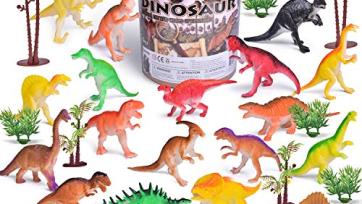
Best Dinosaur Toys for Kids in 2026 Dinosaurs have fascinated children for generations. From the mighty Tyrannosaurus rex to the gentle Brachiosaurus, these prehistoric creatures inspire curiosity, imagination, and adventure. Even in 2026, dinosaur toys remain among the best-selling toys for children because they combine exciting play with educational value. Modern dinosaur toys come in many forms, including realistic figures, remote control dinosaurs, building sets, interactive robots, puzzles, STEM kits, and fossil excavation games. They help children develop creativity, problem-solving skills, scientific curiosity, and fine motor abilities while encouraging screen-free play. Whether you're buying a birthday present or simply looking for a toy that offers both fun and learning, this guide explores the best dinosaur toys for kids in 2026. Why Children Love Dinosaur Toys Dinosaurs capture children's imagination like few other toys can. Their enormous size, unique appearances, and mysterious history encourage endless questions and creative storytelling. Children enjoy pretending that dinosaurs are: Exploring ancient jungles Protecting hidden treasure Escaping volcanoes Battling other dinosaurs Discovering new worlds Every adventure helps develop creativity while making playtime exciting. Benefits of Dinosaur Toys Dinosaur toys provide far more than entertainment. They help children: Improve imaginative thinking Build storytelling skills Develop fine motor skills Encourage independent play Learn about science Strengthen memory Improve concentration Reduce screen time Many dinosaur-themed toys also introduce children to basic biology and natural history in a fun, engaging way. Realistic Dinosaur Figures Realistic dinosaur models remain one of the most popular choices for children of all ages. These figures often feature: Accurate body shapes Detailed textures Natural colours Movable limbs Durable materials Children enjoy creating their own prehistoric worlds using multiple dinosaur species. Remote Control Dinosaur Toys Remote control dinosaurs combine technology with imaginative play. Many RC dinosaur toys include: Walking movements Roaring sounds Light-up eyes Tail movement Interactive controls These toys improve hand-eye coordination while making playtime more interactive. Dinosaur Building Sets Construction toys allow children to build their own prehistoric creatures. Popular building sets include: Dinosaur skeletons Jurassic landscapes Volcano scenes Dinosaur vehicles Research stations Building activities strengthen problem-solving skills while encouraging patience and creativity. Dinosaur Fossil Dig Kits Fossil excavation kits introduce children to the world of palaeontology. Children use small digging tools to uncover hidden dinosaur fossils before assembling their discoveries. These kits encourage: Scientific curiosity Observation skills Patience Hands-on learning Many also include educational booklets explaining different dinosaur species. Interactive Dinosaur Toys Interactive dinosaur toys respond to touch, movement, or voice commands. Features may include: Walking Roaring Dancing Sound effects Educational facts Interactive games These toys combine entertainment with early learning opportunities. Dinosaur Puzzles Dinosaur-themed puzzles are ideal for children who enjoy problem-solving. They help improve: Memory Concentration Shape recognition Logical thinking Fine motor skills Puzzles featuring colourful prehistoric scenes are especially popular with younger children. Dinosaur STEM Toys STEM dinosaur toys help children explore science through play. Examples include: Skeleton assembly kits Mechanical dinosaur models Fossil science kits Robotics dinosaurs Engineering building sets These activities encourage children to investigate how things work while developing critical thinking skills. Dinosaur Books and Learning Sets Combining toys with books creates even more educational value. Illustrated dinosaur encyclopaedias, matching games, flashcards, and interactive learning sets help children: Recognise different dinosaur species Learn scientific names Understand prehistoric habitats Discover extinction theories Learning becomes much more enjoyable when supported by hands-on toys. Choosing the Right Dinosaur Toy Before buying, consider: Your child's age Safety certifications Material quality Educational value Durability Ease of cleaning A toy that encourages repeated play usually provides the best long-term value. Safety Tips Choose dinosaur toys that: Match your child's age Have no sharp edges Use non-toxic materials Meet recognised safety standards Contain securely attached parts For younger children, avoid toys with very small pieces that could present a choking hazard. Common Buying Mistakes Parents sometimes purchase dinosaur toys based purely on appearance. Avoid: Poor-quality materials Toys that break easily Complicated controls for younger children Very small figures for toddlers Products from unknown manufacturers Investing in a well-made toy usually provides better value over time. Why Dinosaur Toys Make Excellent Gifts Dinosaur toys are suitable for birthdays, Christmas, school rewards, and special occasions. They appeal to a wide age range and combine fun with learning, making them a gift that children are likely to enjoy long after the wrapping paper has been thrown away. Many dinosaur collections also grow over time, allowing children to expand their prehistoric adventures. Frequently Asked Questions What are the best dinosaur toys for children? Realistic dinosaur figures, RC dinosaurs, fossil dig kits, building sets, puzzles, and STEM dinosaur toys are among the best options. Are dinosaur toys educational? Yes. Many dinosaur toys encourage scientific curiosity, creativity, problem-solving, and imaginative storytelling. What age are dinosaur toys suitable for? Simple dinosaur figures are suitable for toddlers, while building sets, fossil excavation kits, and STEM toys are better suited to older children. Are remote control dinosaur toys worth buying? Yes. RC dinosaur toys improve coordination while adding movement and interaction that many children find exciting. Final Thoughts The best dinosaur toys for kids in 2026 combine adventure, education, and imagination in a way that few other toys can match. Whether your child dreams of discovering fossils, building prehistoric worlds, controlling a roaring RC dinosaur, or learning about ancient creatures, there is a dinosaur toy to suit every age and interest. By choosing high-quality, age-appropriate dinosaur toys, parents can encourage curiosity, creativity, and screen-free play while helping children develop valuable skills through exciting prehistoric adventures.
Best Balance Bikes for Kids in 2026
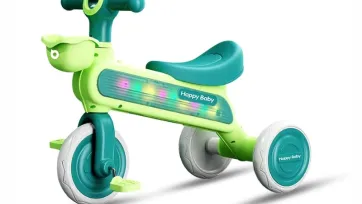
Best Balance Bikes for Kids in 2026: The Ultimate Parent's Buying Guide A balance bike is often a child's first real step towards independent cycling. Unlike traditional bicycles with stabilisers, balance bikes teach children how to balance naturally before they learn to pedal. This simple approach has transformed how children learn to ride, making the transition to a regular bicycle faster, easier, and far more enjoyable. In 2026, balance bikes remain one of the best-selling outdoor toys for toddlers and preschool children. Available in wooden, metal, lightweight aluminium, and adjustable models, they help children build confidence, coordination, and independence while encouraging active outdoor play. If you're looking for the best balance bike for your child, this complete guide will help you make the right choice. What Is a Balance Bike? A balance bike is a pedal-free bicycle designed to teach children how to balance using their own feet. Instead of pedalling, children: Walk forward Push with their feet Glide naturally Steer independently Learn balance through movement Once balance becomes second nature, learning to ride a standard bicycle is usually much easier. Why Parents Choose Balance Bikes Traditional bicycles with stabilisers teach children how to pedal but not how to balance. Balance bikes work differently. Children naturally develop balance while steering and controlling their speed, meaning they often skip stabilisers altogether when moving to a pedal bike. Many cycling experts now recommend balance bikes as the easiest way to learn. Benefits of Balance Bikes Balance bikes support healthy physical development. Some of the biggest benefits include: Improve balance Build confidence Strengthen leg muscles Develop coordination Improve steering control Encourage outdoor play Increase independence Support gross motor development Reduce screen time These skills also help children in other sports and physical activities. Balance Bikes for Toddlers Toddlers usually begin with lightweight models that are easy to control. Beginner balance bikes often feature: Adjustable seats Soft grips Lightweight frames Puncture-proof tyres Low step-through design These features help young riders feel safe while learning. Wooden Balance Bikes Wooden balance bikes remain popular because of their simple and attractive design. Parents like them because they are: Eco-friendly Lightweight Durable Quiet Stylish Their minimalist design also encourages children to focus on riding rather than electronic features. Metal Balance Bikes Metal balance bikes are built for durability and long-term use. Many include: Adjustable handlebars Air-filled tyres Hand brakes Height-adjustable seats Strong steel or aluminium frames These models are ideal for children who ride regularly outdoors. Inflatable vs Foam Tyres Balance bikes are available with different tyre types. Foam tyres offer: No punctures Low maintenance Lightweight design Inflatable tyres provide: Better grip Smoother rides Improved shock absorption Greater comfort on rough ground The best choice depends on where your child will ride most often. Learning Through Outdoor Play Balance bikes encourage children to spend more time outside. Popular riding locations include: Parks Gardens Cycle paths School playgrounds Quiet pavements Family walking trails Outdoor riding also encourages healthy exercise and family activities. How to Choose the Right Balance Bike Before buying, consider: Your child's age Inside leg measurement Weight of the bike Adjustable features Tyre type Frame material Safety certification A lightweight bike is usually much easier for young children to control. Safety Equipment Children should always wear suitable safety equipment when riding. Recommended items include: Helmet Knee pads Elbow pads Closed-toe shoes Parents should also supervise beginners until they become confident riders. Common Buying Mistakes Many parents buy balance bikes that are too large. Avoid: Heavy frames Seats that cannot be adjusted Poor-quality tyres Cheap bearings Bikes without safety certification A properly fitted balance bike makes learning much easier and more enjoyable. Maintaining a Balance Bike Good maintenance helps the bike last for years. Regularly: Check tyre condition Tighten loose bolts Clean the frame Adjust the seat height Inspect handlebars Lubricate moving parts if required A well-maintained bike provides a smoother and safer riding experience. Why Balance Bikes Make Excellent Gifts Balance bikes are one of the most practical gifts for young children. They're perfect for: Birthdays Christmas Second birthdays Outdoor activity gifts Family celebrations Unlike many toys that are quickly forgotten, a balance bike often becomes part of a child's daily routine. Frequently Asked Questions What is the best age for a balance bike? Most children can begin using a balance bike between 18 months and 2 years, depending on their height and confidence. Are balance bikes better than bikes with stabilisers? For many children, yes. Balance bikes teach natural balance first, making the transition to a pedal bicycle much smoother. Do balance bikes really help children learn to cycle? Absolutely. Children who master balancing often learn to ride a pedal bike without stabilisers much more quickly. Should I choose a wooden or metal balance bike? Both are excellent options. Wooden bikes are lightweight and environmentally friendly, while metal bikes usually offer greater durability and adjustable features. Final Thoughts The best balance bikes for kids in 2026 help children develop confidence, coordination, and independence while making the journey towards cycling enjoyable from the very beginning. By learning balance before pedalling, children gain an important skill that makes riding a traditional bicycle far less intimidating. Whether you choose a lightweight wooden model or a durable metal design, a high-quality balance bike provides years of outdoor fun while encouraging healthy physical development. It's one of the few toys that combines exercise, learning, and adventure into one unforgettable childhood experience.
Best Toy Kitchen Sets for Kids in 2026
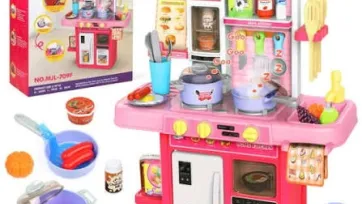
Best Toy Kitchen Sets for Kids in 2026: Inspiring Imagination Through Everyday Play Toy kitchen sets have remained one of the most popular pretend play toys for generations, and in 2026 they continue to be a favourite among children and parents alike. From preparing imaginary breakfasts to serving afternoon tea and running busy restaurants, toy kitchens allow children to explore everyday life through creative role play. More than just a fun activity, kitchen play helps children develop communication, social skills, creativity, and problem-solving abilities. Whether they're pretending to bake cakes, wash dishes, or cook dinner for the family, every activity encourages learning through imagination. If you're searching for the best toy kitchen set for your child, this complete guide will help you choose the perfect option. Why Toy Kitchen Sets Are So Popular Children naturally enjoy copying the adults around them. A toy kitchen allows them to safely imitate everyday activities such as: Cooking meals Washing vegetables Baking cakes Making tea Washing dishes Serving food Organising groceries These familiar activities help children understand daily routines while encouraging imaginative storytelling. Benefits of Toy Kitchen Sets Kitchen play supports many areas of child development. Some of the biggest benefits include: Encourage imaginative play Improve communication skills Expand vocabulary Develop fine motor skills Encourage social interaction Build confidence Improve problem-solving Teach responsibility Reduce screen time Children also learn patience, cooperation, and sharing when playing together. Wooden Toy Kitchens Wooden kitchen sets remain one of the most popular choices for families. Parents appreciate them because they are: Durable Eco-friendly Attractive Long-lasting Easy to clean Many wooden kitchens feature realistic details that encourage even more imaginative play. Modern Play Kitchens Today's toy kitchens are designed to look like real family kitchens. Popular features include: Ovens Hobs Microwaves Refrigerators Sinks Cupboards Coffee machines Ice dispensers These realistic details make role play even more exciting. Toy Food Sets No kitchen is complete without food. Popular pretend food includes: Fruit Vegetables Bread Pizza Burgers Cakes Ice cream Drinks Toy food encourages children to invent recipes, organise meals, and create restaurant adventures. Kitchen Accessories Accessories make pretend cooking even more realistic. Common accessories include: Pots Pans Plates Cups Cutlery Mixing bowls Utensils Aprons Adding accessories encourages longer and more creative play sessions. Toy Kitchens Encourage Healthy Habits Pretend cooking can introduce children to healthy eating. Parents can use kitchen play to discuss: Fruit and vegetables Balanced meals Cooking safely Cleaning up Table manners Learning happens naturally while children enjoy imaginative games. Restaurant Role Play Many children enjoy turning their toy kitchen into a restaurant. They can pretend to become: Chefs Waiters Café owners Bakers Pizza makers Ice cream sellers Restaurant games improve communication while encouraging teamwork and creativity. Educational Value of Kitchen Play Kitchen sets help children practise many everyday skills. These include: Counting ingredients Sorting food Colour recognition Organising objects Following simple routines Problem-solving Children also strengthen language skills by explaining recipes and serving imaginary customers. Choosing the Right Toy Kitchen Before buying, consider: Your child's age Available space Material quality Accessories included Height of the kitchen Safety certification Storage features A slightly larger kitchen often provides better long-term value as your child grows. Safety Tips Choose toy kitchens that: Meet recognised safety standards Have smooth edges Use non-toxic materials Include sturdy construction Match the recommended age Regularly inspect accessories for damage or loose parts. Common Buying Mistakes Parents sometimes buy kitchen sets based only on appearance. Avoid: Fragile plastic Sharp edges Tiny accessories for younger children Poor-quality doors and hinges Kitchens that are too small Investing in a well-built kitchen usually provides years of enjoyable play. Why Toy Kitchen Sets Make Brilliant Gifts Kitchen playsets are among the most memorable gifts children receive. They're perfect for: Birthdays Christmas Playroom makeovers Nursery gifts Family celebrations Unlike many toys that are forgotten after a few weeks, kitchen sets continue inspiring new adventures every day. Frequently Asked Questions What is the best toy kitchen for children? Wooden toy kitchens with realistic appliances, durable construction, and plenty of accessories are among the best choices. At what age can children use toy kitchens? Many kitchen playsets are suitable from around three years old, while simpler kitchens with larger accessories are available for younger toddlers. Are toy kitchen sets educational? Yes. They improve creativity, communication, problem-solving, fine motor skills, social interaction, and imaginative thinking. Should I choose a wooden or plastic toy kitchen? Wooden kitchens are generally more durable and environmentally friendly, while plastic kitchens may include interactive features such as lights and sounds. Both can provide excellent play experiences. Final Thoughts The best toy kitchen sets for kids in 2026 encourage creativity, communication, and imaginative role play while helping children learn valuable everyday skills. Whether they're baking pretend cakes, serving afternoon tea, or running a busy family restaurant, every activity supports healthy social and emotional development. By choosing a high-quality toy kitchen with realistic accessories and durable construction, parents provide children with a timeless toy that continues to inspire creativity long after many electronic toys have been forgotten.