Best STEM Toys for Kids by Age: Complete Buying Guide

STEM toys are designed to introduce children to science, technology, engineering, and mathematics through hands-on play. The best STEM toys for kids do more than keep them busy. They encourage curiosity, creativity, logical thinking, experimentation, and problem-solving.

However, not every STEM toy is suitable for every child. A coding robot may be exciting for an eight-year-old but frustrating for a toddler. Similarly, simple stacking blocks may appear basic to an adult, yet they can teach a young child important ideas about balance, size, shapes, and cause and effect.

This complete STEM toy buying guide explains which types of educational toys are most suitable for different age groups and what parents should consider before making a purchase.

What Are STEM Toys?

STEM toys are educational products that help children explore one or more of the following areas:

  • Science

  • Technology

  • Engineering

  • Mathematics

Some toys focus on a single subject, such as a chemistry kit or a number-learning game. Others combine several STEM skills. For example, a programmable robot may involve technology, sequencing, mathematics, and engineering.

Good STEM toys usually encourage children to build, test, observe, compare, solve problems, and try again after making mistakes.

Best STEM Toys for Babies Under 1 Year

Babies do not need complicated electronic toys. At this age, the best STEM learning happens through touching, observing, shaking, stacking, and exploring safe objects.

Suitable STEM toys for babies include:

Soft Stacking Blocks

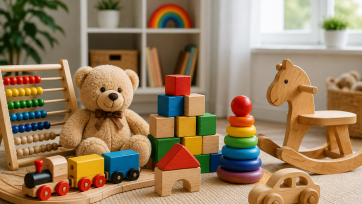
Soft blocks help babies explore size, shape, balance, and cause and effect. Babies can stack them, knock them down, squeeze them, and compare different textures.

Sensory Balls

Sensory balls with different surfaces can support tactile exploration and hand-eye coordination. Parents can roll the ball toward the baby and encourage reaching and movement.

Simple Activity Centers

Activity centers with spinning parts, large buttons, mirrors, and safe moving pieces may help babies understand that certain actions produce certain results.

For babies, safety is more important than advanced features. Toys should not contain small removable parts, loose magnets, sharp edges, or accessible batteries.

Best STEM Toys for 1-Year-Olds

One-year-old children are beginning to understand simple relationships between objects. They enjoy filling containers, stacking items, pushing buttons, and matching basic shapes.

Large Building Blocks

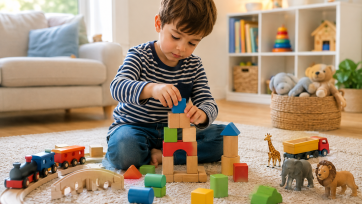
Large blocks are excellent beginner engineering toys. Children can build small towers and learn what happens when the structure becomes unbalanced.

Shape Sorters

Shape sorters help children recognize differences between circles, squares, triangles, and other forms. They also introduce problem-solving because the child must find the correct opening for each piece.

Nesting Cups

Nesting cups teach children about size, order, volume, and comparison. They can be stacked, placed inside one another, or used during water play.

Choose products with large pieces that cannot fit inside the child’s mouth.

Best STEM Toys for 2-Year-Olds

At age two, children become more confident with building, sorting, matching, and pretending. STEM toys should remain simple, durable, and open-ended.

Wooden Puzzles

Simple puzzles with large pieces help develop visual reasoning and spatial awareness. Animal, vehicle, number, and shape puzzles are popular choices.

Peg Boards

Peg boards allow toddlers to place colorful pieces into holes, create basic patterns, and strengthen fine motor skills.

Toy Tool Sets

A toddler-safe tool set may include plastic hammers, screws, nuts, bolts, and building pieces. These toys introduce basic mechanical thinking and hand-eye coordination.

Water Tables

Water tables can teach children about floating, sinking, pouring, movement, and volume. Water play should always take place under adult supervision.

Best STEM Toys for 3-Year-Olds

Three-year-old children can usually follow short instructions and complete simple building challenges. This is a good age to introduce more structured STEM activities.

Magnetic Building Tiles

Magnetic tiles allow children to construct houses, towers, bridges, and geometric shapes. They can help children explore balance, symmetry, and spatial design.

Parents should buy high-quality magnetic toys from reputable manufacturers and regularly inspect them for cracks or loose magnets.

Number and Counting Toys

Counting bears, number boards, bead mazes, and sorting trays can introduce early mathematics in a playful way.

Marble Runs With Large Pieces

A preschool marble run with large, age-appropriate balls can demonstrate movement, gravity, speed, and cause and effect.

Simple Science Observation Kits

Magnifying glasses, bug viewers, weather charts, and nature-exploration kits can help young children observe the world around them.

Best STEM Toys for 4-Year-Olds

Four-year-olds are usually ready for more detailed building projects, pattern games, and beginner science experiments.

Beginner Construction Sets

Construction sets with wheels, connectors, gears, and panels can introduce basic engineering. Children can build vehicles, animals, machines, or their own designs.

Pattern Blocks

Pattern blocks help children explore geometry, colors, symmetry, and visual organization.

Beginner Coding Games

Some coding toys for preschoolers use cards, arrows, or physical buttons instead of screens. These toys teach sequencing and directional thinking.

Simple Science Kits

Age-appropriate science kits may include activities involving colors, magnets, water, plants, or weather.

Parents should supervise experiments and follow the instructions carefully.

Best STEM Toys for 5-Year-Olds

At age five, many children are ready to solve more detailed problems and follow multi-step instructions.

Coding Robots

A beginner coding robot can teach sequencing, directions, commands, and basic programming logic. Some models work without a screen, while others use a tablet or mobile application.

Building and Engineering Kits

Engineering kits can involve bridges, vehicles, cranes, gears, and moving structures. They allow children to test designs and understand why some structures work better than others.

Math Board Games

Math games can make counting, addition, number recognition, and comparison more enjoyable.

Human Body Models

Simple anatomy puzzles or body models can introduce children to bones, organs, senses, and basic biology.

Best STEM Toys for Ages 6 to 8

Children between six and eight years old can often handle more advanced construction, science, coding, and mathematics toys.

Robotics Kits

Beginner robotics kits may allow children to assemble moving machines and program basic actions.

Before buying, check whether the kit requires:

  • A smartphone

  • A tablet

  • A computer

  • Batteries

  • A paid subscription

  • Additional accessories

Chemistry Kits

A child-friendly chemistry kit can introduce reactions, mixtures, crystals, acids, bases, and scientific observation.

Only purchase kits designed for the child’s age and provide adult supervision.

Circuit Building Kits

Circuit kits teach children how electricity moves through wires, switches, lights, motors, and other components.

Snap-together circuit kits are often easier and safer for beginners than traditional wiring sets.

Microscope Kits

A beginner microscope allows children to observe leaves, fabric, paper, insects, prepared slides, and other safe materials.

Parents should compare image quality and ease of focusing instead of choosing a microscope only because it advertises very high magnification.

Best STEM Toys for Ages 9 to 12

Older children may enjoy toys that involve real engineering challenges, coding, electronics, and scientific investigation.

Advanced Coding Robots

Advanced coding robots can introduce block-based coding and, in some cases, text-based programming languages.

Mechanical Engineering Kits

Children can build working vehicles, machines, cranes, robotic arms, or renewable-energy models.

Astronomy Kits

A beginner telescope, star map, or solar-system model can encourage interest in astronomy and space science.

Electronics Kits

Electronics kits may allow children to build alarms, radios, sensors, lights, and small machines.

3D Pens

A child-safe 3D pen can help older children turn drawings into physical structures. Parents should check the recommended age and operating temperature.

How to Choose the Best STEM Toy

The most expensive STEM toy is not always the best choice. Parents should consider several factors before purchasing.

Choose According to Age

Always check the manufacturer’s age recommendation. It usually reflects both safety and difficulty.

A toy that is too advanced may frustrate the child. A toy that is too easy may lose its educational value quickly.

Match the Child’s Interests

A child who loves vehicles may enjoy mechanical building kits. A child interested in animals may prefer a microscope or nature-exploration kit. Children who enjoy video games may respond well to coding toys.

Interest is important because children learn more effectively when they are genuinely engaged.

Look for Open-Ended Play

Open-ended STEM toys can be used in several different ways.

Building blocks, magnetic tiles, robotics components, craft materials, and construction sets often provide more long-term value than toys with only one function.

Check for Additional Costs

Some coding robots and electronic learning toys require subscriptions, applications, replacement parts, or additional expansion kits.

Before purchasing, check the total cost rather than only the initial price.

Consider Screen Time

Some technology toys require a tablet or smartphone. This does not automatically make them unsuitable, but parents should consider how much screen time the toy requires.

A good coding toy should encourage active problem-solving rather than passive watching.

Check Durability and Safety

Inspect the toy for:

  • Small parts

  • Loose magnets

  • Sharp edges

  • Weak battery covers

  • Fragile wires

  • Poor-quality plastic

  • Easily breakable pieces

Toys involving chemicals, electricity, heat, water, or moving parts should be used with appropriate adult supervision.

Are Expensive STEM Toys Worth It?

Some premium STEM toys offer durable materials, advanced coding features, replacement parts, and long-term educational value. However, children do not always need expensive products to learn STEM concepts.

Simple items such as blocks, measuring cups, puzzles, magnets, cardboard, craft materials, and household containers can also support scientific and engineering thinking.

A premium toy may be worth the cost when it:

  • Matches the child’s interests

  • Can be used for several years

  • Offers multiple difficulty levels

  • Includes strong customer support

  • Does not require costly subscriptions

  • Can be expanded with additional projects

Final Thoughts

The best STEM toys for kids are age-appropriate, safe, engaging, and challenging without being overwhelming.

For babies and toddlers, simple stacking, sorting, sensory, and building toys provide an excellent foundation. Preschool children may enjoy magnetic tiles, counting games, beginner coding activities, and science observation tools. Older children can explore robotics, chemistry, circuits, microscopes, astronomy, and advanced engineering kits.

Parents should focus less on flashy advertising and more on how the toy encourages the child to think. A strong STEM toy should invite questions, experimentation, creativity, and repeated problem-solving.

When children are allowed to build, test, fail, and try again, play becomes one of the most effective ways to develop valuable lifelong skills.
Advertisement
Best Toy Cars for Kids in 2026
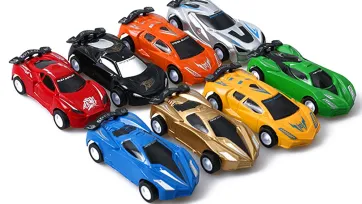
Best Toy Cars for Kids in 2026: The Ultimate Parent's Buying Guide Toy cars have been one of the most loved children's toys for generations, and they continue to be just as popular in 2026. From tiny die-cast vehicles and colourful wooden cars to realistic sports cars, monster trucks, construction vehicles, and racing tracks, toy cars offer endless opportunities for imaginative and active play. Unlike many electronic toys, toy cars encourage children to create their own adventures. A simple race around the living room can become an exciting championship, while a handful of vehicles can transform into a busy city, a construction site, or a rescue mission. They also help children develop important physical and cognitive skills without relying on screens. Whether you're buying a first toy car for a toddler or an advanced racing set for an older child, this guide will help you choose the best toy cars for kids in 2026. Why Toy Cars Never Go Out of Style Toy cars appeal to children because they combine movement, imagination, and adventure. Children enjoy: Racing against friends Building road networks Creating traffic systems Pretending to be mechanics Running rescue missions Exploring construction sites Every game encourages creativity while introducing children to the world around them. Benefits of Toy Cars Playing with toy cars offers many developmental advantages. Some of the biggest benefits include: Improve hand-eye coordination Strengthen fine motor skills Encourage imaginative play Develop storytelling skills Improve concentration Build problem-solving abilities Encourage social interaction Support independent play Reduce screen time Toy cars also help children understand movement, direction, and basic cause-and-effect relationships. Toy Cars for Babies Babies benefit from soft, lightweight vehicles designed for little hands. Suitable options include: Soft rubber cars Wooden rolling cars Fabric vehicles Chunky push cars Silicone toy cars These toys encourage grasping, crawling, and sensory exploration while remaining safe for young children. Toy Cars for Toddlers Toddlers love pushing vehicles across different surfaces. Popular choices include: Colourful push cars Farm vehicles Fire engines Police cars Ambulances Construction trucks Large wheels and sturdy designs make them ideal for active everyday play. Die-Cast Toy Cars Die-cast vehicles remain one of the most collected toy categories. Children enjoy collecting: Sports cars Classic cars Racing cars Emergency vehicles Off-road trucks Vintage models These detailed miniature vehicles also appeal to older children and collectors. Construction Vehicle Toys Many children enjoy pretending to build roads, houses, and cities. Popular construction vehicles include: Excavators Bulldozers Dump trucks Cement mixers Cranes Forklifts Construction play encourages imagination while introducing basic engineering concepts. Toy Car Racing Tracks Racing track sets make toy cars even more exciting. Children enjoy: High-speed races Jump ramps Loop tracks Multi-level garages Pit stops Finish line competitions Track building also develops planning and problem-solving skills. Wooden Toy Cars Wooden toy cars remain a favourite among parents because they are: Durable Eco-friendly Safe Timeless Easy to clean Their simple design encourages children to focus on imaginative play rather than electronic features. Educational Value of Toy Cars Toy cars naturally support early learning. Children practise: Colour recognition Counting Sorting Matching Directional language Traffic awareness Parents can also introduce simple road safety lessons through imaginative play. Toy Cars Encourage Social Play Toy cars become even more enjoyable when children play together. Group activities help develop: Sharing Teamwork Communication Negotiation Cooperative problem-solving Many children invent entire towns and racing competitions with friends or siblings. Choosing the Right Toy Car Before buying, consider: Your child's age Material quality Safety certifications Durability Size Educational value A well-made toy car often remains a favourite for many years. Safety Tips Choose toy cars that: Match the recommended age Use non-toxic materials Have smooth edges Meet recognised safety standards Avoid small detachable parts for younger children Always inspect toys regularly for signs of damage. Common Buying Mistakes Parents sometimes buy toy cars based only on appearance. Avoid: Poor-quality plastic Sharp edges Tiny detachable accessories Weak wheels Cheap paint finishes Durable vehicles provide much better long-term value. Why Toy Cars Make Excellent Gifts Toy cars remain one of the safest gift choices because they suit children of almost every age. They're perfect for: Birthdays Christmas Party presents School rewards Holiday surprises Children often continue adding to their collections, making toy cars gifts that grow alongside their interests. Frequently Asked Questions What are the best toy cars for children? Wooden toy cars, die-cast vehicles, construction trucks, racing cars, emergency vehicles, and racing track sets are among the most popular choices. At what age can children play with toy cars? Large toy cars are suitable from around 12 months, while smaller die-cast vehicles are generally recommended for older children because of small parts. Do toy cars help child development? Yes. Toy cars improve coordination, creativity, fine motor skills, communication, and imaginative thinking while encouraging active play. Are wooden toy cars better than plastic ones? Both have advantages. Wooden toy cars are durable and environmentally friendly, while plastic toy cars often offer greater variety and interactive features. Final Thoughts The best toy cars for kids in 2026 continue to provide exciting adventures while supporting creativity, learning, and healthy development. Whether your child enjoys racing sports cars, operating construction vehicles, collecting die-cast models, or building entire road networks, toy cars encourage endless imaginative play without relying on screens. By choosing safe, durable, and age-appropriate toy cars, parents can provide children with a timeless toy that continues to inspire creativity and fun year after year.
Best Ride-On Toys for Kids in 2026
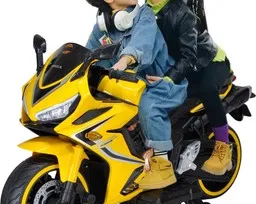
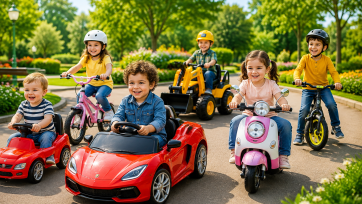
Best Ride-On Toys for Kids in 2026 Ride-on toys have been a favourite among children for generations, and in 2026, they remain one of the best ways to combine fun, exercise, and learning. From push cars for toddlers to battery-powered vehicles and balance bikes, ride-on toys encourage children to stay active while developing important physical and cognitive skills. Unlike toys that keep children sitting in one place, ride-on toys promote movement, independence, and confidence. Every ride helps improve balance, coordination, steering, and spatial awareness, making these toys much more than simple entertainment. Whether your child loves pretending to drive a sports car, race through the backyard, or explore the neighbourhood on a balance bike, there's a ride-on toy to match every age and personality. This guide explores the best ride-on toys for kids in 2026, their developmental benefits, safety tips, and how to choose the perfect model. What Are Ride-On Toys? Ride-on toys are toys that children can sit on and move by pushing with their feet, pedaling, steering, or using a battery-powered motor. They come in many styles, allowing children of different ages to enjoy active play. Popular ride-on toys include: Push cars Balance bikes Tricycles Wiggle cars Battery-powered cars Ride-on trucks Ride-on tractors Ride-on motorcycles Animal ride-ons Scooters These toys provide hours of entertainment while helping children build essential physical skills. Why Ride-On Toys Are Important Young children learn best through movement. Ride-on toys encourage active play while helping them become more confident in controlling their bodies. Regular use helps children develop: Balance Coordination Leg strength Core stability Hand-eye coordination Steering control Spatial awareness Independence Children also gain confidence as they learn to control speed, direction, and movement on their own. Benefits of Ride-On Toys Ride-on toys offer much more than fun. Some of their biggest benefits include: Encourage daily physical activity Improve gross motor skills Build confidence Support healthy exercise Reduce screen time Improve coordination Develop independence Encourage outdoor play These benefits support healthy growth while making exercise enjoyable. Push Cars for Toddlers Push cars are one of the best ride-on toys for younger children. Toddlers move the toy by pushing with their feet, helping them strengthen their leg muscles while improving balance. Parents appreciate push cars because they are: Easy to use Safe Durable Suitable for indoor and outdoor play Many models also include storage compartments and interactive steering wheels for extra fun. Balance Bikes Prepare Kids for Cycling Balance bikes have become increasingly popular because they teach children how to balance before learning to pedal. Instead of using training wheels, children naturally develop: Balance Steering Confidence Coordination Many children who start with balance bikes learn to ride regular bicycles much faster. Battery-Powered Ride-On Cars Battery-powered ride-on vehicles give children the excitement of driving their own miniature cars. Popular models include: Sports cars Jeeps SUVs Construction trucks Police vehicles Fire trucks Many include realistic features such as: Working headlights Music Horn sounds Opening doors Parent remote controls These vehicles provide exciting pretend play while encouraging outdoor exploration. Tricycles Remain a Classic Choice Tricycles continue to be one of the most popular ride-on toys for preschool children. They help improve: Pedaling skills Balance Leg strength Coordination Endurance Many tricycles also include adjustable seats, making them suitable as children grow. Wiggle Cars Encourage Active Movement Wiggle cars move simply by turning the steering wheel from side to side. No batteries, pedals, or motors are required. Children enjoy the unique riding experience while developing: Coordination Balance Core strength Steering skills They are especially popular for smooth driveways and indoor play areas. Ride-On Construction Vehicles Children who love diggers, tractors, and trucks often enjoy construction-themed ride-on toys. Popular choices include: Excavators Bulldozers Tractors Dump trucks Forklifts These toys encourage imaginative role-playing while keeping children physically active. Outdoor Adventures Become More Exciting Ride-on toys naturally encourage children to spend more time outdoors. Instead of sitting indoors with digital devices, children enjoy: Exploring parks Racing friends Creating obstacle courses Family walks Backyard adventures Outdoor play also supports physical fitness and emotional well-being. Choosing the Right Ride-On Toy by Age Every age group benefits from different ride-on toys. For 1-year-olds: Push cars Ride-on animals For 2 to 3-year-olds: Balance bikes Wiggle cars Beginner tricycles For 4 to 6-year-olds: Battery-powered cars Advanced balance bikes Scooters Ride-on trucks Choosing age-appropriate toys helps children stay safe while enjoying the right level of challenge. Safety Tips for Parents Ride-on toys are generally very safe when used correctly. Always remember to: Follow the recommended age range. Use helmets when appropriate. Supervise younger children. Choose flat, safe play areas. Inspect toys regularly. Charge batteries correctly. Teach basic safety rules. Good supervision helps children enjoy active play with confidence. What to Look for Before Buying Before purchasing a ride-on toy, consider: Your child's age Weight capacity Indoor or outdoor use Battery life (if applicable) Build quality Safety certifications Adjustable features A high-quality ride-on toy often provides years of enjoyment. Common Buying Mistakes Many parents purchase ride-on toys based only on appearance. Avoid: Buying toys that are too large Ignoring weight limits Choosing poor-quality batteries Forgetting safety equipment Buying complicated controls for younger children Selecting the right size and skill level creates a much better experience. Why Ride-On Toys Make Excellent Gifts Ride-on toys remain one of the most exciting gifts for birthdays, holidays, and special occasions. Children immediately enjoy the excitement of riding, while parents appreciate the developmental benefits and encouragement of outdoor play. Because many ride-on toys last for years, they often become favorite childhood memories. Frequently Asked Questions What are the best ride-on toys for kids? Push cars, balance bikes, tricycles, battery-powered cars, scooters, and wiggle cars are among the best ride-on toys available. At what age can children use ride-on toys? Many ride-on toys are suitable from around 12 months, while others are designed for older preschool and school-age children. Are battery-powered ride-on cars safe? Yes. When used under adult supervision and according to the manufacturer's recommendations, battery-powered ride-on cars are safe and enjoyable. Do ride-on toys help child development? Absolutely. They improve balance, coordination, physical fitness, confidence, and independence while encouraging active outdoor play. Final Thoughts The best ride-on toys for kids in 2026 offer much more than exciting adventures. They encourage children to stay active, develop important physical skills, and build confidence through independent play. Whether it's a push car for a toddler, a balance bike for a preschooler, or a battery-powered sports car for an older child, every ride becomes an opportunity to learn, explore, and create lasting memories. Choosing a high-quality, age-appropriate ride-on toy is an investment in both fun and healthy development. With the right choice, children can enjoy years of active play while building skills that will benefit them long after playtime ends.
The Five-Minute Rule
The Five-Minute Rule: Why Children Abandon Some Toys Almost Immediately Introduction Watch a child receive a brand-new toy. For the first few minutes, the excitement is impossible to miss. The packaging is torn open. Buttons are pressed. Pieces are explored. Questions are asked. Everything suggests this new toy is about to become an instant favourite. Then something unexpected happens. Five minutes later, the toy is sitting quietly on the carpet while the child has wandered off to build a fort with sofa cushions or create a pretend café using kitchen utensils. What changed? Did the toy suddenly become boring? Did the child lose interest? Or was something else happening all along? Many parents assume short attention spans are the reason children quickly abandon certain toys. While attention certainly plays a role, the real explanation is often much more interesting. The first five minutes of play reveal something important about the design of a toy—and about the way children naturally learn. The First Five Minutes Are About Discovery Every new toy begins with exploration. Children examine its shape. They discover moving parts. They test buttons. They investigate sounds, textures and colours. During this stage, curiosity is at its highest. Everything is unfamiliar. Everything feels exciting. Toy designers work incredibly hard to make this first impression memorable. Bright colours, interesting textures and surprising features all compete for a child's attention. But first impressions are only the beginning. What Happens After Curiosity Fades? Eventually, every child reaches the same question. "Now what?" This is where many toys quietly reveal their biggest weakness. If every feature has already been discovered, there's little left for the child to contribute. The toy continues performing. The child simply watches. Open-ended toys follow a completely different path. Once the initial exploration ends, the real play begins. Instead of asking the toy for entertainment, children begin supplying their own ideas. A handful of wooden blocks suddenly becomes an airport. Magnetic tiles become a castle. Toy animals organise a safari. The excitement shifts from discovering the toy to creating something new with it. The Difference Between Surprise and Possibility Some toys rely almost entirely on surprise. Lights. Music. Movement. Secret compartments. Hidden buttons. Surprises are wonderful—but they only happen once. Possibility is different. Possibility never runs out. A cardboard box has almost no surprises. Yet children regularly spend hours with one because every new idea creates another possibility. That's why many of the simplest toys remain favourites long after complex gadgets have been forgotten. Children Don't Actually Get Bored That Quickly Parents often say, "My child gets bored after five minutes." More accurately, children become bored when a toy stops asking anything of them. If every action produces the same result, curiosity naturally fades. When toys encourage children to imagine, experiment and solve problems, attention often lasts much longer than adults expect. The child hasn't changed. The opportunity to create has. A Simple Test Every Parent Can Try The next time your child receives a new toy, don't judge it by the first reaction. Instead, quietly observe what happens after the excitement settles. Ask yourself: Are they inventing new ways to play? Are they combining the toy with other toys? Are they telling stories? Do they return to it later without being reminded? The answers often tell you far more about the toy than any advertisement ever could. Replay Value Is the Real Measure of a Great Toy Think about the toys that remain on the floor week after week. They're rarely the ones with the most impressive demonstrations in the shop. Instead, they're the toys that offer children a reason to come back. Replay value isn't about doing the same thing repeatedly. It's about discovering something new each time. A set of magnetic tiles can become a bridge one afternoon and a rocket the next. A box of wooden blocks might start as a tower before turning into a zoo, a city or a pirate island. The toy stays familiar. The play never does. That's why replay value is often a better indicator of quality than price, size or the number of features. How Parents Can Use the Five-Minute Rule Before Buying You don't need to be an expert in child development to choose better toys. Next time you're shopping, imagine your child has already spent five minutes with the toy. Then ask yourself: What could they do next? Can they create their own game? Will they combine it with other toys? Does it encourage imagination or simply demonstrate features? If it's difficult to answer those questions, the toy may depend too heavily on its initial excitement. The strongest toys usually leave plenty of room for the child to take control. Why Simplicity Often Wins Modern toys are remarkable. Many include sounds, movement, technology and interactive features that would have seemed impossible only a generation ago. Yet children still fall in love with surprisingly simple things. A handful of blocks. A toy farm. A train set. A basket of animal figures. Why? Because simple toys don't try to entertain children every second. Instead, they invite children to become the storyteller, the engineer, the explorer or the architect. The child becomes the most important feature of the toy. A Better Question Than "Is It Worth the Money?" Parents often ask whether a toy is worth its price. A more useful question is: "Will my child still choose this toy when nobody suggests it?" That's when you discover its true value. A toy that repeatedly attracts a child's attention without reminders has earned its place. It has become part of everyday play rather than just another purchase. What This Means for Future Toy Shopping The next time you're standing in a toy shop, don't be distracted by impressive packaging or flashy demonstrations. Picture your child at home a week later. Will they still be inventing new games? Will the toy inspire fresh ideas? Or will it simply repeat the same actions until curiosity fades? Parents who think beyond the first five minutes often make choices that provide far more lasting enjoyment. Frequently Asked Questions Why do children stop playing with new toys so quickly? Once the novelty wears off, toys with limited ways to play can become predictable. Toys that encourage imagination and creativity tend to keep children engaged for much longer. What does replay value mean? Replay value refers to how often a child voluntarily returns to a toy because it continues offering new possibilities for play. Are simple toys better than complicated ones? Not always, but simple, open-ended toys often provide greater flexibility, allowing children to invent different games as they grow. How can I tell if a toy has lasting appeal? Consider whether your child can use it in multiple ways, combine it with other toys and continue discovering new ideas over time. Should I avoid electronic toys completely? No. Many electronic toys have genuine educational benefits. The key is balancing them with toys that encourage creative, child-led play. Final Thoughts The first five minutes can be exciting. They can also be misleading. Almost every new toy captures a child's attention at first. Only a few continue capturing their imagination days, weeks and months later. That's the difference between a toy that entertains and a toy that becomes part of childhood. The next time you see your child quietly returning to the same set of blocks, the familiar train track or a favourite collection of animal figures, don't mistake it for routine. You're witnessing something much more valuable. You're watching a child choose creativity over novelty. And that's exactly the kind of play that leaves the longest-lasting memories.
Best Kids Bikes in 2026
Kids Bikes: The Complete Parent's Guide to Choosing the Right Bicycle for Every Age Introduction For many children, learning to ride a bike is one of childhood's biggest milestones. The first few attempts often involve a little wobbling, a few nervous laughs and plenty of encouragement from parents. Then comes that unforgettable moment when they pedal away on their own for the very first time. Choosing the right bike plays a huge role in making that experience enjoyable. A bicycle that's too large can feel intimidating. One that's too small quickly becomes uncomfortable. The best kids' bike isn't simply the most colourful or the most expensive—it's the one that fits your child properly and helps them build confidence with every ride. This guide explains everything parents should know before buying a children's bicycle, from wheel sizes and safety features to comfort, maintenance and common buying mistakes. Why Bike Size Is More Important Than Age One of the biggest misconceptions is that bicycles should be chosen according to a child's age. In reality, height and inside leg measurement are much better indicators. Children of the same age can differ significantly in size, so choosing a bike purely because it's labelled "for 6-year-olds" often leads to poor fitting. A correctly sized bike allows your child to: Reach the handlebars comfortably. Place their feet confidently on the ground when stopping. Control the bike without stretching. Ride safely and comfortably. Confidence grows much faster when a bicycle fits properly. Understanding Kids' Bike Wheel Sizes Children's bicycles are normally categorised by wheel size rather than frame size. Common wheel sizes include: 12-inch – Often suitable for young beginners or balance bike graduates. 14-inch – Ideal for children gaining confidence with pedalling. 16-inch – Popular for early primary school riders. 18-inch – Suitable for children between standard size ranges. 20-inch – Often chosen for older primary school children. 24-inch – Designed for taller children approaching teenage years. Always use your child's height as the main guide rather than relying solely on age recommendations. Balance Bike or Pedal Bike? Many parents wonder whether to start with a balance bike or move directly to pedals. Balance Bikes Balance bikes teach steering, coordination and balance without introducing pedals too early. Many children who begin with a balance bike transition to a pedal bike more confidently because they've already learned the most important skill—balancing. Pedal Bikes Traditional pedal bikes introduce braking, pedalling and steering at the same time. Some children adapt quickly, while others benefit from practising balance first. There's no universal right answer. The best choice depends on your child's confidence and stage of development. What Makes a Good Kids' Bike? Not every children's bicycle is built to the same standard. Look for features such as: Lightweight frame. Easy-to-use brakes. Adjustable saddle. Adjustable handlebars. Comfortable grips. Strong tyres. Stable steering. Durable construction. These features help children enjoy riding while making the bicycle easier to control. Should You Buy a Bike to Grow Into? It's tempting to buy a larger bicycle in the hope it will last longer. Unfortunately, this often makes learning much harder. A bike that's too big can feel heavy, awkward and difficult to control, reducing confidence and making riding less enjoyable. Buying the correct size today is usually a far better investment than purchasing one that's intended for future growth. Essential Safety Equipment Every Child Should Wear Buying the right bicycle is only part of the journey. Safe riding habits are just as important. Before every ride, make sure your child has: A properly fitted cycling helmet. Closed-toe shoes with good grip. Bright or reflective clothing when visibility is poor. Comfortable clothing that won't catch in the chain. Gloves for longer rides if preferred. A correctly fitted helmet should sit level on the head, covering the forehead without tilting backwards. The chin strap should feel secure without being uncomfortable. Helping Your Child Learn to Ride Learning to ride is different for every child. Some master it within an afternoon. Others need several short practice sessions before they feel confident. The best approach is to keep lessons enjoyable and pressure-free. Start in a quiet, flat area away from traffic. Encourage your child to look ahead rather than at the front wheel. Celebrate small achievements, whether it's balancing for a few seconds or making a smooth turn. Confidence grows through positive experiences, not speed. Simple Bike Maintenance Tips A well-maintained bicycle is safer, smoother and more enjoyable to ride. Before each ride, carry out a quick check: Ensure both tyres are properly inflated. Test the brakes. Check that the handlebars feel secure. Make sure the chain moves smoothly. Tighten any loose accessories. Look for obvious signs of damage. A few minutes of maintenance can prevent many common problems. When Is It Time for a Bigger Bike? Children grow quickly, but replacing a bicycle too early isn't always necessary. Signs it's time to move up include: Knees rising too high while pedalling. The saddle already adjusted to its highest position. The handlebars feeling cramped. Your child appearing uncomfortable during longer rides. Avoid upgrading simply because of age. Fit should always be the deciding factor. Common Mistakes Parents Make Even experienced parents sometimes make these mistakes when buying a children's bike: Choosing a bike that's too large. Focusing on appearance instead of weight. Ignoring proper brake adjustment. Buying a heavy bike that's difficult to control. Forgetting to adjust the saddle as the child grows. Skipping regular maintenance checks. A lightweight, well-fitted bike is usually far more enjoyable than a larger, feature-packed model. Frequently Asked Questions What size bike should my child have? Choose a bicycle based on your child's height and inside leg measurement rather than age alone. A proper fit improves both comfort and safety. Are balance bikes better than bikes with stabilisers? Many children develop balance more naturally with balance bikes because they learn to steer and balance before introducing pedals. How often should a child's bike be serviced? Regular safety checks should be carried out at home, while a full professional service once a year is a sensible choice for frequently used bicycles. Should children always wear a helmet? Yes. A properly fitted cycling helmet should be worn every time your child rides, regardless of distance. Can a lightweight bike make learning easier? Absolutely. Lighter bicycles are generally easier for children to steer, balance and control, especially when they're learning. Final Thoughts A child's first bicycle is much more than a toy. It's a gateway to confidence, independence and outdoor adventure. The right bike encourages children to explore their surroundings, stay active and develop skills they'll use for years to come. Rather than choosing the brightest colour or the biggest bike available, focus on fit, comfort, safety and quality. A bicycle that feels comfortable today will inspire far more happy memories than one that's simply built for tomorrow. After all, childhood is measured one adventure at a time—and many of those adventures begin with two wheels.  
Why Some Toys Are Forgotten in Days While Others Become Childhood Favourites
Why Some Toys Are Forgotten in Days While Others Become Childhood Favourites Introduction Think back to your own childhood for a moment. You probably don't remember every toy you ever owned. In fact, you may struggle to remember most of them. But there's almost certainly one that still stands out—a teddy bear that went everywhere with you, a box of building blocks that became castles and spaceships, or a toy car that somehow survived years of adventures. Now compare that with the toy your child begged for last month. The one that had to come home. The one they promised they'd play with every single day. There's a good chance it's already sitting at the bottom of the toy box. This isn't because children are ungrateful or impossible to please. It's because not all toys are designed to inspire long-term play. Some are exciting for ten minutes because they surprise the child. Others remain interesting for years because they invite the child to use their imagination. Understanding this difference can completely change the way parents buy toys. Instead of filling cupboards with products that lose their appeal within a week, you can build a collection that grows with your child and continues to support learning, creativity and confidence. Let's look at why some toys become lifelong favourites while others are forgotten almost as quickly as they're unwrapped. The Excitement Trap Walk through any toy shop before Christmas and you'll see flashing lights, buttons, sounds and colourful packaging competing for attention. These toys are designed to create an immediate reaction. Children press a button. The toy sings. Lights flash. Something moves. For the first few minutes, it's fascinating. The problem is that once a child has discovered everything the toy can do, there's often very little left to explore. The toy entertains the child instead of encouraging the child to create entertainment. That's a huge difference. Toys That Grow With a Child Imagine giving two children the same cardboard box. One turns it into a pirate ship. The other makes a rocket. An hour later it's become a secret cave. By the afternoon it's a racing car. Nothing about the box changed. Only the children's imagination did. The best toys work in exactly the same way. Building bricks become cities one day and zoos the next. Wooden animals become farm animals, safari animals or magical creatures depending on the story being told. These are often called open-ended toys, but parents don't need to remember the term. The important point is simple: A great toy allows the child to do the creative work. It doesn't do it for them. Watch How Children Actually Play Here's something interesting that many parents notice. Give a child ten brand-new toys at once and they often jump quickly from one to another. Give the same child three carefully chosen toys with room for imagination and they'll often stay deeply involved for much longer. Children don't always need more toys. They often need better opportunities to play. That's why many early years educators deliberately keep classrooms simple. Fewer choices often lead to deeper concentration. The Toys That Earn Their Place Every family has them. The toys that never seem to disappear. Maybe it's the train set that comes out every rainy weekend. Perhaps it's the basket of magnetic tiles that somehow entertains children from nursery age right through primary school. These toys earn their place because they never tell children exactly what to do. Instead, they quietly ask one question: "What would you like to create today?" That question never becomes old. The Biggest Mistake Isn't Buying the Wrong Toy It's buying the right toy at the wrong time. Parents sometimes see an advanced construction set or a complicated science kit and think, "They'll grow into it." That sounds sensible, but children rarely see it that way. Imagine giving a five-year-old a 1,000-piece puzzle. It isn't inspiring—it feels impossible. The same puzzle, introduced three or four years later, could become a favourite weekend activity. The opposite happens too. A toy that's far too simple might be mastered in minutes. Once the challenge disappears, so does the child's interest. The sweet spot sits somewhere in the middle. The toy should feel achievable, but not effortless. It should make children think, experiment and occasionally fail before succeeding. That's where real engagement begins. Why Simplicity Often Wins Toy trends change every year. One Christmas it's interactive pets. The next it's collectible figures. A year later it's something completely different. Yet if you visit a nursery, preschool or primary classroom, you'll notice something interesting. The toys children return to again and again are usually the simplest ones. Building bricks. Wooden train tracks. Toy animals. Play kitchens. Art supplies. These toys have survived decades for one reason: children are in control. A toy doesn't need to flash, talk or connect to an app to be exciting. Sometimes the quietest toys create the loudest imaginations. Before You Buy Another Toy, Ask These Five Questions Instead of asking, "Will my child like this?", try asking something slightly different. Will they still enjoy it in six months? Excitement on the first day doesn't always predict long-term value. Can they play with it in more than one way? A toy with only one purpose often reaches its limit quickly. Does it encourage them to create rather than simply watch? The more imagination a toy invites, the longer it usually stays interesting. Is it suitable for their current stage of development? The best toys challenge children without making them feel overwhelmed. Could another child enjoy it in the future? Well-made toys often become family favourites that are passed from one sibling to the next. These questions don't guarantee the perfect purchase, but they dramatically reduce impulse buying. Quality Costs More... Until It Doesn't It's easy to compare two similar-looking toys and choose the cheaper option. Sometimes that's absolutely the right decision. But sometimes the less expensive toy breaks after a month, while the slightly more expensive one is still being used years later. Think of toys as an investment rather than a one-off purchase. A durable toy that survives hundreds of hours of play often costs less per use than a novelty toy that's forgotten before the school holidays arrive. Many parents gradually discover that buying fewer, better-made toys saves money in the long run. A Better Way to Build a Toy Collection Instead of adding random toys whenever you visit a shop, imagine building a small personal library for your child. Every toy should have a purpose. Some encourage movement. Some inspire creativity. Others develop concentration or imaginative storytelling. Over time, these toys begin working together. A few wooden blocks become a bridge for toy dinosaurs. A play kitchen becomes a café serving customers from a train station built only moments earlier. The most enjoyable play rarely comes from a single toy. It comes from children mixing ideas from several toys to create something entirely their own. That's exactly the kind of play parents should encourage. Frequently Asked Questions Why do children lose interest in new toys so quickly? New toys often provide excitement through novelty. Once children discover everything the toy can do, there may be little left to explore. Toys that encourage imagination usually hold attention for much longer. What makes a toy timeless? Timeless toys don't depend on trends or technology. They allow children to invent different games every time they play, which keeps them interesting as skills and interests develop. Are expensive toys always better? Not at all. Price and play value are two different things. Some inexpensive toys encourage years of imaginative play, while costly electronic toys may be forgotten within weeks. Should parents rotate toys? Yes. Putting some toys away and bringing them back a few weeks later often makes them feel new again. It also reduces clutter and helps children focus on what they already have. Is it better to own fewer toys? For many families, yes. A carefully chosen collection often leads to deeper, more creative play than a room filled with toys competing for attention. Final Thoughts Children rarely remember how many toys they owned. They remember the ones that became part of their stories. The teddy that travelled everywhere. The building bricks that became castles, airports and pirate ships. The train set assembled every rainy Sunday afternoon. Those are the toys that quietly become part of childhood itself. As parents, it's easy to be influenced by advertising, trends or the latest "must-have" toy. But lasting play rarely depends on clever marketing. It depends on whether a toy gives children the freedom to imagine, experiment and create something of their own. So, the next time you're choosing a toy, don't ask which one looks the most exciting on the shelf. Ask which one will still inspire adventures long after the excitement of opening the box has faded. That single question often leads to better purchases, less clutter and, most importantly, happier children.
Remote Control Toys: A Complete Guide for Parents
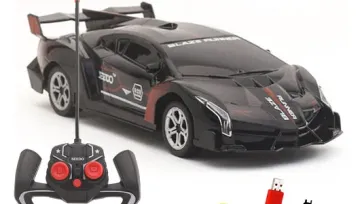
Introduction Remote control toys have been entertaining children for generations, but today's RC toys are more exciting, realistic, and educational than ever before. From high-speed racing cars and monster trucks to helicopters, drones, boats, and robots, these toys offer much more than simple fun. Parents often think RC toys are only meant for entertainment. In reality, they help children develop valuable life skills, including hand-eye coordination, problem-solving, patience, and concentration. As technology continues to improve, modern remote control toys have become safer, easier to use, and more durable, making them an excellent choice for children of different ages. If you're planning to buy your child's first RC toy or simply want to understand why these toys remain so popular, this guide covers everything you need to know. What Are Remote Control Toys? Remote control toys, commonly called RC toys, are electronic toys operated using a wireless controller. The controller sends signals that allow the toy to move forward, backward, left, right, or perform other functions. Modern RC toys use reliable wireless technology that offers better control and longer operating distances than older models. Popular examples include: Remote control racing cars Monster trucks Construction vehicles Helicopters Airplanes Drones Boats Robotic toys Animal-inspired RC toys Each category provides a unique playing experience while encouraging active participation instead of passive screen time. Why Remote Control Toys Are More Popular Than Ever Children naturally enjoy toys that respond instantly to their commands. Driving a racing car through an obstacle course or steering a boat across a pool creates excitement that ordinary toys cannot match. Parents also appreciate RC toys because they encourage movement, creativity, and interaction. Instead of watching videos for hours, children actively participate in games that challenge their thinking and improve their motor skills. Many families also enjoy playing together, turning RC toys into a fun weekend activity that everyone can participate in. Different Types of Remote Control Toys The RC toy market has expanded significantly, offering options for every age group and interest. RC Racing Cars These are among the most popular RC toys. Sports cars, drift cars, off-road trucks, and monster vehicles provide exciting racing experiences both indoors and outdoors. RC Monster Trucks Designed with large tires and strong suspension systems, these trucks perform well on grass, dirt, gravel, and rough terrain. RC Construction Vehicles Excavators, bulldozers, dump trucks, and cranes allow children to enjoy imaginative construction-themed play while learning how real machines work. RC Boats Perfect for swimming pools, lakes, and ponds, RC boats provide a unique outdoor experience. RC Helicopters and Airplanes Flying toys introduce children to basic flight control while improving coordination and concentration. RC Drones Older children and teenagers often enjoy beginner drones equipped with simple controls and camera features. RC Robots Interactive robots can move, dance, respond to commands, and sometimes even perform educational activities. Educational Benefits of Remote Control Toys Many parents are surprised to learn that RC toys can contribute to healthy child development. Instead of pressing random buttons, children constantly observe, predict, and react while controlling the toy. This process develops several important abilities. These include: Better hand-eye coordination Improved fine motor skills Increased concentration Enhanced reaction speed Logical thinking Spatial awareness Patience during practice Better decision-making Children also become more confident as they learn to control increasingly challenging movements. How RC Toys Improve Hand-Eye Coordination Hand-eye coordination develops when the eyes track movement while the hands respond accurately. Imagine a child driving a remote control sports car around chairs in the living room. Every turn requires quick observation and immediate action. Over time, these repeated movements strengthen coordination naturally. This skill benefits children in many everyday activities, including sports, writing, drawing, cycling, and even computer use later in life. Encouraging Creativity Through Imaginative Play Remote control toys are not limited to racing. Children often create their own adventures by building tracks, obstacle courses, bridges, garages, and rescue missions. One day, the RC car becomes a police vehicle. The next day, it transforms into a race champion. Later, it might deliver supplies during an imaginary rescue operation. These creative scenarios help develop storytelling, imagination, and independent thinking. Choosing the Right Remote Control Toy Not every RC toy is suitable for every child. Before purchasing, consider several important factors. Age Recommendation Always follow the manufacturer's recommended age. Simple controls are ideal for younger children, while advanced features are better suited for older kids. Ease of Control Beginners benefit from straightforward controllers with responsive steering and limited speed. Durability Children inevitably bump into furniture, walls, and obstacles. Look for toys made from strong, impact-resistant materials. Battery Life Rechargeable batteries usually provide better long-term value and reduce the ongoing cost of replacing disposable batteries. Spare Parts Some brands offer replacement batteries, tires, and accessories, making maintenance easier. Rechargeable vs Battery-Powered RC Toys Many modern RC toys now include rechargeable batteries. Rechargeable models offer several advantages. Lower long-term cost Environmentally friendly Convenient USB charging Better overall performance Consistent power output Battery-powered toys can still be useful for occasional play, but frequent users generally benefit more from rechargeable models. Indoor and Outdoor Play One advantage of remote control toys is their versatility. Indoor RC cars perform well on smooth floors, while larger off-road vehicles are better suited for gardens, parks, driveways, and playgrounds. Parents should always ensure the playing area is safe and free from traffic or dangerous obstacles. Safety Tips for Parents Safety should always come first. Keep these simple recommendations in mind: Choose age-appropriate toys. Supervise younger children. Charge batteries according to instructions. Avoid playing near roads. Keep small removable parts away from toddlers. Store batteries safely. Avoid water unless the toy is specifically designed for it. Inspect the toy regularly for damage. Responsible use helps ensure years of safe enjoyment. Caring for Your Remote Control Toy Proper maintenance keeps RC toys working efficiently. After each play session: Wipe away dust and dirt. Recharge batteries before storing. Avoid extreme heat. Store the controller safely. Check wheels and moving parts regularly. Tighten loose screws if necessary. Simple maintenance greatly extends the toy's lifespan. Why Remote Control Toys Make Excellent Gifts Few gifts create as much excitement as an RC toy. Whether it's a birthday, holiday, reward, or special celebration, remote control toys offer entertainment that lasts far longer than many traditional toys. They encourage active play, reduce excessive screen time, and often become favorite family activities. A stylish rechargeable racing car, for example, combines realistic design, easy controls, and exciting performance, making it a memorable gift for many children. Common Mistakes Buyers Should Avoid Many shoppers make avoidable mistakes when choosing RC toys. Common errors include: Buying toys that are too advanced. Ignoring battery quality. Choosing poor build quality. Forgetting replacement part availability. Buying without checking age recommendations. Selecting indoor toys for rough outdoor use. Researching before buying usually leads to a much better experience. Frequently Asked Questions Are remote control toys suitable for young children? Yes, many beginner RC toys are specifically designed for younger children with simple controls and slower speeds. Are rechargeable RC toys better? For regular use, rechargeable models are usually more economical, environmentally friendly, and convenient. Can RC toys help children's development? Yes. They improve coordination, concentration, reaction time, problem-solving, and creative thinking while providing active entertainment. Should children use RC toys indoors or outdoors? Both are possible. Small RC cars work well indoors, while larger off-road models perform better outside. Final Thoughts Remote control toys continue to be one of the most enjoyable and educational categories in the toy industry. They combine excitement with valuable learning opportunities, encouraging children to think, react, explore, and create. Whether you choose a sleek racing car, a rugged monster truck, a flying helicopter, or an interactive robot, the right RC toy can provide countless hours of fun while helping children develop important life skills. For parents looking to balance entertainment with meaningful play, remote control toys remain one of the smartest investments for children of all ages.
Best Safe Wooden Toys for Kids in 2026
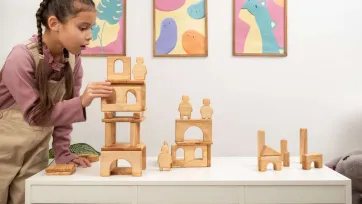
Best Safe Wooden Toys for Kids in 2026 Wooden toys have stood the test of time, remaining a favourite choice for parents who value safety, durability, and meaningful play. While modern toy stores are filled with electronic gadgets and plastic playsets, safe wooden toys continue to offer something unique—simple designs that encourage imagination, creativity, and hands-on learning. Today's parents are more careful than ever about the products they bring into their homes. They want toys made from non-toxic materials, built to last, and free from unnecessary chemicals. Safe wooden toys meet these expectations while supporting healthy child development from infancy through the early school years. Whether you're buying a birthday gift, planning a Montessori-inspired playroom, or searching for toys that promote learning without screens, wooden toys are an excellent investment. This guide explains why safe wooden toys remain one of the best choices for children in 2026 and how to select the right options for every age. Why Wooden Toys Are Still Popular Despite rapid advances in technology, wooden toys continue to attract parents because of their timeless appeal and educational value. Unlike many electronic toys that entertain children with flashing lights and sounds, wooden toys encourage active participation. Children create their own games, invent stories, build structures, and solve problems using their imagination. Many families also appreciate their natural appearance, solid construction, and ability to last for years. What Makes a Wooden Toy Safe? Not every wooden toy is automatically safe. Parents should look beyond attractive designs and pay attention to how the toy is made. A safe wooden toy should include: Smooth, splinter-free surfaces Rounded edges Non-toxic paints and finishes Strong construction Child-safe materials Securely attached parts Age-appropriate design Buying from reputable manufacturers that follow international toy safety standards provides additional peace of mind. Benefits of Safe Wooden Toys Safe wooden toys offer much more than durability. Some of their biggest advantages include: Encouraging imaginative play Improving hand-eye coordination Supporting fine motor skills Developing problem-solving abilities Increasing concentration Reducing screen time Promoting independent learning Lasting for many years Because they are often open-ended, children can play with the same toy in different ways as they grow older. Best Wooden Toys for Babies Babies explore the world using their senses. Simple wooden toys help them safely discover different shapes, textures, and movements. Excellent options include: Wooden rattles Grasping rings Stacking rings Shape sorters Push toys Wooden activity gyms Always choose toys specifically designed for infants and free from small detachable parts. Best Wooden Toys for Toddlers Toddlers enjoy toys that challenge their growing coordination and curiosity. Popular wooden toys include: Building blocks Peg puzzles Pull-along animals Stacking towers Wooden trains Balance games These activities encourage movement while strengthening problem-solving skills. Montessori Wooden Toys Many Montessori toys are made from wood because it is durable, natural, and pleasant to handle. Popular Montessori wooden toys include: Counting boards Alphabet blocks Object permanence boxes Shape sorters Practical life activity boards Wooden puzzles These toys encourage children to learn independently without unnecessary distractions. Wooden Building Blocks Inspire Creativity Building blocks remain one of the most versatile toys available. Children use them to build: Houses Castles Bridges Roads Towers Cities Animal homes Each new creation encourages imagination, planning, and creative thinking while improving fine motor control. Wooden Puzzles Improve Problem-Solving Skills Puzzles help children recognize shapes, colors, patterns, and spatial relationships. They also improve: Memory Concentration Patience Logical thinking Hand-eye coordination Wooden puzzles are especially durable, making them ideal for repeated use. Eco-Friendly Benefits of Wooden Toys Many parents choose wooden toys because they are more environmentally friendly than disposable plastic alternatives. High-quality wooden toys often come from responsibly managed forests and can remain usable for many years. Because they rarely break easily, they create less waste and are often passed down to younger siblings or donated to other families. Choosing sustainable toys also helps children develop an appreciation for protecting the environment. Wooden Pretend Play Toys Pretend play supports language development and creativity. Wooden playsets allow children to create endless adventures. Popular options include: Play kitchens Wooden food sets Tool benches Doll furniture Cash registers Farm animal sets These toys encourage storytelling while helping children understand everyday life. How Wooden Toys Support Child Development Every play session teaches valuable skills. Wooden toys help children improve: Fine motor control Coordination Concentration Creativity Problem-solving Independent thinking Social interaction Emotional confidence Because there are fewer distractions, children often remain focused for longer periods. How to Choose the Best Wooden Toys Before purchasing, consider several important factors. Choose toys that: Match your child's age Use non-toxic finishes Have smooth surfaces Are easy to clean Offer multiple ways to play Come from trusted brands A high-quality toy usually provides far greater long-term value than a cheaper alternative. Caring for Wooden Toys Proper care helps wooden toys remain beautiful for years. Simple maintenance includes: Wipe with a damp cloth. Avoid soaking in water. Store in a dry place. Inspect regularly for damage. Tighten loose parts if needed. Avoid harsh chemical cleaners. Good care keeps toys safe while extending their lifespan. Common Mistakes Parents Should Avoid Many buyers unknowingly choose poor-quality wooden toys. Avoid: Cheap toys with rough edges Unknown paints or finishes Toys without safety certification Age-inappropriate designs Products with loose small parts Spending a little extra on quality often results in a safer and longer-lasting toy. Why Wooden Toys Make Excellent Gifts Wooden toys are thoughtful gifts for birthdays, holidays, and special occasions. They combine beauty, durability, and educational value, making them gifts that children enjoy for years instead of weeks. Parents also appreciate receiving toys that encourage creativity rather than constant screen time. Frequently Asked Questions Are wooden toys safer than plastic toys? High-quality wooden toys made with non-toxic materials and smooth finishes are generally considered very safe. Safety depends on the manufacturer's quality and whether the toy is appropriate for the child's age. Are wooden toys suitable for babies? Yes. Many wooden rattles, grasping toys, and stacking toys are designed specifically for infants. Always choose age-appropriate products that meet recognized safety standards. How do I clean wooden toys? Use a soft damp cloth with mild soap if necessary. Avoid soaking wooden toys in water, as excessive moisture may damage the wood over time. Why are wooden toys more expensive? They often use higher-quality materials, stronger construction, and sustainable manufacturing methods. Their durability usually makes them a better long-term investment. Final Thoughts Safe wooden toys continue to be one of the best choices for children in 2026 because they combine simplicity, durability, and educational value in a way few other toys can. They encourage creativity, strengthen essential developmental skills, and provide years of meaningful play without relying on screens or excessive electronics. Whether you're choosing wooden building blocks, puzzles, Montessori learning tools, pretend play sets, or stacking toys, investing in high-quality wooden toys means investing in safer, more engaging, and more rewarding play experiences for your child.
Why Children Love Repetition in Play: The Hidden Science Behind Playing the Same Game Again and Again
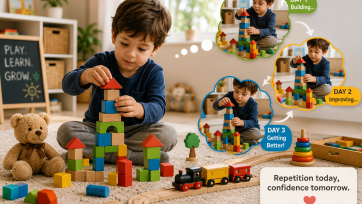
 Why Children Love Repetition in Play: The Hidden Science Behind Playing the Same Game Again and Again Introduction Every parent has experienced it. Your child spends twenty minutes building a tower. It falls over. Instead of trying something new, they build the same tower again. The next day, they repeat the process. By the weekend, they're still building towers. Meanwhile, the expensive new toy sitting on the shelf barely gets a glance. To adults, this behaviour can seem puzzling. "Haven't they already done this?" Children see it very differently. For them, repetition isn't boring. It's one of the most powerful ways to learn. Every time they repeat an activity, they're testing new ideas, improving skills and gaining confidence without even realising it. Understanding why children enjoy repeating the same game can completely change the way parents think about toys, learning and playtime. The Adult Brain Wants Variety. A Child's Brain Wants Mastery. Adults often look for new experiences. A different restaurant. A new television series. A fresh hobby. Children are driven by something else. They want to master the world around them. A toddler who successfully stacks six blocks today wants to know if they can stack seven tomorrow. A preschooler who builds a toy railway wants to improve it the next time. Repetition isn't a lack of imagination. It's evidence that the brain is strengthening important skills through practice. Every Repeat Adds Something New From the outside, it may look like the same game. But look more closely. The tower is slightly taller. The story has an extra character. The race track follows a different route. The pretend café now has customers waiting in line. Children rarely repeat play exactly. They refine it. Each version becomes a small experiment where they discover what works, what doesn't and what they can improve. That's one reason open-ended toys remain interesting for years. The toy stays the same. The child changes. Repetition Builds Confidence Imagine learning to ride a bicycle after trying only once. Or learning to read after opening a single book. Real learning requires repetition. Play works the same way. Each successful attempt gives children confidence to try something a little more difficult. Without repetition, many important skills would never become automatic. That's why children often insist on reading the same bedtime story or playing the same game for weeks. They're not stuck. They're growing. Why Open-Ended Toys Encourage Repeated Play Some toys are exciting because they surprise children. Others are exciting because children control them. Construction blocks, train tracks, art materials, dolls, toy animals and pretend-play sets rarely provide the exact same experience twice. Even when the child repeats the activity, the outcome changes. Yesterday's castle becomes today's airport. Today's airport becomes tomorrow's dinosaur museum. The best toys don't become repetitive. They make repetition rewarding. When Parents Accidentally Interrupt Learning Adults naturally enjoy helping. Sometimes, however, we introduce new toys too quickly. A child spends three days happily building roads with toy cars. Before they have time to develop the idea further, a brand-new toy arrives. The focus immediately shifts. While new toys are enjoyable, constantly replacing familiar activities can interrupt deeper learning. Children often benefit more from extending an existing game than starting a completely different one every few days. What Repetition Teaches Without Children Realising Parents often think learning happens when a child is introduced to something new. In reality, much of the learning happens when the activity becomes familiar. Each time children repeat a game, they're quietly developing important life skills, including: Better hand-eye coordination. Improved problem-solving. Stronger memory. Longer attention spans. Greater patience. Increased confidence. The child isn't thinking about these skills. They're simply enjoying the game. That's the beauty of meaningful play—learning feels effortless because it happens naturally. Why Favourite Toys Stay Favourite Toys Have you ever noticed that children often ignore the newest toy while returning to an old favourite? There's a reason. Favourite toys are predictable enough to feel comfortable but flexible enough to create new adventures. A set of building blocks doesn't suddenly become boring because there are always new ideas to explore. The same applies to toy farms, dollhouses, train sets, craft supplies and pretend kitchens. These toys grow with the child instead of limiting the child. That's why they're often used for years rather than weeks. Repetition Doesn't Mean a Child Lacks Imagination Some parents worry when they see the same game being played every day. In fact, the opposite is often true. Children with active imaginations frequently revisit the same imaginary world because they're expanding it. Today's pirate ship gains new crew members. Tomorrow it sails to a different island. Next week it becomes part of an even bigger adventure involving dinosaurs, treasure maps and talking parrots. The setting remains familiar. The story keeps evolving. That's creativity in action. When Should Parents Encourage Something New? Although repetition is healthy, children also benefit from fresh experiences. The key is recognising the difference between focused repetition and genuine loss of interest. A child who's happily improving the same game doesn't need to be interrupted. However, if play becomes repetitive without curiosity or enthusiasm, introducing a new material, a different environment or a simple question can refresh the experience. Instead of replacing the toy, try expanding the story. Ask: "Who visits the castle today?" "What happens if the bridge breaks?" "Can you build a taller tower?" Small prompts often create entirely new adventures without buying anything new. Helping Repetition Lead to Creativity Parents don't need elaborate plans. A few simple habits can support healthy repeated play: Leave unfinished creations where possible so children can continue the next day. Avoid tidying away projects immediately. Rotate accessories instead of replacing favourite toys. Celebrate effort rather than perfect results. Give children enough uninterrupted time to explore their own ideas. These small changes encourage deeper play and allow imagination to develop naturally. Frequently Asked Questions Why does my child want to play the same game every day? Repetition helps children build confidence, strengthen skills and explore new ideas within a familiar activity. It's a normal and healthy part of development. Should I buy a new toy when my child repeats the same activity? Not necessarily. Repeating favourite games usually means the child is still learning and enjoying the experience. New toys aren't always needed. Is repetition a sign of boredom? Usually not. Children who repeat activities with enthusiasm are often deeply engaged. Boredom is more likely when they quickly abandon games without showing curiosity. Which toys encourage repeated play? Open-ended toys such as building blocks, magnetic tiles, wooden trains, pretend-play sets, art supplies and toy animals often provide years of replay value because children can use them in different ways. Can repetition improve learning? Yes. Repeating activities helps children develop coordination, memory, language, creativity and problem-solving skills while increasing confidence through practice. Final Thoughts Adults often chase variety. Children often chase understanding. That's why the same tower is built again. The same railway is assembled every afternoon. The same teddy bear joins every tea party. To an adult, it may appear repetitive. To a child, it's another opportunity to improve, experiment and imagine. The next time your child asks to play the same game for the tenth time this week, resist the temptation to suggest something different straight away. Watch closely. You'll probably notice that although the toy hasn't changed, the play has. A new idea appears. A new story unfolds. A new challenge is created. That's not repetition without purpose. It's learning disguised as play. And sometimes, the greatest progress comes from doing the same thing one more time.