Best Ride-On Toys for Kids in 2026

Best Ride-On Toys for Kids in 2026

Ride-on toys have been a favourite among children for generations, and in 2026, they remain one of the best ways to combine fun, exercise, and learning. From push cars for toddlers to battery-powered vehicles and balance bikes, ride-on toys encourage children to stay active while developing important physical and cognitive skills.

Unlike toys that keep children sitting in one place, ride-on toys promote movement, independence, and confidence. Every ride helps improve balance, coordination, steering, and spatial awareness, making these toys much more than simple entertainment. Whether your child loves pretending to drive a sports car, race through the backyard, or explore the neighbourhood on a balance bike, there's a ride-on toy to match every age and personality.

This guide explores the best ride-on toys for kids in 2026, their developmental benefits, safety tips, and how to choose the perfect model.

What Are Ride-On Toys?

Ride-on toys are toys that children can sit on and move by pushing with their feet, pedaling, steering, or using a battery-powered motor. They come in many styles, allowing children of different ages to enjoy active play.

Popular ride-on toys include:

  • Push cars
  • Balance bikes
  • Tricycles
  • Wiggle cars
  • Battery-powered cars
  • Ride-on trucks
  • Ride-on tractors
  • Ride-on motorcycles
  • Animal ride-ons
  • Scooters

These toys provide hours of entertainment while helping children build essential physical skills.

Why Ride-On Toys Are Important

Young children learn best through movement. Ride-on toys encourage active play while helping them become more confident in controlling their bodies.

Regular use helps children develop:

  • Balance
  • Coordination
  • Leg strength
  • Core stability
  • Hand-eye coordination
  • Steering control
  • Spatial awareness
  • Independence

Children also gain confidence as they learn to control speed, direction, and movement on their own.

Benefits of Ride-On Toys

Ride-on toys offer much more than fun.

Some of their biggest benefits include:

  • Encourage daily physical activity
  • Improve gross motor skills
  • Build confidence
  • Support healthy exercise
  • Reduce screen time
  • Improve coordination
  • Develop independence
  • Encourage outdoor play

These benefits support healthy growth while making exercise enjoyable.

Push Cars for Toddlers

Push cars are one of the best ride-on toys for younger children.

Toddlers move the toy by pushing with their feet, helping them strengthen their leg muscles while improving balance.

Parents appreciate push cars because they are:

  • Easy to use
  • Safe
  • Durable
  • Suitable for indoor and outdoor play

Many models also include storage compartments and interactive steering wheels for extra fun.

Balance Bikes Prepare Kids for Cycling

Balance bikes have become increasingly popular because they teach children how to balance before learning to pedal.

Instead of using training wheels, children naturally develop:

  • Balance
  • Steering
  • Confidence
  • Coordination

Many children who start with balance bikes learn to ride regular bicycles much faster.

Battery-Powered Ride-On Cars

Battery-powered ride-on vehicles give children the excitement of driving their own miniature cars.

Popular models include:

  • Sports cars
  • Jeeps
  • SUVs
  • Construction trucks
  • Police vehicles
  • Fire trucks

Many include realistic features such as:

  • Working headlights
  • Music
  • Horn sounds
  • Opening doors
  • Parent remote controls

These vehicles provide exciting pretend play while encouraging outdoor exploration.

Tricycles Remain a Classic Choice

Tricycles continue to be one of the most popular ride-on toys for preschool children.

They help improve:

  • Pedaling skills
  • Balance
  • Leg strength
  • Coordination
  • Endurance

Many tricycles also include adjustable seats, making them suitable as children grow.

Wiggle Cars Encourage Active Movement

Wiggle cars move simply by turning the steering wheel from side to side.

No batteries, pedals, or motors are required.

Children enjoy the unique riding experience while developing:

  • Coordination
  • Balance
  • Core strength
  • Steering skills

They are especially popular for smooth driveways and indoor play areas.

Ride-On Construction Vehicles

Children who love diggers, tractors, and trucks often enjoy construction-themed ride-on toys.

Popular choices include:

  • Excavators
  • Bulldozers
  • Tractors
  • Dump trucks
  • Forklifts

These toys encourage imaginative role-playing while keeping children physically active.

Outdoor Adventures Become More Exciting

Ride-on toys naturally encourage children to spend more time outdoors.

Instead of sitting indoors with digital devices, children enjoy:

  • Exploring parks
  • Racing friends
  • Creating obstacle courses
  • Family walks
  • Backyard adventures

Outdoor play also supports physical fitness and emotional well-being.

Choosing the Right Ride-On Toy by Age

Every age group benefits from different ride-on toys.

For 1-year-olds:

  • Push cars
  • Ride-on animals

For 2 to 3-year-olds:

  • Balance bikes
  • Wiggle cars
  • Beginner tricycles

For 4 to 6-year-olds:

  • Battery-powered cars
  • Advanced balance bikes
  • Scooters
  • Ride-on trucks

Choosing age-appropriate toys helps children stay safe while enjoying the right level of challenge.

Safety Tips for Parents

Ride-on toys are generally very safe when used correctly.

Always remember to:

  • Follow the recommended age range.
  • Use helmets when appropriate.
  • Supervise younger children.
  • Choose flat, safe play areas.
  • Inspect toys regularly.
  • Charge batteries correctly.
  • Teach basic safety rules.

Good supervision helps children enjoy active play with confidence.

What to Look for Before Buying

Before purchasing a ride-on toy, consider:

  • Your child's age
  • Weight capacity
  • Indoor or outdoor use
  • Battery life (if applicable)
  • Build quality
  • Safety certifications
  • Adjustable features

A high-quality ride-on toy often provides years of enjoyment.

Common Buying Mistakes

Many parents purchase ride-on toys based only on appearance.

Avoid:

  • Buying toys that are too large
  • Ignoring weight limits
  • Choosing poor-quality batteries
  • Forgetting safety equipment
  • Buying complicated controls for younger children

Selecting the right size and skill level creates a much better experience.

Why Ride-On Toys Make Excellent Gifts

Ride-on toys remain one of the most exciting gifts for birthdays, holidays, and special occasions.

Children immediately enjoy the excitement of riding, while parents appreciate the developmental benefits and encouragement of outdoor play.

Because many ride-on toys last for years, they often become favorite childhood memories.

Frequently Asked Questions

What are the best ride-on toys for kids?

Push cars, balance bikes, tricycles, battery-powered cars, scooters, and wiggle cars are among the best ride-on toys available.

At what age can children use ride-on toys?

Many ride-on toys are suitable from around 12 months, while others are designed for older preschool and school-age children.

Are battery-powered ride-on cars safe?

Yes. When used under adult supervision and according to the manufacturer's recommendations, battery-powered ride-on cars are safe and enjoyable.

Do ride-on toys help child development?

Absolutely. They improve balance, coordination, physical fitness, confidence, and independence while encouraging active outdoor play.

Final Thoughts

The best ride-on toys for kids in 2026 offer much more than exciting adventures. They encourage children to stay active, develop important physical skills, and build confidence through independent play. Whether it's a push car for a toddler, a balance bike for a preschooler, or a battery-powered sports car for an older child, every ride becomes an opportunity to learn, explore, and create lasting memories.

Choosing a high-quality, age-appropriate ride-on toy is an investment in both fun and healthy development. With the right choice, children can enjoy years of active play while building skills that will benefit them long after playtime ends.
Advertisement
Best Musical Toys for Kids in 2026
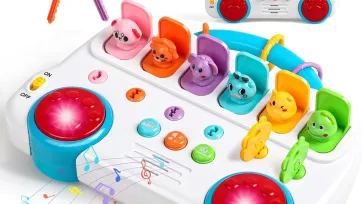
Best Musical Toys for Kids in 2026: Inspiring Creativity Through Music Music plays an important role in every child's development. From the first time a baby shakes a rattle to a preschooler playing their first tune on a toy keyboard, musical experiences help children develop confidence, creativity, coordination, and communication skills. Musical toys make learning enjoyable by encouraging children to explore sounds, rhythms, and melodies through hands-on play. In 2026, musical toys are more creative than ever. Parents can choose from traditional instruments, interactive keyboards, drum sets, karaoke machines, dance mats, and educational music games designed for every age group. Whether your child dreams of becoming a singer, drummer, guitarist, or simply enjoys making noise, the right musical toy can encourage a lifelong love of music. This guide explores the best musical toys for kids in 2026 and explains how they support healthy childhood development. Why Musical Toys Are Important Children naturally respond to music. Even babies begin recognising rhythms and reacting to melodies long before they can speak. Musical toys help children: Explore different sounds Express emotions Build confidence Improve listening skills Develop coordination Strengthen memory Enjoy creative play Unlike passive entertainment, musical toys encourage children to actively participate in creating music. Benefits of Musical Toys Musical play supports many areas of child development. Some of the biggest benefits include: Improve hand-eye coordination Develop rhythm and timing Strengthen listening skills Encourage creativity Improve memory Build confidence Support language development Enhance concentration Reduce screen time Children also learn patience as they practise new sounds and rhythms. Musical Toys for Babies Babies enjoy simple musical toys that are easy to hold and explore. Popular choices include: Soft rattles Musical plush toys Baby tambourines Sound blocks Gentle melody toys Musical activity cubes These toys introduce cause and effect while encouraging sensory development. Toy Keyboards Toy keyboards remain one of the most popular musical toys for children. Many modern keyboards include: Piano sounds Animal sounds Drum rhythms Learning modes Recording functions Light-up keys Children begin recognising notes while developing finger coordination and creativity. Toy Drum Sets Drum sets encourage children to explore rhythm through energetic play. Benefits include: Better coordination Improved timing Stronger arm movement Rhythm recognition Creative expression Many children's drum kits also include cymbals and percussion accessories for a more realistic experience. Xylophones and Glockenspiels Colourful xylophones are ideal for introducing young children to musical notes. Playing simple melodies helps children: Recognise pitch Develop rhythm Improve hand coordination Strengthen listening skills These instruments are especially suitable for toddlers and preschool children. Toy Guitars and Ukuleles Many children enjoy pretending to perform like their favourite musicians. Toy guitars and ukuleles encourage: Imaginative play Finger coordination Rhythm practice Musical confidence Some beginner models use real strings, helping older children prepare for learning actual instruments. Karaoke Machines Karaoke toys have become increasingly popular for family entertainment. Children enjoy: Singing favourite songs Performing for family Recording their voices Building stage confidence Singing also supports language development and pronunciation. Musical Dance Mats Dance mats combine movement with music, encouraging children to stay active while developing rhythm. These toys improve: Balance Coordination Physical fitness Timing Listening skills They are particularly popular for family game nights. Educational Musical Toys Many musical toys introduce early learning concepts alongside music. Children can practise: Numbers Colours Alphabet letters Animal sounds Memory games Combining music with learning helps children remember new information more easily. Choosing the Right Musical Toy Before buying, consider: Your child's age Volume control Durability Educational value Safety standards Battery life (if required) Look for toys that encourage creativity rather than simply playing pre-recorded music. Safety Tips Choose musical toys that: Meet recognised safety standards Use child-safe materials Have adjustable volume Match the recommended age Contain securely enclosed batteries Moderate sound levels help protect children's hearing during play. Common Buying Mistakes Parents often choose musical toys based only on appearance. Avoid: Extremely loud toys Poor sound quality Fragile construction Complicated controls for younger children Limited educational value Simple, durable instruments often provide the best long-term experience. Why Musical Toys Make Excellent Gifts Musical toys are wonderful gifts because they combine creativity, movement, and learning. They're perfect for: Birthdays Christmas First birthdays Family celebrations Nursery gifts Many children continue enjoying musical toys for years as their confidence and skills develop. Frequently Asked Questions What are the best musical toys for children? Toy keyboards, drum sets, xylophones, karaoke machines, musical activity cubes, guitars, and dance mats are among the most popular choices. At what age can children start using musical toys? Many musical toys are suitable from infancy, while more advanced instruments are designed for toddlers and older children. Do musical toys help child development? Yes. They improve coordination, listening skills, creativity, confidence, language development, and memory while encouraging active play. Should I choose electronic or traditional musical toys? A combination works best. Traditional instruments encourage creativity, while electronic musical toys often provide additional learning features and interactive activities. Final Thoughts The best musical toys for kids in 2026 inspire creativity, confidence, and joyful learning through sound and movement. Whether your child enjoys playing a keyboard, beating a drum, singing into a microphone, or exploring melodies on a xylophone, musical toys provide valuable opportunities to develop important skills while having fun. By choosing high-quality, age-appropriate musical toys, parents can encourage a lifelong appreciation of music while supporting healthy cognitive, emotional, and physical development. Every note played is another step towards greater creativity, confidence, and self-expression.
Pretend Play Toys
Pretend Play Toys
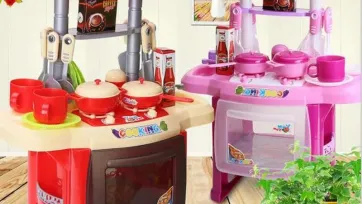
 Pretend Play Toys: Why Role Play Is Essential for Child Development Children have an incredible ability to transform ordinary objects into extraordinary adventures. A cardboard box becomes a spaceship, a blanket turns into a magical castle, and a toy spoon is suddenly the perfect tool for serving an imaginary feast. This natural ability to create stories and explore different roles is known as pretend play, and it is one of the most valuable forms of childhood learning. Pretend play toys encourage children to use their imagination while acting out real-life situations, fictional adventures and everyday experiences. Rather than following fixed rules or predetermined outcomes, children create their own stories, solve problems, communicate with others and express their emotions through play. Role play is far more than simple entertainment. It supports cognitive, social, emotional and language development while helping children understand the world around them. Whether they are pretending to be a doctor, chef, firefighter, teacher or astronaut, children are constantly learning through observation and imagination. For parents, choosing the right pretend play toys can provide years of meaningful play while helping children build confidence, creativity and important life skills. In this guide, you'll discover why pretend play matters, the developmental benefits it offers and how to choose the best role play toys for children of different ages. What Are Pretend Play Toys? Pretend play toys are toys that encourage children to imitate real-life situations or invent imaginative stories. Instead of completing a single task, these toys allow children to create different characters, environments and adventures each time they play. Examples include: Play kitchens Toy food Doctor kits Tool sets Dollhouses Toy cash registers Dress-up costumes Puppets Toy telephones Farm sets Toy vehicles Doll accessories Camping sets Tea sets Because there is no single correct way to play, children are free to explore ideas, solve problems and create their own imaginative worlds. Why Pretend Play Is Important Children learn about life by observing the people around them. Pretend play gives them an opportunity to practise what they see in a safe and enjoyable environment. For example, a child pretending to run a café learns about conversation, taking turns, counting money and serving customers. A child playing with a doctor's kit may become more comfortable with future medical appointments while learning empathy and care for others. Role play also allows children to process new experiences and express emotions that they may not yet have the words to describe. Benefits of Pretend Play Toys Pretend play supports many different areas of development at the same time. Encourages Creativity Every pretend play session is unique. Children invent stories, create characters and imagine situations that develop creative thinking. A simple toy kitchen might become a busy restaurant one day and a bakery the next. Develops Communication Skills Pretend play naturally encourages conversation. Children practise asking questions, giving instructions, negotiating roles and telling stories while expanding their vocabulary. Playing with parents, siblings or friends further strengthens language development. Builds Social Skills Role play teaches children how to cooperate, share responsibilities, solve disagreements and understand different points of view. These experiences help prepare children for friendships, teamwork and classroom interactions. Supports Emotional Development Children often use pretend play to express feelings and work through experiences. Acting out situations allows them to explore emotions such as happiness, fear, excitement and disappointment in a safe environment. Improves Problem-Solving Skills Pretend scenarios frequently involve challenges. Children decide what happens next, solve imaginary problems and adapt their stories when situations change. This strengthens flexible thinking and decision-making skills. Encourages Independent Play Many pretend play toys allow children to remain engaged for long periods without adult direction. Independent role play builds confidence and encourages children to use their own ideas. Best Pretend Play Toys for Toddlers Toddlers enjoy copying familiar everyday activities. Suitable pretend play toys include: Toy telephones Toy food Soft dolls Push prams Play kitchens Cleaning toy sets Toy animals Simple tool benches Tea sets These toys encourage language development and early social interaction while supporting imaginative thinking. Pretend Play Toys for Preschool Children As children grow, their stories become more detailed and imaginative. Popular choices include: Doctor kits Vet play sets Grocery shop toys Dollhouses Firefighter sets Police role play kits Puppet theatres Dress-up costumes Construction worker toys Toy cash registers These toys encourage teamwork, storytelling and creative thinking while helping children explore different roles within their community. Pretend Play Toys for School-Age Children As children grow older, their imagination becomes more sophisticated. Instead of acting out simple everyday routines, they begin creating detailed stories with complex characters, adventures and challenges. Pretend play remains just as valuable during these years, helping children develop creativity, leadership and communication skills. Some excellent pretend play toys for school-age children include: Adventure play sets Camping and exploration kits Science laboratory role play sets Detective and mystery kits Theatre and puppet sets Space exploration toys Dollhouses with detailed accessories Toy farms and animal rescue centres Building site play sets Restaurant and café role play sets These toys encourage children to work together, create longer stories and develop confidence while expressing their ideas. How Pretend Play Supports Learning Many parents view pretend play as simply a way to keep children entertained, but it offers significant educational value. Through role play, children naturally practise skills they will use throughout life. For example: Language Development Children expand their vocabulary by creating conversations, asking questions and explaining situations during play. Mathematical Skills Running a pretend shop or café introduces counting, sorting, measuring and recognising numbers. Problem-Solving Unexpected situations encourage children to think creatively and find solutions independently. Social Understanding Role play helps children understand different professions, family relationships and community responsibilities. Emotional Intelligence Children learn empathy by imagining how other people might think or feel in different situations. How to Choose the Best Pretend Play Toys When choosing pretend play toys, focus on versatility rather than complicated features. The best toys allow children to direct the play rather than simply following instructions. Look for toys that: Match your child's interests. Encourage imagination. Can be used in different ways. Are suitable for independent and group play. Are made from durable, child-safe materials. Include accessories that inspire storytelling. Can grow with your child over several years. Simple toys often provide more creative opportunities than highly electronic alternatives. Buying Guide Selecting pretend play toys becomes easier when you consider a few important factors before making a purchase. Age Suitability Choose toys designed for your child's developmental stage. Younger children benefit from larger, simpler accessories, while older children often enjoy more detailed play sets. Open-Ended Play Value The best pretend play toys can be used in many different scenarios rather than supporting only one fixed story. Quality and Durability Role play toys are frequently used, moved and shared. Well-made products generally provide better long-term value. Storage Requirements Some pretend play collections include numerous accessories. Ensure you have suitable storage to keep pieces organised. Educational Benefits Choose toys that encourage communication, creativity, cooperation and problem-solving rather than passive entertainment. Safety Tips Pretend play toys should always be used safely, particularly when younger children are involved. Follow these recommendations: Always check the recommended age range. Keep small accessories away from babies and toddlers. Inspect toys regularly for broken parts. Remove damaged toys immediately. Clean toys frequently, especially shared items. Store accessories in labelled containers. Avoid costumes with long cords or loose parts for younger children. Supervise play involving toy tools or cooking accessories. A safe play environment allows children to enjoy imaginative adventures with confidence. Common Buying Mistakes Parents sometimes purchase pretend play toys that fail to provide lasting value. Avoid these common mistakes. Buying Toys Based Only on Popular Characters Children often lose interest once a favourite television programme or film becomes less exciting. Choosing Highly Electronic Toys Toys that perform most of the actions themselves often leave less room for children's imagination. Ignoring Your Child's Interests Some children enjoy pretending to cook, while others prefer caring for animals or building imaginary worlds. Buying Too Many Accessories Large collections can become difficult to organise and may overwhelm younger children. Focusing on Quantity Instead of Quality A small collection of versatile pretend play toys usually provides far richer play experiences than numerous single-purpose toys. Frequently Asked Questions What are pretend play toys? Pretend play toys encourage children to act out real-life situations or imaginary adventures using their own creativity and imagination. At what age does pretend play begin? Simple pretend play often begins between 18 months and 2 years of age and becomes increasingly detailed throughout childhood. Why is role play important for child development? Role play supports creativity, communication, emotional development, problem-solving and social skills while encouraging independent thinking. Are pretend play toys educational? Yes. They help children practise language, maths, social interaction, storytelling and decision-making through enjoyable play experiences. How many pretend play toys does a child need? A small selection of versatile toys that inspire different stories is usually more valuable than owning many similar play sets. Final Thoughts Pretend play is one of the most powerful ways children learn about themselves and the world around them. Through imaginative role play, they develop communication skills, creativity, empathy and confidence while exploring everyday situations in a safe and enjoyable environment. The best pretend play toys are those that encourage children to take the lead, invent stories and solve problems using their imagination. Whether your child enjoys cooking, caring for animals, building imaginary towns or becoming a superhero for the day, role play provides endless opportunities for learning through play. By choosing durable, versatile and age-appropriate toys, parents can encourage meaningful play that supports development for many years while creating lasting childhood memories.  
Best Baby Walkers and Push Toys in 2026
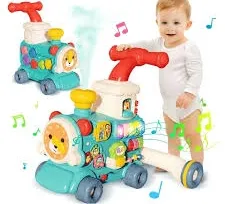
Best Baby Walkers and Push Toys in 2026: Helping Little Ones Take Their First Steps Safely Watching your baby take their first steps is one of the most exciting milestones in early childhood. During this stage, babies are eager to explore their surroundings, improve their balance, and gain confidence with every movement. The right baby walker or push toy can support this natural development by encouraging safe, active play while strengthening muscles and coordination. In 2026, parents have more choices than ever before, including wooden push walkers, activity walkers, ride-on walkers, and multifunctional learning toys. Rather than simply entertaining babies, these products help develop motor skills, hand-eye coordination, and confidence during one of the most important stages of growth. This guide explains everything parents need to know about choosing the best baby walkers and push toys in 2026. What Are Baby Push Walkers? Baby push walkers are toys designed to support babies as they learn to stand and walk independently. Unlike traditional seated baby walkers, push walkers encourage children to use their own muscles and balance while walking behind the toy. Most models include: Easy-grip handles Stable wheels Activity panels Storage space Wooden or plastic frames These features encourage babies to practise walking safely while enjoying interactive play. Why Push Toys Are Better for Early Walking Many child development experts recommend push toys because they encourage babies to develop balance naturally. As babies push the walker forward, they learn to: Balance independently Control their movements Strengthen leg muscles Improve coordination Build confidence This allows walking skills to develop at the baby's own pace. Benefits of Baby Walkers and Push Toys Push walkers support many areas of early development. Some of the biggest benefits include: Encourage independent walking Strengthen leg muscles Improve balance Develop coordination Support gross motor skills Build confidence Encourage active play Improve hand-eye coordination Reduce screen time These skills help prepare babies for confident, independent walking. Wooden Push Walkers Wooden push walkers remain one of the most popular choices among parents. They offer several advantages: Durable construction Eco-friendly materials Stable design Timeless appearance Long-lasting quality Many wooden models also include educational activity panels that continue entertaining children after they begin walking independently. Activity Walkers Activity walkers combine mobility with learning. Interactive features often include: Shape sorters Gears Bead mazes Spinning blocks Musical buttons Mirrors These activities encourage fine motor development while keeping babies engaged. Push Toys for Toddlers Once babies become confident walkers, push toys continue providing exciting play opportunities. Popular options include: Shopping trolleys Lawn mowers Animal push toys Toy prams Wheelbarrows These toys encourage active movement while inspiring imaginative role play. Ride-On and Push Combination Toys Some modern toys combine two functions. Children can: Sit and ride Stand and push Store toys inside Use activity panels These versatile toys often provide longer-lasting value because they adapt as children grow. Educational Features Many baby walkers include early learning activities. Children can explore: Colours Shapes Numbers Animal sounds Simple puzzles Moving gears Learning happens naturally while babies practise standing and walking. Choosing the Right Baby Walker Before buying, consider: Your baby's age Stability Weight Adjustable speed control Material quality Educational features Safety certification A stable walker with smooth-moving wheels usually provides the safest experience. Safety Tips When choosing a baby walker or push toy, always: Follow the recommended age guidelines. Choose products with a wide, stable base. Ensure wheels provide controlled movement. Supervise your baby during use. Use walkers only on flat surfaces. Check regularly for loose parts. Safe supervision helps babies explore confidently. Common Buying Mistakes Many parents choose walkers based only on appearance. Avoid: Lightweight models that tip easily Slippery wheels Poor-quality materials Walkers without safety certification Products that don't suit your baby's height Choosing a high-quality push walker helps babies learn safely and comfortably. Why Push Walkers Make Wonderful Gifts Baby walkers and push toys are thoughtful gifts because they support one of childhood's most memorable milestones. They're perfect for: First birthdays Baby showers Christmas Family celebrations Early learning gifts Parents appreciate gifts that combine entertainment with healthy physical development. Frequently Asked Questions What is the best push walker for babies? The best push walkers are sturdy, lightweight enough to move comfortably, include adjustable resistance if possible, and meet recognised safety standards. At what age can babies use push walkers? Most push walkers are suitable once babies can pull themselves up and stand confidently, typically between 9 and 12 months, although every child develops at a different pace. Are push walkers better than seated baby walkers? Many child development specialists prefer push walkers because they encourage babies to develop balance, coordination, and walking skills naturally through independent movement. Do push toys help babies learn to walk? Yes. Push toys encourage babies to strengthen their muscles, improve balance, and build confidence while practising walking at their own pace. Final Thoughts The best baby walkers and push toys in 2026 provide much more than entertainment. They support one of the most exciting stages of childhood by helping babies develop confidence, coordination, and independent movement through active play. Whether you choose a classic wooden push walker, an interactive activity walker, or a versatile ride-on combination toy, the right choice can encourage healthy physical development while making every step more enjoyable. By investing in a safe, durable, and age-appropriate push toy, parents give their little ones the confidence to explore the world one step at a time.
Best Bath Toys for Kids in 2026
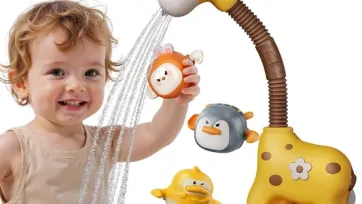
Best Bath Toys for Kids in 2026: Safe, Fun and Educational Choices for Splash Time Bath time doesn't have to be a daily struggle. With the right bath toys, it can become one of the most enjoyable parts of your child's routine. From floating animals and water wheels to interactive fountains and educational stacking cups, bath toys transform ordinary washing into an exciting learning experience. In 2026, parents are looking for bath toys that are not only entertaining but also safe, durable, and easy to clean. The best bath toys encourage sensory development, imaginative play, and fine motor skills while helping children feel relaxed and confident in the water. Whether you have a curious baby, an energetic toddler, or a preschooler who loves water play, this guide will help you choose the best bath toys for every age. Why Bath Toys Are Important Many young children dislike bath time because it interrupts play or feels unfamiliar. Bath toys help create a positive association with water by turning bathing into a fun activity rather than a daily chore. Children who enjoy bath time are often more willing to wash their hair, clean themselves, and develop healthy hygiene habits from an early age. Bath toys also encourage exploration, imagination, and independent play in a safe environment. Benefits of Bath Toys Quality bath toys support both learning and development. Some of the biggest benefits include: Encourage sensory play Improve hand-eye coordination Develop fine motor skills Support imaginative play Build confidence around water Improve problem-solving Reduce bath-time anxiety Encourage independent play Make hygiene routines enjoyable Parents also find bath time much less stressful when children are happily engaged. Floating Bath Toys Floating toys remain one of the most popular bath time favourites. Children enjoy playing with: Rubber ducks Boats Sea animals Fish Whales Turtles Floating toys encourage imaginative storytelling while introducing children to different aquatic animals. Stacking Cups Simple stacking cups provide endless learning opportunities during bath time. Children can: Pour water Fill containers Empty cups Stack towers Compare sizes These activities introduce basic science concepts such as volume, gravity, and water flow while improving coordination. Water Wheels and Waterfalls Water wheels create exciting cause-and-effect learning. Children pour water into the top and watch colourful wheels spin as the water flows through different channels. These toys help develop: Observation skills Problem-solving Hand control Curiosity They also introduce simple engineering concepts through play. Bath Books Waterproof bath books encourage early reading while children enjoy splashing in the bath. Many feature: Bright illustrations Animals Numbers Alphabet letters Ocean creatures Reading during bath time helps establish positive learning routines from an early age. Spray and Fountain Toys Interactive bath toys that spray water or create fountains are increasingly popular. These toys encourage children to experiment with water movement while improving coordination and sensory awareness. Many battery-operated models also include colourful lights and gentle water effects designed specifically for bath play. Bath Toys for Babies Babies benefit from simple toys that are easy to hold and explore. Excellent choices include: Soft floating animals Silicone bath toys Textured balls Water-safe rattles Floating rings Choose lightweight toys that are free from small detachable parts. Bath Toys for Toddlers Toddlers enjoy more interactive water activities. Popular options include: Pouring cups Water mills Floating puzzles Bath basketball sets Fishing games Water squirters These toys encourage active play while developing coordination and confidence. Educational Bath Toys Bath time can become an excellent learning opportunity. Educational bath toys help children practise: Counting Colours Alphabet letters Shape recognition Animal names Matching games Many foam bath letters and numbers stick to wet bathroom tiles, creating enjoyable educational activities. Choosing Safe Bath Toys Safety should always be your highest priority. Choose bath toys that: Are BPA-free Use non-toxic materials Meet recognised safety standards Have smooth edges Match your child's age Avoid toys with small detachable parts that could present a choking hazard. Preventing Mould Inside Bath Toys One of the biggest concerns with bath toys is mould growth inside hollow toys. To reduce this risk: Choose toys without drainage holes where possible. Empty water after every bath. Rinse with clean water regularly. Allow toys to dry completely. Clean them weekly using child-safe cleaning methods. Proper maintenance keeps bath toys safe and hygienic. How to Clean Bath Toys Regular cleaning helps extend the life of bath toys. Simple cleaning tips include: Wash with warm soapy water. Rinse thoroughly. Dry completely after each use. Store in a ventilated basket. Replace damaged or mouldy toys immediately. Keeping toys dry between baths greatly reduces bacteria and mould. Common Buying Mistakes Parents sometimes buy bath toys based purely on appearance. Avoid: Cheap toys made from unsafe materials Toys that trap water easily Toys with sharp edges Complex electronic toys that aren't fully waterproof Age-inappropriate products Quality always matters more than quantity. Why Bath Toys Make Excellent Gifts Bath toys make thoughtful gifts for birthdays, baby showers, Christmas, and first birthdays. Parents appreciate practical gifts that children use every day, especially toys that make daily routines easier and more enjoyable. Bath toys are also easy to combine into themed gift baskets with towels, bath books, and child-friendly toiletries. Frequently Asked Questions What are the best bath toys for children? Floating animals, stacking cups, water wheels, bath books, foam letters, fishing games, and pouring toys are among the best bath toys available. Are bath toys safe for babies? Yes. Choose age-appropriate bath toys made from BPA-free, non-toxic materials with no small detachable parts. How often should bath toys be cleaned? Rinse them after every bath, allow them to dry completely, and clean them thoroughly at least once a week. How can I stop mould growing inside bath toys? Choose sealed toys where possible, empty trapped water immediately after use, allow toys to dry fully, and replace damaged toys if mould develops. Final Thoughts The best bath toys for kids in 2026 turn an everyday routine into an exciting opportunity for learning, creativity, and fun. From floating ducks and stacking cups to educational foam letters and interactive water wheels, the right bath toys encourage children to enjoy water while developing important physical and cognitive skills. By choosing safe, durable, and easy-to-clean bath toys, parents can create positive bath-time experiences that children look forward to every day. A few well-chosen toys can transform splashing into meaningful learning while making family routines smoother and more enjoyable.
Best Play Tents for Kids in 2026
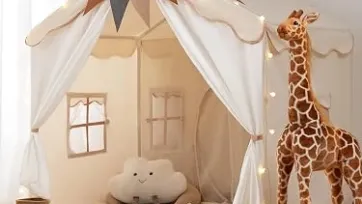
Best Play Tents for Kids in 2026: Creating Magical Spaces for Imaginative Play Every child dreams of having a special place they can call their own. A play tent transforms an ordinary corner of a bedroom or garden into a magical world where children can read, imagine, build, relax, and create unforgettable adventures. Whether it's a castle, space station, woodland hideaway, camping tent, or teepee, play tents encourage independent play while giving children a cosy space to explore their imagination. In 2026, play tents have become one of the most popular toys for families looking to encourage screen-free entertainment. Available in a wide variety of designs, sizes, and themes, they suit babies, toddlers, preschoolers, and older children alike. This guide explains everything parents need to know about choosing the best play tents for kids in 2026. Why Play Tents Are So Popular Children naturally enjoy having a private space where they can imagine, create, and play without distractions. A play tent quickly becomes: A secret clubhouse A fairy castle A pirate ship A jungle camp A reading corner A superhero headquarters A space station A cosy hideaway Because children invent their own stories, every day inside the tent becomes a completely new adventure. Benefits of Play Tents Play tents provide much more than entertainment. Some of their biggest benefits include: Encourage imaginative play Improve creativity Build confidence Support independent play Develop communication skills Encourage storytelling Create quiet reading spaces Promote social interaction Reduce screen time Children also enjoy having a calm space where they can relax after busy activities. Indoor Play Tents Indoor tents are perfect for bedrooms, playrooms, and living rooms. Popular indoor themes include: Princess castles Space rockets Teepees Fairy houses Safari tents Reading tents They provide children with a dedicated area for imaginative play throughout the year. Outdoor Play Tents Outdoor play tents encourage children to spend more time in the fresh air. They're ideal for: Gardens Parks Family picnics Camping trips Beach holidays Outdoor models are usually made from weather-resistant materials that can handle light wind and sunshine. Teepee Tents Teepee tents remain one of the most stylish choices for modern homes. Parents love them because they: Look attractive Save space Match nursery décor Create cosy reading corners Encourage imaginative play Many families decorate teepees with cushions, fairy lights, and blankets to create a relaxing retreat. Pop-Up Play Tents Pop-up tents are extremely convenient. Their advantages include: Quick assembly Lightweight design Easy storage Portable construction Simple folding mechanism They're especially useful for families with limited storage space. Play Tents Encourage Reading Many parents transform play tents into reading corners. Adding: Books Soft cushions Blankets Floor mats Plush toys creates a quiet environment where children enjoy reading independently. Role Play Inside Play Tents A play tent can become almost anything. Children enjoy pretending to run: Cafés Hospitals Shops Campsites Schools Fire stations Pretend play encourages creativity while helping children develop communication and problem-solving skills. Choosing the Right Play Tent Before buying, consider: Your child's age Available space Indoor or outdoor use Material quality Ease of assembly Portability Safety certification A durable tent with washable fabric usually provides the best long-term value. Safety Tips Always choose play tents that: Meet recognised safety standards Use flame-resistant materials Have breathable mesh windows Include sturdy poles Match the recommended age Regularly inspect the frame and fabric for signs of wear. Common Buying Mistakes Parents sometimes focus only on appearance. Avoid: Weak plastic poles Poor ventilation Difficult assembly Cheap fabric Tents that are too small Choosing a larger, better-quality tent usually provides many more years of enjoyable play. Decorating a Play Tent Children love personalising their own space. Popular additions include: Fairy lights Soft rugs Floor cushions Stuffed animals Bunting Decorative pillows Simple decorations make the tent feel even more special. Why Play Tents Make Excellent Gifts Play tents are ideal gifts because they combine imagination, comfort, and creativity. They're perfect for: Birthdays Christmas First bedrooms Playroom makeovers Family celebrations Unlike many toys that lose their appeal quickly, a play tent often becomes part of a child's everyday routine. Frequently Asked Questions What is the best play tent for children? The best play tent depends on your child's age and interests. Teepees, castle tents, rocket tents, and pop-up play tents are among the most popular choices. At what age can children use play tents? Many play tents are suitable from around two years old, although larger family play tents can be enjoyed by older children as well. Are play tents educational? Yes. They encourage creativity, storytelling, communication, role play, independent thinking, and social development. Can play tents be used outdoors? Many models are designed for both indoor and outdoor use, although parents should always follow the manufacturer's recommendations regarding weather conditions. Final Thoughts The best play tents for kids in 2026 offer much more than a place to play. They create magical spaces where children can read, imagine, relax, and build unforgettable adventures. Whether it's a cosy indoor teepee, a colourful castle, or an outdoor camping tent, these toys encourage creativity while giving children a space that feels uniquely their own. By choosing a high-quality play tent, parents provide far more than another toy—they create a world where imagination can grow every single day.
Best Toys for 4-Year-Old Kids in 2026
Best Toys for 4-Year-Old Kids in 2026 By the age of four, children become more confident, independent, and imaginative than ever before. They enjoy creating stories, asking endless questions, solving simple challenges, and exploring the world around them through play. This is an important stage of development where the right toys can strengthen creativity, improve learning, and build essential life skills. The best toys for 4-year-old kids are more than just entertaining. They encourage problem-solving, improve communication, develop fine motor skills, and inspire independent thinking. Whether it's building a colourful city, conducting a simple science experiment, pretending to be a firefighter, or racing a beginner remote control car, every activity helps children learn while having fun. This guide explores the best toys for 4-year-old kids in 2026 and helps parents choose toys that offer long-term educational and entertainment value. Why Choosing the Right Toy Is Important Four-year-olds learn through exploration and hands-on experiences. They enjoy challenges but still need toys that are simple enough to understand without becoming frustrated. Choosing age-appropriate toys helps children: Develop creativity Improve communication Strengthen problem-solving skills Build confidence Enhance coordination Encourage independent play The right toy keeps children engaged while supporting healthy emotional, physical, and cognitive development. Developmental Milestones at Four Years Old At four years old, children are becoming more capable in many areas of development. Most children begin to: Speak clearly in longer sentences Recognize letters and numbers Count basic objects Follow multi-step instructions Improve balance and coordination Enjoy group play Ask detailed questions Create imaginative stories The best toys encourage these new skills while making learning enjoyable. Building Toys Encourage Creative Thinking Building toys continue to be among the most valuable toys for preschool children. Children enjoy creating: Houses Castles Roads Bridges Animals Space stations Entire cities Building activities improve: Fine motor skills Logical thinking Creativity Patience Problem-solving Construction toys also encourage children to experiment with different designs and solutions. Pretend Play Expands Imagination Four-year-olds love pretending to be different characters. Popular role-play themes include: Doctors Veterinarians Teachers Firefighters Police officers Chefs Astronauts Pretend play toys such as kitchen sets, doctor kits, tool benches, dollhouses, and grocery stores help children improve communication, creativity, and social skills. Educational Toys Support Early Learning At this age, many children begin preparing for school. Educational toys introduce important concepts such as: Letters Numbers Shapes Colors Counting Memory Vocabulary Excellent educational toys include alphabet puzzles, counting games, interactive learning boards, memory cards, and matching games. These activities help children learn naturally through play. STEM Toys Encourage Curiosity STEM toys introduce Science, Technology, Engineering, and Mathematics through hands-on activities. Popular beginner STEM toys include: Magnetic building tiles Engineering construction sets Marble runs Science experiment kits Coding games for preschoolers These toys encourage children to ask questions, explore ideas, and discover solutions independently. Beginner Remote Control Toys Build Coordination Many four-year-olds enjoy their first remote control vehicles. Beginner RC cars help improve: Hand-eye coordination Concentration Reaction speed Motor skills Spatial awareness Simple rechargeable remote control cars with easy steering controls provide exciting screen-free entertainment while encouraging active play. Arts and Crafts Inspire Creativity Creative activities remain an important part of childhood development. Popular art supplies include: Washable markers Coloring books Watercolor paints Stickers Clay modeling kits DIY craft boxes Art projects help children express themselves while strengthening hand muscles needed for writing later. Musical Toys Build Confidence Music introduces children to rhythm, creativity, and self-expression. Some excellent musical toys include: Keyboards Drums Xylophones Tambourines Toy microphones Singing and playing instruments also improve listening skills and memory. Outdoor Toys Encourage Healthy Activity Children need plenty of physical activity every day. Outdoor toys help improve: Balance Coordination Fitness Confidence Popular outdoor toys include: Scooters Balance bikes Bubble machines Ball games Sand toys Water tables Gardening kits Outdoor adventures also reduce screen time while encouraging exploration. Puzzles Improve Problem-Solving Skills Puzzles challenge children to think carefully before making decisions. Benefits include: Better concentration Memory improvement Shape recognition Logical reasoning Patience Choose puzzles with colorful illustrations and age-appropriate difficulty levels to keep children motivated. Wooden Toys Offer Long-Term Value Wooden toys remain popular because they are: Durable Safe Eco-friendly Timeless Easy to maintain Wooden building blocks, puzzles, train sets, and balance games often remain favorite toys for many years. Board Games Teach Social Skills Four-year-olds begin understanding simple rules and enjoy playing with friends and family. Board games teach: Taking turns Teamwork Fair play Decision-making Communication Family game nights also strengthen relationships while making learning enjoyable. Choosing Safe Toys for 4-Year-Olds Safety should always remain a priority. Look for toys that: Match your child's age Use non-toxic materials Have rounded edges Meet recognized safety standards Are made from durable materials Have clear safety instructions Buying quality toys from trusted brands helps ensure a safe play experience. Common Mistakes Parents Should Avoid Some toy purchases lose their appeal quickly because they don't match a child's interests or abilities. Avoid: Toys that are too complicated Poor-quality materials Fragile construction Toys chosen only because they are popular Products with little educational value Children often enjoy versatile toys that allow them to play in different ways. Great Gift Ideas for 4-Year-Old Kids If you're shopping for birthdays or holidays, consider gifts that combine learning and fun. Excellent gift ideas include: Building block sets STEM kits Beginner RC cars Wooden puzzles Pretend play kitchens Doctor kits Scooters Arts and crafts supplies These toys continue providing entertainment long after the celebration ends. Frequently Asked Questions What are the best toys for a 4-year-old? Building toys, STEM kits, educational games, beginner remote control cars, pretend play sets, puzzles, musical instruments, and outdoor toys are excellent choices. Are remote control cars suitable for 4-year-olds? Yes. Many RC cars are designed specifically for young children with simple controls, durable construction, and safe speeds. What educational toys should a 4-year-old have? Alphabet games, counting toys, memory puzzles, STEM building kits, and interactive learning activities all support early childhood development. How many toys should a 4-year-old own? A carefully selected collection of high-quality toys is often more beneficial than having too many toys. Rotating toys regularly also keeps playtime exciting. Final Thoughts The best toys for 4-year-old kids in 2026 encourage curiosity, creativity, movement, and learning through meaningful play. At this age, children thrive when they can build, imagine, experiment, and explore at their own pace. Whether it's a STEM construction set, a colorful puzzle, a pretend play kitchen, an outdoor scooter, or a beginner remote control car, the right toy supports healthy development while creating joyful childhood memories. By choosing safe, durable, and age-appropriate toys, parents can help children grow with confidence while making every day an exciting opportunity to learn.
Best Engineering Toys for Kids Who Love Building
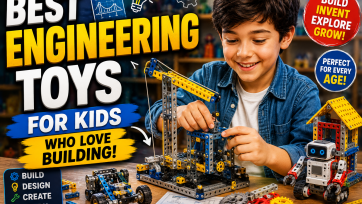
Some children do not simply play with toys. They take them apart, rebuild them, connect pieces in unusual ways, and ask endless questions about how things work. For these children, engineering toys can be far more engaging than ordinary entertainment products. The best engineering toys for kids encourage them to design, test, fail, adjust, and try again. That process develops more than construction skills. It can strengthen patience, spatial reasoning, creativity, coordination, and confidence. A good engineering toy does not give a child only one correct result. It provides enough freedom to create bridges, vehicles, machines, towers, robots, or completely imaginary structures. This guide covers the most useful types of engineering toys, which age groups they suit, and what parents should check before buying. Why Engineering Toys Matter Engineering begins with a problem. How can this tower stand higher? Why does this bridge collapse? Which wheel size makes the car move faster? How can one motor power several moving parts? Children may not use formal engineering language, but they are already exploring design, structure, force, movement, balance, and cause and effect. When a model fails, the child has an opportunity to examine the problem and improve the design. This makes engineering toys valuable because failure becomes part of the learning process rather than the end of the activity. 1. Classic Building Blocks Building blocks remain one of the best engineering toys for children of almost every age. Toddlers can stack large blocks and explore balance. Preschoolers can create houses, roads, and simple bridges. Older children can build complex structures with smaller interlocking pieces. Blocks introduce important ideas such as: Weight distribution Height and stability Symmetry Shapes Measurement Structural support The greatest advantage of building blocks is that there is no fixed final result. Children can use the same set differently every day. For younger children, select large pieces that cannot become choking hazards. 2. Magnetic Construction Tiles Magnetic tiles are popular because they allow children to build quickly without complicated connectors. The pieces can be arranged into flat patterns or connected to form three-dimensional structures. Children can create towers, houses, pyramids, vehicles, tunnels, and geometric shapes. Magnetic tiles are particularly useful for teaching: Geometry Spatial thinking Symmetry Structural design Color patterns Parents should inspect magnetic toys regularly. Cracked pieces or loose magnets should be removed immediately. Quality matters more with magnetic toys than with many other building products. 3. Gear-Building Sets Gear sets help children understand how movement can transfer from one part of a machine to another. When one gear turns, it may cause several connected gears to move. Children can experiment with gear sizes, direction, speed, and placement. These sets are especially suitable for children who enjoy moving mechanisms rather than static structures. A good beginner gear set should include: Large gears Strong connectors A stable base Easy-to-follow examples Enough pieces for original designs Some gear kits also include handles, chains, wheels, or motorized parts. 4. Construction Vehicles and Assembly Kits Many children are fascinated by cranes, bulldozers, trucks, and excavators. Assembly kits allow them to build these machines rather than simply push them across the floor. Depending on the child’s age, the set may use: Plastic screws Nuts and bolts Snap-together pieces Child-safe tools Mechanical connectors These toys can improve hand-eye coordination and teach children how individual parts form a complete machine. Look for kits that can be disassembled and rebuilt more than once. 5. Marble Runs A marble run is both an engineering toy and a science experiment. Children connect tracks, slopes, curves, tunnels, funnels, and ramps to guide a marble from the top to the bottom. A successful run requires planning. If the track is too flat, the marble may stop. If a connection is weak, the structure may collapse. If the curve is too sharp, the marble may leave the track. Marble runs introduce: Gravity Momentum Speed Angles Cause and effect Sequential design For younger children, choose sets with large balls designed specifically for their age group. Small marbles are not suitable for children who may place objects in their mouths. 6. Bridge-Building Kits Bridge kits are ideal for children interested in architecture and structural engineering. Some sets provide beams, connectors, cables, or wooden pieces. Others include challenge cards that ask the child to build a bridge capable of supporting a specific amount of weight. Children can compare different bridge designs, including: Beam bridges Arch bridges Suspension bridges Truss bridges This type of activity teaches that a strong structure depends on design, not only the amount of material used. 7. Fort-Building Sets Fort-building kits use rods, connectors, panels, or fabric covers to create child-sized structures. Children may build forts, tents, tunnels, rockets, castles, and playhouses. These toys require whole-body movement and cooperation, making them useful for siblings or group play. Before purchasing, check the size of the completed structure. Some kits require more floor space than expected. The connectors should fit securely but remain manageable for children. 8. Mechanical Model Kits Mechanical model kits allow older children to build machines with moving parts. Popular projects include: Cars Cranes Clocks Robotic arms Windmills Pulleys Gearboxes Some kits use wood, while others use plastic or metal components. Wooden mechanical kits can look impressive, but thin pieces may break if pushed too hard. Read reviews carefully and check whether replacement parts are available. 9. Motorized Building Sets Motorized construction sets introduce children to machines powered by batteries or rechargeable motors. A child may build a vehicle, fan, conveyor belt, crane, or rotating model. These sets teach how power moves through a mechanical system. Parents should check whether the motor and battery box are included. Some products display motorized models on the packaging but sell the electrical components separately. Also compare battery life and replacement costs. 10. Robotics Construction Kits Robotics kits combine engineering with coding. Children first build the physical robot and then program it to move, light up, detect objects, or respond to commands. Beginner robotics kits often use block-based coding, while advanced versions may support Python or other programming languages. Before buying, check: Recommended age Assembly difficulty Device requirements Software compatibility Number of available projects Subscription costs Replacement parts A robotics kit is a better investment when children can build several models instead of only one robot. 11. Wooden Construction Sets Wooden engineering toys can be durable, attractive, and satisfying to handle. They may include planks, dowels, wheels, nuts, bolts, or interlocking components. Wooden sets work well for children who prefer building without screens or electronics. Check for smooth edges, non-toxic finishes, and strong connections. Poorly finished wooden pieces may splinter or become difficult to assemble. 12. Architecture Model Kits Children interested in buildings may enjoy kits based on houses, skyscrapers, landmarks, or city planning. Architecture kits encourage attention to proportion, symmetry, design, and space. Some models follow detailed instructions, while others provide modular pieces for original buildings. Older children may also enjoy drawing a floor plan before beginning construction. 13. Hydraulic Engineering Kits Hydraulic kits use water or air pressure to create movement. Children may build a robotic arm, lifting platform, excavator, or mechanical claw. These toys can demonstrate how pressure moves through tubes and controls different parts of a machine. Hydraulic kits are generally better for older children because assembly may involve small connectors, tubing, and careful measurements. Parents should prepare the work area because water may leak during setup or testing. 14. Solar-Powered Building Kits Solar engineering toys combine construction with renewable-energy learning. Children may build solar cars, robots, boats, or moving animals. These kits demonstrate how light energy can power a motor. Performance may depend on strong direct sunlight. Some children become disappointed when the model does not work well indoors, so parents should explain the lighting requirements before use. A model with both solar and battery options may be more practical. 15. Cardboard Construction Systems Cardboard building kits can be surprisingly effective engineering toys. Some include reusable connectors, cutting tools, templates, or wheels that allow children to transform ordinary cardboard into vehicles, houses, creatures, and machines. These systems are affordable and encourage recycling and large-scale creativity. Children are not limited by the number of pieces in a box because additional cardboard can often be added. Proper supervision is necessary when cutting tools are included. Choosing by Age Ages 2 to 4 Choose large blocks, nesting pieces, simple tool sets, and large magnetic tiles. At this stage, toys should have few steps and large, durable components. Ages 5 to 7 Children may enjoy marble runs, gear sets, fort-building kits, bridge challenges, and simple assembly vehicles. Look for visual instructions and projects that can be completed in a reasonable amount of time. Ages 8 to 10 Motorized models, architecture kits, robotics, mechanical systems, and detailed construction sets become more appropriate. Children at this age may be ready to work independently but can still benefit from adult guidance. Ages 11 and Older Older children can explore advanced robotics, hydraulics, electronics, metal construction sets, and complex mechanical models. Avoid assuming that age alone determines ability. Previous building experience matters just as much. What Parents Should Check Before Buying A large box does not always mean better value. Before purchasing, consider the following. Number of Possible Builds A kit that creates ten different models usually offers more long-term value than a set designed for one permanent structure. Quality of Instructions Poor instructions can ruin an otherwise good toy. Look for large diagrams, clear steps, online tutorials, or instructional videos. Replacement Parts Small connectors and mechanical pieces can be lost easily. Check whether replacement parts are available. Storage Some building kits include hundreds of pieces. A storage box or divided organizer can prevent pieces from disappearing. Difficulty The toy should provide a challenge without requiring an adult to complete the entire project. Total Cost Check for motors, batteries, applications, subscriptions, tools, and expansion packs that may be sold separately. Are Engineering Toys Worth the Cost? Engineering toys can provide excellent value when they are reusable and adaptable. A well-designed building set may remain useful for years because the child can create increasingly complex projects. Premium prices are easier to justify when the toy includes: Durable components Multiple projects Strong instructional material Expandable pieces Replacement support Different difficulty levels Expensive branding alone does not guarantee better learning. A simple set of blocks may offer more creative freedom than an advanced kit that only allows one predetermined model. The Best Toy Is the One That Gets Rebuilt Engineering toys should not be judged only by the final structure. The real learning takes place while the child is choosing pieces, solving problems, changing the design, and recovering from mistakes. A bridge that collapses can be more educational than one that works immediately. For younger children, begin with blocks, tiles, gears, and simple mechanical sets. As their skills improve, introduce motorized models, robotics, architecture, hydraulics, and electronics. The best engineering toy is one that makes a child look at the finished model and immediately ask: “What else can I build with this?”
Best Puzzle Toys for Kids in 2026
Best Puzzle Toys for Kids in 2026: Fun Challenges That Build Brilliant Minds Puzzle toys have been a favourite among families for generations, and in 2026 they remain one of the smartest educational toys parents can buy. More than just a fun activity, puzzles help children think logically, recognise patterns, solve problems, and develop patience. Every completed puzzle gives children a sense of achievement while strengthening important cognitive skills that support learning both at home and at school. Today's puzzle toys are available in a wide variety of styles, including wooden puzzles, jigsaw puzzles, 3D puzzles, magnetic puzzles, brain teasers, number puzzles, and STEM challenge games. With options suitable for every age, puzzle toys continue to provide hours of screen-free entertainment while encouraging healthy brain development. If you're searching for a toy that combines learning, creativity, and lasting value, puzzle toys are an excellent choice. Why Puzzle Toys Are Important Children naturally enjoy solving challenges. Puzzle toys encourage them to think carefully, test different ideas, and learn from mistakes without feeling pressured. Unlike many electronic toys that provide instant answers, puzzles teach persistence. Children discover that success often comes through patience, observation, and practice. These experiences help build confidence while preparing children for more complex learning throughout their education. Benefits of Puzzle Toys Puzzle toys support many areas of child development. Some of the biggest benefits include: Improve problem-solving skills Strengthen memory Develop logical thinking Improve concentration Build patience Strengthen fine motor skills Improve hand-eye coordination Encourage independent learning Reduce screen time Children also learn to recognise patterns and relationships between shapes, colours, and objects. Wooden Puzzles for Toddlers Wooden puzzles remain one of the best first puzzles for young children. Popular designs include: Animal puzzles Alphabet puzzles Number puzzles Shape puzzles Vehicle puzzles Large wooden pieces are easy for little hands to hold while improving grip strength and coordination. Jigsaw Puzzles Classic jigsaw puzzles continue to be one of the most popular family activities. Available in hundreds of themes, children can choose puzzles featuring: Dinosaurs Animals Space Princesses Vehicles Nature Maps Cartoon characters Completing larger puzzles encourages teamwork when family members work together. 3D Puzzle Toys Three-dimensional puzzles offer an exciting challenge for older children. Popular models include: Famous landmarks Castles Vehicles Animals Spacecraft Buildings 3D puzzles improve spatial awareness while encouraging careful planning. Magnetic Puzzle Games Magnetic puzzles are ideal for travel because the pieces stay securely in place. Children can enjoy them: In the car On aeroplanes During holidays At restaurants While visiting relatives Portable magnetic puzzles make educational entertainment available almost anywhere. Brain Teasers for Older Children Brain teaser puzzles challenge children to think creatively. Examples include: Logic cubes Sliding puzzles IQ games Maze puzzles Sequential reasoning games These activities encourage children to develop different strategies instead of relying on trial and error alone. STEM Puzzle Toys Many modern puzzle toys combine traditional problem-solving with STEM education. Children explore: Engineering Geometry Mathematics Physics Structural design These activities prepare children for future learning while making science enjoyable. Puzzle Toys Improve Fine Motor Skills Young children strengthen their hand muscles every time they pick up, rotate, and position puzzle pieces. These movements help develop: Pencil control Writing readiness Hand strength Finger coordination Fine motor development supports many everyday activities beyond play. Puzzle Toys Encourage Family Time Puzzle solving is an activity the whole family can enjoy together. Working on puzzles encourages: Communication Teamwork Patience Shared problem-solving Family puzzle nights also create memorable experiences away from digital devices. Choosing the Right Puzzle Toy Before buying, consider: Your child's age Number of puzzle pieces Educational value Build quality Safety certifications Replay value A puzzle should provide a challenge without becoming frustrating. Safety Tips Choose puzzle toys that: Match the recommended age Use non-toxic materials Have smooth edges Meet recognised safety standards Avoid very small pieces for younger children Always supervise toddlers during puzzle play. Common Buying Mistakes Parents often buy puzzles that are either too easy or far too difficult. Avoid: Low-quality cardboard Tiny pieces for young children Poorly printed images Weak storage boxes Age-inappropriate difficulty levels Choosing the correct challenge level helps children stay motivated. Why Puzzle Toys Make Excellent Gifts Puzzle toys are among the most practical educational gifts available. They're perfect for: Birthdays Christmas School holidays Family game nights Rainy-day activities Unlike many toys that lose their appeal quickly, puzzles remain enjoyable because children can revisit them repeatedly or progress to more challenging designs. Frequently Asked Questions What are the best puzzle toys for children? Wooden puzzles, jigsaw puzzles, magnetic puzzles, brain teaser games, STEM puzzles, and 3D construction puzzles are among the best options. At what age can children start using puzzles? Simple wooden puzzles are suitable from around 12 to 18 months, while larger jigsaw puzzles and brain teasers are better suited to older children. Do puzzle toys help brain development? Yes. Puzzle toys improve memory, logical thinking, concentration, problem-solving, and spatial awareness while encouraging independent learning. Are wooden puzzles better than cardboard puzzles? Both are excellent choices. Wooden puzzles are generally more durable for younger children, while cardboard jigsaw puzzles often offer greater variety and complexity for older children. Final Thoughts The best puzzle toys for kids in 2026 offer much more than entertainment. They challenge young minds, improve concentration, strengthen problem-solving abilities, and encourage children to think creatively while enjoying screen-free play. From colourful wooden puzzles for toddlers to advanced STEM brain teasers and detailed 3D models for older children, puzzle toys continue to provide valuable learning opportunities at every stage of childhood. Choosing high-quality puzzle toys is an investment in your child's curiosity, confidence, and lifelong love of learning. Every completed puzzle is another step towards developing stronger thinking skills that will benefit children both in school and beyond.