Toy Rotation for Kids: A Complete Guide to Smarter Play in 2026
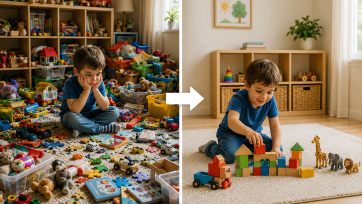
Walk into many family homes, and you'll often find toy boxes overflowing with cars, dolls, puzzles, building blocks, stuffed animals, and games. Ironically, despite having dozens of toys, children frequently complain that they have "nothing to play with." This isn't because they need more toys—it's because they're overwhelmed by too many choices.
That's where toy rotation comes in. Instead of keeping every toy available all the time, parents organize toys into smaller groups and rotate them every few weeks. This simple strategy keeps playtime exciting, reduces clutter, encourages creativity, and even helps children appreciate the toys they already own.
Toy rotation has become increasingly popular among parents, educators, and child development experts because it creates a calmer play environment while supporting learning and independent play. If you've never tried toy rotation before, this guide explains how it works, why it matters, and how you can easily start at home.
What Is Toy Rotation?
Toy rotation is the practice of making only a limited number of toys available to children at one time while storing the remaining toys out of sight. After a set period—usually one to four weeks—the available toys are swapped with a different selection.
The toys themselves don't change; only their availability does. Because children haven't seen certain toys for a while, those toys often feel exciting and new when they return.
This simple method helps children stay interested without constantly buying new toys.
Why Toy Rotation Works
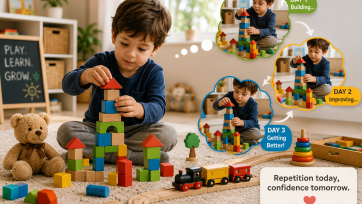
Children naturally become more curious when they have fewer choices. A room filled with dozens of toys can actually reduce creativity because children quickly jump from one activity to another without becoming fully engaged.
When fewer toys are available, children tend to:
- Play longer
- Focus better
- Use their imagination more
- Discover new ways to play
- Take better care of their toys
Instead of feeling overwhelmed, they become more involved in meaningful play.
Benefits of Toy Rotation
Parents who use toy rotation often notice positive changes within just a few weeks.
Some of the biggest benefits include:
- Less toy clutter
- Longer attention spans
- More creative play
- Better organization
- Reduced screen time
- Less demand for new toys
- Easier cleanup
- Increased appreciation for existing toys
Toy rotation also helps parents identify which toys truly keep their children engaged.
How Toy Rotation Supports Child Development
Children learn best when they have time to explore toys in depth.
Instead of quickly moving from one toy to another, they spend more time experimenting, building, pretending, and solving problems.
This supports:
- Creativity
- Critical thinking
- Fine motor skills
- Hand-eye coordination
- Independent play
- Emotional regulation
- Decision-making
A simpler play environment often leads to richer learning experiences.
How Many Toys Should Stay Out?
There is no perfect number, but many families find that keeping 10 to 20 toys or activities available at one time works well.
The goal isn't to limit fun—it's to reduce unnecessary choices.
Try including a variety of toy types, such as:
- Building blocks
- Puzzles
- Pretend play toys
- Books
- Art supplies
- Vehicles
- Outdoor toys
- Educational games
This variety keeps children engaged while supporting different skills.
How Often Should You Rotate Toys?
Every family is different, but a rotation every two to four weeks works well for most children.
You don't have to follow a strict schedule. Watch your child's interest instead.
It may be time for a rotation if:
- Toys are ignored.
- Playtime becomes repetitive.
- Your child seems bored.
- The play area feels cluttered.
Sometimes simply changing a few toys is enough to refresh interest.
Which Toys Should Stay Available?
Some toys deserve a permanent place in the playroom.
These often include:
- Favorite comfort toys
- Books
- Art supplies
- Building blocks
- Ride-on toys
- Outdoor equipment
Everything else can become part of the rotation system.
Keeping beloved toys available helps children feel secure while still benefiting from variety.
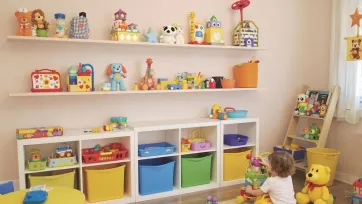
Organizing Toys for Rotation
Good organization makes toy rotation easy.
Many parents store toys in:
- Clear storage bins
- Plastic containers
- Labeled boxes
- Shelving units
- Closet organizers
Grouping similar toys together also saves time.
For example:
- Vehicles
- Building toys
- Science kits
- Pretend play
- Puzzles
- Arts and crafts
When it's time to rotate, simply exchange one group for another.
Toy Rotation by Age
Different age groups benefit in different ways.
Babies
Rotate:
- Soft sensory toys
- Rattles
- Activity gyms
- Fabric books
Toddlers
Rotate:
- Shape sorters
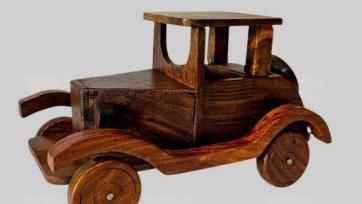
- Wooden puzzles
- Stacking toys
- Pull toys
Preschoolers
Rotate:
- Building blocks
- Pretend play sets
- Craft supplies
- Educational games
School-Age Children
Rotate:
- STEM kits
- Board games
- Science experiments
- RC vehicles
- Construction sets
Matching the rotation to your child's developmental stage keeps learning fresh and exciting.
Include Educational Toys in Every Rotation
A balanced toy rotation should include opportunities for learning as well as entertainment.
Excellent educational choices include:
- Alphabet games
- Number puzzles
- STEM kits
- Geography activities
- Memory games
- Science projects
Children often engage more deeply with educational toys when fewer distractions are available.
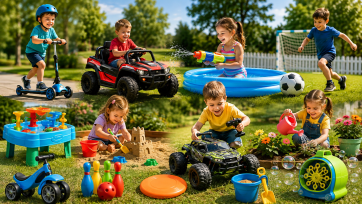
Don't Forget Outdoor Toys
Outdoor play should also be part of your rotation.
You might rotate:
- Balls
- Scooters
- Bubble machines
- Gardening tools
- Flying discs
- Water play toys
Changing outdoor activities regularly encourages children to stay active while trying new experiences.
Common Toy Rotation Mistakes
Toy rotation is simple, but a few mistakes can reduce its effectiveness.
Avoid:
- Rotating toys too frequently
- Hiding favorite comfort toys
- Keeping broken toys
- Offering too many toys at once
- Buying new toys instead of rotating existing ones
The goal is to make old toys feel exciting again, not constantly replace them.
Does Toy Rotation Save Money?
Absolutely.
Many parents discover they don't need to buy new toys as often because children become excited about toys that have been stored away.
Toy rotation also helps families identify which toys provide lasting value and which ones quickly lose their appeal.
Over time, this leads to smarter purchasing decisions and less unnecessary spending.
Tips for a Successful Toy Rotation System
Keeping the process simple makes it easier to maintain.
Some helpful ideas include:
- Rotate only a few toys at a time.
- Keep storage organized.
- Donate toys your child has outgrown.
- Involve your child in choosing the next rotation.
- Observe which toys encourage the longest play sessions.
Remember, the goal isn't perfection. Even a basic rotation system can make a noticeable difference.
Frequently Asked Questions
What is toy rotation?
Toy rotation is the practice of storing some toys while leaving only a smaller selection available. The stored toys are swapped in regularly to keep playtime fresh and engaging.
At what age should toy rotation start?
Parents can begin toy rotation during infancy, although it becomes especially effective for toddlers and preschoolers.
How often should toys be rotated?
Most families rotate toys every two to four weeks, but the timing can vary depending on the child's interest.
Do I need to buy more toys for toy rotation?
No. The purpose of toy rotation is to make better use of the toys you already own, not to increase the size of your toy collection.
Final Thoughts
Toy rotation is one of the simplest ways to create a more organized, engaging, and enjoyable play environment for children. By reducing clutter and offering a smaller selection of carefully chosen toys, parents encourage deeper focus, greater creativity, and more meaningful play.
Whether your child enjoys puzzles, building blocks, pretend play, STEM kits, books, or remote control vehicles, rotating toys regularly helps each activity feel fresh and exciting again. Instead of constantly purchasing new toys, families can make the most of what they already have while supporting healthy development, reducing stress, and creating a calmer home.