Water Play Toys: Benefits, Buying Tips and Fun Ways to Support Your Child's Development

 Water Play Toys: Benefits, Buying Tips and Fun Ways to Support Your Child's Development

Introduction

Give most children a bucket of water, a few simple toys and a little freedom, and they'll happily play for hours. There's something naturally exciting about splashing, pouring, floating and experimenting with water. What looks like ordinary fun is actually a valuable learning experience that helps children develop physical, cognitive and social skills.

Water play is one of the easiest ways to combine education with entertainment. It encourages children to explore how things move, sink, float and flow while strengthening hand muscles, improving coordination and inspiring imaginative play. Whether it's a small water table in the garden, a paddling pool on a sunny afternoon or a few cups in the bath, water activities provide endless opportunities for discovery.

For parents, choosing the right water play toys isn't just about keeping children occupied. The best toys encourage creativity, problem-solving and active learning while being safe, durable and easy to maintain.

In this guide, you'll discover why water play is important, how it supports child development, the best water play toys for different age groups and what to consider before buying.

Why Children Love Water Play

Children are naturally curious. Water responds instantly to every action they take. They can pour it, scoop it, spray it, splash it or watch it flow in different directions.

Unlike many toys that have one specific purpose, water offers endless possibilities. Every play session becomes a new experiment where children learn through observation and experience.

This freedom keeps children engaged for much longer than many traditional toys.

Why Water Play Is Important

Water play supports several areas of development at the same time.

As children pour, squeeze and transfer water between containers, they improve coordination, strengthen muscles and learn about basic scientific concepts without even realising it.

Water play also encourages children to:

  • Think creatively.

  • Solve simple problems.

  • Develop patience.

  • Improve concentration.

  • Build confidence.

  • Learn through trial and error.

  • Practise social skills when playing together.

Because children are actively involved throughout the activity, learning feels natural rather than structured.

Benefits of Water Play Toys

The right toys make water play even more rewarding by introducing different movements, challenges and opportunities for exploration.

Develop Fine Motor Skills

Scooping water with cups, squeezing water toys and pouring between containers strengthen the small muscles in children's hands and fingers.

These movements help prepare children for writing, drawing and other everyday activities.

Improve Hand-Eye Coordination

Filling buckets, aiming water wheels and catching floating toys require children to coordinate what they see with how their hands move.

This gradually improves precision and control.

Encourage Early Science Learning

Water naturally introduces children to concepts such as:

  • Floating and sinking

  • Cause and effect

  • Gravity

  • Volume

  • Measurement

  • Movement

Children learn these ideas through hands-on experimentation rather than formal lessons.

Inspire Imaginative Play

A simple water table can become a pirate ship, a car wash, a fishing lake or a jungle river depending on a child's imagination.

This type of play strengthens creativity while keeping children engaged for longer.

Encourage Active Outdoor Play

Many water toys encourage children to move around, carry containers, splash, run and explore.

This supports healthy physical development while making outdoor play more exciting during warmer months.

Best Water Play Toys for Babies

Babies enjoy gentle water experiences that focus on sensory exploration.

Suitable options include:

  • Floating bath toys

  • Soft rubber animals

  • Water-safe stacking cups

  • Small pouring cups

  • Floating balls

  • Sensory bath books

  • Soft water wheels

These simple toys help babies explore movement, texture and cause-and-effect while enjoying bath time.

Water Play Toys for Toddlers

Toddlers enjoy experimenting with different ways of moving water.

Excellent choices include:

  • Water tables

  • Buckets and watering cans

  • Floating boats

  • Pouring cups

  • Scoops and sieves

  • Water wheels

  • Toy sea animals

  • Mini fishing games

  • Bath activity walls

  • Water pumps

These toys encourage active exploration while developing coordination and problem-solving skills.

Water Play Toys for Preschool Children

Preschool children enjoy more imaginative and challenging water activities.

Popular choices include:

  • Water channels

  • Floating obstacle courses

  • Toy boats

  • Spray fountains

  • Water blasters suitable for younger children

  • Measuring containers

  • Sand and water tables

  • Toy construction equipment

  • Floating alphabet letters

  • Water experiment kits

These toys combine imaginative play with early science learning, helping children understand how water behaves while developing creativity.

Water Play Toys for School-Age Children

As children grow older, they begin looking for activities that are more challenging and interactive. Water play doesn't lose its appeal—it simply evolves. Older children enjoy experimenting, building, competing and creating their own games, making water toys just as exciting as they were during the toddler years.

Some excellent options include:

  • Water obstacle course accessories

  • Floating targets for throwing games

  • Water sports equipment

  • Pump-action water blasters

  • Floating construction toys

  • Water-powered experiment kits

  • Boat-building sets

  • Garden sprinklers

  • Pool diving toys (for confident swimmers under supervision)

  • DIY water channels

These toys encourage physical activity while introducing children to basic engineering, teamwork and creative problem-solving.

Indoor vs Outdoor Water Play

Most people associate water play with gardens and sunny afternoons, but it doesn't have to be limited to outdoor spaces.

Outdoor Water Play

Outdoor activities allow children to move freely and enjoy larger equipment.

Popular outdoor options include:

  • Water tables

  • Sprinklers

  • Splash mats

  • Paddling pools

  • Garden fountains

  • Water slides

  • Water walls

  • Sand and water stations

Outdoor play encourages active movement and provides plenty of room for imaginative adventures.

Indoor Water Play

Indoor water activities are ideal during colder months or rainy days.

Simple ideas include:

  • Bath toys

  • Sink-and-float experiments

  • Measuring cups

  • Plastic containers

  • Floating letters and numbers

  • Colour mixing with washable food colouring

  • Sponges for squeezing activities

A waterproof mat and a few towels can help keep clean-up quick and easy.

How to Choose the Best Water Play Toys

Not every water toy offers the same value. Some are entertaining for only a few minutes, while others inspire years of creative play.

When shopping, consider these points:

  • Choose toys appropriate for your child's age.

  • Look for toys that encourage open-ended play.

  • Select durable materials that can withstand regular exposure to water.

  • Avoid toys with unnecessary electronic components.

  • Check that toys are easy to clean and dry.

  • Consider how much storage space is available.

  • Choose toys that can be used in different ways.

Simple, versatile toys often provide the longest-lasting enjoyment.

Buying Guide

Before purchasing water play toys, think about how and where your child will use them.

Available Space

A compact water table may be ideal for a small patio, while larger gardens can accommodate splash mats, sprinklers or obstacle courses.

Ease of Cleaning

Water toys should dry quickly and be easy to rinse after each use to reduce the risk of mould.

Durability

Choose toys made from sturdy, weather-resistant materials that can withstand outdoor conditions.

Educational Value

The best water toys encourage exploration, creativity and problem-solving while making learning enjoyable.

Long-Term Play Value

Select toys that continue to challenge children as they grow rather than those with only one fixed activity.

Safety Tips

Water play is enjoyable, but even small amounts of water require careful supervision.

Follow these essential safety guidelines:

  • Never leave children unattended around water.

  • Empty paddling pools and containers immediately after use.

  • Clean water toys regularly to prevent mould and bacteria.

  • Check toys for cracks or damage before use.

  • Use non-slip mats where appropriate.

  • Apply suitable sun protection during outdoor play.

  • Encourage regular drinking water during hot weather.

  • Store water toys in a dry, well-ventilated area.

Supervision remains the most important part of safe water play, regardless of a child's age.

Common Buying Mistakes

Avoid these common errors when choosing water play toys.

Buying Toys That Are Too Complicated

Children often enjoy simple pouring and splashing activities more than toys with numerous moving parts.

Ignoring Storage

Large water toys can be difficult to store if they cannot be folded or dismantled.

Choosing Poor-Quality Materials

Cheap plastic may crack after prolonged exposure to sunlight or water.

Forgetting About Cleaning

Toys that trap water inside can quickly develop mould if not cleaned and dried properly.

Buying Only Seasonal Toys

Many water toys can also be used in baths or sensory play throughout the year, making them a better long-term investment.

Frequently Asked Questions

What are the benefits of water play for children?

Water play supports fine motor skills, coordination, creativity, early science learning, problem-solving and imaginative play while encouraging children to stay active.

At what age can children enjoy water play toys?

Babies can begin exploring simple floating toys during supervised bath time, while toddlers and older children can enjoy a wider range of water play equipment suited to their age.

Are water tables educational?

Yes. Water tables encourage experimentation with pouring, measuring, floating and movement while promoting creative and social play.

How often should water toys be cleaned?

Water toys should be rinsed after every use and cleaned thoroughly on a regular basis to prevent mould and bacteria from developing.

Are electronic water toys a good choice?

Some electronic toys can be enjoyable, but simple, durable water toys often provide greater opportunities for creative and independent play.

Final Thoughts

Water play is much more than a fun way to cool down on a warm day. It encourages children to experiment, imagine and learn through hands-on experiences that support physical, cognitive and social development. From pouring and splashing to building floating structures and creating imaginative adventures, water activities offer countless opportunities for meaningful play.

When choosing water play toys, focus on safety, durability and versatility rather than complicated features. A small collection of well-designed toys can provide years of enjoyment while helping children build confidence, creativity and important developmental skills.

Whether you're setting up a simple water tray in the garden or creating an exciting splash zone for the summer holidays, the right water play toys can turn ordinary moments into memorable learning experiences.



Advertisement
25 Best Kids Clothing Brands for Quality, Comfort and Style in 2026
25 Best Kids Clothing Brands for Quality, Comfort and Style in 2026 Introduction Shopping for children's clothes sounds simple until you're standing in front of hundreds of options. Some brands focus on fashion. Others prioritise comfort. A few are known for exceptional durability, while others specialise in affordable everyday essentials. For parents, the challenge isn't finding children's clothing—it's finding clothes that survive playground adventures, frequent washing and rapidly growing children without sacrificing comfort or style. The best kids' clothing brands understand one important fact. Children don't spend their day standing still. They climb. They run. They paint. They crawl. They jump in puddles. Their clothes need to keep up. This guide explores some of the world's most trusted children's clothing brands, highlighting what each does best, who it's most suitable for and why parents continue returning to them year after year. Choosing the Right Kids' Clothing Brand Before looking at individual brands, it's worth deciding what matters most for your family. Some parents prefer premium fabrics that last through younger siblings. Others prioritise affordability because children outgrow clothes so quickly. You may also consider: Fabric quality Comfort Durability Easy washing Seasonal collections Size availability Value for money Sustainability There's no single perfect brand. The best choice depends on your child's needs and your budget. 1. Carter's Known for comfortable everyday clothing, Carter's remains one of the most trusted names for babies and young children. Parents appreciate its soft fabrics, practical designs and excellent value. Best for: Babies Toddlers Everyday wear 2. Next Next combines modern fashion with reliable quality, making it popular for school outfits, casual clothing and special occasions. Best for: Stylish everyday clothing Smart outfits Seasonal collections 3. H&M Kids H&M Kids offers fashionable clothing at accessible prices while expanding its range of recycled and organic cotton products. Best for: Affordable fashion Trend-led styles Everyday basics 4. Zara Kids Parents looking for contemporary European-inspired fashion often choose Zara Kids. Its collections change regularly, keeping styles fresh throughout the year. Best for: Fashion-conscious families Smart casual outfits Occasion wear 5. Gap Kids Gap Kids has built its reputation on timeless basics, quality denim and comfortable everyday clothing. Best for: Classic wardrobe essentials Denim Layering pieces 6. Marks & Spencer A long-time favourite with UK families, Marks & Spencer is especially well known for dependable school uniforms, underwear and everyday essentials. Best for: School uniforms Everyday clothing Excellent durability 7. Patagonia For adventurous families, Patagonia produces premium outdoor clothing designed to withstand demanding conditions while placing a strong emphasis on sustainability. Best for: Outdoor activities Hiking Winter clothing 8. The North Face Well known for jackets and outdoor wear, this brand produces clothing designed to keep children comfortable in changing weather conditions. Best for: Winter jackets Outdoor adventures Cold climates 9. Frugi Frugi specialises in colourful organic cotton clothing that's both environmentally conscious and comfortable for young children. Best for: Organic clothing Bright colours Eco-conscious families 10. Primary Primary focuses on simple, colourful essentials without character licensing or large logos. Best for: Minimalist wardrobes High-quality basics Everyday comfort 11. Mini Boden Mini Boden is recognised for playful prints, colourful designs and durable fabrics that appeal to both children and parents. Best for: Colourful fashion Premium casual wear Family matching collections 12. Old Navy Old Navy offers affordable clothing for growing children without compromising on variety. Best for: Budget-friendly shopping Everyday clothing Large family wardrobes 13. Uniqlo Uniqlo combines minimalist design with innovative fabrics, making it particularly popular for layering throughout the year. Best for: Lightweight clothing HeatTech winter wear Everyday basics 14. Ralph Lauren Children If you're looking for timeless, premium fashion, Ralph Lauren Children is well known for its classic polo shirts, knitwear and smart outfits. Best for: Special occasions Smart casual wear Premium quality 15. Nike Kids Nike Kids combines comfort with sporty styling, making it a popular choice for active children. Best for: Sportswear Active lifestyles Casual everyday outfits 16. Adidas Kids From tracksuits to trainers, Adidas Kids offers practical clothing designed for movement and comfort. Best for: Sports clothing School PE kits Weekend wear 17. Joules Joules is recognised for colourful prints, countryside-inspired designs and durable outerwear that works well throughout the seasons. Best for: Outdoor clothing Rainwear Family matching outfits 18. Polarn O. Pyret This Scandinavian brand has built a reputation for exceptionally durable children's clothing designed to last through multiple children. Best for: Long-lasting clothing Sustainable wardrobes Everyday essentials 19. Petit Bateau Petit Bateau is known for premium basics made from soft, comfortable fabrics with a timeless European style. Best for: Baby clothing Premium basics Comfortable sleepwear 20. Monsoon Children Monsoon is particularly popular for beautifully designed occasion wear, dresses and formal outfits for children. Best for: Weddings Parties Formal events 21. JoJo Maman Bébé Parents appreciate this brand for comfortable babywear, practical clothing and thoughtful everyday designs. Best for: Babies Toddlers Practical family clothing 22. Mayoral Mayoral offers stylish European-inspired collections that combine quality tailoring with comfortable fabrics. Best for: Smart casual clothing Seasonal fashion Family occasions 23. Lindex Kids Lindex Kids focuses on comfortable, practical clothing while expanding its range of sustainably sourced materials. Best for: Everyday basics Comfortable outfits Eco-conscious shopping 24. Name It Name It offers fashionable yet affordable clothing suitable for babies, toddlers and older children. Best for: Budget-friendly fashion Everyday clothing Modern Scandinavian styles 25. OshKosh B'gosh Famous for its classic dungarees and durable children's clothing, OshKosh B'gosh remains a trusted choice for everyday family wardrobes. Best for: Durable casual clothing Denim Toddlers and young children How to Choose High-Quality Children's Clothing A recognised brand is helpful, but quality should always come before the label. When shopping, look for: Strong stitching around seams Soft, breathable fabrics Comfortable waistbands and cuffs Reinforced knees for active children Easy-to-use zips and fasteners Machine-washable materials Clothes that allow children to move freely Well-made clothing often lasts longer and keeps its shape after repeated washing. Affordable vs Premium Brands Higher prices don't always guarantee better value. Affordable brands are ideal for everyday outfits because children grow quickly and may outgrow clothes within months. Premium brands can be worthwhile for: Winter coats Waterproof jackets School shoes Occasion wear Clothing passed down to younger siblings Many families choose a combination of budget-friendly basics and a few premium essentials. Common Mistakes Parents Make When Buying Children's Clothes Avoid these common shopping mistakes: Buying only for the current season without considering growth. Choosing style over comfort. Ignoring fabric quality. Buying clothes that are too large in the hope they'll last longer. Forgetting to check washing instructions. Purchasing too many trendy pieces that quickly go out of fashion. A balanced wardrobe with comfortable basics and a few special outfits usually offers the best value. Frequently Asked Questions Which children's clothing brand offers the best value for money? Brands such as Next, H&M Kids, Carter's and Marks & Spencer are often chosen because they combine good quality with reasonable prices. Which brands are best for babies? Carter's, JoJo Maman Bébé, Petit Bateau and Frugi are popular choices thanks to their soft fabrics and practical designs. Are premium children's clothing brands worth buying? Premium brands are often worthwhile for coats, knitwear and durable everyday items that can be passed down to younger children. What fabric is best for children's clothing? Cotton remains one of the most popular choices because it's soft, breathable and comfortable for everyday wear. Organic cotton is another excellent option for families seeking more environmentally friendly materials. How often should children's wardrobes be updated? Most children need new clothing every season as they grow, although the exact timing depends on age and growth rate. Final Thoughts The best children's clothing brand isn't necessarily the most expensive or the most fashionable. It's the one that fits your child's everyday life. Whether you prioritise durability, comfort, affordability or sustainable materials, investing in well-made clothing means children can move, play and explore without feeling restricted. Rather than filling wardrobes with fast-changing trends, focus on versatile, comfortable pieces that mix easily and stand up to everyday adventures. A thoughtful wardrobe will always outlast an impulse purchase.
Best Toy Storage Ideas for Kids' Rooms in 2026
Best Toy Storage Ideas for Kids' Rooms in 2026 A child's playroom can quickly become cluttered with building blocks, dolls, puzzles, stuffed animals, board games, remote control cars, art supplies, and countless other toys. No matter how carefully parents organise everything, toys often end up scattered across the floor by the end of the day. A well-designed toy storage system not only keeps the room tidy but also teaches children responsibility, independence, and organisational skills. The best toy storage solutions make cleanup easy, encourage children to return toys to their proper places, and help families make better use of available space. Whether you have a dedicated playroom or simply a corner of the living room for toys, the right storage ideas can transform a messy area into an organised and inviting space. This guide explores the best toy storage ideas for kids' rooms in 2026 and shares practical tips for creating a clutter-free play environment. Why Toy Storage Matters An organised play area offers much more than a cleaner home. When toys are stored properly, children can: Find their favourite toys easily Focus on one activity at a time Learn responsibility Protect toys from damage Develop good organisation habits Enjoy a calmer play environment Parents also spend less time cleaning and searching for missing toy pieces. Benefits of an Organised Toy Room Good toy storage supports both children and parents. Some of the biggest benefits include: Less clutter Faster cleanup Longer toy lifespan Better concentration Easier toy rotation More floor space Improved safety Reduced stress Children are often more willing to play creatively when they can easily see and access their toys. Toy Storage Bins Storage bins remain one of the most practical solutions for organizing toys. They work well for storing: Building blocks Action figures Dolls Toy cars Art supplies Stuffed animals Clear storage bins are especially useful because children can easily see what's inside without opening every container. Cube Storage Shelves Cube shelving units have become a favorite choice for modern playrooms. Each compartment can hold different categories of toys, making it easy to organize everything neatly. For example: Books Puzzles Board games Wooden toys STEM kits Craft supplies Fabric baskets placed inside cube shelves also create a clean and attractive appearance. Label Everything Simple labels help children learn where each toy belongs. Depending on your child's age, labels can include: Pictures Words Colors Symbols Picture labels are especially helpful for toddlers who cannot read yet. Labeling also makes cleanup much faster. Rotate Toys Regularly Instead of displaying every toy at once, consider using a toy rotation system. Store some toys out of sight and rotate them every few weeks. Benefits include: Less clutter Greater excitement Longer attention spans Better appreciation of existing toys Toy rotation also reduces the temptation to constantly buy new toys. Wall Shelves Save Space Wall-mounted shelves make excellent use of vertical space. They work particularly well for: Books Decorative toys Collectibles Educational materials Small storage baskets Installing shelves higher on the wall also keeps delicate items out of reach of younger children. Toy Chests Toy chests remain a classic storage solution. Modern versions often include: Soft-close lids Safety hinges Large storage capacity Child-friendly designs They are ideal for storing bulky toys such as stuffed animals, sports equipment, and dress-up costumes. Under-Bed Storage The space under a child's bed is often unused. Low-profile storage containers are perfect for: Seasonal toys Board games Extra puzzles Art supplies Toy rotation bins This solution keeps toys accessible without taking up valuable floor space. Bookshelves for More Than Books Children's bookshelves can also organize: Educational games Small toy sets Wooden puzzles Craft boxes Activity kits Displaying toys neatly often encourages children to choose one activity at a time. Storage for Small Toy Pieces Many toys include dozens of small accessories. Use small containers or divided organizers for: Building bricks Puzzle pieces Doll accessories Toy tools Game cards Keeping small parts separated helps prevent lost pieces. Organizing Toys by Category Sorting toys into categories makes cleanup easier. Examples include: Building toys Vehicles Plush toys Outdoor toys Art supplies Educational games Board games RC toys Children quickly learn where each toy belongs when categories remain consistent. Make Cleanup Fun Young children respond well when cleaning becomes a game. Try: Cleanup races Color sorting challenges Music during cleanup Reward charts Family cleanup time Positive routines encourage children to develop lasting organizational habits. Choosing Safe Storage Furniture Safety should always come first. Choose storage furniture that: Has rounded edges Is securely attached to the wall if necessary Includes child-safe hinges Uses non-toxic materials Matches your child's height Stable furniture reduces the risk of accidents during play. Common Toy Storage Mistakes Parents sometimes create storage systems that are difficult for children to use. Avoid: Overfilled bins Heavy containers Unlabeled storage Shelves that are too high Keeping broken toys Simple systems are easier for children to maintain independently. Declutter Regularly Children eventually outgrow many toys. Every few months, sort toys into categories: Keep Donate Recycle Store Removing unused toys creates more space for favorites while making organization much easier. Frequently Asked Questions What is the best way to organize kids' toys? Group toys into categories, use labeled storage bins, rotate toys regularly, and choose furniture that children can access independently. How can I keep my child's room tidy? Create simple storage systems, limit the number of toys available at one time, and encourage daily cleanup routines. Should toys be stored in bins or on shelves? A combination works best. Shelves display frequently used toys, while bins are perfect for storing smaller items and toy collections. How often should I declutter toys? Most families benefit from reviewing toys every three to six months to remove broken, unused, or outgrown items. Final Thoughts The best toy storage ideas for kids' rooms in 2026 focus on simplicity, accessibility, and organization. With labeled bins, cube shelves, toy rotation, and child-friendly storage furniture, families can create a play space that stays tidy without constant effort. An organized room doesn't just look better—it helps children play more creatively, take responsibility for their belongings, and enjoy a calmer environment. By choosing practical storage solutions and maintaining a simple organization system, parents can spend less time cleaning and more time making memories with their children.
Best Pretend Play Toys for Kids in 2026: Inspiring Imagination Through Play
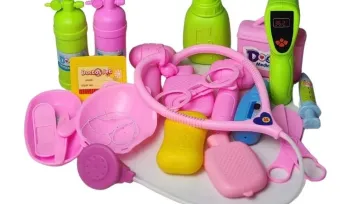
Best Pretend Play Toys for Kids in 2026: Inspiring Imagination Through Play Children don't just play—they imagine, create, and learn. One moment they're running a busy café, the next they're treating patients in a hospital or flying a rocket into space. Pretend play allows children to explore different roles, solve everyday problems, and express their creativity in ways that no screen can replicate. In 2026, pretend play toys remain one of the most valuable investments parents can make. They support language development, emotional intelligence, confidence, and social skills while giving children endless opportunities to invent their own adventures. From toy kitchens and doctor's kits to supermarkets and construction tools, pretend play transforms ordinary moments into meaningful learning experiences. This guide explores the best pretend play toys for kids in 2026 and explains why they deserve a place in every child's playroom. What Are Pretend Play Toys? Pretend play toys are designed to encourage children to imitate real-life situations and invent imaginary stories. These toys allow children to become: Doctors Chefs Teachers Firefighters Police officers Shopkeepers Builders Scientists Farmers Astronauts Instead of following fixed rules, children create their own adventures using imagination and creativity. Why Pretend Play Is Important Pretend play is more than simple entertainment. When children act out different roles, they learn how people communicate, solve problems, cooperate, and understand emotions. Research has consistently shown that imaginative play supports healthy cognitive, emotional, and social development during early childhood. Benefits of Pretend Play Toys Pretend play helps children develop essential life skills. Some of the biggest benefits include: Encourages creativity Improves communication skills Builds confidence Supports emotional development Strengthens problem-solving abilities Expands vocabulary Encourages teamwork Improves social interaction Reduces screen time Every new role gives children another opportunity to learn through experience. Toy Kitchen Sets Kitchen playsets continue to be one of the most popular pretend play toys. Children enjoy preparing meals, serving customers, and copying everyday cooking activities. Kitchen toys often include: Pots and pans Toy food Plates Cups Ovens Sinks Coffee machines These activities encourage communication while introducing basic household routines. Doctor Play Kits Doctor sets help children understand healthcare while reducing anxiety about medical visits. Most kits include: Stethoscope Thermometer Syringe Bandages Medical bag Reflex hammer Children enjoy treating family members, dolls, and stuffed animals while practising empathy and communication. Supermarket and Cash Register Toys Shopping games teach children about numbers, money, and customer service. Children enjoy pretending to: Scan products Count money Pack shopping bags Serve customers Organise shelves These activities naturally introduce basic maths and problem-solving skills. Tool Benches and Construction Sets Young builders love pretending to repair furniture, build houses, and fix vehicles. Popular accessories include: Toy hammers Screwdrivers Wrenches Drills Nuts and bolts Safety helmets Construction play encourages creativity while improving fine motor coordination. Dollhouses and Family Play Dollhouses encourage storytelling and emotional development. Children invent daily routines, celebrations, adventures, and family conversations while improving language and imagination. Modern dollhouses often include: Furniture Vehicles Pets Gardens Lighting features Each play session creates a completely new story. Farm and Animal Playsets Farm toys introduce children to animals and rural life. Popular farm playsets include: Barns Tractors Horses Cows Chickens Farmers These toys encourage imaginative storytelling while teaching children about nature and agriculture. Space and Adventure Play Children who dream of exploring the universe enjoy pretending to become astronauts and scientists. Popular themes include: Space stations Rockets Alien worlds Moon missions Planet exploration These toys combine imagination with curiosity about science and space. Costume Dress-Up Sets Dress-up costumes bring pretend play to life. Popular costumes include: Doctors Firefighters Police officers Superheroes Princesses Pirates Builders Costumes help children fully immerse themselves in imaginative role-play. Educational Value of Pretend Play Pretend play supports learning in many unexpected ways. Children naturally practise: Speaking Listening Negotiation Leadership Decision-making Creativity Many parents notice improvements in confidence after regular imaginative play. Choosing the Right Pretend Play Toy Before buying, consider: Your child's interests Age suitability Safety certifications Material quality Durability Opportunities for open-ended play The best pretend play toys encourage children to invent their own stories rather than follow scripted actions. Safety Tips Choose pretend play toys that: Match your child's age Have no sharp edges Use non-toxic materials Meet recognised safety standards Include sturdy construction Regularly inspect toys for loose parts or damage. Common Buying Mistakes Many parents choose toys based only on appearance. Avoid: Toys with limited play value Poor-quality materials Overly complicated electronic features Fragile accessories Toys that don't match your child's interests Simple, durable toys usually inspire longer and more creative play. Why Pretend Play Toys Make Brilliant Gifts Pretend play toys are excellent birthday and Christmas gifts because they continue providing entertainment long after they're opened. Unlike toys with only one purpose, imaginative play toys grow alongside children, allowing them to invent increasingly complex stories as they develop. Frequently Asked Questions What are pretend play toys? Pretend play toys encourage children to act out real-life situations and imaginary adventures while developing creativity, communication, and social skills. What age is suitable for pretend play? Most children begin simple pretend play between 18 months and 2 years of age, with imagination becoming much more advanced during the preschool years. Do pretend play toys help child development? Yes. They support language development, creativity, confidence, emotional intelligence, and problem-solving while encouraging independent thinking. What are the best pretend play toys? Kitchen sets, doctor's kits, tool benches, supermarket toys, dollhouses, farm sets, dress-up costumes, and space exploration toys are among the best choices. Final Thoughts The best pretend play toys for kids in 2026 encourage children to dream bigger, communicate better, and explore the world through imagination. Whether they're running a busy restaurant, repairing a broken car, caring for patients, or travelling to distant planets, every pretend adventure helps develop skills that will benefit them for years to come. By choosing high-quality, open-ended pretend play toys, parents create opportunities for creativity, confidence, and meaningful learning every single day. Sometimes the greatest adventures begin with nothing more than a toy and a child's imagination.
Best Kids Backpacks in 2026
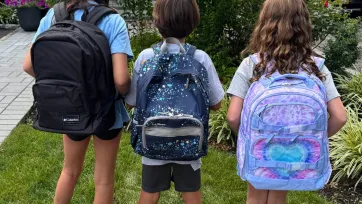
Kids Backpacks: How to Choose the Perfect School Backpack for Comfort, Safety and Everyday Use Introduction A school backpack is one of the most frequently used items a child owns. It travels to school every weekday, carries books, lunch boxes, water bottles, stationery, sports kits and sometimes a favourite toy hidden in a side pocket. Yet many parents buy a backpack based on one thing alone—how it looks. Bright colours, popular characters and trendy designs certainly appeal to children, but appearance should never be the deciding factor. A poorly designed backpack can become uncomfortable, wear out quickly or fail to support growing shoulders and backs. The good news is that choosing the right backpack isn't complicated once you know what to look for. This guide explains how to choose a comfortable, practical and durable kids' backpack that works for school, travel and everyday adventures. Why the Right Backpack Matters Children carry their backpacks almost every day. A well-designed backpack helps distribute weight evenly, making it more comfortable throughout the school day. The right backpack should: Fit your child's body properly. Feel comfortable on both shoulders. Provide enough storage without being oversized. Be lightweight even before it's filled. Last through daily use. A backpack should support your child's routine, not make it harder. Start With Size, Not Style One of the biggest mistakes parents make is buying a backpack that's much too large. It may seem like a practical idea because children will "grow into it", but oversized backpacks often become awkward and uncomfortable. As a general rule: The top of the backpack should sit just below the shoulders. The bottom shouldn't hang far below the waist. It should fit closely against the back rather than swinging while walking. Choosing the correct size usually improves comfort immediately. Features Worth Paying For Not every extra feature adds real value. However, some details genuinely make everyday life easier. Look for backpacks with: Padded shoulder straps. A padded back panel. Adjustable shoulder straps. Strong zips. Reinforced stitching. Multiple storage compartments. Side pockets for water bottles. Easy-to-clean fabric. These features help the backpack remain comfortable and organised throughout the school year. Choosing the Right Material Children aren't always gentle with their belongings. Backpacks are placed on classroom floors, carried through playgrounds and occasionally dragged across pavements. Durable materials such as polyester and nylon are popular because they: Resist everyday wear. Dry quickly. Wipe clean easily. Hold their shape well. Stay relatively lightweight. Water-resistant materials are particularly useful during wet weather or accidental drink spills. How Much Storage Does a Child Really Need? Bigger isn't always better. A backpack should comfortably carry daily essentials without encouraging children to carry unnecessary weight. Most school-age children only need space for: Exercise books. Pencil case. Lunch box. Water bottle. Reading book. Light jacket. Small school supplies. Several well-designed compartments often work better than one very large compartment because they keep everything organised and easier to find. Comfort Is More Important Than Fashion Children naturally want a backpack that looks exciting. Parents naturally want one that lasts. Fortunately, it's possible to have both. Before buying, ask your child to wear the backpack properly using both shoulder straps. Walk around the shop for a few minutes. Does it sit comfortably? Can they move freely? Is it easy to open the zips? A backpack that feels comfortable in the shop is much more likely to stay comfortable throughout the school year. How Heavy Should a Child's Backpack Be? A backpack should never feel like a piece of gym equipment. As a general guide, many health professionals recommend that a child's loaded backpack should not exceed around 10–15% of their body weight. Carrying significantly more than this for long periods may lead to discomfort and unnecessary strain. Parents can reduce weight by: Removing books that aren't needed. Emptying unnecessary toys or gadgets. Using a lightweight lunch box. Carrying only the stationery required for the day. Checking the bag every evening instead of letting items build up. A lighter backpack is usually a more comfortable backpack. How to Pack a Backpack Properly Packing a backpack correctly can make a surprising difference. The heaviest items should be placed closest to the back panel. This helps keep the weight balanced and prevents the bag from pulling backwards. A simple packing order works well: Books and folders nearest the back. Pencil case and lunch box in the centre. Lighter items towards the front. Water bottle in a side pocket if available. Small accessories in zipped organiser pockets. Good organisation also makes it easier for children to find what they need during the school day. Signs the Backpack Doesn't Fit Properly Children don't always complain when something feels uncomfortable. Watch for these signs: The backpack hangs very low. One shoulder strap is used most of the time. The bag swings while walking. Red marks appear on the shoulders. Your child frequently adjusts the straps. They lean forward while carrying it. These signs often indicate that the backpack is too heavy, too large or needs adjusting. Looking After a School Backpack A quality backpack can last much longer with a little care. Simple habits include: Emptying the bag every weekend. Wiping away dirt with a damp cloth. Checking zips regularly. Tightening loose straps. Avoiding overfilling compartments. Hanging the backpack properly instead of leaving it on the floor. Small maintenance routines help prevent bigger problems later. Common Backpack Buying Mistakes Parents often make the same mistakes when shopping. Avoid these common pitfalls: Buying the largest backpack available. Choosing style over comfort. Ignoring adjustable straps. Forgetting to check the backpack's empty weight. Purchasing low-quality zips that fail quickly. Not involving the child in trying the backpack on. The right backpack should suit both your child's body and their daily routine. Frequently Asked Questions What size backpack is best for primary school children? The ideal size depends on the child's height and school requirements. The backpack should sit comfortably against the back without extending far below the waist. How often should I replace my child's backpack? A good-quality backpack can last several school years if it still fits properly and remains in good condition. Younger children may need a new size as they grow. Are wheeled backpacks better? They can be useful where schools allow them and smooth surfaces are available. However, they may be less practical on stairs or crowded corridors. Should children use both shoulder straps? Yes. Using both straps distributes weight more evenly and helps improve comfort. Which material is best for children's backpacks? Durable polyester and nylon remain popular choices because they're lightweight, strong and easy to clean. Final Thoughts A school backpack isn't just another accessory. It's something your child carries almost every day, often for several years. Choosing the right one means looking beyond colours and patterns to focus on comfort, durability and the way it fits your child's body. A backpack that sits correctly, distributes weight evenly and keeps school essentials organised can make the daily journey to and from school much more comfortable. When parents choose wisely, they're not simply buying a bag. They're investing in something that supports their child's routine, confidence and everyday comfort throughout the school year.  
Best Puzzle Toys for Kids in 2026
Best Puzzle Toys for Kids in 2026: Fun Challenges That Build Brilliant Minds Puzzle toys have been a favourite among families for generations, and in 2026 they remain one of the smartest educational toys parents can buy. More than just a fun activity, puzzles help children think logically, recognise patterns, solve problems, and develop patience. Every completed puzzle gives children a sense of achievement while strengthening important cognitive skills that support learning both at home and at school. Today's puzzle toys are available in a wide variety of styles, including wooden puzzles, jigsaw puzzles, 3D puzzles, magnetic puzzles, brain teasers, number puzzles, and STEM challenge games. With options suitable for every age, puzzle toys continue to provide hours of screen-free entertainment while encouraging healthy brain development. If you're searching for a toy that combines learning, creativity, and lasting value, puzzle toys are an excellent choice. Why Puzzle Toys Are Important Children naturally enjoy solving challenges. Puzzle toys encourage them to think carefully, test different ideas, and learn from mistakes without feeling pressured. Unlike many electronic toys that provide instant answers, puzzles teach persistence. Children discover that success often comes through patience, observation, and practice. These experiences help build confidence while preparing children for more complex learning throughout their education. Benefits of Puzzle Toys Puzzle toys support many areas of child development. Some of the biggest benefits include: Improve problem-solving skills Strengthen memory Develop logical thinking Improve concentration Build patience Strengthen fine motor skills Improve hand-eye coordination Encourage independent learning Reduce screen time Children also learn to recognise patterns and relationships between shapes, colours, and objects. Wooden Puzzles for Toddlers Wooden puzzles remain one of the best first puzzles for young children. Popular designs include: Animal puzzles Alphabet puzzles Number puzzles Shape puzzles Vehicle puzzles Large wooden pieces are easy for little hands to hold while improving grip strength and coordination. Jigsaw Puzzles Classic jigsaw puzzles continue to be one of the most popular family activities. Available in hundreds of themes, children can choose puzzles featuring: Dinosaurs Animals Space Princesses Vehicles Nature Maps Cartoon characters Completing larger puzzles encourages teamwork when family members work together. 3D Puzzle Toys Three-dimensional puzzles offer an exciting challenge for older children. Popular models include: Famous landmarks Castles Vehicles Animals Spacecraft Buildings 3D puzzles improve spatial awareness while encouraging careful planning. Magnetic Puzzle Games Magnetic puzzles are ideal for travel because the pieces stay securely in place. Children can enjoy them: In the car On aeroplanes During holidays At restaurants While visiting relatives Portable magnetic puzzles make educational entertainment available almost anywhere. Brain Teasers for Older Children Brain teaser puzzles challenge children to think creatively. Examples include: Logic cubes Sliding puzzles IQ games Maze puzzles Sequential reasoning games These activities encourage children to develop different strategies instead of relying on trial and error alone. STEM Puzzle Toys Many modern puzzle toys combine traditional problem-solving with STEM education. Children explore: Engineering Geometry Mathematics Physics Structural design These activities prepare children for future learning while making science enjoyable. Puzzle Toys Improve Fine Motor Skills Young children strengthen their hand muscles every time they pick up, rotate, and position puzzle pieces. These movements help develop: Pencil control Writing readiness Hand strength Finger coordination Fine motor development supports many everyday activities beyond play. Puzzle Toys Encourage Family Time Puzzle solving is an activity the whole family can enjoy together. Working on puzzles encourages: Communication Teamwork Patience Shared problem-solving Family puzzle nights also create memorable experiences away from digital devices. Choosing the Right Puzzle Toy Before buying, consider: Your child's age Number of puzzle pieces Educational value Build quality Safety certifications Replay value A puzzle should provide a challenge without becoming frustrating. Safety Tips Choose puzzle toys that: Match the recommended age Use non-toxic materials Have smooth edges Meet recognised safety standards Avoid very small pieces for younger children Always supervise toddlers during puzzle play. Common Buying Mistakes Parents often buy puzzles that are either too easy or far too difficult. Avoid: Low-quality cardboard Tiny pieces for young children Poorly printed images Weak storage boxes Age-inappropriate difficulty levels Choosing the correct challenge level helps children stay motivated. Why Puzzle Toys Make Excellent Gifts Puzzle toys are among the most practical educational gifts available. They're perfect for: Birthdays Christmas School holidays Family game nights Rainy-day activities Unlike many toys that lose their appeal quickly, puzzles remain enjoyable because children can revisit them repeatedly or progress to more challenging designs. Frequently Asked Questions What are the best puzzle toys for children? Wooden puzzles, jigsaw puzzles, magnetic puzzles, brain teaser games, STEM puzzles, and 3D construction puzzles are among the best options. At what age can children start using puzzles? Simple wooden puzzles are suitable from around 12 to 18 months, while larger jigsaw puzzles and brain teasers are better suited to older children. Do puzzle toys help brain development? Yes. Puzzle toys improve memory, logical thinking, concentration, problem-solving, and spatial awareness while encouraging independent learning. Are wooden puzzles better than cardboard puzzles? Both are excellent choices. Wooden puzzles are generally more durable for younger children, while cardboard jigsaw puzzles often offer greater variety and complexity for older children. Final Thoughts The best puzzle toys for kids in 2026 offer much more than entertainment. They challenge young minds, improve concentration, strengthen problem-solving abilities, and encourage children to think creatively while enjoying screen-free play. From colourful wooden puzzles for toddlers to advanced STEM brain teasers and detailed 3D models for older children, puzzle toys continue to provide valuable learning opportunities at every stage of childhood. Choosing high-quality puzzle toys is an investment in your child's curiosity, confidence, and lifelong love of learning. Every completed puzzle is another step towards developing stronger thinking skills that will benefit children both in school and beyond.
Best STEM Toys for Kids in 2026: Fun Ways to Inspire Future Innovators
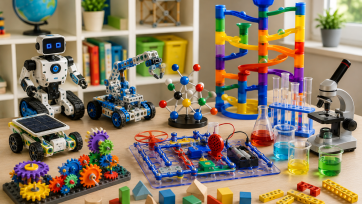
Best STEM Toys for Kids in 2026: Fun Ways to Inspire Future Innovators STEM education has become one of the biggest trends in children's learning, and for good reason. STEM stands for Science, Technology, Engineering, and Mathematics, four subjects that encourage children to think critically, solve problems, and explore how the world works. Rather than memorising facts, STEM toys allow children to learn through hands-on experiments, building projects, coding activities, and creative challenges. The best STEM toys don't feel like schoolwork. Instead, they transform learning into exciting adventures where children can build robots, design bridges, programme simple games, explore chemistry, or create moving machines. Whether you're buying for a curious toddler or an older child who loves technology, there's a STEM toy suited to every age and interest. This guide explores the best STEM toys for kids in 2026 and explains how they support learning while keeping children entertained. What Are STEM Toys? STEM toys are educational toys designed to teach science, technology, engineering, and mathematics through practical play. Unlike traditional learning methods, STEM toys encourage children to: Build Experiment Investigate Solve problems Test ideas Learn from mistakes Every activity develops critical thinking while making learning enjoyable. Why STEM Toys Are So Popular Parents and teachers increasingly recognise that many future careers will require problem-solving, creativity, and technical knowledge. STEM toys help children develop these skills from an early age while building confidence in subjects that some children may otherwise find challenging. Most importantly, children enjoy learning because they're actively involved in discovering solutions instead of simply reading about them. Benefits of STEM Toys STEM toys support multiple areas of child development. Some of the biggest benefits include: Improve problem-solving skills Encourage logical thinking Develop creativity Build confidence Improve concentration Strengthen fine motor skills Encourage teamwork Support independent learning Reduce screen time Many STEM toys also encourage persistence by teaching children that mistakes are part of the learning process. STEM Toys for Toddlers Young children can begin exploring STEM concepts through simple activities. Suitable toys include: Wooden building blocks Shape sorters Stacking toys Magnetic tiles Balance toys Colour sorting games These toys introduce basic engineering and mathematical concepts through everyday play. STEM Toys for Preschoolers As children grow, they become ready for slightly more challenging activities. Popular STEM toys include: Marble runs Construction sets Magnetic building kits Beginner coding toys Simple science kits Number games These activities improve reasoning while encouraging experimentation. Coding Toys for Kids Coding toys have become one of the fastest-growing STEM categories. Many beginner coding toys teach programming without requiring children to read complicated computer code. Children learn concepts such as: Sequences Patterns Commands Logic Cause and effect These skills provide an excellent introduction to computer science. Engineering Building Sets Engineering toys encourage children to build moving machines, bridges, towers, vehicles, and other structures. Popular engineering toys include: Construction kits Mechanical models Gear systems Building blocks Bridge-building sets Children quickly discover how balance, strength, and design affect their creations. Science Experiment Kits Science kits allow children to become young scientists. Popular activities include: Growing crystals Volcano experiments Magnet exploration Weather observations Electricity projects Water experiments Hands-on science makes learning exciting while encouraging curiosity. Robotics Kits Robotics toys combine engineering, technology, and programming. Many beginner robotics kits allow children to: Build robots Programme movements Solve challenges Explore artificial intelligence concepts These activities improve logical thinking while introducing future technology skills. Maths Learning Toys Mathematics becomes much more enjoyable through interactive play. Excellent maths toys include: Counting games Number puzzles Abacus sets Pattern blocks Geometry kits Money learning games Learning through games often increases children's confidence in maths. STEM Toys Encourage Creativity One common misconception is that STEM toys only focus on technical subjects. In reality, creativity plays a major role. Children constantly invent new designs, solve unexpected problems, and improve their ideas through experimentation. Innovation begins with imagination. Choosing the Right STEM Toy Before buying, consider: Your child's age Skill level Interests Safety standards Educational value Long-term play potential Choose toys that challenge children without becoming frustrating. Safety Tips Always choose STEM toys that: Match the recommended age Use non-toxic materials Meet recognised safety standards Include clear instructions Contain durable parts Adult supervision may be needed for some science experiments. Common Buying Mistakes Many parents buy STEM toys that are either too advanced or too limited. Avoid: Complicated projects for young children Poor-quality construction Toys with limited replay value Ignoring age recommendations Buying only because a toy is fashionable A toy that matches your child's interests is usually the most successful choice. Why STEM Toys Make Brilliant Gifts STEM toys are excellent gifts because they combine entertainment with education. Whether it's for a birthday, Christmas, or a school achievement, they encourage curiosity while helping children develop practical skills that will benefit them throughout life. Many STEM toys also grow with the child, providing new challenges over time. Frequently Asked Questions What are STEM toys? STEM toys teach science, technology, engineering, and mathematics through practical, hands-on play and problem-solving activities. At what age should children start using STEM toys? Simple STEM toys such as stacking blocks and shape sorters are suitable from an early age, while robotics, coding, and advanced science kits are designed for older children. Do STEM toys really help children learn? Yes. They improve critical thinking, creativity, engineering skills, mathematics, concentration, and confidence while making learning enjoyable. Are STEM toys suitable for girls and boys? Absolutely. STEM toys are designed for every child and encourage curiosity, creativity, and innovation regardless of gender. Final Thoughts The best STEM toys for kids in 2026 do much more than entertain. They inspire children to ask questions, explore ideas, solve problems, and discover how the world works through practical learning. From simple building blocks and science kits to coding games and robotics sets, STEM toys prepare children for a future where creativity and critical thinking are more valuable than ever. By choosing high-quality STEM toys that match your child's age and interests, you're investing in skills that extend far beyond playtime. Every experiment, construction project, and coding challenge helps build confidence, resilience, and a lifelong love of learning.
Best Science Kits for Kids: Safe Experiments for Every Age
A good science kit can turn an ordinary afternoon into a small laboratory. One child may become fascinated by growing crystals. Another may spend an hour testing which objects float. An older child may prefer circuits, volcano reactions, microscopes, or simple chemistry. That is the real value of science toys: they allow children to learn by doing. The best science kits for kids are not necessarily the biggest boxes or the most expensive sets. A worthwhile kit should match the child’s age, explain each activity clearly, include safe materials, and encourage the child to ask questions instead of simply copying instructions. This guide explains what type of science kit works best at each age, which features are worth paying for, and how parents can avoid low-quality or unsafe products. Quick Guide: Which Science Kit Should You Buy? Child’s Age Best Type of Science Kit Adult Supervision 3–5 years Magnets, colors, plants, water experiments Constant 5–7 years Volcanoes, crystals, weather and nature kits Required 8–10 years Chemistry, microscopes, circuits and geology Strongly recommended 11–13 years Electronics, advanced chemistry and robotics Depends on activity Teenagers Laboratory kits, coding, engineering and astronomy As instructed Age labels matter. They are not only an indication of difficulty. They may also reflect small parts, chemicals, sharp components, heat, batteries, or other safety concerns. Science Kits for Ages 3 to 5 Preschool children do not need complicated scientific explanations. Their first experiments should focus on observation and cause and effect. Suitable options include: Color-mixing activities Large magnets Plant-growing kits Water wheels Magnifying glasses Weather charts Floating and sinking experiments At this age, the adult should guide the entire activity. A simple activity such as placing different objects in water can teach children to make predictions. Before placing an item in the bowl, ask whether they think it will float or sink. The experiment becomes more educational when children explain their guesses and compare the result with what actually happened. Avoid kits containing tiny pieces, glass containers, powders, or chemicals that may be swallowed. Science Kits for Ages 5 to 7 Children in this age group are often ready to follow short instructions and record simple observations. Popular science kits for ages five to seven include: Volcano Experiment Kits Volcano kits are popular because the reaction is quick and visually exciting. Most beginner versions use safe household-style ingredients to create a foaming eruption. The experiment can introduce basic ideas about reactions, pressure, and gases. However, parents should explain that the model is not an exact recreation of how a real volcano works. It is a demonstration of a chemical reaction. Crystal-Growing Kits Crystal kits can teach patience because results usually take time. Children can observe how crystals gradually form and compare their size over several days. Parents should handle any chemicals according to the instructions and keep the growing container away from food areas and younger siblings. Nature Exploration Kits Bug viewers, magnifying glasses, leaf presses, binoculars, and observation journals can encourage children to explore science outdoors. These kits are especially useful for children who prefer movement and nature over indoor experiments. Science Kits for Ages 8 to 10 Between eight and ten, many children can handle longer experiments and understand why a result occurred. This is a strong age for introducing real scientific habits: Ask a question. Make a prediction. Perform the experiment. Record the result. Explain what happened. The following categories usually work well. Beginner Chemistry Sets A beginner chemistry set may include experiments involving color changes, acids and bases, bubbles, mixtures, polymers, or crystals. When comparing chemistry kits, check whether the box includes protective equipment and whether additional household ingredients are required. Some kits advertise dozens of experiments, but many of those activities may use materials that are not included. Read the contents list before purchasing. Microscope Kits A children’s microscope can reveal details that are invisible to the naked eye. Young scientists can examine: Leaves Fabric fibers Hair Paper Onion skin Prepared slides Flower petals Do not choose a microscope only because it advertises extremely high magnification. Image clarity, stable focusing, lighting, and ease of use are often more important. A badly designed microscope can frustrate a child before the learning begins. Circuit Kits Snap-together circuit kits are excellent for introducing electricity without requiring complicated wiring. Children may build: Lights Fans Alarms Switches Sound circuits Small motors A good circuit kit should clearly identify each part and explain what happens when the circuit is open or closed. Battery compartments should be secure, and damaged wires or components should not be used. Science Kits for Ages 11 to 13 Older children generally want activities that feel less like toys and more like real projects. Good options include electronics, robotics, advanced microscopes, astronomy, geology, renewable-energy kits, and more detailed chemistry sets. Electronics Kits Electronics kits can introduce sensors, motors, resistors, switches, and basic programming. Some sets require a computer or mobile device, while others work independently. Before buying, check: Device compatibility Software requirements Battery needs Replacement components Difficulty level Subscription fees Astronomy Kits A basic telescope or astronomy kit may encourage interest in planets, stars, the moon, and space exploration. For beginners, ease of setup matters more than extreme magnification. A telescope that is difficult to align may remain unused, even if its technical specifications appear impressive. Renewable-Energy Kits Solar-powered cars, wind turbines, and water-energy models teach children how energy can be converted into movement or electricity. These kits are especially useful for school projects and environmental science activities. Science Kits for Teenagers Teenagers may benefit from science kits that offer genuine experimentation rather than simplified demonstrations. Possible choices include: Advanced electronics Coding and robotics kits Biology slide sets Environmental testing kits Engineering models Astronomy equipment Detailed chemistry experiments At this level, the quality of the instruction manual becomes extremely important. Teenagers should understand the scientific purpose of each step, not merely assemble parts until something moves. A strong kit explains the underlying principles and suggests ways to modify the experiment. What Makes a Science Kit Worth Buying? Large numbers printed on the box can be misleading. A kit advertised with “100 experiments” may include many variations of the same activity. A smaller kit with 15 well-designed experiments may provide better educational value. Look for the following features. Clear Instructions The manual should use simple language, diagrams, and step-by-step directions. It should also explain why the experiment works. Reusable Equipment Test tubes, measuring cups, magnifying tools, circuit pieces, and reusable containers add long-term value. Single-use kits may provide only one short activity. Included Materials Check which materials are included and which must be purchased separately. Some kits require vinegar, baking soda, food coloring, batteries, oil, salt, or other household items. Real Educational Content The child should be learning something beyond creating a colorful reaction. The best kits introduce a question, explain a concept, and encourage further exploration. Suitable Difficulty A kit should be challenging enough to remain interesting but not so difficult that the child needs an adult to perform every step. Science Kit Safety Checklist Before opening any science kit, parents should read the instructions completely. Use the following checklist: Follow the recommended age range. Supervise all activities involving chemicals, electricity, heat, or sharp tools. Keep ingredients away from the mouth and eyes. Do not use kitchen utensils unless the instructions allow it. Wash hands after experiments. Cover the working surface. Wear eye protection when recommended. Keep younger children and pets away. Store chemicals in their original containers. Never mix materials that are not listed in the instructions. Children should understand that science kits are not food, even when the materials resemble salt, sugar, or colored drinks. Experiments should take place in a ventilated and easy-to-clean area. Cheap Science Kits vs Premium Science Kits Budget science kits can be useful for a child who is exploring a new interest. They are usually suitable for short experiments, birthday gifts, or classroom activities. Premium kits may offer: Better-quality equipment More accurate instruments Detailed manuals Replacement parts More advanced projects Stronger construction Online lessons or applications Paying more makes sense when the kit can be reused or expanded. It is less worthwhile when the child completes one experiment and cannot use the materials again. Common Buying Mistakes Parents often purchase science kits based on the packaging rather than the actual contents. Avoid these mistakes: Buying Above the Child’s Level An advanced chemistry or robotics kit may appear impressive, but it will not provide much value if the child cannot understand the instructions. Ignoring Extra Costs Batteries, chemicals, slides, tools, applications, and replacement materials can increase the total price. Choosing Flashy Reactions Only Foam, smoke, and color changes are exciting, but the kit should explain the science behind them. Expecting Independent Play Most young children will need encouragement, setup help, and supervision. A science kit becomes more valuable when an adult discusses the experiment with the child. Final Recommendation For younger children, begin with simple kits involving water, plants, magnets, colors, and nature. Children between eight and ten may enjoy microscopes, circuit boards, crystals, and beginner chemistry. Older children can move toward electronics, robotics, astronomy, engineering, and more advanced laboratory activities. The best science kit is one that the child will actually open, use, question, and revisit. A successful experiment does not need to produce a perfect result. Sometimes the most valuable moment occurs when something fails and the child asks, “Why didn’t that work?” That question is where real scientific learning begins.
Best Kids Toys for All Ages
Best Kids Toys for All Ages: The Ultimate Parent's Guide to Choosing the Perfect Toy Finding the perfect toy for a child isn't always easy. Every child has unique interests, abilities, and developmental needs, making it important to choose toys that match their age and encourage healthy growth. While colorful packaging and popular trends may attract attention, the best toys are those that inspire creativity, support learning, and provide hours of meaningful play. From babies discovering shapes and sounds to older children exploring science, technology, and imaginative adventures, toys play a vital role in childhood development. A well-chosen toy does more than entertain—it helps build confidence, improve coordination, encourage social interaction, and spark curiosity. This comprehensive guide explores the best kids toys for all ages, helping parents, grandparents, and gift buyers make smart decisions that children will truly enjoy. Why Choosing Age-Appropriate Toys Matters Children grow quickly, and their interests change as they develop new skills. A toy that's perfect for a toddler may not hold the attention of a school-age child, while an advanced toy can frustrate younger children if it's too difficult. Age-appropriate toys help children stay engaged while encouraging them to learn naturally. They also reduce safety risks by matching a child's physical and cognitive abilities. When selecting toys, always check the recommended age range provided by the manufacturer. Benefits of Quality Toys The right toy supports much more than entertainment. Children develop important life skills through play, including: Creativity Problem-solving Communication Hand-eye coordination Fine motor skills Confidence Social interaction Emotional development Logical thinking Quality toys also encourage children to spend less time in front of screens and more time actively exploring their world. Best Toys for Babies (0–12 Months) During the first year of life, babies learn through their senses. Bright colors, gentle sounds, and different textures help stimulate early development. Excellent choices include: Soft plush toys Rattles Teething toys Activity gyms Fabric books Stacking rings Musical toys These toys help babies develop sensory awareness, grip strength, and early coordination. Best Toys for Toddlers (1–3 Years) Toddlers become more active and curious every day. They enjoy toys that encourage movement, exploration, and simple problem-solving. Popular toddler toys include: Shape sorters Wooden blocks Ride-on toys Push and pull toys Large puzzles Musical instruments Toy vehicles At this stage, children also begin developing language and social skills through interactive play. Best Toys for Preschoolers (3–5 Years) Preschool children love using their imagination. Pretend play becomes an important part of learning as children create stories and role-play everyday situations. Great options include: Kitchen playsets Doctor kits Dollhouses Construction blocks Arts and crafts Educational puzzles Beginner board games These toys encourage creativity while improving communication and problem-solving skills. Best Toys for Kids (5–8 Years) As children enter school, they enjoy more challenging activities that combine fun with learning. Excellent toys include: Remote control cars STEM kits Science experiment sets Building kits Coding toys Sports equipment Interactive learning games These activities help children become independent thinkers while building confidence. Best Toys for Older Kids (8 Years and Above) Older children often enjoy projects that challenge their creativity and curiosity. Popular choices include: Advanced robotics Engineering kits Drones Remote control trucks Strategy board games Art supplies Model building kits These toys encourage persistence, planning, and creative problem-solving. Educational Toys for Every Age Educational toys remain valuable throughout childhood. They help children improve: Reading skills Mathematics Memory Vocabulary Critical thinking Creativity Scientific curiosity Examples include: Alphabet games Number puzzles STEM toys Coding kits Geography puzzles Science laboratories Learning becomes much more enjoyable when children actively participate. Remote Control Toys Continue to Be Family Favorites Remote control toys remain among the most exciting choices for children of different ages. From beginner racing cars to monster trucks and construction vehicles, RC toys encourage children to stay active while improving coordination and concentration. Rechargeable remote control toys are especially popular because they offer longer playtime and reduce the cost of disposable batteries. Many families also enjoy racing together, creating memorable experiences that strengthen family bonds. Outdoor Toys Keep Kids Active Outdoor play supports both physical and emotional well-being. Some of the best outdoor toys include: Scooters Balance bikes Sports sets Bubble machines Flying discs Garden toys Water play equipment These activities improve fitness, coordination, and teamwork while encouraging children to spend time outside. Creative Toys Inspire Imagination Creative toys allow children to express themselves freely. Popular creative options include: Drawing sets Paint kits Clay modeling DIY craft boxes Bead sets Coloring books Creative play builds confidence while strengthening fine motor skills. Board Games Teach Important Life Skills Board games provide excellent opportunities for families to spend quality time together. Children learn: Patience Cooperation Strategic thinking Communication Fair play Decision-making Many modern board games also include educational elements that make learning enjoyable. Safety Should Always Come First No matter the child's age, safety should remain the highest priority. Before buying any toy: Check the recommended age. Choose non-toxic materials. Inspect for small detachable parts. Look for durable construction. Purchase from trusted brands. Read safety instructions carefully. Regular inspection also helps keep toys safe over time. How to Choose the Perfect Toy Instead of buying whatever is trending, think about your child's personality. Ask yourself: Does my child enjoy building? Do they like vehicles? Are they interested in science? Do they prefer outdoor activities? Are they artistic? Do they enjoy solving puzzles? Choosing toys based on a child's interests creates a much better play experience. Common Toy Buying Mistakes Many buyers make avoidable mistakes. Some of the most common include: Buying toys that are too advanced. Ignoring quality. Choosing toys based only on appearance. Forgetting safety recommendations. Purchasing too many similar toys. A smaller collection of versatile, durable toys usually provides greater long-term value. Why Good Toys Create Lasting Memories Children rarely remember every toy they receive, but they often remember the experiences those toys create. Building a giant block castle with family, racing remote control cars in the backyard, completing a difficult puzzle, or pretending to run a toy restaurant all become cherished childhood memories. The best toys encourage interaction rather than simply keeping children occupied. Frequently Asked Questions What are the best toys for all ages? Building blocks, puzzles, remote control toys, STEM kits, arts and crafts, board games, outdoor toys, and pretend play sets are excellent choices for different age groups. Are educational toys better than regular toys? The best toys combine education with entertainment, helping children learn naturally while enjoying playtime. Should toys match a child's age? Yes. Age-appropriate toys are safer and provide the right level of challenge, keeping children interested without causing frustration. How many toys should a child have? Quality is more important than quantity. A carefully chosen collection of engaging toys often provides greater value than having too many toys. Final Thoughts The best kids toys for all ages are the ones that inspire imagination, encourage learning, and create joyful experiences. Whether you're shopping for a baby, toddler, preschooler, or older child, choosing toys that match their interests and developmental stage makes playtime more meaningful. From educational puzzles and creative craft kits to exciting remote control cars, STEM projects, outdoor games, and pretend play sets, every great toy offers an opportunity to learn, grow, and make lasting memories. By focusing on quality, safety, and age-appropriate choices, parents can give children toys that support their development while filling every day with fun and adventure.