Best Puzzle Toys for Kids in 2026: Fun Challenges That Build Brilliant Minds
Puzzle toys have been a favourite among families for generations, and in 2026 they remain one of the smartest educational toys parents can buy. More than just a fun activity, puzzles help children think logically, recognise patterns, solve problems, and develop patience. Every completed puzzle gives children a sense of achievement while strengthening important cognitive skills that support learning both at home and at school.
Today's puzzle toys are available in a wide variety of styles, including wooden puzzles, jigsaw puzzles, 3D puzzles, magnetic puzzles, brain teasers, number puzzles, and STEM challenge games. With options suitable for every age, puzzle toys continue to provide hours of screen-free entertainment while encouraging healthy brain development.
If you're searching for a toy that combines learning, creativity, and lasting value, puzzle toys are an excellent choice.
Why Puzzle Toys Are Important
Children naturally enjoy solving challenges. Puzzle toys encourage them to think carefully, test different ideas, and learn from mistakes without feeling pressured.
Unlike many electronic toys that provide instant answers, puzzles teach persistence. Children discover that success often comes through patience, observation, and practice.
These experiences help build confidence while preparing children for more complex learning throughout their education.
Benefits of Puzzle Toys
Puzzle toys support many areas of child development.
Some of the biggest benefits include:
- Improve problem-solving skills
- Strengthen memory
- Develop logical thinking
- Improve concentration
- Build patience
- Strengthen fine motor skills
- Improve hand-eye coordination
- Encourage independent learning
- Reduce screen time
Children also learn to recognise patterns and relationships between shapes, colours, and objects.
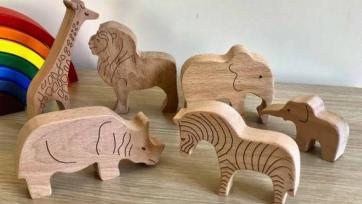
Wooden Puzzles for Toddlers
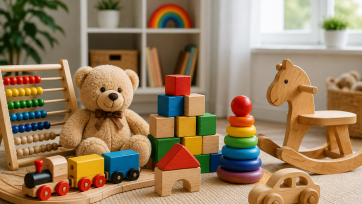
Wooden puzzles remain one of the best first puzzles for young children.
Popular designs include:
- Animal puzzles
- Alphabet puzzles
- Number puzzles
- Shape puzzles
- Vehicle puzzles
Large wooden pieces are easy for little hands to hold while improving grip strength and coordination.
Jigsaw Puzzles
Classic jigsaw puzzles continue to be one of the most popular family activities.
Available in hundreds of themes, children can choose puzzles featuring:
- Dinosaurs
- Animals
- Space
- Princesses
- Vehicles
- Nature
- Maps
- Cartoon characters
Completing larger puzzles encourages teamwork when family members work together.
3D Puzzle Toys
Three-dimensional puzzles offer an exciting challenge for older children.
Popular models include:
- Famous landmarks
- Castles
- Vehicles
- Animals
- Spacecraft
- Buildings
3D puzzles improve spatial awareness while encouraging careful planning.
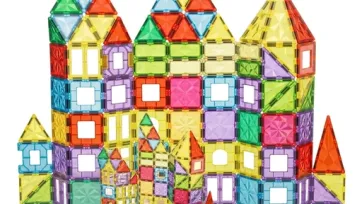
Magnetic Puzzle Games
Magnetic puzzles are ideal for travel because the pieces stay securely in place.
Children can enjoy them:
- In the car
- On aeroplanes
- During holidays
- At restaurants
- While visiting relatives
Portable magnetic puzzles make educational entertainment available almost anywhere.
Brain Teasers for Older Children
Brain teaser puzzles challenge children to think creatively.
Examples include:
- Logic cubes
- Sliding puzzles
- IQ games
- Maze puzzles
- Sequential reasoning games
These activities encourage children to develop different strategies instead of relying on trial and error alone.
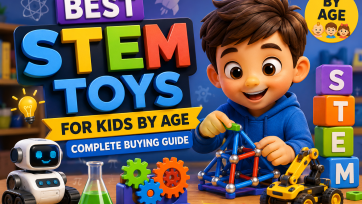
STEM Puzzle Toys
Many modern puzzle toys combine traditional problem-solving with STEM education.
Children explore:
- Engineering
- Geometry
- Mathematics
- Physics
- Structural design
These activities prepare children for future learning while making science enjoyable.
Puzzle Toys Improve Fine Motor Skills
Young children strengthen their hand muscles every time they pick up, rotate, and position puzzle pieces.
These movements help develop:
- Pencil control
- Writing readiness
- Hand strength
- Finger coordination
Fine motor development supports many everyday activities beyond play.
Puzzle Toys Encourage Family Time
Puzzle solving is an activity the whole family can enjoy together.
Working on puzzles encourages:
- Communication
- Teamwork
- Patience
- Shared problem-solving
Family puzzle nights also create memorable experiences away from digital devices.
Choosing the Right Puzzle Toy
Before buying, consider:
- Your child's age
- Number of puzzle pieces
- Educational value
- Build quality
- Safety certifications
- Replay value
A puzzle should provide a challenge without becoming frustrating.
Safety Tips
Choose puzzle toys that:
- Match the recommended age
- Use non-toxic materials
- Have smooth edges
- Meet recognised safety standards
- Avoid very small pieces for younger children
Always supervise toddlers during puzzle play.
Common Buying Mistakes
Parents often buy puzzles that are either too easy or far too difficult.
Avoid:
- Low-quality cardboard
- Tiny pieces for young children
- Poorly printed images
- Weak storage boxes
- Age-inappropriate difficulty levels
Choosing the correct challenge level helps children stay motivated.
Why Puzzle Toys Make Excellent Gifts
Puzzle toys are among the most practical educational gifts available.
They're perfect for:
- Birthdays
- Christmas
- School holidays
- Family game nights
- Rainy-day activities
Unlike many toys that lose their appeal quickly, puzzles remain enjoyable because children can revisit them repeatedly or progress to more challenging designs.
Frequently Asked Questions
What are the best puzzle toys for children?
Wooden puzzles, jigsaw puzzles, magnetic puzzles, brain teaser games, STEM puzzles, and 3D construction puzzles are among the best options.
At what age can children start using puzzles?
Simple wooden puzzles are suitable from around 12 to 18 months, while larger jigsaw puzzles and brain teasers are better suited to older children.
Do puzzle toys help brain development?
Yes. Puzzle toys improve memory, logical thinking, concentration, problem-solving, and spatial awareness while encouraging independent learning.
Are wooden puzzles better than cardboard puzzles?
Both are excellent choices. Wooden puzzles are generally more durable for younger children, while cardboard jigsaw puzzles often offer greater variety and complexity for older children.
Final Thoughts
The best puzzle toys for kids in 2026 offer much more than entertainment. They challenge young minds, improve concentration, strengthen problem-solving abilities, and encourage children to think creatively while enjoying screen-free play. From colourful wooden puzzles for toddlers to advanced STEM brain teasers and detailed 3D models for older children, puzzle toys continue to provide valuable learning opportunities at every stage of childhood.
Choosing high-quality puzzle toys is an investment in your child's curiosity, confidence, and lifelong love of learning. Every completed puzzle is another step towards developing stronger thinking skills that will benefit children both in school and beyond.