Best Toy Storage Ideas for Kids' Rooms in 2026

Best Toy Storage Ideas for Kids' Rooms in 2026

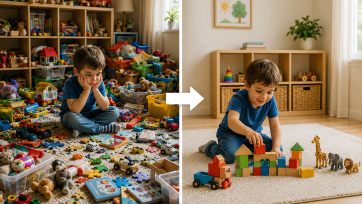
A child's playroom can quickly become cluttered with building blocks, dolls, puzzles, stuffed animals, board games, remote control cars, art supplies, and countless other toys. No matter how carefully parents organise everything, toys often end up scattered across the floor by the end of the day. A well-designed toy storage system not only keeps the room tidy but also teaches children responsibility, independence, and organisational skills.

The best toy storage solutions make cleanup easy, encourage children to return toys to their proper places, and help families make better use of available space. Whether you have a dedicated playroom or simply a corner of the living room for toys, the right storage ideas can transform a messy area into an organised and inviting space.

This guide explores the best toy storage ideas for kids' rooms in 2026 and shares practical tips for creating a clutter-free play environment.

Why Toy Storage Matters

An organised play area offers much more than a cleaner home.

When toys are stored properly, children can:

  • Find their favourite toys easily
  • Focus on one activity at a time
  • Learn responsibility
  • Protect toys from damage
  • Develop good organisation habits
  • Enjoy a calmer play environment

Parents also spend less time cleaning and searching for missing toy pieces.

Benefits of an Organised Toy Room

Good toy storage supports both children and parents.

Some of the biggest benefits include:

  • Less clutter
  • Faster cleanup
  • Longer toy lifespan
  • Better concentration
  • Easier toy rotation
  • More floor space
  • Improved safety
  • Reduced stress

Children are often more willing to play creatively when they can easily see and access their toys.

Toy Storage Bins

Storage bins remain one of the most practical solutions for organizing toys.

They work well for storing:

  • Building blocks
  • Action figures
  • Dolls
  • Toy cars
  • Art supplies
  • Stuffed animals

Clear storage bins are especially useful because children can easily see what's inside without opening every container.

Cube Storage Shelves

Cube shelving units have become a favorite choice for modern playrooms.

Each compartment can hold different categories of toys, making it easy to organize everything neatly.

For example:

  • Books
  • Puzzles
  • Board games
  • Wooden toys
  • STEM kits
  • Craft supplies

Fabric baskets placed inside cube shelves also create a clean and attractive appearance.

Label Everything

Simple labels help children learn where each toy belongs.

Depending on your child's age, labels can include:

  • Pictures
  • Words
  • Colors
  • Symbols

Picture labels are especially helpful for toddlers who cannot read yet.

Labeling also makes cleanup much faster.

Rotate Toys Regularly

Instead of displaying every toy at once, consider using a toy rotation system.

Store some toys out of sight and rotate them every few weeks.

Benefits include:

  • Less clutter
  • Greater excitement
  • Longer attention spans
  • Better appreciation of existing toys

Toy rotation also reduces the temptation to constantly buy new toys.

Wall Shelves Save Space

Wall-mounted shelves make excellent use of vertical space.

They work particularly well for:

  • Books
  • Decorative toys
  • Collectibles
  • Educational materials
  • Small storage baskets

Installing shelves higher on the wall also keeps delicate items out of reach of younger children.

Toy Chests

Toy chests remain a classic storage solution.

Modern versions often include:

  • Soft-close lids
  • Safety hinges
  • Large storage capacity
  • Child-friendly designs

They are ideal for storing bulky toys such as stuffed animals, sports equipment, and dress-up costumes.

Under-Bed Storage

The space under a child's bed is often unused.

Low-profile storage containers are perfect for:

  • Seasonal toys
  • Board games
  • Extra puzzles
  • Art supplies
  • Toy rotation bins

This solution keeps toys accessible without taking up valuable floor space.

Bookshelves for More Than Books

Children's bookshelves can also organize:

  • Educational games
  • Small toy sets
  • Wooden puzzles
  • Craft boxes
  • Activity kits

Displaying toys neatly often encourages children to choose one activity at a time.

Storage for Small Toy Pieces

Many toys include dozens of small accessories.

Use small containers or divided organizers for:

  • Building bricks
  • Puzzle pieces
  • Doll accessories
  • Toy tools
  • Game cards

Keeping small parts separated helps prevent lost pieces.

Organizing Toys by Category

Sorting toys into categories makes cleanup easier.

Examples include:

  • Building toys
  • Vehicles
  • Plush toys
  • Outdoor toys
  • Art supplies
  • Educational games
  • Board games
  • RC toys

Children quickly learn where each toy belongs when categories remain consistent.

Make Cleanup Fun

Young children respond well when cleaning becomes a game.

Try:

  • Cleanup races
  • Color sorting challenges
  • Music during cleanup
  • Reward charts
  • Family cleanup time

Positive routines encourage children to develop lasting organizational habits.

Choosing Safe Storage Furniture

Safety should always come first.

Choose storage furniture that:

  • Has rounded edges
  • Is securely attached to the wall if necessary
  • Includes child-safe hinges
  • Uses non-toxic materials
  • Matches your child's height

Stable furniture reduces the risk of accidents during play.

Common Toy Storage Mistakes

Parents sometimes create storage systems that are difficult for children to use.

Avoid:

  • Overfilled bins
  • Heavy containers
  • Unlabeled storage
  • Shelves that are too high
  • Keeping broken toys

Simple systems are easier for children to maintain independently.

Declutter Regularly

Children eventually outgrow many toys.

Every few months, sort toys into categories:

  • Keep
  • Donate
  • Recycle
  • Store

Removing unused toys creates more space for favorites while making organization much easier.

Frequently Asked Questions

What is the best way to organize kids' toys?

Group toys into categories, use labeled storage bins, rotate toys regularly, and choose furniture that children can access independently.

How can I keep my child's room tidy?

Create simple storage systems, limit the number of toys available at one time, and encourage daily cleanup routines.

Should toys be stored in bins or on shelves?

A combination works best. Shelves display frequently used toys, while bins are perfect for storing smaller items and toy collections.

How often should I declutter toys?

Most families benefit from reviewing toys every three to six months to remove broken, unused, or outgrown items.

Final Thoughts

The best toy storage ideas for kids' rooms in 2026 focus on simplicity, accessibility, and organization. With labeled bins, cube shelves, toy rotation, and child-friendly storage furniture, families can create a play space that stays tidy without constant effort.

An organized room doesn't just look better—it helps children play more creatively, take responsibility for their belongings, and enjoy a calmer environment. By choosing practical storage solutions and maintaining a simple organization system, parents can spend less time cleaning and more time making memories with their children.
Advertisement
Educational Toy Subscription Boxes: Which One Is Worth the Cost?
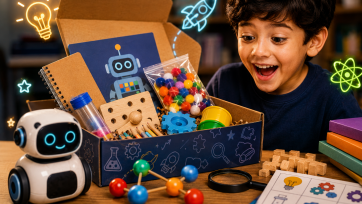
Educational toy subscription boxes promise something most parents want: age-appropriate activities delivered regularly without spending hours searching for new ideas. Every month—or every few months—a box arrives with science experiments, craft projects, books, building materials, puzzles, or learning games. The child gets something new to explore, while the parent avoids another trip through crowded toy aisles. It sounds convenient. But are educational subscription boxes actually worth the cost? The answer depends on what is inside the box, how often the child uses it, whether the materials can be reused, and how much the subscription costs after shipping, taxes, and automatic renewals. A $25 monthly box may appear affordable. Over a year, however, it becomes a $300 purchase. If the child finishes each activity in twenty minutes and never touches it again, the value may be poor. If the box provides several projects, reusable tools, and weeks of engagement, it may be a smart investment. This guide explains how educational toy subscriptions work, which types suit different children, and how parents can decide whether a subscription is worth paying for. How Educational Toy Subscription Boxes Work Most learning subscription services follow a similar model. Parents choose: The child’s age A subject or theme Monthly or quarterly delivery Subscription duration Number of children Optional add-ons The company then sends a box containing activities selected for that age group. Some subscriptions focus on a single subject, such as science or coding. Others combine crafts, books, geography, puzzles, and pretend play. Payment may be charged monthly, every three months, every six months, or annually. Longer plans often reduce the price per box, but they also require a larger upfront payment. What Usually Comes Inside? The contents depend on the subscription category, but a typical educational box may include: Activity instructions Craft supplies Science materials Building pieces Worksheets Storybooks Stickers Collectible cards Puzzles Parent guides Online videos Access to an application Some boxes provide nearly everything required. Others ask parents to supply common household items such as scissors, water, tape, baking soda, cooking oil, batteries, or coloring tools. Always read the “what is included” section before subscribing. A box advertised as containing five projects may become inconvenient if each activity requires several extra purchases. The Five Main Types of Learning Subscription Boxes Not every subscription serves the same purpose. Choosing the right category matters more than selecting the most heavily advertised brand. 1. STEM and Science Boxes STEM subscription boxes usually contain experiments, engineering challenges, electronics, robotics, or building activities. They are best suited for children who enjoy discovering how things work. A typical box may ask the child to: Build a small machine Create a chemical reaction Construct a bridge Design a moving vehicle Test magnets Explore electricity Grow crystals Study weather These subscriptions can provide strong educational value when the instructions explain the science behind each activity. Avoid boxes that rely only on dramatic reactions without teaching the child what happened. Best for Children who like experiments, building, technology, and problem-solving. Possible weakness Some projects are completed once and cannot be reused. 2. Arts and Crafts Boxes Craft subscriptions provide materials for painting, sewing, sculpting, decorating, drawing, or making themed objects. These boxes can be useful for parents who do not want to purchase large packets of supplies separately. A well-designed craft box may support: Fine motor skills Creativity Following instructions Color recognition Planning Self-expression However, some craft boxes leave very little room for creativity. The child is expected to copy one example exactly. Open-ended materials generally provide more value than projects in which every child produces the same object. Best for Children who enjoy making, decorating, and working with their hands. Possible weakness Finished crafts may quickly create clutter around the home. 3. Book Subscription Boxes Book boxes send one or more titles selected according to the child’s age or reading level. Some also include bookmarks, activity sheets, toys, or themed accessories. These subscriptions can encourage regular reading, especially when the child enjoys receiving a package addressed to them. Before subscribing, check whether parents can: Select reading levels Avoid duplicate books Choose fiction or nonfiction Update interests Preview upcoming titles Exchange unsuitable books A book subscription may offer poor value if the family already uses a public library regularly or purchases discounted books. Best for Children who enjoy stories or need encouragement to read consistently. Possible weakness The selected books may not match the child’s interests. 4. Geography and Culture Boxes Geography boxes introduce children to countries, languages, landmarks, food, animals, maps, and cultural traditions. A box may focus on one destination each month. It might include: A country guide A map Recipes Flags Stories Craft projects Language words Collectible items These subscriptions can make geography more engaging, but parents should check that the material is accurate and respectful. Culture should not be reduced to stereotypes, costumes, or a few foods. Best for Children interested in travel, maps, languages, and world cultures. Possible weakness Some boxes include more souvenirs than meaningful educational material. 5. Montessori and Preschool Boxes Preschool subscription boxes usually focus on early literacy, numbers, shapes, colors, sensory activities, and fine motor development. They may include sorting tasks, flash cards, puzzles, matching games, or simple craft projects. Parents should not assume that every box using the word “Montessori” follows authentic Montessori principles. A genuine Montessori-style activity should usually be hands-on, purposeful, simple, and appropriate for the child’s stage of development. Best for Toddlers and preschoolers who need structured learning activities at home. Possible weakness Many activities can be recreated more cheaply with household materials. How Much Do Subscription Boxes Really Cost? The advertised monthly price is only part of the total cost. Parents should calculate: Box price + shipping + tax + add-ons + international charges + renewal cost For example: Monthly box price: $30 Shipping: $6 Tax: $2 Total monthly cost: $38 Total annual cost: $456 A yearly prepayment may reduce the cost to $26 per box, but the parent may need to pay more than $300 at once. Also check whether the company renews the plan automatically. Some services offer an introductory discount for the first box and then charge the full rate for every later delivery. Cost Per Activity Matters More Than Cost Per Box A better way to compare subscriptions is to calculate the cost per meaningful activity. Imagine two boxes. Box A Costs $24 Contains two short crafts Total use time: one hour Cost per activity: $12 Box B Costs $35 Contains five experiments Includes reusable equipment Total use time: six hours Cost per activity: $7 Although Box B is more expensive, it may provide better overall value. Parents should also consider whether the materials can be used again. A circuit board, microscope, building set, or quality art tool may remain useful after the original activity is complete. Are Subscription Boxes Cheaper Than Buying Toys Separately? Sometimes—but not always. Subscription companies may purchase supplies in bulk and package them conveniently. This can save parents time and reduce the need to buy full-size materials. However, parents are also paying for: Packaging Product selection Printed instructions Branding Delivery Convenience Marketing Families willing to plan activities themselves can often create similar projects at a lower cost. The subscription is most valuable when convenience, variety, and structured guidance are important to the parent. When a Subscription Box Is Worth It An educational subscription may be a good purchase when: The child regularly completes hands-on activities The projects match the child’s interests The parent wants structured learning at home Most materials are included The activities require little setup The box offers multiple projects Some tools can be reused The instructions explain the learning concept The child looks forward to each delivery The cost fits comfortably within the family budget It may also be useful for homeschooling families, rainy-day activities, school holidays, or grandparents who want to send regular educational gifts. When It Is Probably a Waste of Money A subscription may not be worthwhile when: Previous activity kits remain unopened The child loses interest quickly The projects are too easy The box creates unnecessary clutter Most supplies must be purchased separately Shipping is unusually expensive The family already owns similar materials The activities are available free online Cancellation is difficult The subscription renews automatically without clear notice Children sometimes enjoy the excitement of opening the package more than the activities inside it. Parents should judge the subscription based on actual use, not the child’s reaction when the box first arrives. Monthly vs Quarterly Delivery Monthly delivery is exciting, but it may be too frequent for busy families. If one box arrives before the previous projects are completed, the activities can begin to pile up. Quarterly subscriptions may offer better value for families with limited time. They provide: Fewer deliveries Less clutter More time to complete each box Lower annual spending Less pressure to keep up Monthly plans may suit children who complete projects quickly and regularly ask for new activities. One Child or Multiple Children? Some subscription boxes can be shared, while others contain only enough material for one child. Parents with siblings should check: Whether extra material packs are available Whether projects can be completed together Whether each child needs separate tools Whether age levels can be mixed Whether sibling add-ons cost less than a second subscription A box that costs $35 for one child may become expensive if every project requires an additional $15 sibling pack. Sharing works best when the activity naturally supports cooperation. Questions to Ask Before Subscribing Do not purchase a yearly plan until these questions have been answered. What Is the Cancellation Policy? Find out whether cancellation takes effect immediately or only after the current prepaid term ends. Does the Subscription Renew Automatically? Automatic renewal should be clearly disclosed. Record the renewal date when purchasing a long-term plan. Can the Child’s Age Level Be Changed? A good service should allow parents to move the child to a more advanced level. Can Boxes Be Paused? Pause options are helpful during holidays, travel, school examinations, or busy periods. Are Returns or Replacements Available? Check what happens if materials arrive damaged, incomplete, or missing. Are Digital Features Included? Some boxes advertise online lessons but require an additional payment for full access. Is Shipping Included? Free shipping may only apply within one country or above a certain subscription length. Try One Box Before Buying a Year The safest approach is to begin with a single box or short subscription. Observe: How quickly the child opens it Whether instructions are understandable How much adult help is needed How long the activities last Whether the child asks to use it again Whether the materials feel worth the price Do not choose an annual plan only because the per-box price is lower. Saving $5 per box is not a saving if eight boxes remain unused. How to Get More Value From Each Box Parents can extend the life of a subscription by avoiding the urge to complete everything in one day. Try these strategies: Complete one activity each weekend Save reusable tools in a labeled container Ask the child to modify the project Connect the activity with a book or video Repeat experiments with changed conditions Photograph results Keep a science or project journal Let siblings work together Use leftover materials for free play A bridge-building activity, for example, should not end when the sample bridge is finished. Ask the child to build a longer bridge, a stronger bridge, or one using fewer materials. That turns a single project into several engineering challenges. Subscription Box Alternatives Families do not need a paid subscription to create regular educational activities. Lower-cost alternatives include: Public library books Printable worksheets Household science experiments Reusable building sets Secondhand educational toys Local museum kits School activity packs Art supplies purchased in bulk Parent-created monthly themes Toy libraries Parents can also create a homemade subscription box. Place several small activities in a container at the beginning of each month and let the child choose one each weekend. This provides the excitement of discovery without recurring shipping fees. Best Choice by Family Type Best for Busy Parents Choose a box that includes nearly all materials and requires minimal preparation. Best for Homeschooling Look for structured lessons, clear learning goals, printable extensions, and activities connected to a curriculum. Best for Creative Children Choose an open-ended art or maker box rather than a kit with one fixed result. Best for Future Scientists Select experiment boxes that explain scientific principles and include reusable equipment. Best for Siblings Choose collaborative projects with generous quantities of materials. Best for a Gift A three-month plan is usually safer than a full-year commitment. The Verdict Educational toy subscription boxes can be worth the cost, but convenience is often the main product being sold. The box itself may contain inexpensive materials. What parents are paying for is the planning, selection, instructions, packaging, and regular delivery. That can be valuable for families who need fresh, structured activities and will use them consistently. For most first-time buyers, the smartest option is not a twelve-month subscription. Start with one box or a three-month plan. Calculate the real cost, including delivery, and observe how much meaningful use the child gets from each package. The best educational subscription is not the one with the most attractive box. It is the one that gets opened, completed, discussed, reused—and remembered.
Best Kids Bikes in 2026
Kids Bikes: The Complete Parent's Guide to Choosing the Right Bicycle for Every Age Introduction For many children, learning to ride a bike is one of childhood's biggest milestones. The first few attempts often involve a little wobbling, a few nervous laughs and plenty of encouragement from parents. Then comes that unforgettable moment when they pedal away on their own for the very first time. Choosing the right bike plays a huge role in making that experience enjoyable. A bicycle that's too large can feel intimidating. One that's too small quickly becomes uncomfortable. The best kids' bike isn't simply the most colourful or the most expensive—it's the one that fits your child properly and helps them build confidence with every ride. This guide explains everything parents should know before buying a children's bicycle, from wheel sizes and safety features to comfort, maintenance and common buying mistakes. Why Bike Size Is More Important Than Age One of the biggest misconceptions is that bicycles should be chosen according to a child's age. In reality, height and inside leg measurement are much better indicators. Children of the same age can differ significantly in size, so choosing a bike purely because it's labelled "for 6-year-olds" often leads to poor fitting. A correctly sized bike allows your child to: Reach the handlebars comfortably. Place their feet confidently on the ground when stopping. Control the bike without stretching. Ride safely and comfortably. Confidence grows much faster when a bicycle fits properly. Understanding Kids' Bike Wheel Sizes Children's bicycles are normally categorised by wheel size rather than frame size. Common wheel sizes include: 12-inch – Often suitable for young beginners or balance bike graduates. 14-inch – Ideal for children gaining confidence with pedalling. 16-inch – Popular for early primary school riders. 18-inch – Suitable for children between standard size ranges. 20-inch – Often chosen for older primary school children. 24-inch – Designed for taller children approaching teenage years. Always use your child's height as the main guide rather than relying solely on age recommendations. Balance Bike or Pedal Bike? Many parents wonder whether to start with a balance bike or move directly to pedals. Balance Bikes Balance bikes teach steering, coordination and balance without introducing pedals too early. Many children who begin with a balance bike transition to a pedal bike more confidently because they've already learned the most important skill—balancing. Pedal Bikes Traditional pedal bikes introduce braking, pedalling and steering at the same time. Some children adapt quickly, while others benefit from practising balance first. There's no universal right answer. The best choice depends on your child's confidence and stage of development. What Makes a Good Kids' Bike? Not every children's bicycle is built to the same standard. Look for features such as: Lightweight frame. Easy-to-use brakes. Adjustable saddle. Adjustable handlebars. Comfortable grips. Strong tyres. Stable steering. Durable construction. These features help children enjoy riding while making the bicycle easier to control. Should You Buy a Bike to Grow Into? It's tempting to buy a larger bicycle in the hope it will last longer. Unfortunately, this often makes learning much harder. A bike that's too big can feel heavy, awkward and difficult to control, reducing confidence and making riding less enjoyable. Buying the correct size today is usually a far better investment than purchasing one that's intended for future growth. Essential Safety Equipment Every Child Should Wear Buying the right bicycle is only part of the journey. Safe riding habits are just as important. Before every ride, make sure your child has: A properly fitted cycling helmet. Closed-toe shoes with good grip. Bright or reflective clothing when visibility is poor. Comfortable clothing that won't catch in the chain. Gloves for longer rides if preferred. A correctly fitted helmet should sit level on the head, covering the forehead without tilting backwards. The chin strap should feel secure without being uncomfortable. Helping Your Child Learn to Ride Learning to ride is different for every child. Some master it within an afternoon. Others need several short practice sessions before they feel confident. The best approach is to keep lessons enjoyable and pressure-free. Start in a quiet, flat area away from traffic. Encourage your child to look ahead rather than at the front wheel. Celebrate small achievements, whether it's balancing for a few seconds or making a smooth turn. Confidence grows through positive experiences, not speed. Simple Bike Maintenance Tips A well-maintained bicycle is safer, smoother and more enjoyable to ride. Before each ride, carry out a quick check: Ensure both tyres are properly inflated. Test the brakes. Check that the handlebars feel secure. Make sure the chain moves smoothly. Tighten any loose accessories. Look for obvious signs of damage. A few minutes of maintenance can prevent many common problems. When Is It Time for a Bigger Bike? Children grow quickly, but replacing a bicycle too early isn't always necessary. Signs it's time to move up include: Knees rising too high while pedalling. The saddle already adjusted to its highest position. The handlebars feeling cramped. Your child appearing uncomfortable during longer rides. Avoid upgrading simply because of age. Fit should always be the deciding factor. Common Mistakes Parents Make Even experienced parents sometimes make these mistakes when buying a children's bike: Choosing a bike that's too large. Focusing on appearance instead of weight. Ignoring proper brake adjustment. Buying a heavy bike that's difficult to control. Forgetting to adjust the saddle as the child grows. Skipping regular maintenance checks. A lightweight, well-fitted bike is usually far more enjoyable than a larger, feature-packed model. Frequently Asked Questions What size bike should my child have? Choose a bicycle based on your child's height and inside leg measurement rather than age alone. A proper fit improves both comfort and safety. Are balance bikes better than bikes with stabilisers? Many children develop balance more naturally with balance bikes because they learn to steer and balance before introducing pedals. How often should a child's bike be serviced? Regular safety checks should be carried out at home, while a full professional service once a year is a sensible choice for frequently used bicycles. Should children always wear a helmet? Yes. A properly fitted cycling helmet should be worn every time your child rides, regardless of distance. Can a lightweight bike make learning easier? Absolutely. Lighter bicycles are generally easier for children to steer, balance and control, especially when they're learning. Final Thoughts A child's first bicycle is much more than a toy. It's a gateway to confidence, independence and outdoor adventure. The right bike encourages children to explore their surroundings, stay active and develop skills they'll use for years to come. Rather than choosing the brightest colour or the biggest bike available, focus on fit, comfort, safety and quality. A bicycle that feels comfortable today will inspire far more happy memories than one that's simply built for tomorrow. After all, childhood is measured one adventure at a time—and many of those adventures begin with two wheels.  
Best Wooden Toys for Kids in 2026
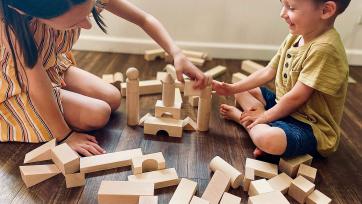
Best Wooden Toys for Kids in 2026 Wooden toys have remained a favourite among parents for generations, and for good reason. While modern toys often rely on flashing lights, loud sounds, and digital features, wooden toys offer a timeless play experience that encourages creativity, imagination, and hands-on learning. Their simple designs allow children to explore, experiment, and create their own adventures without distractions. Parents today are also paying closer attention to toy safety and sustainability. High-quality wooden toys are typically made from durable materials, finished with child-safe paints, and designed to last for years. Instead of being replaced after a few months, many wooden toys become family keepsakes that are passed from one child to another. Whether you're shopping for a baby, toddler, preschooler, or school-age child, this guide will help you discover the best wooden toys for kids in 2026 and understand why they continue to be one of the smartest choices for growing children. Why Wooden Toys Are Still Popular Wooden toys have never gone out of style because they encourage children to become active participants in their own play. Rather than watching lights flash or pressing buttons repeatedly, children use their imagination to create stories, build structures, and solve problems. Parents also appreciate their durability. A well-made wooden toy often lasts for years, making it a better long-term investment than many plastic alternatives. Their natural appearance also adds warmth to playrooms and encourages children to enjoy simpler, more meaningful play. Benefits of Wooden Toys Wooden toys offer a wide range of developmental benefits. Some of the most important include: Encouraging creativity Improving hand-eye coordination Developing fine motor skills Supporting problem-solving Building concentration Promoting independent play Reducing screen time Lasting for many years Because many wooden toys are open-ended, children can invent new ways to play as they grow older. Are Wooden Toys Safe? When purchased from trusted manufacturers, wooden toys are among the safest toys available. Look for products that include: Smooth, splinter-free surfaces Rounded corners Non-toxic paints Child-safe finishes Strong construction Age-appropriate designs Always inspect toys regularly for damage and follow the manufacturer's age recommendations. Best Wooden Building Blocks Building blocks remain one of the most versatile wooden toys available. Children can create: Castles Houses Roads Bridges Towers Farms Space stations Building activities improve creativity, planning, patience, and hand-eye coordination while giving children endless opportunities to experiment. Wooden Puzzles Improve Thinking Skills Wooden puzzles encourage children to recognize shapes, colors, patterns, and relationships between objects. They help develop: Logical thinking Concentration Memory Fine motor skills Problem-solving Popular themes include animals, numbers, letters, vehicles, dinosaurs, and world maps. Wooden Pretend Play Toys Pretend play helps children understand the world around them while developing communication and social skills. Excellent wooden pretend play toys include: Kitchen sets Food playsets Cash registers Tool benches Doll furniture Farm sets These toys inspire imaginative storytelling and cooperative play with siblings or friends. Montessori Wooden Toys Many Montessori-inspired toys are made from wood because they encourage focused, hands-on learning. Popular Montessori wooden toys include: Shape sorters Counting boards Alphabet puzzles Stacking rings Balance toys Activity boards These toys promote independence while helping children master one skill at a time. Wooden Toys for Babies Even the youngest children can benefit from wooden toys. Suitable options include: Wooden rattles Grasping rings Activity gyms Stacking rings Sensory toys These simple toys encourage babies to explore safely while improving coordination and sensory development. Wooden Toys for Toddlers Toddlers enjoy toys that encourage movement and discovery. Popular choices include: Pull-along animals Push walkers Shape sorters Wooden trains Peg puzzles Stacking blocks These activities strengthen motor skills while encouraging curiosity. Wooden Toys for Preschoolers Preschool children are ready for more creative challenges. Great wooden toys include: Building sets Alphabet boards Number puzzles Marble runs Tool kits Balance games These toys help prepare children for school by improving concentration and early learning skills. Eco-Friendly Advantages of Wooden Toys Many wooden toys are produced using responsibly sourced wood and sustainable manufacturing methods. Compared with disposable plastic toys, they often: Produce less waste Last much longer Can be reused for years Are recyclable Support environmentally responsible choices Choosing durable toys also reduces unnecessary spending over time. Wooden Toys Encourage Screen-Free Play One of the biggest advantages of wooden toys is that they encourage children to play without relying on digital devices. Instead of staring at screens, children spend time: Building Creating Pretending Solving puzzles Exploring ideas Playing with family This type of active play supports healthier physical and mental development. How to Choose the Best Wooden Toys Before buying a wooden toy, ask yourself a few questions. Does it match your child's age? Is it made from high-quality materials? Does it encourage creativity? Can it be used in different ways? Is it made with non-toxic finishes? A toy that answers "yes" to these questions will usually provide excellent long-term value. Caring for Wooden Toys Proper maintenance helps wooden toys last for many years. Simple care tips include: Wipe with a soft damp cloth. Avoid soaking in water. Store in a dry place. Inspect regularly for cracks. Keep pieces together after play. Well-maintained wooden toys often become family treasures that younger siblings can also enjoy. Common Mistakes Parents Should Avoid Some buyers focus only on appearance instead of quality. Avoid: Rough wooden surfaces Unknown paint finishes Cheap construction Toys with loose parts Products that don't meet safety standards Investing in quality usually saves money over time because durable toys rarely need replacing. Why Wooden Toys Make Excellent Gifts Wooden toys are thoughtful gifts for birthdays, baby showers, holidays, and special occasions. Parents appreciate them because they are: Safe Educational Long-lasting Beautifully designed Environmentally friendly Children also enjoy discovering new ways to play with them as they grow. Frequently Asked Questions Are wooden toys better than plastic toys? Both have advantages, but high-quality wooden toys are often more durable, environmentally friendly, and better at encouraging open-ended, imaginative play. Are wooden toys safe for young children? Yes. As long as they meet recognized safety standards and use non-toxic finishes, wooden toys are an excellent choice for babies and young children. How do I clean wooden toys? Use a damp cloth with mild soap if necessary. Avoid soaking wooden toys in water or using harsh cleaning products. Why are wooden toys more expensive? Wooden toys are usually made from higher-quality materials and designed to last for years, making them a better long-term investment. Final Thoughts The best wooden toys for kids in 2026 combine safety, durability, creativity, and educational value in a way that few other toys can. Whether it's building blocks, puzzles, pretend play sets, Montessori learning tools, or wooden vehicles, these timeless toys encourage children to think, create, and explore without relying on screens or complicated electronics. Choosing well-made wooden toys is more than buying a plaything—it's investing in meaningful childhood experiences. With proper care, these toys can inspire learning, spark imagination, and create happy memories for many years to come.
Best Kids Tablets for Learning and Fun (2026)
Best Kids Tablets for Learning and Fun (2026): 10 Parent-Approved Picks Introduction Buying a tablet for your child isn't as simple as choosing the cheapest model on the shelf. Some tablets are designed mainly for watching cartoons. Others focus on education, creativity and homework. A few manage to balance learning, entertainment and parental controls in one device. The challenge for parents is knowing which tablet offers genuine value. A great kids' tablet should survive accidental drops, run educational apps smoothly, provide reliable parental controls and continue performing well for several years. In this guide, we've compared some of the best tablets available in 2026 to help parents choose the right device for every age and budget. How We Selected These Tablets Rather than focusing only on technical specifications, we compared tablets using the features that matter most to families: Performance Screen quality Battery life Durability Educational value Ease of parental controls App availability Long-term value Price Quick Comparison Tablet Best For Rating Apple iPad (11th Gen) Overall Best ⭐⭐⭐⭐⭐ Amazon Fire HD 10 Kids Pro Ages 6–12 ⭐⭐⭐⭐⭐ Amazon Fire HD 10 Kids Ages 3–7 ⭐⭐⭐⭐☆ Samsung Galaxy Tab A9 Kids Edition Android Users ⭐⭐⭐⭐☆ Lenovo Tab M11 Learning & Homework ⭐⭐⭐⭐☆ 1. Apple iPad (11th Generation) – Best Overall The latest entry-level iPad remains one of the strongest long-term choices for families. Unlike many children's tablets, it doesn't become outdated after only a couple of years. As children grow, it easily adapts from educational games to homework, drawing, creative projects and even video editing. Pros Excellent performance Huge educational app library Outstanding display Long software support Excellent resale value Cons Higher price Protective case sold separately Best For: Children aged 8+ who need one tablet that can grow with them. 2. Amazon Fire HD 10 Kids Pro – Best Value for School-Age Children Amazon designed the Kids Pro specifically for older children. It includes a slimmer protective case, strong parental controls and access to age-appropriate content while allowing more independence than the standard Kids version. Pros Rugged child-friendly design Excellent parental controls One-year Amazon Kids+ subscription Good battery life Two-year worry-free replacement guarantee Cons Amazon Appstore has fewer apps than Google Play Performance isn't as fast as an iPad Best For: Ages 6–12. 3. Amazon Fire HD 10 Kids – Best Tablet for Younger Children If your child mainly watches educational videos, reads interactive books and plays simple learning games, the Fire HD 10 Kids remains one of the safest choices. The large protective case is built to survive everyday drops, making it especially suitable for younger children. Pros Durable kid-proof case Excellent parental controls Strong battery life Affordable Easy setup Cons Limited app ecosystem Slower than premium tablets Best For: Ages 3–7. 4. Samsung Galaxy Tab A9 Kids Edition – Best Android Choice Parents who prefer the Android ecosystem often choose Samsung because of its reliable hardware and Google services. The Kids Edition adds child-friendly software while maintaining access to Android's wide app selection. Pros Bright display Google Kids Space support Smooth performance Expandable storage Good build quality Cons Protective accessories may cost extra Battery life trails some competitors Best For: Families already using Android devices. 5. Lenovo Tab M11 – Best for Homework and Creativity The Lenovo Tab M11 is an excellent all-round tablet for older children who need a device for learning as well as entertainment. Its larger display makes reading, drawing and split-screen study easier than on many smaller tablets. Pros Large display Good value Supports Google Kids Space Ideal for educational apps Comfortable for reading Cons Average cameras Charging isn't the fastest Best For: Homework, reading and creative learning. 6. Apple iPad mini (7th Generation) – Best Compact Premium Tablet If portability is your priority, the iPad mini offers flagship-level performance in a smaller size that's easier for children to hold. It works exceptionally well for reading, drawing, educational apps and travel. Pros Compact and lightweight Powerful processor Premium display Excellent app support Long software updates Cons Premium price Smaller screen than standard iPads Best For: Families wanting a high-performance portable tablet. 7. Google Pixel Tablet – Best for Family Sharing The Google Pixel Tablet doubles as both a family tablet and a smart home display when placed on its charging dock. Children can use Google Kids Space while parents enjoy the wider Android ecosystem. Pros Bright display Excellent speakers Google Kids Space Useful charging dock Smooth Android experience Cons Higher price than many Android alternatives Accessories sold separately Best For: Families already using Google services. 8. Samsung Galaxy Tab S9 FE – Best Premium Android Tablet For older children and teenagers, the Galaxy Tab S9 FE offers premium features at a more affordable price than Samsung's flagship models. It also includes S Pen support, making it ideal for note-taking, homework and digital art. Pros Excellent display Included S Pen Water-resistant design Strong battery life Smooth performance Cons More expensive than entry-level tablets Better suited to older children Best For: Students and creative learners. 9. Lenovo Tab Plus – Best for Entertainment Children who enjoy educational videos, audiobooks and family movie nights will appreciate the Lenovo Tab Plus. Its high-quality speakers and large display create an enjoyable viewing experience while still supporting productivity apps. Pros Outstanding speakers Large display Good battery life Comfortable built-in stand Great multimedia experience Cons Heavier than smaller tablets Not designed specifically for children Best For: Home entertainment and online learning. 10. Amazon Fire Max 11 – Best Large Amazon Tablet The Fire Max 11 is Amazon's most powerful tablet and offers better performance than previous Fire models. Combined with Amazon Kids+ and robust parental controls, it provides a good balance between education and entertainment. Pros Large display Faster performance Durable construction Excellent parental controls Good battery life Cons Limited app selection compared with Android and iPad Some premium features require subscriptions Best For: Families already invested in Amazon's ecosystem. How to Choose the Right Kids Tablet Before making a purchase, think about how your child will actually use the tablet. Ask yourself: Is it mainly for learning or entertainment? Does your child need it for schoolwork? How important are parental controls? Will multiple family members use it? Do you want access to Google Play, Apple's App Store or Amazon Kids? Buying a tablet that matches your child's needs is more important than buying the most expensive model. Which Tablet Is Best by Age? Ages 3–5 Choose durable tablets with simple controls, strong parental settings and protective cases. Ages 6–9 Educational apps, reading tools and creative games become increasingly important alongside entertainment. Ages 10–13 Homework, research, video calls and productivity apps begin playing a much larger role. Teenagers Performance, battery life, note-taking and multitasking often become the main priorities. Frequently Asked Questions Which tablet is best for younger children? The Amazon Fire HD 10 Kids remains one of the best choices thanks to its protective case, easy parental controls and child-friendly content. Is an iPad worth buying for children? Yes, particularly if you want a device that can grow with your child for many years. iPads receive long software support and offer one of the largest educational app libraries available. Do kids really need parental controls? Yes. Parental controls help manage screen time, restrict inappropriate content and monitor app downloads, creating a safer digital environment. How much storage does a child need? For most children, 64GB is sufficient for educational apps, photos and offline videos. Older children who download many games or creative projects may benefit from 128GB or more. Should I buy a protective case? Absolutely. A quality shock-resistant case and tempered glass screen protector can significantly extend the life of a tablet. Final Thoughts The best kids' tablet isn't simply the one with the fastest processor or the biggest screen. It's the one that fits your child's age, learning needs and daily routine. Some families need a rugged tablet for a preschooler discovering letters and numbers. Others need a reliable study companion that can handle homework, video lessons and creative projects for years to come. By focusing on durability, software support, parental controls and long-term value instead of marketing claims, you'll make a purchase that benefits your child well beyond the excitement of unboxing day. A well-chosen tablet can become a powerful tool for learning, creativity and family entertainment—when used thoughtfully and with the right balance.  
Travel Toys for Toddlers and Young Children
 Travel Toys for Toddlers and Young Children: The Ultimate Parent's Guide to Stress-Free Journeys Ask any parent about travelling with a toddler, and you'll probably hear the same answer: the journey is often harder than the destination. Whether you're driving for two hours to visit grandparents, waiting at an airport for a delayed flight or taking a long train journey during the school holidays, young children can quickly become restless. Sitting still isn't something that comes naturally to them. Before long, boredom turns into frustration, and what should have been an exciting family trip can become exhausting for everyone. The good news is that the right travel toys can completely change the experience. Travel toys are designed to keep children entertained, curious and engaged while taking up very little space. More importantly, the best ones do much more than simply pass the time. They encourage creativity, improve concentration and support learning without relying on tablets or smartphones. Parents often assume they need to pack dozens of toys "just in case". In reality, a handful of carefully chosen travel toys usually works far better than an overstuffed backpack filled with items children barely touch. In this guide, you'll discover how to choose travel toys that children genuinely enjoy, which features matter most, how to avoid common buying mistakes and why simple toys often outperform expensive electronic gadgets. Why Travel Feels Different for Young Children Adults usually see travelling as part of the adventure. Children see it differently. They're expected to stay seated for long periods, follow unfamiliar routines and cope with busy, noisy environments. Even the most patient child can become overwhelmed after an hour or two. That is why travel toys should do more than distract. They should help children feel comfortable, confident and occupied while allowing parents to relax a little too. What Makes a Good Travel Toy? Not every toy belongs in a travel bag. A large construction set with hundreds of tiny pieces might be brilliant at home but quickly becomes a nightmare in a car or airport lounge. The best travel toys usually share a few important qualities: Lightweight and easy to carry. Compact enough to fit inside a backpack. Durable enough to survive frequent travel. Quiet enough for public spaces. Easy to clean. Capable of holding a child's attention for longer than a few minutes. If a toy can be dropped once without breaking and packed away in seconds, it's already ahead of many alternatives. Benefits of Travel Toys A thoughtfully packed travel toy isn't just about keeping children busy. It can make the entire journey more enjoyable for the whole family. Less Stress for Parents Every parent knows that boredom often leads to complaints, arguments and frustration. Interesting toys help prevent many of these situations before they begin. Longer Attention Spans Children who become absorbed in a puzzle, activity book or creative toy are less likely to ask every five minutes, "Are we there yet?" Encourages Independent Play One of the biggest advantages of travel toys is that children learn to entertain themselves. Parents don't need to become the full-time entertainer throughout the journey. Supports Learning Many travel toys naturally encourage counting, storytelling, matching, drawing or problem-solving. Children continue learning while believing they are simply having fun. Reduces Screen Time Digital devices have their place, particularly during very long journeys, but they don't need to become the only source of entertainment. Travel toys offer a healthier balance between technology and hands-on play. The Best Travel Toys for Toddlers Toddlers need simple activities that are easy to understand and difficult to lose. Some excellent options include: Chunky board books Reusable sticker books Water-reveal colouring books Large magnetic drawing boards Soft fabric activity books Finger puppets Shape matching games Stacking cups Sensory toys Soft dolls The aim is to provide toys that can be used independently without creating unnecessary mess. Travel Toys for Preschool Children Preschool children enjoy activities that challenge their imagination while remaining portable. Great choices include: Magnetic puzzles Small construction toys Storytelling cards Activity books Compact board games Lacing activities Reusable colouring pads Toy animals Simple card games Travel-friendly craft kits Many parents discover that one engaging activity can provide far more entertainment than several less interesting toys. Travel Toys for School-Age Children Older children usually appreciate toys that require thinking, creativity or strategy. Some excellent examples are: Logic puzzles Crossword books Sketchbooks Card games Travel chess or draughts Compact building sets Brain teaser puzzles Creative writing journals Foldable board games Educational quiz cards Children in this age group often enjoy being involved in choosing which toys to pack before travelling. How Many Travel Toys Should You Pack? One of the biggest mistakes parents make is filling an entire bag with toys. It sounds like a sensible idea, but too many choices often have the opposite effect. Children quickly move from one toy to another without becoming fully engaged with any of them. A better approach is to pack a small collection of carefully selected activities. For most journeys, this is usually enough: One creative activity, such as a colouring or drawing pad. One problem-solving toy, such as a puzzle. One imaginative toy, such as a few animal figures or finger puppets. One comfort item, especially for younger children. One "surprise" toy that isn't revealed until later in the journey. Introducing a new activity every hour or so keeps the experience fresh without overwhelming your child. Creating the Perfect Travel Activity Bag Instead of throwing toys into a backpack at the last minute, prepare a dedicated travel kit that stays ready for family trips. A well-organised travel bag might include: A reusable water colouring book Washable crayons A small notebook Magnetic puzzles Reusable sticker scenes A compact card game Healthy snacks Wet wipes Spare zip-lock bags for storage A lightweight blanket or comfort toy Keeping everything in one place saves time and prevents frantic searching during the journey. Screen Time vs Travel Toys Many parents wonder whether they should simply hand over a tablet during long trips. There's no universal right or wrong answer. Screens can be useful during lengthy flights or unexpected delays, but relying on them from the start often means children lose interest in other activities. A balanced approach usually works best. Begin the journey with books, puzzles, drawing activities or imaginative toys. If the trip is particularly long, digital entertainment can be introduced later as one part of a varied travel routine rather than the entire experience. Buying Guide Travel toys don't need to be expensive, but they do need to be practical. Before buying, ask yourself a few simple questions. Will it fit easily into a backpack? Large toys may be enjoyable at home but become inconvenient during travel. Can it survive being dropped? Travelling can be rough on toys. Choose products made from durable materials that won't break after one fall. Does it create unnecessary mess? Avoid toys with dozens of tiny pieces, loose sand, glitter or liquids that are difficult to manage while travelling. Can it be used in more than one way? Open-ended toys generally provide much better value because children invent new ways to play with them. Will my child still enjoy it after the journey? The best travel toys become part of everyday play once you're back home, making them a worthwhile investment. Safety Tips Travelling introduces different safety considerations than playing at home. Keep these recommendations in mind: Choose toys that match your child's age. Avoid toys with very small parts for toddlers. Check toys regularly for damage before travelling. Pack toys in secure containers or zip pouches. Keep favourite comfort toys within easy reach. Clean toys after trips, especially those used on public transport. Avoid heavy toys that could become hazardous during sudden stops in a vehicle. Supervise younger children when using craft materials or activity books with accessories. A little preparation helps ensure both safety and convenience throughout the journey. Common Buying Mistakes Parents often buy travel toys based on appearance rather than practicality. Here are some mistakes worth avoiding. Packing Too Many Toys More toys rarely mean more entertainment. A smaller selection usually keeps children focused for longer. Choosing Toys with Lots of Loose Pieces Missing pieces are common during travel, particularly in airports, restaurants or motorway service stations. Buying Toys That Make Loud Noises Electronic sounds may seem entertaining at home but can quickly become frustrating in shared public spaces. Ignoring Your Child's Interests A travel toy only works if your child genuinely enjoys it. Choosing activities based on their hobbies usually leads to much longer play sessions. Leaving Packing Until the Last Minute Preparing a travel kit the night before often results in forgotten essentials and unsuitable toys. Frequently Asked Questions What are the best travel toys for toddlers? Simple, lightweight toys such as reusable sticker books, water colouring books, magnetic drawing boards, soft dolls and fabric activity books are excellent choices because they are easy to carry and encourage independent play. Should children use tablets during travel? Tablets can be useful on longer journeys, but combining them with books, puzzles and creative travel toys usually creates a healthier balance and helps reduce overall screen time. How many travel toys should I take? A small collection of four to six carefully chosen activities is often enough for most day trips and holidays. Rotating them throughout the journey helps maintain interest. Are travel toys suitable for aeroplanes? Yes. Compact, quiet toys are ideal for flights because they entertain children without disturbing other passengers. What should I avoid packing? Avoid toys with tiny loose pieces, messy craft materials, loud electronic sounds or bulky items that are difficult to carry. Final Thoughts Travelling with young children will always involve a little unpredictability, but the right preparation can make a remarkable difference. Instead of relying on dozens of toys or unlimited screen time, focus on a carefully chosen selection of activities that encourage creativity, independent play and problem-solving. The best travel toys are not necessarily the newest or most expensive. They are the ones that keep children engaged, fit easily into your luggage and continue providing value long after the journey has ended. By choosing practical, durable and age-appropriate travel toys, parents can reduce stress, keep children happily occupied and turn long journeys into enjoyable family adventures rather than exhausting experiences.
Best Musical Toys for Kids in 2026
Best Musical Toys for Kids in 2026: Inspiring Creativity Through Music Music plays an important role in every child's development. From the first time a baby shakes a rattle to a preschooler playing their first tune on a toy keyboard, musical experiences help children develop confidence, creativity, coordination, and communication skills. Musical toys make learning enjoyable by encouraging children to explore sounds, rhythms, and melodies through hands-on play. In 2026, musical toys are more creative than ever. Parents can choose from traditional instruments, interactive keyboards, drum sets, karaoke machines, dance mats, and educational music games designed for every age group. Whether your child dreams of becoming a singer, drummer, guitarist, or simply enjoys making noise, the right musical toy can encourage a lifelong love of music. This guide explores the best musical toys for kids in 2026 and explains how they support healthy childhood development. Why Musical Toys Are Important Children naturally respond to music. Even babies begin recognising rhythms and reacting to melodies long before they can speak. Musical toys help children: Explore different sounds Express emotions Build confidence Improve listening skills Develop coordination Strengthen memory Enjoy creative play Unlike passive entertainment, musical toys encourage children to actively participate in creating music. Benefits of Musical Toys Musical play supports many areas of child development. Some of the biggest benefits include: Improve hand-eye coordination Develop rhythm and timing Strengthen listening skills Encourage creativity Improve memory Build confidence Support language development Enhance concentration Reduce screen time Children also learn patience as they practise new sounds and rhythms. Musical Toys for Babies Babies enjoy simple musical toys that are easy to hold and explore. Popular choices include: Soft rattles Musical plush toys Baby tambourines Sound blocks Gentle melody toys Musical activity cubes These toys introduce cause and effect while encouraging sensory development. Toy Keyboards Toy keyboards remain one of the most popular musical toys for children. Many modern keyboards include: Piano sounds Animal sounds Drum rhythms Learning modes Recording functions Light-up keys Children begin recognising notes while developing finger coordination and creativity. Toy Drum Sets Drum sets encourage children to explore rhythm through energetic play. Benefits include: Better coordination Improved timing Stronger arm movement Rhythm recognition Creative expression Many children's drum kits also include cymbals and percussion accessories for a more realistic experience. Xylophones and Glockenspiels Colourful xylophones are ideal for introducing young children to musical notes. Playing simple melodies helps children: Recognise pitch Develop rhythm Improve hand coordination Strengthen listening skills These instruments are especially suitable for toddlers and preschool children. Toy Guitars and Ukuleles Many children enjoy pretending to perform like their favourite musicians. Toy guitars and ukuleles encourage: Imaginative play Finger coordination Rhythm practice Musical confidence Some beginner models use real strings, helping older children prepare for learning actual instruments. Karaoke Machines Karaoke toys have become increasingly popular for family entertainment. Children enjoy: Singing favourite songs Performing for family Recording their voices Building stage confidence Singing also supports language development and pronunciation. Musical Dance Mats Dance mats combine movement with music, encouraging children to stay active while developing rhythm. These toys improve: Balance Coordination Physical fitness Timing Listening skills They are particularly popular for family game nights. Educational Musical Toys Many musical toys introduce early learning concepts alongside music. Children can practise: Numbers Colours Alphabet letters Animal sounds Memory games Combining music with learning helps children remember new information more easily. Choosing the Right Musical Toy Before buying, consider: Your child's age Volume control Durability Educational value Safety standards Battery life (if required) Look for toys that encourage creativity rather than simply playing pre-recorded music. Safety Tips Choose musical toys that: Meet recognised safety standards Use child-safe materials Have adjustable volume Match the recommended age Contain securely enclosed batteries Moderate sound levels help protect children's hearing during play. Common Buying Mistakes Parents often choose musical toys based only on appearance. Avoid: Extremely loud toys Poor sound quality Fragile construction Complicated controls for younger children Limited educational value Simple, durable instruments often provide the best long-term experience. Why Musical Toys Make Excellent Gifts Musical toys are wonderful gifts because they combine creativity, movement, and learning. They're perfect for: Birthdays Christmas First birthdays Family celebrations Nursery gifts Many children continue enjoying musical toys for years as their confidence and skills develop. Frequently Asked Questions What are the best musical toys for children? Toy keyboards, drum sets, xylophones, karaoke machines, musical activity cubes, guitars, and dance mats are among the most popular choices. At what age can children start using musical toys? Many musical toys are suitable from infancy, while more advanced instruments are designed for toddlers and older children. Do musical toys help child development? Yes. They improve coordination, listening skills, creativity, confidence, language development, and memory while encouraging active play. Should I choose electronic or traditional musical toys? A combination works best. Traditional instruments encourage creativity, while electronic musical toys often provide additional learning features and interactive activities. Final Thoughts The best musical toys for kids in 2026 inspire creativity, confidence, and joyful learning through sound and movement. Whether your child enjoys playing a keyboard, beating a drum, singing into a microphone, or exploring melodies on a xylophone, musical toys provide valuable opportunities to develop important skills while having fun. By choosing high-quality, age-appropriate musical toys, parents can encourage a lifelong appreciation of music while supporting healthy cognitive, emotional, and physical development. Every note played is another step towards greater creativity, confidence, and self-expression.
Best Science Kits for Kids: Safe Experiments for Every Age
A good science kit can turn an ordinary afternoon into a small laboratory. One child may become fascinated by growing crystals. Another may spend an hour testing which objects float. An older child may prefer circuits, volcano reactions, microscopes, or simple chemistry. That is the real value of science toys: they allow children to learn by doing. The best science kits for kids are not necessarily the biggest boxes or the most expensive sets. A worthwhile kit should match the child’s age, explain each activity clearly, include safe materials, and encourage the child to ask questions instead of simply copying instructions. This guide explains what type of science kit works best at each age, which features are worth paying for, and how parents can avoid low-quality or unsafe products. Quick Guide: Which Science Kit Should You Buy? Child’s Age Best Type of Science Kit Adult Supervision 3–5 years Magnets, colors, plants, water experiments Constant 5–7 years Volcanoes, crystals, weather and nature kits Required 8–10 years Chemistry, microscopes, circuits and geology Strongly recommended 11–13 years Electronics, advanced chemistry and robotics Depends on activity Teenagers Laboratory kits, coding, engineering and astronomy As instructed Age labels matter. They are not only an indication of difficulty. They may also reflect small parts, chemicals, sharp components, heat, batteries, or other safety concerns. Science Kits for Ages 3 to 5 Preschool children do not need complicated scientific explanations. Their first experiments should focus on observation and cause and effect. Suitable options include: Color-mixing activities Large magnets Plant-growing kits Water wheels Magnifying glasses Weather charts Floating and sinking experiments At this age, the adult should guide the entire activity. A simple activity such as placing different objects in water can teach children to make predictions. Before placing an item in the bowl, ask whether they think it will float or sink. The experiment becomes more educational when children explain their guesses and compare the result with what actually happened. Avoid kits containing tiny pieces, glass containers, powders, or chemicals that may be swallowed. Science Kits for Ages 5 to 7 Children in this age group are often ready to follow short instructions and record simple observations. Popular science kits for ages five to seven include: Volcano Experiment Kits Volcano kits are popular because the reaction is quick and visually exciting. Most beginner versions use safe household-style ingredients to create a foaming eruption. The experiment can introduce basic ideas about reactions, pressure, and gases. However, parents should explain that the model is not an exact recreation of how a real volcano works. It is a demonstration of a chemical reaction. Crystal-Growing Kits Crystal kits can teach patience because results usually take time. Children can observe how crystals gradually form and compare their size over several days. Parents should handle any chemicals according to the instructions and keep the growing container away from food areas and younger siblings. Nature Exploration Kits Bug viewers, magnifying glasses, leaf presses, binoculars, and observation journals can encourage children to explore science outdoors. These kits are especially useful for children who prefer movement and nature over indoor experiments. Science Kits for Ages 8 to 10 Between eight and ten, many children can handle longer experiments and understand why a result occurred. This is a strong age for introducing real scientific habits: Ask a question. Make a prediction. Perform the experiment. Record the result. Explain what happened. The following categories usually work well. Beginner Chemistry Sets A beginner chemistry set may include experiments involving color changes, acids and bases, bubbles, mixtures, polymers, or crystals. When comparing chemistry kits, check whether the box includes protective equipment and whether additional household ingredients are required. Some kits advertise dozens of experiments, but many of those activities may use materials that are not included. Read the contents list before purchasing. Microscope Kits A children’s microscope can reveal details that are invisible to the naked eye. Young scientists can examine: Leaves Fabric fibers Hair Paper Onion skin Prepared slides Flower petals Do not choose a microscope only because it advertises extremely high magnification. Image clarity, stable focusing, lighting, and ease of use are often more important. A badly designed microscope can frustrate a child before the learning begins. Circuit Kits Snap-together circuit kits are excellent for introducing electricity without requiring complicated wiring. Children may build: Lights Fans Alarms Switches Sound circuits Small motors A good circuit kit should clearly identify each part and explain what happens when the circuit is open or closed. Battery compartments should be secure, and damaged wires or components should not be used. Science Kits for Ages 11 to 13 Older children generally want activities that feel less like toys and more like real projects. Good options include electronics, robotics, advanced microscopes, astronomy, geology, renewable-energy kits, and more detailed chemistry sets. Electronics Kits Electronics kits can introduce sensors, motors, resistors, switches, and basic programming. Some sets require a computer or mobile device, while others work independently. Before buying, check: Device compatibility Software requirements Battery needs Replacement components Difficulty level Subscription fees Astronomy Kits A basic telescope or astronomy kit may encourage interest in planets, stars, the moon, and space exploration. For beginners, ease of setup matters more than extreme magnification. A telescope that is difficult to align may remain unused, even if its technical specifications appear impressive. Renewable-Energy Kits Solar-powered cars, wind turbines, and water-energy models teach children how energy can be converted into movement or electricity. These kits are especially useful for school projects and environmental science activities. Science Kits for Teenagers Teenagers may benefit from science kits that offer genuine experimentation rather than simplified demonstrations. Possible choices include: Advanced electronics Coding and robotics kits Biology slide sets Environmental testing kits Engineering models Astronomy equipment Detailed chemistry experiments At this level, the quality of the instruction manual becomes extremely important. Teenagers should understand the scientific purpose of each step, not merely assemble parts until something moves. A strong kit explains the underlying principles and suggests ways to modify the experiment. What Makes a Science Kit Worth Buying? Large numbers printed on the box can be misleading. A kit advertised with “100 experiments” may include many variations of the same activity. A smaller kit with 15 well-designed experiments may provide better educational value. Look for the following features. Clear Instructions The manual should use simple language, diagrams, and step-by-step directions. It should also explain why the experiment works. Reusable Equipment Test tubes, measuring cups, magnifying tools, circuit pieces, and reusable containers add long-term value. Single-use kits may provide only one short activity. Included Materials Check which materials are included and which must be purchased separately. Some kits require vinegar, baking soda, food coloring, batteries, oil, salt, or other household items. Real Educational Content The child should be learning something beyond creating a colorful reaction. The best kits introduce a question, explain a concept, and encourage further exploration. Suitable Difficulty A kit should be challenging enough to remain interesting but not so difficult that the child needs an adult to perform every step. Science Kit Safety Checklist Before opening any science kit, parents should read the instructions completely. Use the following checklist: Follow the recommended age range. Supervise all activities involving chemicals, electricity, heat, or sharp tools. Keep ingredients away from the mouth and eyes. Do not use kitchen utensils unless the instructions allow it. Wash hands after experiments. Cover the working surface. Wear eye protection when recommended. Keep younger children and pets away. Store chemicals in their original containers. Never mix materials that are not listed in the instructions. Children should understand that science kits are not food, even when the materials resemble salt, sugar, or colored drinks. Experiments should take place in a ventilated and easy-to-clean area. Cheap Science Kits vs Premium Science Kits Budget science kits can be useful for a child who is exploring a new interest. They are usually suitable for short experiments, birthday gifts, or classroom activities. Premium kits may offer: Better-quality equipment More accurate instruments Detailed manuals Replacement parts More advanced projects Stronger construction Online lessons or applications Paying more makes sense when the kit can be reused or expanded. It is less worthwhile when the child completes one experiment and cannot use the materials again. Common Buying Mistakes Parents often purchase science kits based on the packaging rather than the actual contents. Avoid these mistakes: Buying Above the Child’s Level An advanced chemistry or robotics kit may appear impressive, but it will not provide much value if the child cannot understand the instructions. Ignoring Extra Costs Batteries, chemicals, slides, tools, applications, and replacement materials can increase the total price. Choosing Flashy Reactions Only Foam, smoke, and color changes are exciting, but the kit should explain the science behind them. Expecting Independent Play Most young children will need encouragement, setup help, and supervision. A science kit becomes more valuable when an adult discusses the experiment with the child. Final Recommendation For younger children, begin with simple kits involving water, plants, magnets, colors, and nature. Children between eight and ten may enjoy microscopes, circuit boards, crystals, and beginner chemistry. Older children can move toward electronics, robotics, astronomy, engineering, and more advanced laboratory activities. The best science kit is one that the child will actually open, use, question, and revisit. A successful experiment does not need to produce a perfect result. Sometimes the most valuable moment occurs when something fails and the child asks, “Why didn’t that work?” That question is where real scientific learning begins.
What Happened When 20 Families Reduced Their Children's Toys?
 What Happened When 20 Families Reduced Their Children's Toys? The Results May Surprise You Introduction Imagine being asked a simple question. "Would you remove half of your child's toys for two weeks?" Most parents would probably hesitate. Some would worry their child would become bored. Others might expect more arguments, more screen time and constant requests to buy new toys. Yet over the past decade, many parents have experimented with exactly this idea—not because someone told them to own less, but because they wanted to understand an increasingly common problem. Why were children surrounded by toys yet still saying they had nothing to play with? Although every family is different, the experiences shared by parents reveal some surprisingly consistent patterns. This article brings together those common observations into a practical case study, highlighting what many families noticed after simplifying their children's play environment. The goal isn't to persuade you to throw toys away. It's to explore what happens when children have fewer choices and more opportunities to use their imagination. Week One: The Unexpected Silence The first day often felt strange. Parents described children walking into the playroom, looking around and immediately noticing that something had changed. Some asked where the missing toys had gone. Others wandered from shelf to shelf before choosing something almost reluctantly. At first glance, it looked as though the experiment had failed. But several parents noticed something interesting. Instead of opening six different boxes within ten minutes, children stayed with one activity for much longer. Not because they had no other option. Because there were fewer distractions competing for their attention. The Third-Day Effect Around the third day, many parents reported a noticeable shift. The same construction blocks that had been ignored for months suddenly became the centre of elaborate cities. Toy animals appeared in homemade zoos. Blankets transformed into tents, pirate ships and secret hideouts. Children weren't receiving new toys. They were discovering new ways to use familiar ones. Several parents admitted they had forgotten just how creative their children could be when left to lead the play themselves. Less Time Choosing, More Time Playing One observation appeared repeatedly. Children seemed to spend less time deciding what to play with. This may sound like a small change, but it had a noticeable impact on the length and quality of play sessions. Instead of constantly moving between activities, many became deeply involved in a single game. Parents often described the atmosphere as calmer. Not quieter. Just more focused. Parents Noticed a Difference Too The experiment didn't only affect children. Adults found unexpected benefits as well. Tidying the playroom became quicker. Missing puzzle pieces were easier to find. Favourite toys no longer disappeared beneath mountains of forgotten items. Perhaps most importantly, several parents admitted they felt less pressure to keep buying new toys. They realised their children already owned enough to create wonderful adventures. Not Every Family Had the Same Experience One important lesson quickly became clear. There wasn't a single, perfect outcome. Some children adapted within a day. Others took nearly a week before settling into longer periods of play. A few parents even ended the experiment early because they realised they had removed too many toys at once. That wasn't a failure. It simply highlighted an important point: every child has a different personality, different interests and a different way of engaging with play. The goal wasn't to follow strict rules. It was to discover what worked best for each family. What Happened When the Toys Returned? Perhaps the most interesting part of the experiment came after the toys were brought back. Parents expected children to rush excitedly towards the stored toys before quickly losing interest again. Instead, many children treated familiar toys as though they had just received birthday presents. A train set that hadn't been touched for months suddenly became exciting. Building blocks inspired fresh ideas. Even stuffed animals found new roles in imaginative stories. Nothing about the toys had changed. Only the child's perspective had. This simple observation explains why toy rotation has become such a popular strategy among many families. One Unexpected Discovery Several parents admitted something they hadn't expected. The experiment changed their own behaviour more than their children's. Before reducing the number of toys, many believed boredom could only be solved by buying something new. Afterwards, they noticed that a few encouraging questions often worked better than another shopping trip. "Who lives in this castle?" "Where is this train travelling today?" "What happens next?" These small prompts often sparked long periods of independent play. The children already had the imagination. They simply needed space to use it. What This Means for Parents You don't need to count every toy in your home. You don't need to throw away perfectly good toys. You certainly don't need to follow somebody else's definition of the "perfect" playroom. Instead, think about the quality of play rather than the quantity of toys. Ask yourself: Does my child return to the same toys again and again? Are there toys that haven't been touched for months? Is the playroom helping my child focus or distracting them? Would rotating a few toys make play feel fresh again? Small adjustments often make a much bigger difference than expensive purchases. The Bigger Lesson Perhaps the biggest lesson from these family experiences is this: Children don't measure happiness by how full the toy cupboard is. They measure it by the adventures they create. A cardboard box can become a castle. A blanket can become a superhero cape. A handful of blocks can become an entire city. The imagination was never missing. Sometimes it was simply hidden beneath too many choices. Frequently Asked Questions Does reducing toys work for every child? No single approach works for everyone. However, many families find that reducing visible toys or rotating them regularly helps children focus and engage in longer periods of imaginative play. How many toys should stay available? There isn't a magic number. A balanced mix of construction toys, pretend-play items, creative materials and a few favourites is often more effective than keeping every toy available at once. Should unused toys be donated immediately? Not necessarily. Storing them for a few weeks before deciding gives children the opportunity to rediscover them later. If they still show no interest, donating may be a sensible next step. Can toy rotation reduce requests for new toys? Many parents say it can. Bringing back stored toys often creates the excitement of receiving something new without spending additional money. Is this approach suitable for older children? Yes. Although the types of toys change with age, simplifying the play environment can benefit school-age children as well by reducing distractions and encouraging more focused play. Final Thoughts Children don't always need more. Sometimes they simply need less to think about. The families in this case study didn't discover a secret parenting trick or a revolutionary toy. Instead, they rediscovered something childhood has quietly known all along. Creativity doesn't depend on owning the newest toy. It depends on having the freedom to imagine. Whether your home contains twenty toys or two hundred, the real question isn't how many are on the shelves. It's how many inspire your child to invent stories, solve problems and return to play day after day. If a small change to the playroom can create bigger adventures, it might be one of the simplest parenting experiments worth trying.