11 Toy Buying Mistakes Almost Every Parent Makes (And How to Avoid Them)
Introduction
Buying toys should be easy.
Children play with them, enjoy them and hopefully learn something along the way.
Yet every year, parents collectively spend millions on toys that end up forgotten in cupboards, broken within weeks or abandoned before the batteries even run out.
The surprising part?
Most of these disappointing purchases happen for exactly the same reasons.
It's rarely because parents don't care. It's because modern toy shopping is full of distractions—advertising, trends, social media recommendations and pressure to buy whatever everyone else seems to be buying.
After a while, it's easy to forget one simple fact:
The best toy isn't the one that impresses adults. It's the one that keeps a child coming back voluntarily.
If you've ever looked at an expensive toy collecting dust in the corner and wondered why your child lost interest so quickly, you're not alone.
Let's look at the mistakes many families make—and, more importantly, how to avoid them.
Mistake #1: Buying Toys That Entertain Instead of Engage
There's an important difference between a toy that performs and a toy that invites play.
A robot that dances at the press of a button may be exciting for five minutes.
A box of magnetic tiles asks a child to think, experiment and build.
The first delivers entertainment.
The second creates involvement.
Whenever possible, choose toys that require your child's imagination rather than replacing it.
Mistake #2: Shopping for the Packaging
Manufacturers invest enormous effort into packaging because they know it influences buying decisions.
Large boxes, bright colours and licensed characters naturally attract attention.
But once the packaging disappears, only the toy remains.
Try judging the toy without imagining the box.
Would it still seem exciting?
Mistake #3: Assuming Expensive Means Better
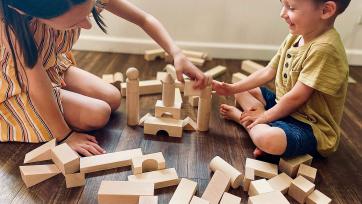
One family spends £25 on wooden blocks.
Another spends £120 on a heavily advertised electronic gadget.
Six months later, which toy is still used every weekend?
The answer often surprises people.
Price tells you what something costs.
It doesn't tell you how much your child will value it.
Mistake #4: Ignoring Your Child's Personality
Some children love building.
Others prefer pretending.
Some enjoy creating art.
Others want to move constantly.
Buying toys that match your child's natural interests usually produces much better results than following the latest trend.
Mistake #5: Buying Too Many Toys at Once
Children rarely need ten new toys on the same day.
Introducing one or two at a time allows each toy to receive proper attention.
It also prevents the "open everything, play with nothing" effect many parents notice after birthdays and Christmas.
Mistake #6: Forgetting That Simple Can Be Brilliant
Cardboard boxes.
Blankets.
Wooden blocks.
Play scarves.
Art supplies.
These items have entertained children for generations.
Not because they're sophisticated.
Because they're unfinished.
Children complete them with imagination.
Mistake #7: Believing Every Toy Needs an Educational Label
Walk through any toy shop and you'll quickly notice a familiar word on countless boxes:
Educational.
It's become one of the most effective marketing terms in the toy industry.
But here's something worth remembering.
Children don't learn only when a toy claims to teach them something.
They learn while building a blanket fort.
They learn while pretending to run a café.
They learn while inventing stories with toy animals.
Some of the most valuable learning happens during completely unstructured play.
Instead of asking whether a toy is educational, ask whether it encourages your child to think, create, solve problems or communicate. Those are often far better indicators of genuine learning.
Mistake #8: Buying for Today's Excitement Instead of Tomorrow's Play
Imagine two toys.
One creates a huge reaction the moment it's opened.
The other receives only a polite smile.
Six months later, which one is still being used?
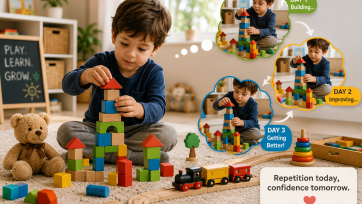
Parents often focus on the excitement of Christmas morning or a birthday party, but children remember the toys they continue enjoying long after the celebration has ended.
Try to shop with next month in mind, not just today.
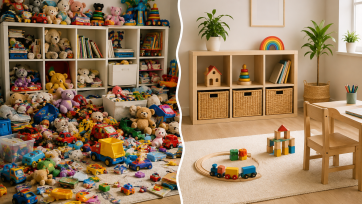
Mistake #9: Ignoring How the Toy Fits Into Your Home
A fantastic toy can become frustrating if it doesn't suit your living space.
Oversized playsets in a small flat.
Hundreds of tiny accessories with nowhere to store them.
Large ride-on toys that only fit in the hallway.
Before buying, think beyond the shop.
Where will the toy live?
Will it be easy to tidy away?
Will your child be able to reach it independently?
Practical questions like these often determine whether a toy becomes part of everyday life or spends most of its time hidden in a cupboard.
Mistake #10: Forgetting That Children Change Quickly
Children's interests evolve much faster than adults expect.
The dinosaurs they adored in spring may be replaced by rockets before autumn arrives.
That doesn't mean parents should constantly buy new toys.
Instead, choose toys that can adapt as interests change.
Building pieces can become almost anything.
Craft materials support countless hobbies.
Pretend-play accessories transform with every new idea.
Flexible toys usually stay relevant for much longer than toys tied to a single theme.
Mistake #11: Buying Without Asking One Final Question
Before every purchase, pause for a moment and ask yourself:
"If this toy didn't exist, what would my child play with instead?"
It's a surprisingly revealing question.
If the answer is another toy that already lives in your house, perhaps you don't need to make the purchase.
If the answer is, "Nothing they already own does this," you've probably found something that genuinely adds value to their collection.
Sometimes the smartest purchase is the one you decide not to make.
A Smarter Way to Shop for Toys
Rather than filling your basket because something is on offer or trending online, create a simple habit.
Every time you consider buying a toy, think about these five points:
-
Does it encourage creativity?
-
Is it suitable for my child's current stage of development?
-
Will it still be interesting in six months?
-
Does it offer something different from the toys we already own?
-
Is it likely to be played with regularly rather than occasionally?
You don't need five "yes" answers every time, but asking these questions encourages more thoughtful decisions and fewer impulse purchases.
Frequently Asked Questions
Why do children stop playing with new toys so quickly?
In many cases, the novelty wears off. Toys that offer only one way to play often become predictable, whereas open-ended toys continue presenting new possibilities.
Should I always buy educational toys?
Not necessarily. Children learn through many different forms of play, including pretend games, creative activities and outdoor exploration. A toy doesn't need the word "educational" on the box to support development.
Is it better to buy one expensive toy or several inexpensive ones?
There's no universal answer, but long-lasting play value is usually more important than price. A well-made toy used every week often represents better value than several toys that are quickly forgotten.
How can I reduce impulse toy purchases?
Waiting 24 hours before buying, comparing the toy with what your child already owns and asking whether it offers a genuinely new play experience are all helpful strategies.
What makes a toy worth buying?
The best toys encourage children to imagine, experiment and return to play repeatedly. They remain enjoyable because children continue discovering new ways to use them.
Final Thoughts
No parent gets every toy purchase right.
Every family has experienced the excitement of bringing home a new toy, only to find it forgotten a few weeks later. That's simply part of raising children.
What matters is recognising the patterns.
The toys that become lifelong favourites rarely rely on flashing lights, clever advertising or enormous boxes. Instead, they invite children to think, create and tell their own stories.
By avoiding these common buying mistakes, you'll spend less on toys that lose their appeal and invest more in toys that genuinely enrich your child's play.
And perhaps the biggest lesson of all?
Buying the right toy isn't about finding the most impressive product on the shelf.
It's about finding the one your child will still choose when nobody tells them to.