Best Magnetic Tiles for Kids in 2026

Best Magnetic Tiles for Kids in 2026: A Complete Parent's Buying Guide

Magnetic tiles have become one of the fastest-growing educational toys for children, and in 2026 they continue to be a favourite among parents, teachers, and childcare professionals. Unlike traditional building blocks, magnetic tiles allow children to create colourful 2D and 3D structures using magnetic connections, making construction easier, more creative, and more engaging.

From castles and rockets to bridges, race tracks, and imaginative cities, magnetic tiles encourage children to experiment with design while developing essential STEM skills. They are suitable for toddlers, preschoolers, and older children, making them one of the few toys that truly grow with a child.

If you're looking for a toy that combines creativity, education, and long-term value, magnetic tiles deserve a place at the top of your shopping list.

What Are Magnetic Tiles?

Magnetic tiles are colourful geometric shapes with built-in magnets that connect together from every side.

Children can build:

  • Houses
  • Towers
  • Castles
  • Animals
  • Cars
  • Bridges
  • Space stations
  • Marble runs
  • Robots
  • Entire cities

Because the magnets hold the pieces together securely, children can create larger and more complex structures than they could with ordinary blocks.

Why Magnetic Tiles Are So Popular

One reason magnetic tiles remain so popular is their simplicity.

Children don't need instructions to start building. They naturally experiment with different shapes, angles, and designs while discovering how magnets work.

Every creation is unique, encouraging hours of open-ended play without becoming repetitive.

Benefits of Magnetic Tiles

Magnetic tiles support many areas of child development.

Some of their biggest benefits include:

  • Encourage creativity
  • Improve problem-solving skills
  • Develop fine motor skills
  • Strengthen hand-eye coordination
  • Build spatial awareness
  • Introduce STEM concepts
  • Encourage teamwork
  • Improve concentration
  • Reduce screen time

Children also gain confidence as they successfully complete larger and more detailed structures.

Magnetic Tiles Support STEM Learning

Magnetic tiles naturally introduce Science, Technology, Engineering, and Mathematics through play.

Children begin exploring concepts such as:

  • Balance
  • Symmetry
  • Geometry
  • Engineering
  • Structural design
  • Gravity
  • Magnetism

Learning happens naturally because children discover these ideas while building.

Best Magnetic Tiles for Toddlers

Toddlers benefit from large magnetic tiles that are easy to hold and safe to handle.

Simple building activities include:

  • Stacking walls
  • Building towers
  • Making colourful patterns
  • Creating basic houses

These activities improve coordination while introducing early problem-solving.

Magnetic Tiles for Preschoolers

Preschool children quickly begin creating more advanced structures.

Popular ideas include:

  • Castles
  • Garages
  • Dinosaur parks
  • Zoos
  • Airports
  • Bridges

These projects encourage storytelling alongside creative construction.

Magnetic Marble Run Sets

Magnetic marble runs combine engineering with exciting movement.

Children build tracks using magnetic pieces before watching marbles travel through:

  • Loops
  • Drops
  • Tunnels
  • Curves
  • Towers

These sets teach cause and effect while encouraging experimentation.

Educational Benefits Beyond Building

Magnetic tiles can also support early classroom learning.

Parents and teachers use them to teach:

  • Colours
  • Shapes
  • Counting
  • Patterns
  • Sorting
  • Basic mathematics

Children often enjoy these activities because they feel like games rather than lessons.

Family Play and Teamwork

Magnetic tiles encourage cooperative play.

Children enjoy working together to build:

  • Giant castles
  • Tall skyscrapers
  • Race tracks
  • Fantasy worlds
  • Entire towns

Family building challenges create memorable experiences while strengthening communication and teamwork.

How to Choose the Best Magnetic Tiles

Before purchasing a set, consider:

  • Your child's age
  • Number of pieces
  • Magnet strength
  • Build quality
  • Safety certifications
  • Compatibility with future expansion sets

Larger sets usually provide greater creative freedom and longer-lasting value.

Safety Considerations

Always choose magnetic tiles that:

  • Meet recognised safety standards
  • Use securely sealed magnets
  • Have smooth edges
  • Use non-toxic materials
  • Match the recommended age

Avoid poor-quality products where magnets could become loose.

Common Buying Mistakes

Parents sometimes focus only on price.

Avoid:

  • Weak magnets
  • Thin plastic
  • Poor-quality construction
  • Small starter sets that limit creativity
  • Unknown manufacturers without safety testing

Investing in a well-made set often saves money over time because it lasts for many years.

Caring for Magnetic Tiles

Magnetic tiles require very little maintenance.

To keep them in excellent condition:

  • Wipe with a damp cloth.
  • Avoid excessive heat.
  • Store all pieces together.
  • Keep magnets clean.
  • Inspect for damage occasionally.

Proper care allows children to enjoy them for years.

Why Magnetic Tiles Make Brilliant Gifts

Magnetic tiles are one of the few toys that children continue using as they grow older.

They're suitable for:

  • Birthdays
  • Christmas
  • School achievements
  • Family celebrations

Parents appreciate gifts that combine creativity, education, and durability in one product.

Frequently Asked Questions

Are magnetic tiles safe for children?

Yes. High-quality magnetic tiles with securely enclosed magnets and recognised safety certifications are safe when used according to the recommended age.

What age are magnetic tiles suitable for?

Most sets are designed for children aged 3 years and above, although some larger sets are suitable for younger children under adult supervision.

Do magnetic tiles help child development?

Absolutely. They improve creativity, engineering skills, fine motor development, spatial awareness, and problem-solving while encouraging independent learning.

Are magnetic tiles worth buying?

Yes. Their educational value, durability, and endless building possibilities make them one of the best long-term toy investments for families.

Final Thoughts

The best magnetic tiles for kids in 2026 combine creativity, STEM learning, and imaginative play in one versatile toy. Whether children are building colourful castles, designing marble runs, constructing vehicles, or inventing futuristic cities, magnetic tiles encourage exploration, experimentation, and independent thinking.

Unlike many toys that lose their appeal after a few weeks, magnetic tiles continue inspiring new ideas year after year. By choosing a high-quality set with strong magnets and durable construction, parents can give children a toy that supports learning, creativity, and countless hours of screen-free fun.
Advertisement
Best Outdoor Toys for Kids in 2026
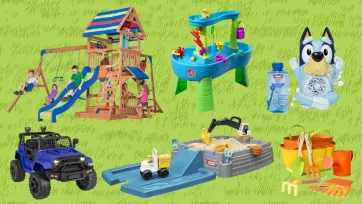
Best Outdoor Toys for Kids in 2026: The Ultimate Guide to Active and Healthy Play Outdoor play is one of the most important parts of childhood. Running across the garden, climbing, kicking a ball, riding a scooter, or inventing games with friends helps children stay active while building confidence, creativity, and social skills. In today's digital world, where many children spend increasing amounts of time indoors, outdoor toys provide the perfect reason to get outside and enjoy fresh air. The best outdoor toys don't simply entertain—they encourage movement, exploration, and learning. From ride-on vehicles and trampolines to sports equipment and water play toys, outdoor toys help children develop physically and mentally while creating unforgettable family memories. If you're looking for the best outdoor toys for kids in 2026, this complete guide will help you choose toys that combine fun, safety, and long-term value. Why Outdoor Play Is Essential Children are naturally active, and outdoor environments give them the freedom to explore, run, jump, climb, and discover new experiences. Regular outdoor play helps children: Build stronger muscles Improve balance Develop coordination Increase confidence Learn teamwork Reduce stress Improve sleep quality Outdoor activities also encourage children to spend less time in front of screens and more time engaging with the world around them. Benefits of Outdoor Toys Outdoor toys support healthy development in many different ways. Some of the biggest benefits include: Encourage daily exercise Improve gross motor skills Build physical strength Develop balance and coordination Improve social skills Encourage imaginative play Boost self-confidence Support emotional wellbeing Reduce screen time Children who play outdoors regularly are often more active, more creative, and more confident. Ride-On Toys Ride-on toys remain one of the most popular outdoor choices for children. Popular options include: Balance bikes Scooters Pedal cars Ride-on tractors Wiggle cars Battery-powered vehicles These toys improve coordination while encouraging children to stay physically active. Garden Play Equipment Large garden toys provide endless opportunities for adventure. Popular choices include: Climbing frames Slides Swings Playhouses Monkey bars Climbing domes These activities strengthen muscles while improving confidence and problem-solving skills. Trampolines Trampolines remain one of the best outdoor toys for active children. Jumping helps improve: Balance Coordination Leg strength Cardiovascular fitness Body awareness Modern trampolines with safety nets provide a safer jumping environment for children. Sports Toys Simple sports equipment encourages children to stay active while learning teamwork. Excellent outdoor sports toys include: Footballs Basketball hoops Cricket sets Tennis sets Rugby balls Badminton sets Family sports games also encourage communication and healthy competition. Water Play Toys Warm weather creates the perfect opportunity for water-based fun. Popular water toys include: Splash pads Water tables Water blasters Sprinklers Inflatable pools Water slides These toys help children stay cool while encouraging active play. Sand and Beach Toys Sand play encourages creativity and exploration. Children enjoy using: Buckets Spades Sand moulds Dump trucks Excavators Beach wagons Building castles and digging tunnels helps improve fine motor skills while encouraging imaginative play. Outdoor STEM Toys Learning doesn't stop outside. Outdoor STEM toys include: Nature exploration kits Magnifying glasses Bug catchers Gardening sets Binoculars Weather stations These activities encourage scientific curiosity while helping children appreciate nature. Garden Games for Families Outdoor games bring the whole family together. Popular choices include: Ring toss Giant dominoes Skittles Bean bag toss Giant chess Obstacle courses These games encourage teamwork, communication, and friendly competition. Choosing the Right Outdoor Toy Before buying, consider: Your child's age Available outdoor space Material quality Weather resistance Safety certifications Storage requirements A durable toy designed for outdoor use usually provides many years of enjoyment. Safety Tips Always choose outdoor toys that: Meet recognised safety standards Match your child's age Use weather-resistant materials Have smooth edges Include appropriate safety features Children should also wear suitable protective equipment, such as helmets when riding bikes or scooters. Common Buying Mistakes Parents sometimes buy outdoor toys without considering available space. Avoid: Oversized equipment for small gardens Poor-quality plastic Toys without safety certification Age-inappropriate designs Equipment requiring complicated maintenance Choosing quality over quantity usually provides the best value. Why Outdoor Toys Make Excellent Gifts Outdoor toys encourage healthy habits while creating lasting family memories. They're ideal for: Birthdays Christmas Summer holidays Family celebrations School achievement rewards Unlike many indoor toys, outdoor equipment encourages physical activity and group play for many years. Frequently Asked Questions What are the best outdoor toys for children? Ride-on toys, trampolines, swings, scooters, sports equipment, water tables, climbing frames, and garden games are among the best outdoor toys. Why are outdoor toys important? Outdoor toys encourage physical activity, improve coordination, strengthen muscles, build confidence, and reduce screen time. What outdoor toys are suitable for toddlers? Balance bikes, push cars, water tables, sand toys, bubble machines, and ride-on toys are excellent choices for toddlers. How can I encourage my child to play outdoors more? Choose toys that match your child's interests, join them during play, create simple outdoor challenges, and limit unnecessary screen time. Final Thoughts The best outdoor toys for kids in 2026 do far more than keep children entertained—they encourage healthier lifestyles, inspire creativity, and help children develop important physical and social skills through active play. Whether it's climbing, riding, splashing, digging, or playing family games, outdoor toys create opportunities for children to explore, learn, and grow. By investing in safe, durable, and age-appropriate outdoor toys, parents can encourage children to enjoy fresh air, stay active, and create childhood memories that will last a lifetime.
Best Play Tents for Kids in 2026
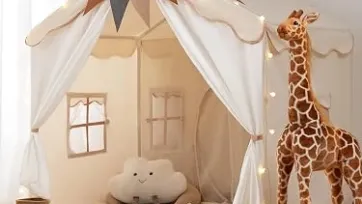
Best Play Tents for Kids in 2026: Creating Magical Spaces for Imaginative Play Every child dreams of having a special place they can call their own. A play tent transforms an ordinary corner of a bedroom or garden into a magical world where children can read, imagine, build, relax, and create unforgettable adventures. Whether it's a castle, space station, woodland hideaway, camping tent, or teepee, play tents encourage independent play while giving children a cosy space to explore their imagination. In 2026, play tents have become one of the most popular toys for families looking to encourage screen-free entertainment. Available in a wide variety of designs, sizes, and themes, they suit babies, toddlers, preschoolers, and older children alike. This guide explains everything parents need to know about choosing the best play tents for kids in 2026. Why Play Tents Are So Popular Children naturally enjoy having a private space where they can imagine, create, and play without distractions. A play tent quickly becomes: A secret clubhouse A fairy castle A pirate ship A jungle camp A reading corner A superhero headquarters A space station A cosy hideaway Because children invent their own stories, every day inside the tent becomes a completely new adventure. Benefits of Play Tents Play tents provide much more than entertainment. Some of their biggest benefits include: Encourage imaginative play Improve creativity Build confidence Support independent play Develop communication skills Encourage storytelling Create quiet reading spaces Promote social interaction Reduce screen time Children also enjoy having a calm space where they can relax after busy activities. Indoor Play Tents Indoor tents are perfect for bedrooms, playrooms, and living rooms. Popular indoor themes include: Princess castles Space rockets Teepees Fairy houses Safari tents Reading tents They provide children with a dedicated area for imaginative play throughout the year. Outdoor Play Tents Outdoor play tents encourage children to spend more time in the fresh air. They're ideal for: Gardens Parks Family picnics Camping trips Beach holidays Outdoor models are usually made from weather-resistant materials that can handle light wind and sunshine. Teepee Tents Teepee tents remain one of the most stylish choices for modern homes. Parents love them because they: Look attractive Save space Match nursery décor Create cosy reading corners Encourage imaginative play Many families decorate teepees with cushions, fairy lights, and blankets to create a relaxing retreat. Pop-Up Play Tents Pop-up tents are extremely convenient. Their advantages include: Quick assembly Lightweight design Easy storage Portable construction Simple folding mechanism They're especially useful for families with limited storage space. Play Tents Encourage Reading Many parents transform play tents into reading corners. Adding: Books Soft cushions Blankets Floor mats Plush toys creates a quiet environment where children enjoy reading independently. Role Play Inside Play Tents A play tent can become almost anything. Children enjoy pretending to run: Cafés Hospitals Shops Campsites Schools Fire stations Pretend play encourages creativity while helping children develop communication and problem-solving skills. Choosing the Right Play Tent Before buying, consider: Your child's age Available space Indoor or outdoor use Material quality Ease of assembly Portability Safety certification A durable tent with washable fabric usually provides the best long-term value. Safety Tips Always choose play tents that: Meet recognised safety standards Use flame-resistant materials Have breathable mesh windows Include sturdy poles Match the recommended age Regularly inspect the frame and fabric for signs of wear. Common Buying Mistakes Parents sometimes focus only on appearance. Avoid: Weak plastic poles Poor ventilation Difficult assembly Cheap fabric Tents that are too small Choosing a larger, better-quality tent usually provides many more years of enjoyable play. Decorating a Play Tent Children love personalising their own space. Popular additions include: Fairy lights Soft rugs Floor cushions Stuffed animals Bunting Decorative pillows Simple decorations make the tent feel even more special. Why Play Tents Make Excellent Gifts Play tents are ideal gifts because they combine imagination, comfort, and creativity. They're perfect for: Birthdays Christmas First bedrooms Playroom makeovers Family celebrations Unlike many toys that lose their appeal quickly, a play tent often becomes part of a child's everyday routine. Frequently Asked Questions What is the best play tent for children? The best play tent depends on your child's age and interests. Teepees, castle tents, rocket tents, and pop-up play tents are among the most popular choices. At what age can children use play tents? Many play tents are suitable from around two years old, although larger family play tents can be enjoyed by older children as well. Are play tents educational? Yes. They encourage creativity, storytelling, communication, role play, independent thinking, and social development. Can play tents be used outdoors? Many models are designed for both indoor and outdoor use, although parents should always follow the manufacturer's recommendations regarding weather conditions. Final Thoughts The best play tents for kids in 2026 offer much more than a place to play. They create magical spaces where children can read, imagine, relax, and build unforgettable adventures. Whether it's a cosy indoor teepee, a colourful castle, or an outdoor camping tent, these toys encourage creativity while giving children a space that feels uniquely their own. By choosing a high-quality play tent, parents provide far more than another toy—they create a world where imagination can grow every single day.
Best Fidget Toys for Kids in 2026
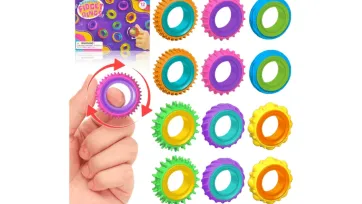
Best Fidget Toys for Kids in 2026: The Ultimate Parent's Buying Guide Fidget toys have become one of the most popular toy categories in recent years, offering children a simple yet engaging way to keep their hands busy while supporting focus, creativity, and relaxation. Originally introduced as sensory tools, today's fidget toys are enjoyed by children of all ages, whether they're at home, travelling, or taking a break from schoolwork. In 2026, the range of fidget toys is bigger than ever. Parents can choose from pop-it toys, fidget cubes, magnetic rings, sensory spinners, stretchy strings, marble mazes, puzzle balls, and countless other handheld toys designed to encourage active, screen-free play. Whether you're looking for a fun gift or a toy that keeps little hands occupied, this guide will help you choose the best fidget toys for kids in 2026. What Are Fidget Toys? Fidget toys are small handheld toys designed for repetitive movement and sensory interaction. Children can: Press Spin Twist Stretch Squeeze Roll Click Flip These repetitive actions make fidget toys enjoyable while encouraging fine motor development and concentration. Why Fidget Toys Are So Popular Children naturally enjoy keeping their hands active. Fidget toys provide a satisfying way to explore movement without requiring batteries, screens, or complicated instructions. Their portable size also means children can enjoy them almost anywhere, making them ideal for travel, waiting rooms, road trips, and quiet play at home. Benefits of Fidget Toys Fidget toys support several aspects of child development. Some of the biggest benefits include: Improve fine motor skills Strengthen finger coordination Encourage concentration Support sensory exploration Build hand strength Promote independent play Encourage problem-solving Improve hand-eye coordination Reduce screen time Many children also enjoy collecting different types of fidget toys because each offers a unique sensory experience. Pop-It Fidget Toys Pop-it toys remain one of the best-selling fidget toys worldwide. Children enjoy repeatedly pressing the soft silicone bubbles while creating different patterns and games. Pop-it toys are available in countless shapes, including: Animals Fruits Vehicles Dinosaurs Stars Hearts Their simple design makes them suitable for a wide range of ages. Fidget Cubes Fidget cubes combine several activities into one compact toy. Common features include: Click buttons Rolling balls Rotating switches Sliding controls Spinning discs Textured surfaces Each side offers a different activity, keeping play interesting for longer. Fidget Spinners Although they have been around for several years, fidget spinners remain popular in 2026. Children enjoy: Watching smooth rotations Learning simple tricks Competing with friends Improving finger control High-quality bearings provide longer spinning times and smoother performance. Stretchy Fidget Toys Stretch toys encourage active hand movement. Popular options include: Stretch noodles Elastic strings Sensory worms Rubber tubes Twist bands These toys help improve finger strength while providing satisfying tactile feedback. Puzzle Fidget Toys Some fidget toys combine sensory play with problem-solving. Examples include: Puzzle balls Marble mazes Rotating cubes Sliding puzzles Shape challenges These toys encourage logical thinking while keeping children's hands active. Magnetic Fidget Toys Magnetic toys provide a unique interactive experience. Children enjoy: Connecting pieces Building shapes Rolling magnetic rings Creating patterns Always choose magnetic toys designed specifically for children, with securely enclosed magnets and age-appropriate safety standards. Travel-Friendly Fidget Toys Because most fidget toys are small and lightweight, they are perfect for travelling. They're useful during: Car journeys Flights Restaurant visits Waiting rooms Holidays Family outings Portable toys help keep children entertained without relying on electronic devices. Choosing the Right Fidget Toy Before buying, consider: Your child's age Material quality Durability Safety certification Ease of cleaning Portability Simple, well-made toys usually provide a better experience than complicated novelty products. Safety Tips Choose fidget toys that: Meet recognised safety standards Use BPA-free, non-toxic materials Match the recommended age Have no loose small parts for younger children Are easy to clean Regularly inspect toys for wear, especially those made from silicone or rubber. Common Buying Mistakes Parents often purchase very cheap fidget toys that wear out quickly. Avoid: Weak plastic Poor-quality silicone Loose magnets Sharp edges Tiny detachable parts Toys without safety certification A high-quality fidget toy lasts much longer and offers a better sensory experience. Why Fidget Toys Make Excellent Gifts Fidget toys are affordable, portable, and suitable for many different ages. They're ideal for: Birthday party favours Christmas stockings Travel gifts School rewards Pocket-money treats Many children enjoy building small collections featuring different textures and movements. Frequently Asked Questions What are the best fidget toys for children? Pop-it toys, fidget cubes, spinners, stretchy sensory toys, magnetic fidgets, and puzzle fidget toys are among the most popular choices. At what age can children use fidget toys? Many larger fidget toys are suitable from around three years old, while smaller toys should only be used by older children according to the manufacturer's age recommendations. Do fidget toys help child development? Yes. Fidget toys improve fine motor skills, finger strength, coordination, sensory exploration, and concentration while encouraging screen-free play. Are silicone fidget toys safe? High-quality silicone fidget toys made from BPA-free, child-safe materials are generally a safe option when they meet recognised safety standards. Final Thoughts The best fidget toys for kids in 2026 offer a simple but highly engaging way for children to explore movement, texture, and creativity through hands-on play. Whether it's pressing colourful pop-it bubbles, spinning a smooth fidget spinner, stretching sensory strings, or solving a handheld puzzle, these toys encourage active play while supporting fine motor development and independent exploration. By choosing safe, durable, and age-appropriate fidget toys, parents can provide children with enjoyable, portable toys that keep curious hands busy wherever they go.
How to Choose Age-Appropriate Toys for Every Stage of Childhood
 How to Choose Age-Appropriate Toys for Every Stage of Childhood Introduction Buying a toy might seem like a simple task, but choosing one that's genuinely suitable for a child's age can be surprisingly difficult. Walk into any toy shop or browse an online store, and you'll be faced with thousands of options, all claiming to be educational, entertaining or essential for development. Attractive packaging and clever marketing can make almost any toy look appealing, but the most important question remains: Is it right for your child's current stage of development? A toy that's perfect for one child may be completely unsuitable for another, even if they're only a year apart in age. Younger children need toys that help them explore basic movements and senses, while older children benefit from activities that challenge their imagination, creativity and problem-solving abilities. Choosing age-appropriate toys isn't about limiting children. It's about giving them the right level of challenge. A toy that's too simple may quickly become boring, while one that's too advanced can lead to frustration and a loss of confidence. The good news is that selecting suitable toys becomes much easier when you understand how children develop and what they need at each stage. Rather than following trends or buying whatever is popular, parents can build a toy collection that grows alongside their child and continues providing value for years. In this guide, you'll learn how children's play changes as they grow, which toys suit different age groups, common buying mistakes to avoid and practical tips for choosing toys that are both enjoyable and beneficial. Why Age Recommendations Matter The age label printed on a toy isn't simply a marketing suggestion. In many cases, it reflects important safety information as well as the developmental skills needed to enjoy the toy properly. Manufacturers consider several factors before assigning an age recommendation, including: The size of individual parts. The level of coordination required. Problem-solving difficulty. Physical strength needed. Safety risks. Typical developmental milestones. Following these recommendations helps children enjoy toys safely while reducing unnecessary frustration. Every Child Develops Differently Although age guidelines are useful, they should never be treated as strict rules. Two children of the same age can have very different interests, confidence levels and abilities. One four-year-old may happily complete complex puzzles, while another prefers imaginative role play. Neither approach is better; they're simply developing in different ways. Parents know their children better than anyone else. When choosing toys, consider both the recommended age and your child's personality. Choosing Toys for Babies (0–12 Months) During the first year of life, babies learn mainly through their senses. Everything is new, from different textures and colours to sounds and movement. The best toys at this stage encourage exploration rather than structured learning. Suitable choices include: Soft sensory balls High-contrast books Fabric activity cubes Stacking rings Soft blocks Teething toys Baby mirrors Activity gyms Simple toys often provide the richest experiences because babies are discovering basic movements and cause-and-effect relationships. Choosing Toys for Toddlers (1–3 Years) Toddlers are naturally curious. They want to touch everything, move constantly and copy the adults around them. This is the perfect stage for toys that encourage exploration and independence. Excellent choices include: Building blocks Shape sorters Ride-on toys Push-and-pull toys Toy animals Pretend food Play kitchens Chunky puzzles Drawing boards Stacking cups These toys help develop coordination, language, imagination and confidence through everyday play. Choosing Toys for Preschool Children (3–5 Years) Preschool children enjoy making up stories, asking questions and solving simple challenges. Their play becomes more imaginative and they often enjoy playing alongside friends or siblings. Suitable toys include: Construction toys Pretend play sets Craft materials Board games Magnetic building pieces Puppet theatres Toy vehicles Dollhouses Science activity kits Outdoor play equipment At this stage, children begin combining different toys to create their own games rather than using them separately. Choosing Toys for School-Age Children (6–12 Years) School-age children usually enjoy activities that involve planning, creativity and more advanced thinking. They often become passionate about particular hobbies or interests. Good choices include: Strategy games Advanced building sets Art supplies Science experiment kits Sporting equipment Musical instruments Model-building kits Coding activities Craft projects Educational games Rather than simply entertaining, these toys encourage children to develop skills that can continue into adolescence and adulthood. How to Tell if a Toy Is Too Easy Children usually let parents know when a toy no longer challenges them. Some common signs include: They lose interest within a few minutes. They rarely choose the toy during playtime. They complete every activity without thinking. They ask for something "more exciting". They quickly move on to another toy. A toy that no longer offers a challenge doesn't necessarily need to be thrown away. It can often be passed to a younger sibling, stored for future use or donated. Signs a Toy Is Too Difficult Choosing toys that are too advanced can be just as problematic. Watch for signs such as: Frequent frustration. Asking for constant help. Giving up very quickly. Ignoring the toy altogether. Becoming upset while playing. If a toy seems too difficult, put it away for a few months and try again later. Children's development changes quickly, and a toy that feels impossible today may become a favourite in the near future. Building a Balanced Toy Collection One of the biggest mistakes parents make is buying many similar toys. A well-balanced collection offers children different types of play experiences throughout the week. Instead of focusing on quantity, include toys from a variety of categories. For example: Construction toys for creativity and problem-solving. Pretend play toys for imagination and communication. Puzzles and games for logical thinking. Arts and crafts for creativity and fine motor skills. Outdoor toys for physical activity. Books for language development. Open-ended toys that can be used in many different ways. This variety keeps play interesting while supporting several areas of development. Should You Buy Educational Toys Only? Many parents feel pressure to choose toys labelled as "educational", but learning doesn't only happen through structured activities. Children also learn when they: Build a blanket fort. Pretend to run a café. Dig in the garden. Draw pictures. Build towers. Create stories. Play with siblings. In reality, some of the most educational toys don't advertise themselves that way. Open-ended toys often encourage deeper learning because children control how they play. Buying Guide Choosing age-appropriate toys becomes much easier when you focus on a few key principles rather than following trends. Match Ability, Not Just Age Age recommendations provide a useful starting point, but your child's interests, confidence and abilities are equally important. Choose Toys That Can Grow with Your Child Construction toys, art materials and imaginative play sets often remain enjoyable for many years because children discover new ways to use them as they mature. Prioritise Quality Well-made toys usually last longer, feel safer and provide better value than cheaper alternatives that break after a few weeks. Avoid Buying Everything at Once Children don't need dozens of new toys. Introducing a few carefully selected toys over time often keeps play more exciting and manageable. Encourage Different Types of Play A balanced toy collection should support creativity, physical activity, social interaction and independent thinking rather than focusing on just one area. Safety Tips Safety should always come before appearance or popularity. Keep these recommendations in mind: Always follow the manufacturer's recommended age range. Check toys regularly for damage or loose parts. Remove broken toys immediately. Keep small pieces away from babies and toddlers. Choose non-toxic materials where possible. Supervise children using craft tools or science kits. Store toys safely to prevent accidents. Clean toys regularly, particularly those used outdoors or shared with others. A safe toy is one that matches both a child's age and their developmental abilities. Common Buying Mistakes Many parents unknowingly spend money on toys that provide very little long-term value. Here are some common mistakes to avoid. Buying Based on Popular Trends The latest must-have toy may lose its appeal surprisingly quickly. Timeless toys often provide years of enjoyment. Choosing Toys That Are Too Advanced Parents sometimes buy toys hoping children will "grow into them", but overly difficult toys can reduce confidence rather than encourage learning. Ignoring Your Child's Interests Children are much more likely to enjoy toys that reflect what they genuinely love, whether that's animals, vehicles, art, music or imaginative adventures. Buying Too Many Similar Toys Owning ten different puzzles provides less variety than having puzzles, books, building toys and craft materials. Assuming Expensive Means Better Some of the most valuable toys are also the simplest. Creative play depends far more on imagination than price. Frequently Asked Questions Why are age recommendations important? Age recommendations help ensure toys are both safe and developmentally appropriate. They consider factors such as small parts, physical ability and the level of skill needed to enjoy the toy. Can younger children use toys designed for older children? Sometimes, but only with careful supervision and when safety is not compromised. Always consider your child's abilities as well as the manufacturer's guidance. Should I replace toys as my child grows? Not always. Many high-quality toys can be used in new ways as children become older. Rotating toys and introducing fresh challenges often extends their usefulness. How many toys should children have? There is no perfect number. A smaller collection of varied, high-quality toys usually encourages more meaningful play than a room filled with similar items. Are educational toys worth buying? Yes, but remember that many traditional toys also provide valuable learning opportunities. The best toys encourage creativity, curiosity and problem-solving rather than simply teaching facts. Final Thoughts Choosing age-appropriate toys isn't about buying the most expensive products or following the latest trends. It's about understanding how children grow, recognising their individual interests and providing toys that challenge them without causing frustration. A carefully chosen toy can support creativity, confidence, physical development and independent thinking for years. By focusing on quality, versatility and your child's unique stage of development, you'll build a toy collection that offers lasting value instead of short-lived entertainment. When in doubt, remember that children often learn the most from simple toys that leave plenty of room for imagination. Those are usually the toys they return to again and again.  
The 30-Day Toy Test
The 30-Day Toy Test
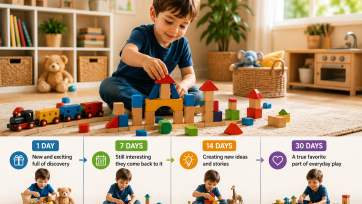
The 30-Day Toy Test: How to Tell If a Toy Is Truly Worth Buying Introduction Imagine this. You're standing in a toy shop with your child. One toy has flashing lights, exciting sounds and colourful packaging. Another looks surprisingly simple—no batteries, no screens, no dramatic demonstrations. Which one deserves a place in your home? Most buying decisions happen in less than five minutes. Yet the real question isn't "Will my child love this today?" It's "Will they still choose it a month from now?" The truth is that many toys are designed to create a powerful first impression. Very few are designed to remain interesting after the excitement fades. That's where the 30-Day Toy Test comes in. It's not a scientific experiment or a strict parenting rule. It's a simple way of looking beyond the packaging and thinking about long-term play instead of short-term excitement. If more parents used this approach, many would spend less money while building a toy collection their children genuinely enjoy. Let's see how it works. Day One: The Excitement Phase Every new toy has an advantage. It's new. Children naturally want to touch it, explore it and discover everything it can do. During this first stage, almost every toy looks successful. The challenge is that excitement and lasting value are not the same thing. Some toys shine brightly for an afternoon. Others quietly become favourites for years. You can't tell the difference on the first day alone. Day Seven: The Curiosity Check After a week, the novelty begins to disappear. This is when the toy reveals its true personality. Ask yourself: Does your child return to it without being reminded? Are they combining it with other toys? Have they invented new games? Is the toy becoming part of imaginative stories? If the answer is yes, the toy is beginning to prove its worth. If it spends most of its time untouched, the initial excitement may have been doing all the work. Day Fourteen: The Creativity Test By the second week, the most successful toys begin changing roles. Building blocks become bridges. Roads become race tracks. Toy animals move from the zoo into space missions. A doll's house transforms into a veterinary clinic. Notice something? The child is now directing the play. The toy has become a tool for imagination instead of simply providing entertainment. That's often the point where long-term favourites separate themselves from short-lived trends. Day Thirty: The Final Question A month later, ask one simple question. Would my child notice if this toy quietly disappeared? If the answer is yes, you've found a genuinely valuable toy. If the answer is probably not, the toy may have offered excitement without lasting engagement. The best toys rarely demand attention. They quietly earn it over time. Why Parents Often Misjudge Toys Adults naturally remember emotional moments. Watching a child excitedly unwrap a birthday present feels wonderful. Because of that memory, it's easy to believe the toy was an outstanding success. But childhood isn't measured by opening presents. It's measured by everyday play. The toys children choose on ordinary Tuesday afternoons often tell you much more than the toys they celebrated for ten minutes on Christmas morning. The Toy Lifetime Score Instead of judging a toy by its price or popularity, try scoring it using five simple questions. Give one point for every yes. Does my child choose it without being asked? Can it be used in more than one way? Does it encourage imagination or problem-solving? Has it remained interesting after several weeks? Can it grow with my child's changing interests? A toy that scores five out of five has a strong chance of becoming a long-term favourite. One or two points doesn't necessarily make it a bad toy, but it may offer only short-lived entertainment. The Toys That Usually Pass the Test After observing how children play, certain patterns appear again and again. The toys that survive the 30-Day Test often have something in common. They don't rely on constant surprises. Instead, they rely on endless possibilities. These are the kinds of toys children naturally return to: Building blocks and construction sets. Magnetic building pieces. Toy animals and figurines. Train tracks and vehicles. Dollhouses and pretend-play accessories. Art and craft materials. Play kitchens and role-play toys. None of these toys tells children exactly what to do. That's precisely why they continue inspiring new ideas. Why Some Expensive Toys Fail the Test Price doesn't guarantee replay value. Many premium toys are beautifully made, but if they only perform one activity, children quickly learn everything they can do. Once the mystery disappears, so does much of the excitement. By contrast, a simple set of blocks may never surprise a child. Instead, it challenges them to surprise themselves. That's a much more powerful form of play. A Better Shopping Habit Before buying your next toy, imagine looking back thirty days from now. Picture your child walking into the playroom. Which toy will they pick first? The one that impressed them in the shop? Or the one that lets them create something completely different every afternoon? Thinking this way changes shopping from an emotional decision into a thoughtful one. Over time, you'll build a collection of toys that earn their place through use rather than appearance. Quality Play Is Built Over Time Parents often search for the perfect toy. In reality, there isn't one. The best toy for one child may hold very little interest for another. What matters is how the toy fits your child's personality, stage of development and preferred way of playing. That's why observing your own child is more valuable than following trends or popularity lists. Children quietly reveal their favourite toys every day. We simply need to pay attention. Frequently Asked Questions What is the 30-Day Toy Test? It's a simple way of evaluating whether a toy continues to engage a child after the initial excitement has disappeared. The focus is on long-term play rather than first impressions. Why do children stop playing with some toys so quickly? Many toys depend on novelty. Once children discover all the features, there may be little left for them to explore or imagine. What types of toys usually have the best replay value? Open-ended toys such as building sets, pretend-play toys, art materials and construction toys often remain interesting because children can use them in different ways. Should I replace toys that fail the 30-Day Test? Not immediately. Try storing them for a few weeks and reintroducing them later. Many children rediscover forgotten favourites through toy rotation. Can this approach save money? Yes. Buying fewer toys with stronger long-term play value often reduces unnecessary purchases while creating a more enjoyable play environment. Final Thoughts A great toy isn't judged on the day it's opened. It's judged on the ordinary days that follow. The rainy Tuesday. The quiet Saturday morning. The afternoon when there are no birthdays, no holidays and nothing new waiting to be unwrapped. Those are the moments that reveal a toy's true value. Some toys shine brightly for a few minutes before fading into the background. Others quietly become trusted companions in hundreds of adventures. When parents learn to look beyond the first impression and focus on the next thirty days, toy shopping becomes less about excitement and more about lasting memories. And in the end, that's what every worthwhile toy should help create.
Best Screen-Free Toys for Kids in 2026
Best Screen-Free Toys for Kids in 2026 In today's digital world, children are surrounded by screens. Smartphones, tablets, televisions, gaming consoles, and computers have become part of everyday life, making it increasingly difficult for parents to maintain a healthy balance between technology and traditional play. While technology offers many educational benefits, excessive screen time can reduce physical activity, limit creativity, and decrease opportunities for meaningful family interaction. This is where screen-free toys make a real difference. These toys encourage children to use their imagination, solve problems, build, create, explore, and interact with others without relying on digital devices. Whether it's a set of wooden blocks, a remote control car, a puzzle, or an outdoor adventure kit, screen-free toys help children develop valuable life skills while having genuine fun. If you're looking for healthier play options, this guide explains why screen-free toys are more important than ever in 2026 and how to choose the best ones for every age. What Are Screen-Free Toys? Screen-free toys are toys that do not require televisions, smartphones, tablets, computers, or other digital screens to operate. Instead, they encourage active participation through physical play, creativity, exploration, and imagination. Unlike digital entertainment, screen-free toys place children in control of the experience. They build, imagine, experiment, race, create stories, and solve challenges using their own ideas rather than following instructions on a screen. These toys are suitable for children of all ages and can provide hours of engaging, meaningful play. Why More Parents Are Choosing Screen-Free Toys Many parents are becoming increasingly aware of the importance of balancing screen time with hands-on activities. Screen-free toys help children disconnect from digital devices while encouraging movement, communication, and independent thinking. These toys also create opportunities for family interaction. Instead of sitting separately with different devices, parents and children can build together, race together, solve puzzles, or enjoy imaginative games that strengthen relationships. Screen-free play also encourages children to stay curious and discover new ways to entertain themselves without relying on constant digital stimulation. Benefits of Screen-Free Toys Screen-free toys support healthy childhood development in many ways. Some of the biggest benefits include: Encouraging creativity Improving concentration Developing hand-eye coordination Strengthening problem-solving skills Supporting language development Increasing physical activity Reducing screen dependency Encouraging social interaction Building confidence These benefits often continue long after playtime ends, helping children develop skills they will use throughout life. Building Toys Inspire Endless Creativity Building toys remain one of the best screen-free activities available. Children can design houses, castles, roads, bridges, towers, vehicles, or entire cities using simple building blocks or construction sets. Every new creation encourages imagination while improving planning, patience, and logical thinking. Popular building toys include: Wooden blocks Magnetic tiles Construction bricks Marble runs Engineering kits These toys grow with children, offering new challenges as their skills improve. Puzzles Help Children Think Critically Puzzles are an excellent alternative to digital entertainment because they require concentration, observation, and logical thinking. Children learn to recognize patterns, solve problems, and remain patient while completing increasingly challenging puzzles. Popular puzzle types include: Wooden puzzles Alphabet puzzles Number puzzles Animal puzzles World map puzzles Floor puzzles Puzzle time can also become a relaxing family activity. Pretend Play Encourages Imagination Pretend play remains one of the most valuable forms of screen-free entertainment. Children naturally enjoy pretending to be doctors, chefs, firefighters, astronauts, teachers, or shopkeepers. Excellent pretend play toys include: Kitchen playsets Doctor kits Tool benches Dollhouses Cash registers Puppet theaters These activities help children improve communication, storytelling, empathy, and creativity. Remote Control Toys Offer Active Fun Without Screens Many parents are surprised to learn that remote control toys are considered excellent screen-free entertainment. Driving a remote control racing car, monster truck, or construction vehicle requires concentration, coordination, and quick decision-making. Unlike video games, children remain physically active as they navigate obstacles, create racing tracks, and play outdoors with friends or family. Rechargeable RC toys also provide longer play sessions while reducing the need for disposable batteries. Arts and Crafts Spark Creativity Creative projects encourage children to express themselves while improving fine motor skills. Popular screen-free creative activities include: Drawing Painting Coloring Clay modeling Bead making DIY craft kits Paper folding These activities also teach patience and attention to detail while giving children a sense of accomplishment. Outdoor Toys Encourage Healthy Play Outdoor toys naturally reduce screen time by encouraging children to explore their surroundings. Excellent options include: Scooters Balls Flying discs Bubble machines Gardening kits Nature explorer sets Jump ropes Outdoor activities improve fitness, coordination, teamwork, and overall well-being while helping children enjoy fresh air and sunshine. Educational Screen-Free Toys Learning doesn't require a screen. Many educational toys provide hands-on experiences that support important developmental skills. Some excellent choices include: Alphabet blocks Counting toys STEM building kits Science experiment sets Geography puzzles Memory games Children often learn more effectively when they actively participate instead of simply watching a screen. Choosing Screen-Free Toys by Age Different age groups enjoy different types of activities. For babies: Soft sensory toys Wooden rattles Stacking rings For toddlers: Shape sorters Pull toys Wooden puzzles For preschoolers: Building blocks Pretend play sets Arts and crafts For older children: STEM kits Board games RC cars Science projects Outdoor sports equipment Choosing age-appropriate toys helps children stay interested while supporting healthy development. How Parents Can Encourage Screen-Free Play Creating screen-free habits doesn't mean removing technology completely. Instead, focus on offering exciting alternatives that naturally capture a child's interest. Some simple ideas include: Set aside daily screen-free playtime. Rotate toys to keep them exciting. Join your child during play. Create indoor obstacle courses. Encourage outdoor adventures. Organize family board game nights. When children see adults participating, they become even more excited about screen-free activities. Common Mistakes Parents Should Avoid Many parents unintentionally make screen-free play less appealing. Avoid: Offering too many toys at once Comparing traditional toys with digital entertainment Interrupting imaginative play too often Choosing toys that are too difficult Buying low-quality products that break quickly Simple, durable, open-ended toys usually provide the longest-lasting enjoyment. Why Screen-Free Toys Make Excellent Gifts Screen-free toys are thoughtful gifts because they encourage children to interact with the world around them instead of spending more time in front of digital devices. Whether it's a birthday, holiday, or special celebration, toys such as puzzles, building sets, outdoor games, RC vehicles, or creative craft kits provide lasting value while creating memorable family experiences. Frequently Asked Questions What are screen-free toys? Screen-free toys are toys that encourage active, hands-on play without using smartphones, tablets, televisions, or computers. Are screen-free toys better than electronic toys? Both have benefits, but screen-free toys encourage imagination, creativity, physical activity, and social interaction without increasing daily screen time. Do screen-free toys help child development? Yes. They improve creativity, concentration, communication, coordination, problem-solving, and emotional development through active play. Can remote control cars be considered screen-free toys? Yes. Although they use electronic controllers, RC cars do not require digital screens and encourage active physical play, making them an excellent screen-free activity. Final Thoughts Screen-free toys continue to be one of the best ways to encourage healthy childhood development in 2026. They inspire creativity, strengthen problem-solving skills, improve physical activity, and help children build meaningful connections with family and friends. Whether you choose building blocks, puzzles, pretend play sets, outdoor games, arts and crafts, or remote control toys, every screen-free activity offers children the opportunity to learn, imagine, and grow without relying on digital devices. By creating a healthy balance between technology and traditional play, parents can give their children experiences that are both enjoyable and truly enriching.
Best Dollhouses for Kids in 2026
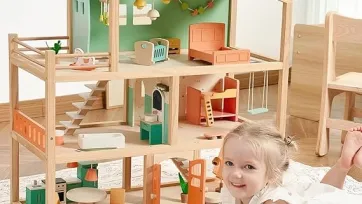
Best Dollhouses for Kids in 2026: A Complete Parent's Buying Guide A dollhouse is much more than a toy. It's a miniature world where children become storytellers, designers, and problem-solvers. Every room they decorate, every character they create, and every adventure they imagine helps develop creativity, communication, and emotional intelligence. Whether it's a cosy family home, a modern villa, or a magical castle, dollhouses inspire endless hours of imaginative play. In 2026, dollhouses are available in more styles and sizes than ever before. Parents can choose from traditional wooden dollhouses, portable playsets, modern multi-storey homes, eco-friendly designs, and interactive models with realistic lights and sounds. With so many options available, finding the right dollhouse can feel overwhelming. This guide explains everything you need to know about choosing the best dollhouses for kids in 2026. Why Dollhouses Are So Popular Children naturally enjoy creating stories. A dollhouse allows them to invent daily routines, exciting adventures, family celebrations, and imaginative worlds where every room becomes part of a unique story. Unlike many electronic toys, dollhouses encourage open-ended play, meaning children create new experiences every time they play. Benefits of Dollhouses Dollhouses help children develop a wide variety of important skills. Some of the biggest benefits include: Encourage imaginative play Improve storytelling skills Build communication Develop emotional intelligence Strengthen fine motor skills Encourage creativity Improve social interaction Build confidence Reduce screen time Children also practise organising spaces and solving everyday problems through role play. Wooden Dollhouses Wooden dollhouses remain one of the most popular choices for families. Parents appreciate them because they are: Durable Environmentally friendly Beautifully designed Long-lasting Easy to maintain Their timeless appearance means they often become treasured family toys passed down through generations. Modern Dollhouses Modern dollhouses feature stylish interiors inspired by contemporary homes. Many include: Multiple floors Balconies Garages Home offices Swimming pools Rooftop terraces These realistic designs encourage children to recreate everyday family life in imaginative ways. Portable Dollhouses Portable dollhouses are ideal for travel and smaller homes. They usually feature: Folding designs Carry handles Built-in storage Lightweight construction Children can easily take them to grandparents' houses, holidays, or playdates. Dollhouse Furniture Sets Furniture brings every dollhouse to life. Popular accessories include: Beds Sofas Dining tables Kitchen units Bathrooms Garden furniture Adding new furniture allows children to redesign rooms and create fresh stories whenever they like. Dollhouse Family Figures Characters are the heart of every dollhouse adventure. Many sets include: Parents Children Grandparents Babies Pets Additional figures such as doctors, teachers, builders, and firefighters help expand imaginative storytelling even further. Educational Value of Dollhouses Dollhouses naturally encourage learning through everyday role play. Children practise: Communication Problem-solving Sharing Responsibility Creativity Organisation Many parents notice that dollhouse play helps children express emotions and better understand daily life. Dollhouses Encourage Social Play Playing with siblings or friends teaches valuable social skills. Children learn how to: Share toys Take turns Cooperate Solve disagreements Build stories together Collaborative storytelling often leads to longer and more engaging play sessions. Choosing the Right Dollhouse Before buying, consider: Your child's age Available space Material quality Number of rooms Furniture included Safety certifications Future expansion options A slightly larger dollhouse often offers greater long-term value as children grow. Safety Tips Choose dollhouses that: Meet recognised safety standards Have smooth edges Use non-toxic paints Include sturdy construction Match the recommended age For younger children, avoid very small accessories that could present a choking hazard. Common Buying Mistakes Many parents focus only on appearance. Avoid: Fragile plastic construction Sharp edges Poor-quality furniture Difficult assembly Limited play space Dollhouses that are too small for growing children Choosing a durable model usually provides many years of imaginative play. Why Dollhouses Make Wonderful Gifts Dollhouses remain one of the most memorable gifts a child can receive. They're perfect for: Birthdays Christmas Special achievements Family celebrations Unlike many toys that lose their appeal quickly, dollhouses continue inspiring new stories and adventures throughout childhood. Frequently Asked Questions What is the best dollhouse for children? The best dollhouse depends on your child's age and available space. Wooden dollhouses with multiple rooms and durable furniture are among the most popular choices. At what age can children start playing with dollhouses? Simple dollhouses with large accessories are suitable from around three years old, while more detailed models are ideal for older children. Do dollhouses help child development? Yes. Dollhouses improve creativity, communication, emotional understanding, storytelling, social skills, and fine motor development. Are wooden dollhouses better than plastic ones? Wooden dollhouses are generally more durable, environmentally friendly, and longer lasting, while plastic models often include more interactive features. Final Thoughts The best dollhouses for kids in 2026 offer far more than beautiful miniature homes. They inspire imagination, encourage storytelling, and help children develop valuable life skills through creative role play. Whether it's decorating rooms, organising family routines, or inventing exciting adventures, every moment spent with a dollhouse supports healthy emotional and cognitive development. By choosing a high-quality dollhouse with durable construction and plenty of opportunities for imaginative play, parents can provide a timeless toy that children will enjoy for many years to come.
Best Helmet for your Kids in 2026
Kids Helmets: The Complete Parent's Guide to Choosing the Safest Helmet for Your Child Introduction A helmet is one of the most important pieces of safety equipment a child will ever own. Whether they're learning to ride a bike, enjoying a scooter ride in the park or mastering their first skateboard tricks, a properly fitted helmet helps protect them during unexpected falls. Yet many parents unknowingly choose a helmet based on colour, favourite cartoon characters or price alone. While appearance may encourage children to wear a helmet, protection should always come first. The safest helmet isn't necessarily the most expensive one. It's the one that fits correctly, meets recognised safety standards and is worn every single time a child rides. This guide explains how to choose the best kids' helmet, how to ensure it fits properly and what features really matter before making a purchase. Why Every Child Needs a Properly Fitted Helmet Children are naturally adventurous. They're constantly learning new skills, testing their balance and building confidence. Small falls are a normal part of growing up, but head protection should never be left to chance. A quality helmet helps by: Absorbing impact during a fall. Reducing the risk of serious head injuries. Giving children confidence while learning new activities. Encouraging safer riding habits from an early age. The best helmet is the one your child happily wears every time they ride. Start by Measuring Your Child's Head Before choosing colours or designs, measure your child's head. Use a soft measuring tape around the widest part of the head, about one centimetre above the eyebrows and ears. Compare this measurement with the manufacturer's size guide rather than guessing based on age. Children of the same age often have different head sizes, so accurate measurement is always the safest approach. What Makes a Safe Kids' Helmet? A good helmet combines protection with comfort. Look for features such as: Certified safety standards. Strong outer shell. Shock-absorbing inner foam. Adjustable fit system. Comfortable chin strap. Multiple ventilation openings. Lightweight construction. These features help the helmet stay secure while remaining comfortable enough for everyday use. Different Types of Children's Helmets Not every helmet is designed for the same activity. Bike Helmets Designed for cycling, these helmets provide excellent ventilation and lightweight protection for everyday riding. Scooter Helmets Many scooter helmets look similar to bike helmets, but always check the manufacturer's intended use and safety certification. Skate Helmets Skate-style helmets often provide additional coverage around the back of the head and are built for repeated low-height impacts common in skateboarding. Using the right helmet for the intended activity provides the best protection. How Should a Helmet Fit? A correctly fitted helmet should: Sit level on the head. Cover the forehead without blocking vision. Stay firmly in place when the child shakes their head. Feel snug without causing discomfort. Have a chin strap that allows one or two fingers to fit underneath. If the helmet rocks forwards, backwards or sideways, it needs adjusting or replacing with a different size. Lightweight Helmets Are Often Better Children are much more likely to wear a helmet that feels comfortable. A lightweight design reduces strain on the neck and encourages longer wear during cycling, scootering and outdoor play. Comfort increases the chances that wearing a helmet becomes an everyday habit rather than something children try to avoid. When Should You Replace a Child's Helmet? A helmet isn't designed to last forever. Even if it looks perfectly fine on the outside, its protective materials can weaken over time or after a significant impact. Replace your child's helmet if: It has been involved in a crash or heavy fall. You notice cracks in the outer shell. The inner foam is compressed or damaged. Straps or buckles no longer work properly. The helmet no longer fits because your child has grown. A damaged helmet may not provide the protection your child needs during another fall. Teaching Children to Wear a Helmet Every Time Buying a helmet is only the first step. Building the habit of wearing it consistently is just as important. Parents can encourage this by: Wearing a helmet themselves during family bike rides. Letting children choose a colour or design they like. Putting the helmet on before the bike or scooter comes out. Praising children for remembering without being asked. Explaining that helmets are part of riding, just like pedals and brakes. When helmet use becomes part of the routine, children are much more likely to continue the habit as they grow. How to Care for a Kids' Helmet A little maintenance helps a helmet stay comfortable and perform as intended. Simple care tips include: Wipe the outer shell with a soft, damp cloth. Clean the straps regularly. Allow the helmet to air dry naturally after use. Store it in a cool, dry place. Avoid leaving it inside a hot car for long periods. Check straps and adjustment systems every few weeks. Keeping the helmet clean also makes it more pleasant for children to wear. Common Helmet Buying Mistakes Many parents unintentionally reduce a helmet's effectiveness by making one of these common mistakes: Buying a helmet that's too large so the child can "grow into it." Choosing appearance over proper fit. Wearing the helmet too far back on the head. Leaving the chin strap too loose. Continuing to use a helmet after a significant impact. Assuming one helmet is suitable for every activity without checking its intended use. A correctly fitted, well-maintained helmet offers far better protection than an oversized or damaged one. Frequently Asked Questions How tight should a child's helmet be? The helmet should feel snug and remain in place when your child gently shakes their head. It shouldn't wobble, but it also shouldn't feel painfully tight. Can my child use the same helmet for cycling and skateboarding? Some helmets are certified for multiple activities, while others are designed specifically for cycling or skateboarding. Always check the manufacturer's safety certification and intended use. How long does a children's helmet usually last? If it hasn't suffered an impact and remains in good condition, many manufacturers recommend replacing helmets after several years due to natural material ageing. Follow the manufacturer's guidance for your specific model. Should children always wear a helmet on short rides? Yes. Many accidents happen close to home, so helmets should be worn every time a child rides a bicycle, scooter or participates in other helmet-recommended activities. Can I buy a larger helmet so my child grows into it? No. A helmet must fit correctly today to provide proper protection. An oversized helmet can move during an impact and reduce its effectiveness. Final Thoughts A child's helmet may not be the most exciting purchase, but it could be one of the most important. The right helmet protects more than just a child's head—it gives parents greater peace of mind and helps children enjoy outdoor adventures with confidence. When choosing a helmet, always prioritise proper fit, recognised safety certification and everyday comfort over colours or fashionable designs. The safest helmet isn't the one hanging on a hook at home. It's the one your child is happy to wear every single ride.