Best Play Tents for Kids in 2026

Best Play Tents for Kids in 2026: Creating Magical Spaces for Imaginative Play

Every child dreams of having a special place they can call their own. A play tent transforms an ordinary corner of a bedroom or garden into a magical world where children can read, imagine, build, relax, and create unforgettable adventures. Whether it's a castle, space station, woodland hideaway, camping tent, or teepee, play tents encourage independent play while giving children a cosy space to explore their imagination.

In 2026, play tents have become one of the most popular toys for families looking to encourage screen-free entertainment. Available in a wide variety of designs, sizes, and themes, they suit babies, toddlers, preschoolers, and older children alike.

This guide explains everything parents need to know about choosing the best play tents for kids in 2026.

Why Play Tents Are So Popular

Children naturally enjoy having a private space where they can imagine, create, and play without distractions.

A play tent quickly becomes:

  • A secret clubhouse
  • A fairy castle
  • A pirate ship
  • A jungle camp
  • A reading corner
  • A superhero headquarters
  • A space station
  • A cosy hideaway

Because children invent their own stories, every day inside the tent becomes a completely new adventure.

Benefits of Play Tents

Play tents provide much more than entertainment.

Some of their biggest benefits include:

  • Encourage imaginative play
  • Improve creativity
  • Build confidence
  • Support independent play
  • Develop communication skills
  • Encourage storytelling
  • Create quiet reading spaces
  • Promote social interaction
  • Reduce screen time

Children also enjoy having a calm space where they can relax after busy activities.

Indoor Play Tents

Indoor tents are perfect for bedrooms, playrooms, and living rooms.

Popular indoor themes include:

  • Princess castles
  • Space rockets
  • Teepees
  • Fairy houses
  • Safari tents
  • Reading tents

They provide children with a dedicated area for imaginative play throughout the year.

Outdoor Play Tents

Outdoor play tents encourage children to spend more time in the fresh air.

They're ideal for:

  • Gardens
  • Parks
  • Family picnics
  • Camping trips
  • Beach holidays

Outdoor models are usually made from weather-resistant materials that can handle light wind and sunshine.

Teepee Tents

Teepee tents remain one of the most stylish choices for modern homes.

Parents love them because they:

  • Look attractive
  • Save space
  • Match nursery décor
  • Create cosy reading corners
  • Encourage imaginative play

Many families decorate teepees with cushions, fairy lights, and blankets to create a relaxing retreat.

Pop-Up Play Tents

Pop-up tents are extremely convenient.

Their advantages include:

  • Quick assembly
  • Lightweight design
  • Easy storage
  • Portable construction
  • Simple folding mechanism

They're especially useful for families with limited storage space.

Play Tents Encourage Reading

Many parents transform play tents into reading corners.

Adding:

  • Books
  • Soft cushions
  • Blankets
  • Floor mats
  • Plush toys

creates a quiet environment where children enjoy reading independently.

Role Play Inside Play Tents

A play tent can become almost anything.

Children enjoy pretending to run:

  • Cafés
  • Hospitals
  • Shops
  • Campsites
  • Schools
  • Fire stations

Pretend play encourages creativity while helping children develop communication and problem-solving skills.

Choosing the Right Play Tent

Before buying, consider:

  • Your child's age
  • Available space
  • Indoor or outdoor use
  • Material quality
  • Ease of assembly
  • Portability
  • Safety certification

A durable tent with washable fabric usually provides the best long-term value.

Safety Tips

Always choose play tents that:

  • Meet recognised safety standards
  • Use flame-resistant materials
  • Have breathable mesh windows
  • Include sturdy poles
  • Match the recommended age

Regularly inspect the frame and fabric for signs of wear.

Common Buying Mistakes

Parents sometimes focus only on appearance.

Avoid:

  • Weak plastic poles
  • Poor ventilation
  • Difficult assembly
  • Cheap fabric
  • Tents that are too small

Choosing a larger, better-quality tent usually provides many more years of enjoyable play.

Decorating a Play Tent

Children love personalising their own space.

Popular additions include:

  • Fairy lights
  • Soft rugs
  • Floor cushions
  • Stuffed animals
  • Bunting
  • Decorative pillows

Simple decorations make the tent feel even more special.

Why Play Tents Make Excellent Gifts

Play tents are ideal gifts because they combine imagination, comfort, and creativity.

They're perfect for:

  • Birthdays
  • Christmas
  • First bedrooms
  • Playroom makeovers
  • Family celebrations

Unlike many toys that lose their appeal quickly, a play tent often becomes part of a child's everyday routine.

Frequently Asked Questions

What is the best play tent for children?

The best play tent depends on your child's age and interests. Teepees, castle tents, rocket tents, and pop-up play tents are among the most popular choices.

At what age can children use play tents?

Many play tents are suitable from around two years old, although larger family play tents can be enjoyed by older children as well.

Are play tents educational?

Yes. They encourage creativity, storytelling, communication, role play, independent thinking, and social development.

Can play tents be used outdoors?

Many models are designed for both indoor and outdoor use, although parents should always follow the manufacturer's recommendations regarding weather conditions.

Final Thoughts

The best play tents for kids in 2026 offer much more than a place to play. They create magical spaces where children can read, imagine, relax, and build unforgettable adventures. Whether it's a cosy indoor teepee, a colourful castle, or an outdoor camping tent, these toys encourage creativity while giving children a space that feels uniquely their own.

By choosing a high-quality play tent, parents provide far more than another toy—they create a world where imagination can grow every single day.
Advertisement
Best Sensory Toys for Kids in 2026
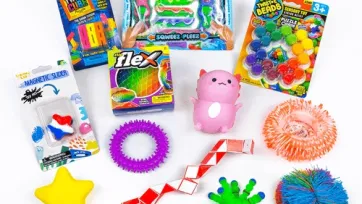
Best Sensory Toys for Kids in 2026: The Ultimate Parent's Buying Guide Sensory toys have become one of the fastest-growing toy categories, and for good reason. These thoughtfully designed toys help children explore the world through touch, sound, sight, movement, and even balance. While every child benefits from sensory play, these toys are especially valuable during the early years when the brain is developing rapidly. In 2026, sensory toys are available in countless forms, from textured balls and sensory bins to light-up toys, tactile boards, water beads, fidget toys, and sensory swings. They encourage children to investigate, experiment, and learn through hands-on experiences rather than passive entertainment. Whether you're buying for a baby, toddler, preschooler, or school-age child, this guide explains everything you need to know about choosing the best sensory toys for kids in 2026. What Are Sensory Toys? Sensory toys are designed to stimulate one or more of a child's senses. These may include: Touch Sight Hearing Movement Balance Texture recognition Rather than simply entertaining children, sensory toys encourage exploration and active learning through play. Why Sensory Play Is Important Children learn about the world by using their senses. Every time they squeeze a soft toy, shake a rattle, walk across different textures, or watch colourful lights move, their brains are building important connections that support future learning. Sensory play also encourages curiosity, helping children become confident explorers from an early age. Benefits of Sensory Toys Sensory toys contribute to many areas of child development. Some of the biggest benefits include: Improve sensory awareness Develop fine motor skills Strengthen hand-eye coordination Encourage creativity Improve concentration Support emotional regulation Build problem-solving skills Encourage independent play Reduce screen time Many parents also find sensory toys useful during quiet time or while travelling. Sensory Toys for Babies Babies benefit from simple sensory experiences that encourage safe exploration. Popular choices include: Soft textured balls Crinkle fabric books Silicone teething toys Musical rattles High-contrast toys Soft sensory cubes These toys help babies discover different textures, sounds, and movements while supporting healthy brain development. Sensory Toys for Toddlers Toddlers enjoy toys that allow them to explore using their hands and movement. Excellent options include: Stacking cups Sensory bins Water play toys Shape sorters Activity cubes Push-and-pop toys These activities improve coordination while encouraging independent discovery. Tactile Sensory Toys Touch is one of the most important senses during early childhood. Popular tactile toys include: Textured blocks Squishy balls Sensory mats Fidget cubes Silicone pop toys Fabric activity books Exploring different textures strengthens sensory processing while making play more engaging. Light and Sound Sensory Toys Many children enjoy toys that respond with gentle lights or sounds. Examples include: Light projectors Musical toys Bubble lamps Glow balls Interactive learning toys Choose products with adjustable volume and soft lighting to avoid overstimulation. Sensory Bins Sensory bins encourage open-ended exploration. Parents often fill them with materials such as: Coloured rice Dried pasta Sand Water beads (with close supervision) Pom-poms Wooden shapes Children enjoy scooping, pouring, sorting, and discovering different textures through hands-on play. Sensory Swings and Movement Toys Movement is another important sensory experience. Popular movement toys include: Indoor swings Balance boards Rocking toys Stepping stones Mini trampolines These activities help children improve balance, body awareness, and coordination. Montessori Sensory Toys Many Montessori-inspired toys naturally encourage sensory development. Popular examples include: Wooden texture boards Fabric matching games Stacking rings Object permanence boxes Natural wooden blocks These simple toys encourage children to learn independently without unnecessary distractions. Sensory Toys for Calm Play Some sensory toys are designed to help children relax. Popular calming toys include: Stress balls Weighted plush toys Sensory bottles Slow-moving liquid timers Soft tactile cushions These toys can help create a peaceful environment after busy or stimulating activities. Choosing the Right Sensory Toy Before buying, consider: Your child's age Developmental stage Material quality Safety certifications Ease of cleaning Durability Educational value Simple toys that encourage repeated exploration often provide the greatest long-term benefits. Safety Tips Always choose sensory toys that: Meet recognised safety standards Use BPA-free and non-toxic materials Have no sharp edges Match the recommended age Avoid small loose parts for younger children Regular cleaning is also important, particularly for toys that children frequently touch or chew. Common Buying Mistakes Parents sometimes assume that more features mean a better toy. Avoid: Toys with excessive flashing lights Extremely loud sounds Poor-quality materials Fragile construction Overly complicated designs Simple sensory toys often encourage longer, more meaningful play than highly electronic alternatives. Why Sensory Toys Make Excellent Gifts Sensory toys are suitable for almost every stage of childhood. They're ideal for: Baby showers First birthdays Christmas Nursery gifts Early learning presents Because they encourage open-ended exploration, children often continue discovering new ways to play with them as they grow. Frequently Asked Questions What are sensory toys? Sensory toys are designed to stimulate one or more senses, including touch, sight, hearing, movement, and balance, helping children learn through hands-on exploration. Are sensory toys good for all children? Yes. While sensory toys are often recommended for children with additional sensory needs, they support healthy development and creative play for children of all abilities. At what age can children start using sensory toys? Many sensory toys are suitable from birth, including soft rattles, textured fabrics, and high-contrast visual toys. More advanced sensory activities are available for toddlers and older children. Do sensory toys help learning? Absolutely. Sensory toys encourage problem-solving, concentration, coordination, creativity, and early cognitive development while making learning enjoyable. Final Thoughts The best sensory toys for kids in 2026 provide much more than colourful entertainment. They encourage children to touch, explore, listen, move, and discover the world through meaningful hands-on experiences that support healthy brain development. From simple textured toys for babies to sensory bins, balance boards, and calming tactile activities for older children, these toys offer lasting educational value while keeping play fun and engaging. By choosing safe, age-appropriate sensory toys, parents can create enriching play experiences that build confidence, curiosity, and essential developmental skills throughout childhood.
Best Water Bottles for Kids in 2026
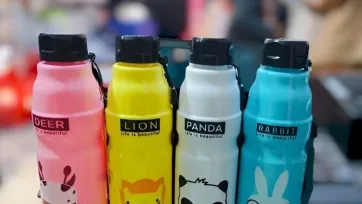
Kids Water Bottles: The Complete Parent's Guide to Choosing Safe, Leak-Proof and Durable Water Bottles Introduction A child's water bottle is one of those everyday items that rarely gets much attention—until it starts leaking inside a school bag. Whether your child is heading to school, nursery, football practice or a family day out, having easy access to water helps them stay hydrated throughout the day. But not every bottle is designed with children in mind. Some are too heavy for small hands. Others are difficult to open, impossible to clean or prone to leaking after only a few weeks of use. The ideal kids' water bottle should be lightweight, durable and simple enough for children to use independently. It should survive being dropped on the playground, fit comfortably inside a backpack pocket and keep drinks fresh from morning until home time. This guide explains exactly what parents should look for when choosing a children's water bottle and how to avoid the most common buying mistakes. Why Choosing the Right Water Bottle Matters Children are constantly on the move. They run. They play. They climb. They spend hours at school, sports clubs and outdoor activities. A reliable water bottle encourages regular hydration by making drinking water convenient and enjoyable. The right bottle should: Be easy to carry. Open without adult help. Prevent leaks. Fit inside school bag pockets. Be simple to clean. Last through everyday use. Choosing a well-designed bottle makes daily routines much easier for both parents and children. How Much Water Should a Bottle Hold? Size is one of the first decisions parents need to make. A bottle that's too small may run out before the school day ends. One that's too large can feel heavy and difficult for younger children to carry. In general: Younger children often benefit from smaller, lightweight bottles. Older primary school children usually need a little more capacity for longer school days and sports activities. The goal is to find a bottle that balances hydration with comfort. Choosing the Right Material Different materials offer different advantages. Stainless Steel Stainless steel bottles are extremely durable and don't retain flavours or odours. Many insulated versions also keep drinks cool for several hours, making them popular during warmer weather. Best for: School Sports Outdoor activities Food-Grade Plastic Modern BPA-free plastic bottles are lightweight, affordable and easy for younger children to hold. They're particularly suitable for nursery and primary school. Best for: Everyday use Younger children Lightweight carrying Tritan Plastic Tritan bottles combine the light weight of plastic with excellent clarity and resistance to stains. Many parents choose Tritan because it stays looking newer for longer. Features That Make a Difference The smallest details often have the biggest impact on daily use. Look for features such as: Leak-proof lids. Easy-grip design. One-handed opening where appropriate. Wide opening for easy cleaning. Carry handle or loop. Dishwasher-safe parts. Durable construction. These practical features help children use their bottles confidently without constant assistance. Which Lid Style Is Best? Different lid designs suit different ages. Flip-Top Lids Quick to open and close, making them popular for school-aged children. Straw Lids Easy for younger children to drink from without tilting the bottle. Screw Caps Simple and reliable, although younger children may need more time to open them independently. Choosing the right lid often matters just as much as choosing the bottle itself. How to Keep a Kids' Water Bottle Clean A reusable water bottle is only as good as the care it receives. Even bottles used only for water should be cleaned every day to prevent bacteria, mould and unpleasant odours from developing. A simple cleaning routine includes: Wash the bottle after every use. Clean the lid and drinking spout thoroughly. Use a bottle brush to reach the bottom. Allow every part to dry completely before reassembling. Leave the lid off while drying to improve airflow. If your child drinks juice, milk or flavoured drinks from the bottle, cleaning becomes even more important because residue can build up quickly. When Should You Replace a Water Bottle? A quality water bottle can last for years, but it's worth checking it regularly. Consider replacing it if you notice: Cracks or splits. A lid that no longer seals properly. Persistent odours that don't disappear after cleaning. Damaged drinking spouts. Worn silicone seals causing leaks. Replacing a damaged bottle helps maintain hygiene and prevents messy school bag accidents. Choosing a Bottle for School and Sports Children often use the same bottle in very different situations. For school, look for: Leak-proof lids. Lightweight construction. Easy opening. A bottle that fits inside backpack side pockets. For sports and outdoor activities, useful features include: Larger capacity. Comfortable carrying loop. Durable materials. Quick-access drinking spout. Insulated construction for warmer weather. Matching the bottle to your child's routine usually provides the best experience. Common Mistakes Parents Make Many parents unknowingly choose bottles that don't suit everyday use. Avoid these common mistakes: Buying a bottle that's too heavy when full. Choosing a narrow opening that's difficult to clean. Ignoring leak resistance. Selecting a lid younger children struggle to open. Forgetting to check whether the bottle fits inside the school backpack. Keeping damaged bottles for too long. Practicality nearly always matters more than appearance. Frequently Asked Questions What is the safest material for a children's water bottle? Food-grade stainless steel, BPA-free plastic and Tritan are all popular choices. Each offers different advantages depending on your child's age and daily activities. How often should a child's water bottle be cleaned? Ideally, after every use. Daily cleaning helps prevent bacteria, mould and unpleasant smells from developing. Should children use insulated water bottles? Insulated bottles are useful if your child spends long periods outdoors or prefers cold drinks throughout the day. What size water bottle is best for school? The ideal size depends on your child's age and school routine. The bottle should provide enough water without becoming too heavy to carry comfortably. Can reusable water bottles go in the dishwasher? Many can, but always check the manufacturer's instructions first. Some insulated bottles or lids may require hand washing. Final Thoughts A reusable water bottle is something your child will use almost every day. Choosing the right one means looking beyond colours and fun designs to focus on comfort, durability and ease of use. A bottle that opens easily, stays leak-free and is simple to clean helps children stay hydrated wherever the day takes them. When parents choose a quality bottle that matches their child's age and routine, it becomes more than just another school accessory. It becomes a reliable companion for classrooms, playgrounds, sports fields and family adventures alike.  
Best Wooden Train Sets for Kids in 2026
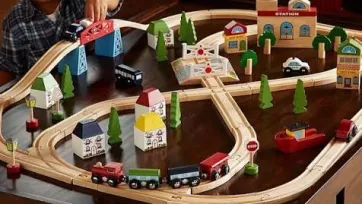
Best Wooden Train Sets for Kids in 2026: A Timeless Toy That Never Goes Out of Style Wooden train sets have remained one of the most loved educational toys for decades, and in 2026 they're still a favourite among parents, teachers, and children alike. Unlike many trendy toys that lose their appeal after a few weeks, wooden train sets continue to inspire creativity, problem-solving, and imaginative play year after year. Children can design their own railway networks, build stations, transport passengers, deliver cargo, and create exciting adventures across bridges, tunnels, mountains, and busy towns. Every play session is different, making wooden train sets one of the best long-term investments for a growing child. Whether you're buying a first train set for a toddler or expanding an existing collection, this guide explains everything you need to know before choosing the best wooden train set in 2026. Why Wooden Train Sets Remain So Popular Wooden train sets offer something many modern toys cannot—complete creative freedom. There are no fixed storylines or electronic instructions. Instead, children build their own railway layouts, invent characters, solve transport challenges, and create entirely new adventures every day. As children grow, their railway worlds become larger and more detailed, meaning the same toy continues to provide fresh experiences for many years. Benefits of Wooden Train Sets Wooden train sets support a wide range of developmental skills. Some of the biggest benefits include: Improve problem-solving skills Encourage imaginative play Strengthen fine motor skills Develop hand-eye coordination Build patience Improve concentration Encourage storytelling Support social interaction Reduce screen time Children also learn basic planning as they decide how tracks should connect and where trains should travel. Why Choose Wooden Train Sets Instead of Plastic? Wooden train sets remain popular for several reasons. Parents appreciate them because they are: Durable Eco-friendly Long-lasting Easy to maintain Timeless in design Unlike many plastic toys, wooden train sets often last for years and can even be passed down to younger siblings. Wooden Train Sets for Toddlers Toddlers benefit from simple railway layouts with large pieces that are easy to assemble. Beginner sets usually include: Circular tracks One train Simple stations Wooden trees Bridges Passenger figures These sets encourage independent play while improving coordination and confidence. Advanced Railway Sets for Older Children As children become more experienced, they enjoy expanding their railway worlds. Larger train sets often include: Multi-level bridges Tunnels Roundabouts Railway crossings Cargo terminals Airports Farms Construction sites Building more complex layouts encourages creativity and engineering-style thinking. Magnetic Wooden Trains Most modern wooden trains connect using magnetic couplings. Magnetic connections make it easy for children to: Join trains together Create longer trains Swap carriages Build freight trains Invent new railway routes These simple magnetic systems also improve fine motor control. Train Accessories Expand Play Accessories make railway adventures even more exciting. Popular additions include: Wooden people Animals Trees Road signs Vehicles Cranes Stations Traffic lights Adding accessories allows children to build complete miniature towns around their railway. Educational Value of Train Sets Wooden train sets naturally encourage learning. Children begin exploring: Cause and effect Direction Sequencing Planning Transport systems Problem-solving Parents can also introduce simple lessons about travel, geography, and community life through everyday play. Wooden Train Sets Encourage Social Play Railway play becomes even more enjoyable with friends or siblings. Children learn how to: Share tracks Build together Solve construction problems Create stories Take turns operating trains These experiences strengthen teamwork and communication skills. Choosing the Right Wooden Train Set Before buying, consider: Your child's age Track compatibility Material quality Number of accessories Future expansion options Safety certifications Expandable railway systems provide the greatest long-term value because children can continue adding new pieces over time. Safety Tips Choose wooden train sets that: Meet recognised safety standards Use non-toxic paints Have smooth, rounded edges Include securely attached magnets Match the recommended age Regularly inspect wooden pieces for cracks or loose components. Common Buying Mistakes Many parents focus only on the number of pieces. Avoid: Poor-quality wood Weak magnetic connections Sharp unfinished edges Non-compatible expansion sets Very small accessories for younger children Quality construction usually provides a much better experience than simply buying the largest set available. Why Wooden Train Sets Make Excellent Gifts Wooden train sets are among the few toys that children continue enjoying for many years. They're ideal for: Birthdays Christmas First educational toys Family celebrations Nursery gifts Parents also appreciate gifts that encourage creativity without relying on batteries or screens. Frequently Asked Questions What are the best wooden train sets for children? Expandable wooden railway sets with magnetic trains, bridges, stations, and accessories are among the best choices for long-term play. At what age can children start using wooden train sets? Many beginner wooden train sets are suitable for children aged 18 months and older, while larger railway systems are ideal for preschool and primary-age children. Are wooden train sets educational? Yes. They improve creativity, planning, fine motor skills, hand-eye coordination, storytelling, and problem-solving while encouraging imaginative play. Can different wooden train brands work together? Many high-quality wooden train systems are compatible with one another, allowing families to expand their collections over time. Final Thoughts The best wooden train sets for kids in 2026 continue to prove that simple toys often provide the greatest educational value. With endless opportunities to build, design, explore, and imagine, wooden railway sets encourage creativity while helping children develop important cognitive, physical, and social skills. By choosing a durable, expandable wooden train set, parents invest in a toy that grows with their child, providing years of meaningful, screen-free entertainment and creating memories that last long after the final train has reached the station.
Best Arts and Crafts Toys for Kids in 2026: Creative Fun That Inspires Young Minds
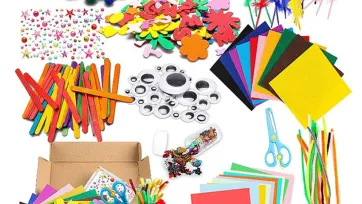
Best Arts and Crafts Toys for Kids in 2026: Creative Fun That Inspires Young Minds Arts and crafts have always been an essential part of childhood. Whether children are painting colourful pictures, making friendship bracelets, designing greeting cards, or building creative models, every project helps develop important skills while allowing their imagination to flourish. In an age where digital entertainment is everywhere, arts and crafts toys provide a refreshing way for children to express themselves without relying on screens. The best arts and crafts toys encourage children to experiment with colours, textures, shapes, and materials while building confidence through creativity. They are suitable for toddlers, preschoolers, primary school children, and even older kids who enjoy making things with their own hands. If you're looking for a gift that combines learning, creativity, and endless entertainment, arts and crafts toys are among the best choices available in 2026. What Are Arts and Crafts Toys? Arts and crafts toys are creative activity sets designed to help children make, decorate, paint, build, and personalise their own projects. Popular arts and crafts toys include: Drawing kits Painting sets Clay modelling kits Bead jewellery sets Sticker books Origami kits Sewing kits DIY craft boxes Sand art Mosaic art sets Unlike many electronic toys, these activities allow children to create something completely unique every time they play. Why Arts and Crafts Matter Creative activities encourage children to think independently and express ideas in their own way. Instead of following fixed rules, they experiment with colours, materials, and designs while learning through trial and error. Arts and crafts also give children a sense of achievement because they can proudly display something they created themselves. Benefits of Arts and Crafts Toys Creative toys support many areas of child development. Some of the biggest benefits include: Improve creativity Strengthen fine motor skills Build hand-eye coordination Encourage patience Develop concentration Increase self-confidence Improve problem-solving Support emotional expression Reduce screen time Children also develop perseverance as they learn to complete projects from start to finish. Drawing and Colouring Kits Drawing remains one of the simplest and most enjoyable creative activities. Popular drawing kits include: Coloured pencils Washable markers Sketchbooks Crayons Watercolour pencils Stencil sets Drawing encourages imagination while improving pencil control and artistic confidence. Painting Sets Painting allows children to experiment with colours and textures in exciting ways. Many painting kits include: Watercolours Poster paints Paintbrushes Sponges Easels Canvas boards Painting activities help children develop creativity while introducing colour mixing and artistic techniques. Modelling Clay and Dough Clay modelling encourages children to shape, roll, press, and sculpt their own creations. Children enjoy making: Animals Food Cars Dinosaurs Flowers Cartoon characters These activities strengthen finger muscles while improving fine motor development. Jewellery Making Kits Bead and jewellery kits are excellent for children who enjoy designing wearable creations. Children can make: Bracelets Necklaces Keyrings Friendship gifts Decorative charms Threading beads also improves hand-eye coordination and concentration. DIY Craft Boxes Complete craft boxes contain everything needed for multiple creative projects. They often include: Paper Glue Stickers Scissors Pipe cleaners Foam shapes Decorative gems Craft sticks DIY kits are ideal for rainy days, school holidays, and family craft sessions. Origami and Paper Craft Paper folding introduces children to creativity while improving precision and patience. Simple origami projects include: Birds Flowers Butterflies Boats Stars Animals Paper craft also introduces basic geometry through practical play. STEM Arts and Crafts Many modern craft kits combine creativity with STEM learning. Examples include: Solar-powered models Engineering craft kits Circuit-building art Mechanical models Architecture projects These activities help children combine artistic imagination with scientific thinking. Seasonal Craft Activities Arts and crafts become even more exciting during holidays. Children enjoy making: Christmas decorations Easter crafts Halloween decorations Birthday cards Mother's Day gifts Father's Day presents Seasonal projects also create meaningful family traditions. Choosing the Right Arts and Crafts Toy Before buying, consider: Your child's age Safety standards Quality of materials Number of activities included Educational value Ease of use Choose kits that encourage creativity rather than simply copying instructions. Safety Tips Arts and crafts toys should always: Match the recommended age Use non-toxic materials Include child-safe scissors where appropriate Meet recognised safety standards Be used under supervision when necessary Washable materials are particularly useful for younger children. Common Buying Mistakes Parents often buy craft kits that are either too simple or too advanced. Avoid: Low-quality materials Tiny pieces for young children Difficult instructions Single-use kits with limited value Projects that don't match your child's interests Open-ended craft activities usually provide the greatest enjoyment. Why Arts and Crafts Toys Make Wonderful Gifts Creative toys are excellent gifts because every project becomes a personal achievement. Whether it's a birthday, Christmas, or school holiday, arts and crafts kits continue providing entertainment long after many electronic toys have been forgotten. Parents also appreciate gifts that encourage creativity instead of additional screen time. Frequently Asked Questions What are the best arts and crafts toys for children? Drawing kits, painting sets, clay modelling kits, jewellery-making sets, DIY craft boxes, and origami kits are among the most popular choices. Are arts and crafts good for child development? Yes. They improve creativity, fine motor skills, concentration, confidence, and problem-solving while encouraging self-expression. At what age can children start arts and crafts? Simple colouring and finger painting activities are suitable for toddlers, while more advanced craft kits are designed for older children. How can I encourage my child to enjoy arts and crafts? Provide a variety of materials, praise creativity rather than perfection, and allow children the freedom to create their own designs. Final Thoughts The best arts and crafts toys for kids in 2026 do much more than keep children busy. They inspire imagination, encourage creativity, and help develop valuable life skills through enjoyable, hands-on activities. From painting and drawing to jewellery making, clay modelling, and DIY projects, every creative experience builds confidence while allowing children to express their unique ideas. By choosing high-quality arts and crafts toys, parents can provide meaningful learning opportunities that grow with their child, turning ordinary afternoons into memorable moments of creativity and discovery.
Best Remote Control Cars for Kids in 2026
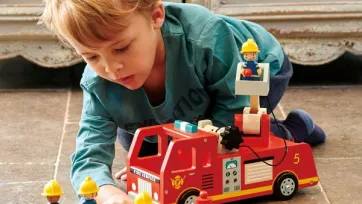
Best Remote Control Cars for Kids in 2026: The Ultimate Buyer's Guide Remote control cars have remained one of the most exciting toys for children for decades, and in 2026 they're more advanced, durable, and entertaining than ever before. From high-speed racing cars and monster trucks to off-road buggies and stunt vehicles, RC cars offer endless opportunities for outdoor adventures while helping children develop coordination, concentration, and problem-solving skills. Unlike passive toys, remote control cars encourage active participation. Children learn how to steer, control speed, avoid obstacles, and improve their driving skills with every race. Whether playing in the garden, at the park, or on an indoor obstacle course, RC cars provide hours of screen-free entertainment for children and families alike. This guide explains everything parents need to know about choosing the best remote control cars for kids in 2026. Why Remote Control Cars Are So Popular Few toys combine excitement and skill development as effectively as RC cars. Children enjoy: Racing against friends Building obstacle courses Driving over different surfaces Performing stunts Exploring outdoor spaces Every driving session becomes a new adventure that encourages active play and creative thinking. Benefits of Remote Control Cars RC cars offer much more than simple entertainment. Some of their biggest benefits include: Improve hand-eye coordination Strengthen concentration Develop faster reaction times Encourage outdoor play Build confidence Improve spatial awareness Support problem-solving Reduce screen time Encourage family interaction Children also learn patience as they practise controlling speed and steering accurately. RC Cars for Toddlers Young children benefit from simple remote control vehicles with large buttons and slower speeds. Features often include: One-touch controls Bright colours Soft bumpers Cartoon characters Durable construction These beginner models help toddlers understand cause and effect while improving coordination. RC Cars for Preschool Children Preschoolers enjoy more responsive vehicles that allow greater control. Popular choices include: Police cars Fire engines Construction trucks Racing cars Farm tractors These toys encourage imaginative role play alongside driving skills. High-Speed RC Cars Older children often enjoy faster remote control vehicles. Popular models include: Sports cars Rally cars Formula-style racers Drift cars Off-road buggies These vehicles offer greater speed, longer driving distances, and more precise steering for exciting racing experiences. Monster Truck RC Toys Monster trucks remain one of the most popular RC categories. Their oversized tyres allow children to drive over: Grass Gravel Sand Small rocks Garden paths Monster trucks encourage outdoor exploration while handling rough terrain with ease. Stunt Remote Control Cars Stunt cars provide a completely different driving experience. Many models can: Spin 360 degrees Flip over Drive upside down Perform wheelies Climb obstacles These exciting features make stunt cars especially popular with school-age children. Rechargeable RC Cars Rechargeable models continue to replace battery-powered alternatives. Their advantages include: Lower running costs Longer play sessions Faster acceleration Better performance Environmentally friendly charging Parents also appreciate avoiding the constant expense of replacing disposable batteries. Indoor vs Outdoor RC Cars Different RC cars are designed for different environments. Indoor models usually feature: Smaller wheels Lower speeds Lightweight construction Outdoor models often include: Larger tyres Waterproof features Strong suspension Powerful motors Choosing the correct type improves both performance and durability. Educational Value of RC Cars Many parents don't realise how educational remote control cars can be. Children naturally develop: Decision-making skills Hand-eye coordination Concentration Motor control Spatial awareness Strategic thinking Creating obstacle courses also encourages creativity and engineering-style problem-solving. Choosing the Right Remote Control Car Before buying, consider: Your child's age Driving experience Battery life Charging time Maximum speed Indoor or outdoor use Durability Spare parts availability A well-built RC car often provides years of enjoyable play. Safety Tips Always choose RC cars that: Match your child's age Meet recognised safety standards Have durable construction Include rechargeable battery protection Offer reliable remote control signals Children should drive in safe open areas away from roads, traffic, and water hazards unless the vehicle is specifically designed for wet conditions. Common Buying Mistakes Parents sometimes choose RC cars based only on appearance. Avoid: Extremely fast models for beginners Poor battery life Weak plastic construction Unknown manufacturers Vehicles without replacement parts Buying quality usually saves money in the long run. Why Remote Control Cars Make Brilliant Gifts Remote control cars remain one of the most exciting gifts for birthdays, Christmas, and special occasions. They're suitable for independent play, family competitions, and outdoor adventures, making them a toy that children often return to again and again. Unlike many electronic toys, RC cars encourage movement, creativity, and active participation. Frequently Asked Questions What is the best remote control car for children? The best RC car depends on the child's age. Beginners benefit from slower, easy-to-control models, while older children often prefer rechargeable monster trucks, racing cars, or stunt vehicles. At what age can children use RC cars? Simple remote control cars are available for children aged two to three years, while faster and more advanced models are better suited to older children. Are rechargeable RC cars better than battery-powered models? In most cases, yes. Rechargeable RC cars usually offer better performance, lower long-term costs, and longer play sessions. Do remote control cars help child development? Absolutely. RC cars improve coordination, concentration, reaction time, spatial awareness, and problem-solving while encouraging active, screen-free play. Final Thoughts The best remote control cars for kids in 2026 combine speed, excitement, and educational value in one unforgettable toy. Whether your child enjoys racing across the garden, climbing rough terrain with a monster truck, or performing spectacular stunts, RC cars provide endless opportunities for adventure while developing valuable physical and cognitive skills. By choosing a high-quality remote control car that matches your child's age and interests, parents can encourage outdoor activity, creativity, and confidence through one of the most enjoyable toys ever created.
What Happened When 20 Families Reduced Their Children's Toys?
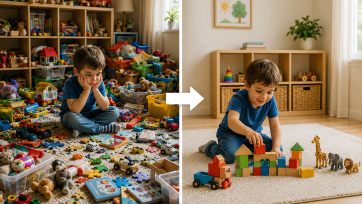
 What Happened When 20 Families Reduced Their Children's Toys? The Results May Surprise You Introduction Imagine being asked a simple question. "Would you remove half of your child's toys for two weeks?" Most parents would probably hesitate. Some would worry their child would become bored. Others might expect more arguments, more screen time and constant requests to buy new toys. Yet over the past decade, many parents have experimented with exactly this idea—not because someone told them to own less, but because they wanted to understand an increasingly common problem. Why were children surrounded by toys yet still saying they had nothing to play with? Although every family is different, the experiences shared by parents reveal some surprisingly consistent patterns. This article brings together those common observations into a practical case study, highlighting what many families noticed after simplifying their children's play environment. The goal isn't to persuade you to throw toys away. It's to explore what happens when children have fewer choices and more opportunities to use their imagination. Week One: The Unexpected Silence The first day often felt strange. Parents described children walking into the playroom, looking around and immediately noticing that something had changed. Some asked where the missing toys had gone. Others wandered from shelf to shelf before choosing something almost reluctantly. At first glance, it looked as though the experiment had failed. But several parents noticed something interesting. Instead of opening six different boxes within ten minutes, children stayed with one activity for much longer. Not because they had no other option. Because there were fewer distractions competing for their attention. The Third-Day Effect Around the third day, many parents reported a noticeable shift. The same construction blocks that had been ignored for months suddenly became the centre of elaborate cities. Toy animals appeared in homemade zoos. Blankets transformed into tents, pirate ships and secret hideouts. Children weren't receiving new toys. They were discovering new ways to use familiar ones. Several parents admitted they had forgotten just how creative their children could be when left to lead the play themselves. Less Time Choosing, More Time Playing One observation appeared repeatedly. Children seemed to spend less time deciding what to play with. This may sound like a small change, but it had a noticeable impact on the length and quality of play sessions. Instead of constantly moving between activities, many became deeply involved in a single game. Parents often described the atmosphere as calmer. Not quieter. Just more focused. Parents Noticed a Difference Too The experiment didn't only affect children. Adults found unexpected benefits as well. Tidying the playroom became quicker. Missing puzzle pieces were easier to find. Favourite toys no longer disappeared beneath mountains of forgotten items. Perhaps most importantly, several parents admitted they felt less pressure to keep buying new toys. They realised their children already owned enough to create wonderful adventures. Not Every Family Had the Same Experience One important lesson quickly became clear. There wasn't a single, perfect outcome. Some children adapted within a day. Others took nearly a week before settling into longer periods of play. A few parents even ended the experiment early because they realised they had removed too many toys at once. That wasn't a failure. It simply highlighted an important point: every child has a different personality, different interests and a different way of engaging with play. The goal wasn't to follow strict rules. It was to discover what worked best for each family. What Happened When the Toys Returned? Perhaps the most interesting part of the experiment came after the toys were brought back. Parents expected children to rush excitedly towards the stored toys before quickly losing interest again. Instead, many children treated familiar toys as though they had just received birthday presents. A train set that hadn't been touched for months suddenly became exciting. Building blocks inspired fresh ideas. Even stuffed animals found new roles in imaginative stories. Nothing about the toys had changed. Only the child's perspective had. This simple observation explains why toy rotation has become such a popular strategy among many families. One Unexpected Discovery Several parents admitted something they hadn't expected. The experiment changed their own behaviour more than their children's. Before reducing the number of toys, many believed boredom could only be solved by buying something new. Afterwards, they noticed that a few encouraging questions often worked better than another shopping trip. "Who lives in this castle?" "Where is this train travelling today?" "What happens next?" These small prompts often sparked long periods of independent play. The children already had the imagination. They simply needed space to use it. What This Means for Parents You don't need to count every toy in your home. You don't need to throw away perfectly good toys. You certainly don't need to follow somebody else's definition of the "perfect" playroom. Instead, think about the quality of play rather than the quantity of toys. Ask yourself: Does my child return to the same toys again and again? Are there toys that haven't been touched for months? Is the playroom helping my child focus or distracting them? Would rotating a few toys make play feel fresh again? Small adjustments often make a much bigger difference than expensive purchases. The Bigger Lesson Perhaps the biggest lesson from these family experiences is this: Children don't measure happiness by how full the toy cupboard is. They measure it by the adventures they create. A cardboard box can become a castle. A blanket can become a superhero cape. A handful of blocks can become an entire city. The imagination was never missing. Sometimes it was simply hidden beneath too many choices. Frequently Asked Questions Does reducing toys work for every child? No single approach works for everyone. However, many families find that reducing visible toys or rotating them regularly helps children focus and engage in longer periods of imaginative play. How many toys should stay available? There isn't a magic number. A balanced mix of construction toys, pretend-play items, creative materials and a few favourites is often more effective than keeping every toy available at once. Should unused toys be donated immediately? Not necessarily. Storing them for a few weeks before deciding gives children the opportunity to rediscover them later. If they still show no interest, donating may be a sensible next step. Can toy rotation reduce requests for new toys? Many parents say it can. Bringing back stored toys often creates the excitement of receiving something new without spending additional money. Is this approach suitable for older children? Yes. Although the types of toys change with age, simplifying the play environment can benefit school-age children as well by reducing distractions and encouraging more focused play. Final Thoughts Children don't always need more. Sometimes they simply need less to think about. The families in this case study didn't discover a secret parenting trick or a revolutionary toy. Instead, they rediscovered something childhood has quietly known all along. Creativity doesn't depend on owning the newest toy. It depends on having the freedom to imagine. Whether your home contains twenty toys or two hundred, the real question isn't how many are on the shelves. It's how many inspire your child to invent stories, solve problems and return to play day after day. If a small change to the playroom can create bigger adventures, it might be one of the simplest parenting experiments worth trying.  
Best Science Kits for Kids: Safe Experiments for Every Age
A good science kit can turn an ordinary afternoon into a small laboratory. One child may become fascinated by growing crystals. Another may spend an hour testing which objects float. An older child may prefer circuits, volcano reactions, microscopes, or simple chemistry. That is the real value of science toys: they allow children to learn by doing. The best science kits for kids are not necessarily the biggest boxes or the most expensive sets. A worthwhile kit should match the child’s age, explain each activity clearly, include safe materials, and encourage the child to ask questions instead of simply copying instructions. This guide explains what type of science kit works best at each age, which features are worth paying for, and how parents can avoid low-quality or unsafe products. Quick Guide: Which Science Kit Should You Buy? Child’s Age Best Type of Science Kit Adult Supervision 3–5 years Magnets, colors, plants, water experiments Constant 5–7 years Volcanoes, crystals, weather and nature kits Required 8–10 years Chemistry, microscopes, circuits and geology Strongly recommended 11–13 years Electronics, advanced chemistry and robotics Depends on activity Teenagers Laboratory kits, coding, engineering and astronomy As instructed Age labels matter. They are not only an indication of difficulty. They may also reflect small parts, chemicals, sharp components, heat, batteries, or other safety concerns. Science Kits for Ages 3 to 5 Preschool children do not need complicated scientific explanations. Their first experiments should focus on observation and cause and effect. Suitable options include: Color-mixing activities Large magnets Plant-growing kits Water wheels Magnifying glasses Weather charts Floating and sinking experiments At this age, the adult should guide the entire activity. A simple activity such as placing different objects in water can teach children to make predictions. Before placing an item in the bowl, ask whether they think it will float or sink. The experiment becomes more educational when children explain their guesses and compare the result with what actually happened. Avoid kits containing tiny pieces, glass containers, powders, or chemicals that may be swallowed. Science Kits for Ages 5 to 7 Children in this age group are often ready to follow short instructions and record simple observations. Popular science kits for ages five to seven include: Volcano Experiment Kits Volcano kits are popular because the reaction is quick and visually exciting. Most beginner versions use safe household-style ingredients to create a foaming eruption. The experiment can introduce basic ideas about reactions, pressure, and gases. However, parents should explain that the model is not an exact recreation of how a real volcano works. It is a demonstration of a chemical reaction. Crystal-Growing Kits Crystal kits can teach patience because results usually take time. Children can observe how crystals gradually form and compare their size over several days. Parents should handle any chemicals according to the instructions and keep the growing container away from food areas and younger siblings. Nature Exploration Kits Bug viewers, magnifying glasses, leaf presses, binoculars, and observation journals can encourage children to explore science outdoors. These kits are especially useful for children who prefer movement and nature over indoor experiments. Science Kits for Ages 8 to 10 Between eight and ten, many children can handle longer experiments and understand why a result occurred. This is a strong age for introducing real scientific habits: Ask a question. Make a prediction. Perform the experiment. Record the result. Explain what happened. The following categories usually work well. Beginner Chemistry Sets A beginner chemistry set may include experiments involving color changes, acids and bases, bubbles, mixtures, polymers, or crystals. When comparing chemistry kits, check whether the box includes protective equipment and whether additional household ingredients are required. Some kits advertise dozens of experiments, but many of those activities may use materials that are not included. Read the contents list before purchasing. Microscope Kits A children’s microscope can reveal details that are invisible to the naked eye. Young scientists can examine: Leaves Fabric fibers Hair Paper Onion skin Prepared slides Flower petals Do not choose a microscope only because it advertises extremely high magnification. Image clarity, stable focusing, lighting, and ease of use are often more important. A badly designed microscope can frustrate a child before the learning begins. Circuit Kits Snap-together circuit kits are excellent for introducing electricity without requiring complicated wiring. Children may build: Lights Fans Alarms Switches Sound circuits Small motors A good circuit kit should clearly identify each part and explain what happens when the circuit is open or closed. Battery compartments should be secure, and damaged wires or components should not be used. Science Kits for Ages 11 to 13 Older children generally want activities that feel less like toys and more like real projects. Good options include electronics, robotics, advanced microscopes, astronomy, geology, renewable-energy kits, and more detailed chemistry sets. Electronics Kits Electronics kits can introduce sensors, motors, resistors, switches, and basic programming. Some sets require a computer or mobile device, while others work independently. Before buying, check: Device compatibility Software requirements Battery needs Replacement components Difficulty level Subscription fees Astronomy Kits A basic telescope or astronomy kit may encourage interest in planets, stars, the moon, and space exploration. For beginners, ease of setup matters more than extreme magnification. A telescope that is difficult to align may remain unused, even if its technical specifications appear impressive. Renewable-Energy Kits Solar-powered cars, wind turbines, and water-energy models teach children how energy can be converted into movement or electricity. These kits are especially useful for school projects and environmental science activities. Science Kits for Teenagers Teenagers may benefit from science kits that offer genuine experimentation rather than simplified demonstrations. Possible choices include: Advanced electronics Coding and robotics kits Biology slide sets Environmental testing kits Engineering models Astronomy equipment Detailed chemistry experiments At this level, the quality of the instruction manual becomes extremely important. Teenagers should understand the scientific purpose of each step, not merely assemble parts until something moves. A strong kit explains the underlying principles and suggests ways to modify the experiment. What Makes a Science Kit Worth Buying? Large numbers printed on the box can be misleading. A kit advertised with “100 experiments” may include many variations of the same activity. A smaller kit with 15 well-designed experiments may provide better educational value. Look for the following features. Clear Instructions The manual should use simple language, diagrams, and step-by-step directions. It should also explain why the experiment works. Reusable Equipment Test tubes, measuring cups, magnifying tools, circuit pieces, and reusable containers add long-term value. Single-use kits may provide only one short activity. Included Materials Check which materials are included and which must be purchased separately. Some kits require vinegar, baking soda, food coloring, batteries, oil, salt, or other household items. Real Educational Content The child should be learning something beyond creating a colorful reaction. The best kits introduce a question, explain a concept, and encourage further exploration. Suitable Difficulty A kit should be challenging enough to remain interesting but not so difficult that the child needs an adult to perform every step. Science Kit Safety Checklist Before opening any science kit, parents should read the instructions completely. Use the following checklist: Follow the recommended age range. Supervise all activities involving chemicals, electricity, heat, or sharp tools. Keep ingredients away from the mouth and eyes. Do not use kitchen utensils unless the instructions allow it. Wash hands after experiments. Cover the working surface. Wear eye protection when recommended. Keep younger children and pets away. Store chemicals in their original containers. Never mix materials that are not listed in the instructions. Children should understand that science kits are not food, even when the materials resemble salt, sugar, or colored drinks. Experiments should take place in a ventilated and easy-to-clean area. Cheap Science Kits vs Premium Science Kits Budget science kits can be useful for a child who is exploring a new interest. They are usually suitable for short experiments, birthday gifts, or classroom activities. Premium kits may offer: Better-quality equipment More accurate instruments Detailed manuals Replacement parts More advanced projects Stronger construction Online lessons or applications Paying more makes sense when the kit can be reused or expanded. It is less worthwhile when the child completes one experiment and cannot use the materials again. Common Buying Mistakes Parents often purchase science kits based on the packaging rather than the actual contents. Avoid these mistakes: Buying Above the Child’s Level An advanced chemistry or robotics kit may appear impressive, but it will not provide much value if the child cannot understand the instructions. Ignoring Extra Costs Batteries, chemicals, slides, tools, applications, and replacement materials can increase the total price. Choosing Flashy Reactions Only Foam, smoke, and color changes are exciting, but the kit should explain the science behind them. Expecting Independent Play Most young children will need encouragement, setup help, and supervision. A science kit becomes more valuable when an adult discusses the experiment with the child. Final Recommendation For younger children, begin with simple kits involving water, plants, magnets, colors, and nature. Children between eight and ten may enjoy microscopes, circuit boards, crystals, and beginner chemistry. Older children can move toward electronics, robotics, astronomy, engineering, and more advanced laboratory activities. The best science kit is one that the child will actually open, use, question, and revisit. A successful experiment does not need to produce a perfect result. Sometimes the most valuable moment occurs when something fails and the child asks, “Why didn’t that work?” That question is where real scientific learning begins.
Indoor Toys That Keep Children Entertained Without Screens
Indoor Toys That Keep Children Entertained Without Screens: A Complete Parent's Guide Rainy afternoons, school holidays and weekends at home often leave parents searching for ways to keep children happily occupied. While tablets, televisions and smartphones can provide quick entertainment, many families are looking for healthier alternatives that encourage creativity, movement and independent thinking. This is where the right indoor toys can make a real difference. Indoor toys offer children the opportunity to learn, explore and play without relying on digital screens. Whether it's building an imaginative world from construction pieces, solving a challenging puzzle or creating a masterpiece with art supplies, these toys encourage meaningful play while supporting healthy development. Screen-free play is more important than ever. Excessive screen time can reduce opportunities for physical activity, imaginative thinking and social interaction. By offering engaging indoor toys, parents can create a balanced environment where children remain entertained while developing valuable life skills. The best indoor toys are versatile, age-appropriate and enjoyable enough to hold a child's attention for extended periods. They encourage independent play, family interaction and creative problem-solving, making them a worthwhile investment for every household. In this guide, you'll discover the benefits of indoor toys, how they support child development, which toys suit different age groups and what to consider before making a purchase. Why Indoor Toys Are Important Indoor toys provide far more than entertainment. They allow children to continue learning and developing even when outdoor play is not possible. Good indoor toys encourage: Creative thinking Problem-solving Communication Fine motor development Independent play Family interaction Emotional confidence Concentration They also help children stay active and engaged during poor weather or when outdoor space is limited. Benefits of Screen-Free Indoor Play Replacing some screen time with traditional play offers several long-term benefits. Encourages Creativity Without digital instructions or fixed outcomes, children rely on their own imagination to create stories, solve problems and invent games. Improves Concentration Many indoor activities require patience and focus. Building models, completing puzzles and creating artwork all encourage children to remain engaged for longer periods. Supports Social Skills Board games, role play and cooperative activities encourage conversation, sharing and teamwork. Develops Motor Skills Many indoor toys strengthen both fine and gross motor skills through hands-on activities. Reduces Overstimulation Unlike many electronic devices, traditional toys often create a calmer play environment that allows children to think independently. Encourages Independent Play Children become more confident when they learn to entertain themselves without relying on digital devices. Best Indoor Toys for Babies Babies learn through movement, touch and exploration. Suitable indoor toys include: Soft activity gyms Sensory balls Stacking cups Soft building blocks Fabric books Shape sorters Musical toys Activity cubes These toys encourage reaching, grasping and early exploration while supporting sensory development. Indoor Toys for Toddlers Toddlers enjoy activities that combine movement with imagination. Excellent choices include: Building blocks Pretend play kitchens Ride-on toys suitable for indoor use Ball pits Chunky puzzles Push-and-pull toys Play tents Drawing boards Toy animals Stacking toys These toys help develop creativity, coordination and early problem-solving while keeping energetic toddlers entertained indoors. Indoor Toys for Preschool Children Preschool children enjoy more detailed activities that challenge both their imagination and thinking skills. Popular indoor toys include: Construction sets Craft kits Dollhouses Puppet theatres Magnetic building toys Marble runs Pretend shop play sets Toy tool benches Play kitchens Storytelling cards These toys encourage independent play, communication and creative thinking while supporting school readiness. Indoor Toys for School-Age Children As children grow older, they often look for toys that challenge their imagination, creativity and problem-solving abilities. The best indoor toys for this age group encourage independent thinking while also providing opportunities for family play. Some excellent options include: Strategy board games Advanced construction sets Arts and crafts kits Science experiment kits Model-building projects Card games Marble runs Building planks Puzzle games Creative writing and storytelling games These toys help children stay entertained for longer periods while developing valuable cognitive and social skills. How to Choose the Best Indoor Toys Not every indoor toy provides meaningful play. The most valuable options encourage children to think, create and explore rather than simply watching or pressing buttons. When choosing indoor toys, consider the following: Your child's age and interests. The available space in your home. The toy's educational value. Whether it encourages active participation. Durability and build quality. Opportunities for independent play. Whether siblings can enjoy it together. Selecting toys that can be used in multiple ways usually provides greater long-term value than toys designed for only one activity. Creating an Engaging Indoor Play Space The environment where children play can be just as important as the toys themselves. A well-organised play area encourages children to explore independently and keeps playtime enjoyable. Consider these simple ideas: Keep toys within easy reach. Rotate toys every few weeks to maintain interest. Use labelled storage boxes or baskets. Create separate areas for reading, building and creative activities. Ensure there is enough floor space for active play. Display only a limited selection of toys at one time to avoid overwhelming children. An organised space often leads to more focused and imaginative play. Buying Guide Before purchasing indoor toys, take a few moments to consider what will genuinely benefit your child. Choose Toys That Match Developmental Stages Children enjoy toys that challenge them without causing frustration. Always consider your child's current abilities. Prioritise Open-Ended Play Construction toys, craft materials and pretend play sets often provide much greater long-term value than toys with a single purpose. Consider Storage Requirements Large toys may not be practical for smaller homes. Foldable or stackable toys can help save space. Think About Durability Indoor toys are often used every day, so choosing well-made products can reduce replacement costs over time. Encourage Variety A balanced collection might include creative toys, building toys, puzzles, books and pretend play equipment to support different aspects of development. Safety Tips Even toys designed for indoor use should be chosen and maintained carefully. Follow these safety recommendations: Always check the recommended age range. Inspect toys regularly for damage. Remove broken pieces immediately. Keep small parts away from young children. Secure heavy furniture and storage units. Keep play areas free from trip hazards. Clean toys regularly using child-safe cleaning products. Supervise activities involving small accessories or craft materials. Safe play allows children to explore confidently while reducing unnecessary risks. Common Buying Mistakes Parents sometimes buy indoor toys that quickly lose their appeal. Avoid these common mistakes: Buying Too Many Toys at Once An overcrowded play area can reduce children's ability to focus and enjoy individual toys. Choosing Toys Based Only on Trends Popular toys may lose their appeal quickly, whereas timeless toys often provide years of enjoyment. Ignoring Available Space Large toys can make smaller homes feel cluttered and may limit safe play. Focusing Only on Entertainment The best indoor toys combine fun with opportunities for learning and development. Forgetting to Rotate Toys Keeping every toy available all the time can reduce excitement. Rotating toys regularly helps maintain children's interest. Frequently Asked Questions What are the best indoor toys for children? The best indoor toys encourage creativity, problem-solving and active participation. Construction toys, puzzles, pretend play sets, craft materials and board games are all excellent choices. Can indoor toys reduce screen time? Yes. Engaging toys that encourage imaginative and hands-on play can naturally reduce the amount of time children spend using electronic devices. Are indoor toys suitable for small homes? Absolutely. Many compact toys, such as puzzles, magnetic building sets, books and craft supplies, provide excellent play value without taking up much space. How often should indoor toys be rotated? Many families rotate toys every two to four weeks to keep play fresh and interesting. Should children play independently indoors? Independent play helps children develop confidence, creativity and problem-solving skills. Parents can supervise while allowing children to lead their own play. Final Thoughts Indoor toys provide children with valuable opportunities to learn, create and stay active without relying on digital entertainment. Whether the weather keeps everyone inside or you simply want to encourage more screen-free play, the right toys can transform ordinary days into exciting learning experiences. By choosing versatile, age-appropriate and durable toys, parents can support creativity, independence and healthy development while making everyday play more enjoyable. A carefully selected collection of indoor toys offers lasting value, encourages meaningful family time and helps children build skills they will use throughout life.