Best Water Bottles for Kids in 2026

Kids Water Bottles: The Complete Parent's Guide to Choosing Safe, Leak-Proof and Durable Water Bottles

Introduction

A child's water bottle is one of those everyday items that rarely gets much attention—until it starts leaking inside a school bag.

Whether your child is heading to school, nursery, football practice or a family day out, having easy access to water helps them stay hydrated throughout the day. But not every bottle is designed with children in mind.

Some are too heavy for small hands.

Others are difficult to open, impossible to clean or prone to leaking after only a few weeks of use.

The ideal kids' water bottle should be lightweight, durable and simple enough for children to use independently. It should survive being dropped on the playground, fit comfortably inside a backpack pocket and keep drinks fresh from morning until home time.

This guide explains exactly what parents should look for when choosing a children's water bottle and how to avoid the most common buying mistakes.

Why Choosing the Right Water Bottle Matters

Children are constantly on the move.

They run.

They play.

They climb.

They spend hours at school, sports clubs and outdoor activities.

A reliable water bottle encourages regular hydration by making drinking water convenient and enjoyable.

The right bottle should:

  • Be easy to carry.

  • Open without adult help.

  • Prevent leaks.

  • Fit inside school bag pockets.

  • Be simple to clean.

  • Last through everyday use.

Choosing a well-designed bottle makes daily routines much easier for both parents and children.

How Much Water Should a Bottle Hold?

Size is one of the first decisions parents need to make.

A bottle that's too small may run out before the school day ends.

One that's too large can feel heavy and difficult for younger children to carry.

In general:

  • Younger children often benefit from smaller, lightweight bottles.

  • Older primary school children usually need a little more capacity for longer school days and sports activities.

The goal is to find a bottle that balances hydration with comfort.

Choosing the Right Material

Different materials offer different advantages.

Stainless Steel

Stainless steel bottles are extremely durable and don't retain flavours or odours.

Many insulated versions also keep drinks cool for several hours, making them popular during warmer weather.

Best for:

  • School

  • Sports

  • Outdoor activities

Food-Grade Plastic

Modern BPA-free plastic bottles are lightweight, affordable and easy for younger children to hold.

They're particularly suitable for nursery and primary school.

Best for:

  • Everyday use

  • Younger children

  • Lightweight carrying

Tritan Plastic

Tritan bottles combine the light weight of plastic with excellent clarity and resistance to stains.

Many parents choose Tritan because it stays looking newer for longer.

Features That Make a Difference

The smallest details often have the biggest impact on daily use.

Look for features such as:

  • Leak-proof lids.

  • Easy-grip design.

  • One-handed opening where appropriate.

  • Wide opening for easy cleaning.

  • Carry handle or loop.

  • Dishwasher-safe parts.

  • Durable construction.

These practical features help children use their bottles confidently without constant assistance.

Which Lid Style Is Best?

Different lid designs suit different ages.

Flip-Top Lids

Quick to open and close, making them popular for school-aged children.

Straw Lids

Easy for younger children to drink from without tilting the bottle.

Screw Caps

Simple and reliable, although younger children may need more time to open them independently.

Choosing the right lid often matters just as much as choosing the bottle itself.

How to Keep a Kids' Water Bottle Clean

A reusable water bottle is only as good as the care it receives.

Even bottles used only for water should be cleaned every day to prevent bacteria, mould and unpleasant odours from developing.

A simple cleaning routine includes:

  • Wash the bottle after every use.

  • Clean the lid and drinking spout thoroughly.

  • Use a bottle brush to reach the bottom.

  • Allow every part to dry completely before reassembling.

  • Leave the lid off while drying to improve airflow.

If your child drinks juice, milk or flavoured drinks from the bottle, cleaning becomes even more important because residue can build up quickly.

When Should You Replace a Water Bottle?

A quality water bottle can last for years, but it's worth checking it regularly.

Consider replacing it if you notice:

  • Cracks or splits.

  • A lid that no longer seals properly.

  • Persistent odours that don't disappear after cleaning.

  • Damaged drinking spouts.

  • Worn silicone seals causing leaks.

Replacing a damaged bottle helps maintain hygiene and prevents messy school bag accidents.

Choosing a Bottle for School and Sports

Children often use the same bottle in very different situations.

For school, look for:

  • Leak-proof lids.

  • Lightweight construction.

  • Easy opening.

  • A bottle that fits inside backpack side pockets.

For sports and outdoor activities, useful features include:

  • Larger capacity.

  • Comfortable carrying loop.

  • Durable materials.

  • Quick-access drinking spout.

  • Insulated construction for warmer weather.

Matching the bottle to your child's routine usually provides the best experience.

Common Mistakes Parents Make

Many parents unknowingly choose bottles that don't suit everyday use.

Avoid these common mistakes:

  • Buying a bottle that's too heavy when full.

  • Choosing a narrow opening that's difficult to clean.

  • Ignoring leak resistance.

  • Selecting a lid younger children struggle to open.

  • Forgetting to check whether the bottle fits inside the school backpack.

  • Keeping damaged bottles for too long.

Practicality nearly always matters more than appearance.

Frequently Asked Questions

What is the safest material for a children's water bottle?

Food-grade stainless steel, BPA-free plastic and Tritan are all popular choices. Each offers different advantages depending on your child's age and daily activities.

How often should a child's water bottle be cleaned?

Ideally, after every use. Daily cleaning helps prevent bacteria, mould and unpleasant smells from developing.

Should children use insulated water bottles?

Insulated bottles are useful if your child spends long periods outdoors or prefers cold drinks throughout the day.

What size water bottle is best for school?

The ideal size depends on your child's age and school routine. The bottle should provide enough water without becoming too heavy to carry comfortably.

Can reusable water bottles go in the dishwasher?

Many can, but always check the manufacturer's instructions first. Some insulated bottles or lids may require hand washing.

Final Thoughts

A reusable water bottle is something your child will use almost every day.

Choosing the right one means looking beyond colours and fun designs to focus on comfort, durability and ease of use.

A bottle that opens easily, stays leak-free and is simple to clean helps children stay hydrated wherever the day takes them.

When parents choose a quality bottle that matches their child's age and routine, it becomes more than just another school accessory.

It becomes a reliable companion for classrooms, playgrounds, sports fields and family adventures alike.


Advertisement
Best Musical Toys for Kids in 2026
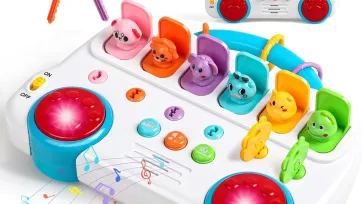
Best Musical Toys for Kids in 2026: Inspiring Creativity Through Music Music plays an important role in every child's development. From the first time a baby shakes a rattle to a preschooler playing their first tune on a toy keyboard, musical experiences help children develop confidence, creativity, coordination, and communication skills. Musical toys make learning enjoyable by encouraging children to explore sounds, rhythms, and melodies through hands-on play. In 2026, musical toys are more creative than ever. Parents can choose from traditional instruments, interactive keyboards, drum sets, karaoke machines, dance mats, and educational music games designed for every age group. Whether your child dreams of becoming a singer, drummer, guitarist, or simply enjoys making noise, the right musical toy can encourage a lifelong love of music. This guide explores the best musical toys for kids in 2026 and explains how they support healthy childhood development. Why Musical Toys Are Important Children naturally respond to music. Even babies begin recognising rhythms and reacting to melodies long before they can speak. Musical toys help children: Explore different sounds Express emotions Build confidence Improve listening skills Develop coordination Strengthen memory Enjoy creative play Unlike passive entertainment, musical toys encourage children to actively participate in creating music. Benefits of Musical Toys Musical play supports many areas of child development. Some of the biggest benefits include: Improve hand-eye coordination Develop rhythm and timing Strengthen listening skills Encourage creativity Improve memory Build confidence Support language development Enhance concentration Reduce screen time Children also learn patience as they practise new sounds and rhythms. Musical Toys for Babies Babies enjoy simple musical toys that are easy to hold and explore. Popular choices include: Soft rattles Musical plush toys Baby tambourines Sound blocks Gentle melody toys Musical activity cubes These toys introduce cause and effect while encouraging sensory development. Toy Keyboards Toy keyboards remain one of the most popular musical toys for children. Many modern keyboards include: Piano sounds Animal sounds Drum rhythms Learning modes Recording functions Light-up keys Children begin recognising notes while developing finger coordination and creativity. Toy Drum Sets Drum sets encourage children to explore rhythm through energetic play. Benefits include: Better coordination Improved timing Stronger arm movement Rhythm recognition Creative expression Many children's drum kits also include cymbals and percussion accessories for a more realistic experience. Xylophones and Glockenspiels Colourful xylophones are ideal for introducing young children to musical notes. Playing simple melodies helps children: Recognise pitch Develop rhythm Improve hand coordination Strengthen listening skills These instruments are especially suitable for toddlers and preschool children. Toy Guitars and Ukuleles Many children enjoy pretending to perform like their favourite musicians. Toy guitars and ukuleles encourage: Imaginative play Finger coordination Rhythm practice Musical confidence Some beginner models use real strings, helping older children prepare for learning actual instruments. Karaoke Machines Karaoke toys have become increasingly popular for family entertainment. Children enjoy: Singing favourite songs Performing for family Recording their voices Building stage confidence Singing also supports language development and pronunciation. Musical Dance Mats Dance mats combine movement with music, encouraging children to stay active while developing rhythm. These toys improve: Balance Coordination Physical fitness Timing Listening skills They are particularly popular for family game nights. Educational Musical Toys Many musical toys introduce early learning concepts alongside music. Children can practise: Numbers Colours Alphabet letters Animal sounds Memory games Combining music with learning helps children remember new information more easily. Choosing the Right Musical Toy Before buying, consider: Your child's age Volume control Durability Educational value Safety standards Battery life (if required) Look for toys that encourage creativity rather than simply playing pre-recorded music. Safety Tips Choose musical toys that: Meet recognised safety standards Use child-safe materials Have adjustable volume Match the recommended age Contain securely enclosed batteries Moderate sound levels help protect children's hearing during play. Common Buying Mistakes Parents often choose musical toys based only on appearance. Avoid: Extremely loud toys Poor sound quality Fragile construction Complicated controls for younger children Limited educational value Simple, durable instruments often provide the best long-term experience. Why Musical Toys Make Excellent Gifts Musical toys are wonderful gifts because they combine creativity, movement, and learning. They're perfect for: Birthdays Christmas First birthdays Family celebrations Nursery gifts Many children continue enjoying musical toys for years as their confidence and skills develop. Frequently Asked Questions What are the best musical toys for children? Toy keyboards, drum sets, xylophones, karaoke machines, musical activity cubes, guitars, and dance mats are among the most popular choices. At what age can children start using musical toys? Many musical toys are suitable from infancy, while more advanced instruments are designed for toddlers and older children. Do musical toys help child development? Yes. They improve coordination, listening skills, creativity, confidence, language development, and memory while encouraging active play. Should I choose electronic or traditional musical toys? A combination works best. Traditional instruments encourage creativity, while electronic musical toys often provide additional learning features and interactive activities. Final Thoughts The best musical toys for kids in 2026 inspire creativity, confidence, and joyful learning through sound and movement. Whether your child enjoys playing a keyboard, beating a drum, singing into a microphone, or exploring melodies on a xylophone, musical toys provide valuable opportunities to develop important skills while having fun. By choosing high-quality, age-appropriate musical toys, parents can encourage a lifelong appreciation of music while supporting healthy cognitive, emotional, and physical development. Every note played is another step towards greater creativity, confidence, and self-expression.
Best Coding Toys for Kids in 2026: Learning Programming Through Play
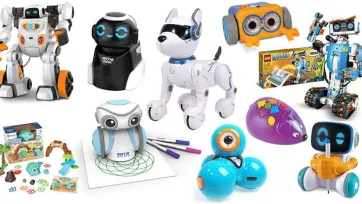
Best Coding Toys for Kids in 2026: Learning Programming Through Play Technology is shaping the future, and introducing children to coding at an early age has become one of the smartest investments parents can make. Fortunately, learning to code no longer means staring at a computer screen for hours. Today's coding toys teach programming concepts through games, puzzles, robots, and interactive challenges that make learning enjoyable rather than intimidating. The best coding toys encourage children to think logically, solve problems, recognise patterns, and develop computational thinking—all while having fun. Whether your child is a curious preschooler or an older student interested in robotics, coding toys provide age-appropriate challenges that build confidence and creativity. This guide explores the best coding toys for kids in 2026 and explains how they prepare children for a technology-driven future. What Are Coding Toys? Coding toys are educational toys designed to introduce programming concepts through hands-on activities rather than traditional computer programming. Depending on the child's age, coding toys may involve: Building robots Solving coding puzzles Programming movements Following sequences Creating games Completing STEM challenges Many beginner coding toys require no reading or typing, making them suitable even for young children. Why Coding Skills Matter Coding is more than learning a programming language. It teaches children how to: Solve problems Think logically Break large tasks into smaller steps Test different solutions Learn from mistakes These skills are valuable in almost every future career, not just software development. Benefits of Coding Toys Coding toys help children develop a wide range of abilities. Some of the biggest benefits include: Improve logical thinking Encourage creativity Build confidence Strengthen problem-solving skills Improve concentration Develop patience Support STEM learning Encourage independent thinking Reduce passive screen time Children also learn that there are often several different ways to solve the same problem. Coding Toys for Preschoolers Young children can begin learning coding concepts without using computers. Popular coding toys include: Coding board games Sequence cards Directional robots Colour coding games Pattern puzzles These activities teach sequencing and logical thinking through simple play. Coding Robots Programmable robots are among the most popular coding toys available today. Children can programme robots to: Move forwards Turn Dance Follow paths Avoid obstacles Complete missions Watching their code come to life makes programming exciting and rewarding. Screen-Free Coding Toys Many parents prefer coding toys that don't require tablets or smartphones. Screen-free coding activities include: Logic puzzles Coding cards Robot pathways Floor coding games Mechanical programming toys These options encourage children to learn through movement and hands-on exploration. Coding Kits for Older Children As children gain confidence, they can move on to more advanced coding projects. Popular kits include: Robotics sets Electronic circuit kits Programmable vehicles AI learning kits Smart home projects These activities combine engineering, electronics, and programming into exciting challenges. Coding and Robotics Together Coding and robotics naturally complement one another. Children first build a robot before programming it to perform different tasks. This process develops: Engineering skills Critical thinking Creativity Teamwork Technical confidence Many schools now include robotics clubs because of these educational benefits. Coding Toys Encourage Creativity Programming is often seen as highly technical, but creativity plays an important role. Children enjoy creating: Games Obstacle courses Robot races Interactive stories Custom challenges Every project encourages experimentation and innovation. Choosing the Right Coding Toy Before buying, consider: Your child's age Reading ability Previous STEM experience Difficulty level Expandability Educational value A toy that grows with your child usually provides better long-term value. Safety Tips Choose coding toys that: Meet recognised safety standards Use child-safe materials Include clear instructions Match the recommended age Have durable construction Adult supervision may be helpful for younger children during initial setup. Common Buying Mistakes Parents sometimes buy coding toys that are too advanced. Avoid: Complex programming kits for beginners Poor-quality robotics products Toys with limited learning opportunities Ignoring age recommendations Choosing complicated software that discourages young learners Start simple and gradually introduce more advanced coding concepts. Why Coding Toys Make Excellent Gifts Coding toys are among the most valuable educational gifts available today. They're ideal for: Birthdays Christmas School achievements STEM competitions Summer learning Parents appreciate gifts that encourage future-ready skills while remaining enjoyable to use. Frequently Asked Questions What are coding toys? Coding toys teach programming concepts through games, robots, puzzles, and hands-on STEM activities suitable for different age groups. At what age can children start learning coding? Many coding toys are designed for children aged three and above, using simple sequencing activities before introducing more advanced programming concepts. Do coding toys require computers? Not always. Many coding toys are completely screen-free and teach logical thinking through physical activities and programmable robots. Are coding toys worth buying? Yes. They encourage critical thinking, creativity, confidence, and problem-solving while preparing children for future technology skills. Final Thoughts The best coding toys for kids in 2026 make programming accessible, exciting, and enjoyable for children of all ages. Whether your child is programming a small robot, solving coding puzzles, or building advanced STEM projects, these toys encourage curiosity, creativity, and logical thinking through hands-on learning. By choosing high-quality coding toys that match your child's age and interests, you're helping them build valuable skills that extend far beyond technology. Every challenge solved today lays the foundation for tomorrow's innovators, engineers, and creative problem-solvers.
Best Balance Bikes for Kids in 2026
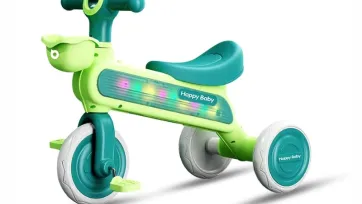
Best Balance Bikes for Kids in 2026: The Ultimate Parent's Buying Guide A balance bike is often a child's first real step towards independent cycling. Unlike traditional bicycles with stabilisers, balance bikes teach children how to balance naturally before they learn to pedal. This simple approach has transformed how children learn to ride, making the transition to a regular bicycle faster, easier, and far more enjoyable. In 2026, balance bikes remain one of the best-selling outdoor toys for toddlers and preschool children. Available in wooden, metal, lightweight aluminium, and adjustable models, they help children build confidence, coordination, and independence while encouraging active outdoor play. If you're looking for the best balance bike for your child, this complete guide will help you make the right choice. What Is a Balance Bike? A balance bike is a pedal-free bicycle designed to teach children how to balance using their own feet. Instead of pedalling, children: Walk forward Push with their feet Glide naturally Steer independently Learn balance through movement Once balance becomes second nature, learning to ride a standard bicycle is usually much easier. Why Parents Choose Balance Bikes Traditional bicycles with stabilisers teach children how to pedal but not how to balance. Balance bikes work differently. Children naturally develop balance while steering and controlling their speed, meaning they often skip stabilisers altogether when moving to a pedal bike. Many cycling experts now recommend balance bikes as the easiest way to learn. Benefits of Balance Bikes Balance bikes support healthy physical development. Some of the biggest benefits include: Improve balance Build confidence Strengthen leg muscles Develop coordination Improve steering control Encourage outdoor play Increase independence Support gross motor development Reduce screen time These skills also help children in other sports and physical activities. Balance Bikes for Toddlers Toddlers usually begin with lightweight models that are easy to control. Beginner balance bikes often feature: Adjustable seats Soft grips Lightweight frames Puncture-proof tyres Low step-through design These features help young riders feel safe while learning. Wooden Balance Bikes Wooden balance bikes remain popular because of their simple and attractive design. Parents like them because they are: Eco-friendly Lightweight Durable Quiet Stylish Their minimalist design also encourages children to focus on riding rather than electronic features. Metal Balance Bikes Metal balance bikes are built for durability and long-term use. Many include: Adjustable handlebars Air-filled tyres Hand brakes Height-adjustable seats Strong steel or aluminium frames These models are ideal for children who ride regularly outdoors. Inflatable vs Foam Tyres Balance bikes are available with different tyre types. Foam tyres offer: No punctures Low maintenance Lightweight design Inflatable tyres provide: Better grip Smoother rides Improved shock absorption Greater comfort on rough ground The best choice depends on where your child will ride most often. Learning Through Outdoor Play Balance bikes encourage children to spend more time outside. Popular riding locations include: Parks Gardens Cycle paths School playgrounds Quiet pavements Family walking trails Outdoor riding also encourages healthy exercise and family activities. How to Choose the Right Balance Bike Before buying, consider: Your child's age Inside leg measurement Weight of the bike Adjustable features Tyre type Frame material Safety certification A lightweight bike is usually much easier for young children to control. Safety Equipment Children should always wear suitable safety equipment when riding. Recommended items include: Helmet Knee pads Elbow pads Closed-toe shoes Parents should also supervise beginners until they become confident riders. Common Buying Mistakes Many parents buy balance bikes that are too large. Avoid: Heavy frames Seats that cannot be adjusted Poor-quality tyres Cheap bearings Bikes without safety certification A properly fitted balance bike makes learning much easier and more enjoyable. Maintaining a Balance Bike Good maintenance helps the bike last for years. Regularly: Check tyre condition Tighten loose bolts Clean the frame Adjust the seat height Inspect handlebars Lubricate moving parts if required A well-maintained bike provides a smoother and safer riding experience. Why Balance Bikes Make Excellent Gifts Balance bikes are one of the most practical gifts for young children. They're perfect for: Birthdays Christmas Second birthdays Outdoor activity gifts Family celebrations Unlike many toys that are quickly forgotten, a balance bike often becomes part of a child's daily routine. Frequently Asked Questions What is the best age for a balance bike? Most children can begin using a balance bike between 18 months and 2 years, depending on their height and confidence. Are balance bikes better than bikes with stabilisers? For many children, yes. Balance bikes teach natural balance first, making the transition to a pedal bicycle much smoother. Do balance bikes really help children learn to cycle? Absolutely. Children who master balancing often learn to ride a pedal bike without stabilisers much more quickly. Should I choose a wooden or metal balance bike? Both are excellent options. Wooden bikes are lightweight and environmentally friendly, while metal bikes usually offer greater durability and adjustable features. Final Thoughts The best balance bikes for kids in 2026 help children develop confidence, coordination, and independence while making the journey towards cycling enjoyable from the very beginning. By learning balance before pedalling, children gain an important skill that makes riding a traditional bicycle far less intimidating. Whether you choose a lightweight wooden model or a durable metal design, a high-quality balance bike provides years of outdoor fun while encouraging healthy physical development. It's one of the few toys that combines exercise, learning, and adventure into one unforgettable childhood experience.
Indoor Toys That Keep Children Entertained Without Screens
Indoor Toys That Keep Children Entertained Without Screens: A Complete Parent's Guide Rainy afternoons, school holidays and weekends at home often leave parents searching for ways to keep children happily occupied. While tablets, televisions and smartphones can provide quick entertainment, many families are looking for healthier alternatives that encourage creativity, movement and independent thinking. This is where the right indoor toys can make a real difference. Indoor toys offer children the opportunity to learn, explore and play without relying on digital screens. Whether it's building an imaginative world from construction pieces, solving a challenging puzzle or creating a masterpiece with art supplies, these toys encourage meaningful play while supporting healthy development. Screen-free play is more important than ever. Excessive screen time can reduce opportunities for physical activity, imaginative thinking and social interaction. By offering engaging indoor toys, parents can create a balanced environment where children remain entertained while developing valuable life skills. The best indoor toys are versatile, age-appropriate and enjoyable enough to hold a child's attention for extended periods. They encourage independent play, family interaction and creative problem-solving, making them a worthwhile investment for every household. In this guide, you'll discover the benefits of indoor toys, how they support child development, which toys suit different age groups and what to consider before making a purchase. Why Indoor Toys Are Important Indoor toys provide far more than entertainment. They allow children to continue learning and developing even when outdoor play is not possible. Good indoor toys encourage: Creative thinking Problem-solving Communication Fine motor development Independent play Family interaction Emotional confidence Concentration They also help children stay active and engaged during poor weather or when outdoor space is limited. Benefits of Screen-Free Indoor Play Replacing some screen time with traditional play offers several long-term benefits. Encourages Creativity Without digital instructions or fixed outcomes, children rely on their own imagination to create stories, solve problems and invent games. Improves Concentration Many indoor activities require patience and focus. Building models, completing puzzles and creating artwork all encourage children to remain engaged for longer periods. Supports Social Skills Board games, role play and cooperative activities encourage conversation, sharing and teamwork. Develops Motor Skills Many indoor toys strengthen both fine and gross motor skills through hands-on activities. Reduces Overstimulation Unlike many electronic devices, traditional toys often create a calmer play environment that allows children to think independently. Encourages Independent Play Children become more confident when they learn to entertain themselves without relying on digital devices. Best Indoor Toys for Babies Babies learn through movement, touch and exploration. Suitable indoor toys include: Soft activity gyms Sensory balls Stacking cups Soft building blocks Fabric books Shape sorters Musical toys Activity cubes These toys encourage reaching, grasping and early exploration while supporting sensory development. Indoor Toys for Toddlers Toddlers enjoy activities that combine movement with imagination. Excellent choices include: Building blocks Pretend play kitchens Ride-on toys suitable for indoor use Ball pits Chunky puzzles Push-and-pull toys Play tents Drawing boards Toy animals Stacking toys These toys help develop creativity, coordination and early problem-solving while keeping energetic toddlers entertained indoors. Indoor Toys for Preschool Children Preschool children enjoy more detailed activities that challenge both their imagination and thinking skills. Popular indoor toys include: Construction sets Craft kits Dollhouses Puppet theatres Magnetic building toys Marble runs Pretend shop play sets Toy tool benches Play kitchens Storytelling cards These toys encourage independent play, communication and creative thinking while supporting school readiness. Indoor Toys for School-Age Children As children grow older, they often look for toys that challenge their imagination, creativity and problem-solving abilities. The best indoor toys for this age group encourage independent thinking while also providing opportunities for family play. Some excellent options include: Strategy board games Advanced construction sets Arts and crafts kits Science experiment kits Model-building projects Card games Marble runs Building planks Puzzle games Creative writing and storytelling games These toys help children stay entertained for longer periods while developing valuable cognitive and social skills. How to Choose the Best Indoor Toys Not every indoor toy provides meaningful play. The most valuable options encourage children to think, create and explore rather than simply watching or pressing buttons. When choosing indoor toys, consider the following: Your child's age and interests. The available space in your home. The toy's educational value. Whether it encourages active participation. Durability and build quality. Opportunities for independent play. Whether siblings can enjoy it together. Selecting toys that can be used in multiple ways usually provides greater long-term value than toys designed for only one activity. Creating an Engaging Indoor Play Space The environment where children play can be just as important as the toys themselves. A well-organised play area encourages children to explore independently and keeps playtime enjoyable. Consider these simple ideas: Keep toys within easy reach. Rotate toys every few weeks to maintain interest. Use labelled storage boxes or baskets. Create separate areas for reading, building and creative activities. Ensure there is enough floor space for active play. Display only a limited selection of toys at one time to avoid overwhelming children. An organised space often leads to more focused and imaginative play. Buying Guide Before purchasing indoor toys, take a few moments to consider what will genuinely benefit your child. Choose Toys That Match Developmental Stages Children enjoy toys that challenge them without causing frustration. Always consider your child's current abilities. Prioritise Open-Ended Play Construction toys, craft materials and pretend play sets often provide much greater long-term value than toys with a single purpose. Consider Storage Requirements Large toys may not be practical for smaller homes. Foldable or stackable toys can help save space. Think About Durability Indoor toys are often used every day, so choosing well-made products can reduce replacement costs over time. Encourage Variety A balanced collection might include creative toys, building toys, puzzles, books and pretend play equipment to support different aspects of development. Safety Tips Even toys designed for indoor use should be chosen and maintained carefully. Follow these safety recommendations: Always check the recommended age range. Inspect toys regularly for damage. Remove broken pieces immediately. Keep small parts away from young children. Secure heavy furniture and storage units. Keep play areas free from trip hazards. Clean toys regularly using child-safe cleaning products. Supervise activities involving small accessories or craft materials. Safe play allows children to explore confidently while reducing unnecessary risks. Common Buying Mistakes Parents sometimes buy indoor toys that quickly lose their appeal. Avoid these common mistakes: Buying Too Many Toys at Once An overcrowded play area can reduce children's ability to focus and enjoy individual toys. Choosing Toys Based Only on Trends Popular toys may lose their appeal quickly, whereas timeless toys often provide years of enjoyment. Ignoring Available Space Large toys can make smaller homes feel cluttered and may limit safe play. Focusing Only on Entertainment The best indoor toys combine fun with opportunities for learning and development. Forgetting to Rotate Toys Keeping every toy available all the time can reduce excitement. Rotating toys regularly helps maintain children's interest. Frequently Asked Questions What are the best indoor toys for children? The best indoor toys encourage creativity, problem-solving and active participation. Construction toys, puzzles, pretend play sets, craft materials and board games are all excellent choices. Can indoor toys reduce screen time? Yes. Engaging toys that encourage imaginative and hands-on play can naturally reduce the amount of time children spend using electronic devices. Are indoor toys suitable for small homes? Absolutely. Many compact toys, such as puzzles, magnetic building sets, books and craft supplies, provide excellent play value without taking up much space. How often should indoor toys be rotated? Many families rotate toys every two to four weeks to keep play fresh and interesting. Should children play independently indoors? Independent play helps children develop confidence, creativity and problem-solving skills. Parents can supervise while allowing children to lead their own play. Final Thoughts Indoor toys provide children with valuable opportunities to learn, create and stay active without relying on digital entertainment. Whether the weather keeps everyone inside or you simply want to encourage more screen-free play, the right toys can transform ordinary days into exciting learning experiences. By choosing versatile, age-appropriate and durable toys, parents can support creativity, independence and healthy development while making everyday play more enjoyable. A carefully selected collection of indoor toys offers lasting value, encourages meaningful family time and helps children build skills they will use throughout life.
Quiet Toys for Independent Play at Home
 Quiet Toys for Independent Play at Home: A Complete Parent's Guide Every parent experiences moments when a calm and peaceful activity is exactly what the family needs. Whether you're working from home, caring for a younger sibling, preparing dinner or simply encouraging your child to enjoy some independent play, quiet toys can make a remarkable difference. Unlike noisy electronic gadgets or fast-paced games, quiet toys encourage children to focus, think creatively and entertain themselves without constant stimulation. These toys often support concentration, imagination and problem-solving while creating a more relaxing home environment. Quiet play doesn't mean boring play. In fact, many children become deeply engaged when given the opportunity to build, create, draw, solve puzzles or invent imaginative stories at their own pace. These moments of independent play help children develop confidence, patience and decision-making skills that benefit them well beyond childhood. Choosing the right quiet toys also helps parents create a healthier balance between active play, screen time and restful activities. Whether your child enjoys reading, crafting, construction or pretend play, there are countless options that provide meaningful entertainment without filling the house with noise. This guide explains the benefits of quiet toys, how they support child development, the best options for different age groups and what parents should consider before making a purchase. What Are Quiet Toys? Quiet toys are toys that encourage calm, focused play without producing loud sounds, flashing lights or constant electronic effects. Instead of relying on noise for entertainment, these toys encourage children to use their imagination, creativity and problem-solving skills. Examples include: Building blocks Wooden puzzles Magnetic construction toys Colouring books Drawing boards Craft kits Modelling clay Dollhouses Toy animals Storytelling cards Threading activities Shape sorters Books Mosaic art sets Stacking toys These toys can be enjoyed independently or with family members while maintaining a peaceful play environment. Why Quiet Play Is Important Modern children are surrounded by constant stimulation from televisions, tablets, smartphones and electronic toys. While these forms of entertainment have their place, children also benefit from opportunities to slow down and engage in thoughtful play. Quiet play helps children: Develop longer attention spans. Improve concentration. Learn patience. Build creativity. Strengthen independent thinking. Reduce feelings of overstimulation. Develop problem-solving skills. Enjoy calm, focused activities. Many parents also notice that children become more relaxed after spending time with quiet toys. Benefits of Quiet Toys Quiet toys support several important areas of child development. Encourage Independent Play Children learn to make their own decisions when they are free to explore toys without constant adult guidance. Independent play builds confidence and encourages children to trust their own ideas. Improve Concentration Completing a puzzle, building a structure or creating artwork requires sustained attention. These activities gradually strengthen focus and persistence. Support Creativity Quiet toys often have no fixed outcome, allowing children to invent stories, create designs and explore different ideas. This encourages flexible thinking and imagination. Develop Fine Motor Skills Many quiet activities involve small hand movements such as drawing, threading, stacking or modelling. These movements strengthen the muscles needed for writing, dressing and everyday tasks. Reduce Screen Time Providing interesting alternatives to electronic devices helps children spend more time engaged in hands-on learning and imaginative play. Create a Calmer Home Environment Because these toys generate very little noise, they are ideal during quiet afternoons, family reading time or when younger siblings are sleeping. Best Quiet Toys for Babies Babies naturally explore through touch and movement. Suitable quiet toys include: Soft fabric books Sensory balls Stacking rings Soft building blocks Activity cubes Textured toys Large grasping toys Fabric play mats These toys encourage exploration without overwhelming babies with excessive lights or sounds. Quiet Toys for Toddlers Toddlers enjoy activities that challenge their curiosity while remaining simple enough for independent play. Popular choices include: Shape sorters Wooden puzzles Building blocks Toy animals Stacking cups Drawing boards Large threading toys Pretend food Soft dolls Play kitchens These toys encourage creativity, coordination and language development while maintaining a peaceful play environment. Quiet Toys for Preschool Children Preschool children enjoy more detailed activities that allow them to create, build and imagine. Excellent options include: Craft kits Magnetic building sets Dollhouses Marble runs Mosaic art boards Construction toys Storytelling cards Puppet sets Modelling clay Picture books These toys help children remain engaged for longer periods while encouraging creative and independent thinking. Quiet Toys for School-Age Children As children grow older, they often enjoy activities that challenge their creativity, concentration and problem-solving abilities. Quiet toys for this age group should provide opportunities for independent exploration while remaining engaging enough to hold their attention for extended periods. Some excellent choices include: Strategy board games Advanced jigsaw puzzles Model-building kits Origami sets Jewellery-making kits Science activity kits Advanced construction toys Sketchbooks and drawing supplies Calligraphy and lettering sets Creative writing games These activities encourage children to think independently, develop patience and improve their attention to detail. How Quiet Toys Support Child Development Quiet play contributes to healthy development in many ways beyond simply reducing noise. Encourages Self-Confidence When children complete activities independently, they gain confidence in their own abilities. Solving a puzzle or finishing an art project gives them a sense of achievement that motivates them to tackle new challenges. Improves Decision-Making Quiet toys often have no single correct answer. Children decide how to build, create or organise their play, helping them develop independent thinking and better decision-making skills. Strengthens Emotional Regulation Calm play activities provide opportunities for children to relax after busy school days or energetic outdoor play. Many parents find that quiet play helps children settle before bedtime or after exciting events. Encourages Family Interaction Many quiet toys can also be enjoyed together. Reading books, completing puzzles or creating craft projects as a family encourages conversation and strengthens relationships without relying on electronic entertainment. How to Choose the Best Quiet Toys Selecting the right quiet toys depends on your child's personality, interests and stage of development. Consider the following factors before making a purchase: Choose toys appropriate for your child's age. Look for toys that encourage creativity rather than passive play. Select durable products that can withstand frequent use. Consider toys that can be used in different ways. Think about available storage space. Choose toys that support independent as well as shared play. Include a variety of activities to keep play interesting. A balanced collection of quiet toys provides opportunities for learning, creativity and relaxation throughout the year. Buying Guide Choosing high-quality quiet toys is easier when you focus on long-term play value instead of short-lived trends. Prioritise Open-Ended Play Construction toys, art materials and storytelling games often provide more lasting entertainment because children can use them differently every time they play. Consider Educational Value Many quiet toys naturally develop literacy, numeracy, creativity or problem-solving skills while children are simply enjoying themselves. Check Build Quality Well-made toys usually last longer, making them better value for money over time. Think About Storage Compact toys with organised storage solutions are particularly useful for smaller homes and playrooms. Choose Toys That Grow with Your Child Some toys remain enjoyable for many years by offering increasingly complex ways to play as children mature. Safety Tips Even quiet toys should be used safely. Keep these recommendations in mind: Follow the manufacturer's age recommendations. Inspect toys regularly for wear or damage. Remove broken or damaged items immediately. Keep small pieces away from babies and toddlers. Clean toys regularly using child-safe cleaning products. Store toys in labelled containers to prevent pieces from being lost. Supervise younger children during craft activities. Ensure art materials are non-toxic and suitable for children. A well-maintained collection of toys provides safer and more enjoyable play experiences. Common Buying Mistakes Avoid these common mistakes when purchasing quiet toys. Buying Toys That Are Too Complicated If children cannot understand how to use a toy, they may quickly lose interest. Choosing Only Electronic Alternatives Electronic toys often entertain children rather than encouraging them to think creatively. Ignoring Personal Interests Children are far more likely to enjoy quiet play when activities match their hobbies and preferences. Buying Too Many Similar Toys A varied collection supports different types of learning and prevents boredom. Focusing Only on Price The cheapest option is not always the best value. Durable, versatile toys often provide years of meaningful play. Frequently Asked Questions What are quiet toys? Quiet toys are toys that encourage calm, focused and creative play without producing loud sounds or relying on electronic entertainment. Are quiet toys good for independent play? Yes. Many quiet toys encourage children to explore, create and solve problems on their own, helping build confidence and independence. Can quiet toys reduce screen time? Absolutely. Interesting hands-on activities naturally encourage children to spend less time using digital devices. What are the best quiet toys for travel? Compact puzzles, colouring books, magnetic games, activity books and small construction toys are excellent choices for travelling. Do quiet toys support learning? Yes. Many quiet toys help develop creativity, literacy, fine motor skills, concentration, communication and problem-solving through enjoyable play. Final Thoughts Quiet toys prove that meaningful play doesn't have to be loud or fast-paced. By encouraging creativity, concentration and independent thinking, these toys provide children with valuable opportunities to learn while enjoying calm and engaging activities. Whether your child enjoys building, drawing, crafting, reading or solving puzzles, a carefully chosen collection of quiet toys can support healthy development while creating a more peaceful home environment. Investing in versatile, durable and age-appropriate toys helps children develop important life skills that extend far beyond playtime.
Best Kids Backpacks in 2026
Kids Backpacks: How to Choose the Perfect School Backpack for Comfort, Safety and Everyday Use Introduction A school backpack is one of the most frequently used items a child owns. It travels to school every weekday, carries books, lunch boxes, water bottles, stationery, sports kits and sometimes a favourite toy hidden in a side pocket. Yet many parents buy a backpack based on one thing alone—how it looks. Bright colours, popular characters and trendy designs certainly appeal to children, but appearance should never be the deciding factor. A poorly designed backpack can become uncomfortable, wear out quickly or fail to support growing shoulders and backs. The good news is that choosing the right backpack isn't complicated once you know what to look for. This guide explains how to choose a comfortable, practical and durable kids' backpack that works for school, travel and everyday adventures. Why the Right Backpack Matters Children carry their backpacks almost every day. A well-designed backpack helps distribute weight evenly, making it more comfortable throughout the school day. The right backpack should: Fit your child's body properly. Feel comfortable on both shoulders. Provide enough storage without being oversized. Be lightweight even before it's filled. Last through daily use. A backpack should support your child's routine, not make it harder. Start With Size, Not Style One of the biggest mistakes parents make is buying a backpack that's much too large. It may seem like a practical idea because children will "grow into it", but oversized backpacks often become awkward and uncomfortable. As a general rule: The top of the backpack should sit just below the shoulders. The bottom shouldn't hang far below the waist. It should fit closely against the back rather than swinging while walking. Choosing the correct size usually improves comfort immediately. Features Worth Paying For Not every extra feature adds real value. However, some details genuinely make everyday life easier. Look for backpacks with: Padded shoulder straps. A padded back panel. Adjustable shoulder straps. Strong zips. Reinforced stitching. Multiple storage compartments. Side pockets for water bottles. Easy-to-clean fabric. These features help the backpack remain comfortable and organised throughout the school year. Choosing the Right Material Children aren't always gentle with their belongings. Backpacks are placed on classroom floors, carried through playgrounds and occasionally dragged across pavements. Durable materials such as polyester and nylon are popular because they: Resist everyday wear. Dry quickly. Wipe clean easily. Hold their shape well. Stay relatively lightweight. Water-resistant materials are particularly useful during wet weather or accidental drink spills. How Much Storage Does a Child Really Need? Bigger isn't always better. A backpack should comfortably carry daily essentials without encouraging children to carry unnecessary weight. Most school-age children only need space for: Exercise books. Pencil case. Lunch box. Water bottle. Reading book. Light jacket. Small school supplies. Several well-designed compartments often work better than one very large compartment because they keep everything organised and easier to find. Comfort Is More Important Than Fashion Children naturally want a backpack that looks exciting. Parents naturally want one that lasts. Fortunately, it's possible to have both. Before buying, ask your child to wear the backpack properly using both shoulder straps. Walk around the shop for a few minutes. Does it sit comfortably? Can they move freely? Is it easy to open the zips? A backpack that feels comfortable in the shop is much more likely to stay comfortable throughout the school year. How Heavy Should a Child's Backpack Be? A backpack should never feel like a piece of gym equipment. As a general guide, many health professionals recommend that a child's loaded backpack should not exceed around 10–15% of their body weight. Carrying significantly more than this for long periods may lead to discomfort and unnecessary strain. Parents can reduce weight by: Removing books that aren't needed. Emptying unnecessary toys or gadgets. Using a lightweight lunch box. Carrying only the stationery required for the day. Checking the bag every evening instead of letting items build up. A lighter backpack is usually a more comfortable backpack. How to Pack a Backpack Properly Packing a backpack correctly can make a surprising difference. The heaviest items should be placed closest to the back panel. This helps keep the weight balanced and prevents the bag from pulling backwards. A simple packing order works well: Books and folders nearest the back. Pencil case and lunch box in the centre. Lighter items towards the front. Water bottle in a side pocket if available. Small accessories in zipped organiser pockets. Good organisation also makes it easier for children to find what they need during the school day. Signs the Backpack Doesn't Fit Properly Children don't always complain when something feels uncomfortable. Watch for these signs: The backpack hangs very low. One shoulder strap is used most of the time. The bag swings while walking. Red marks appear on the shoulders. Your child frequently adjusts the straps. They lean forward while carrying it. These signs often indicate that the backpack is too heavy, too large or needs adjusting. Looking After a School Backpack A quality backpack can last much longer with a little care. Simple habits include: Emptying the bag every weekend. Wiping away dirt with a damp cloth. Checking zips regularly. Tightening loose straps. Avoiding overfilling compartments. Hanging the backpack properly instead of leaving it on the floor. Small maintenance routines help prevent bigger problems later. Common Backpack Buying Mistakes Parents often make the same mistakes when shopping. Avoid these common pitfalls: Buying the largest backpack available. Choosing style over comfort. Ignoring adjustable straps. Forgetting to check the backpack's empty weight. Purchasing low-quality zips that fail quickly. Not involving the child in trying the backpack on. The right backpack should suit both your child's body and their daily routine. Frequently Asked Questions What size backpack is best for primary school children? The ideal size depends on the child's height and school requirements. The backpack should sit comfortably against the back without extending far below the waist. How often should I replace my child's backpack? A good-quality backpack can last several school years if it still fits properly and remains in good condition. Younger children may need a new size as they grow. Are wheeled backpacks better? They can be useful where schools allow them and smooth surfaces are available. However, they may be less practical on stairs or crowded corridors. Should children use both shoulder straps? Yes. Using both straps distributes weight more evenly and helps improve comfort. Which material is best for children's backpacks? Durable polyester and nylon remain popular choices because they're lightweight, strong and easy to clean. Final Thoughts A school backpack isn't just another accessory. It's something your child carries almost every day, often for several years. Choosing the right one means looking beyond colours and patterns to focus on comfort, durability and the way it fits your child's body. A backpack that sits correctly, distributes weight evenly and keeps school essentials organised can make the daily journey to and from school much more comfortable. When parents choose wisely, they're not simply buying a bag. They're investing in something that supports their child's routine, confidence and everyday comfort throughout the school year.  
25 Best Kids Clothing Brands for Quality, Comfort and Style in 2026
25 Best Kids Clothing Brands for Quality, Comfort and Style in 2026 Introduction Shopping for children's clothes sounds simple until you're standing in front of hundreds of options. Some brands focus on fashion. Others prioritise comfort. A few are known for exceptional durability, while others specialise in affordable everyday essentials. For parents, the challenge isn't finding children's clothing—it's finding clothes that survive playground adventures, frequent washing and rapidly growing children without sacrificing comfort or style. The best kids' clothing brands understand one important fact. Children don't spend their day standing still. They climb. They run. They paint. They crawl. They jump in puddles. Their clothes need to keep up. This guide explores some of the world's most trusted children's clothing brands, highlighting what each does best, who it's most suitable for and why parents continue returning to them year after year. Choosing the Right Kids' Clothing Brand Before looking at individual brands, it's worth deciding what matters most for your family. Some parents prefer premium fabrics that last through younger siblings. Others prioritise affordability because children outgrow clothes so quickly. You may also consider: Fabric quality Comfort Durability Easy washing Seasonal collections Size availability Value for money Sustainability There's no single perfect brand. The best choice depends on your child's needs and your budget. 1. Carter's Known for comfortable everyday clothing, Carter's remains one of the most trusted names for babies and young children. Parents appreciate its soft fabrics, practical designs and excellent value. Best for: Babies Toddlers Everyday wear 2. Next Next combines modern fashion with reliable quality, making it popular for school outfits, casual clothing and special occasions. Best for: Stylish everyday clothing Smart outfits Seasonal collections 3. H&M Kids H&M Kids offers fashionable clothing at accessible prices while expanding its range of recycled and organic cotton products. Best for: Affordable fashion Trend-led styles Everyday basics 4. Zara Kids Parents looking for contemporary European-inspired fashion often choose Zara Kids. Its collections change regularly, keeping styles fresh throughout the year. Best for: Fashion-conscious families Smart casual outfits Occasion wear 5. Gap Kids Gap Kids has built its reputation on timeless basics, quality denim and comfortable everyday clothing. Best for: Classic wardrobe essentials Denim Layering pieces 6. Marks & Spencer A long-time favourite with UK families, Marks & Spencer is especially well known for dependable school uniforms, underwear and everyday essentials. Best for: School uniforms Everyday clothing Excellent durability 7. Patagonia For adventurous families, Patagonia produces premium outdoor clothing designed to withstand demanding conditions while placing a strong emphasis on sustainability. Best for: Outdoor activities Hiking Winter clothing 8. The North Face Well known for jackets and outdoor wear, this brand produces clothing designed to keep children comfortable in changing weather conditions. Best for: Winter jackets Outdoor adventures Cold climates 9. Frugi Frugi specialises in colourful organic cotton clothing that's both environmentally conscious and comfortable for young children. Best for: Organic clothing Bright colours Eco-conscious families 10. Primary Primary focuses on simple, colourful essentials without character licensing or large logos. Best for: Minimalist wardrobes High-quality basics Everyday comfort 11. Mini Boden Mini Boden is recognised for playful prints, colourful designs and durable fabrics that appeal to both children and parents. Best for: Colourful fashion Premium casual wear Family matching collections 12. Old Navy Old Navy offers affordable clothing for growing children without compromising on variety. Best for: Budget-friendly shopping Everyday clothing Large family wardrobes 13. Uniqlo Uniqlo combines minimalist design with innovative fabrics, making it particularly popular for layering throughout the year. Best for: Lightweight clothing HeatTech winter wear Everyday basics 14. Ralph Lauren Children If you're looking for timeless, premium fashion, Ralph Lauren Children is well known for its classic polo shirts, knitwear and smart outfits. Best for: Special occasions Smart casual wear Premium quality 15. Nike Kids Nike Kids combines comfort with sporty styling, making it a popular choice for active children. Best for: Sportswear Active lifestyles Casual everyday outfits 16. Adidas Kids From tracksuits to trainers, Adidas Kids offers practical clothing designed for movement and comfort. Best for: Sports clothing School PE kits Weekend wear 17. Joules Joules is recognised for colourful prints, countryside-inspired designs and durable outerwear that works well throughout the seasons. Best for: Outdoor clothing Rainwear Family matching outfits 18. Polarn O. Pyret This Scandinavian brand has built a reputation for exceptionally durable children's clothing designed to last through multiple children. Best for: Long-lasting clothing Sustainable wardrobes Everyday essentials 19. Petit Bateau Petit Bateau is known for premium basics made from soft, comfortable fabrics with a timeless European style. Best for: Baby clothing Premium basics Comfortable sleepwear 20. Monsoon Children Monsoon is particularly popular for beautifully designed occasion wear, dresses and formal outfits for children. Best for: Weddings Parties Formal events 21. JoJo Maman Bébé Parents appreciate this brand for comfortable babywear, practical clothing and thoughtful everyday designs. Best for: Babies Toddlers Practical family clothing 22. Mayoral Mayoral offers stylish European-inspired collections that combine quality tailoring with comfortable fabrics. Best for: Smart casual clothing Seasonal fashion Family occasions 23. Lindex Kids Lindex Kids focuses on comfortable, practical clothing while expanding its range of sustainably sourced materials. Best for: Everyday basics Comfortable outfits Eco-conscious shopping 24. Name It Name It offers fashionable yet affordable clothing suitable for babies, toddlers and older children. Best for: Budget-friendly fashion Everyday clothing Modern Scandinavian styles 25. OshKosh B'gosh Famous for its classic dungarees and durable children's clothing, OshKosh B'gosh remains a trusted choice for everyday family wardrobes. Best for: Durable casual clothing Denim Toddlers and young children How to Choose High-Quality Children's Clothing A recognised brand is helpful, but quality should always come before the label. When shopping, look for: Strong stitching around seams Soft, breathable fabrics Comfortable waistbands and cuffs Reinforced knees for active children Easy-to-use zips and fasteners Machine-washable materials Clothes that allow children to move freely Well-made clothing often lasts longer and keeps its shape after repeated washing. Affordable vs Premium Brands Higher prices don't always guarantee better value. Affordable brands are ideal for everyday outfits because children grow quickly and may outgrow clothes within months. Premium brands can be worthwhile for: Winter coats Waterproof jackets School shoes Occasion wear Clothing passed down to younger siblings Many families choose a combination of budget-friendly basics and a few premium essentials. Common Mistakes Parents Make When Buying Children's Clothes Avoid these common shopping mistakes: Buying only for the current season without considering growth. Choosing style over comfort. Ignoring fabric quality. Buying clothes that are too large in the hope they'll last longer. Forgetting to check washing instructions. Purchasing too many trendy pieces that quickly go out of fashion. A balanced wardrobe with comfortable basics and a few special outfits usually offers the best value. Frequently Asked Questions Which children's clothing brand offers the best value for money? Brands such as Next, H&M Kids, Carter's and Marks & Spencer are often chosen because they combine good quality with reasonable prices. Which brands are best for babies? Carter's, JoJo Maman Bébé, Petit Bateau and Frugi are popular choices thanks to their soft fabrics and practical designs. Are premium children's clothing brands worth buying? Premium brands are often worthwhile for coats, knitwear and durable everyday items that can be passed down to younger children. What fabric is best for children's clothing? Cotton remains one of the most popular choices because it's soft, breathable and comfortable for everyday wear. Organic cotton is another excellent option for families seeking more environmentally friendly materials. How often should children's wardrobes be updated? Most children need new clothing every season as they grow, although the exact timing depends on age and growth rate. Final Thoughts The best children's clothing brand isn't necessarily the most expensive or the most fashionable. It's the one that fits your child's everyday life. Whether you prioritise durability, comfort, affordability or sustainable materials, investing in well-made clothing means children can move, play and explore without feeling restricted. Rather than filling wardrobes with fast-changing trends, focus on versatile, comfortable pieces that mix easily and stand up to everyday adventures. A thoughtful wardrobe will always outlast an impulse purchase.
Best Math Learning Toys for Preschoolers and Elementary Students
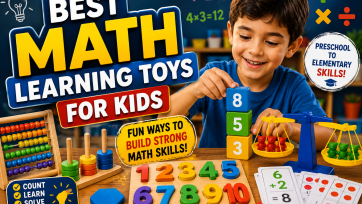
Math does not begin with worksheets. Long before children solve written equations, they compare sizes, count objects, recognize patterns, sort colors, estimate distances, divide snacks, and notice which tower is taller. That is why the best math learning toys do not feel like schoolwork. They turn numbers, shapes, measurement, and problem-solving into activities children genuinely want to repeat. A preschooler may learn counting by moving colorful bears into cups. An elementary student may understand multiplication more clearly through tiles, blocks, or a strategy game. The goal is not to make children memorize answers faster. It is to help them understand what numbers actually mean. This guide covers the best math toys for different ages, the skills they teach, and what parents should look for before spending money. What Makes a Toy Good for Learning Math? A useful math toy should allow children to see, touch, move, group, arrange, or compare objects. Young children often understand abstract ideas more easily when they can physically interact with them. For example, the number five becomes more meaningful when a child can hold five blocks, remove two, and see that three remain. Strong math toys usually support one or more of these skills: Counting Number recognition Sorting Addition and subtraction Patterns Shapes Measurement Fractions Multiplication Logical reasoning Money skills Spatial awareness The best products can be used in several ways rather than offering only one short activity. Best Math Toys for Preschoolers Preschool math should remain playful, visual, and hands-on. Children between three and five years old are usually developing early number sense, shape recognition, matching, sorting, and simple comparison skills. Counting Bears and Sorting Animals Small counting figures are among the most flexible math learning toys for preschoolers. Children can: Count them Sort them by color Group them by size Create patterns Compare quantities Practice simple addition A parent might place three red bears and two blue bears on the table and ask how many there are altogether. The same toy can later be used for subtraction, grouping, or early multiplication. For children under three, avoid small pieces that may become choking hazards. Number Puzzles Wooden number puzzles help children connect spoken number names with written symbols. A child may already know how to count to ten but still struggle to recognize the printed number seven. A number puzzle gives them repeated visual exposure. Good number puzzles often include pictures or objects that match the number shown. For example, the piece marked “4” may include four stars or four animals. This helps the child understand that the symbol represents a quantity. Bead Mazes and Counting Frames Bead mazes and abacus-style counting toys allow children to move pieces while counting. These toys can support: One-to-one counting Color recognition Simple addition Simple subtraction Comparing groups Parents should encourage children to move one bead for each number spoken. This prevents children from reciting numbers without understanding how counting connects to actual objects. Shape Sorters and Geometry Boards Shape toys introduce more than the names of circles and squares. Children begin to notice corners, sides, curves, size, rotation, and how pieces fit together. Geometry boards, tangram-style pieces, and pattern blocks can help children build pictures and explore spatial relationships. Ask questions such as: Which shape has three sides? Can two triangles make a square? Which piece fits this space? What happens if you turn it around? These conversations make the toy far more educational. Peg Boards and Pattern Cards Peg boards allow preschoolers to copy or create patterns. A child may arrange pieces in a sequence such as red, blue, red, blue. Later, they may work with more complex patterns such as red, red, yellow, red, red, yellow. Pattern recognition is an important early math skill because it helps children predict what comes next. Best Math Toys for Kindergarten and Early Elementary Students Once children begin formal schooling, math toys can help make classroom concepts easier to understand. The strongest options show children why an answer works rather than simply testing whether they remember it. Linking Cubes Linking cubes can be connected into groups, towers, or number lines. They are useful for teaching: Addition Subtraction Place value Patterns Measurement Multiplication groups For example, a child can build one tower of eight cubes and another tower of five cubes, then compare their height. Older children can create equal groups to understand multiplication. Ten Frames A ten frame is a simple rectangular grid containing ten spaces. Children place counters into the spaces to visualize numbers. A partially filled ten frame helps children see relationships quickly. If eight spaces are filled, they can also see that two more are needed to make ten. Ten frames are useful for: Number recognition Addition Subtraction Making ten Mental math Although the tool looks simple, it can build a strong foundation for more advanced calculations. Toy Cash Registers A toy cash register combines mathematics with pretend play. Children can practice: Recognizing coins Counting money Giving change Adding prices Comparing costs Understanding budgets A pretend shop can make math feel relevant to everyday life. Parents can label toys or household objects with simple prices and give the child a limited amount of play money. The child must decide what they can afford. Math Board Games Board games can make repeated math practice less tedious. Depending on the game, children may count spaces, add dice totals, recognize patterns, compare numbers, or make strategic decisions. The best math board games involve actual thinking rather than depending entirely on luck. Look for games that match the child’s ability. A difficult game may cause frustration, while a very easy one may lose its appeal quickly. Number Balance Toys A number balance uses weights or numbered pieces to demonstrate equality. For example, placing a weight on one side marked six may balance with two weights marked three on the other side. This helps children understand that different number combinations can have the same total. Number balances are especially useful for visual learners who struggle with written equations. Best Math Toys for Ages 7 to 9 Children in this age range often begin working with multiplication, division, fractions, measurement, and more complex problem-solving. Hands-on materials can prevent these concepts from feeling overly abstract. Fraction Tiles and Fraction Circles Fractions are easier to understand when children can compare physical pieces. A child can place two quarter pieces beside one half piece and see that they are equal in size. Fraction toys may help teach: Halves Thirds Quarters Equivalent fractions Comparing fractions Adding simple fractions Color-coded pieces are helpful, but parents should also encourage children to focus on the size and value of each part. Multiplication Boards Multiplication boards use pegs, tiles, cards, or sliding pieces to demonstrate number groups. Instead of only memorizing that four times three equals twelve, a child can create four groups containing three objects each. This builds understanding before memorization. A multiplication toy is most effective when it allows the child to discover patterns, such as why every answer in the five-times table ends in zero or five. Measuring Kits Child-friendly measuring tapes, rulers, scales, cups, and clocks can turn ordinary activities into math practice. Children can measure: Furniture Toys Ingredients Height Distance Weight Time Measurement toys become more meaningful when connected to real tasks. A child may measure cardboard before building a model or use cups while helping prepare a recipe. Logic Puzzle Games Logic games challenge children to arrange pieces, solve visual problems, or complete tasks under specific rules. These toys strengthen: Planning Deduction Sequencing Spatial reasoning Persistence Many logic games include challenge cards that gradually increase in difficulty. This makes them useful for independent play and long-term learning. Best Math Toys for Ages 9 and Older Older elementary students may prefer math toys that feel like puzzles, games, construction projects, or real-world challenges. At this stage, avoid products that appear too childish. Strategy Board Games Strategy games require children to plan ahead, manage resources, calculate risks, and compare possible outcomes. They may not be sold specifically as math toys, yet they can involve significant mathematical thinking. Games involving money, trading, territory, probability, or resource management are particularly useful. Geometry Construction Sets Geometry sets allow children to build polygons, three-dimensional shapes, bridges, domes, and other structures. These products can introduce: Angles Symmetry Area Perimeter Volume Structural geometry Children who dislike traditional math exercises may become more interested when geometry is connected to building. Mental Math Card Games Card games can improve calculation speed without making practice feel repetitive. Children may race to create a target number, compare fractions, identify factors, or combine cards using different operations. Parents should avoid placing too much emphasis on speed. Accuracy and understanding matter more than winning quickly. Math Escape-Room Games Math mystery and escape-room games ask children to solve a series of clues before reaching a final answer. These activities combine arithmetic with reading, reasoning, and teamwork. They are particularly useful for children who enjoy stories and challenges more than standard practice sheets. Choosing the Right Math Toy A toy can look educational and still provide very little learning value. Before buying, ask the following questions. Does It Match the Child’s Current Skill Level? A preschooler learning to count needs a different toy from a nine-year-old learning fractions. Choose a product that is slightly challenging but still manageable. Can It Be Used in More Than One Way? Open-ended math toys usually provide better long-term value. Counters, cubes, tiles, blocks, cards, and measuring tools can support several concepts as the child grows. Does It Explain the Concept Visually? The best math toys make an idea easier to see. A fraction toy should show how parts form a whole. A multiplication toy should demonstrate equal groups. A counting toy should connect numbers with quantities. Does the Child Find It Interesting? A technically excellent toy will not help if it remains unopened. Children who enjoy pretend play may prefer a cash register. Builders may like geometry sets. Competitive children may enjoy board games. Puzzle lovers may prefer logic challenges. Common Mistakes Parents Make One common mistake is buying a toy that focuses only on memorization. Flash cards and electronic quizzes can have value, but children also need to understand the reasoning behind the answer. Another mistake is correcting every error immediately. Give children time to think, test ideas, and notice their own mistakes. A wrong answer can lead to useful discussion. Parents should also avoid turning every game into a lesson. Sometimes the best learning happens naturally while the child is playing. Are Electronic Math Toys Worth Buying? Electronic math toys can provide sounds, feedback, timed challenges, and different difficulty levels. They may be useful for independent practice, but they should not replace physical play and conversation. Before buying, check whether the toy: Gives meaningful explanations Allows multiple skill levels Has adjustable volume Requires an app Contains advertisements Needs a subscription Stores personal information Works without constant internet access A simple set of counters or blocks may offer more educational flexibility than an expensive electronic device. Final Takeaway The best math learning toys help children see mathematics in the world around them. For preschoolers, start with counting figures, number puzzles, shape sorters, patterns, and bead toys. Early elementary students may benefit from linking cubes, ten frames, toy money, balance scales, and board games. Older children can explore fractions, multiplication, measurement, geometry, logic, and strategy through more advanced games and construction sets. Math becomes easier when children are allowed to touch it, move it, build it, and use it. A child who understands why numbers work is far better prepared than one who has only memorized the answer.