How to Clean and Disinfect Children's Toys Properly: The Complete Parent's Guide
Introduction
A toddler drops a toy on the kitchen floor. Seconds later, it's back in their mouth.
If you're a parent, you've probably seen this happen more times than you can count.
Children don't play with toys the way adults expect. They cuddle them, chew them, drag them through the garden, take them into the bath, leave them under the sofa and sometimes even share them with the family dog. It's all part of growing up—but it also means toys can quickly become home to dust, food residue and germs if they aren't cleaned regularly.
The challenge isn't deciding whether toys should be cleaned. It's knowing how to clean them without damaging them.
Should wooden toys ever be soaked in water? Can soft toys go in the washing machine? Are disinfectants always necessary? And how often should parents actually clean different types of toys?
The answers depend on the material, how often the toy is used and the age of the child.
The good news is that keeping toys clean is much easier than many parents think. With a few simple habits and the right cleaning methods, toys can stay hygienic, last longer and remain safe for years of play.
In this guide, we'll explain exactly how to clean different types of children's toys, when disinfecting is worthwhile and the mistakes many parents make without realising it.
Why Cleaning Toys Matters More Than You Think
It's easy to underestimate how much wear and tear toys experience.
Think about a typical week.
A favourite teddy might travel from the bedroom to the garden, into the car, onto the sofa and back into bed again. Building blocks are handled dozens of times each day. Bath toys spend hours in warm, damp conditions. Outdoor toys collect mud, sand and grass.
None of this is unusual. It's simply childhood.
Regular cleaning isn't about creating a perfectly sterile environment. Exposure to everyday dirt is a normal part of growing up. The aim is to remove grime, reduce the build-up of germs and prevent mould or bacteria from developing in places where they shouldn't.
Parents often notice another unexpected benefit too: clean toys usually last longer. Dust, moisture and sticky residue can gradually damage finishes, fabrics and moving parts if they're ignored.
Which Toys Need Cleaning Most Often?
Not every toy needs the same level of attention.
Some should be cleaned every few days, while others only need occasional maintenance.
Toys that deserve the most frequent cleaning include:
-
Teething toys
-
Bath toys
-
Soft comfort toys
-
Toys shared between siblings
-
Toys used outdoors
-
Toys taken to nursery or school
-
Toys that are regularly placed in a child's mouth
A decorative toy sitting on a shelf obviously requires less attention than a favourite rattle used every day.
The Difference Between Cleaning and Disinfecting
Many people use these words as though they mean the same thing, but they don't.
Cleaning removes visible dirt, food residue and many germs using soap, water or suitable cleaning products.
Disinfecting goes a step further by reducing bacteria and viruses on a surface.
For most everyday situations, cleaning is enough.
Disinfecting becomes more useful when:
-
A child has recently been ill.
-
Toys are shared in group settings.
-
Toys have been exposed to bodily fluids.
-
Bath toys have developed mould.
-
A toy has fallen somewhere particularly dirty.
Understanding this difference helps parents avoid overusing harsh cleaning products when simple washing would do the job.
How to Clean Plastic Toys
Plastic toys are among the easiest to maintain, which is one reason they're so popular.
For everyday cleaning:
-
Fill a bowl or sink with warm water.
-
Add a small amount of mild washing-up liquid.
-
Wipe the toy using a soft cloth or sponge.
-
Rinse thoroughly with clean water.
-
Leave it to air dry completely before returning it to the toy box.
Avoid soaking electronic plastic toys, even if they appear well sealed.
Instead, wipe them carefully with a slightly damp cloth and dry them immediately.
Looking After Wooden Toys
Wooden toys require a gentler approach.
Unlike plastic, wood naturally absorbs moisture. Leaving wooden toys submerged in water can cause swelling, cracking or damage to protective finishes.
A better method is to:
-
Wipe with a damp cloth.
-
Use a small amount of mild soap if necessary.
-
Dry immediately with a towel.
-
Leave the toy somewhere well ventilated until completely dry.
With proper care, good-quality wooden toys can remain in excellent condition for many years and are often passed down to younger siblings.
Washing Soft Toys Without Damaging Them
For many children, a favourite soft toy is far more than just something they play with. It might be a bedtime companion, a comfort during long car journeys or the first thing they look for when they're upset. Because these toys are handled so often, they also collect dust, sweat and everyday dirt much faster than parents realise.
Before cleaning any soft toy, check the care label. Many can be washed safely in a washing machine, while others need a gentler approach.
If machine washing is suitable:
-
Place the toy inside a mesh laundry bag or pillowcase.
-
Use a gentle cycle with cool or lukewarm water.
-
Choose a mild, fragrance-free detergent.
-
Allow the toy to air dry naturally instead of using high heat.
For delicate or handmade soft toys, surface cleaning with a damp cloth is often the safer option.
The Hidden Problem with Bath Toys
Bath toys are among the most frequently forgotten items when it comes to cleaning.
Because water often gets trapped inside rubber ducks, squeeze toys and floating animals, the inside can remain damp for days. Over time, this creates the perfect environment for mould to grow—sometimes where parents can't even see it.
A simple routine can prevent this problem.
After every bath:
-
Squeeze out as much water as possible.
-
Rinse the toys with clean water.
-
Leave them somewhere with good airflow.
-
Avoid storing them in a sealed container while still wet.
If a bath toy develops visible mould or continues to release dark residue when squeezed, replacing it is usually the safest choice.
Don't Forget Outdoor Toys
Outdoor toys often look dirty, so parents remember to clean them. What they sometimes forget is that grass, mud, rain and sunlight can gradually damage certain materials if toys are left outside for weeks.
Ride-on toys, footballs, garden play equipment and sand toys benefit from an occasional wash using warm water and mild soap.
Before putting them away for winter, make sure they're completely dry. Storing damp toys in a shed or garage can encourage mould, unpleasant smells and unnecessary wear.
A Simple Toy Cleaning Routine That Actually Works
One reason toy cleaning feels overwhelming is because parents imagine they need to clean everything at once.
In reality, a simple routine is much easier to maintain.
Try dividing the task throughout the month.
Every few days
-
Teething toys
-
Dummies attached to toys
-
Frequently used rattles
Once a week
-
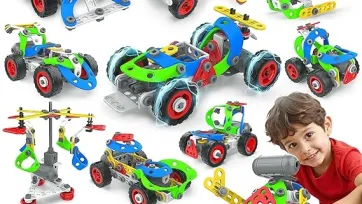
Plastic toys
-
Building blocks
-
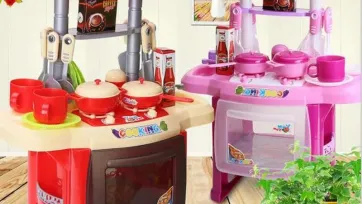
Role-play accessories
-
Toy vehicles
Every two to four weeks
-
Soft toys
-
Books with washable covers
-
Wooden toys
-
Larger play equipment
After illness
Give extra attention to toys your child has handled frequently while unwell, especially comfort toys, bath toys and shared play items.
This approach keeps toys clean without turning the task into a full-day chore.
Cleaning Products: Simpler Is Usually Better
Walk down the cleaning aisle in any supermarket and you'll find countless products claiming to kill almost every germ imaginable.
For children's toys, stronger isn't always better.
In most situations, warm water and a mild detergent remove everyday dirt perfectly well. Harsh chemicals can leave unwanted residues and may even damage certain materials if used too often.
If you do choose a disinfectant, make sure it's suitable for children's items and always follow the manufacturer's instructions. After disinfecting, rinse toys thoroughly whenever required and allow them to dry completely before children use them again.
Buying Guide
Choosing toys that are easy to clean can save a surprising amount of time over the years.
When shopping, look beyond the colour or design and consider how practical the toy will be after months of regular use.
A few useful questions include:
Can it be cleaned easily?
Smooth surfaces without deep grooves usually take far less effort to maintain.
Does it trap water?
Some bath toys hold water inside, making them much harder to keep hygienic.
Is the fabric washable?
Removable covers or machine-washable materials make life much easier for busy parents.
Will it still look good after repeated cleaning?
High-quality finishes generally last much longer than cheap paints or coatings that begin peeling after frequent washing.
Sometimes the easiest toy to clean becomes the one that's used most often.
Safety Tips
Keeping toys clean is important, but cleaning them correctly matters just as much.
Remember these simple guidelines:
-
Always dry toys completely before storing them.
-
Replace toys that crack, split or become impossible to clean properly.
-
Never mix different cleaning chemicals.
-
Keep cleaning products out of children's reach.
-
Check battery-operated toys before wiping them with a damp cloth.
-
Inspect toys regularly for loose parts while cleaning.
-
Wash your own hands before cleaning baby toys that will be placed in a child's mouth.
Cleaning time is also an excellent opportunity to check whether toys remain safe to use.
Common Cleaning Mistakes Parents Make
Most parents clean toys with good intentions, but a few habits can cause unnecessary problems.
Waiting Until Toys Look Dirty
Many toys collect germs long before visible dirt appears. Regular light cleaning is usually better than occasional deep cleaning.
Using Too Much Water on Wooden Toys
Wood and standing water rarely mix well. A lightly damp cloth is normally all that's needed.
Putting Every Soft Toy in the Tumble Dryer
High heat can damage stitching, fabrics and fillings. Air drying is often the safer option.
Ignoring Toy Storage
A freshly cleaned toy can quickly become dirty again if it's stored in a damp box or dusty corner.
Forgetting High-Touch Toys
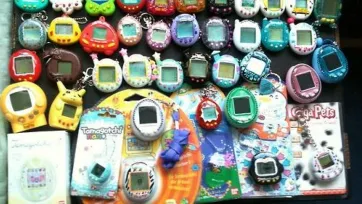
Remote-control cars, toy telephones, dolls and favourite action figures are often handled constantly but cleaned infrequently.
Frequently Asked Questions
How often should children's toys be cleaned?
It depends on how they're used. Toys that babies chew or children use every day should be cleaned much more frequently than decorative or rarely used toys.
Is soap and water enough?
For most everyday cleaning, yes. Mild soap and warm water are usually sufficient. Disinfecting is mainly useful after illness or when toys have been heavily contaminated.
Can wooden toys be disinfected?
Yes, but avoid soaking them. Wipe them carefully using a cloth that's only slightly damp, then dry them immediately.
When should a toy be thrown away instead of cleaned?
If a toy has mould inside, cracked plastic, exposed stuffing, broken battery compartments or damage that cannot be cleaned safely, replacing it is usually the better option.
Do toys need cleaning if only one child uses them?
Yes. Even when toys aren't shared, they still collect dust, food residue and everyday germs through regular use.
Final Thoughts
Children's toys are meant to be played with, carried everywhere and thoroughly enjoyed. A little dirt is part of childhood, but regular cleaning helps keep favourite toys safe, hygienic and in good condition for much longer.
The good news is that maintaining toys doesn't require expensive products or complicated routines. A consistent approach, mild cleaning products and a little attention to different materials are usually all that's needed.
Instead of waiting for toys to become visibly dirty, make cleaning a small part of your family's routine. Your child will continue enjoying their favourite toys, and you'll know they're playing with items that are clean, well cared for and ready for many more adventures.