Best Arts and Crafts Toys for Kids in 2026: Creative Fun That Inspires Young Minds

Best Arts and Crafts Toys for Kids in 2026: Creative Fun That Inspires Young Minds

Arts and crafts have always been an essential part of childhood. Whether children are painting colourful pictures, making friendship bracelets, designing greeting cards, or building creative models, every project helps develop important skills while allowing their imagination to flourish. In an age where digital entertainment is everywhere, arts and crafts toys provide a refreshing way for children to express themselves without relying on screens.

The best arts and crafts toys encourage children to experiment with colours, textures, shapes, and materials while building confidence through creativity. They are suitable for toddlers, preschoolers, primary school children, and even older kids who enjoy making things with their own hands.

If you're looking for a gift that combines learning, creativity, and endless entertainment, arts and crafts toys are among the best choices available in 2026.

What Are Arts and Crafts Toys?

Arts and crafts toys are creative activity sets designed to help children make, decorate, paint, build, and personalise their own projects.

Popular arts and crafts toys include:

  • Drawing kits
  • Painting sets
  • Clay modelling kits
  • Bead jewellery sets
  • Sticker books
  • Origami kits
  • Sewing kits
  • DIY craft boxes
  • Sand art
  • Mosaic art sets

Unlike many electronic toys, these activities allow children to create something completely unique every time they play.

Why Arts and Crafts Matter

Creative activities encourage children to think independently and express ideas in their own way.

Instead of following fixed rules, they experiment with colours, materials, and designs while learning through trial and error.

Arts and crafts also give children a sense of achievement because they can proudly display something they created themselves.

Benefits of Arts and Crafts Toys

Creative toys support many areas of child development.

Some of the biggest benefits include:

  • Improve creativity
  • Strengthen fine motor skills
  • Build hand-eye coordination
  • Encourage patience
  • Develop concentration
  • Increase self-confidence
  • Improve problem-solving
  • Support emotional expression
  • Reduce screen time

Children also develop perseverance as they learn to complete projects from start to finish.

Drawing and Colouring Kits

Drawing remains one of the simplest and most enjoyable creative activities.

Popular drawing kits include:

  • Coloured pencils
  • Washable markers
  • Sketchbooks
  • Crayons
  • Watercolour pencils
  • Stencil sets

Drawing encourages imagination while improving pencil control and artistic confidence.

Painting Sets

Painting allows children to experiment with colours and textures in exciting ways.

Many painting kits include:

  • Watercolours
  • Poster paints
  • Paintbrushes
  • Sponges
  • Easels
  • Canvas boards

Painting activities help children develop creativity while introducing colour mixing and artistic techniques.

Modelling Clay and Dough

Clay modelling encourages children to shape, roll, press, and sculpt their own creations.

Children enjoy making:

  • Animals
  • Food
  • Cars
  • Dinosaurs
  • Flowers
  • Cartoon characters

These activities strengthen finger muscles while improving fine motor development.

Jewellery Making Kits

Bead and jewellery kits are excellent for children who enjoy designing wearable creations.

Children can make:

  • Bracelets
  • Necklaces
  • Keyrings
  • Friendship gifts
  • Decorative charms

Threading beads also improves hand-eye coordination and concentration.

DIY Craft Boxes

Complete craft boxes contain everything needed for multiple creative projects.

They often include:

  • Paper
  • Glue
  • Stickers
  • Scissors
  • Pipe cleaners
  • Foam shapes
  • Decorative gems
  • Craft sticks

DIY kits are ideal for rainy days, school holidays, and family craft sessions.

Origami and Paper Craft

Paper folding introduces children to creativity while improving precision and patience.

Simple origami projects include:

  • Birds
  • Flowers
  • Butterflies
  • Boats
  • Stars
  • Animals

Paper craft also introduces basic geometry through practical play.

STEM Arts and Crafts

Many modern craft kits combine creativity with STEM learning.

Examples include:

  • Solar-powered models
  • Engineering craft kits
  • Circuit-building art
  • Mechanical models
  • Architecture projects

These activities help children combine artistic imagination with scientific thinking.

Seasonal Craft Activities

Arts and crafts become even more exciting during holidays.

Children enjoy making:

  • Christmas decorations
  • Easter crafts
  • Halloween decorations
  • Birthday cards
  • Mother's Day gifts
  • Father's Day presents

Seasonal projects also create meaningful family traditions.

Choosing the Right Arts and Crafts Toy

Before buying, consider:

  • Your child's age
  • Safety standards
  • Quality of materials
  • Number of activities included
  • Educational value
  • Ease of use

Choose kits that encourage creativity rather than simply copying instructions.

Safety Tips

Arts and crafts toys should always:

  • Match the recommended age
  • Use non-toxic materials
  • Include child-safe scissors where appropriate
  • Meet recognised safety standards
  • Be used under supervision when necessary

Washable materials are particularly useful for younger children.

Common Buying Mistakes

Parents often buy craft kits that are either too simple or too advanced.

Avoid:

  • Low-quality materials
  • Tiny pieces for young children
  • Difficult instructions
  • Single-use kits with limited value
  • Projects that don't match your child's interests

Open-ended craft activities usually provide the greatest enjoyment.

Why Arts and Crafts Toys Make Wonderful Gifts

Creative toys are excellent gifts because every project becomes a personal achievement.

Whether it's a birthday, Christmas, or school holiday, arts and crafts kits continue providing entertainment long after many electronic toys have been forgotten.

Parents also appreciate gifts that encourage creativity instead of additional screen time.

Frequently Asked Questions

What are the best arts and crafts toys for children?

Drawing kits, painting sets, clay modelling kits, jewellery-making sets, DIY craft boxes, and origami kits are among the most popular choices.

Are arts and crafts good for child development?

Yes. They improve creativity, fine motor skills, concentration, confidence, and problem-solving while encouraging self-expression.

At what age can children start arts and crafts?

Simple colouring and finger painting activities are suitable for toddlers, while more advanced craft kits are designed for older children.

How can I encourage my child to enjoy arts and crafts?

Provide a variety of materials, praise creativity rather than perfection, and allow children the freedom to create their own designs.

Final Thoughts

The best arts and crafts toys for kids in 2026 do much more than keep children busy. They inspire imagination, encourage creativity, and help develop valuable life skills through enjoyable, hands-on activities. From painting and drawing to jewellery making, clay modelling, and DIY projects, every creative experience builds confidence while allowing children to express their unique ideas.

By choosing high-quality arts and crafts toys, parents can provide meaningful learning opportunities that grow with their child, turning ordinary afternoons into memorable moments of creativity and discovery.
Advertisement
Best Outdoor Toys for Kids in 2026
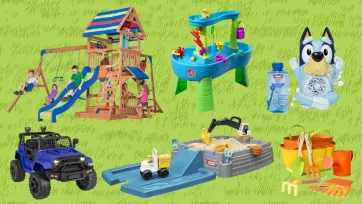
Best Outdoor Toys for Kids in 2026: The Ultimate Guide to Active and Healthy Play Outdoor play is one of the most important parts of childhood. Running across the garden, climbing, kicking a ball, riding a scooter, or inventing games with friends helps children stay active while building confidence, creativity, and social skills. In today's digital world, where many children spend increasing amounts of time indoors, outdoor toys provide the perfect reason to get outside and enjoy fresh air. The best outdoor toys don't simply entertain—they encourage movement, exploration, and learning. From ride-on vehicles and trampolines to sports equipment and water play toys, outdoor toys help children develop physically and mentally while creating unforgettable family memories. If you're looking for the best outdoor toys for kids in 2026, this complete guide will help you choose toys that combine fun, safety, and long-term value. Why Outdoor Play Is Essential Children are naturally active, and outdoor environments give them the freedom to explore, run, jump, climb, and discover new experiences. Regular outdoor play helps children: Build stronger muscles Improve balance Develop coordination Increase confidence Learn teamwork Reduce stress Improve sleep quality Outdoor activities also encourage children to spend less time in front of screens and more time engaging with the world around them. Benefits of Outdoor Toys Outdoor toys support healthy development in many different ways. Some of the biggest benefits include: Encourage daily exercise Improve gross motor skills Build physical strength Develop balance and coordination Improve social skills Encourage imaginative play Boost self-confidence Support emotional wellbeing Reduce screen time Children who play outdoors regularly are often more active, more creative, and more confident. Ride-On Toys Ride-on toys remain one of the most popular outdoor choices for children. Popular options include: Balance bikes Scooters Pedal cars Ride-on tractors Wiggle cars Battery-powered vehicles These toys improve coordination while encouraging children to stay physically active. Garden Play Equipment Large garden toys provide endless opportunities for adventure. Popular choices include: Climbing frames Slides Swings Playhouses Monkey bars Climbing domes These activities strengthen muscles while improving confidence and problem-solving skills. Trampolines Trampolines remain one of the best outdoor toys for active children. Jumping helps improve: Balance Coordination Leg strength Cardiovascular fitness Body awareness Modern trampolines with safety nets provide a safer jumping environment for children. Sports Toys Simple sports equipment encourages children to stay active while learning teamwork. Excellent outdoor sports toys include: Footballs Basketball hoops Cricket sets Tennis sets Rugby balls Badminton sets Family sports games also encourage communication and healthy competition. Water Play Toys Warm weather creates the perfect opportunity for water-based fun. Popular water toys include: Splash pads Water tables Water blasters Sprinklers Inflatable pools Water slides These toys help children stay cool while encouraging active play. Sand and Beach Toys Sand play encourages creativity and exploration. Children enjoy using: Buckets Spades Sand moulds Dump trucks Excavators Beach wagons Building castles and digging tunnels helps improve fine motor skills while encouraging imaginative play. Outdoor STEM Toys Learning doesn't stop outside. Outdoor STEM toys include: Nature exploration kits Magnifying glasses Bug catchers Gardening sets Binoculars Weather stations These activities encourage scientific curiosity while helping children appreciate nature. Garden Games for Families Outdoor games bring the whole family together. Popular choices include: Ring toss Giant dominoes Skittles Bean bag toss Giant chess Obstacle courses These games encourage teamwork, communication, and friendly competition. Choosing the Right Outdoor Toy Before buying, consider: Your child's age Available outdoor space Material quality Weather resistance Safety certifications Storage requirements A durable toy designed for outdoor use usually provides many years of enjoyment. Safety Tips Always choose outdoor toys that: Meet recognised safety standards Match your child's age Use weather-resistant materials Have smooth edges Include appropriate safety features Children should also wear suitable protective equipment, such as helmets when riding bikes or scooters. Common Buying Mistakes Parents sometimes buy outdoor toys without considering available space. Avoid: Oversized equipment for small gardens Poor-quality plastic Toys without safety certification Age-inappropriate designs Equipment requiring complicated maintenance Choosing quality over quantity usually provides the best value. Why Outdoor Toys Make Excellent Gifts Outdoor toys encourage healthy habits while creating lasting family memories. They're ideal for: Birthdays Christmas Summer holidays Family celebrations School achievement rewards Unlike many indoor toys, outdoor equipment encourages physical activity and group play for many years. Frequently Asked Questions What are the best outdoor toys for children? Ride-on toys, trampolines, swings, scooters, sports equipment, water tables, climbing frames, and garden games are among the best outdoor toys. Why are outdoor toys important? Outdoor toys encourage physical activity, improve coordination, strengthen muscles, build confidence, and reduce screen time. What outdoor toys are suitable for toddlers? Balance bikes, push cars, water tables, sand toys, bubble machines, and ride-on toys are excellent choices for toddlers. How can I encourage my child to play outdoors more? Choose toys that match your child's interests, join them during play, create simple outdoor challenges, and limit unnecessary screen time. Final Thoughts The best outdoor toys for kids in 2026 do far more than keep children entertained—they encourage healthier lifestyles, inspire creativity, and help children develop important physical and social skills through active play. Whether it's climbing, riding, splashing, digging, or playing family games, outdoor toys create opportunities for children to explore, learn, and grow. By investing in safe, durable, and age-appropriate outdoor toys, parents can encourage children to enjoy fresh air, stay active, and create childhood memories that will last a lifetime.
Sand Play Toys: Why Every Child Should Experience Creative Outdoor Play
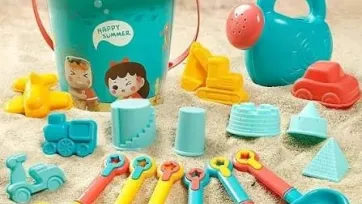
Sand Play Toys: Why Every Child Should Experience Creative Outdoor Play Introduction A child doesn't need a room full of expensive toys to stay entertained. Give them a bucket, a shovel and a patch of sand, and you'll often see something remarkable happen. Within minutes, they're digging tunnels, building castles, collecting treasures or inventing entire imaginary worlds. Sand has fascinated children for generations because it offers something many modern toys cannot—complete freedom. It can be shaped, poured, scooped, moulded and rebuilt again and again. There are no instructions to follow, no batteries to charge and no single "correct" way to play. For parents, sand play is far more than a simple outdoor activity. It helps children develop important physical, social and cognitive skills while encouraging them to spend more time outdoors. Better still, many sand toys remain useful for years, making them one of the best long-term investments for active play. Whether your child enjoys digging giant holes in the garden, creating miniature construction sites or decorating detailed sandcastles at the beach, the right sand play toys can transform ordinary play into an exciting learning experience. In this guide, you'll learn why sand play matters, how it supports child development, which toys are worth buying and how to create a safe and enjoyable sand play area at home. Why Sand Play Never Gets Old Unlike many toys that lose their appeal after a few weeks, sand offers endless possibilities. Today it might become a racing track for toy cars. Tomorrow it could be an archaeological dig where dinosaurs are carefully uncovered. Next week it may turn into a bustling building site complete with roads, bridges and tunnels. Children decide what happens next, and that's exactly what makes sand so engaging. Every handful of sand becomes another opportunity to create, experiment and imagine. How Sand Play Supports Child Development Parents often see sand play as simple outdoor fun, but every scoop, pour and pat helps children develop valuable life skills. As children dig holes, fill buckets and shape sand into different forms, they naturally improve their coordination, strengthen muscles and learn how different materials behave. At the same time, they practise planning, problem-solving and creative thinking without even realising they're learning. Some of the key developmental benefits include: Better hand-eye coordination Improved fine motor skills Stronger hand and wrist muscles Creative thinking Early scientific exploration Social interaction Patience and persistence Independent play Benefits of Sand Play Toys The right sand toys add even more opportunities for learning and creativity. Encourage Imaginative Play One child might build a medieval castle. Another may create a dinosaur habitat. Someone else could design a busy construction site. The same toys can inspire completely different adventures every day. Strengthen Fine Motor Skills Scooping, pouring, digging and shaping all require careful hand movements that strengthen muscles needed for writing, drawing and everyday tasks. Introduce Early STEM Concepts Without formal lessons, children begin exploring ideas such as: Gravity Volume Measurement Balance Cause and effect Structural stability For example, they quickly discover why wet sand holds its shape better than dry sand. Encourage Outdoor Activity Many children naturally spend longer outdoors when interesting sand toys are available. Fresh air, movement and imaginative play create a healthy combination for growing minds and bodies. Develop Social Skills Building large sand projects often becomes a team activity. Children learn to share tools, divide responsibilities, communicate ideas and solve disagreements together. Best Sand Play Toys for Toddlers Toddlers benefit from simple toys that encourage exploration without becoming frustrating. Excellent choices include: Buckets Large plastic spades Scoops Sand moulds Watering cans Toy trucks Sieves Rakes Soft sand rollers Simple diggers These toys help toddlers develop coordination while introducing cause-and-effect learning. Sand Play Toys for Preschool Children Preschool children enjoy creating larger projects and experimenting with different techniques. Popular options include: Sandcastle building kits Construction vehicles Tunnel moulds Sand wheels Animal moulds Treasure hunting kits Toy boats for wet sand Bridge moulds Measuring cups Water channels Children at this age often combine sand with water, sticks, leaves and natural materials to create imaginative landscapes. Sand Play Toys for School-Age Children Older children usually enjoy more detailed construction projects and imaginative challenges. Suitable toys include: Large construction vehicle sets Excavator toys Advanced castle moulds Archaeology excavation kits Treasure maps Fort-building accessories Mini engineering sets Outdoor adventure kits Sand sieving frames Nature exploration tools Rather than simply digging holes, many school-age children enjoy designing complete environments with roads, bridges, rivers and buildings that reflect their growing creativity.
Best Musical Toys for Kids in 2026
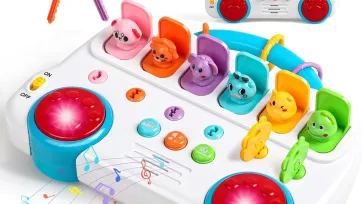
Best Musical Toys for Kids in 2026: Inspiring Creativity Through Music Music plays an important role in every child's development. From the first time a baby shakes a rattle to a preschooler playing their first tune on a toy keyboard, musical experiences help children develop confidence, creativity, coordination, and communication skills. Musical toys make learning enjoyable by encouraging children to explore sounds, rhythms, and melodies through hands-on play. In 2026, musical toys are more creative than ever. Parents can choose from traditional instruments, interactive keyboards, drum sets, karaoke machines, dance mats, and educational music games designed for every age group. Whether your child dreams of becoming a singer, drummer, guitarist, or simply enjoys making noise, the right musical toy can encourage a lifelong love of music. This guide explores the best musical toys for kids in 2026 and explains how they support healthy childhood development. Why Musical Toys Are Important Children naturally respond to music. Even babies begin recognising rhythms and reacting to melodies long before they can speak. Musical toys help children: Explore different sounds Express emotions Build confidence Improve listening skills Develop coordination Strengthen memory Enjoy creative play Unlike passive entertainment, musical toys encourage children to actively participate in creating music. Benefits of Musical Toys Musical play supports many areas of child development. Some of the biggest benefits include: Improve hand-eye coordination Develop rhythm and timing Strengthen listening skills Encourage creativity Improve memory Build confidence Support language development Enhance concentration Reduce screen time Children also learn patience as they practise new sounds and rhythms. Musical Toys for Babies Babies enjoy simple musical toys that are easy to hold and explore. Popular choices include: Soft rattles Musical plush toys Baby tambourines Sound blocks Gentle melody toys Musical activity cubes These toys introduce cause and effect while encouraging sensory development. Toy Keyboards Toy keyboards remain one of the most popular musical toys for children. Many modern keyboards include: Piano sounds Animal sounds Drum rhythms Learning modes Recording functions Light-up keys Children begin recognising notes while developing finger coordination and creativity. Toy Drum Sets Drum sets encourage children to explore rhythm through energetic play. Benefits include: Better coordination Improved timing Stronger arm movement Rhythm recognition Creative expression Many children's drum kits also include cymbals and percussion accessories for a more realistic experience. Xylophones and Glockenspiels Colourful xylophones are ideal for introducing young children to musical notes. Playing simple melodies helps children: Recognise pitch Develop rhythm Improve hand coordination Strengthen listening skills These instruments are especially suitable for toddlers and preschool children. Toy Guitars and Ukuleles Many children enjoy pretending to perform like their favourite musicians. Toy guitars and ukuleles encourage: Imaginative play Finger coordination Rhythm practice Musical confidence Some beginner models use real strings, helping older children prepare for learning actual instruments. Karaoke Machines Karaoke toys have become increasingly popular for family entertainment. Children enjoy: Singing favourite songs Performing for family Recording their voices Building stage confidence Singing also supports language development and pronunciation. Musical Dance Mats Dance mats combine movement with music, encouraging children to stay active while developing rhythm. These toys improve: Balance Coordination Physical fitness Timing Listening skills They are particularly popular for family game nights. Educational Musical Toys Many musical toys introduce early learning concepts alongside music. Children can practise: Numbers Colours Alphabet letters Animal sounds Memory games Combining music with learning helps children remember new information more easily. Choosing the Right Musical Toy Before buying, consider: Your child's age Volume control Durability Educational value Safety standards Battery life (if required) Look for toys that encourage creativity rather than simply playing pre-recorded music. Safety Tips Choose musical toys that: Meet recognised safety standards Use child-safe materials Have adjustable volume Match the recommended age Contain securely enclosed batteries Moderate sound levels help protect children's hearing during play. Common Buying Mistakes Parents often choose musical toys based only on appearance. Avoid: Extremely loud toys Poor sound quality Fragile construction Complicated controls for younger children Limited educational value Simple, durable instruments often provide the best long-term experience. Why Musical Toys Make Excellent Gifts Musical toys are wonderful gifts because they combine creativity, movement, and learning. They're perfect for: Birthdays Christmas First birthdays Family celebrations Nursery gifts Many children continue enjoying musical toys for years as their confidence and skills develop. Frequently Asked Questions What are the best musical toys for children? Toy keyboards, drum sets, xylophones, karaoke machines, musical activity cubes, guitars, and dance mats are among the most popular choices. At what age can children start using musical toys? Many musical toys are suitable from infancy, while more advanced instruments are designed for toddlers and older children. Do musical toys help child development? Yes. They improve coordination, listening skills, creativity, confidence, language development, and memory while encouraging active play. Should I choose electronic or traditional musical toys? A combination works best. Traditional instruments encourage creativity, while electronic musical toys often provide additional learning features and interactive activities. Final Thoughts The best musical toys for kids in 2026 inspire creativity, confidence, and joyful learning through sound and movement. Whether your child enjoys playing a keyboard, beating a drum, singing into a microphone, or exploring melodies on a xylophone, musical toys provide valuable opportunities to develop important skills while having fun. By choosing high-quality, age-appropriate musical toys, parents can encourage a lifelong appreciation of music while supporting healthy cognitive, emotional, and physical development. Every note played is another step towards greater creativity, confidence, and self-expression.
11 Toy Buying Mistakes Almost Every Parent Makes (And How to Avoid Them)
 11 Toy Buying Mistakes Almost Every Parent Makes (And How to Avoid Them) Introduction Buying toys should be easy. Children play with them, enjoy them and hopefully learn something along the way. Yet every year, parents collectively spend millions on toys that end up forgotten in cupboards, broken within weeks or abandoned before the batteries even run out. The surprising part? Most of these disappointing purchases happen for exactly the same reasons. It's rarely because parents don't care. It's because modern toy shopping is full of distractions—advertising, trends, social media recommendations and pressure to buy whatever everyone else seems to be buying. After a while, it's easy to forget one simple fact: The best toy isn't the one that impresses adults. It's the one that keeps a child coming back voluntarily. If you've ever looked at an expensive toy collecting dust in the corner and wondered why your child lost interest so quickly, you're not alone. Let's look at the mistakes many families make—and, more importantly, how to avoid them. Mistake #1: Buying Toys That Entertain Instead of Engage There's an important difference between a toy that performs and a toy that invites play. A robot that dances at the press of a button may be exciting for five minutes. A box of magnetic tiles asks a child to think, experiment and build. The first delivers entertainment. The second creates involvement. Whenever possible, choose toys that require your child's imagination rather than replacing it. Mistake #2: Shopping for the Packaging Manufacturers invest enormous effort into packaging because they know it influences buying decisions. Large boxes, bright colours and licensed characters naturally attract attention. But once the packaging disappears, only the toy remains. Try judging the toy without imagining the box. Would it still seem exciting? Mistake #3: Assuming Expensive Means Better One family spends £25 on wooden blocks. Another spends £120 on a heavily advertised electronic gadget. Six months later, which toy is still used every weekend? The answer often surprises people. Price tells you what something costs. It doesn't tell you how much your child will value it. Mistake #4: Ignoring Your Child's Personality Some children love building. Others prefer pretending. Some enjoy creating art. Others want to move constantly. Buying toys that match your child's natural interests usually produces much better results than following the latest trend. Mistake #5: Buying Too Many Toys at Once Children rarely need ten new toys on the same day. Introducing one or two at a time allows each toy to receive proper attention. It also prevents the "open everything, play with nothing" effect many parents notice after birthdays and Christmas. Mistake #6: Forgetting That Simple Can Be Brilliant Cardboard boxes. Blankets. Wooden blocks. Play scarves. Art supplies. These items have entertained children for generations. Not because they're sophisticated. Because they're unfinished. Children complete them with imagination. Mistake #7: Believing Every Toy Needs an Educational Label Walk through any toy shop and you'll quickly notice a familiar word on countless boxes: Educational. It's become one of the most effective marketing terms in the toy industry. But here's something worth remembering. Children don't learn only when a toy claims to teach them something. They learn while building a blanket fort. They learn while pretending to run a café. They learn while inventing stories with toy animals. Some of the most valuable learning happens during completely unstructured play. Instead of asking whether a toy is educational, ask whether it encourages your child to think, create, solve problems or communicate. Those are often far better indicators of genuine learning. Mistake #8: Buying for Today's Excitement Instead of Tomorrow's Play Imagine two toys. One creates a huge reaction the moment it's opened. The other receives only a polite smile. Six months later, which one is still being used? Parents often focus on the excitement of Christmas morning or a birthday party, but children remember the toys they continue enjoying long after the celebration has ended. Try to shop with next month in mind, not just today. Mistake #9: Ignoring How the Toy Fits Into Your Home A fantastic toy can become frustrating if it doesn't suit your living space. Oversized playsets in a small flat. Hundreds of tiny accessories with nowhere to store them. Large ride-on toys that only fit in the hallway. Before buying, think beyond the shop. Where will the toy live? Will it be easy to tidy away? Will your child be able to reach it independently? Practical questions like these often determine whether a toy becomes part of everyday life or spends most of its time hidden in a cupboard. Mistake #10: Forgetting That Children Change Quickly Children's interests evolve much faster than adults expect. The dinosaurs they adored in spring may be replaced by rockets before autumn arrives. That doesn't mean parents should constantly buy new toys. Instead, choose toys that can adapt as interests change. Building pieces can become almost anything. Craft materials support countless hobbies. Pretend-play accessories transform with every new idea. Flexible toys usually stay relevant for much longer than toys tied to a single theme. Mistake #11: Buying Without Asking One Final Question Before every purchase, pause for a moment and ask yourself: "If this toy didn't exist, what would my child play with instead?" It's a surprisingly revealing question. If the answer is another toy that already lives in your house, perhaps you don't need to make the purchase. If the answer is, "Nothing they already own does this," you've probably found something that genuinely adds value to their collection. Sometimes the smartest purchase is the one you decide not to make. A Smarter Way to Shop for Toys Rather than filling your basket because something is on offer or trending online, create a simple habit. Every time you consider buying a toy, think about these five points: Does it encourage creativity? Is it suitable for my child's current stage of development? Will it still be interesting in six months? Does it offer something different from the toys we already own? Is it likely to be played with regularly rather than occasionally? You don't need five "yes" answers every time, but asking these questions encourages more thoughtful decisions and fewer impulse purchases. Frequently Asked Questions Why do children stop playing with new toys so quickly? In many cases, the novelty wears off. Toys that offer only one way to play often become predictable, whereas open-ended toys continue presenting new possibilities. Should I always buy educational toys? Not necessarily. Children learn through many different forms of play, including pretend games, creative activities and outdoor exploration. A toy doesn't need the word "educational" on the box to support development. Is it better to buy one expensive toy or several inexpensive ones? There's no universal answer, but long-lasting play value is usually more important than price. A well-made toy used every week often represents better value than several toys that are quickly forgotten. How can I reduce impulse toy purchases? Waiting 24 hours before buying, comparing the toy with what your child already owns and asking whether it offers a genuinely new play experience are all helpful strategies. What makes a toy worth buying? The best toys encourage children to imagine, experiment and return to play repeatedly. They remain enjoyable because children continue discovering new ways to use them. Final Thoughts No parent gets every toy purchase right. Every family has experienced the excitement of bringing home a new toy, only to find it forgotten a few weeks later. That's simply part of raising children. What matters is recognising the patterns. The toys that become lifelong favourites rarely rely on flashing lights, clever advertising or enormous boxes. Instead, they invite children to think, create and tell their own stories. By avoiding these common buying mistakes, you'll spend less on toys that lose their appeal and invest more in toys that genuinely enrich your child's play. And perhaps the biggest lesson of all? Buying the right toy isn't about finding the most impressive product on the shelf. It's about finding the one your child will still choose when nobody tells them to.  
Best Kids Shoes in 2026
Kids Shoes: The Complete Parent's Guide to Choosing Comfortable, Supportive and Long-Lasting Shoes Introduction Children seem to outgrow their shoes almost as quickly as they outgrow their clothes. One month, a pair fits perfectly. A few months later, toes feel cramped, heels rub and suddenly it's time to shop again. For parents, buying children's shoes can feel surprisingly complicated. Should you choose a larger size so they last longer? Are lightweight trainers better than leather shoes? How can you tell if shoes fit properly when younger children can't always explain how they feel? The right shoes do much more than complete an outfit. They support growing feet, provide comfort throughout busy school days and help children run, jump and play with confidence. Choosing well now can prevent discomfort later. This guide explains everything parents need to know before buying kids' shoes, helping you make confident decisions whether you're shopping for school, everyday wear or outdoor adventures. Why Properly Fitted Shoes Matter A child's feet change rapidly during the growing years. Shoes that are too tight may become uncomfortable, while shoes that are far too large can affect stability and make walking awkward. A well-fitting pair should allow children to move naturally without slipping or squeezing. The ideal children's shoe should: Support natural foot movement. Feel comfortable from the first wear. Stay secure while walking and running. Provide enough room for growing toes. Be suitable for your child's daily activities. Comfort should always come before appearance. How to Tell If Shoes Fit Properly Many children simply say, "They're fine," even when they aren't. Instead of relying only on their answer, check for these signs. A properly fitting shoe should: Leave about a thumb's width of space in front of the longest toe. Hold the heel securely without slipping. Bend naturally where the foot bends. Feel snug without squeezing the sides of the foot. Fasten securely while still allowing comfortable movement. Children should always try shoes on while standing and walking rather than sitting down. Choosing the Right Type of Shoe Not every pair of shoes serves the same purpose. Different activities require different features. School Shoes School shoes should be durable, supportive and comfortable enough for a full day of walking, standing and playground activities. Everyday Trainers Lightweight trainers work well for casual wear, family outings and active play thanks to their flexibility and cushioning. Walking Shoes For countryside walks or holidays, choose shoes with deeper grip and stronger support to handle uneven ground. Sandals During warmer months, sandals with adjustable straps and supportive soles help keep children's feet cool while providing stability. Which Fastening Is Best? The fastening system often depends on your child's age and independence. Velcro Straps Easy for younger children to open and close independently. Elastic Laces Offer the appearance of traditional laces without requiring children to tie them. Traditional Laces Usually suit older children who are confident tying their own shoes and often provide a more adjustable fit. Choosing the Right Materials Quality materials help improve comfort and durability. Popular choices include: Leather for long-lasting school shoes. Breathable mesh for sports trainers. Flexible synthetic materials for lightweight everyday shoes. Rubber soles for grip and durability. The best material depends on where and how the shoes will be used. How Often Should Children's Shoes Be Replaced? Children's feet grow much faster than many parents realise. A pair of shoes that fitted perfectly a few months ago may already be too small. Although every child develops at a different pace, it's a good idea to check the fit regularly rather than waiting until your child complains. Replace shoes if you notice: Toes touching the front of the shoe. Red marks after wearing them. Worn-out soles with little grip. Torn stitching or damaged uppers. The heel slipping because the shoe has lost its shape. Well-fitting shoes are far more comfortable than simply waiting for obvious signs of wear. Signs Shoes Are Too Small Younger children often continue wearing shoes that no longer fit because they don't realise there's a problem. Watch for these warning signs: Complaints of sore feet. Blisters around the heel or toes. Refusing to wear favourite shoes. Walking differently than usual. Curled toes inside the shoe. Difficulty fastening the straps or laces. Regularly checking the inside length of the shoe helps avoid unnecessary discomfort. Keeping Children's Shoes in Good Condition A little care can help quality shoes last much longer. Simple maintenance includes: Cleaning off dirt after outdoor play. Allowing wet shoes to dry naturally. Avoiding direct heat from radiators. Tightening loose laces or replacing worn ones. Rotating between two pairs if possible to allow each pair to air out. Good maintenance keeps shoes looking better and helps preserve their support. Choosing Shoes for Different Activities Children rarely wear one pair of shoes for everything. Different activities place different demands on footwear. For school, durability and comfort are essential. For sports, lightweight trainers with good grip help support movement. For family walks, stronger soles and additional ankle support may be useful. For holidays, breathable sandals or lightweight trainers often provide the greatest comfort. Matching the shoe to the activity improves both comfort and performance. Common Mistakes Parents Make Many shoe-buying mistakes happen with the best intentions. Avoid these common errors: Buying shoes several sizes too large. Choosing fashion over comfort. Handing down heavily worn shoes that have moulded to another child's feet. Ignoring your child's changing shoe size. Buying shoes without letting the child walk in them first. Keeping worn-out shoes for too long. A properly fitted shoe supports healthy movement and everyday comfort. Frequently Asked Questions How much growing room should children's shoes have? Most experts recommend leaving around a thumb's width of space in front of the longest toe. This provides room for natural movement and growth without making the shoe unstable. Should children always wear supportive shoes? Supportive shoes are useful for school, walking and active play. At home, safe barefoot play on suitable surfaces can also encourage natural foot movement. Is it okay to buy larger shoes so they last longer? Buying shoes that are much too large can affect balance and comfort. It's better to choose the correct size and replace them when needed. Are leather shoes better than synthetic shoes? Both have advantages. Leather is durable and breathable, while modern synthetic materials are often lighter and easier to maintain. How can I tell if my child needs a bigger shoe size? Regularly check the fit, observe how your child walks and look for signs such as cramped toes, discomfort or visible wear patterns. Final Thoughts Children spend much of their day on their feet. They run across playgrounds, explore parks, climb, jump and discover the world one step at a time. The right shoes support every one of those adventures. When choosing children's footwear, focus on fit, comfort, flexibility and quality rather than simply following the latest trend. A well-made pair of shoes won't just protect growing feet—it will help children move with confidence wherever their next adventure takes them.  
12 Common Toy Myths Parents Still Believe
12 Common Toy Myths Parents Still Believe (And the Truth Behind Them) Introduction Spend enough time around parents and you'll hear plenty of confident advice about toys. "Wooden toys are always better." "Educational toys make children smarter." "The more toys a child owns, the happier they'll be." Most of these statements are repeated so often that they begin to sound like facts. But are they? Not always. Some are based on old ideas that have been passed from one generation to the next. Others started as clever marketing messages that gradually became accepted as common knowledge. The problem is that believing these myths can lead parents to spend money unnecessarily, overlook excellent toys or feel guilty about choices that are perfectly reasonable. So, let's separate fact from fiction. Myth #1: Expensive Toys Are Always Better Walk into any toy shop and it's easy to assume that the highest-priced toy must also be the highest-quality one. Sometimes that's true. Often, it isn't. Price reflects many things besides quality, including branding, licensing, advertising and packaging. A simple construction toy used every weekend for years usually offers far greater value than an expensive electronic gadget that loses its appeal after a fortnight. Instead of asking, "How much does it cost?", ask: "How many hours of meaningful play could this create?" That's a much better measure of value. Myth #2: Educational Toys Automatically Create Smarter Children The word educational appears on thousands of toy boxes. It's become one of the most powerful marketing terms in the toy industry. Yet children don't suddenly become better learners because a label says so. They learn by asking questions. They learn by making mistakes. They learn by pretending, experimenting and solving problems. A cardboard box can teach creativity. A pile of blankets can teach teamwork. A pretend café can develop language skills. Learning comes from the way children play—not simply from the label on the packaging. Myth #3: More Toys Mean More Fun This idea sounds logical. If ten toys are fun, then fifty toys must be even better. In reality, many parents notice the opposite. Too many choices often lead to shorter attention spans and constant switching between activities. Children don't always need more toys. Sometimes they simply need fewer distractions. Myth #4: Boys and Girls Need Different Toys Children are naturally curious. They enjoy building, pretending, creating, exploring and solving problems. Those interests aren't limited by gender. A girl who enjoys construction sets is developing valuable spatial skills. A boy who loves a play kitchen is practising imagination, communication and everyday life skills. The most important question isn't whether a toy is marketed towards boys or girls. It's whether it matches the individual child sitting in front of you. Myth #5: Electronic Toys Are Always Bad Electronic toys often receive criticism. The reality is more balanced. Some electronic toys encourage curiosity, music, coding or problem-solving. Others simply entertain for a few minutes before becoming repetitive. The technology itself isn't the deciding factor. The quality of interaction is. A toy that encourages children to think, explore and participate usually provides more lasting value than one that does everything automatically. Myth #6: A Child Needs the Latest Trending Toy Every year has its "must-have" toy. Parents queue outside shops. Social media fills with unboxing videos. Children talk about it in the playground. A few months later, another trend replaces it. Trendy toys can certainly be fun, but they rarely define a happy childhood. Children remember experiences far more than fashions. A toy that encourages years of imaginative play often becomes far more meaningful than one that was simply popular for a single season. Myth #7: Wooden Toys Are Always Better Than Plastic Toys Wooden toys have become increasingly popular, and for good reason. They're often durable, beautifully made and designed for open-ended play. But that doesn't automatically make every plastic toy a poor choice. Many high-quality plastic toys are safe, long-lasting and designed to support creativity just as effectively. Rather than focusing on the material, look at the overall quality, safety and play value. A well-designed toy is a good toy, regardless of whether it's made from wood or plastic. Myth #8: Children Should Always Play Independently Independent play is valuable. But expecting children to entertain themselves all day isn't realistic. Many children need someone to help them begin. Five minutes of shared play can often lead to an hour of independent play afterwards. The goal isn't to avoid playing with your child. It's to gradually build the confidence that allows them to continue the adventure on their own. Myth #9: Every Toy Must Have a Learning Purpose Parents naturally want every purchase to benefit their child. As a result, it's easy to feel that every toy should teach letters, numbers or science. But childhood isn't a classroom. Sometimes the greatest lesson comes from laughter, storytelling and make-believe. A game that encourages siblings to cooperate, negotiate and solve disagreements is teaching valuable life skills, even if it never mentions the alphabet. Play doesn't always need an obvious educational objective to be worthwhile. Myth #10: If a Child Gets Bored, the Toy Has Failed Boredom has become one of the most misunderstood parts of childhood. Many parents immediately search for another activity or another toy. Yet boredom often acts as the starting point for creativity. Without constant entertainment, children begin inventing games of their own. They build forts. They organise treasure hunts. They create imaginary worlds from ordinary household objects. Sometimes the best thing a toy can do is leave enough space for boredom to become imagination. Myth #11: Bigger Toys Are Better Toys Large toy kitchens, giant playhouses and oversized racing tracks certainly attract attention. But size doesn't automatically increase play value. Some of the most loved toys fit inside a small storage basket. Building blocks. Toy animals. Craft supplies. Card games. These simple items often provide years of enjoyment because they can be used in hundreds of different ways. A toy should earn its place through play, not through the amount of space it occupies. Myth #12: Once a Child Stops Playing With a Toy, It's Finished Many parents donate toys as soon as they seem forgotten. Sometimes that's the right decision. Often, however, the toy simply needs a break. Children's interests naturally change throughout the year. A train set ignored during summer holidays may become the favourite activity on rainy winter afternoons. Rotating toys instead of permanently removing them often makes old favourites feel exciting again. The toy hasn't changed. The timing has. The Truth Behind Every Myth When you look closely, all twelve myths point towards the same lesson. Children don't need the loudest toy. They don't need the newest toy. They don't need the biggest toy. Most of all, they don't need adults to believe every marketing message printed on a colourful box. What they need are opportunities to imagine, experiment, create stories and enjoy the freedom to play in their own way. That's something no trend can replace. Frequently Asked Questions Are expensive toys worth buying? Sometimes, but price alone doesn't guarantee quality or long-term play value. Consider durability, versatility and how often your child is likely to use the toy. Should every toy be educational? No. Children learn through many different forms of play, including imaginative games, outdoor activities and creative projects. A toy doesn't need an educational label to support healthy development. Is independent play important? Yes, but it develops gradually. Many children benefit from a parent helping them start a game before continuing independently. Are trendy toys a bad choice? Not necessarily. If a child genuinely enjoys a particular trend, there's nothing wrong with buying an occasional popular toy. The key is not relying on trends alone when building a toy collection. Can toy rotation really make a difference? For many families, yes. Rotating toys reduces clutter and often renews a child's interest in toys they had previously ignored. Final Thoughts Parenting comes with plenty of advice, and not all of it stands the test of time. The toy world is no different. Some ideas survive because they're backed by experience and observation. Others survive simply because they've been repeated often enough. The next time you hear someone insist that only expensive toys matter, that every toy must be educational or that children always need more, pause for a moment. Look at how your own child actually plays. Their imagination will usually tell you far more than any marketing campaign ever could. And in the end, that's the most reliable guide any parent can have.  
Travel Toys for Toddlers and Young Children
 Travel Toys for Toddlers and Young Children: The Ultimate Parent's Guide to Stress-Free Journeys Ask any parent about travelling with a toddler, and you'll probably hear the same answer: the journey is often harder than the destination. Whether you're driving for two hours to visit grandparents, waiting at an airport for a delayed flight or taking a long train journey during the school holidays, young children can quickly become restless. Sitting still isn't something that comes naturally to them. Before long, boredom turns into frustration, and what should have been an exciting family trip can become exhausting for everyone. The good news is that the right travel toys can completely change the experience. Travel toys are designed to keep children entertained, curious and engaged while taking up very little space. More importantly, the best ones do much more than simply pass the time. They encourage creativity, improve concentration and support learning without relying on tablets or smartphones. Parents often assume they need to pack dozens of toys "just in case". In reality, a handful of carefully chosen travel toys usually works far better than an overstuffed backpack filled with items children barely touch. In this guide, you'll discover how to choose travel toys that children genuinely enjoy, which features matter most, how to avoid common buying mistakes and why simple toys often outperform expensive electronic gadgets. Why Travel Feels Different for Young Children Adults usually see travelling as part of the adventure. Children see it differently. They're expected to stay seated for long periods, follow unfamiliar routines and cope with busy, noisy environments. Even the most patient child can become overwhelmed after an hour or two. That is why travel toys should do more than distract. They should help children feel comfortable, confident and occupied while allowing parents to relax a little too. What Makes a Good Travel Toy? Not every toy belongs in a travel bag. A large construction set with hundreds of tiny pieces might be brilliant at home but quickly becomes a nightmare in a car or airport lounge. The best travel toys usually share a few important qualities: Lightweight and easy to carry. Compact enough to fit inside a backpack. Durable enough to survive frequent travel. Quiet enough for public spaces. Easy to clean. Capable of holding a child's attention for longer than a few minutes. If a toy can be dropped once without breaking and packed away in seconds, it's already ahead of many alternatives. Benefits of Travel Toys A thoughtfully packed travel toy isn't just about keeping children busy. It can make the entire journey more enjoyable for the whole family. Less Stress for Parents Every parent knows that boredom often leads to complaints, arguments and frustration. Interesting toys help prevent many of these situations before they begin. Longer Attention Spans Children who become absorbed in a puzzle, activity book or creative toy are less likely to ask every five minutes, "Are we there yet?" Encourages Independent Play One of the biggest advantages of travel toys is that children learn to entertain themselves. Parents don't need to become the full-time entertainer throughout the journey. Supports Learning Many travel toys naturally encourage counting, storytelling, matching, drawing or problem-solving. Children continue learning while believing they are simply having fun. Reduces Screen Time Digital devices have their place, particularly during very long journeys, but they don't need to become the only source of entertainment. Travel toys offer a healthier balance between technology and hands-on play. The Best Travel Toys for Toddlers Toddlers need simple activities that are easy to understand and difficult to lose. Some excellent options include: Chunky board books Reusable sticker books Water-reveal colouring books Large magnetic drawing boards Soft fabric activity books Finger puppets Shape matching games Stacking cups Sensory toys Soft dolls The aim is to provide toys that can be used independently without creating unnecessary mess. Travel Toys for Preschool Children Preschool children enjoy activities that challenge their imagination while remaining portable. Great choices include: Magnetic puzzles Small construction toys Storytelling cards Activity books Compact board games Lacing activities Reusable colouring pads Toy animals Simple card games Travel-friendly craft kits Many parents discover that one engaging activity can provide far more entertainment than several less interesting toys. Travel Toys for School-Age Children Older children usually appreciate toys that require thinking, creativity or strategy. Some excellent examples are: Logic puzzles Crossword books Sketchbooks Card games Travel chess or draughts Compact building sets Brain teaser puzzles Creative writing journals Foldable board games Educational quiz cards Children in this age group often enjoy being involved in choosing which toys to pack before travelling. How Many Travel Toys Should You Pack? One of the biggest mistakes parents make is filling an entire bag with toys. It sounds like a sensible idea, but too many choices often have the opposite effect. Children quickly move from one toy to another without becoming fully engaged with any of them. A better approach is to pack a small collection of carefully selected activities. For most journeys, this is usually enough: One creative activity, such as a colouring or drawing pad. One problem-solving toy, such as a puzzle. One imaginative toy, such as a few animal figures or finger puppets. One comfort item, especially for younger children. One "surprise" toy that isn't revealed until later in the journey. Introducing a new activity every hour or so keeps the experience fresh without overwhelming your child. Creating the Perfect Travel Activity Bag Instead of throwing toys into a backpack at the last minute, prepare a dedicated travel kit that stays ready for family trips. A well-organised travel bag might include: A reusable water colouring book Washable crayons A small notebook Magnetic puzzles Reusable sticker scenes A compact card game Healthy snacks Wet wipes Spare zip-lock bags for storage A lightweight blanket or comfort toy Keeping everything in one place saves time and prevents frantic searching during the journey. Screen Time vs Travel Toys Many parents wonder whether they should simply hand over a tablet during long trips. There's no universal right or wrong answer. Screens can be useful during lengthy flights or unexpected delays, but relying on them from the start often means children lose interest in other activities. A balanced approach usually works best. Begin the journey with books, puzzles, drawing activities or imaginative toys. If the trip is particularly long, digital entertainment can be introduced later as one part of a varied travel routine rather than the entire experience. Buying Guide Travel toys don't need to be expensive, but they do need to be practical. Before buying, ask yourself a few simple questions. Will it fit easily into a backpack? Large toys may be enjoyable at home but become inconvenient during travel. Can it survive being dropped? Travelling can be rough on toys. Choose products made from durable materials that won't break after one fall. Does it create unnecessary mess? Avoid toys with dozens of tiny pieces, loose sand, glitter or liquids that are difficult to manage while travelling. Can it be used in more than one way? Open-ended toys generally provide much better value because children invent new ways to play with them. Will my child still enjoy it after the journey? The best travel toys become part of everyday play once you're back home, making them a worthwhile investment. Safety Tips Travelling introduces different safety considerations than playing at home. Keep these recommendations in mind: Choose toys that match your child's age. Avoid toys with very small parts for toddlers. Check toys regularly for damage before travelling. Pack toys in secure containers or zip pouches. Keep favourite comfort toys within easy reach. Clean toys after trips, especially those used on public transport. Avoid heavy toys that could become hazardous during sudden stops in a vehicle. Supervise younger children when using craft materials or activity books with accessories. A little preparation helps ensure both safety and convenience throughout the journey. Common Buying Mistakes Parents often buy travel toys based on appearance rather than practicality. Here are some mistakes worth avoiding. Packing Too Many Toys More toys rarely mean more entertainment. A smaller selection usually keeps children focused for longer. Choosing Toys with Lots of Loose Pieces Missing pieces are common during travel, particularly in airports, restaurants or motorway service stations. Buying Toys That Make Loud Noises Electronic sounds may seem entertaining at home but can quickly become frustrating in shared public spaces. Ignoring Your Child's Interests A travel toy only works if your child genuinely enjoys it. Choosing activities based on their hobbies usually leads to much longer play sessions. Leaving Packing Until the Last Minute Preparing a travel kit the night before often results in forgotten essentials and unsuitable toys. Frequently Asked Questions What are the best travel toys for toddlers? Simple, lightweight toys such as reusable sticker books, water colouring books, magnetic drawing boards, soft dolls and fabric activity books are excellent choices because they are easy to carry and encourage independent play. Should children use tablets during travel? Tablets can be useful on longer journeys, but combining them with books, puzzles and creative travel toys usually creates a healthier balance and helps reduce overall screen time. How many travel toys should I take? A small collection of four to six carefully chosen activities is often enough for most day trips and holidays. Rotating them throughout the journey helps maintain interest. Are travel toys suitable for aeroplanes? Yes. Compact, quiet toys are ideal for flights because they entertain children without disturbing other passengers. What should I avoid packing? Avoid toys with tiny loose pieces, messy craft materials, loud electronic sounds or bulky items that are difficult to carry. Final Thoughts Travelling with young children will always involve a little unpredictability, but the right preparation can make a remarkable difference. Instead of relying on dozens of toys or unlimited screen time, focus on a carefully chosen selection of activities that encourage creativity, independent play and problem-solving. The best travel toys are not necessarily the newest or most expensive. They are the ones that keep children engaged, fit easily into your luggage and continue providing value long after the journey has ended. By choosing practical, durable and age-appropriate travel toys, parents can reduce stress, keep children happily occupied and turn long journeys into enjoyable family adventures rather than exhausting experiences.
Best Toys for 4-Year-Old Kids in 2026
Best Toys for 4-Year-Old Kids in 2026 By the age of four, children become more confident, independent, and imaginative than ever before. They enjoy creating stories, asking endless questions, solving simple challenges, and exploring the world around them through play. This is an important stage of development where the right toys can strengthen creativity, improve learning, and build essential life skills. The best toys for 4-year-old kids are more than just entertaining. They encourage problem-solving, improve communication, develop fine motor skills, and inspire independent thinking. Whether it's building a colourful city, conducting a simple science experiment, pretending to be a firefighter, or racing a beginner remote control car, every activity helps children learn while having fun. This guide explores the best toys for 4-year-old kids in 2026 and helps parents choose toys that offer long-term educational and entertainment value. Why Choosing the Right Toy Is Important Four-year-olds learn through exploration and hands-on experiences. They enjoy challenges but still need toys that are simple enough to understand without becoming frustrated. Choosing age-appropriate toys helps children: Develop creativity Improve communication Strengthen problem-solving skills Build confidence Enhance coordination Encourage independent play The right toy keeps children engaged while supporting healthy emotional, physical, and cognitive development. Developmental Milestones at Four Years Old At four years old, children are becoming more capable in many areas of development. Most children begin to: Speak clearly in longer sentences Recognize letters and numbers Count basic objects Follow multi-step instructions Improve balance and coordination Enjoy group play Ask detailed questions Create imaginative stories The best toys encourage these new skills while making learning enjoyable. Building Toys Encourage Creative Thinking Building toys continue to be among the most valuable toys for preschool children. Children enjoy creating: Houses Castles Roads Bridges Animals Space stations Entire cities Building activities improve: Fine motor skills Logical thinking Creativity Patience Problem-solving Construction toys also encourage children to experiment with different designs and solutions. Pretend Play Expands Imagination Four-year-olds love pretending to be different characters. Popular role-play themes include: Doctors Veterinarians Teachers Firefighters Police officers Chefs Astronauts Pretend play toys such as kitchen sets, doctor kits, tool benches, dollhouses, and grocery stores help children improve communication, creativity, and social skills. Educational Toys Support Early Learning At this age, many children begin preparing for school. Educational toys introduce important concepts such as: Letters Numbers Shapes Colors Counting Memory Vocabulary Excellent educational toys include alphabet puzzles, counting games, interactive learning boards, memory cards, and matching games. These activities help children learn naturally through play. STEM Toys Encourage Curiosity STEM toys introduce Science, Technology, Engineering, and Mathematics through hands-on activities. Popular beginner STEM toys include: Magnetic building tiles Engineering construction sets Marble runs Science experiment kits Coding games for preschoolers These toys encourage children to ask questions, explore ideas, and discover solutions independently. Beginner Remote Control Toys Build Coordination Many four-year-olds enjoy their first remote control vehicles. Beginner RC cars help improve: Hand-eye coordination Concentration Reaction speed Motor skills Spatial awareness Simple rechargeable remote control cars with easy steering controls provide exciting screen-free entertainment while encouraging active play. Arts and Crafts Inspire Creativity Creative activities remain an important part of childhood development. Popular art supplies include: Washable markers Coloring books Watercolor paints Stickers Clay modeling kits DIY craft boxes Art projects help children express themselves while strengthening hand muscles needed for writing later. Musical Toys Build Confidence Music introduces children to rhythm, creativity, and self-expression. Some excellent musical toys include: Keyboards Drums Xylophones Tambourines Toy microphones Singing and playing instruments also improve listening skills and memory. Outdoor Toys Encourage Healthy Activity Children need plenty of physical activity every day. Outdoor toys help improve: Balance Coordination Fitness Confidence Popular outdoor toys include: Scooters Balance bikes Bubble machines Ball games Sand toys Water tables Gardening kits Outdoor adventures also reduce screen time while encouraging exploration. Puzzles Improve Problem-Solving Skills Puzzles challenge children to think carefully before making decisions. Benefits include: Better concentration Memory improvement Shape recognition Logical reasoning Patience Choose puzzles with colorful illustrations and age-appropriate difficulty levels to keep children motivated. Wooden Toys Offer Long-Term Value Wooden toys remain popular because they are: Durable Safe Eco-friendly Timeless Easy to maintain Wooden building blocks, puzzles, train sets, and balance games often remain favorite toys for many years. Board Games Teach Social Skills Four-year-olds begin understanding simple rules and enjoy playing with friends and family. Board games teach: Taking turns Teamwork Fair play Decision-making Communication Family game nights also strengthen relationships while making learning enjoyable. Choosing Safe Toys for 4-Year-Olds Safety should always remain a priority. Look for toys that: Match your child's age Use non-toxic materials Have rounded edges Meet recognized safety standards Are made from durable materials Have clear safety instructions Buying quality toys from trusted brands helps ensure a safe play experience. Common Mistakes Parents Should Avoid Some toy purchases lose their appeal quickly because they don't match a child's interests or abilities. Avoid: Toys that are too complicated Poor-quality materials Fragile construction Toys chosen only because they are popular Products with little educational value Children often enjoy versatile toys that allow them to play in different ways. Great Gift Ideas for 4-Year-Old Kids If you're shopping for birthdays or holidays, consider gifts that combine learning and fun. Excellent gift ideas include: Building block sets STEM kits Beginner RC cars Wooden puzzles Pretend play kitchens Doctor kits Scooters Arts and crafts supplies These toys continue providing entertainment long after the celebration ends. Frequently Asked Questions What are the best toys for a 4-year-old? Building toys, STEM kits, educational games, beginner remote control cars, pretend play sets, puzzles, musical instruments, and outdoor toys are excellent choices. Are remote control cars suitable for 4-year-olds? Yes. Many RC cars are designed specifically for young children with simple controls, durable construction, and safe speeds. What educational toys should a 4-year-old have? Alphabet games, counting toys, memory puzzles, STEM building kits, and interactive learning activities all support early childhood development. How many toys should a 4-year-old own? A carefully selected collection of high-quality toys is often more beneficial than having too many toys. Rotating toys regularly also keeps playtime exciting. Final Thoughts The best toys for 4-year-old kids in 2026 encourage curiosity, creativity, movement, and learning through meaningful play. At this age, children thrive when they can build, imagine, experiment, and explore at their own pace. Whether it's a STEM construction set, a colorful puzzle, a pretend play kitchen, an outdoor scooter, or a beginner remote control car, the right toy supports healthy development while creating joyful childhood memories. By choosing safe, durable, and age-appropriate toys, parents can help children grow with confidence while making every day an exciting opportunity to learn.