Best Kids Rain Boots in 2026

Kids Rain Boots: The Complete Parent's Guide to Choosing Waterproof, Comfortable Wellies for Children

Introduction

For children, rainy days rarely mean staying indoors.

They mean jumping into puddles, exploring muddy woodland paths, building dams in the garden and discovering worms after a shower. A good pair of rain boots turns wet weather into another adventure.

For parents, however, choosing children's rain boots isn't quite so simple.

Should you buy them a size bigger?

Are rubber boots better than lightweight waterproof alternatives?

Do insulated boots really make a difference during winter?

How can you stop little feet from becoming cold and sweaty after an afternoon outdoors?

The right pair of rain boots keeps feet dry, supports growing feet and survives plenty of energetic play. The wrong pair may cause discomfort, blisters or simply end up forgotten at the back of the cupboard.

This guide explains everything parents should know before buying kids' rain boots, helping you choose footwear that's practical, comfortable and built for everyday adventures.

Why Quality Rain Boots Matter

Children don't walk through puddles.

They run.

They splash.

They climb.

They test every muddy corner they can find.

That's why children's rain boots need to do much more than keep water out.

A well-designed pair should:

  • Keep feet dry in wet weather.

  • Provide reliable grip on slippery surfaces.

  • Feel comfortable for extended wear.

  • Be easy for children to put on themselves.

  • Stand up to regular outdoor use.

When these features come together, children spend less time worrying about wet feet and more time enjoying the outdoors.

Choosing the Correct Size

One of the most common mistakes parents make is buying rain boots that are far too large.

Although children grow quickly, oversized boots can rub against the heel, make walking awkward and increase the risk of trips and falls.

A better approach is to allow just enough room for:

  • Thick socks during colder months.

  • Natural foot movement.

  • Future growth without compromising comfort.

Your child should be able to wiggle their toes freely while the heel remains secure during walking.

What Material Is Best?

Not all rain boots are made from the same materials.

Understanding the differences helps parents choose footwear that matches their child's lifestyle.

Natural Rubber

Natural rubber remains one of the most popular choices because it's flexible, waterproof and durable.

It's particularly suitable for regular outdoor play.

PVC

PVC boots are often lighter and more affordable.

They're a practical option for occasional use, although they may not offer the same flexibility as premium rubber boots.

Insulated Rain Boots

For colder climates, insulated boots include an extra lining that helps keep little feet warm during chilly autumn and winter days.

They're especially useful for long walks, countryside adventures and snowy conditions.

Features Worth Looking For

A good pair of kids' rain boots should include more than waterproof material.

Useful features include:

  • Deep, non-slip soles.

  • Soft inner lining.

  • Easy pull handles.

  • Flexible construction.

  • Reinforced heel support.

  • Durable stitching around the upper edge.

  • Comfortable fit around the ankle.

These details make everyday use easier for both children and parents.

Should Children Wear Thick Socks?

Many parents automatically choose the thickest socks they can find.

In reality, comfort depends on the weather.

During cool autumn days, medium-weight cotton or wool-blend socks often provide enough warmth without making feet sweaty.

In colder weather, thermal socks can improve comfort inside insulated boots.

The goal is to keep feet warm while allowing enough airflow to prevent excess moisture.

How to Check If Rain Boots Fit Properly

Even the best rain boots won't feel comfortable if they don't fit correctly.

When your child tries them on, ask them to walk around for a few minutes.

Check that:

  • The heel stays in place while walking.

  • Toes have enough room to move comfortably.

  • The boots don't rub around the ankles.

  • Walking feels natural rather than awkward.

  • Your child can put the boots on and take them off without struggling.

A comfortable fit encourages children to wear their boots happily whenever the weather changes.

Rain Boots for Different Activities

Not every child uses rain boots in the same way.

Choosing the right type depends on how they'll be worn.

For Nursery and School

A lightweight pair with flexible soles is usually the best choice. Children often need boots that are easy to change into during outdoor play.

For Country Walks

Look for deeper tread patterns that provide extra grip on muddy footpaths and uneven ground.

For Camping and Family Adventures

Comfort becomes even more important during longer walks. Flexible rubber boots with supportive soles help reduce fatigue.

For Gardening and Outdoor Play

Simple waterproof boots with good traction are ideal for everyday adventures in the garden.

Keeping Rain Boots in Good Condition

Rain boots don't require complicated maintenance, but a little care helps them last much longer.

Useful habits include:

  • Rinse off mud after use.

  • Allow boots to dry naturally.

  • Avoid placing them directly against radiators or heaters.

  • Store them upright in a cool, dry place.

  • Wipe the outside occasionally with a damp cloth.

Keeping boots clean also helps maintain their waterproof finish.

Common Buying Mistakes Parents Make

Many rain boot problems begin before children even wear them.

Some of the most common mistakes include:

  • Buying boots several sizes too large.

  • Choosing appearance over comfort.

  • Ignoring sole grip.

  • Forgetting to check flexibility.

  • Using rain boots for long-distance hiking instead of purpose-built walking boots.

  • Waiting too long to replace boots after children outgrow them.

A well-fitting boot is always more valuable than a fashionable one that causes discomfort.

Frequently Asked Questions

Should children wear rain boots every day?

Rain boots are designed for wet conditions. On dry days, supportive everyday shoes are usually more comfortable for extended walking.

How often should children's rain boots be replaced?

Replace them when your child outgrows them, if the soles become worn or if cracks appear that affect waterproof performance.

Are insulated rain boots worth buying?

If your child regularly plays outdoors during cold weather, insulated boots can provide additional warmth and comfort.

Can rain boots be worn in the snow?

Some insulated rain boots are suitable for light snow, but dedicated winter boots generally provide better insulation and grip in freezing conditions.

What's the best way to dry wet rain boots?

Allow them to air dry naturally at room temperature. Avoid placing them directly on radiators, as excessive heat may damage certain materials.

Final Thoughts

For children, rain doesn't usually spoil the day.

It creates a new opportunity for adventure.

The right pair of rain boots allows them to splash through puddles, explore muddy paths and enjoy the outdoors without worrying about wet feet.

When choosing children's rain boots, focus on fit, comfort, grip and durability rather than simply selecting the brightest colour or favourite pattern.

A pair that fits well, keeps feet dry and stands up to everyday play will quickly become one of the most useful items in your child's wardrobe.

After all, some of childhood's happiest memories begin with a puddle.


Advertisement
Best Sensory Toys for Kids in 2026
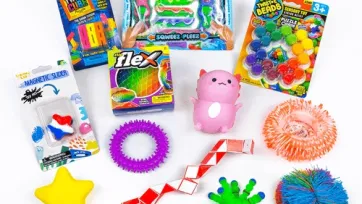
Best Sensory Toys for Kids in 2026: The Ultimate Parent's Buying Guide Sensory toys have become one of the fastest-growing toy categories, and for good reason. These thoughtfully designed toys help children explore the world through touch, sound, sight, movement, and even balance. While every child benefits from sensory play, these toys are especially valuable during the early years when the brain is developing rapidly. In 2026, sensory toys are available in countless forms, from textured balls and sensory bins to light-up toys, tactile boards, water beads, fidget toys, and sensory swings. They encourage children to investigate, experiment, and learn through hands-on experiences rather than passive entertainment. Whether you're buying for a baby, toddler, preschooler, or school-age child, this guide explains everything you need to know about choosing the best sensory toys for kids in 2026. What Are Sensory Toys? Sensory toys are designed to stimulate one or more of a child's senses. These may include: Touch Sight Hearing Movement Balance Texture recognition Rather than simply entertaining children, sensory toys encourage exploration and active learning through play. Why Sensory Play Is Important Children learn about the world by using their senses. Every time they squeeze a soft toy, shake a rattle, walk across different textures, or watch colourful lights move, their brains are building important connections that support future learning. Sensory play also encourages curiosity, helping children become confident explorers from an early age. Benefits of Sensory Toys Sensory toys contribute to many areas of child development. Some of the biggest benefits include: Improve sensory awareness Develop fine motor skills Strengthen hand-eye coordination Encourage creativity Improve concentration Support emotional regulation Build problem-solving skills Encourage independent play Reduce screen time Many parents also find sensory toys useful during quiet time or while travelling. Sensory Toys for Babies Babies benefit from simple sensory experiences that encourage safe exploration. Popular choices include: Soft textured balls Crinkle fabric books Silicone teething toys Musical rattles High-contrast toys Soft sensory cubes These toys help babies discover different textures, sounds, and movements while supporting healthy brain development. Sensory Toys for Toddlers Toddlers enjoy toys that allow them to explore using their hands and movement. Excellent options include: Stacking cups Sensory bins Water play toys Shape sorters Activity cubes Push-and-pop toys These activities improve coordination while encouraging independent discovery. Tactile Sensory Toys Touch is one of the most important senses during early childhood. Popular tactile toys include: Textured blocks Squishy balls Sensory mats Fidget cubes Silicone pop toys Fabric activity books Exploring different textures strengthens sensory processing while making play more engaging. Light and Sound Sensory Toys Many children enjoy toys that respond with gentle lights or sounds. Examples include: Light projectors Musical toys Bubble lamps Glow balls Interactive learning toys Choose products with adjustable volume and soft lighting to avoid overstimulation. Sensory Bins Sensory bins encourage open-ended exploration. Parents often fill them with materials such as: Coloured rice Dried pasta Sand Water beads (with close supervision) Pom-poms Wooden shapes Children enjoy scooping, pouring, sorting, and discovering different textures through hands-on play. Sensory Swings and Movement Toys Movement is another important sensory experience. Popular movement toys include: Indoor swings Balance boards Rocking toys Stepping stones Mini trampolines These activities help children improve balance, body awareness, and coordination. Montessori Sensory Toys Many Montessori-inspired toys naturally encourage sensory development. Popular examples include: Wooden texture boards Fabric matching games Stacking rings Object permanence boxes Natural wooden blocks These simple toys encourage children to learn independently without unnecessary distractions. Sensory Toys for Calm Play Some sensory toys are designed to help children relax. Popular calming toys include: Stress balls Weighted plush toys Sensory bottles Slow-moving liquid timers Soft tactile cushions These toys can help create a peaceful environment after busy or stimulating activities. Choosing the Right Sensory Toy Before buying, consider: Your child's age Developmental stage Material quality Safety certifications Ease of cleaning Durability Educational value Simple toys that encourage repeated exploration often provide the greatest long-term benefits. Safety Tips Always choose sensory toys that: Meet recognised safety standards Use BPA-free and non-toxic materials Have no sharp edges Match the recommended age Avoid small loose parts for younger children Regular cleaning is also important, particularly for toys that children frequently touch or chew. Common Buying Mistakes Parents sometimes assume that more features mean a better toy. Avoid: Toys with excessive flashing lights Extremely loud sounds Poor-quality materials Fragile construction Overly complicated designs Simple sensory toys often encourage longer, more meaningful play than highly electronic alternatives. Why Sensory Toys Make Excellent Gifts Sensory toys are suitable for almost every stage of childhood. They're ideal for: Baby showers First birthdays Christmas Nursery gifts Early learning presents Because they encourage open-ended exploration, children often continue discovering new ways to play with them as they grow. Frequently Asked Questions What are sensory toys? Sensory toys are designed to stimulate one or more senses, including touch, sight, hearing, movement, and balance, helping children learn through hands-on exploration. Are sensory toys good for all children? Yes. While sensory toys are often recommended for children with additional sensory needs, they support healthy development and creative play for children of all abilities. At what age can children start using sensory toys? Many sensory toys are suitable from birth, including soft rattles, textured fabrics, and high-contrast visual toys. More advanced sensory activities are available for toddlers and older children. Do sensory toys help learning? Absolutely. Sensory toys encourage problem-solving, concentration, coordination, creativity, and early cognitive development while making learning enjoyable. Final Thoughts The best sensory toys for kids in 2026 provide much more than colourful entertainment. They encourage children to touch, explore, listen, move, and discover the world through meaningful hands-on experiences that support healthy brain development. From simple textured toys for babies to sensory bins, balance boards, and calming tactile activities for older children, these toys offer lasting educational value while keeping play fun and engaging. By choosing safe, age-appropriate sensory toys, parents can create enriching play experiences that build confidence, curiosity, and essential developmental skills throughout childhood.
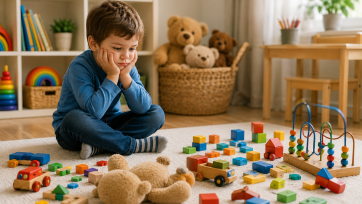
Why Do Some Children Ignore Their Toys
Why Do Some Children Ignore Their Toys? 9 Surprising Reasons Every Parent Should Know Introduction One afternoon, Sarah watched her four-year-old wander into the playroom. Shelves were neatly organised. Building blocks were stacked in colourful baskets. Toy cars waited in perfect rows. There were puzzles, dolls, books and enough toys to fill an entire corner of the house. Her son looked around for a few seconds. Then he walked into the kitchen, picked up a wooden spoon and a mixing bowl, and spent the next forty minutes pretending to cook dinner for his teddy bear. The toys stayed exactly where they were. If this sounds familiar, you're not alone. Many parents quietly wonder whether they've wasted money on toys their children barely touch. Others worry that a lack of interest means something is wrong. In most cases, the explanation is far simpler. Children don't reject toys because they dislike playing. They reject toys when those toys no longer match the way their imagination, curiosity or stage of development works. Understanding why this happens can help you make better toy choices, reduce unnecessary spending and create a play environment that genuinely encourages creativity. Let's explore the reasons behind one of the most common parenting questions. Reason #1: Too Much Choice Can Feel Overwhelming Imagine opening a streaming service with fifty thousand films. Finding one to watch suddenly feels like hard work. Children experience something similar when they're surrounded by dozens of toys. Instead of settling into one activity, they move quickly from shelf to shelf, never quite deciding where to begin. This isn't laziness. It's decision fatigue. Parents often notice that when the number of available toys is reduced, children actually spend longer playing. Reason #2: The Toy Solves Every Problem for Them Some toys leave almost nothing for children to imagine. Press a button. Watch the lights. Listen to the sounds. Repeat. After a while, the experience becomes predictable because the toy always behaves in exactly the same way. Now compare that with a pile of wooden blocks. Today they're a bridge. Tomorrow they're an airport. Next week they're part of a zoo. The toy changes because the child changes. That's what keeps it interesting. Reason #3: Your Child Has Simply Outgrown It Children grow remarkably quickly. The puzzle that fascinated them six months ago may now feel too easy. Likewise, a complex construction set intended for older children can feel frustrating rather than enjoyable. Good play sits in the middle. It should feel challenging enough to be interesting but achievable enough to build confidence. When toys no longer match a child's developmental stage, they're often left untouched. Reason #4: Everyday Objects Feel More Interesting Parents sometimes laugh when a child chooses a cardboard box over an expensive toy. Yet this behaviour makes perfect sense. A saucepan can become a drum. A blanket can become a superhero cape. A cardboard tube can become a telescope. Ordinary household objects have one huge advantage. They don't come with instructions. Children decide what they become, and that freedom often makes them more exciting than highly structured toys. Reason #5: Play Needs a Story Children rarely fall in love with objects. They fall in love with stories. A toy dinosaur isn't just a dinosaur. It becomes the guardian of a volcano. A teddy bear isn't just a teddy. It's the patient at a pretend hospital. When toys fail to inspire storytelling, they often fail to hold attention. The toys children return to again and again are usually the ones that fit naturally into the imaginary worlds they're constantly creating. Reason #6: They Need Someone to Start the Adventure Parents often hear the phrase, "Will you play with me?" It doesn't always mean a child needs constant company. Sometimes they simply need someone to help the story begin. A five-minute conversation can completely change what happens next. Instead of saying: "Go and play with your toys." Try asking: "Who's the captain of this spaceship?" "Why is this dinosaur hiding?" "Who lives in this castle?" Once the story starts, many children continue happily on their own. Adults don't need to lead the game. They simply help open the first chapter. Reason #7: The Play Environment Is Distracting Imagine trying to read a book while the television is on, a tablet keeps making sounds and people are constantly walking past. Concentrating becomes difficult. Children experience the same challenge. A play area packed with flashing lights, loud electronic toys and visual clutter can make it harder to settle into imaginative play. Interestingly, many nursery classrooms are designed with calm colours, organised shelves and clearly defined play spaces. The aim isn't to make the room look tidy. It's to help children focus. Sometimes changing the environment has a bigger impact than buying another toy. Reason #8: They're Craving Real-Life Experiences Children naturally imitate the world around them. If they've been watching a parent cook, they may suddenly become interested in making pretend meals. After a visit to the airport, every chair in the house becomes an aeroplane. Following a trip to the zoo, stuffed animals turn into safari adventures. This explains why a child might ignore a toy one day and become fascinated by it after a new experience. Play is often a reflection of life. The richer a child's experiences, the richer their imaginary games become. Reason #9: They Don't Need Another Toy This might be the hardest truth for adults to accept. Sometimes children simply have enough. Not because they don't enjoy toys. Because they already have everything they need to create wonderful games. Adding another toy doesn't always improve play. Occasionally it has the opposite effect by creating one more choice, one more distraction and one more item competing for attention. Many parents discover that introducing fewer new toys actually leads to longer, happier play sessions. What Parents Can Do Instead If your child rarely plays with their toys, resist the temptation to rush out and buy something new. Instead, experiment with small changes. Rotate a few toys every month instead of leaving everything available. Create open floor space where children can spread out and build. Join in for the first few minutes of a game before quietly stepping back. Introduce simple materials such as cardboard boxes, blankets, recycled tubes or craft supplies. Most importantly, observe rather than assume. Children often tell us exactly what kind of play they enjoy—we simply have to watch. Frequently Asked Questions Is it normal for children to ignore their toys? Yes. It's extremely common. Children often prefer activities that allow them to imagine, build or create rather than toys with only one fixed purpose. Should I buy new toys if my child seems bored? Not immediately. Try rotating existing toys, changing the play environment or introducing new ways to use toys already at home before spending more money. Why does my child play with household objects instead? Everyday objects have no fixed rules. They encourage creativity because children decide what each object represents. Can too many toys reduce concentration? For some children, yes. A very large number of choices can make it harder to focus on one activity for an extended period. How can I encourage independent play? Offer a manageable selection of toys, create a calm play space and help your child begin a story instead of directing the entire game. As their confidence grows, many children naturally continue playing on their own. Final Thoughts If your child walks past a shelf full of toys and heads straight for a cardboard box, a blanket or the kitchen cupboards, don't assume something has gone wrong. In many ways, the opposite is true. They're doing exactly what children have always done. They're searching for something they can transform. Something they can control. Something that becomes whatever their imagination needs it to be. The goal of a good toy isn't to keep a child busy. It's to give them the freedom to invent, explore and tell stories that belong entirely to them. When parents understand that difference, shopping becomes easier, play becomes richer and children often rediscover the joy of toys they already own.  
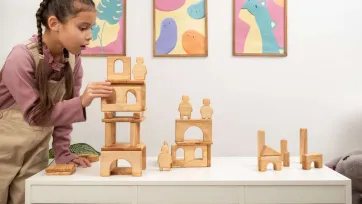
Best Safe Wooden Toys for Kids in 2026
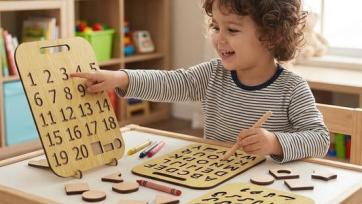
Best Safe Wooden Toys for Kids in 2026 Wooden toys have stood the test of time, remaining a favourite choice for parents who value safety, durability, and meaningful play. While modern toy stores are filled with electronic gadgets and plastic playsets, safe wooden toys continue to offer something unique—simple designs that encourage imagination, creativity, and hands-on learning. Today's parents are more careful than ever about the products they bring into their homes. They want toys made from non-toxic materials, built to last, and free from unnecessary chemicals. Safe wooden toys meet these expectations while supporting healthy child development from infancy through the early school years. Whether you're buying a birthday gift, planning a Montessori-inspired playroom, or searching for toys that promote learning without screens, wooden toys are an excellent investment. This guide explains why safe wooden toys remain one of the best choices for children in 2026 and how to select the right options for every age. Why Wooden Toys Are Still Popular Despite rapid advances in technology, wooden toys continue to attract parents because of their timeless appeal and educational value. Unlike many electronic toys that entertain children with flashing lights and sounds, wooden toys encourage active participation. Children create their own games, invent stories, build structures, and solve problems using their imagination. Many families also appreciate their natural appearance, solid construction, and ability to last for years. What Makes a Wooden Toy Safe? Not every wooden toy is automatically safe. Parents should look beyond attractive designs and pay attention to how the toy is made. A safe wooden toy should include: Smooth, splinter-free surfaces Rounded edges Non-toxic paints and finishes Strong construction Child-safe materials Securely attached parts Age-appropriate design Buying from reputable manufacturers that follow international toy safety standards provides additional peace of mind. Benefits of Safe Wooden Toys Safe wooden toys offer much more than durability. Some of their biggest advantages include: Encouraging imaginative play Improving hand-eye coordination Supporting fine motor skills Developing problem-solving abilities Increasing concentration Reducing screen time Promoting independent learning Lasting for many years Because they are often open-ended, children can play with the same toy in different ways as they grow older. Best Wooden Toys for Babies Babies explore the world using their senses. Simple wooden toys help them safely discover different shapes, textures, and movements. Excellent options include: Wooden rattles Grasping rings Stacking rings Shape sorters Push toys Wooden activity gyms Always choose toys specifically designed for infants and free from small detachable parts. Best Wooden Toys for Toddlers Toddlers enjoy toys that challenge their growing coordination and curiosity. Popular wooden toys include: Building blocks Peg puzzles Pull-along animals Stacking towers Wooden trains Balance games These activities encourage movement while strengthening problem-solving skills. Montessori Wooden Toys Many Montessori toys are made from wood because it is durable, natural, and pleasant to handle. Popular Montessori wooden toys include: Counting boards Alphabet blocks Object permanence boxes Shape sorters Practical life activity boards Wooden puzzles These toys encourage children to learn independently without unnecessary distractions. Wooden Building Blocks Inspire Creativity Building blocks remain one of the most versatile toys available. Children use them to build: Houses Castles Bridges Roads Towers Cities Animal homes Each new creation encourages imagination, planning, and creative thinking while improving fine motor control. Wooden Puzzles Improve Problem-Solving Skills Puzzles help children recognize shapes, colors, patterns, and spatial relationships. They also improve: Memory Concentration Patience Logical thinking Hand-eye coordination Wooden puzzles are especially durable, making them ideal for repeated use. Eco-Friendly Benefits of Wooden Toys Many parents choose wooden toys because they are more environmentally friendly than disposable plastic alternatives. High-quality wooden toys often come from responsibly managed forests and can remain usable for many years. Because they rarely break easily, they create less waste and are often passed down to younger siblings or donated to other families. Choosing sustainable toys also helps children develop an appreciation for protecting the environment. Wooden Pretend Play Toys Pretend play supports language development and creativity. Wooden playsets allow children to create endless adventures. Popular options include: Play kitchens Wooden food sets Tool benches Doll furniture Cash registers Farm animal sets These toys encourage storytelling while helping children understand everyday life. How Wooden Toys Support Child Development Every play session teaches valuable skills. Wooden toys help children improve: Fine motor control Coordination Concentration Creativity Problem-solving Independent thinking Social interaction Emotional confidence Because there are fewer distractions, children often remain focused for longer periods. How to Choose the Best Wooden Toys Before purchasing, consider several important factors. Choose toys that: Match your child's age Use non-toxic finishes Have smooth surfaces Are easy to clean Offer multiple ways to play Come from trusted brands A high-quality toy usually provides far greater long-term value than a cheaper alternative. Caring for Wooden Toys Proper care helps wooden toys remain beautiful for years. Simple maintenance includes: Wipe with a damp cloth. Avoid soaking in water. Store in a dry place. Inspect regularly for damage. Tighten loose parts if needed. Avoid harsh chemical cleaners. Good care keeps toys safe while extending their lifespan. Common Mistakes Parents Should Avoid Many buyers unknowingly choose poor-quality wooden toys. Avoid: Cheap toys with rough edges Unknown paints or finishes Toys without safety certification Age-inappropriate designs Products with loose small parts Spending a little extra on quality often results in a safer and longer-lasting toy. Why Wooden Toys Make Excellent Gifts Wooden toys are thoughtful gifts for birthdays, holidays, and special occasions. They combine beauty, durability, and educational value, making them gifts that children enjoy for years instead of weeks. Parents also appreciate receiving toys that encourage creativity rather than constant screen time. Frequently Asked Questions Are wooden toys safer than plastic toys? High-quality wooden toys made with non-toxic materials and smooth finishes are generally considered very safe. Safety depends on the manufacturer's quality and whether the toy is appropriate for the child's age. Are wooden toys suitable for babies? Yes. Many wooden rattles, grasping toys, and stacking toys are designed specifically for infants. Always choose age-appropriate products that meet recognized safety standards. How do I clean wooden toys? Use a soft damp cloth with mild soap if necessary. Avoid soaking wooden toys in water, as excessive moisture may damage the wood over time. Why are wooden toys more expensive? They often use higher-quality materials, stronger construction, and sustainable manufacturing methods. Their durability usually makes them a better long-term investment. Final Thoughts Safe wooden toys continue to be one of the best choices for children in 2026 because they combine simplicity, durability, and educational value in a way few other toys can. They encourage creativity, strengthen essential developmental skills, and provide years of meaningful play without relying on screens or excessive electronics. Whether you're choosing wooden building blocks, puzzles, Montessori learning tools, pretend play sets, or stacking toys, investing in high-quality wooden toys means investing in safer, more engaging, and more rewarding play experiences for your child.
Best Kids Tablets for Learning and Fun (2026)
Best Kids Tablets for Learning and Fun (2026): 10 Parent-Approved Picks Introduction Buying a tablet for your child isn't as simple as choosing the cheapest model on the shelf. Some tablets are designed mainly for watching cartoons. Others focus on education, creativity and homework. A few manage to balance learning, entertainment and parental controls in one device. The challenge for parents is knowing which tablet offers genuine value. A great kids' tablet should survive accidental drops, run educational apps smoothly, provide reliable parental controls and continue performing well for several years. In this guide, we've compared some of the best tablets available in 2026 to help parents choose the right device for every age and budget. How We Selected These Tablets Rather than focusing only on technical specifications, we compared tablets using the features that matter most to families: Performance Screen quality Battery life Durability Educational value Ease of parental controls App availability Long-term value Price Quick Comparison Tablet Best For Rating Apple iPad (11th Gen) Overall Best ⭐⭐⭐⭐⭐ Amazon Fire HD 10 Kids Pro Ages 6–12 ⭐⭐⭐⭐⭐ Amazon Fire HD 10 Kids Ages 3–7 ⭐⭐⭐⭐☆ Samsung Galaxy Tab A9 Kids Edition Android Users ⭐⭐⭐⭐☆ Lenovo Tab M11 Learning & Homework ⭐⭐⭐⭐☆ 1. Apple iPad (11th Generation) – Best Overall The latest entry-level iPad remains one of the strongest long-term choices for families. Unlike many children's tablets, it doesn't become outdated after only a couple of years. As children grow, it easily adapts from educational games to homework, drawing, creative projects and even video editing. Pros Excellent performance Huge educational app library Outstanding display Long software support Excellent resale value Cons Higher price Protective case sold separately Best For: Children aged 8+ who need one tablet that can grow with them. 2. Amazon Fire HD 10 Kids Pro – Best Value for School-Age Children Amazon designed the Kids Pro specifically for older children. It includes a slimmer protective case, strong parental controls and access to age-appropriate content while allowing more independence than the standard Kids version. Pros Rugged child-friendly design Excellent parental controls One-year Amazon Kids+ subscription Good battery life Two-year worry-free replacement guarantee Cons Amazon Appstore has fewer apps than Google Play Performance isn't as fast as an iPad Best For: Ages 6–12. 3. Amazon Fire HD 10 Kids – Best Tablet for Younger Children If your child mainly watches educational videos, reads interactive books and plays simple learning games, the Fire HD 10 Kids remains one of the safest choices. The large protective case is built to survive everyday drops, making it especially suitable for younger children. Pros Durable kid-proof case Excellent parental controls Strong battery life Affordable Easy setup Cons Limited app ecosystem Slower than premium tablets Best For: Ages 3–7. 4. Samsung Galaxy Tab A9 Kids Edition – Best Android Choice Parents who prefer the Android ecosystem often choose Samsung because of its reliable hardware and Google services. The Kids Edition adds child-friendly software while maintaining access to Android's wide app selection. Pros Bright display Google Kids Space support Smooth performance Expandable storage Good build quality Cons Protective accessories may cost extra Battery life trails some competitors Best For: Families already using Android devices. 5. Lenovo Tab M11 – Best for Homework and Creativity The Lenovo Tab M11 is an excellent all-round tablet for older children who need a device for learning as well as entertainment. Its larger display makes reading, drawing and split-screen study easier than on many smaller tablets. Pros Large display Good value Supports Google Kids Space Ideal for educational apps Comfortable for reading Cons Average cameras Charging isn't the fastest Best For: Homework, reading and creative learning. 6. Apple iPad mini (7th Generation) – Best Compact Premium Tablet If portability is your priority, the iPad mini offers flagship-level performance in a smaller size that's easier for children to hold. It works exceptionally well for reading, drawing, educational apps and travel. Pros Compact and lightweight Powerful processor Premium display Excellent app support Long software updates Cons Premium price Smaller screen than standard iPads Best For: Families wanting a high-performance portable tablet. 7. Google Pixel Tablet – Best for Family Sharing The Google Pixel Tablet doubles as both a family tablet and a smart home display when placed on its charging dock. Children can use Google Kids Space while parents enjoy the wider Android ecosystem. Pros Bright display Excellent speakers Google Kids Space Useful charging dock Smooth Android experience Cons Higher price than many Android alternatives Accessories sold separately Best For: Families already using Google services. 8. Samsung Galaxy Tab S9 FE – Best Premium Android Tablet For older children and teenagers, the Galaxy Tab S9 FE offers premium features at a more affordable price than Samsung's flagship models. It also includes S Pen support, making it ideal for note-taking, homework and digital art. Pros Excellent display Included S Pen Water-resistant design Strong battery life Smooth performance Cons More expensive than entry-level tablets Better suited to older children Best For: Students and creative learners. 9. Lenovo Tab Plus – Best for Entertainment Children who enjoy educational videos, audiobooks and family movie nights will appreciate the Lenovo Tab Plus. Its high-quality speakers and large display create an enjoyable viewing experience while still supporting productivity apps. Pros Outstanding speakers Large display Good battery life Comfortable built-in stand Great multimedia experience Cons Heavier than smaller tablets Not designed specifically for children Best For: Home entertainment and online learning. 10. Amazon Fire Max 11 – Best Large Amazon Tablet The Fire Max 11 is Amazon's most powerful tablet and offers better performance than previous Fire models. Combined with Amazon Kids+ and robust parental controls, it provides a good balance between education and entertainment. Pros Large display Faster performance Durable construction Excellent parental controls Good battery life Cons Limited app selection compared with Android and iPad Some premium features require subscriptions Best For: Families already invested in Amazon's ecosystem. How to Choose the Right Kids Tablet Before making a purchase, think about how your child will actually use the tablet. Ask yourself: Is it mainly for learning or entertainment? Does your child need it for schoolwork? How important are parental controls? Will multiple family members use it? Do you want access to Google Play, Apple's App Store or Amazon Kids? Buying a tablet that matches your child's needs is more important than buying the most expensive model. Which Tablet Is Best by Age? Ages 3–5 Choose durable tablets with simple controls, strong parental settings and protective cases. Ages 6–9 Educational apps, reading tools and creative games become increasingly important alongside entertainment. Ages 10–13 Homework, research, video calls and productivity apps begin playing a much larger role. Teenagers Performance, battery life, note-taking and multitasking often become the main priorities. Frequently Asked Questions Which tablet is best for younger children? The Amazon Fire HD 10 Kids remains one of the best choices thanks to its protective case, easy parental controls and child-friendly content. Is an iPad worth buying for children? Yes, particularly if you want a device that can grow with your child for many years. iPads receive long software support and offer one of the largest educational app libraries available. Do kids really need parental controls? Yes. Parental controls help manage screen time, restrict inappropriate content and monitor app downloads, creating a safer digital environment. How much storage does a child need? For most children, 64GB is sufficient for educational apps, photos and offline videos. Older children who download many games or creative projects may benefit from 128GB or more. Should I buy a protective case? Absolutely. A quality shock-resistant case and tempered glass screen protector can significantly extend the life of a tablet. Final Thoughts The best kids' tablet isn't simply the one with the fastest processor or the biggest screen. It's the one that fits your child's age, learning needs and daily routine. Some families need a rugged tablet for a preschooler discovering letters and numbers. Others need a reliable study companion that can handle homework, video lessons and creative projects for years to come. By focusing on durability, software support, parental controls and long-term value instead of marketing claims, you'll make a purchase that benefits your child well beyond the excitement of unboxing day. A well-chosen tablet can become a powerful tool for learning, creativity and family entertainment—when used thoughtfully and with the right balance.  
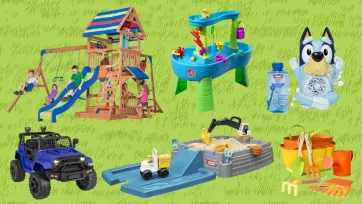
Best Outdoor Toys for Kids in 2026
Best Outdoor Toys for Kids in 2026: The Ultimate Guide to Active and Healthy Play Outdoor play is one of the most important parts of childhood. Running across the garden, climbing, kicking a ball, riding a scooter, or inventing games with friends helps children stay active while building confidence, creativity, and social skills. In today's digital world, where many children spend increasing amounts of time indoors, outdoor toys provide the perfect reason to get outside and enjoy fresh air. The best outdoor toys don't simply entertain—they encourage movement, exploration, and learning. From ride-on vehicles and trampolines to sports equipment and water play toys, outdoor toys help children develop physically and mentally while creating unforgettable family memories. If you're looking for the best outdoor toys for kids in 2026, this complete guide will help you choose toys that combine fun, safety, and long-term value. Why Outdoor Play Is Essential Children are naturally active, and outdoor environments give them the freedom to explore, run, jump, climb, and discover new experiences. Regular outdoor play helps children: Build stronger muscles Improve balance Develop coordination Increase confidence Learn teamwork Reduce stress Improve sleep quality Outdoor activities also encourage children to spend less time in front of screens and more time engaging with the world around them. Benefits of Outdoor Toys Outdoor toys support healthy development in many different ways. Some of the biggest benefits include: Encourage daily exercise Improve gross motor skills Build physical strength Develop balance and coordination Improve social skills Encourage imaginative play Boost self-confidence Support emotional wellbeing Reduce screen time Children who play outdoors regularly are often more active, more creative, and more confident. Ride-On Toys Ride-on toys remain one of the most popular outdoor choices for children. Popular options include: Balance bikes Scooters Pedal cars Ride-on tractors Wiggle cars Battery-powered vehicles These toys improve coordination while encouraging children to stay physically active. Garden Play Equipment Large garden toys provide endless opportunities for adventure. Popular choices include: Climbing frames Slides Swings Playhouses Monkey bars Climbing domes These activities strengthen muscles while improving confidence and problem-solving skills. Trampolines Trampolines remain one of the best outdoor toys for active children. Jumping helps improve: Balance Coordination Leg strength Cardiovascular fitness Body awareness Modern trampolines with safety nets provide a safer jumping environment for children. Sports Toys Simple sports equipment encourages children to stay active while learning teamwork. Excellent outdoor sports toys include: Footballs Basketball hoops Cricket sets Tennis sets Rugby balls Badminton sets Family sports games also encourage communication and healthy competition. Water Play Toys Warm weather creates the perfect opportunity for water-based fun. Popular water toys include: Splash pads Water tables Water blasters Sprinklers Inflatable pools Water slides These toys help children stay cool while encouraging active play. Sand and Beach Toys Sand play encourages creativity and exploration. Children enjoy using: Buckets Spades Sand moulds Dump trucks Excavators Beach wagons Building castles and digging tunnels helps improve fine motor skills while encouraging imaginative play. Outdoor STEM Toys Learning doesn't stop outside. Outdoor STEM toys include: Nature exploration kits Magnifying glasses Bug catchers Gardening sets Binoculars Weather stations These activities encourage scientific curiosity while helping children appreciate nature. Garden Games for Families Outdoor games bring the whole family together. Popular choices include: Ring toss Giant dominoes Skittles Bean bag toss Giant chess Obstacle courses These games encourage teamwork, communication, and friendly competition. Choosing the Right Outdoor Toy Before buying, consider: Your child's age Available outdoor space Material quality Weather resistance Safety certifications Storage requirements A durable toy designed for outdoor use usually provides many years of enjoyment. Safety Tips Always choose outdoor toys that: Meet recognised safety standards Match your child's age Use weather-resistant materials Have smooth edges Include appropriate safety features Children should also wear suitable protective equipment, such as helmets when riding bikes or scooters. Common Buying Mistakes Parents sometimes buy outdoor toys without considering available space. Avoid: Oversized equipment for small gardens Poor-quality plastic Toys without safety certification Age-inappropriate designs Equipment requiring complicated maintenance Choosing quality over quantity usually provides the best value. Why Outdoor Toys Make Excellent Gifts Outdoor toys encourage healthy habits while creating lasting family memories. They're ideal for: Birthdays Christmas Summer holidays Family celebrations School achievement rewards Unlike many indoor toys, outdoor equipment encourages physical activity and group play for many years. Frequently Asked Questions What are the best outdoor toys for children? Ride-on toys, trampolines, swings, scooters, sports equipment, water tables, climbing frames, and garden games are among the best outdoor toys. Why are outdoor toys important? Outdoor toys encourage physical activity, improve coordination, strengthen muscles, build confidence, and reduce screen time. What outdoor toys are suitable for toddlers? Balance bikes, push cars, water tables, sand toys, bubble machines, and ride-on toys are excellent choices for toddlers. How can I encourage my child to play outdoors more? Choose toys that match your child's interests, join them during play, create simple outdoor challenges, and limit unnecessary screen time. Final Thoughts The best outdoor toys for kids in 2026 do far more than keep children entertained—they encourage healthier lifestyles, inspire creativity, and help children develop important physical and social skills through active play. Whether it's climbing, riding, splashing, digging, or playing family games, outdoor toys create opportunities for children to explore, learn, and grow. By investing in safe, durable, and age-appropriate outdoor toys, parents can encourage children to enjoy fresh air, stay active, and create childhood memories that will last a lifetime.
Best Wooden Toys for Babies in 2026
Best Wooden Toys for Babies in 2026 Every parent wants to give their baby the safest possible start in life. From choosing nutritious food to creating a secure sleeping environment, every decision matters—including the toys babies play with every day. That's why wooden toys for babies continue to grow in popularity. They are durable, beautifully designed, environmentally friendly, and, when made to high safety standards, offer a safe and engaging way for babies to learn through play. Unlike many plastic toys that rely on flashing lights and loud sounds, wooden toys encourage babies to explore naturally. They invite little hands to touch, hold, stack, shake, and discover the world at their own pace. These simple activities play an important role in developing coordination, sensory awareness, and early problem-solving skills. If you're looking for the best wooden toys for babies in 2026, this guide will help you understand their benefits, the different types available, and how to choose safe, high-quality toys for your little one. Why Wooden Toys Are Perfect for Babies Babies learn through their senses. Every texture, shape, sound, and movement helps them understand the world around them. Wooden toys provide a natural sensory experience without overwhelming babies with excessive lights or electronic features. Many parents also appreciate that wooden toys are built to last. Instead of breaking after a few months, quality wooden toys often remain in excellent condition and can be passed down to younger siblings. Their timeless design also makes them a beautiful addition to any nursery or playroom. Benefits of Wooden Toys for Babies Wooden toys support healthy development in many different ways. Some of the biggest benefits include: Encourage sensory exploration Improve hand-eye coordination Strengthen fine motor skills Develop grip and finger control Inspire curiosity Promote independent play Reduce screen dependence Last for many years These benefits make wooden toys a valuable part of early childhood development. Are Wooden Toys Safe for Babies? High-quality wooden toys are among the safest options available for babies when they meet recognized safety standards. Parents should always look for toys that include: Smooth, splinter-free surfaces Rounded edges Non-toxic paints and finishes Strong construction Securely attached parts Age-appropriate designs Avoid toys with loose pieces or decorations that could become choking hazards. Choosing products from trusted manufacturers provides extra confidence in both safety and quality. Best Wooden Toys for Newborns During the first few months, babies begin exploring the world through sight and touch. Suitable wooden toys include: Wooden grasping rings Wooden rattles High-contrast hanging toys Baby activity gyms Sensory rolling toys These simple toys encourage early movement while introducing different textures and sounds. Wooden Rattles Encourage Early Coordination Wooden rattles remain one of the most popular baby toys. As babies shake and hold rattles, they develop: Grip strength Hand-eye coordination Arm movement Cause-and-effect understanding Choose lightweight rattles that are easy for tiny hands to hold comfortably. Stacking Toys Grow with Your Baby Stacking toys continue providing value as babies become toddlers. Children learn: Size recognition Balance Problem-solving Color recognition Coordination Even before babies learn to stack correctly, they enjoy holding, exploring, and knocking the pieces over. Wooden Shape Sorters Introduce Early Learning As babies grow older, shape sorters become an exciting challenge. These toys encourage: Problem-solving Shape recognition Fine motor skills Concentration Simple shape sorters with large wooden pieces are ideal for young children beginning to explore matching activities. Wooden Activity Cubes Keep Babies Engaged Activity cubes combine several learning experiences into one toy. They may include: Bead mazes Spinning gears Sliding pieces Shape sorters Number blocks These activities encourage babies to explore using both hands while developing coordination and curiosity. Wooden Pull and Push Toys As babies begin walking, pull and push toys become exciting companions. These toys help improve: Balance Walking confidence Coordination Gross motor skills Many feature friendly animals or colorful designs that encourage movement during playtime. Montessori Wooden Toys for Babies Montessori-inspired wooden toys focus on independent exploration rather than passive entertainment. Popular Montessori toys include: Object permanence boxes Wooden grasping toys Ring stackers Shape sorters Sensory boards These toys encourage babies to discover solutions independently while building concentration and confidence. Eco-Friendly Advantages of Wooden Toys Many wooden toys are made using responsibly sourced wood and sustainable manufacturing methods. Compared with disposable plastic toys, wooden toys often: Produce less waste Last much longer Can be recycled Are passed down through families Support environmentally responsible choices Choosing eco-friendly toys also teaches children the value of caring for the environment from an early age. How Wooden Toys Support Baby Development Every stage of infancy brings new learning opportunities. Wooden toys help babies develop: Fine motor skills Hand-eye coordination Sensory awareness Balance Curiosity Independent exploration Problem-solving Early concentration Because the toys are simple, babies remain focused on the activity instead of becoming distracted by excessive sounds or flashing lights. How to Choose the Best Wooden Toys for Babies Before buying, consider several important factors. Choose toys that: Match your baby's age Use non-toxic finishes Have smooth edges Meet recognized safety standards Are easy to clean Encourage open-ended play Quality matters more than quantity when selecting baby toys. Caring for Wooden Baby Toys Proper maintenance keeps wooden toys safe and beautiful. Simple care tips include: Wipe with a damp cloth. Avoid soaking toys in water. Store in a dry place. Inspect regularly for cracks or loose parts. Avoid harsh cleaning chemicals. With proper care, wooden toys can remain in excellent condition for many years. Common Mistakes Parents Should Avoid Many parents accidentally buy toys based only on appearance. Avoid: Toys with sharp edges Poor-quality finishes Very small detachable pieces Unknown manufacturers Toys designed for older children Reading product descriptions and safety recommendations carefully helps ensure a better purchase. Why Wooden Toys Make Wonderful Baby Gifts Wooden toys are among the most thoughtful gifts for baby showers, birthdays, and first celebrations. Parents appreciate them because they are: Safe Durable Educational Beautifully designed Long-lasting Many families continue using these toys throughout the toddler years, making them excellent value for money. Frequently Asked Questions Are wooden toys safe for babies? Yes. High-quality wooden toys with smooth edges, non-toxic finishes, and age-appropriate designs are considered very safe for babies. At what age can babies start using wooden toys? Many wooden rattles, grasping rings, and sensory toys are suitable from birth or within the first few months, depending on the manufacturer's recommendations. Are wooden toys better than plastic toys? Both can be safe, but wooden toys are often more durable, environmentally friendly, and encourage open-ended play without unnecessary distractions. How do I clean wooden baby toys? Use a soft damp cloth with mild soap if needed. Avoid soaking wooden toys in water, as excessive moisture can damage the wood over time. Final Thoughts Wooden toys remain one of the best choices for babies in 2026 because they combine safety, simplicity, and educational value in a timeless design. From wooden rattles and grasping rings to stacking toys, activity cubes, and Montessori-inspired learning tools, these toys encourage healthy development through hands-on exploration. By choosing high-quality wooden toys made from safe, non-toxic materials, parents can provide babies with meaningful play experiences that build essential skills while creating lasting memories. Simple, durable, and beautifully crafted, wooden toys continue to prove that the best learning often begins with the simplest play.
Best Kids Glasses in 2026
The Complete Parent's Guide to Choosing Comfortable, Durable and Stylish Eyewear for Children Introduction The first time a child puts on glasses can be an emotional moment for both parents and children. Some children are excited to choose colourful frames and proudly show them to friends. Others feel nervous about wearing glasses at school or worry that they'll look different. For parents, the questions begin almost immediately. Which frames are the most durable? What material is safest? How can you stop glasses from constantly slipping down? Will my child actually wear them? Choosing children's glasses isn't just about appearance. The right pair should provide clear vision, fit comfortably throughout the day and withstand everything from classroom activities to playground adventures. With so many styles, frame materials and lens options available, it's easy to feel overwhelmed. This guide explains everything parents need to know before buying kids' glasses, from selecting the right frames to keeping them comfortable and protecting them from everyday damage. Choosing the Right Glasses for Your Child Children wear their glasses for many hours every day. That means comfort should always come before fashion. When choosing a pair, consider: Your child's age Daily activities Face shape Prescription strength Frame weight Durability Comfort around the ears and nose A stylish frame isn't helpful if your child doesn't enjoy wearing it. Why Proper Fit Matters Poorly fitting glasses can quickly become frustrating. Frames that are too loose constantly slide down the nose. Frames that are too tight may leave pressure marks or cause headaches after long periods of wear. A properly fitted pair should: Sit comfortably on the bridge of the nose. Stay in place while walking or playing. Rest gently behind the ears. Keep the eyes centred within the lenses. Feel secure without squeezing the head. Regular adjustments by an optician help maintain a comfortable fit as children grow. Best Frame Materials for Kids Different materials suit different lifestyles. Flexible Plastic Frames Plastic frames are lightweight, colourful and comfortable for younger children. Many are designed to bend slightly without breaking. Best for: Toddlers Preschool children Everyday use TR90 Frames TR90 is one of the most popular materials for children's eyewear because it's flexible, lightweight and highly resistant to impact. Best for: Active children School wear Sports and outdoor play Metal Frames Modern metal frames are lighter than many parents expect and often suit older children looking for a more mature appearance. Best for: Teenagers Older primary school children Everyday wear Choosing the Right Lenses The lenses are just as important as the frames. Many parents choose: Scratch-resistant coatings UV protection Anti-reflective coatings Impact-resistant materials Lightweight lenses for stronger prescriptions For most children, durable polycarbonate or similar impact-resistant lenses are an excellent choice because they combine safety with comfort. How to Choose Frames for Different Face Shapes Although children's faces continue developing as they grow, certain frame styles often provide a more balanced appearance. Round Faces Rectangular or slightly square frames can create additional definition. Oval Faces Oval faces suit almost every frame shape, giving parents the greatest choice. Square Faces Rounded frames help soften stronger facial features. Heart-Shaped Faces Lightweight frames with softly rounded edges often create a balanced look. What Makes Children's Glasses Different from Adult Glasses? Children are constantly moving. Running. Climbing. Playing football. Drawing. Reading. Because of this, children's glasses need to be: More flexible. More durable. Lightweight. Comfortable enough for all-day wear. Easy to adjust. Designed to stay securely in place. These features help children focus on learning and playing rather than constantly adjusting their glasses. Signs Your Child May Need New Glasses Children grow quickly, and so do their visual needs. Even if they already wear glasses, regular eye examinations are important because prescriptions can change over time. Watch for these common signs: Squinting while reading or watching television. Sitting very close to screens. Complaining of headaches. Frequently rubbing their eyes. Holding books unusually close. Struggling to see the classroom whiteboard. Tilting their head to focus. Losing interest in reading or homework. If you notice any of these behaviours, arrange an eye examination with a qualified optometrist rather than assuming the glasses still fit the prescription. Helping Children Feel Confident Wearing Glasses For some children, the biggest challenge isn't their eyesight—it's adjusting to wearing glasses. Parents can make the transition much easier by focusing on encouragement rather than pressure. Useful ideas include: Let your child help choose their frames. Praise them when they wear their glasses consistently. Explain how glasses help their eyes rather than describing them as a problem. Introduce glasses gradually if recommended by your eye care professional. Remind them that many classmates, teachers and favourite sports stars wear glasses too. When children feel involved in the decision, they're usually much more willing to wear their glasses every day. How to Look After Children's Glasses Good habits help glasses stay in excellent condition for much longer. Teach your child to: Use both hands when removing their glasses. Store them in a protective case when not wearing them. Clean lenses with a microfibre cloth. Avoid placing glasses face-down on hard surfaces. Keep them away from excessive heat, such as inside a parked car on a hot day. A few minutes of care each day can prevent many common repairs. Choosing Glasses for Active Children Children rarely spend the day sitting still. If your child enjoys football, cycling, climbing or other energetic activities, consider: Flexible frames. Wrap-around styles for extra stability. Adjustable nose pads where appropriate. Sports straps for younger children. Impact-resistant lenses. Comfort and security become even more important during active play. Common Mistakes Parents Make Buying children's glasses is an investment, so it's worth avoiding a few common mistakes. Some parents: Choose frames that are too large for future growth. Prioritise fashion over comfort. Forget to check how securely the glasses fit. Skip regular frame adjustments. Delay replacing scratched lenses. Ignore complaints about discomfort. A well-fitted pair of glasses should feel comfortable enough that children almost forget they're wearing them. Frequently Asked Questions What age can children start wearing glasses? Children can wear glasses at almost any age if prescribed by an eye care professional. Even babies may occasionally need glasses for certain vision conditions. Which frame material is best for children? Flexible materials such as TR90 and durable plastic frames are popular because they're lightweight, comfortable and resistant to everyday knocks. How often should children's eyes be tested? Follow the advice of your optometrist. Many school-age children benefit from regular eye examinations, especially if they already wear glasses or have a family history of vision problems. Should children wear glasses all day? That depends on the prescription. Some children need glasses throughout the day, while others only wear them for reading or distance vision. Always follow the advice of the prescribing eye care professional. How long do children's glasses usually last? With proper care, quality frames can last a long time. However, children often need replacement glasses sooner because of growth, prescription changes or everyday wear and tear. Final Thoughts Choosing children's glasses is about far more than selecting attractive frames. The right pair helps a child see clearly, learn confidently and enjoy everyday activities without unnecessary discomfort. By focusing on fit, durability, lightweight materials and quality lenses, parents can choose glasses that support both comfort and healthy vision. Most importantly, remember that glasses should help your child feel confident—not self-conscious. When the frames fit well and suit your child's personality, they quickly become just another part of everyday life, allowing them to focus on what matters most: learning, exploring and enjoying childhood.  
Kids Haircuts for Boys
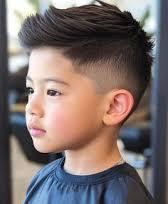
Kids Haircuts for Boys: 35 Stylish, Easy-to-Maintain Haircuts Parents Love in 2026 Introduction A haircut is much more than simply trimming a child's hair. The right hairstyle can boost confidence, make school mornings easier and suit a boy's personality, face shape and lifestyle. Whether your little one loves running around the playground, playing football or prefers a neat look for school, choosing the right haircut makes a noticeable difference. Parents often find themselves asking the same questions. Should we choose a fade or keep it longer? Will it be easy to maintain? Will it still look tidy after a busy day at school? Should curly hair be kept long or short? The good news is that modern boys' hairstyles offer something for everyone. From timeless classics to today's biggest trends, there are plenty of stylish cuts that are practical as well as fashionable. In this guide, you'll discover the best kids' haircuts for boys, how to choose the right style for your child, maintenance tips and common mistakes parents should avoid. Choosing the Right Haircut for Your Boy Every child is different, so there isn't one perfect haircut that suits everyone. Before choosing a hairstyle, consider: Your child's age Hair type Face shape Daily routine School dress code How much styling you're willing to do each morning A haircut should suit your child's lifestyle just as much as their appearance. Understanding Your Child's Hair Type Hair type has a huge impact on how a haircut looks. Straight Hair Straight hair suits almost every style, including side parts, textured crops and classic tapers. Curly Hair Rather than cutting curls too short, many barbers recommend leaving enough length for the natural curl pattern to show. Thick Hair Thicker hair often benefits from layering to remove weight while maintaining shape. Fine Hair Short textured cuts usually create the appearance of extra volume. Haircuts That Suit Different Face Shapes Although children's faces change as they grow, choosing a style that complements their features can create a balanced appearance. Round Faces Haircuts with extra height on top help create a longer appearance. Oval Faces Almost every haircut works well with an oval face shape. Square Faces Classic side parts, textured tops and fades complement strong facial features. Long Faces Avoid excessive height on top, as it can make the face appear longer. 35 Stylish Kids Haircuts for Boys 1. Classic Crew Cut Simple, timeless and incredibly easy to maintain. Perfect for active boys. 2. Textured Crop A modern favourite that adds movement while requiring very little styling. 3. Low Fade A subtle fade that keeps the haircut looking neat without appearing too dramatic. 4. Mid Fade Offers a modern look while remaining suitable for school. 5. High Fade Creates a bold contrast between the sides and the top. 6. French Crop Short fringe with textured layers that suit most hair types. 7. Ivy League Cut A slightly longer version of the crew cut with a polished finish. 8. Side Part A timeless hairstyle that never goes out of fashion. 9. Short Quiff Adds height and texture without requiring lots of maintenance. 10. Caesar Cut Recognisable by its short fringe and tidy appearance. 11. Buzz Cut Ideal for boys who enjoy sports and prefer a fuss-free haircut. 12. Textured Fringe Creates a relaxed, modern look that suits straight or wavy hair. 13. Taper Fade One of the most versatile hairstyles for boys of all ages. 14. Faux Hawk A fun style that looks trendy without being too extreme. 15. Comb Over A modern update to a classic hairstyle that's perfect for formal occasions. 16. Curly Top with Fade Keeps curls manageable while showing off their natural texture. 17. Messy Layers Ideal for boys with naturally thick hair. 18. Short Pompadour A stylish option for older children wanting a fashionable appearance. 19. Slick Back Works best with medium-length straight hair for special occasions. 20. Undercut A bold haircut featuring shorter sides with a longer top for versatile styling. 21. Brush Up Hairstyle The brush up keeps the hair slightly longer on top and styled upwards for a fresh, energetic look. It's a great option for boys with thick, straight hair. 22. Modern Spiky Cut Unlike the heavily gelled spikes of the past, today's version uses texture to create a softer, more natural appearance that's easy to style. 23. Long Textured Top with Short Sides This haircut gives boys plenty of styling options while keeping the sides tidy. It's ideal for children who enjoy fashionable hairstyles. 24. Layered Medium-Length Cut A relaxed haircut that works well for boys with naturally wavy or thick hair, adding movement without looking untidy. 25. Curly Fringe Leaving curls slightly longer at the front creates a playful, modern style while allowing natural texture to stand out. 26. Short Afro Fade Perfect for boys with afro-textured hair, this cut combines clean faded sides with a neatly shaped top for a stylish finish. 27. Temple Fade The fade starts around the temples rather than lower down the head, giving the haircut a clean and contemporary appearance. 28. Skin Fade with Textured Top Older boys often choose this stylish haircut because it combines a sharp fade with a natural-looking textured finish. 29. Mini Mohawk A subtle version of the traditional mohawk that's fun without being too dramatic for everyday wear. 30. Surfer Style Medium-length hair with natural movement creates a relaxed, beach-inspired look that's ideal for boys with wavy hair. 31. Curtains Hairstyle Inspired by modern fashion trends, curtains feature a centre or slightly off-centre parting with longer hair framing the face. 32. Shaggy Layers A low-maintenance style that embraces natural texture, making it an excellent choice for active children. 33. Bro Flow Perfect for boys growing their hair longer, the Bro Flow creates a natural, effortless appearance without looking messy. 34. Side Swept Fringe A soft fringe brushed to one side gives younger boys a smart yet playful look suitable for both school and special occasions. 35. Classic Scissor Cut Not every great haircut needs clippers. A well-executed scissor cut provides a timeless style with natural movement and works beautifully on most hair types. Haircut Maintenance Tips Even the best haircut needs regular care to keep it looking its best. A few simple habits can make a noticeable difference: Wash your child's hair with a gentle shampoo suitable for their age. Avoid using too much styling product, especially on younger children. Brush or comb hair each morning to prevent tangles. Visit the barber regularly to maintain the shape. Choose lightweight styling products if extra hold is needed. Healthy hair starts with good daily care rather than expensive products. How Often Should Boys Get a Haircut? The ideal schedule depends on the hairstyle. Buzz cuts and fades: Every 2–3 weeks. Crew cuts and tapers: Every 3–5 weeks. Medium-length hairstyles: Every 6–8 weeks. Long hairstyles: Every 8–12 weeks, mainly for trimming split ends and maintaining shape. Regular trims help hairstyles stay neat and easier to manage. Common Haircut Mistakes Parents Make Choosing the wrong haircut isn't usually about style—it's often about practicality. Some of the most common mistakes include: Picking a hairstyle that doesn't suit the child's hair type. Copying a celebrity haircut without considering maintenance. Choosing a style that's difficult to manage before school. Cutting naturally curly hair too short. Waiting too long between trims, causing the haircut to lose its shape. Ignoring the child's own preferences. A successful haircut should suit both the child and the family's daily routine. Frequently Asked Questions What is the easiest boys' haircut to maintain? The crew cut, buzz cut and classic taper are among the easiest styles to look after because they require very little styling. Which haircut is best for school? Simple styles such as the side part, crew cut, textured crop and taper fade are smart, practical and accepted by most schools. How can I make my son's hair easier to style? Choose a haircut that matches his natural hair texture. A barber can also add layers or texture to reduce bulk and improve manageability. Should boys use hair products? For everyday styling, most children don't need strong products. If styling is necessary, choose lightweight, child-friendly products and use them sparingly. What's the most popular boys' haircut right now? Textured crops, taper fades, low fades and natural curly styles remain among the most popular choices because they combine modern style with easy maintenance. Final Thoughts Choosing the right haircut isn't about following every new trend. It's about finding a style that suits your child's personality, hair type and lifestyle. A great haircut should make your child feel confident, stay manageable between barber visits and still look smart after a busy day of school, sport or outdoor play. Whether you prefer a timeless crew cut, a fashionable textured crop or natural curls with a fade, the best hairstyle is always the one that works for your child—not simply the one that's trending online. With regular trims and simple daily care, a quality haircut can help your child look and feel their best all year round.