Best Wooden Train Sets for Kids in 2026

Best Wooden Train Sets for Kids in 2026: A Timeless Toy That Never Goes Out of Style

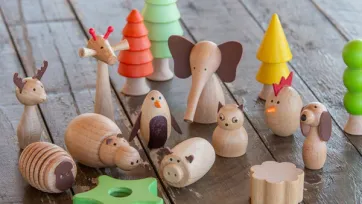
Wooden train sets have remained one of the most loved educational toys for decades, and in 2026 they're still a favourite among parents, teachers, and children alike. Unlike many trendy toys that lose their appeal after a few weeks, wooden train sets continue to inspire creativity, problem-solving, and imaginative play year after year.

Children can design their own railway networks, build stations, transport passengers, deliver cargo, and create exciting adventures across bridges, tunnels, mountains, and busy towns. Every play session is different, making wooden train sets one of the best long-term investments for a growing child.

Whether you're buying a first train set for a toddler or expanding an existing collection, this guide explains everything you need to know before choosing the best wooden train set in 2026.

Why Wooden Train Sets Remain So Popular

Wooden train sets offer something many modern toys cannot—complete creative freedom.

There are no fixed storylines or electronic instructions. Instead, children build their own railway layouts, invent characters, solve transport challenges, and create entirely new adventures every day.

As children grow, their railway worlds become larger and more detailed, meaning the same toy continues to provide fresh experiences for many years.

Benefits of Wooden Train Sets

Wooden train sets support a wide range of developmental skills.

Some of the biggest benefits include:

  • Improve problem-solving skills
  • Encourage imaginative play
  • Strengthen fine motor skills
  • Develop hand-eye coordination
  • Build patience
  • Improve concentration
  • Encourage storytelling
  • Support social interaction
  • Reduce screen time

Children also learn basic planning as they decide how tracks should connect and where trains should travel.

Why Choose Wooden Train Sets Instead of Plastic?

Wooden train sets remain popular for several reasons.

Parents appreciate them because they are:

  • Durable
  • Eco-friendly
  • Long-lasting
  • Easy to maintain
  • Timeless in design

Unlike many plastic toys, wooden train sets often last for years and can even be passed down to younger siblings.

Wooden Train Sets for Toddlers

Toddlers benefit from simple railway layouts with large pieces that are easy to assemble.

Beginner sets usually include:

  • Circular tracks
  • One train
  • Simple stations
  • Wooden trees
  • Bridges
  • Passenger figures

These sets encourage independent play while improving coordination and confidence.

Advanced Railway Sets for Older Children

As children become more experienced, they enjoy expanding their railway worlds.

Larger train sets often include:

  • Multi-level bridges
  • Tunnels
  • Roundabouts
  • Railway crossings
  • Cargo terminals
  • Airports
  • Farms
  • Construction sites

Building more complex layouts encourages creativity and engineering-style thinking.

Magnetic Wooden Trains

Most modern wooden trains connect using magnetic couplings.

Magnetic connections make it easy for children to:

  • Join trains together
  • Create longer trains
  • Swap carriages
  • Build freight trains
  • Invent new railway routes

These simple magnetic systems also improve fine motor control.

Train Accessories Expand Play

Accessories make railway adventures even more exciting.

Popular additions include:

  • Wooden people
  • Animals
  • Trees
  • Road signs
  • Vehicles
  • Cranes
  • Stations
  • Traffic lights

Adding accessories allows children to build complete miniature towns around their railway.

Educational Value of Train Sets

Wooden train sets naturally encourage learning.

Children begin exploring:

  • Cause and effect
  • Direction
  • Sequencing
  • Planning
  • Transport systems
  • Problem-solving

Parents can also introduce simple lessons about travel, geography, and community life through everyday play.

Wooden Train Sets Encourage Social Play

Railway play becomes even more enjoyable with friends or siblings.

Children learn how to:

  • Share tracks
  • Build together
  • Solve construction problems
  • Create stories
  • Take turns operating trains

These experiences strengthen teamwork and communication skills.

Choosing the Right Wooden Train Set

Before buying, consider:

  • Your child's age
  • Track compatibility
  • Material quality
  • Number of accessories
  • Future expansion options
  • Safety certifications

Expandable railway systems provide the greatest long-term value because children can continue adding new pieces over time.

Safety Tips

Choose wooden train sets that:

  • Meet recognised safety standards
  • Use non-toxic paints
  • Have smooth, rounded edges
  • Include securely attached magnets
  • Match the recommended age

Regularly inspect wooden pieces for cracks or loose components.

Common Buying Mistakes

Many parents focus only on the number of pieces.

Avoid:

  • Poor-quality wood
  • Weak magnetic connections
  • Sharp unfinished edges
  • Non-compatible expansion sets
  • Very small accessories for younger children

Quality construction usually provides a much better experience than simply buying the largest set available.

Why Wooden Train Sets Make Excellent Gifts

Wooden train sets are among the few toys that children continue enjoying for many years.

They're ideal for:

  • Birthdays
  • Christmas
  • First educational toys
  • Family celebrations
  • Nursery gifts

Parents also appreciate gifts that encourage creativity without relying on batteries or screens.

Frequently Asked Questions

What are the best wooden train sets for children?

Expandable wooden railway sets with magnetic trains, bridges, stations, and accessories are among the best choices for long-term play.

At what age can children start using wooden train sets?

Many beginner wooden train sets are suitable for children aged 18 months and older, while larger railway systems are ideal for preschool and primary-age children.

Are wooden train sets educational?

Yes. They improve creativity, planning, fine motor skills, hand-eye coordination, storytelling, and problem-solving while encouraging imaginative play.

Can different wooden train brands work together?

Many high-quality wooden train systems are compatible with one another, allowing families to expand their collections over time.

Final Thoughts

The best wooden train sets for kids in 2026 continue to prove that simple toys often provide the greatest educational value. With endless opportunities to build, design, explore, and imagine, wooden railway sets encourage creativity while helping children develop important cognitive, physical, and social skills.

By choosing a durable, expandable wooden train set, parents invest in a toy that grows with their child, providing years of meaningful, screen-free entertainment and creating memories that last long after the final train has reached the station.
Advertisement
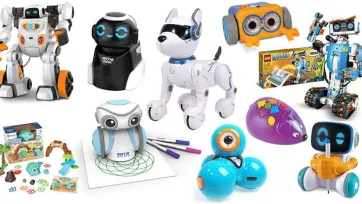
Best Coding Toys for Kids in 2026: Learning Programming Through Play
Best Coding Toys for Kids in 2026: Learning Programming Through Play Technology is shaping the future, and introducing children to coding at an early age has become one of the smartest investments parents can make. Fortunately, learning to code no longer means staring at a computer screen for hours. Today's coding toys teach programming concepts through games, puzzles, robots, and interactive challenges that make learning enjoyable rather than intimidating. The best coding toys encourage children to think logically, solve problems, recognise patterns, and develop computational thinking—all while having fun. Whether your child is a curious preschooler or an older student interested in robotics, coding toys provide age-appropriate challenges that build confidence and creativity. This guide explores the best coding toys for kids in 2026 and explains how they prepare children for a technology-driven future. What Are Coding Toys? Coding toys are educational toys designed to introduce programming concepts through hands-on activities rather than traditional computer programming. Depending on the child's age, coding toys may involve: Building robots Solving coding puzzles Programming movements Following sequences Creating games Completing STEM challenges Many beginner coding toys require no reading or typing, making them suitable even for young children. Why Coding Skills Matter Coding is more than learning a programming language. It teaches children how to: Solve problems Think logically Break large tasks into smaller steps Test different solutions Learn from mistakes These skills are valuable in almost every future career, not just software development. Benefits of Coding Toys Coding toys help children develop a wide range of abilities. Some of the biggest benefits include: Improve logical thinking Encourage creativity Build confidence Strengthen problem-solving skills Improve concentration Develop patience Support STEM learning Encourage independent thinking Reduce passive screen time Children also learn that there are often several different ways to solve the same problem. Coding Toys for Preschoolers Young children can begin learning coding concepts without using computers. Popular coding toys include: Coding board games Sequence cards Directional robots Colour coding games Pattern puzzles These activities teach sequencing and logical thinking through simple play. Coding Robots Programmable robots are among the most popular coding toys available today. Children can programme robots to: Move forwards Turn Dance Follow paths Avoid obstacles Complete missions Watching their code come to life makes programming exciting and rewarding. Screen-Free Coding Toys Many parents prefer coding toys that don't require tablets or smartphones. Screen-free coding activities include: Logic puzzles Coding cards Robot pathways Floor coding games Mechanical programming toys These options encourage children to learn through movement and hands-on exploration. Coding Kits for Older Children As children gain confidence, they can move on to more advanced coding projects. Popular kits include: Robotics sets Electronic circuit kits Programmable vehicles AI learning kits Smart home projects These activities combine engineering, electronics, and programming into exciting challenges. Coding and Robotics Together Coding and robotics naturally complement one another. Children first build a robot before programming it to perform different tasks. This process develops: Engineering skills Critical thinking Creativity Teamwork Technical confidence Many schools now include robotics clubs because of these educational benefits. Coding Toys Encourage Creativity Programming is often seen as highly technical, but creativity plays an important role. Children enjoy creating: Games Obstacle courses Robot races Interactive stories Custom challenges Every project encourages experimentation and innovation. Choosing the Right Coding Toy Before buying, consider: Your child's age Reading ability Previous STEM experience Difficulty level Expandability Educational value A toy that grows with your child usually provides better long-term value. Safety Tips Choose coding toys that: Meet recognised safety standards Use child-safe materials Include clear instructions Match the recommended age Have durable construction Adult supervision may be helpful for younger children during initial setup. Common Buying Mistakes Parents sometimes buy coding toys that are too advanced. Avoid: Complex programming kits for beginners Poor-quality robotics products Toys with limited learning opportunities Ignoring age recommendations Choosing complicated software that discourages young learners Start simple and gradually introduce more advanced coding concepts. Why Coding Toys Make Excellent Gifts Coding toys are among the most valuable educational gifts available today. They're ideal for: Birthdays Christmas School achievements STEM competitions Summer learning Parents appreciate gifts that encourage future-ready skills while remaining enjoyable to use. Frequently Asked Questions What are coding toys? Coding toys teach programming concepts through games, robots, puzzles, and hands-on STEM activities suitable for different age groups. At what age can children start learning coding? Many coding toys are designed for children aged three and above, using simple sequencing activities before introducing more advanced programming concepts. Do coding toys require computers? Not always. Many coding toys are completely screen-free and teach logical thinking through physical activities and programmable robots. Are coding toys worth buying? Yes. They encourage critical thinking, creativity, confidence, and problem-solving while preparing children for future technology skills. Final Thoughts The best coding toys for kids in 2026 make programming accessible, exciting, and enjoyable for children of all ages. Whether your child is programming a small robot, solving coding puzzles, or building advanced STEM projects, these toys encourage curiosity, creativity, and logical thinking through hands-on learning. By choosing high-quality coding toys that match your child's age and interests, you're helping them build valuable skills that extend far beyond technology. Every challenge solved today lays the foundation for tomorrow's innovators, engineers, and creative problem-solvers.
Toy Rotation for Kids: A Complete Guide to Smarter Play in 2026
Toy Rotation for Kids: A Complete Guide to Smarter Play in 2026 Walk into many family homes, and you'll often find toy boxes overflowing with cars, dolls, puzzles, building blocks, stuffed animals, and games. Ironically, despite having dozens of toys, children frequently complain that they have "nothing to play with." This isn't because they need more toys—it's because they're overwhelmed by too many choices. That's where toy rotation comes in. Instead of keeping every toy available all the time, parents organize toys into smaller groups and rotate them every few weeks. This simple strategy keeps playtime exciting, reduces clutter, encourages creativity, and even helps children appreciate the toys they already own. Toy rotation has become increasingly popular among parents, educators, and child development experts because it creates a calmer play environment while supporting learning and independent play. If you've never tried toy rotation before, this guide explains how it works, why it matters, and how you can easily start at home. What Is Toy Rotation? Toy rotation is the practice of making only a limited number of toys available to children at one time while storing the remaining toys out of sight. After a set period—usually one to four weeks—the available toys are swapped with a different selection. The toys themselves don't change; only their availability does. Because children haven't seen certain toys for a while, those toys often feel exciting and new when they return. This simple method helps children stay interested without constantly buying new toys. Why Toy Rotation Works Children naturally become more curious when they have fewer choices. A room filled with dozens of toys can actually reduce creativity because children quickly jump from one activity to another without becoming fully engaged. When fewer toys are available, children tend to: Play longer Focus better Use their imagination more Discover new ways to play Take better care of their toys Instead of feeling overwhelmed, they become more involved in meaningful play. Benefits of Toy Rotation Parents who use toy rotation often notice positive changes within just a few weeks. Some of the biggest benefits include: Less toy clutter Longer attention spans More creative play Better organization Reduced screen time Less demand for new toys Easier cleanup Increased appreciation for existing toys Toy rotation also helps parents identify which toys truly keep their children engaged. How Toy Rotation Supports Child Development Children learn best when they have time to explore toys in depth. Instead of quickly moving from one toy to another, they spend more time experimenting, building, pretending, and solving problems. This supports: Creativity Critical thinking Fine motor skills Hand-eye coordination Independent play Emotional regulation Decision-making A simpler play environment often leads to richer learning experiences. How Many Toys Should Stay Out? There is no perfect number, but many families find that keeping 10 to 20 toys or activities available at one time works well. The goal isn't to limit fun—it's to reduce unnecessary choices. Try including a variety of toy types, such as: Building blocks Puzzles Pretend play toys Books Art supplies Vehicles Outdoor toys Educational games This variety keeps children engaged while supporting different skills. How Often Should You Rotate Toys? Every family is different, but a rotation every two to four weeks works well for most children. You don't have to follow a strict schedule. Watch your child's interest instead. It may be time for a rotation if: Toys are ignored. Playtime becomes repetitive. Your child seems bored. The play area feels cluttered. Sometimes simply changing a few toys is enough to refresh interest. Which Toys Should Stay Available? Some toys deserve a permanent place in the playroom. These often include: Favorite comfort toys Books Art supplies Building blocks Ride-on toys Outdoor equipment Everything else can become part of the rotation system. Keeping beloved toys available helps children feel secure while still benefiting from variety. Organizing Toys for Rotation Good organization makes toy rotation easy. Many parents store toys in: Clear storage bins Plastic containers Labeled boxes Shelving units Closet organizers Grouping similar toys together also saves time. For example: Vehicles Building toys Science kits Pretend play Puzzles Arts and crafts When it's time to rotate, simply exchange one group for another. Toy Rotation by Age Different age groups benefit in different ways. Babies Rotate: Soft sensory toys Rattles Activity gyms Fabric books Toddlers Rotate: Shape sorters Wooden puzzles Stacking toys Pull toys Preschoolers Rotate: Building blocks Pretend play sets Craft supplies Educational games School-Age Children Rotate: STEM kits Board games Science experiments RC vehicles Construction sets Matching the rotation to your child's developmental stage keeps learning fresh and exciting. Include Educational Toys in Every Rotation A balanced toy rotation should include opportunities for learning as well as entertainment. Excellent educational choices include: Alphabet games Number puzzles STEM kits Geography activities Memory games Science projects Children often engage more deeply with educational toys when fewer distractions are available. Don't Forget Outdoor Toys Outdoor play should also be part of your rotation. You might rotate: Balls Scooters Bubble machines Gardening tools Flying discs Water play toys Changing outdoor activities regularly encourages children to stay active while trying new experiences. Common Toy Rotation Mistakes Toy rotation is simple, but a few mistakes can reduce its effectiveness. Avoid: Rotating toys too frequently Hiding favorite comfort toys Keeping broken toys Offering too many toys at once Buying new toys instead of rotating existing ones The goal is to make old toys feel exciting again, not constantly replace them. Does Toy Rotation Save Money? Absolutely. Many parents discover they don't need to buy new toys as often because children become excited about toys that have been stored away. Toy rotation also helps families identify which toys provide lasting value and which ones quickly lose their appeal. Over time, this leads to smarter purchasing decisions and less unnecessary spending. Tips for a Successful Toy Rotation System Keeping the process simple makes it easier to maintain. Some helpful ideas include: Rotate only a few toys at a time. Keep storage organized. Donate toys your child has outgrown. Involve your child in choosing the next rotation. Observe which toys encourage the longest play sessions. Remember, the goal isn't perfection. Even a basic rotation system can make a noticeable difference. Frequently Asked Questions What is toy rotation? Toy rotation is the practice of storing some toys while leaving only a smaller selection available. The stored toys are swapped in regularly to keep playtime fresh and engaging. At what age should toy rotation start? Parents can begin toy rotation during infancy, although it becomes especially effective for toddlers and preschoolers. How often should toys be rotated? Most families rotate toys every two to four weeks, but the timing can vary depending on the child's interest. Do I need to buy more toys for toy rotation? No. The purpose of toy rotation is to make better use of the toys you already own, not to increase the size of your toy collection. Final Thoughts Toy rotation is one of the simplest ways to create a more organized, engaging, and enjoyable play environment for children. By reducing clutter and offering a smaller selection of carefully chosen toys, parents encourage deeper focus, greater creativity, and more meaningful play. Whether your child enjoys puzzles, building blocks, pretend play, STEM kits, books, or remote control vehicles, rotating toys regularly helps each activity feel fresh and exciting again. Instead of constantly purchasing new toys, families can make the most of what they already have while supporting healthy development, reducing stress, and creating a calmer home.
Best Toys for 1-Year-Old Kids in 2026
Best Toys for 1-Year-Old Kids in 2026 A child's first birthday marks an exciting stage of growth. At one year old, babies are becoming more curious, active, and eager to explore the world around them. They begin taking their first steps, improving their hand-eye coordination, recognizing familiar faces, and learning through touch, movement, and sound. This makes choosing the right toys more important than ever. The best toys for 1-year-old kids are not necessarily the most expensive or the ones with the most buttons and lights. Instead, they should encourage exploration, support early learning, and provide a safe, enjoyable play experience. Toys that inspire movement, sensory discovery, and simple problem-solving can help build important developmental skills while keeping little ones entertained. This guide will help parents choose the best toys for one-year-olds in 2026, highlighting toys that are fun, educational, safe, and designed for this important stage of development. Why Choosing Age-Appropriate Toys Matters One-year-olds are developing rapidly, and every new experience helps shape their physical, emotional, and cognitive growth. Toys designed for older children may be too complicated or unsafe, while toys made specifically for toddlers encourage learning at the right pace. Age-appropriate toys help children: Build confidence Improve coordination Develop fine motor skills Learn cause and effect Strengthen curiosity Encourage independent exploration Choosing the right toys creates a positive learning environment where children can safely discover new skills every day. What Skills Do One-Year-Olds Develop? At this age, children are constantly learning through play. Every activity contributes to their overall development. Some important milestones include: Standing and walking Picking up small objects Recognizing familiar words Understanding simple instructions Exploring different textures Improving balance Developing hand strength Beginning imaginative play The best toys encourage these skills naturally without overwhelming the child. Push and Pull Toys Encourage Walking As many one-year-olds begin walking, push and pull toys become excellent companions. These toys help improve: Balance Coordination Confidence Leg strength Popular choices include wooden walkers, animal pull toys, push carts, and rolling vehicles. Walking while playing makes movement exciting and encourages children to stay active. Stacking Toys Improve Coordination Stacking rings and stacking cups remain classic favorites because they teach simple problem-solving while strengthening fine motor skills. Children learn about: Size differences Balance Colors Coordination Cause and effect Although stacking may seem simple, it provides valuable learning opportunities during early childhood. Shape Sorters Introduce Problem-Solving Shape sorters help toddlers recognize different shapes while improving hand-eye coordination. Children enjoy experimenting with circles, squares, triangles, and stars until they find the correct match. These activities encourage patience, observation, and logical thinking. Soft Plush Toys Provide Comfort Many one-year-olds develop strong attachments to soft toys. Plush animals and comfort toys offer: Emotional security Imaginative play Bedtime comfort Gentle sensory experiences Choose soft toys made from non-toxic, washable materials that are suitable for young children. Musical Toys Support Early Learning Music naturally attracts toddlers. Simple musical toys introduce rhythm, listening skills, and coordination through enjoyable play. Good options include: Baby pianos Xylophones Tambourines Musical activity tables Sound blocks Interactive musical toys also encourage movement and dancing. Wooden Toys Remain Excellent Choices Wooden toys continue to be popular because they are durable, safe, and encourage open-ended play. Popular wooden toys include: Stacking blocks Shape sorters Pull-along animals Wooden puzzles Activity cubes Many parents appreciate their timeless design and long-lasting quality. Sensory Toys Encourage Exploration At one year old, children learn through touch, sight, and sound. Sensory toys introduce different: Textures Colors Shapes Sounds Movements Examples include textured balls, sensory cubes, fabric books, and activity boards. These experiences strengthen brain development while keeping children engaged. Interactive Learning Toys Simple interactive toys help children understand cause and effect. Pressing a button, opening a door, spinning a wheel, or moving a lever teaches children that their actions create results. Quality learning toys often introduce: Numbers Colors Animal sounds Letters Simple songs Choose toys with moderate sound levels and age-appropriate activities. Building Blocks Inspire Creativity Large building blocks designed for toddlers encourage imagination while improving hand coordination. Children enjoy: Stacking towers Knocking them down Sorting colors Creating simple structures Building activities also teach persistence and problem-solving. Bath Toys Make Water Play More Fun Bath time becomes an enjoyable learning opportunity with safe bath toys. Popular options include: Floating animals Water wheels Pouring cups Bath books Stacking boats Always supervise children during water play. Outdoor Toys for One-Year-Olds Fresh air and movement are essential for healthy development. Outdoor toys may include: Push walkers Ride-on toys Soft balls Bubble machines Sand toys Mini slides Outdoor play improves coordination while encouraging exploration. Choosing Safe Toys for One-Year-Olds Safety should always be the highest priority. Look for toys that: Have no small detachable parts Use non-toxic materials Feature rounded edges Meet recognized safety standards Are easy to clean Match your child's age Reading product labels carefully helps ensure a safer play experience. Common Mistakes Parents Should Avoid Many parents accidentally choose toys that are either too advanced or too complicated. Avoid: Small pieces that present choking hazards Loud toys with excessive volume Toys meant for older children Fragile products Toys with sharp edges Simple, durable toys often provide the greatest long-term value. Why Educational Toys Matter at One Year Learning begins long before school. Educational toys help toddlers develop important early skills through natural exploration. Instead of focusing on academic learning, these toys encourage curiosity, movement, observation, and communication. Children learn best when they enjoy the experience. Frequently Asked Questions What toys are best for a one-year-old? Push toys, stacking rings, shape sorters, sensory toys, musical instruments, soft plush toys, wooden blocks, and interactive learning toys are excellent choices. Are electronic toys suitable for one-year-olds? Some simple electronic learning toys designed specifically for toddlers can be beneficial, but they should encourage interaction rather than passive entertainment. Are wooden toys safe for one-year-old children? Yes. High-quality wooden toys with smooth edges, non-toxic finishes, and age-appropriate designs are excellent options. How many toys does a one-year-old need? A small collection of high-quality, engaging toys is usually more beneficial than having too many choices. Rotating toys regularly can also keep playtime exciting. Final Thoughts Choosing the best toys for a one-year-old isn't about buying the newest or most expensive products. It's about selecting toys that encourage curiosity, movement, creativity, and early learning while keeping safety at the center of every decision. Whether it's a push walker, stacking rings, wooden blocks, sensory toys, musical instruments, or interactive learning activities, the right toys help children explore their world with confidence. By focusing on quality, durability, and age-appropriate design, parents can create joyful play experiences that support healthy development and create lasting memories.
25 Best Kids Clothing Brands for Quality, Comfort and Style in 2026
25 Best Kids Clothing Brands for Quality, Comfort and Style in 2026 Introduction Shopping for children's clothes sounds simple until you're standing in front of hundreds of options. Some brands focus on fashion. Others prioritise comfort. A few are known for exceptional durability, while others specialise in affordable everyday essentials. For parents, the challenge isn't finding children's clothing—it's finding clothes that survive playground adventures, frequent washing and rapidly growing children without sacrificing comfort or style. The best kids' clothing brands understand one important fact. Children don't spend their day standing still. They climb. They run. They paint. They crawl. They jump in puddles. Their clothes need to keep up. This guide explores some of the world's most trusted children's clothing brands, highlighting what each does best, who it's most suitable for and why parents continue returning to them year after year. Choosing the Right Kids' Clothing Brand Before looking at individual brands, it's worth deciding what matters most for your family. Some parents prefer premium fabrics that last through younger siblings. Others prioritise affordability because children outgrow clothes so quickly. You may also consider: Fabric quality Comfort Durability Easy washing Seasonal collections Size availability Value for money Sustainability There's no single perfect brand. The best choice depends on your child's needs and your budget. 1. Carter's Known for comfortable everyday clothing, Carter's remains one of the most trusted names for babies and young children. Parents appreciate its soft fabrics, practical designs and excellent value. Best for: Babies Toddlers Everyday wear 2. Next Next combines modern fashion with reliable quality, making it popular for school outfits, casual clothing and special occasions. Best for: Stylish everyday clothing Smart outfits Seasonal collections 3. H&M Kids H&M Kids offers fashionable clothing at accessible prices while expanding its range of recycled and organic cotton products. Best for: Affordable fashion Trend-led styles Everyday basics 4. Zara Kids Parents looking for contemporary European-inspired fashion often choose Zara Kids. Its collections change regularly, keeping styles fresh throughout the year. Best for: Fashion-conscious families Smart casual outfits Occasion wear 5. Gap Kids Gap Kids has built its reputation on timeless basics, quality denim and comfortable everyday clothing. Best for: Classic wardrobe essentials Denim Layering pieces 6. Marks & Spencer A long-time favourite with UK families, Marks & Spencer is especially well known for dependable school uniforms, underwear and everyday essentials. Best for: School uniforms Everyday clothing Excellent durability 7. Patagonia For adventurous families, Patagonia produces premium outdoor clothing designed to withstand demanding conditions while placing a strong emphasis on sustainability. Best for: Outdoor activities Hiking Winter clothing 8. The North Face Well known for jackets and outdoor wear, this brand produces clothing designed to keep children comfortable in changing weather conditions. Best for: Winter jackets Outdoor adventures Cold climates 9. Frugi Frugi specialises in colourful organic cotton clothing that's both environmentally conscious and comfortable for young children. Best for: Organic clothing Bright colours Eco-conscious families 10. Primary Primary focuses on simple, colourful essentials without character licensing or large logos. Best for: Minimalist wardrobes High-quality basics Everyday comfort 11. Mini Boden Mini Boden is recognised for playful prints, colourful designs and durable fabrics that appeal to both children and parents. Best for: Colourful fashion Premium casual wear Family matching collections 12. Old Navy Old Navy offers affordable clothing for growing children without compromising on variety. Best for: Budget-friendly shopping Everyday clothing Large family wardrobes 13. Uniqlo Uniqlo combines minimalist design with innovative fabrics, making it particularly popular for layering throughout the year. Best for: Lightweight clothing HeatTech winter wear Everyday basics 14. Ralph Lauren Children If you're looking for timeless, premium fashion, Ralph Lauren Children is well known for its classic polo shirts, knitwear and smart outfits. Best for: Special occasions Smart casual wear Premium quality 15. Nike Kids Nike Kids combines comfort with sporty styling, making it a popular choice for active children. Best for: Sportswear Active lifestyles Casual everyday outfits 16. Adidas Kids From tracksuits to trainers, Adidas Kids offers practical clothing designed for movement and comfort. Best for: Sports clothing School PE kits Weekend wear 17. Joules Joules is recognised for colourful prints, countryside-inspired designs and durable outerwear that works well throughout the seasons. Best for: Outdoor clothing Rainwear Family matching outfits 18. Polarn O. Pyret This Scandinavian brand has built a reputation for exceptionally durable children's clothing designed to last through multiple children. Best for: Long-lasting clothing Sustainable wardrobes Everyday essentials 19. Petit Bateau Petit Bateau is known for premium basics made from soft, comfortable fabrics with a timeless European style. Best for: Baby clothing Premium basics Comfortable sleepwear 20. Monsoon Children Monsoon is particularly popular for beautifully designed occasion wear, dresses and formal outfits for children. Best for: Weddings Parties Formal events 21. JoJo Maman Bébé Parents appreciate this brand for comfortable babywear, practical clothing and thoughtful everyday designs. Best for: Babies Toddlers Practical family clothing 22. Mayoral Mayoral offers stylish European-inspired collections that combine quality tailoring with comfortable fabrics. Best for: Smart casual clothing Seasonal fashion Family occasions 23. Lindex Kids Lindex Kids focuses on comfortable, practical clothing while expanding its range of sustainably sourced materials. Best for: Everyday basics Comfortable outfits Eco-conscious shopping 24. Name It Name It offers fashionable yet affordable clothing suitable for babies, toddlers and older children. Best for: Budget-friendly fashion Everyday clothing Modern Scandinavian styles 25. OshKosh B'gosh Famous for its classic dungarees and durable children's clothing, OshKosh B'gosh remains a trusted choice for everyday family wardrobes. Best for: Durable casual clothing Denim Toddlers and young children How to Choose High-Quality Children's Clothing A recognised brand is helpful, but quality should always come before the label. When shopping, look for: Strong stitching around seams Soft, breathable fabrics Comfortable waistbands and cuffs Reinforced knees for active children Easy-to-use zips and fasteners Machine-washable materials Clothes that allow children to move freely Well-made clothing often lasts longer and keeps its shape after repeated washing. Affordable vs Premium Brands Higher prices don't always guarantee better value. Affordable brands are ideal for everyday outfits because children grow quickly and may outgrow clothes within months. Premium brands can be worthwhile for: Winter coats Waterproof jackets School shoes Occasion wear Clothing passed down to younger siblings Many families choose a combination of budget-friendly basics and a few premium essentials. Common Mistakes Parents Make When Buying Children's Clothes Avoid these common shopping mistakes: Buying only for the current season without considering growth. Choosing style over comfort. Ignoring fabric quality. Buying clothes that are too large in the hope they'll last longer. Forgetting to check washing instructions. Purchasing too many trendy pieces that quickly go out of fashion. A balanced wardrobe with comfortable basics and a few special outfits usually offers the best value. Frequently Asked Questions Which children's clothing brand offers the best value for money? Brands such as Next, H&M Kids, Carter's and Marks & Spencer are often chosen because they combine good quality with reasonable prices. Which brands are best for babies? Carter's, JoJo Maman Bébé, Petit Bateau and Frugi are popular choices thanks to their soft fabrics and practical designs. Are premium children's clothing brands worth buying? Premium brands are often worthwhile for coats, knitwear and durable everyday items that can be passed down to younger children. What fabric is best for children's clothing? Cotton remains one of the most popular choices because it's soft, breathable and comfortable for everyday wear. Organic cotton is another excellent option for families seeking more environmentally friendly materials. How often should children's wardrobes be updated? Most children need new clothing every season as they grow, although the exact timing depends on age and growth rate. Final Thoughts The best children's clothing brand isn't necessarily the most expensive or the most fashionable. It's the one that fits your child's everyday life. Whether you prioritise durability, comfort, affordability or sustainable materials, investing in well-made clothing means children can move, play and explore without feeling restricted. Rather than filling wardrobes with fast-changing trends, focus on versatile, comfortable pieces that mix easily and stand up to everyday adventures. A thoughtful wardrobe will always outlast an impulse purchase.
Best Fidget Toys for Kids in 2026
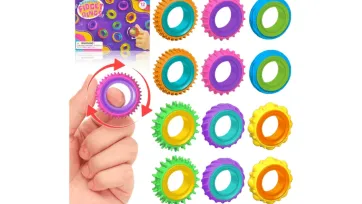
Best Fidget Toys for Kids in 2026: The Ultimate Parent's Buying Guide Fidget toys have become one of the most popular toy categories in recent years, offering children a simple yet engaging way to keep their hands busy while supporting focus, creativity, and relaxation. Originally introduced as sensory tools, today's fidget toys are enjoyed by children of all ages, whether they're at home, travelling, or taking a break from schoolwork. In 2026, the range of fidget toys is bigger than ever. Parents can choose from pop-it toys, fidget cubes, magnetic rings, sensory spinners, stretchy strings, marble mazes, puzzle balls, and countless other handheld toys designed to encourage active, screen-free play. Whether you're looking for a fun gift or a toy that keeps little hands occupied, this guide will help you choose the best fidget toys for kids in 2026. What Are Fidget Toys? Fidget toys are small handheld toys designed for repetitive movement and sensory interaction. Children can: Press Spin Twist Stretch Squeeze Roll Click Flip These repetitive actions make fidget toys enjoyable while encouraging fine motor development and concentration. Why Fidget Toys Are So Popular Children naturally enjoy keeping their hands active. Fidget toys provide a satisfying way to explore movement without requiring batteries, screens, or complicated instructions. Their portable size also means children can enjoy them almost anywhere, making them ideal for travel, waiting rooms, road trips, and quiet play at home. Benefits of Fidget Toys Fidget toys support several aspects of child development. Some of the biggest benefits include: Improve fine motor skills Strengthen finger coordination Encourage concentration Support sensory exploration Build hand strength Promote independent play Encourage problem-solving Improve hand-eye coordination Reduce screen time Many children also enjoy collecting different types of fidget toys because each offers a unique sensory experience. Pop-It Fidget Toys Pop-it toys remain one of the best-selling fidget toys worldwide. Children enjoy repeatedly pressing the soft silicone bubbles while creating different patterns and games. Pop-it toys are available in countless shapes, including: Animals Fruits Vehicles Dinosaurs Stars Hearts Their simple design makes them suitable for a wide range of ages. Fidget Cubes Fidget cubes combine several activities into one compact toy. Common features include: Click buttons Rolling balls Rotating switches Sliding controls Spinning discs Textured surfaces Each side offers a different activity, keeping play interesting for longer. Fidget Spinners Although they have been around for several years, fidget spinners remain popular in 2026. Children enjoy: Watching smooth rotations Learning simple tricks Competing with friends Improving finger control High-quality bearings provide longer spinning times and smoother performance. Stretchy Fidget Toys Stretch toys encourage active hand movement. Popular options include: Stretch noodles Elastic strings Sensory worms Rubber tubes Twist bands These toys help improve finger strength while providing satisfying tactile feedback. Puzzle Fidget Toys Some fidget toys combine sensory play with problem-solving. Examples include: Puzzle balls Marble mazes Rotating cubes Sliding puzzles Shape challenges These toys encourage logical thinking while keeping children's hands active. Magnetic Fidget Toys Magnetic toys provide a unique interactive experience. Children enjoy: Connecting pieces Building shapes Rolling magnetic rings Creating patterns Always choose magnetic toys designed specifically for children, with securely enclosed magnets and age-appropriate safety standards. Travel-Friendly Fidget Toys Because most fidget toys are small and lightweight, they are perfect for travelling. They're useful during: Car journeys Flights Restaurant visits Waiting rooms Holidays Family outings Portable toys help keep children entertained without relying on electronic devices. Choosing the Right Fidget Toy Before buying, consider: Your child's age Material quality Durability Safety certification Ease of cleaning Portability Simple, well-made toys usually provide a better experience than complicated novelty products. Safety Tips Choose fidget toys that: Meet recognised safety standards Use BPA-free, non-toxic materials Match the recommended age Have no loose small parts for younger children Are easy to clean Regularly inspect toys for wear, especially those made from silicone or rubber. Common Buying Mistakes Parents often purchase very cheap fidget toys that wear out quickly. Avoid: Weak plastic Poor-quality silicone Loose magnets Sharp edges Tiny detachable parts Toys without safety certification A high-quality fidget toy lasts much longer and offers a better sensory experience. Why Fidget Toys Make Excellent Gifts Fidget toys are affordable, portable, and suitable for many different ages. They're ideal for: Birthday party favours Christmas stockings Travel gifts School rewards Pocket-money treats Many children enjoy building small collections featuring different textures and movements. Frequently Asked Questions What are the best fidget toys for children? Pop-it toys, fidget cubes, spinners, stretchy sensory toys, magnetic fidgets, and puzzle fidget toys are among the most popular choices. At what age can children use fidget toys? Many larger fidget toys are suitable from around three years old, while smaller toys should only be used by older children according to the manufacturer's age recommendations. Do fidget toys help child development? Yes. Fidget toys improve fine motor skills, finger strength, coordination, sensory exploration, and concentration while encouraging screen-free play. Are silicone fidget toys safe? High-quality silicone fidget toys made from BPA-free, child-safe materials are generally a safe option when they meet recognised safety standards. Final Thoughts The best fidget toys for kids in 2026 offer a simple but highly engaging way for children to explore movement, texture, and creativity through hands-on play. Whether it's pressing colourful pop-it bubbles, spinning a smooth fidget spinner, stretching sensory strings, or solving a handheld puzzle, these toys encourage active play while supporting fine motor development and independent exploration. By choosing safe, durable, and age-appropriate fidget toys, parents can provide children with enjoyable, portable toys that keep curious hands busy wherever they go.
Best Action Figures for Kids in 2026
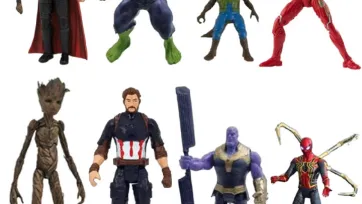
Best Action Figures for Kids in 2026: The Ultimate Parent's Buying Guide Action figures have been a favourite toy for generations, allowing children to recreate exciting adventures and invent entirely new stories. Whether inspired by superheroes, dinosaurs, soldiers, fantasy characters, robots, or original heroes, action figures encourage imaginative play while helping children develop creativity, communication skills, and confidence. In 2026, action figures are more detailed and interactive than ever. Many feature movable joints, realistic accessories, vehicles, playsets, and even electronic sound effects. From toddlers discovering imaginative play for the first time to older children building impressive collections, action figures continue to be one of the most popular toy categories worldwide. This guide explores the best action figures for kids in 2026 and explains how to choose safe, durable, and age-appropriate options. Why Children Love Action Figures Action figures give children complete control over their adventures. A single figure can become: A superhero saving the city A brave explorer discovering hidden treasure A firefighter rescuing people A space commander travelling across galaxies A knight protecting a kingdom A robot defending Earth Every play session becomes a brand-new story limited only by a child's imagination. Benefits of Action Figures Action figures offer much more than entertainment. They help children: Encourage imaginative play Improve storytelling skills Develop communication Strengthen fine motor skills Build creativity Improve social interaction Increase confidence Support emotional development Reduce screen time Children also learn cooperation when playing with friends or siblings. Action Figures for Toddlers Young children benefit from larger action figures that are easy to hold and safe to handle. Good toddler action figures feature: Rounded edges Soft materials Bright colours Simple designs Durable construction Large figures encourage pretend play while improving hand-eye coordination. Superhero Action Figures Superheroes remain one of the biggest action figure categories. Children enjoy creating adventures where heroes: Protect cities Rescue animals Stop villains Save the world Solve mysteries These stories encourage courage, teamwork, and problem-solving while keeping children engaged for hours. Dinosaur Action Figures Dinosaurs continue to capture children's imagination. Popular dinosaur figures include: Tyrannosaurus Rex Triceratops Velociraptor Brachiosaurus Stegosaurus Spinosaurus Children enjoy creating prehistoric adventures while learning about different dinosaur species. Robot Action Figures Robot figures combine science fiction with imaginative play. Many include: Movable arms and legs Light effects Sound features Transforming parts Battle accessories Robot adventures encourage creativity while introducing children to futuristic technology concepts. Animal Action Figures Animal playsets help children learn about wildlife while encouraging storytelling. Popular collections include: Farm animals Jungle animals Ocean creatures Arctic wildlife Safari animals These toys support early learning while inspiring imaginative adventures. Collectible Action Figures Older children often enjoy building collections of action figures. Collecting encourages: Organisation Responsibility Patience Appreciation for detail Many children also enjoy displaying their favourite characters on shelves after playtime. Playsets Make Adventures Bigger Action figures become even more exciting when combined with themed playsets. Popular additions include: Castles Space stations Rescue headquarters Dinosaur parks Military bases Secret hideouts Playsets encourage children to expand their stories and invent increasingly creative adventures. Choosing the Right Action Figure Before buying, consider: Your child's age Favourite interests Build quality Safety certifications Durability Available accessories A high-quality action figure often remains a favourite toy for many years. Safety Tips Always choose action figures that: Match the recommended age Meet recognised safety standards Use non-toxic materials Have securely attached accessories Avoid small detachable parts for younger children Regularly inspect toys for signs of wear or damage. Common Buying Mistakes Parents sometimes choose action figures based only on appearance. Avoid: Poor-quality materials Fragile joints Tiny accessories for toddlers Cheap paint finishes Unknown manufacturers without safety certification Durability is especially important because action figures are designed for active play. Why Action Figures Make Excellent Gifts Action figures remain one of the easiest gifts to buy because they suit so many different interests. They're ideal for: Birthdays Christmas School rewards Party presents Holiday surprises Children often continue expanding their collections over several years, making action figures gifts that grow with them. Frequently Asked Questions What are the best action figures for children? Superheroes, dinosaurs, robots, rescue workers, animal figures, and fantasy characters are among the most popular action figures for children. At what age can children play with action figures? Large action figures are suitable for toddlers, while smaller collectible figures are generally recommended for older children because of small accessories. Do action figures help child development? Yes. They encourage imagination, storytelling, communication, creativity, emotional development, and social interaction through pretend play. Are action figures worth buying? Absolutely. High-quality action figures provide years of imaginative entertainment, especially when combined with vehicles, playsets, or other characters. Final Thoughts The best action figures for kids in 2026 continue to inspire creativity, storytelling, and imaginative adventures that no digital screen can replace. Whether children dream of becoming superheroes, exploring prehistoric worlds, commanding robots, or rescuing animals, action figures give them the freedom to create exciting stories every day. By choosing durable, age-appropriate action figures with strong educational and imaginative value, parents can encourage screen-free play while helping children build confidence, communication skills, and creativity through every adventure.
Non-Toxic Toys in 2026
 Non-Toxic Toys: A Parent's Complete Guide to Choosing Safer Toys for Children Introduction When parents shop for toys, bright colours, exciting features and educational claims often grab their attention first. Yet one of the most important questions is rarely printed in large letters on the box: What is this toy actually made from? Children don't simply play with toys. They hug them, chew them, carry them everywhere and, especially when they're young, explore them with their mouths. Because of this, the materials used to make toys matter just as much as the entertainment they provide. In recent years, more parents have become interested in non-toxic toys, and for good reason. Safer materials, better manufacturing standards and greater awareness of chemical exposure have encouraged families to think more carefully before making a purchase. However, the growing popularity of the term "non-toxic" has also created confusion. Many products use the phrase without explaining what it really means. The truth is that choosing safer toys doesn't require expert knowledge or hours of research. Once you understand the materials to look for, the safety certifications that matter and the warning signs to avoid, buying toys becomes much easier. This guide explains everything parents need to know about non-toxic toys, from understanding toy materials to avoiding common buying mistakes and creating a safer play environment for children of all ages. What Does "Non-Toxic" Really Mean? A non-toxic toy is designed and manufactured using materials that are considered safe for normal use by children. It should not contain harmful substances at levels that could pose a health risk when the toy is handled, chewed or used as intended. It's important to understand that non-toxic doesn't mean a toy is indestructible or completely free from every chemical. Instead, it means the materials and finishes meet recognised safety requirements and are suitable for children's everyday use. Parents should think of non-toxic toys as products made with children's safety in mind rather than simply products carrying a marketing label. Why Toy Materials Matter Young children experience the world differently from adults. Babies chew toys to explore textures. Toddlers carry toys from room to room, often dropping them outdoors before putting them back into their mouths. Older children may spend hours handling the same favourite toys every day. Because of this frequent contact, choosing well-made toys from safer materials is a sensible long-term investment. High-quality materials also tend to be: More durable. Easier to clean. Less likely to crack or peel. Better able to withstand years of play. Benefits of Choosing Non-Toxic Toys For many families, safer toys provide advantages that go well beyond peace of mind. Encourages Safer Everyday Play Children naturally touch, hold and sometimes chew their toys. Choosing toys made from safer materials reduces unnecessary concerns during normal play. Better Long-Term Durability Well-manufactured toys are often more resistant to cracking, fading and everyday wear. This means they can often be enjoyed by younger siblings or stored for future use. Easier to Maintain Many non-toxic toys are designed with simple, durable finishes that are easier to wipe clean and keep hygienic. Supports Thoughtful Buying Focusing on quality rather than quantity often leads parents to purchase fewer but better-made toys. This approach reduces clutter while encouraging children to value the toys they already own. Better for Family Use Durable toys that remain in good condition are often passed between siblings, relatives or friends, making them a more sustainable choice over time. Common Materials Used in Children's Toys Understanding toy materials makes shopping much easier. Natural Wood Wood has remained a popular choice for generations because it is strong, durable and suitable for many different types of play. Parents should look for smooth finishes and child-safe coatings. Silicone Food-grade silicone is commonly used for baby toys and teething products because it is flexible, durable and easy to clean. Cotton Organic or high-quality cotton fabrics are frequently used for soft toys, comfort blankets and fabric books. These materials are generally breathable and washable. BPA-Free Plastics Many modern children's toys are manufactured using BPA-free plastics that meet recognised safety requirements. Always buy from trusted retailers rather than unknown sources. Natural Rubber Natural rubber is commonly found in baby toys because it is soft, flexible and comfortable for chewing. Choosing high-quality products helps ensure durability and safety. Signs of a Well-Made Toy Parents don't always need specialist knowledge to recognise a quality toy. Look for products that: Feel sturdy and well-made. Have smooth edges. Show no loose parts. Use strong stitching on fabric items. Have securely fitted components. Include clear safety information. Match the recommended age range. Quality toys usually feel more durable from the moment you pick them up. Signs You Should Avoid a Toy Sometimes it's easier to recognise what not to buy. Consider avoiding toys that: Have a strong chemical smell. Show peeling paint or coatings. Break easily during normal use. Have sharp edges. Contain loose decorations that can detach. Have poorly secured battery compartments. Include unclear or missing safety information. If something feels poorly made, trust your instincts and look for a better alternative. How to Choose Non-Toxic Toys for Your Child Walking into a toy shop or browsing online can quickly become overwhelming. Hundreds of products may appear similar, yet the quality and materials can vary significantly. Rather than focusing on colourful packaging or trendy designs, start by asking a few practical questions. Who is the toy for? A baby who explores everything by chewing has very different needs from a seven-year-old building imaginative worlds. Always choose toys that suit your child's developmental stage. How will the toy be used? Some toys are handled occasionally, while others become everyday favourites. Frequently used toys should be especially durable and easy to clean. Can it withstand everyday play? Children rarely play gently. A quality toy should survive drops, pulling, squeezing and regular cleaning without losing its shape or finish. Understanding Toy Safety Labels Many parents notice symbols and statements on toy packaging but aren't always sure what they mean. Although labels vary between manufacturers, reputable toys usually include information such as: Recommended age range Safety warnings Cleaning instructions Manufacturer details Compliance with recognised toy safety standards If this information is missing or unclear, it's often better to choose another product. Buying Guide Choosing non-toxic toys becomes much simpler when you focus on a few important principles instead of marketing claims. Prioritise Quality Over Quantity A small collection of well-made toys often provides more value than a cupboard full of inexpensive alternatives. Children generally benefit more from versatile toys that remain interesting over time. Buy from Trusted Retailers Purchasing from established retailers or reputable manufacturers reduces the likelihood of receiving poor-quality products with unclear safety information. Think Long-Term Choose toys that will continue to be useful as your child grows. Construction toys, pretend play sets and creative materials often provide years of enjoyment. Consider Ease of Cleaning Children's toys should be cleaned regularly. Smooth surfaces and washable fabrics make maintenance much easier. Choose Open-Ended Toys Toys that encourage creativity and imagination often remain favourites for much longer than toys designed for one fixed activity. Safety Tips Even the safest toys require regular care and supervision. Keep these simple habits in mind: Inspect toys regularly for damage. Remove broken toys immediately. Clean toys according to the manufacturer's instructions. Store toys in a dry, clean environment. Keep small parts away from babies and toddlers. Check battery compartments frequently. Supervise younger children during play. Replace toys showing signs of wear or cracking. Regular maintenance is one of the easiest ways to keep toys safe. Common Buying Mistakes Many parents spend unnecessary money simply because of clever marketing. Here are some mistakes worth avoiding. Assuming "Non-Toxic" Means High Quality A toy may use the phrase "non-toxic" while still being poorly designed or lacking durability. Material safety and overall build quality should both be considered. Buying Toys Just Because They're Popular Today's most fashionable toy may lose its appeal surprisingly quickly. Timeless toys often provide much better long-term value. Ignoring Age Recommendations Even if a toy looks harmless, using products intended for older children can increase frustration or create avoidable safety risks. Forgetting About Maintenance Some toys require regular cleaning or inspection. Choosing products that are easy to maintain makes everyday life much simpler. Buying Too Many Toys Children rarely need dozens of toys at once. A carefully chosen collection encourages more focused play and reduces household clutter. Frequently Asked Questions What are non-toxic toys? Non-toxic toys are made using materials considered safe for children during normal play and are manufactured to meet recognised toy safety requirements. Are wooden toys always non-toxic? Not necessarily. The type of paint, varnish or finish also matters. Always choose products with child-safe finishes from reputable manufacturers. Why do some toys have a strong smell? A strong chemical smell may come from manufacturing materials or packaging. If a toy has an unusually strong odour that doesn't disappear after airing out, many parents choose not to use it. Are plastic toys safe? Many modern plastic toys are perfectly suitable for children when manufactured to recognised safety standards. Choosing products from reputable brands and retailers is generally the safest approach. How often should toys be inspected? It's good practice to check frequently used toys every few weeks for cracks, loose parts, peeling finishes or other signs of damage. Final Thoughts Choosing non-toxic toys isn't about chasing marketing trends or believing every claim printed on a product box. It's about making informed decisions based on quality, safety and practicality. Children deserve toys that encourage creativity, exploration and learning without unnecessary concerns about poor materials or weak construction. By choosing durable products from trusted sources, checking safety information carefully and maintaining toys properly, parents can create a play environment that is both enjoyable and reassuring. In the end, the best toy isn't simply the newest or the most expensive. It's the one that keeps a child engaged, stands up to years of play and gives parents confidence every time it's picked up.
Educational Toy Subscription Boxes: Which One Is Worth the Cost?
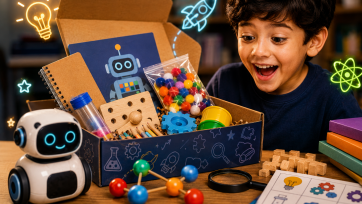
Educational toy subscription boxes promise something most parents want: age-appropriate activities delivered regularly without spending hours searching for new ideas. Every month—or every few months—a box arrives with science experiments, craft projects, books, building materials, puzzles, or learning games. The child gets something new to explore, while the parent avoids another trip through crowded toy aisles. It sounds convenient. But are educational subscription boxes actually worth the cost? The answer depends on what is inside the box, how often the child uses it, whether the materials can be reused, and how much the subscription costs after shipping, taxes, and automatic renewals. A $25 monthly box may appear affordable. Over a year, however, it becomes a $300 purchase. If the child finishes each activity in twenty minutes and never touches it again, the value may be poor. If the box provides several projects, reusable tools, and weeks of engagement, it may be a smart investment. This guide explains how educational toy subscriptions work, which types suit different children, and how parents can decide whether a subscription is worth paying for. How Educational Toy Subscription Boxes Work Most learning subscription services follow a similar model. Parents choose: The child’s age A subject or theme Monthly or quarterly delivery Subscription duration Number of children Optional add-ons The company then sends a box containing activities selected for that age group. Some subscriptions focus on a single subject, such as science or coding. Others combine crafts, books, geography, puzzles, and pretend play. Payment may be charged monthly, every three months, every six months, or annually. Longer plans often reduce the price per box, but they also require a larger upfront payment. What Usually Comes Inside? The contents depend on the subscription category, but a typical educational box may include: Activity instructions Craft supplies Science materials Building pieces Worksheets Storybooks Stickers Collectible cards Puzzles Parent guides Online videos Access to an application Some boxes provide nearly everything required. Others ask parents to supply common household items such as scissors, water, tape, baking soda, cooking oil, batteries, or coloring tools. Always read the “what is included” section before subscribing. A box advertised as containing five projects may become inconvenient if each activity requires several extra purchases. The Five Main Types of Learning Subscription Boxes Not every subscription serves the same purpose. Choosing the right category matters more than selecting the most heavily advertised brand. 1. STEM and Science Boxes STEM subscription boxes usually contain experiments, engineering challenges, electronics, robotics, or building activities. They are best suited for children who enjoy discovering how things work. A typical box may ask the child to: Build a small machine Create a chemical reaction Construct a bridge Design a moving vehicle Test magnets Explore electricity Grow crystals Study weather These subscriptions can provide strong educational value when the instructions explain the science behind each activity. Avoid boxes that rely only on dramatic reactions without teaching the child what happened. Best for Children who like experiments, building, technology, and problem-solving. Possible weakness Some projects are completed once and cannot be reused. 2. Arts and Crafts Boxes Craft subscriptions provide materials for painting, sewing, sculpting, decorating, drawing, or making themed objects. These boxes can be useful for parents who do not want to purchase large packets of supplies separately. A well-designed craft box may support: Fine motor skills Creativity Following instructions Color recognition Planning Self-expression However, some craft boxes leave very little room for creativity. The child is expected to copy one example exactly. Open-ended materials generally provide more value than projects in which every child produces the same object. Best for Children who enjoy making, decorating, and working with their hands. Possible weakness Finished crafts may quickly create clutter around the home. 3. Book Subscription Boxes Book boxes send one or more titles selected according to the child’s age or reading level. Some also include bookmarks, activity sheets, toys, or themed accessories. These subscriptions can encourage regular reading, especially when the child enjoys receiving a package addressed to them. Before subscribing, check whether parents can: Select reading levels Avoid duplicate books Choose fiction or nonfiction Update interests Preview upcoming titles Exchange unsuitable books A book subscription may offer poor value if the family already uses a public library regularly or purchases discounted books. Best for Children who enjoy stories or need encouragement to read consistently. Possible weakness The selected books may not match the child’s interests. 4. Geography and Culture Boxes Geography boxes introduce children to countries, languages, landmarks, food, animals, maps, and cultural traditions. A box may focus on one destination each month. It might include: A country guide A map Recipes Flags Stories Craft projects Language words Collectible items These subscriptions can make geography more engaging, but parents should check that the material is accurate and respectful. Culture should not be reduced to stereotypes, costumes, or a few foods. Best for Children interested in travel, maps, languages, and world cultures. Possible weakness Some boxes include more souvenirs than meaningful educational material. 5. Montessori and Preschool Boxes Preschool subscription boxes usually focus on early literacy, numbers, shapes, colors, sensory activities, and fine motor development. They may include sorting tasks, flash cards, puzzles, matching games, or simple craft projects. Parents should not assume that every box using the word “Montessori” follows authentic Montessori principles. A genuine Montessori-style activity should usually be hands-on, purposeful, simple, and appropriate for the child’s stage of development. Best for Toddlers and preschoolers who need structured learning activities at home. Possible weakness Many activities can be recreated more cheaply with household materials. How Much Do Subscription Boxes Really Cost? The advertised monthly price is only part of the total cost. Parents should calculate: Box price + shipping + tax + add-ons + international charges + renewal cost For example: Monthly box price: $30 Shipping: $6 Tax: $2 Total monthly cost: $38 Total annual cost: $456 A yearly prepayment may reduce the cost to $26 per box, but the parent may need to pay more than $300 at once. Also check whether the company renews the plan automatically. Some services offer an introductory discount for the first box and then charge the full rate for every later delivery. Cost Per Activity Matters More Than Cost Per Box A better way to compare subscriptions is to calculate the cost per meaningful activity. Imagine two boxes. Box A Costs $24 Contains two short crafts Total use time: one hour Cost per activity: $12 Box B Costs $35 Contains five experiments Includes reusable equipment Total use time: six hours Cost per activity: $7 Although Box B is more expensive, it may provide better overall value. Parents should also consider whether the materials can be used again. A circuit board, microscope, building set, or quality art tool may remain useful after the original activity is complete. Are Subscription Boxes Cheaper Than Buying Toys Separately? Sometimes—but not always. Subscription companies may purchase supplies in bulk and package them conveniently. This can save parents time and reduce the need to buy full-size materials. However, parents are also paying for: Packaging Product selection Printed instructions Branding Delivery Convenience Marketing Families willing to plan activities themselves can often create similar projects at a lower cost. The subscription is most valuable when convenience, variety, and structured guidance are important to the parent. When a Subscription Box Is Worth It An educational subscription may be a good purchase when: The child regularly completes hands-on activities The projects match the child’s interests The parent wants structured learning at home Most materials are included The activities require little setup The box offers multiple projects Some tools can be reused The instructions explain the learning concept The child looks forward to each delivery The cost fits comfortably within the family budget It may also be useful for homeschooling families, rainy-day activities, school holidays, or grandparents who want to send regular educational gifts. When It Is Probably a Waste of Money A subscription may not be worthwhile when: Previous activity kits remain unopened The child loses interest quickly The projects are too easy The box creates unnecessary clutter Most supplies must be purchased separately Shipping is unusually expensive The family already owns similar materials The activities are available free online Cancellation is difficult The subscription renews automatically without clear notice Children sometimes enjoy the excitement of opening the package more than the activities inside it. Parents should judge the subscription based on actual use, not the child’s reaction when the box first arrives. Monthly vs Quarterly Delivery Monthly delivery is exciting, but it may be too frequent for busy families. If one box arrives before the previous projects are completed, the activities can begin to pile up. Quarterly subscriptions may offer better value for families with limited time. They provide: Fewer deliveries Less clutter More time to complete each box Lower annual spending Less pressure to keep up Monthly plans may suit children who complete projects quickly and regularly ask for new activities. One Child or Multiple Children? Some subscription boxes can be shared, while others contain only enough material for one child. Parents with siblings should check: Whether extra material packs are available Whether projects can be completed together Whether each child needs separate tools Whether age levels can be mixed Whether sibling add-ons cost less than a second subscription A box that costs $35 for one child may become expensive if every project requires an additional $15 sibling pack. Sharing works best when the activity naturally supports cooperation. Questions to Ask Before Subscribing Do not purchase a yearly plan until these questions have been answered. What Is the Cancellation Policy? Find out whether cancellation takes effect immediately or only after the current prepaid term ends. Does the Subscription Renew Automatically? Automatic renewal should be clearly disclosed. Record the renewal date when purchasing a long-term plan. Can the Child’s Age Level Be Changed? A good service should allow parents to move the child to a more advanced level. Can Boxes Be Paused? Pause options are helpful during holidays, travel, school examinations, or busy periods. Are Returns or Replacements Available? Check what happens if materials arrive damaged, incomplete, or missing. Are Digital Features Included? Some boxes advertise online lessons but require an additional payment for full access. Is Shipping Included? Free shipping may only apply within one country or above a certain subscription length. Try One Box Before Buying a Year The safest approach is to begin with a single box or short subscription. Observe: How quickly the child opens it Whether instructions are understandable How much adult help is needed How long the activities last Whether the child asks to use it again Whether the materials feel worth the price Do not choose an annual plan only because the per-box price is lower. Saving $5 per box is not a saving if eight boxes remain unused. How to Get More Value From Each Box Parents can extend the life of a subscription by avoiding the urge to complete everything in one day. Try these strategies: Complete one activity each weekend Save reusable tools in a labeled container Ask the child to modify the project Connect the activity with a book or video Repeat experiments with changed conditions Photograph results Keep a science or project journal Let siblings work together Use leftover materials for free play A bridge-building activity, for example, should not end when the sample bridge is finished. Ask the child to build a longer bridge, a stronger bridge, or one using fewer materials. That turns a single project into several engineering challenges. Subscription Box Alternatives Families do not need a paid subscription to create regular educational activities. Lower-cost alternatives include: Public library books Printable worksheets Household science experiments Reusable building sets Secondhand educational toys Local museum kits School activity packs Art supplies purchased in bulk Parent-created monthly themes Toy libraries Parents can also create a homemade subscription box. Place several small activities in a container at the beginning of each month and let the child choose one each weekend. This provides the excitement of discovery without recurring shipping fees. Best Choice by Family Type Best for Busy Parents Choose a box that includes nearly all materials and requires minimal preparation. Best for Homeschooling Look for structured lessons, clear learning goals, printable extensions, and activities connected to a curriculum. Best for Creative Children Choose an open-ended art or maker box rather than a kit with one fixed result. Best for Future Scientists Select experiment boxes that explain scientific principles and include reusable equipment. Best for Siblings Choose collaborative projects with generous quantities of materials. Best for a Gift A three-month plan is usually safer than a full-year commitment. The Verdict Educational toy subscription boxes can be worth the cost, but convenience is often the main product being sold. The box itself may contain inexpensive materials. What parents are paying for is the planning, selection, instructions, packaging, and regular delivery. That can be valuable for families who need fresh, structured activities and will use them consistently. For most first-time buyers, the smartest option is not a twelve-month subscription. Start with one box or a three-month plan. Calculate the real cost, including delivery, and observe how much meaningful use the child gets from each package. The best educational subscription is not the one with the most attractive box. It is the one that gets opened, completed, discussed, reused—and remembered.