Best Coding Toys for Kids in 2026: Learning Programming Through Play
Technology is shaping the future, and introducing children to coding at an early age has become one of the smartest investments parents can make. Fortunately, learning to code no longer means staring at a computer screen for hours. Today's coding toys teach programming concepts through games, puzzles, robots, and interactive challenges that make learning enjoyable rather than intimidating.
The best coding toys encourage children to think logically, solve problems, recognise patterns, and develop computational thinking—all while having fun. Whether your child is a curious preschooler or an older student interested in robotics, coding toys provide age-appropriate challenges that build confidence and creativity.
This guide explores the best coding toys for kids in 2026 and explains how they prepare children for a technology-driven future.
What Are Coding Toys?
Coding toys are educational toys designed to introduce programming concepts through hands-on activities rather than traditional computer programming.
Depending on the child's age, coding toys may involve:
- Building robots
- Solving coding puzzles
- Programming movements
- Following sequences
- Creating games
- Completing STEM challenges
Many beginner coding toys require no reading or typing, making them suitable even for young children.
Why Coding Skills Matter
Coding is more than learning a programming language.
It teaches children how to:
- Solve problems
- Think logically
- Break large tasks into smaller steps
- Test different solutions
- Learn from mistakes
These skills are valuable in almost every future career, not just software development.
Benefits of Coding Toys
Coding toys help children develop a wide range of abilities.
Some of the biggest benefits include:
- Improve logical thinking
- Encourage creativity
- Build confidence
- Strengthen problem-solving skills
- Improve concentration
- Develop patience
- Support STEM learning
- Encourage independent thinking
- Reduce passive screen time
Children also learn that there are often several different ways to solve the same problem.
Coding Toys for Preschoolers
Young children can begin learning coding concepts without using computers.
Popular coding toys include:
- Coding board games
- Sequence cards
- Directional robots
- Colour coding games
- Pattern puzzles
These activities teach sequencing and logical thinking through simple play.
Coding Robots
Programmable robots are among the most popular coding toys available today.
Children can programme robots to:
- Move forwards
- Turn
- Dance
- Follow paths
- Avoid obstacles
- Complete missions
Watching their code come to life makes programming exciting and rewarding.
Screen-Free Coding Toys
Many parents prefer coding toys that don't require tablets or smartphones.
Screen-free coding activities include:
- Logic puzzles
- Coding cards
- Robot pathways
- Floor coding games
- Mechanical programming toys
These options encourage children to learn through movement and hands-on exploration.
Coding Kits for Older Children
As children gain confidence, they can move on to more advanced coding projects.
Popular kits include:
- Robotics sets
- Electronic circuit kits
- Programmable vehicles
- AI learning kits
- Smart home projects
These activities combine engineering, electronics, and programming into exciting challenges.
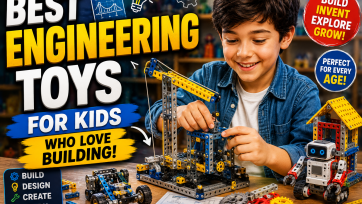
Coding and Robotics Together
Coding and robotics naturally complement one another.
Children first build a robot before programming it to perform different tasks.
This process develops:
- Engineering skills
- Critical thinking
- Creativity
- Teamwork
- Technical confidence
Many schools now include robotics clubs because of these educational benefits.
Coding Toys Encourage Creativity
Programming is often seen as highly technical, but creativity plays an important role.
Children enjoy creating:
- Games
- Obstacle courses
- Robot races
- Interactive stories
- Custom challenges
Every project encourages experimentation and innovation.
Choosing the Right Coding Toy
Before buying, consider:
- Your child's age
- Reading ability
- Previous STEM experience
- Difficulty level
- Expandability
- Educational value
A toy that grows with your child usually provides better long-term value.
Safety Tips
Choose coding toys that:
- Meet recognised safety standards
- Use child-safe materials
- Include clear instructions
- Match the recommended age
- Have durable construction
Adult supervision may be helpful for younger children during initial setup.
Common Buying Mistakes
Parents sometimes buy coding toys that are too advanced.
Avoid:
- Complex programming kits for beginners
- Poor-quality robotics products
- Toys with limited learning opportunities
- Ignoring age recommendations
- Choosing complicated software that discourages young learners
Start simple and gradually introduce more advanced coding concepts.
Why Coding Toys Make Excellent Gifts
Coding toys are among the most valuable educational gifts available today.
They're ideal for:
- Birthdays
- Christmas
- School achievements
- STEM competitions
- Summer learning
Parents appreciate gifts that encourage future-ready skills while remaining enjoyable to use.
Frequently Asked Questions
What are coding toys?
Coding toys teach programming concepts through games, robots, puzzles, and hands-on STEM activities suitable for different age groups.
At what age can children start learning coding?
Many coding toys are designed for children aged three and above, using simple sequencing activities before introducing more advanced programming concepts.
Do coding toys require computers?
Not always. Many coding toys are completely screen-free and teach logical thinking through physical activities and programmable robots.
Are coding toys worth buying?
Yes. They encourage critical thinking, creativity, confidence, and problem-solving while preparing children for future technology skills.
Final Thoughts
The best coding toys for kids in 2026 make programming accessible, exciting, and enjoyable for children of all ages. Whether your child is programming a small robot, solving coding puzzles, or building advanced STEM projects, these toys encourage curiosity, creativity, and logical thinking through hands-on learning.
By choosing high-quality coding toys that match your child's age and interests, you're helping them build valuable skills that extend far beyond technology. Every challenge solved today lays the foundation for tomorrow's innovators, engineers, and creative problem-solvers.