Gross Motor Toys That Keep Children Active Indoors and Outdoors
Physical activity plays a vital role in every child's healthy growth and development. From taking their first steps to climbing, jumping and balancing with confidence, children rely on gross motor skills to explore the world around them. These skills involve the large muscles of the arms, legs and torso, forming the foundation for movement, coordination and overall physical fitness.
While outdoor adventures and organised sports certainly contribute to physical development, toys also play an important role. The right gross motor toys encourage children to move naturally through play, helping them build strength, balance, coordination and confidence without feeling like they are exercising.
In today's world, where screens compete for children's attention more than ever before, active play has become increasingly important. Gross motor toys provide a fun alternative that keeps children engaged while supporting healthy physical development.
Whether you have an energetic toddler who loves climbing or an older child who enjoys obstacle courses and outdoor games, choosing the right toys can make movement an exciting part of everyday life.
This guide explains what gross motor skills are, why they matter, the benefits of gross motor toys and how to choose the best options for different ages.
What Are Gross Motor Skills?
Gross motor skills involve the large muscle groups that control whole-body movements. These skills allow children to perform everyday activities that require strength, coordination and balance.
Examples of gross motor skills include:
-
Walking
-
Running
-
Jumping
-
Climbing
-
Crawling
-
Skipping
-
Throwing
-
Catching
-
Kicking
-
Balancing
-
Riding a scooter or bicycle
These abilities begin developing during infancy and continue improving throughout childhood as children become stronger and more coordinated.
Why Gross Motor Skills Are Important
Strong gross motor skills help children participate confidently in everyday activities at home, school and during sports.
Well-developed movement skills support:
-
Better balance and coordination
-
Improved posture
-
Increased muscle strength
-
Greater endurance
-
Healthy bone development
-
Enhanced confidence
-
Better body awareness
-
Improved participation in physical activities
Children who regularly engage in active play are also more likely to develop healthy exercise habits that continue into adulthood.
How Gross Motor Toys Support Child Development
Gross motor toys encourage children to move in different ways rather than remaining seated for long periods.
As children climb, balance, push, pull, jump and throw, they strengthen major muscle groups while improving coordination and control.
Unlike structured exercise programmes, active toys make movement enjoyable. Children stay physically active because they are having fun, not because they are following a workout routine.
Many gross motor toys also encourage outdoor exploration, imaginative play and social interaction, making them valuable for overall development.
Benefits of Gross Motor Toys
Gross motor toys offer far more than entertainment. They support multiple areas of a child's physical, emotional and social development.
Build Strength
Activities such as climbing, pushing and pulling strengthen the muscles in the arms, legs, back and core.
Greater muscle strength helps children perform everyday tasks with confidence and reduces the effort required for physical activities.
Improve Balance and Coordination
Balancing toys, stepping stones and ride-on toys help children learn how to control their movements more effectively.
Improved coordination benefits everything from walking and running to participating in sports later in life.
Encourage Healthy Physical Activity
Active toys motivate children to move naturally throughout the day.
Instead of spending long periods using electronic devices, children remain physically engaged while enjoying themselves.
Support Confidence
Successfully climbing a frame, catching a ball or completing an obstacle course gives children a sense of achievement.
These small successes gradually build confidence and encourage them to try new physical challenges.
Promote Social Skills
Many gross motor toys are designed for group play.
Children learn to share equipment, take turns, cooperate and communicate while playing with siblings and friends.
Improve Overall Health
Regular movement supports healthy growth, stronger bones, improved cardiovascular fitness and better sleep.
Active play also helps children manage energy levels and supports emotional wellbeing.
Best Gross Motor Toys for Babies
Even before children can walk, they begin developing gross motor skills through movement and exploration.
Suitable toys for babies include:
-
Soft play mats
-
Activity gyms
-
Push-along walkers
-
Crawl tunnels
-
Soft climbing cushions
-
Rolling balls
-
Ride-on push toys
These toys encourage reaching, rolling, crawling, standing and early walking while strengthening muscles in a safe environment.
Gross Motor Toys for Toddlers
Toddlers are naturally energetic and eager to explore. Gross motor toys help channel this energy into activities that support healthy physical development.
Excellent choices include:
-
Ride-on toys
-
Balance bikes
-
Soft climbing frames
-
Mini slides
-
Foam stepping stones
-
Push and pull toys
-
Ball pits
-
Lightweight footballs
-
Bean bags
-
Mini basketball sets
These toys encourage children to run, climb, balance and throw while improving coordination and confidence.
Gross Motor Toys for Preschool Children
As children enter the preschool years, they become more adventurous and confident in their movements. They enjoy climbing higher, jumping further and creating physical challenges during play. Gross motor toys at this stage should encourage a variety of movements while remaining safe and age-appropriate.
Excellent choices include:
- Climbing frames
- Trampolines with safety enclosures
- Balance beams
- Scooters
- Hopper balls
- Skipping ropes
- Obstacle course sets
- Mini football goals
- Tunnels
- Stepping stones
These toys improve balance, coordination, agility and muscle strength while keeping children physically active.
Gross Motor Toys for School-Age Children
Older children often enjoy more challenging physical activities that require speed, coordination and endurance.
Suitable gross motor toys include:
- Bicycles
- Roller skates or inline skates
- Larger trampolines
- Climbing domes
- Sports equipment
- Agility ladders
- Basketball hoops
- Garden obstacle course kits
- Flying discs
- Badminton and tennis sets
These activities not only develop physical skills but also encourage teamwork, confidence and a lifelong interest in staying active.
Indoor vs Outdoor Gross Motor Toys
Both indoor and outdoor toys have their own advantages, and a balanced collection gives children opportunities to stay active throughout the year.
Indoor Gross Motor Toys
Indoor toys are ideal during rainy weather or when outdoor space is limited.
Popular options include:
- Foam climbing blocks
- Balance boards
- Soft tunnels
- Mini trampolines
- Indoor stepping stones
- Dance mats
- Exercise balls
- Bean bag games
These toys encourage movement while remaining suitable for smaller spaces.
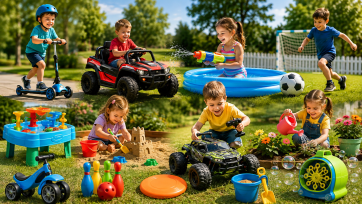
Outdoor Gross Motor Toys
Outdoor toys allow children to enjoy fresh air while developing larger movement skills.
Examples include:
- Swing sets
- Slides
- Climbing frames
- Scooters
- Balance bikes
- Football goals
- Water play equipment
- Garden obstacle courses
Outdoor play also provides additional opportunities for exploration, imaginative play and social interaction.
How to Choose the Best Gross Motor Toys
Selecting the right gross motor toy involves more than choosing the biggest or most exciting product. The best toys match your child's abilities while encouraging continued development.
When choosing a toy, consider:
- Your child's age and physical ability.
- Available indoor or outdoor space.
- The toy's safety features.
- Weight limits and durability.
- Opportunities for long-term use.
- Ease of storage if space is limited.
A toy that offers multiple ways to play will usually provide better value over time.
Buying Guide
Before purchasing a gross motor toy, think carefully about your family's needs and your child's interests.
Choose Age-Appropriate Equipment
Always follow the recommended age guidelines. Equipment designed for older children may be unsafe or frustrating for younger users.
Look for Quality Construction
Strong materials and sturdy construction help toys withstand regular outdoor use and energetic play.
Consider Available Space
Measure your indoor or garden space before buying larger items such as climbing frames or trampolines.
Encourage Versatile Play
Choose toys that support different types of movement rather than only one activity. For example, climbing equipment often encourages balancing, jumping, crawling and imaginative play all at once.
Think Long-Term
Many active toys can be enjoyed for several years if chosen according to your child's expected growth and development.
Safety Tips
Active play always requires sensible safety precautions.
Follow these guidelines:
- Supervise young children during physical play.
- Assemble toys according to the manufacturer's instructions.
- Check equipment regularly for loose bolts or damage.
- Use appropriate safety gear such as helmets where required.
- Place outdoor equipment on suitable surfaces.
- Keep play areas free from obstacles.
- Teach children how to use equipment correctly.
- Replace damaged toys immediately.
Safe equipment allows children to explore confidently while reducing unnecessary risks.
Common Buying Mistakes
Avoid these common mistakes when purchasing gross motor toys.
Buying Equipment That Is Too Advanced
Children enjoy challenges, but equipment that is far beyond their abilities may reduce confidence or increase the risk of injury.
Ignoring Available Space
Large toys require sufficient room for safe use. Always check the recommended clearance area before purchasing.
Choosing Toys Based Only on Appearance
Colourful designs may attract attention, but quality, durability and developmental value are far more important.
Buying Low-Quality Equipment
Poorly made toys may wear out quickly and become unsafe over time.
Forgetting Your Child's Interests
Some children enjoy climbing, while others prefer riding, throwing or balancing activities. Choose toys that match their personality and encourage regular use.
Frequently Asked Questions
What are gross motor toys?
Gross motor toys encourage large body movements such as climbing, running, jumping, balancing, throwing and riding. They help strengthen major muscle groups while improving coordination and confidence.
At what age do gross motor skills begin to develop?
Gross motor development starts during infancy with movements such as rolling, crawling and standing, then continues throughout childhood.
Are indoor gross motor toys effective?
Yes. Indoor active toys provide valuable movement opportunities, especially during poor weather or when outdoor space is limited.
Do gross motor toys help with school readiness?
Yes. Strong gross motor skills improve posture, balance, coordination and body control, all of which support everyday classroom activities and participation in sports.
How many gross motor toys does a child need?
A small collection of high-quality toys that encourage different types of movement is usually more beneficial than owning numerous similar products.
Final Thoughts
Gross motor toys are an excellent investment in your child's physical development. They encourage active play, strengthen muscles, improve balance and coordination, and help children develop confidence through movement. Whether your child enjoys climbing, balancing, riding or throwing, the right toys make exercise feel like an exciting adventure rather than a chore.
By choosing safe, age-appropriate and durable toys, parents can support healthy development while creating countless opportunities for fun. Combined with regular outdoor play and everyday physical activities, gross motor toys help children build the strength and skills they need for an active, healthy future.