Best Toy Tool Sets for Kids in 2026

Best Toy Tool Sets for Kids in 2026: The Ultimate Guide to Creative Role Play

Children love pretending to fix things. Whether they're repairing a toy car, building a treehouse, or helping Mum and Dad with imaginary home improvements, toy tool sets encourage creativity while teaching practical life skills through play. A simple plastic hammer and screwdriver can inspire hours of imaginative adventures, helping children develop confidence, coordination, and problem-solving abilities.

In 2026, toy tool sets are more realistic than ever. Many include battery-powered toy drills, workbenches, safety helmets, tool belts, nuts and bolts, measuring tapes, and construction accessories designed to make children feel like real builders. These sets are suitable for toddlers, preschoolers, and older children who enjoy building and creating.

If you're looking for a toy that combines fun with learning, this guide explains everything you need to know about the best toy tool sets for kids in 2026.

Why Children Love Toy Tool Sets

Children naturally enjoy copying adults.

When they see parents repairing furniture, assembling shelves, or carrying out DIY projects, they want to join in.

Toy tool sets allow children to safely pretend they are:

  • Builders
  • Carpenters
  • Mechanics
  • Engineers
  • Electricians
  • Home repair experts

Every repair becomes an exciting adventure where imagination takes the lead.

Benefits of Toy Tool Sets

Tool sets support many areas of childhood development.

Some of the biggest benefits include:

  • Encourage imaginative play
  • Improve fine motor skills
  • Strengthen hand-eye coordination
  • Build problem-solving skills
  • Improve concentration
  • Encourage independent play
  • Develop creativity
  • Build confidence
  • Reduce screen time

Children also learn persistence by solving simple building challenges.

Toy Tool Sets for Toddlers

Young children benefit from large, lightweight tools that are easy to hold.

Beginner sets usually include:

  • Hammer
  • Screwdriver
  • Spanner
  • Wooden nails
  • Toy screws
  • Storage toolbox

These simple tools improve grip strength while introducing basic construction concepts.

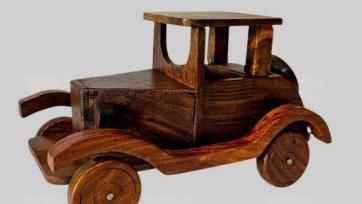
Wooden Tool Sets

Wooden tool toys remain one of the most popular choices for families.

Parents appreciate them because they are:

  • Durable
  • Eco-friendly
  • Safe
  • Long-lasting
  • Beautifully designed

Their simple construction encourages children to focus on imaginative play rather than electronic features.

Plastic Tool Sets

Modern plastic tool sets often include realistic functions.

Popular accessories include:

  • Toy drills
  • Measuring tapes
  • Wrenches
  • Pliers
  • Tool belts
  • Safety goggles
  • Nuts and bolts

Many battery-powered drills safely rotate to imitate real tools without creating danger.

Toy Workbenches

A workbench creates an exciting building station for young engineers.

Many include:

  • Storage shelves
  • Vice clamps
  • Pegboards
  • Tool racks
  • Assembly areas

Children enjoy building, repairing, and organising their equipment just like real tradespeople.

Construction Role Play

Tool sets naturally encourage storytelling.

Children pretend to:

  • Build houses
  • Repair bicycles
  • Fix furniture
  • Construct bridges
  • Service vehicles
  • Help neighbours

Role play encourages communication while improving creativity and social skills.

Educational Benefits

Toy tools introduce children to practical problem-solving.

They begin learning about:

  • Shapes
  • Matching
  • Organisation
  • Sequencing
  • Cause and effect
  • Engineering

Many construction activities also strengthen mathematical thinking through measuring and counting.

Toy Tool Sets Encourage Teamwork

Children often enjoy construction projects with siblings or parents.

Working together encourages:

  • Sharing
  • Cooperation
  • Communication
  • Leadership
  • Creative thinking

Building projects become even more enjoyable when everyone contributes ideas.

Choosing the Right Tool Set

Before buying, consider:

  • Your child's age
  • Material quality
  • Number of accessories
  • Safety certifications
  • Storage options
  • Durability

Choose sets that encourage open-ended play instead of toys with only one function.

Safety Tips

Always choose tool sets that:

  • Meet recognised safety standards
  • Use non-toxic materials
  • Have rounded edges
  • Match the recommended age
  • Avoid small detachable parts for younger children

Regularly inspect tools for damage or loose pieces.

Common Buying Mistakes

Many parents buy tool sets based only on appearance.

Avoid:

  • Fragile plastic
  • Sharp edges
  • Poor-quality moving parts
  • Tiny accessories for toddlers
  • Weak storage cases

High-quality sets often last for many years of active play.

Why Toy Tool Sets Make Excellent Gifts

Tool sets remain one of the most practical pretend play gifts available.

They're perfect for:

  • Birthdays
  • Christmas
  • Nursery gifts
  • Playroom upgrades
  • Family celebrations

Children often return to construction play again and again because every project is different.

Frequently Asked Questions

What is the best toy tool set for children?

The best tool sets include durable tools, a sturdy toolbox or workbench, and realistic accessories designed for your child's age.

At what age can children use toy tool sets?

Simple tool sets with large pieces are suitable from around two years old, while more advanced workbenches are designed for preschool and primary-aged children.

Are toy tool sets educational?

Yes. They encourage creativity, problem-solving, hand-eye coordination, fine motor development, communication, and imaginative role play.

Should I choose wooden or plastic tool sets?

Wooden tool sets are durable and environmentally friendly, while plastic sets often include interactive features such as rotating toy drills and realistic construction accessories.

Final Thoughts

The best toy tool sets for kids in 2026 encourage children to build, repair, and imagine through creative role play. Whether they're constructing a pretend house, fixing a racing car, or organising a busy workshop, these toys help develop practical skills while encouraging confidence and curiosity.

By choosing a high-quality toy tool set with safe materials and durable construction, parents can provide children with endless opportunities for imaginative, educational, and screen-free play.

Advertisement
Best Toys for 4-Year-Old Kids in 2026
Best Toys for 4-Year-Old Kids in 2026 By the age of four, children become more confident, independent, and imaginative than ever before. They enjoy creating stories, asking endless questions, solving simple challenges, and exploring the world around them through play. This is an important stage of development where the right toys can strengthen creativity, improve learning, and build essential life skills. The best toys for 4-year-old kids are more than just entertaining. They encourage problem-solving, improve communication, develop fine motor skills, and inspire independent thinking. Whether it's building a colourful city, conducting a simple science experiment, pretending to be a firefighter, or racing a beginner remote control car, every activity helps children learn while having fun. This guide explores the best toys for 4-year-old kids in 2026 and helps parents choose toys that offer long-term educational and entertainment value. Why Choosing the Right Toy Is Important Four-year-olds learn through exploration and hands-on experiences. They enjoy challenges but still need toys that are simple enough to understand without becoming frustrated. Choosing age-appropriate toys helps children: Develop creativity Improve communication Strengthen problem-solving skills Build confidence Enhance coordination Encourage independent play The right toy keeps children engaged while supporting healthy emotional, physical, and cognitive development. Developmental Milestones at Four Years Old At four years old, children are becoming more capable in many areas of development. Most children begin to: Speak clearly in longer sentences Recognize letters and numbers Count basic objects Follow multi-step instructions Improve balance and coordination Enjoy group play Ask detailed questions Create imaginative stories The best toys encourage these new skills while making learning enjoyable. Building Toys Encourage Creative Thinking Building toys continue to be among the most valuable toys for preschool children. Children enjoy creating: Houses Castles Roads Bridges Animals Space stations Entire cities Building activities improve: Fine motor skills Logical thinking Creativity Patience Problem-solving Construction toys also encourage children to experiment with different designs and solutions. Pretend Play Expands Imagination Four-year-olds love pretending to be different characters. Popular role-play themes include: Doctors Veterinarians Teachers Firefighters Police officers Chefs Astronauts Pretend play toys such as kitchen sets, doctor kits, tool benches, dollhouses, and grocery stores help children improve communication, creativity, and social skills. Educational Toys Support Early Learning At this age, many children begin preparing for school. Educational toys introduce important concepts such as: Letters Numbers Shapes Colors Counting Memory Vocabulary Excellent educational toys include alphabet puzzles, counting games, interactive learning boards, memory cards, and matching games. These activities help children learn naturally through play. STEM Toys Encourage Curiosity STEM toys introduce Science, Technology, Engineering, and Mathematics through hands-on activities. Popular beginner STEM toys include: Magnetic building tiles Engineering construction sets Marble runs Science experiment kits Coding games for preschoolers These toys encourage children to ask questions, explore ideas, and discover solutions independently. Beginner Remote Control Toys Build Coordination Many four-year-olds enjoy their first remote control vehicles. Beginner RC cars help improve: Hand-eye coordination Concentration Reaction speed Motor skills Spatial awareness Simple rechargeable remote control cars with easy steering controls provide exciting screen-free entertainment while encouraging active play. Arts and Crafts Inspire Creativity Creative activities remain an important part of childhood development. Popular art supplies include: Washable markers Coloring books Watercolor paints Stickers Clay modeling kits DIY craft boxes Art projects help children express themselves while strengthening hand muscles needed for writing later. Musical Toys Build Confidence Music introduces children to rhythm, creativity, and self-expression. Some excellent musical toys include: Keyboards Drums Xylophones Tambourines Toy microphones Singing and playing instruments also improve listening skills and memory. Outdoor Toys Encourage Healthy Activity Children need plenty of physical activity every day. Outdoor toys help improve: Balance Coordination Fitness Confidence Popular outdoor toys include: Scooters Balance bikes Bubble machines Ball games Sand toys Water tables Gardening kits Outdoor adventures also reduce screen time while encouraging exploration. Puzzles Improve Problem-Solving Skills Puzzles challenge children to think carefully before making decisions. Benefits include: Better concentration Memory improvement Shape recognition Logical reasoning Patience Choose puzzles with colorful illustrations and age-appropriate difficulty levels to keep children motivated. Wooden Toys Offer Long-Term Value Wooden toys remain popular because they are: Durable Safe Eco-friendly Timeless Easy to maintain Wooden building blocks, puzzles, train sets, and balance games often remain favorite toys for many years. Board Games Teach Social Skills Four-year-olds begin understanding simple rules and enjoy playing with friends and family. Board games teach: Taking turns Teamwork Fair play Decision-making Communication Family game nights also strengthen relationships while making learning enjoyable. Choosing Safe Toys for 4-Year-Olds Safety should always remain a priority. Look for toys that: Match your child's age Use non-toxic materials Have rounded edges Meet recognized safety standards Are made from durable materials Have clear safety instructions Buying quality toys from trusted brands helps ensure a safe play experience. Common Mistakes Parents Should Avoid Some toy purchases lose their appeal quickly because they don't match a child's interests or abilities. Avoid: Toys that are too complicated Poor-quality materials Fragile construction Toys chosen only because they are popular Products with little educational value Children often enjoy versatile toys that allow them to play in different ways. Great Gift Ideas for 4-Year-Old Kids If you're shopping for birthdays or holidays, consider gifts that combine learning and fun. Excellent gift ideas include: Building block sets STEM kits Beginner RC cars Wooden puzzles Pretend play kitchens Doctor kits Scooters Arts and crafts supplies These toys continue providing entertainment long after the celebration ends. Frequently Asked Questions What are the best toys for a 4-year-old? Building toys, STEM kits, educational games, beginner remote control cars, pretend play sets, puzzles, musical instruments, and outdoor toys are excellent choices. Are remote control cars suitable for 4-year-olds? Yes. Many RC cars are designed specifically for young children with simple controls, durable construction, and safe speeds. What educational toys should a 4-year-old have? Alphabet games, counting toys, memory puzzles, STEM building kits, and interactive learning activities all support early childhood development. How many toys should a 4-year-old own? A carefully selected collection of high-quality toys is often more beneficial than having too many toys. Rotating toys regularly also keeps playtime exciting. Final Thoughts The best toys for 4-year-old kids in 2026 encourage curiosity, creativity, movement, and learning through meaningful play. At this age, children thrive when they can build, imagine, experiment, and explore at their own pace. Whether it's a STEM construction set, a colorful puzzle, a pretend play kitchen, an outdoor scooter, or a beginner remote control car, the right toy supports healthy development while creating joyful childhood memories. By choosing safe, durable, and age-appropriate toys, parents can help children grow with confidence while making every day an exciting opportunity to learn.
25 Best Kids Clothing Brands for Quality, Comfort and Style in 2026
25 Best Kids Clothing Brands for Quality, Comfort and Style in 2026 Introduction Shopping for children's clothes sounds simple until you're standing in front of hundreds of options. Some brands focus on fashion. Others prioritise comfort. A few are known for exceptional durability, while others specialise in affordable everyday essentials. For parents, the challenge isn't finding children's clothing—it's finding clothes that survive playground adventures, frequent washing and rapidly growing children without sacrificing comfort or style. The best kids' clothing brands understand one important fact. Children don't spend their day standing still. They climb. They run. They paint. They crawl. They jump in puddles. Their clothes need to keep up. This guide explores some of the world's most trusted children's clothing brands, highlighting what each does best, who it's most suitable for and why parents continue returning to them year after year. Choosing the Right Kids' Clothing Brand Before looking at individual brands, it's worth deciding what matters most for your family. Some parents prefer premium fabrics that last through younger siblings. Others prioritise affordability because children outgrow clothes so quickly. You may also consider: Fabric quality Comfort Durability Easy washing Seasonal collections Size availability Value for money Sustainability There's no single perfect brand. The best choice depends on your child's needs and your budget. 1. Carter's Known for comfortable everyday clothing, Carter's remains one of the most trusted names for babies and young children. Parents appreciate its soft fabrics, practical designs and excellent value. Best for: Babies Toddlers Everyday wear 2. Next Next combines modern fashion with reliable quality, making it popular for school outfits, casual clothing and special occasions. Best for: Stylish everyday clothing Smart outfits Seasonal collections 3. H&M Kids H&M Kids offers fashionable clothing at accessible prices while expanding its range of recycled and organic cotton products. Best for: Affordable fashion Trend-led styles Everyday basics 4. Zara Kids Parents looking for contemporary European-inspired fashion often choose Zara Kids. Its collections change regularly, keeping styles fresh throughout the year. Best for: Fashion-conscious families Smart casual outfits Occasion wear 5. Gap Kids Gap Kids has built its reputation on timeless basics, quality denim and comfortable everyday clothing. Best for: Classic wardrobe essentials Denim Layering pieces 6. Marks & Spencer A long-time favourite with UK families, Marks & Spencer is especially well known for dependable school uniforms, underwear and everyday essentials. Best for: School uniforms Everyday clothing Excellent durability 7. Patagonia For adventurous families, Patagonia produces premium outdoor clothing designed to withstand demanding conditions while placing a strong emphasis on sustainability. Best for: Outdoor activities Hiking Winter clothing 8. The North Face Well known for jackets and outdoor wear, this brand produces clothing designed to keep children comfortable in changing weather conditions. Best for: Winter jackets Outdoor adventures Cold climates 9. Frugi Frugi specialises in colourful organic cotton clothing that's both environmentally conscious and comfortable for young children. Best for: Organic clothing Bright colours Eco-conscious families 10. Primary Primary focuses on simple, colourful essentials without character licensing or large logos. Best for: Minimalist wardrobes High-quality basics Everyday comfort 11. Mini Boden Mini Boden is recognised for playful prints, colourful designs and durable fabrics that appeal to both children and parents. Best for: Colourful fashion Premium casual wear Family matching collections 12. Old Navy Old Navy offers affordable clothing for growing children without compromising on variety. Best for: Budget-friendly shopping Everyday clothing Large family wardrobes 13. Uniqlo Uniqlo combines minimalist design with innovative fabrics, making it particularly popular for layering throughout the year. Best for: Lightweight clothing HeatTech winter wear Everyday basics 14. Ralph Lauren Children If you're looking for timeless, premium fashion, Ralph Lauren Children is well known for its classic polo shirts, knitwear and smart outfits. Best for: Special occasions Smart casual wear Premium quality 15. Nike Kids Nike Kids combines comfort with sporty styling, making it a popular choice for active children. Best for: Sportswear Active lifestyles Casual everyday outfits 16. Adidas Kids From tracksuits to trainers, Adidas Kids offers practical clothing designed for movement and comfort. Best for: Sports clothing School PE kits Weekend wear 17. Joules Joules is recognised for colourful prints, countryside-inspired designs and durable outerwear that works well throughout the seasons. Best for: Outdoor clothing Rainwear Family matching outfits 18. Polarn O. Pyret This Scandinavian brand has built a reputation for exceptionally durable children's clothing designed to last through multiple children. Best for: Long-lasting clothing Sustainable wardrobes Everyday essentials 19. Petit Bateau Petit Bateau is known for premium basics made from soft, comfortable fabrics with a timeless European style. Best for: Baby clothing Premium basics Comfortable sleepwear 20. Monsoon Children Monsoon is particularly popular for beautifully designed occasion wear, dresses and formal outfits for children. Best for: Weddings Parties Formal events 21. JoJo Maman Bébé Parents appreciate this brand for comfortable babywear, practical clothing and thoughtful everyday designs. Best for: Babies Toddlers Practical family clothing 22. Mayoral Mayoral offers stylish European-inspired collections that combine quality tailoring with comfortable fabrics. Best for: Smart casual clothing Seasonal fashion Family occasions 23. Lindex Kids Lindex Kids focuses on comfortable, practical clothing while expanding its range of sustainably sourced materials. Best for: Everyday basics Comfortable outfits Eco-conscious shopping 24. Name It Name It offers fashionable yet affordable clothing suitable for babies, toddlers and older children. Best for: Budget-friendly fashion Everyday clothing Modern Scandinavian styles 25. OshKosh B'gosh Famous for its classic dungarees and durable children's clothing, OshKosh B'gosh remains a trusted choice for everyday family wardrobes. Best for: Durable casual clothing Denim Toddlers and young children How to Choose High-Quality Children's Clothing A recognised brand is helpful, but quality should always come before the label. When shopping, look for: Strong stitching around seams Soft, breathable fabrics Comfortable waistbands and cuffs Reinforced knees for active children Easy-to-use zips and fasteners Machine-washable materials Clothes that allow children to move freely Well-made clothing often lasts longer and keeps its shape after repeated washing. Affordable vs Premium Brands Higher prices don't always guarantee better value. Affordable brands are ideal for everyday outfits because children grow quickly and may outgrow clothes within months. Premium brands can be worthwhile for: Winter coats Waterproof jackets School shoes Occasion wear Clothing passed down to younger siblings Many families choose a combination of budget-friendly basics and a few premium essentials. Common Mistakes Parents Make When Buying Children's Clothes Avoid these common shopping mistakes: Buying only for the current season without considering growth. Choosing style over comfort. Ignoring fabric quality. Buying clothes that are too large in the hope they'll last longer. Forgetting to check washing instructions. Purchasing too many trendy pieces that quickly go out of fashion. A balanced wardrobe with comfortable basics and a few special outfits usually offers the best value. Frequently Asked Questions Which children's clothing brand offers the best value for money? Brands such as Next, H&M Kids, Carter's and Marks & Spencer are often chosen because they combine good quality with reasonable prices. Which brands are best for babies? Carter's, JoJo Maman Bébé, Petit Bateau and Frugi are popular choices thanks to their soft fabrics and practical designs. Are premium children's clothing brands worth buying? Premium brands are often worthwhile for coats, knitwear and durable everyday items that can be passed down to younger children. What fabric is best for children's clothing? Cotton remains one of the most popular choices because it's soft, breathable and comfortable for everyday wear. Organic cotton is another excellent option for families seeking more environmentally friendly materials. How often should children's wardrobes be updated? Most children need new clothing every season as they grow, although the exact timing depends on age and growth rate. Final Thoughts The best children's clothing brand isn't necessarily the most expensive or the most fashionable. It's the one that fits your child's everyday life. Whether you prioritise durability, comfort, affordability or sustainable materials, investing in well-made clothing means children can move, play and explore without feeling restricted. Rather than filling wardrobes with fast-changing trends, focus on versatile, comfortable pieces that mix easily and stand up to everyday adventures. A thoughtful wardrobe will always outlast an impulse purchase.
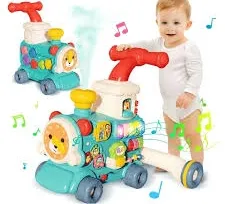
Best Baby Walkers and Push Toys in 2026
Best Baby Walkers and Push Toys in 2026: Helping Little Ones Take Their First Steps Safely Watching your baby take their first steps is one of the most exciting milestones in early childhood. During this stage, babies are eager to explore their surroundings, improve their balance, and gain confidence with every movement. The right baby walker or push toy can support this natural development by encouraging safe, active play while strengthening muscles and coordination. In 2026, parents have more choices than ever before, including wooden push walkers, activity walkers, ride-on walkers, and multifunctional learning toys. Rather than simply entertaining babies, these products help develop motor skills, hand-eye coordination, and confidence during one of the most important stages of growth. This guide explains everything parents need to know about choosing the best baby walkers and push toys in 2026. What Are Baby Push Walkers? Baby push walkers are toys designed to support babies as they learn to stand and walk independently. Unlike traditional seated baby walkers, push walkers encourage children to use their own muscles and balance while walking behind the toy. Most models include: Easy-grip handles Stable wheels Activity panels Storage space Wooden or plastic frames These features encourage babies to practise walking safely while enjoying interactive play. Why Push Toys Are Better for Early Walking Many child development experts recommend push toys because they encourage babies to develop balance naturally. As babies push the walker forward, they learn to: Balance independently Control their movements Strengthen leg muscles Improve coordination Build confidence This allows walking skills to develop at the baby's own pace. Benefits of Baby Walkers and Push Toys Push walkers support many areas of early development. Some of the biggest benefits include: Encourage independent walking Strengthen leg muscles Improve balance Develop coordination Support gross motor skills Build confidence Encourage active play Improve hand-eye coordination Reduce screen time These skills help prepare babies for confident, independent walking. Wooden Push Walkers Wooden push walkers remain one of the most popular choices among parents. They offer several advantages: Durable construction Eco-friendly materials Stable design Timeless appearance Long-lasting quality Many wooden models also include educational activity panels that continue entertaining children after they begin walking independently. Activity Walkers Activity walkers combine mobility with learning. Interactive features often include: Shape sorters Gears Bead mazes Spinning blocks Musical buttons Mirrors These activities encourage fine motor development while keeping babies engaged. Push Toys for Toddlers Once babies become confident walkers, push toys continue providing exciting play opportunities. Popular options include: Shopping trolleys Lawn mowers Animal push toys Toy prams Wheelbarrows These toys encourage active movement while inspiring imaginative role play. Ride-On and Push Combination Toys Some modern toys combine two functions. Children can: Sit and ride Stand and push Store toys inside Use activity panels These versatile toys often provide longer-lasting value because they adapt as children grow. Educational Features Many baby walkers include early learning activities. Children can explore: Colours Shapes Numbers Animal sounds Simple puzzles Moving gears Learning happens naturally while babies practise standing and walking. Choosing the Right Baby Walker Before buying, consider: Your baby's age Stability Weight Adjustable speed control Material quality Educational features Safety certification A stable walker with smooth-moving wheels usually provides the safest experience. Safety Tips When choosing a baby walker or push toy, always: Follow the recommended age guidelines. Choose products with a wide, stable base. Ensure wheels provide controlled movement. Supervise your baby during use. Use walkers only on flat surfaces. Check regularly for loose parts. Safe supervision helps babies explore confidently. Common Buying Mistakes Many parents choose walkers based only on appearance. Avoid: Lightweight models that tip easily Slippery wheels Poor-quality materials Walkers without safety certification Products that don't suit your baby's height Choosing a high-quality push walker helps babies learn safely and comfortably. Why Push Walkers Make Wonderful Gifts Baby walkers and push toys are thoughtful gifts because they support one of childhood's most memorable milestones. They're perfect for: First birthdays Baby showers Christmas Family celebrations Early learning gifts Parents appreciate gifts that combine entertainment with healthy physical development. Frequently Asked Questions What is the best push walker for babies? The best push walkers are sturdy, lightweight enough to move comfortably, include adjustable resistance if possible, and meet recognised safety standards. At what age can babies use push walkers? Most push walkers are suitable once babies can pull themselves up and stand confidently, typically between 9 and 12 months, although every child develops at a different pace. Are push walkers better than seated baby walkers? Many child development specialists prefer push walkers because they encourage babies to develop balance, coordination, and walking skills naturally through independent movement. Do push toys help babies learn to walk? Yes. Push toys encourage babies to strengthen their muscles, improve balance, and build confidence while practising walking at their own pace. Final Thoughts The best baby walkers and push toys in 2026 provide much more than entertainment. They support one of the most exciting stages of childhood by helping babies develop confidence, coordination, and independent movement through active play. Whether you choose a classic wooden push walker, an interactive activity walker, or a versatile ride-on combination toy, the right choice can encourage healthy physical development while making every step more enjoyable. By investing in a safe, durable, and age-appropriate push toy, parents give their little ones the confidence to explore the world one step at a time.
Best Math Learning Toys for Preschoolers and Elementary Students
Math does not begin with worksheets. Long before children solve written equations, they compare sizes, count objects, recognize patterns, sort colors, estimate distances, divide snacks, and notice which tower is taller. That is why the best math learning toys do not feel like schoolwork. They turn numbers, shapes, measurement, and problem-solving into activities children genuinely want to repeat. A preschooler may learn counting by moving colorful bears into cups. An elementary student may understand multiplication more clearly through tiles, blocks, or a strategy game. The goal is not to make children memorize answers faster. It is to help them understand what numbers actually mean. This guide covers the best math toys for different ages, the skills they teach, and what parents should look for before spending money. What Makes a Toy Good for Learning Math? A useful math toy should allow children to see, touch, move, group, arrange, or compare objects. Young children often understand abstract ideas more easily when they can physically interact with them. For example, the number five becomes more meaningful when a child can hold five blocks, remove two, and see that three remain. Strong math toys usually support one or more of these skills: Counting Number recognition Sorting Addition and subtraction Patterns Shapes Measurement Fractions Multiplication Logical reasoning Money skills Spatial awareness The best products can be used in several ways rather than offering only one short activity. Best Math Toys for Preschoolers Preschool math should remain playful, visual, and hands-on. Children between three and five years old are usually developing early number sense, shape recognition, matching, sorting, and simple comparison skills. Counting Bears and Sorting Animals Small counting figures are among the most flexible math learning toys for preschoolers. Children can: Count them Sort them by color Group them by size Create patterns Compare quantities Practice simple addition A parent might place three red bears and two blue bears on the table and ask how many there are altogether. The same toy can later be used for subtraction, grouping, or early multiplication. For children under three, avoid small pieces that may become choking hazards. Number Puzzles Wooden number puzzles help children connect spoken number names with written symbols. A child may already know how to count to ten but still struggle to recognize the printed number seven. A number puzzle gives them repeated visual exposure. Good number puzzles often include pictures or objects that match the number shown. For example, the piece marked “4” may include four stars or four animals. This helps the child understand that the symbol represents a quantity. Bead Mazes and Counting Frames Bead mazes and abacus-style counting toys allow children to move pieces while counting. These toys can support: One-to-one counting Color recognition Simple addition Simple subtraction Comparing groups Parents should encourage children to move one bead for each number spoken. This prevents children from reciting numbers without understanding how counting connects to actual objects. Shape Sorters and Geometry Boards Shape toys introduce more than the names of circles and squares. Children begin to notice corners, sides, curves, size, rotation, and how pieces fit together. Geometry boards, tangram-style pieces, and pattern blocks can help children build pictures and explore spatial relationships. Ask questions such as: Which shape has three sides? Can two triangles make a square? Which piece fits this space? What happens if you turn it around? These conversations make the toy far more educational. Peg Boards and Pattern Cards Peg boards allow preschoolers to copy or create patterns. A child may arrange pieces in a sequence such as red, blue, red, blue. Later, they may work with more complex patterns such as red, red, yellow, red, red, yellow. Pattern recognition is an important early math skill because it helps children predict what comes next. Best Math Toys for Kindergarten and Early Elementary Students Once children begin formal schooling, math toys can help make classroom concepts easier to understand. The strongest options show children why an answer works rather than simply testing whether they remember it. Linking Cubes Linking cubes can be connected into groups, towers, or number lines. They are useful for teaching: Addition Subtraction Place value Patterns Measurement Multiplication groups For example, a child can build one tower of eight cubes and another tower of five cubes, then compare their height. Older children can create equal groups to understand multiplication. Ten Frames A ten frame is a simple rectangular grid containing ten spaces. Children place counters into the spaces to visualize numbers. A partially filled ten frame helps children see relationships quickly. If eight spaces are filled, they can also see that two more are needed to make ten. Ten frames are useful for: Number recognition Addition Subtraction Making ten Mental math Although the tool looks simple, it can build a strong foundation for more advanced calculations. Toy Cash Registers A toy cash register combines mathematics with pretend play. Children can practice: Recognizing coins Counting money Giving change Adding prices Comparing costs Understanding budgets A pretend shop can make math feel relevant to everyday life. Parents can label toys or household objects with simple prices and give the child a limited amount of play money. The child must decide what they can afford. Math Board Games Board games can make repeated math practice less tedious. Depending on the game, children may count spaces, add dice totals, recognize patterns, compare numbers, or make strategic decisions. The best math board games involve actual thinking rather than depending entirely on luck. Look for games that match the child’s ability. A difficult game may cause frustration, while a very easy one may lose its appeal quickly. Number Balance Toys A number balance uses weights or numbered pieces to demonstrate equality. For example, placing a weight on one side marked six may balance with two weights marked three on the other side. This helps children understand that different number combinations can have the same total. Number balances are especially useful for visual learners who struggle with written equations. Best Math Toys for Ages 7 to 9 Children in this age range often begin working with multiplication, division, fractions, measurement, and more complex problem-solving. Hands-on materials can prevent these concepts from feeling overly abstract. Fraction Tiles and Fraction Circles Fractions are easier to understand when children can compare physical pieces. A child can place two quarter pieces beside one half piece and see that they are equal in size. Fraction toys may help teach: Halves Thirds Quarters Equivalent fractions Comparing fractions Adding simple fractions Color-coded pieces are helpful, but parents should also encourage children to focus on the size and value of each part. Multiplication Boards Multiplication boards use pegs, tiles, cards, or sliding pieces to demonstrate number groups. Instead of only memorizing that four times three equals twelve, a child can create four groups containing three objects each. This builds understanding before memorization. A multiplication toy is most effective when it allows the child to discover patterns, such as why every answer in the five-times table ends in zero or five. Measuring Kits Child-friendly measuring tapes, rulers, scales, cups, and clocks can turn ordinary activities into math practice. Children can measure: Furniture Toys Ingredients Height Distance Weight Time Measurement toys become more meaningful when connected to real tasks. A child may measure cardboard before building a model or use cups while helping prepare a recipe. Logic Puzzle Games Logic games challenge children to arrange pieces, solve visual problems, or complete tasks under specific rules. These toys strengthen: Planning Deduction Sequencing Spatial reasoning Persistence Many logic games include challenge cards that gradually increase in difficulty. This makes them useful for independent play and long-term learning. Best Math Toys for Ages 9 and Older Older elementary students may prefer math toys that feel like puzzles, games, construction projects, or real-world challenges. At this stage, avoid products that appear too childish. Strategy Board Games Strategy games require children to plan ahead, manage resources, calculate risks, and compare possible outcomes. They may not be sold specifically as math toys, yet they can involve significant mathematical thinking. Games involving money, trading, territory, probability, or resource management are particularly useful. Geometry Construction Sets Geometry sets allow children to build polygons, three-dimensional shapes, bridges, domes, and other structures. These products can introduce: Angles Symmetry Area Perimeter Volume Structural geometry Children who dislike traditional math exercises may become more interested when geometry is connected to building. Mental Math Card Games Card games can improve calculation speed without making practice feel repetitive. Children may race to create a target number, compare fractions, identify factors, or combine cards using different operations. Parents should avoid placing too much emphasis on speed. Accuracy and understanding matter more than winning quickly. Math Escape-Room Games Math mystery and escape-room games ask children to solve a series of clues before reaching a final answer. These activities combine arithmetic with reading, reasoning, and teamwork. They are particularly useful for children who enjoy stories and challenges more than standard practice sheets. Choosing the Right Math Toy A toy can look educational and still provide very little learning value. Before buying, ask the following questions. Does It Match the Child’s Current Skill Level? A preschooler learning to count needs a different toy from a nine-year-old learning fractions. Choose a product that is slightly challenging but still manageable. Can It Be Used in More Than One Way? Open-ended math toys usually provide better long-term value. Counters, cubes, tiles, blocks, cards, and measuring tools can support several concepts as the child grows. Does It Explain the Concept Visually? The best math toys make an idea easier to see. A fraction toy should show how parts form a whole. A multiplication toy should demonstrate equal groups. A counting toy should connect numbers with quantities. Does the Child Find It Interesting? A technically excellent toy will not help if it remains unopened. Children who enjoy pretend play may prefer a cash register. Builders may like geometry sets. Competitive children may enjoy board games. Puzzle lovers may prefer logic challenges. Common Mistakes Parents Make One common mistake is buying a toy that focuses only on memorization. Flash cards and electronic quizzes can have value, but children also need to understand the reasoning behind the answer. Another mistake is correcting every error immediately. Give children time to think, test ideas, and notice their own mistakes. A wrong answer can lead to useful discussion. Parents should also avoid turning every game into a lesson. Sometimes the best learning happens naturally while the child is playing. Are Electronic Math Toys Worth Buying? Electronic math toys can provide sounds, feedback, timed challenges, and different difficulty levels. They may be useful for independent practice, but they should not replace physical play and conversation. Before buying, check whether the toy: Gives meaningful explanations Allows multiple skill levels Has adjustable volume Requires an app Contains advertisements Needs a subscription Stores personal information Works without constant internet access A simple set of counters or blocks may offer more educational flexibility than an expensive electronic device. Final Takeaway The best math learning toys help children see mathematics in the world around them. For preschoolers, start with counting figures, number puzzles, shape sorters, patterns, and bead toys. Early elementary students may benefit from linking cubes, ten frames, toy money, balance scales, and board games. Older children can explore fractions, multiplication, measurement, geometry, logic, and strategy through more advanced games and construction sets. Math becomes easier when children are allowed to touch it, move it, build it, and use it. A child who understands why numbers work is far better prepared than one who has only memorized the answer.
A Child, Two Toys and One Hour
A Child, Two Toys and One Hour: Which Toy Won? A Play Experiment Every Parent Should Read Introduction Imagine placing two toys on the living room floor. The first is packed with features. It lights up, talks, sings and responds every time a button is pressed. The second is almost unbelievably simple. A small box of plain wooden building blocks. Now imagine asking a group of children to play freely for an hour. Which toy do you think would hold their attention for longer? Most adults confidently choose the electronic toy. Many child development specialists would hesitate. Because the answer isn't nearly as obvious as it seems. This isn't a competition between traditional toys and modern technology. It's a closer look at something far more interesting: what keeps children genuinely engaged once the excitement of something new has disappeared. Let's run a simple thought experiment. Minute 1: The Electronic Toy Takes the Lead At the beginning, the electronic toy is almost impossible to ignore. It flashes. It moves. It speaks. Children gather around to discover what happens when different buttons are pressed. The building blocks receive very little attention. If you judged the experiment after sixty seconds, the electronic toy would appear to be the clear winner. But meaningful play isn't measured in minutes. Minute 10: Curiosity Starts to Change By now, most of the toy's surprises have been discovered. Children begin repeating the same actions. Press. Watch. Listen. Repeat. Meanwhile, something different happens with the blocks. A bridge appears. Another child turns it into a garage. Someone else decides it's actually the beginning of a castle. The same pieces are producing completely different ideas. The toy hasn't changed. The players have. Minute 30: Stories Replace Features Half an hour into the experiment, the electronic toy is still doing exactly what it was designed to do. The blocks are doing something impossible to predict. They're becoming part of a story. A castle needs defending. A road leads to a hidden treasure. A zoo needs new animal shelters. A train station is under construction. No instruction manual suggested any of these ideas. The children created them themselves. That's the moment where open-ended play begins to outperform programmed entertainment. The Difference Between Watching and Creating There's a simple question worth asking whenever you buy a toy. Is my child creating the experience, or simply watching the toy create it? Neither approach is automatically wrong. Some toys are brilliant for introducing music, movement or cause and effect. Others encourage children to become architects, storytellers, engineers and explorers. The richest play experiences often happen when children become the authors rather than the audience. Why This Matters More Than Ever Children today have access to more toys than any previous generation. Many are beautifully designed. Many are genuinely innovative. Yet parents frequently describe the same pattern. A new toy arrives. It creates huge excitement. A week later, it's quietly sitting on a shelf. The issue isn't quality. It's replay value. The toys children return to again and again usually share one important characteristic. They leave room for imagination. Not because they do less. Because they ask children to do more. The One-Hour Rule Every Parent Can Use The experiment above isn't about proving that one type of toy is always better than another. It's about asking a smarter question. Before buying any toy, imagine your child has already been playing with it for one hour. Now ask yourself: What are they doing now? Have they invented something new? Are they still exploring? Or are they simply repeating the same action? If the toy still encourages fresh ideas after an hour, there's a good chance it will continue earning its place in your home for months or even years. That's what parents should really be buying—time spent engaged, not just time spent entertained. Why Simple Toys Often Improve Over Time Think about your favourite childhood memory involving a toy. Was it exciting because of the toy itself? Or because of what you created with it? Simple toys have an unusual advantage. They don't become outdated as quickly because children change the way they use them. A toddler may stack wooden blocks into a small tower. A six-year-old may use those same blocks to build a city. An older child might combine them with cars, figures and craft materials to create an entire imaginary world. The toy remains exactly the same. The play keeps evolving. Very few highly programmed toys can offer that kind of flexibility. The Hidden Cost of Short-Lived Excitement Parents naturally want to make their children happy. That's why it's easy to be influenced by impressive demonstrations in shops or exciting videos online. But there is another kind of cost that rarely appears on a price tag. A toy that captures attention for ten minutes before being forgotten is often more expensive in the long run than a simple toy that inspires hundreds of hours of play. Real value isn't measured by the purchase price. It's measured by how often the toy becomes part of everyday life. When viewed this way, the smartest purchases are often not the biggest or the loudest. They're the ones children quietly return to, week after week. There's Room for Both This isn't an argument against modern toys. Technology has introduced some wonderful ideas into children's play. Interactive science kits, coding toys and musical learning tools can all provide meaningful experiences. The key is balance. A healthy toy collection doesn't rely entirely on electronics, nor does it reject them completely. Instead, it offers different kinds of play: Toys that encourage imagination. Toys that build practical skills. Toys that promote movement. Toys that support creativity. Toys that inspire curiosity. When children have this balance, they naturally move between different ways of learning and playing. A Better Way to Judge Any Toy Instead of asking: "Is this the most popular toy this year?" Try asking: "Will my child still discover something new with this toy next month?" That single question often leads to better decisions than reading a list of features or following the latest trend. Parents don't need to predict the future. They simply need to recognise the difference between novelty and lasting play value. Frequently Asked Questions Are electronic toys bad for children? No. Many electronic toys encourage learning, music, coding or problem-solving. The important factor is whether the child actively participates instead of simply watching the toy perform. Why do children lose interest in some toys so quickly? Toys with limited ways to play often become predictable after the initial excitement. Open-ended toys remain interesting because children continue creating new ideas. How can I tell if a toy has good replay value? Ask whether your child can use it in different ways over time. If the answer is yes, it's likely to provide longer-lasting enjoyment. Should every toy encourage imagination? Not necessarily. Different toys support different skills. A balanced toy collection should include imaginative, creative, educational and active play opportunities. Is spending more money likely to buy a better toy? Not always. Some of the most loved childhood toys are simple, affordable and versatile enough to grow with the child. Final Thoughts Imagine returning to the living room after that one-hour play experiment. The electronic toy is still sitting exactly where it started. The building blocks are no longer just blocks. They're part of a castle. A train station. A bridge. A village. Perhaps all of them at once. The real winner wasn't a particular toy. It was imagination. That's the one feature no manufacturer can place inside a box. It belongs entirely to the child. The best toys simply give it somewhere to grow.
Best Kids Glasses in 2026
The Complete Parent's Guide to Choosing Comfortable, Durable and Stylish Eyewear for Children Introduction The first time a child puts on glasses can be an emotional moment for both parents and children. Some children are excited to choose colourful frames and proudly show them to friends. Others feel nervous about wearing glasses at school or worry that they'll look different. For parents, the questions begin almost immediately. Which frames are the most durable? What material is safest? How can you stop glasses from constantly slipping down? Will my child actually wear them? Choosing children's glasses isn't just about appearance. The right pair should provide clear vision, fit comfortably throughout the day and withstand everything from classroom activities to playground adventures. With so many styles, frame materials and lens options available, it's easy to feel overwhelmed. This guide explains everything parents need to know before buying kids' glasses, from selecting the right frames to keeping them comfortable and protecting them from everyday damage. Choosing the Right Glasses for Your Child Children wear their glasses for many hours every day. That means comfort should always come before fashion. When choosing a pair, consider: Your child's age Daily activities Face shape Prescription strength Frame weight Durability Comfort around the ears and nose A stylish frame isn't helpful if your child doesn't enjoy wearing it. Why Proper Fit Matters Poorly fitting glasses can quickly become frustrating. Frames that are too loose constantly slide down the nose. Frames that are too tight may leave pressure marks or cause headaches after long periods of wear. A properly fitted pair should: Sit comfortably on the bridge of the nose. Stay in place while walking or playing. Rest gently behind the ears. Keep the eyes centred within the lenses. Feel secure without squeezing the head. Regular adjustments by an optician help maintain a comfortable fit as children grow. Best Frame Materials for Kids Different materials suit different lifestyles. Flexible Plastic Frames Plastic frames are lightweight, colourful and comfortable for younger children. Many are designed to bend slightly without breaking. Best for: Toddlers Preschool children Everyday use TR90 Frames TR90 is one of the most popular materials for children's eyewear because it's flexible, lightweight and highly resistant to impact. Best for: Active children School wear Sports and outdoor play Metal Frames Modern metal frames are lighter than many parents expect and often suit older children looking for a more mature appearance. Best for: Teenagers Older primary school children Everyday wear Choosing the Right Lenses The lenses are just as important as the frames. Many parents choose: Scratch-resistant coatings UV protection Anti-reflective coatings Impact-resistant materials Lightweight lenses for stronger prescriptions For most children, durable polycarbonate or similar impact-resistant lenses are an excellent choice because they combine safety with comfort. How to Choose Frames for Different Face Shapes Although children's faces continue developing as they grow, certain frame styles often provide a more balanced appearance. Round Faces Rectangular or slightly square frames can create additional definition. Oval Faces Oval faces suit almost every frame shape, giving parents the greatest choice. Square Faces Rounded frames help soften stronger facial features. Heart-Shaped Faces Lightweight frames with softly rounded edges often create a balanced look. What Makes Children's Glasses Different from Adult Glasses? Children are constantly moving. Running. Climbing. Playing football. Drawing. Reading. Because of this, children's glasses need to be: More flexible. More durable. Lightweight. Comfortable enough for all-day wear. Easy to adjust. Designed to stay securely in place. These features help children focus on learning and playing rather than constantly adjusting their glasses. Signs Your Child May Need New Glasses Children grow quickly, and so do their visual needs. Even if they already wear glasses, regular eye examinations are important because prescriptions can change over time. Watch for these common signs: Squinting while reading or watching television. Sitting very close to screens. Complaining of headaches. Frequently rubbing their eyes. Holding books unusually close. Struggling to see the classroom whiteboard. Tilting their head to focus. Losing interest in reading or homework. If you notice any of these behaviours, arrange an eye examination with a qualified optometrist rather than assuming the glasses still fit the prescription. Helping Children Feel Confident Wearing Glasses For some children, the biggest challenge isn't their eyesight—it's adjusting to wearing glasses. Parents can make the transition much easier by focusing on encouragement rather than pressure. Useful ideas include: Let your child help choose their frames. Praise them when they wear their glasses consistently. Explain how glasses help their eyes rather than describing them as a problem. Introduce glasses gradually if recommended by your eye care professional. Remind them that many classmates, teachers and favourite sports stars wear glasses too. When children feel involved in the decision, they're usually much more willing to wear their glasses every day. How to Look After Children's Glasses Good habits help glasses stay in excellent condition for much longer. Teach your child to: Use both hands when removing their glasses. Store them in a protective case when not wearing them. Clean lenses with a microfibre cloth. Avoid placing glasses face-down on hard surfaces. Keep them away from excessive heat, such as inside a parked car on a hot day. A few minutes of care each day can prevent many common repairs. Choosing Glasses for Active Children Children rarely spend the day sitting still. If your child enjoys football, cycling, climbing or other energetic activities, consider: Flexible frames. Wrap-around styles for extra stability. Adjustable nose pads where appropriate. Sports straps for younger children. Impact-resistant lenses. Comfort and security become even more important during active play. Common Mistakes Parents Make Buying children's glasses is an investment, so it's worth avoiding a few common mistakes. Some parents: Choose frames that are too large for future growth. Prioritise fashion over comfort. Forget to check how securely the glasses fit. Skip regular frame adjustments. Delay replacing scratched lenses. Ignore complaints about discomfort. A well-fitted pair of glasses should feel comfortable enough that children almost forget they're wearing them. Frequently Asked Questions What age can children start wearing glasses? Children can wear glasses at almost any age if prescribed by an eye care professional. Even babies may occasionally need glasses for certain vision conditions. Which frame material is best for children? Flexible materials such as TR90 and durable plastic frames are popular because they're lightweight, comfortable and resistant to everyday knocks. How often should children's eyes be tested? Follow the advice of your optometrist. Many school-age children benefit from regular eye examinations, especially if they already wear glasses or have a family history of vision problems. Should children wear glasses all day? That depends on the prescription. Some children need glasses throughout the day, while others only wear them for reading or distance vision. Always follow the advice of the prescribing eye care professional. How long do children's glasses usually last? With proper care, quality frames can last a long time. However, children often need replacement glasses sooner because of growth, prescription changes or everyday wear and tear. Final Thoughts Choosing children's glasses is about far more than selecting attractive frames. The right pair helps a child see clearly, learn confidently and enjoy everyday activities without unnecessary discomfort. By focusing on fit, durability, lightweight materials and quality lenses, parents can choose glasses that support both comfort and healthy vision. Most importantly, remember that glasses should help your child feel confident—not self-conscious. When the frames fit well and suit your child's personality, they quickly become just another part of everyday life, allowing them to focus on what matters most: learning, exploring and enjoying childhood.  
Best Play Tents for Kids in 2026
Best Play Tents for Kids in 2026: Creating Magical Spaces for Imaginative Play Every child dreams of having a special place they can call their own. A play tent transforms an ordinary corner of a bedroom or garden into a magical world where children can read, imagine, build, relax, and create unforgettable adventures. Whether it's a castle, space station, woodland hideaway, camping tent, or teepee, play tents encourage independent play while giving children a cosy space to explore their imagination. In 2026, play tents have become one of the most popular toys for families looking to encourage screen-free entertainment. Available in a wide variety of designs, sizes, and themes, they suit babies, toddlers, preschoolers, and older children alike. This guide explains everything parents need to know about choosing the best play tents for kids in 2026. Why Play Tents Are So Popular Children naturally enjoy having a private space where they can imagine, create, and play without distractions. A play tent quickly becomes: A secret clubhouse A fairy castle A pirate ship A jungle camp A reading corner A superhero headquarters A space station A cosy hideaway Because children invent their own stories, every day inside the tent becomes a completely new adventure. Benefits of Play Tents Play tents provide much more than entertainment. Some of their biggest benefits include: Encourage imaginative play Improve creativity Build confidence Support independent play Develop communication skills Encourage storytelling Create quiet reading spaces Promote social interaction Reduce screen time Children also enjoy having a calm space where they can relax after busy activities. Indoor Play Tents Indoor tents are perfect for bedrooms, playrooms, and living rooms. Popular indoor themes include: Princess castles Space rockets Teepees Fairy houses Safari tents Reading tents They provide children with a dedicated area for imaginative play throughout the year. Outdoor Play Tents Outdoor play tents encourage children to spend more time in the fresh air. They're ideal for: Gardens Parks Family picnics Camping trips Beach holidays Outdoor models are usually made from weather-resistant materials that can handle light wind and sunshine. Teepee Tents Teepee tents remain one of the most stylish choices for modern homes. Parents love them because they: Look attractive Save space Match nursery décor Create cosy reading corners Encourage imaginative play Many families decorate teepees with cushions, fairy lights, and blankets to create a relaxing retreat. Pop-Up Play Tents Pop-up tents are extremely convenient. Their advantages include: Quick assembly Lightweight design Easy storage Portable construction Simple folding mechanism They're especially useful for families with limited storage space. Play Tents Encourage Reading Many parents transform play tents into reading corners. Adding: Books Soft cushions Blankets Floor mats Plush toys creates a quiet environment where children enjoy reading independently. Role Play Inside Play Tents A play tent can become almost anything. Children enjoy pretending to run: Cafés Hospitals Shops Campsites Schools Fire stations Pretend play encourages creativity while helping children develop communication and problem-solving skills. Choosing the Right Play Tent Before buying, consider: Your child's age Available space Indoor or outdoor use Material quality Ease of assembly Portability Safety certification A durable tent with washable fabric usually provides the best long-term value. Safety Tips Always choose play tents that: Meet recognised safety standards Use flame-resistant materials Have breathable mesh windows Include sturdy poles Match the recommended age Regularly inspect the frame and fabric for signs of wear. Common Buying Mistakes Parents sometimes focus only on appearance. Avoid: Weak plastic poles Poor ventilation Difficult assembly Cheap fabric Tents that are too small Choosing a larger, better-quality tent usually provides many more years of enjoyable play. Decorating a Play Tent Children love personalising their own space. Popular additions include: Fairy lights Soft rugs Floor cushions Stuffed animals Bunting Decorative pillows Simple decorations make the tent feel even more special. Why Play Tents Make Excellent Gifts Play tents are ideal gifts because they combine imagination, comfort, and creativity. They're perfect for: Birthdays Christmas First bedrooms Playroom makeovers Family celebrations Unlike many toys that lose their appeal quickly, a play tent often becomes part of a child's everyday routine. Frequently Asked Questions What is the best play tent for children? The best play tent depends on your child's age and interests. Teepees, castle tents, rocket tents, and pop-up play tents are among the most popular choices. At what age can children use play tents? Many play tents are suitable from around two years old, although larger family play tents can be enjoyed by older children as well. Are play tents educational? Yes. They encourage creativity, storytelling, communication, role play, independent thinking, and social development. Can play tents be used outdoors? Many models are designed for both indoor and outdoor use, although parents should always follow the manufacturer's recommendations regarding weather conditions. Final Thoughts The best play tents for kids in 2026 offer much more than a place to play. They create magical spaces where children can read, imagine, relax, and build unforgettable adventures. Whether it's a cosy indoor teepee, a colourful castle, or an outdoor camping tent, these toys encourage creativity while giving children a space that feels uniquely their own. By choosing a high-quality play tent, parents provide far more than another toy—they create a world where imagination can grow every single day.
12 Common Toy Myths Parents Still Believe
12 Common Toy Myths Parents Still Believe (And the Truth Behind Them) Introduction Spend enough time around parents and you'll hear plenty of confident advice about toys. "Wooden toys are always better." "Educational toys make children smarter." "The more toys a child owns, the happier they'll be." Most of these statements are repeated so often that they begin to sound like facts. But are they? Not always. Some are based on old ideas that have been passed from one generation to the next. Others started as clever marketing messages that gradually became accepted as common knowledge. The problem is that believing these myths can lead parents to spend money unnecessarily, overlook excellent toys or feel guilty about choices that are perfectly reasonable. So, let's separate fact from fiction. Myth #1: Expensive Toys Are Always Better Walk into any toy shop and it's easy to assume that the highest-priced toy must also be the highest-quality one. Sometimes that's true. Often, it isn't. Price reflects many things besides quality, including branding, licensing, advertising and packaging. A simple construction toy used every weekend for years usually offers far greater value than an expensive electronic gadget that loses its appeal after a fortnight. Instead of asking, "How much does it cost?", ask: "How many hours of meaningful play could this create?" That's a much better measure of value. Myth #2: Educational Toys Automatically Create Smarter Children The word educational appears on thousands of toy boxes. It's become one of the most powerful marketing terms in the toy industry. Yet children don't suddenly become better learners because a label says so. They learn by asking questions. They learn by making mistakes. They learn by pretending, experimenting and solving problems. A cardboard box can teach creativity. A pile of blankets can teach teamwork. A pretend café can develop language skills. Learning comes from the way children play—not simply from the label on the packaging. Myth #3: More Toys Mean More Fun This idea sounds logical. If ten toys are fun, then fifty toys must be even better. In reality, many parents notice the opposite. Too many choices often lead to shorter attention spans and constant switching between activities. Children don't always need more toys. Sometimes they simply need fewer distractions. Myth #4: Boys and Girls Need Different Toys Children are naturally curious. They enjoy building, pretending, creating, exploring and solving problems. Those interests aren't limited by gender. A girl who enjoys construction sets is developing valuable spatial skills. A boy who loves a play kitchen is practising imagination, communication and everyday life skills. The most important question isn't whether a toy is marketed towards boys or girls. It's whether it matches the individual child sitting in front of you. Myth #5: Electronic Toys Are Always Bad Electronic toys often receive criticism. The reality is more balanced. Some electronic toys encourage curiosity, music, coding or problem-solving. Others simply entertain for a few minutes before becoming repetitive. The technology itself isn't the deciding factor. The quality of interaction is. A toy that encourages children to think, explore and participate usually provides more lasting value than one that does everything automatically. Myth #6: A Child Needs the Latest Trending Toy Every year has its "must-have" toy. Parents queue outside shops. Social media fills with unboxing videos. Children talk about it in the playground. A few months later, another trend replaces it. Trendy toys can certainly be fun, but they rarely define a happy childhood. Children remember experiences far more than fashions. A toy that encourages years of imaginative play often becomes far more meaningful than one that was simply popular for a single season. Myth #7: Wooden Toys Are Always Better Than Plastic Toys Wooden toys have become increasingly popular, and for good reason. They're often durable, beautifully made and designed for open-ended play. But that doesn't automatically make every plastic toy a poor choice. Many high-quality plastic toys are safe, long-lasting and designed to support creativity just as effectively. Rather than focusing on the material, look at the overall quality, safety and play value. A well-designed toy is a good toy, regardless of whether it's made from wood or plastic. Myth #8: Children Should Always Play Independently Independent play is valuable. But expecting children to entertain themselves all day isn't realistic. Many children need someone to help them begin. Five minutes of shared play can often lead to an hour of independent play afterwards. The goal isn't to avoid playing with your child. It's to gradually build the confidence that allows them to continue the adventure on their own. Myth #9: Every Toy Must Have a Learning Purpose Parents naturally want every purchase to benefit their child. As a result, it's easy to feel that every toy should teach letters, numbers or science. But childhood isn't a classroom. Sometimes the greatest lesson comes from laughter, storytelling and make-believe. A game that encourages siblings to cooperate, negotiate and solve disagreements is teaching valuable life skills, even if it never mentions the alphabet. Play doesn't always need an obvious educational objective to be worthwhile. Myth #10: If a Child Gets Bored, the Toy Has Failed Boredom has become one of the most misunderstood parts of childhood. Many parents immediately search for another activity or another toy. Yet boredom often acts as the starting point for creativity. Without constant entertainment, children begin inventing games of their own. They build forts. They organise treasure hunts. They create imaginary worlds from ordinary household objects. Sometimes the best thing a toy can do is leave enough space for boredom to become imagination. Myth #11: Bigger Toys Are Better Toys Large toy kitchens, giant playhouses and oversized racing tracks certainly attract attention. But size doesn't automatically increase play value. Some of the most loved toys fit inside a small storage basket. Building blocks. Toy animals. Craft supplies. Card games. These simple items often provide years of enjoyment because they can be used in hundreds of different ways. A toy should earn its place through play, not through the amount of space it occupies. Myth #12: Once a Child Stops Playing With a Toy, It's Finished Many parents donate toys as soon as they seem forgotten. Sometimes that's the right decision. Often, however, the toy simply needs a break. Children's interests naturally change throughout the year. A train set ignored during summer holidays may become the favourite activity on rainy winter afternoons. Rotating toys instead of permanently removing them often makes old favourites feel exciting again. The toy hasn't changed. The timing has. The Truth Behind Every Myth When you look closely, all twelve myths point towards the same lesson. Children don't need the loudest toy. They don't need the newest toy. They don't need the biggest toy. Most of all, they don't need adults to believe every marketing message printed on a colourful box. What they need are opportunities to imagine, experiment, create stories and enjoy the freedom to play in their own way. That's something no trend can replace. Frequently Asked Questions Are expensive toys worth buying? Sometimes, but price alone doesn't guarantee quality or long-term play value. Consider durability, versatility and how often your child is likely to use the toy. Should every toy be educational? No. Children learn through many different forms of play, including imaginative games, outdoor activities and creative projects. A toy doesn't need an educational label to support healthy development. Is independent play important? Yes, but it develops gradually. Many children benefit from a parent helping them start a game before continuing independently. Are trendy toys a bad choice? Not necessarily. If a child genuinely enjoys a particular trend, there's nothing wrong with buying an occasional popular toy. The key is not relying on trends alone when building a toy collection. Can toy rotation really make a difference? For many families, yes. Rotating toys reduces clutter and often renews a child's interest in toys they had previously ignored. Final Thoughts Parenting comes with plenty of advice, and not all of it stands the test of time. The toy world is no different. Some ideas survive because they're backed by experience and observation. Others survive simply because they've been repeated often enough. The next time you hear someone insist that only expensive toys matter, that every toy must be educational or that children always need more, pause for a moment. Look at how your own child actually plays. Their imagination will usually tell you far more than any marketing campaign ever could. And in the end, that's the most reliable guide any parent can have.